Oruro

Oruro · Bolivia

Oruro

Mining city on the Bolivian altiplano, home of the Oruro Carnival, with the Sanctuary of the Virgin of the Socavón and the large monument to the Virgin on Cerro Santa Bárbara.

Altiplano

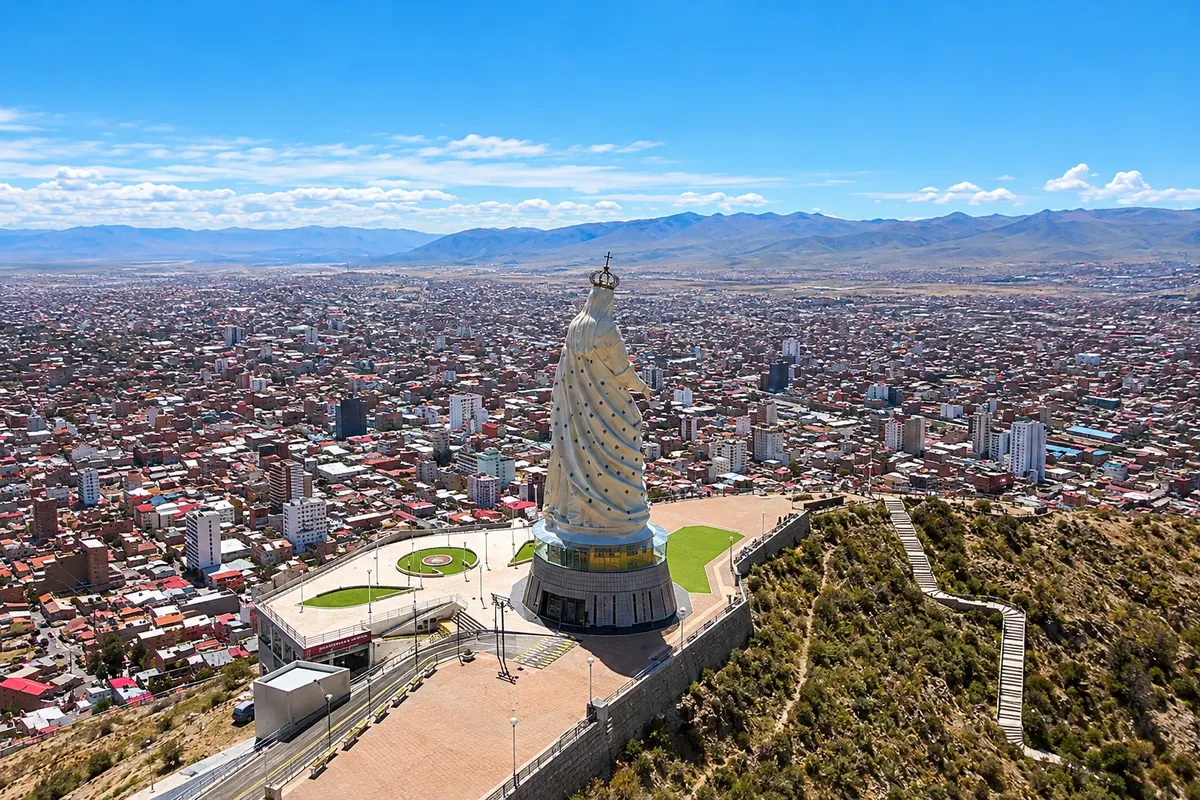
In the photo: Oruro viewed from Cerro Santa Bárbara.

Illustrative images. The pictures in this guide are illustrations based on the real place, not photographs, and may differ from it.

Get it on Google Play Send your photos

Get to know the place

A region to enjoy
at your own pace.

Oruro lies on the Bolivian altiplano at about 3,700 meters elevation, between La Paz and the southern part of the country. It was founded in 1606 as Villa de San Felipe de Austria because of the silver in nearby mountains. Later, tin made Oruro one of Bolivia’s most important mining and railway centers.

The city is known for the Oruro Carnival, proclaimed by UNESCO in 2001 as a Masterpiece of the Oral and Intangible Heritage of Humanity. The festival honors the Virgin of the Socavón, patron saint of miners, with dozens of dance groups—such as the diablada, morenada and caporales—on a roughly 4 km route to the sanctuary.

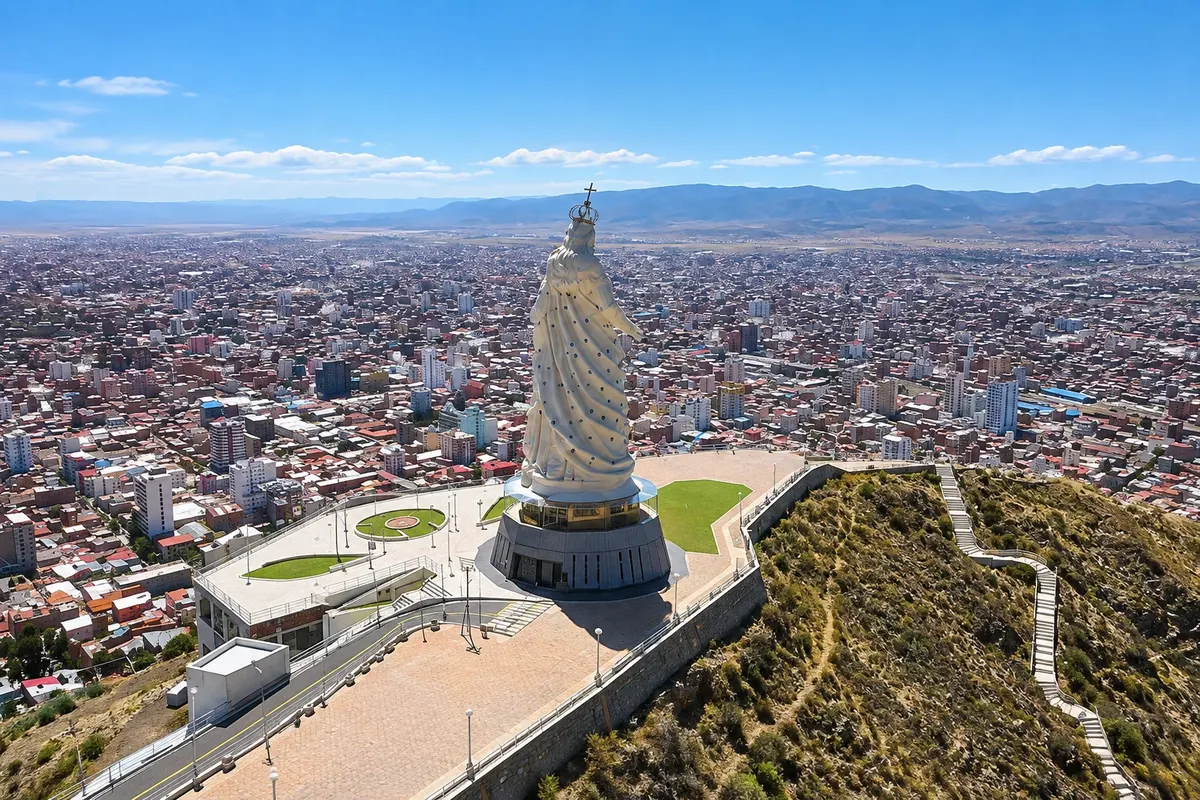
The Sanctuary of the Virgin of the Socavón sits at the foot of Cerro Pie de Gallo, next to the old entrance of a mine that can be visited through the sanctuary museum. A cable car links Plaza del Folklore to the top of Cerro Santa Bárbara, where the Virgin monument—over 45 meters high—stands. In town, the Casa de la Cultura Simón I. Patiño and the Faro de Conchupata tell other parts of the city’s history.

Oruro’s cuisine is typical of the cold altiplano, featuring llama meat, corn and potato. Charquekan is the dish that best represents the city.

This destination brings together 1 city: Oruro.

Share: WhatsApp
Traveler, share your experiences through photos Up to 5 photos of each place you visited.

One destination, many paths

The cities on this trip

Start with one city or combine several in your itinerary.

Where Oruro is
Oruro

Contornos: GeoBolivia, via geoBoundaries (CC BY 4.0). Adaptação do Cidade Turismo.

How to get there: Oruro

✈ Aeropuerto Internacional Juan Mendoza (ORU) · 4 km to Oruro

Juan Mendoza International Airport (ORU) is about 4 km from downtown and has few domestic flights. Most travelers arrive by road: it’s roughly a three‑hour trip from La Paz. Confirm schedules before you travel.

The local experience

Things to do in Oruro

Sanctuary of the Virgin of Socavón
Oruro · Oruro · Sanctuary

Sanctuary of the Virgin of Socavón

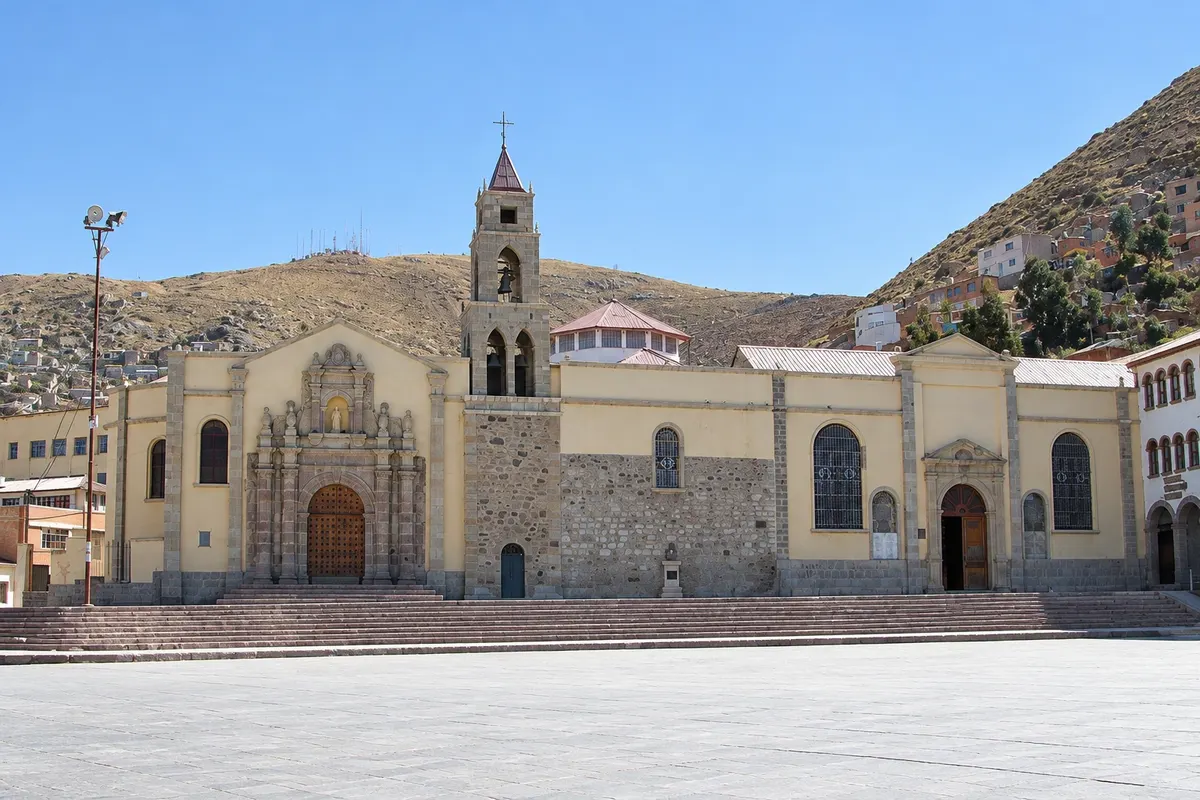
Sanctuary of the miners’ patroness, at the foot of Cerro Pie de Gallo, beside the entrance to an old mine. It is the endpoint of the Oruro Carnival and has a museum that descends to a mine gallery.

Monument to the Virgin of Socavón
Oruro · Oruro · Monument

Monument to the Virgin of Socavón

Statue of the Virgen del Socavón over 45 meters tall, atop Cerro Santa Bárbara, inaugurated in 2013. It is reached by cable car from Plaza del Folklore; inside, stairs lead to viewing platforms.

Faro de Conchupata
Oruro · Oruro · Viewpoint

Faro de Conchupata

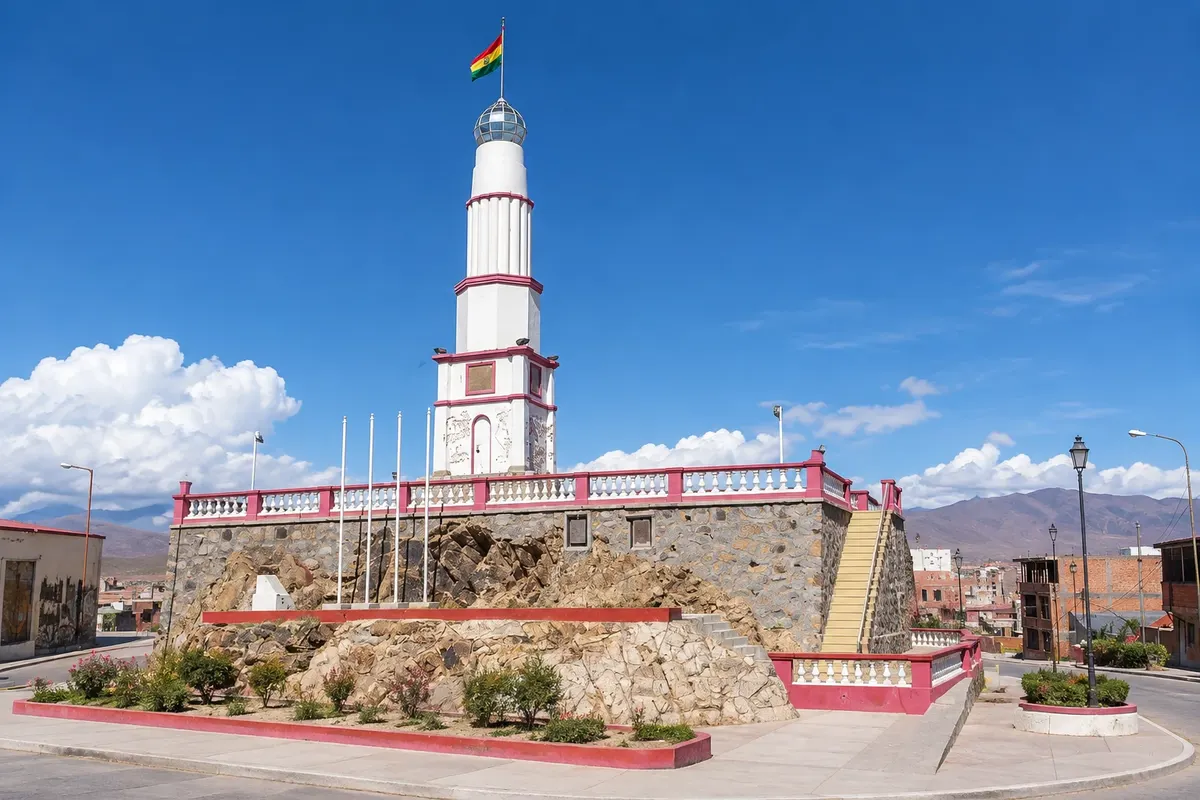
Lookout in central Oruro where, according to tradition, Bolivia’s tricolor flag was hoisted for the first time in 1851. It has a column topped by a glass globe that is lit at night.

Simón I. Patiño House of Culture
Oruro · Oruro · Museum

Simón I. Patiño House of Culture

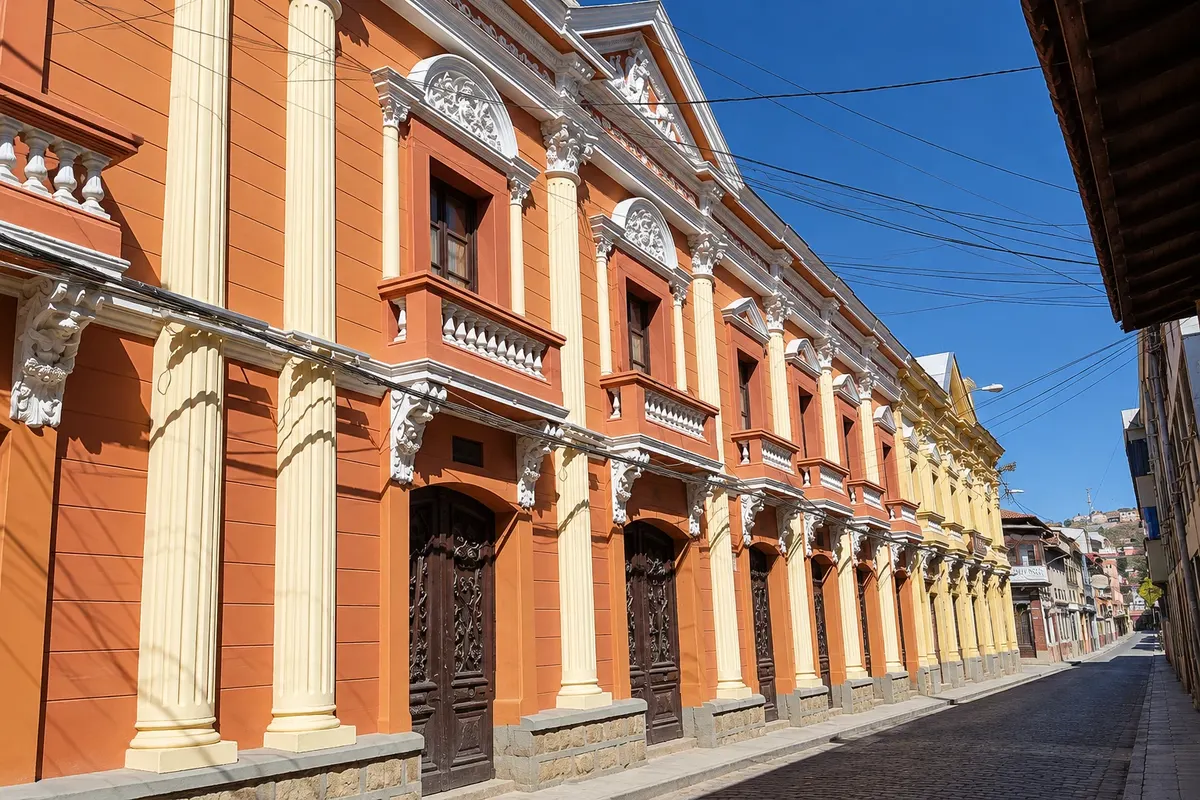
Former house of tin magnate Simón I. Patiño in central Oruro, built between 1900 and 1913 in a French style. It is a museum of the Universidad Técnica de Oruro, with the family’s furniture and objects.

Before you go

Practical information

A little planning leaves more time to enjoy the journey.

When to go

It is cold year‑round. From May to August the sky is usually clear and nights drop well below zero. The rainy season runs from November to March. Carnival takes place in February or March depending on the date of Lent, and the city becomes very crowded.

The seasons shown are the most usual ones; nature doesn't always follow the calendar.

How many days to stay

A full day is enough for the sanctuary, the mine museum, the cable car up to the Virgin monument and the city center. During Carnival, allow at least two or three days for the main parades.

Which city to stay in

The center, around Plaza 10 de Febrero, puts the sanctuary, the Casa de la Cultura and the Faro de Conchupata within walking distance. During Carnival demand for accommodation is very high: book well in advance or consider staying in La Paz or Cochabamba and traveling to Oruro for the parade days.

Respect the place

Take your trash with you, follow the signs and support local businesses. In natural areas, follow the visiting guidelines.

Get your questions answered

Frequently asked questions about Oruro

When is the Oruro Carnival?

On Carnival Saturday and the following days, in February or March depending on the date of Lent. The main parade route is about 4 km to the Sanctuary of the Virgin of the Socavón. Confirm the dates for the year before you travel.

How many days to stay in Oruro?

Outside Carnival, one day is usually enough for the sanctuary, the mine museum, the cable car and the center. During Carnival, allow two or three days for the main parades.

Is Oruro very high? Does it cause altitude sickness?

Yes, the city is at about 3,700 meters. If you arrive from low altitude, take it easy on the first day, drink water and avoid intense exertion. Travelers coming from La Paz are often already acclimatized.

Can you go from La Paz to Oruro and return the same day?

It is possible because the road trip takes about three hours, but you’ll have little time in town. Ideally, spend one night in Oruro.

Is it very cold in Oruro?

Yes. Average daytime highs are near 18 °C and nights from May to July often drop below zero, with wind. Bring a coat, hat and gloves at any time of year.

Explore other destinations Search by state and city