Province
Get to know East Flanders
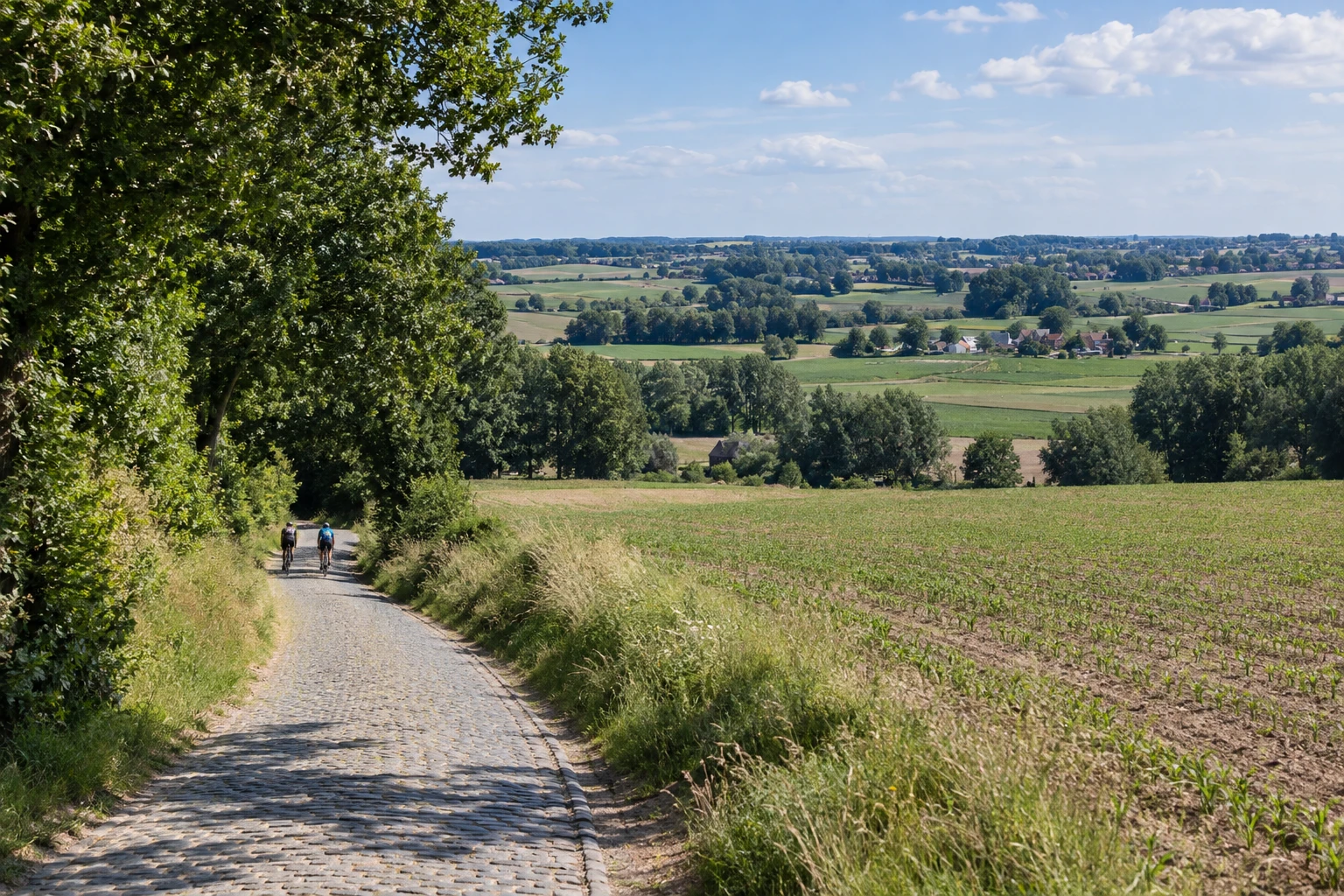
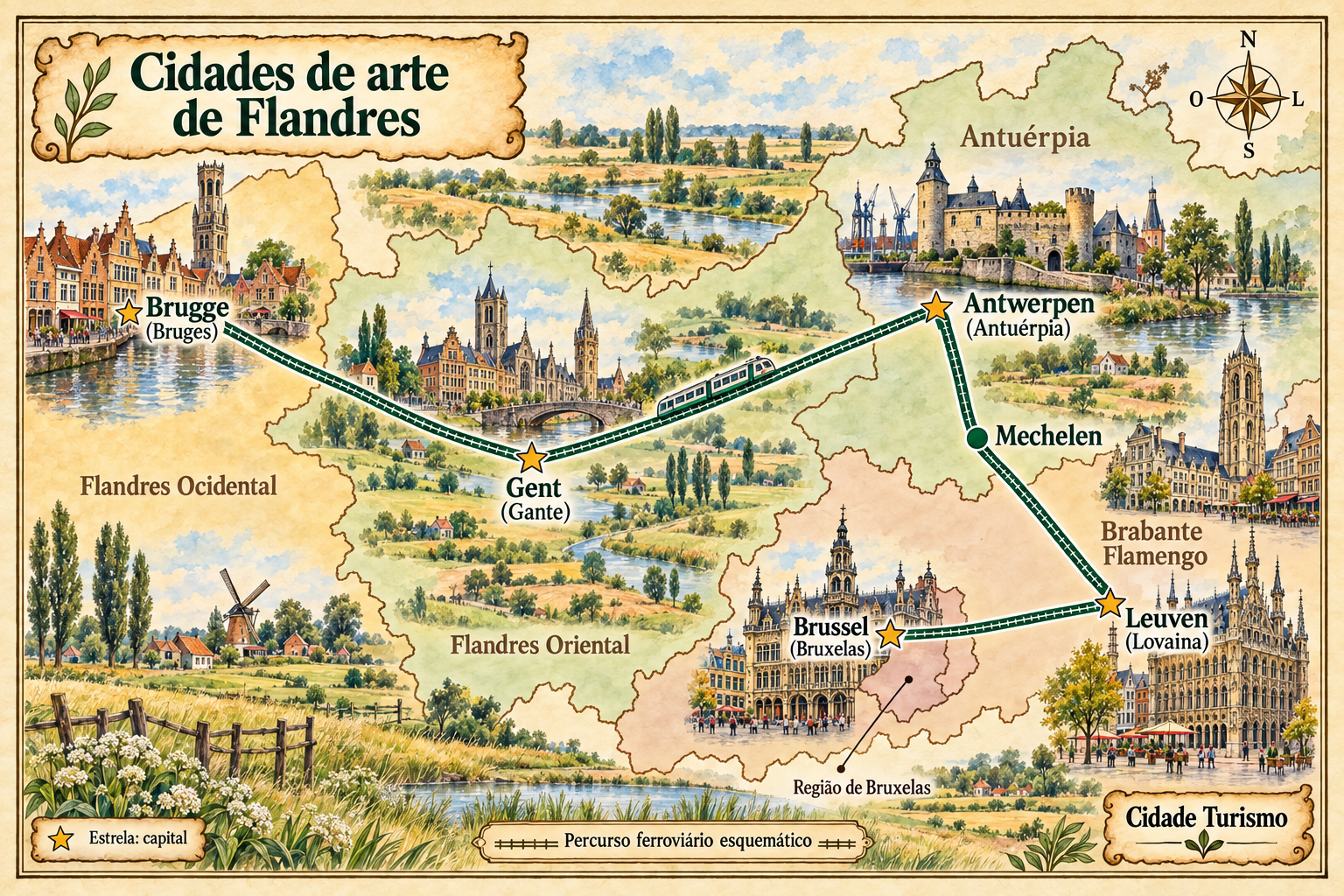
Flandres Oriental lies in the middle of Flandres, between Bruges and Antuérpia, and is crossed by two rivers: the Escalda (Schelde) and the Lys (Leie), which meet in Gante. To the north, the Waasland and the Meetjesland are flat lands of polders and canals, on the border with the Netherlands. To the south, the ground rolls into the Ardenas Flamengas, with woods, pastures and short, steep slopes.
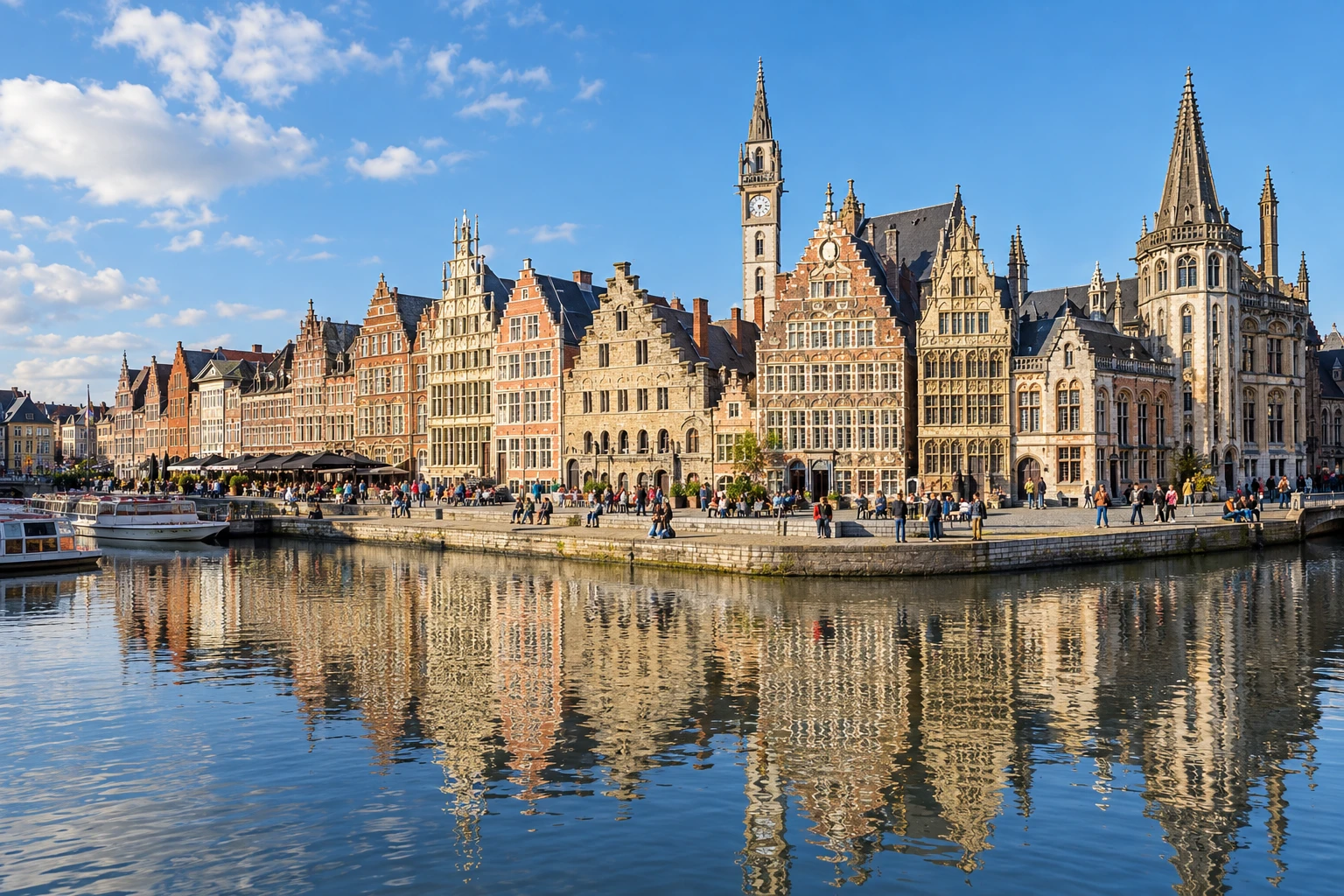
Gante is the capital and was, in the Middle Ages, one of the largest cities in northern Europe, enriched by wool and cloth. From that time remain the Gravensteen, castle of the counts of Flandres, the Belfort and the Catedral de São Bavão, which houses the retable of the Adoração do Cordeiro Místico by the Van Eyck brothers. Today it is a university city, full of bicycles, and the Graslei and Korenlei quays are the meeting point for residents and visitors.
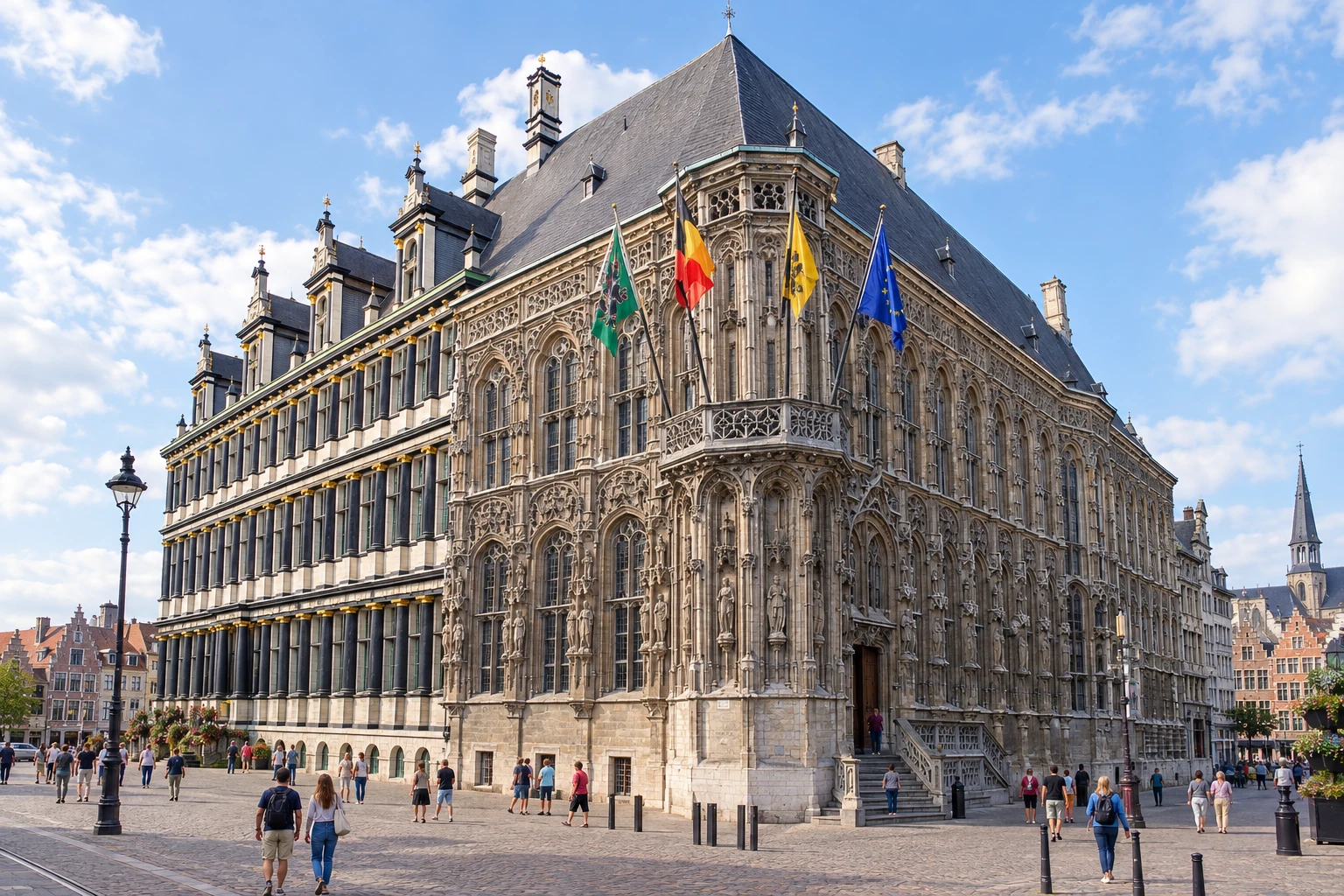
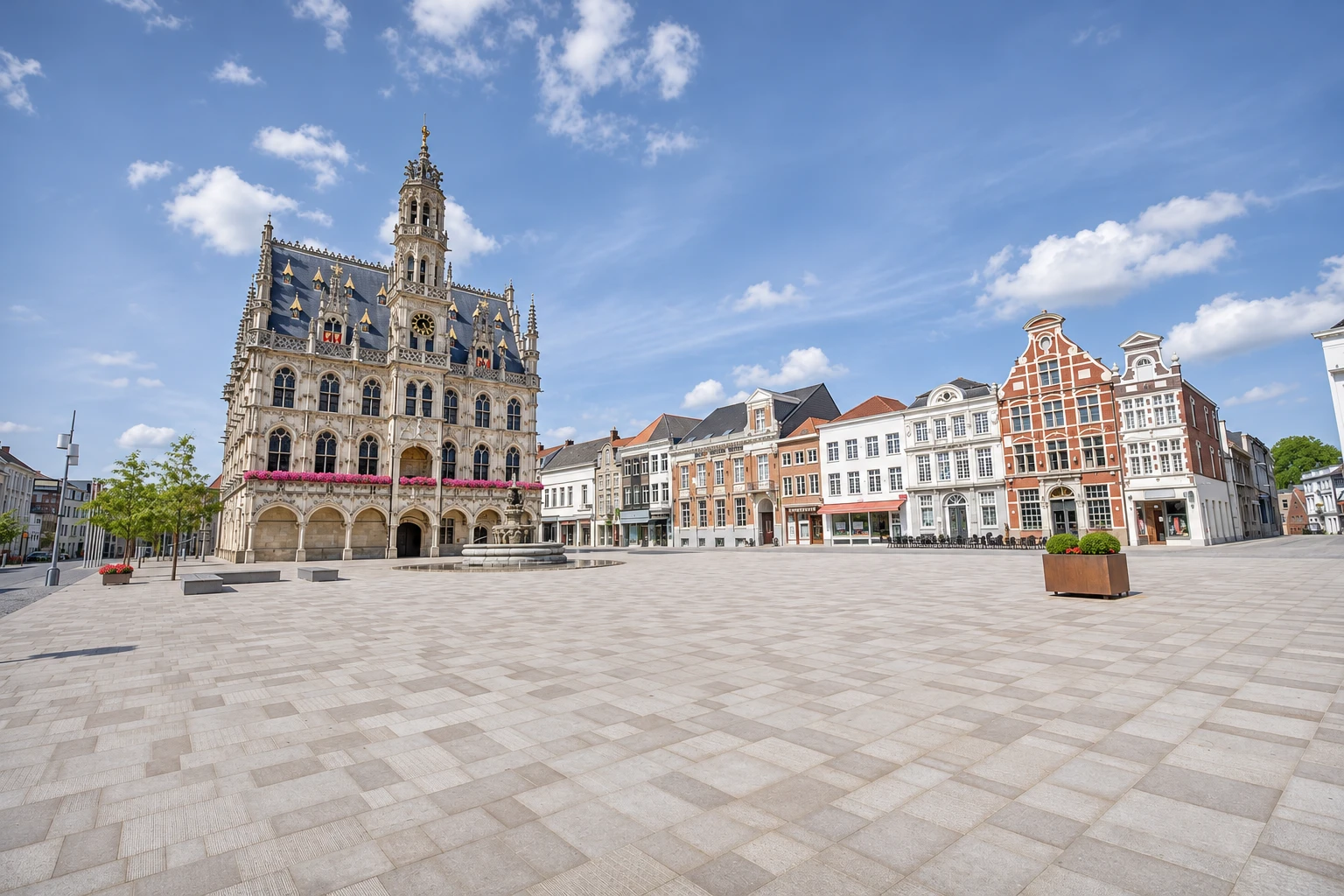
Outside Gante, the province reveals itself slowly. Oudenaarde was a center of tapestry and has a Gothic town hall on the square. Sint-Niklaas has one of the largest market squares in Belgium. On the banks of the Lys, Sint-Martens-Latem gathered painters at the start of the 20th century, and the castle of Laarne, with moat and towers, lies east of the capital. In the Ardenas Flamengas, climbs such as the Oude Kwaremont, the Paterberg and the Muur de Geraardsbergen are famous because of the Volta de Flandres, the country's most beloved cycling race.
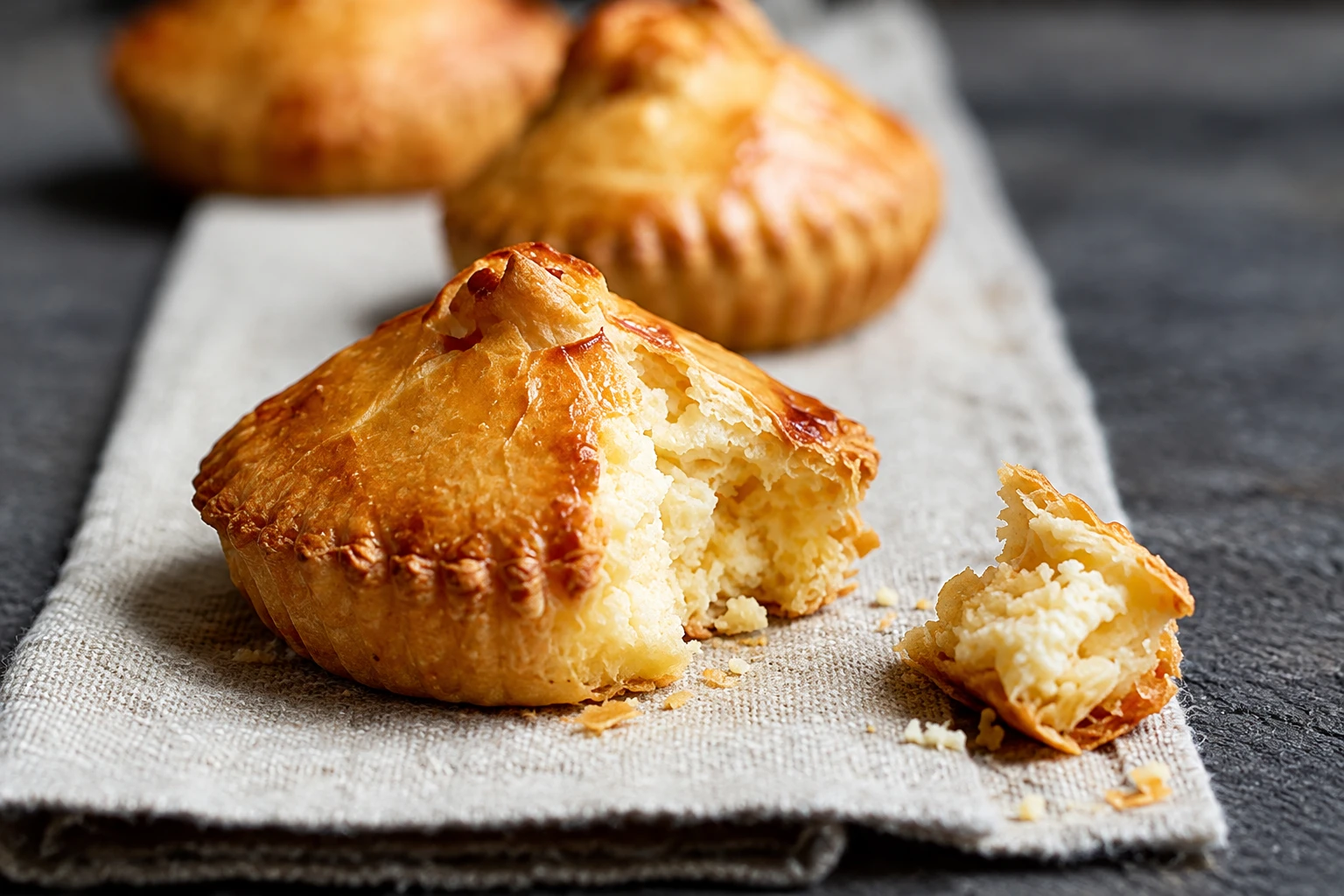
Dutch is spoken, and in Gante many people get by in English. The cuisine has two dishes that carry the name of Gante: waterzooi, a creamy stew of chicken or fish with vegetables, and stoverij in the local style, made with beer and served with bread and mustard. Tierenteyn mustard and cuberdons, purple nose-shaped sweets, are typical souvenirs of the city. Geraardsbergen has its milk tart, the mattentaart.


 Brazil
 Antarctica
 Argentina
 Bolivia
 Chile
 Colombia
 Ecuador
 Falkland Islands (Malvinas)
 French Guiana
 Guyana
 Paraguay
 Peru
 Suriname
 Uruguay
 Venezuela
 Austria
 Croatia
 Denmark
 Finland
 France
 Germany
 Greece
 Hungary
 Iceland
 Ireland
 Italy
 Luxembourg
 Norway
 Poland
 Portugal
 Slovakia
 Slovenia
 Spain
 Sweden
 Switzerland
 the Czech Republic
 the Netherlands
 the United Kingdom
 Turkey
 Bermuda
 Canada
 Greenland
 Mexico
 Saint Pierre and Miquelon
 the United States
 the Dominican Republic
 Japan
 Egypt
 South Africa
 Australia
 Fiji
 New Zealand
 Papua New Guinea