Liège

Province · Wallonia

Liège

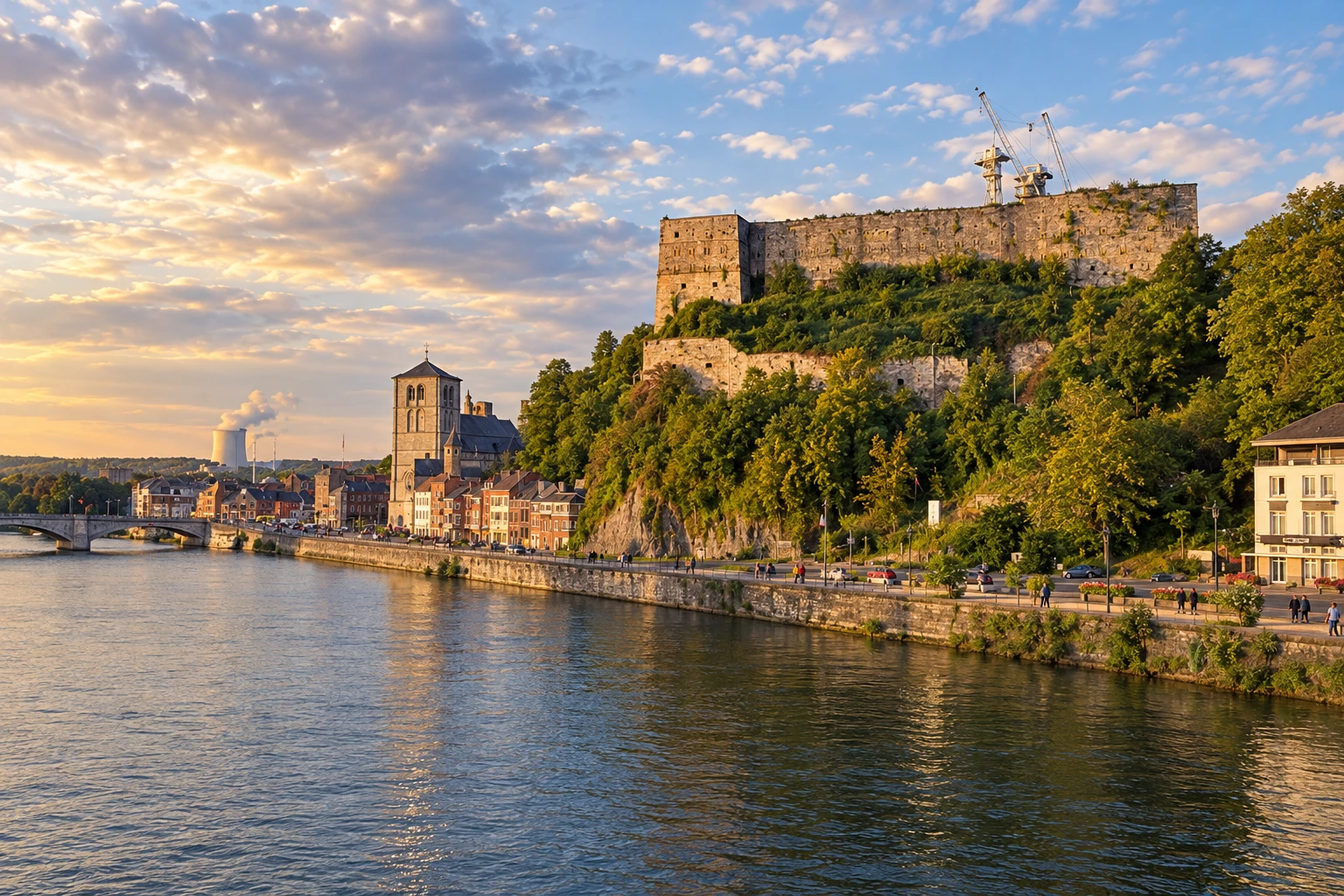
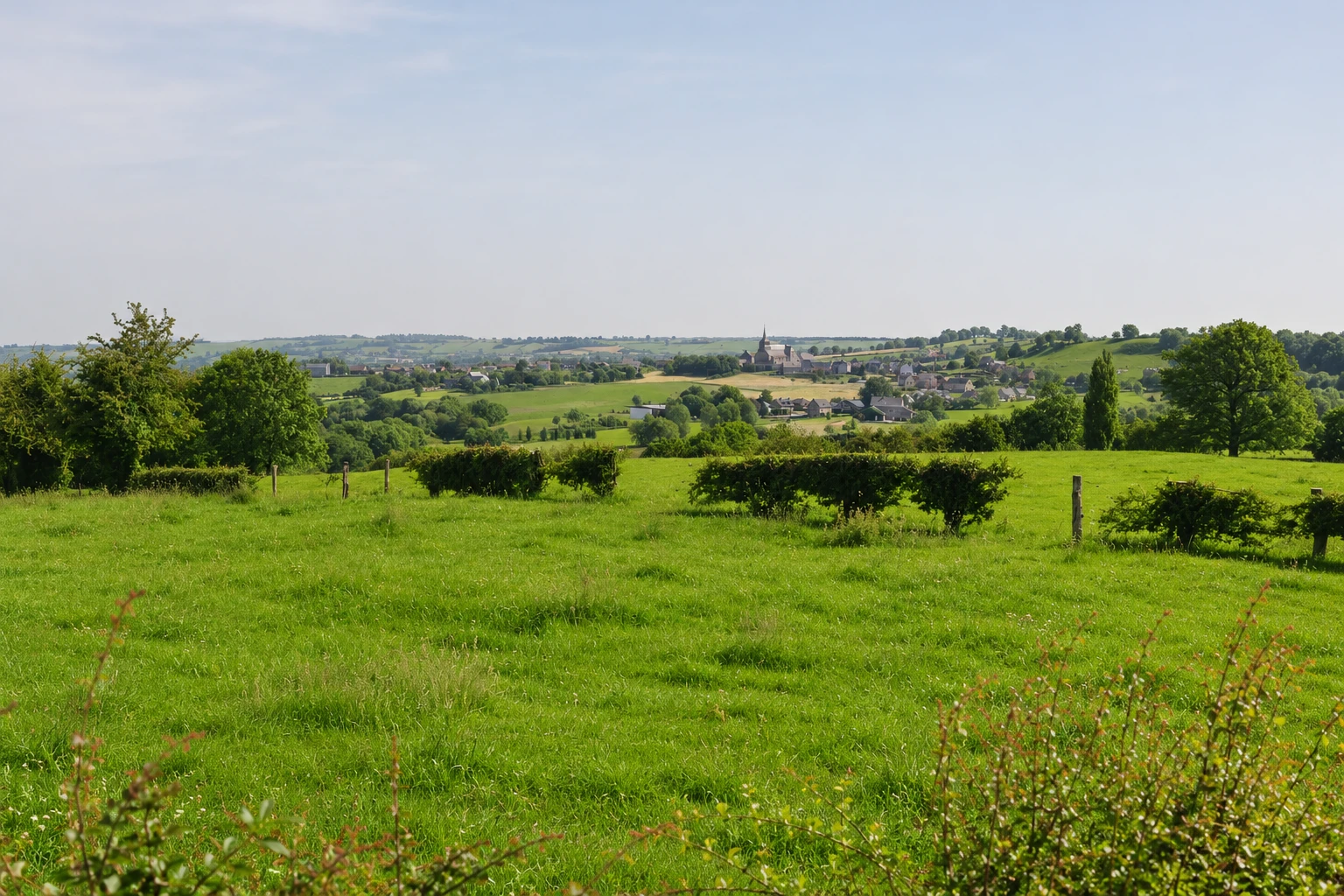
Liège on the banks of the Mosa, the springs of Spa, the valleys of the Ourthe and the Amblève, the peatlands of the Hautes Fagnes and, in the east, the cantons where German is spoken.

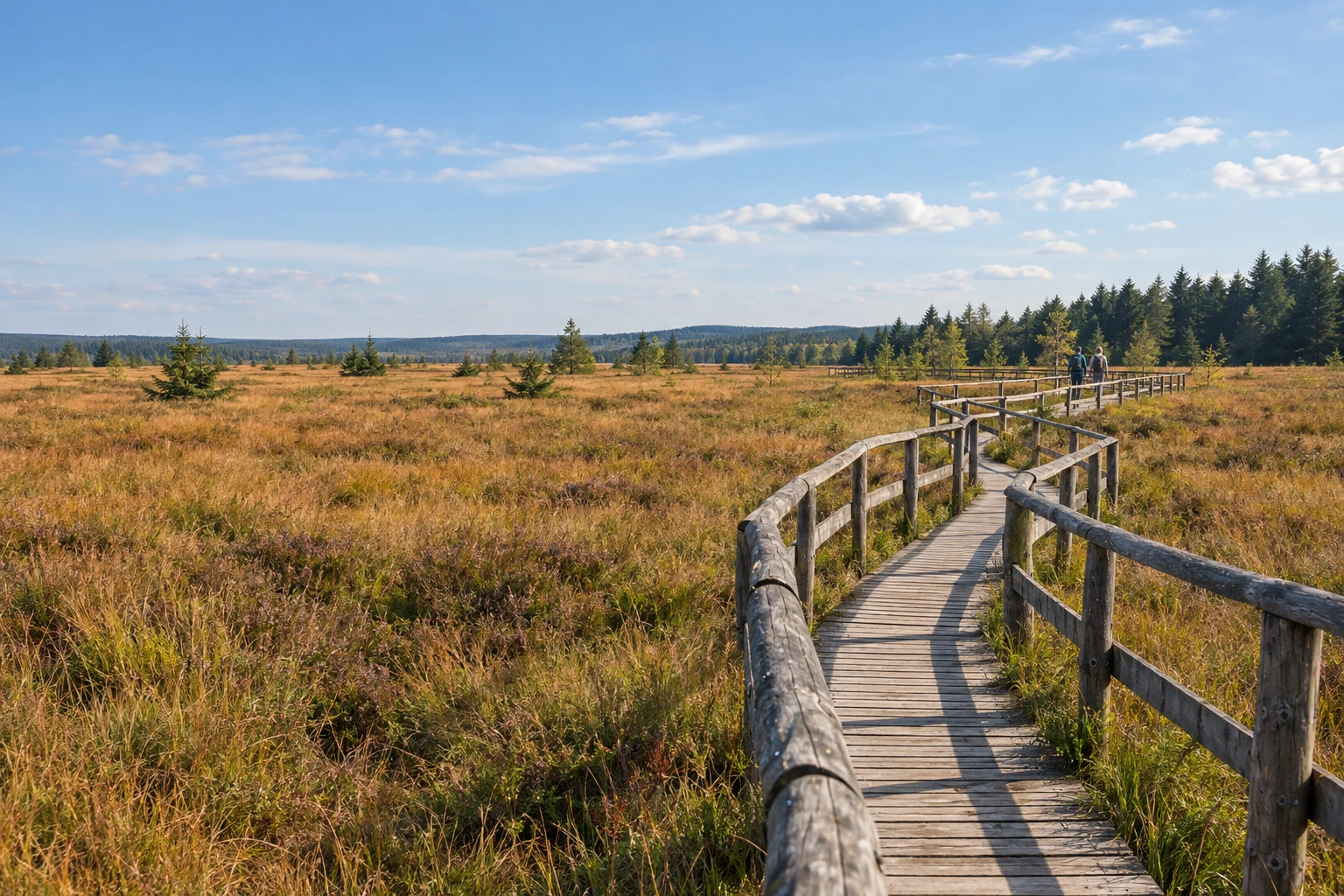
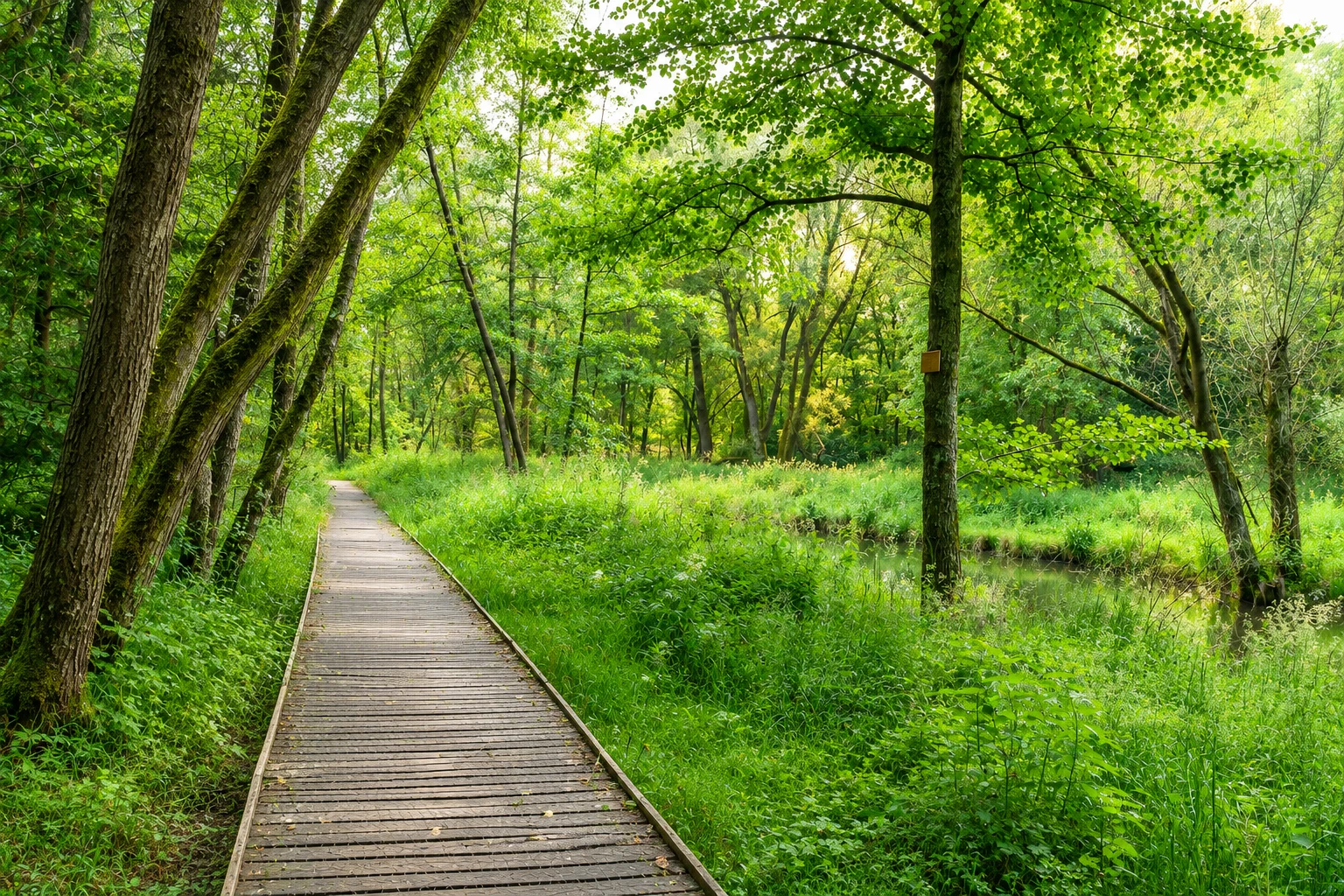
In the photo: Hautes Fagnes

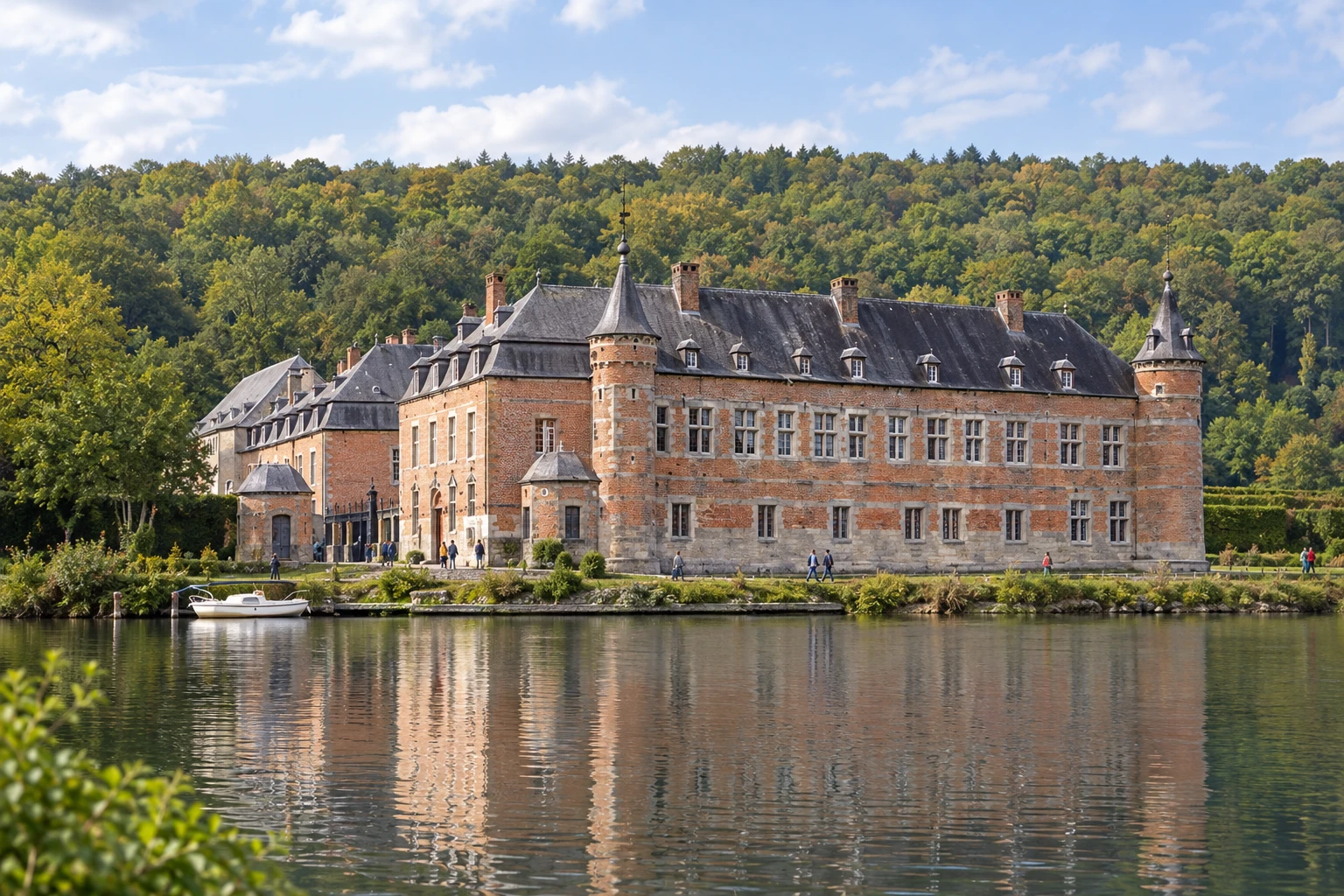
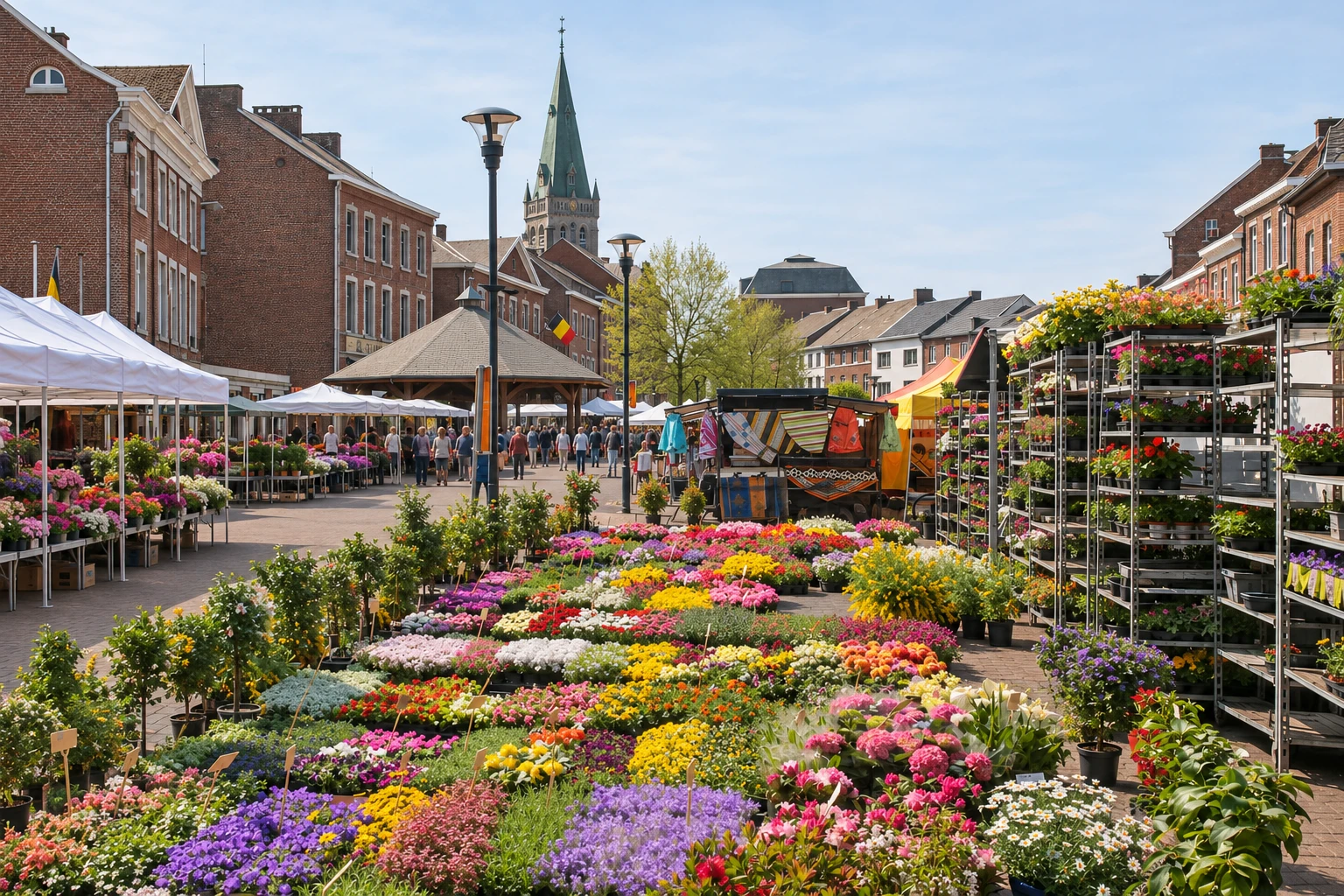
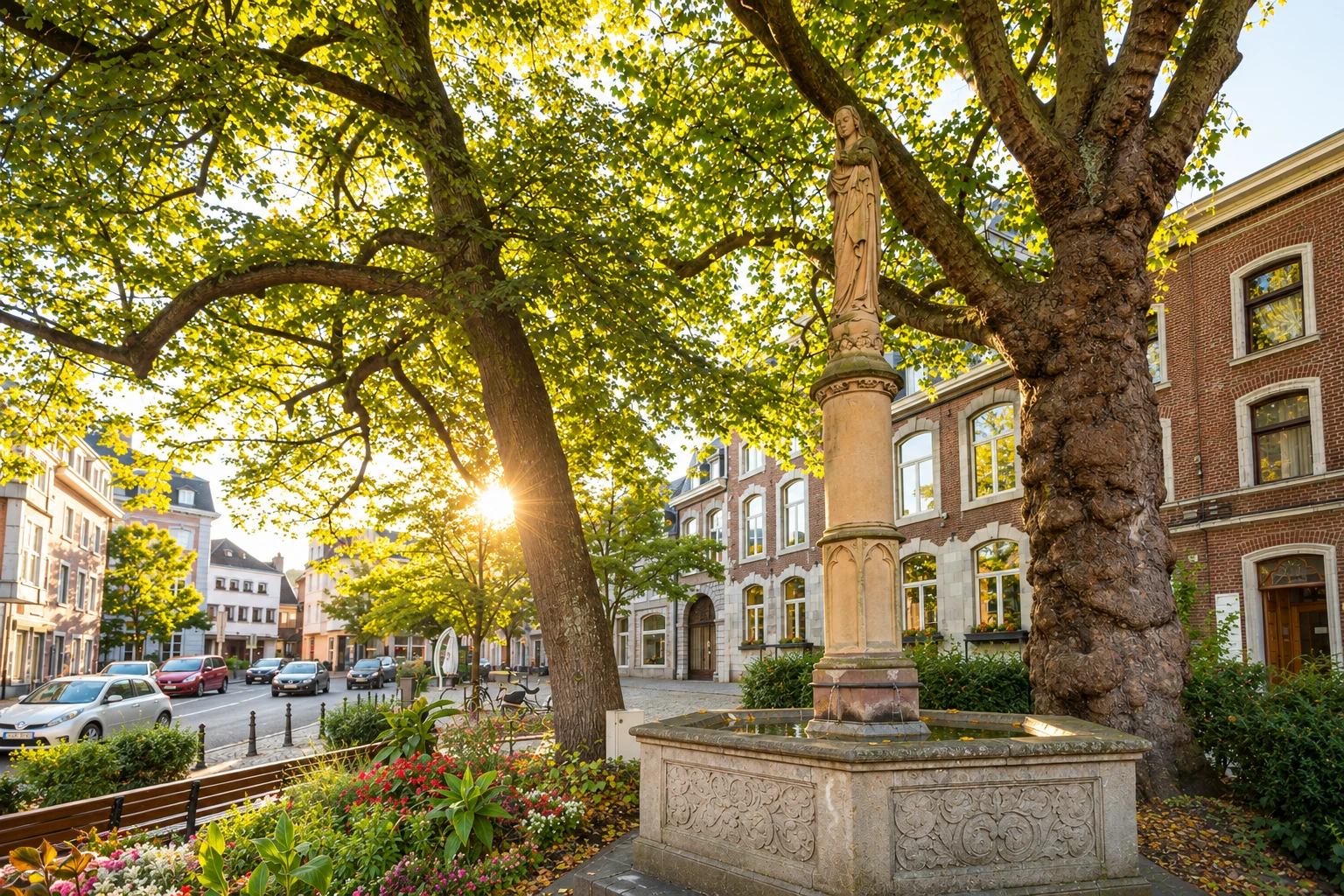
Illustrative images. The pictures in this guide are illustrations based on the real place, not photographs, and may differ from it.

Get it on Google Play

Province

Get to know Liège

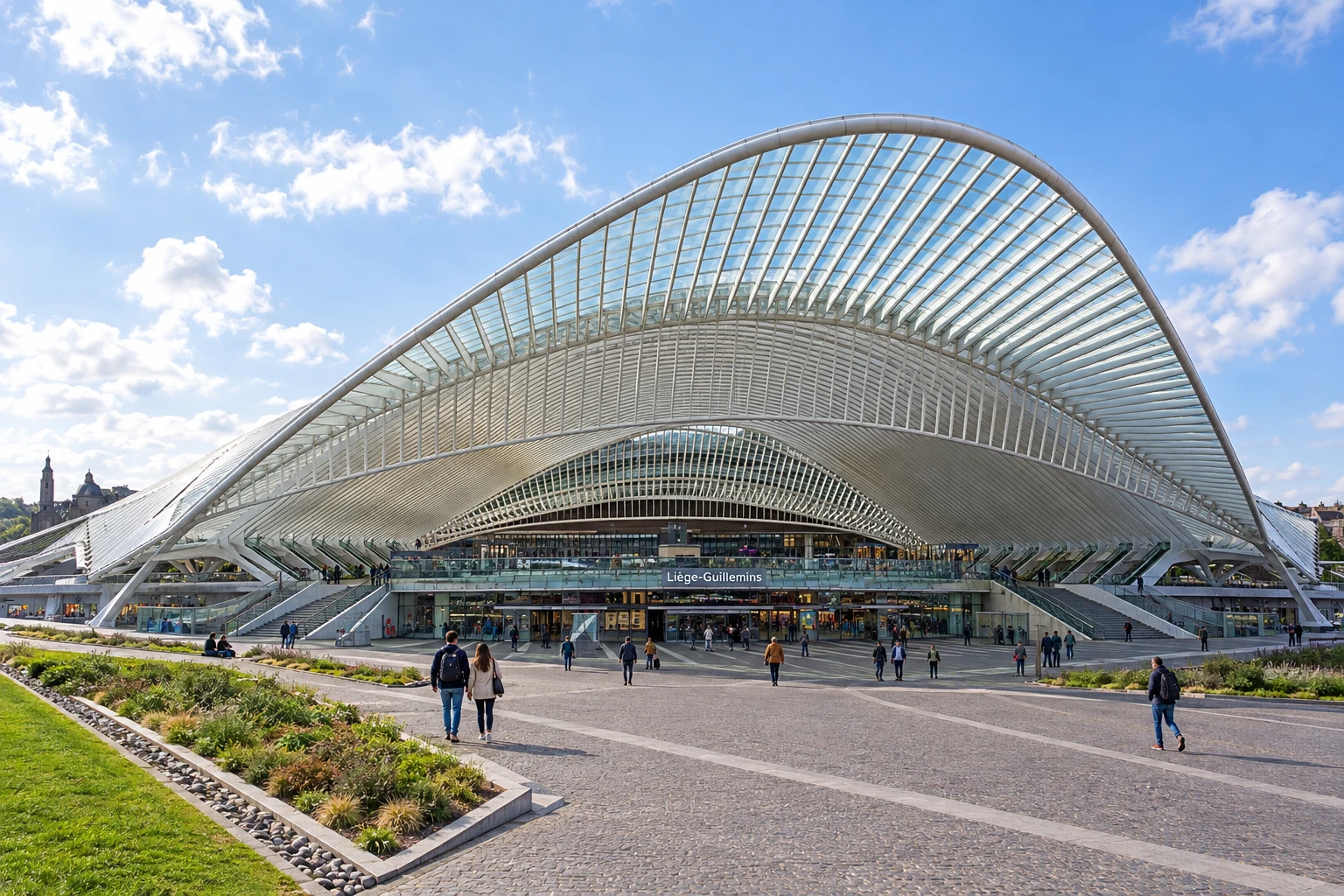
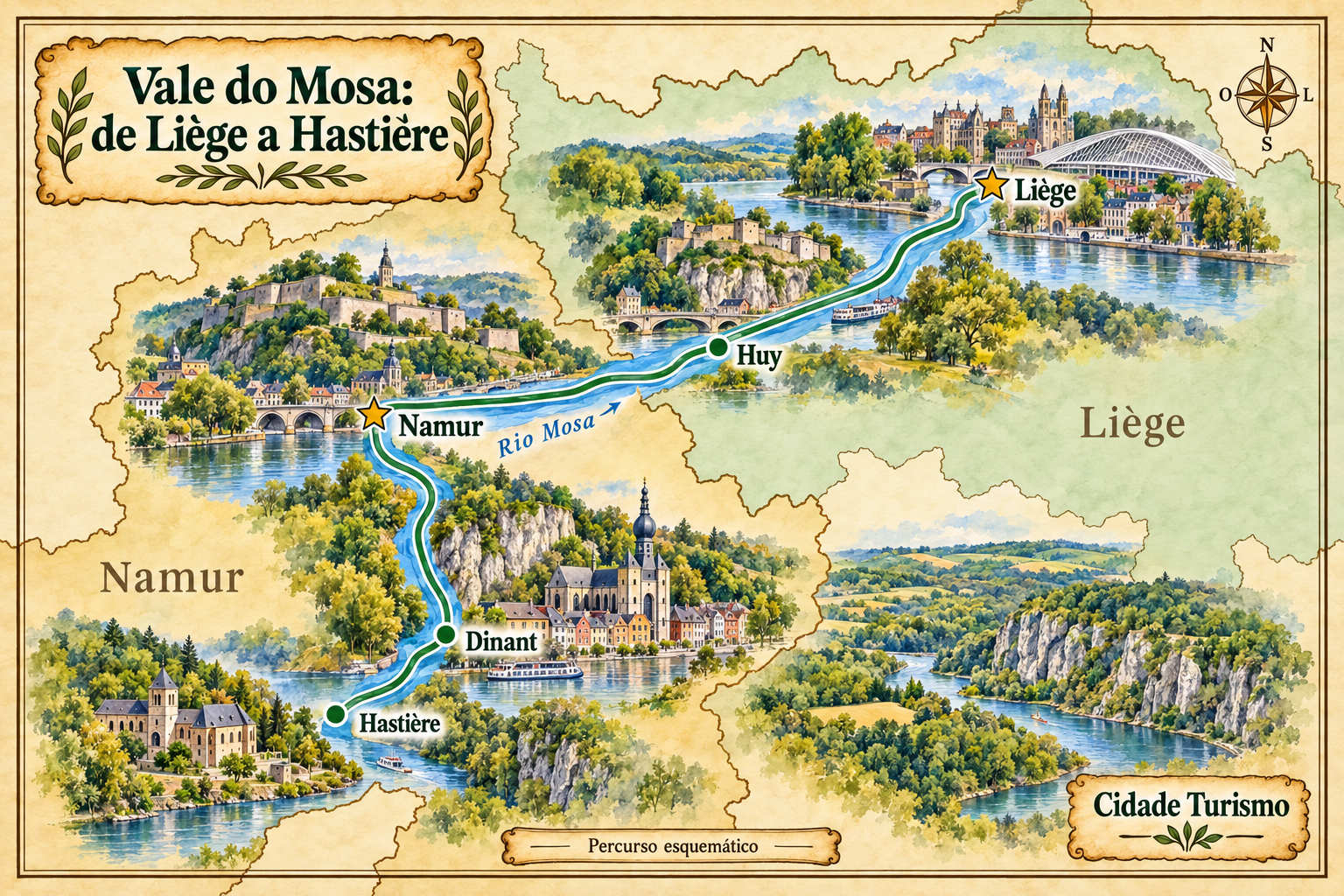
The province of Liège lies at the far east of Belgium and borders the Netherlands, Germany and the Grand Duchy of Luxembourg. The capital, Liège, is a city with a working-class and student tradition, cut by the Mosa. The Montagne de Bueren staircase, with 374 steps, climbs from the centre to the old fortifications, and Liège-Guillemins station, designed by Santiago Calatrava, receives high-speed trains. Upstream, on the way to Namur, Huy guards a fort atop the hill and a Gothic collegiate church by the water.

South of the Mosa the Ardennes begin. The Ourthe, the Amblève and the Vesdre cut valleys through forests, and on the Amblève is the Coo waterfall. Spa is so old as a spa town that the city's name became synonymous with 'spa' in several languages. In the surroundings lies the Spa-Francorchamps circuit, where the Belgian Formula 1 Grand Prix is held.

Further east, the Hautes Fagnes form a plateau of peat bogs and heaths, crossed by wooden boardwalks. There is the Signal de Botrange, at 694 metres, the highest point in the country. Near the German border is the German-speaking Community: in nine municipalities, including Eupen and Sankt Vith, the official language is German. In the rest of the province French is spoken.

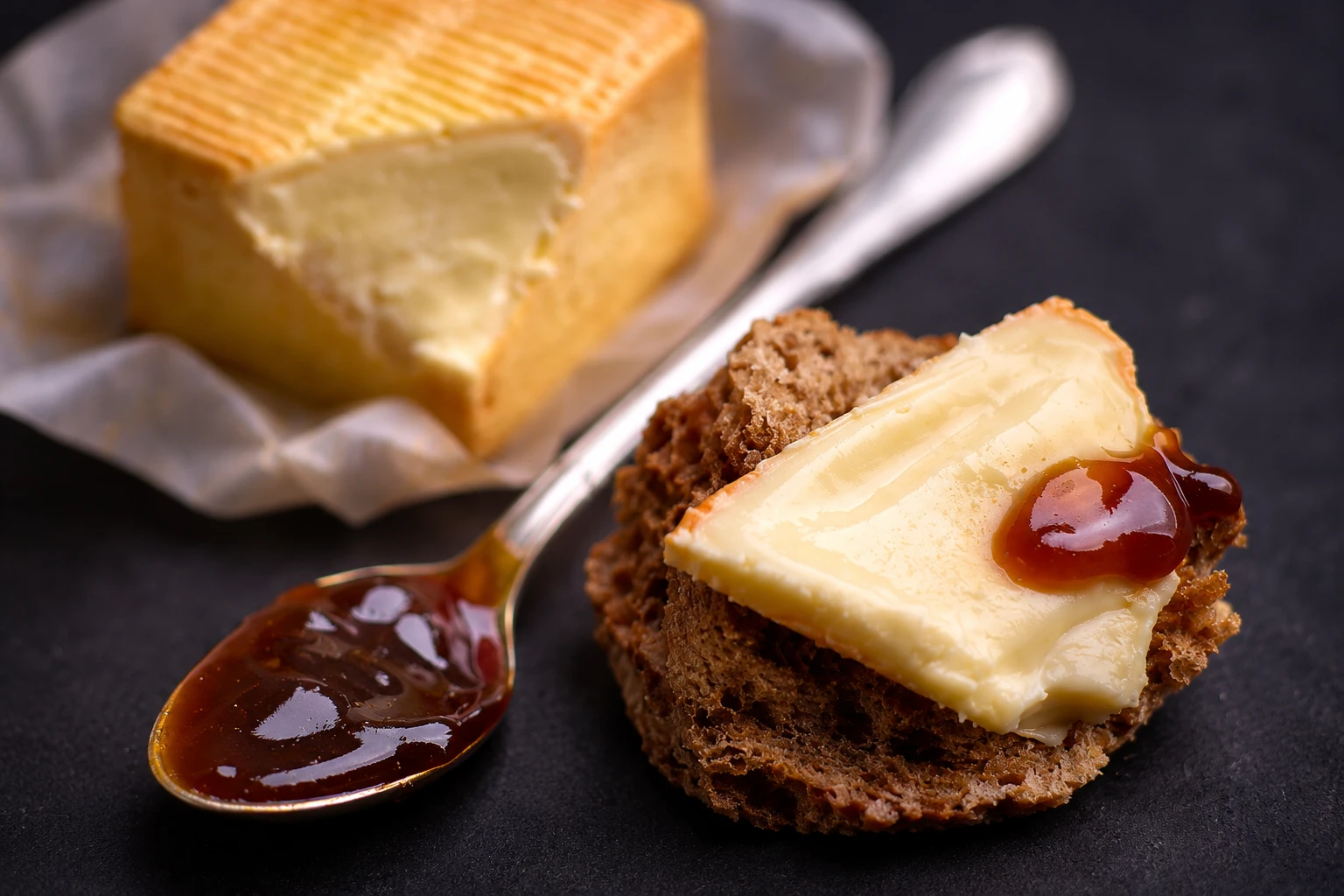
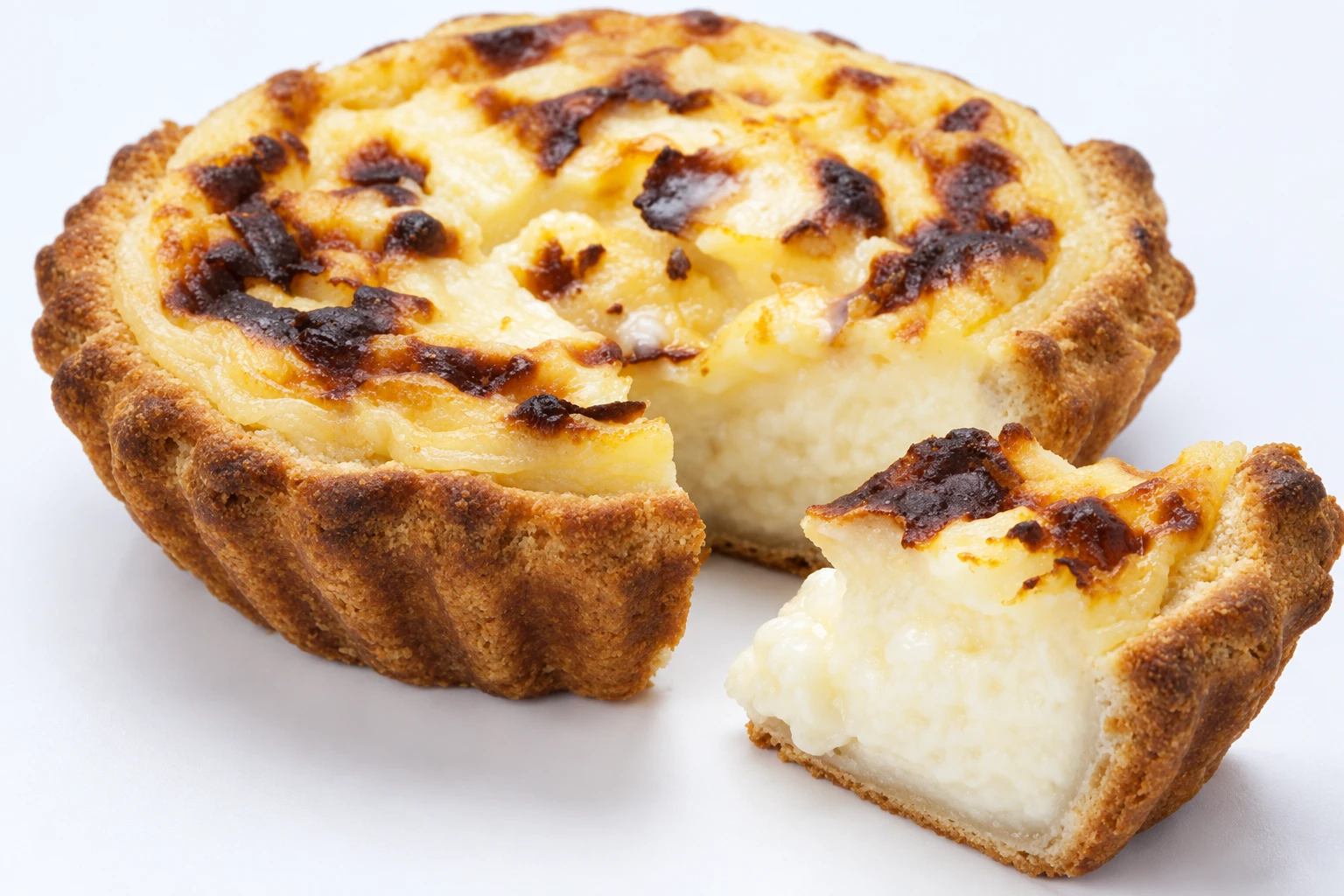
The cuisine has its own name. Boulets à la liégeoise are meatballs served with sirop de Liège sauce, a dark pear-and-apple paste. The gaufre de Liège contains pearl sugar that caramelises on the griddle, and the salade liégeoise combines green beans, potato and bacon. Herve cheese comes from the plateau between Liège and Aachen. On the calendar, August 15 takes over the Outremeuse neighbourhood in Liège, with a procession, Tchantchès puppets and pékèt, the juniper spirit. In Stavelot, the Laetare brings the Blancs Moussis, white-clad figures with long noses.


Flavors of Belgium

To try Liège

Discover other flavors of Belgium

Destinations

2 destinations in Liège

Cities

10 cities in Liège in the guide

Liège
Liège Capital

Liège

Liège is the capital of the province of the same name and the largest city in Wallonia, on the banks of the Mosa River. French is spoken, with traces of Walloon in festivals and dish names. The center has the Palais des Princes-Évêques, the Cathédrale Saint-Paul with its treasure, the Musée de la Vie wallonne and the Montagne de Bueren staircase. On Sundays there is the La Batte market. On the other side of the river are Outremeuse and La Boverie, and arrival is via Gare de Liège-Guillemins, by Calatrava.

Spa
Liège

Spa

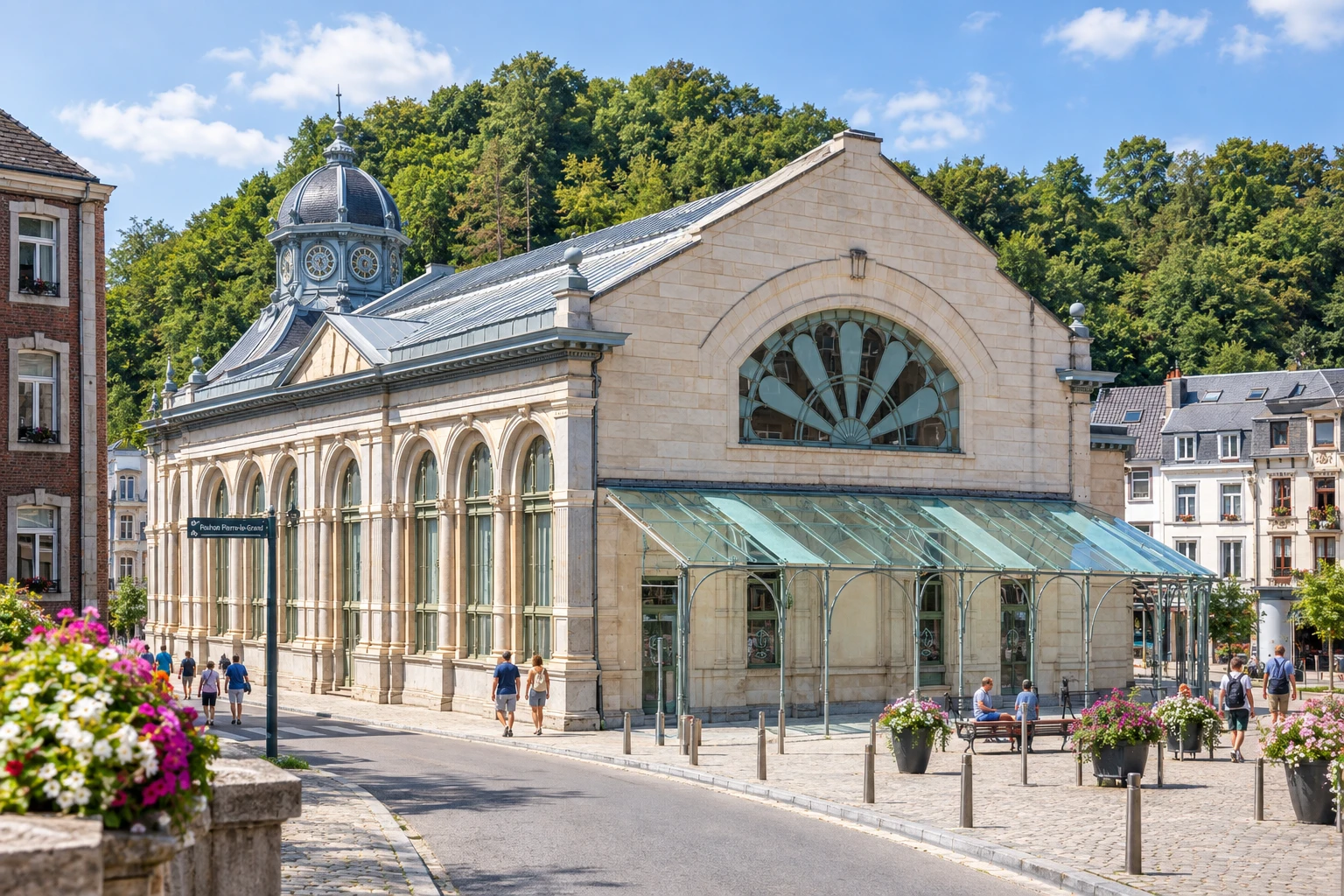
Spa is a small town of about 10,000 inhabitants in the hills of the Ardennes, in the province of Liège, where French is spoken. Its naturally sparkling, iron-rich springs attracted nobles and kings and gave their name to spa resorts around the world. It is part of the UNESCO World Heritage listing of the Great Spa Towns of Europe. Visitors taste the water at the Pouhon Pierre-le-Grand, stroll through the Parc de Sept Heures, visit the Musée de la Ville d'eaux, go up to the Thermes de Spa and walk to the Lac de Warfaaz. Nearby is the Circuit de Spa-Francorchamps.

Routes

Rotas que passam Liège

When to go

July and August have long days and the August 15 festivities in Outremeuse. May, June and September are usually good for walking in the valleys and the Hautes Fagnes, with fewer people. In October the forests change colour. From December to February it is cold, it gets dark in the late afternoon and the Hautes Fagnes often get snow, with cross-country skiing in Botrange when it settles. In Liège, the Christmas market usually occupies the centre from late November to late December. The Laetare of Stavelot falls on the fourth Sunday of Lent, generally in March.

How to get there

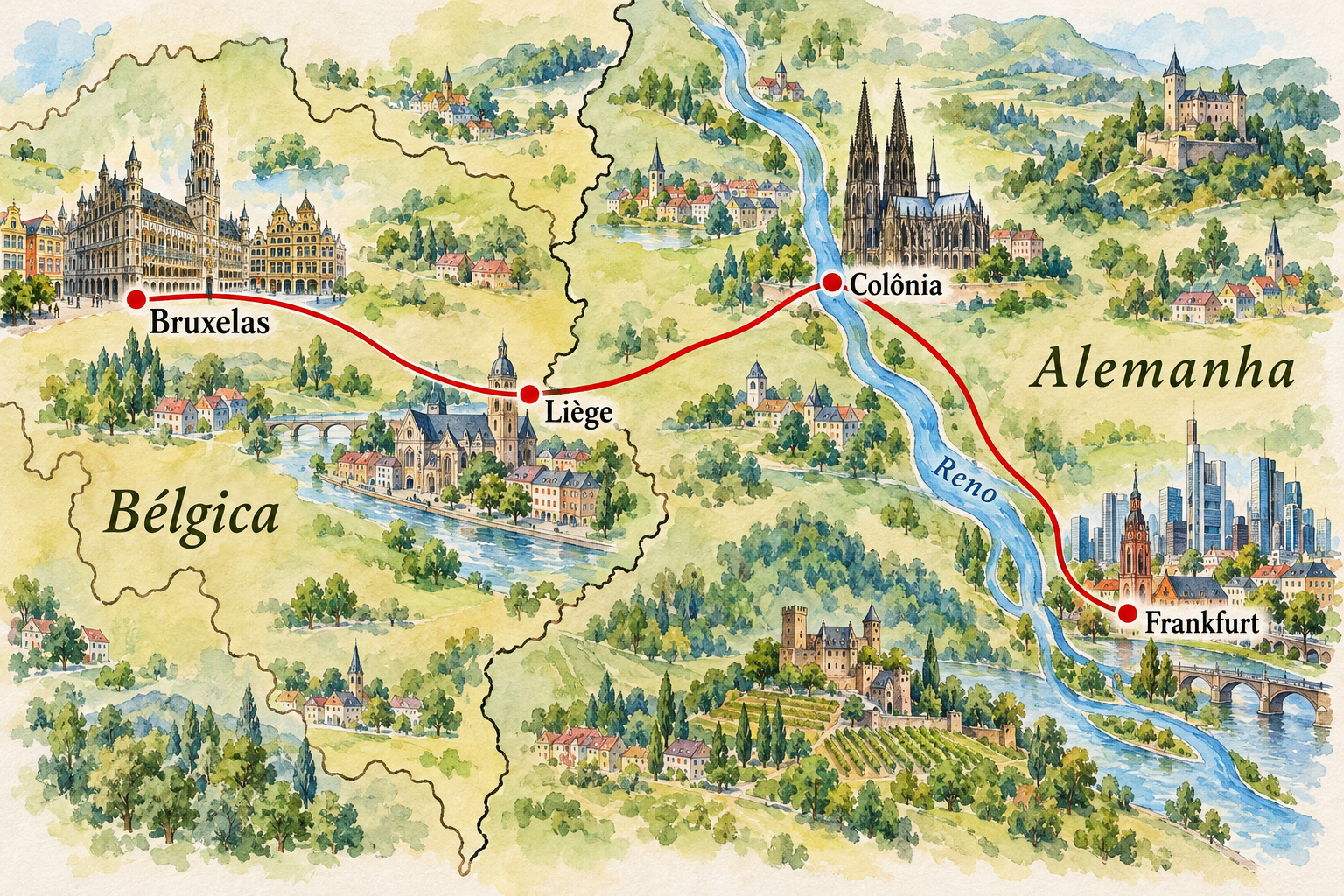
The most practical arrival is via Brussels Airport, in Zaventem. Flights to Brazil usually include a connection in another city. Confirm before buying. From the airport and from Brussels stations, SNCB trains reach Liège-Guillemins, which also has high-speed services from Eurostar and the German ICE, which continues to Aachen, Colônia and Frankfurt. From Liège regional trains depart for Huy, for Verviers and Eupen, and for Spa, via a branch from Pepinster. By car, the E40 links Brussels to Liège and continues to Germany, the E25 descends to the Ardennes and Luxembourg, and the E42 runs from Namur to Liège and on eastward toward Malmedy and Sankt Vith.

Beyond the guide

Your questions

Frequently asked questions about Liège

Do I need to speak German anywhere in the province?

Only in the east. In the German-speaking Community, which includes Eupen and Sankt Vith, signs, menus and customer service are in German, and many people also speak French. In Liège, Huy, Spa and the rest of the province the language is French. Malmedy and Waimes are francophone but provide public services in German.

What should I order to try Liège's cuisine?

Order boulets à la liégeoise with fries, which is the most typical dish in the city's brasseries. For dessert or as street food, try the gaufre de Liège, denser and sweeter than the Brussels waffle. It's also worth looking for sirop de Liège to take home and Herve cheese, strongly scented, often eaten with bread and the syrup itself.

How to visit the Hautes Fagnes?

The most common starting point is the Botrange area, between Eupen and Malmedy, where there is a visitor centre and waymarked trails. Much of the route follows wooden boardwalks over the peat bog. The weather there tends to be colder, wetter and windier than in Liège, so bring warm clothing and waterproof footwear. Some parts of the reserve close at certain times to protect wildlife; follow the signage.

Can you go from Liège to Spa by train?

Yes. The train departs Liège, changes or passes through Pepinster and climbs the branch to Spa, which has two stops, the central station and Spa-Géronstère. The centre, the thermal baths and the Parc des Sept Heures are within walking distance of the station. For the Spa-Francorchamps circuit and the Hautes Fagnes, a car is more convenient.

Is it worth climbing the Montagne de Bueren?

For those who can manage 374 steps, yes. The staircase starts from rue Hors-Château, in the historic centre, and ends atop the old fortifications of the citadel, from where you can see the Mosa and the roofs of Liège. There are alleys and gardens on both sides along the way. Go with sturdy footwear; on rainy days the steps become slippery.

What are the August 15 festivities like in Outremeuse?

Outremeuse is Liège's neighbourhood on the other side of the Mosa. In the days around August 15, the streets host a religious procession, concerts, food stalls and lots of pékèt, the local spirit. Tchantchès, the puppet that symbolizes the Liège resident, is everywhere. The neighbourhood fills up: book accommodation in advance and preferably go on foot.

Brussels Antwerp Limburg East Flanders West Flanders Flemish Brabant Walloon Brabant Hainaut Liège Luxembourg Namur Brussels Brussels
Tap a province to see its destinations. Outlines: © NGI-IGN, AdminVector, CC BY 4.0. Adapted by Cidade Turismo.