Limburgse vlaai
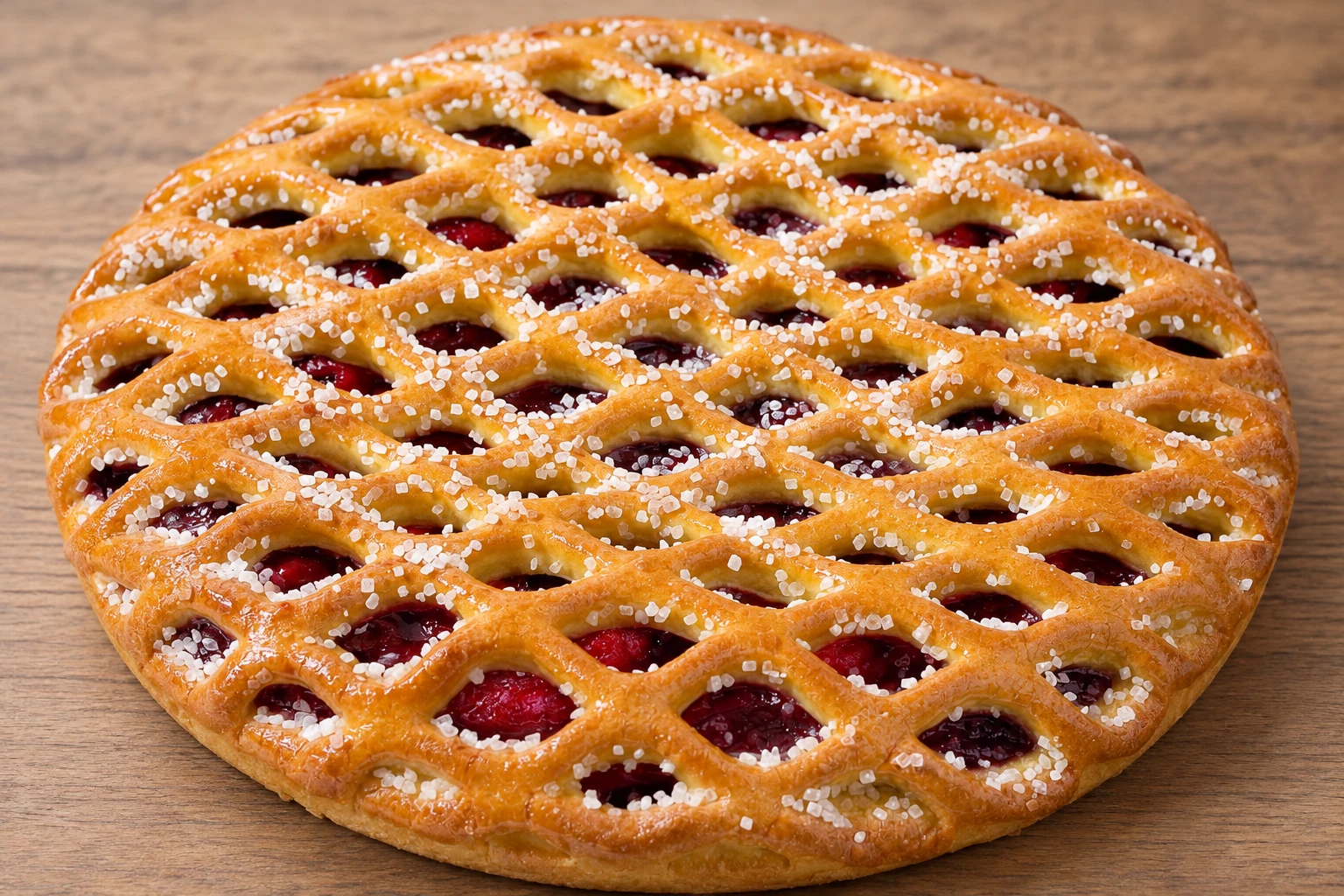
Round tart of thin fermented pastry dough with a generous filling of fruit, rice pudding or cream. It is made in Belgian Limburg and Dutch Limburg, and the name is protected by a European geographical indication.
Antarctica
Province · Flanders
The easternmost province of Flandres: Hasselt's jenever, Roman Tongeren, the coal mines of Genk, the heathlands of Hoge Kempen and the orchards of Haspengouw, on the border with Holanda.
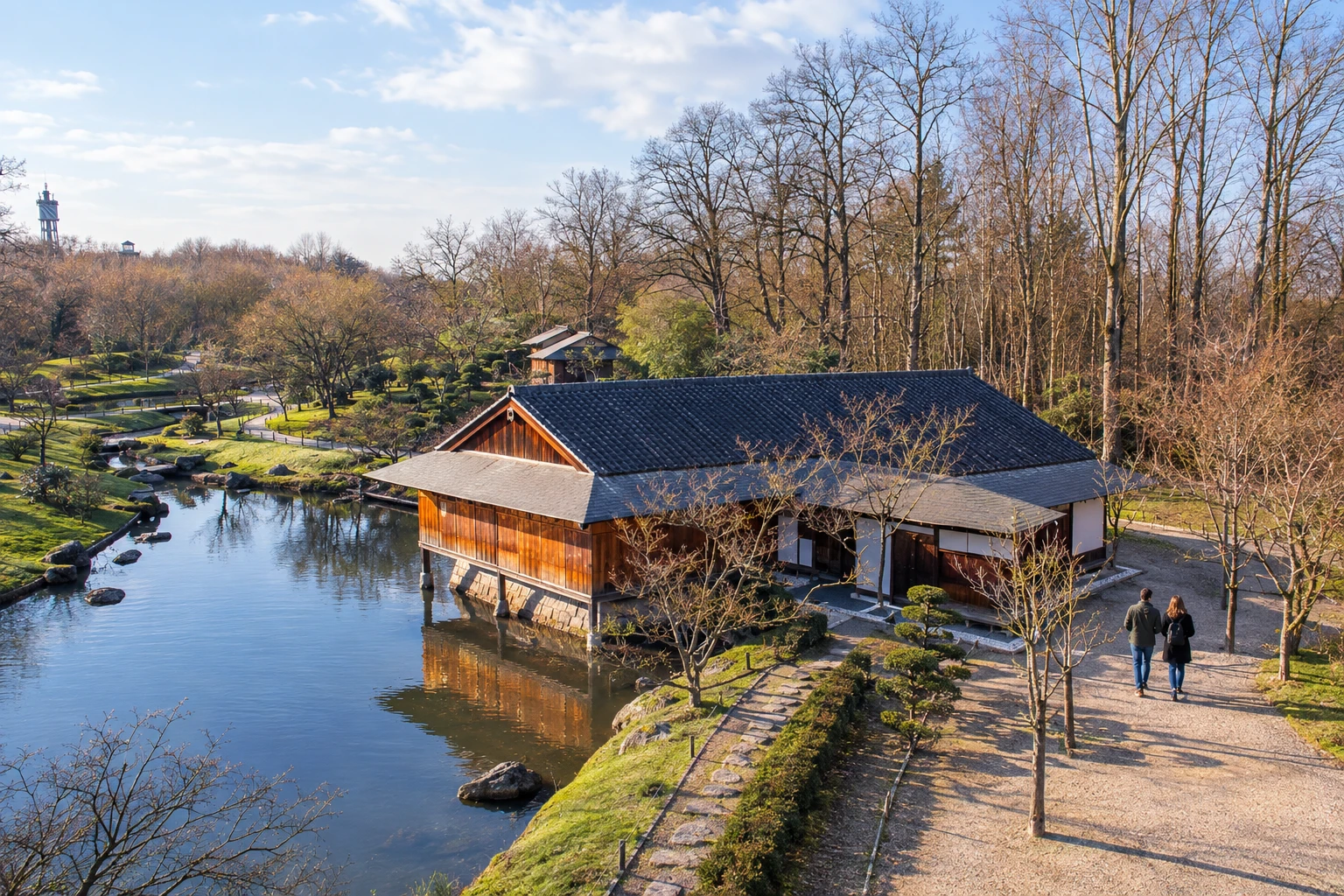
In the photo: Japanse Tuin, Hasselt
Illustrative images. The pictures in this guide are illustrations based on the real place, not photographs, and may differ from it.
Province
Limburgo is the easternmost province of Flandres, the half of Belgium that speaks Dutch, the form of Dutch spoken in the country. It borders Dutch Limburg, on the other side of the river Mosa, and the Walloon province of Liège to the south. The capital is Hasselt, a city of shopping, museums and jenever, the grain spirit that preceded gin.
The province is divided into three landscapes. In the north lies the Campine, with sandy soil, heathland and pines, where the Nationaal Park Hoge Kempen is located, the first national park of Flandres. In the south, Haspengouw has fertile land, apple, pear and cherry orchards and towns such as Sint-Truiden and Tongeren. In the east, Maasland follows the Mosa, with villages like Maaseik.
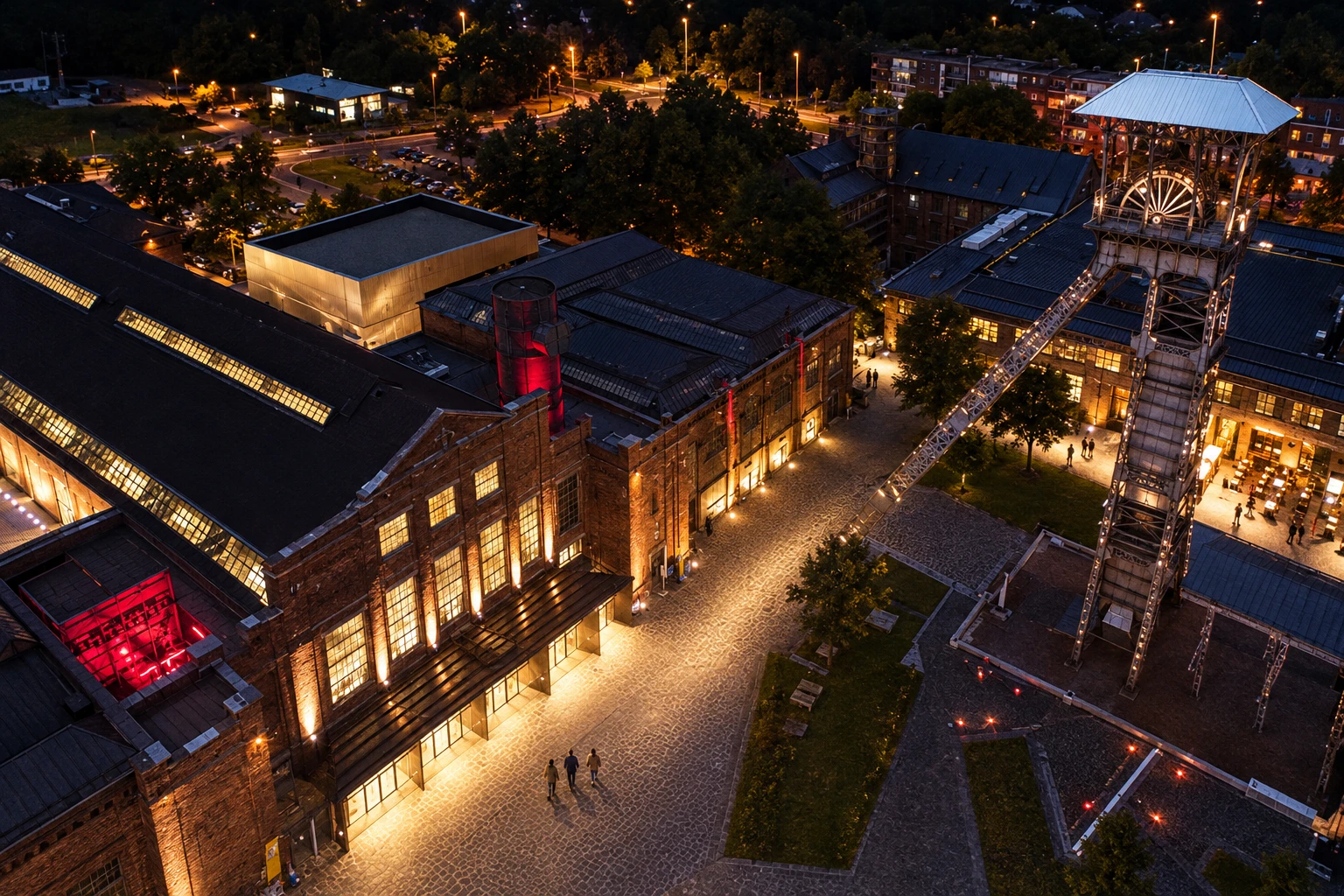
Tongeren is the oldest city in Belgium, founded by the Romans as Atuatuca Tungrorum. In the 20th century, coal changed the Campine: mines such as those in Genk, Beringen and Zolder attracted workers from several countries and operated until 1992. The former Winterslag mine in Genk and the Beringen mine have become centers of culture and leisure.
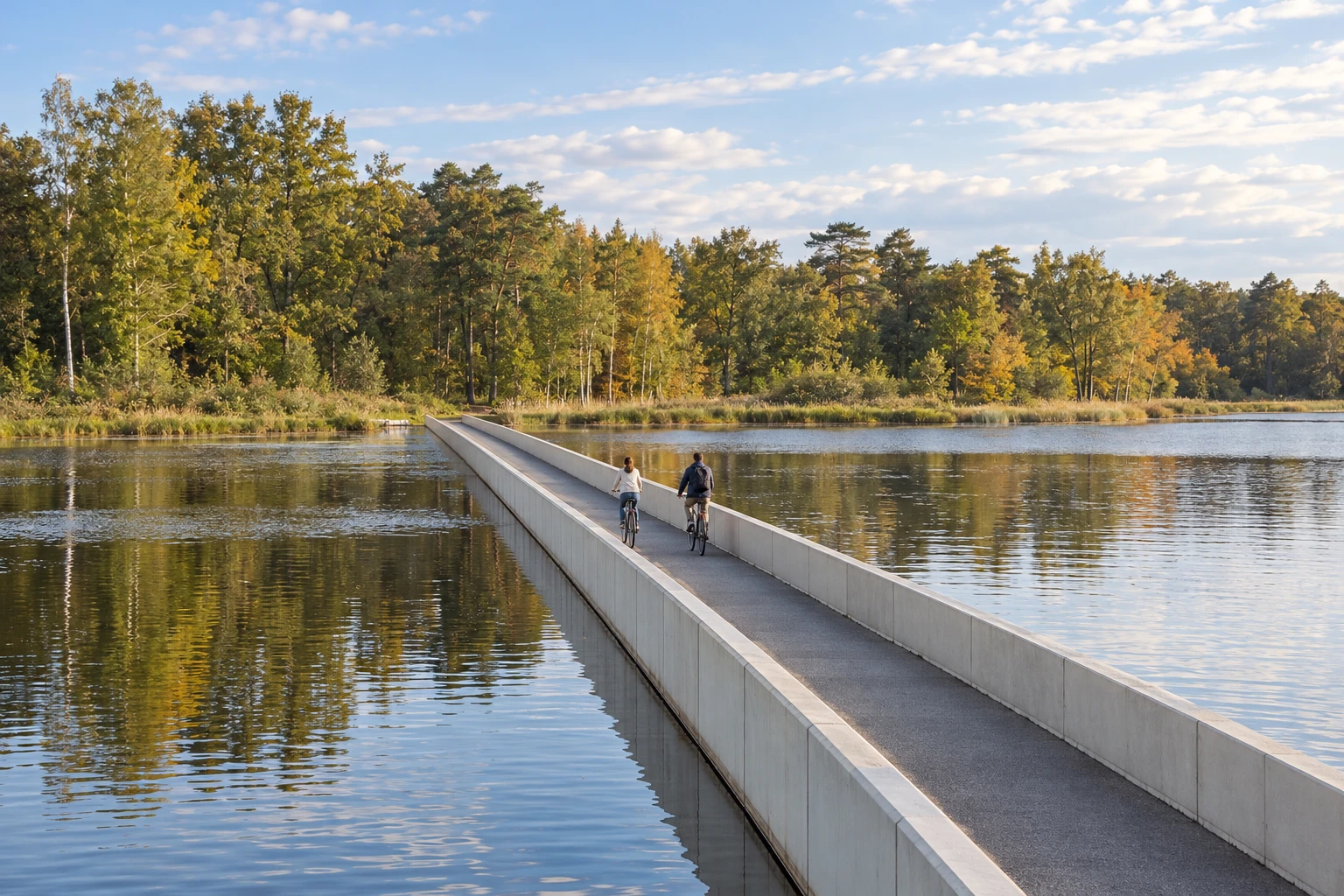
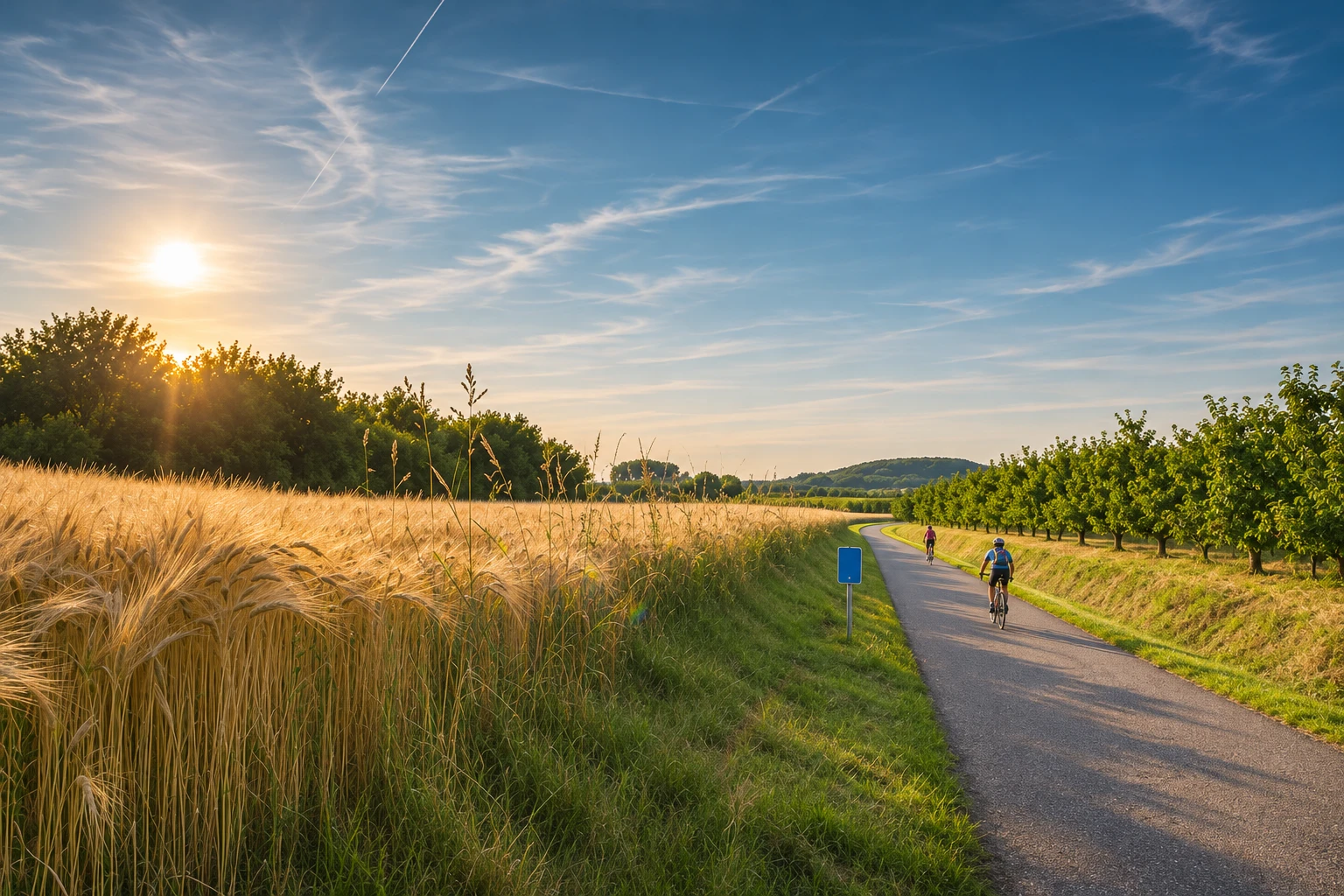
Limburgo is a cycling land. It was here that, in the 1990s, the numbered-node cycling network was born, which later spread across Belgium and Holanda. In Bokrijk, the open-air museum shows houses and farms from across Flandres, and nearby a cycle path crosses a pond at water level.
On the table are jenever, Hasselt's soft speculaas, the fruit tarts called vlaai and the apple-and-pear syrup of Haspengouw. The Limburgish dialect, with its own intonation, can still be heard in everyday conversations.

Flavors of Belgium
Destinations
Cities

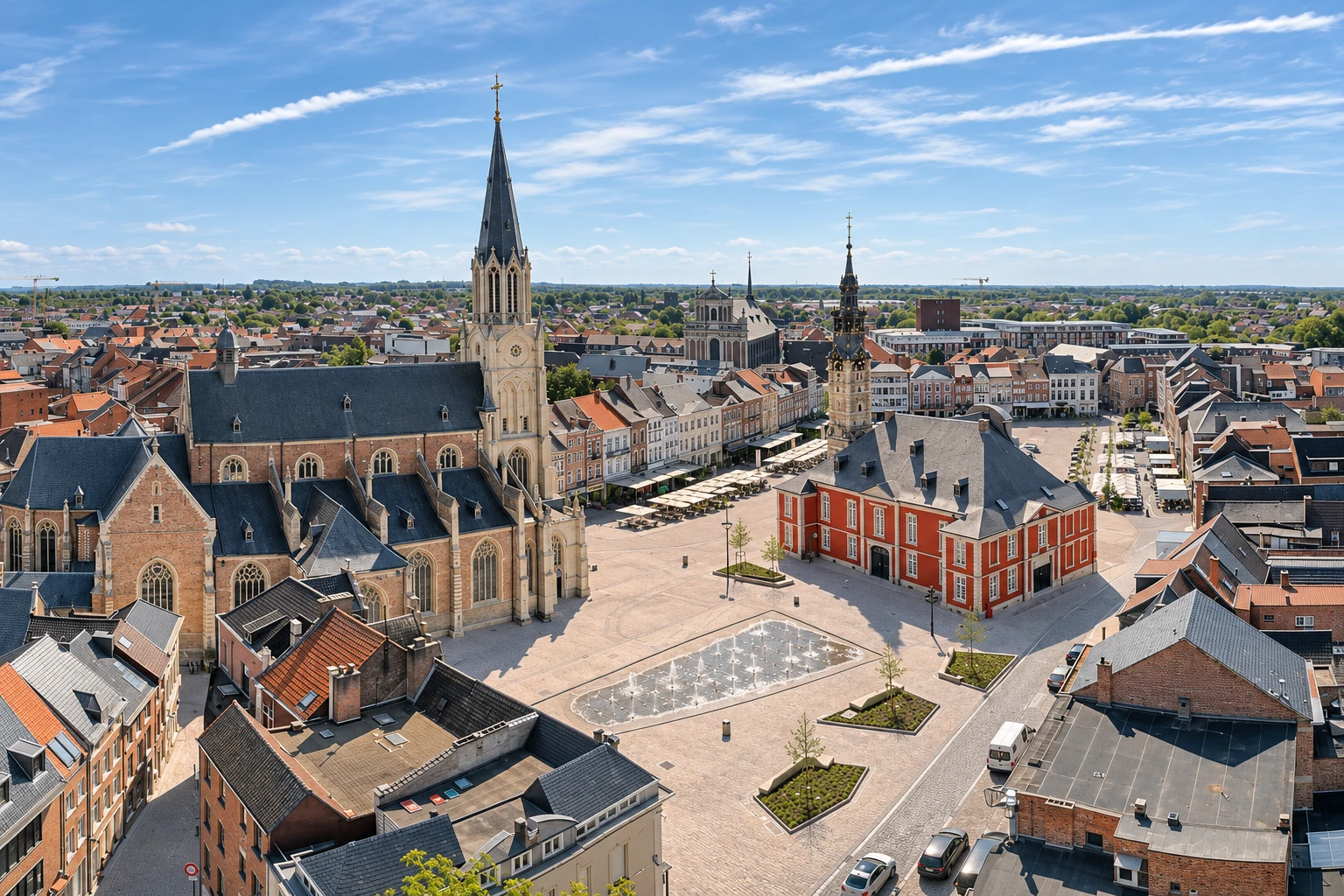
Hasselt is the capital of Belgian Limburg, a city of about 90,000 inhabitants where Flemish, the Dutch spoken in Belgium, is spoken. The center, surrounded by a ring road, brings together the Grote Markt with the house Het Sweert, the Sint-Quintinuskathedraal, the Nationaal Jenevermuseum, the Modemuseum Hasselt and the Het Stadsmus. Within walking distance is the Japanse Tuin, presented as the largest Japanese garden in Europe.

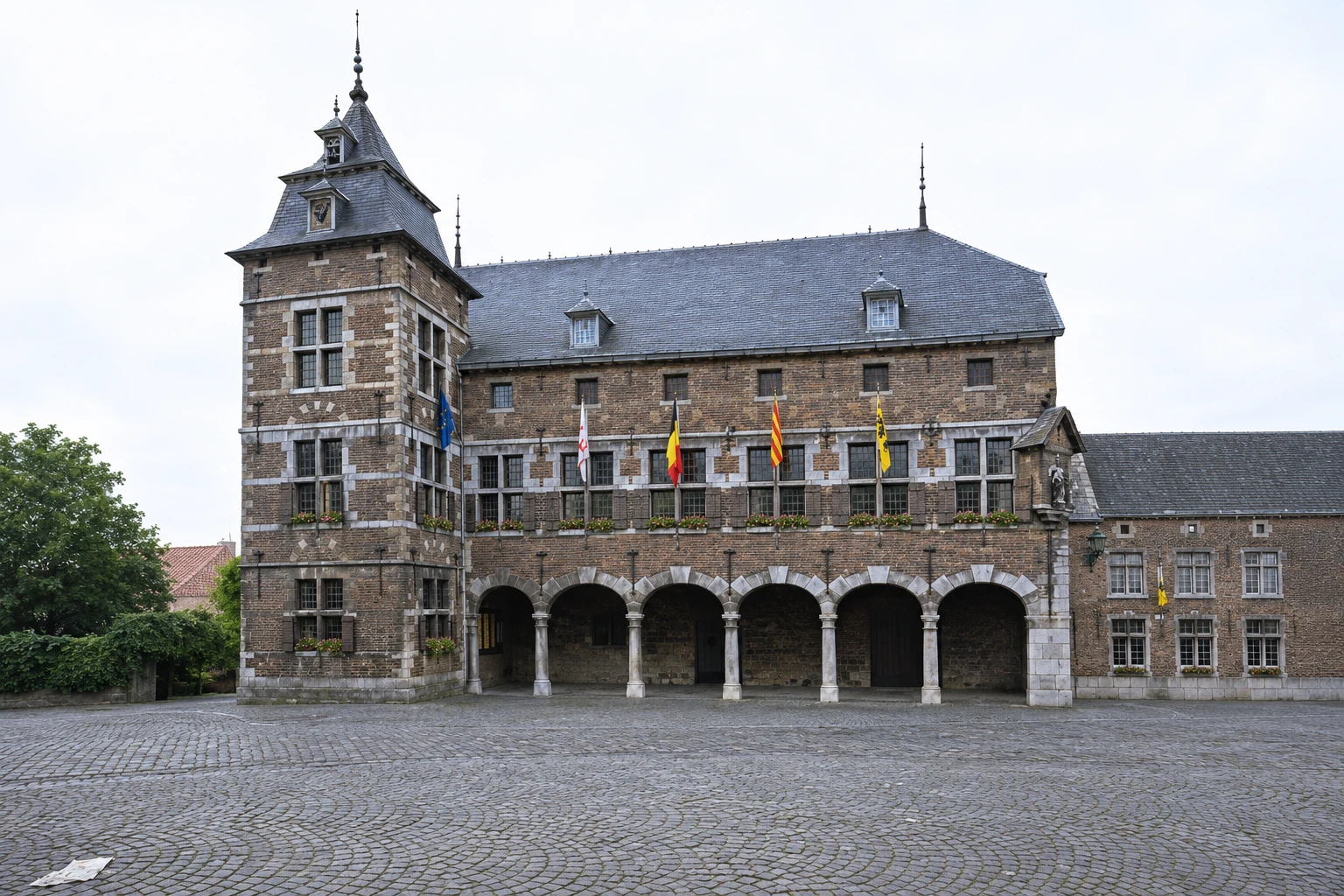
Borgloon is a historic centre of Tongeren-Borgloon, in the fruit-growing region of Haspengouw. The old town hall has arcades facing the Markt. North of the centre, the Stroopfabriek occupies a former steam factory and explains how apples and pears were turned into a thick syrup.

Genk grew up around 20th-century coal mines and welcomed workers from several countries, which gave the city a multicultural character. Flemish is spoken. the former Winterslag mine became the cultural center C-mine. At the edge of the town the Nationaal Park Hoge Kempen begins, with the Kattevennen entrance and, further east, the Mechelse Heide. On the way to Hasselt is the Openluchtmuseum Bokrijk.

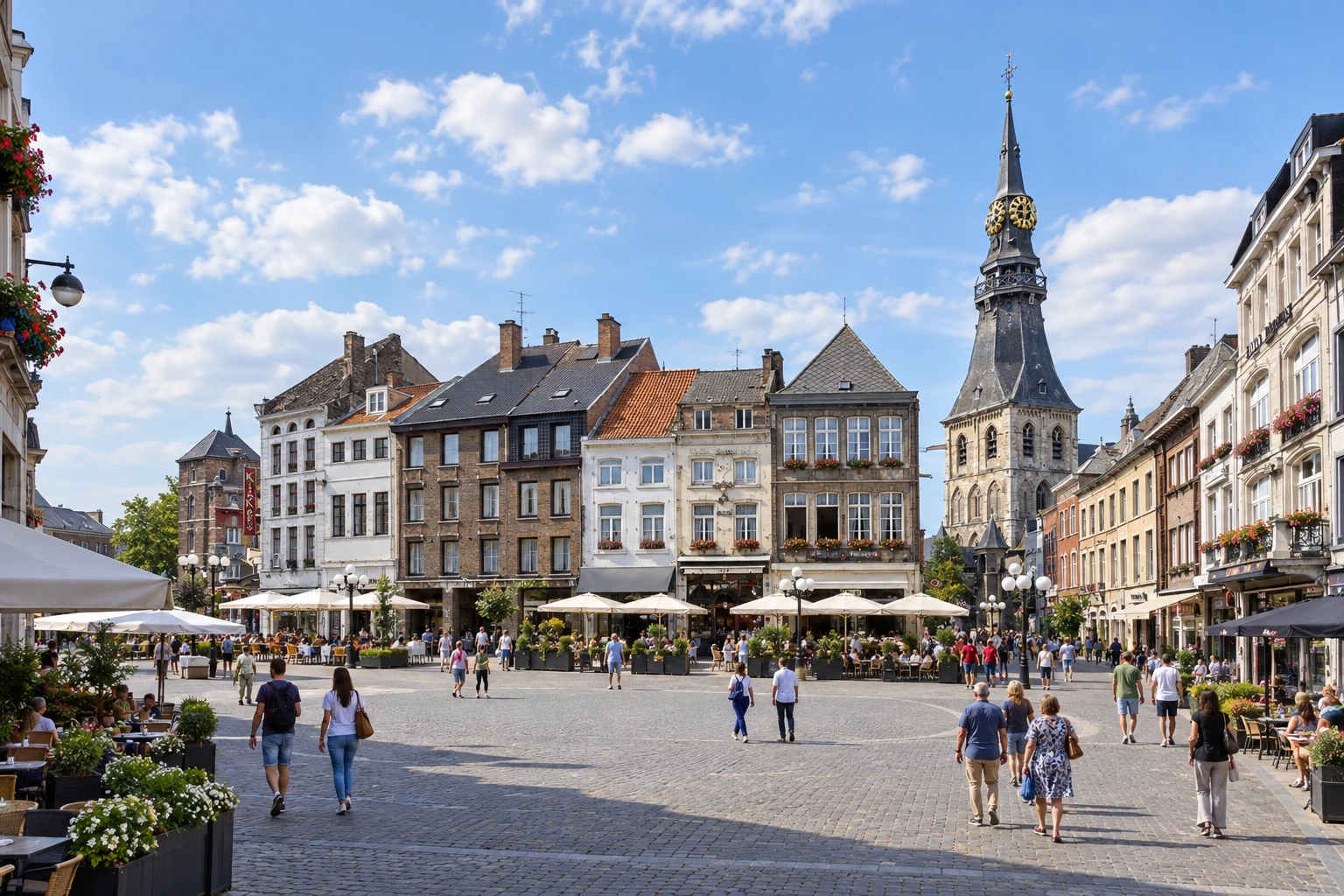
Sint-Truiden grew up around the abbey founded by Trudo. On the Grote Markt, the town hall bell tower marks the old trading centre. Outside the medieval core, the houses of the Sint-Agnes beguinage surround the Church of Saint Agnes by the Cicindria stream. In the outskirts of the town, orchards produce apples, pears and cherries.

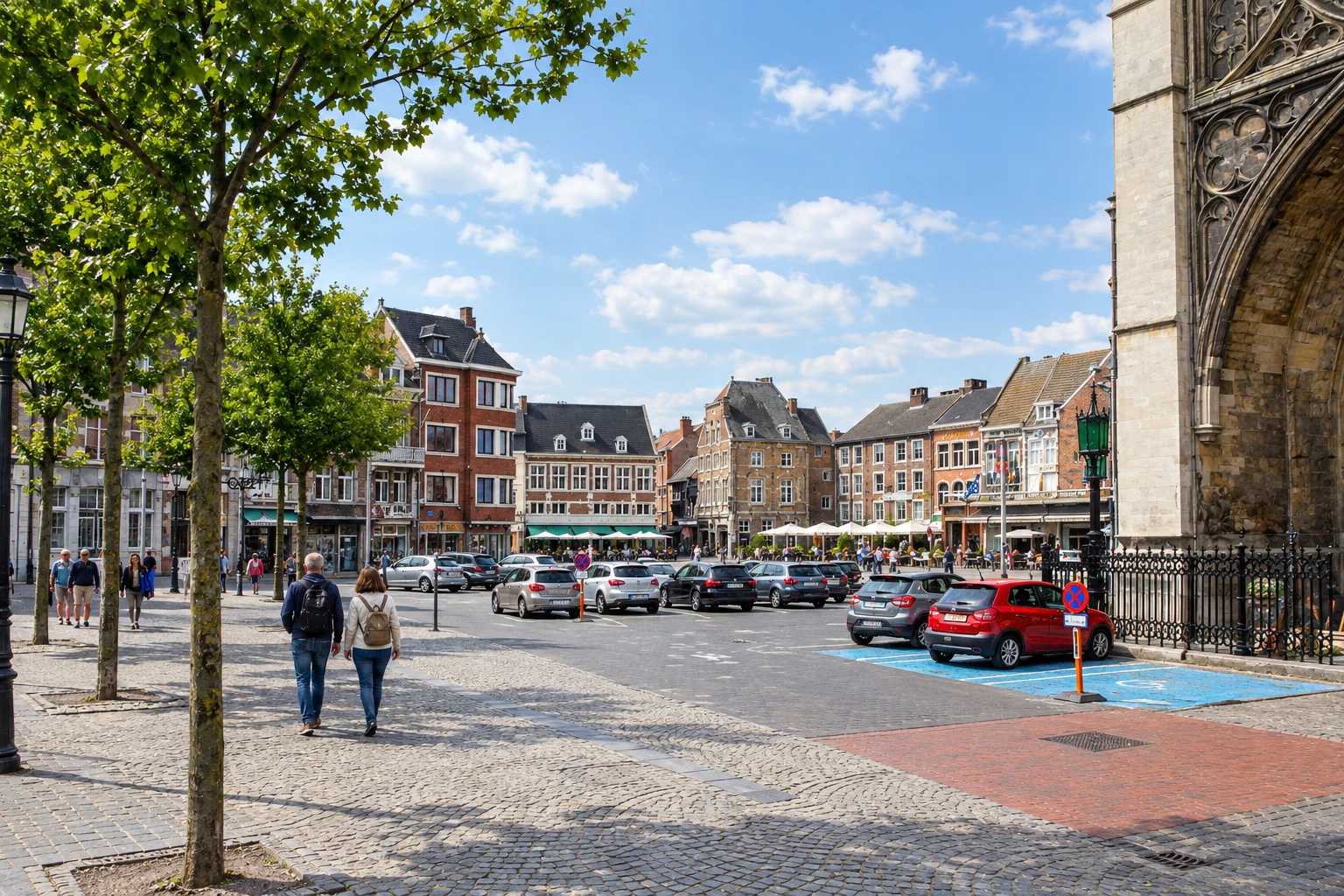
Tongeren is the oldest city in Belgium, founded as Atuatuca Tungrorum, the Roman capital of the region. Flemish is spoken. On the Grote Markt are the statue of Ambiorix and the Onze-Lieve-Vrouwebasiliek, with the Teseum. Beside them, the Gallo-Romeins Museum tells the region's history. The visit is completed by the Sint-Catharinabegijnhof, a World Heritage site, and the 2nd-century Romeinse stadsmuur.
Routes
The climate is temperate and humid, with seasons opposite to Brazil. The orchards of Haspengouw usually bloom from late March to April. From June to August the days are long and Bokrijk and the Japanse Tuin in Hasselt are open. The urze of Hoge Kempen typically blooms from mid-August to mid-September. In October, Hasselt usually holds jenever festivals. In winter, from December to February, the cold sets in and the days are short.
The gateway is Brussels Airport, in Zaventem, about 75 km from Hasselt. Flights from Brazil usually involve a connection in another city. Confirm before buying. From the airport and from Bruxelas, SNCB trains reach Hasselt, from where lines depart to Genk, Tongeren and Sint-Truiden. The IC 20 line runs directly from Bruxelas to Tongeren. Liège Airport is near the south of the province. By car, the E313 connects Antuérpia to Hasselt and Liège, and the E314 comes from Bruxelas via Leuven to Genk and the Dutch border.
Beyond the guide
Your questions
Hasselt, the capital. It is the railway hub of the province, with trains to Genk, Tongeren and Sint-Truiden, and has the largest selection of hotels and restaurants.
For the towns, yes: the train connects Hasselt, Genk, Tongeren and Sint-Truiden, and Bokrijk has its own station. For the national park entrances and for the villages along the Mosa, a car or a bicycle is very helpful.
The orchards of Haspengouw, around Sint-Truiden and Tongeren, typically bloom from late March to April, first the cherry trees and then the apple and pear trees. The bloom depends on the winter of each year.
Cycle junctions have numbers, and the cyclist plans the route by noting the sequence of points. The network originated in Limburgo and now covers Flandres. There are bike rentals in the larger towns.
It is the grain spirit flavored with juniper, considered the predecessor of gin. Hasselt has a museum in a former distillery and usually holds festivals for the drink in October.
The language is Dutch (neerlandês), the form of Dutch spoken in Belgium, with a Limburgish accent. English is widely used in hotels, museums and restaurants, and is usually the best option for visitors.