Province
Get to know Luxembourg
Despite the name, this is a Belgian province in southeastern Wallonia. It borders the Grand Duchy of Luxembourg, an independent country, and France. The two territories were one until 1839, when the French-speaking part went to Belgium. It is the country's largest province by area and the least populated, with villages scattered through the forests. The capital is Arlon, a town of Roman origin near the border, where Luxembourgish is still heard.
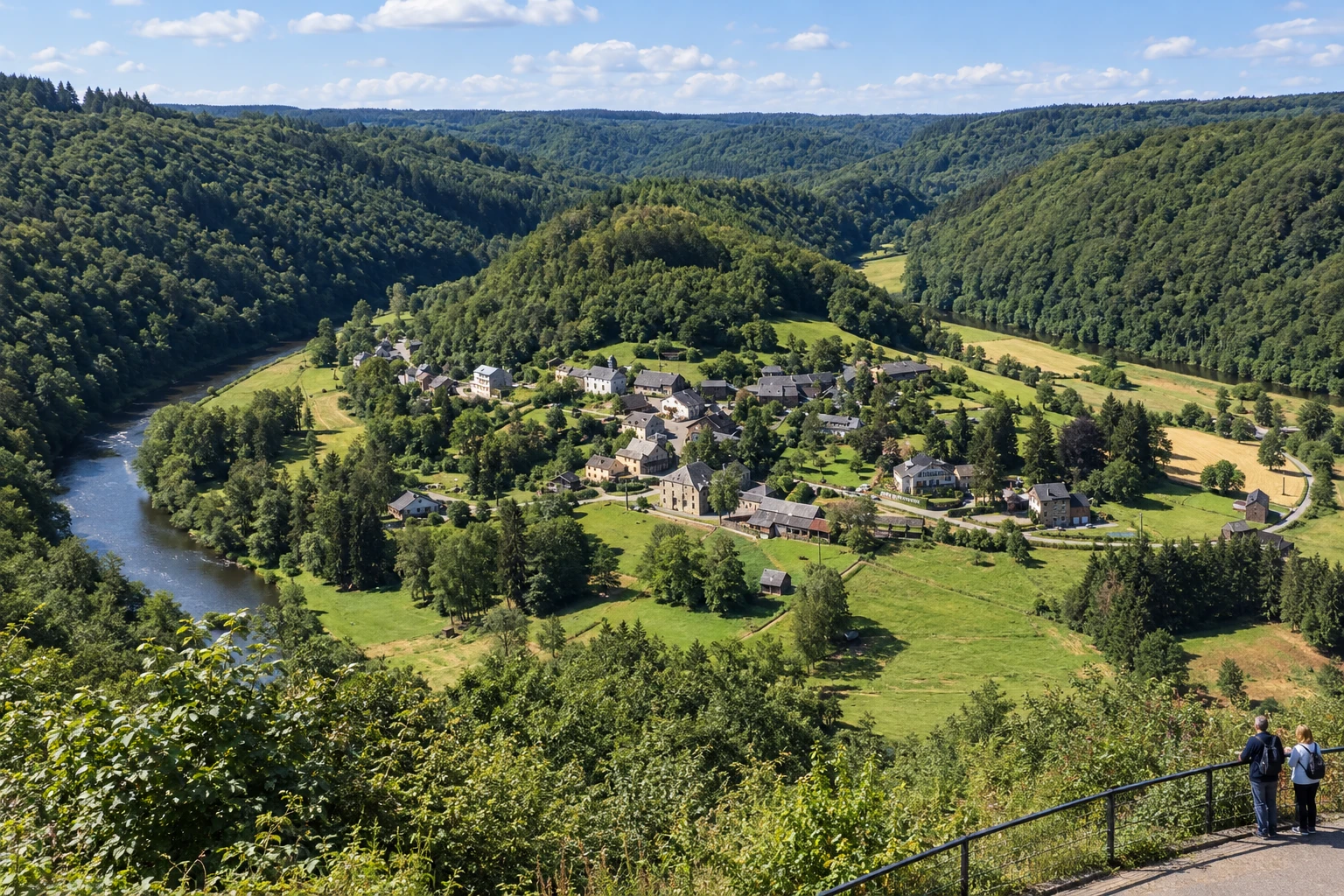
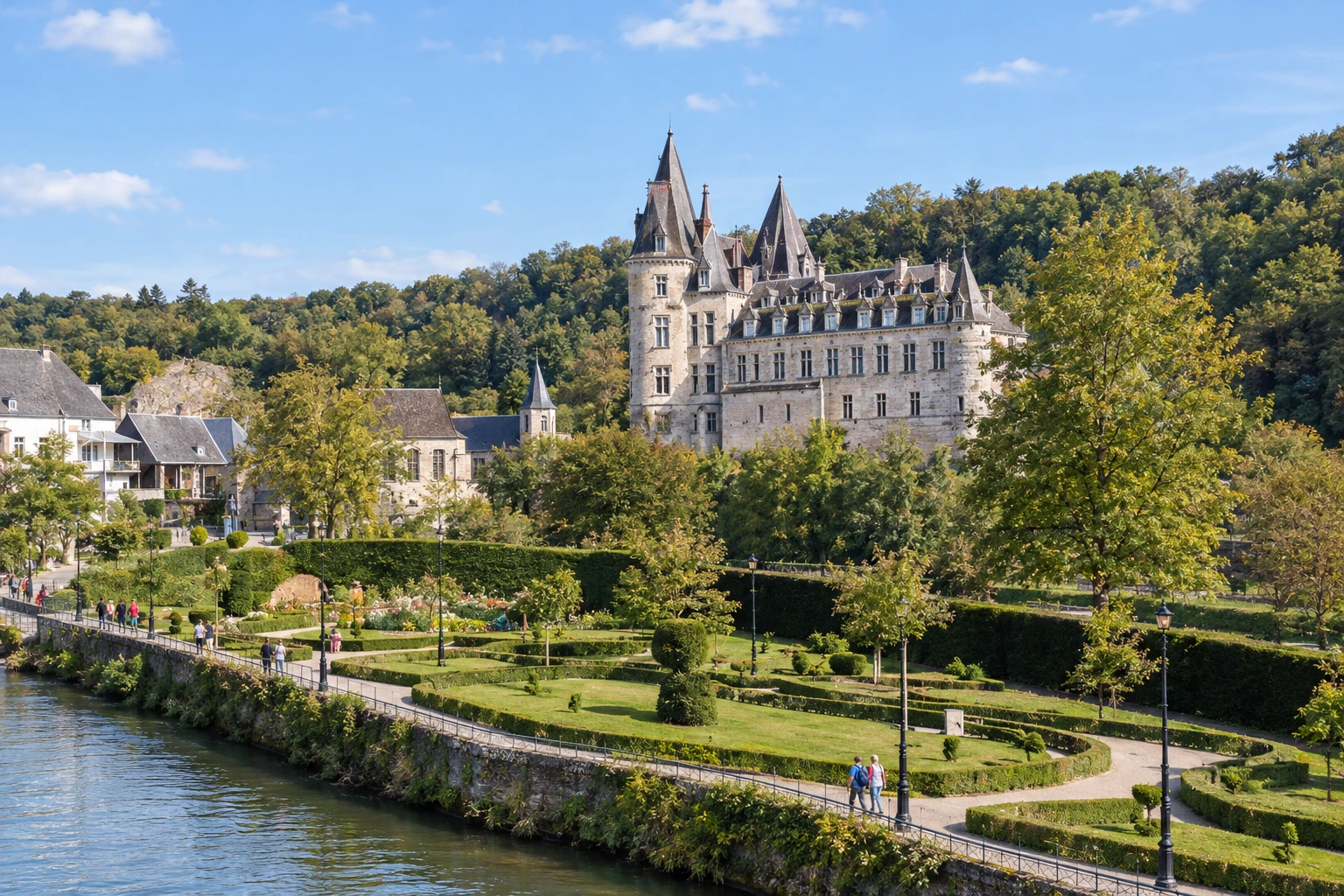
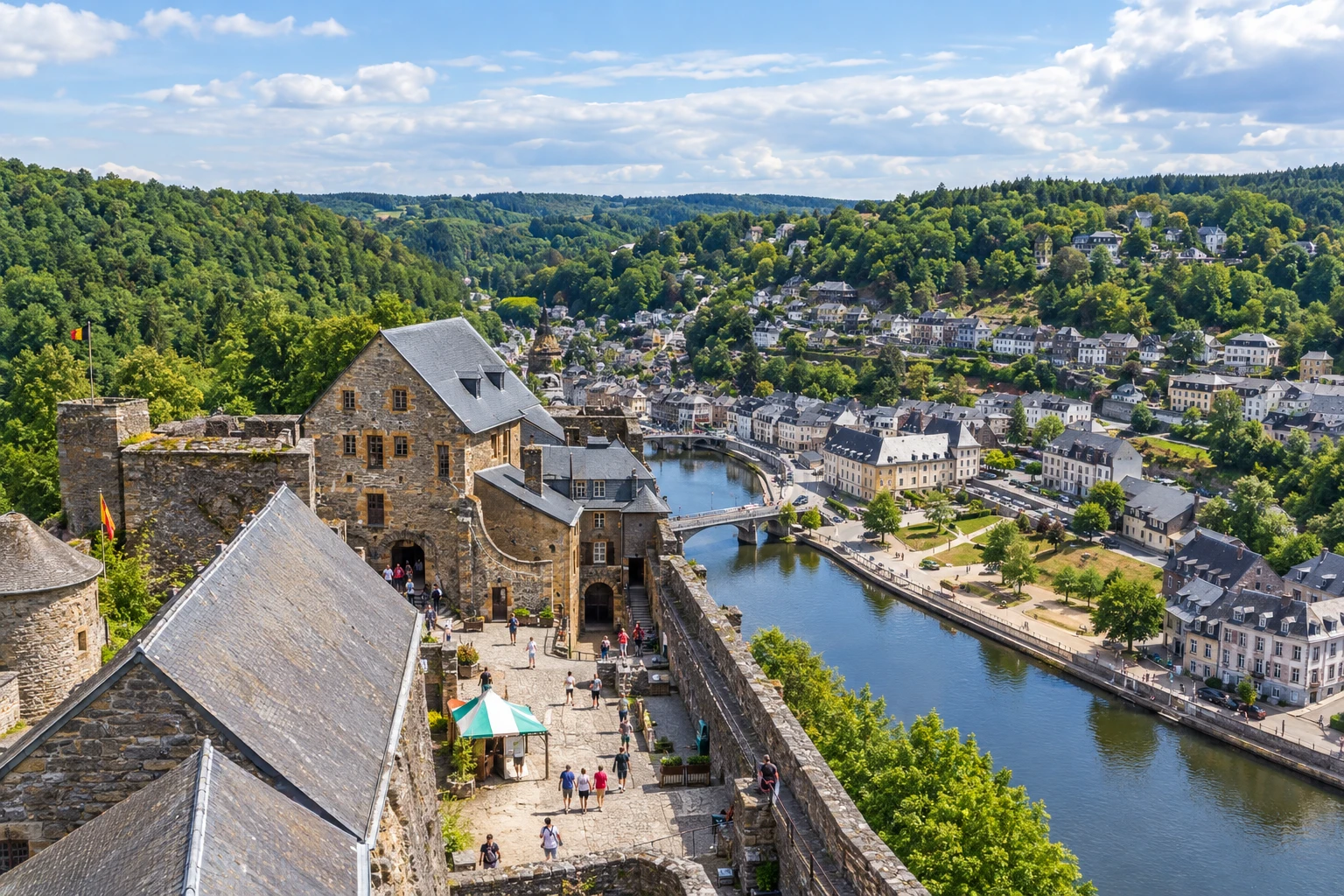
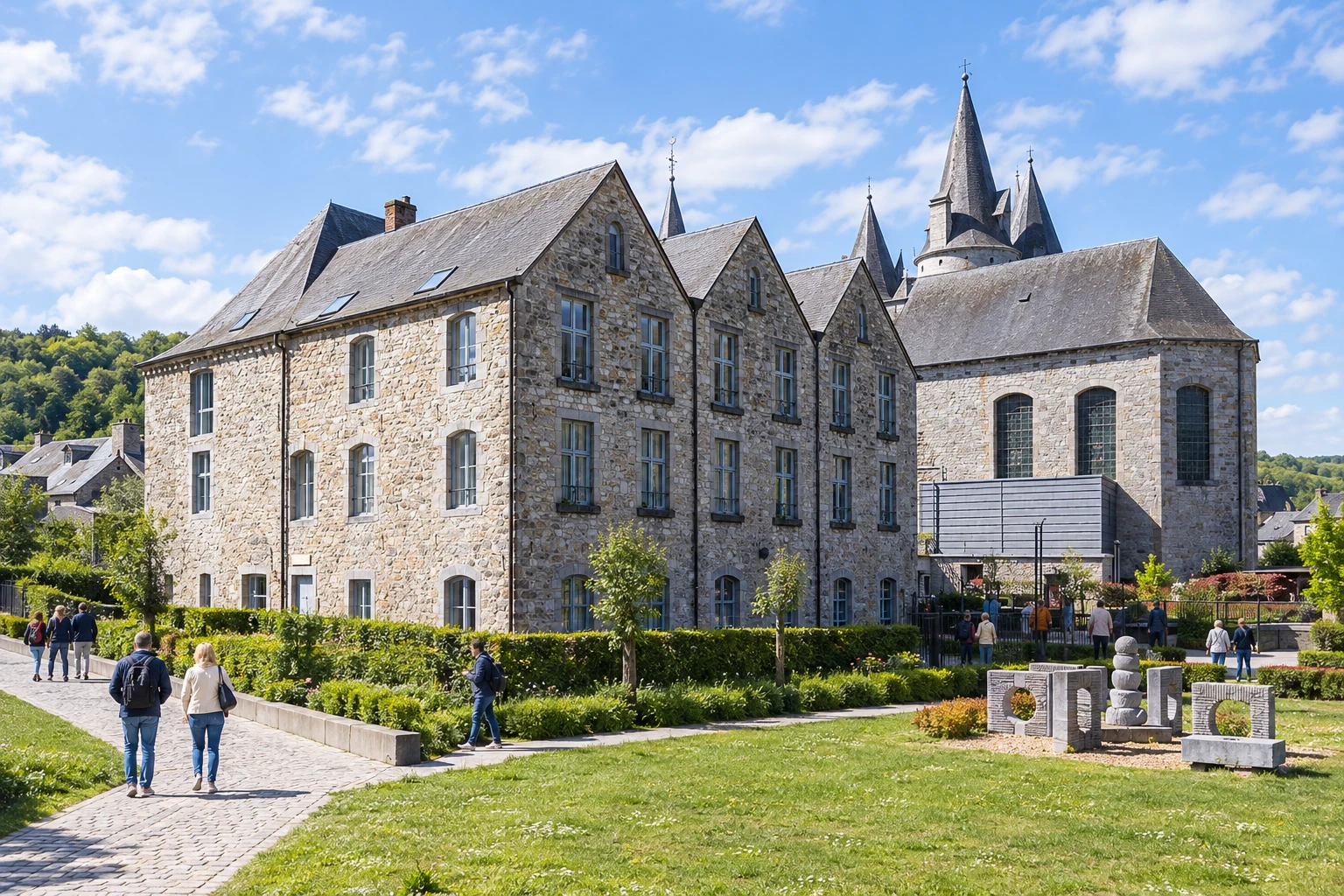
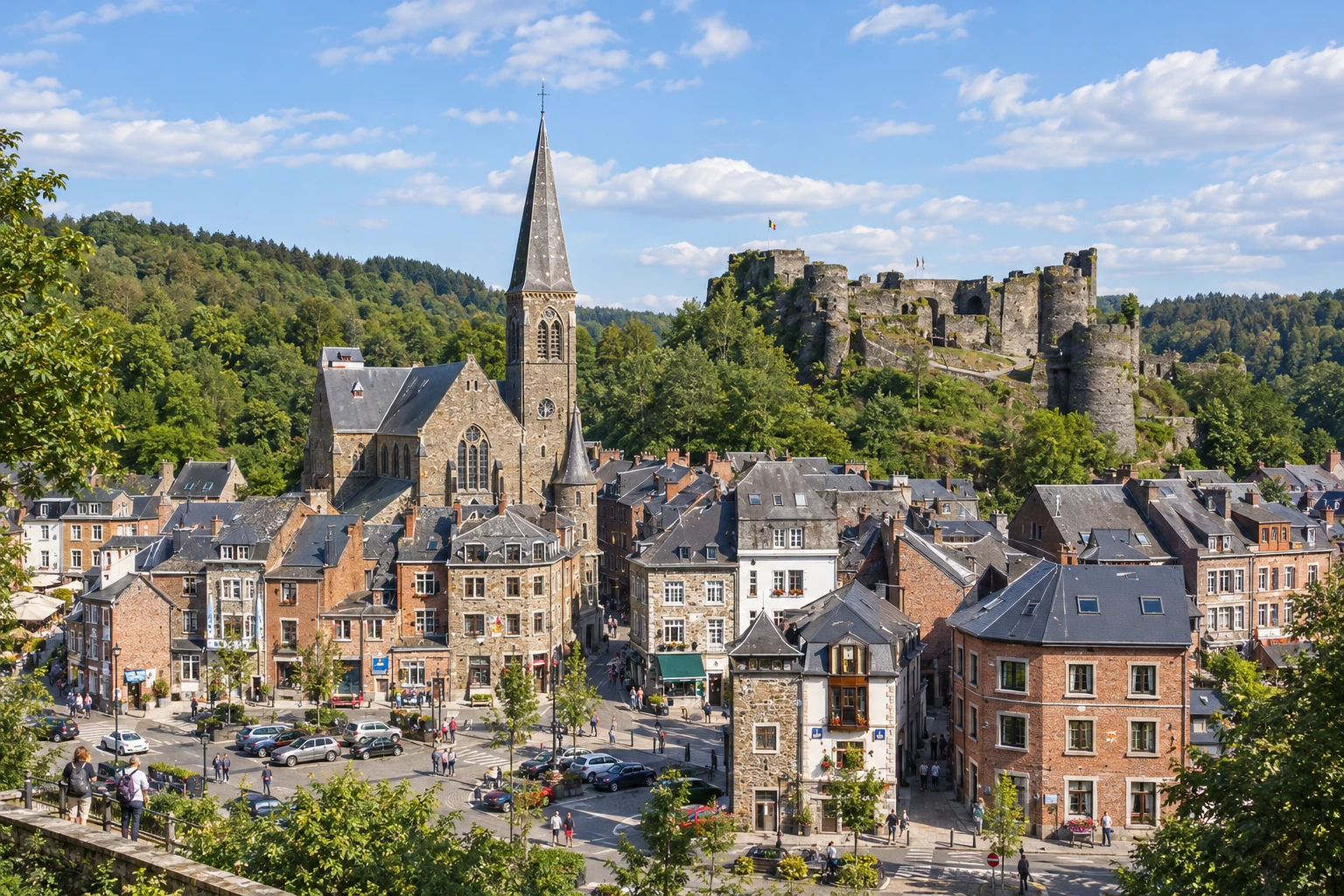
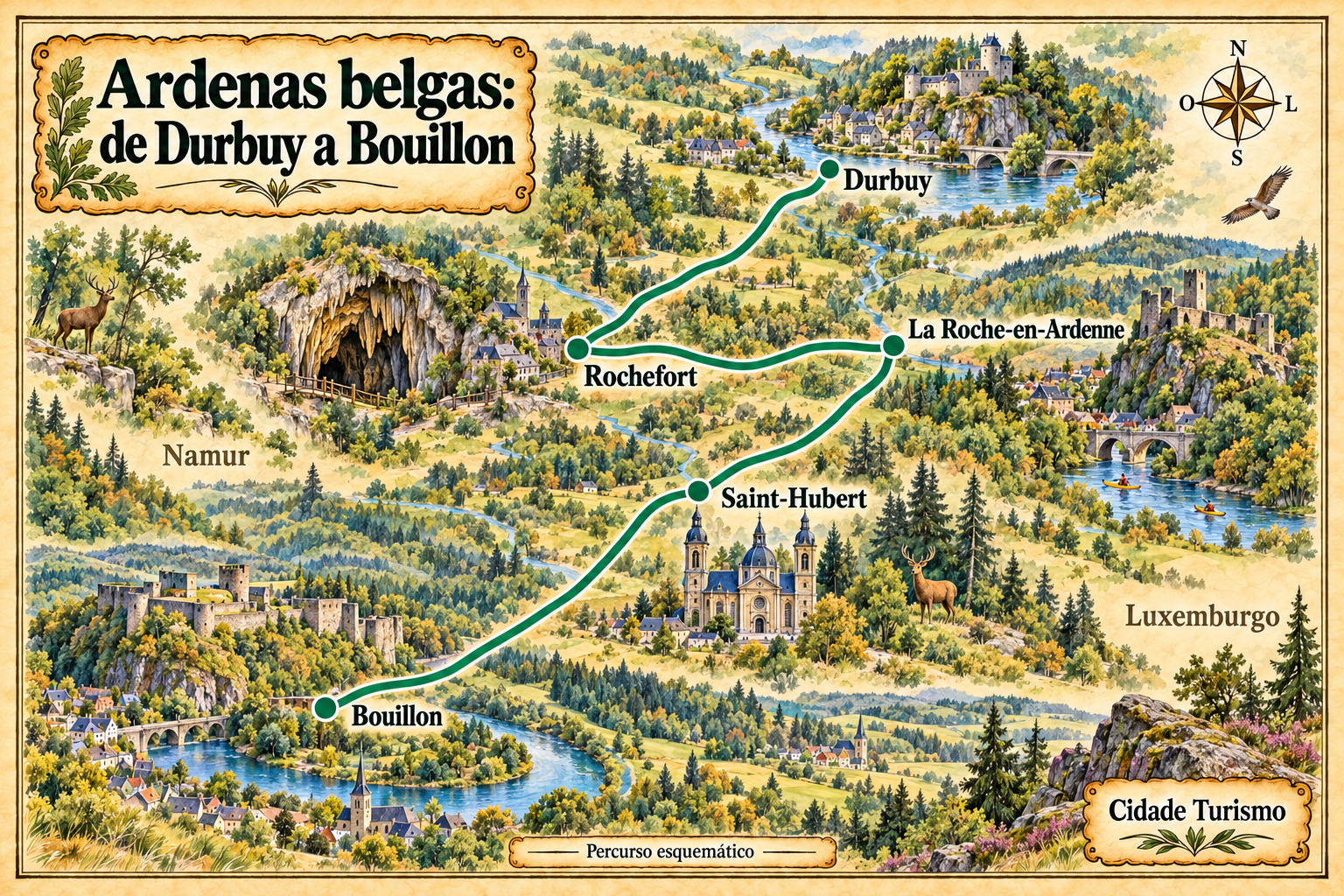
The landscape is that of the Ardenas: wooded hills, narrow river valleys and roads that go up and down. The Ourthe passes through Durbuy, a small town with cobbled streets, and La Roche-en-Ardenne, with the ruins of a castle above the river. To the south, the Semois draws tight meanders around Bouillon, whose castle belonged to Godofredo de Bouillon, one of the leaders of the First Crusade. Downstream, the village of Frahan is almost encircled by a bend of the Semois.
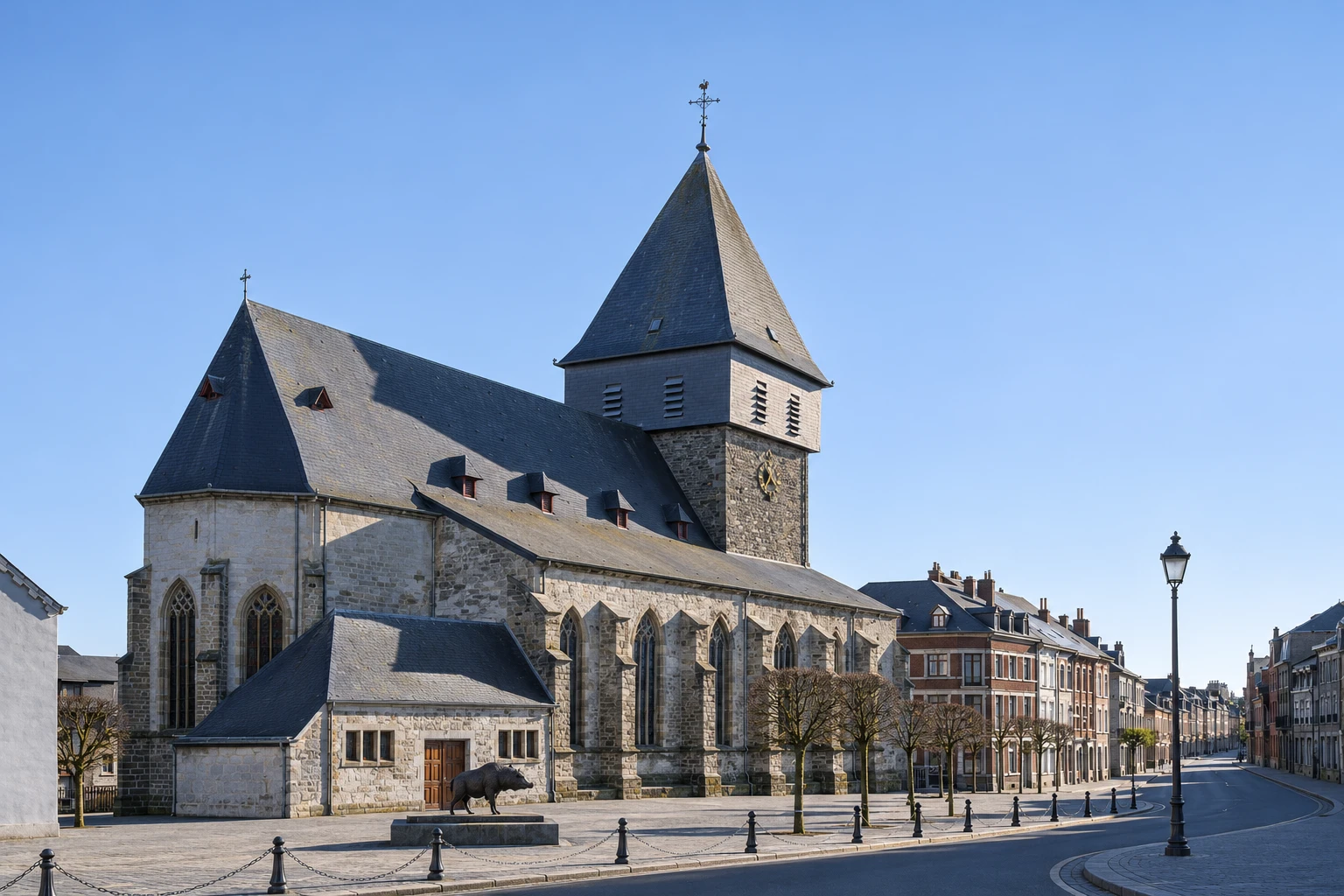
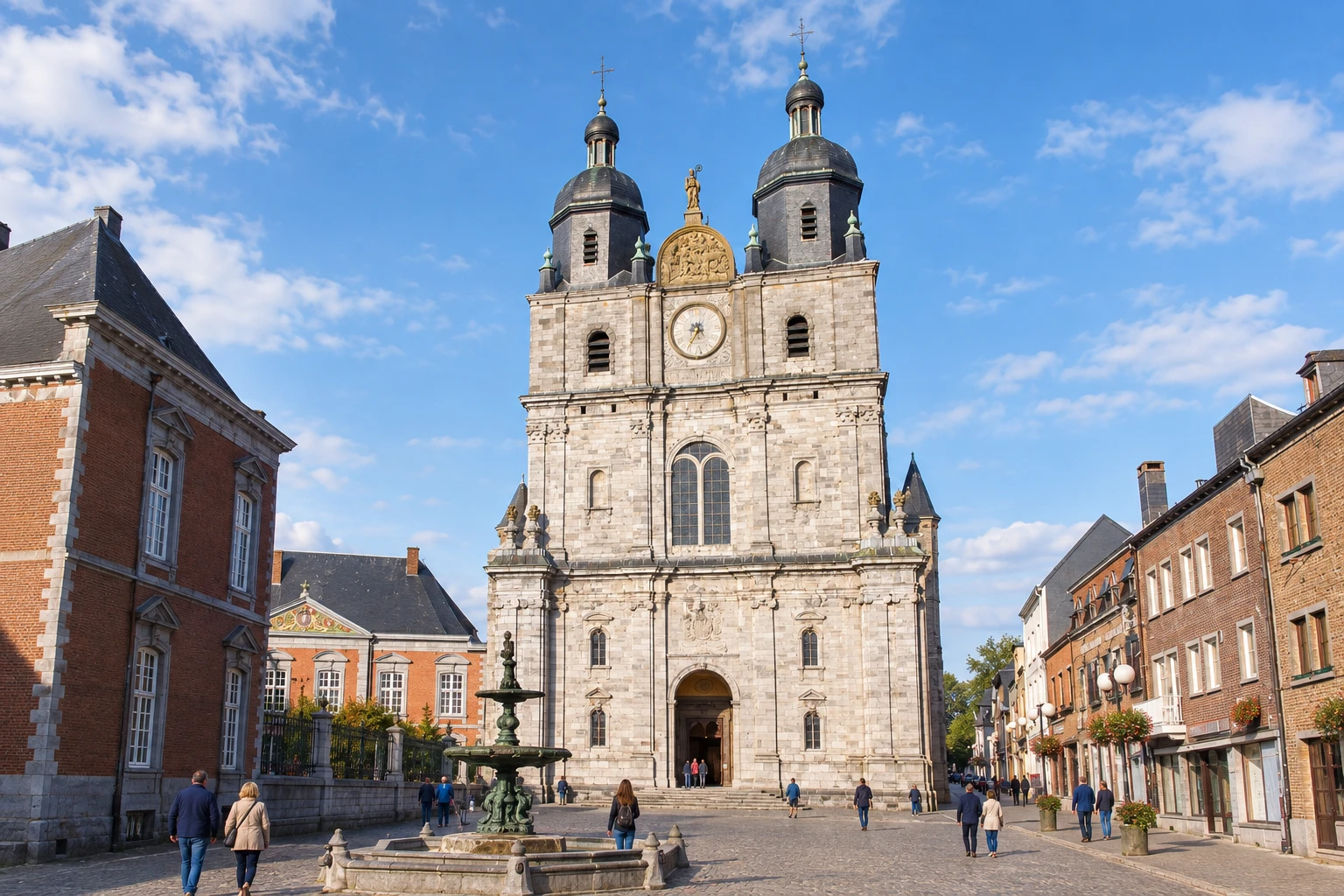
The province has places of faith and memory. Saint-Hubert gathers devotion to the patron of hunters around its basilica. The Abadia de Orval, near the French border, preserves the ruins of the old Cistercian abbey next to the monastery where monks still live and make beer and Trappist cheese. In Bastogne, the Mardasson memorial recalls the siege of the town in the winter of 1944–45, during the Battle of the Ardennes. Redu is devoted to books, with second-hand bookshops and stores along its streets.
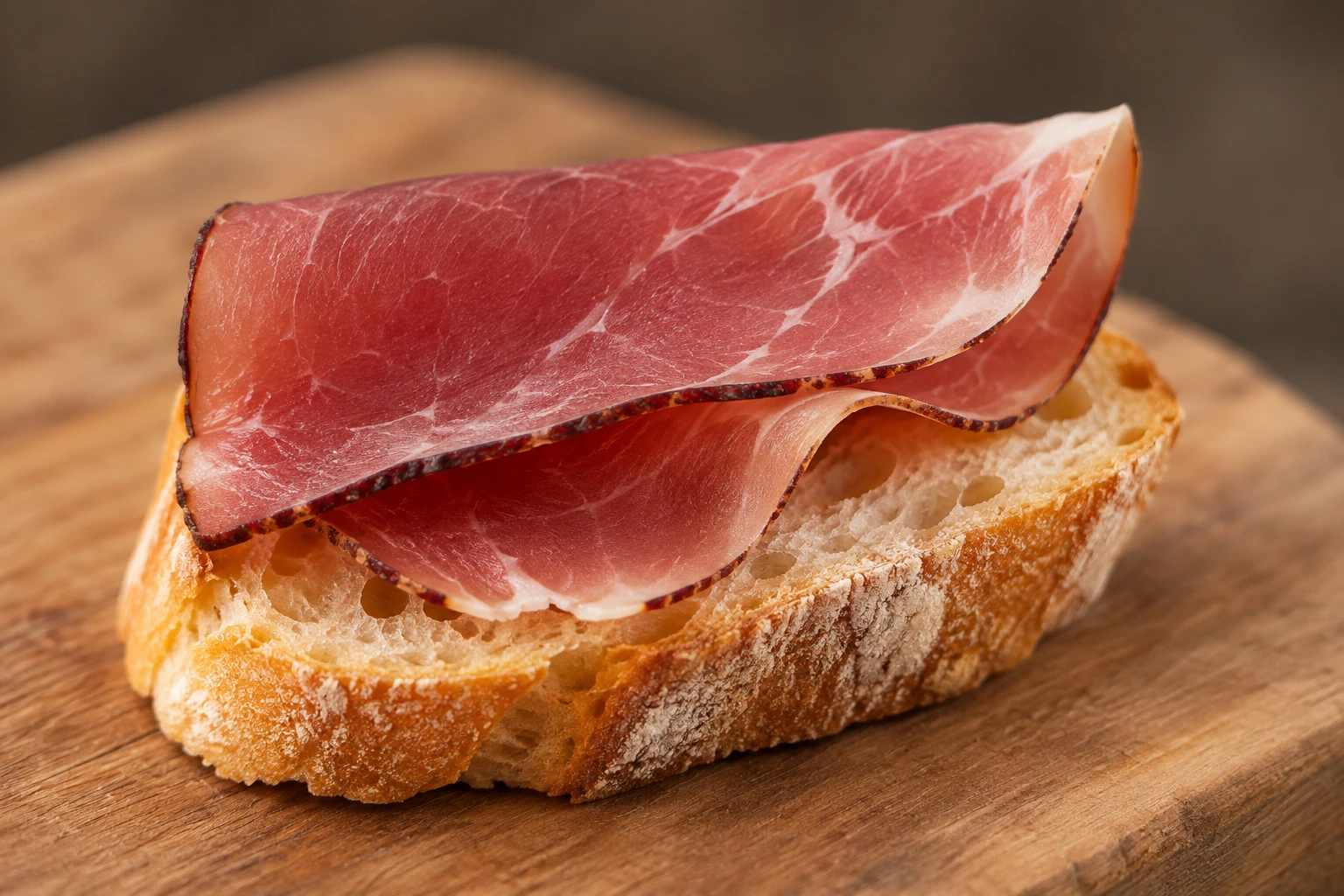
On the table, jambon d'Ardenne, a salted and smoked ham, appears on almost every menu. In autumn, restaurants serve game from the forests, such as wild boar and venison, and trout comes from the rivers. The major rural festival is the Foire de Libramont, an agricultural fair held at the end of July. In Saint-Hubert, the saint's day, November 3, usually features a mass with hunting horns and a blessing of animals.


 Brazil
 Antarctica
 Argentina
 Bolivia
 Chile
 Colombia
 Ecuador
 Falkland Islands (Malvinas)
 French Guiana
 Guyana
 Paraguay
 Peru
 Suriname
 Uruguay
 Venezuela
 Austria
 Croatia
 Denmark
 Finland
 France
 Germany
 Greece
 Hungary
 Iceland
 Ireland
 Italy
 Luxembourg
 Norway
 Poland
 Portugal
 Slovakia
 Slovenia
 Spain
 Sweden
 Switzerland
 the Czech Republic
 the Netherlands
 the United Kingdom
 Turkey
 Bermuda
 Canada
 Greenland
 Mexico
 Saint Pierre and Miquelon
 the United States
 the Dominican Republic
 Japan
 Egypt
 South Africa
 Australia
 Fiji
 New Zealand
 Papua New Guinea