Meuse Valley
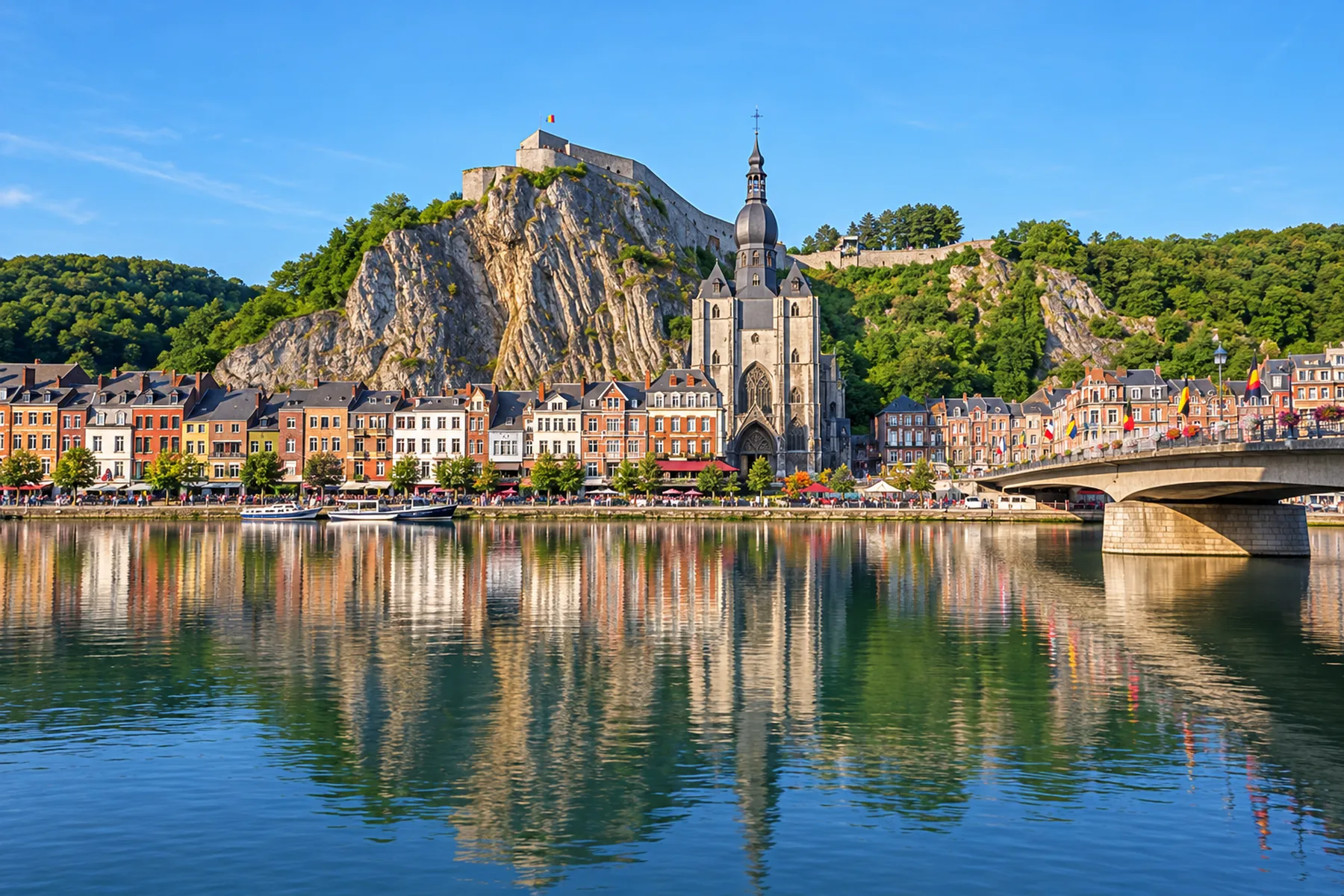
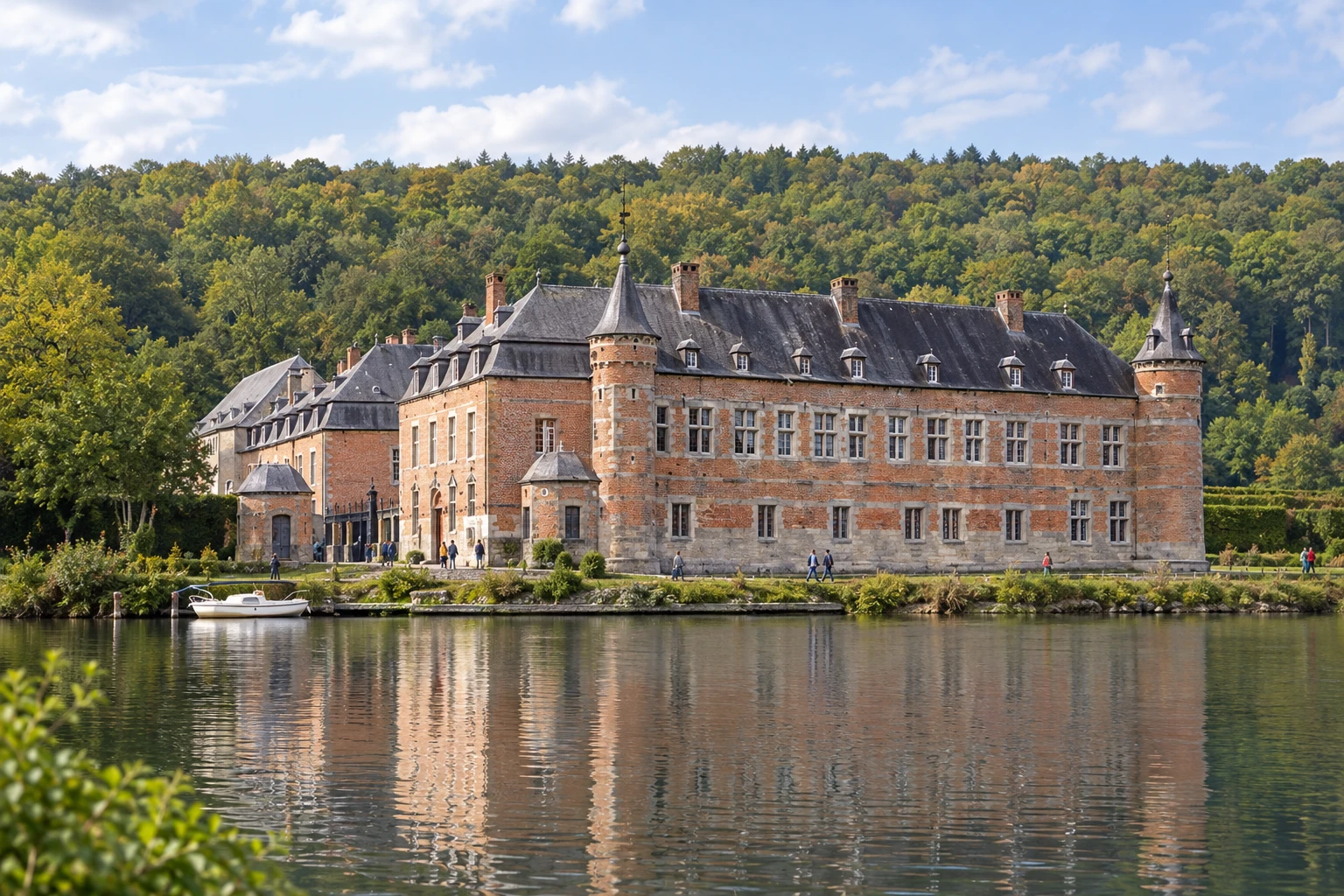
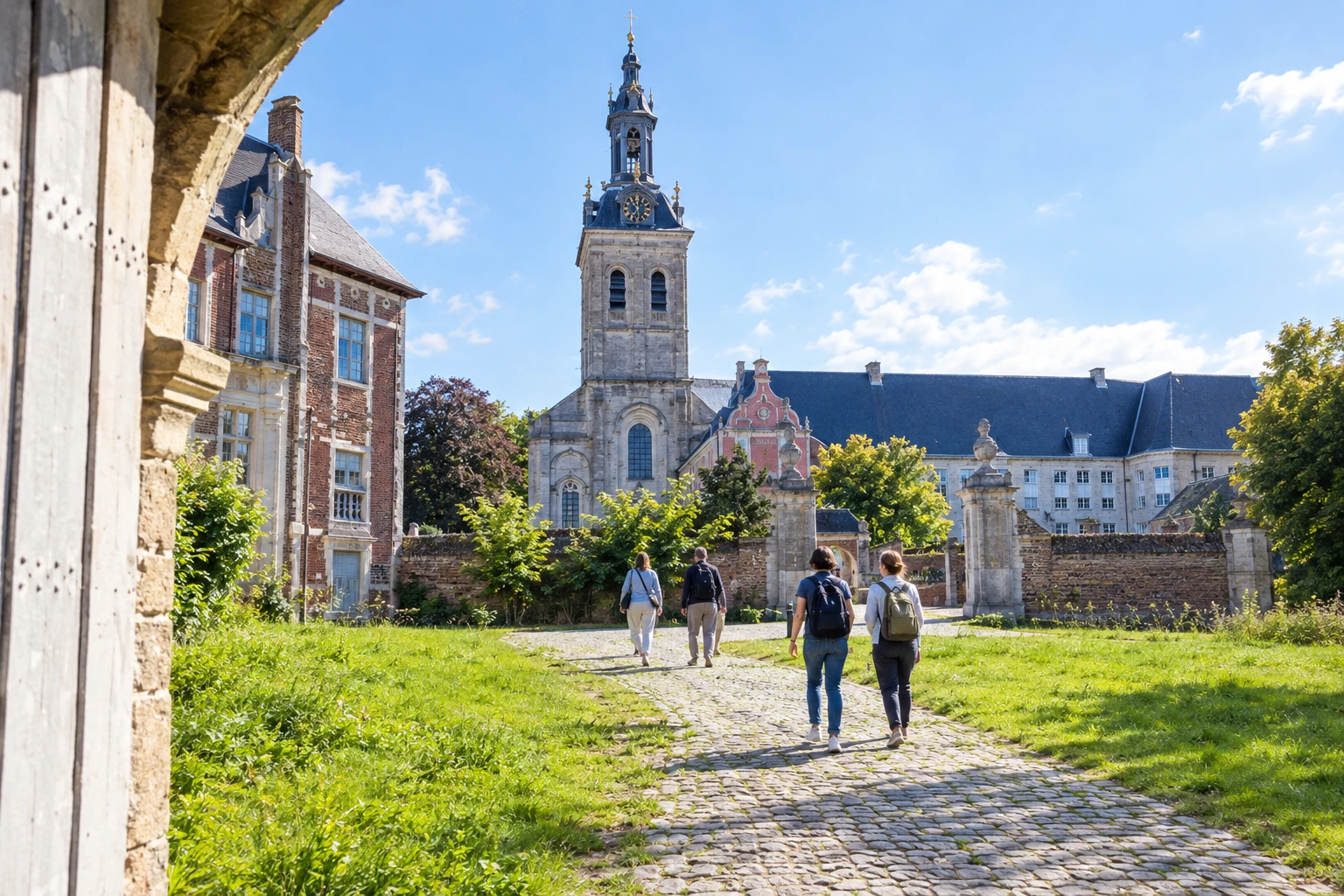
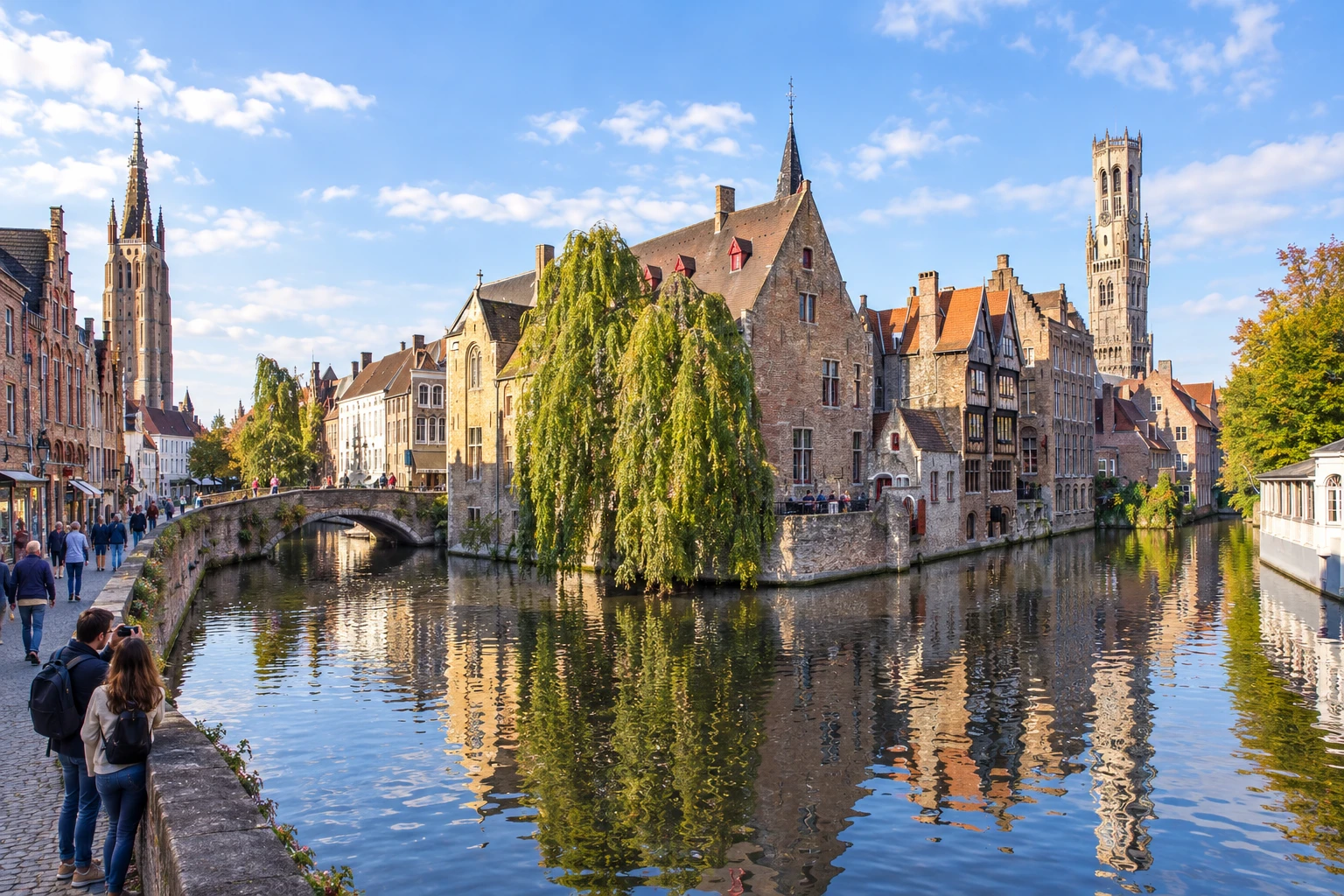
Namur and Dinant on the banks of the Meuse, in the French-speaking Valônia: two citadels above the river, the cable car, the birthplace of the saxophone and kayaking on the Lesse.
Antarctica
Belgium travel guide
What to do, when to go and how to get there, destination by destination.
9 routes · 11 destinations · 58 citiesin Belgium
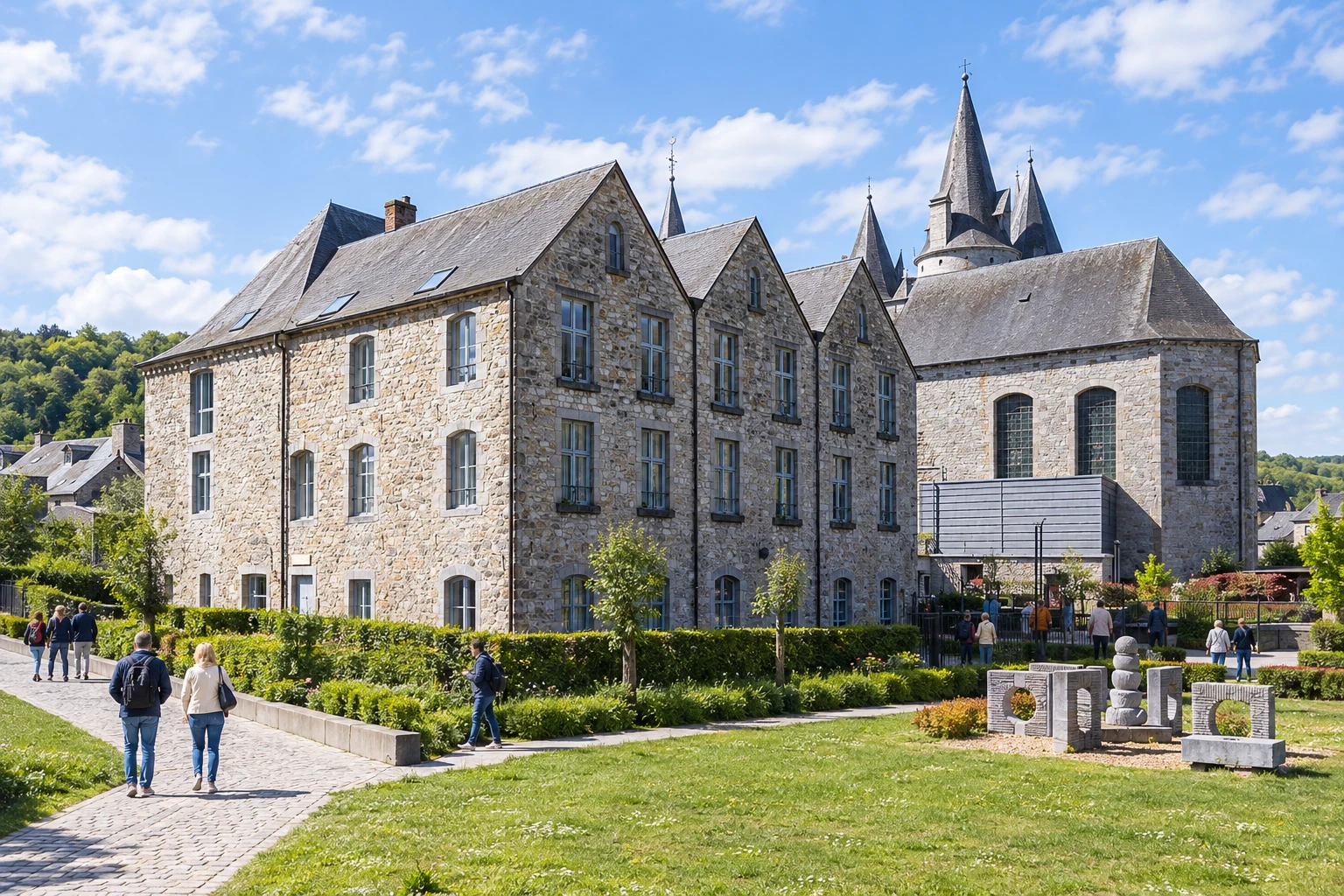
In the photo: Collegiate Church of Notre-Dame and the Meuse — Dinant (Namur)
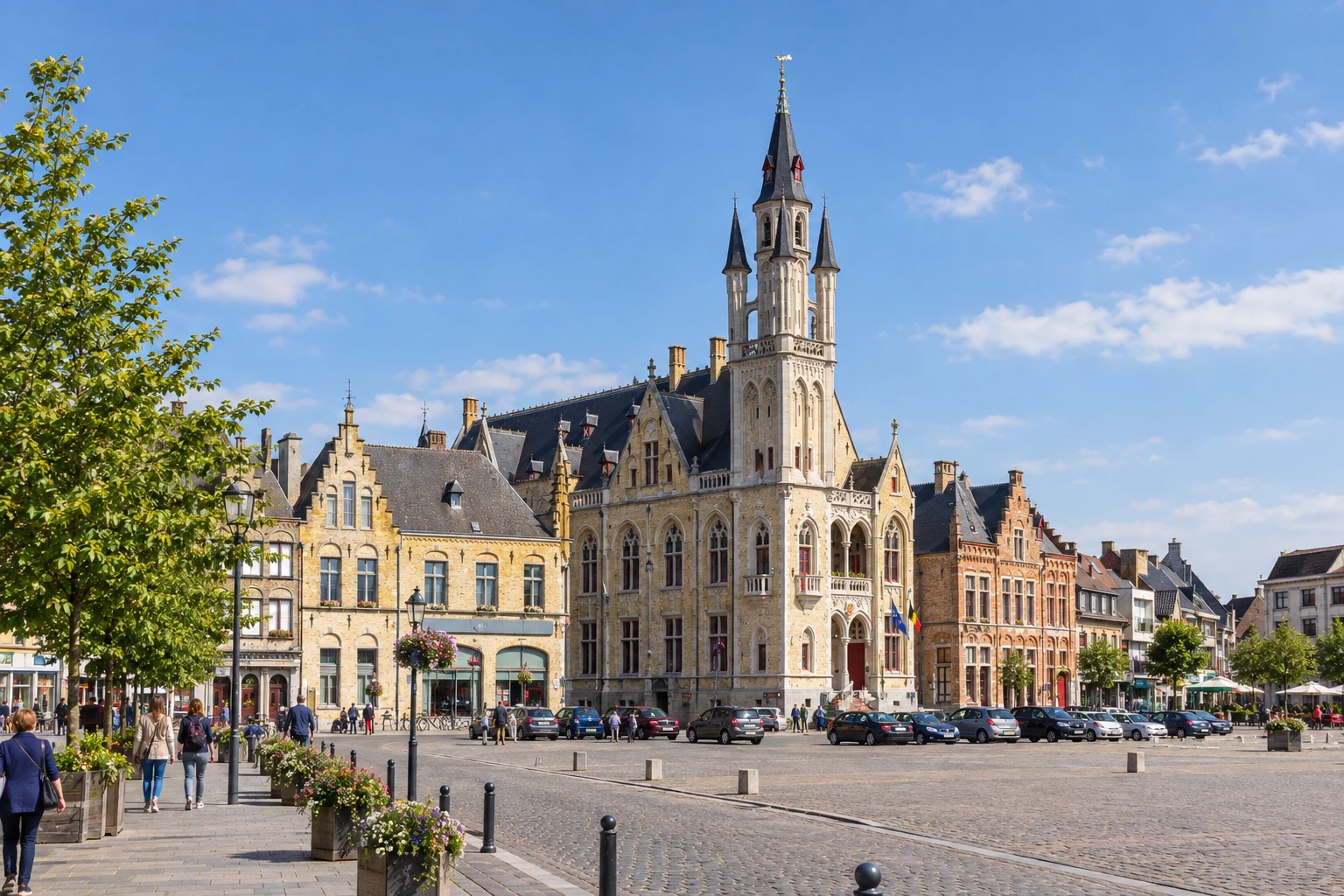
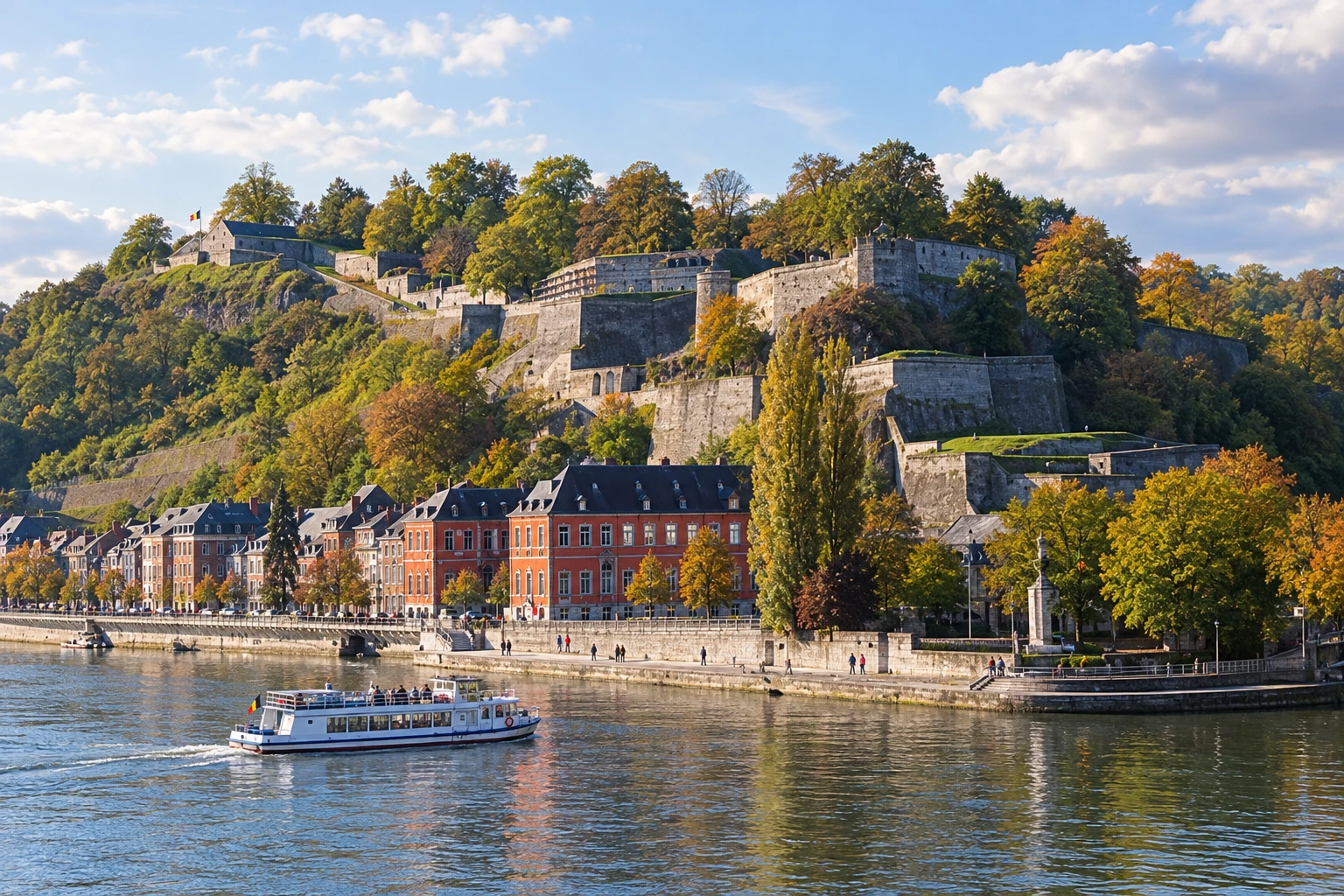
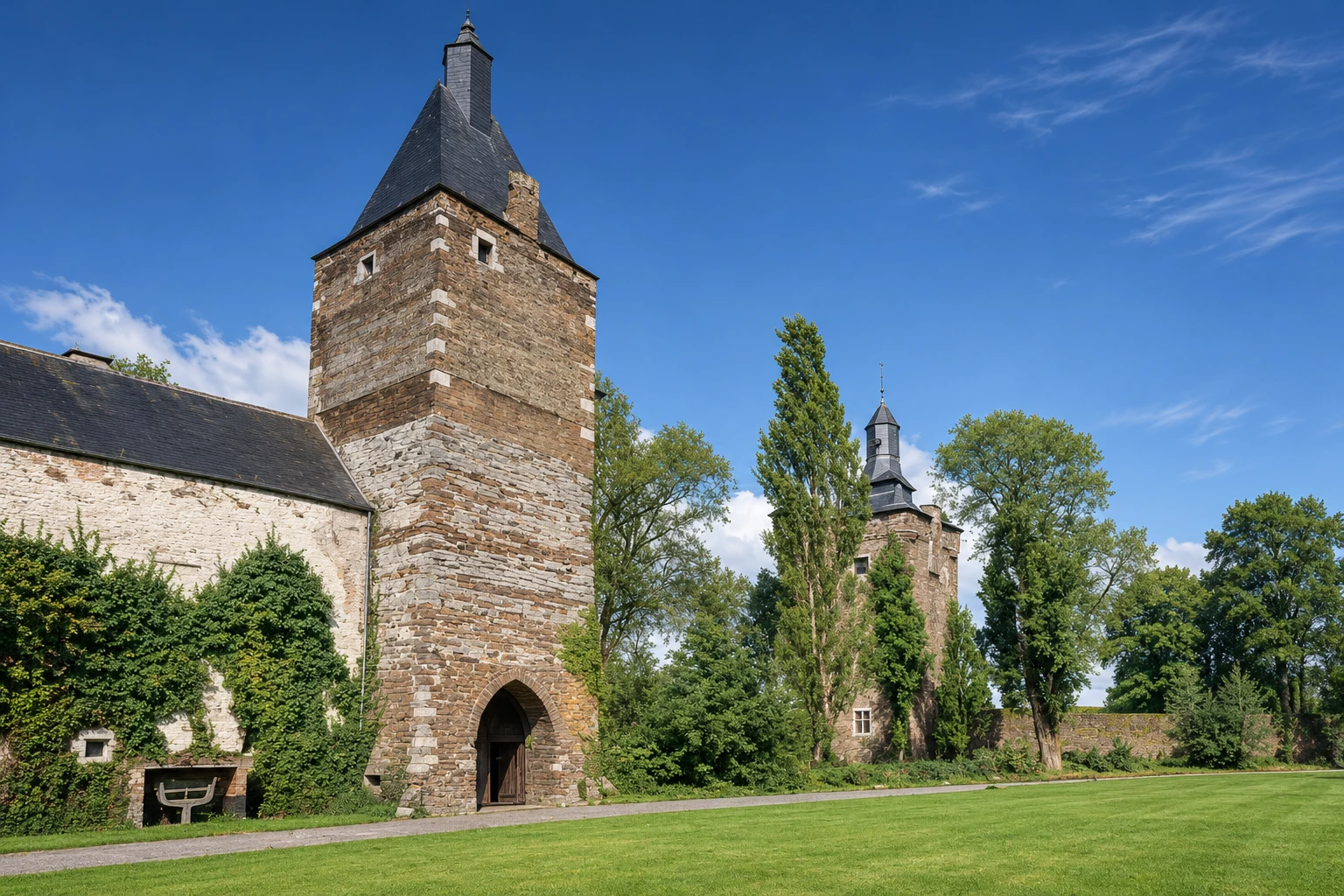
Illustrative images. The pictures in this guide are illustrations based on the real place, not photographs, and may differ from it.
A destination is a region you visit as a single trip: it can bring together several cities or be a large city with everything it offers. Each destination has the tours, the itineraries, the best time to go month by month and how to get there.
The guide currently has 11 destinations, with 54 cities in 11 provinces.
Today's highlights
A destination is more than a city: it's everything you can experience there.
Namur and Dinant on the banks of the Meuse, in the French-speaking Valônia: two citadels above the river, the cable car, the birthplace of the saxophone and kayaking on the Lesse.
Liège, a working-class city on the banks of the Mosa, with Calatrava's station and a staircase of 374 steps, and Spa, the waters town that gave its name to spas.
University city in Flandres, with the Van Eyck altarpiece, a medieval castle surrounded by water and lively quays along the river Leie.
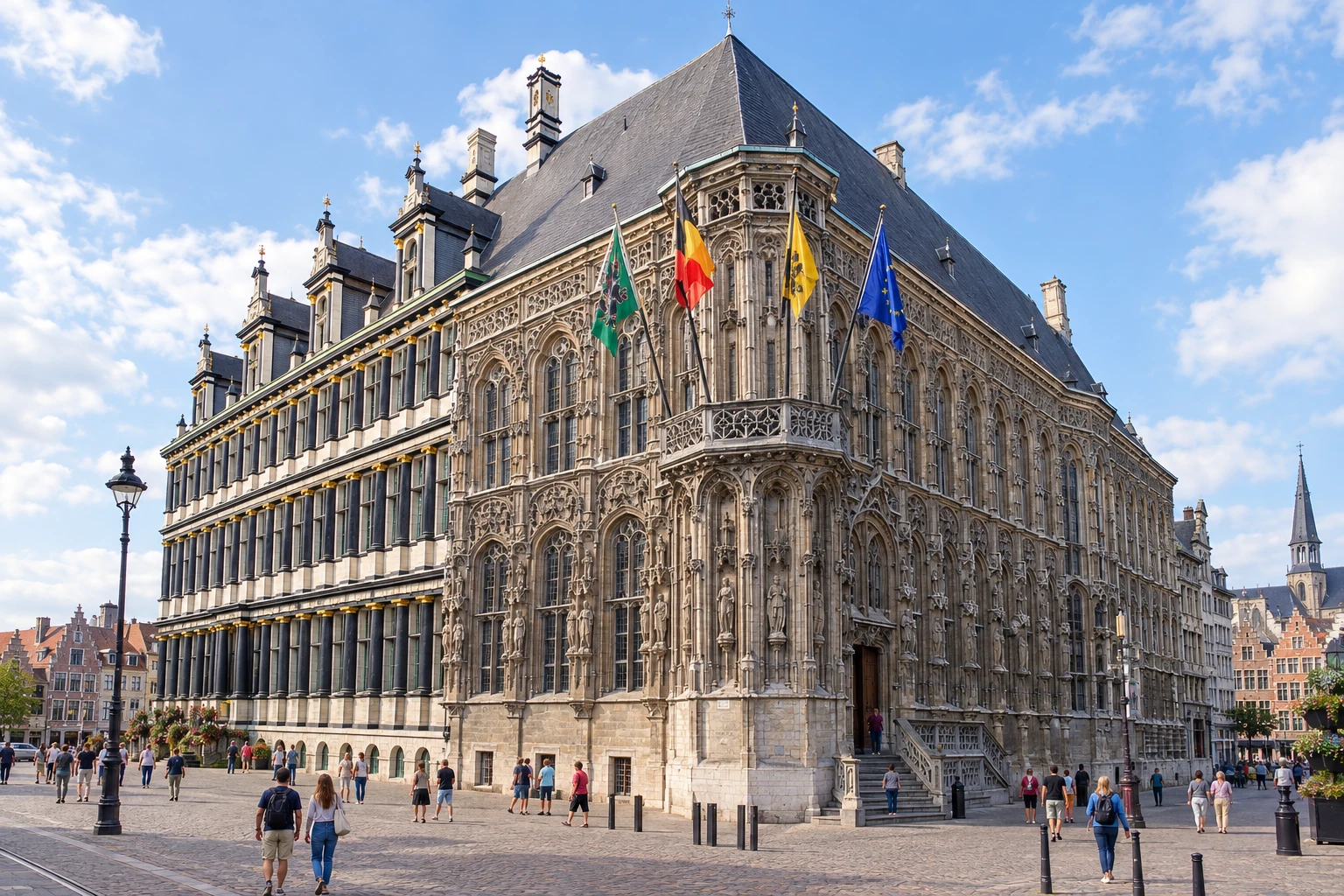
University town of Brabante Flamengo, with a lace-like Gothic town hall, a painting by Dieric Bouts in the church of São Pedro, a listed beguinage and a café-filled square full of students.
Medieval Bruges, with canals and the Belfort, the village of Damme at the end of a poplar-lined canal and the North Sea at Ostende — all close by train, bicycle or tram.
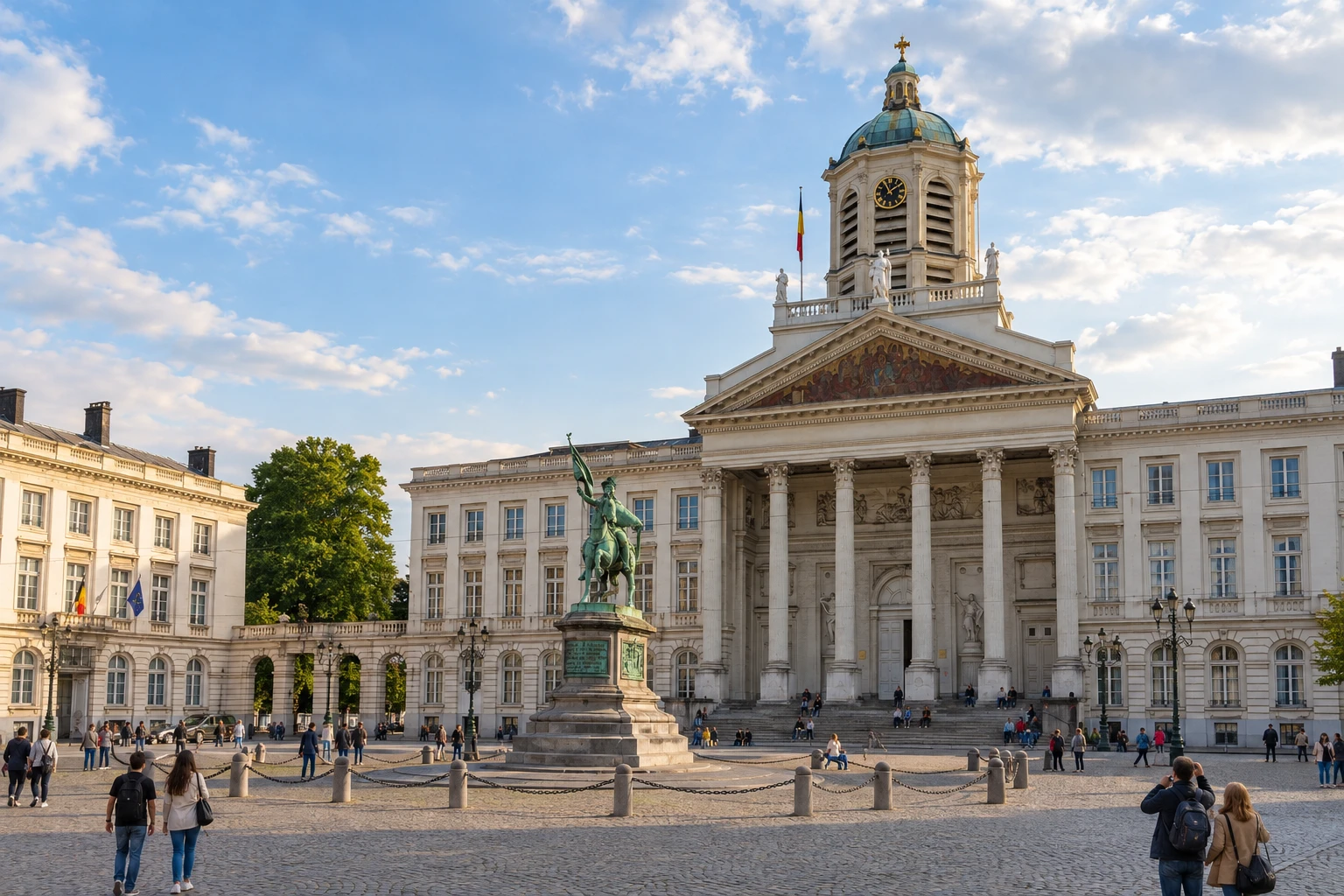
The capital of Belgium and seat of the European Union, with the Grand-Place, the Atomium and art museums, and the Waterloo battlefield a few kilometers to the south.
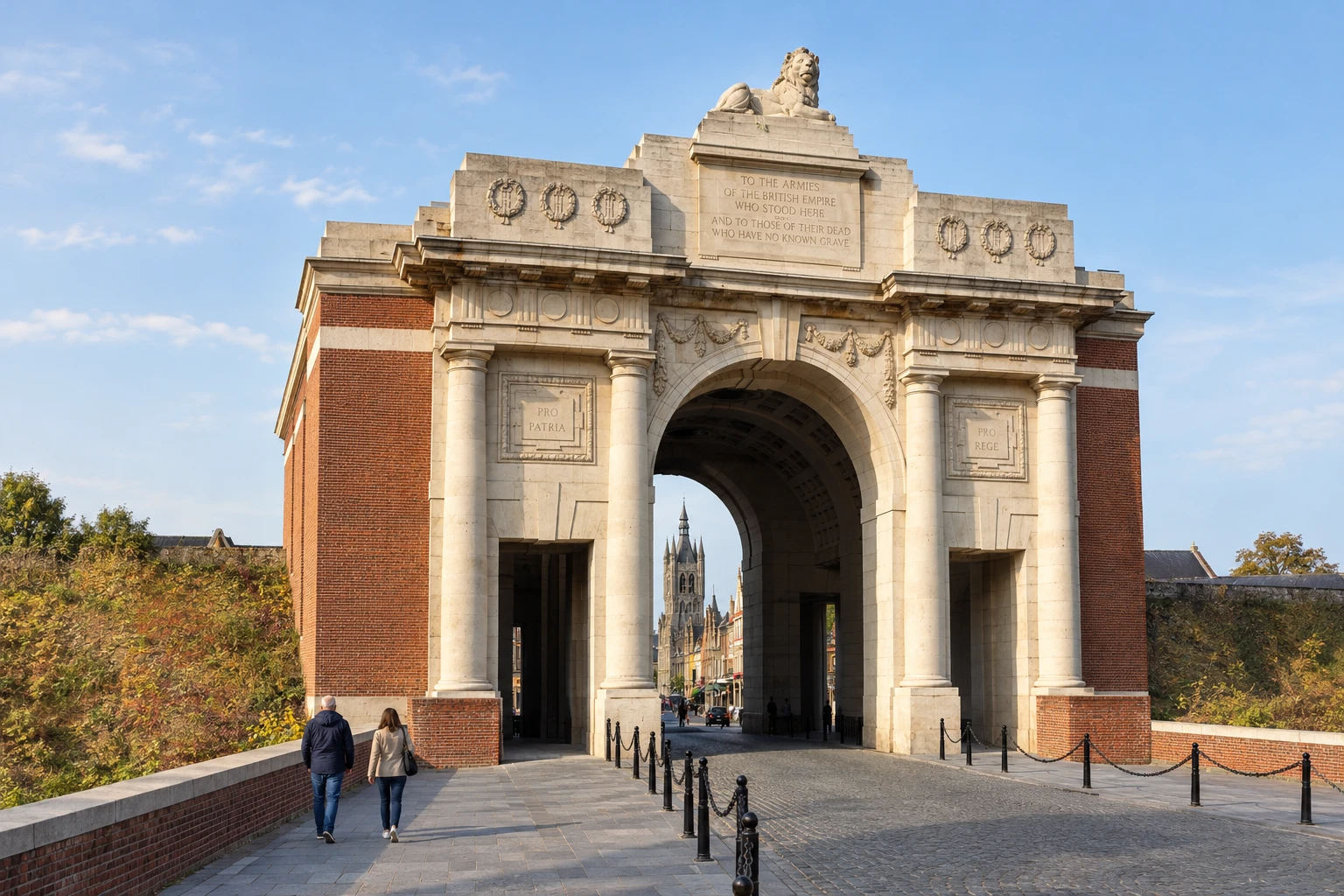
Ypres, a city rebuilt after the First World War, with the Lakenhalle, the Menenpoort and the cemeteries and museums of the former front nearby.
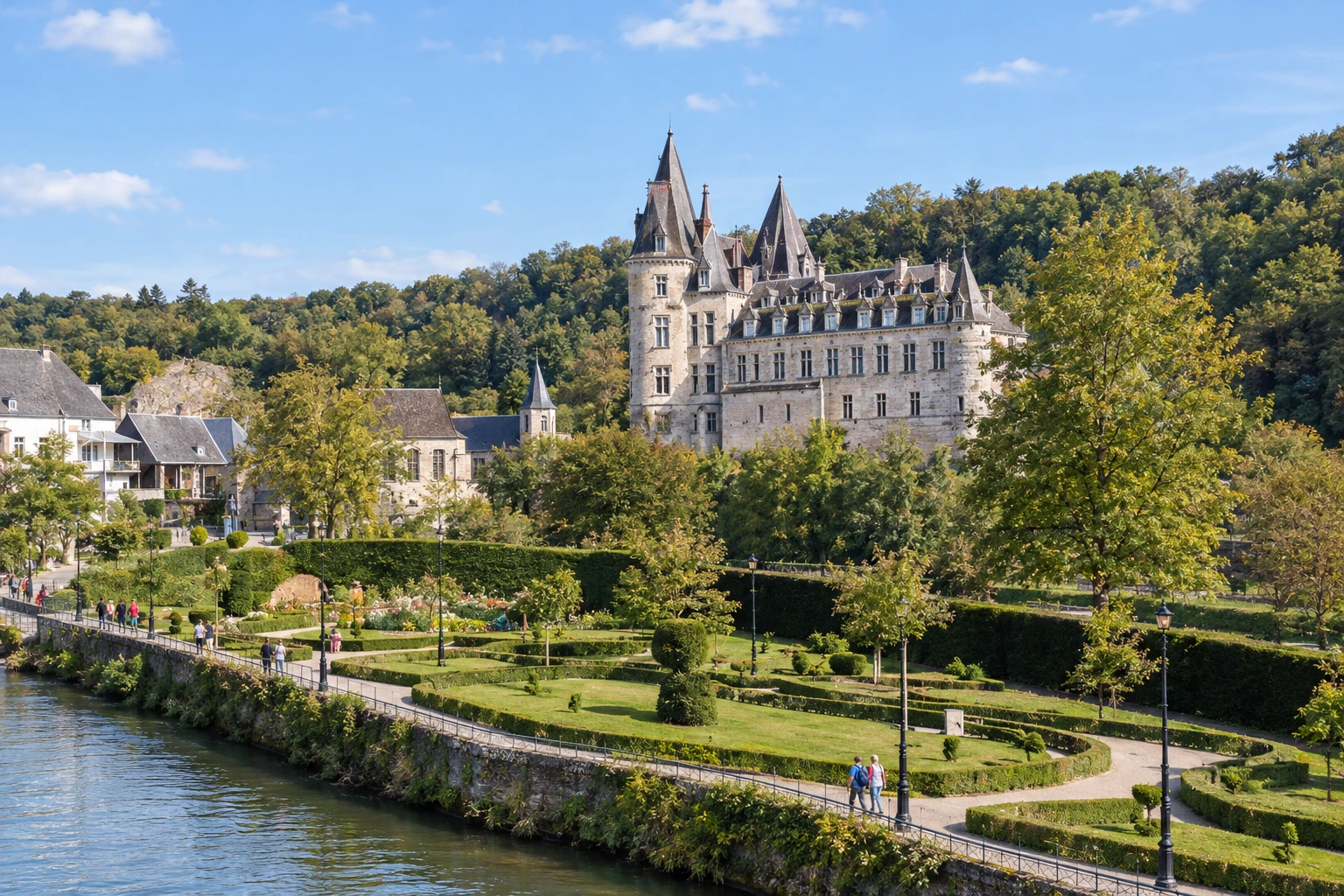
Hills covered in forest, rivers winding in tight bends, and three small stone towns: Durbuy, La Roche-en-Ardenne and Bouillon, in southeast Belgium.
Two towns in Hainaut with a UNESCO-listed beffroi: Mons, of the Doudou, of Van Gogh and of the Grand-Hornu, and Tournai, of the cathedral's five towers and the Pont des Trous over the Escalda.
Antuérpia, the city of Rubens, of the port and of the diamonds, and Mechelen, the former capital of the Low Countries, are about 20 minutes apart by train.
The capital of jenever and the Japanese Garden, the oldest city in Belgium with its Gallo-Roman museum and the national park of heather and pines around Genk, in Belgian Limburg.
Cities to start with
Each city has a page with what to do there.

City in the Ardennes in the Warche valley, near the German border, which together with Stavelot formed an abbey principality for centuries. The former abbey church, with the title of cathedral, and the Malmundarium beside it preserve that history and the Cwarmê, the town’s carnival. To the north the Hautes Fagnes begin, a peatland plateau that includes Belgium’s highest point.

The westernmost seaside resort in Belgium, on the border with France, De Panne includes the village of Adinkerke. It has a wide beach where the Dumont brothers created the first sand yachts for sport in 1898, and the Westhoek dune reserve, the oldest state nature reserve in Flanders. During World War I, the Belgian royal family lived there, in the small strip of the country that Germany did not occupy. Flemish is spoken.

Durbuy is a small medieval town in the Ourthe valley, in the northern part of the Belgian province of Luxembourg, where French is spoken. It received its city charter in 1331 and likes to present itself as the smallest city in the world. The centre has cobbled streets, the Halle aux Blés, the counts' castle d'Ursel (viewed from the outside), the Parc des Topiaires and the Rocher de la Falize. The Wéris dolmens are about 10 km away.

City west of Ypres that remained outside the German occupation during the First World War. Because it was just behind the front, it housed British troops on leave and field hospitals. Talbot House, a club opened to soldiers of any rank in 1915, is now a museum and guesthouse. On the road south, Lijssenthoek is the largest hospital cemetery of the Commonwealth. The region contains much of Belgium's hop cultivation.

Namur is the capital of Valônia and of the province of Namur, at the point where the Sambre flows into the Meuse. French is spoken. On top of the hill is the Citadelle de Namur, with tunnels and viewpoints, reached by the Téléphérique de Namur. Below, the old town includes the Beffroi, the Place du Marché aux Légumes, the Cathédrale Saint-Aubain, the Église Saint-Loup and the Musée Félicien Rops. The tip of the Grognon marks the rivers' confluence.

Sombreffe includes the village of the same name and rural localities such as Ligny. In Ligny, the engagement of 16 June 1815 ended with Napoleon’s last victory. The Ligny 1815 Museum occupies an old farm that served as a field hospital. In Sombreffe, the lowland medieval château preserves the towers of the former fortification.
The map
Tap a region to see the names. Use two fingers to zoom in.
Outlines: © NGI-IGN, AdminVector, CC BY 4.0. Adapted by Cidade Turismo.
Belgium
Another way into the same trip
Choose the province and the city to find your place in the guide.
Beyond the guide