Tarte al djote
Savory pie from Nivelles, in Walloon Brabant, made with fermented fresh cheese, chard, eggs and plenty of butter, served very hot. A local brotherhood evaluates producers and awards quality seals every year.
Antarctica
Province · Wallonia
The province furthest south of Bruxelas brings together the Waterloo battlefield, the Cistercian ruins of Villers-la-Ville and the university town of Louvain-la-Neuve.
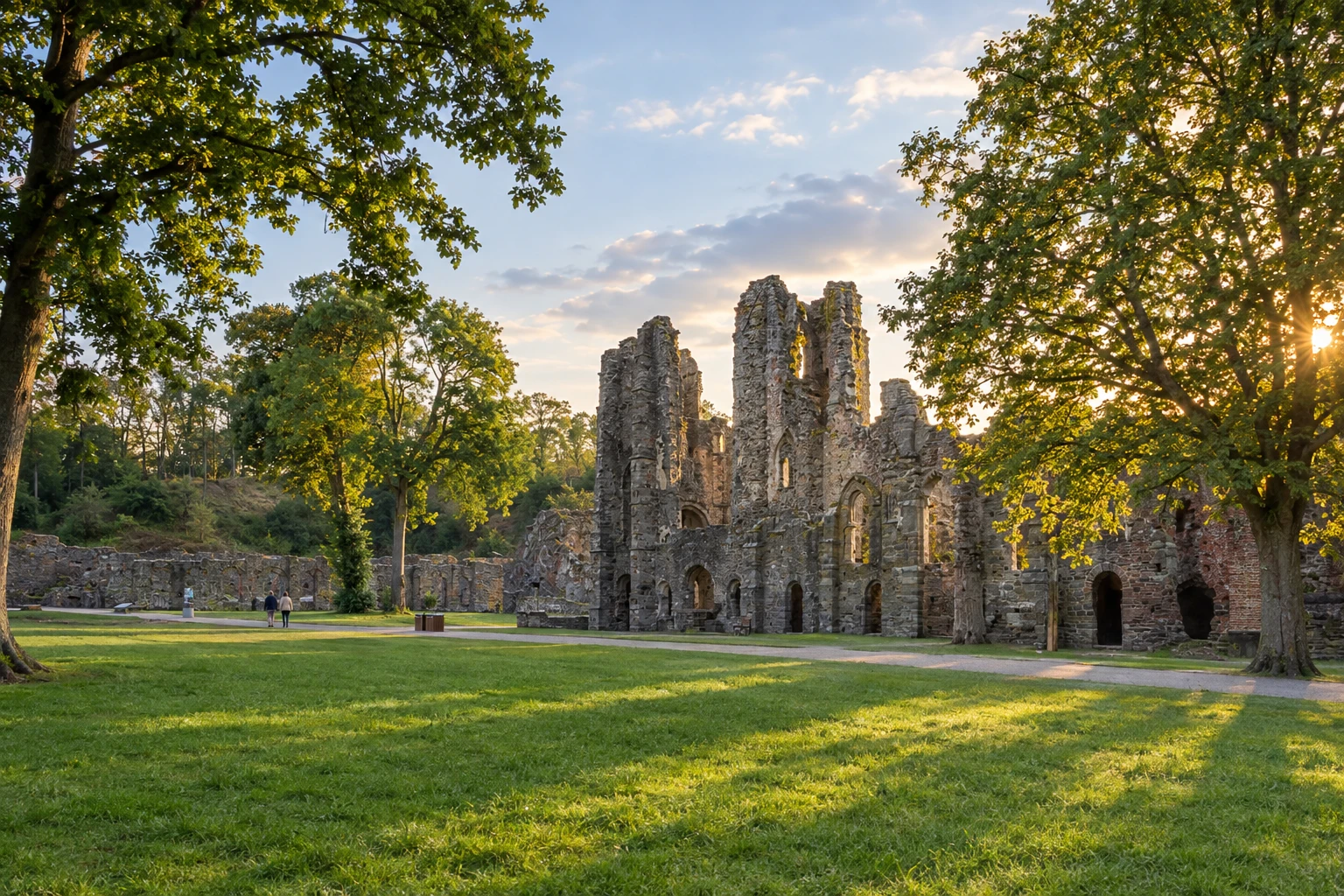
In the photo: Abbaye de Villers
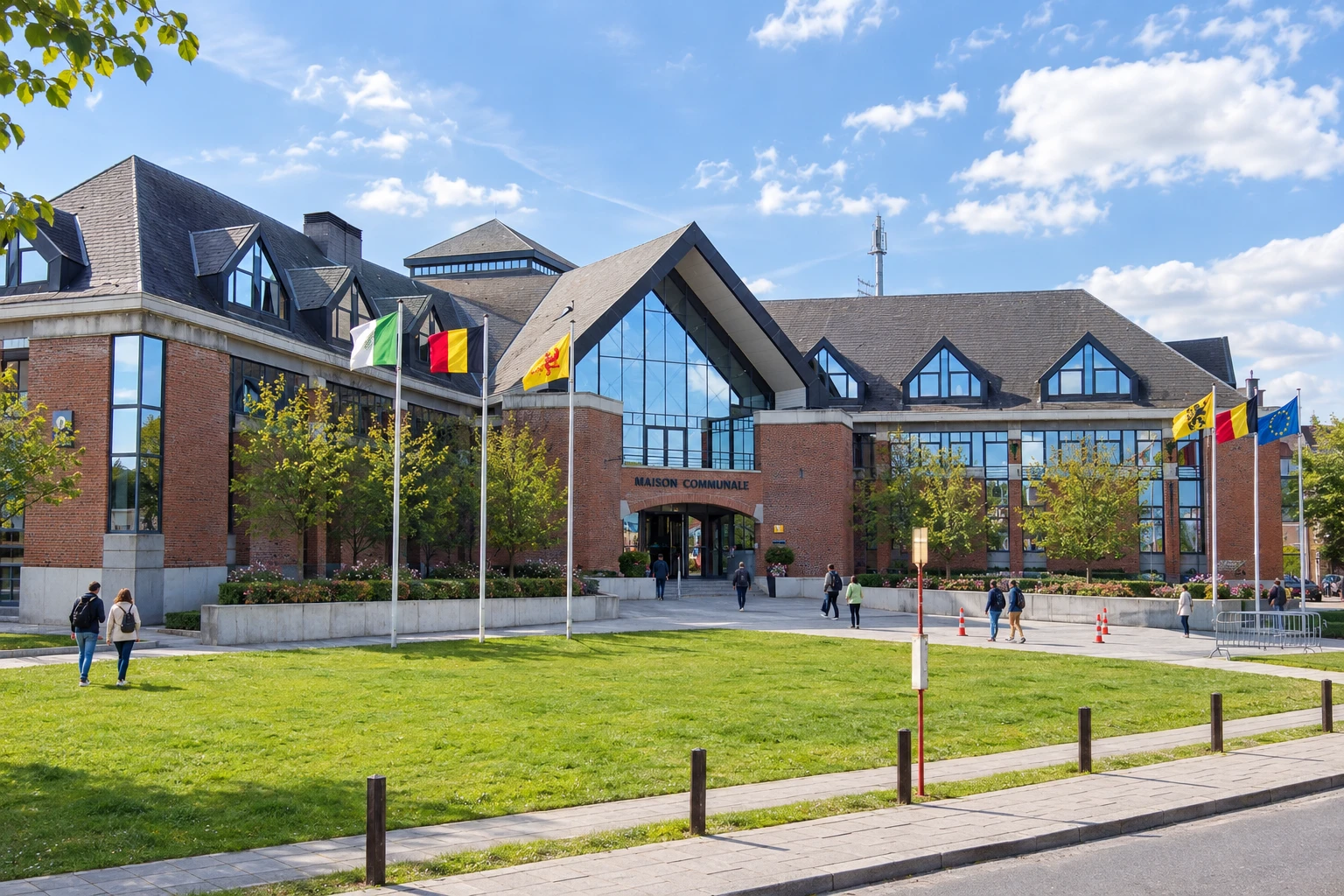
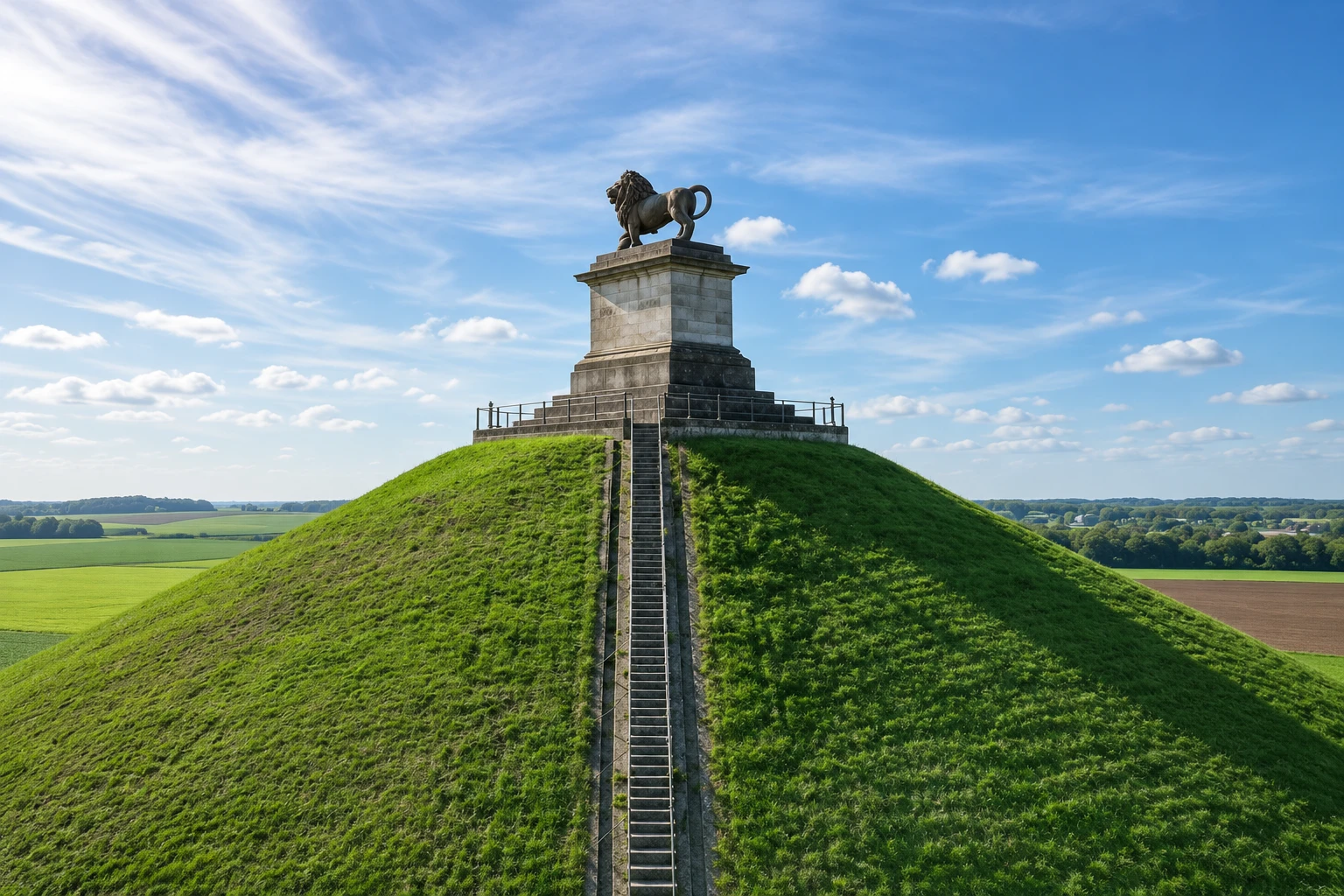
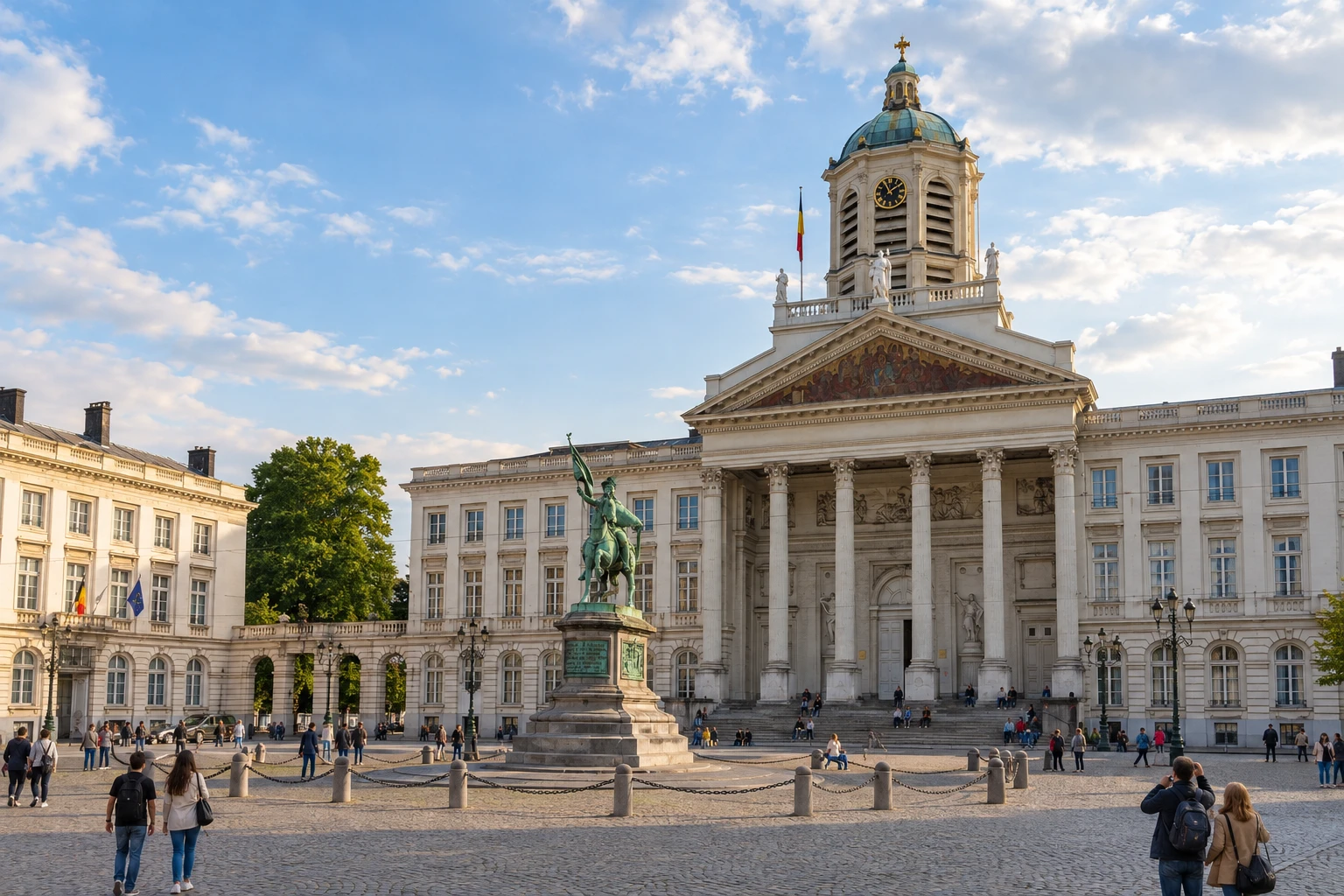
Illustrative images. The pictures in this guide are illustrations based on the real place, not photographs, and may differ from it.
Province
Brabante Valão is the smallest province in Valônia and corresponds to the French-speaking part of the former province of Brabant, divided in 1995. The capital is Wavre, but Braine-l'Alleud and Nivelles are just as well known. The landscape consists of rolling fields of wheat and sugar beet, cut by valleys of small rivers such as the Dyle and the Thyle, with fortified stone and brick farms.
The province's best-known name is Waterloo. It was on the fields south of the town, on 18 June 1815, that Napoleon was defeated by the forces of Wellington and Blücher. The battlefield lies for the most part in the municipality of Braine-l'Alleud, with the Butte du Lion, the Memorial 1815 and the farm of Hougoumont. In Waterloo town centre, Wellington's former headquarters has been turned into a museum.
In the Thyle valley, the Abbaye de Villers shows the ruins of a Cistercian monastery founded in 1146, with a roofless church, cloister and medicinal plant gardens. Nivelles is home to the Collégiale Sainte-Gertrude, one of Belgium's major Romanesque churches. Louvain-la-Neuve is a town planned in the 1970s to host Louvain's French-speaking university; it houses the Musée Hergé, dedicated to the creator of Tintim.
In the kitchen, Nivelles' specialty is the tarte al djote, a savory cheese and chard pie. The province has new vineyards and small breweries. Near Wavre, the Lac de Genval and the Walibi park attract weekend visitors from Bruxelas.
Flavors of Belgium
Destinations
Cities
Routes
The climate is the same as in Bruxelas: scattered rain throughout the year, mild summers and cold winters with short days. From April to September is the most pleasant time to walk the battlefield and the ruins of Villers, which are outdoors. In June, around the anniversary of the battle (18 June), Waterloo often hosts camps and reenactments with period participants; the biggest events occur on round-number anniversaries. Check the programme before you go.
The province has no airport: arrival is via Bruxelas. The Brussels Airport, in Zaventem, is about 30 km from Wavre; Charleroi airport, in Hainaut, is near the south of the province. Visitors from Brasil arrive via Bruxelas. SNCB trains depart from Bruxelles-Midi and Central for Waterloo, Braine-l'Alleud and Nivelles on the line to Charleroi, and for Ottignies, where you change for Louvain-la-Neuve. By road, the E411 (Bruxelas–Namur) passes Wavre, the N5 links Bruxelas to Waterloo and the R0 ring road, which circles Bruxelas, crosses the north of the province.
Beyond the guide
Your questions
Yes. There are SNCB trains from Bruxelas to Waterloo and Braine-l'Alleud stations, and TEC buses that stop near the Memorial 1815. The battlefield lies south of Waterloo town centre; anyone wanting to see the town museum, the Butte du Lion and Hougoumont will usually need the whole day.
For the most part, no. The battle is named after Waterloo because Wellington dated his account of the victory from his headquarters there, but the Butte du Lion, the Memorial 1815 and Hougoumont lie in the neighbouring municipality of Braine-l'Alleud.
Yes. The province is in Valônia, and signs, menus and museums are in French. To the north, the border with the Brabante Flamengo marks the change to Dutch, and city names change on the road signs.
Villers-la-Ville station, on the line between Ottignies and Charleroi, is close to the ruins, which can be reached on foot. Travelling from Bruxelas usually requires a train change. Check the timetables before you set off.
For Tintim fans, yes: the Musée Hergé is there, in a building designed by Christian de Portzamparc. The town is entirely pedestrian, with its centre on a slab that covers the station and the car park. Do not confuse it with Lovaina (Leuven), the older university city which lies in the Brabante Flamengo.
Not for the main sites, which have train or bus connections. A car is useful to combine the battlefield, Villers and Nivelles in a single day, or to reach farms and inland villages.