Waterloo · Belgium · Museum
Wellington Museum
Museum in the former inn where the Duke of Wellington set up his headquarters and wrote the victory communiqué in June 1815, in the centre of Waterloo.

 Search
 Brazil
 Antarctica
 Argentina
 Bolivia
 Chile
 Colombia
 Ecuador
 Falkland Islands (Malvinas)
 French Guiana
 Guyana
 Paraguay
 Peru
 Suriname
 Uruguay
 Venezuela
 AustriaBelgium
 Croatia
 Denmark
 Finland
 France
 Germany
 Greece
 Hungary
 Iceland
 Ireland
 Italy
 Luxembourg
 Norway
 Poland
 Portugal
 Slovakia
 Slovenia
 Spain
 Sweden
 Switzerland
 the Czech Republic
 the Netherlands
 the United Kingdom
 Turkey
 Bermuda
 Canada
 Greenland
 Mexico
 Saint Pierre and Miquelon
 the United States
 the Dominican Republic
 JapanTurkey
 Egypt
 South Africa
 Australia
 Fiji
 New Zealand
 Papua New Guinea
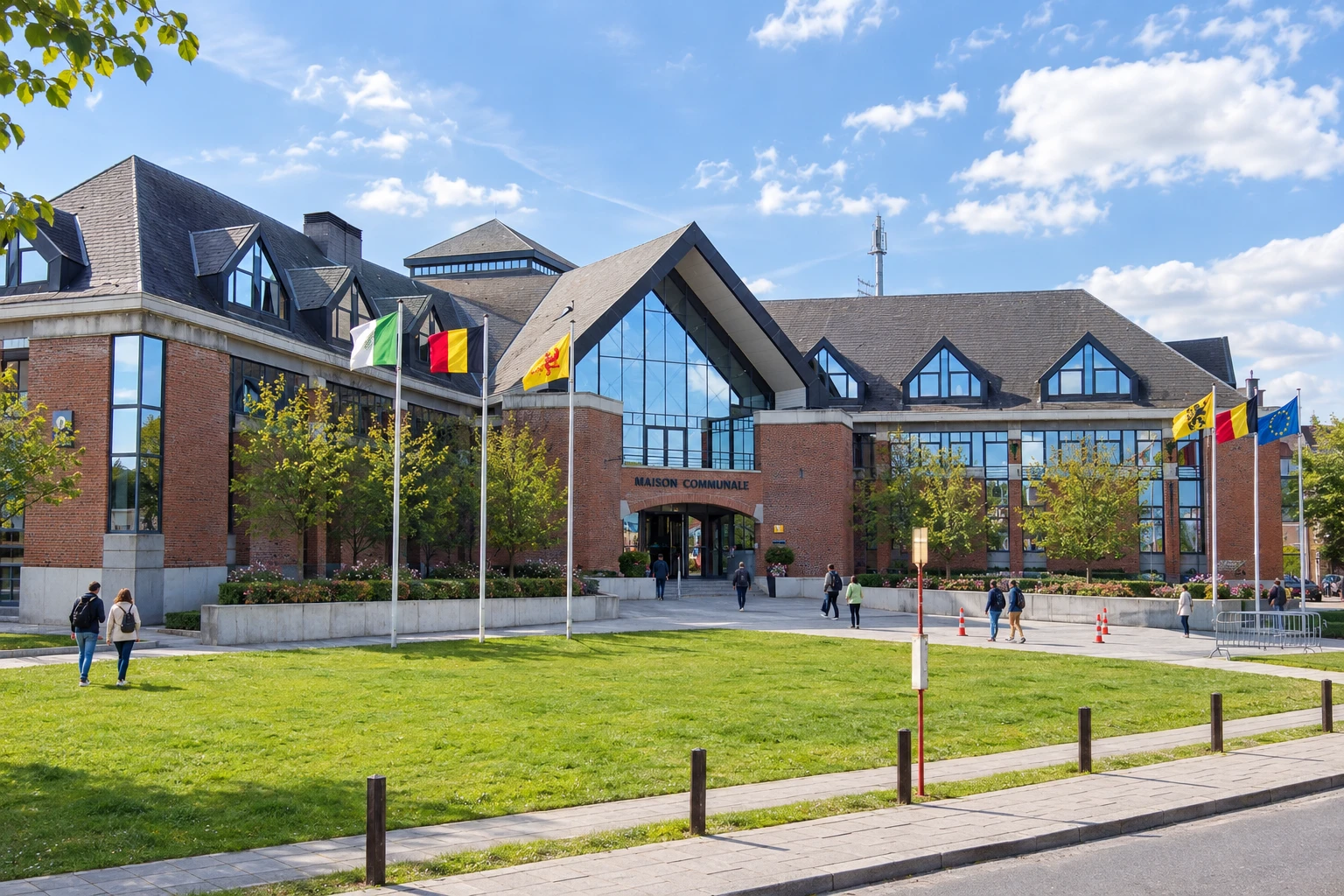
In the photo: Maison communale de Waterloo
Illustrative images. The pictures in this guide are illustrations based on the real place, not photographs, and may differ from it.

The city
City in Walloon Brabant, about 20 km south of Brussels, where French is spoken. It gave its name to the battle of 18 June 1815, which ended Napoleon's career. In the centre is the Musée Wellington; the battlefield to the south includes the Mémorial 1815, the Butte du Lion and the Ferme d'Hougoumont.
8 places to stay in Waterloo.
30 places to eat in Waterloo.
1 place on the map: where to stay and where to eat, by neighborhood.
how to get there · how many days · itinerary · questions
The local experience
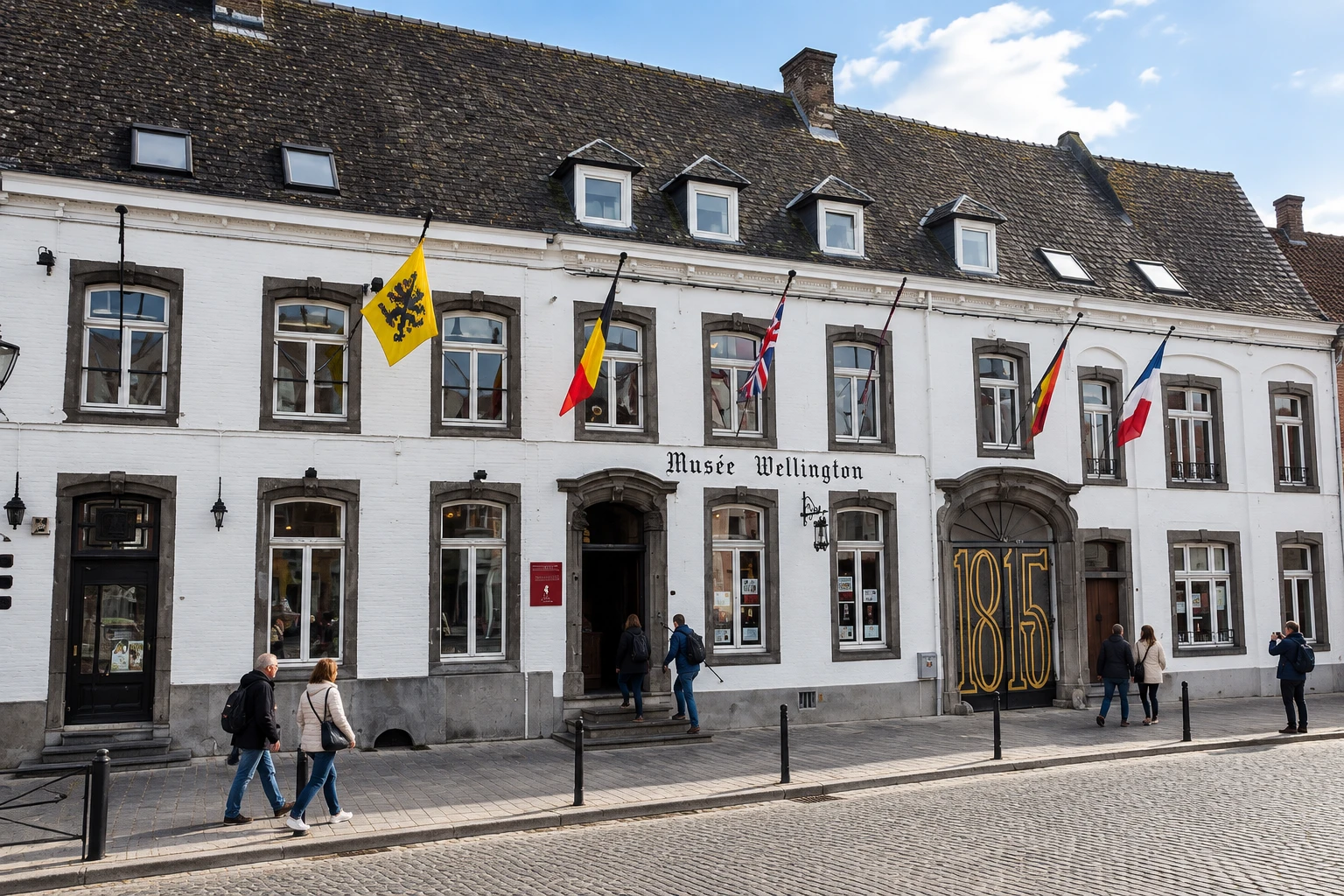
Museum in the former inn where the Duke of Wellington set up his headquarters and wrote the victory communiqué in June 1815, in the centre of Waterloo.
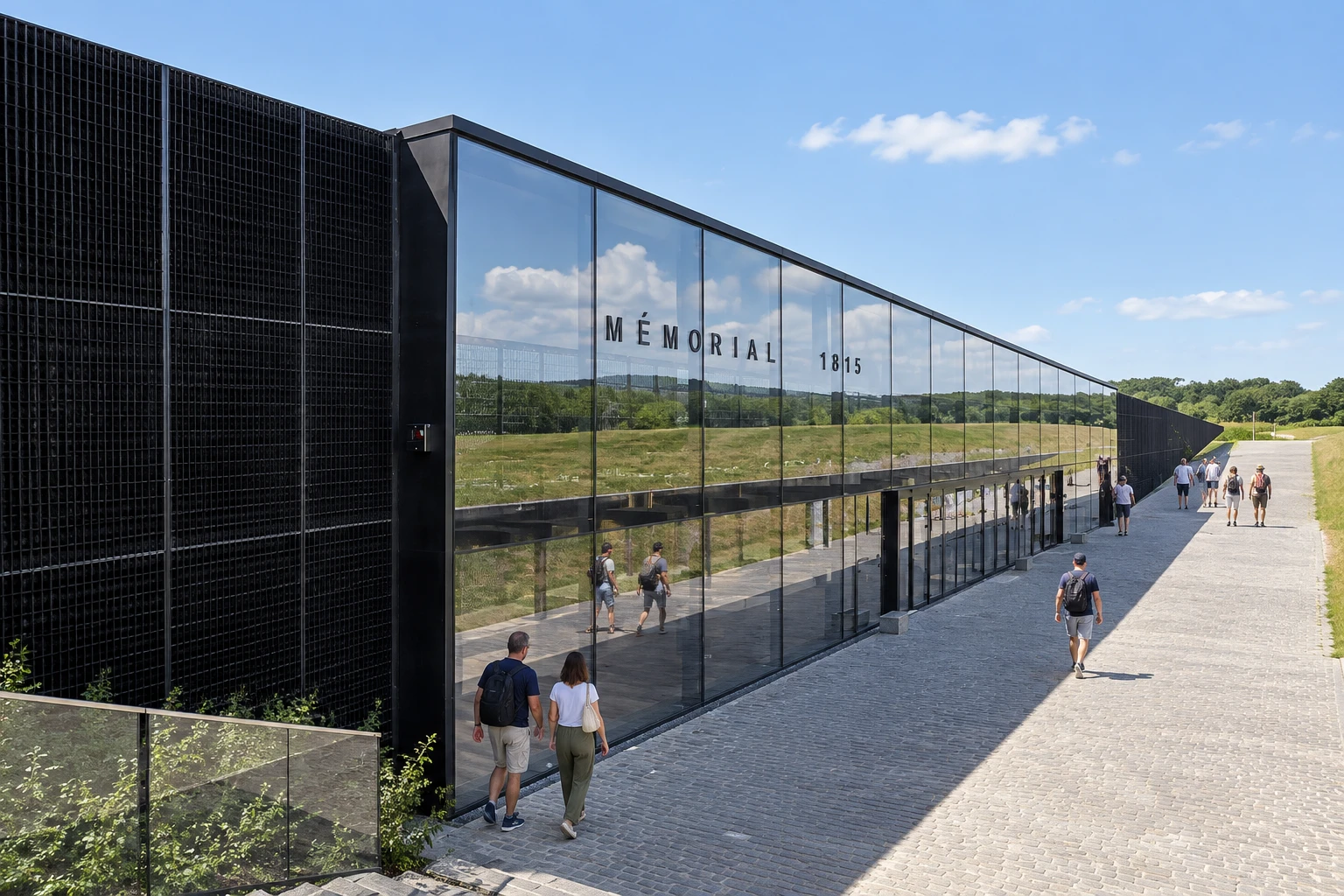
Museum on the Waterloo battlefield, at the foot of the Butte du Lion. It tells the story of the 1815 campaign with a 3D film, uniforms and animated maps, and provides access to the Panorama painted in 1912.
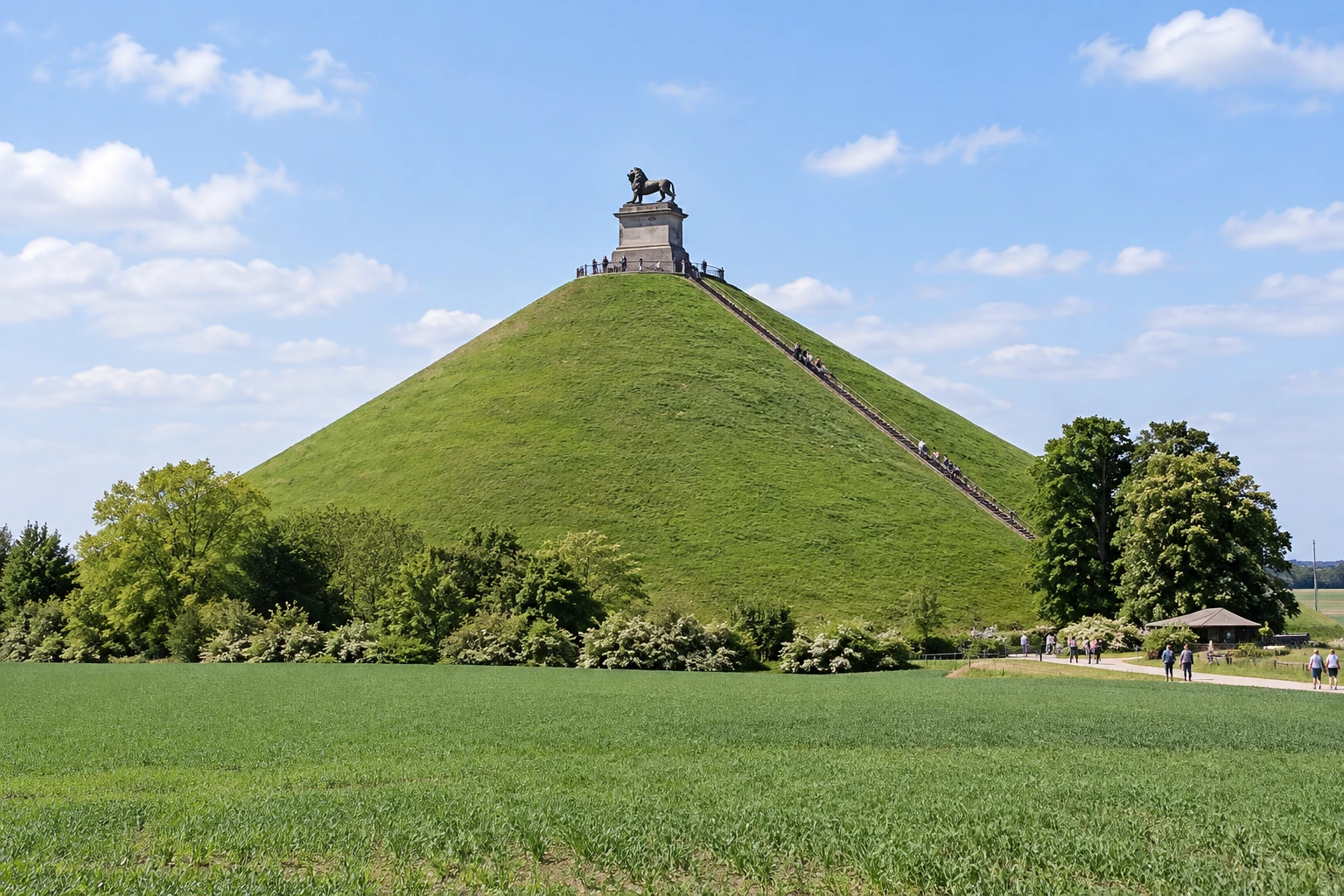
Artificial hill 43 metres high, with 226 steps, erected between 1823 and 1826 on the Waterloo battlefield. At the top, a cast-iron lion and a view over the whole battlefield.
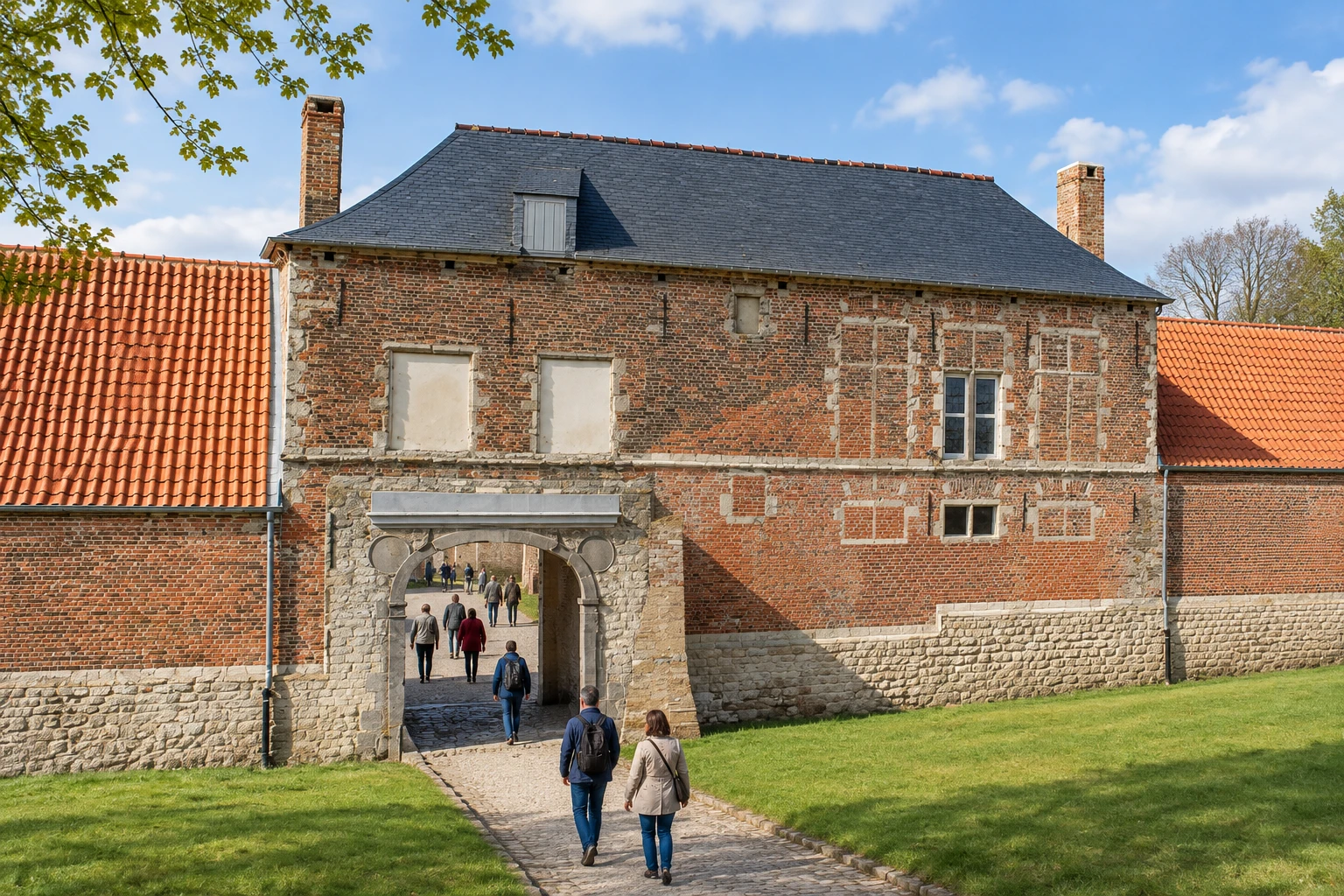
Fortified farm that the allies defended throughout the day of the Battle of Waterloo. Restored, it houses a museum with a multimedia show and a chapel that survived the fire.
Before you go
Waterloo – Belgium Destination Brussels
Approximate distances. Check flights and bus, train or boat schedules before you travel.
By train from Brussels stations, the journey to Waterloo takes about half an hour; for the battlefield, Braine-l'Alleud station is closer. TEC buses W and 365 also link Brussels to Waterloo. By car it's about 20 km via the N5.
A full day, on a day trip from Brussels, covers the Musée Wellington, the Mémorial 1815, the Butte du Lion and Hougoumont. With half a day, prioritise the battlefield.
From April to October the open field is more pleasant and the days are long. Around 18 June, the date of the battle, there are usually events and, in some years, reenactments. In winter, wind and rain make the climb up the Butte du Lion harder.
The seasons shown are the most usual ones; nature doesn't always follow the calendar.
It's not necessary. Train to Braine-l'Alleud and the W bus take you to the battlefield, and the Musée Wellington is a 15-minute walk from Waterloo station. By car it's easier to link the dispersed sites, such as the Dernier QG de Napoléon in Vieux-Genappe.
Suggested itinerary
Built with the places on this page. No rush: it's paced so you have time to see them.
Train from Brussels to Waterloo and a walk to the Musée Wellington, in the former inn of the Allied headquarters. Cross the street to see the chapel of Saint-Joseph.
Bus or taxi to the Route du Lion. Visit the Mémorial museum and the Panorama and climb the 226 steps of the Butte du Lion.
Electric minibus to Hougoumont to see the north gate and the chapel that survived the fire.
W bus to Braine-l'Alleud station and train back to Brussels for dinner.
Check before you go. Opening hours and days change, and places may close for renovations, holidays or events. This itinerary is a suggestion from Cidade Turismo, not a commitment: plan yours by checking directly with each place you intend to visit.
Before you go
French. Waterloo is in Wallonia, in Walloon Brabant, just south of the border with the Flemish-speaking region.
It lies south of the town, in the municipality of Braine-l'Alleud, about 5 km from the centre. The battle took the name Waterloo because Wellington was staying there.
Braine-l'Alleud, about 2.5 km from the Mémorial 1815, with the W bus to the Route du Lion. Waterloo station is the most convenient for the Musée Wellington.
Yes, if you focus on the battlefield: Mémorial 1815, the Panorama and the Butte du Lion. To include Hougoumont and the Musée Wellington, allow a full day.
Routes in Belgium
From the first encampment at Beaumont to the Waterloo battlefield, follow the markers of the June 1815 campaign in Wallonia.