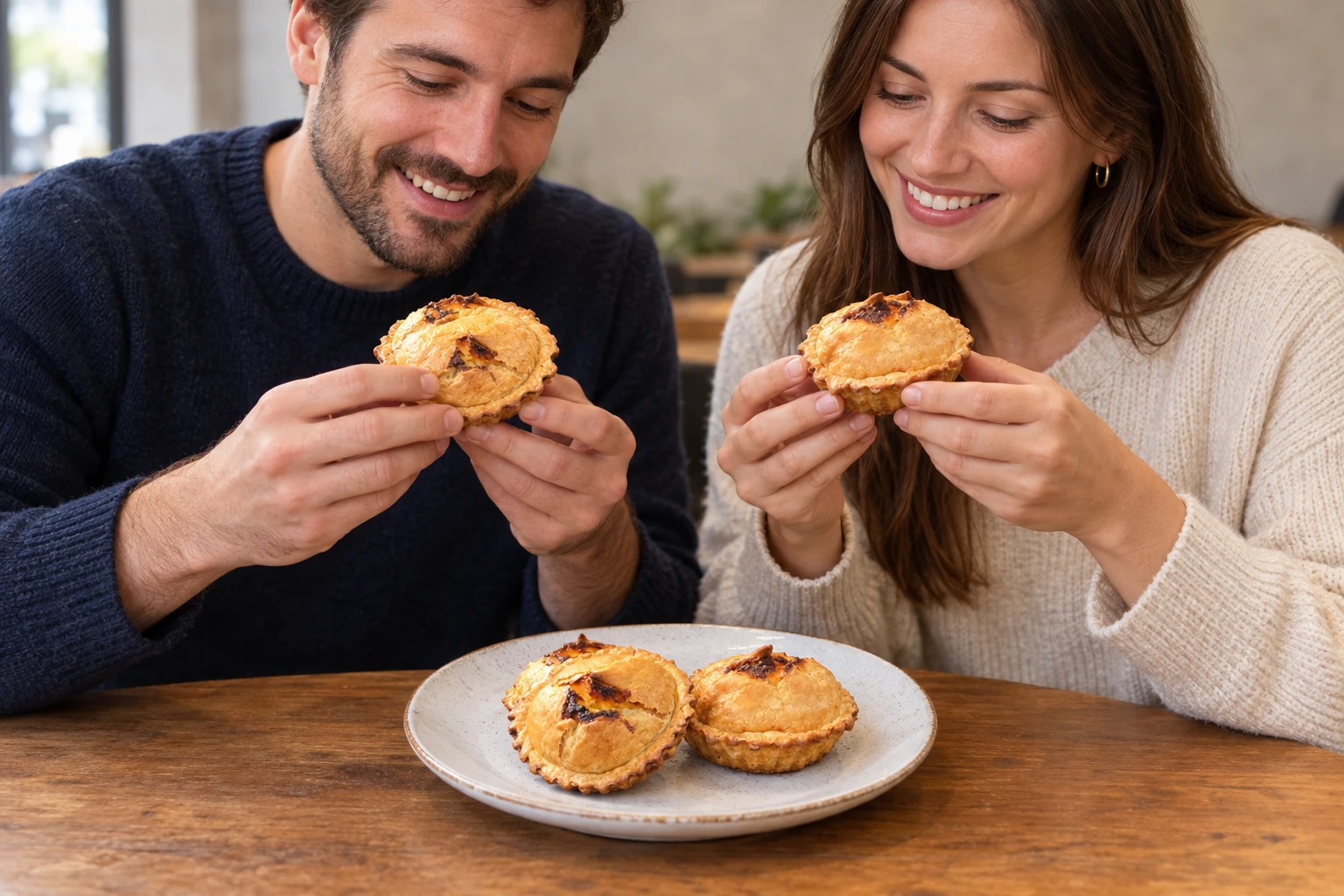
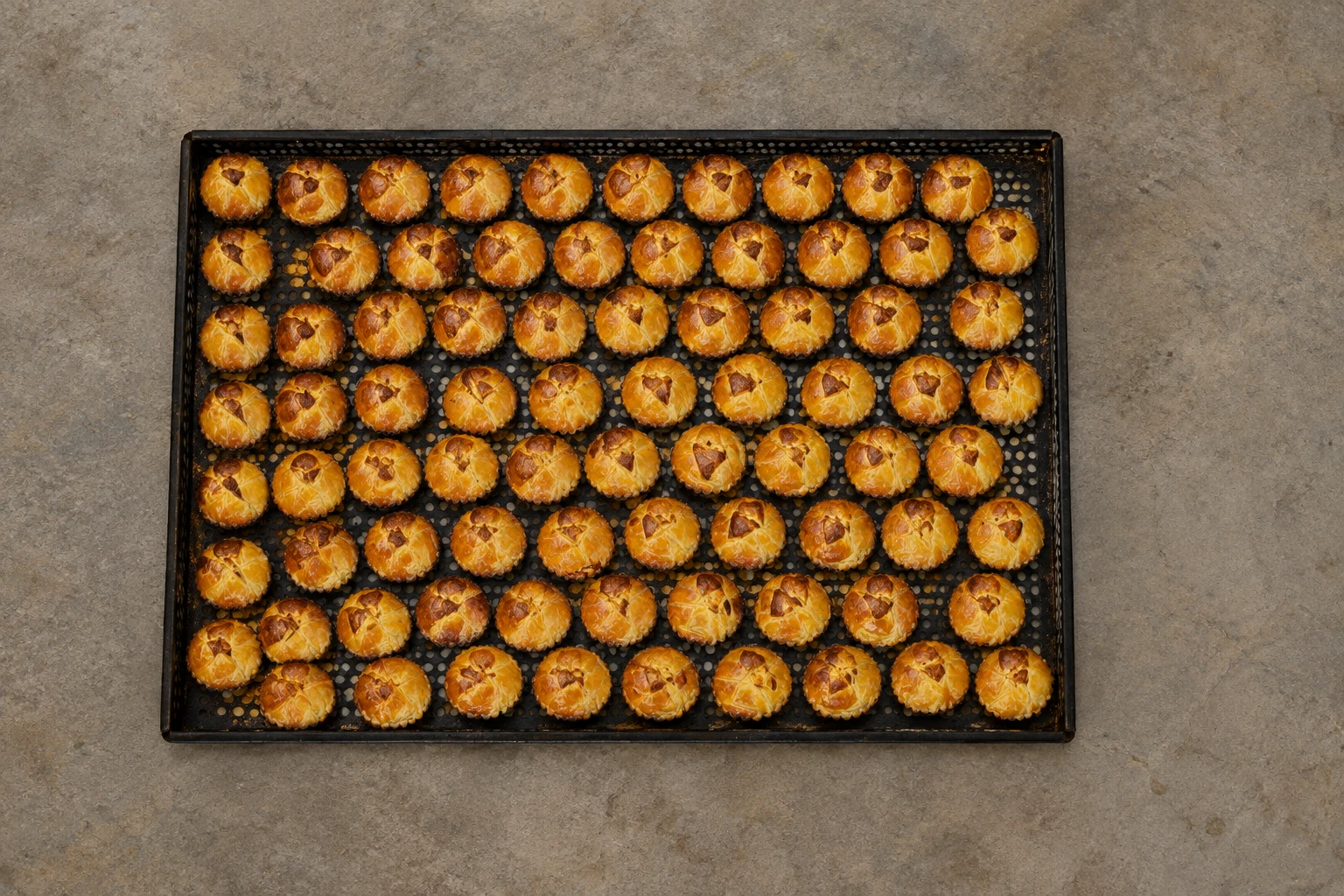
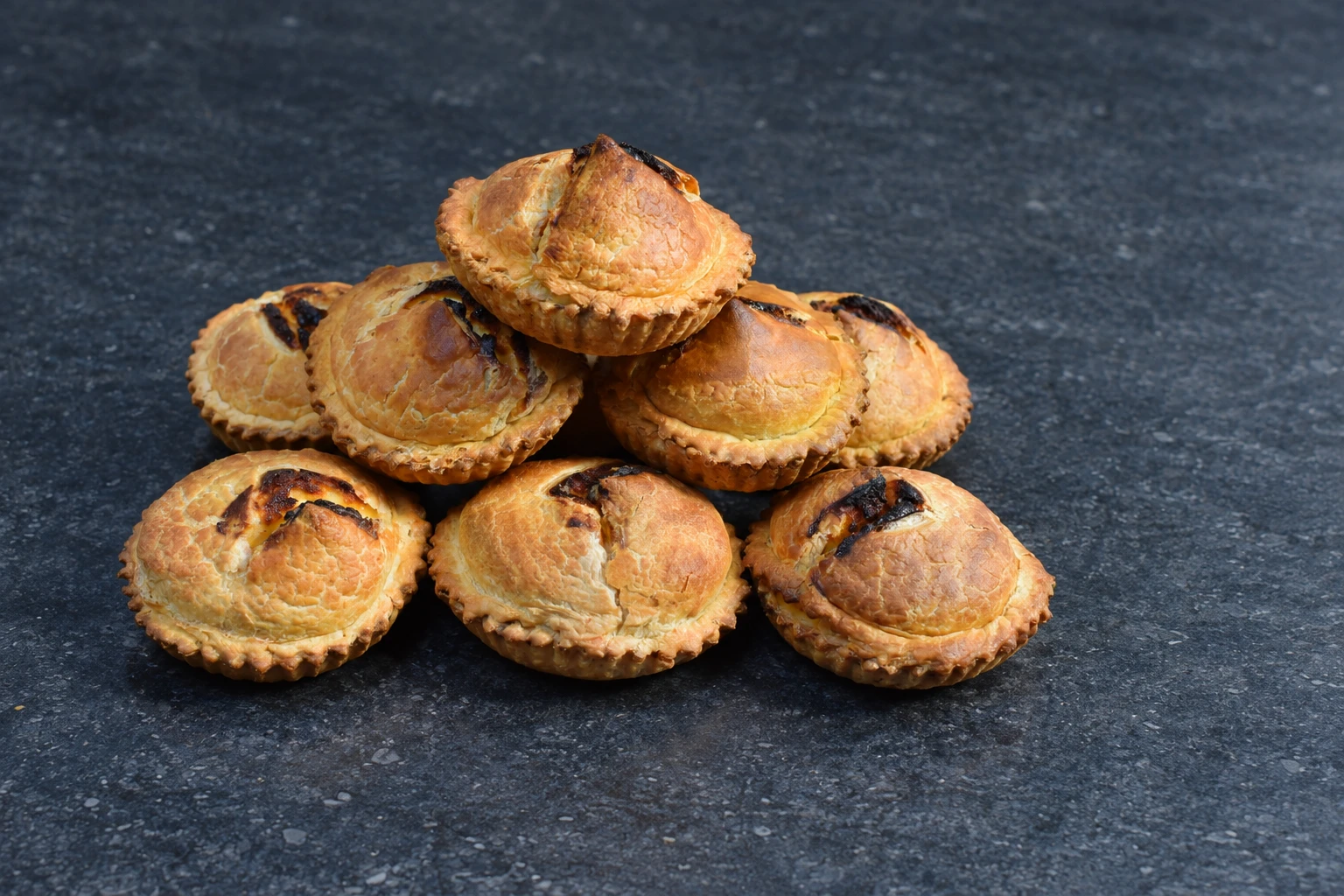
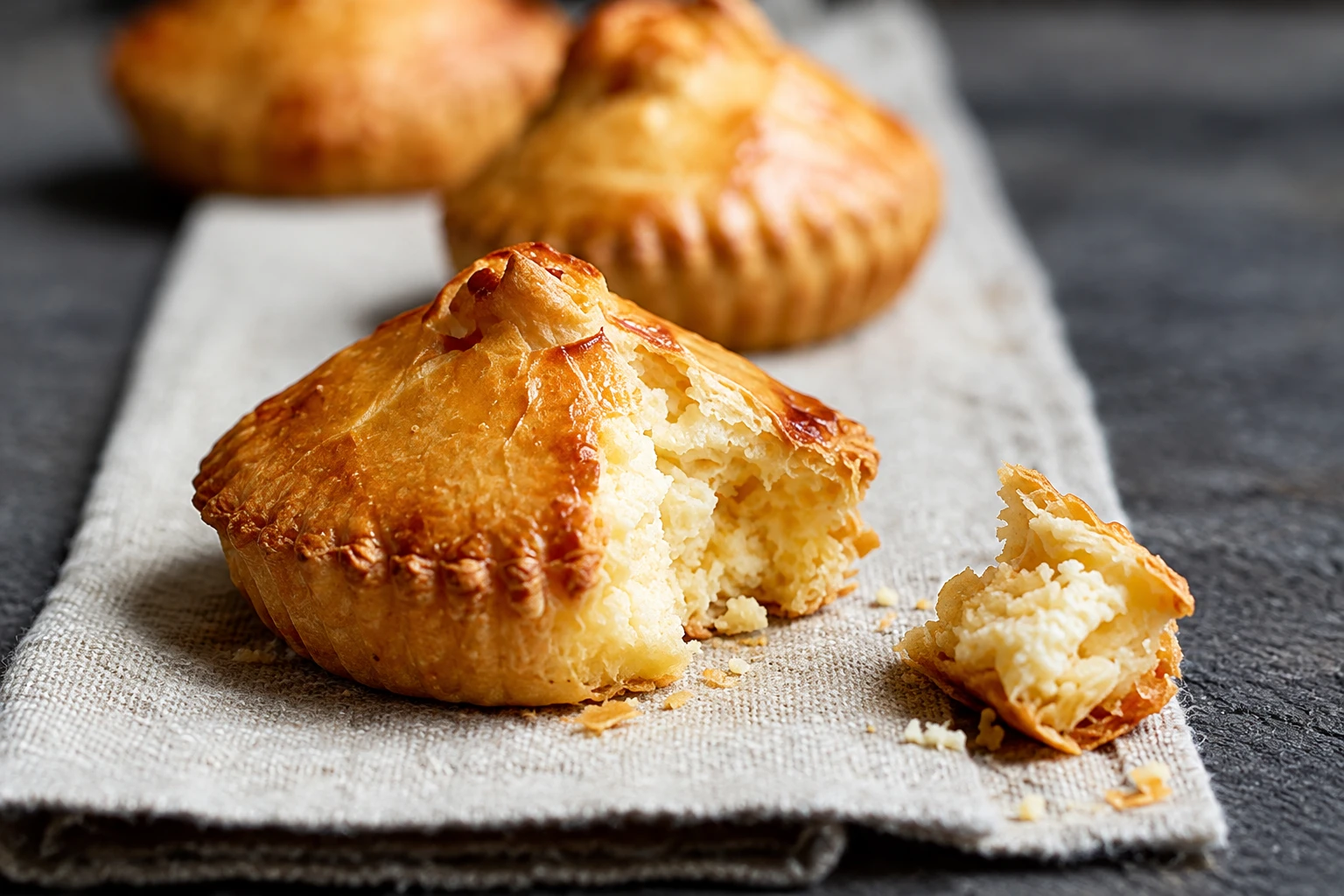
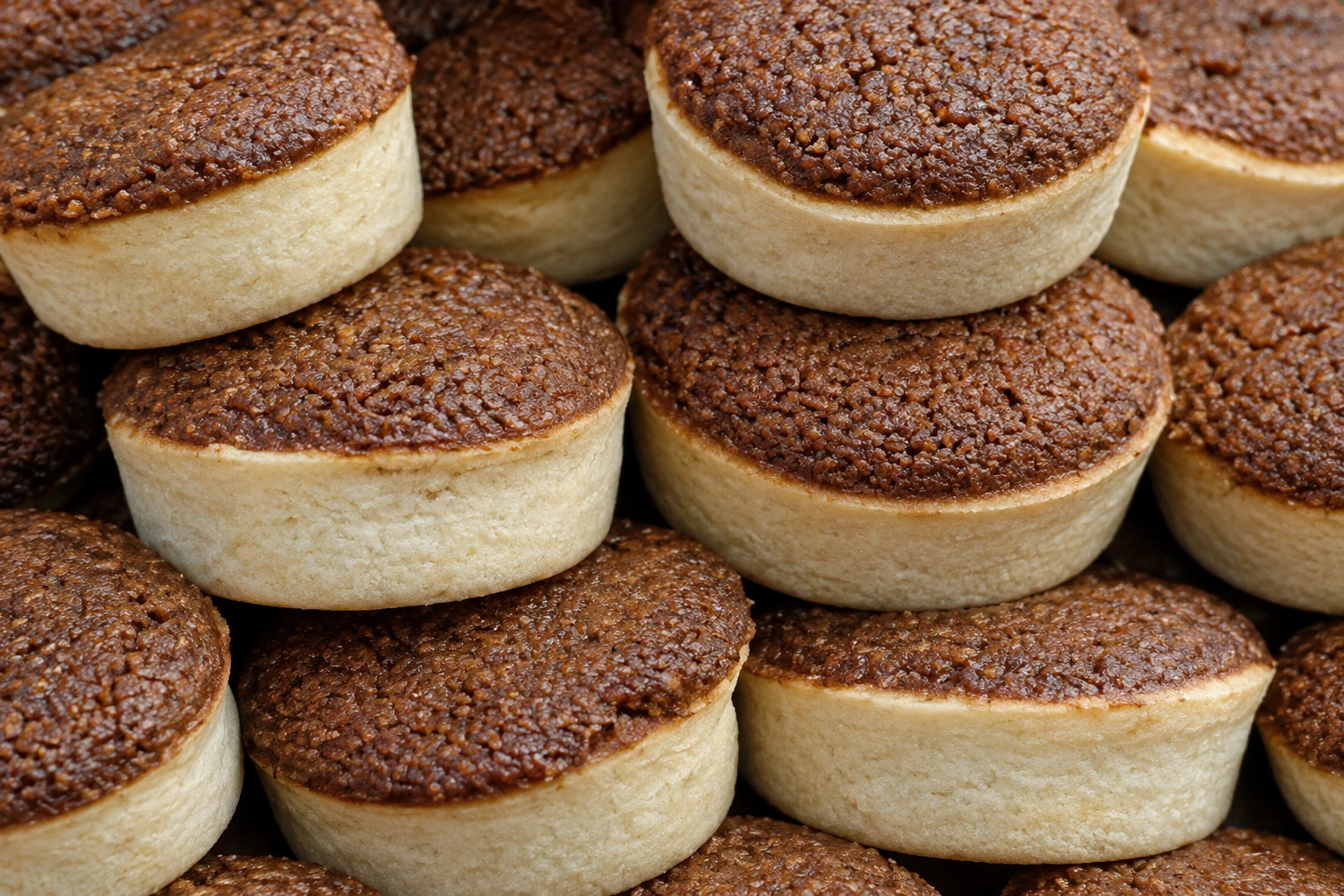
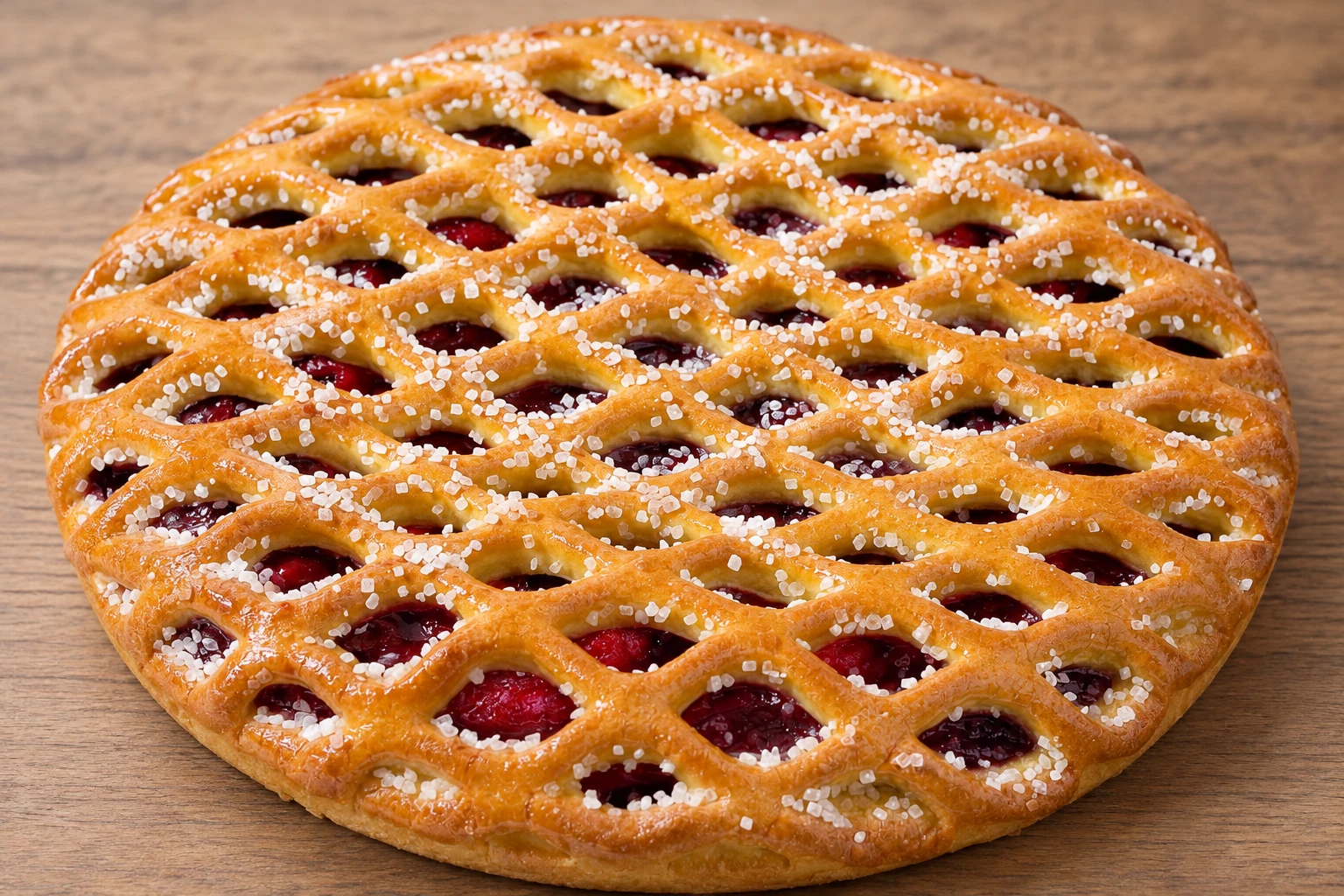
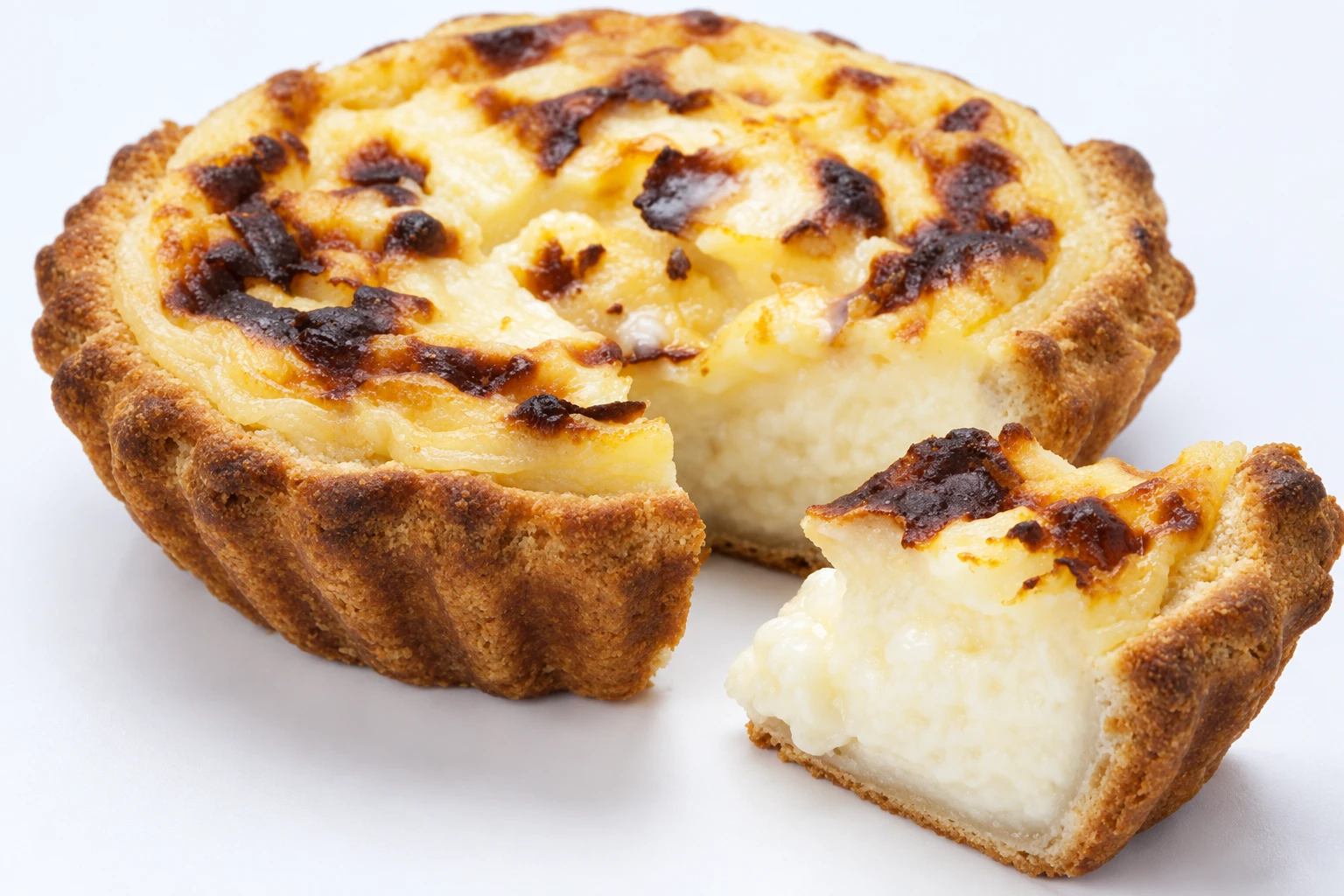
The mattentaart is a round puff-pastry tart with a creamy filling and a crunchy crown on top. The name comes from the main ingredient, the matten: raw cow’s milk curd that has been drained. The filling contains matten, eggs and sugar, and the flavor varies slightly from baker to baker, with more or less vanilla or almond aroma.
The tart originated as a way to use curd in a time without refrigeration, when preserving milk was difficult. A troubadour song from the 13th century already mentions matten, and the first known recipe appears in a 16th-century cookbook. In 1665, Geraardsbergen set quality rules for selling the tart in the town, and in 1752 Empress Maria Theresa of Austria confirmed those standards.
Until the end of the 19th century, the mattentaart was made at home and on farms; later it moved to bakeries. In 1978 the Geraardsbergse mattentaart brotherhood was founded, and in 2007 the European Union protected the name: only bakers from Geraardsbergen and Lierde may make it, using matten and specified ingredients. Raw tarts can be frozen and baked elsewhere.
Matten are also recognized as a regional Flemish product. The tart is part of Flanders’ intangible heritage and remains present in the town’s everyday life.
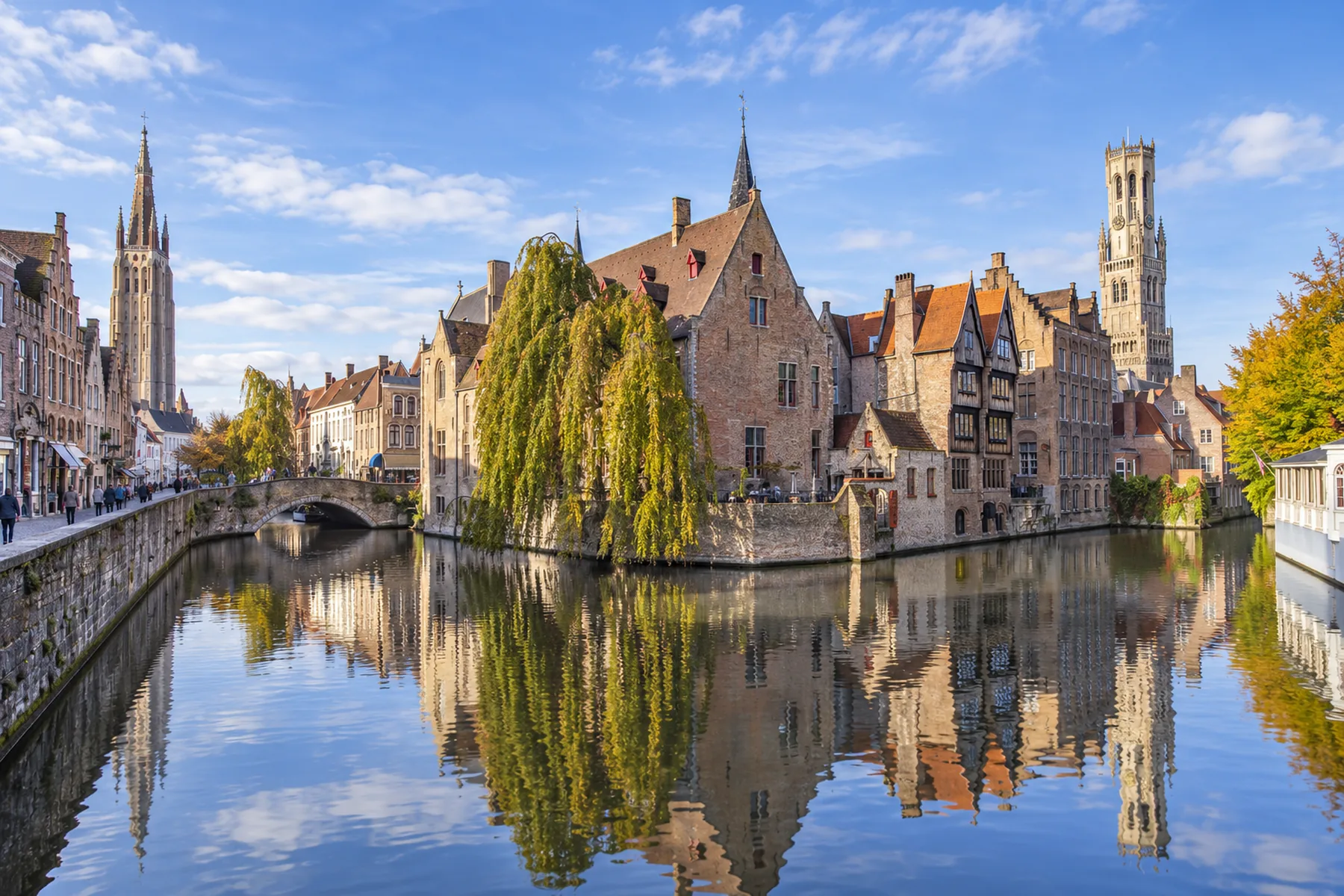
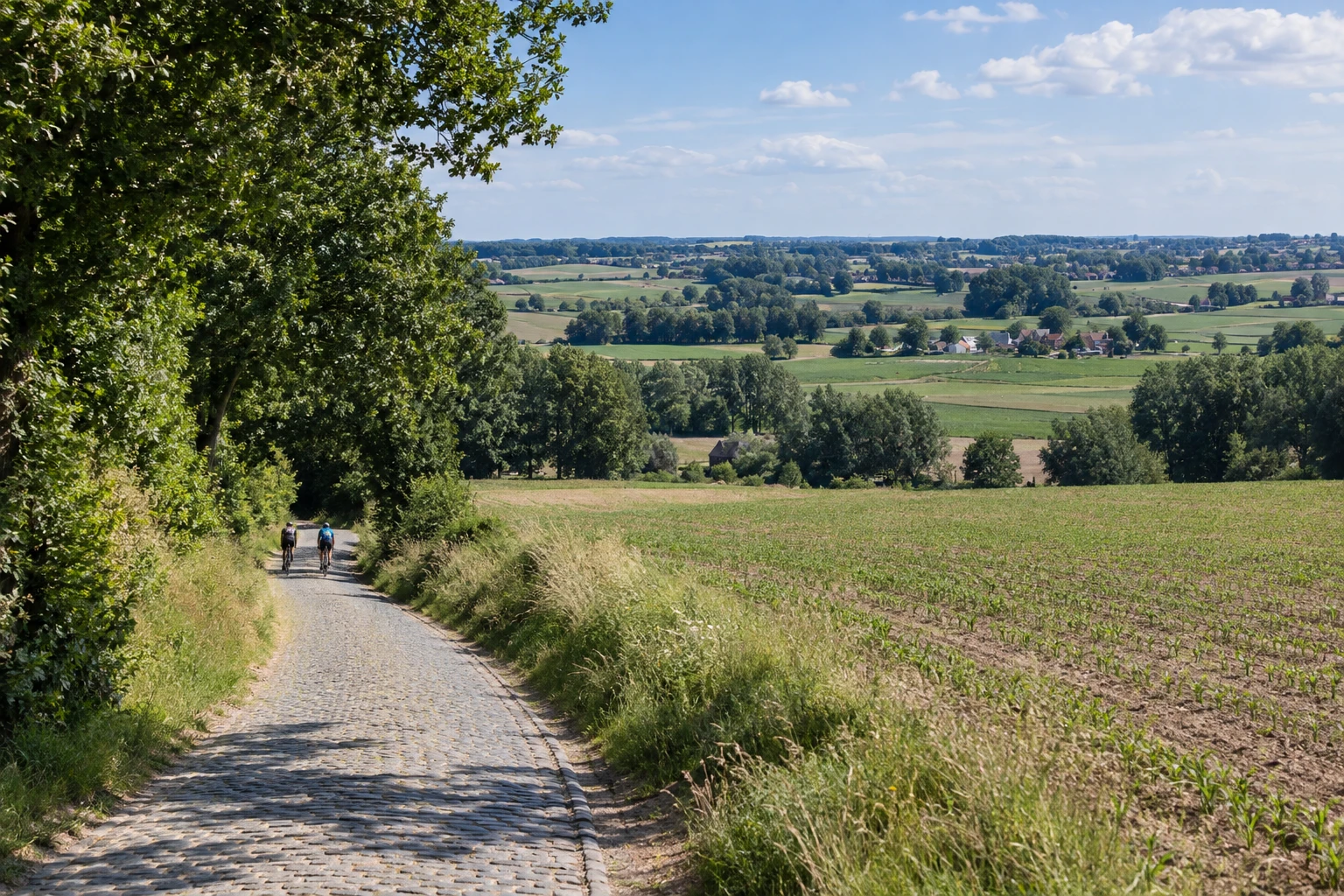
Geraardsbergen lies in the south of the province of East Flanders, on the banks of the river Dender. The mattentaart is found in the town’s bakeries and is eaten as a coffee sweet.


 Brazil
 Antarctica
 Argentina
 Bolivia
 Chile
 Colombia
 Ecuador
 Falkland Islands (Malvinas)
 French Guiana
 Guyana
 Paraguay
 Peru
 Suriname
 Uruguay
 Venezuela
 Austria
 Croatia
 Denmark
 Finland
 France
 Germany
 Greece
 Hungary
 Iceland
 Ireland
 Italy
 Luxembourg
 Norway
 Poland
 Portugal
 Slovakia
 Slovenia
 Spain
 Sweden
 Switzerland
 the Czech Republic
 the Netherlands
 the United Kingdom
 Turkey
 Bermuda
 Canada
 Greenland
 Mexico
 Saint Pierre and Miquelon
 the United States
 the Dominican Republic
 Japan
 Egypt
 South Africa
 Australia
 Fiji
 New Zealand
 Papua New Guinea