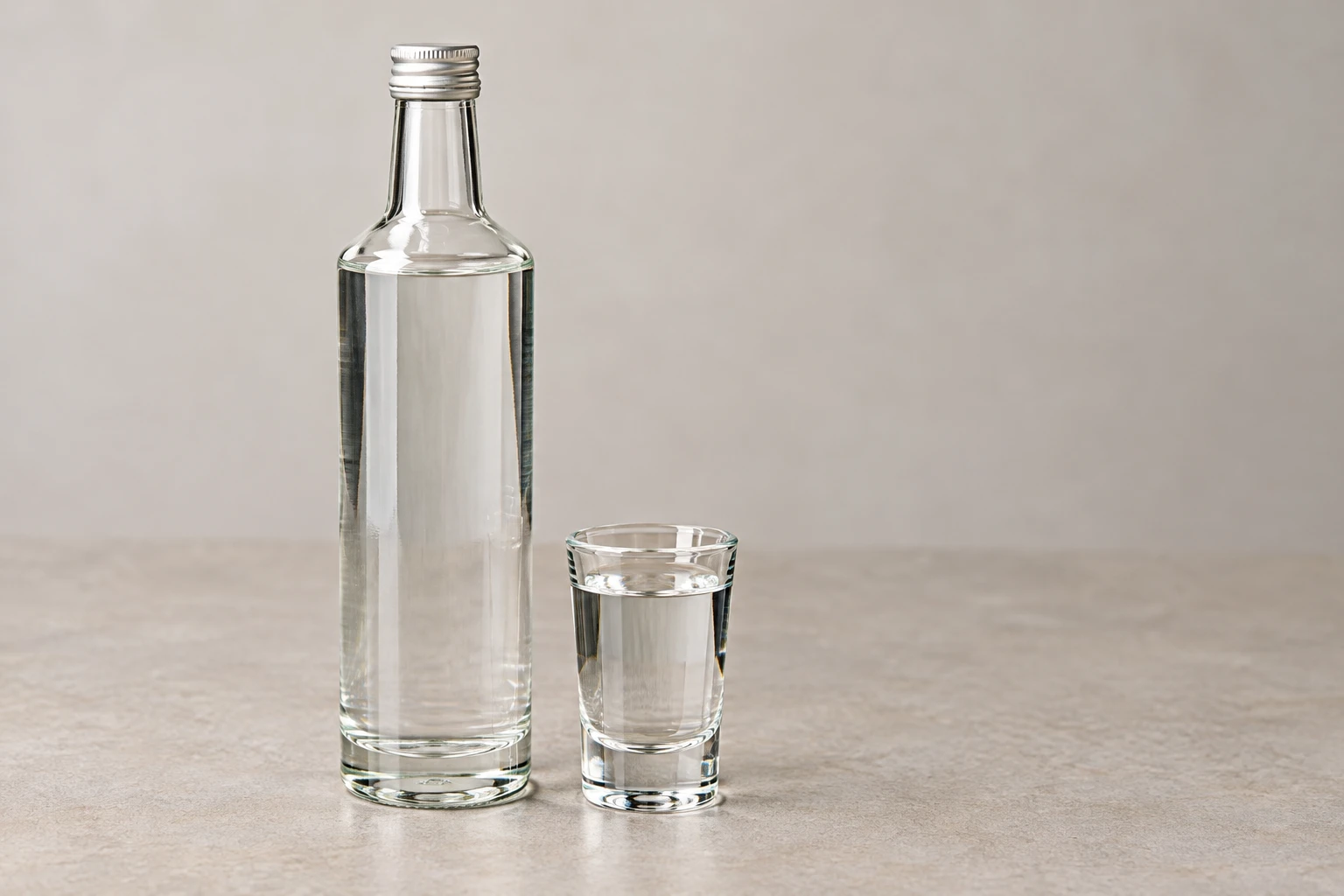
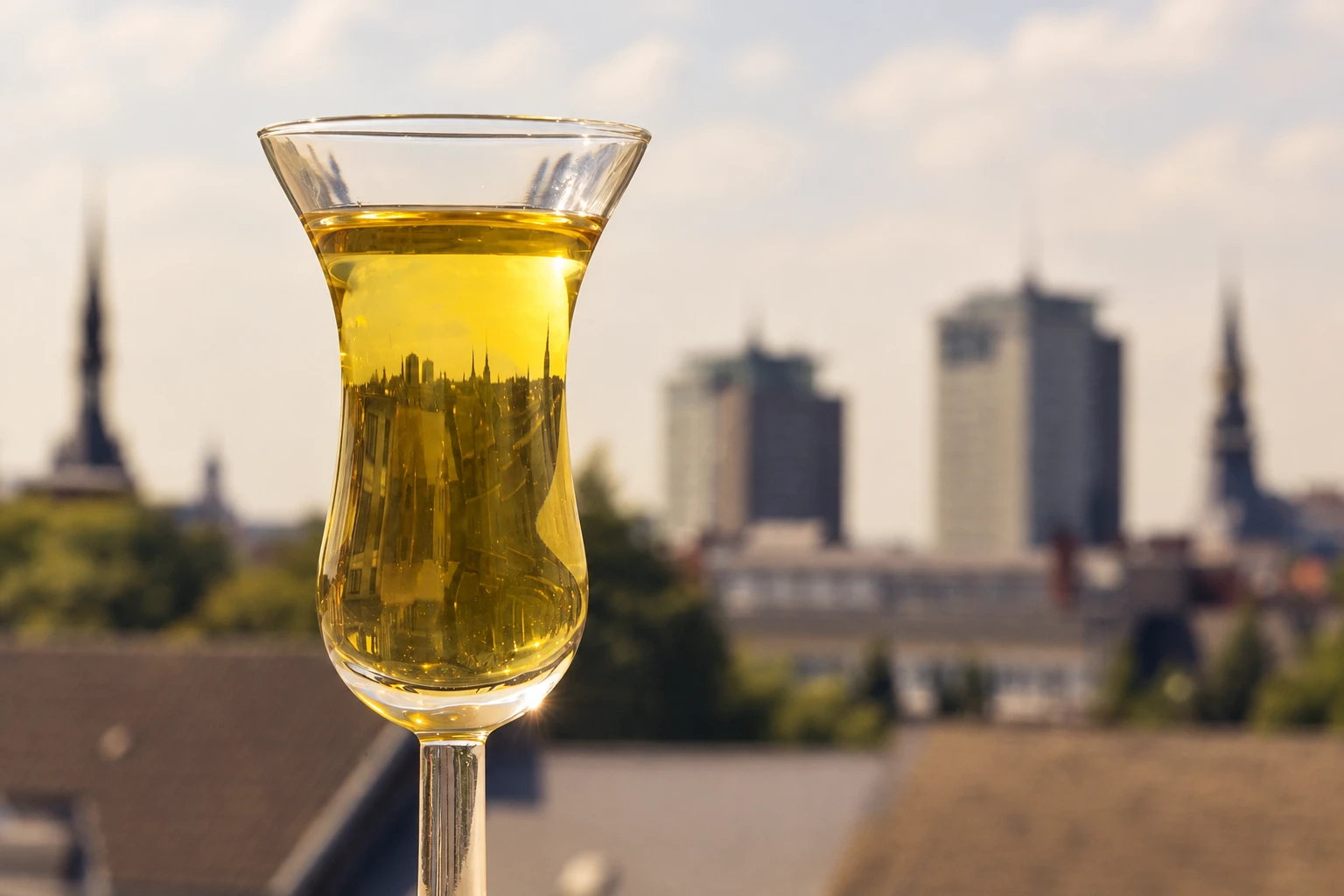
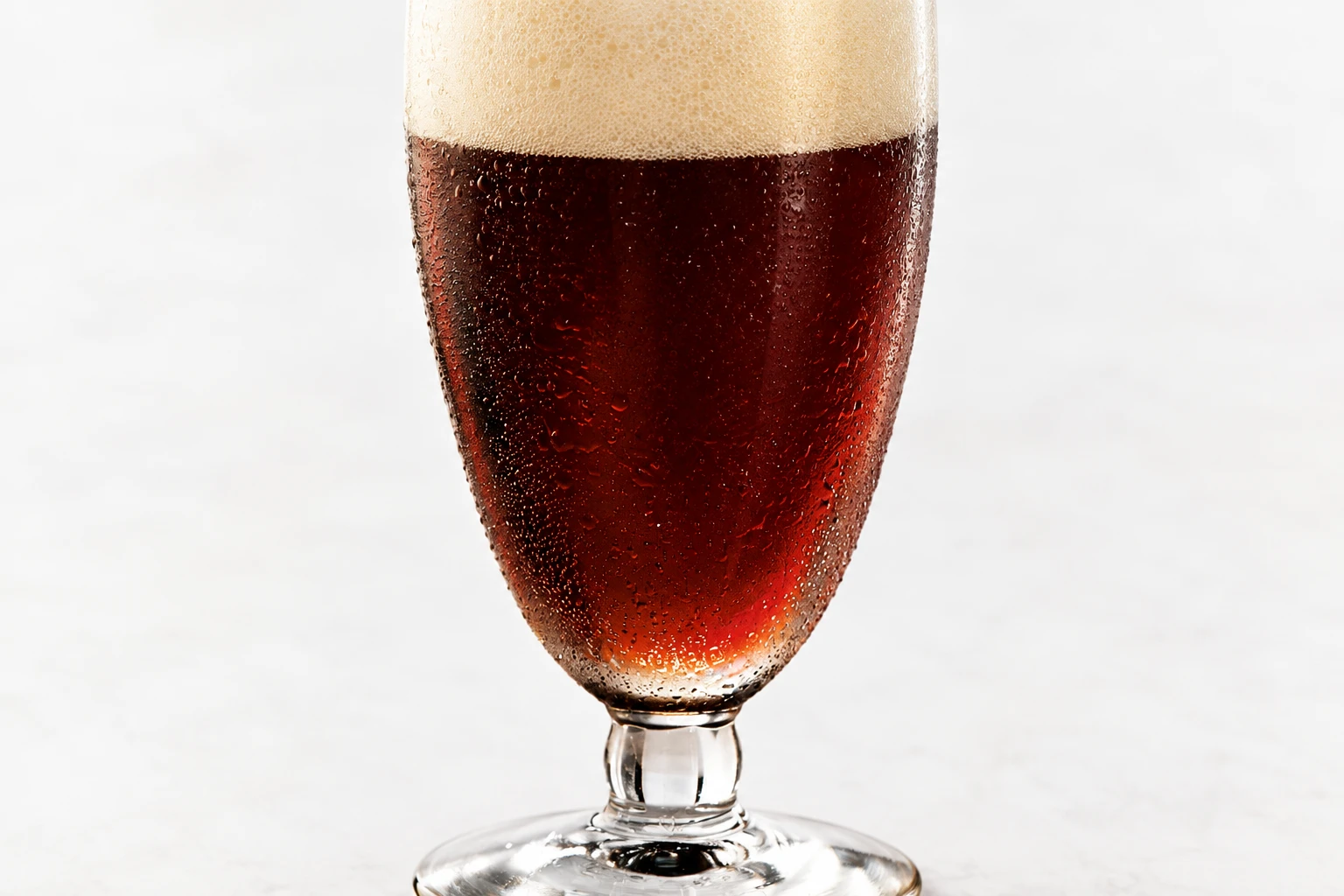
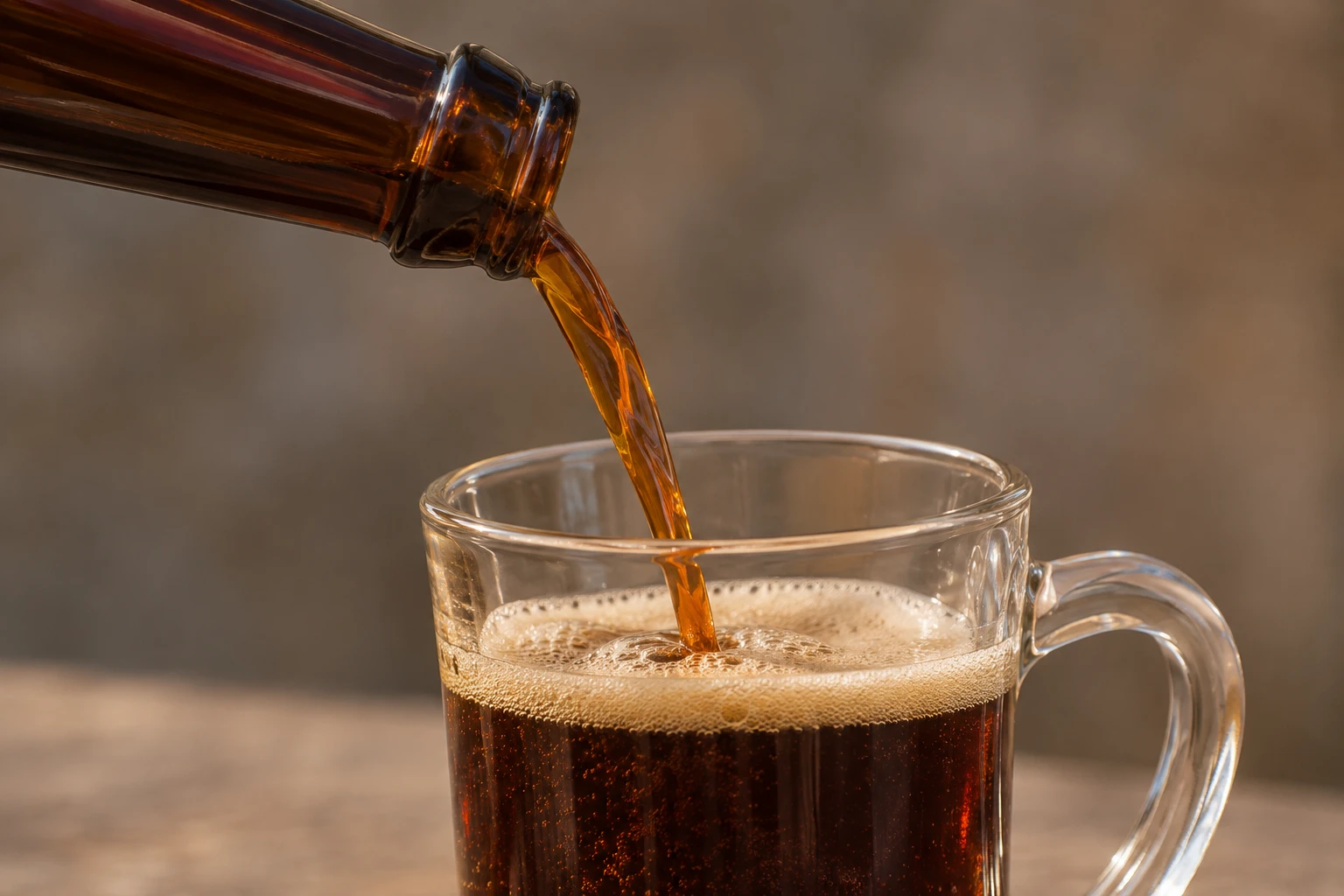
Jenever is a cereal spirit flavored with juniper, considered the ancestor of gin. Hasselt’s version has its own rules: the base is a rye or barley distillate, distilled two or three times, and the cereal spirit matures for at least six months before use. It receives a larger dose of juniper and herbs than other cereal jenevers, giving it a milder, sweeter flavor.
The name is protected. Distillation and flavoring must take place in the administrative canton of Hasselt, made up of Hasselt, Zonhoven and Diepenbeek; dilution, bottling and packaging may be done elsewhere. Belgium recognized the name in 1997, and it is also protected as a European Union geographical indication.
The first written mention of spirit production in Hasselt is from 16 April 1610. Consumption grew at the end of the 17th century, when a Dutch garrison occupied the city, and the number of distilleries rose from 8 in 1774 to 21 in 1791. The heyday came in the 19th century: around 1860 Hasselt produced about 15% of all alcohol in Belgium. From 1880, higher taxes, anti-alcoholism campaigns and competition from larger factories led to decline.
The old Stellingwerff-Theunissen distillery was listed in 1975, the first industrial facility protected as a monument in Belgium. It houses the National Jenever Museum, with a 19th-century still still in use, collections of bottles, glasses and posters, and a tasting bar. On the jenever route through the center, the Borrelmanneke fountain-statue, from 1981, recalls the tradition.
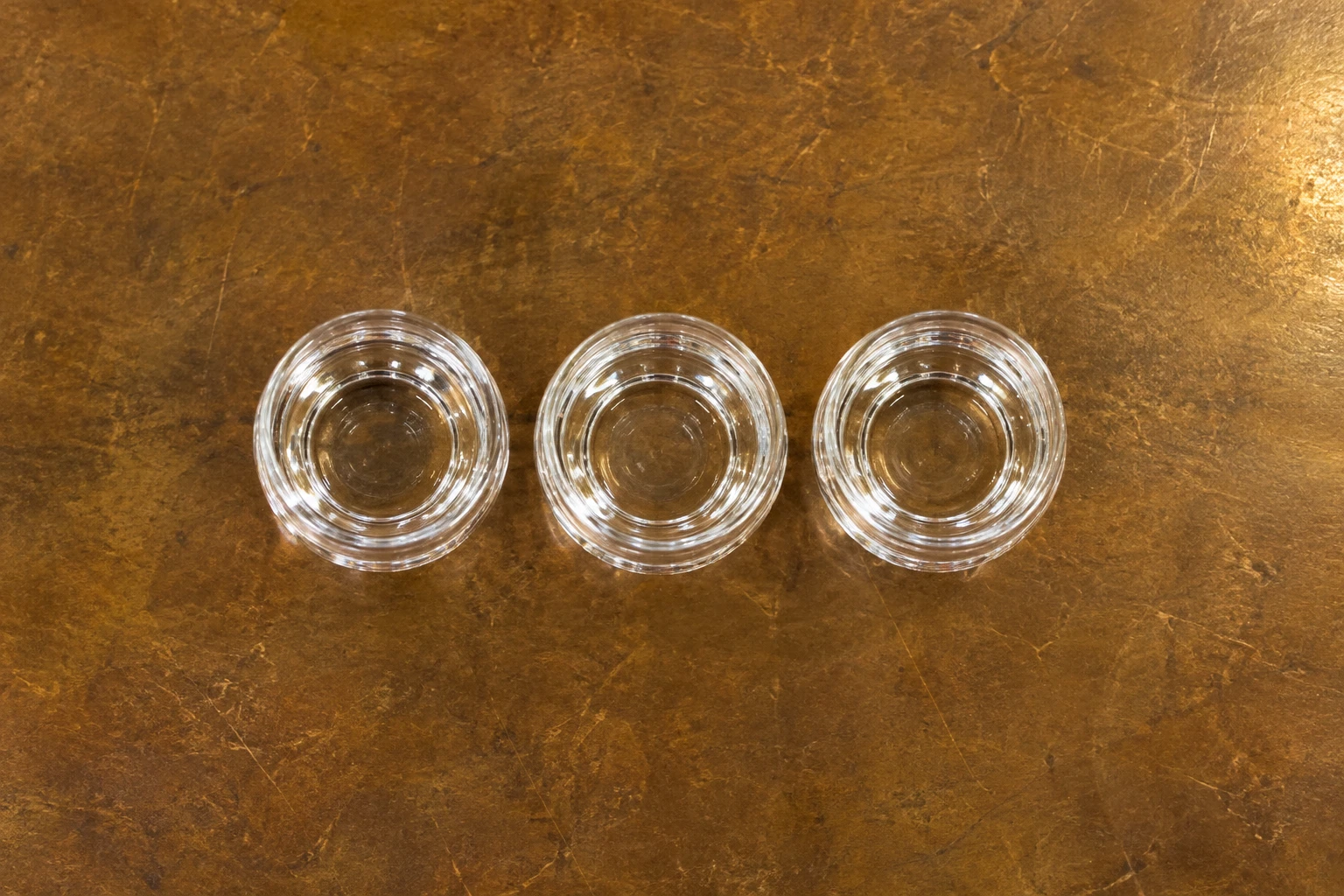
Jenever is drunk neat, in a small glass, in small measures: it is a strong drink, with at least 30% alcohol. In October the city usually holds the jenever festival (Jeneverfeesten), with music and food.


 Brazil
 Antarctica
 Argentina
 Bolivia
 Chile
 Colombia
 Ecuador
 Falkland Islands (Malvinas)
 French Guiana
 Guyana
 Paraguay
 Peru
 Suriname
 Uruguay
 Venezuela
 Austria
 Croatia
 Denmark
 Finland
 France
 Germany
 Greece
 Hungary
 Iceland
 Ireland
 Italy
 Luxembourg
 Norway
 Poland
 Portugal
 Slovakia
 Slovenia
 Spain
 Sweden
 Switzerland
 the Czech Republic
 the Netherlands
 the United Kingdom
 Turkey
 Bermuda
 Canada
 Greenland
 Mexico
 Saint Pierre and Miquelon
 the United States
 the Dominican Republic
 Japan
 Egypt
 South Africa
 Australia
 Fiji
 New Zealand
 Papua New Guinea