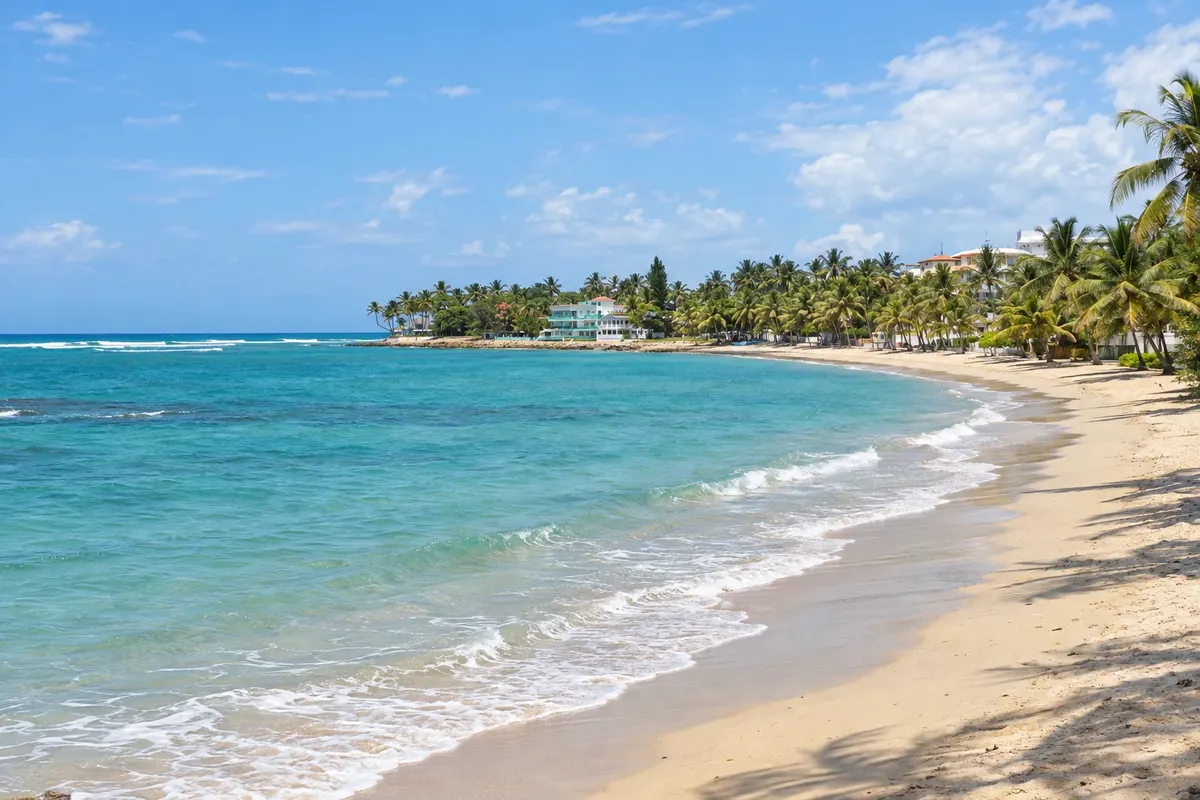
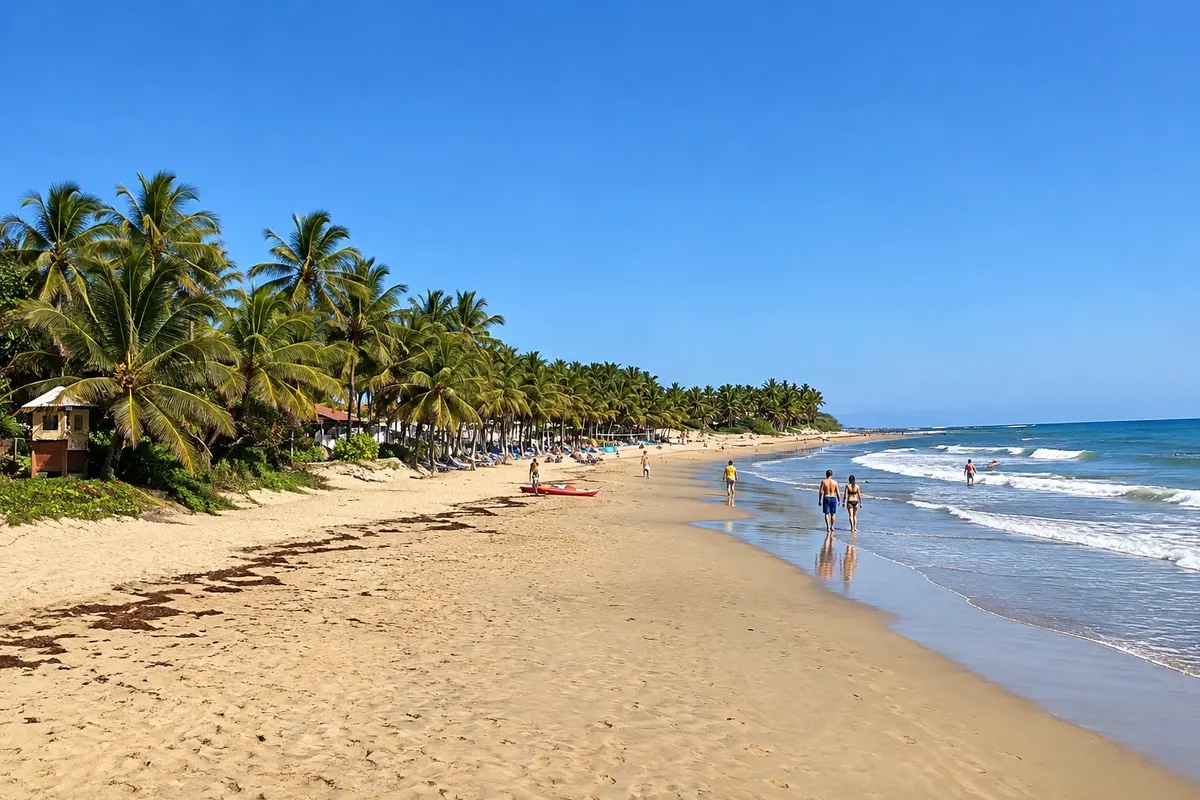
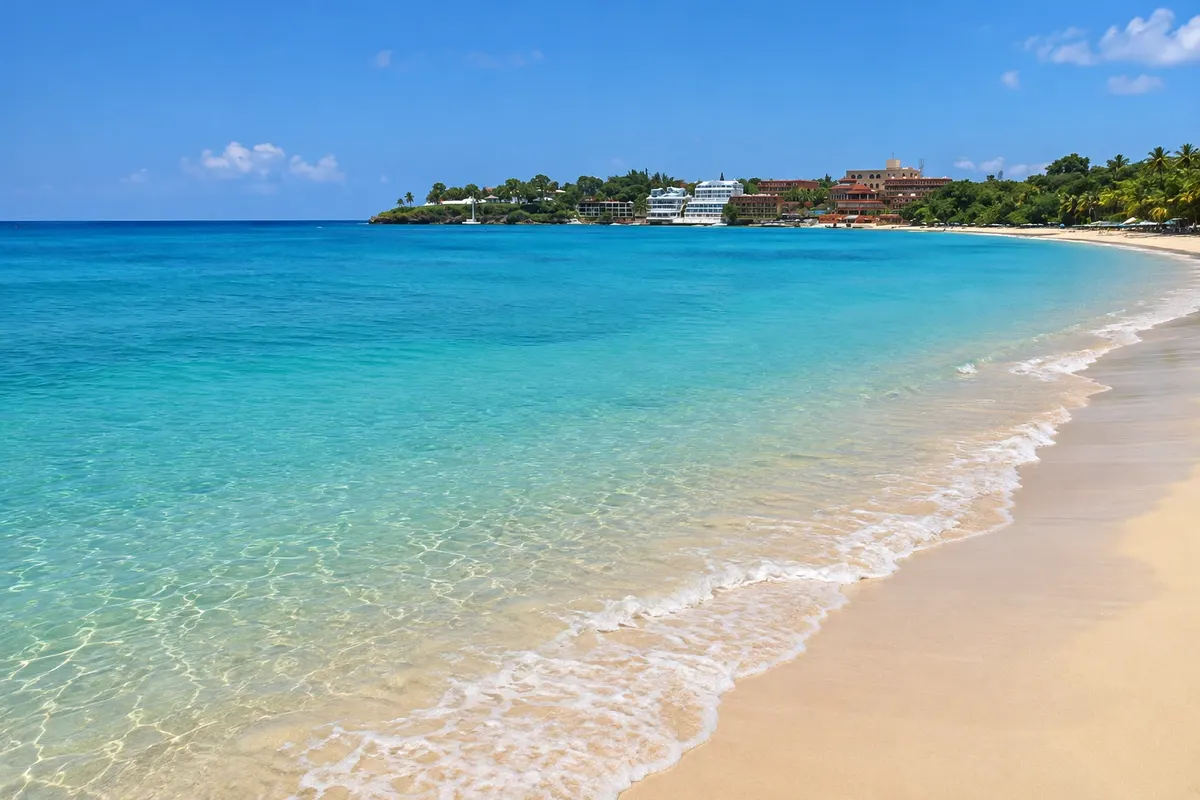
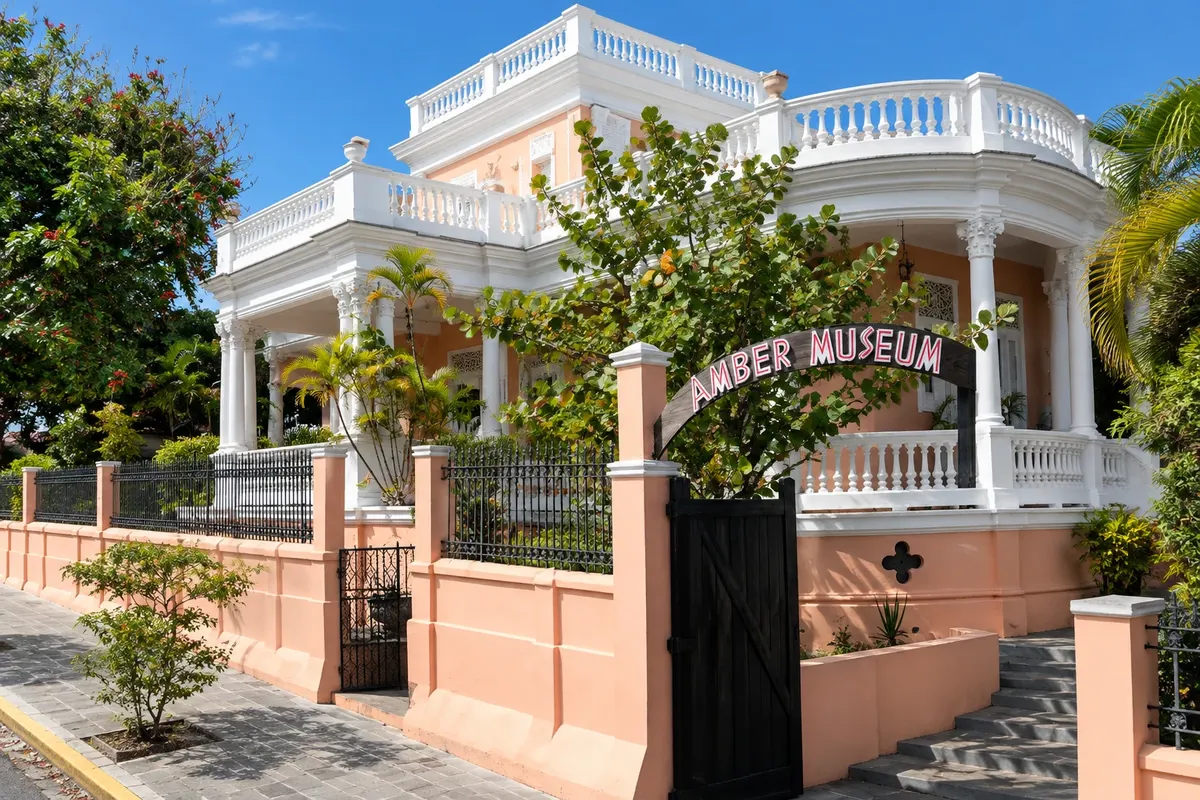
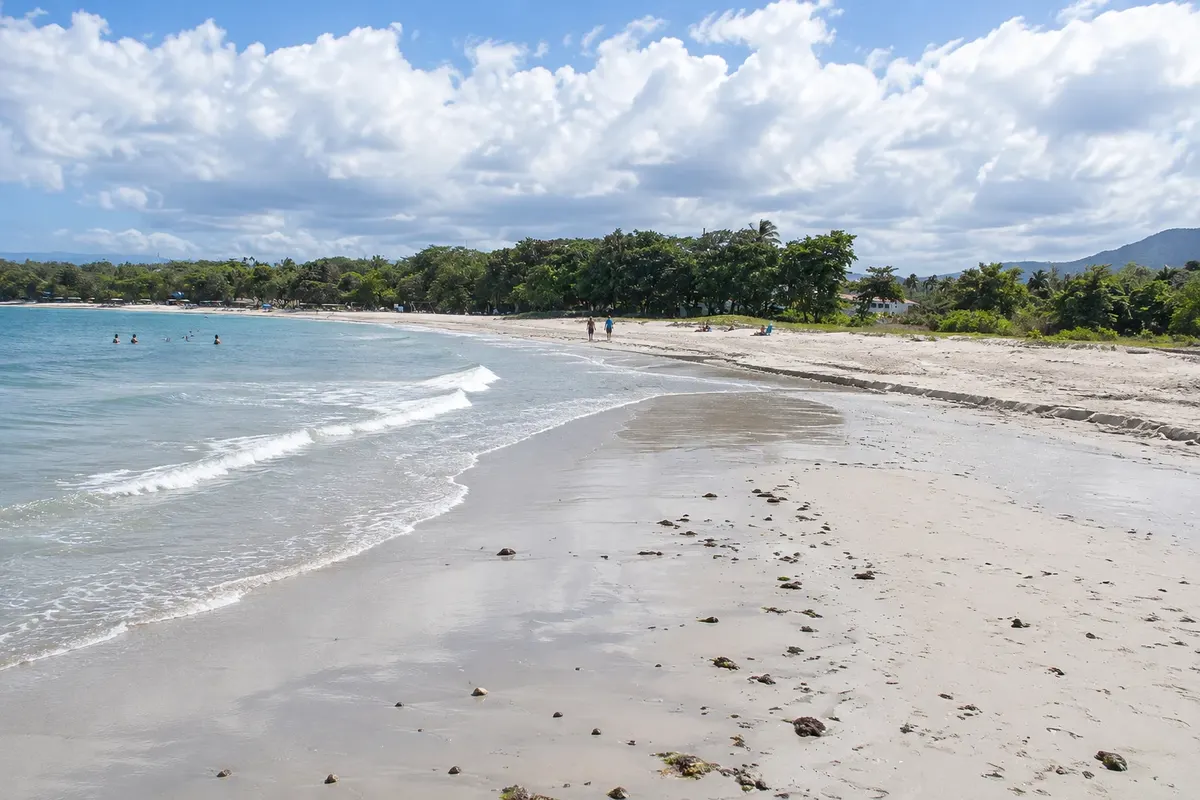
The coast of Puerto Plata, in northern Dominican Republic, is called the Amber Coast because of fossil resin, with insects and plants trapped millions of years ago, found in the region's mountains. It is a strip of beaches facing the Atlantic, with the green Cordillera Septentrional right behind, and it was the first region of the country to receive international tourism on a large scale, in the 1980s.
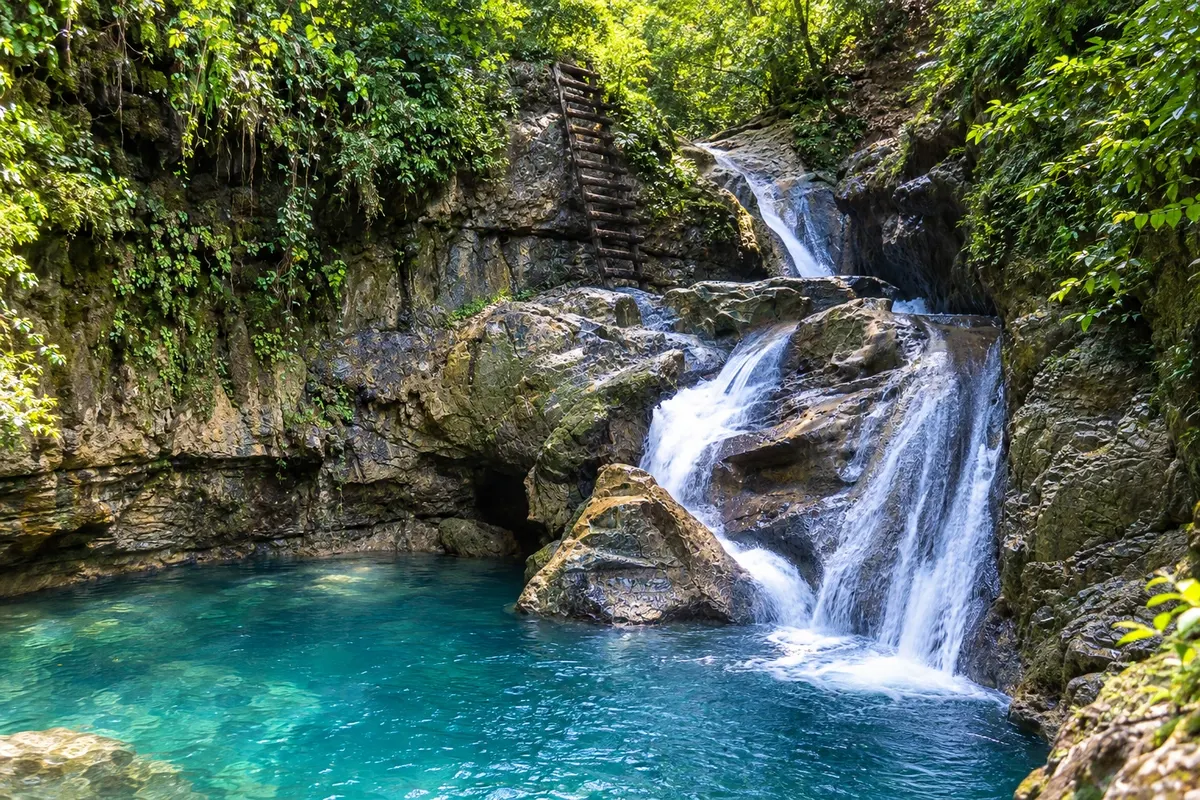
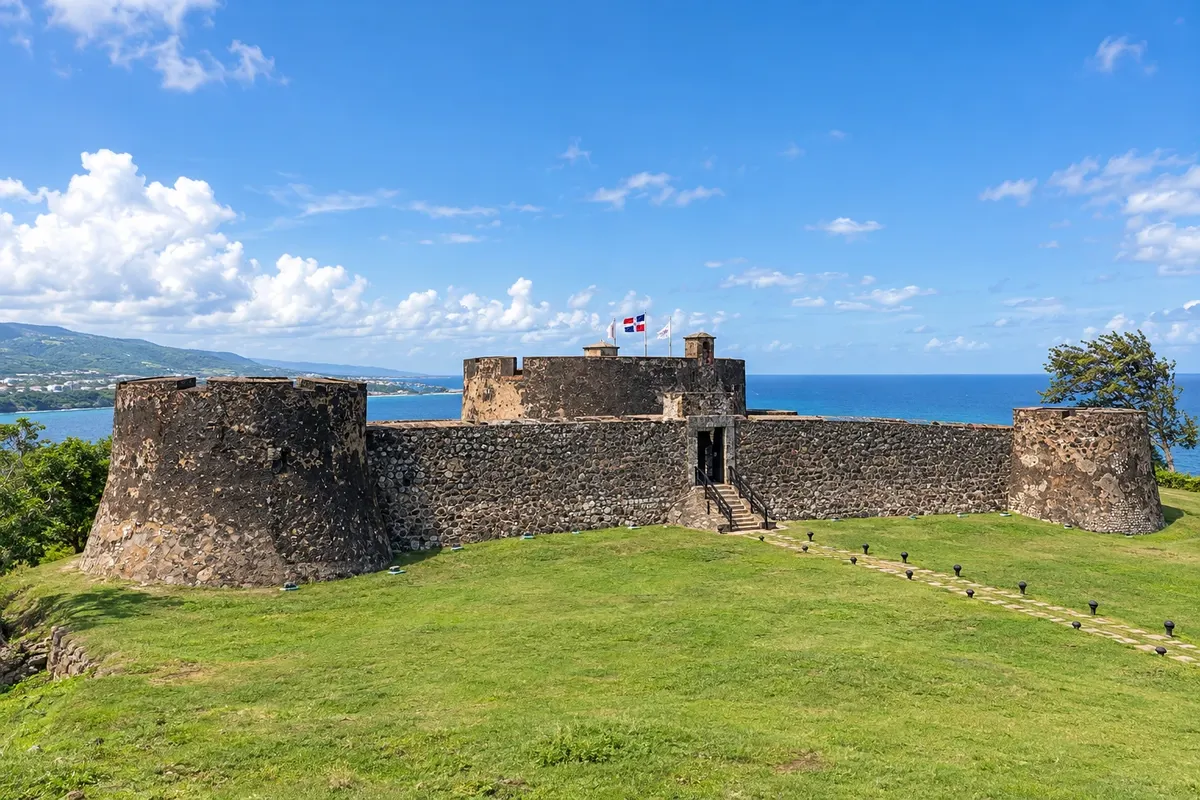
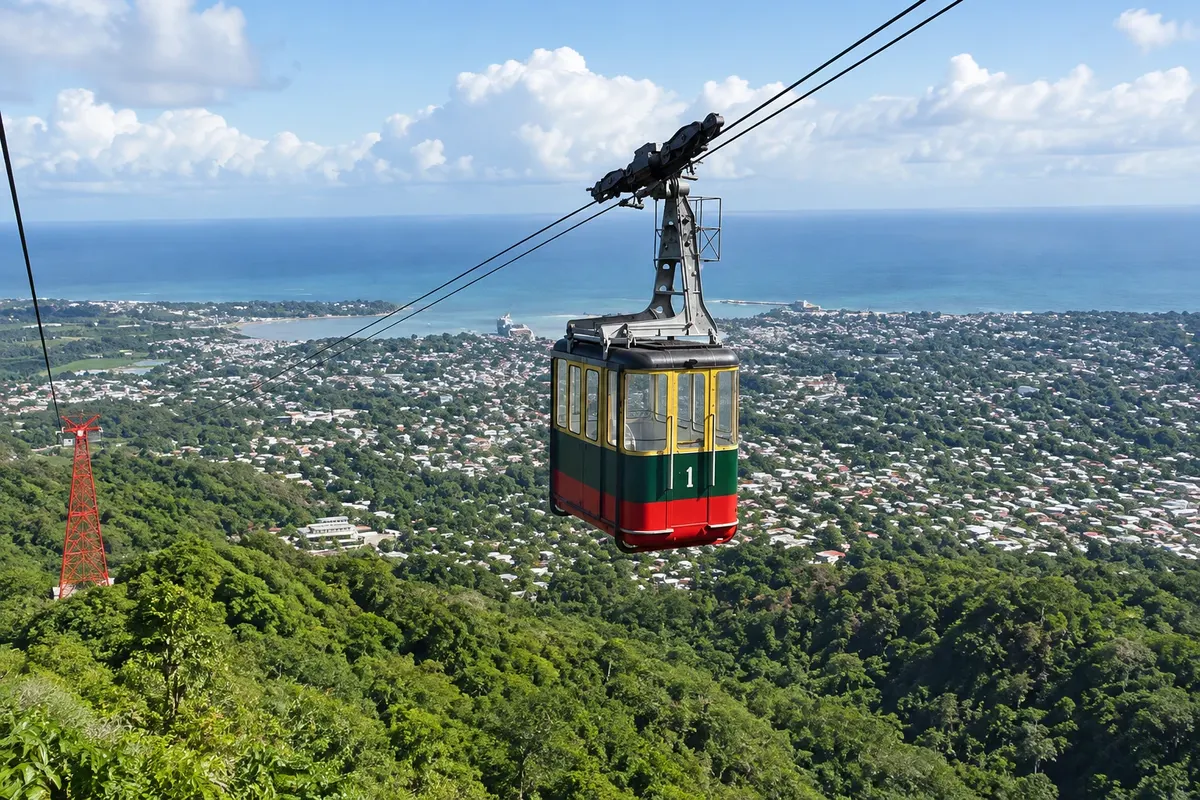
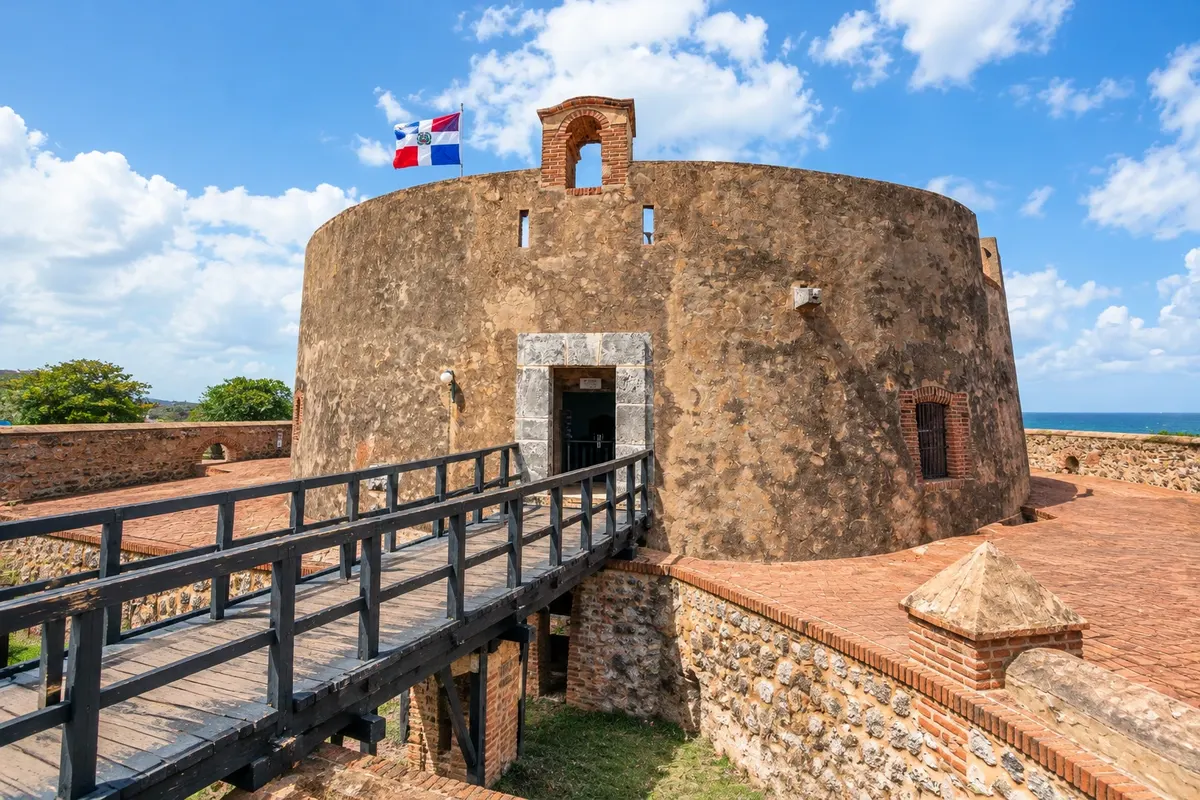
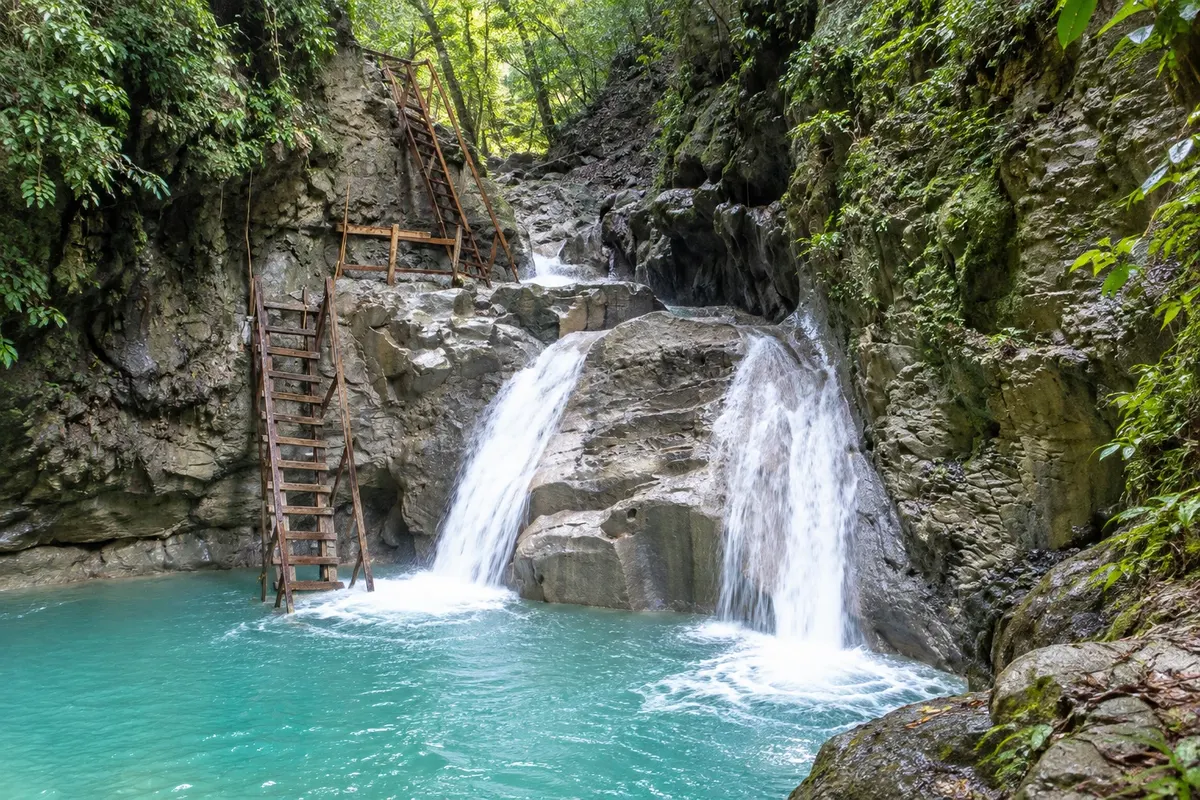
Puerto Plata, the city, has a historic center of colorful wooden Victorian houses around the Parque Central, the 16th-century Fortaleza San Felipe by the sea, and the malecón. A cable car climbs to Loma Isabel de Torres, from where you can see the whole coast. To the east lies the hotel area of Playa Dorada; inland are the 27 Charcos de Damajagua, waterfalls in sequence that you descend by jumping and sliding.
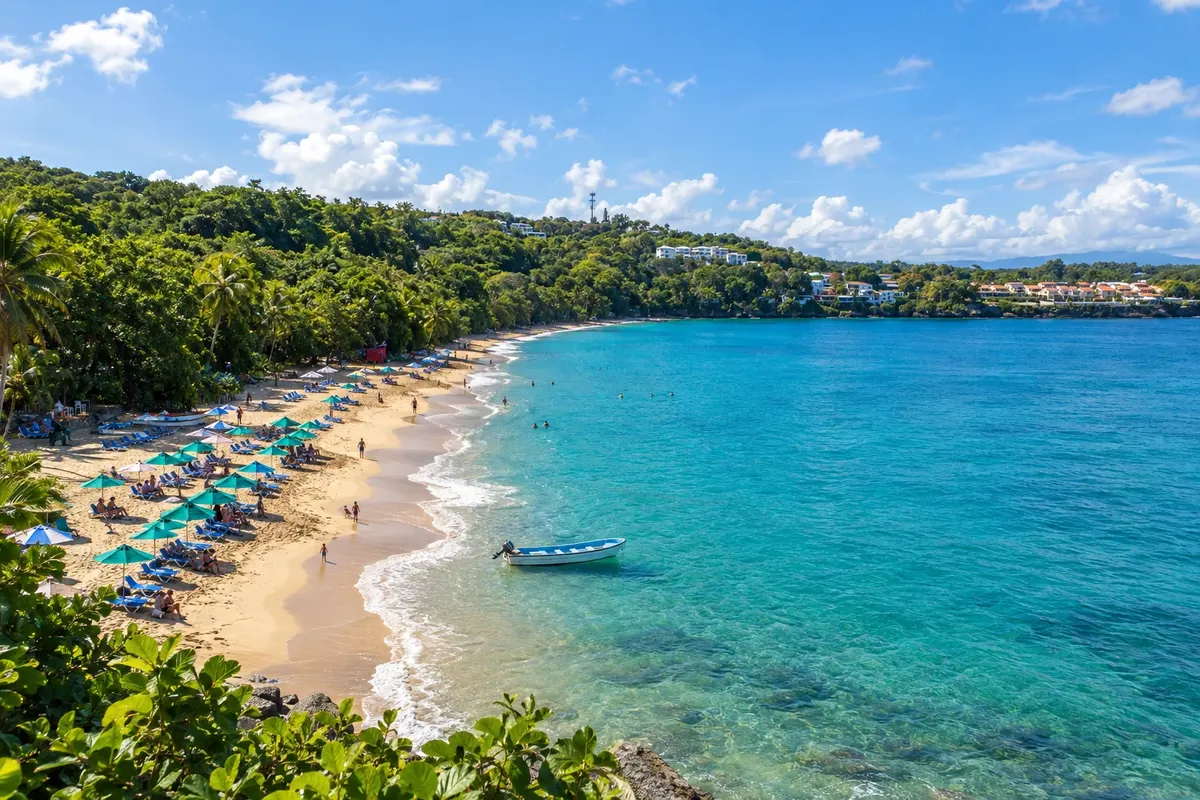
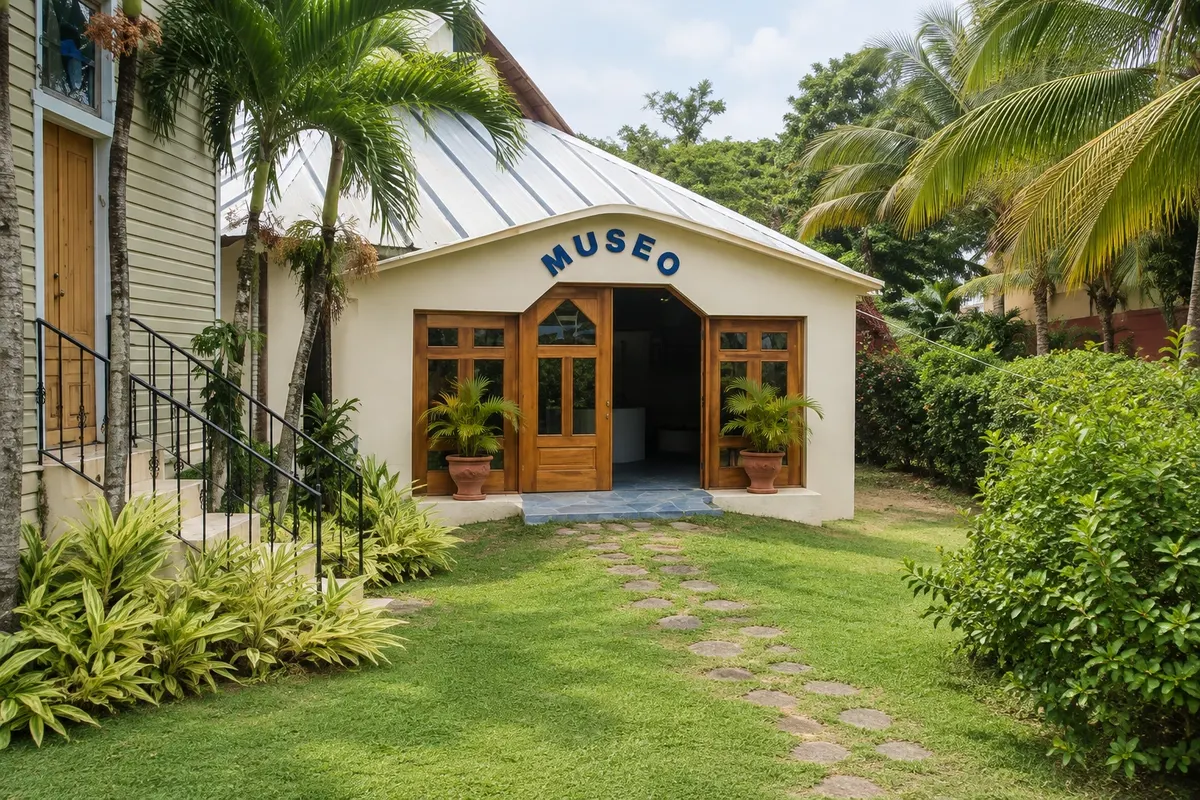
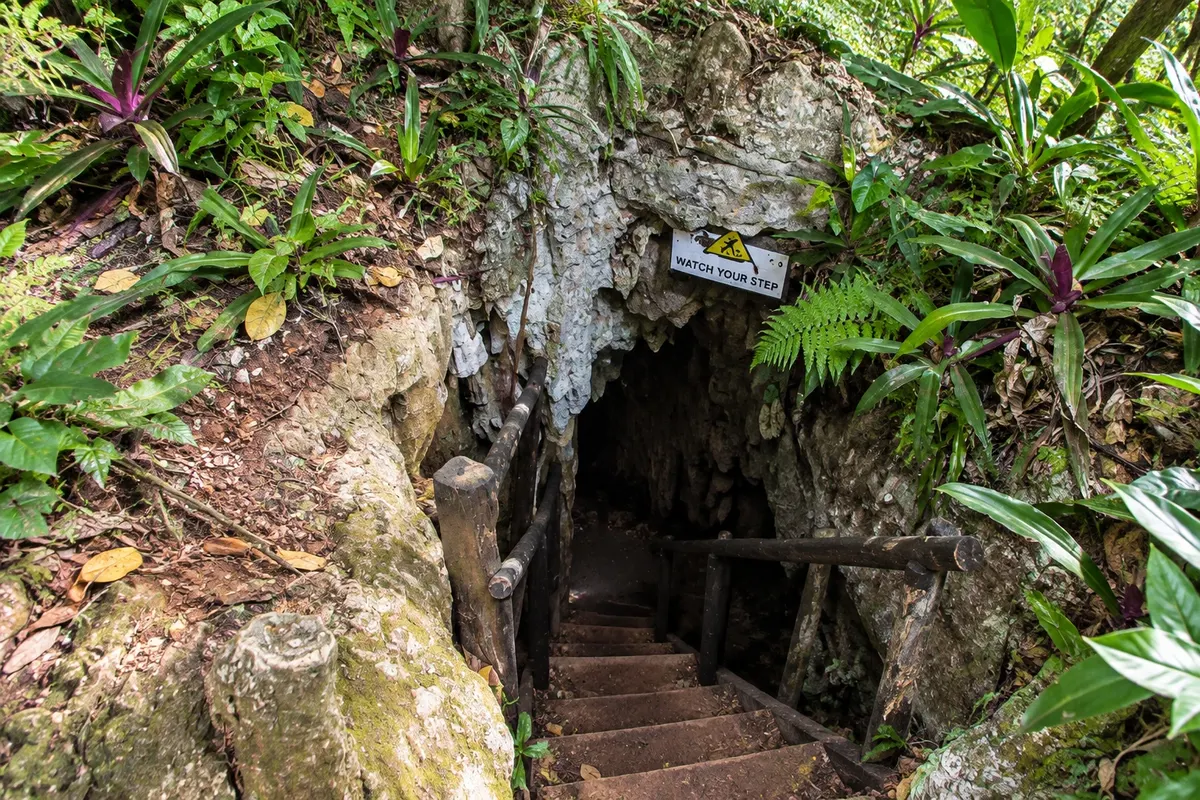
Sosúa, 25 km to the east, has a bay of calm, clear water, good for snorkeling, and a unique history: it was founded as an agricultural colony by Jewish refugees from Europe in the late 1930s, and the community museum tells that story. Cabarete, a little further on, is the kitesurfing and windsurfing capital of the Caribbean, with steady wind, a lively beach and the caves of Parque Nacional El Choco behind the village.
The destination combines beach, history and sports, with its own international airport and Santiago a little over an hour through the mountains.
This destination brings together 3 cities: Puerto Plata, Sosúa, Cabarete.


 Brazil
 Argentina
 Bolivia
 Chile
 Colombia
 Ecuador
 Guyana
 French Guiana
 Falkland Islands (Malvinas)
 Paraguay
 Peru
 Suriname
 Uruguay
 Venezuela
 Germany
 Austria
 Belgium
 Croatia
 Denmark
 Spain
 Finland
 France
 Greece
 the Netherlands
 Hungary
 Ireland
 Iceland
 Italy
 Luxembourg
 Norway
 Poland
 Portugal
 the United Kingdom
 the Czech Republic
 Sweden
 Switzerland
 Turkey
 Mexico
 South Africa
 Fiji