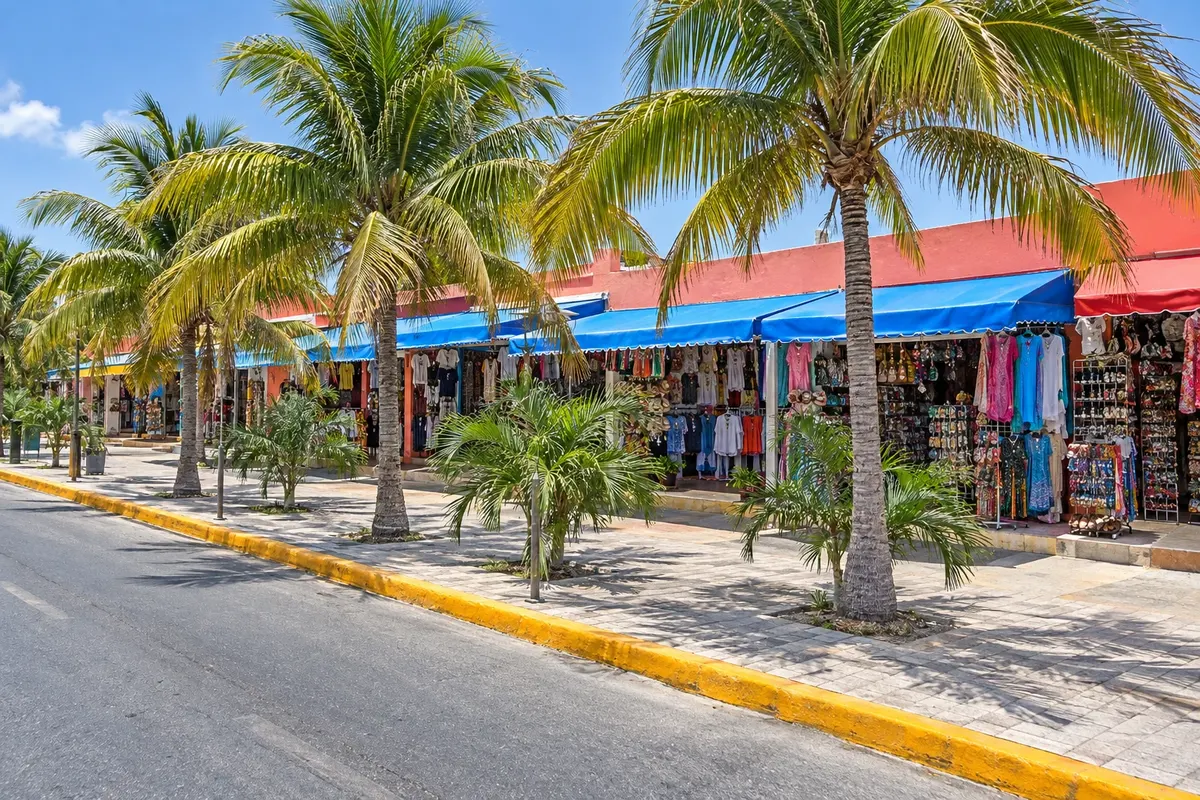
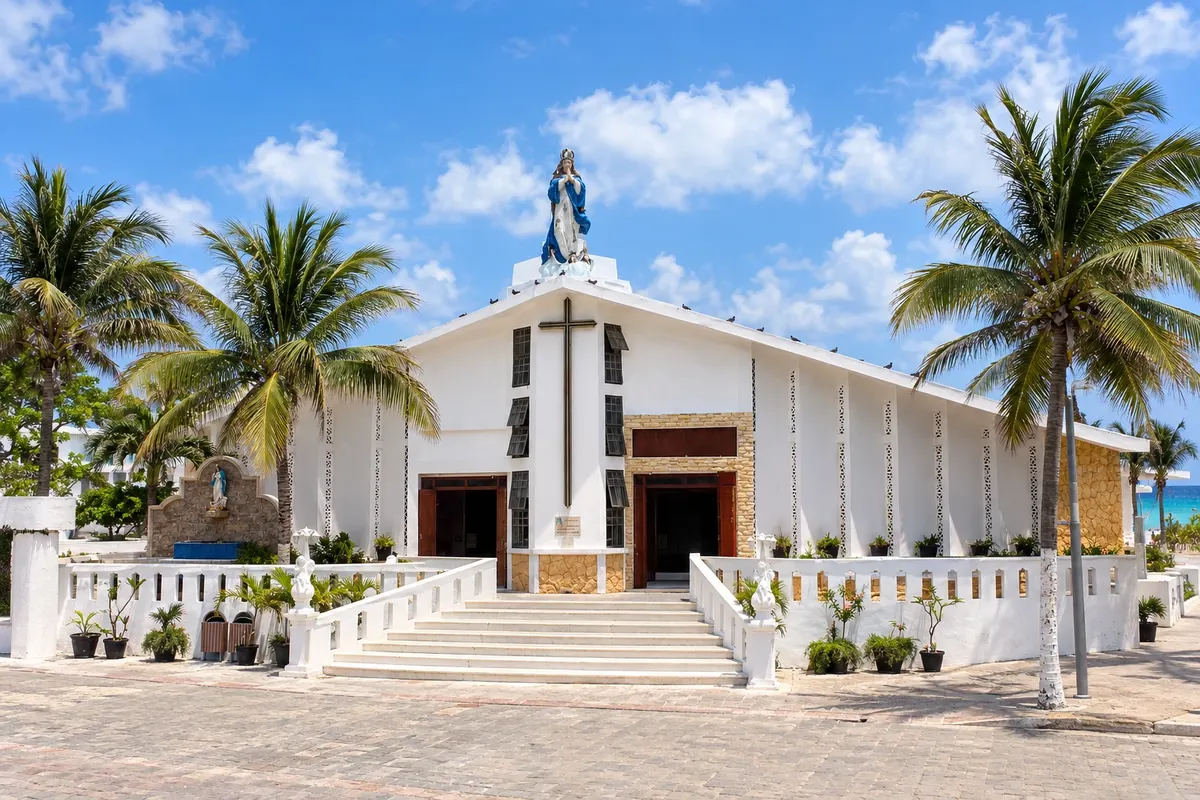
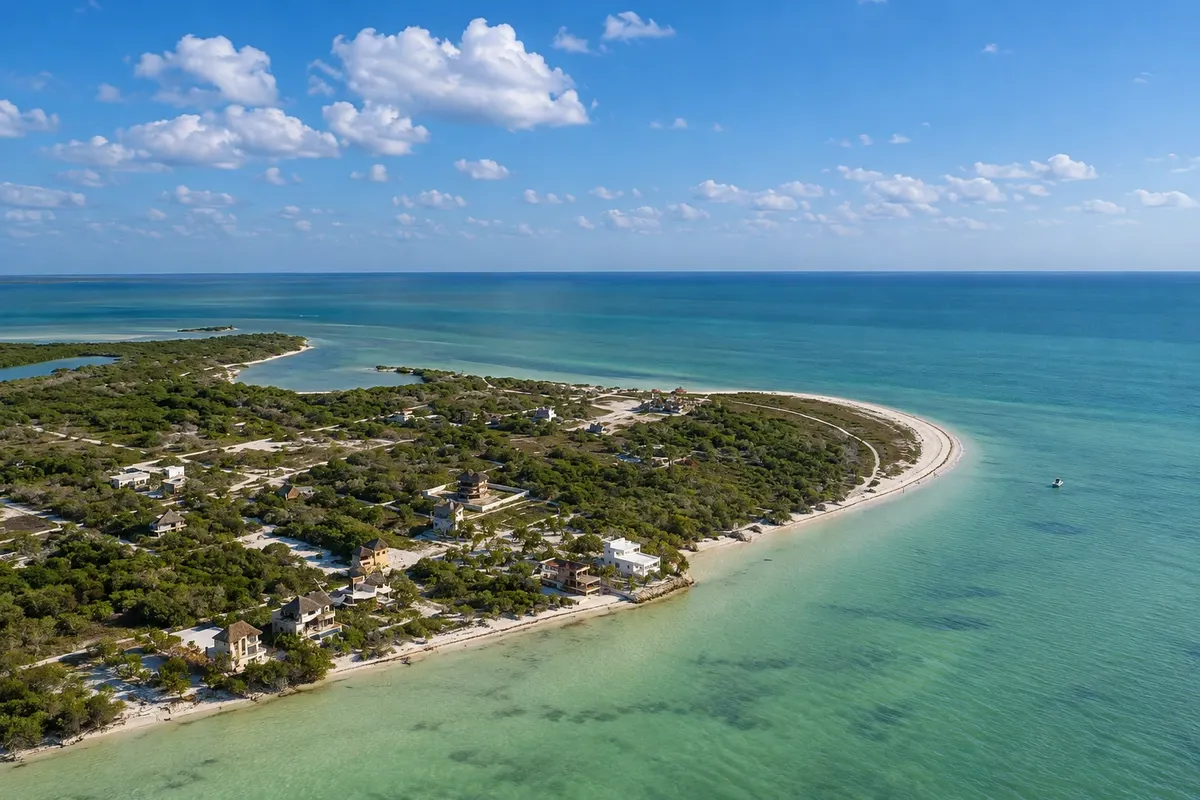
It was born from a Mexican government project in the early 1970s, on an almost deserted sand strip in northern Quintana Roo, and today has one of the busiest airports in the country. The city has two very different parts: the Hotel Zone, a 7-shaped sand spit about 22 km long squeezed between the Caribbean Sea and the Nichupté lagoon, and the Downtown, where residents live and where the markets, the bus station and Tulum Avenue are located.
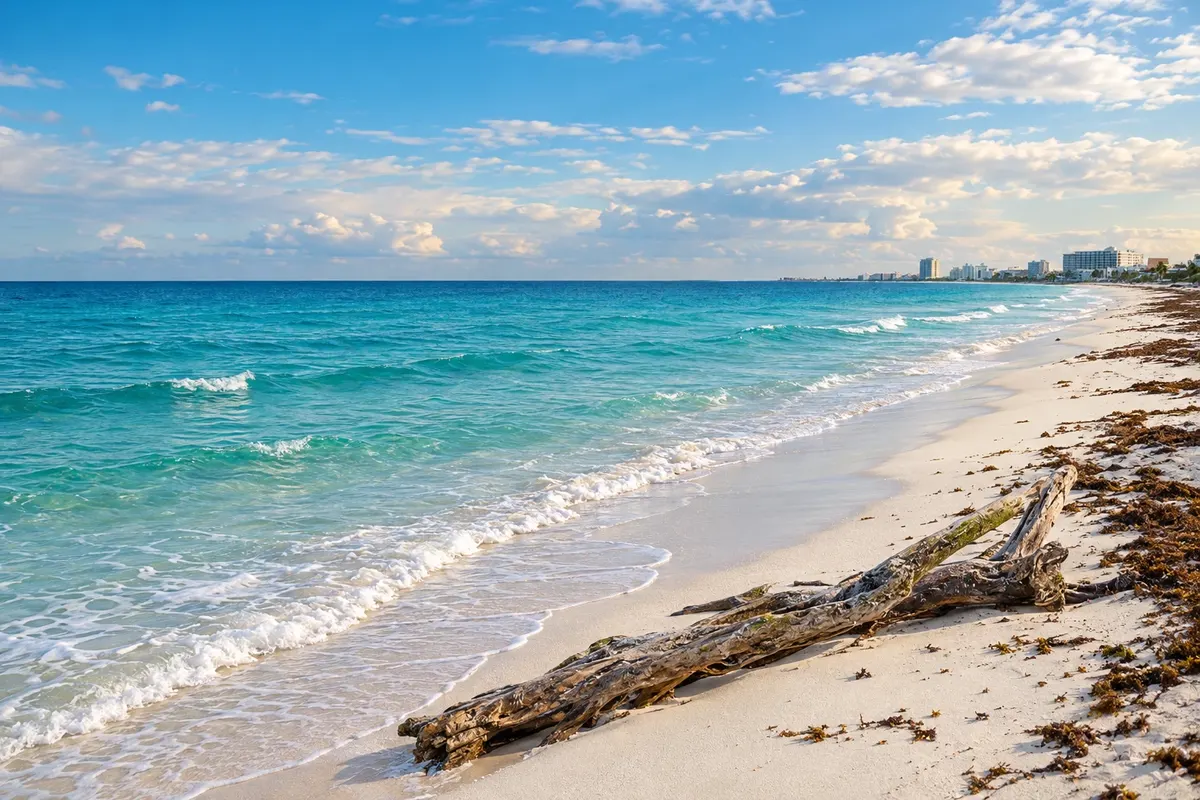
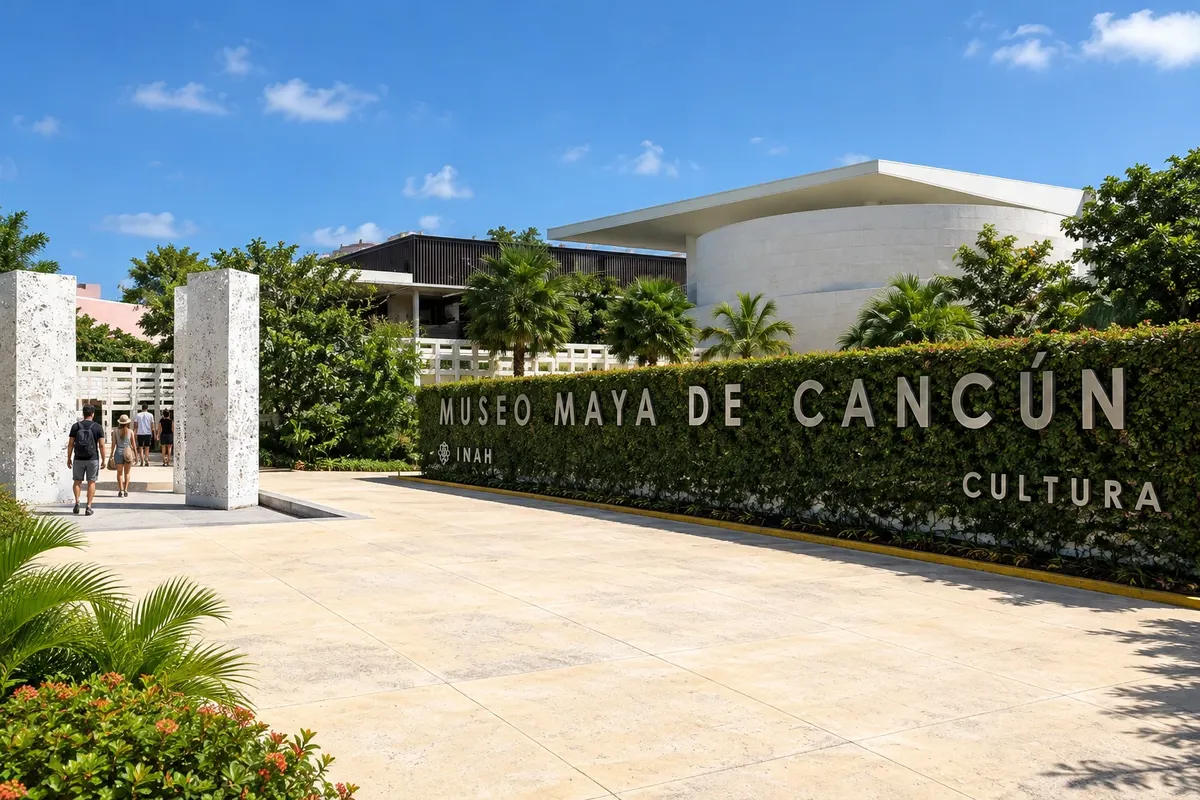
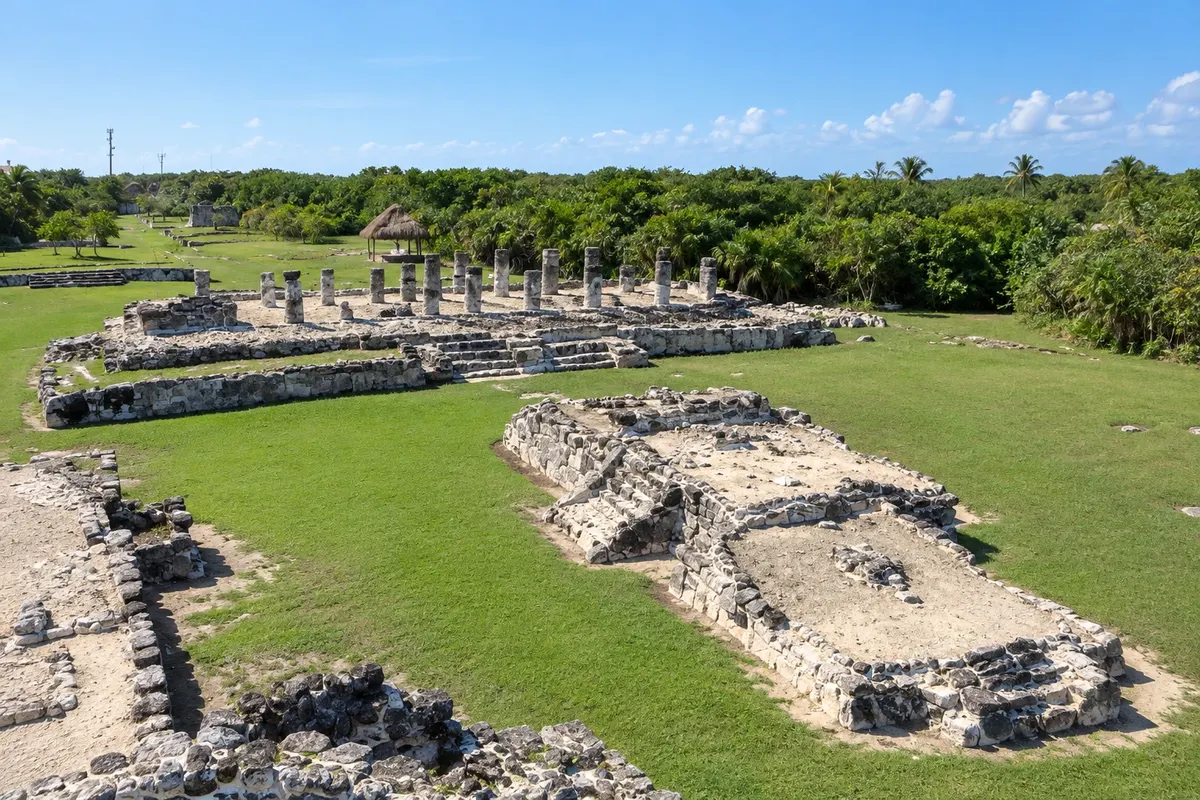
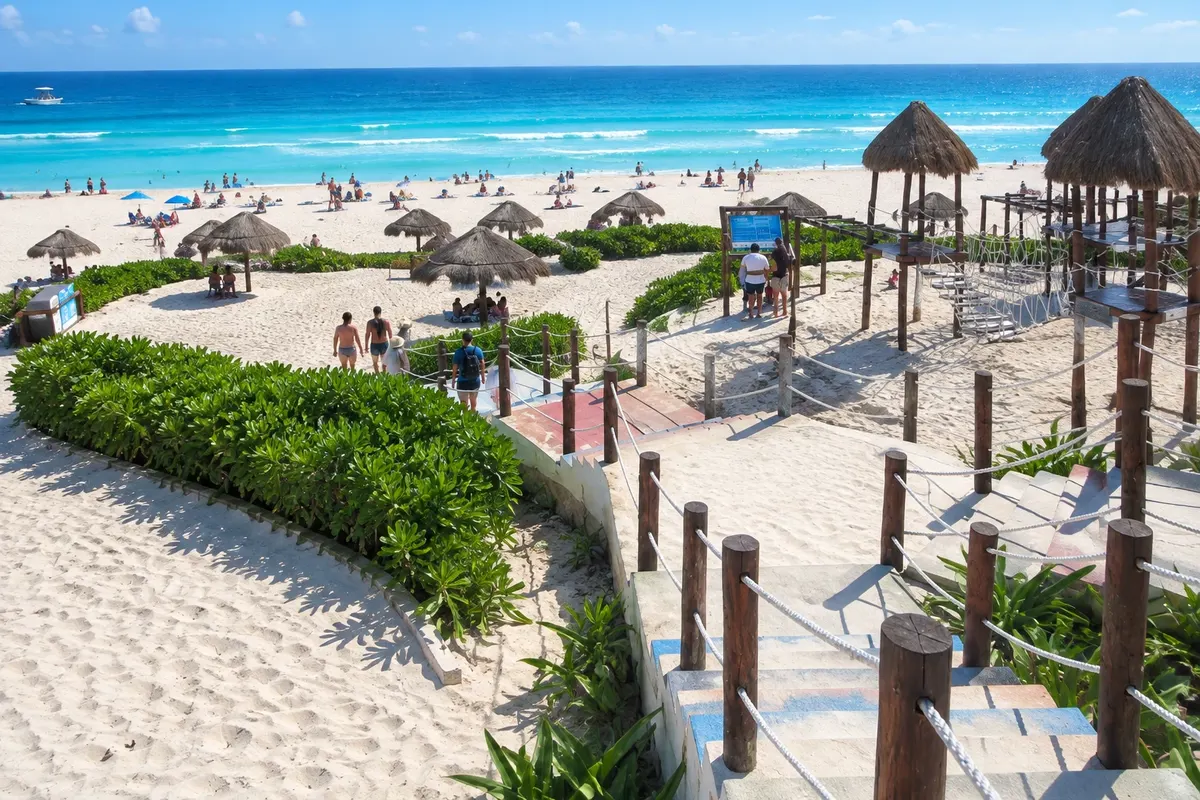
The sea at the Hotel Zone has the turquoise-blue water and the white, fine coral sand that became the image of the Mexican Caribbean. Beaches are public by law, even in front of hotels. In the middle of the strip are the Museo Maya de Cancún and the San Miguelito archaeological zone, and at its end, near Punta Nizuc, the El Rey archaeological zone and Playa Delfines, with the city letters viewpoint.
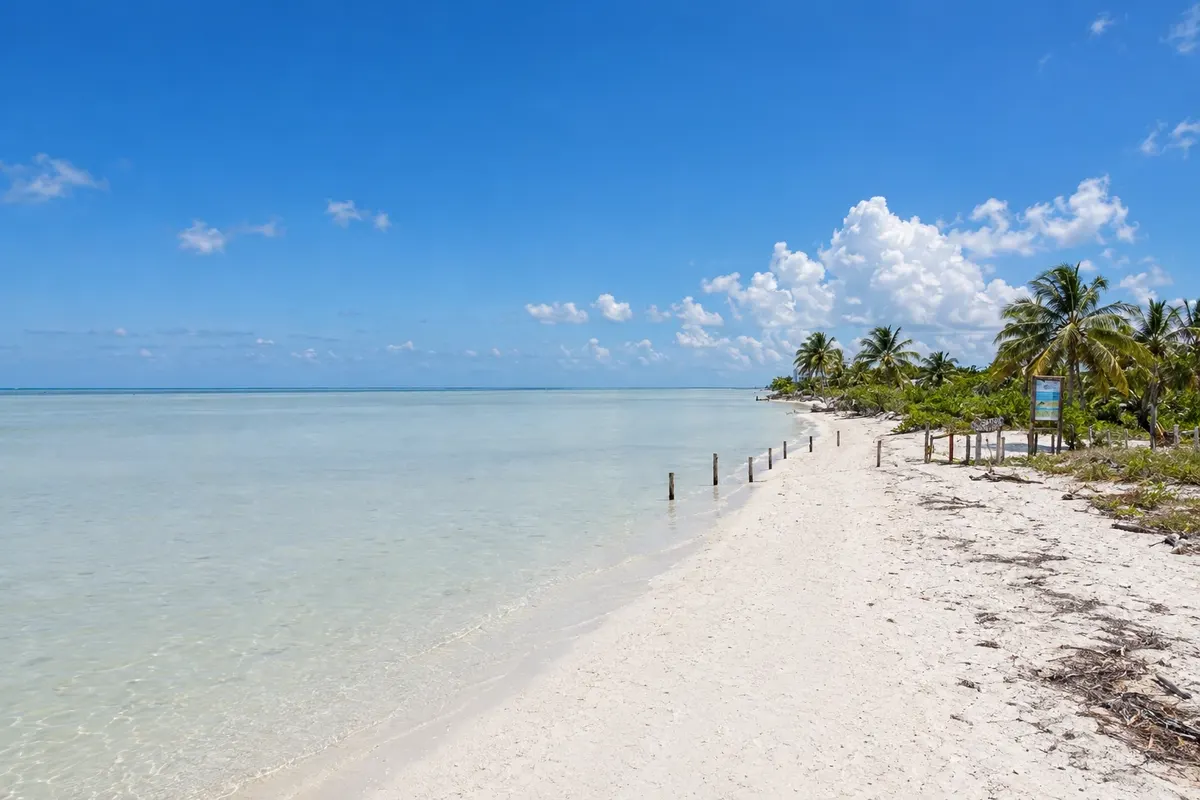
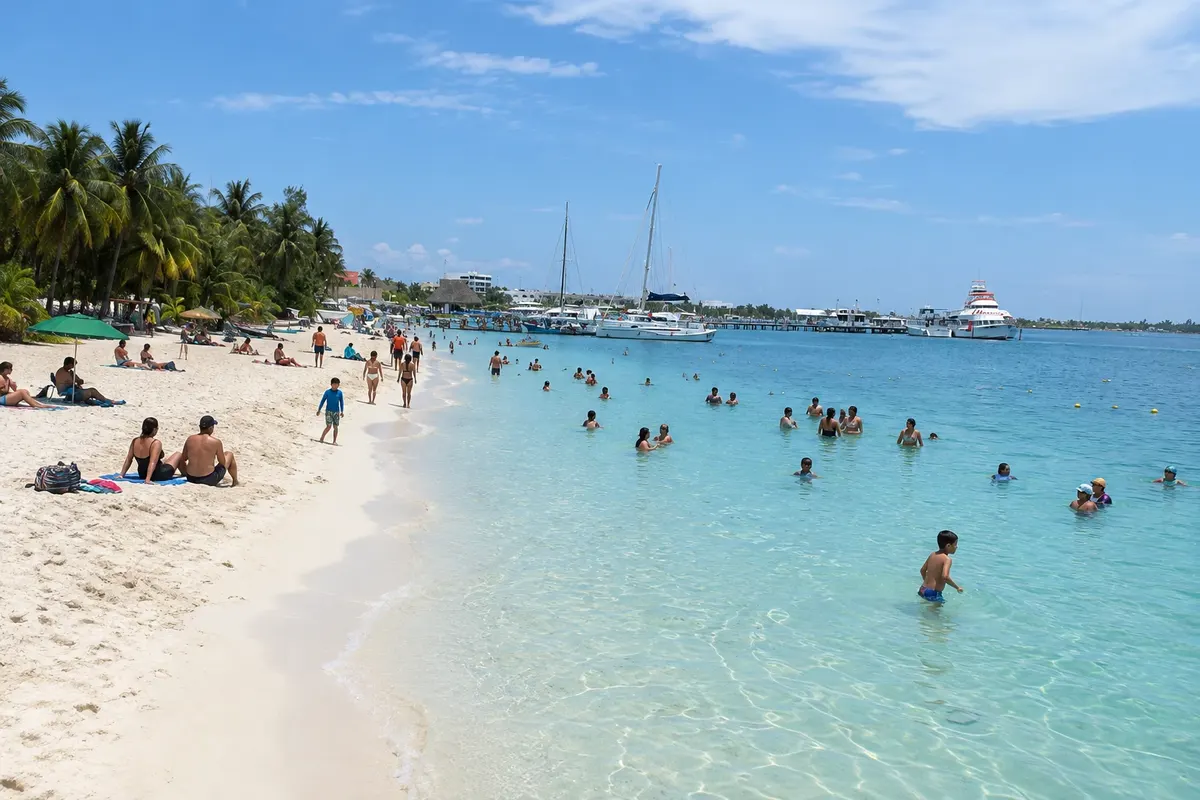
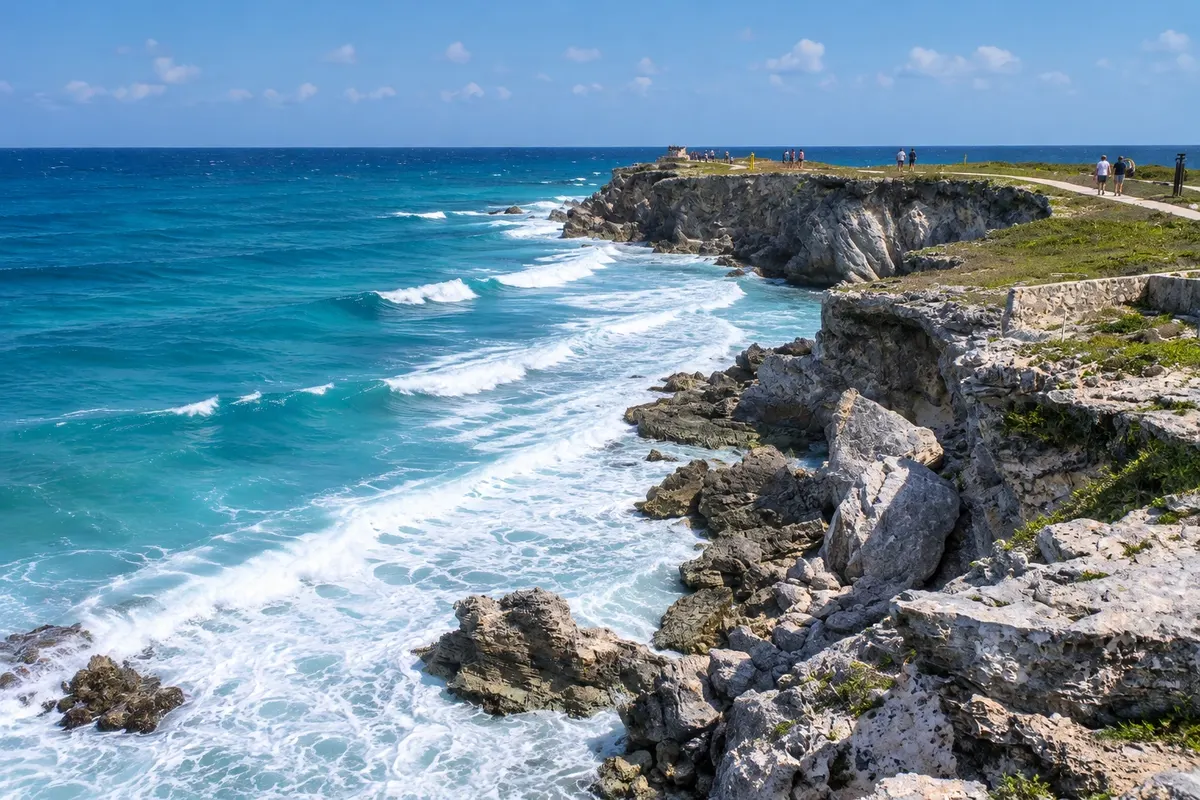
Boats to Isla Mujeres depart from the port of Puerto Juárez and from docks in the Hotel Zone; the island is about 13 km away and is narrow, with Playa Norte—shallow calm water—and Punta Sur, the easternmost point of the country. Farther away, about two hours by road and half an hour by boat from Chiquilá, Holbox is an island with sandy streets, no cars, inside the Yum Balam reserve, from where tours depart to see the whale shark, which usually appears from June to September.
Spanish is the country’s language, but English is common in tourism in the Hotel Zone. It’s hot year-round; what changes are the rains, concentrated from May to October, and the hurricane season, from June to November. Cancún is also the base for the Riviera Maya, Tulum and Chichén Itzá.
This destination brings together 3 cities: Cancún, Isla Mujeres, Holbox.


 Brazil
 Argentina
 Bolivia
 Chile
 Colombia
 Ecuador
 Guyana
 French Guiana
 Falkland Islands (Malvinas)
 Paraguay
 Peru
 Suriname
 Uruguay
 Venezuela
 Germany
 Austria
 Belgium
 Croatia
 Denmark
 Spain
 Finland
 France
 Greece
 the Netherlands
 Hungary
 Ireland
 Iceland
 Italy
 Luxembourg
 Norway
 Poland
 Portugal
 the United Kingdom
 the Czech Republic
 Sweden
 Switzerland
 Turkey
 the Dominican Republic
 South Africa
 Fiji