Oaxaca and Monte Albán

Oaxaca · Mexico

Oaxaca and Monte Albán

The colonial capital of Oaxaca, the Zapotec city of Monte Albán, the Tule tree, the rugs of Teotitlán, the ruins of Mitla and the stone waterfalls of Hierve el Agua.

Oaxaca

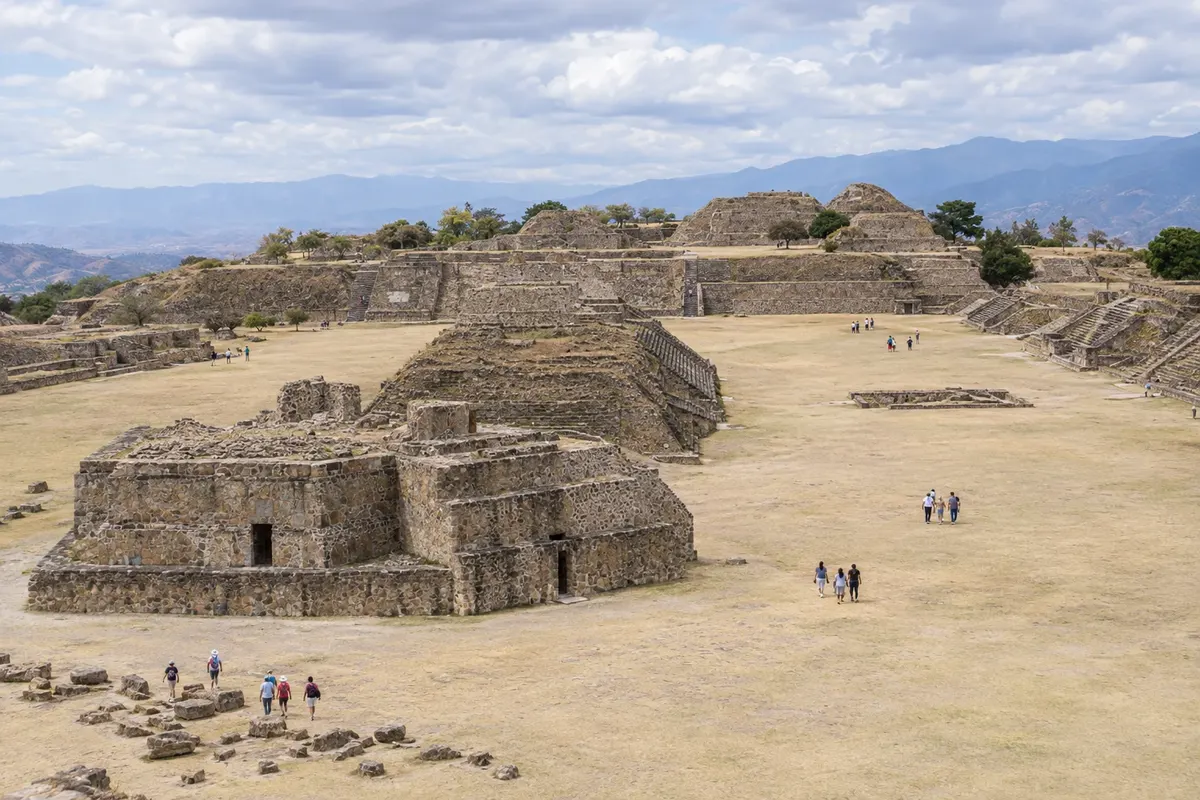
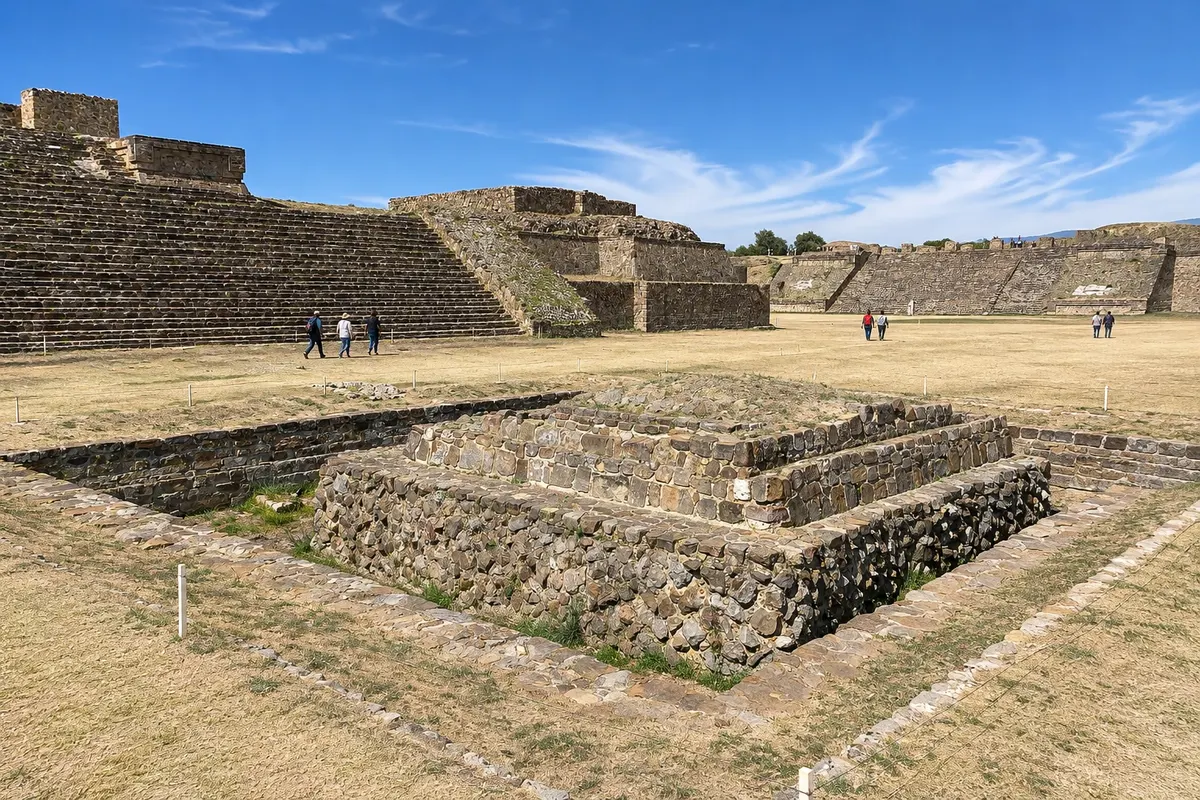
In the photo: Monte Albán

Illustrative images. The pictures in this guide are illustrations based on the real place, not photographs, and may differ from it.

Get it on Google Play Send your photos

Get to know the place

A region to enjoy
at your own pace.

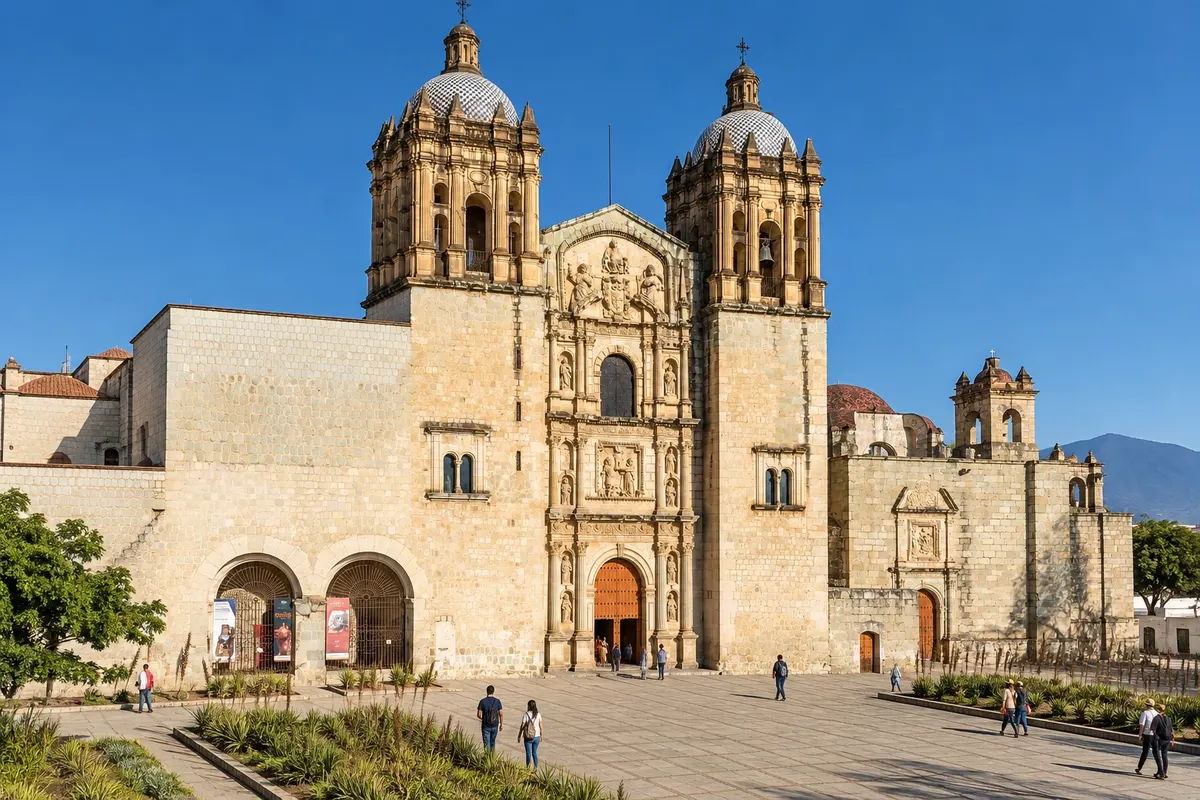
Oaxaca de Juárez is the capital of the state of Oaxaca, in southern Mexico, in a valley surrounded by mountains at about 1,550 meters above sea level. The historic center, a UNESCO World Heritage site since 1987 together with Monte Albán, has cobbled streets, low houses painted in bright colors and green stone churches, such as the Templo de Santo Domingo de Guzmán, with its entire interior gilded.

Oaxaca is one of the states with the most indigenous peoples in the country, and that is evident in the markets, crafts, festivals and cuisine, with moles, tlayudas, chocolate and mezcal. In July, the Guelaguetza festival brings together dances from all regions of the state, and at the end of October and beginning of November the Day of the Dead fills the city with altars and flowers.

On a hill about 10 km from the center lies Monte Albán, the ancient Zapotec capital, with plazas and pyramids overlooking the whole valley. To the east, the road to Mitla passes by the Árbol del Tule, a cypress with a huge trunk, the weaving village of Teotitlán del Valle and the ruins of Yagul, until reaching Mitla, with its stone mosaics, and the formations of Hierve el Agua.

This destination brings together 4 cities: Oaxaca, Santa María del Tule, Teotitlán del Valle, Mitla.

Share: WhatsApp
Traveler, share your experiences through photos Up to 5 photos of each place you visited.

One destination, many paths

The cities on this trip

Start with one city or combine several in your itinerary.

Where Oaxaca and Monte Albán is
Teotitlán del ValleOaxacaSanta María del TuleMitla

Limites: INEGI / geoBoundaries (CC BY 3.0 IGO). Adaptação do Cidade Turismo.

How to get there: Oaxaca and Monte Albán

✈ Aeropuerto Internacional de Oaxaca (OAX) · 7 km to Oaxaca

Confirm before booking. Oaxaca has an international airport (OAX), about 7 km from the center, with flights from Mexico City and other cities. From Mexico City there are also buses, a journey of about 460 km.

Suggested arrival point: Oaxaca

Oaxaca
Oaxaca · Oaxaca and Monte Albán Capital Suggested arrival point

Oaxaca

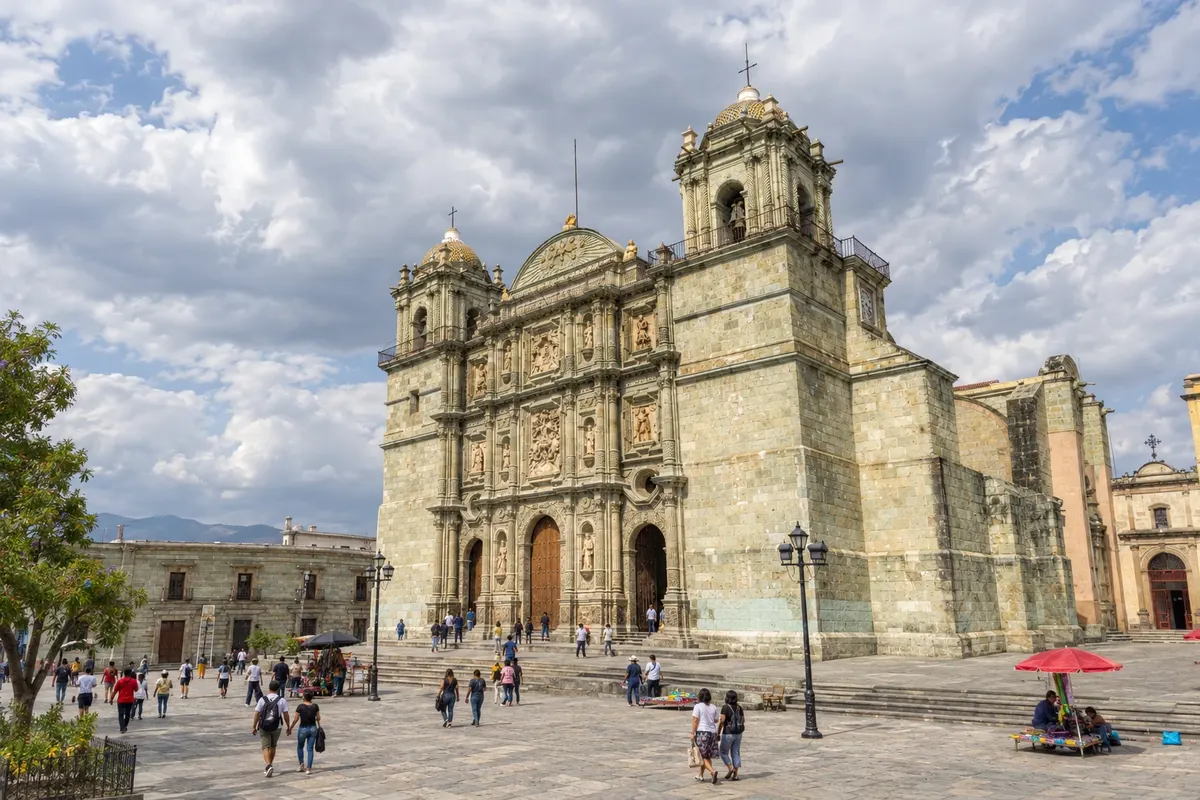
Oaxaca de Juárez is the capital of the state of Oaxaca, at about 1,550 meters altitude, in a valley in southern Mexico. The historic center, a UNESCO heritage site, features the Zócalo, the cathedral, the temple of Santo Domingo de Guzmán and streets of colorful houses, such as the Macedonio Alcalá pedestrian promenade. The city is known for its markets, cuisine, mezcal and the Guelaguetza and Day of the Dead festivals. Monte Albán lies about 10 km away.
The local experience

Things to do in Oaxaca and Monte Albán

Árbol del Tule
Santa María del Tule · Oaxaca · Monumental tree

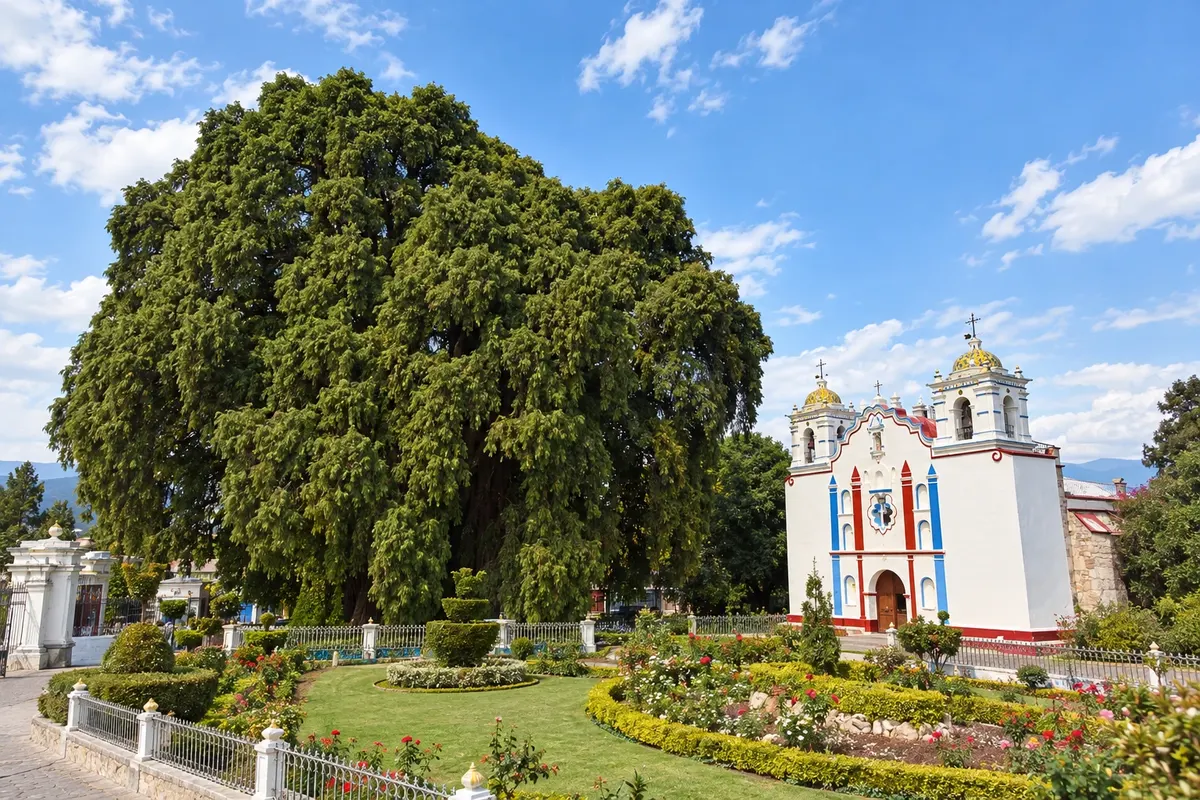
Árbol del Tule

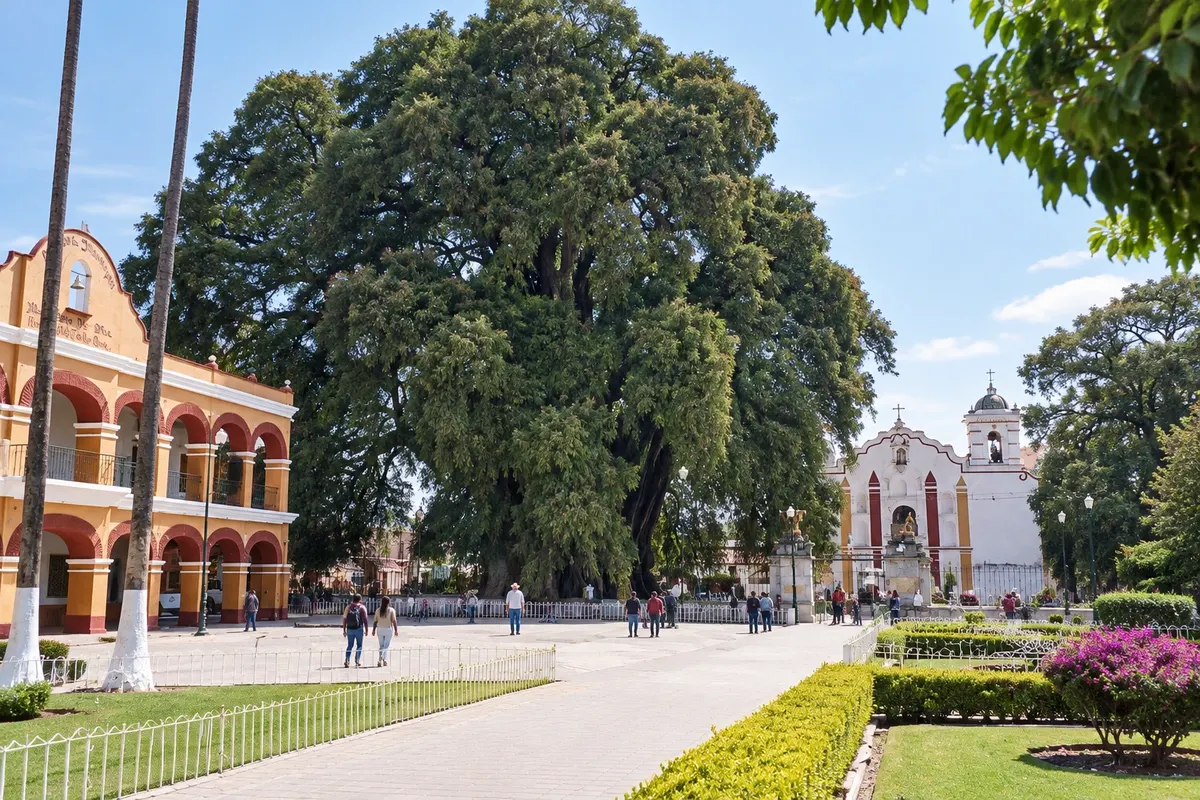
Montezuma cypress in the churchyard of Santa María del Tule, with one of the thickest trunks in the world, about 14 meters in diameter.

Templo de la Preciosa Sangre de Cristo
Teotitlán del Valle · Oaxaca · Church

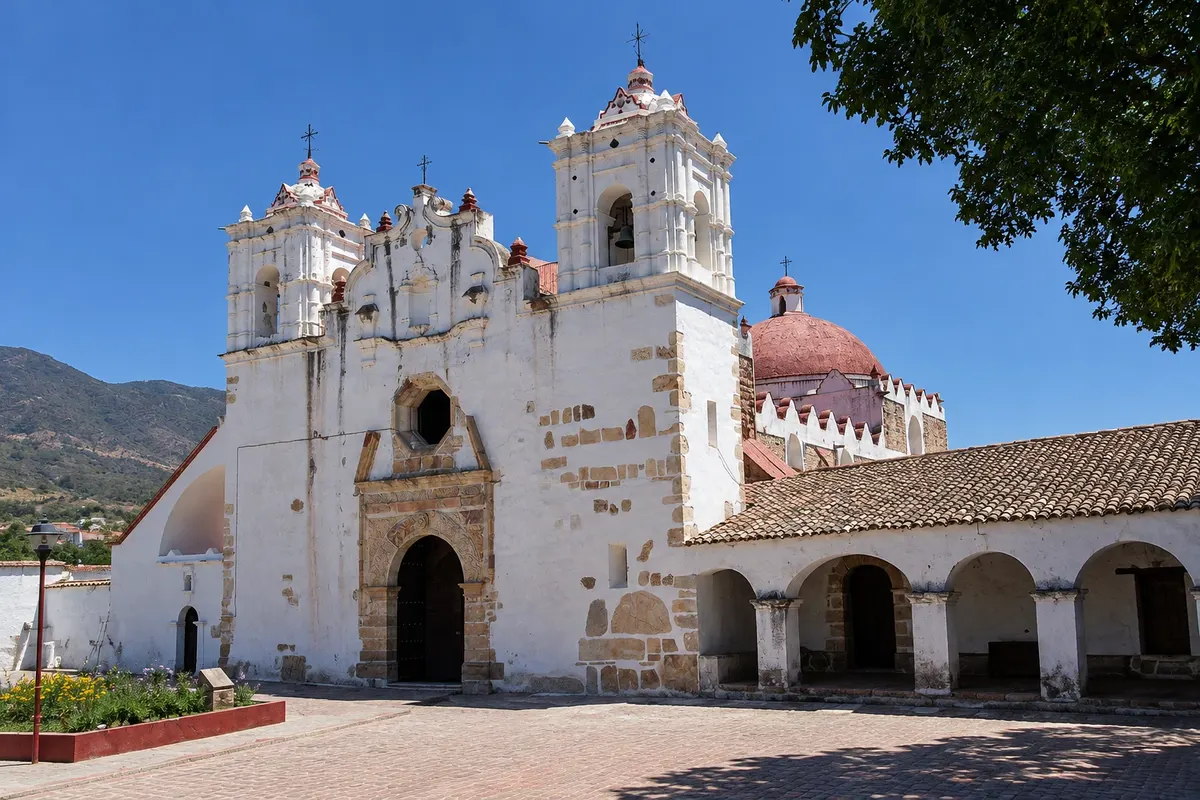
Templo de la Preciosa Sangre de Cristo

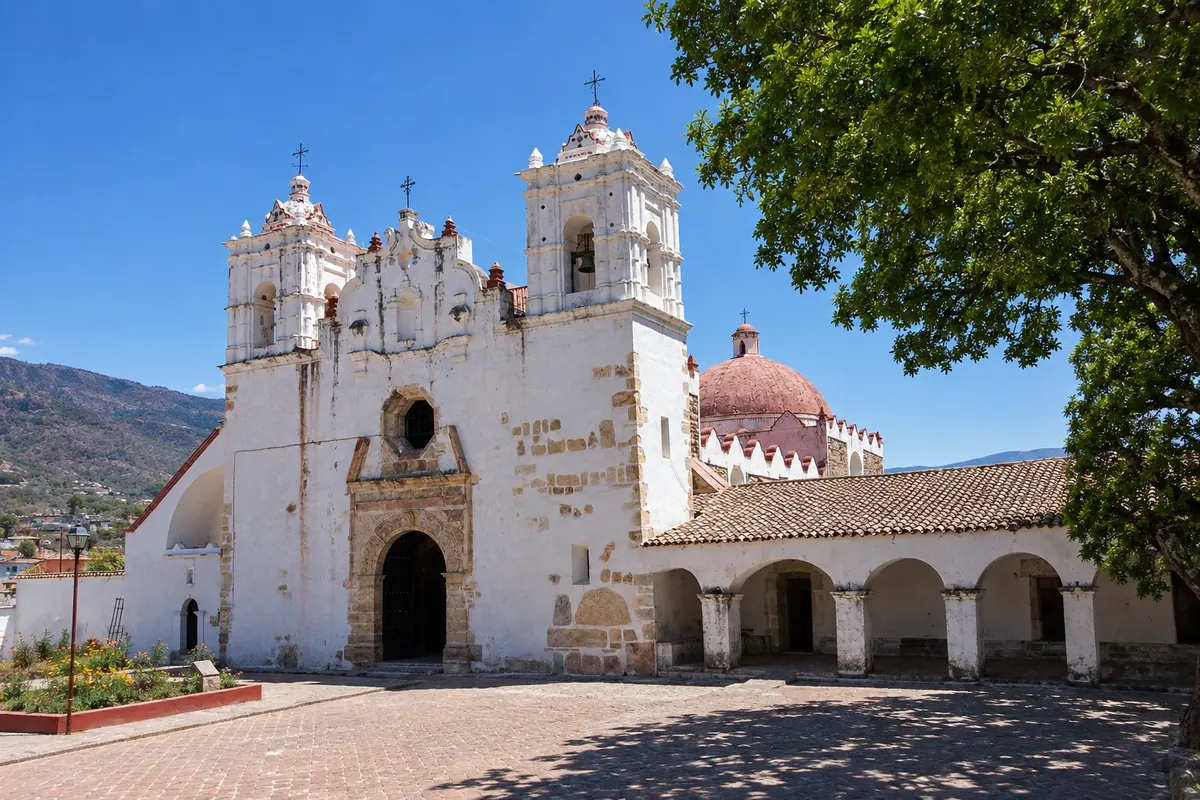
Colonial church in the center of Teotitlán del Valle, built in the 17th century atop a Zapotec temple, with pre-Hispanic carved stones fitted into the walls.

Zona Arqueológica de Mitla
Mitla · Oaxaca · Archaeological site

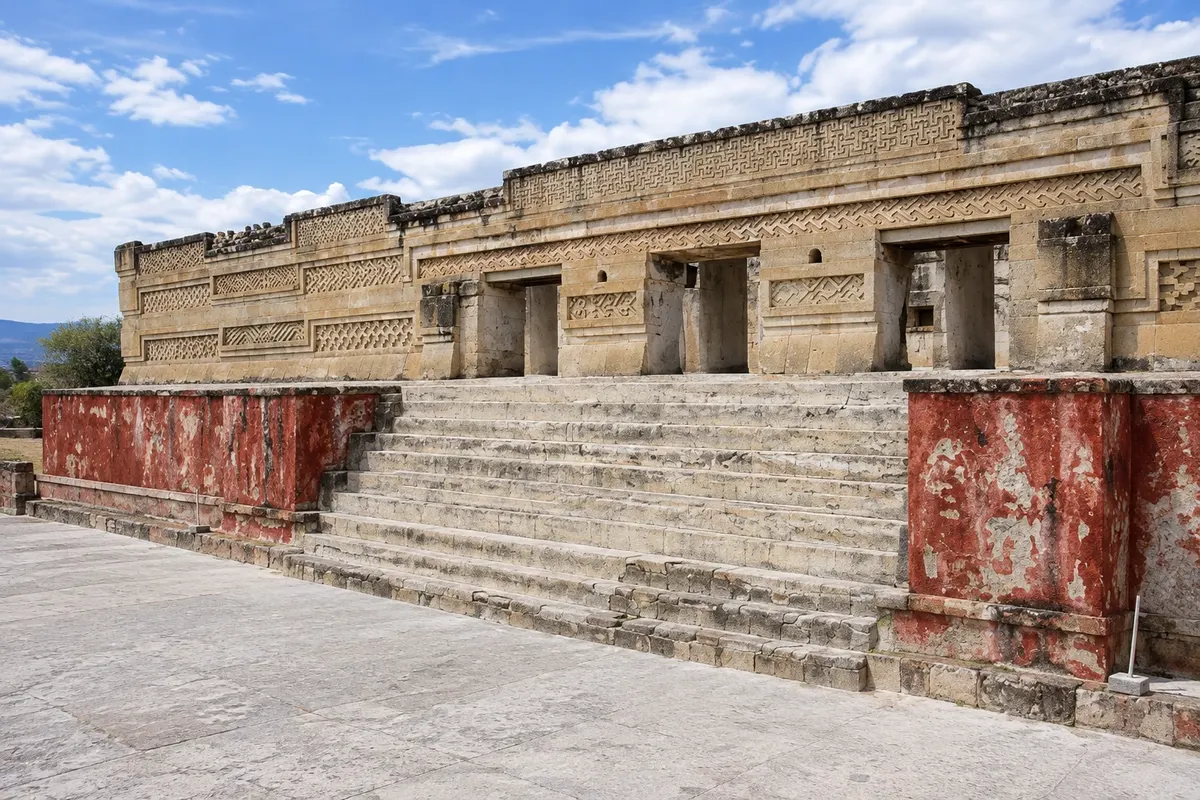
Zona Arqueológica de Mitla

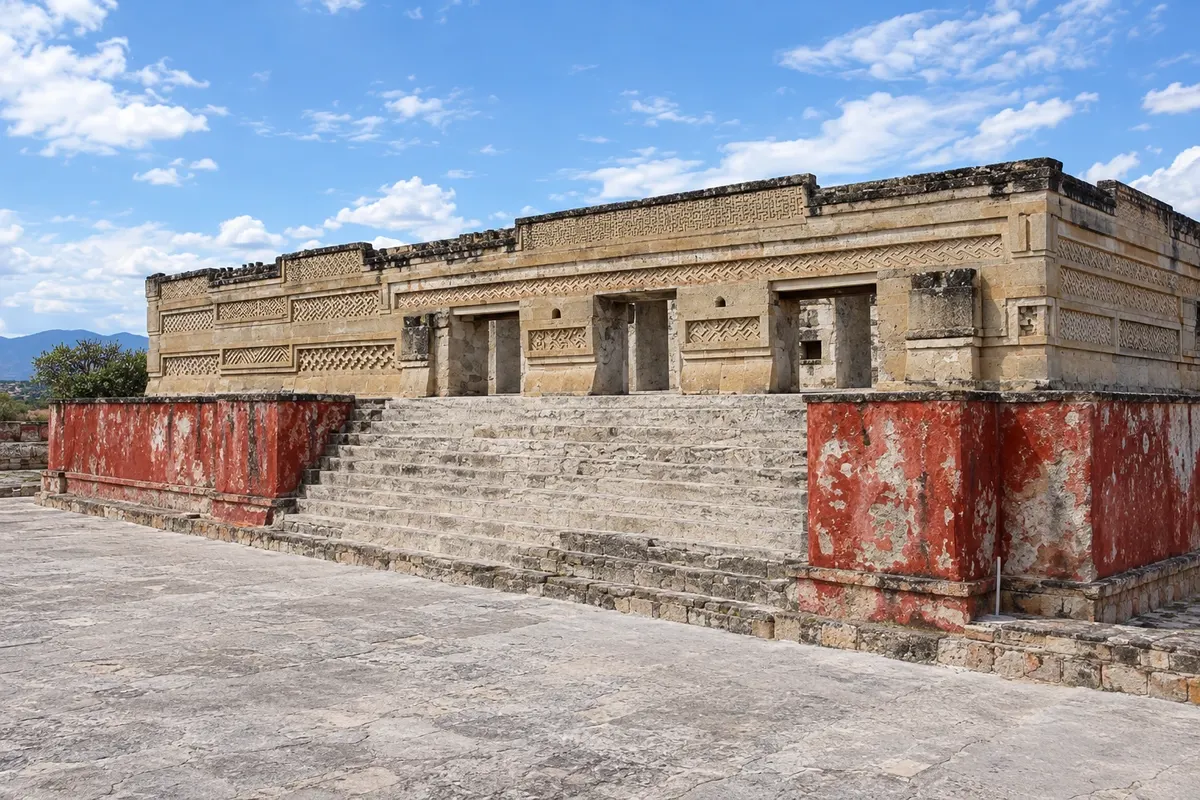
Zapotec and Mixtec religious center with palaces decorated by stone mosaics in geometric patterns, without mortar, and cross-shaped tombs.

Zona Arqueológica de Monte Albán
Oaxaca · Oaxaca · Archaeological site

Zona Arqueológica de Monte Albán

Ancient Zapotec capital on the flattened summit of a hill above the Oaxaca valley, a UNESCO heritage site, with the Great Plaza, pyramids, the ball court and the Danzantes' stones.

See 4 more places in Oaxaca and Monte Albán
Hierve el Agua
Mitla · Oaxaca · Natural formation

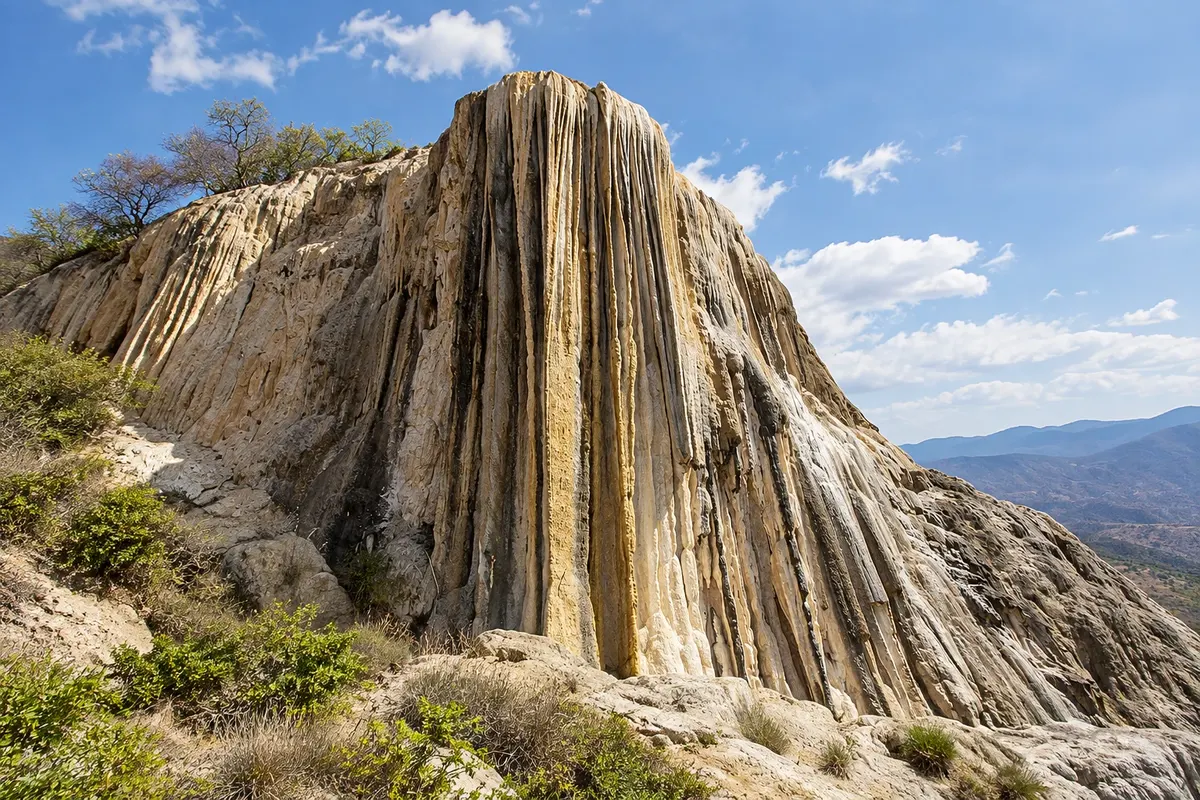
Hierve el Agua

Mineral formations shaped like white stone waterfalls in the mountains east of Mitla, with natural mineral pools at the cliff edge and views of the valley.

Templo y ex convento de Santo Domingo de Guzmán
Oaxaca · Oaxaca · Church and museum

Templo y ex convento de Santo Domingo de Guzmán

Dominican church from the 16th and 17th centuries, with an interior covered in gold leaf, and the former convent that houses the Museum of the Cultures of Oaxaca and an ethnobotanical garden.

Zona Arqueológica de Yagul
Teotitlán del Valle · Oaxaca · Archaeological site

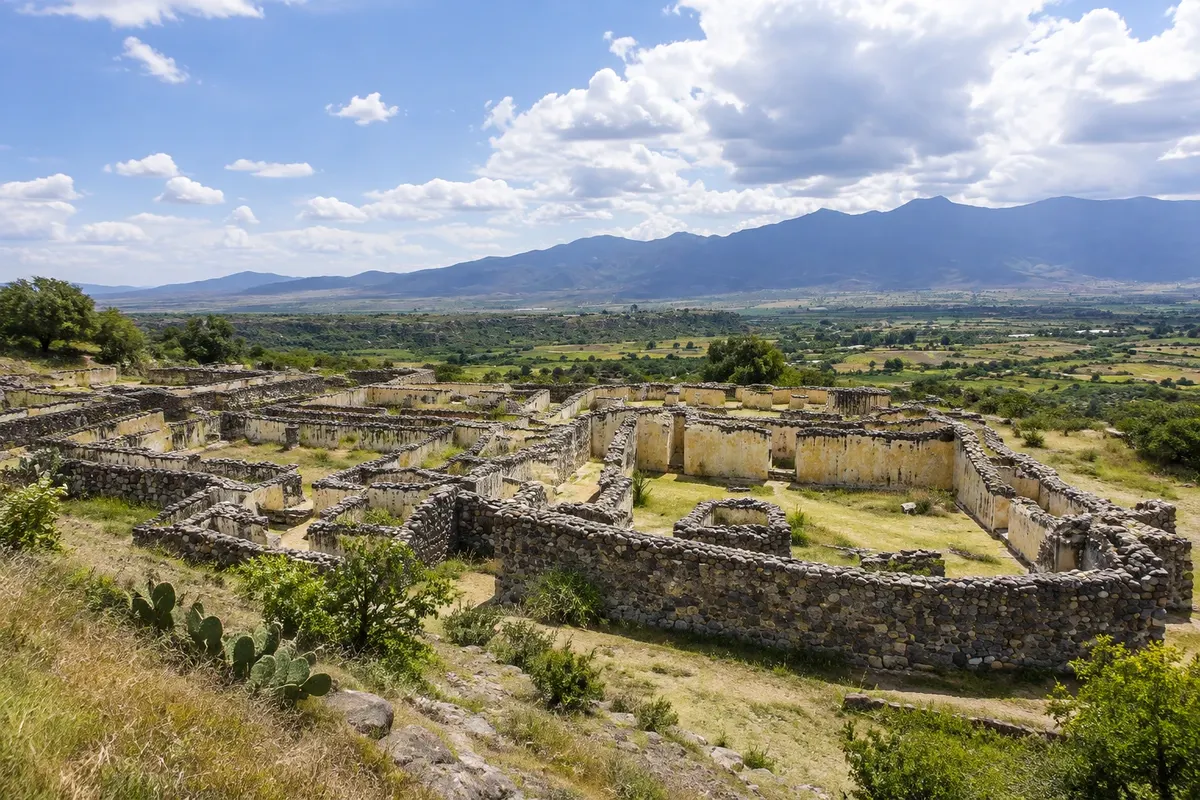
Zona Arqueológica de Yagul

A fortified Zapotec city on a hill in the Tlacolula valley, a UNESCO heritage site together with the prehistoric caves of the region, featuring the Palace of Six Courtyards and a large ball court.

Zócalo y Catedral de Oaxaca
Oaxaca · Oaxaca · Plaza and cathedral

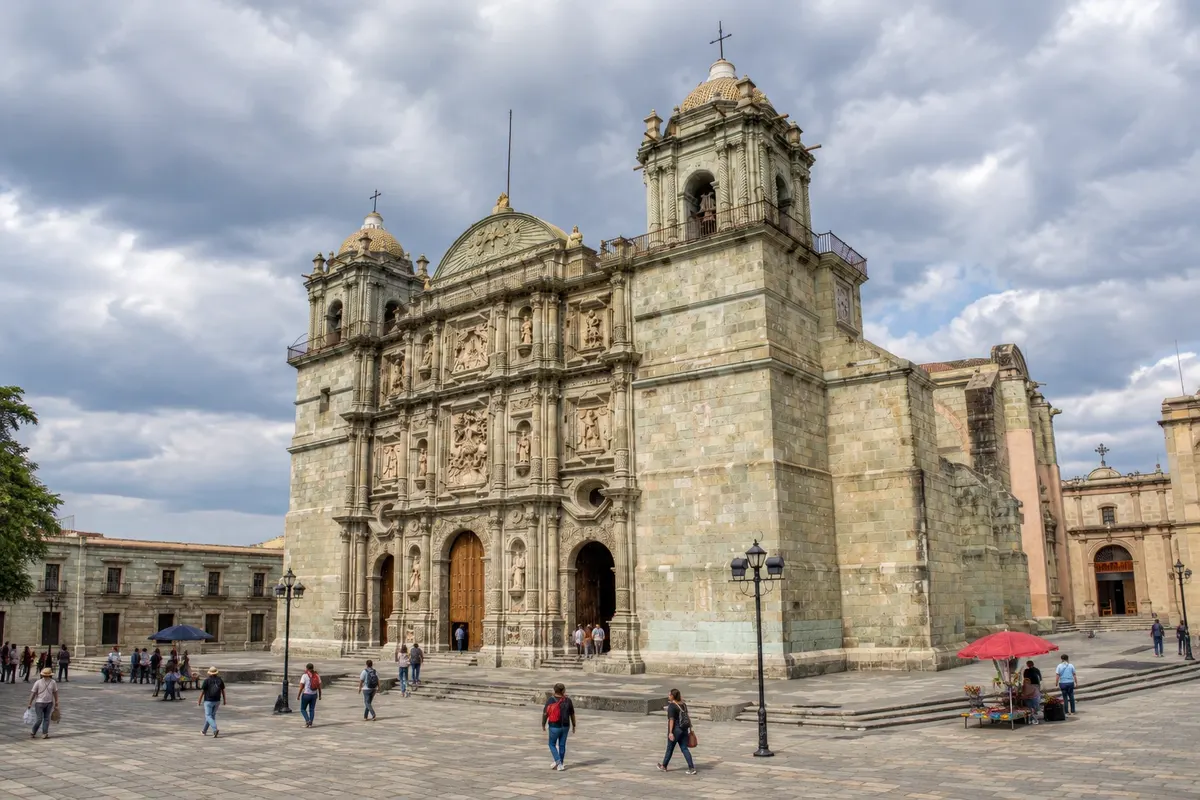
Zócalo y Catedral de Oaxaca

Oaxaca's main square, tree-lined and surrounded by arcades, with the bandstand, the old Government Palace and the Cathedral of Nuestra Señora de la Asunción, built of green stone.

Before you go

Practical information

A little planning leaves more time to enjoy the journey.

When to go

From October to April is usually the dry season, with sunny days and cool nights; it is also the time of the Day of the Dead, at the end of October and beginning of November. From May to September it rains more, often in afternoon downpours, and the valleys turn green. The Guelaguetza takes place in July and the city gets crowded.

The seasons shown are the most usual ones; nature doesn't always follow the calendar.

How many days to stay

Four days: two for the city and Monte Albán, one for the Mitla route with the Tule tree, Teotitlán and Hierve el Agua, and one for other villages and markets in the valley.

Which city to stay in

Oaxaca's historic center, between the Zócalo and the Templo de Santo Domingo, has guesthouses in colonial houses, boutique hotels and restaurants, within walking distance of the main attractions. The Jalatlaco neighborhood, to the east, is quiet, with cobbled streets and murals. In the valley villages, such as Teotitlán and Mitla, there are simple guesthouses.

Respect the place

Take your trash with you, follow the signs and support local businesses. In natural areas, follow the visiting guidelines.

Get your questions answered

Frequently asked questions about Oaxaca and Monte Albán

Does Oaxaca's altitude bother visitors?

The city is at about 1,550 meters, much lower than Mexico City. Most people do not feel effects, but it's good to drink water and take it easy on the first day.

When to visit Oaxaca for the Day of the Dead?

Celebrations usually run from the end of October to the first days of November, with altars, parades and visits to cemeteries. Accommodation fills up early at that time.

What is the Guelaguetza?

Oaxaca's best-known festival, held in July, with dances and costumes from the state's eight regions in an auditorium on the Fortín hill and parades through the streets.

How to visit Monte Albán, Mitla and Hierve el Agua?

Monte Albán is about 10 km from the center, with vans departing from the city. The Mitla route, including the Tule tree, Teotitlán and Hierve el Agua, is usually done by car or on organized day tours.

What to eat in Oaxaca?

Moles, such as mole negro, tlayudas, tamales, Oaxaca chocolate, quesillo cheese and mezcal, produced in the surrounding valleys.

Explore other destinations Search by state and city