Brazil
 Argentina
 Bolivia
 Chile
 Colombia
 Ecuador
 Guyana
 French Guiana
 Falkland Islands (Malvinas)
 Paraguay
 Peru
 Suriname
 Uruguay
 Venezuela
 Germany
 Austria
 Belgium
 Croatia
 Denmark
 Spain
 Finland
 France
 Greece
 the Netherlands
 Hungary
 Ireland
 Iceland
 Italy
 Luxembourg
 Norway
 Poland
 Portugal
 the United Kingdom
 the Czech Republic
 Sweden
 Switzerland
 Turkey
 the Dominican Republic
 South Africa
 Fiji

Yucatán · Mérida and Uxmal
Capital
Suggested arrival point
Mérida
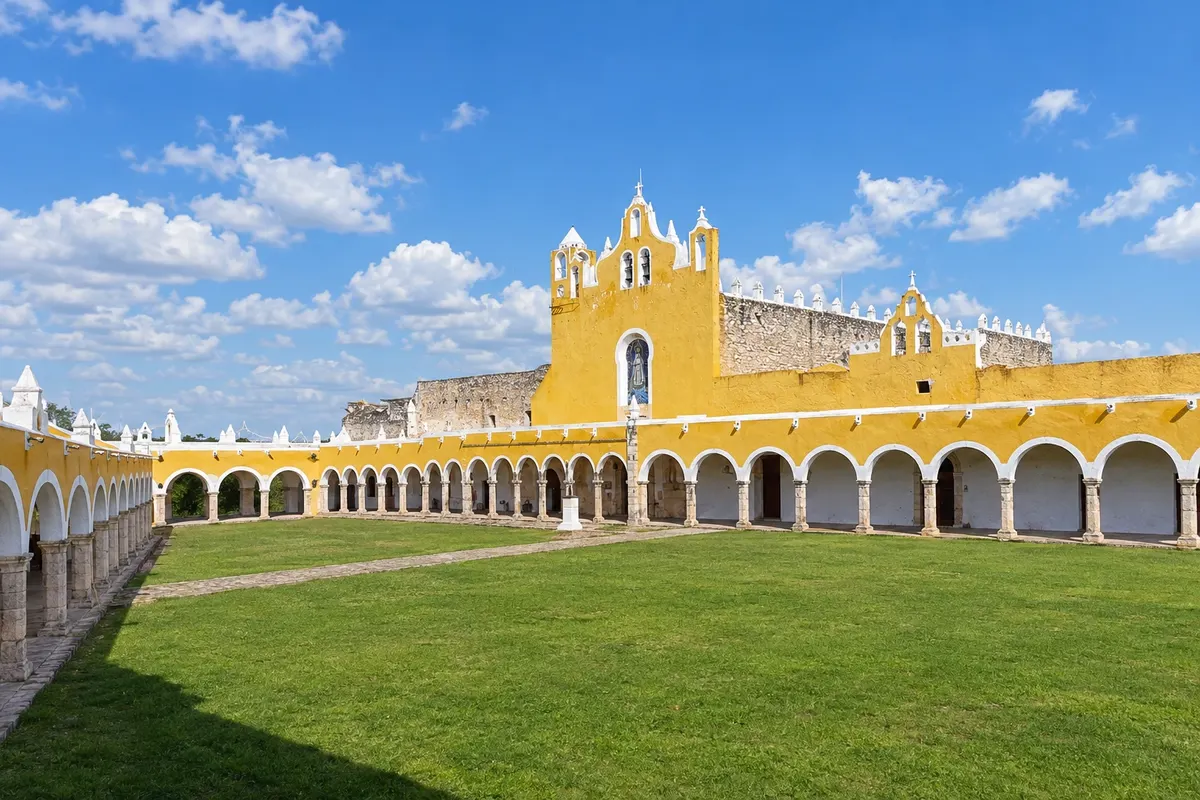
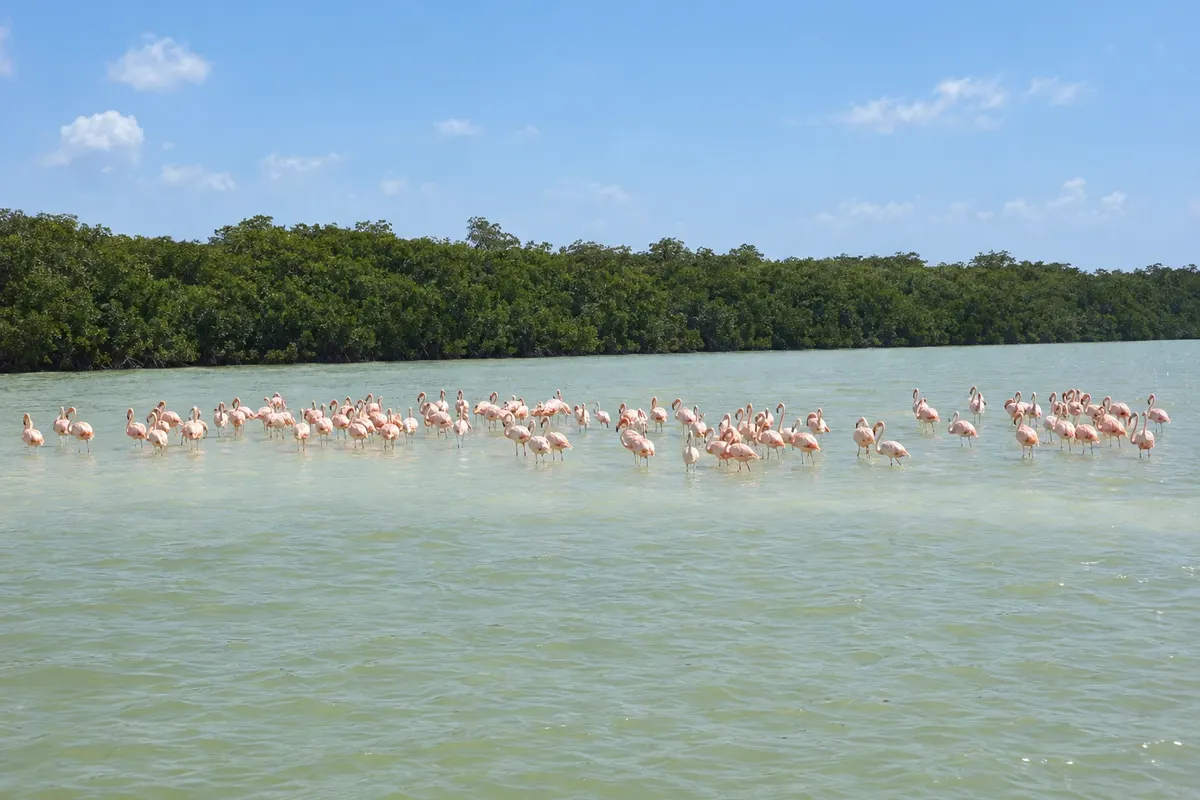
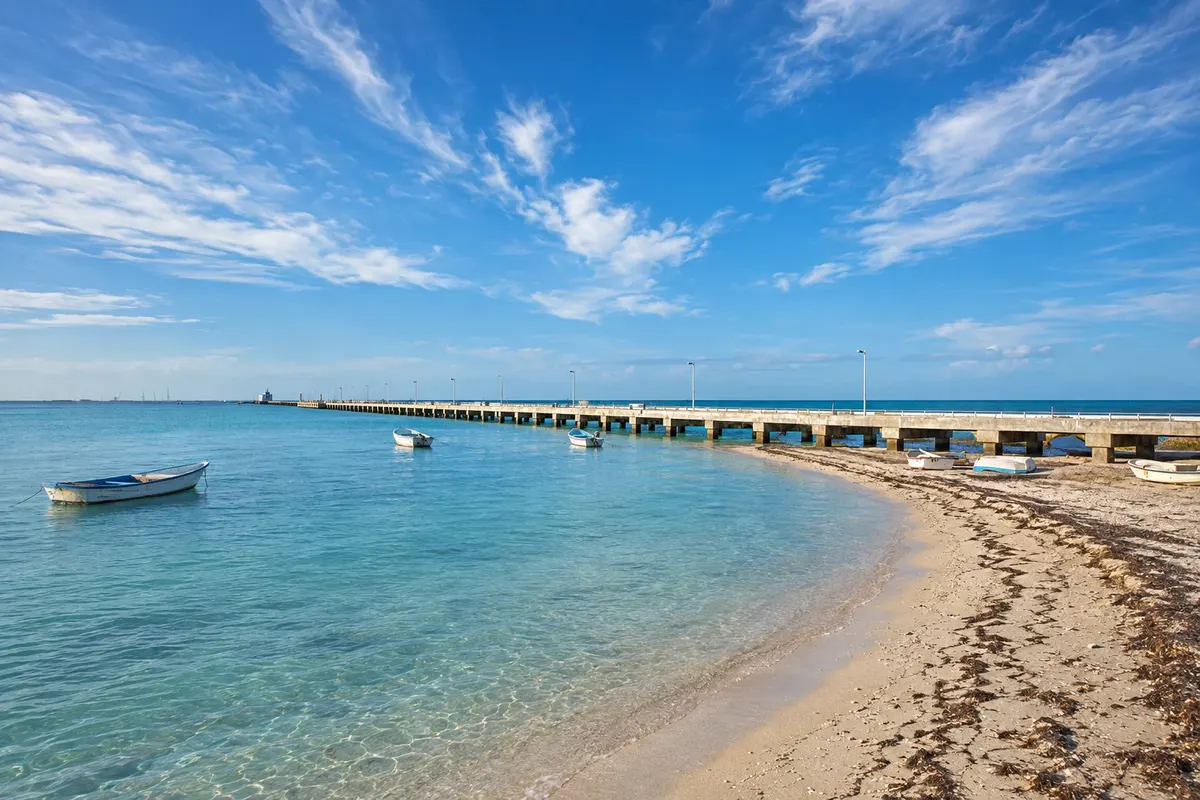
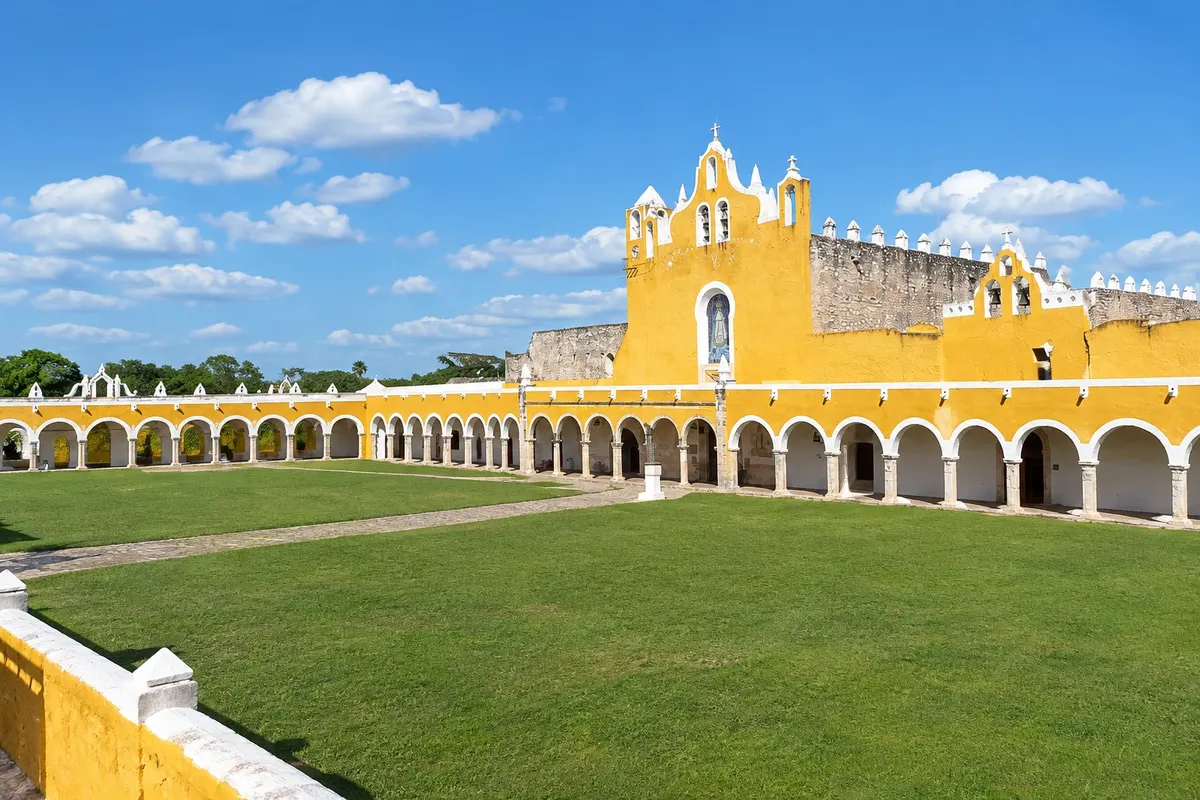
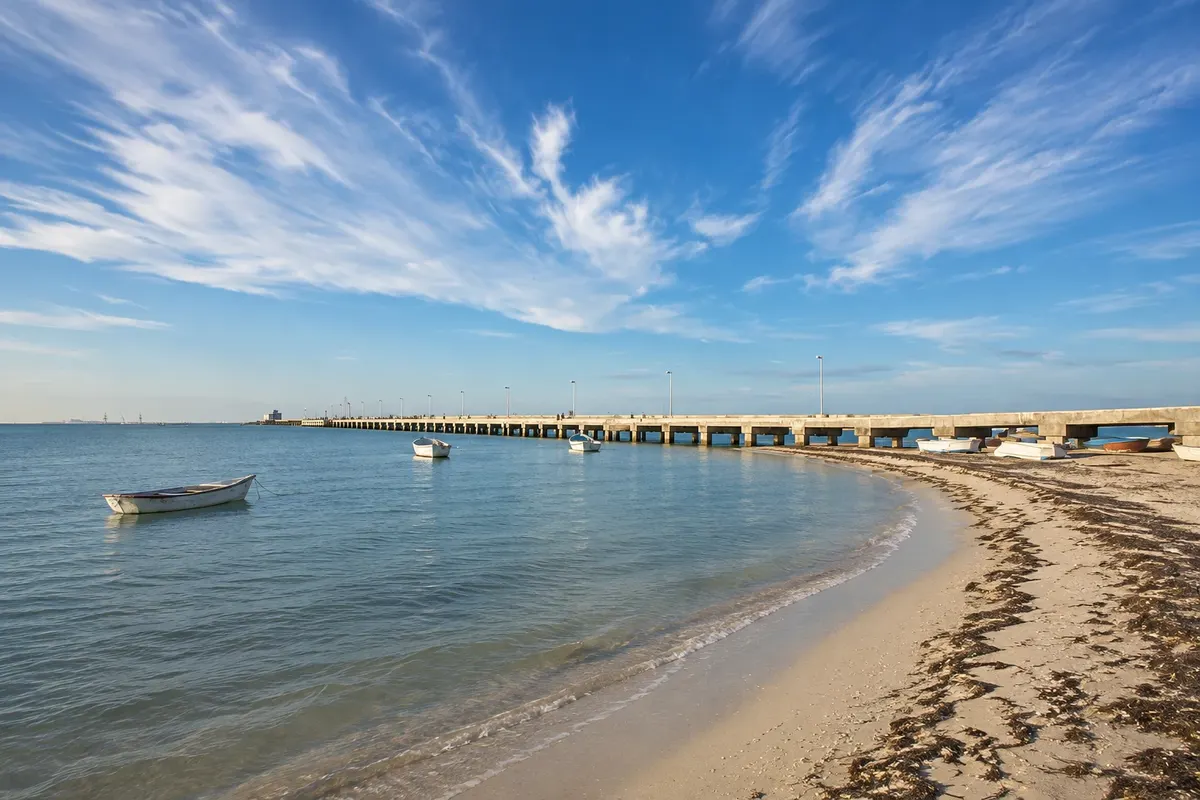
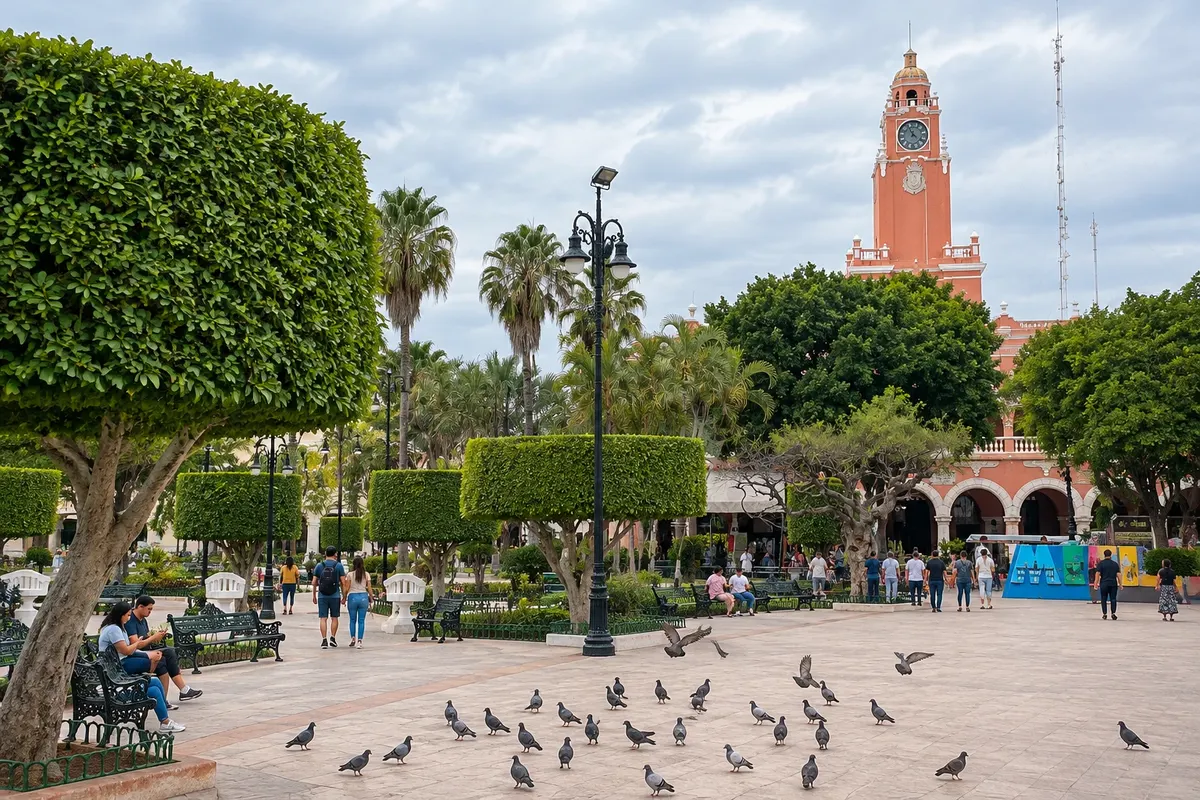
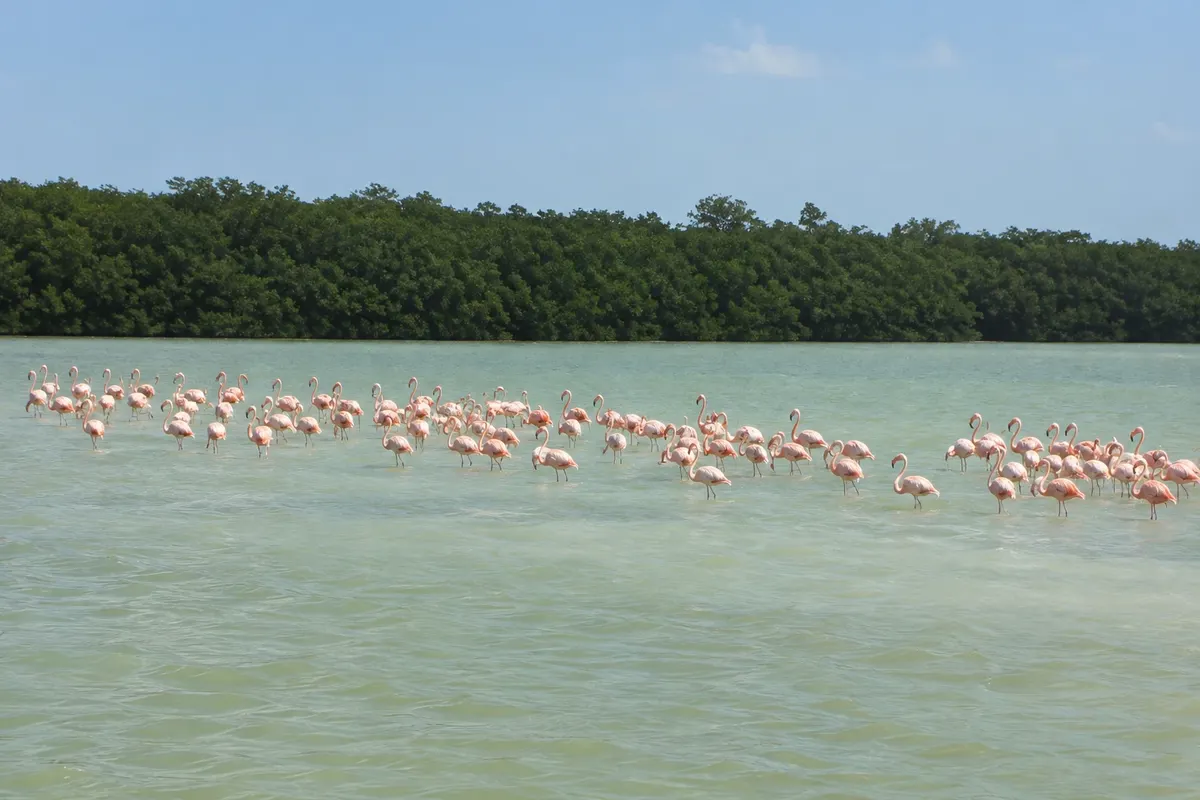
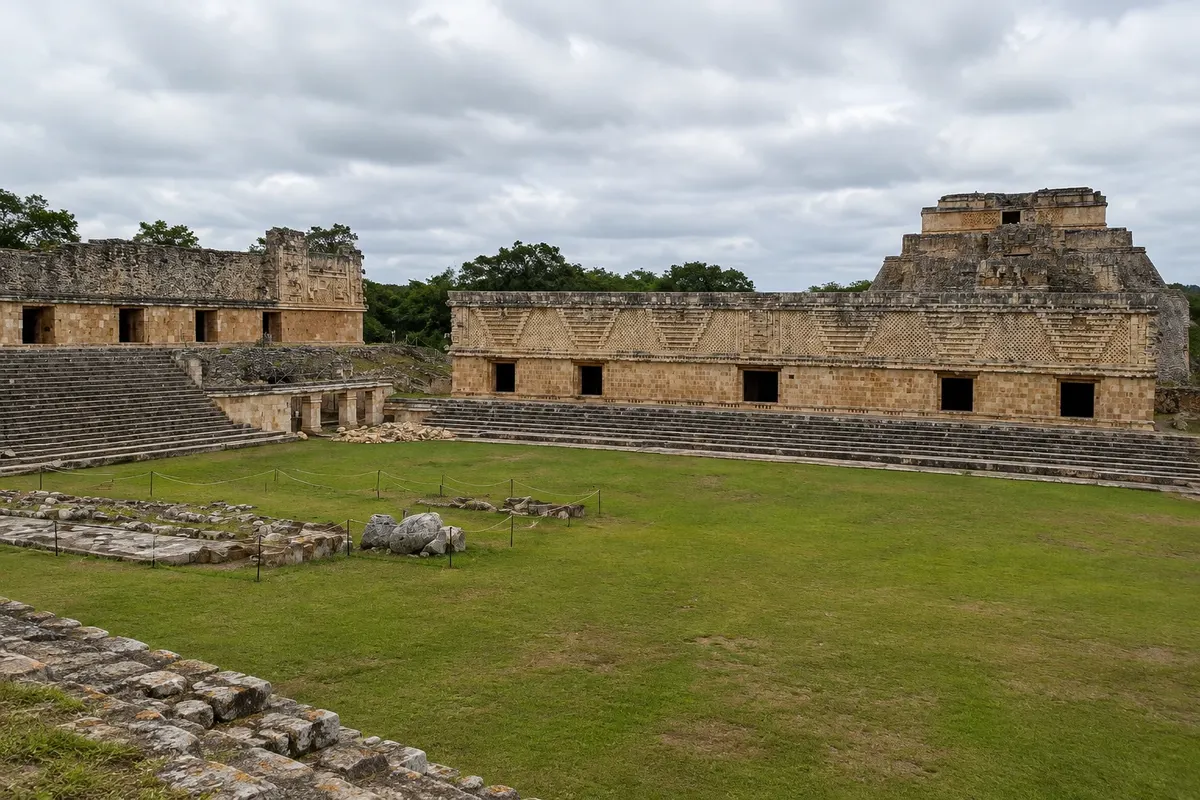
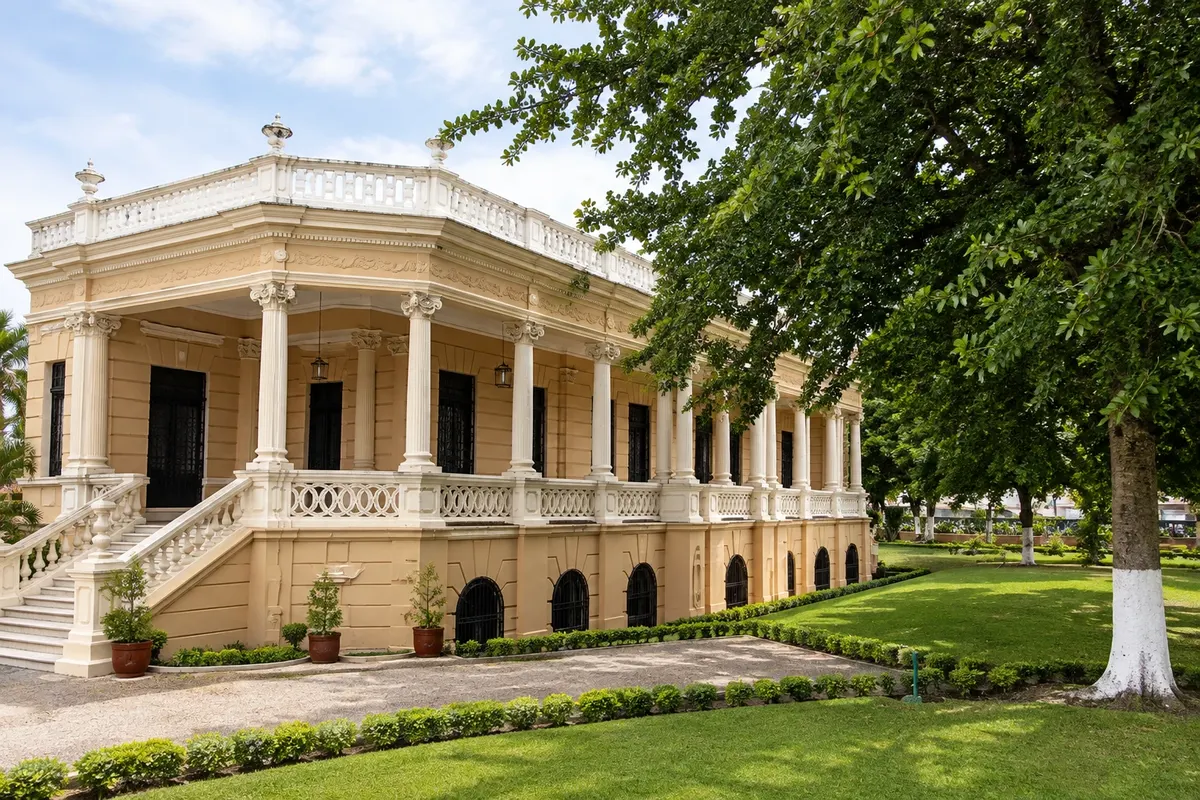
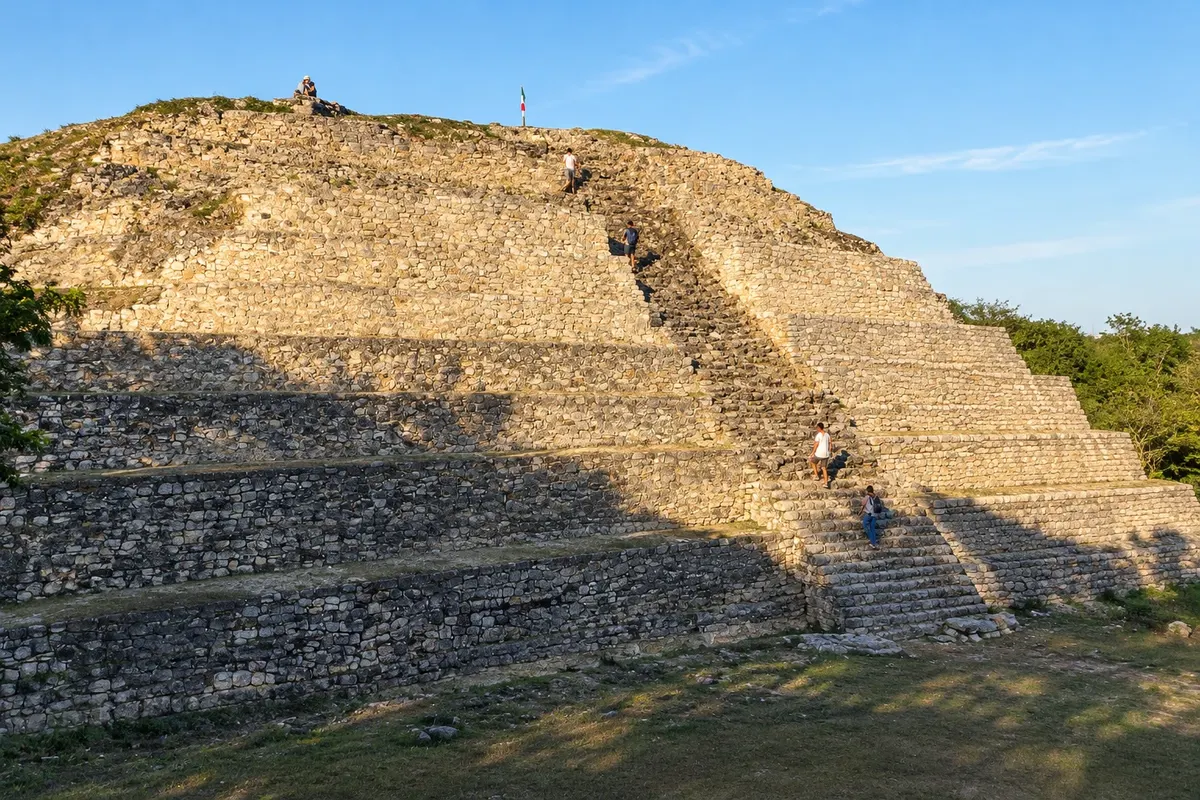
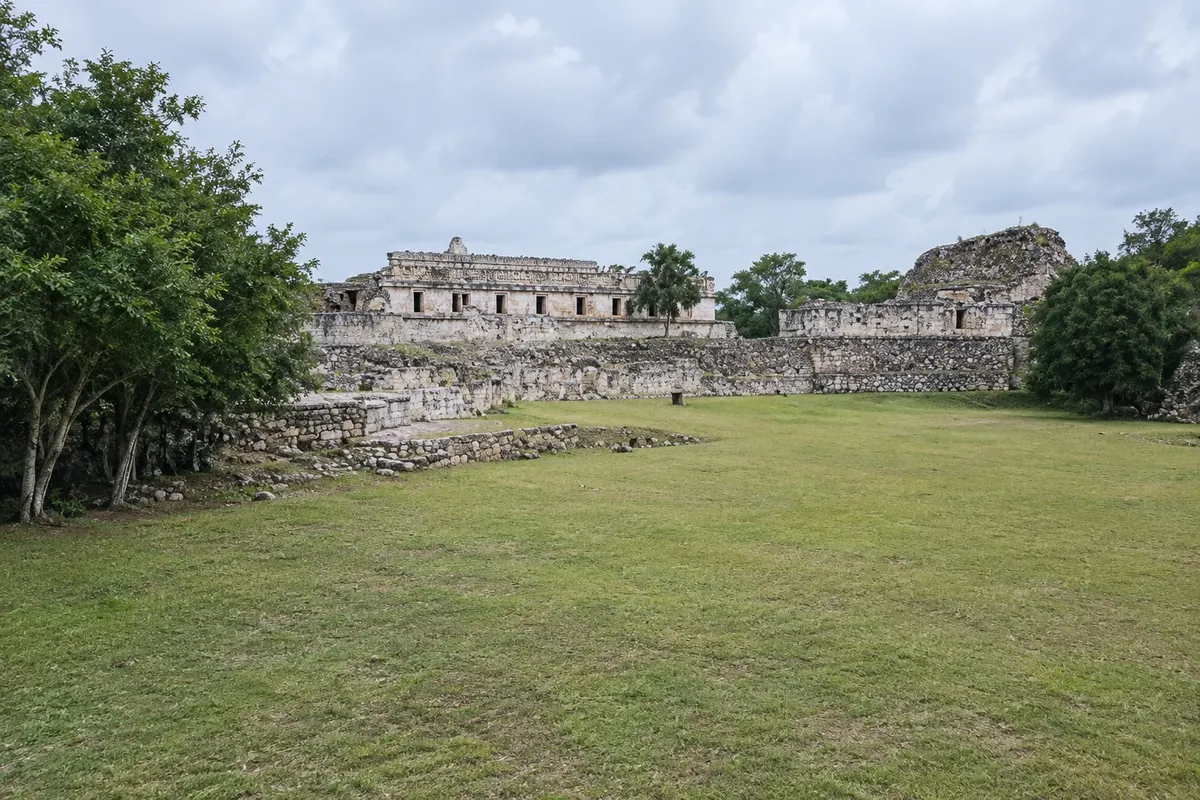
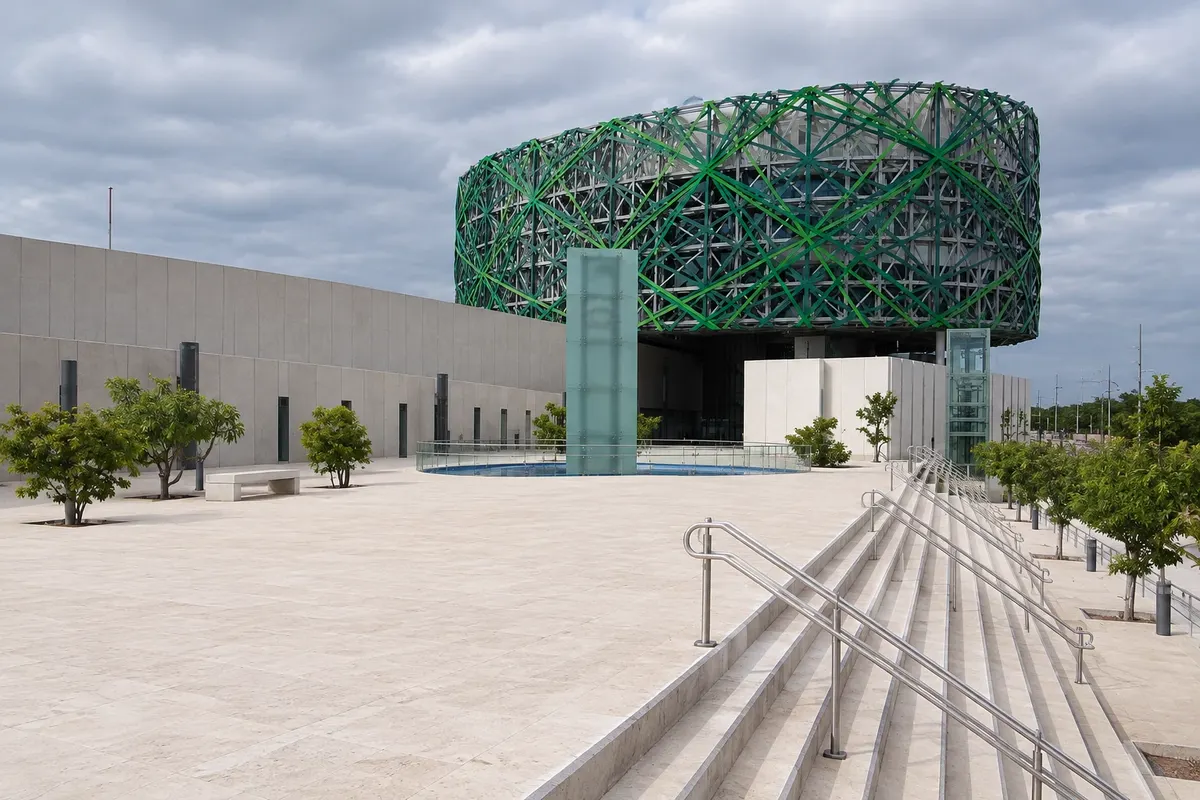
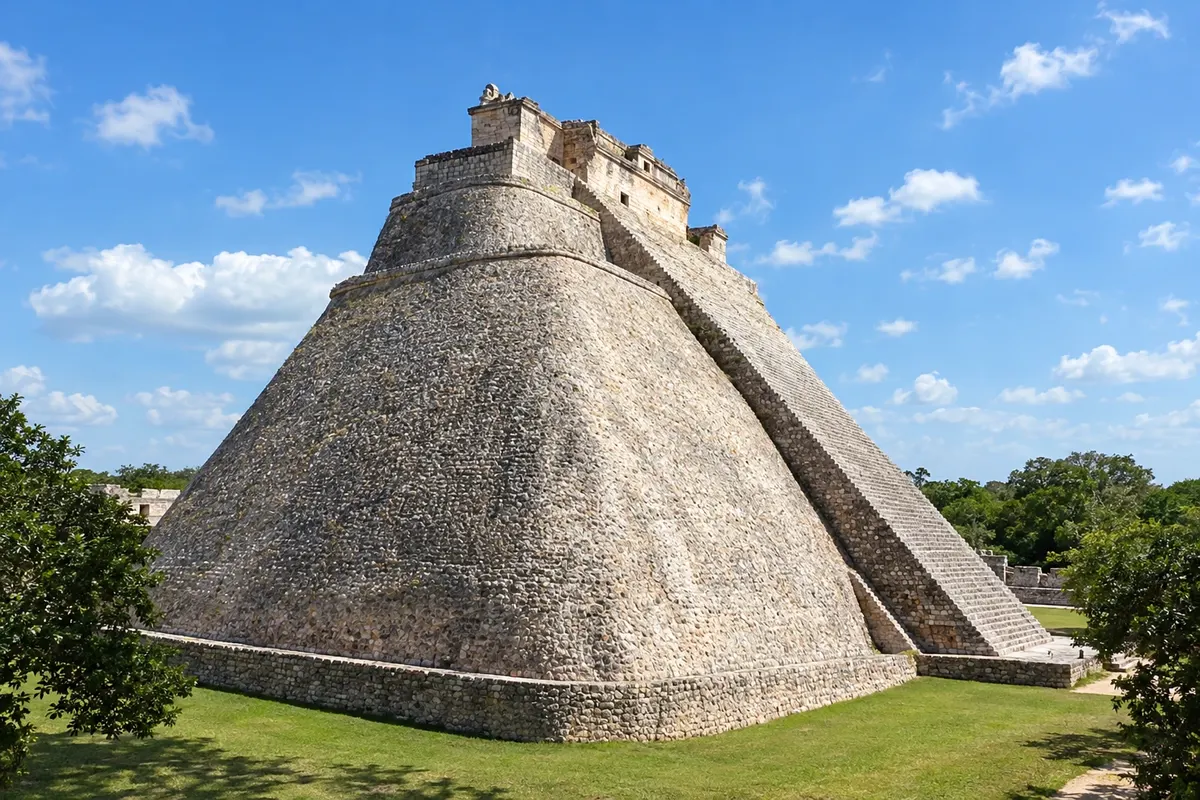
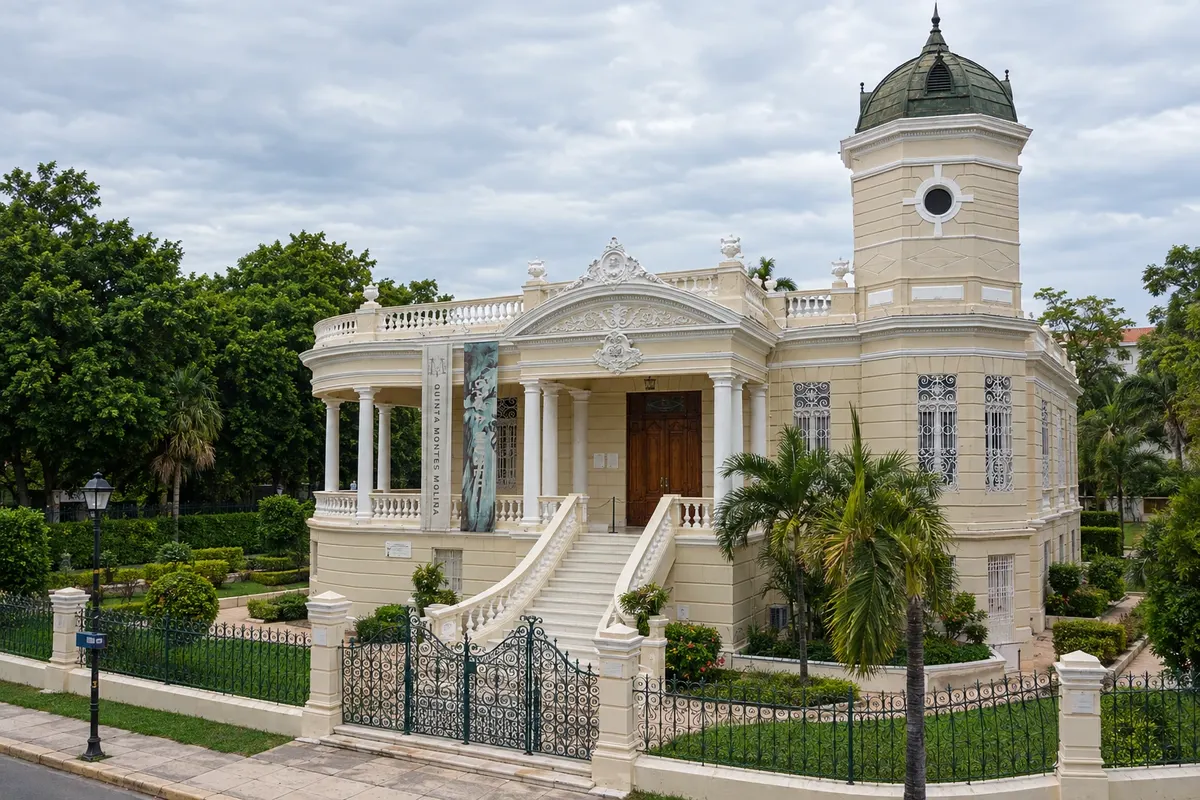
Mérida is the capital of Yucatán and the largest city on the peninsula, founded in 1542 on top of the Maya city of T'hó. The historic center has the Plaza Grande, the Cathedral of San Ildefonso, the Casa de Montejo and neighborhoods of colorful colonial houses. To the north lies Paseo de Montejo, with mansions from the sisal era, and further on the Gran Museo del Mundo Maya. It is the base for Uxmal, Izamal, Celestún and Progreso.