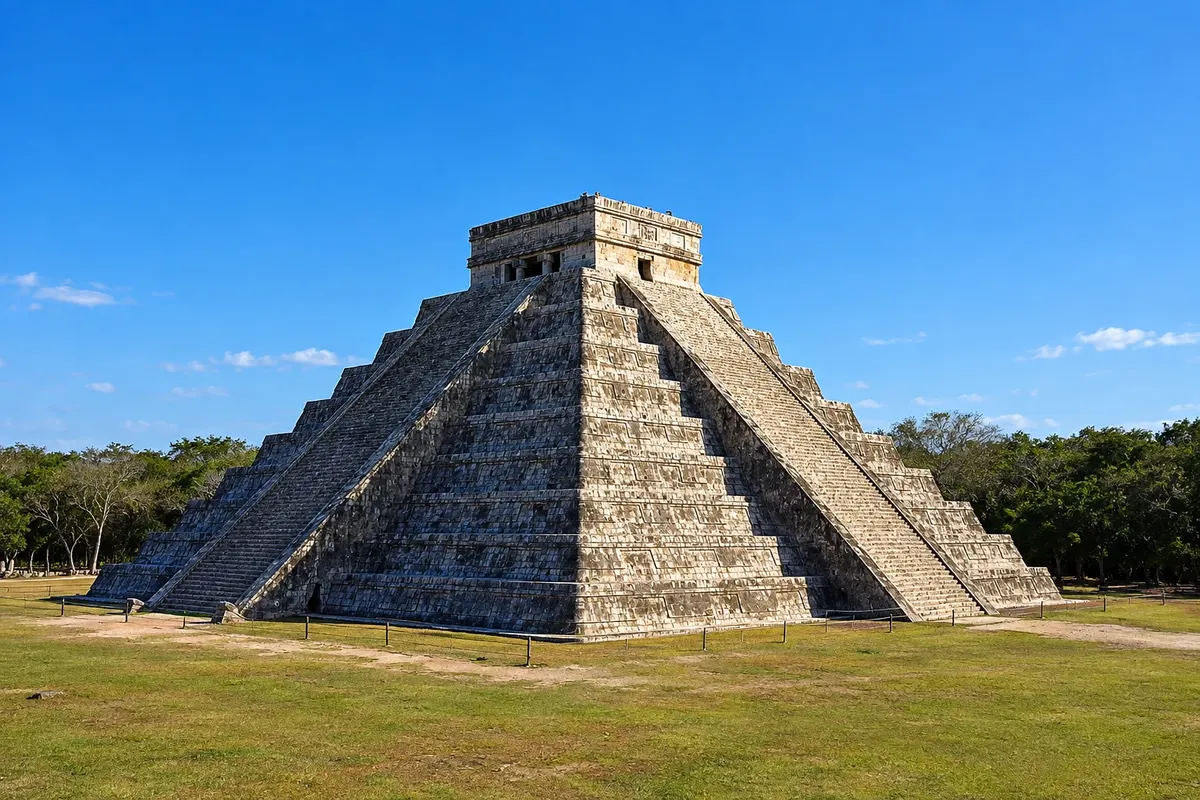
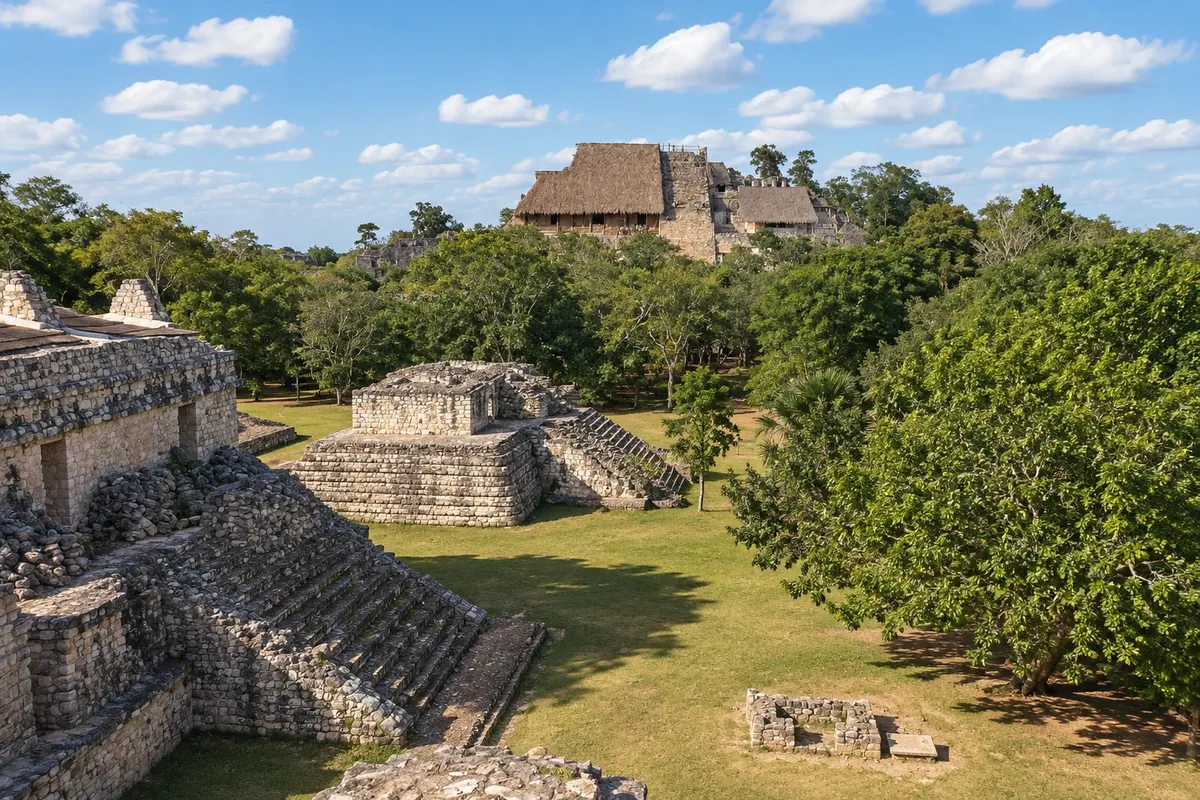
Chichén Itzá is in the center of the Yucatán peninsula, about 120 km from Mérida and 200 km from Cancún. It is the most visited archaeological site in Mexico and one of the best-known sites of the Maya world, a UNESCO World Heritage Site since 1988 and chosen in 2007 among the new seven wonders of the world. The image that represents it is the pyramid of Kukulcán, called El Castillo, with four stairways and about 30 meters in height.
The city reached its peak between the 9th and 12th centuries and mixes Maya architecture with influences from central Mexico, visible in the Temple of the Warriors, the large ballcourt and the feathered serpents carved in stone. To the north, a path leads to the Sacred Cenote, the large sinkhole where offerings were made.
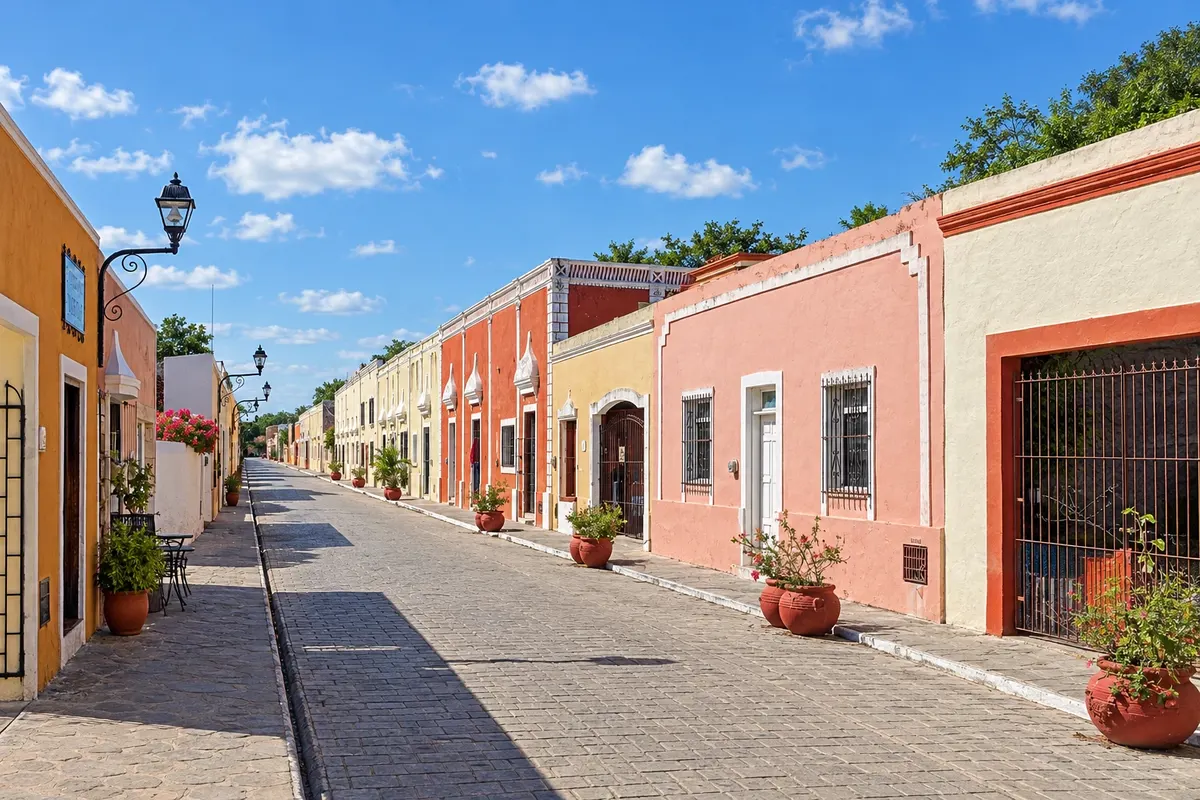
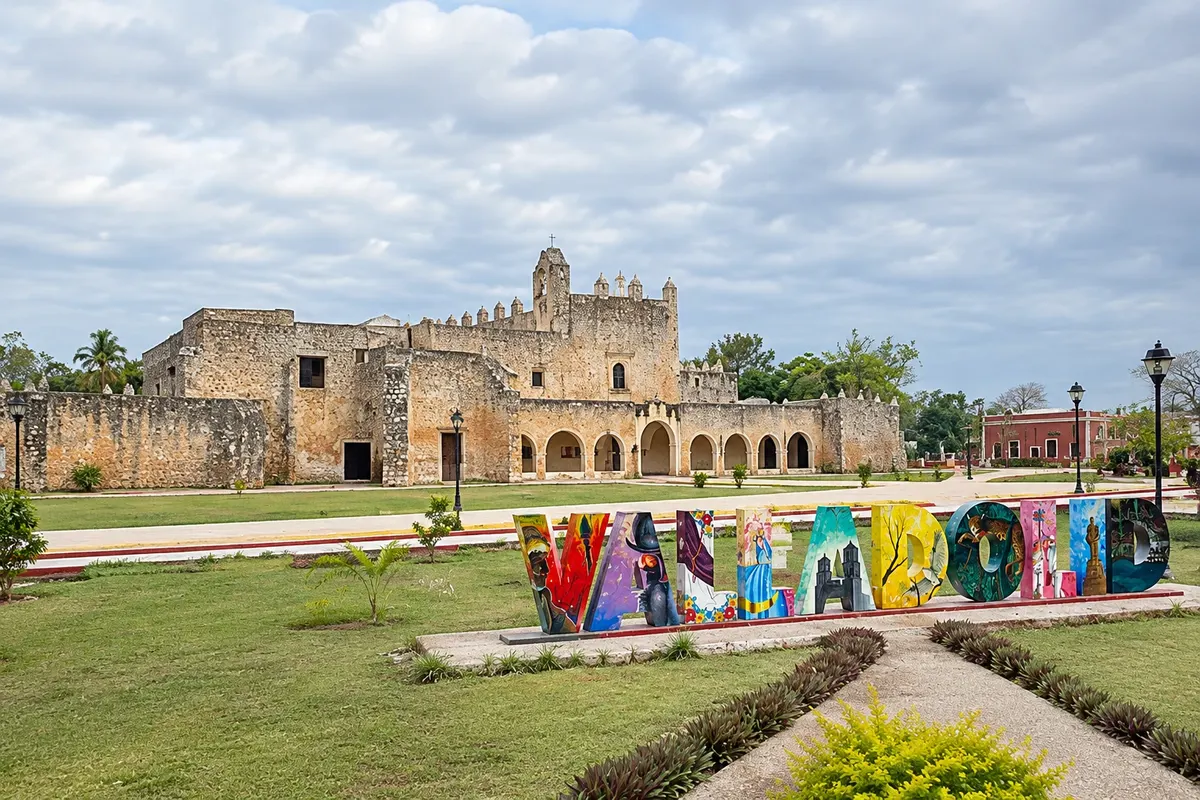
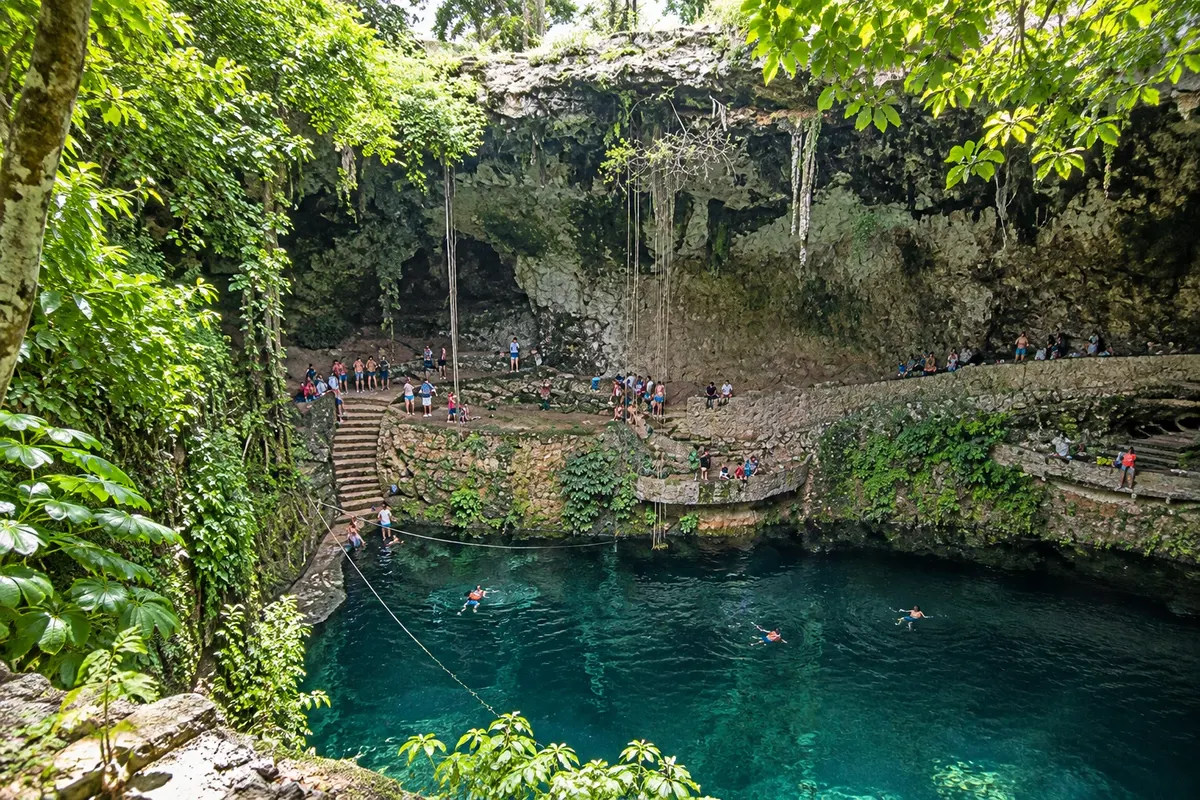
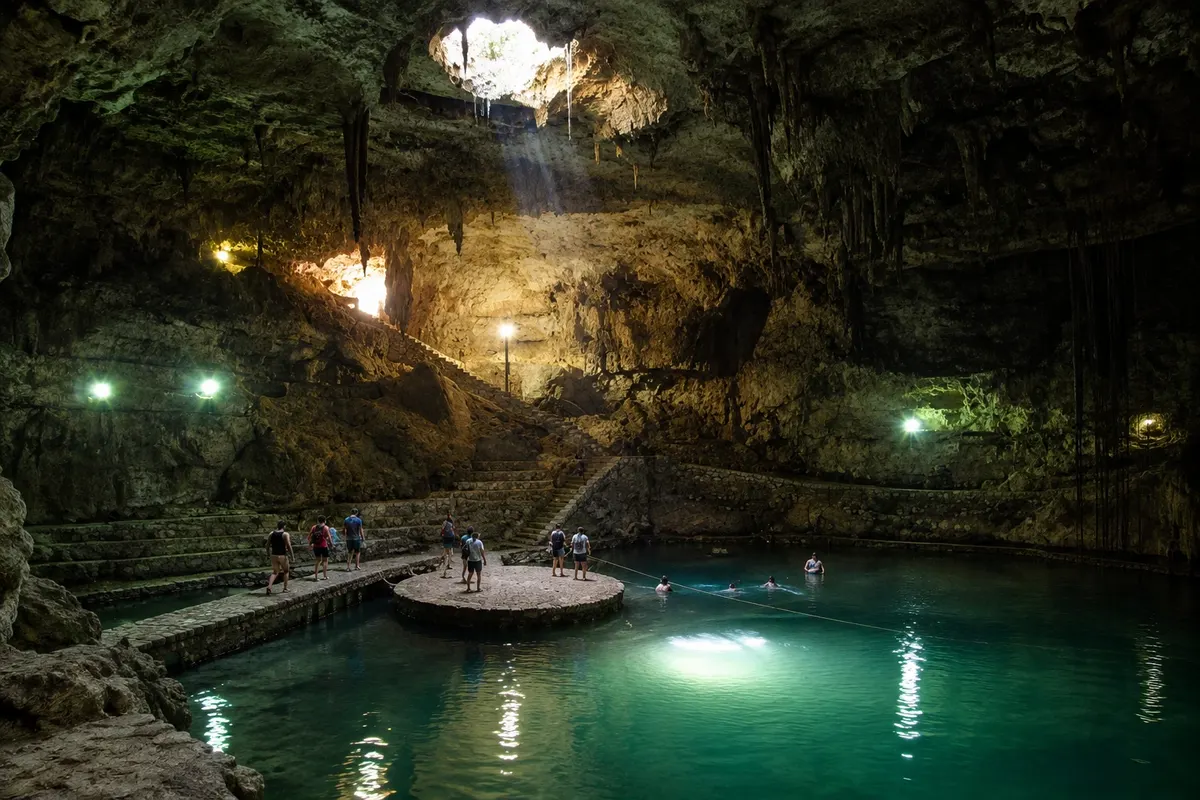
Valladolid, about 40 km to the east, is the most used base for visits. It is a colonial town of colorful houses, with a shaded main square, the church of San Servacio and the Franciscan convent of San Bernardino. Around it are several cenotes, such as Zací, inside the town, and Suytun and Ik Kil on the outskirts, and to the north the ruins of Ek Balam.
Pisté, the village next to Chichén Itzá, has hotels and restaurants for those who want to enter the archaeological zone right at opening.
This destination brings together 1 city: Valladolid.


 Brazil
 Argentina
 Bolivia
 Chile
 Colombia
 Ecuador
 Guyana
 French Guiana
 Falkland Islands (Malvinas)
 Paraguay
 Peru
 Suriname
 Uruguay
 Venezuela
 Germany
 Austria
 Belgium
 Croatia
 Denmark
 Spain
 Finland
 France
 Greece
 the Netherlands
 Hungary
 Ireland
 Iceland
 Italy
 Luxembourg
 Norway
 Poland
 Portugal
 the United Kingdom
 the Czech Republic
 Sweden
 Switzerland
 Turkey
 the Dominican Republic
 South Africa
 Fiji