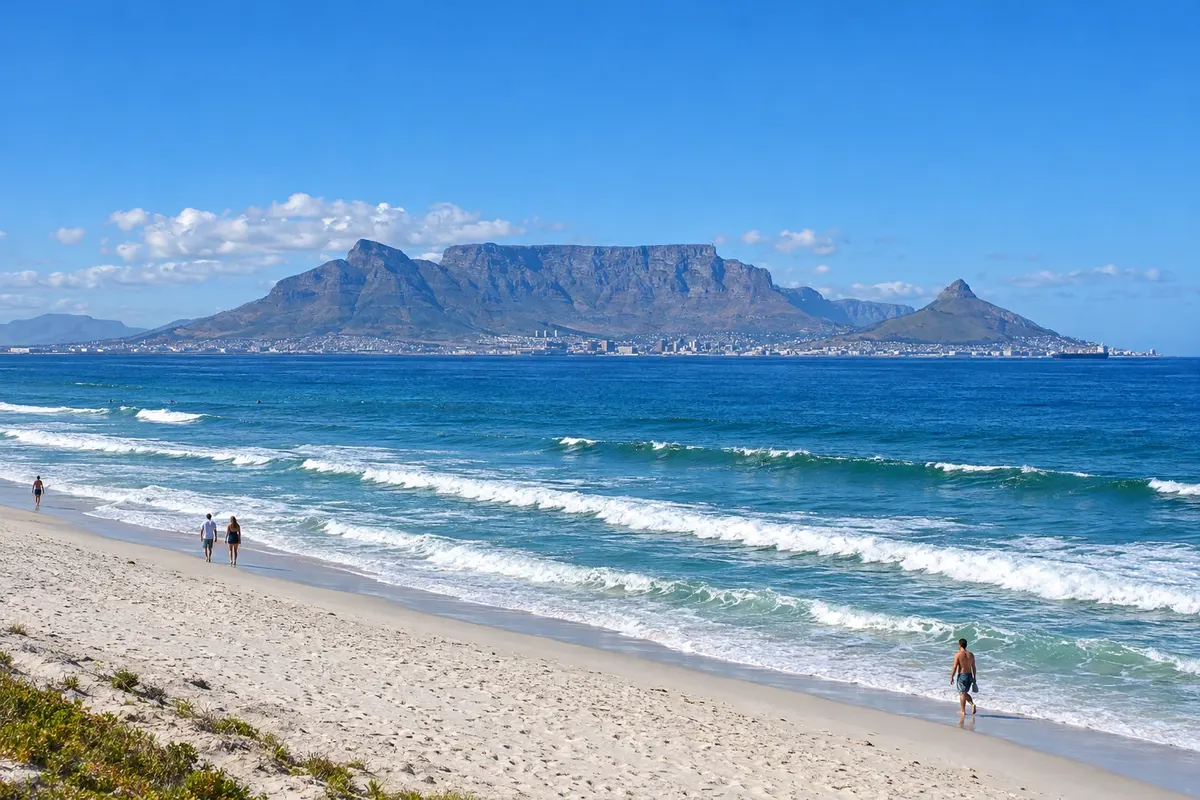
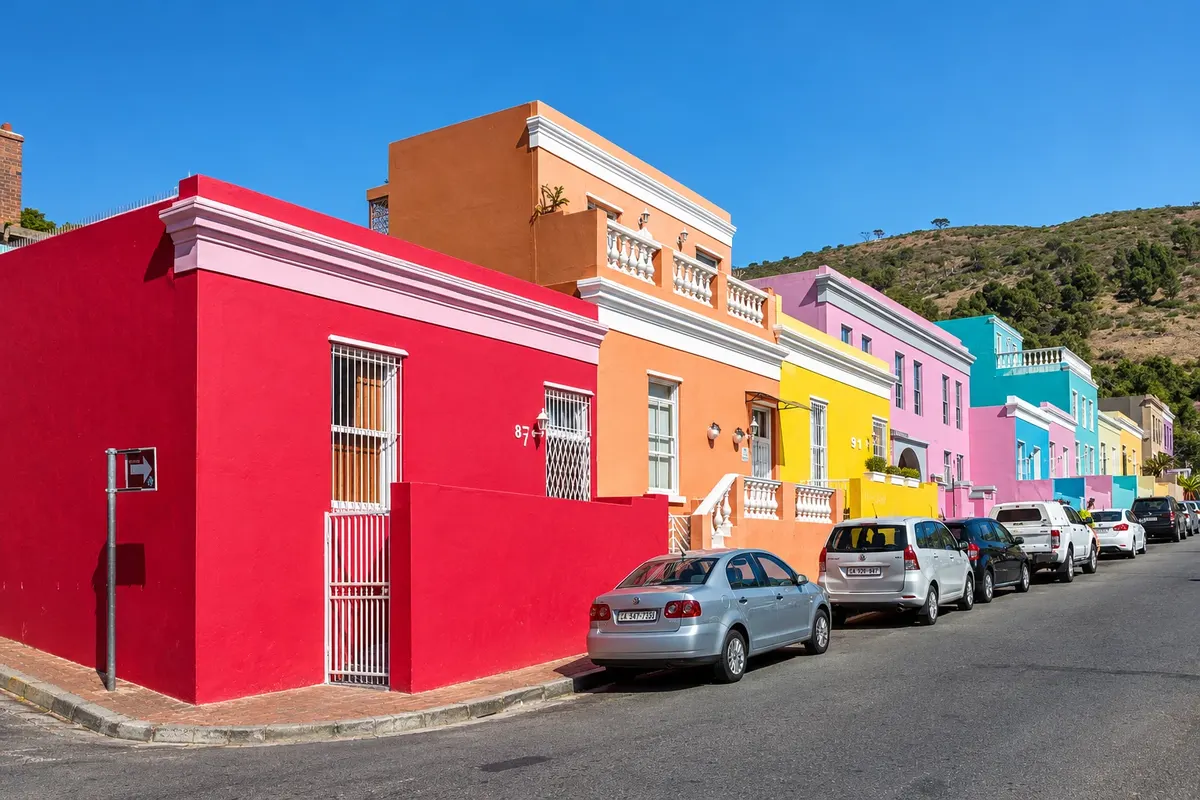
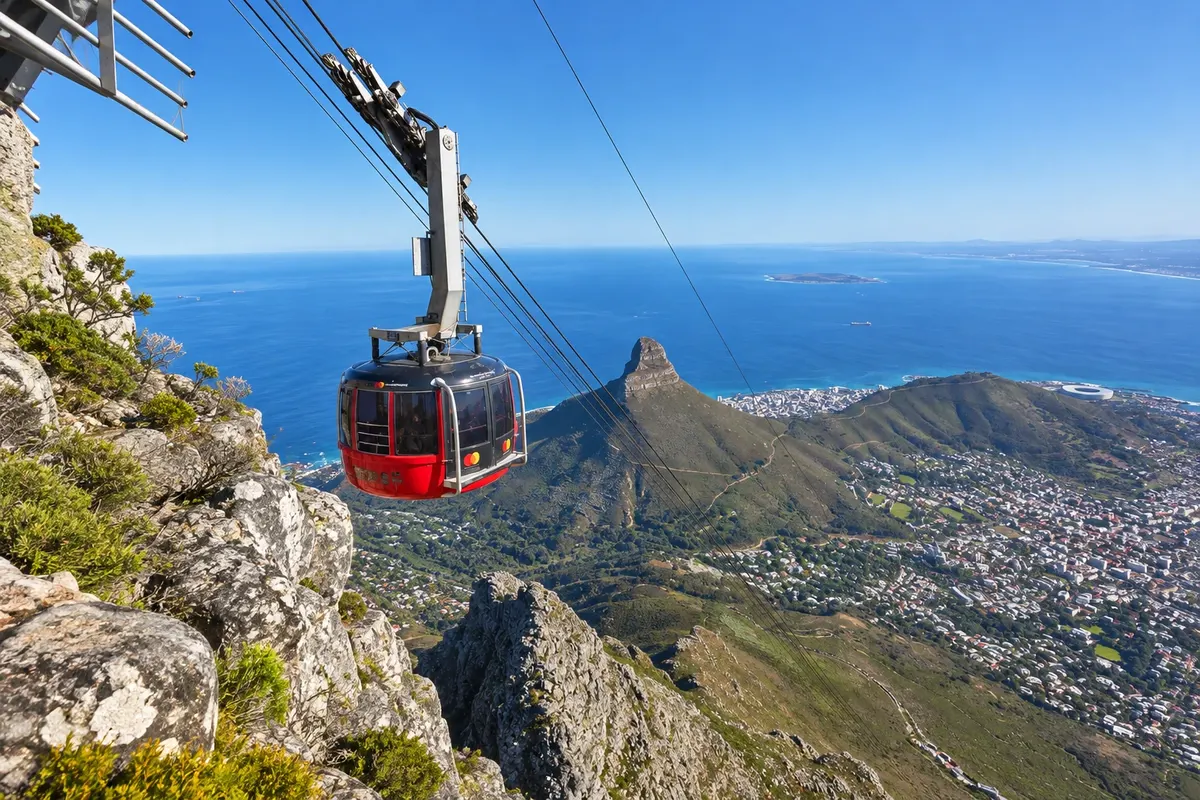
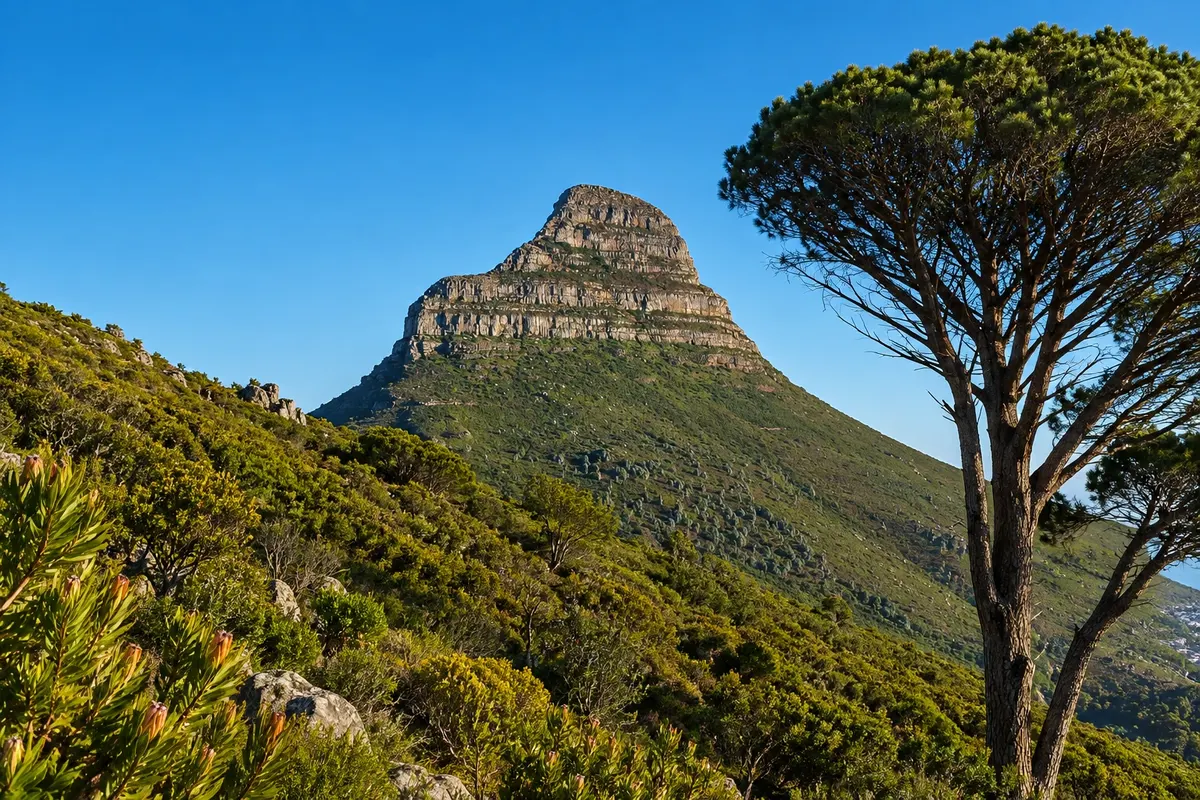
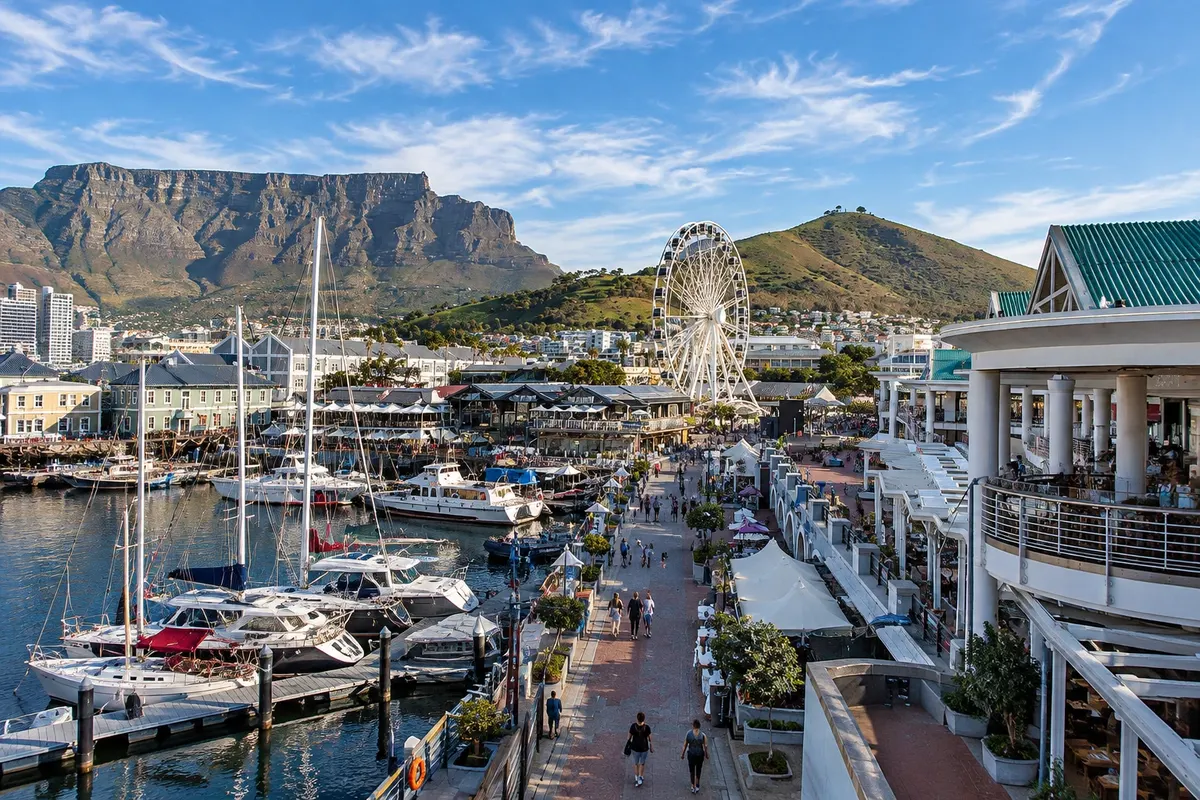
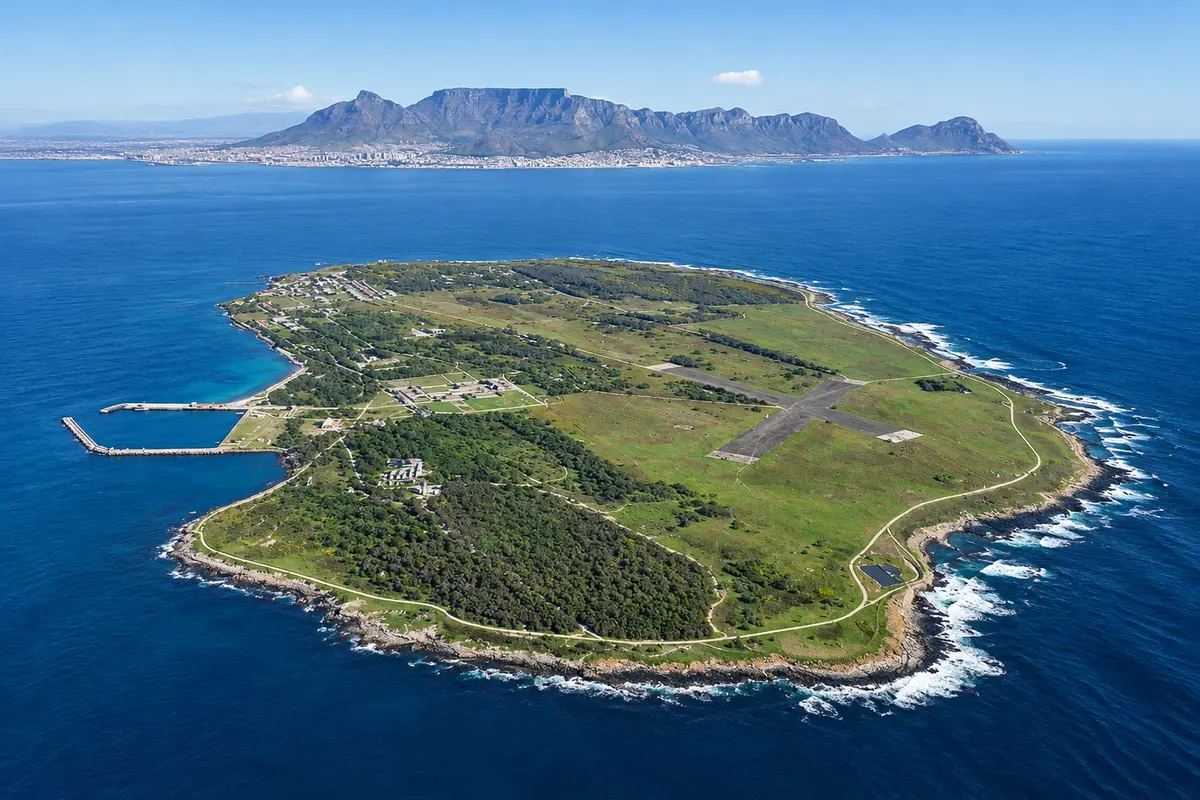
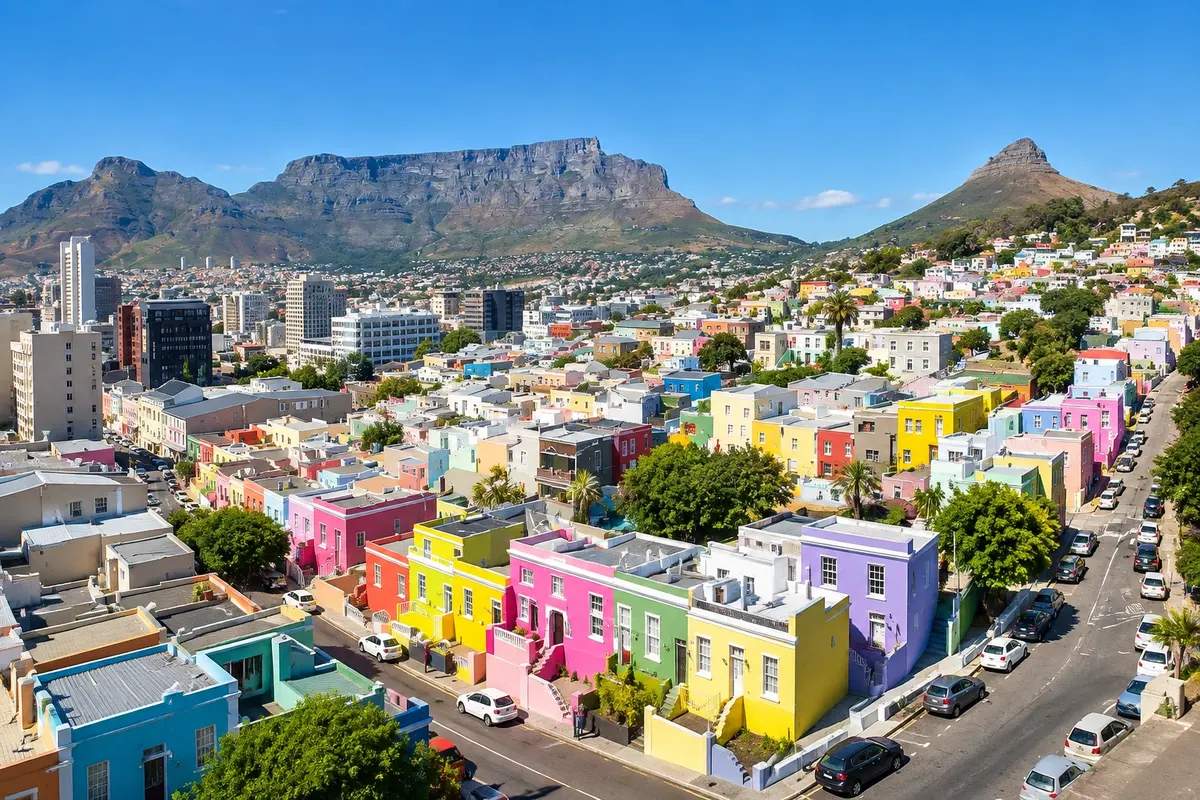
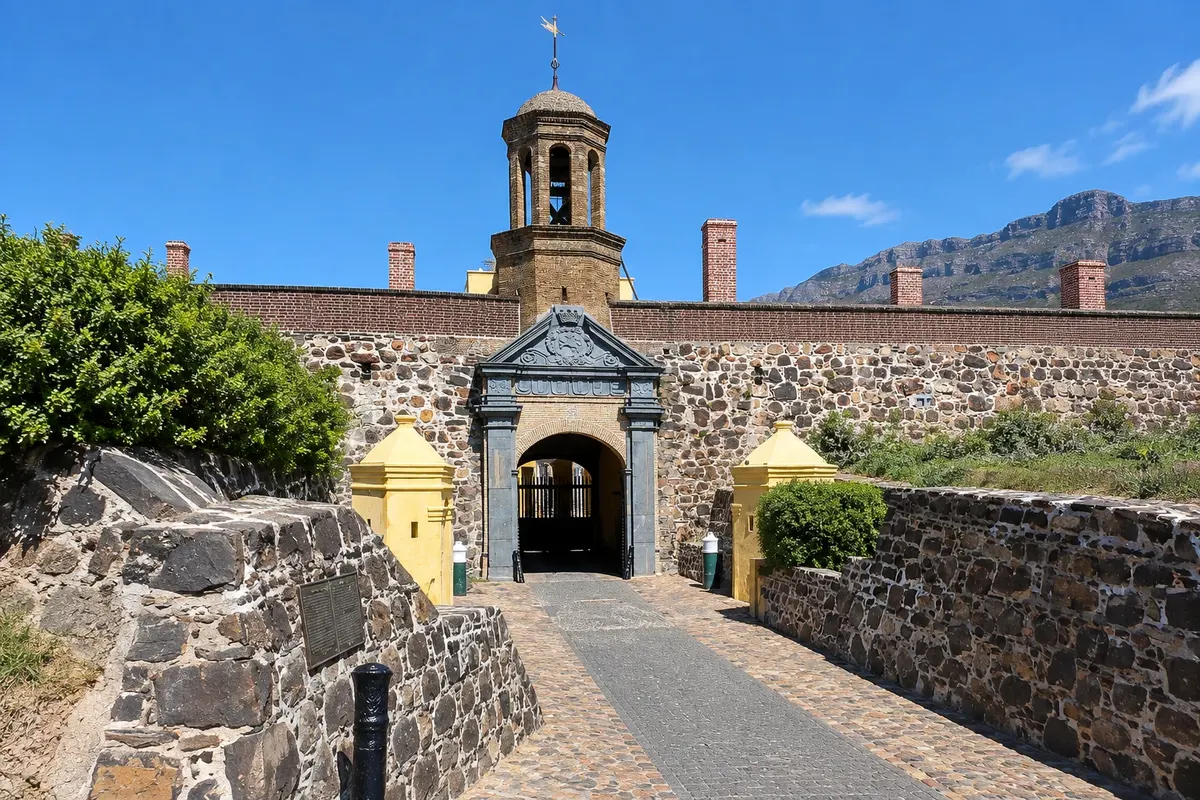
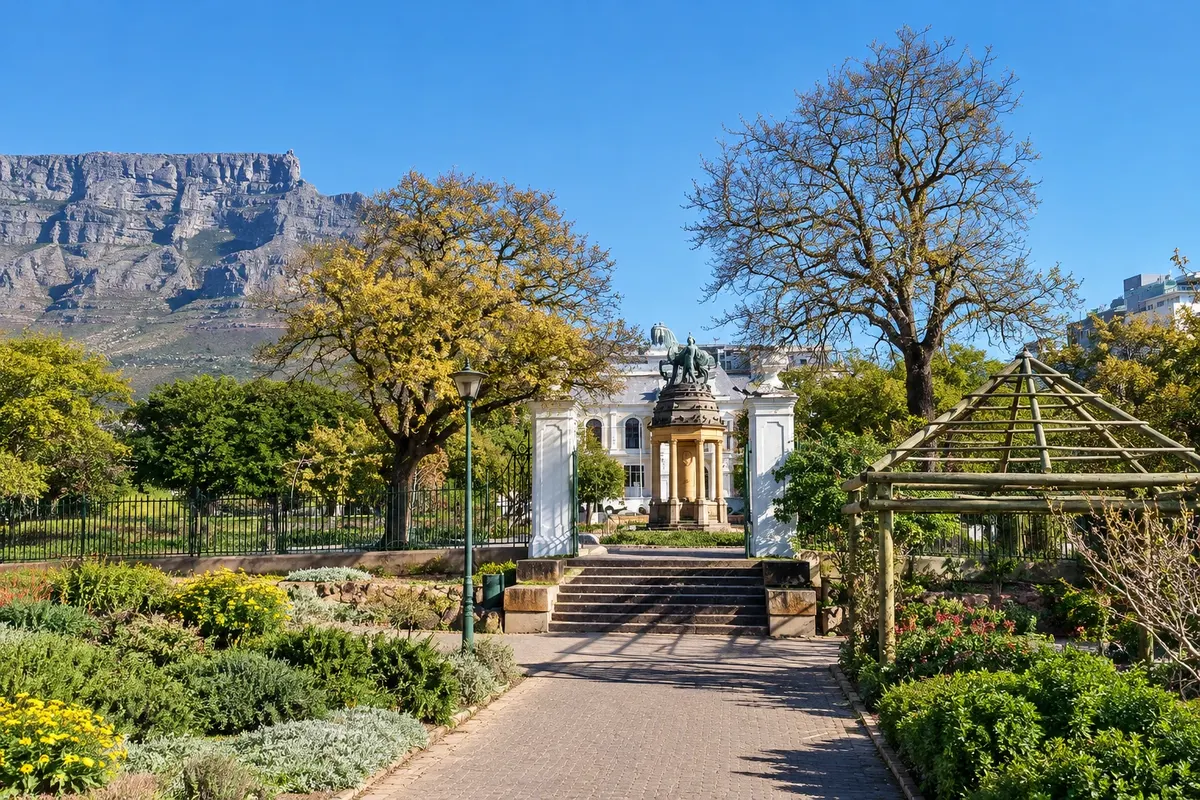
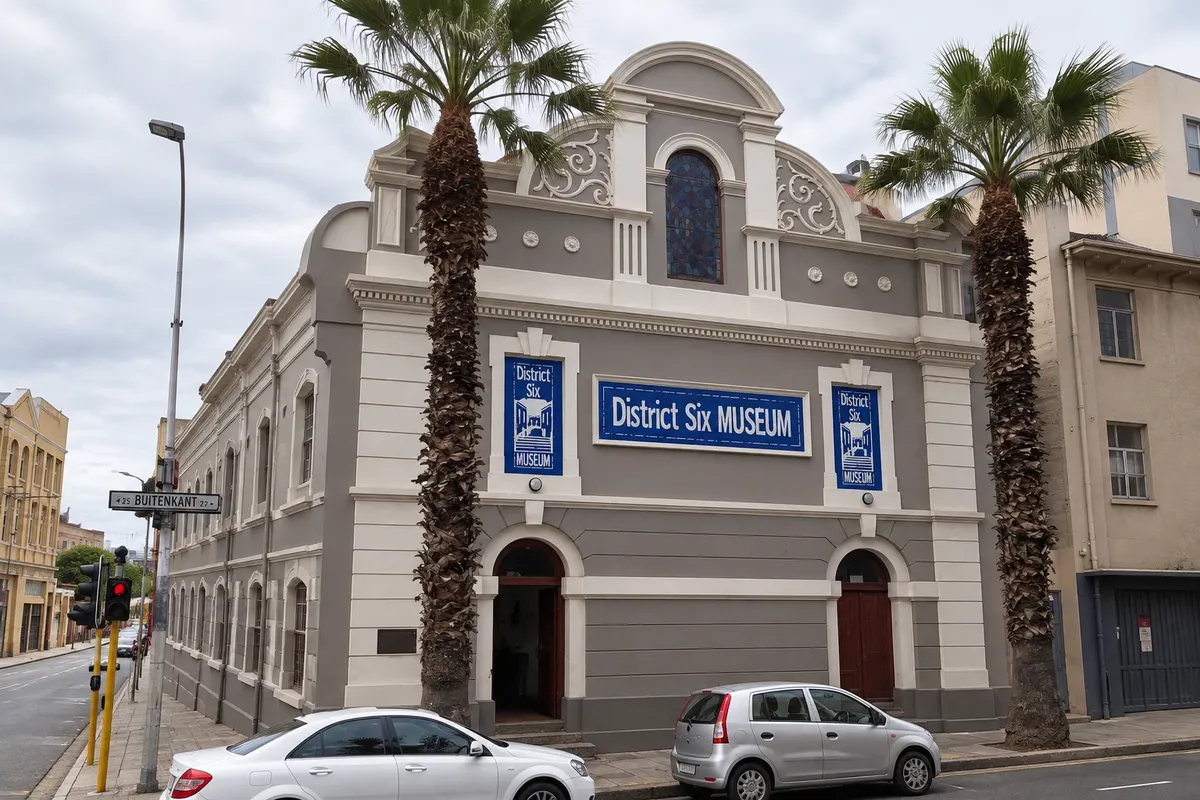
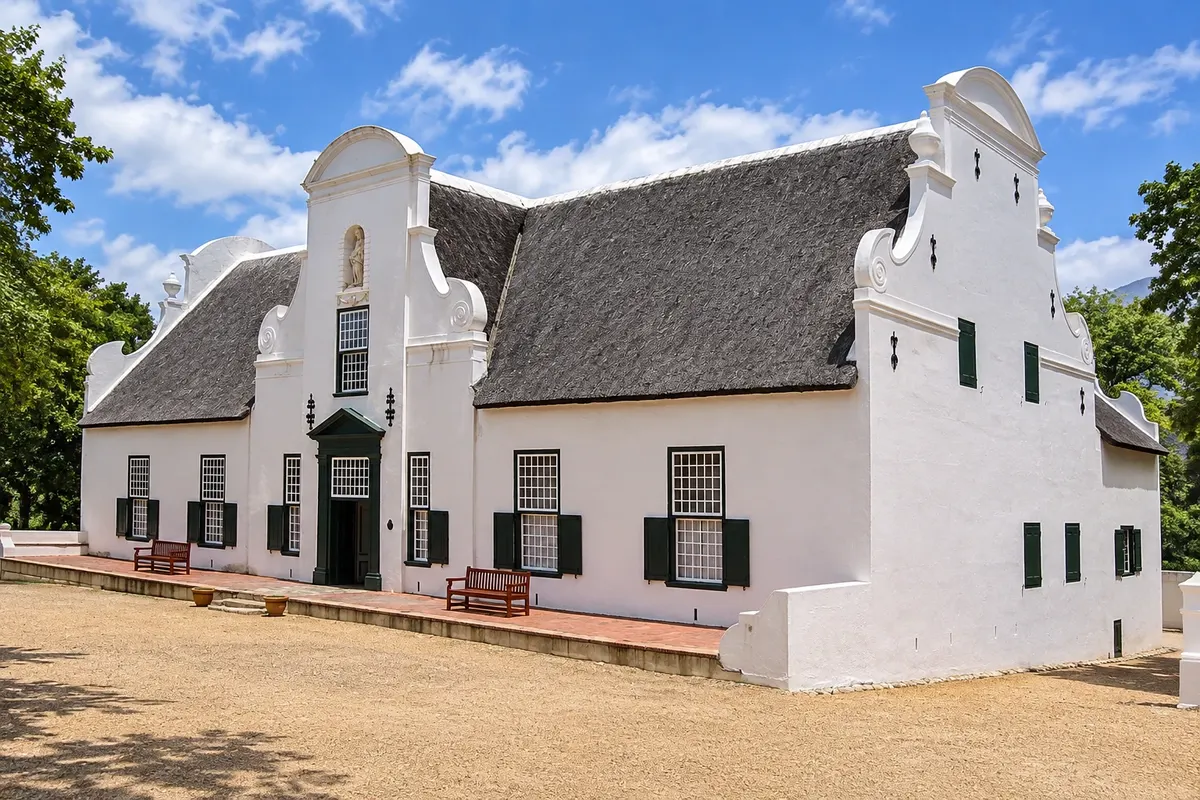
Cape Town (Cape Town in English; Kaapstad in Afrikaans) was founded in 1652 as a provisioning station of the Dutch East India Company, at the foot of Table Mountain. The flat-topped mountain, about 1,085 meters high, dominates the entire city: the cable car climbs to the plateau in a few minutes, and Lion's Head and Signal Hill frame the center. Below are the Castle of Good Hope, the Company's Garden, the Bo-Kaap neighborhood and the V&A Waterfront harbor, from where the boat departs to Robben Island, the prison island where Nelson Mandela spent 18 of his 27 years in captivity.
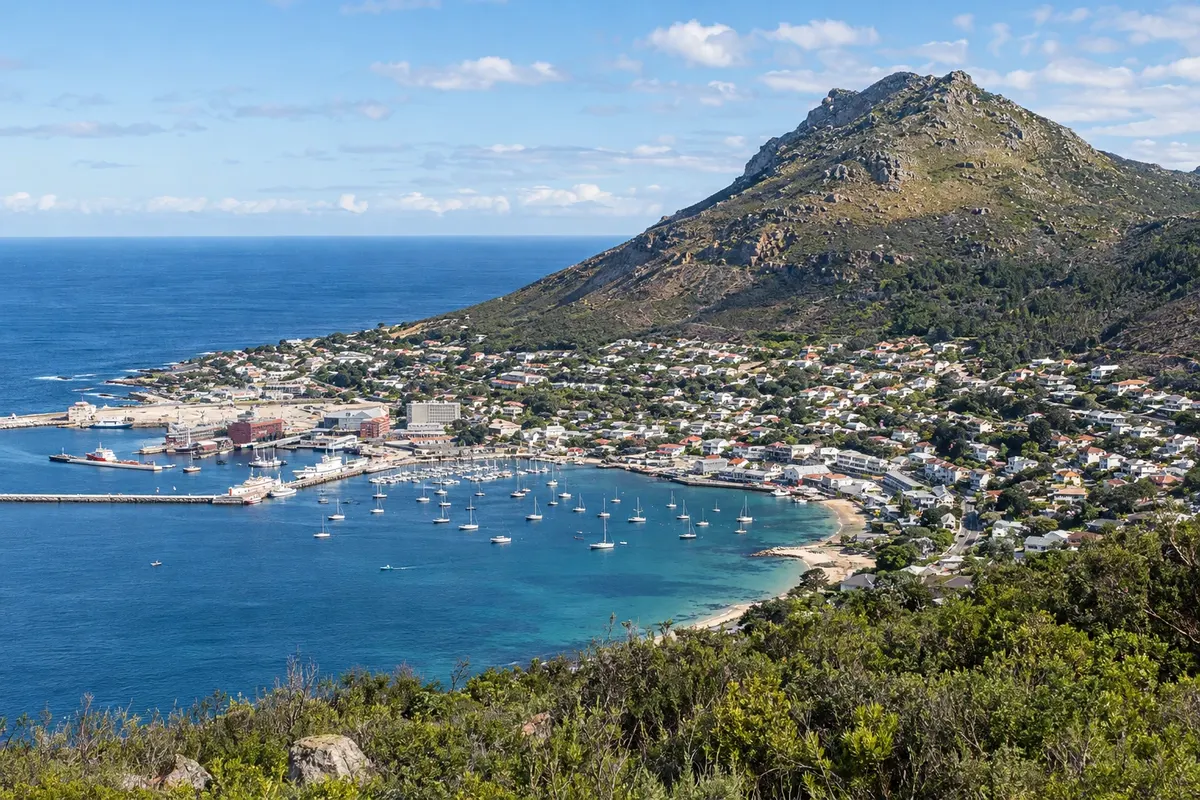
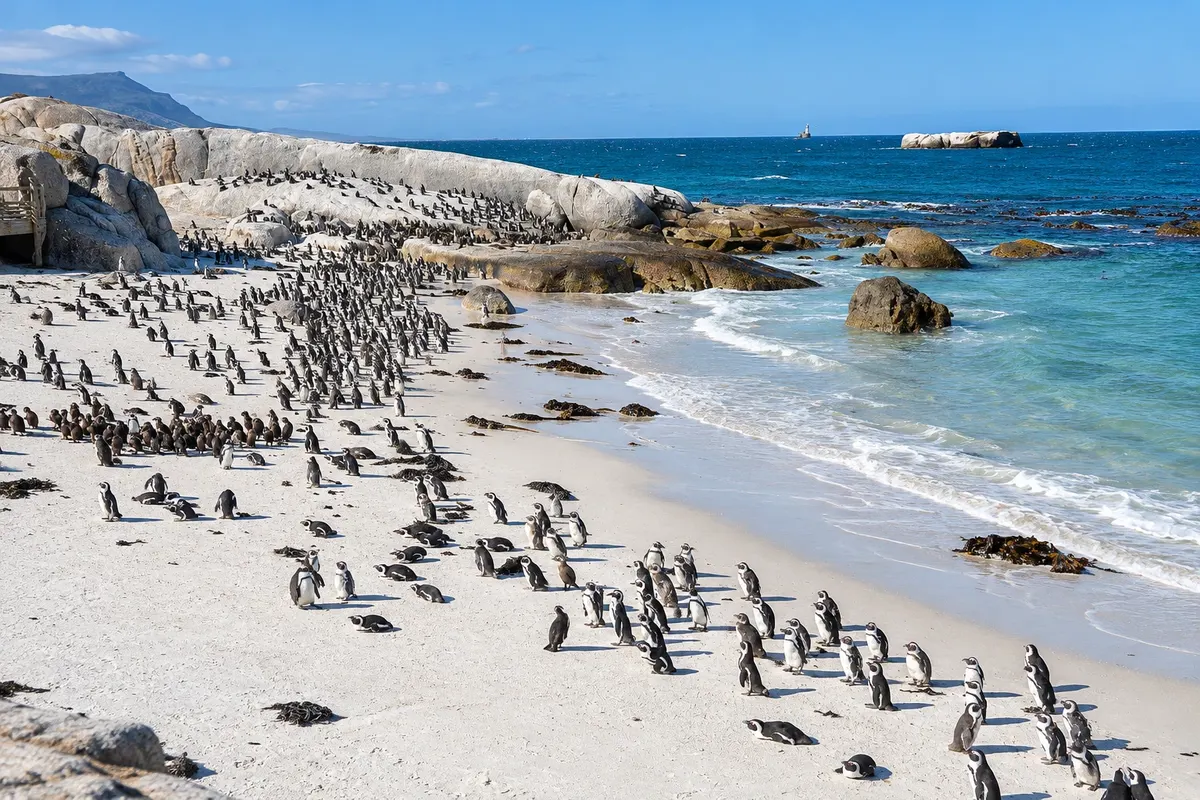
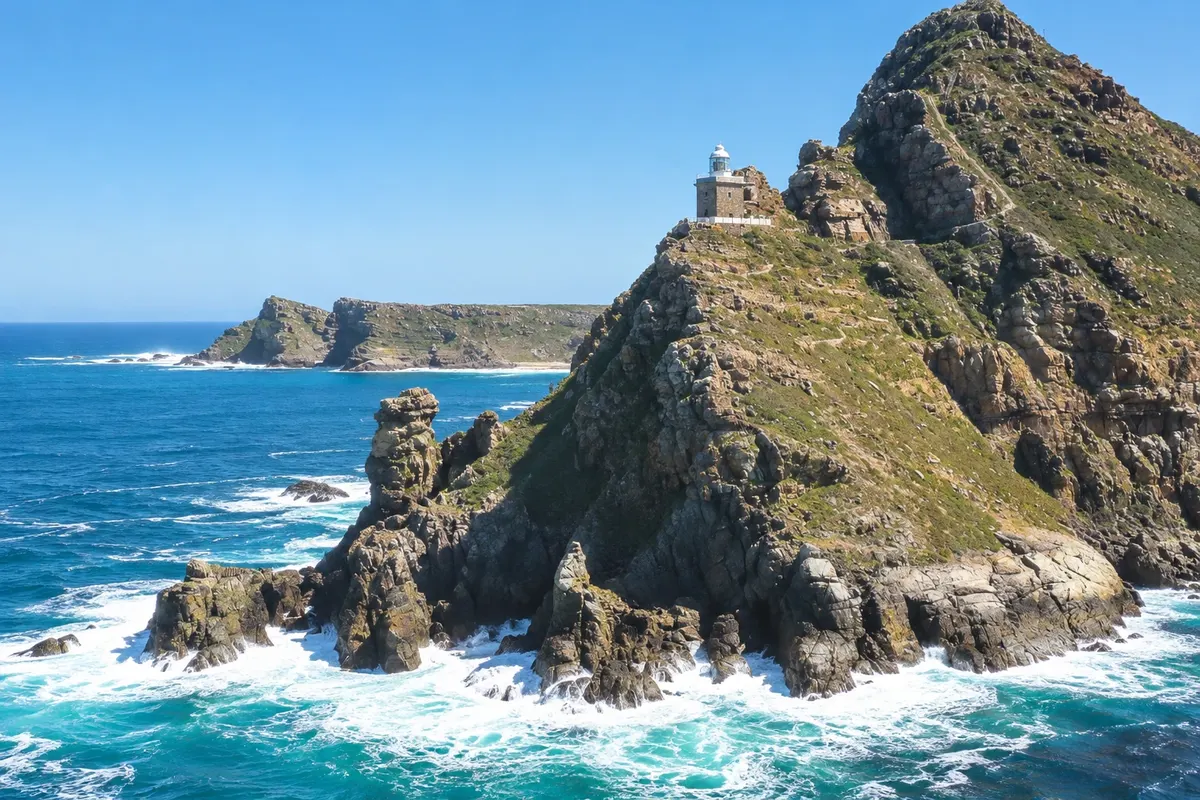
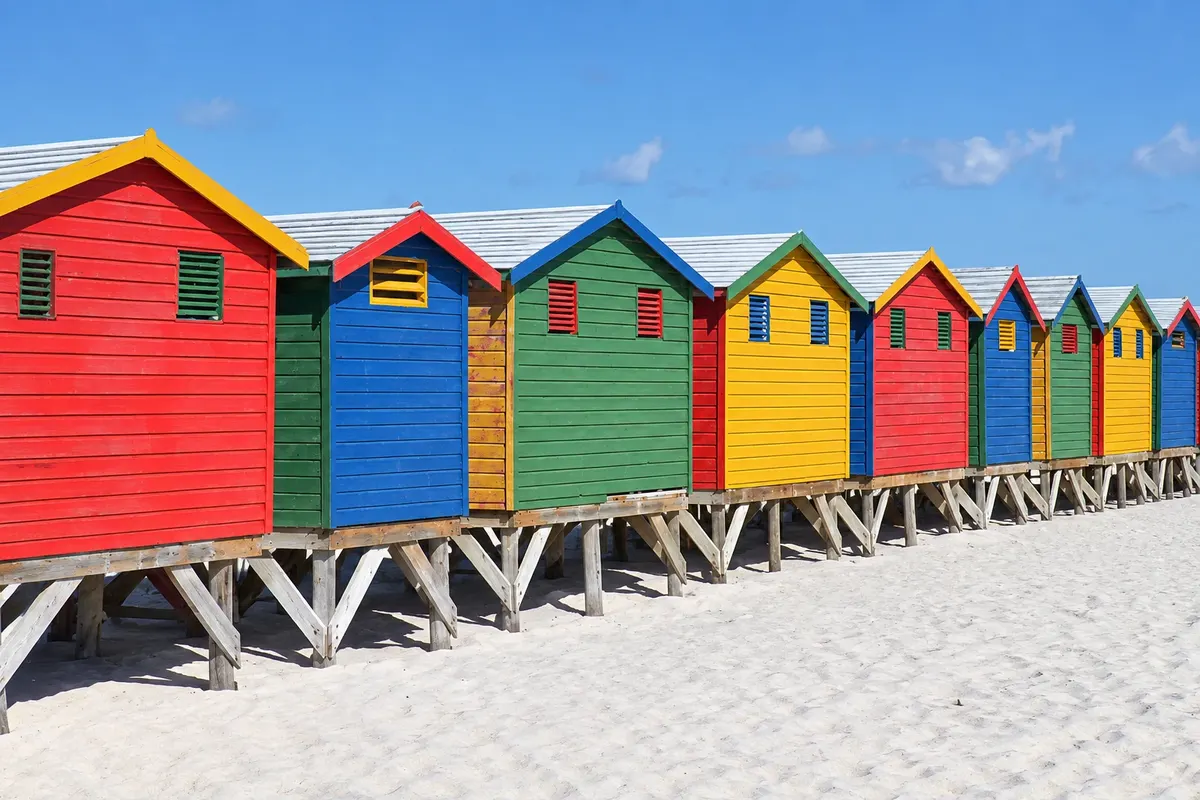
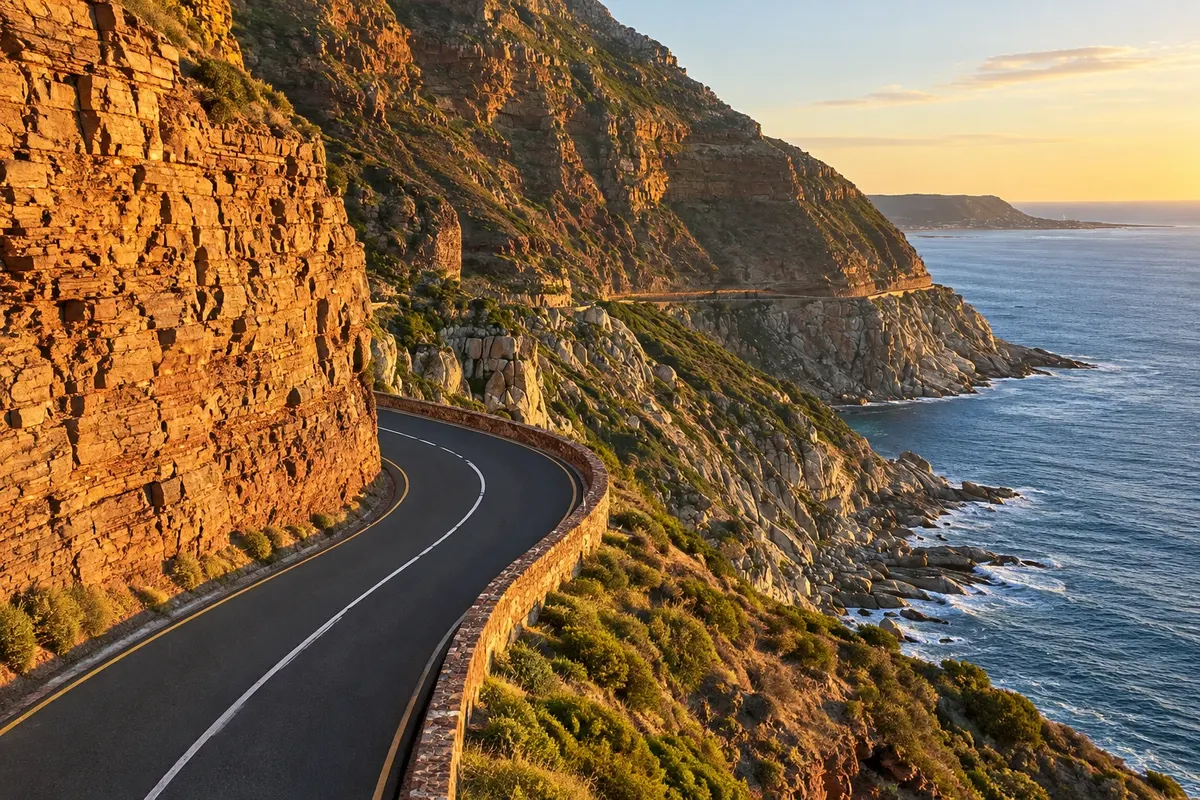
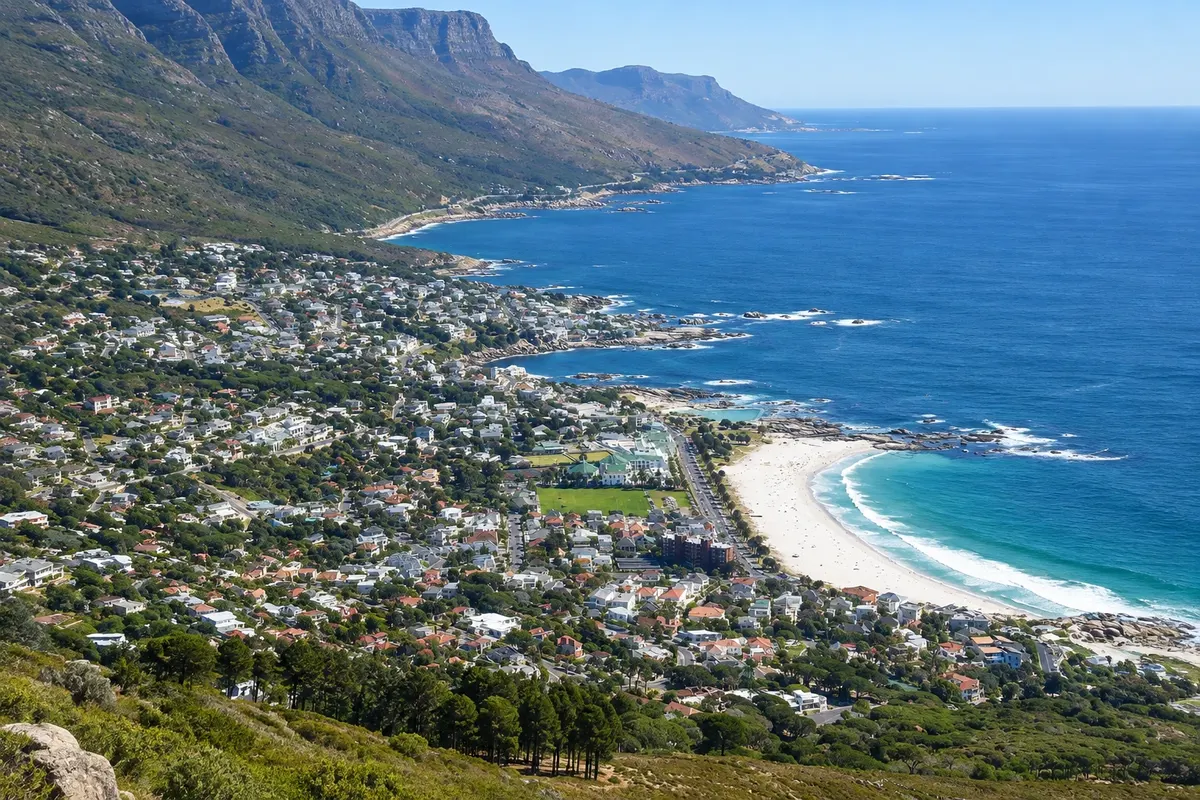
The Cape Peninsula stretches south for about 50 km. On the Atlantic side the road passes Camps Bay, Hout Bay and the Chapman's Peak Drive carved into the cliff; on the False Bay side it passes Muizenberg, Kalk Bay and Simon's Town, the Navy town, neighboring the African penguin colony at Boulders. At the tip lies the Cape of Good Hope area in Table Mountain National Park, with the Cape Point lighthouse. The Cape was rounded by the Portuguese Bartolomeu Dias in 1488.
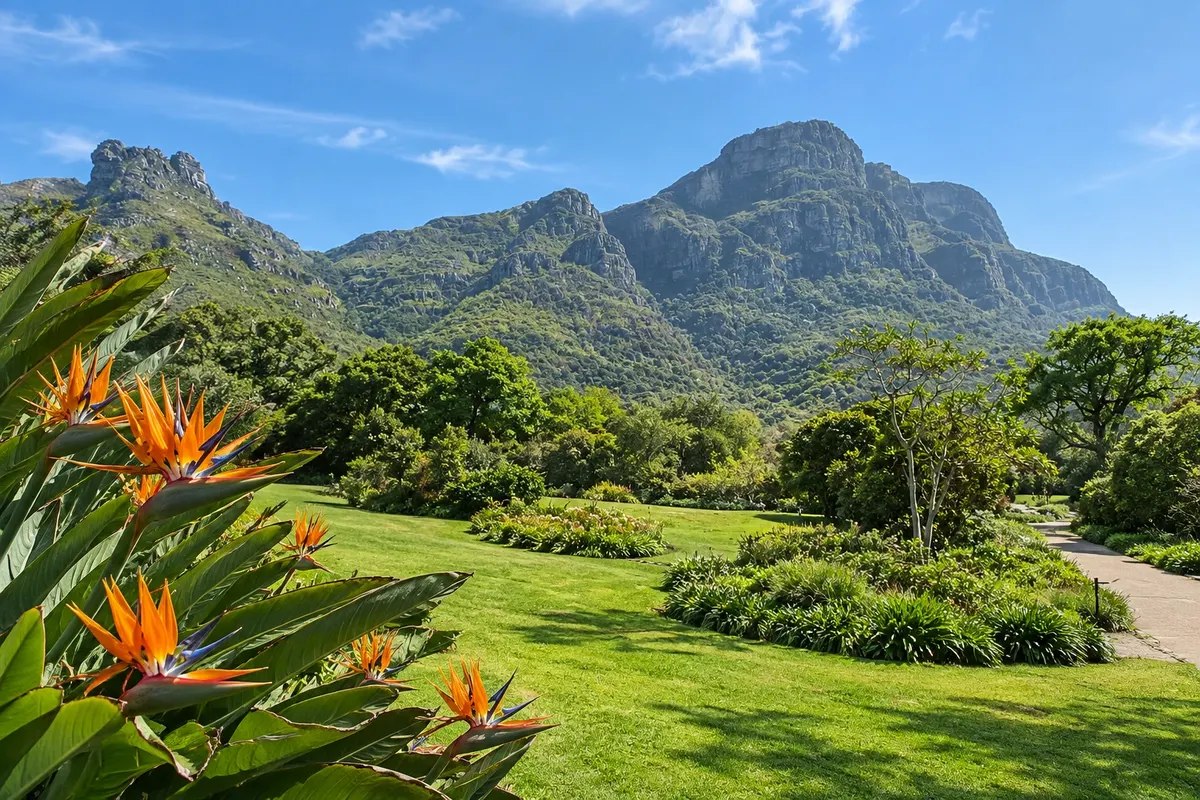
The region is home to the Cape floral kingdom, recognized by UNESCO: the fynbos, the low vegetation of proteas and heaths that covers the slopes, exists only there. Kirstenbosch, the botanical garden on the mountain's eastern slope, is the easiest place to see it. Robben Island is also a World Heritage Site.
The Atlantic side sea is cold year-round; False Bay is usually less chilly. You drive on the left, and English covers everything for tourism.
This destination brings together 2 cities: Cidade do Cabo, Simon's Town.


 Brazil
 Argentina
 Bolivia
 Chile
 Colombia
 Ecuador
 Guyana
 French Guiana
 Falkland Islands (Malvinas)
 Paraguay
 Peru
 Suriname
 Uruguay
 Venezuela
 Germany
 Austria
 Belgium
 Croatia
 Denmark
 Spain
 Finland
 France
 Greece
 the Netherlands
 Hungary
 Ireland
 Iceland
 Italy
 Luxembourg
 Norway
 Poland
 Portugal
 the United Kingdom
 the Czech Republic
 Sweden
 Switzerland
 Turkey
 Mexico
 the Dominican Republic
 Fiji