Rome and Vatican City
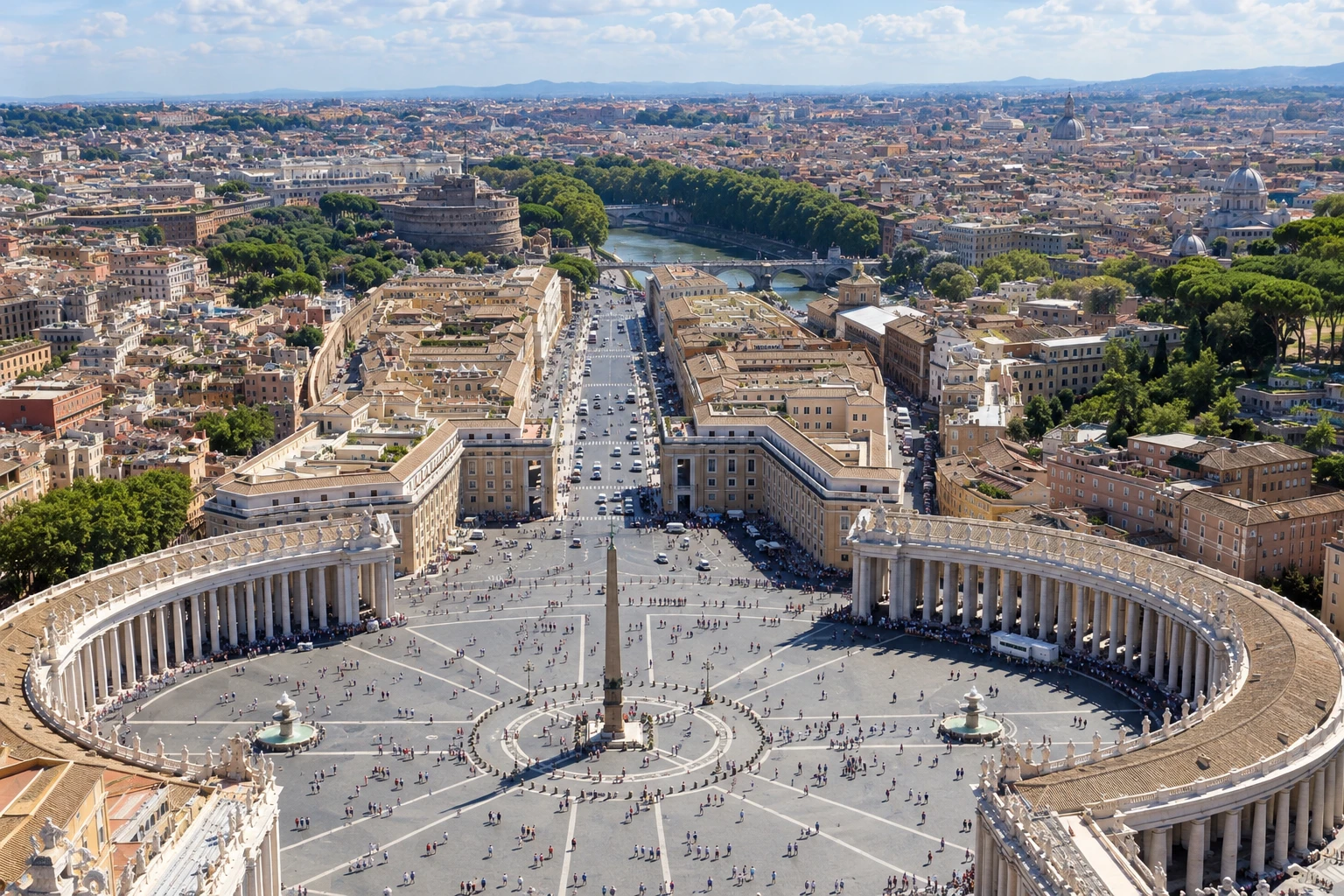
The capital of Italy brings together the Coliseu, the Fórum, the Pantheon and the Fontana di Trevi, and within it lies the Cidade do Vaticano, with the Basílica de São Pedro and the Capela Sistina.
Antarctica
Italy travel guide
What to do, when to go and how to get there, destination by destination.
4 routes · 18 destinations · 84 citiesin Italy
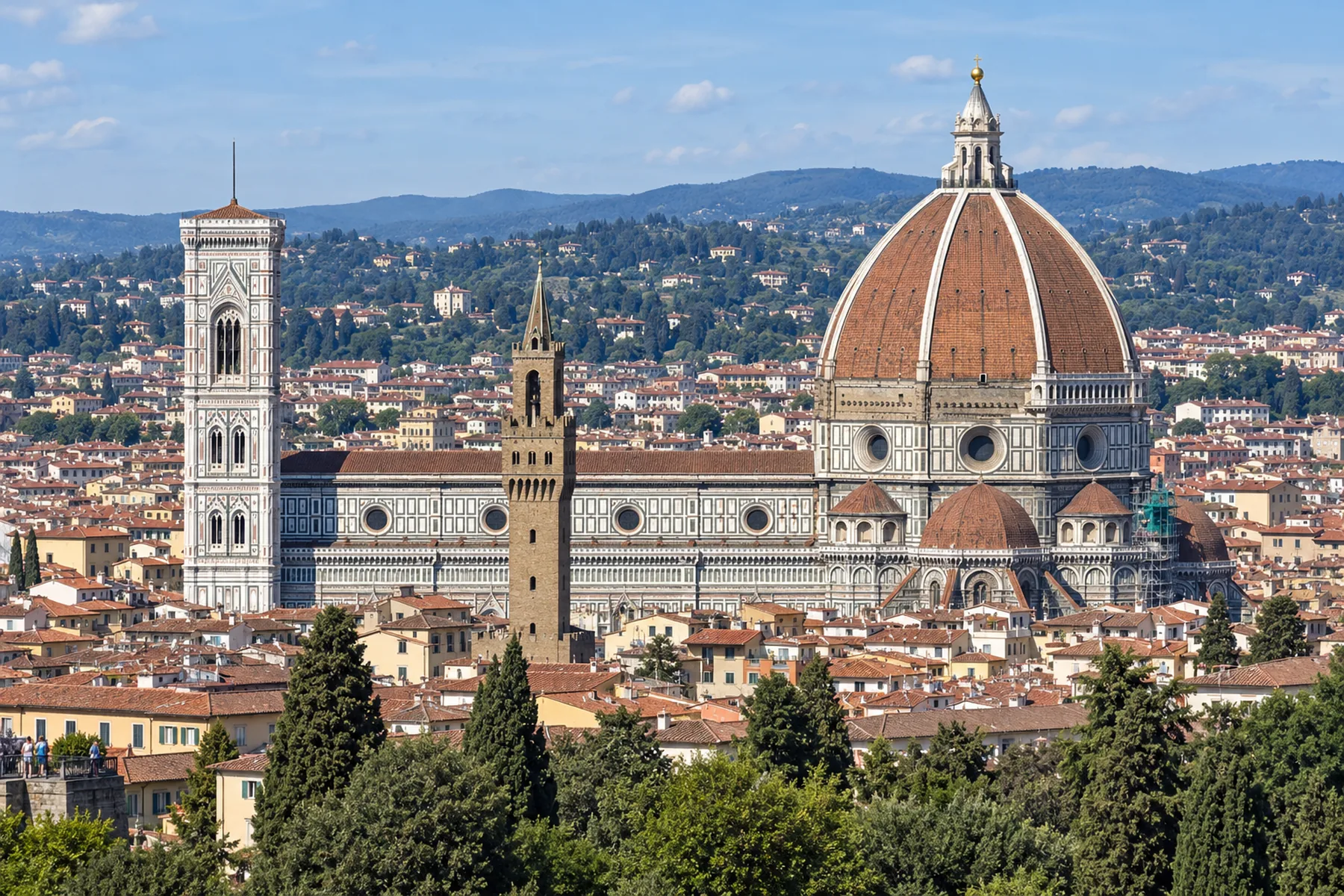
In the photo: Duomo — Florence
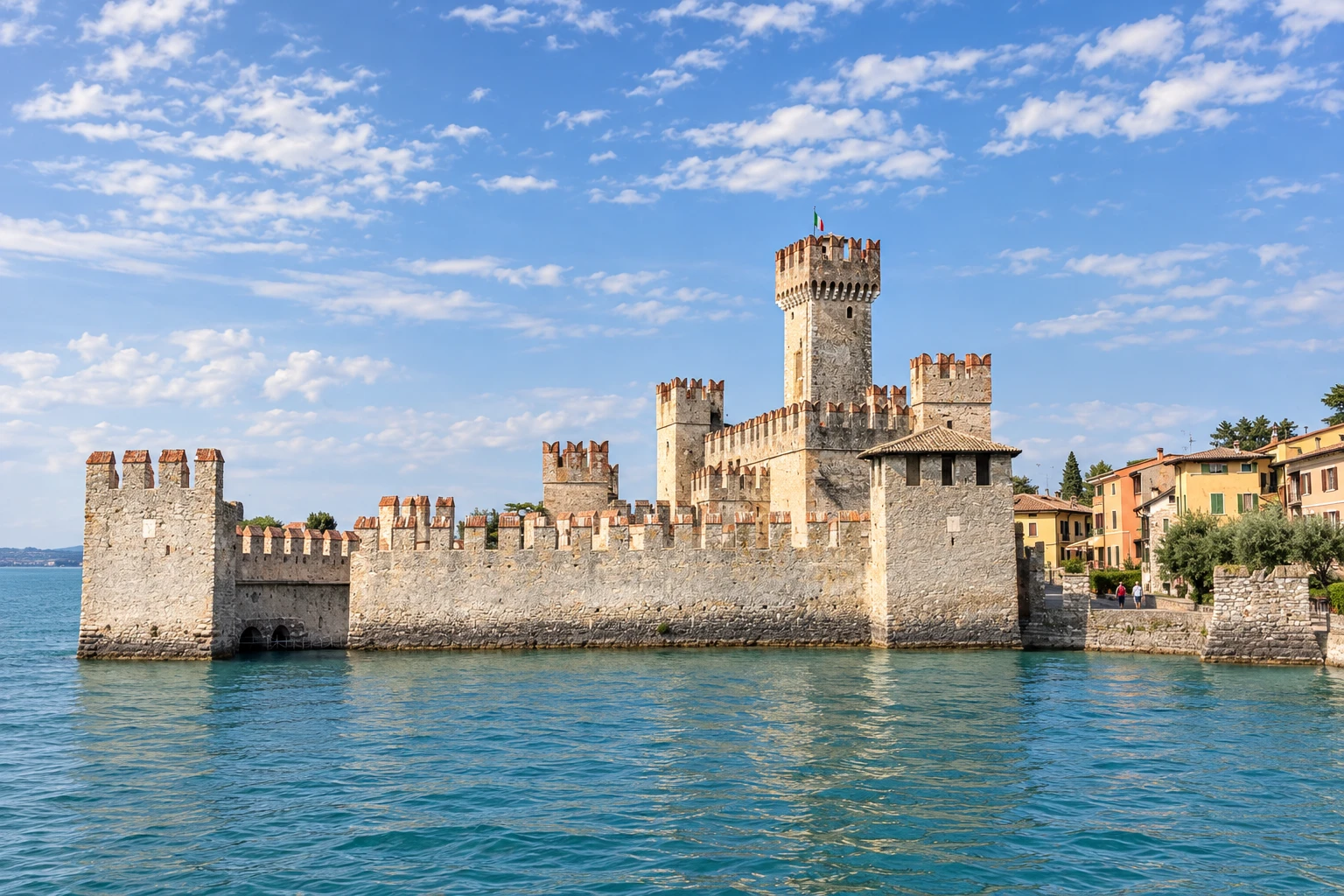
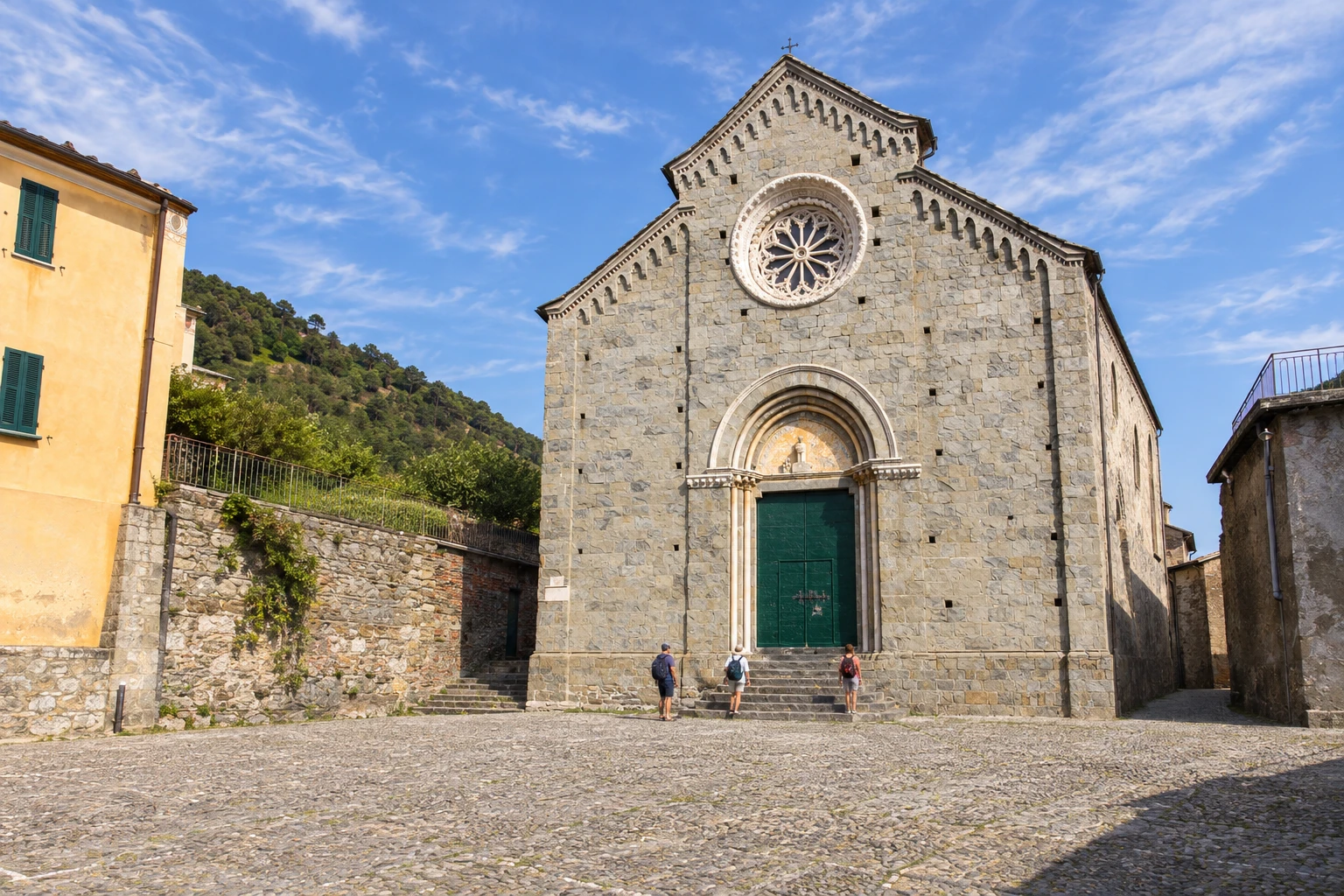
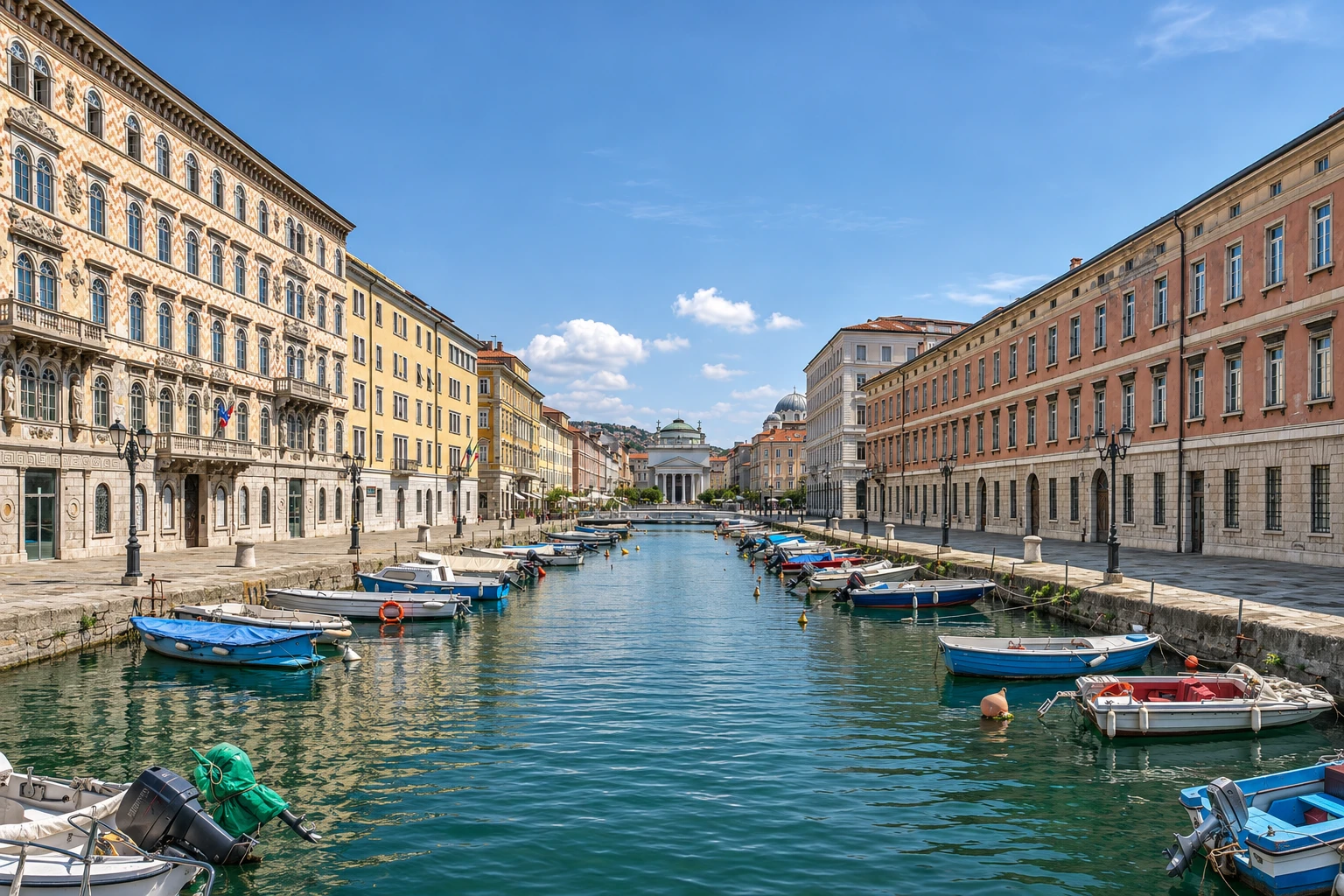
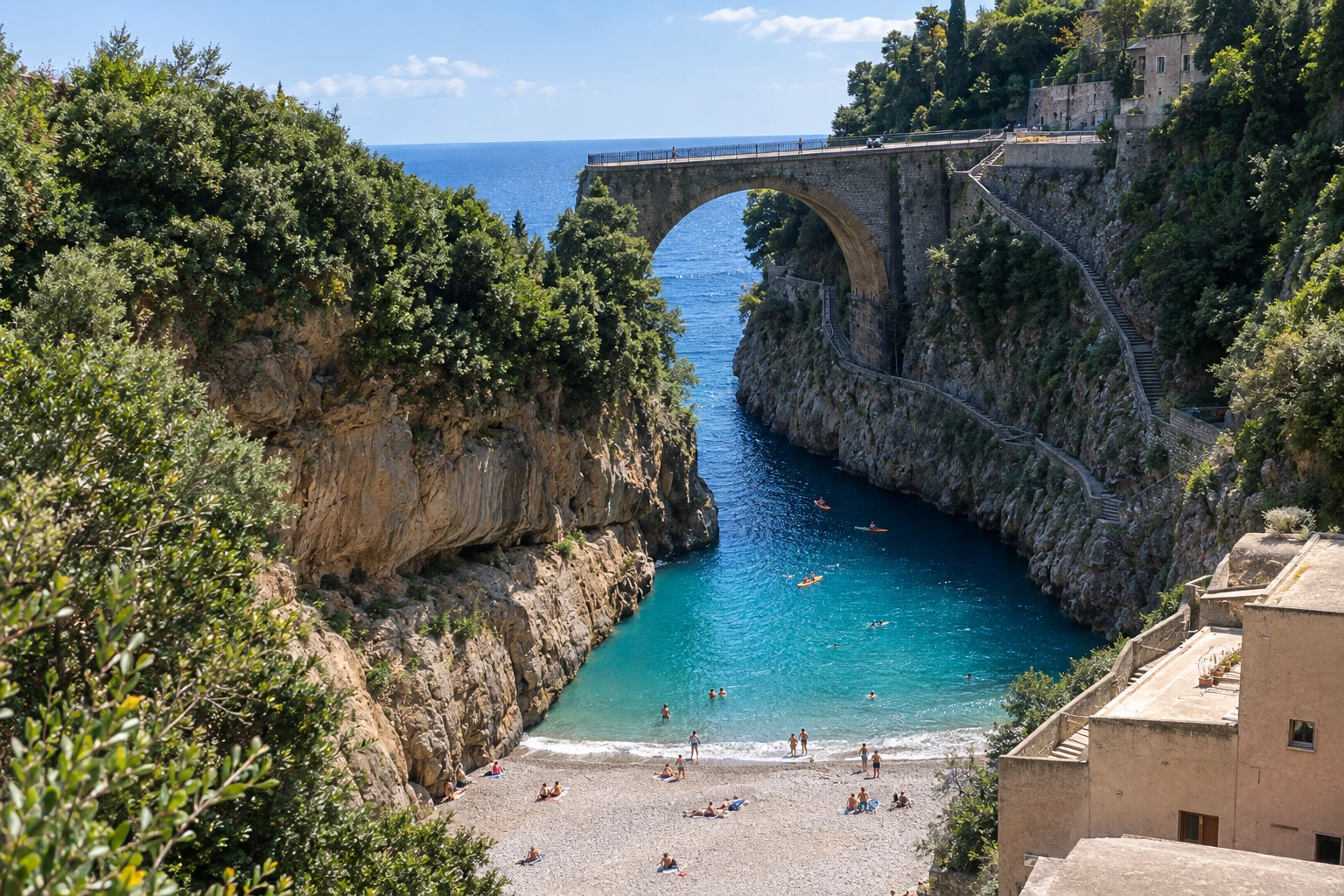
Illustrative images. The pictures in this guide are illustrations based on the real place, not photographs, and may differ from it.
A destination is a region you visit as a single trip: it can bring together several cities or be a large city with everything it offers. Each destination has the tours, the itineraries, the best time to go month by month and how to get there.
The guide currently has 18 destinations, with 79 cities in 16 regions.
Today's highlights
A destination is more than a city: it's everything you can experience there.
The capital of Italy brings together the Coliseu, the Fórum, the Pantheon and the Fontana di Trevi, and within it lies the Cidade do Vaticano, with the Basílica de São Pedro and the Capela Sistina.
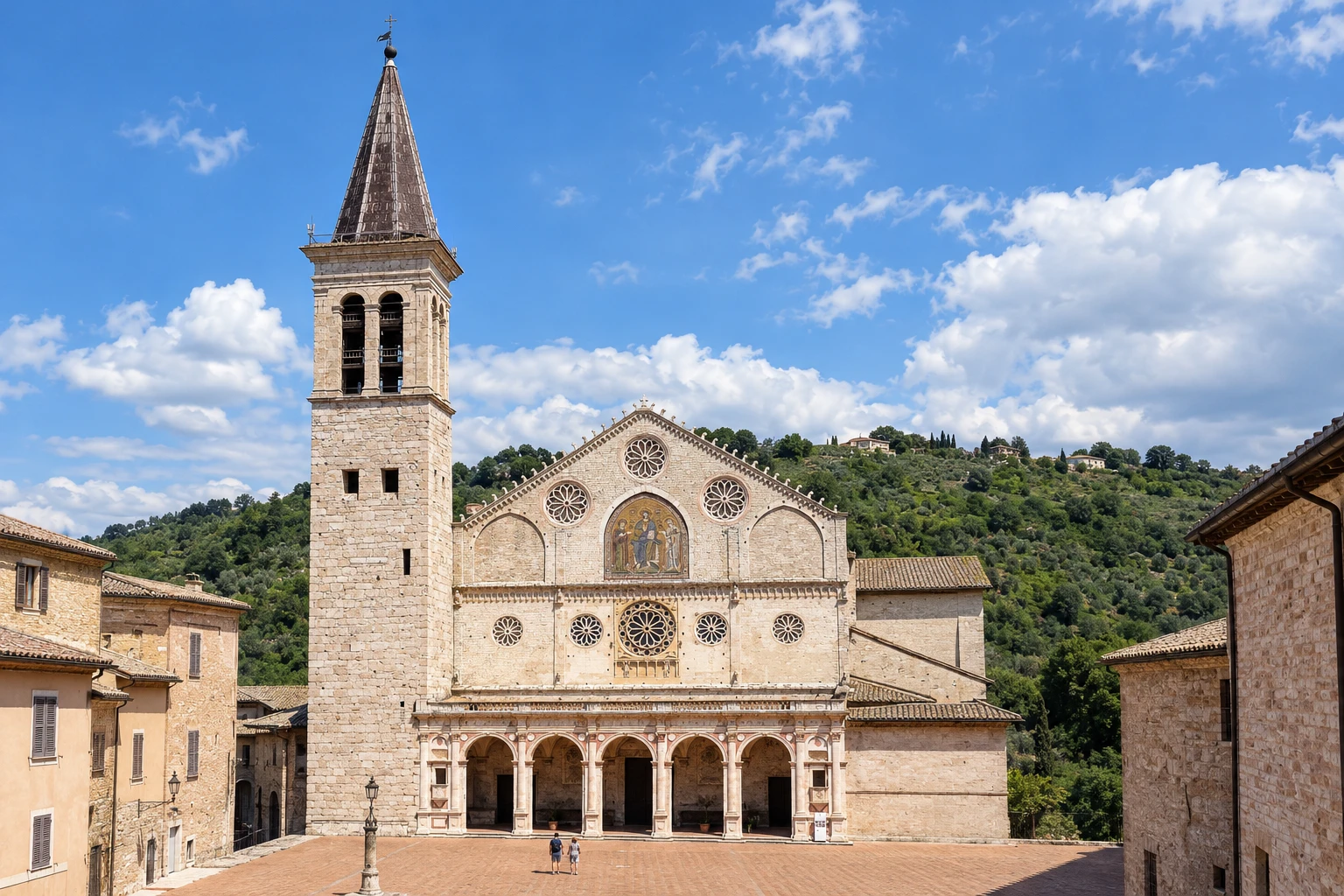
The landlocked region between Rome and Florence: Perúgia on the hilltop, Assis of Saint Francis and Orvieto perched on a rock of tuff, connected by train.
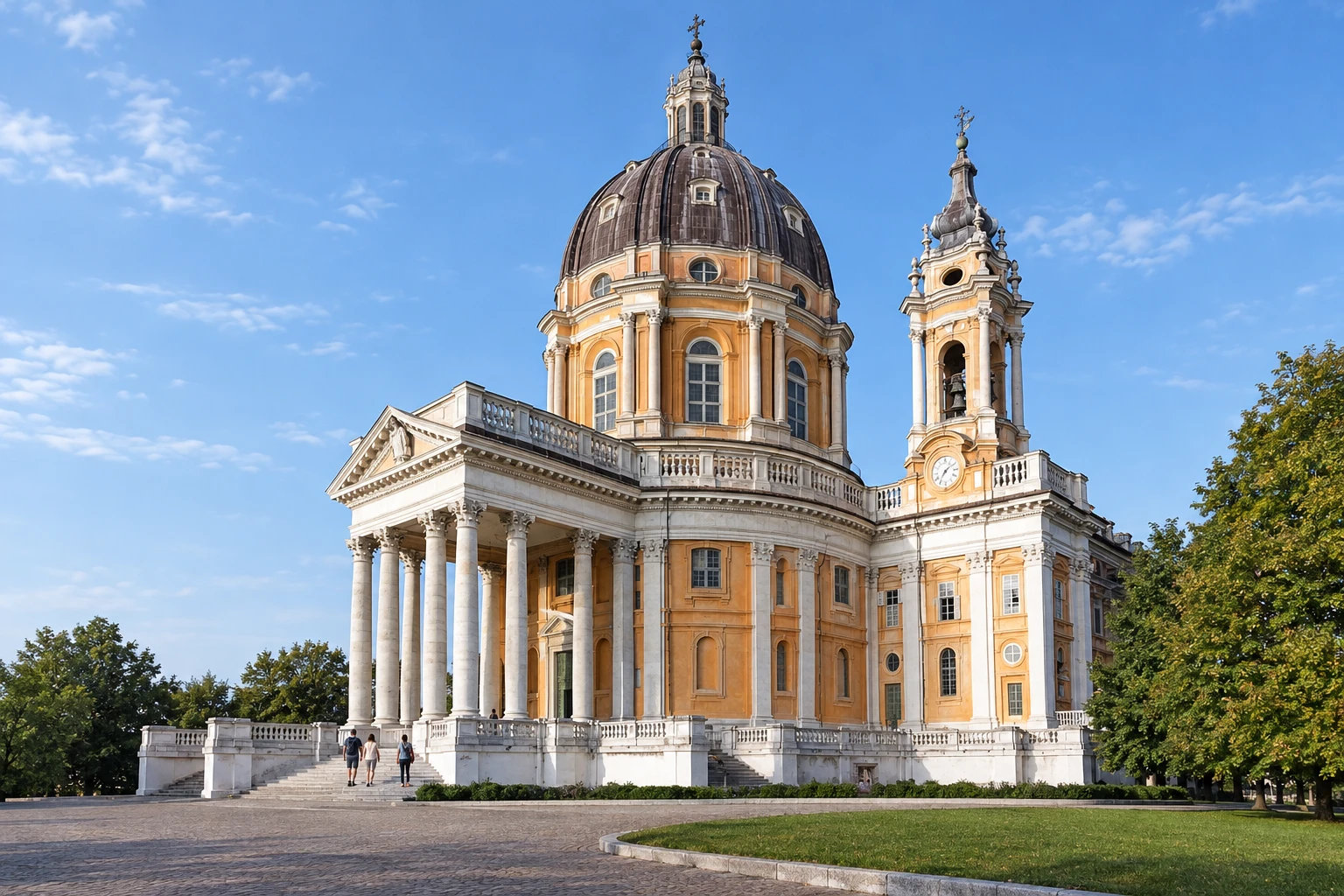
First capital of Italy, at the foot of the Alps: the Museo Egizio, the Mole Antonelliana, the palaces of the Savoia, historic cafés under the arcades and the Barolo wine hills about an hour's drive away.
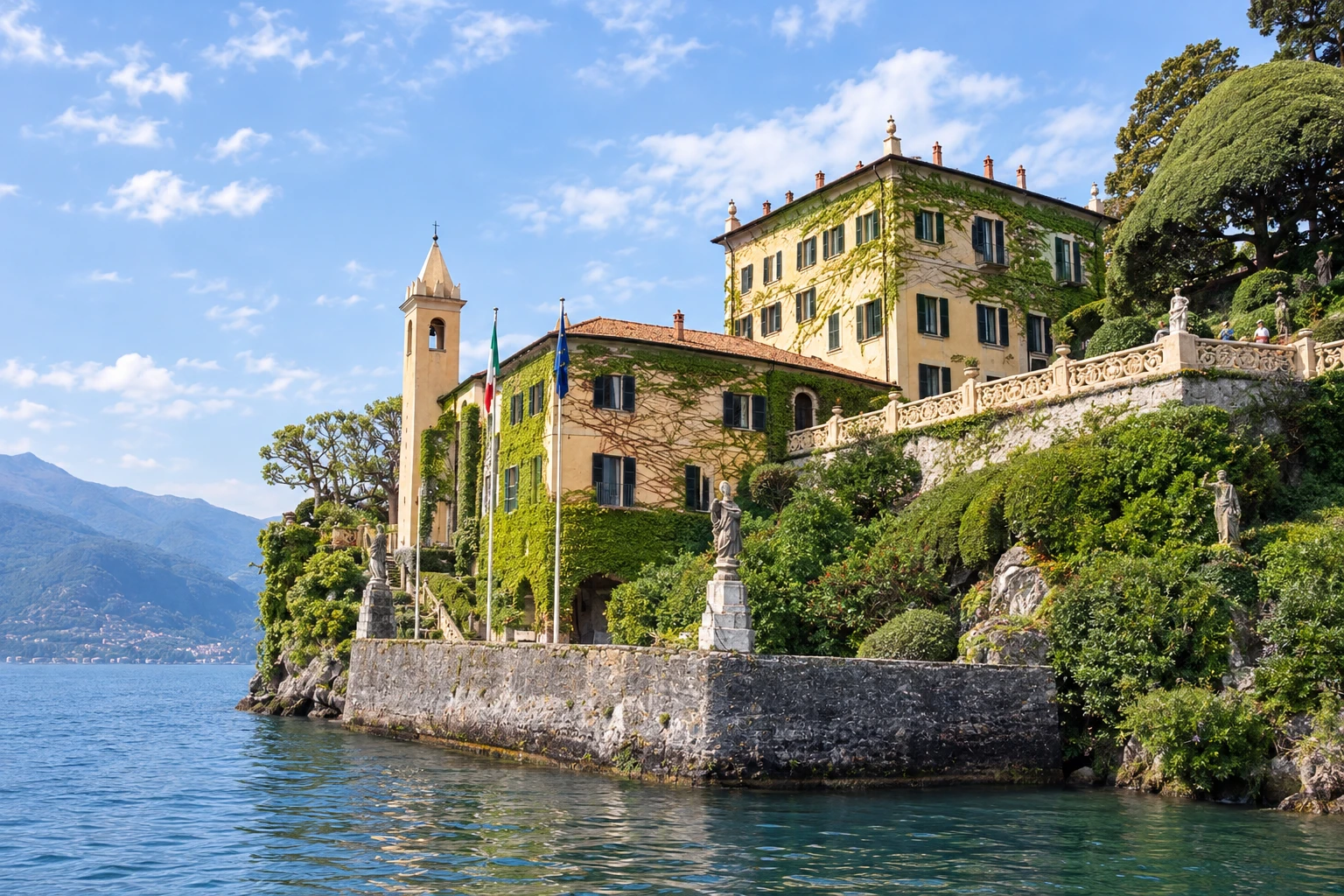
The capital of fashion and design, with the Duomo, the Última Ceia and the Navigli, about an hour by train from the villages and the boats of Lago de Como.
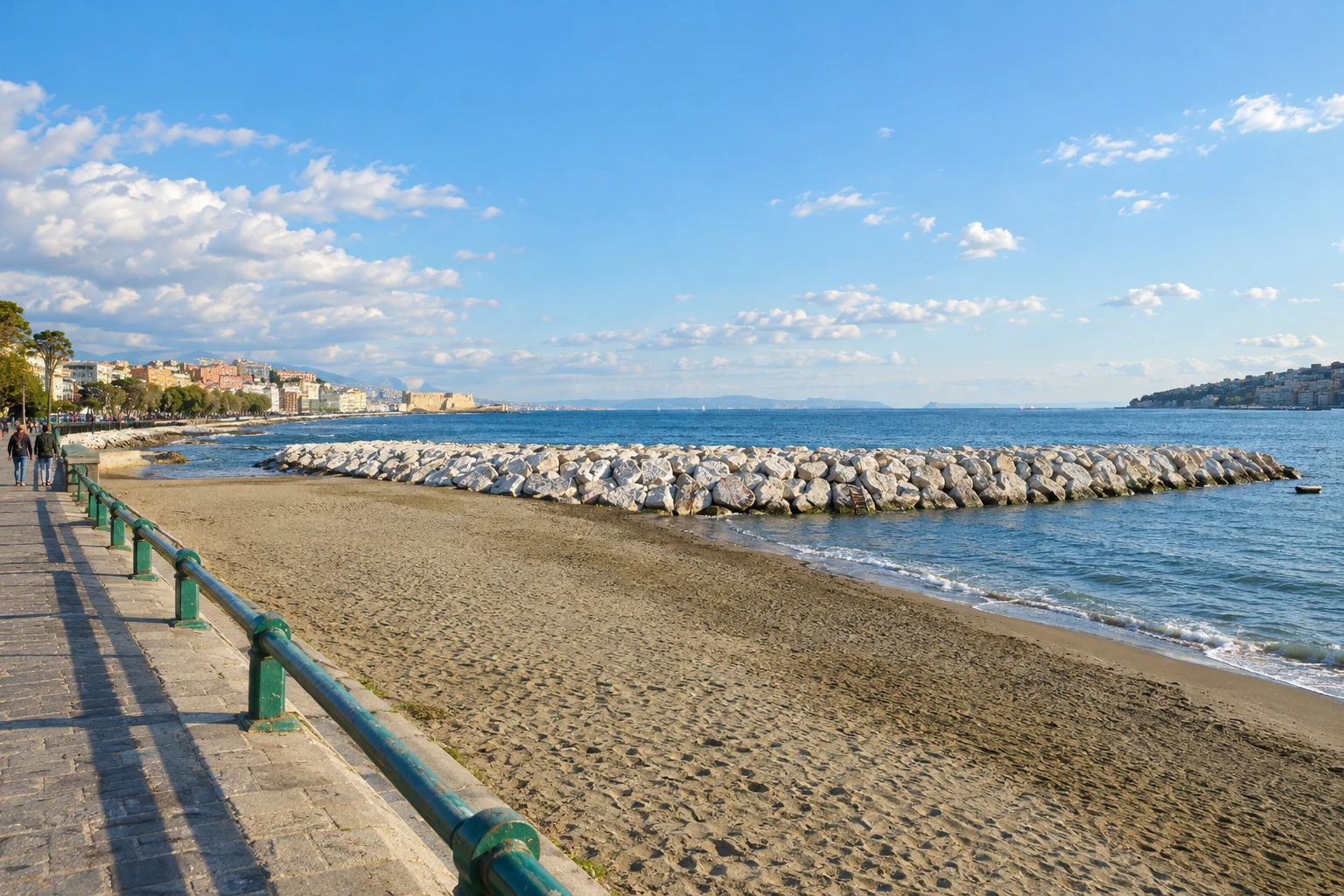
The capital of Campânia, the ruins buried by Vesúvio in 79 AD, and the island of Capri, linked by regional train and boat from Nápoles.
The city of the Roman Arena and of Romeo and Juliet, half an hour from Italy's largest lake, with Scaligeri castles, boats between the villages and the Monte Baldo cable car.
Five fishing villages clinging to the cliffs of Ligúria, connected by train, boat and trails through terraced vineyards.
The port center of Trieste and the limestone cliffs of Duino-Aurisina, on the coast of Friuli‑Venezia Giulia.
Villages clinging to the cliff above the Gulf of Salerno: Amalfi, Positano and Ravello, linked by buses, boats and a winding coastal road.
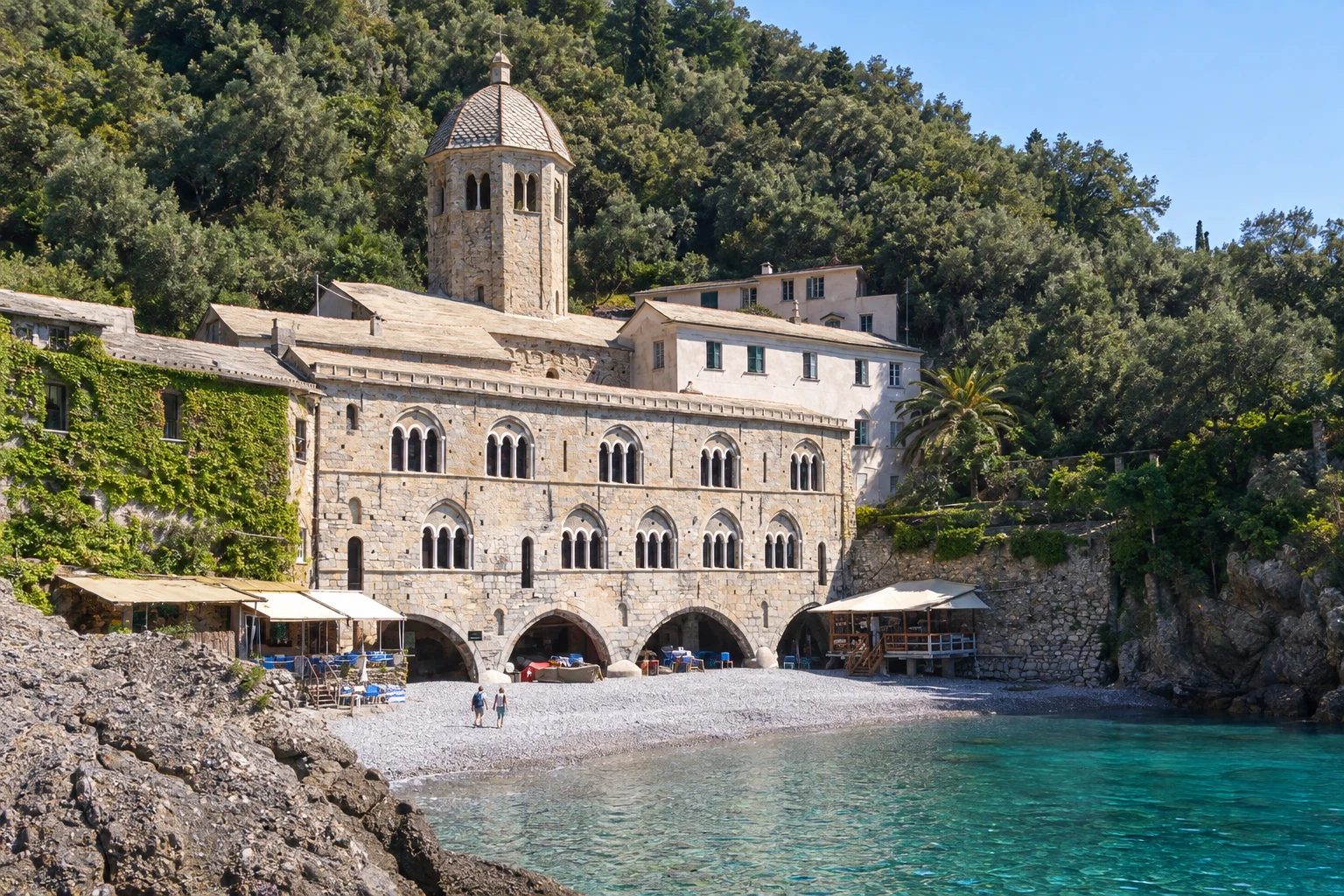
Gênova, a historic port with UNESCO-listed palaces, and the Portofino promontory, with Santa Margherita, Camogli and the Abbazia di San Fruttuoso.
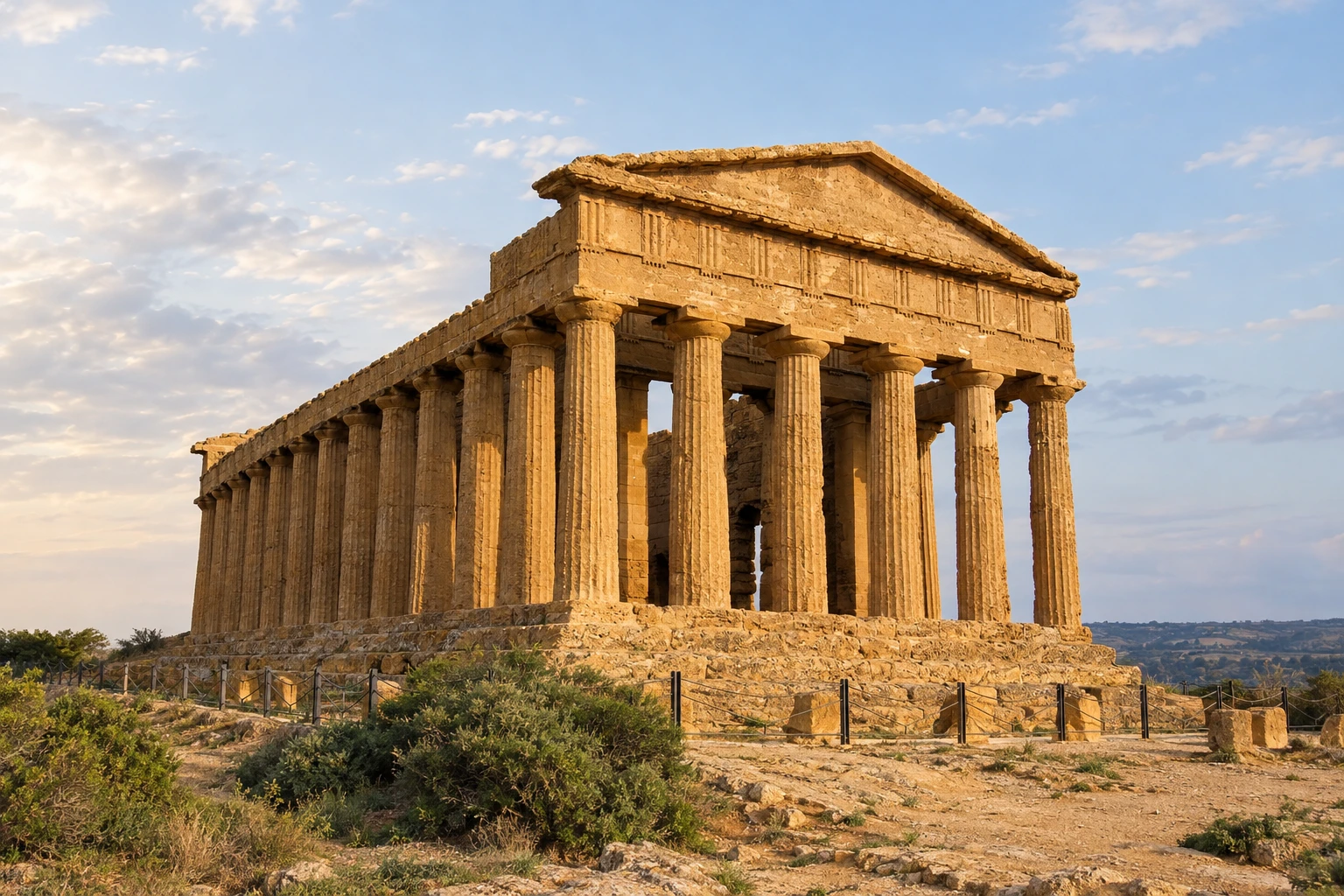
The largest island in the Mediterranean: Palermo with Arab-Norman heritage, the Greek temples of Agrigento, Cefalù by the sea, the Etna, Taormina, Catânia and Siracusa.
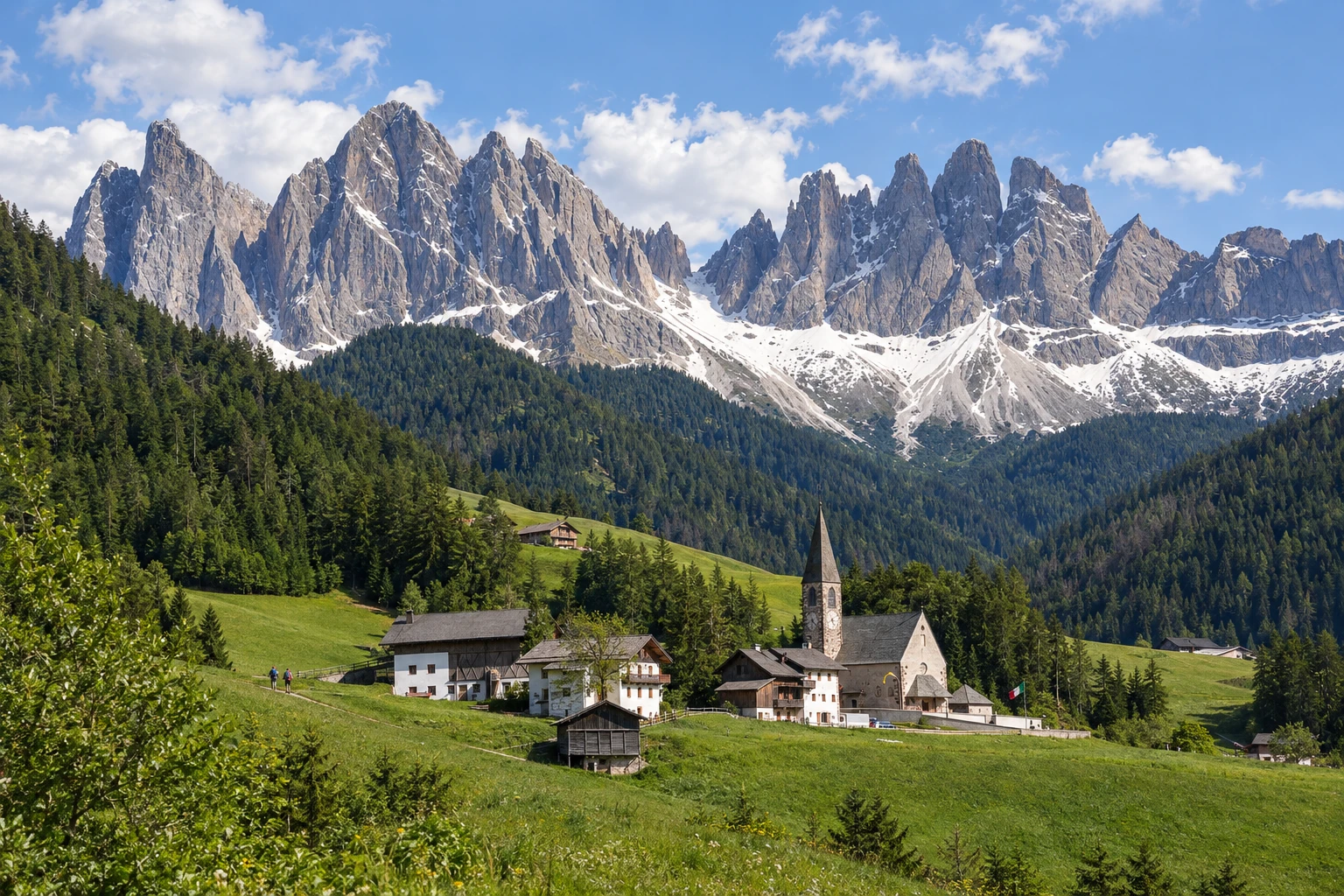
Pale-rock mountains in northern Italy, with cable cars, alpine lakes and trails, between Bolzano, the Val Gardena and Cortina d'Ampezzo.
Cities to start with
Each city has a page with what to do there.

Scarperia e San Piero brings together two historic centers in the Mugello. In Scarperia, the façade of the Palazzo dei Vicari still shows the coats of arms of former administrators, and the palace museum displays the local tradition of blade making. The Via degli Dei crosses the municipality along the Sieve valley, in San Piero a Sieve.

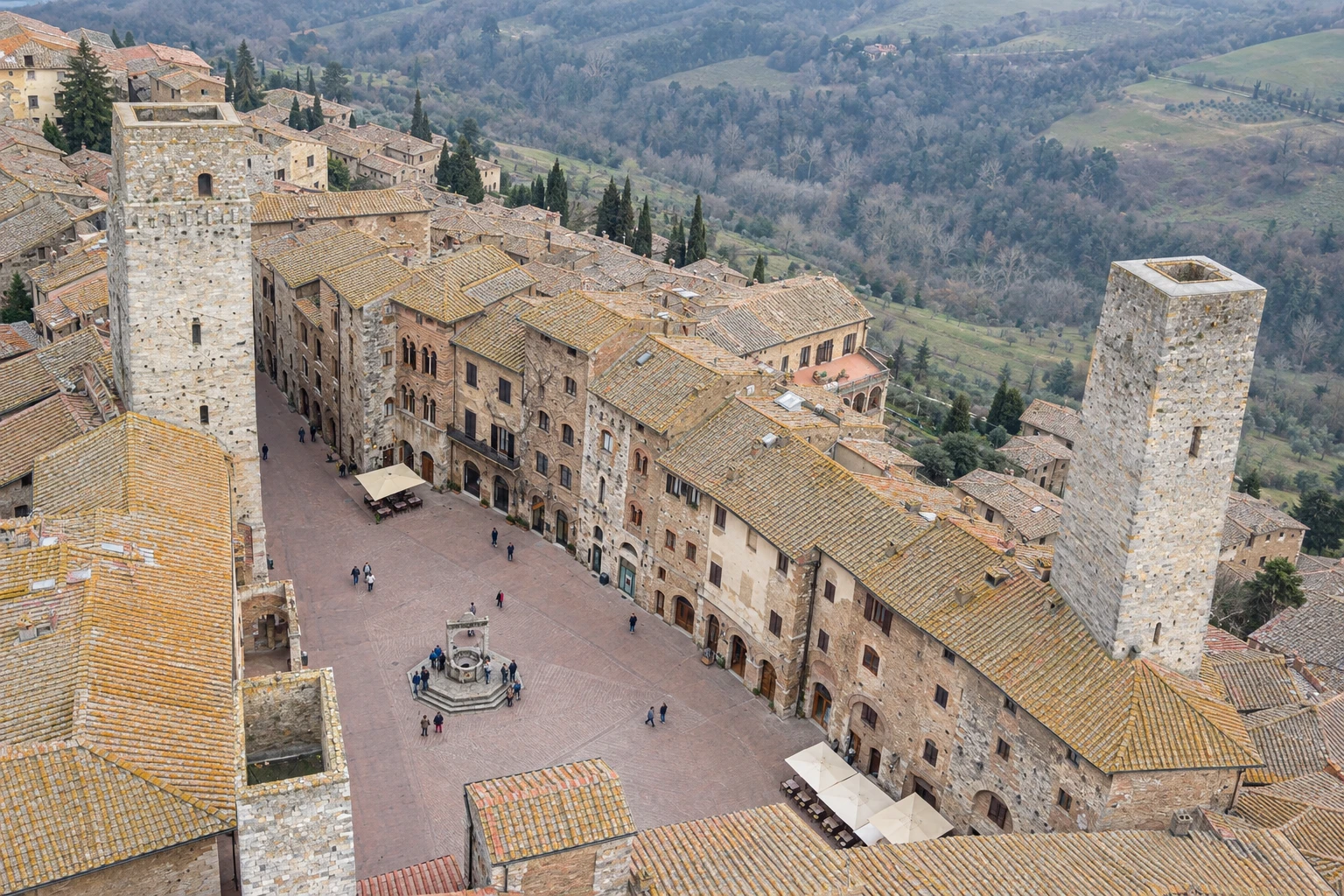
San Gimignano is a walled village atop a hill between Florence and Siena, known for the medieval towers that still mark the skyline: about fourteen remain standing. The historic centre is a UNESCO World Heritage site. The two neighbouring squares, the Piazza della Cisterna and the Piazza del Duomo, contain the Collegiata, covered in frescoes, and the Palazzo Comunale, from which you can climb the Torre Grossa. Around the village, vineyards produce Vernaccia di San Gimignano.

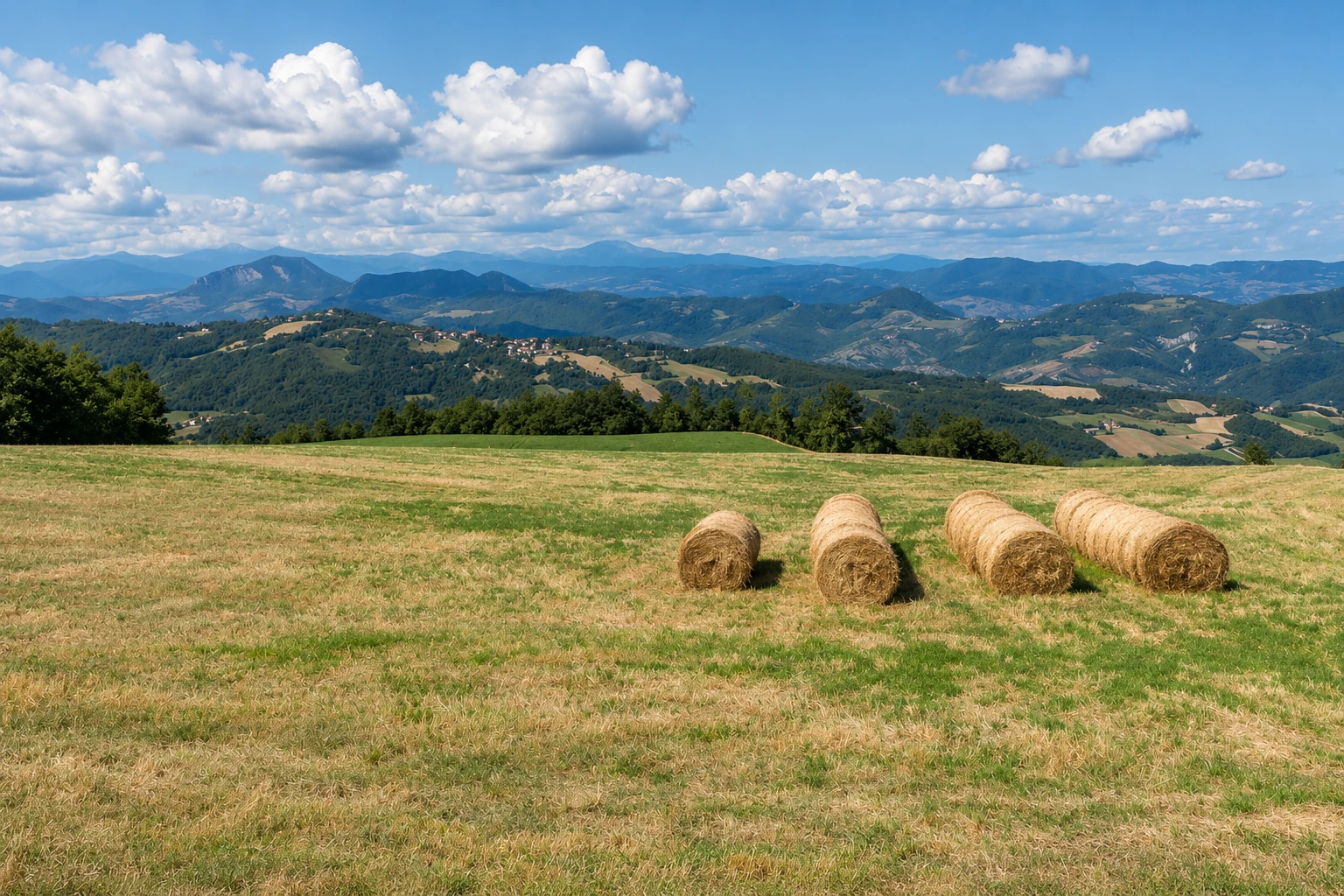
Monzuno occupies a ridge of Monte Venere overlooking the Setta and Savena basins. The Via degli Dei passes through Piazza XXIV Maggio and leaves the village toward the chestnut woods of Campagne via trail CAI 019. It’s an overnight option for those who want to divide the walk into shorter stages.

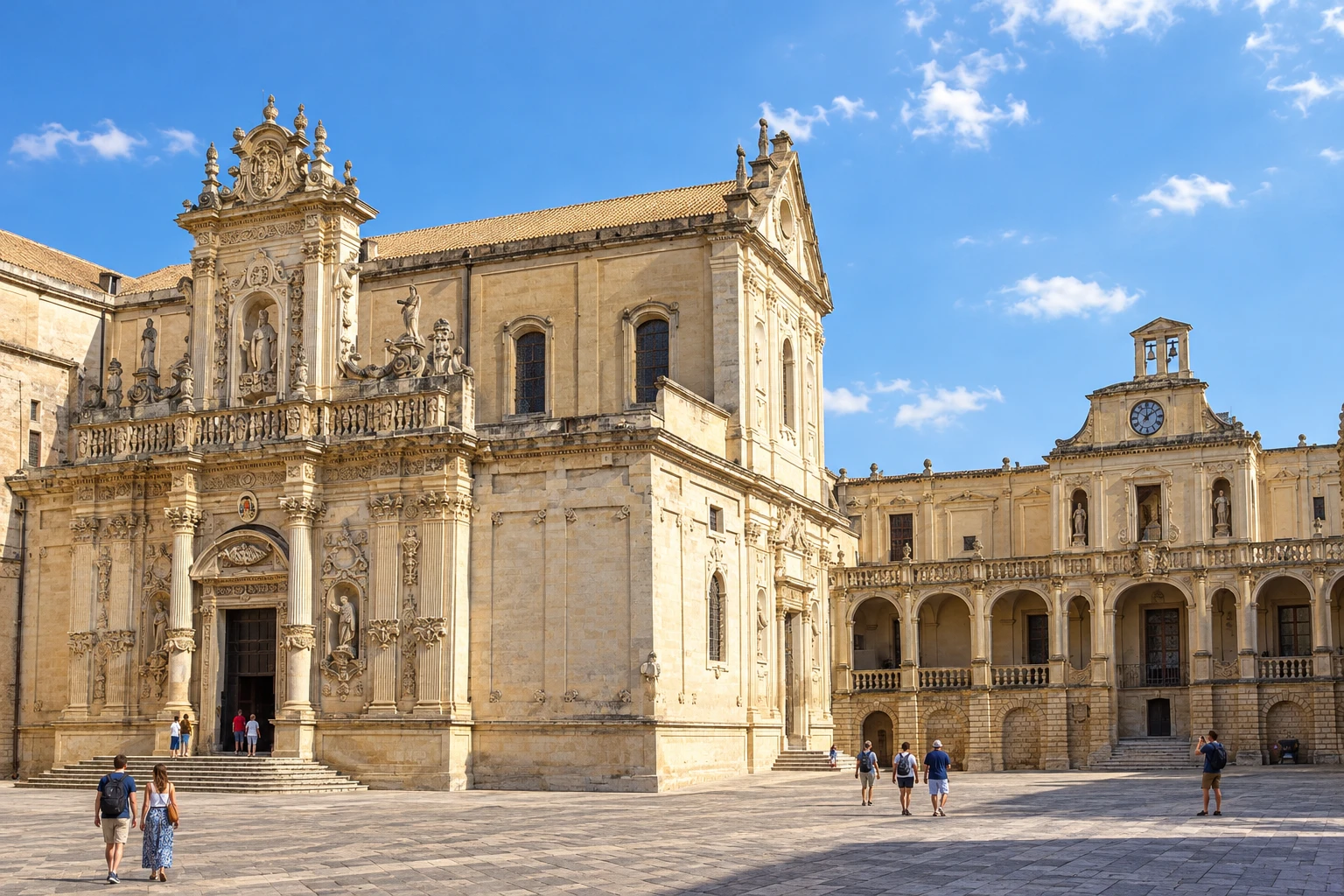
Lecce is the main city of the Salento, the heel of the Italian boot, and became famous for the barroco leccese, carved in the light, soft stone of the region between the 16th and 18th centuries. In the centro storico (historic center) are the Basilica di Santa Croce, the Piazza del Duomo with the cathedral and the 70-metre bell tower, the Piazza Sant'Oronzo with the Anfiteatro Romano, the Porta Napoli and the Castello Carlo V. Otranto, on the Adriatic, is about 45 km away.

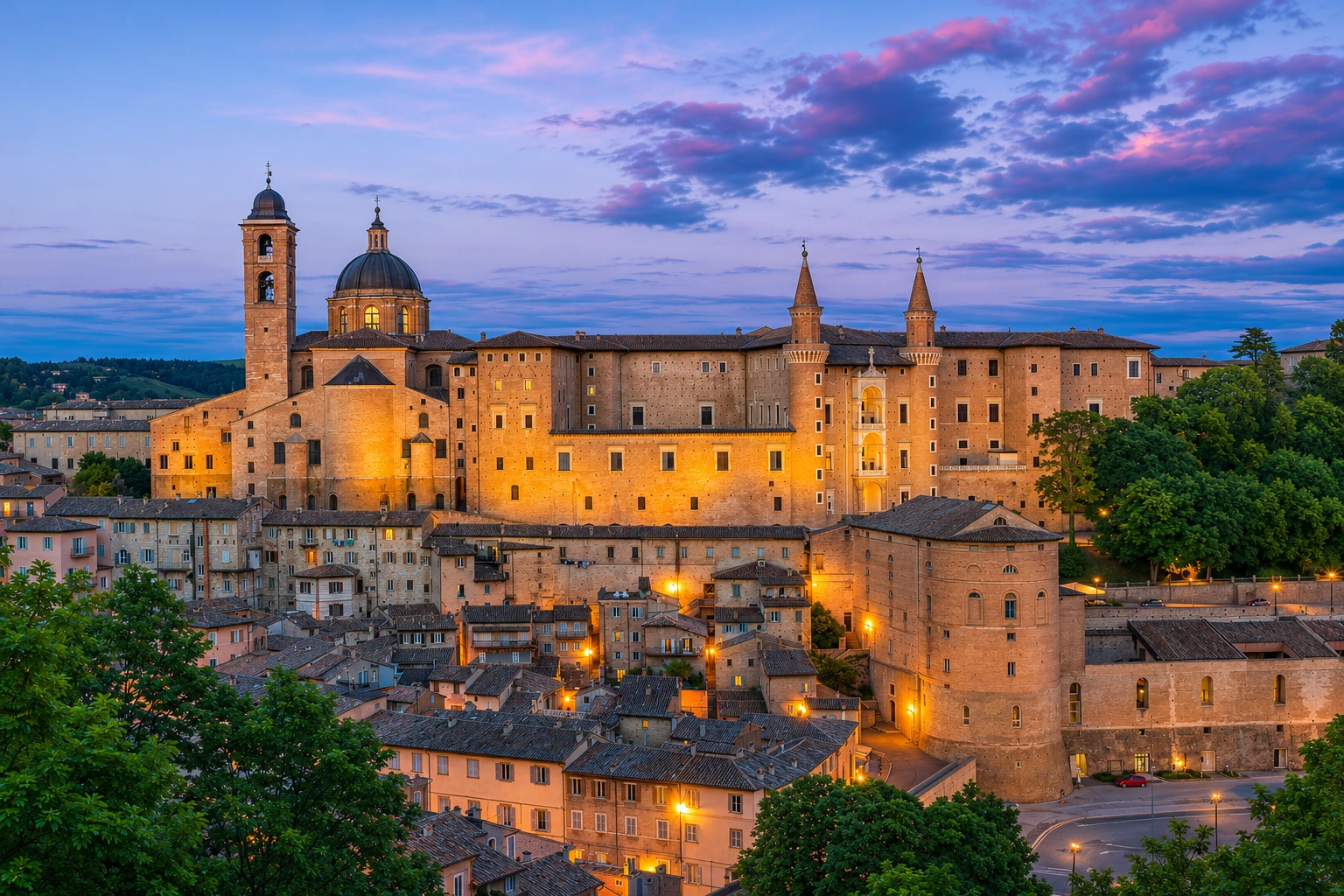
Urbino sits on a hill in the Marche region. Its historic center, a UNESCO World Heritage Site, retains the steep streets around the Ducal Palace. The palace houses the National Gallery of the Marche. Raphael’s Birthplace is on a street that leads uphill from Piazza della Repubblica.

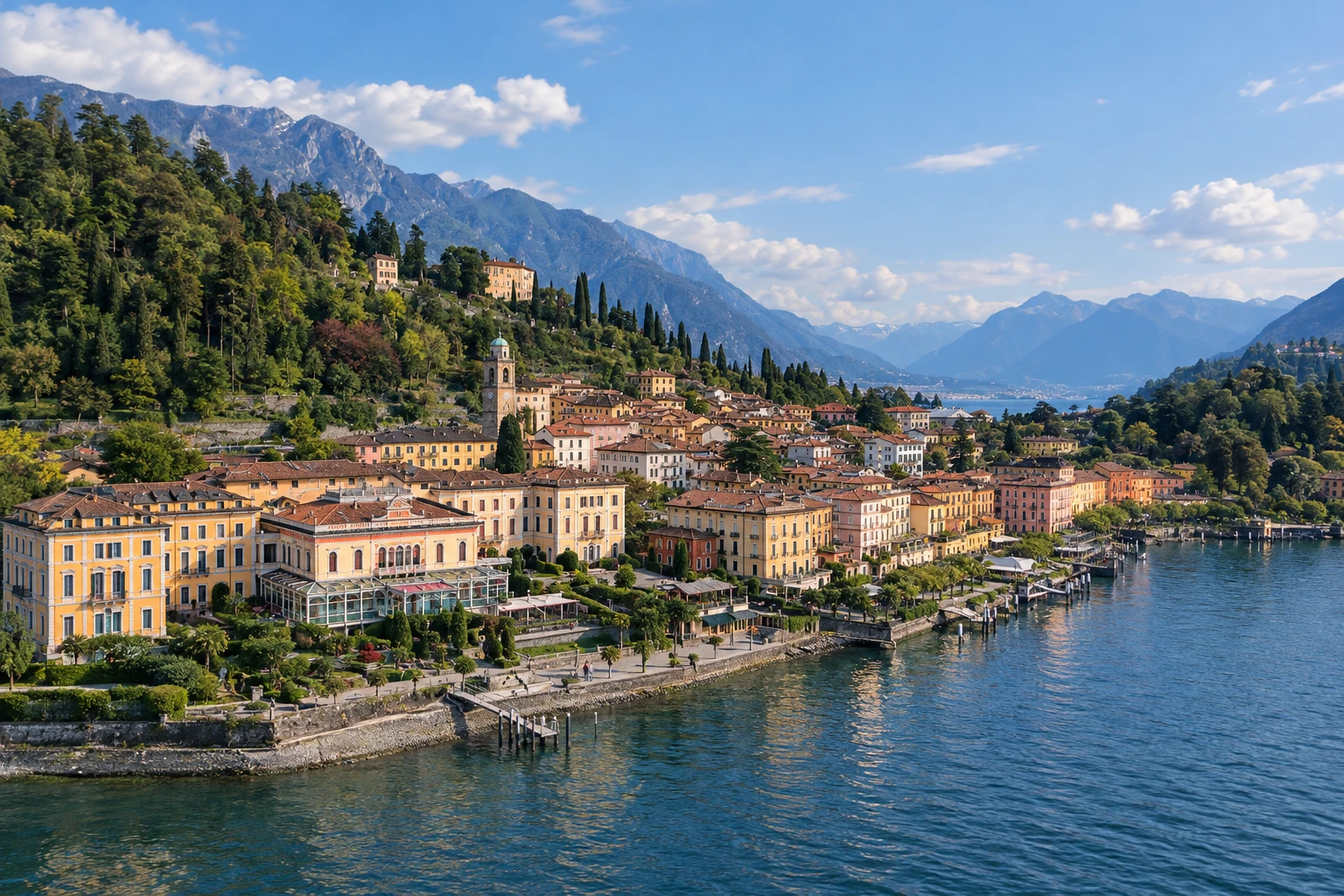
Village in the center of Lago de Como, at the point where the lake divides into two branches. It has stepped narrow streets, the Punta Spartivento and the gardens of Villa Melzi. It is the best base to visit by boat Varenna and Villa Monastero on the east shore, and Villa Carlotta and Villa del Balbianello on the west shore.
The map
Tap a region to see the names. Use two fingers to zoom in.
Outlines: ISTAT, limites administrativos 2026, CC BY 4.0. Adapted by Cidade Turismo.
Italy
Another way into the same trip
Choose the region and the city to find your place in the guide.
Beyond the guide