Curitiba
Curitiba brings together parks, gardens and cultural venues in a cityscape shaped by architecture. You can alternate outdoor walks with museums and strolls through the historic center.
PR · Brazil
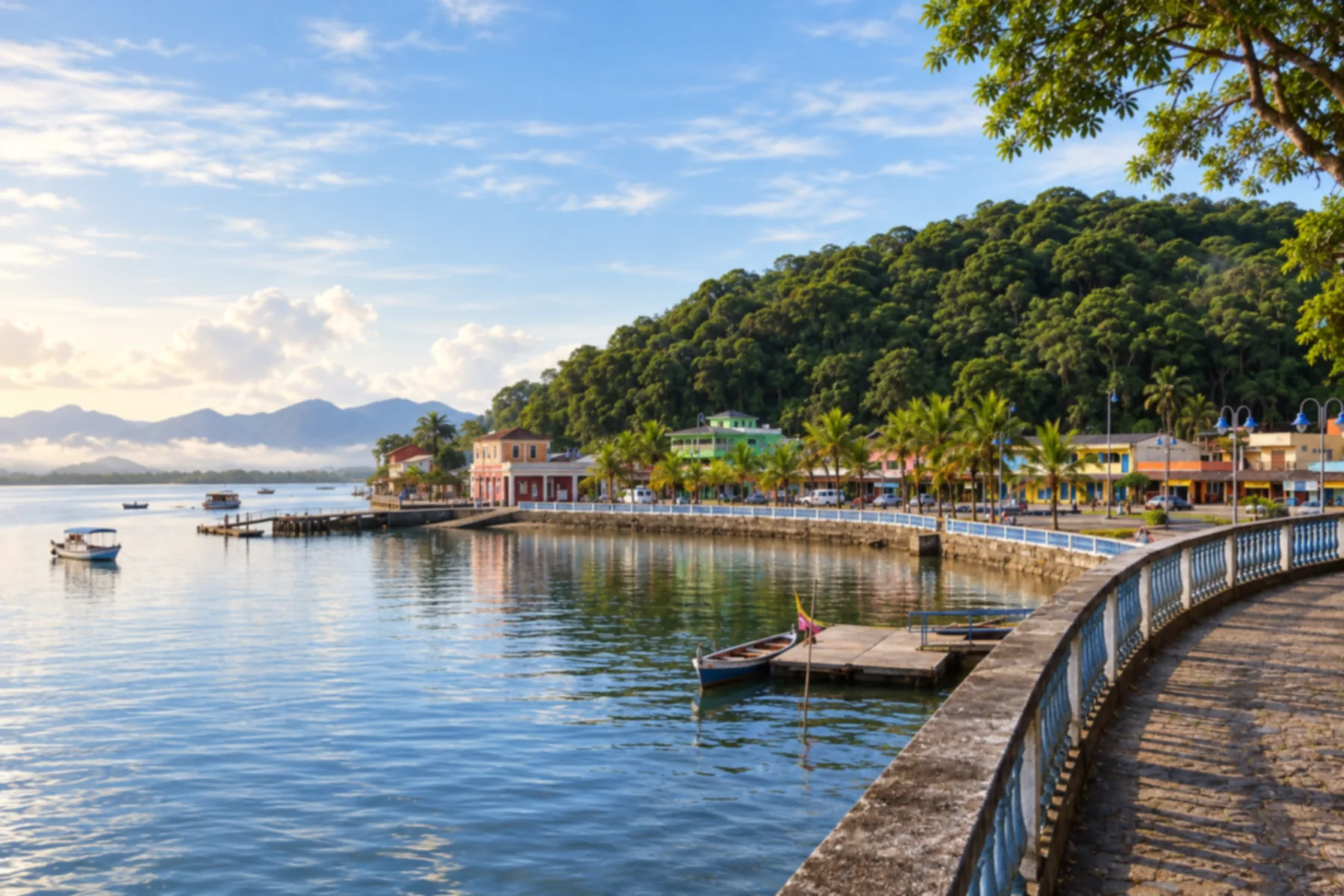
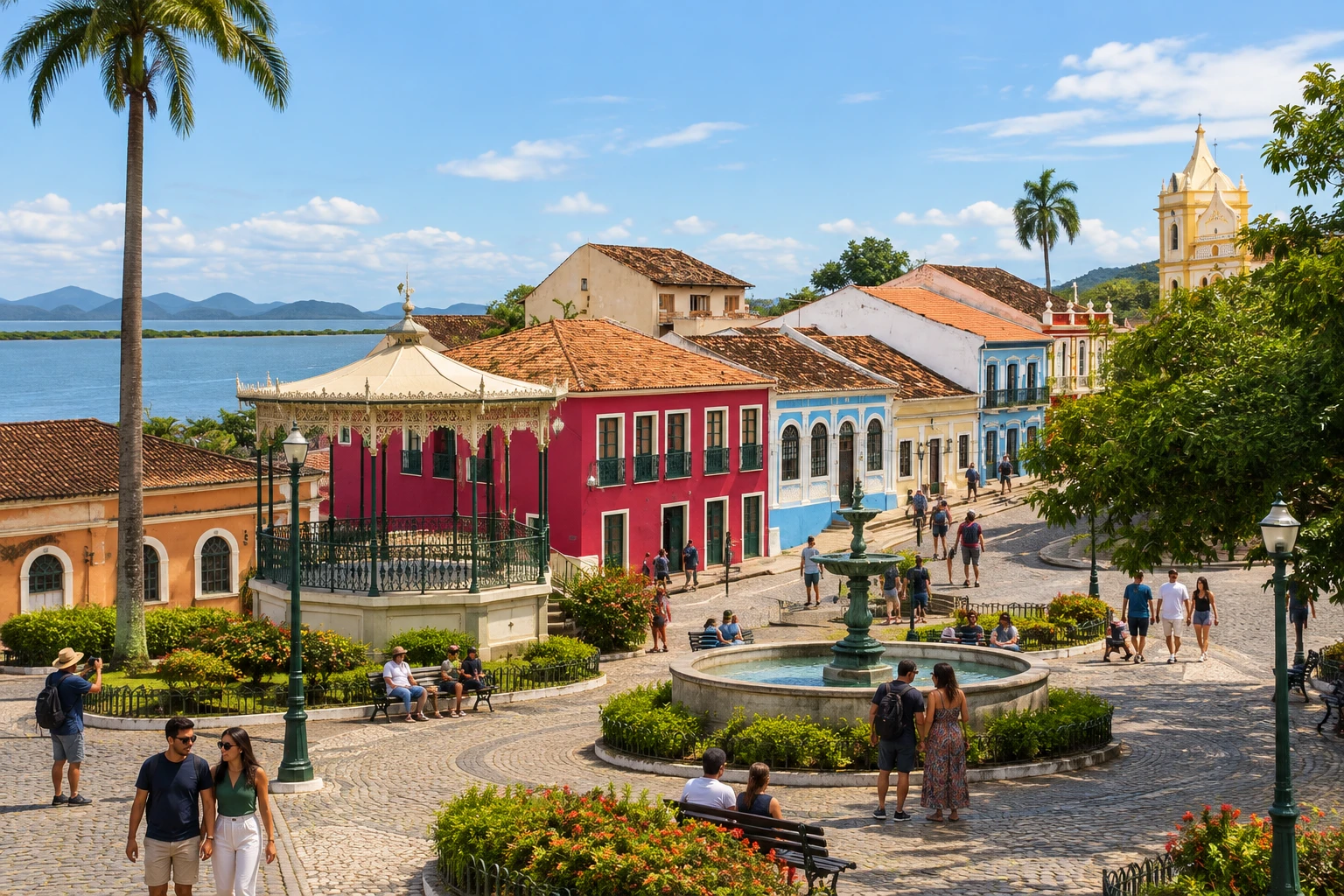
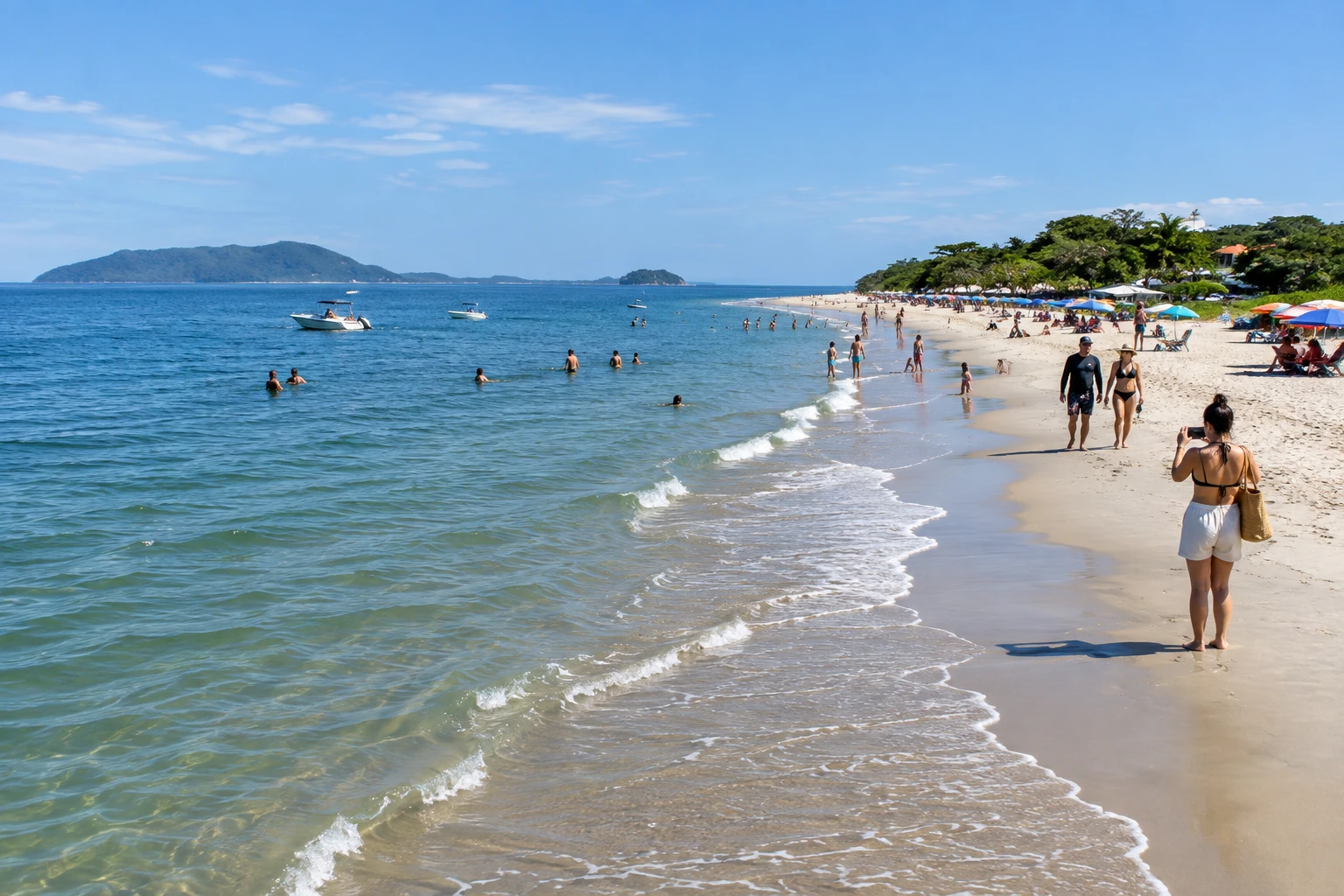
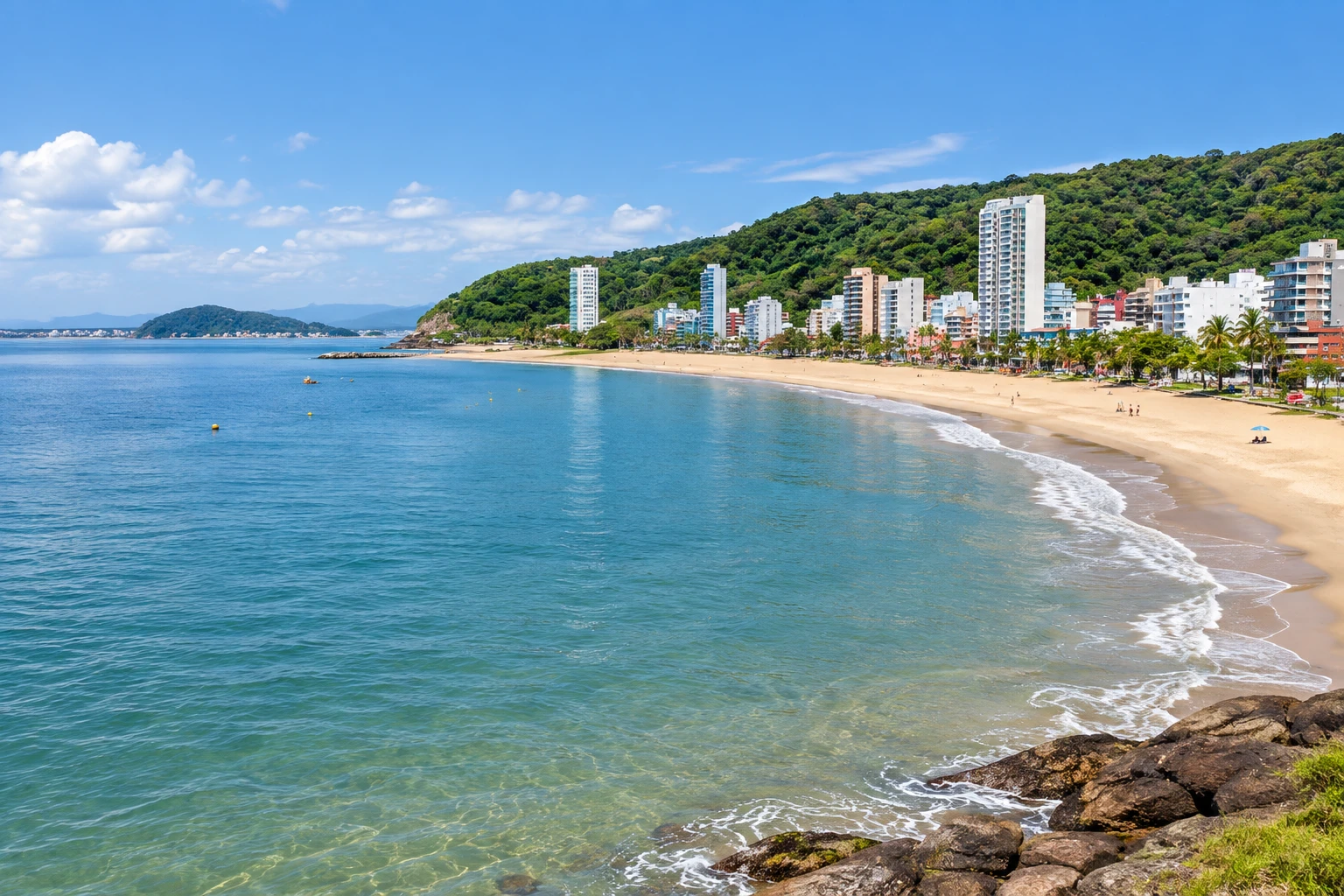
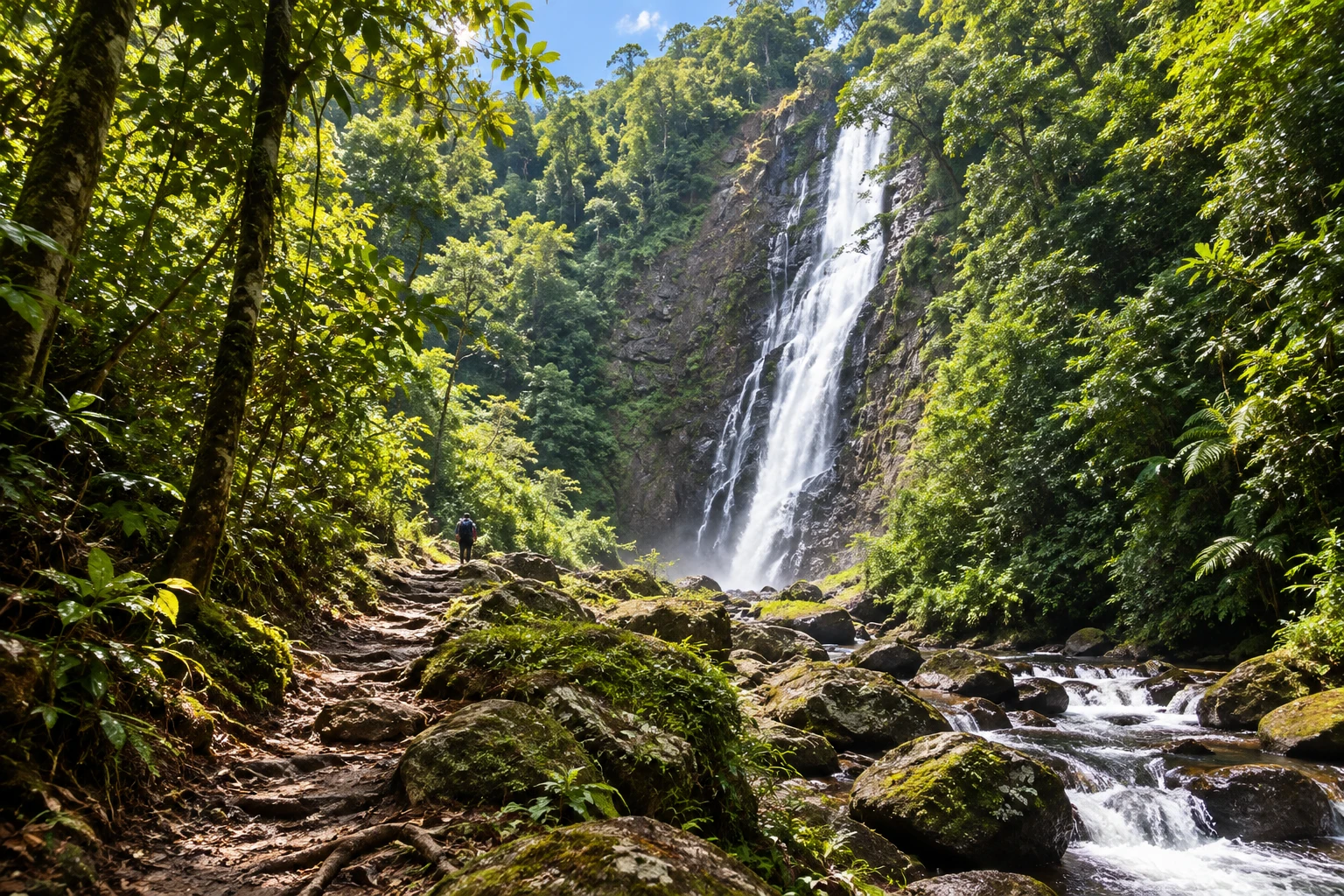
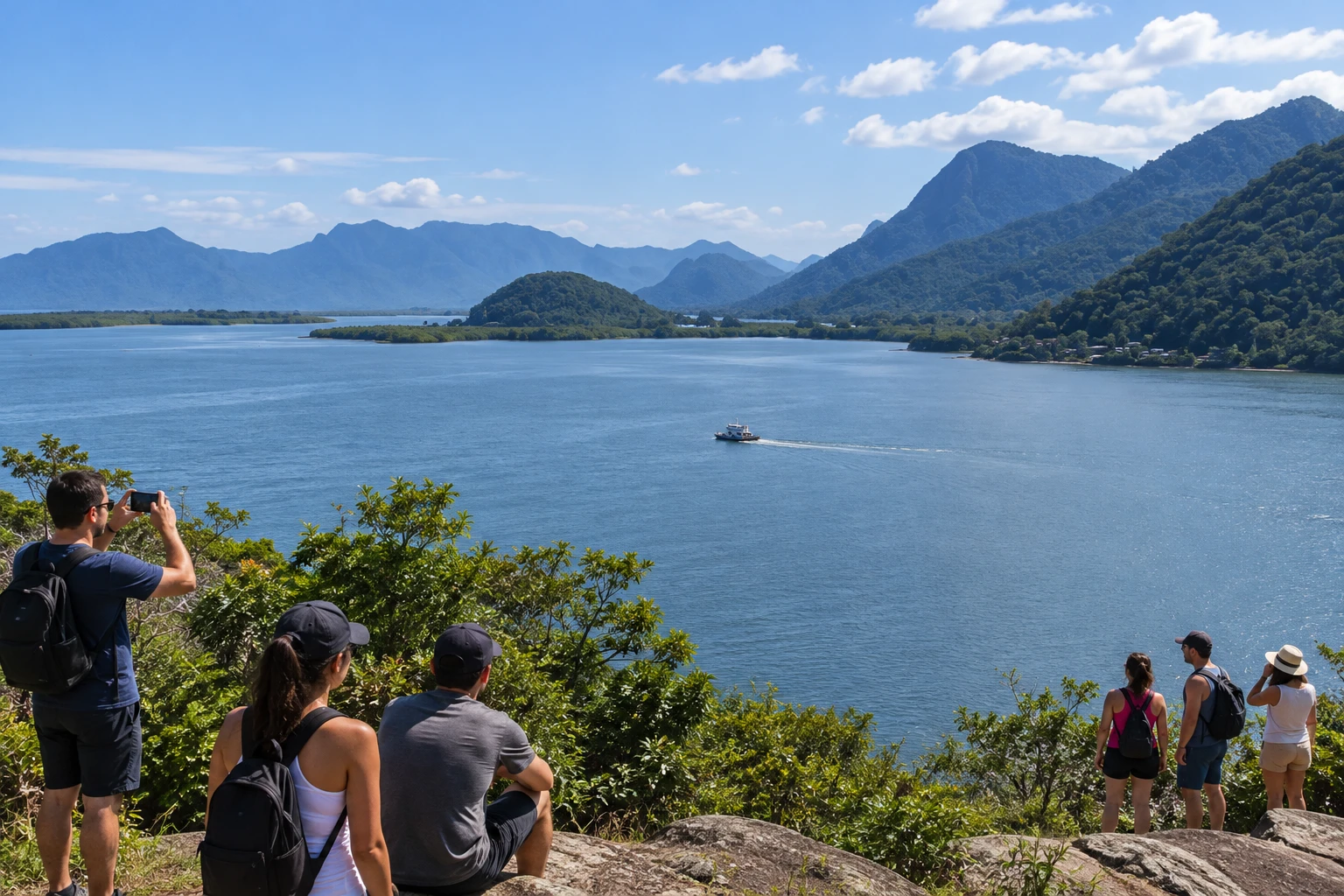
Illustrative images. The pictures in this guide are illustrations based on the real place, not photographs, and may differ from it.
Get to know the place
This trip begins in one of Brazil's greenest state capitals, with parks, museums and signature architecture, and goes down the Serra do Mar on one of the most spectacular railways in the world. Down below you find colonial towns, barreado (a slow-cooked beef stew) served in a clay pot, and Ilha do Mel (island), with no cars and only trails. It is city culture and Atlantic Forest in the same weekend.
This destination brings together 8 cities: Curitiba, Morretes, Antonina, Paranaguá, Matinhos, Guaratuba, Pontal do Paraná, Guaraqueçaba.
A look at the place
These pictures are illustrations based on the real place, not photographs. They may differ from the place.
Click the picture to enlarge it.
One destination, many paths
Start with one city or combine several in your itinerary.
Curitiba brings together parks, gardens and cultural venues in a cityscape shaped by architecture. You can alternate outdoor walks with museums and strolls through the historic center.
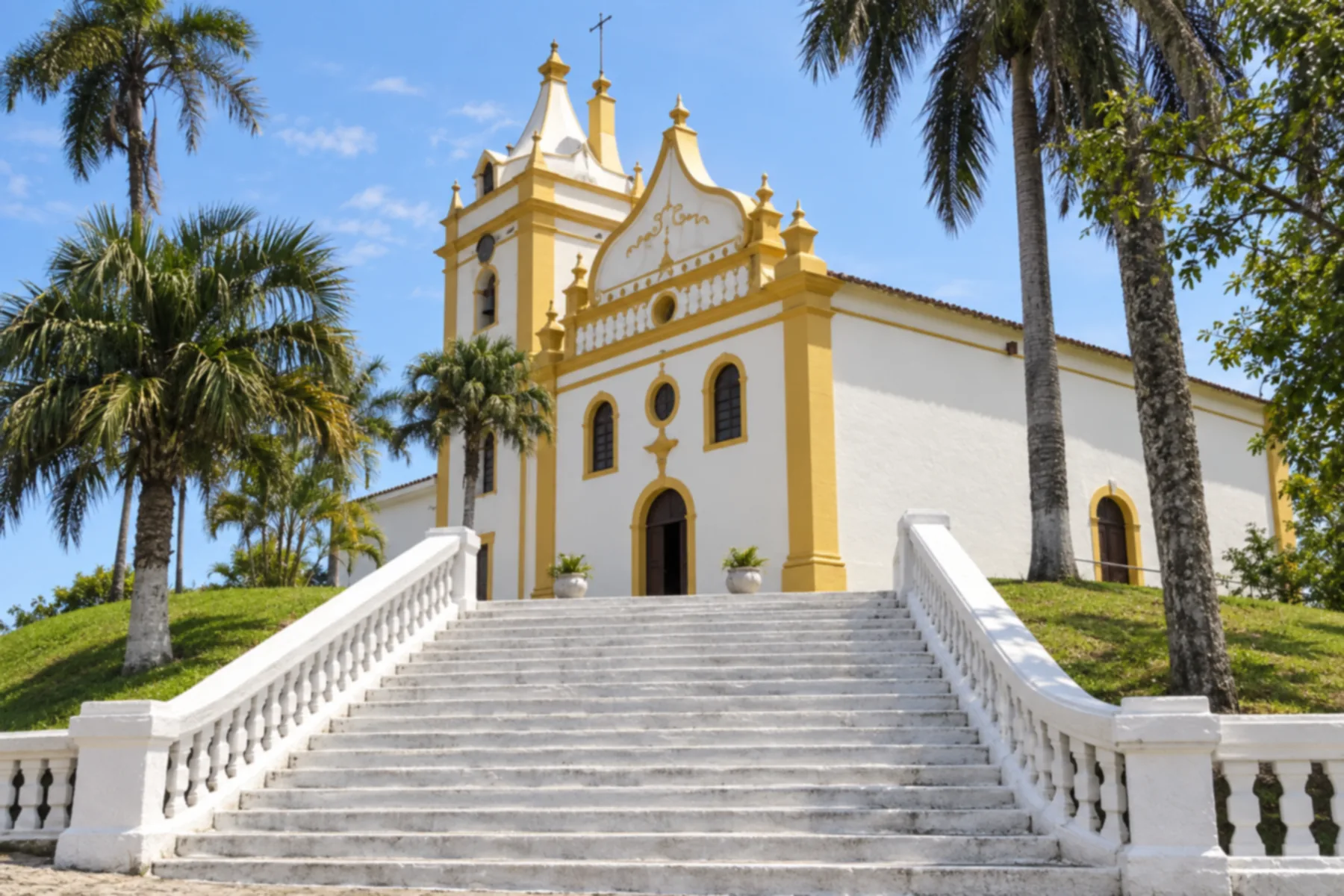
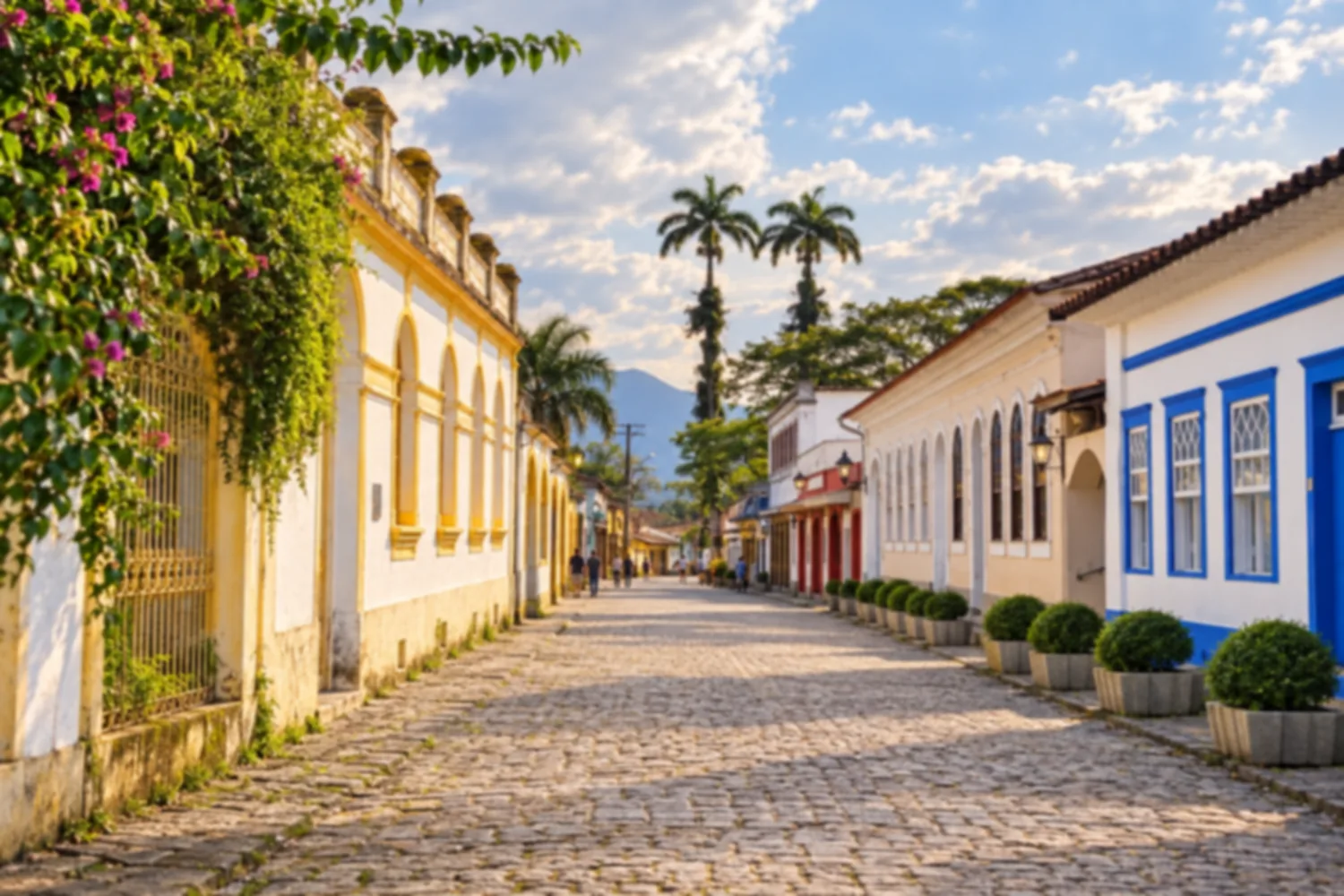
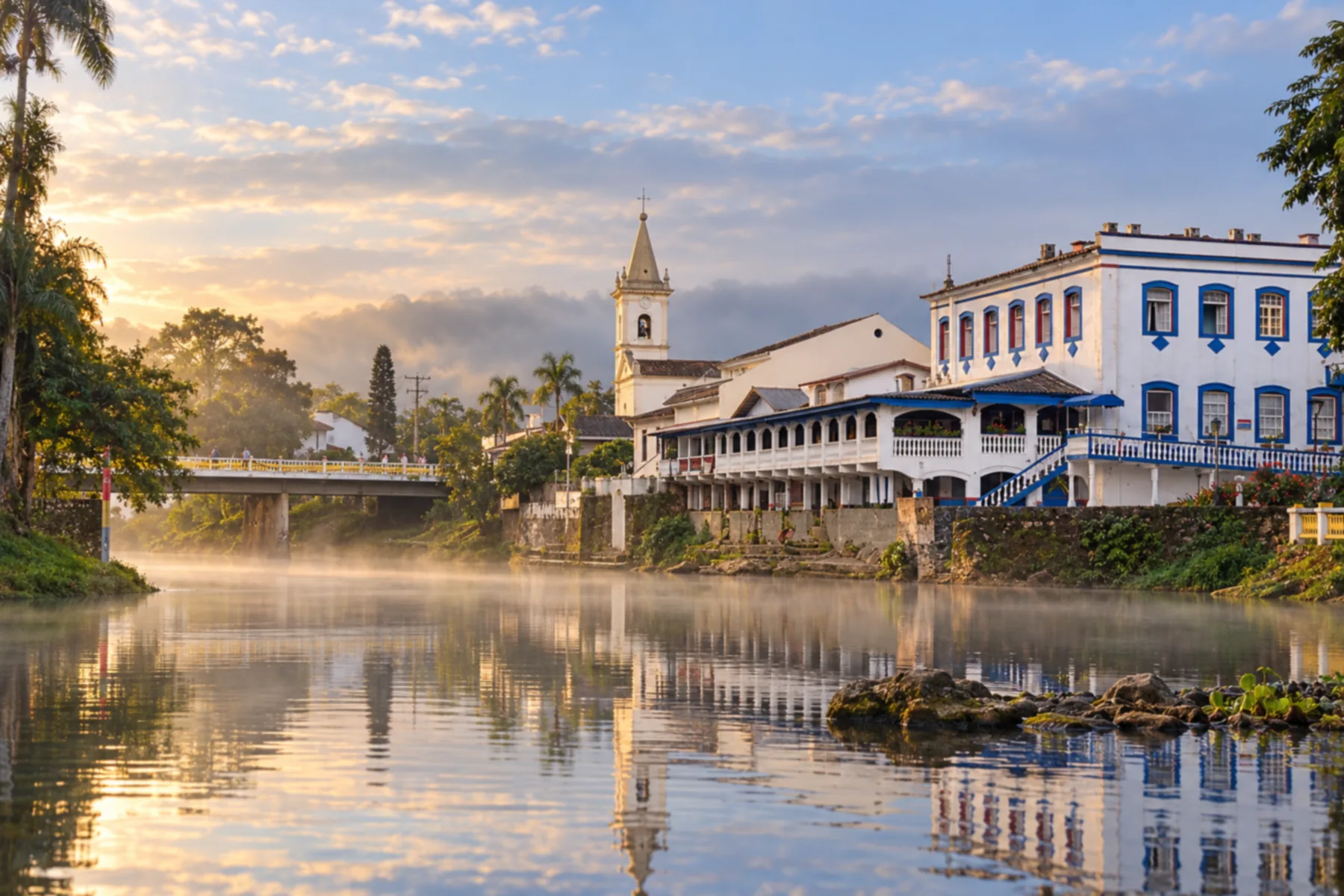
Morretes preserves historic houses along the Nhundiaquara River, next to the Serra do Mar. You can stroll downtown, try the local food and see landscapes of rivers and forest.
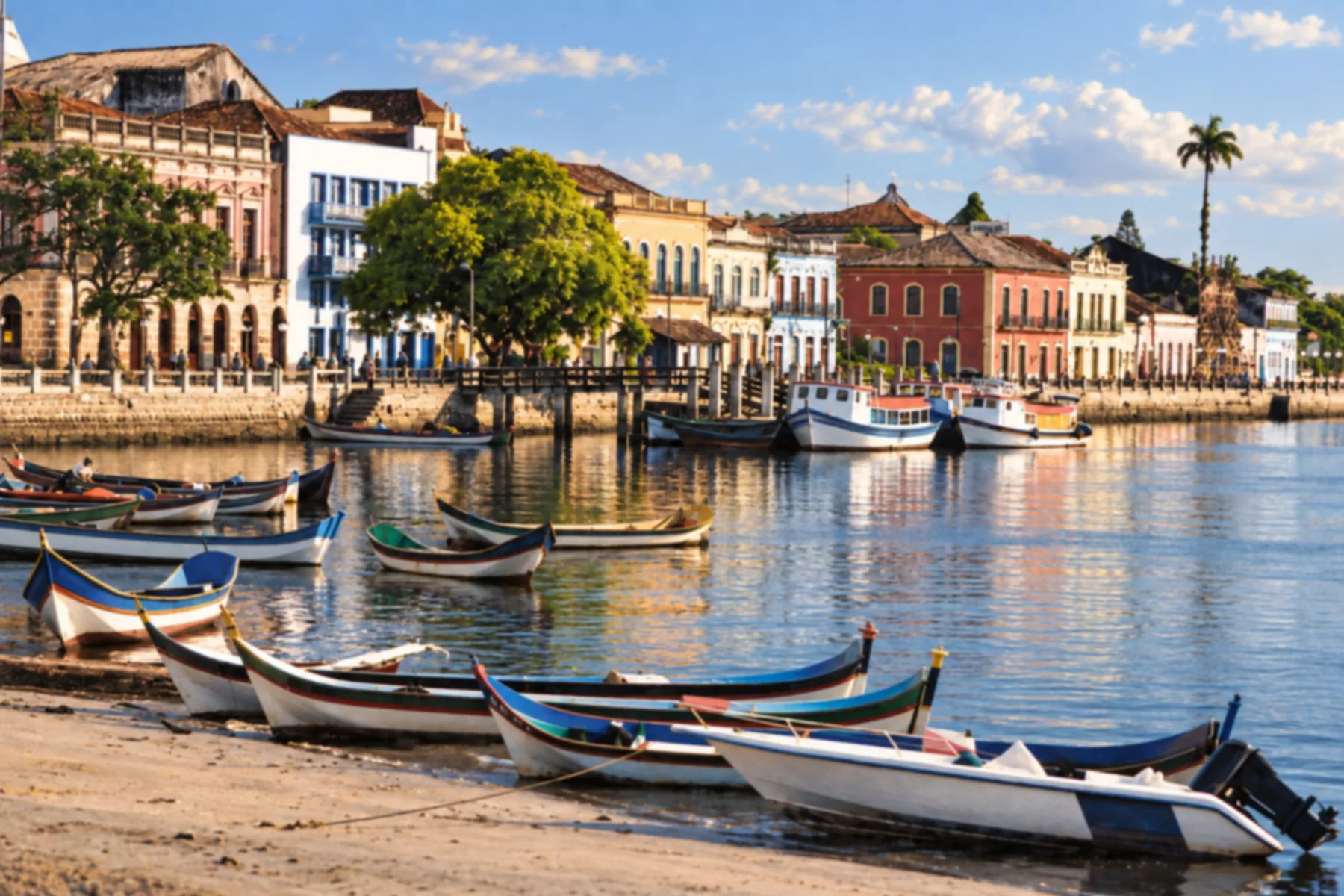
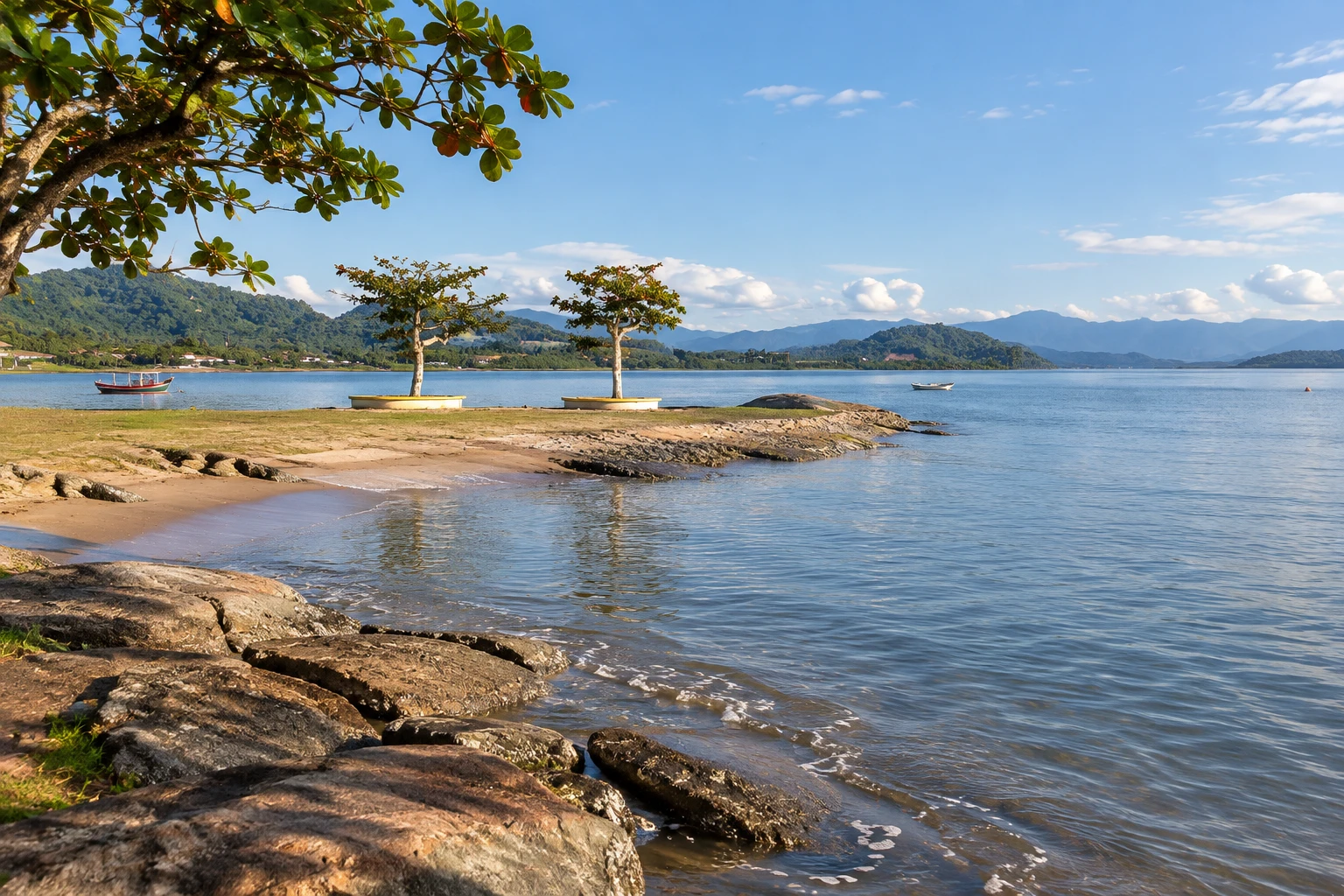
Antonina preserves a historic center facing the bay, at the foot of the Serra do Mar. You can combine walks among churches and old houses with views of the port and the mangroves.
Paranaguá combines historic heritage with a landscape tied to the port, rivers and islands. Walks along Rua da Praia can be combined with boat trips and visits around the bay.
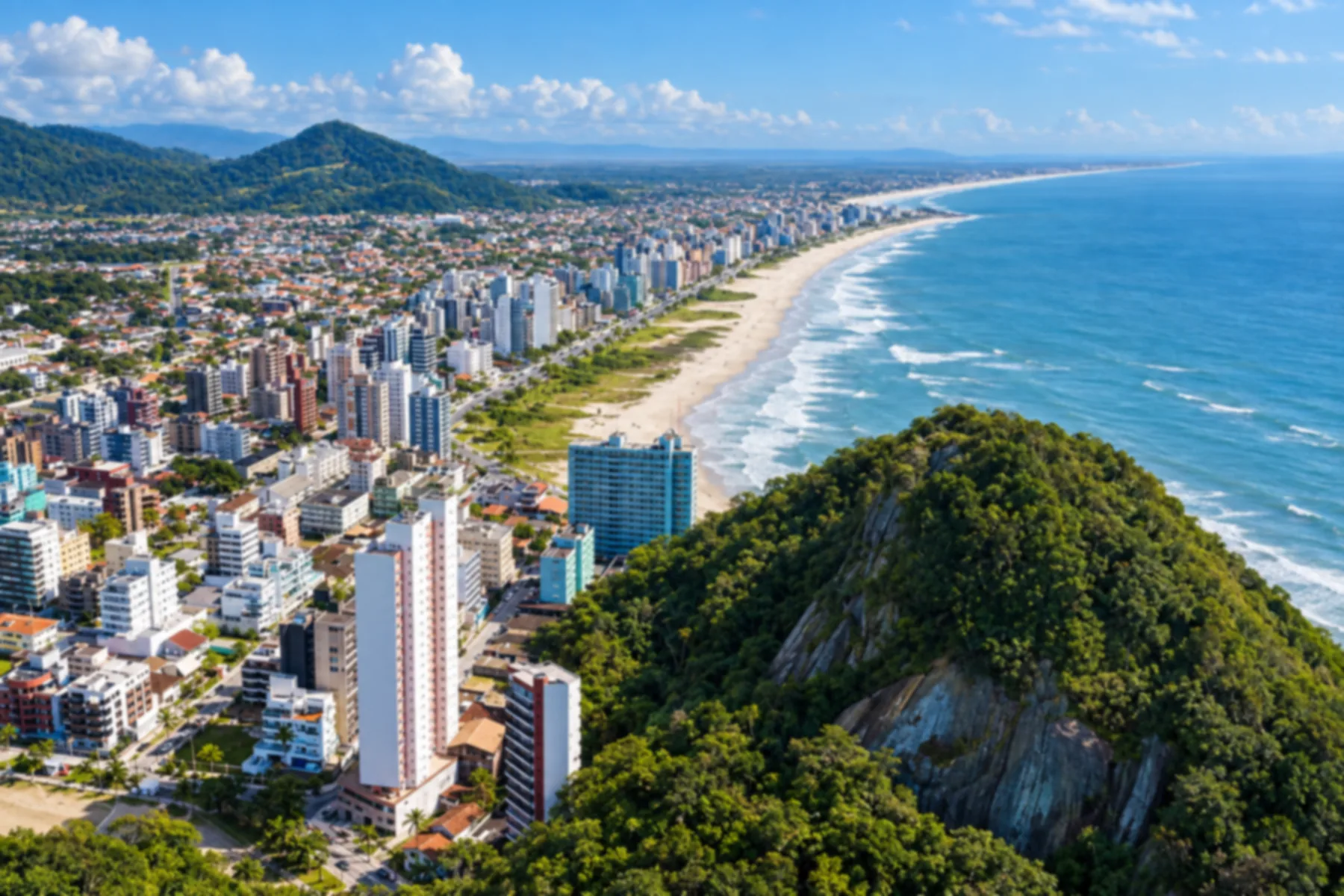
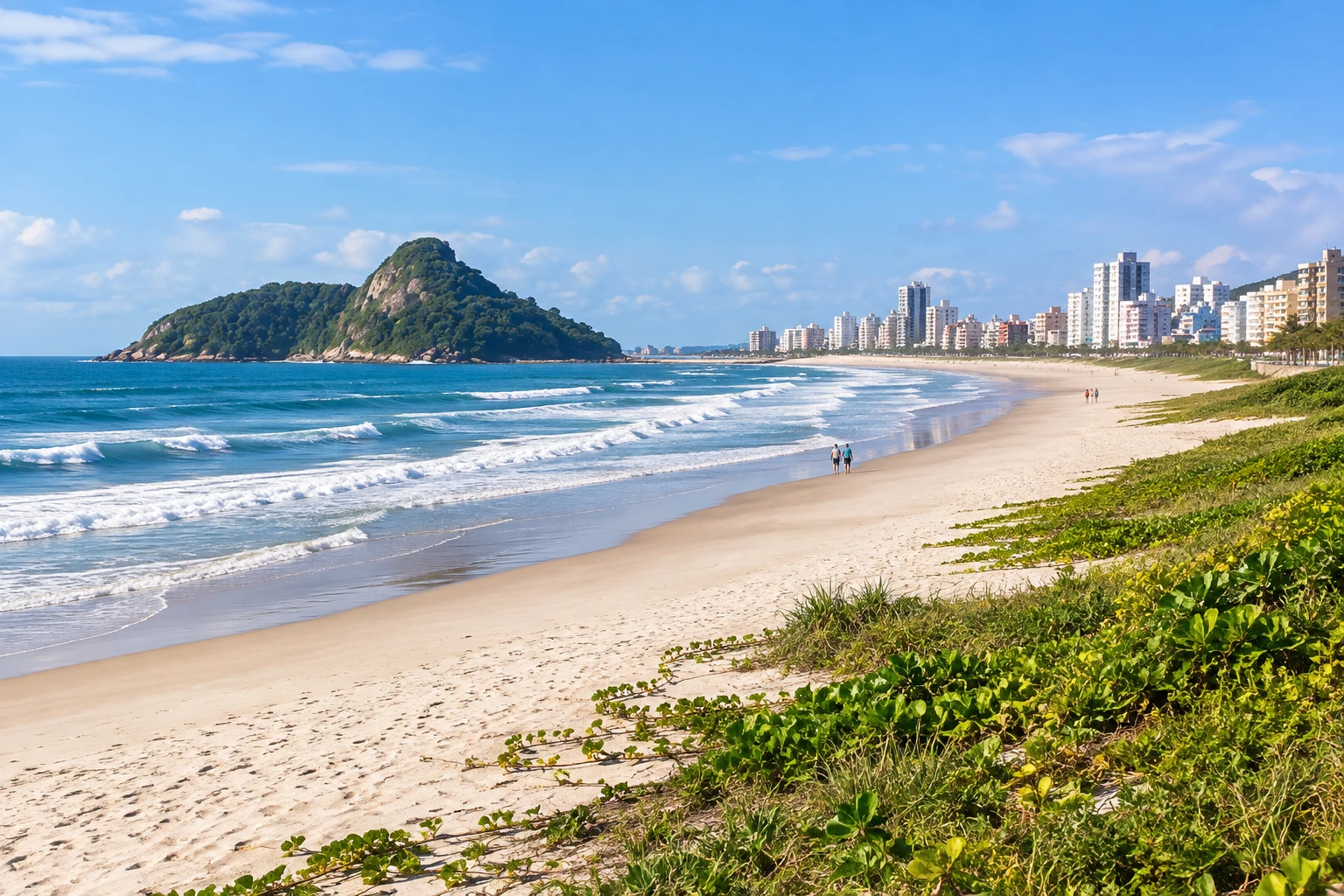
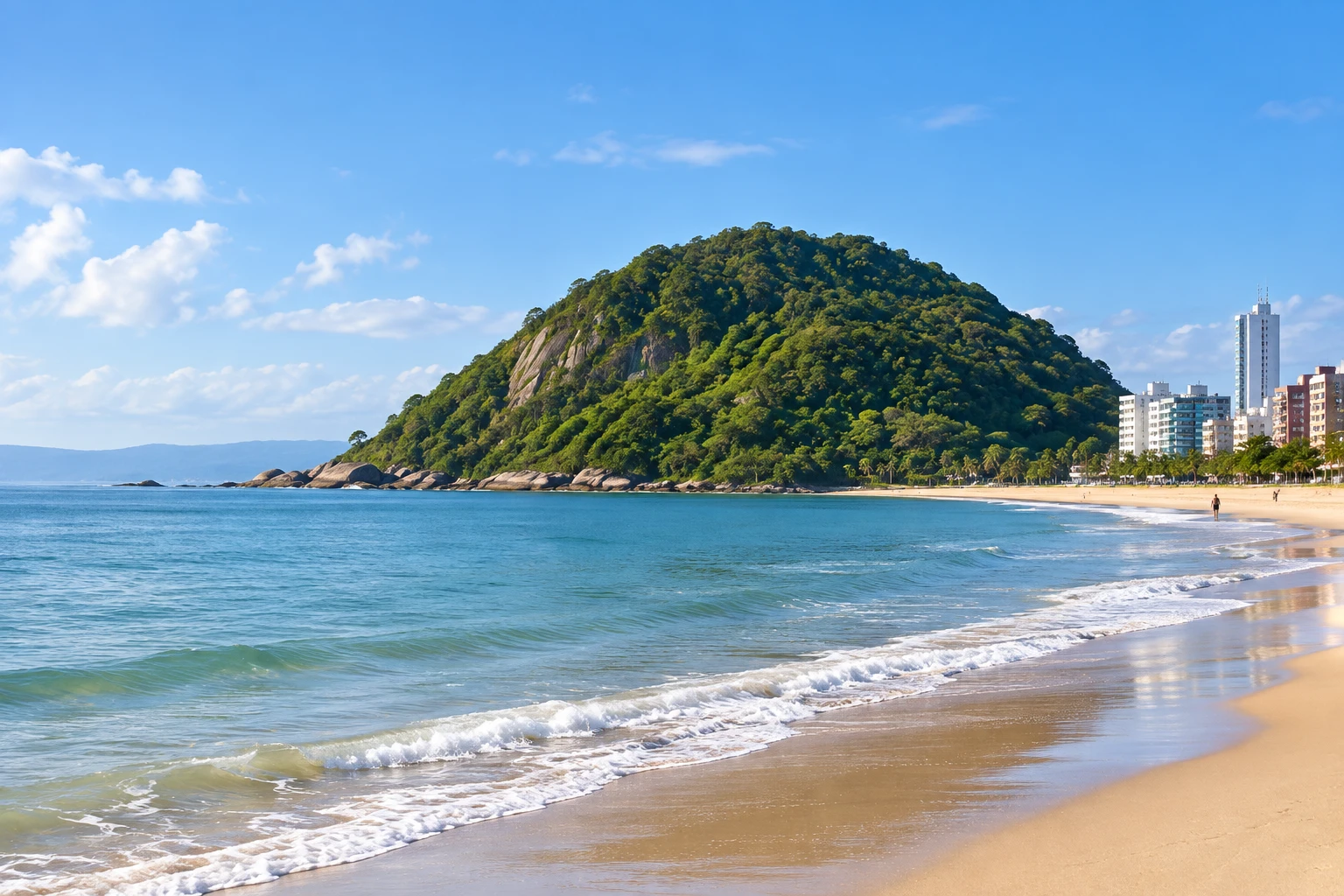
Matinhos brings together city beaches, rocky headlands and Atlantic Forest on the Paraná coast. Walks along the Caiobá waterfront and outings nearby reveal the contrast between the green hills and the sea.
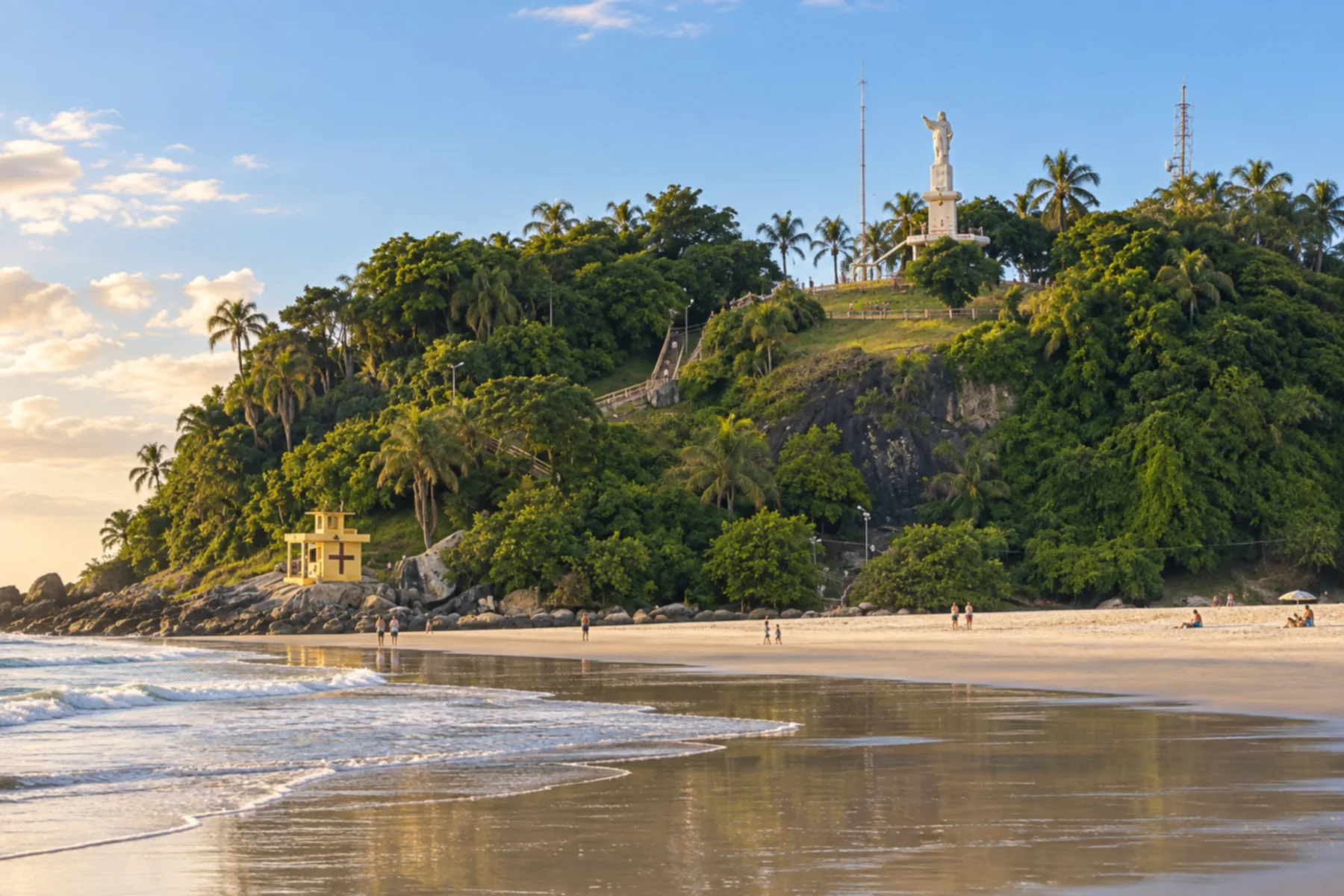
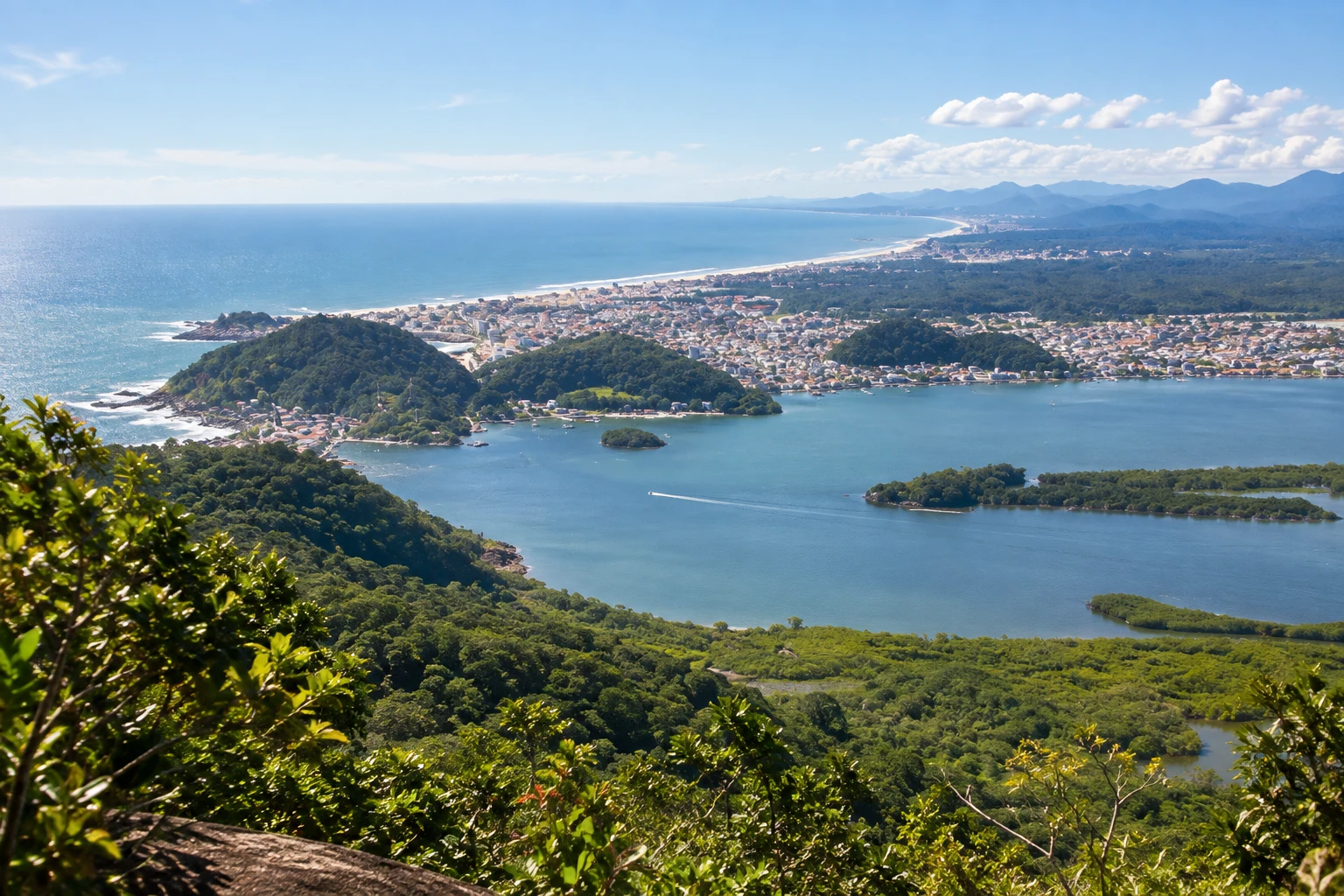
Guaratuba combines a bay surrounded by greenery with beaches facing the Atlantic. You can walk along the waterfront, climb Morro do Cristo and explore the inland waters.
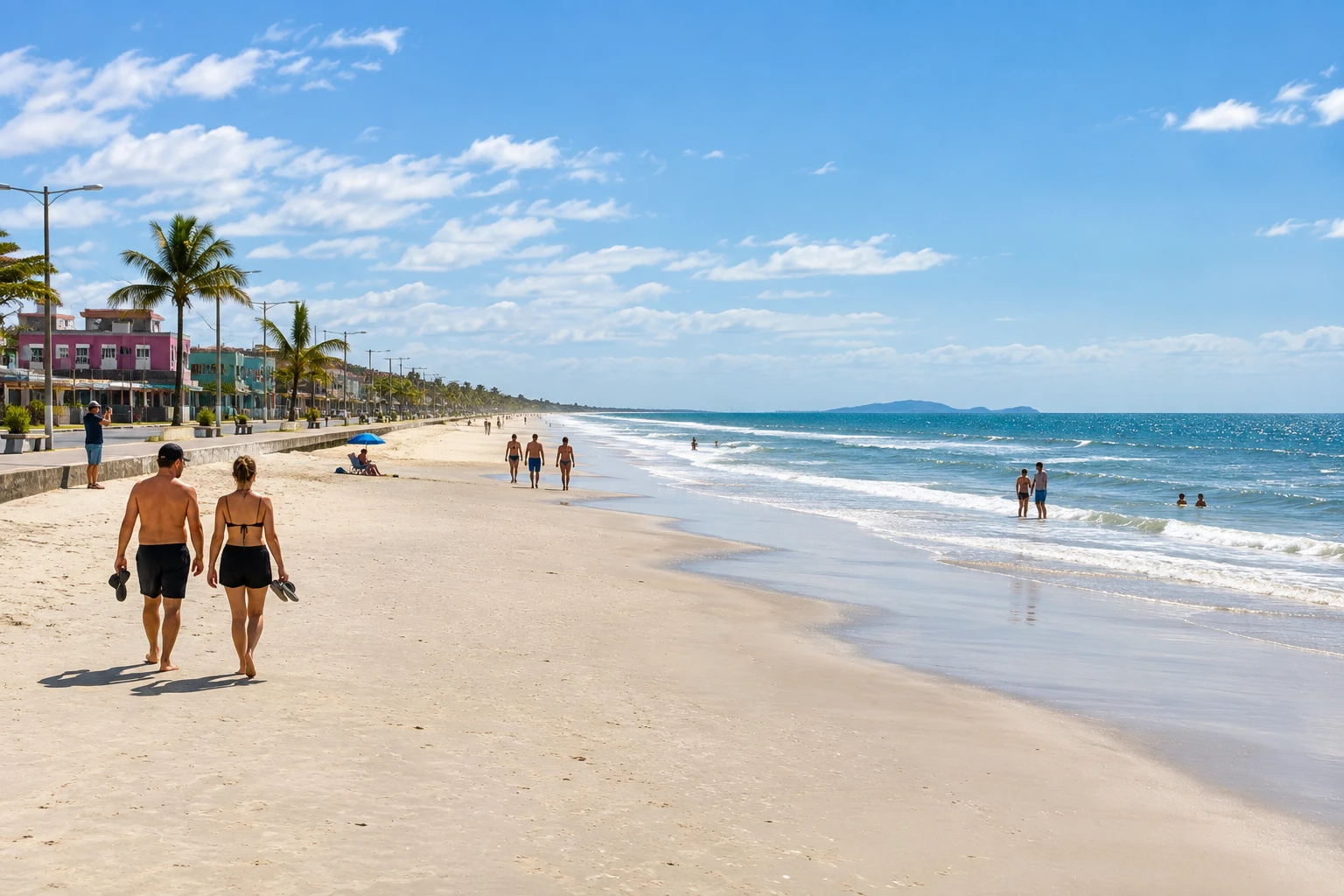
Pontal do Paraná has a long strip of beaches and coastal scrubland on the state's coast. You can stroll through the beach towns and board a boat in Pontal do Sul to visit Ilha do Mel.
Guaraqueçaba lies among the bay, mangroves and vast stretches of Atlantic Forest on the Paraná coast. Walks along the waterfront and boat trips bring you close to the landscape and the coastal communities.
The local experience
Listed as national heritage by Iphan in 2012, it gathers mansions and warehouses from the days when the port shipped out erva-mate (yerba mate), such as the Armazém Macedo. The ensemble also includes the Fonte da Carioca (fountain), the 1916 railway station and the Theatro Municipal.
Discover Centro Histórico de Antonina
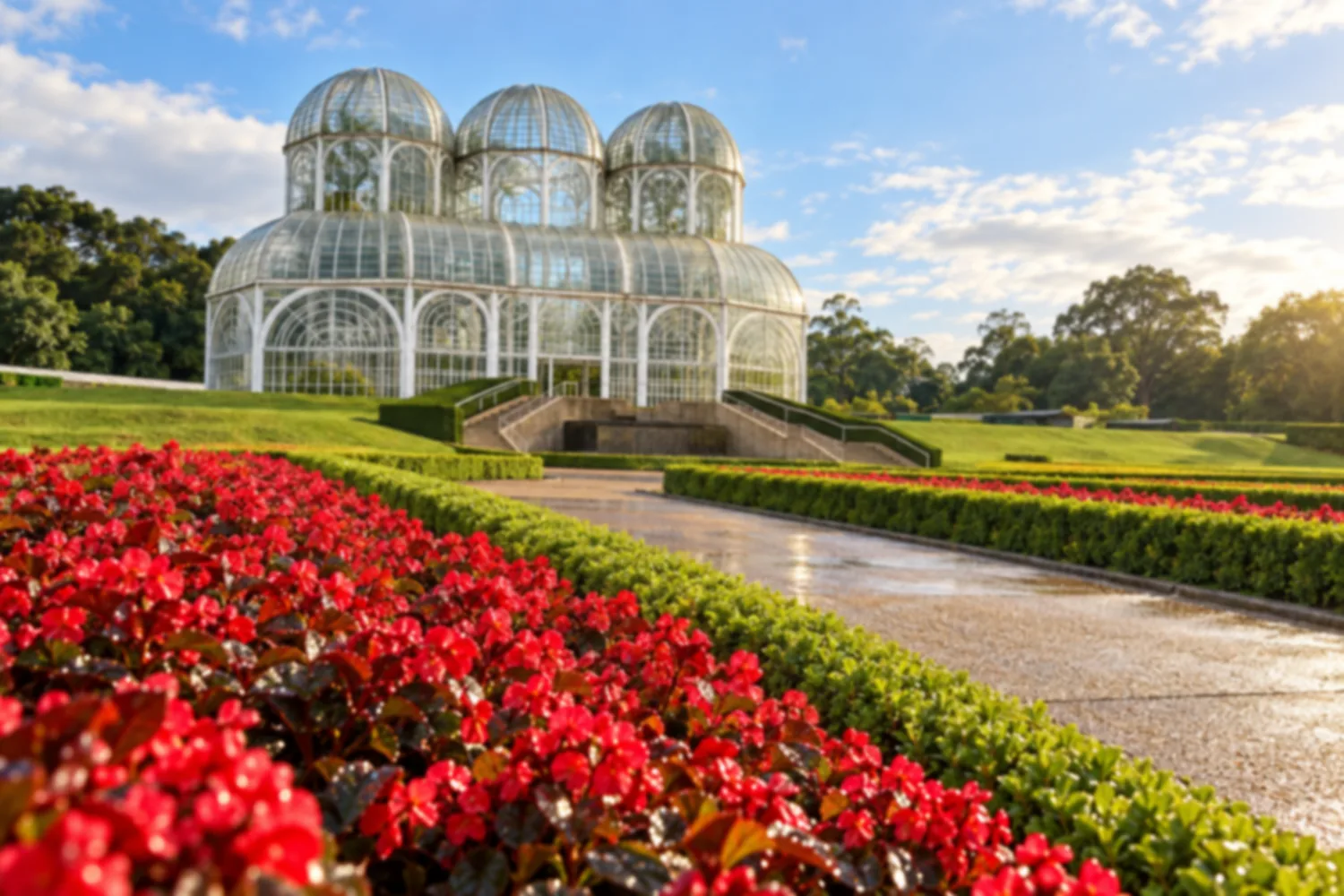
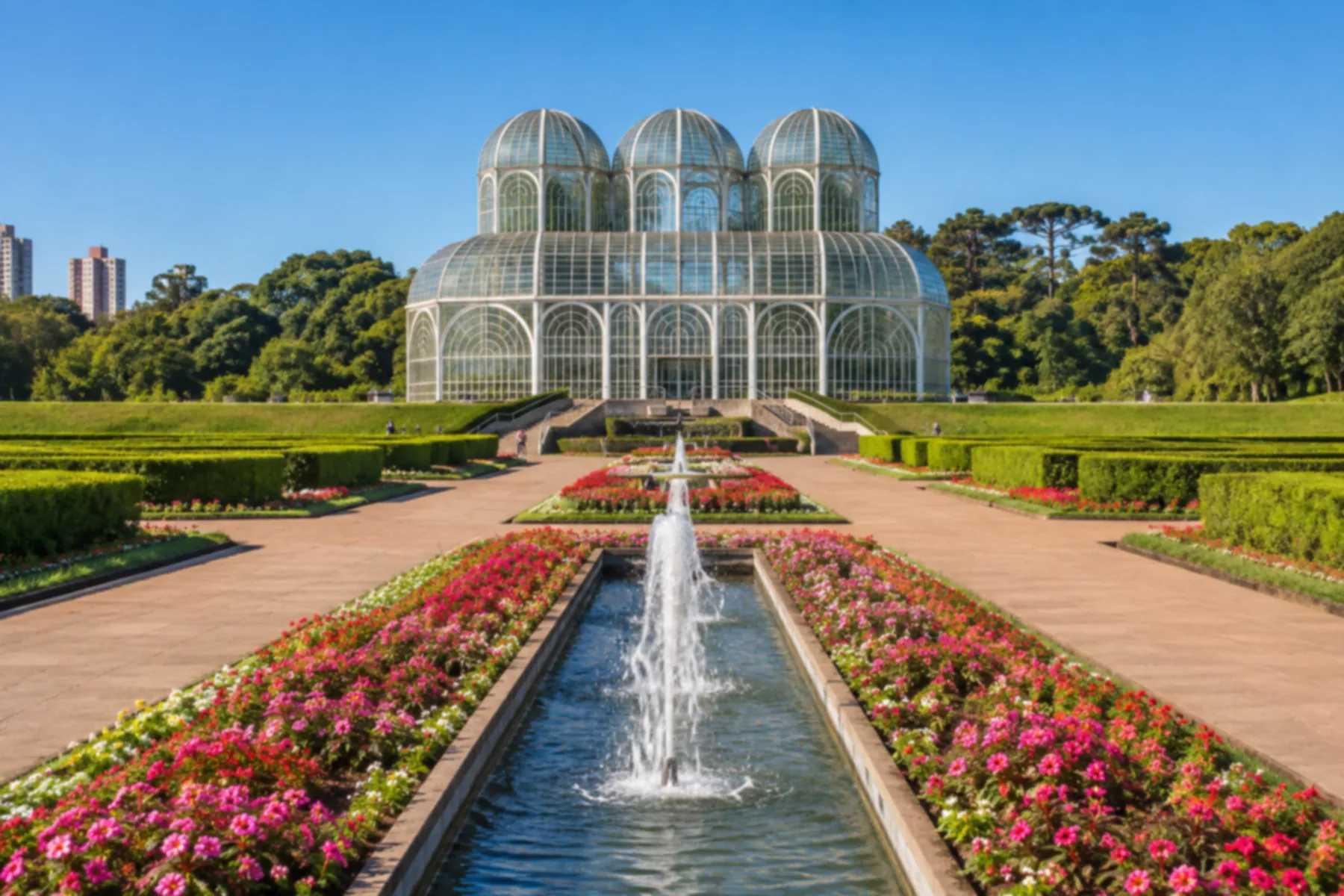
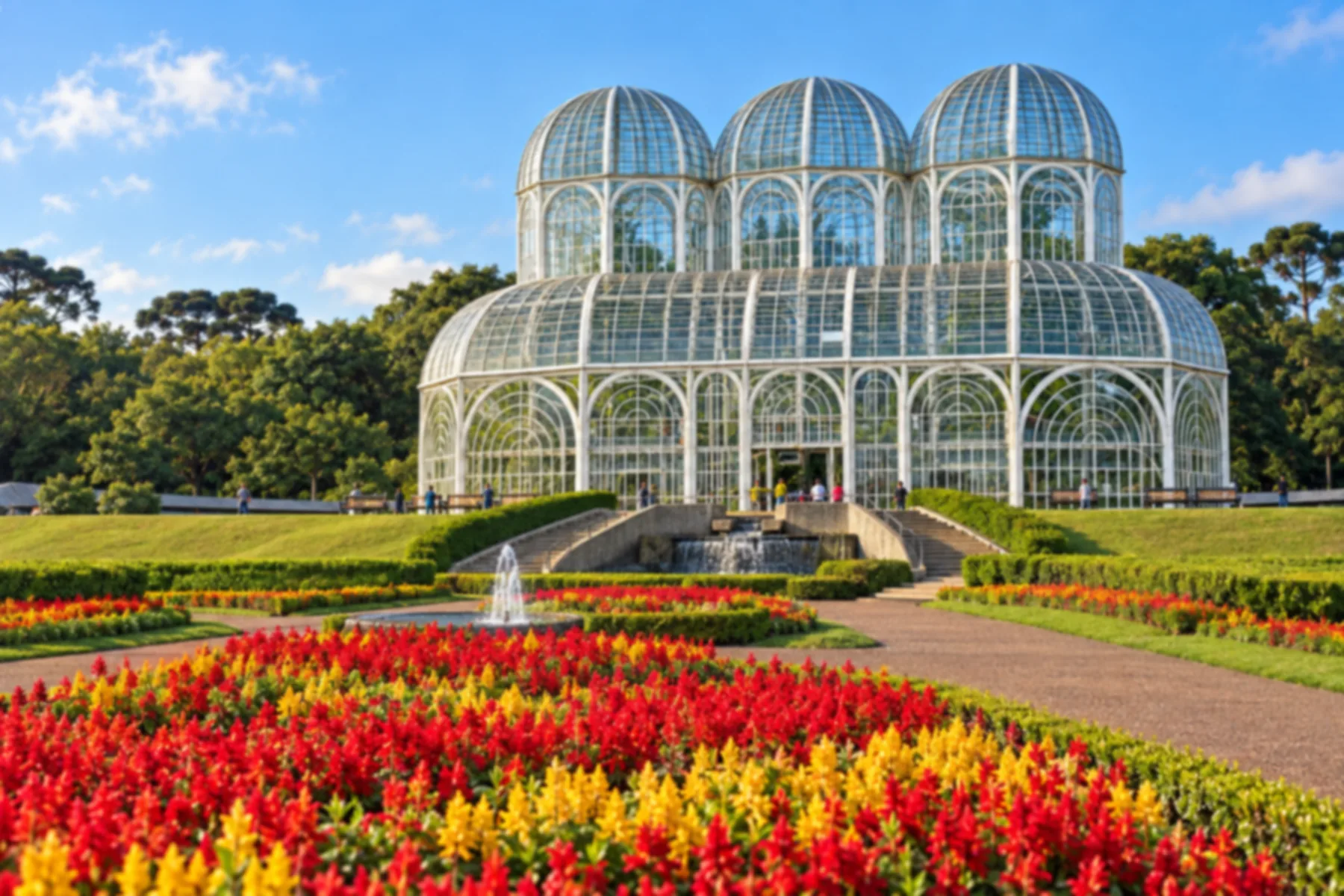
The city's best-known landmark, with its metal-and-glass greenhouse in front of geometric French-style gardens. It has a botanical museum and the Jardim das Sensações, designed to be explored blindfolded.
Discover Jardim Botânico de Curitiba
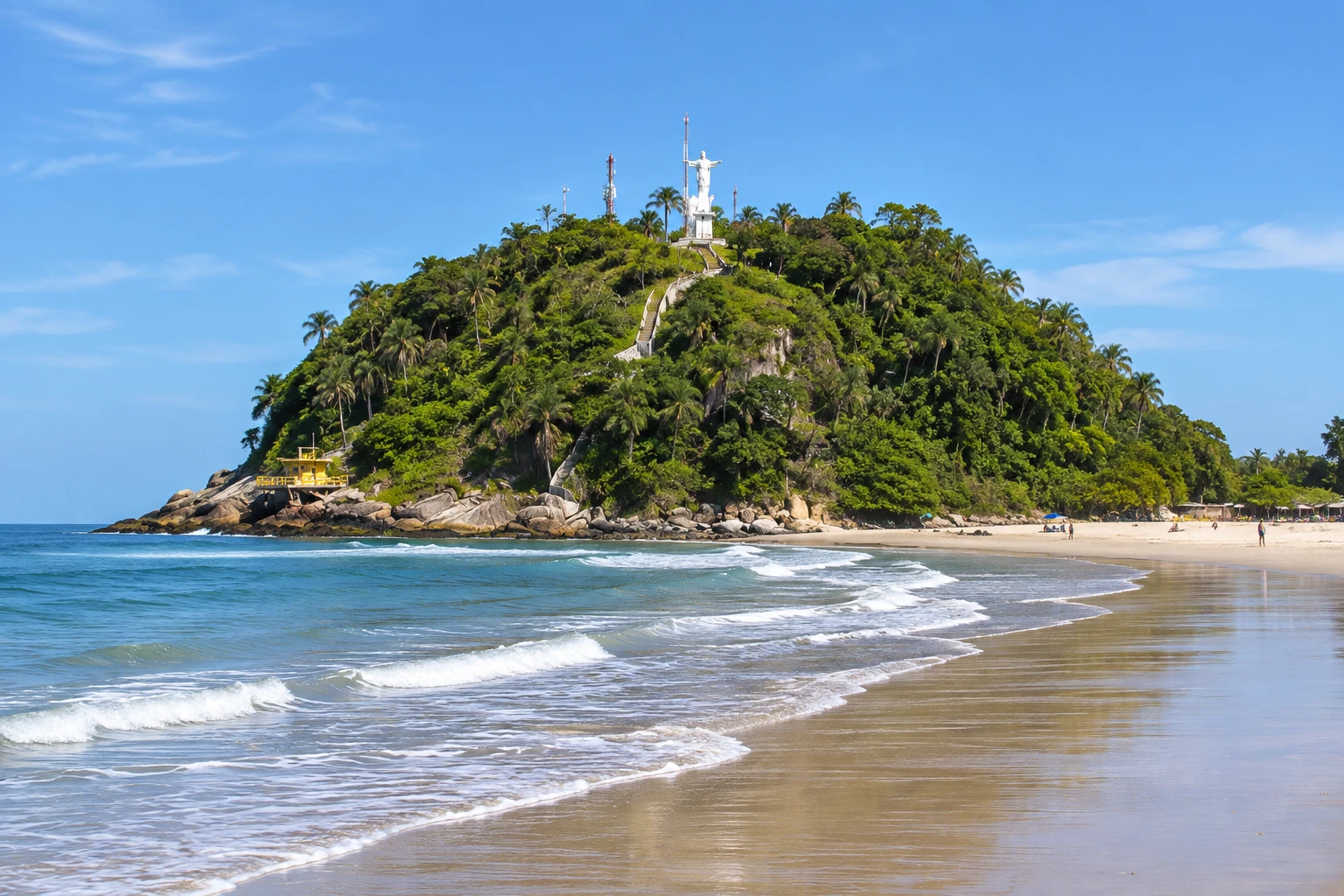
A hill at the southern end of the central waterfront, next to Praia de Brejatuba (beach), topped by a statue of Christ the Redeemer that has become a symbol of the town. A stairway of 197 steps leads to the top, a natural viewpoint overlooking the beaches.
A beach town facing the Baía de Paranaguá, with calmer water than the town's open-sea beaches. It is where boats leave for Ilha do Mel, and pods of dolphins are often seen in the area.
Sheltered by a cove about 1 kilometer long, it has a wide strip of sand and calm, shallow water, at the mouth of the Baía de Guaratuba. The trail up Morro do Boi starts at the end of the beach.
Discover Praia Mansa de Caiobá
A private Atlantic Forest reserve of about 2,250 hectares, run by the Fundação Grupo Boticário and open to visitors since 1996. Trails lead to the Salto Morato, a waterfall about 100 meters high, and to a fig tree whose roots span the Rio do Engenho.
Discover Reserva Natural Salto Morato
The second-largest bay in Paraná, about 48 square kilometers, it receives 16 rivers and is dotted with islands and mangroves in an environmental protection area. The ferry crossing to Caiobá offers a wide view of the water and the mountains.
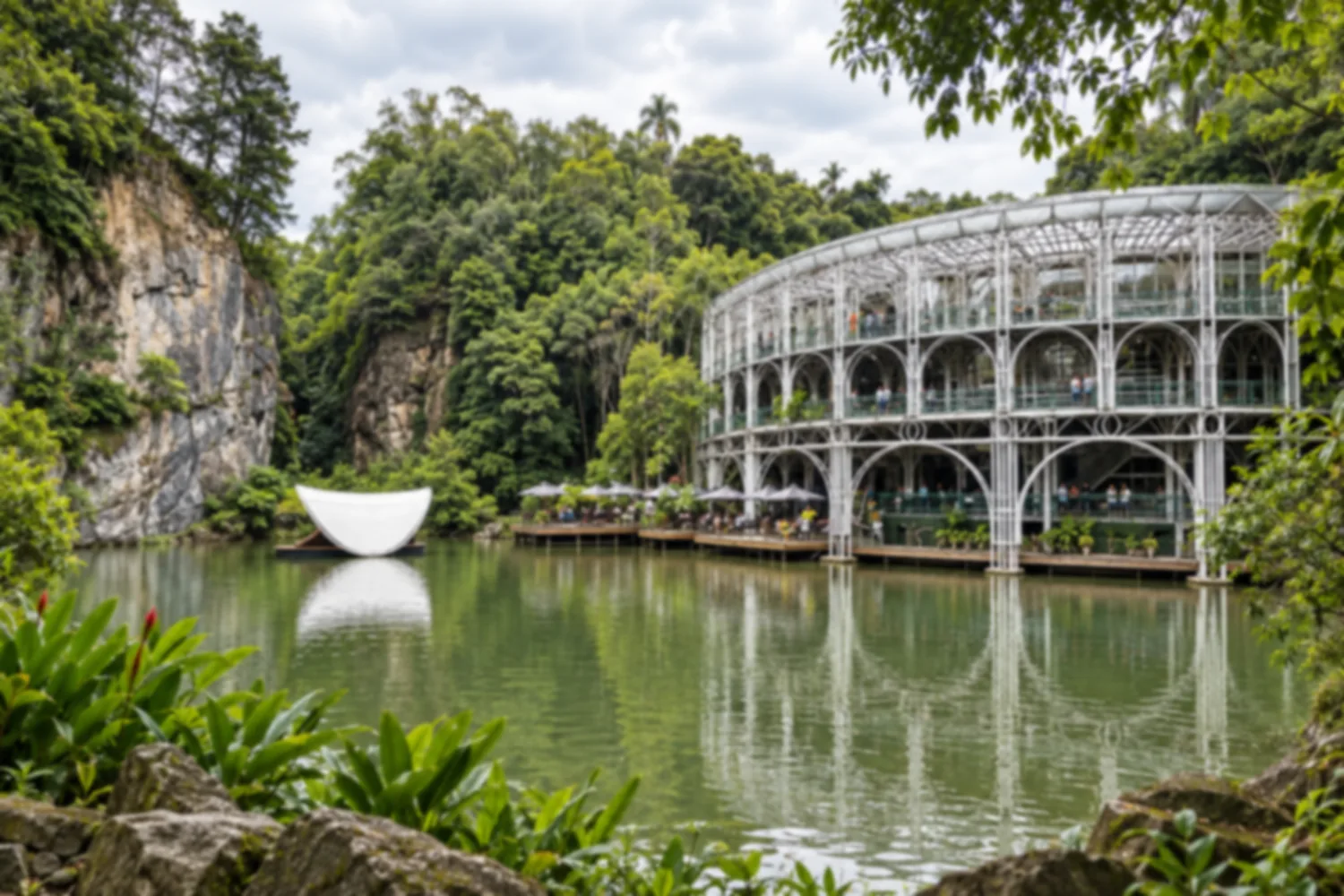
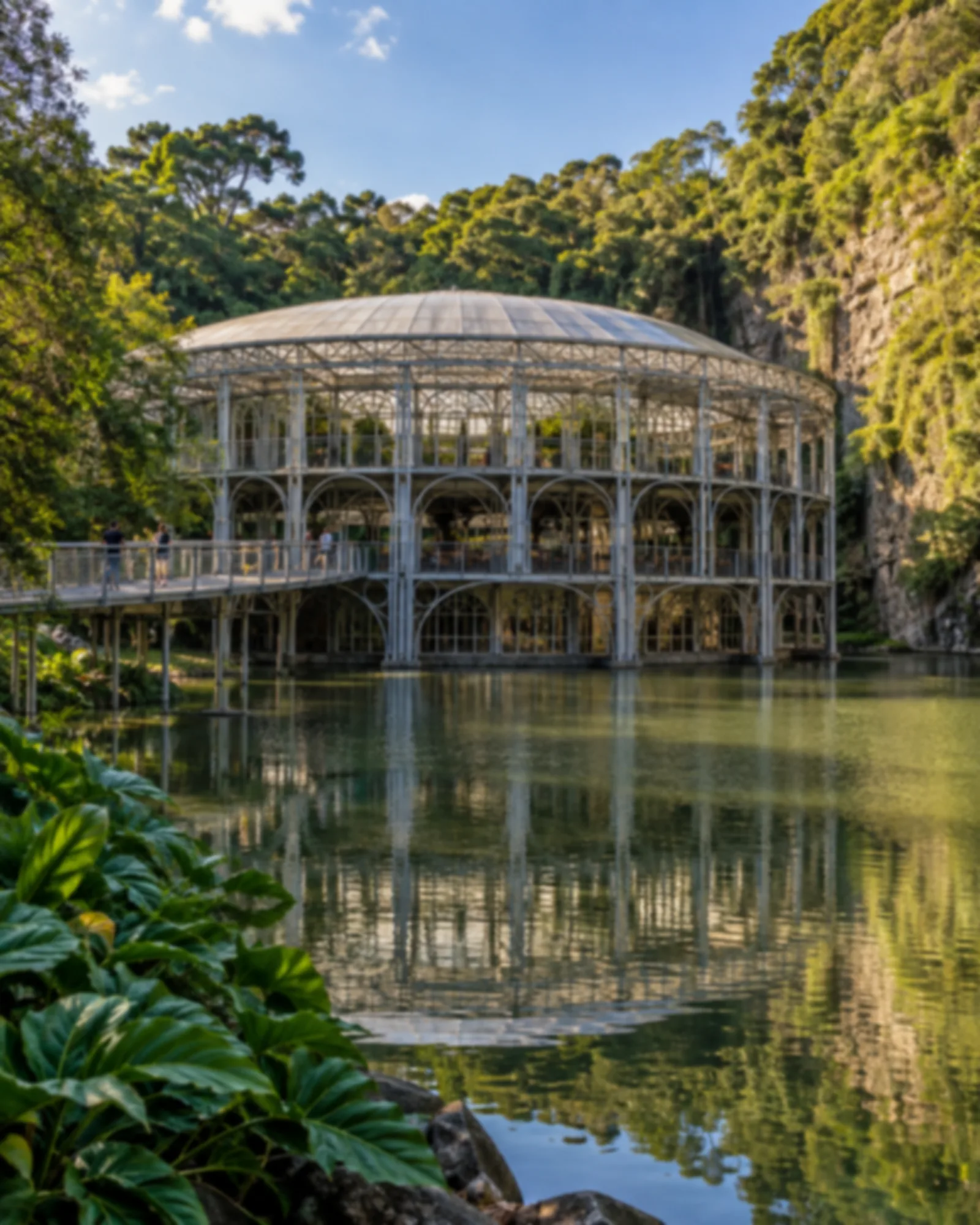
A theater with a tubular frame and a transparent roof built over a lake, inside a former quarry. The setting of forest and water around it makes the building an attraction in itself.
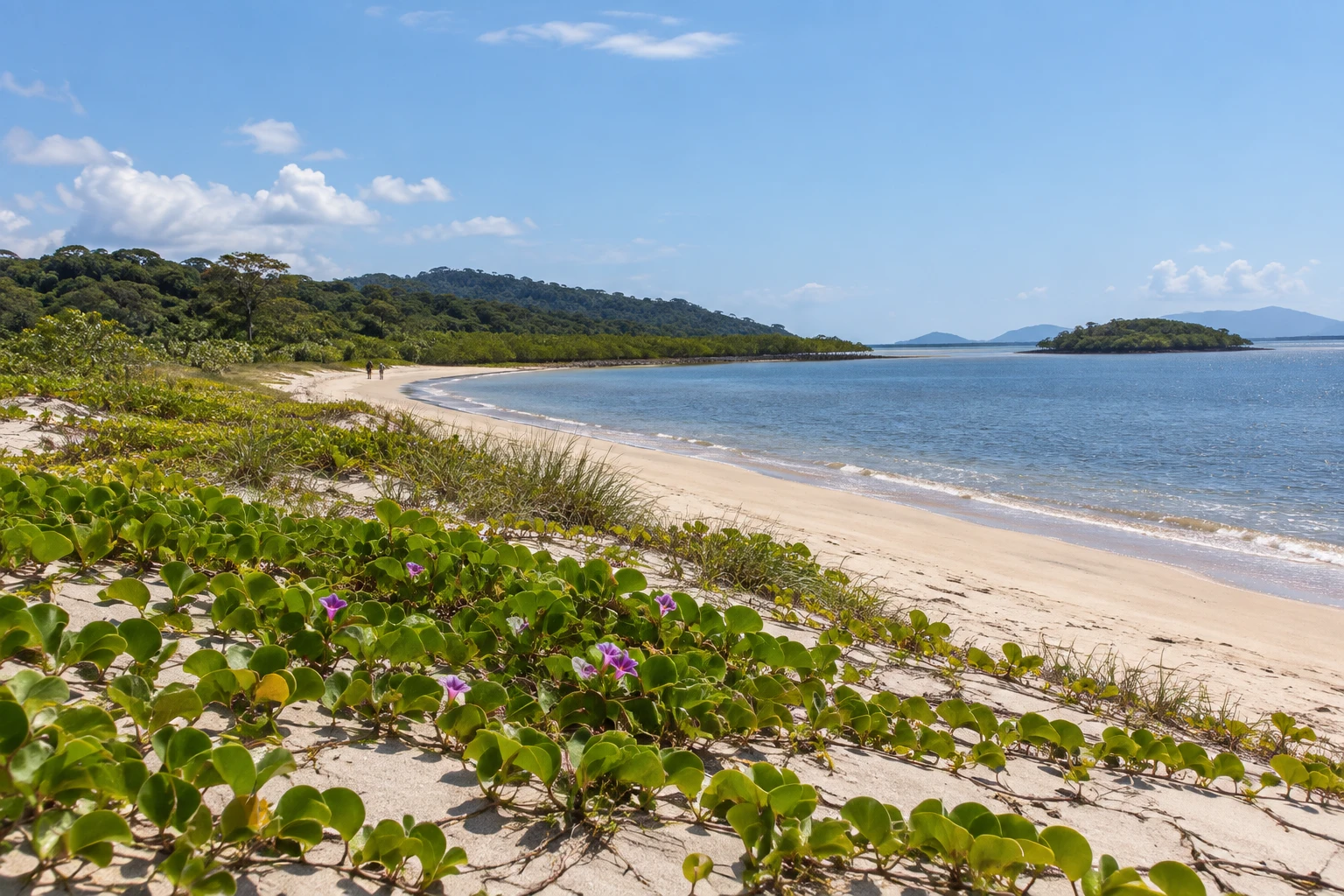
Created in 1989 and managed by ICMBio, it protects islands, bays, mangroves and coastal scrub and is part of the World Natural Heritage site recognized by UNESCO in 1999. It is home to the black-faced lion tamarin, and its Praia Deserta (beach) stretches for about 38 kilometers of sand.
Discover Parque Nacional do Superagui
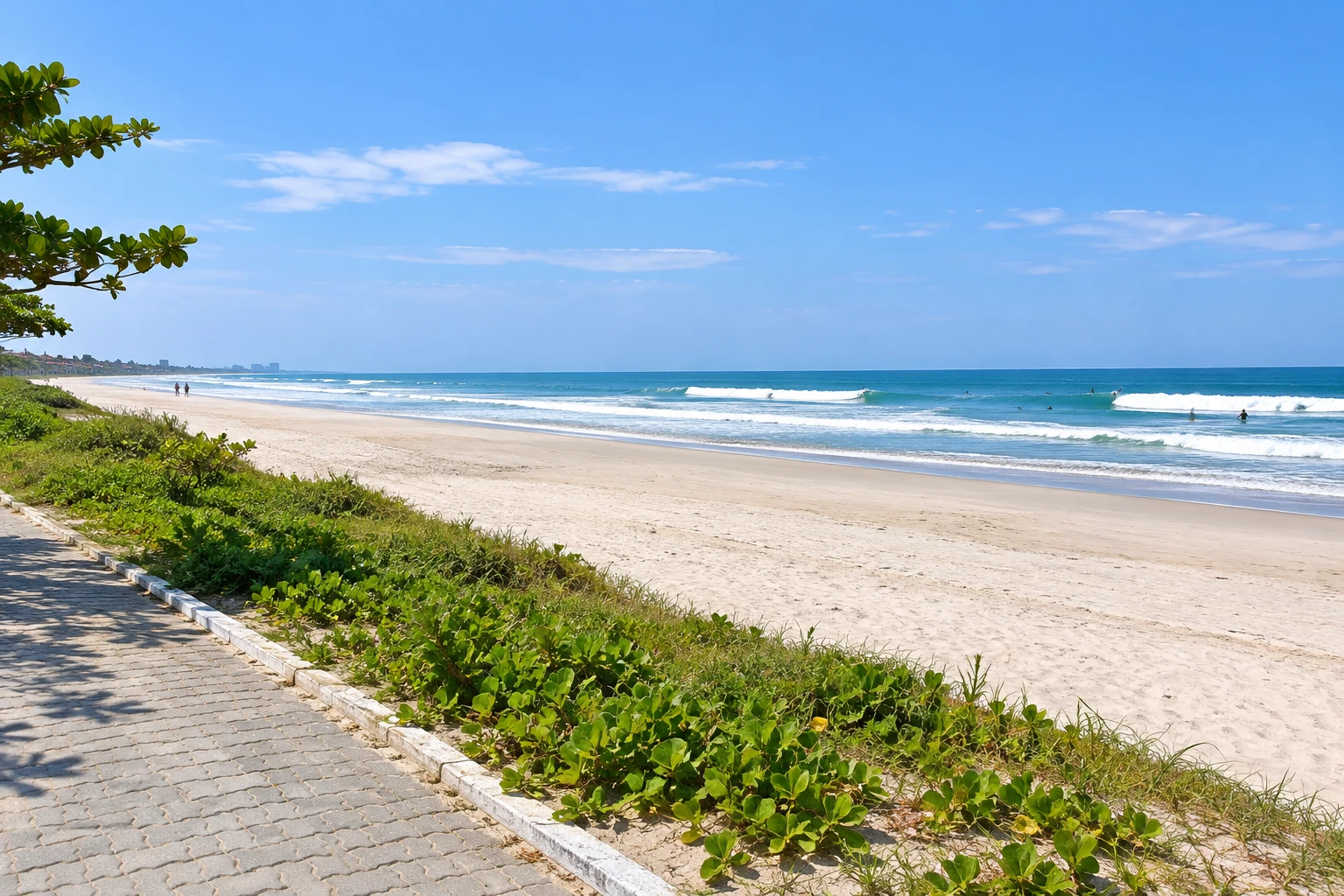
About 1.4 kilometers long between Morro do Boi and Pedra de Matinhos, it has moderate waves and hosts surf contests. The waterfront is built up, with a promenade along the sand.
Discover Praia Brava de Caiobá
An open-sea beach area on the ocean front, one of the most popular stretches for surfers on the Paraná coast. It is part of the town's roughly 23 kilometers of coastline, divided into dozens of beach areas.
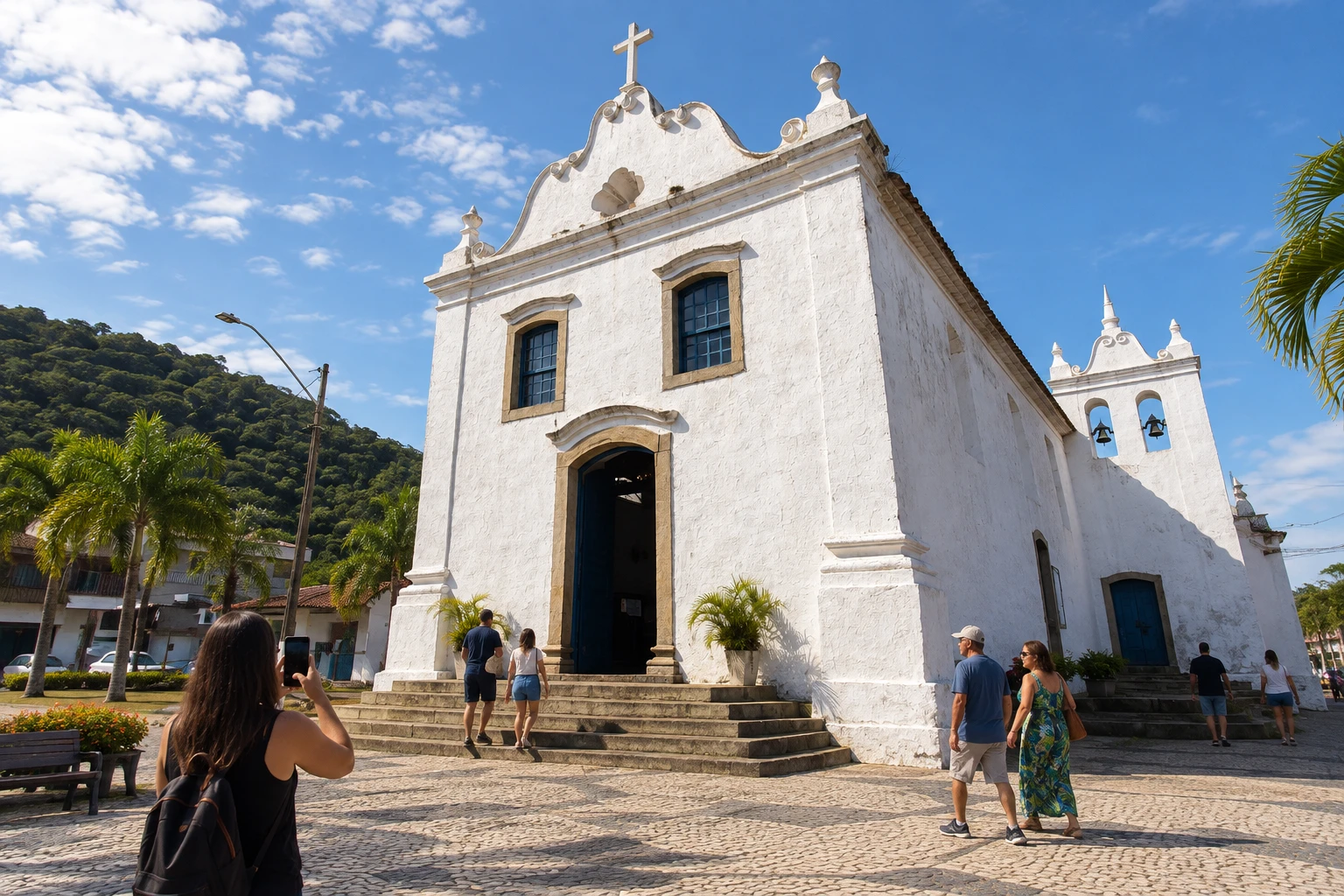
With a main chapel opened in 1715 and expanded several times, it is among the oldest churches in Paraná and was the original core of the settlement. Listed by the state in 1999, it is on Praça Coronel Macedo, in the historic center.
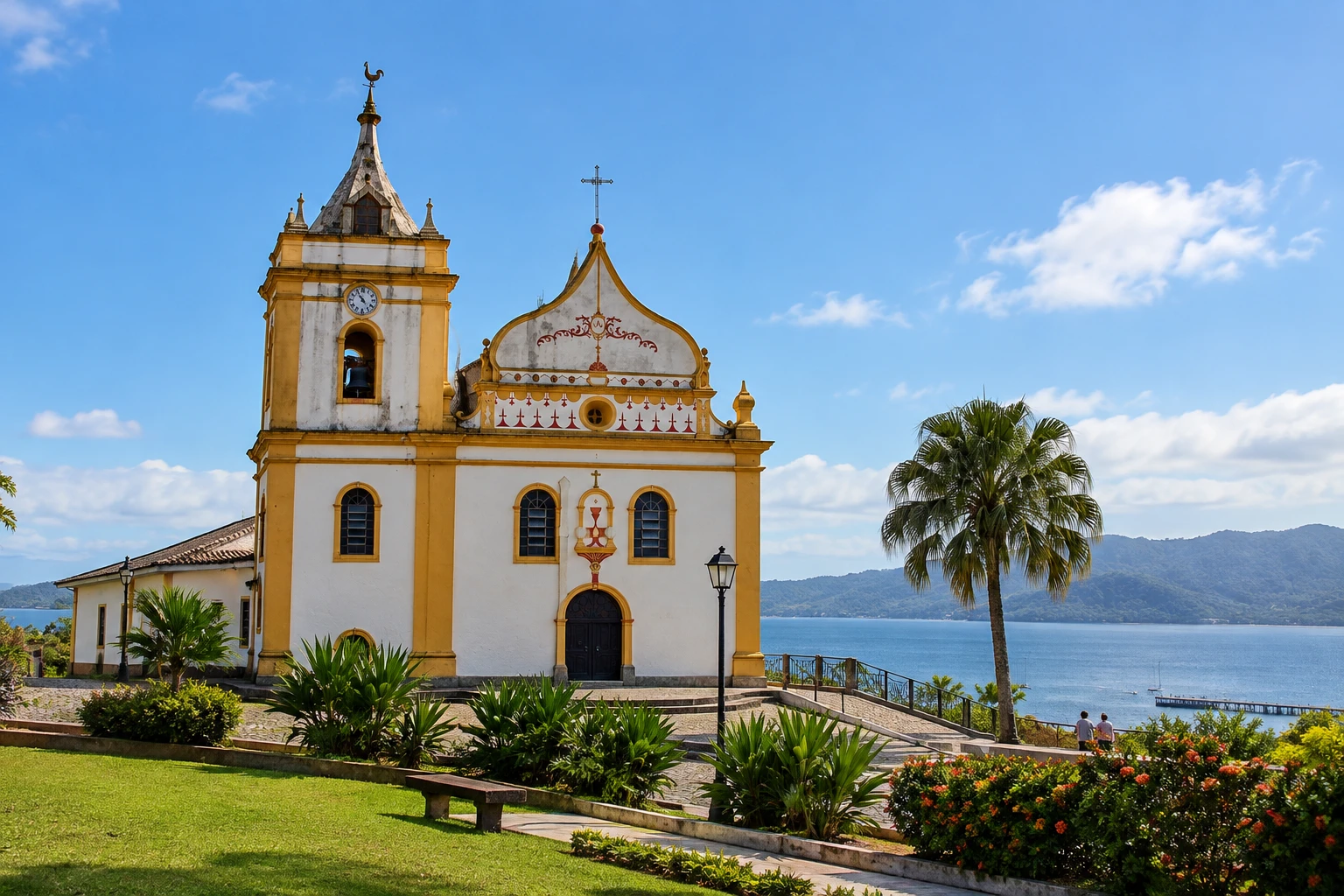
Discover Santuário de Nossa Senhora do Pilar
Listed by Iphan in 2009, it was the first historic center in Paraná recognized as national heritage and is the oldest part of the city. It includes Rua da Praia, the old Colégio dos Jesuítas and the Rosário and São Benedito churches.
Discover Centro Histórico de Paranaguá
Built in 1838 in colonial style, with thick stone walls, it is said to be the first building erected in the town center. Dedicated to Senhor Bom Jesus dos Perdões, the church is the oldest historic landmark in the small town.
About 160 meters high, it separates Caiobá's Mansa and Brava beaches. The trail starts at the end of Praia Mansa, passes the small Praia dos Amores (beach) and leads to a summit with a panoramic view of the coast.
About 455 meters high, on the shore of the bay, it has trails with views of the Atlantic Ocean. The Cabaraquara area, at the foot of the hill, is known for tastings of oysters farmed in the bay.
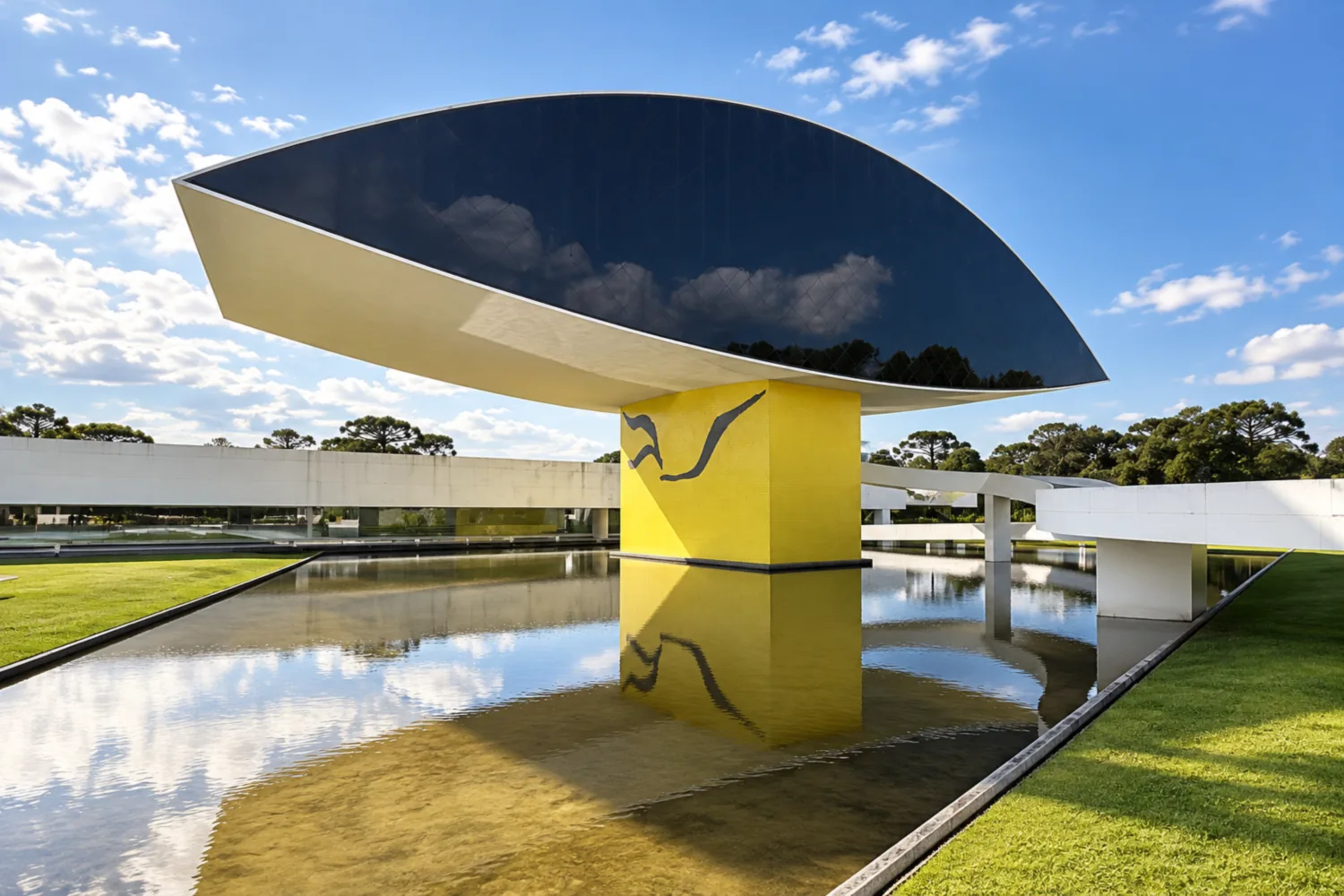
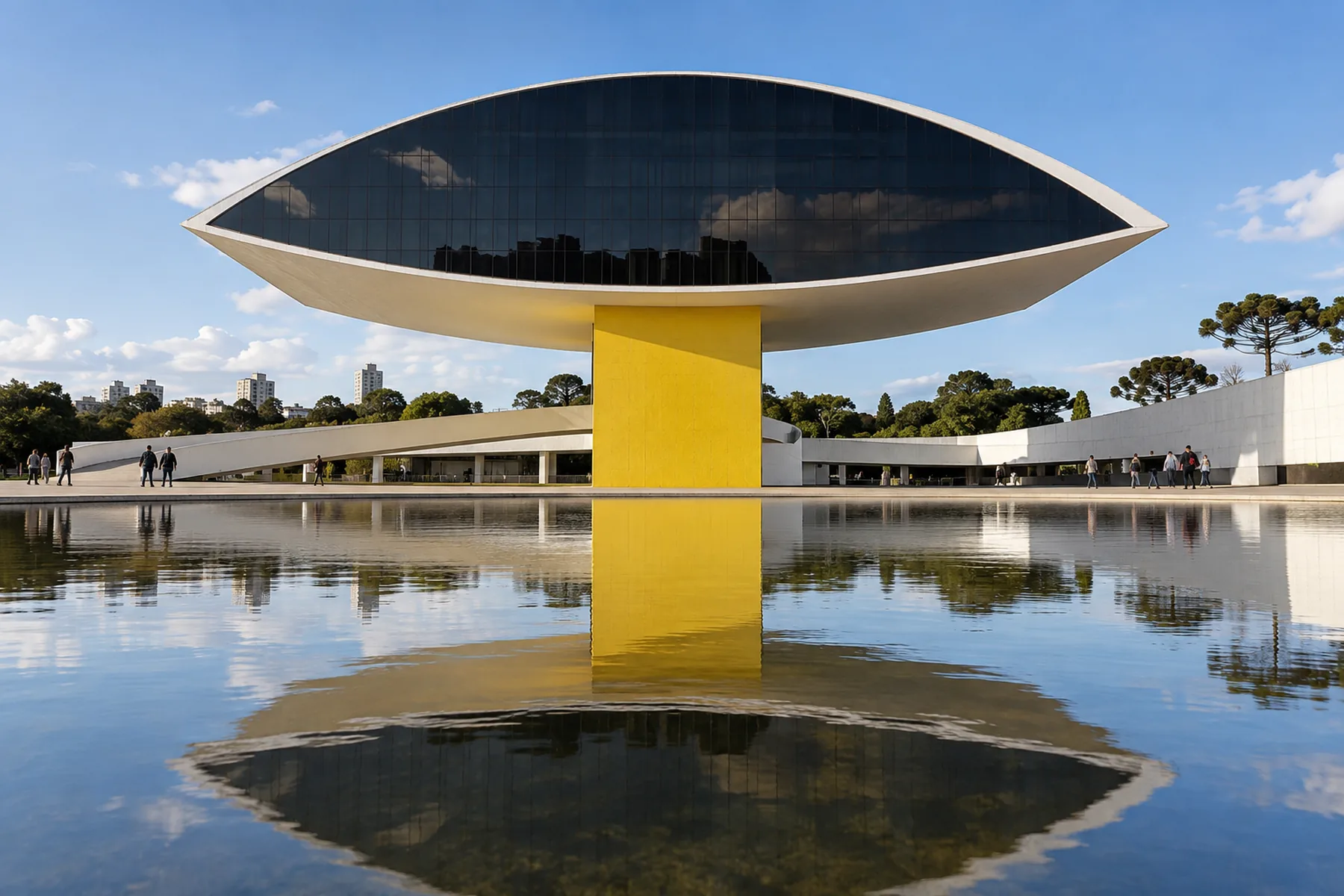
Known as the Museu do Olho for the shape of the annex designed by Niemeyer, it hosts art, architecture and design exhibitions. It is one of the largest exhibition spaces in Latin America.
The town's most built-up beach area, with a seafront promenade and shops clustered near the beach. It draws big crowds of vacationers in season, from December to March.
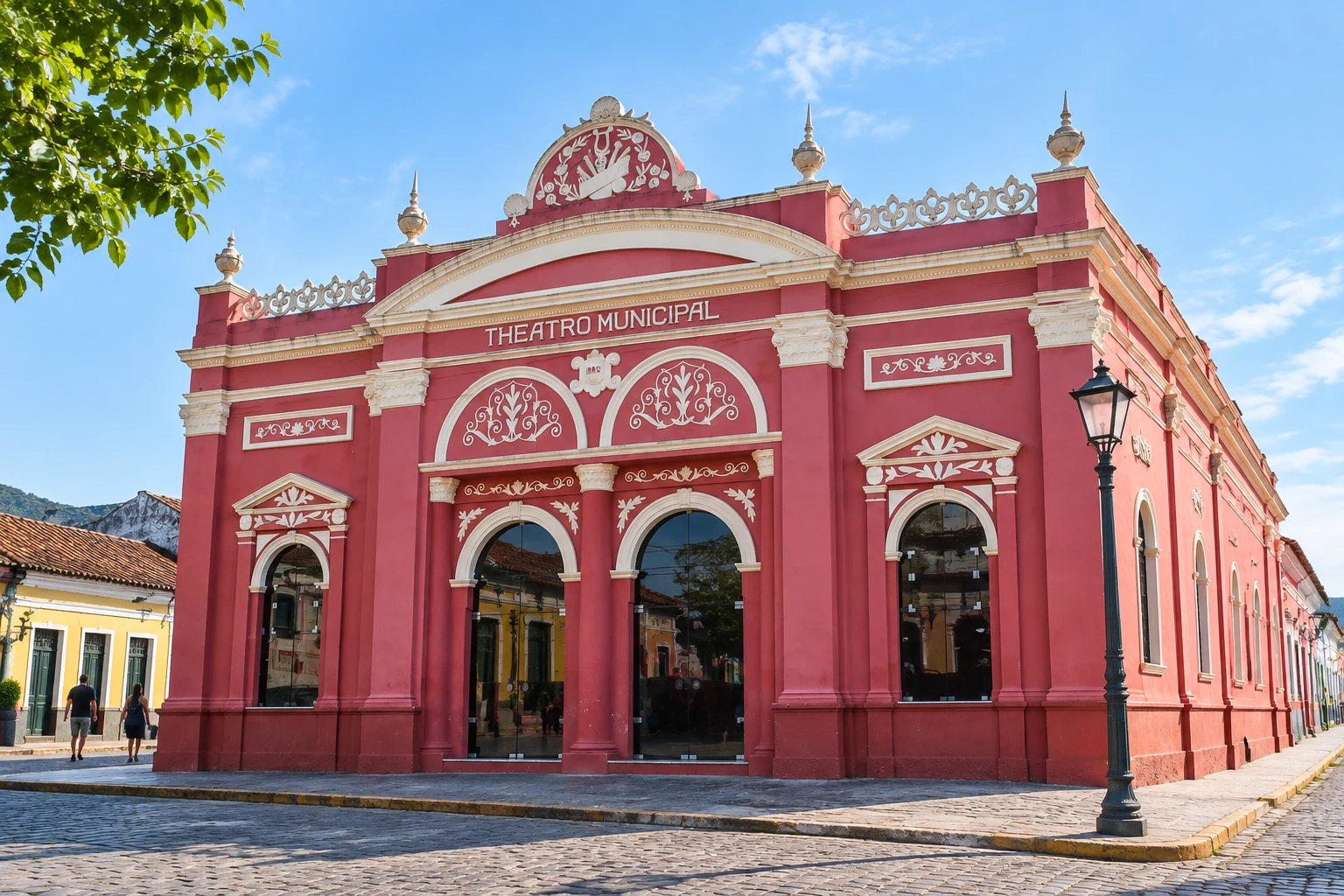
Founded in 1875 by a local theater society and later acquired by the town, it has a richly ornamented eclectic facade that reflects the town's economic heyday. In 1933 it hosted a performance by Carmen Miranda and Ary Barroso, who came ashore from a ship calling at the port.
Discover Theatro Municipal de Antonina
Built in the 18th century and listed as state heritage in 1938, it bears witness to the colonial period of the old village, founded in 1771. Inside are a hand-carved wooden altarpiece and a polychrome statue of the patron saint.
Discover Igreja Matriz de Nossa Senhora do Bom Sucesso
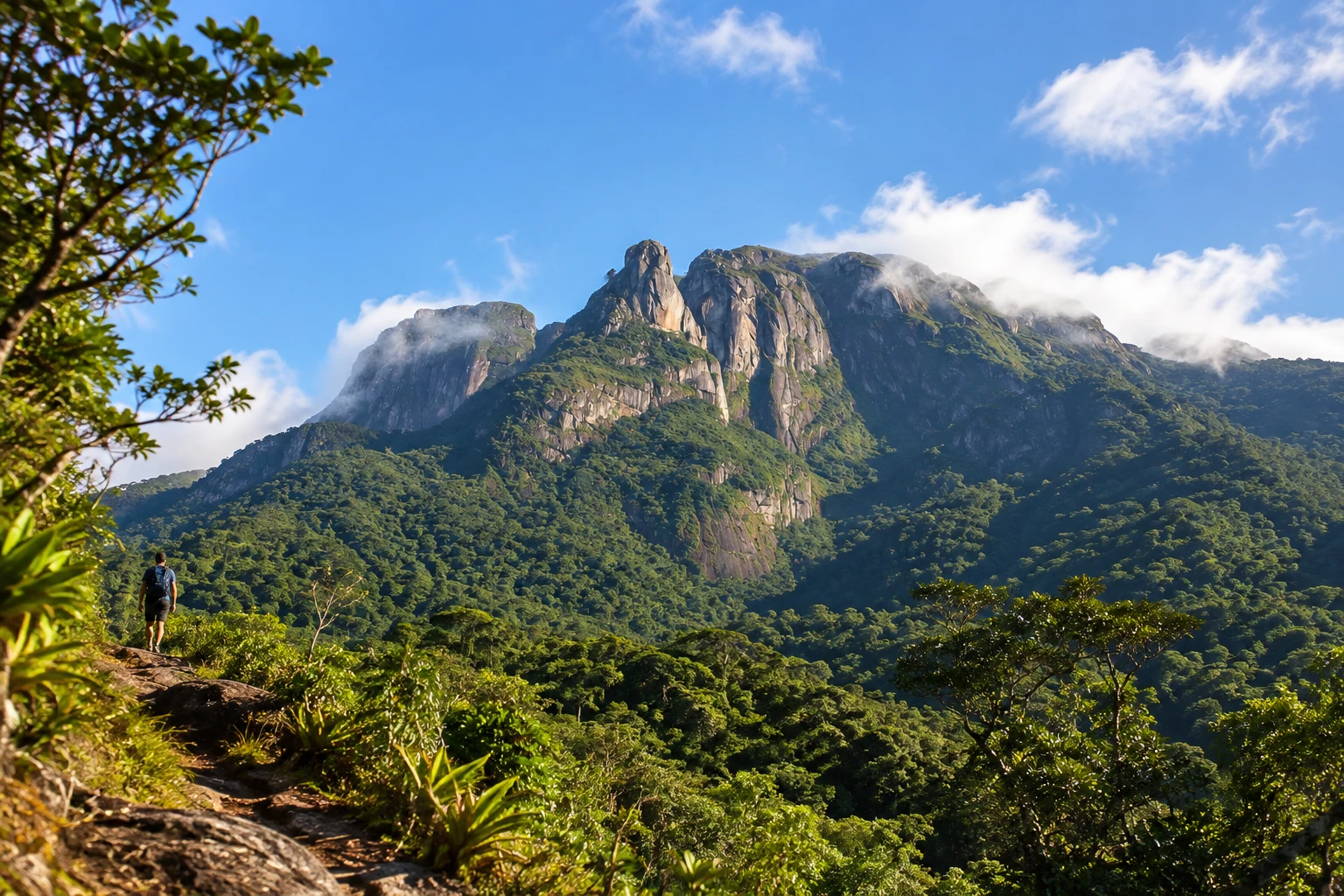
Created in 1990 in the Serra do Mar, it protects the Conjunto Marumbi, a group of nine peaks, the highest of which is Olimpo, at 1,539 meters. The first known ascent to the summit, in 1879, is considered the starting point of mountaineering in Brazil.
Discover Parque Estadual Pico do Marumbi
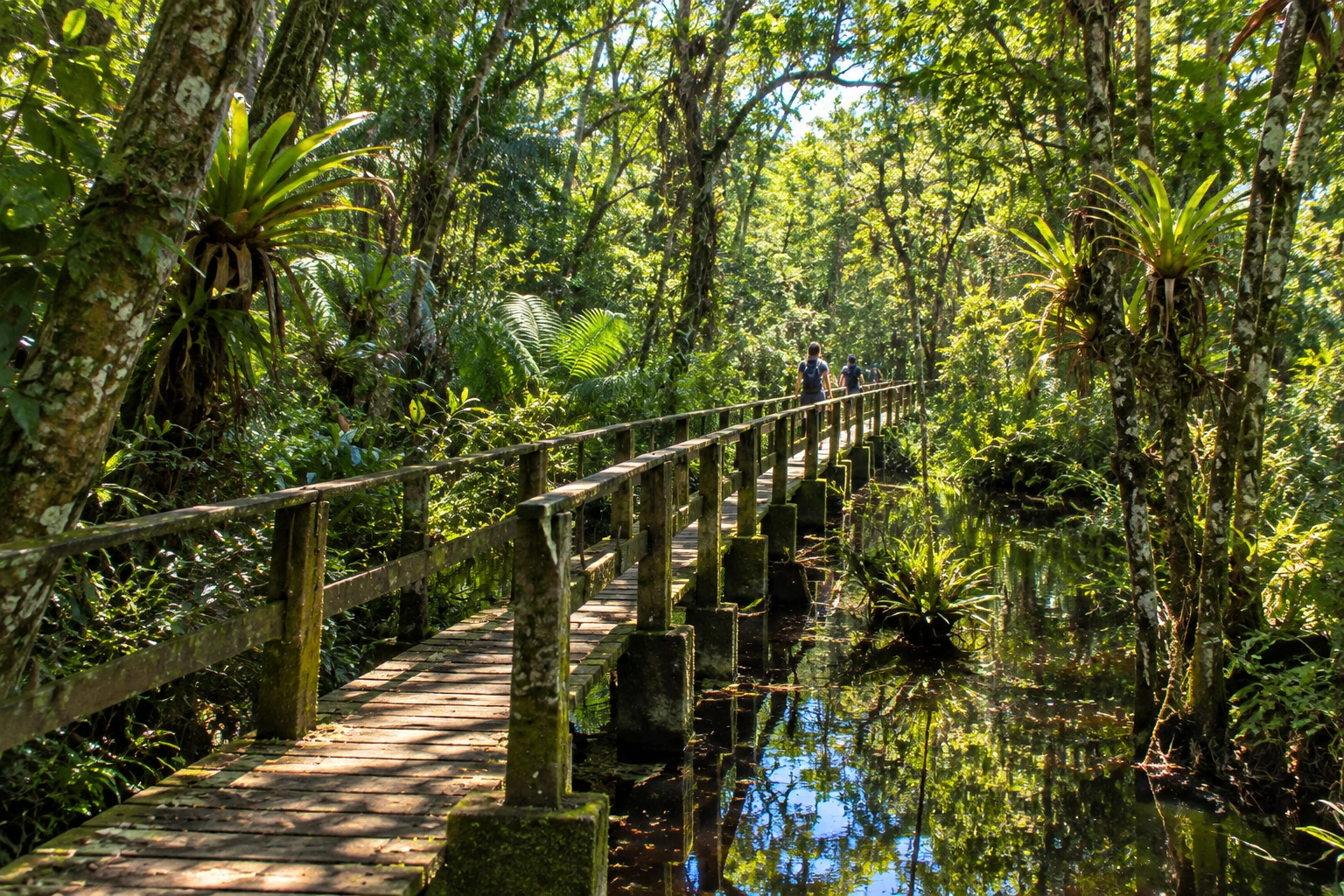
A protected area that preserves one of the last refuges of Atlantic Forest on the coast, rich in bromeliads and orchids. Five flat, interconnected trails form a 1.5-kilometer loop, with suspension bridges over wetlands and the Mirante das Bromélias.
Discover Parque Estadual Rio da Onça
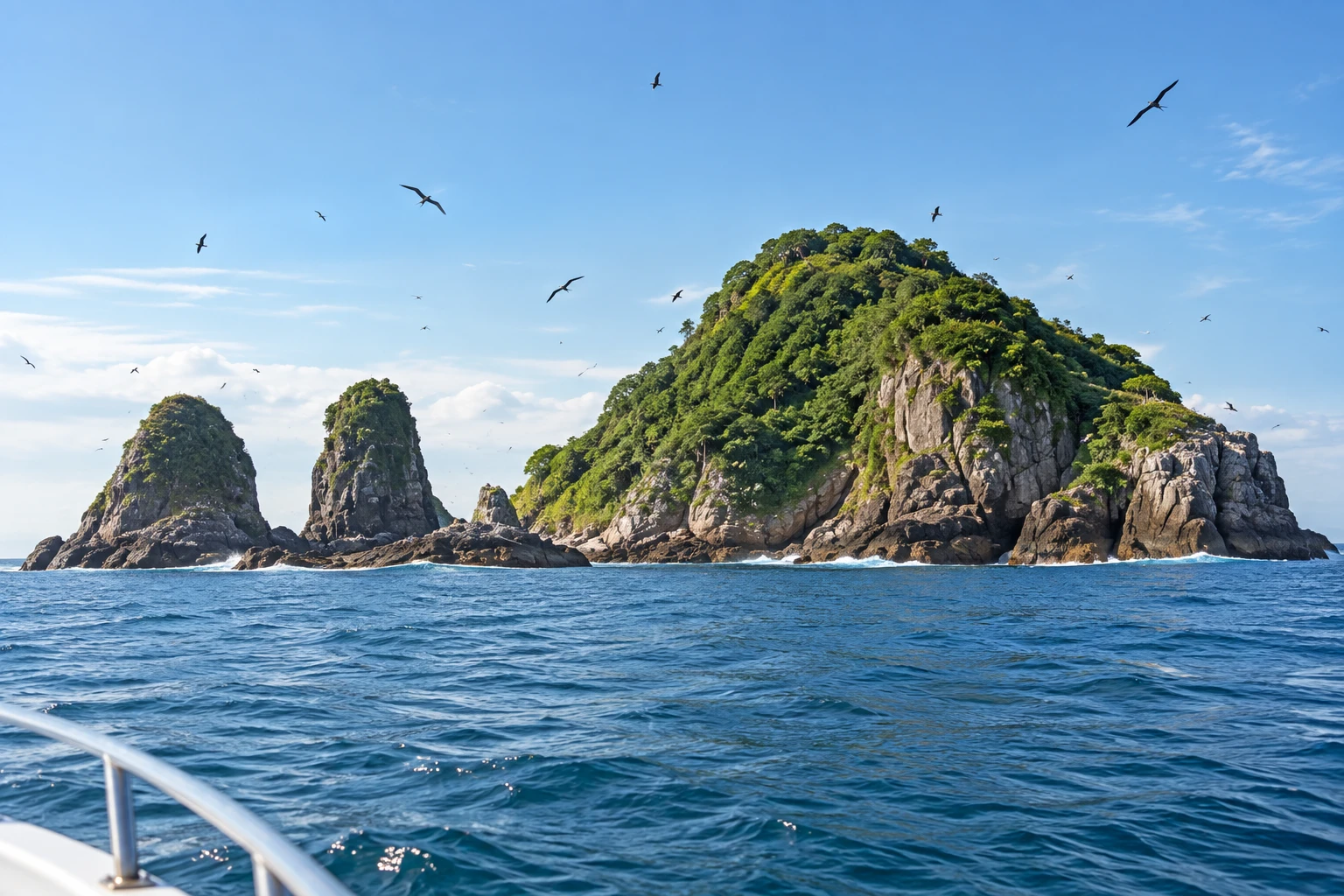
Made up of the Grapirá, Três Picos and Filhote islands, it holds one of the region's main frigatebird nesting colonies, as well as boobies, gulls and terns. Managed by ICMBio, it allows guided boat trips and diving, with landing only by permit.
Discover Parque Nacional Marinho das Ilhas dos Currais
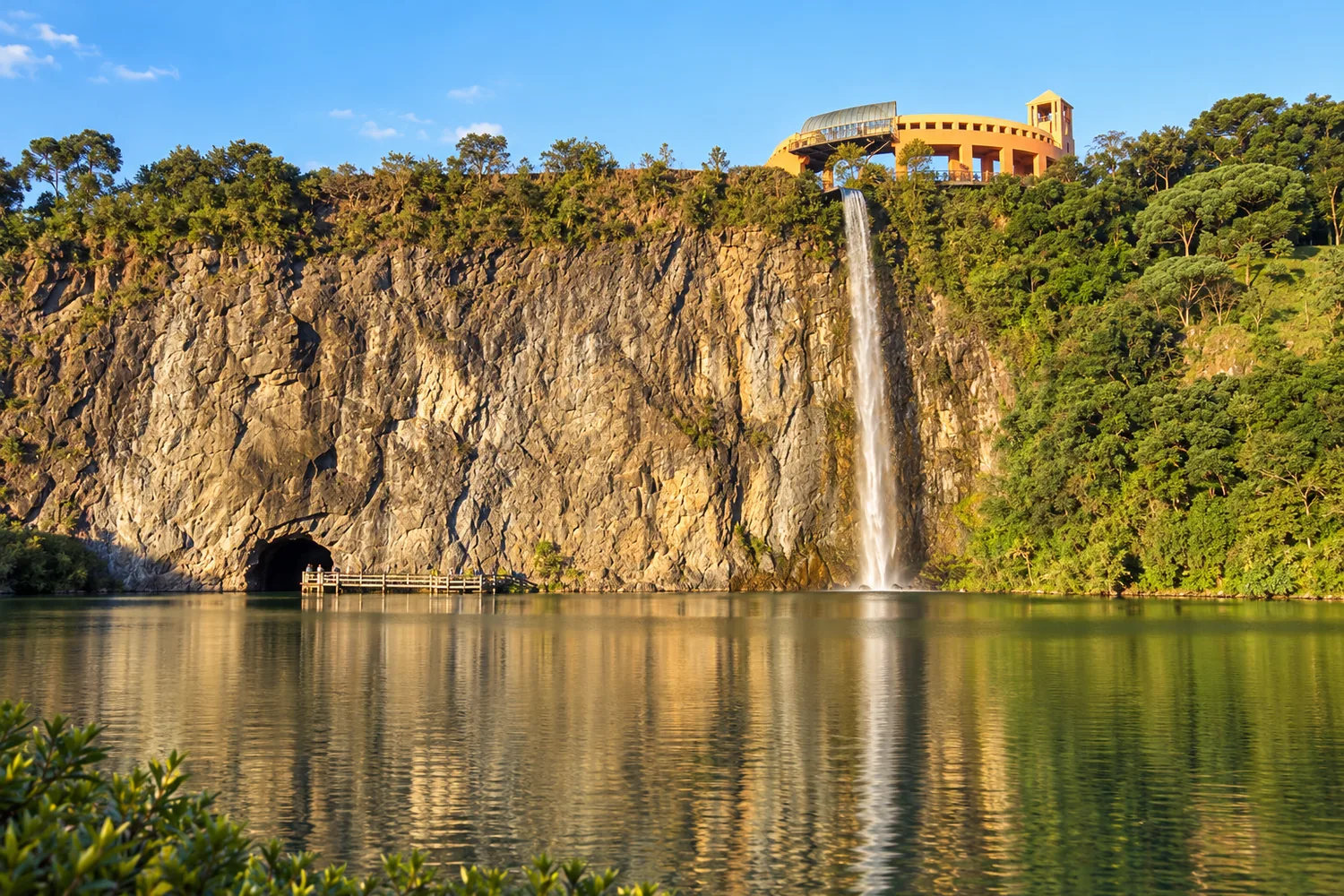
Opened in 1996, it occupies the site of two former quarries closed in the 1970s, between the Pilarzinho and Taboão neighborhoods. It has a lake, an artificial tunnel and a viewpoint in the Jardim Poty Lazzarotto (garden), about 65 meters above the lower lake.
A rock formation jutting into the bay, where the waters of the Atlantic meet the slopes of the Serra do Mar, popular for fishing and taking in the view. The name comes from a plant fishermen used to make net floats, and there are remains of a sambaqui (shell mound) on site.
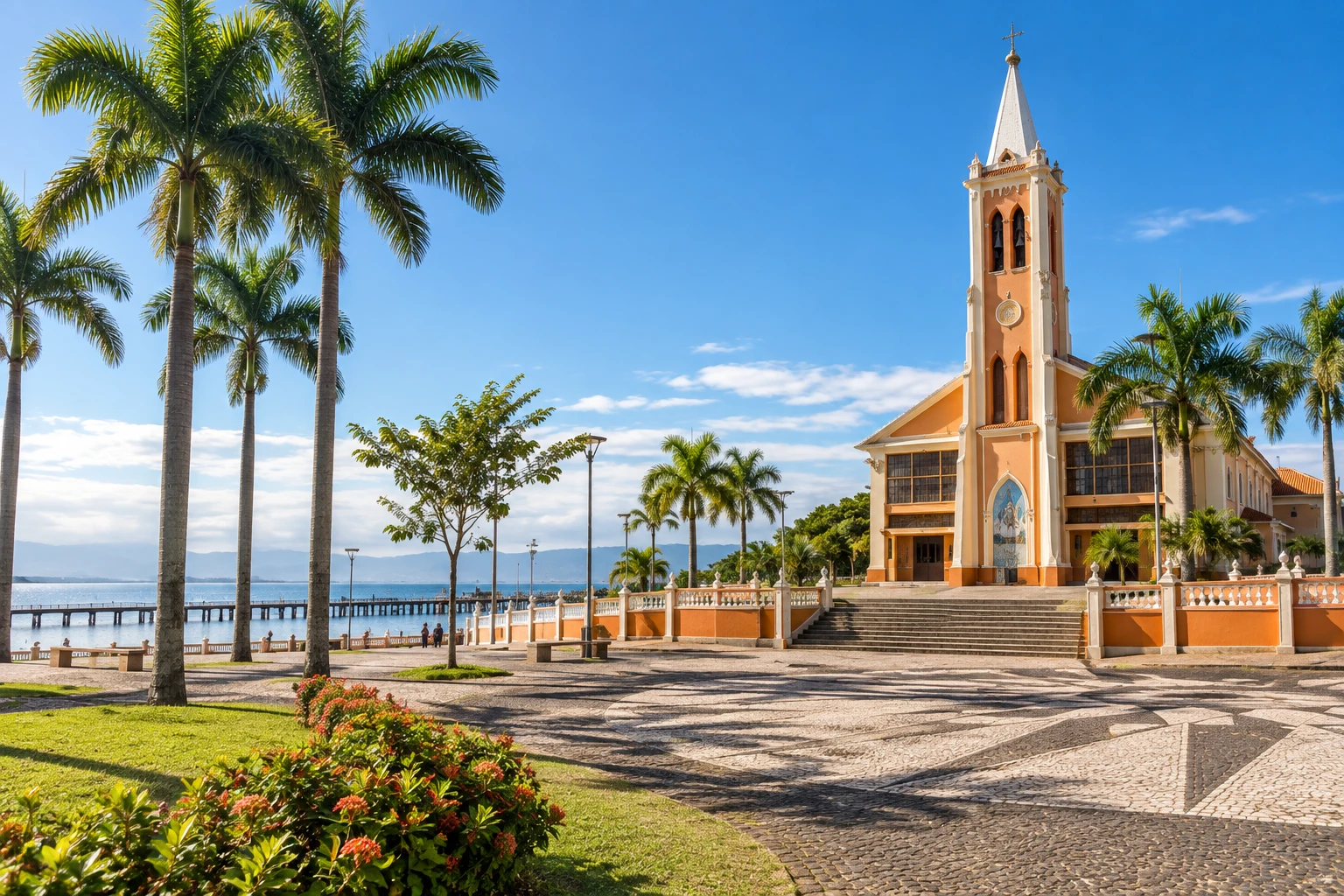
Dedicated to the patron saint of Paraná, it holds the statue that, according to tradition, was found by fishermen in the waters of the bay. In November, the Festa do Rocio draws pilgrimages from many parts of Brazil to the Praça da Fé, next to the church.
Discover Santuário de Nossa Senhora do Rocio
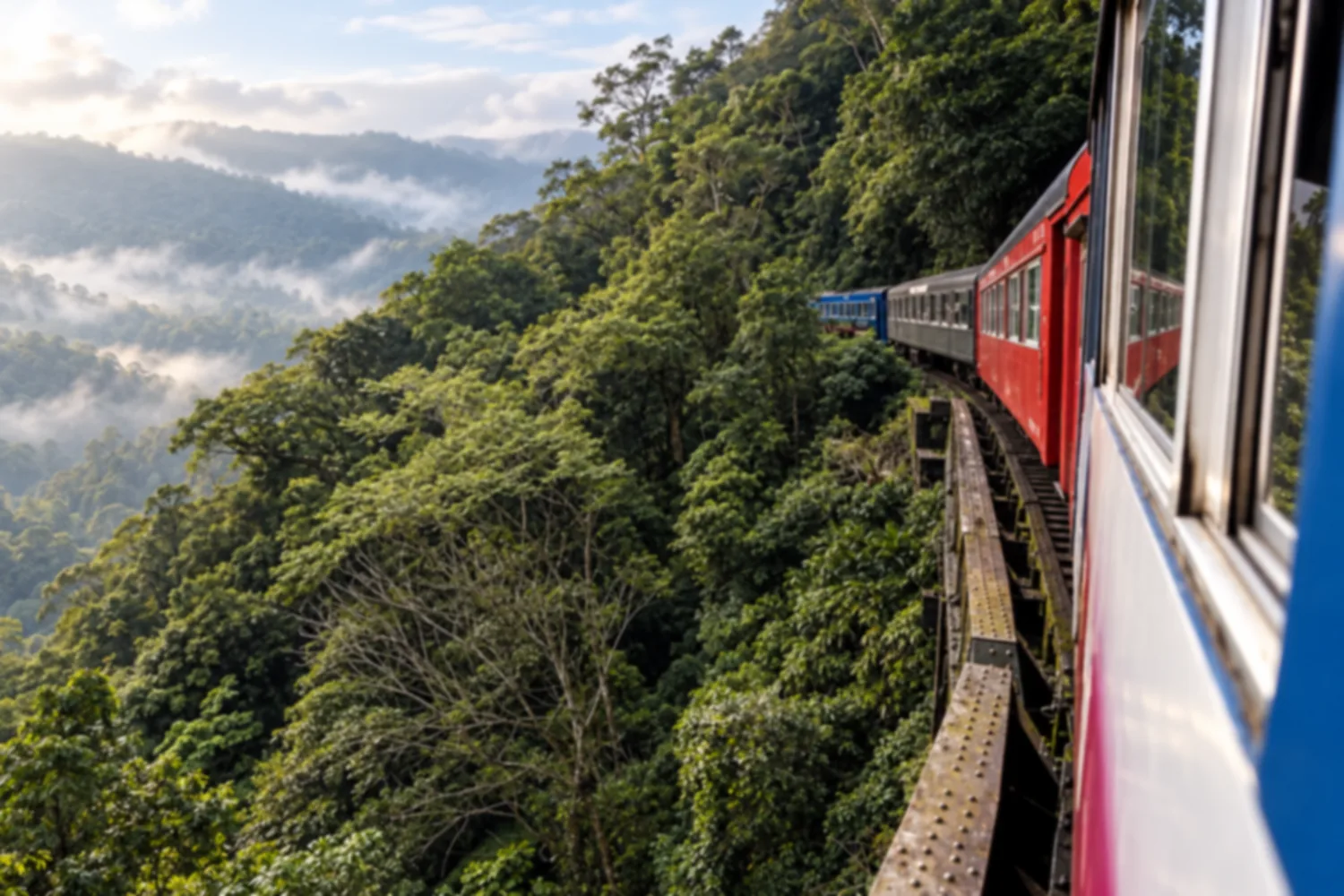
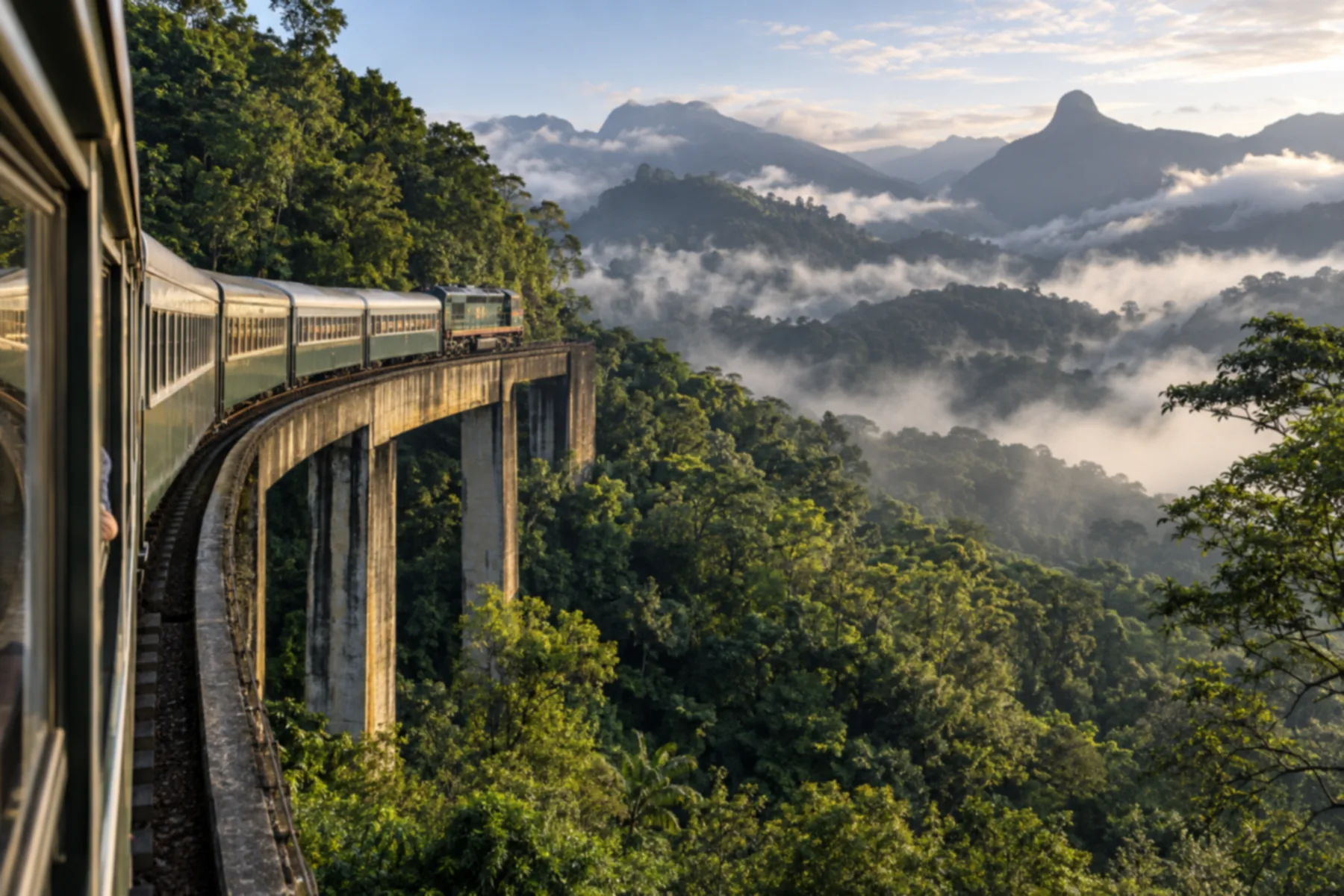
A century-old railway that descends the Serra do Mar through tunnels, viaducts and bridges hanging over the abyss, often listed among the most beautiful in the world. It is about four hours of Atlantic Forest outside the window.
Discover Trem da Serra do Mar (Curitiba–Morretes)
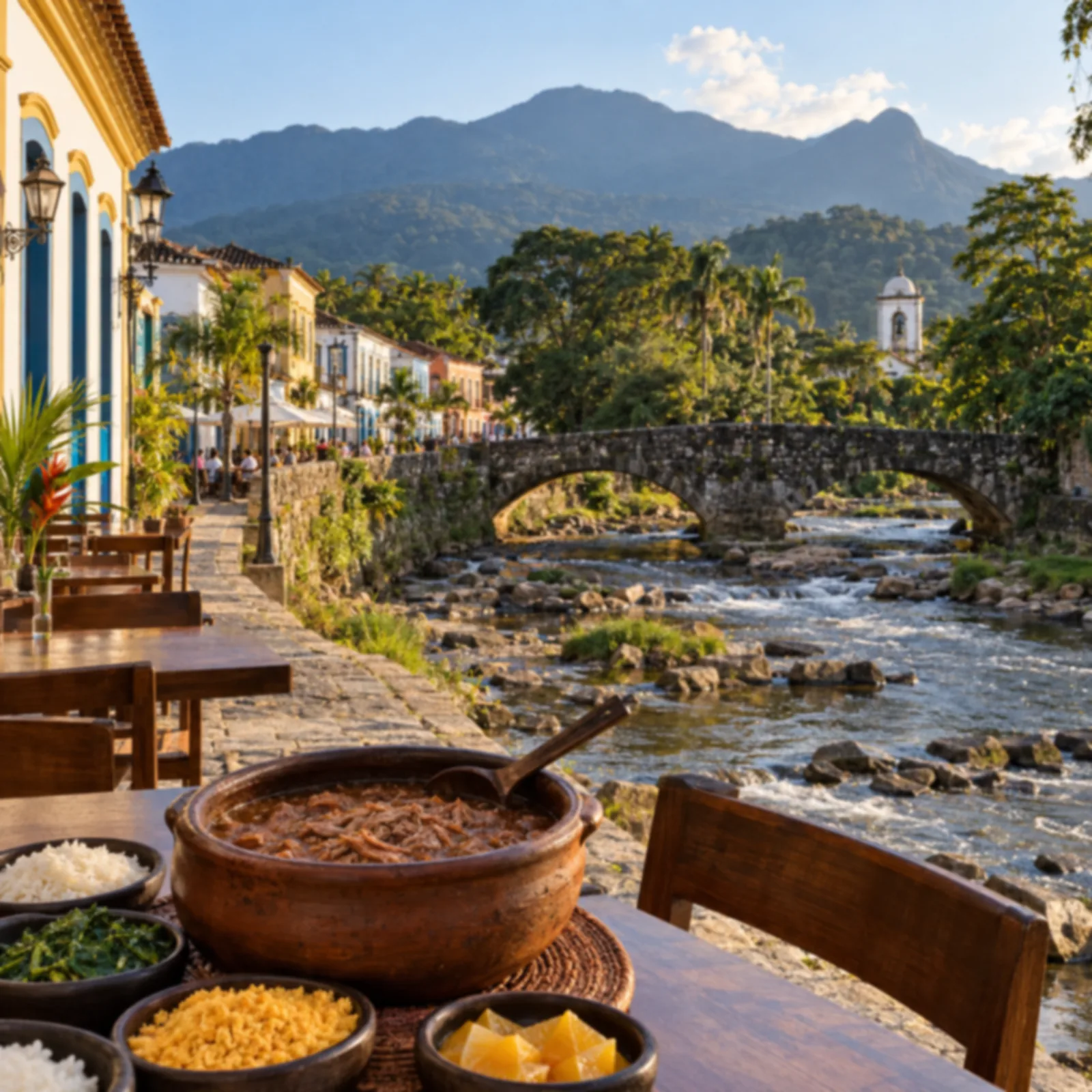
18th-century colonial houses along the Rio Nhundiaquara, full of restaurants serving barreado (slow-cooked beef stew) in a clay pot. It is the must-stop for anyone coming down by train.
Discover Centro Histórico de Morretes
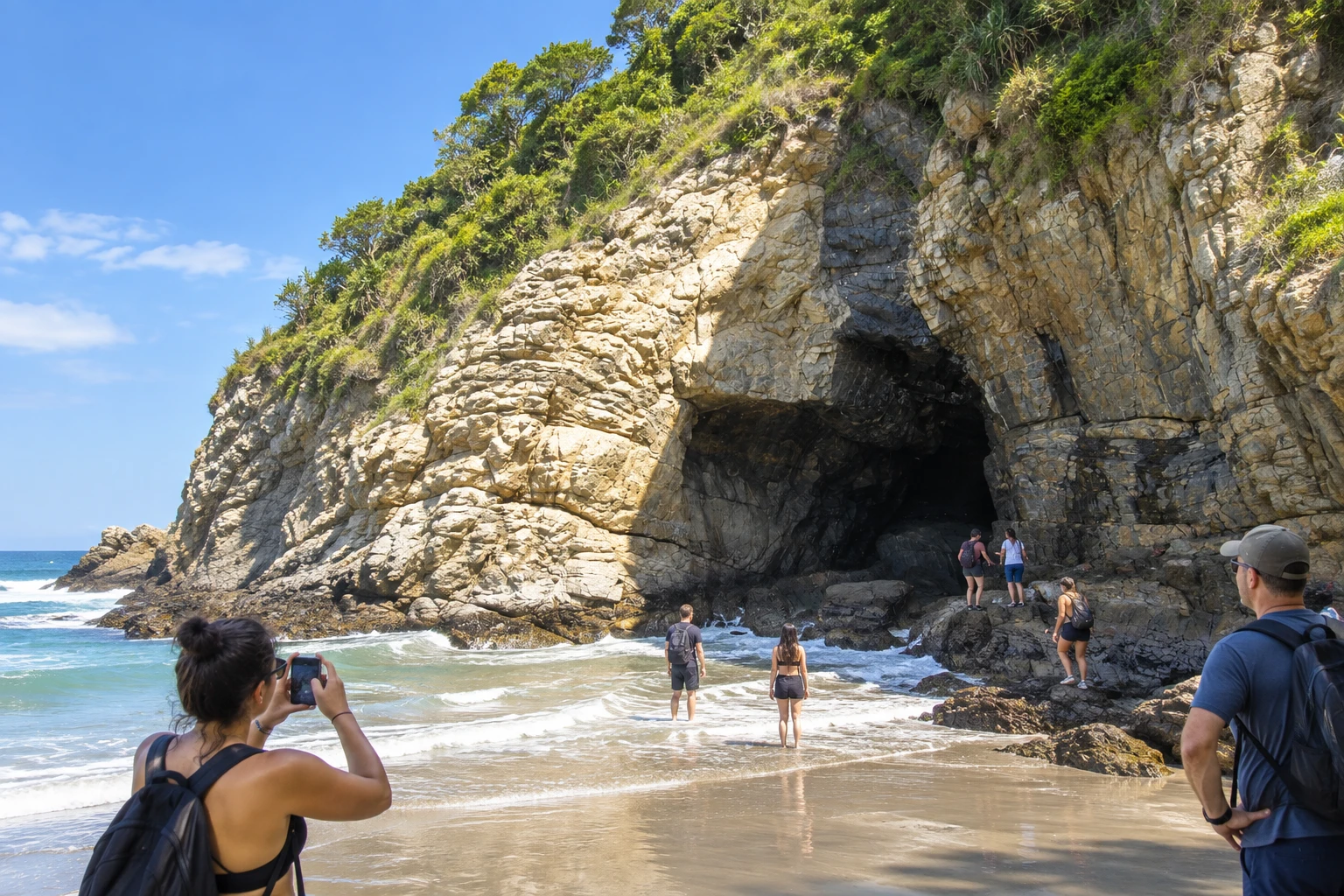
A cavity carved by sea erosion in a vein of diabase, a dark rock less resistant than the surrounding migmatite, in Morro da Gruta, in the south of Ilha do Mel. A wooden boardwalk leads to the entrance, and the name comes from the legend of mermaids said to live there.
An area of fifteen blocks in the São Francisco and Centro neighborhoods, with 18th- and 19th-century mansions showing Portuguese and German influence and the Igreja da Ordem Terceira de São Francisco. On Sundays, since 1973, it hosts the traditional Largo da Ordem crafts fair.
Discover Largo da Ordem e Setor Histórico
It rises in the Serra do Marumbi and runs 37 kilometers to the Baía de Antonina, becoming navigable from the district of Porto de Cima. A former trade route between the plateau and the coast, today it draws people for tubing, canoeing and rafting.
Discover Rio Nhundiaquara e Porto de Cima
An old road, partly paved with stones, that crosses the Serra do Mar between Curitiba and the coast, with rest areas and viewpoints along the way. It is the scenic alternative to the fast highway.
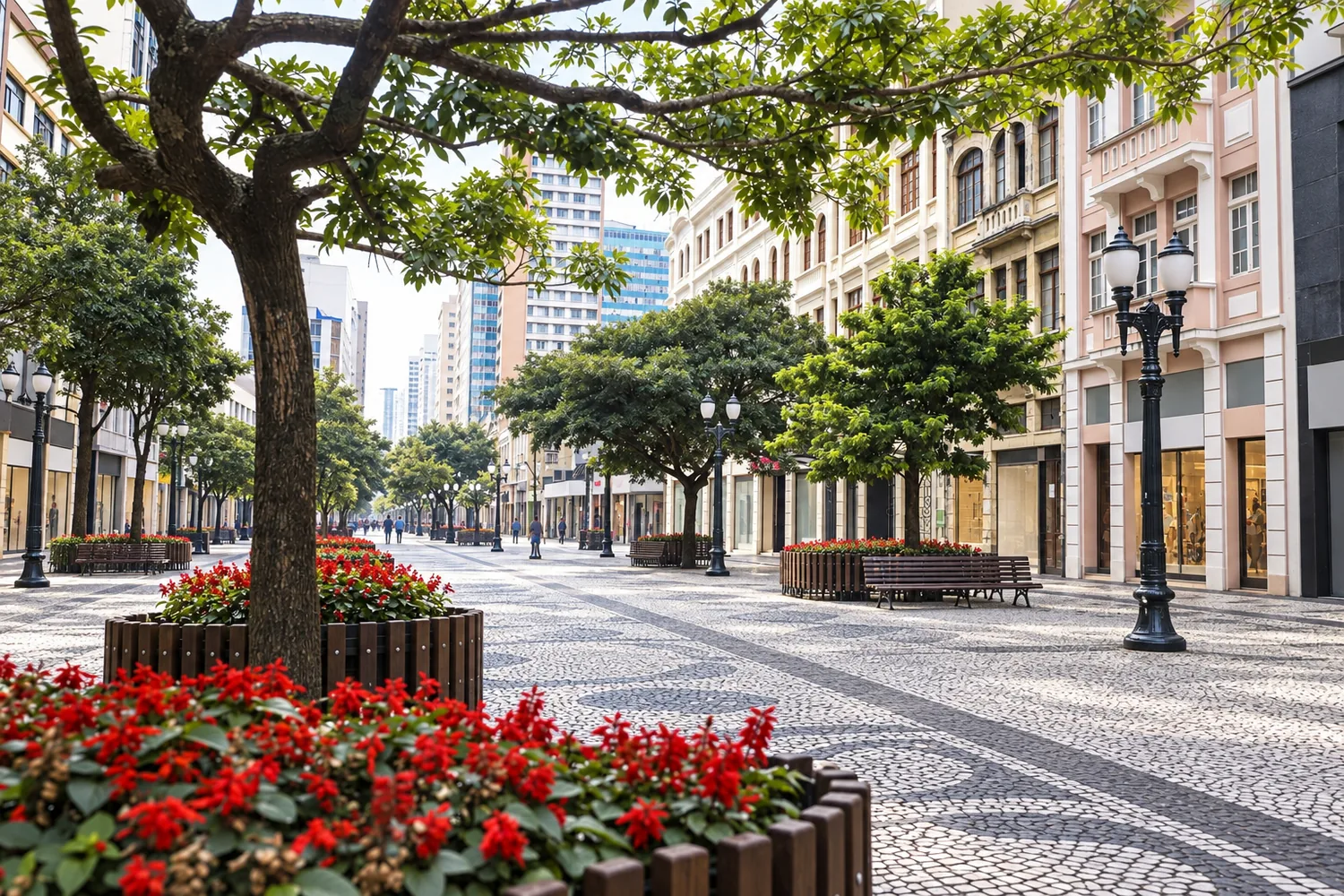
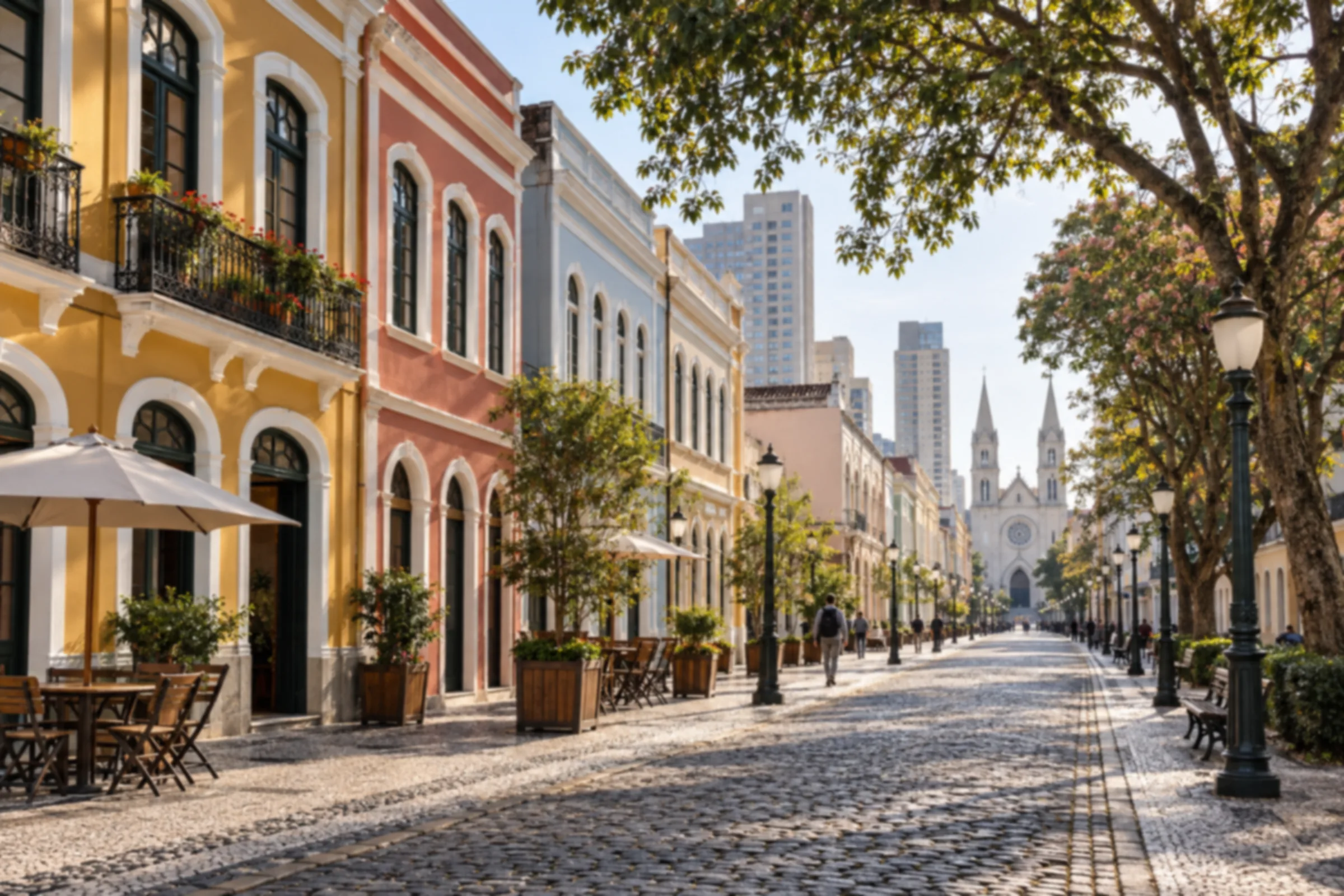
In 1972, its central stretch became Brazil's first pedestrian-only street, with petit-pavé mosaic paving and flower beds. The nickname Rua das Flores recalls the street's 19th-century name, before it was renamed in honor of the Proclamation of the Republic.
Discover Rua XV de Novembro (Rua das Flores)
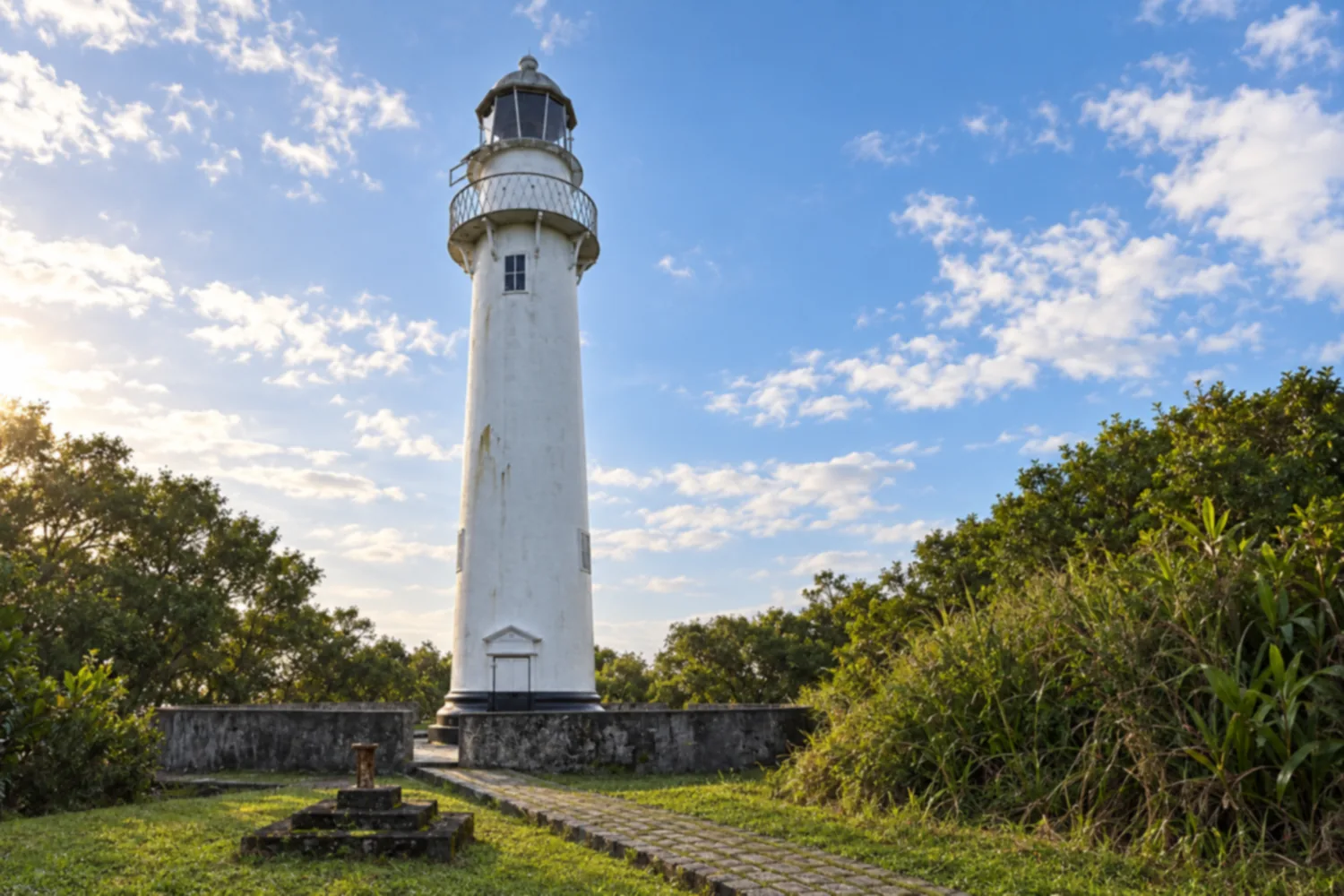
A historic lighthouse on Ilha do Mel, reached by a trail and a stairway up to its base, with free admission. From the top you get the best view of the island and the bay.
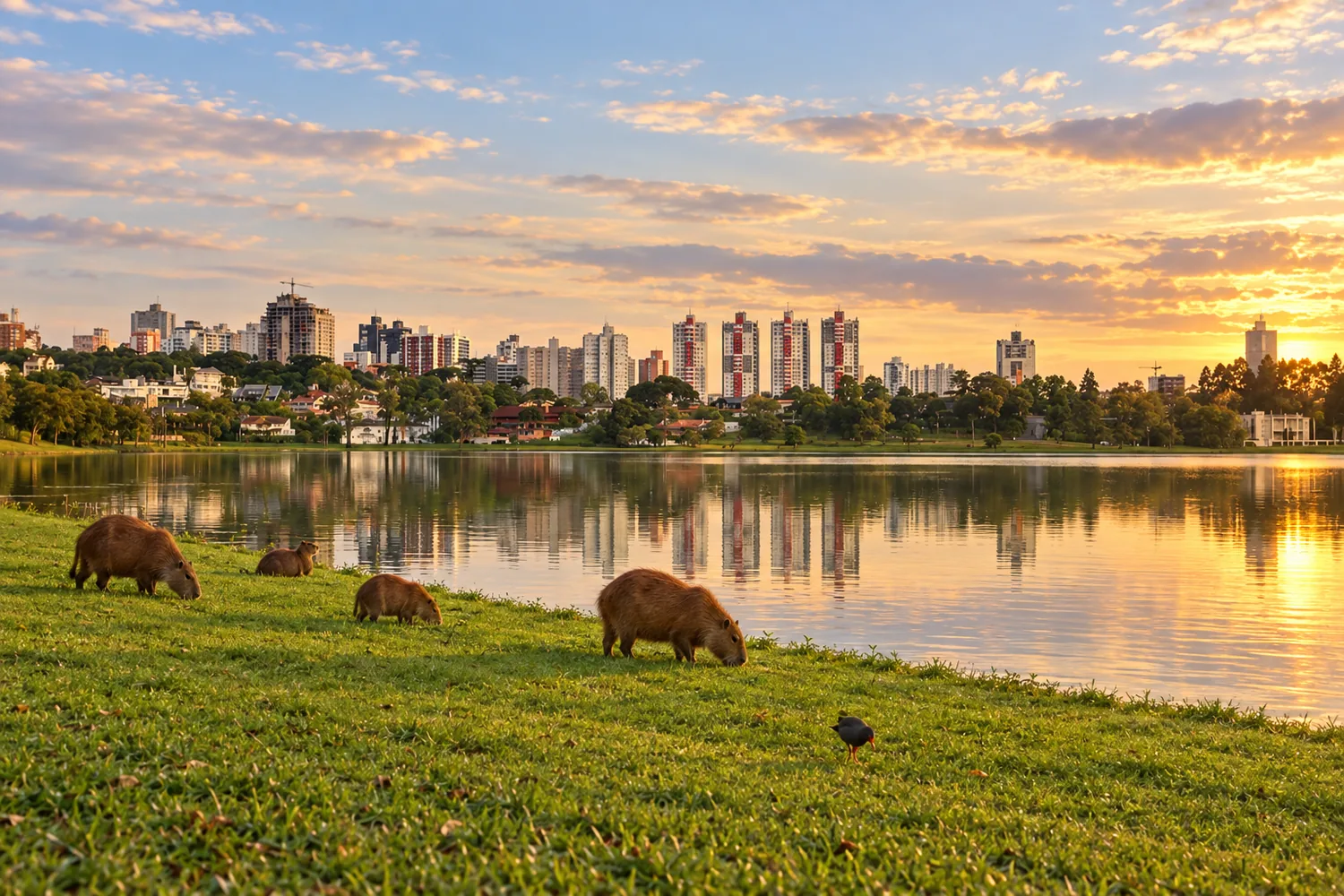
Created in 1972 as a linear park to control flooding and protect the forest along the Barigui River, it covers about 1.4 million square meters and has a 230,000-square-meter lake. Walking paths and a bike path circle the lake, where capybaras are a common sight.
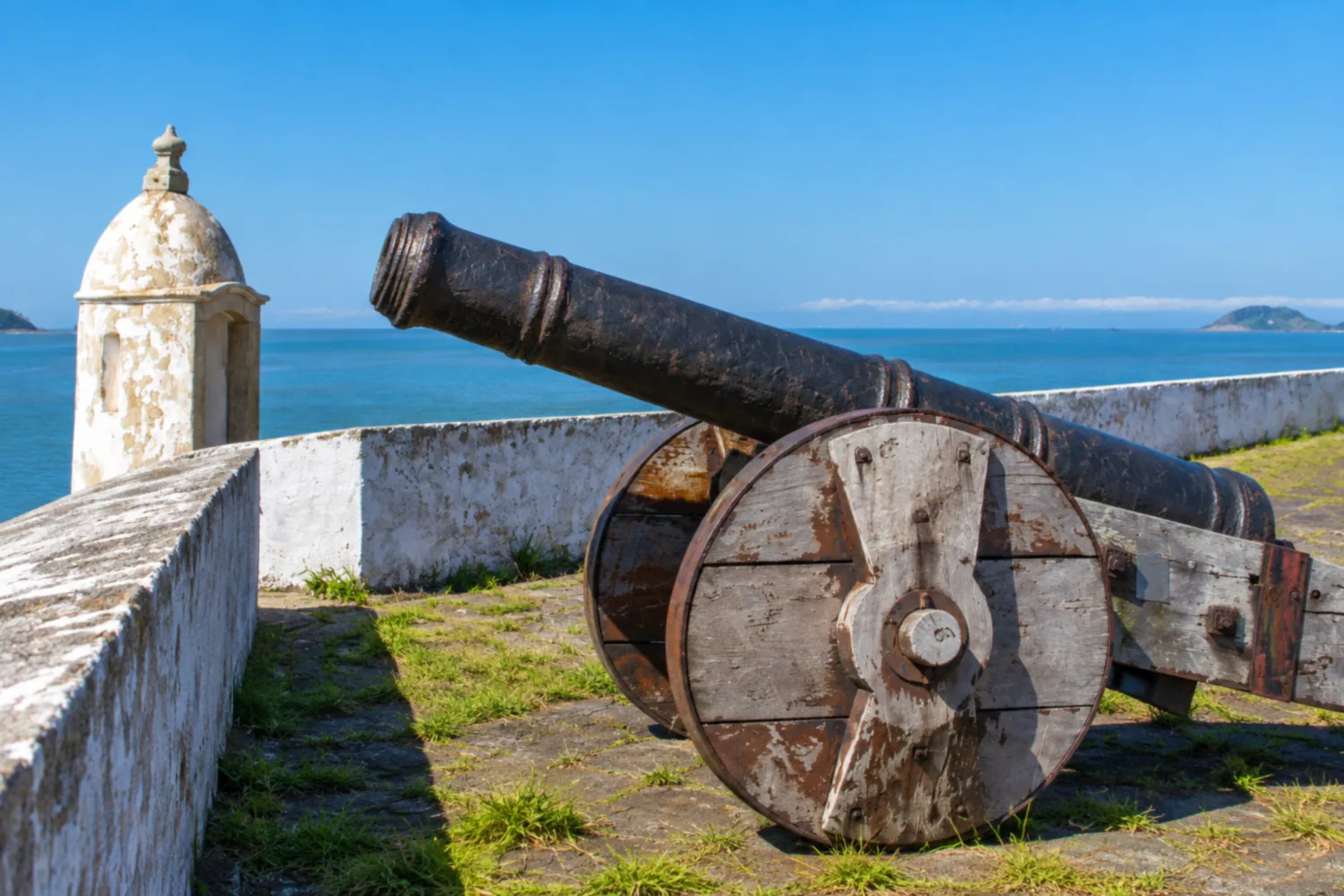
An 18th-century fort built on Ilha do Mel to defend the Baía de Paranaguá, today the most visited spot on the island. It sits by the island's longest beach, with about 4 km of sand.
Discover Fortaleza de Nossa Senhora dos Prazeres
A neighborhood founded by immigrants from northern Italy, mostly from Veneto and Trentino, with a concentration of Italian restaurants, wineries and craft shops. It preserves late 19th-century buildings such as the Casa Culpi, from 1887, and the Casa dos Gerânios, from 1891.
Your base to explore
Where you stay is part of the trip. Choose the area that best fits your itinerary.
A hotel with 38 rooms in three wings, the main one in a 19th-century mansion facing the square and the church in the historic center. Some rooms overlook the bay and the Serra do Mar, and there are two pools, one heated.
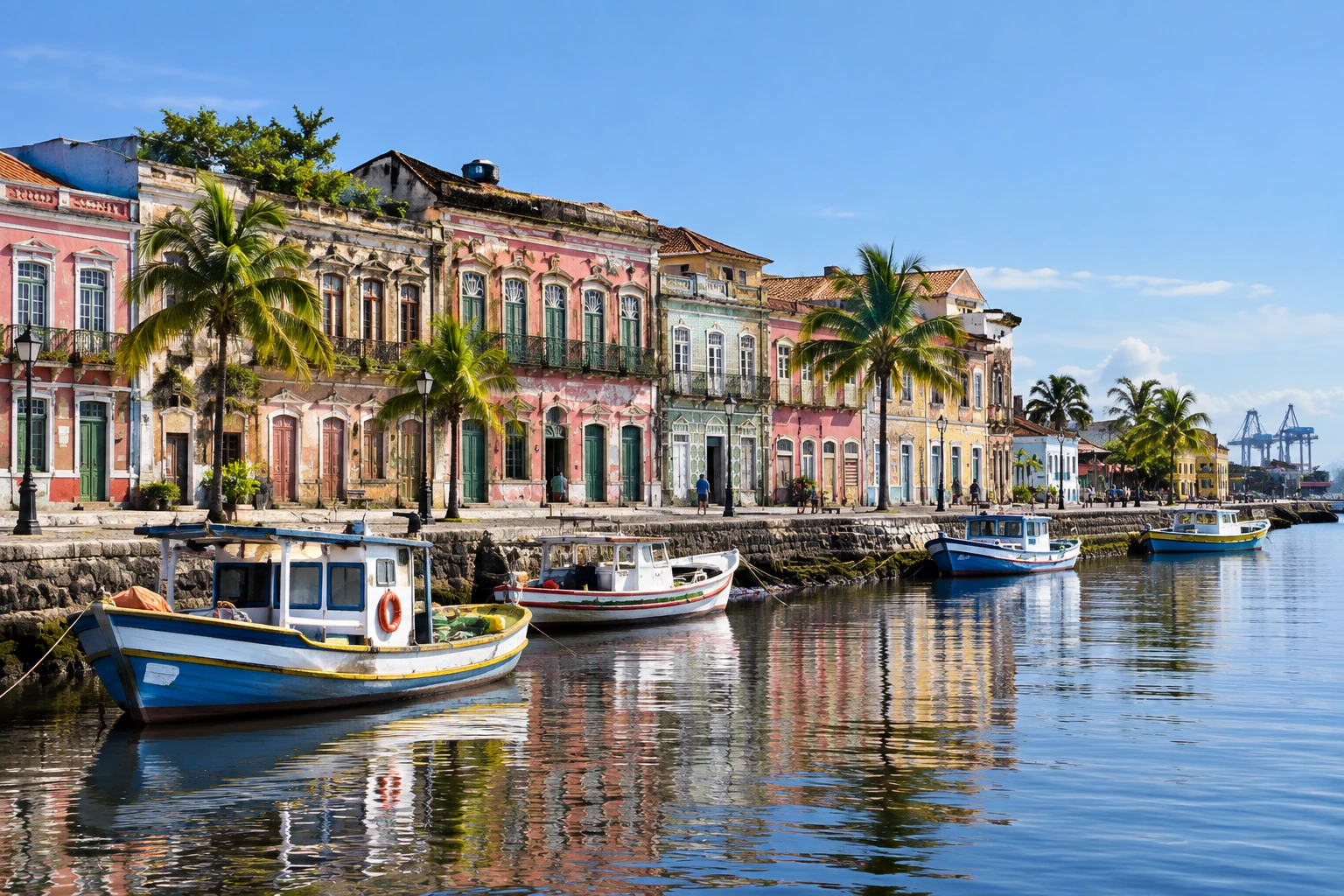
A hotel opened in 1993 as Araucária Mar and renamed Camboa in 1997, near the bus station and the boat terminal for Ilha do Mel. It has an outdoor pool and a heated indoor pool, a sauna, sports courts and facilities for events and families with children.
A hotel and restaurant that has occupied, since 1945, an 18th-century mansion on the bank of the Nhundiaquara River, said to be the oldest building in town. Good if you want to stay in the historic center, within walking distance of the barreado restaurants.
A 21-room hotel on Travessa XV de Novembro, downtown, with a pool and views of the bay and the square. It is near the boat pier and suits anyone arriving by water or heading out on bay tours.
A 30-room hotel on Avenida Curitiba, facing Praia Central, with heated pools and bikes for guests. Good for couples and families who want to stay on the waterfront, near downtown Guaratuba.
A contemporary design hotel on Rua Gutemberg, in Batel, near Praça da Espanha and Pátio Batel, with the Nômade restaurant and the Gaya Spa, both also open to the public. Good if you want to stay in the city's shopping and dining district.
A family pousada (inn) on Avenida Beira Mar, in Pontal do Sul, near the beach, with a large pool and breakfast. The owner lives on site and looks after guests, in a simple setting geared to families.
A Sesc tourism and leisure center facing the sea in Caiobá, with 137 rooms, full board, pools and a recreation program. Geared to families with children, who can count on a recreation team and meals on site.
A jazz-themed hotel on Rua Silveira Peixoto, in Batel, next to the Castelo do Batel, with live music in the bar and the New Orleans restaurant. Good for business travel and for anyone looking for music at night.
A pousada (inn) and surf resort on Praia Grande, on Ilha do Mel, with sea-view suites, a restaurant and facilities for weddings. Good for surfers, couples and families who want to stay facing the open sea.
A beachfront hotel on Avenida Visconde do Rio Branco, with direct beach access, heated pools, a restaurant and an events space. Some rooms have a balcony with a sea view, and it serves families in beach season.
A 10-room pousada (inn) on Rua Nova Londrina, in Caiobá, about 150 meters from the beach, with a pool and breakfast. Good for couples and families who want a small place near the sea.
A pousada (inn) with themed rooms on Rua Ermelino de Leão, downtown, decorated with crafts from various regions of Brazil and with a pool in a tropical garden. Good if you want to stay near the Igreja de São Benedito and the Theatro Municipal.
A simple, family-run pousada (inn) on Rua Ferreira Lopes, in the town of Guaraqueçaba, with breakfast and parking. Good if you want to spend the night in town before or after boat trips on the bay.
A rural pousada (inn) on the Reta do Porto de Cima with 27 units, including rooms and chalets, a covered heated pool, a sauna and a restaurant that serves barreado. Small and medium-sized pets are welcome, and it suits families and couples looking for nature.
An adults-only pousada (inn) with five suites with balconies, on Rua Flor de Maio, run by the owners. It blends garden and indoor areas and offers meals such as wood-fired pizza and grilled shrimp.
Glamping tents surrounded by the Antonina forest, with a hot tub and breakfast. Good for couples looking for peace and quiet and contact with nature on a visit to the Paraná coast.
A 108-room hotel on Avenida Visconde do Rio Branco, one block from the beach, with a pool with a swim-up bar, a heated pool, a sauna, a sports court and a gym. Geared to families, it offers suites for up to six people.
A hotel in a historic building on Rua Barão do Rio Branco, where the Johnscher family took over the lodging in 1917; the building was restored and reopened in 2002 with its original facade preserved. Good if you want to stay within walking distance of Rua XV and the historic center.
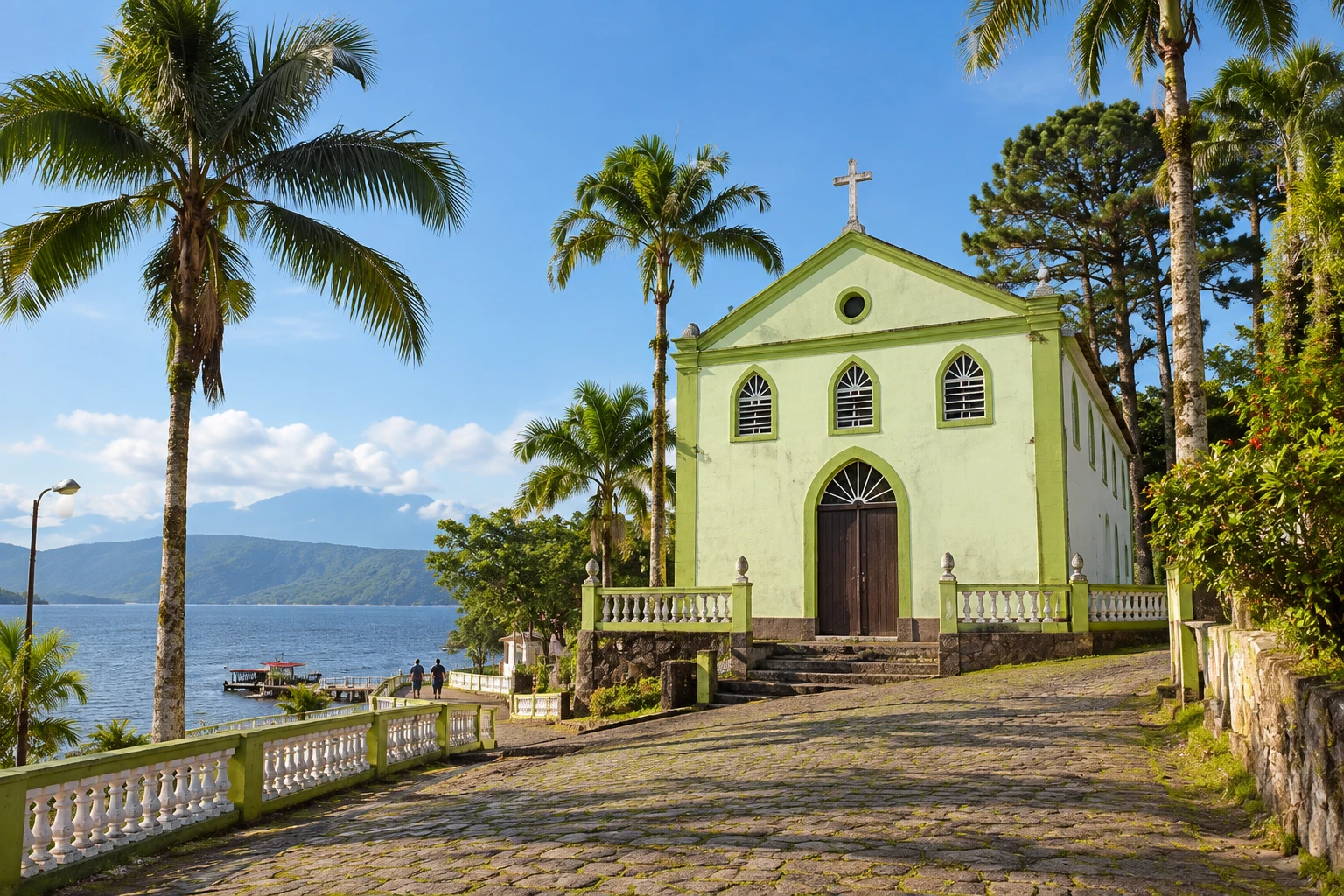
A five-suite pousada (inn) on Avenida Albatroz, in Bosque dos Pássaros, with a pool with hydromassage and a gourmet area with a barbecue grill. Pets are welcome, and it suits couples and small families.
A pousada (inn) on the bank of the Nhundiaquara River, on Rua XV de Novembro, in Porto de Cima, near swimming holes, trails and waterfalls. Good if you prefer to stay outside downtown and close to the natural attractions of the Serra do Mar.
A rustic pousada (inn) in the village of Nova Brasília, on Ilha do Mel, a few steps from Praia de Fora and the Farol das Conchas. It has its own restaurant and offers massage, yoga, surf lessons, boat trips and bike rentals.
A hostel on Ilha do Superagui, in Guaraqueçaba, with themed rooms amid nature, near the beach and the village bars. It serves backpackers and anyone who wants simple lodging on the island.
A pousada (inn) on the Rodovia Alexandra–Matinhos, in Cambará, within the Beach Club Águas Claras grounds; it is the former Pousada Santo Antônio, renovated. The nightly rate includes access to the water park, which families with children enjoy.
Flavors of the destination
A bistro on the PR-412 highway, in Grajaú, combining music, art and food in a setting with outdoor tables. The menu includes ceviche, crab risotto, soups, sandwiches and sweets.
A bar and restaurant decorated like an old general store, with vintage TVs, radios and telephones, facing the bay and the pier. It serves Brazilian dishes and bar snacks, with indoor and outdoor tables.
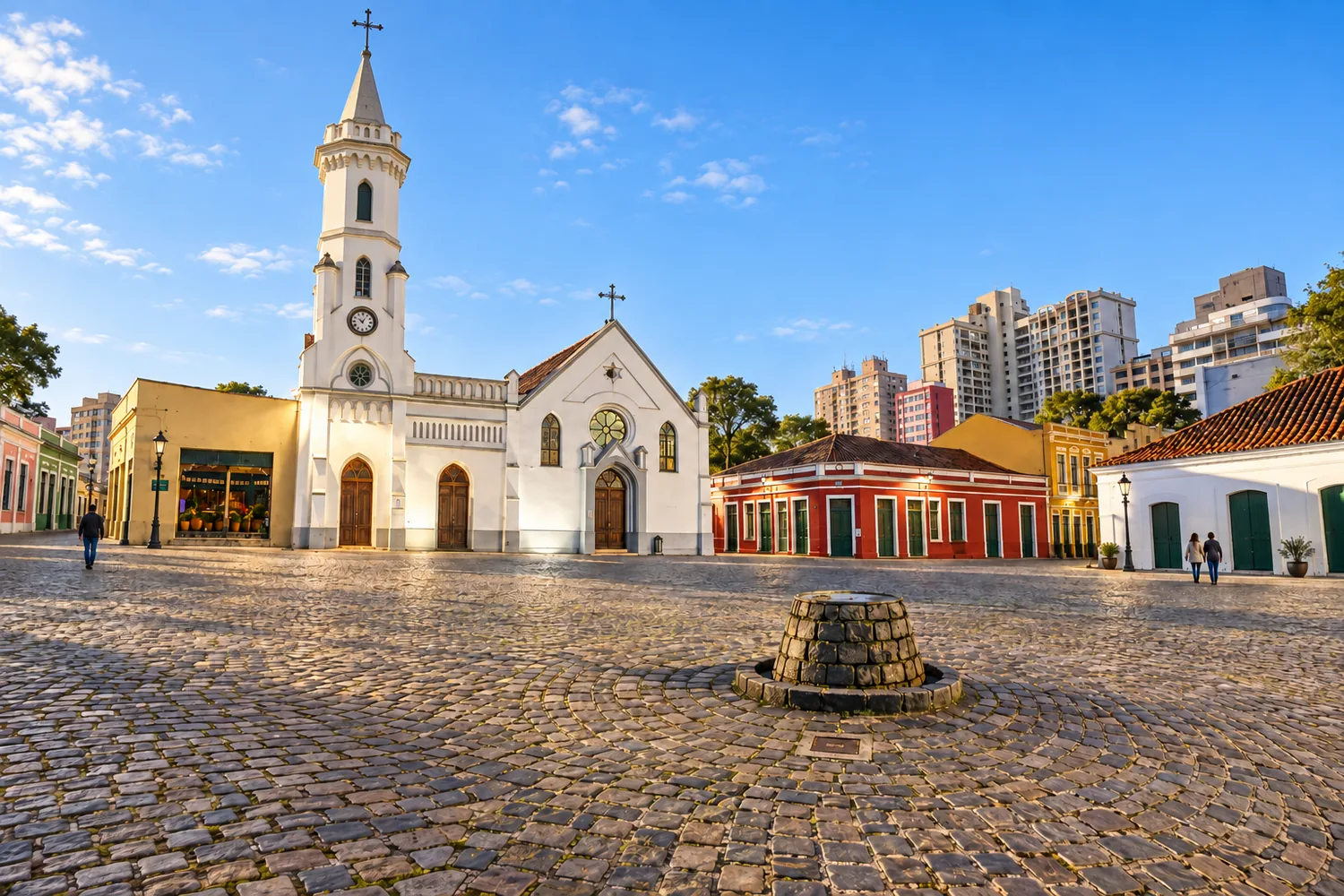
A restaurant in a house with a large yard and garden where peacocks roam, on Rua Waldir Muller. The menu mixes seafood, pasta and meats, in a bohemian atmosphere.
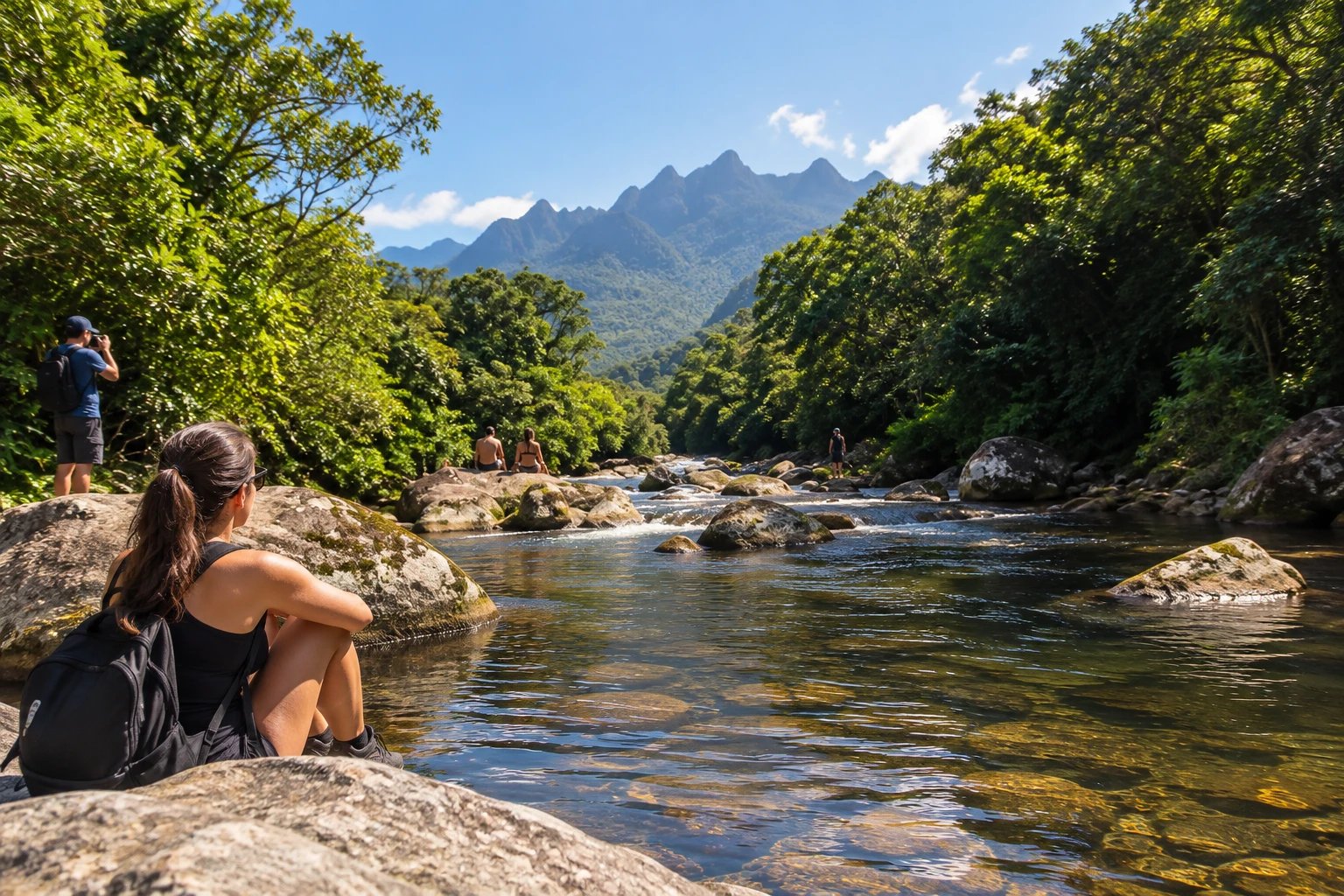
A restaurant on Avenida Conde Matarazzo known for its traditional barreado and seafood barreado. It serves lunch to visitors to Antonina who want to try classic dishes of the Paraná coast.
A restaurant opened in 1992 in a 19th-century mansion on Largo Dr. José Pereira, overlooking the Nhundiaquara River. It serves barreado with sides, seafood from local fishermen and flambéed banana as the house dessert.
A restaurant on Rua XV de Novembro, in the historic center, in a building overlooking the Itiberê River. It serves a seafood and meat buffet at lunch and à la carte dishes at night, with peixe à Danúbio as the house specialty.
A restaurant opened in 1963 by siblings Severino, Carlos and Flora Madalosso, which started with eight tables and today seats more than 4,600 people at once. It keeps up the Italian-Brazilian tradition of polenta and chicken in the Santa Felicidade neighborhood.
A restaurant on a small farm on the Estrada do Rio Alegre, in Cabaraquara, serving oysters farmed on the property and seafood dishes amid the Atlantic Forest. It offers visits to the oyster farm and the mango orchard.
A rustic-style bistro on the Estrada do Cabaraquara, with outdoor tables and an à la carte menu of oysters, fish and seafood. Good for anyone touring the Cabaraquara oyster farms.
A family restaurant on Rua José Antônio da Cruz, in Ponta do Caju, devoted to barreado, the classic dish of the Paraná coast. It works as a buffet with barreado, cassava flour, rice and seafood options.
A restaurant on Travessa Vitório Carraro, in the historic center, with a glass-walled dining room facing the Baía de Antonina. It offers all-you-can-eat seafood, à la carte dishes and barreado.
A pizzeria and pasta house on Rua Baronesa do Cerro Azul, in Praia de Leste, with all-you-can-eat pizza, pasta and lasagna. It also serves snacks, tapiocas and crêpes, with outdoor tables.
A seafood restaurant on Rua Paula Miranda, downtown, serving local fish such as snook and a house tourist dish. It serves visitors spending the day in town before or after boat trips.
A restaurant open for more than 50 years on the bank of the Nhundiaquara River, seating 600 people in three dining rooms. It offers all-you-can-eat barreado and seafood and serves groups and families visiting the town.
Chef Manu Buffara's restaurant, opened in 2011, serving a single tasting menu to a few tables each night. About 80% of the ingredients come from within 300 km of Curitiba, with an emphasis on seasonal vegetables.
A restaurant opened in 1980 on Praça Dante Luiz, in Caiobá, facing the sea, known for grilled fish such as flounder. It serves sharing platters for groups and families, with outdoor tables.
A German tavern opened in 1979 on Largo da Ordem, in the historic center, known for its chope submarino (draft beer with a shot glass sunk in it) and carne de onça (seasoned raw beef), a snack recognized as intangible heritage of Curitiba. Good if you want German food in a traditional bar setting.
A bar and restaurant on the Estrada da Draga, in Pontal do Sul, with outdoor tables by the sea. It serves seafood and bar snacks in a beach setting, with table service and takeout.
A bar serving snacks on Ilha das Peças, in Guaraqueçaba, with Brazilian food and a sea view. You get there by boat, and it serves people on bay tours who want to stop to eat on the island.
A restaurant and pousada (inn) on Praia de Encantadas, on Ilha do Mel, with outdoor tables and live music. The kitchen focuses on fish and seafood, especially paella, moqueca (seafood stew) and ceviche.
A restaurant on Avenida Paranaguá, in Balneário Betaras, with all-you-can-eat seafood and Japanese food, as well as à la carte dishes. It serves families and groups in season, with outdoor tables and parking.
A restaurant and beer hall on Avenida Atlântica, on the waterfront, specializing in shrimp dishes and all-you-can-eat seafood. It serves families and groups in beach season, with indoor and outdoor tables.
A restaurant in a stall at the Mercado Municipal, by the bay in the historic center, with outdoor tables. It serves fish, seafood and Brazilian dishes in a simple, family setting.
A restaurant run by Italian chef Davide Brusório on Alameda João de Almeida, in the historic center, combining Mediterranean cooking and local ingredients. It uses organic produce from its own garden and suits anyone looking for an alternative to barreado.
Before you go
A little planning leaves more time to enjoy the journey.
Afonso Pena International Airport, in São José dos Pinhais, with access to the coast via the BR-277 and the Estrada da Graciosa.
September to March, when the mountains are less cloud-covered and beach season begins on the coast; avoid days of heavy rain for the train ride.
Take your trash with you, follow the signs and support local businesses. In natural areas, follow the visiting guidelines.