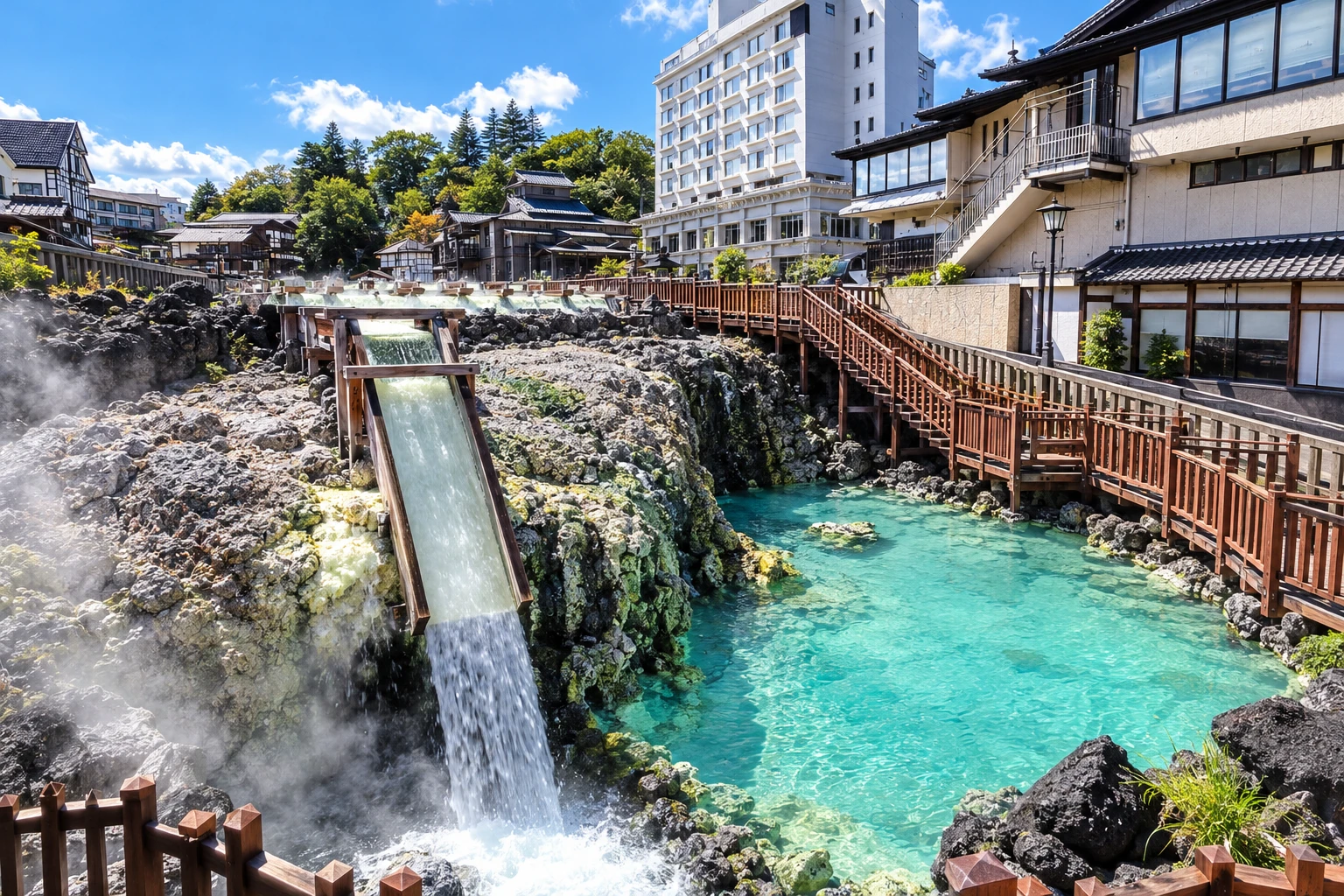
Kusatsu Onsen
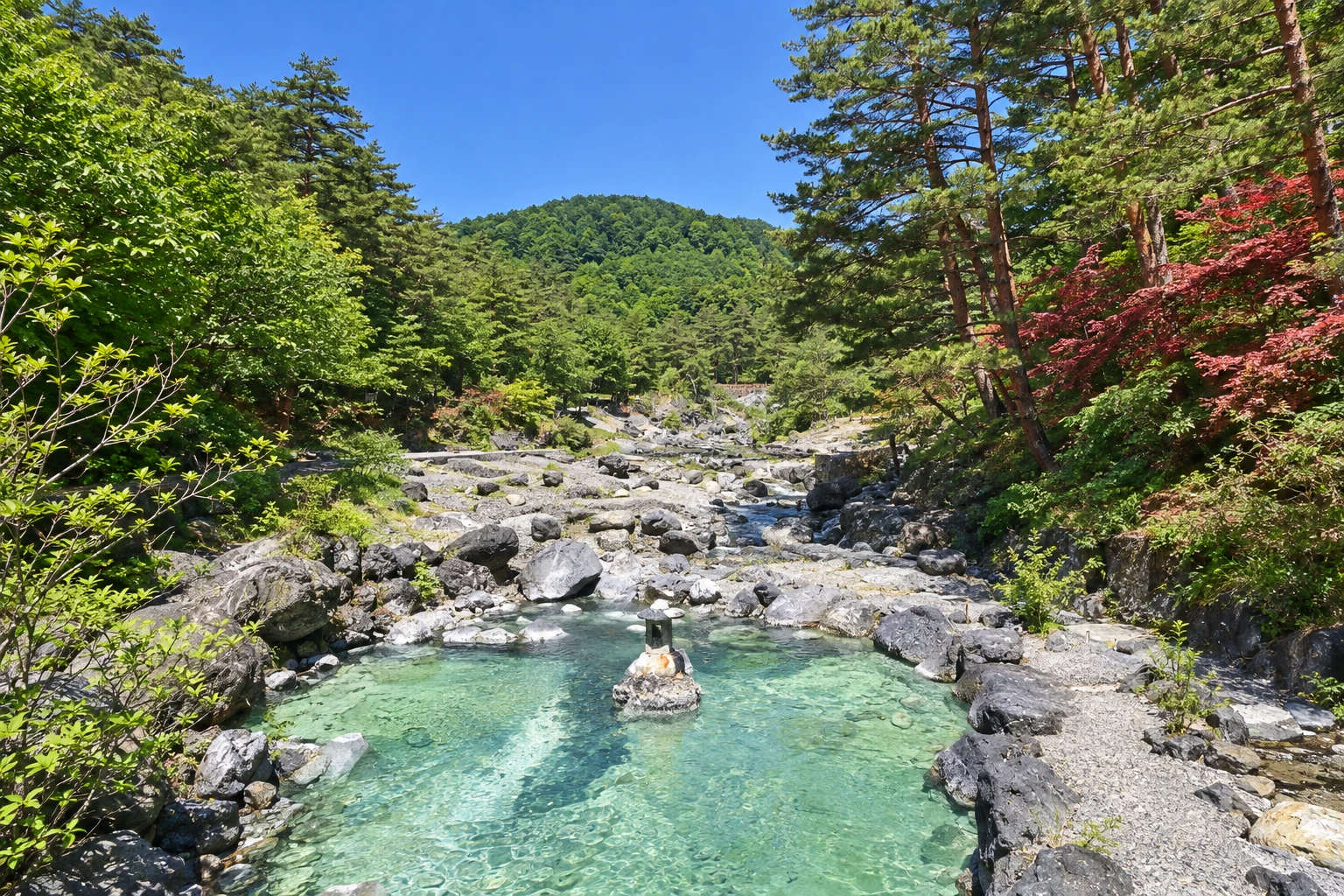
One of the best-known hot-spring resorts in Japan, in the mountains of Gunma, with the yubatake at the center of the village, the yumomi used to cool the water, and the large Sainokawara outdoor bath.
Antarctica
Japan travel guide
What to do, when to go and how to get there, destination by destination.
57 destinations · 92 citiesin Japan
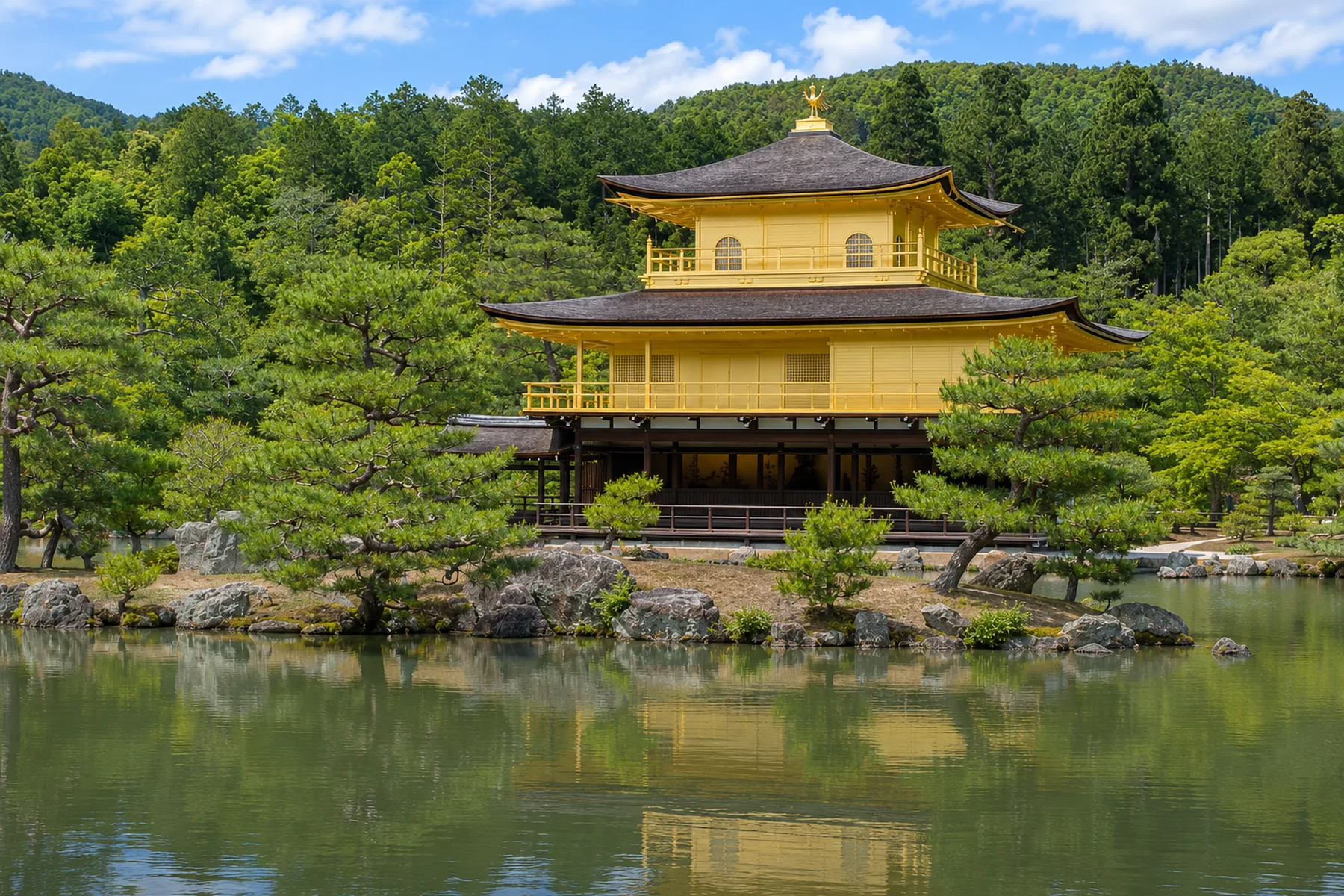
In the photo: Golden Pavilion (Kinkaku-ji) — Kyoto
Illustrative images. The pictures in this guide are illustrations based on the real place, not photographs, and may differ from it.
A destination is a region you visit as a single trip: it can bring together several cities or be a large city with everything it offers. Each destination has the tours, the itineraries, the best time to go month by month and how to get there.
The guide currently has 57 destinations, with 93 cities in 43 provinces.
Today's highlights
A destination is more than a city: it's everything you can experience there.
One of the best-known hot-spring resorts in Japan, in the mountains of Gunma, with the yubatake at the center of the village, the yumomi used to cool the water, and the large Sainokawara outdoor bath.
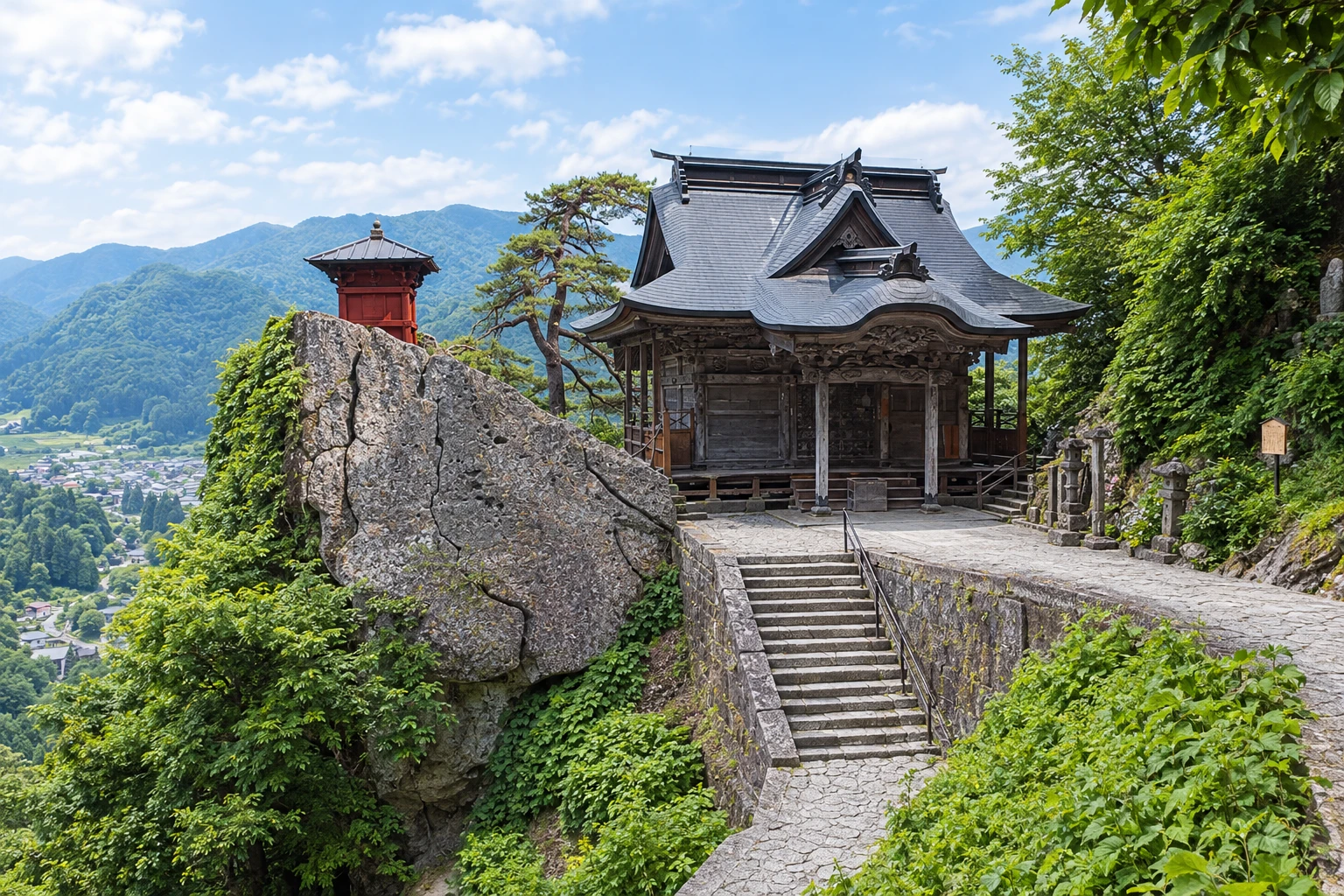
The Ginzan hot-spring street, with its 1920s wooden ryokan along a riverside, the Yamadera temple perched on a rocky cliff, and Zao’s ice monsters, in Yamagata.
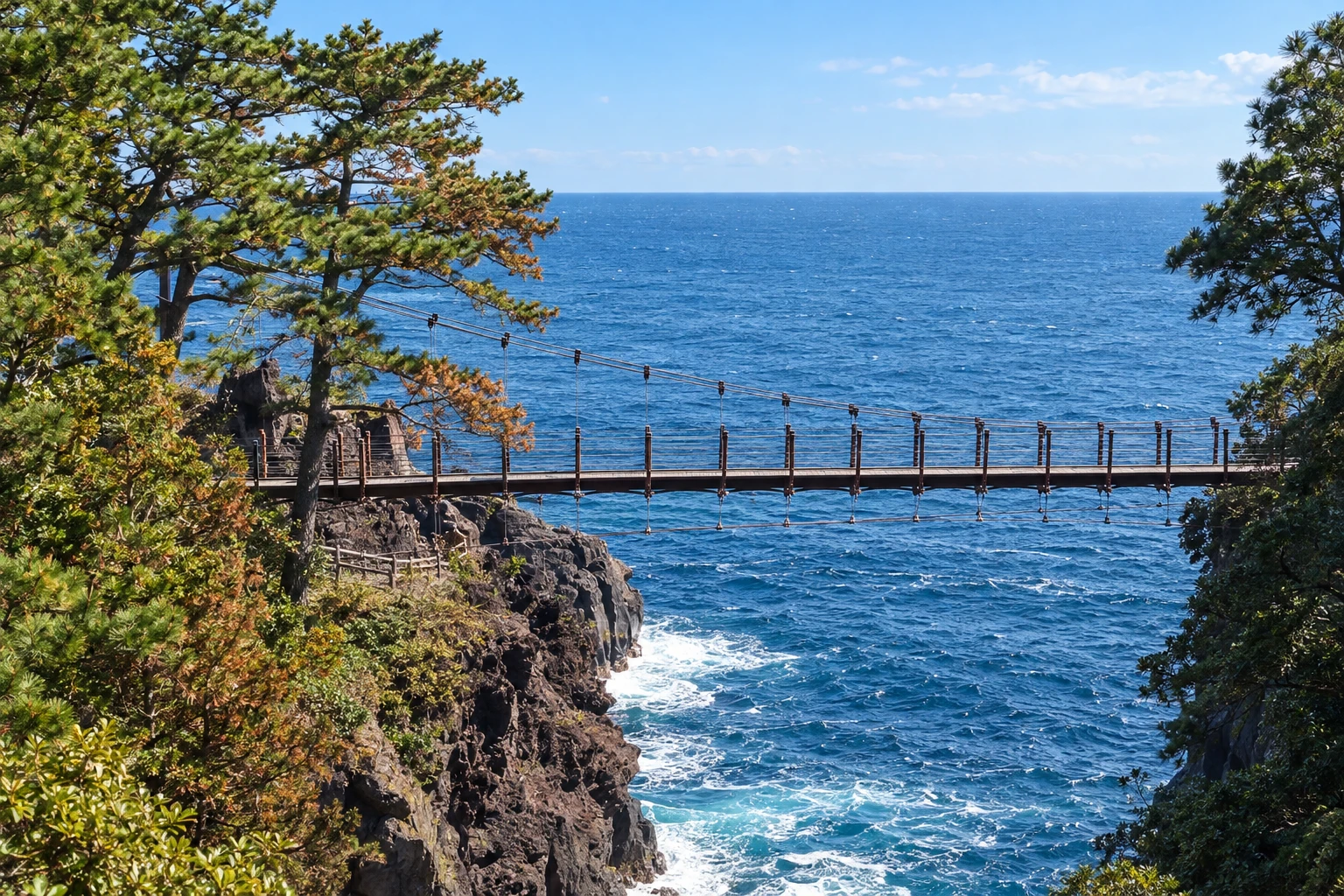
The volcanic peninsula south of Tokyo, with seaside hot-spring towns, lava cliffs, clear sand beaches and the history of Japan’s opening in Shimoda.
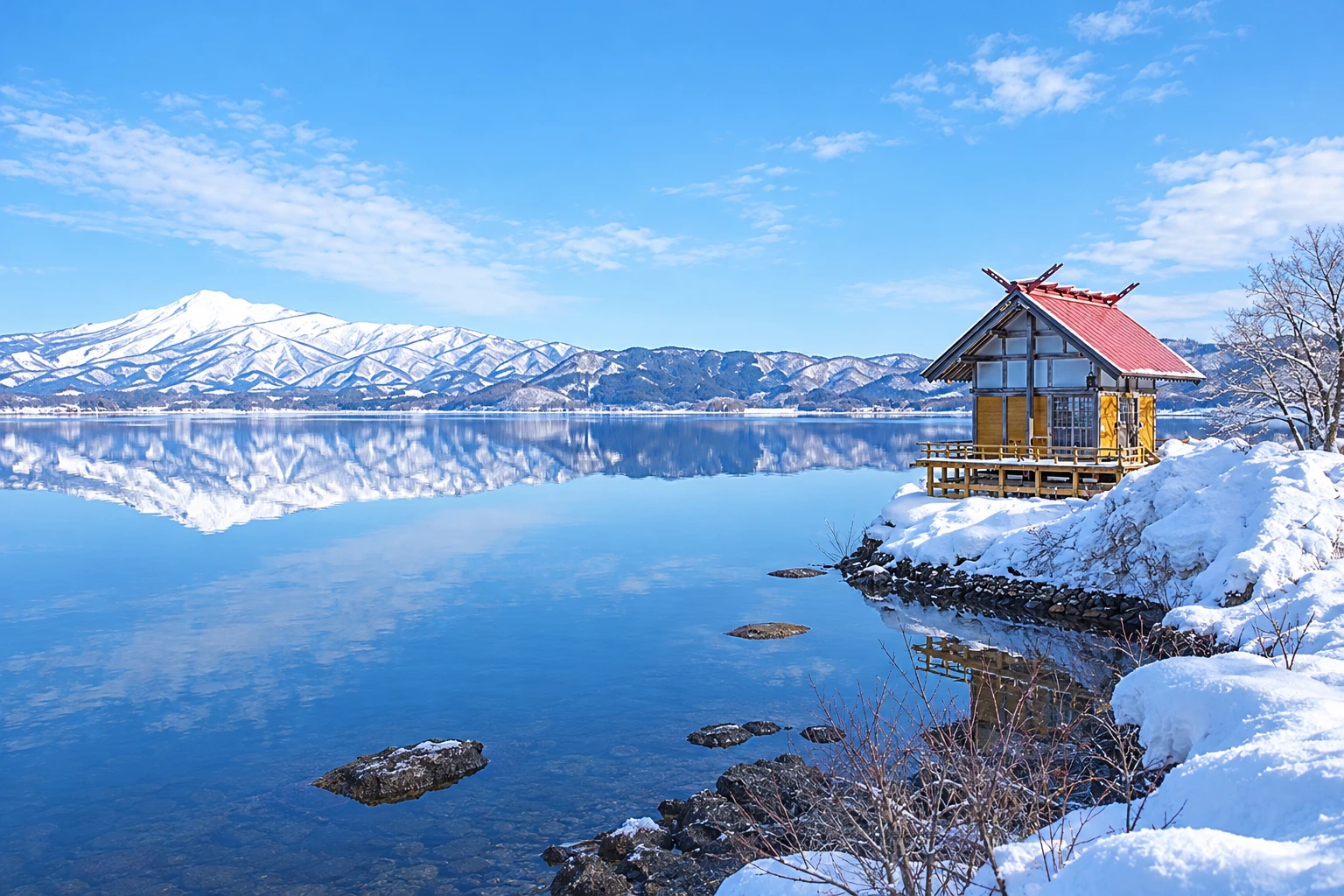
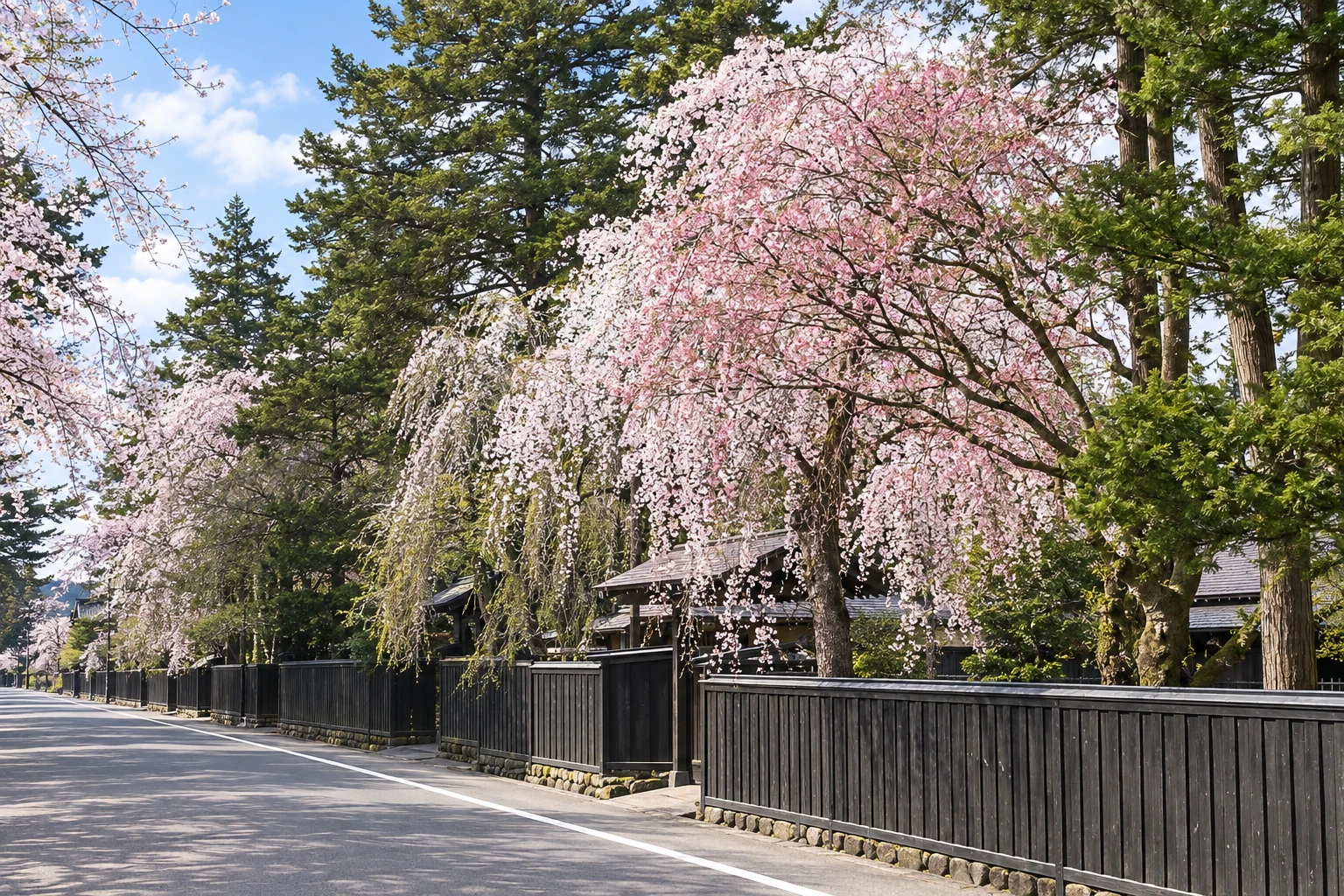
The samurai district of Kakunodate, with weeping cherry trees and black fences, Lake Tazawa—the deepest lake in Japan—and the milky bathing waters of Nyuto, inland in Akita.
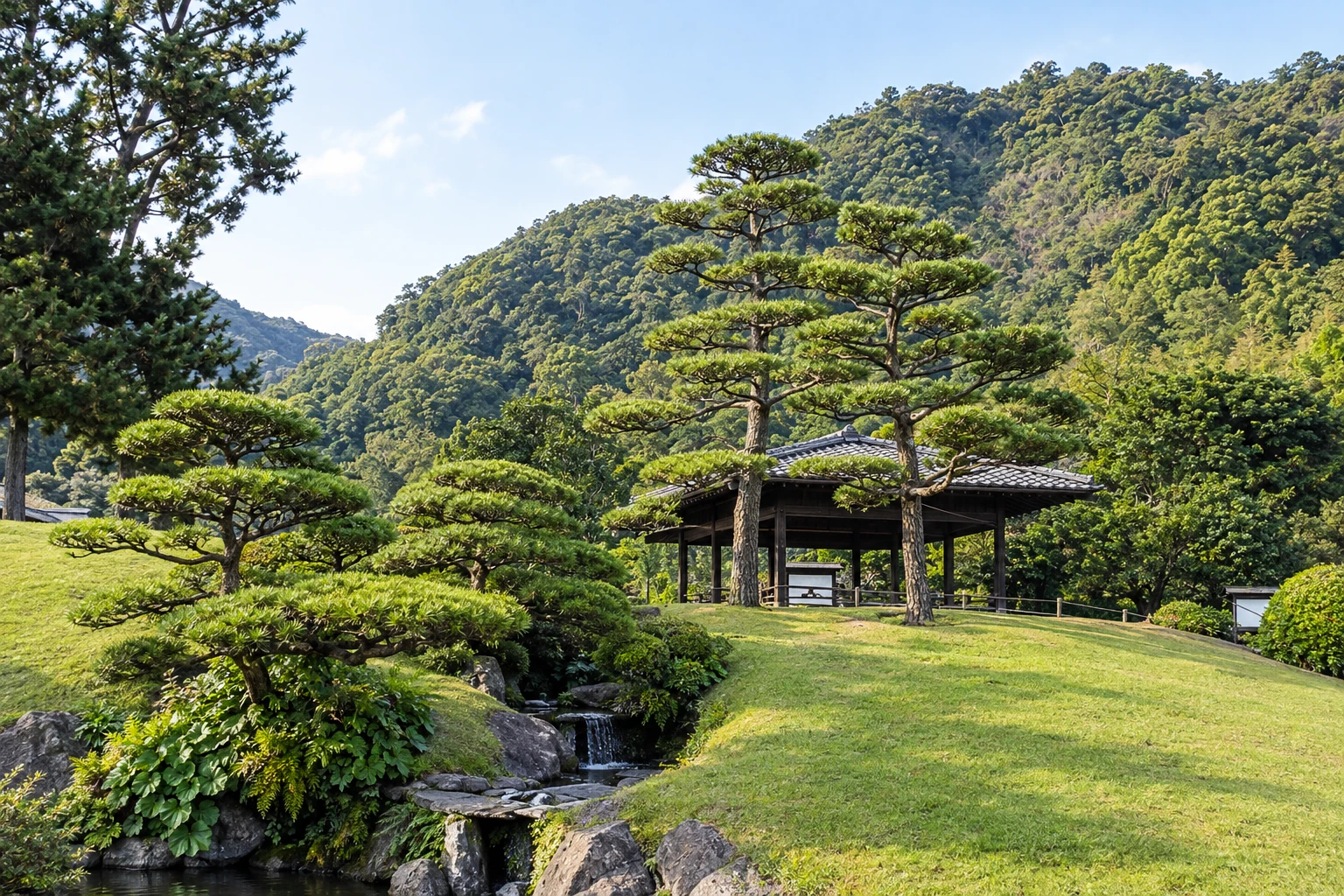
The southern city of Kyushu facing an active volcano, with the Sengan-en garden, Shiroyama lookout, the crossing to Sakurajima and Ibusuki’s sand bath.
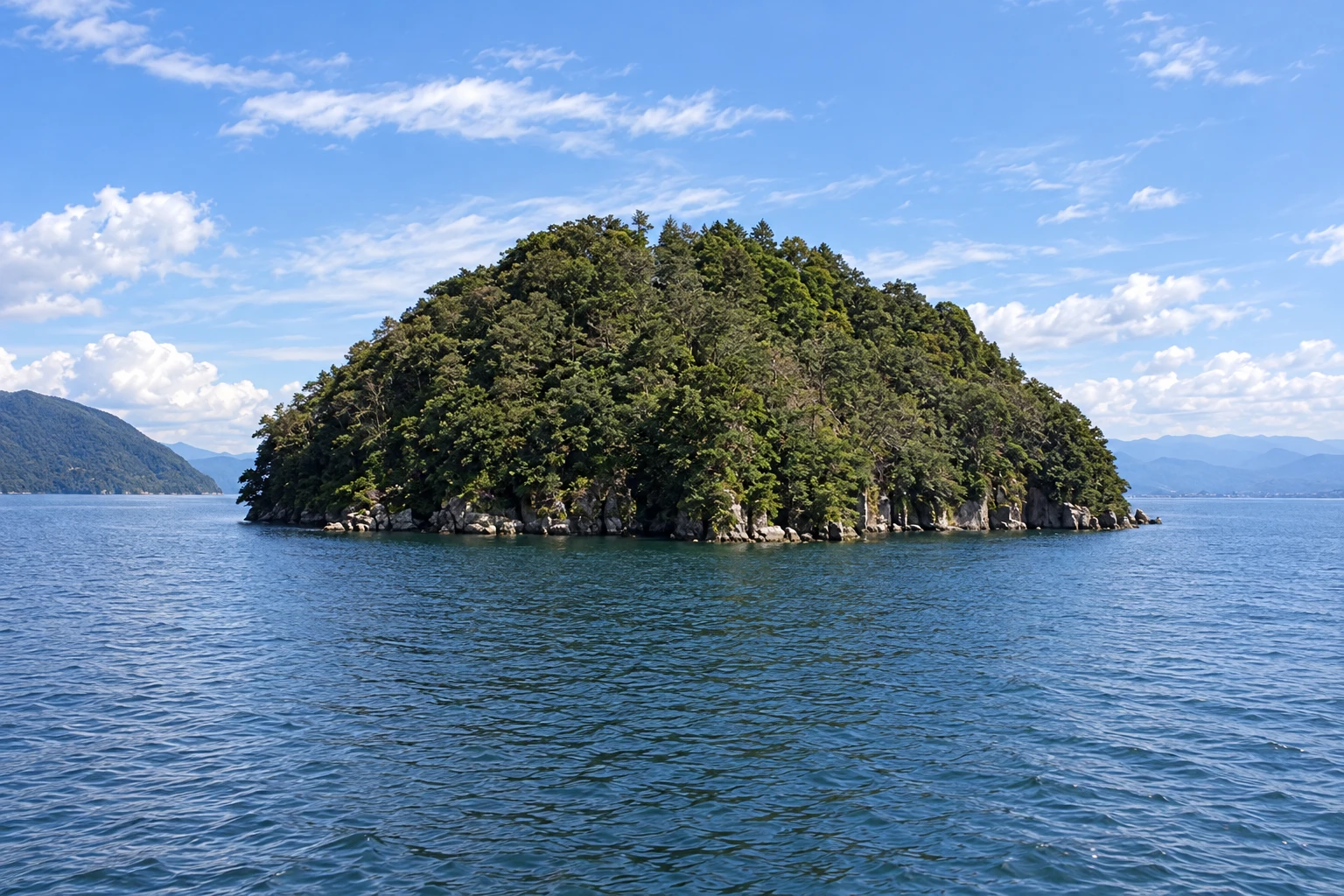
The largest lake in Japan and, on its eastern shore, the original Hikone Castle, the canals and merchant houses of Omihachiman, the ruins of Oda Nobunaga’s castle, and the sacred island of Chikubu.
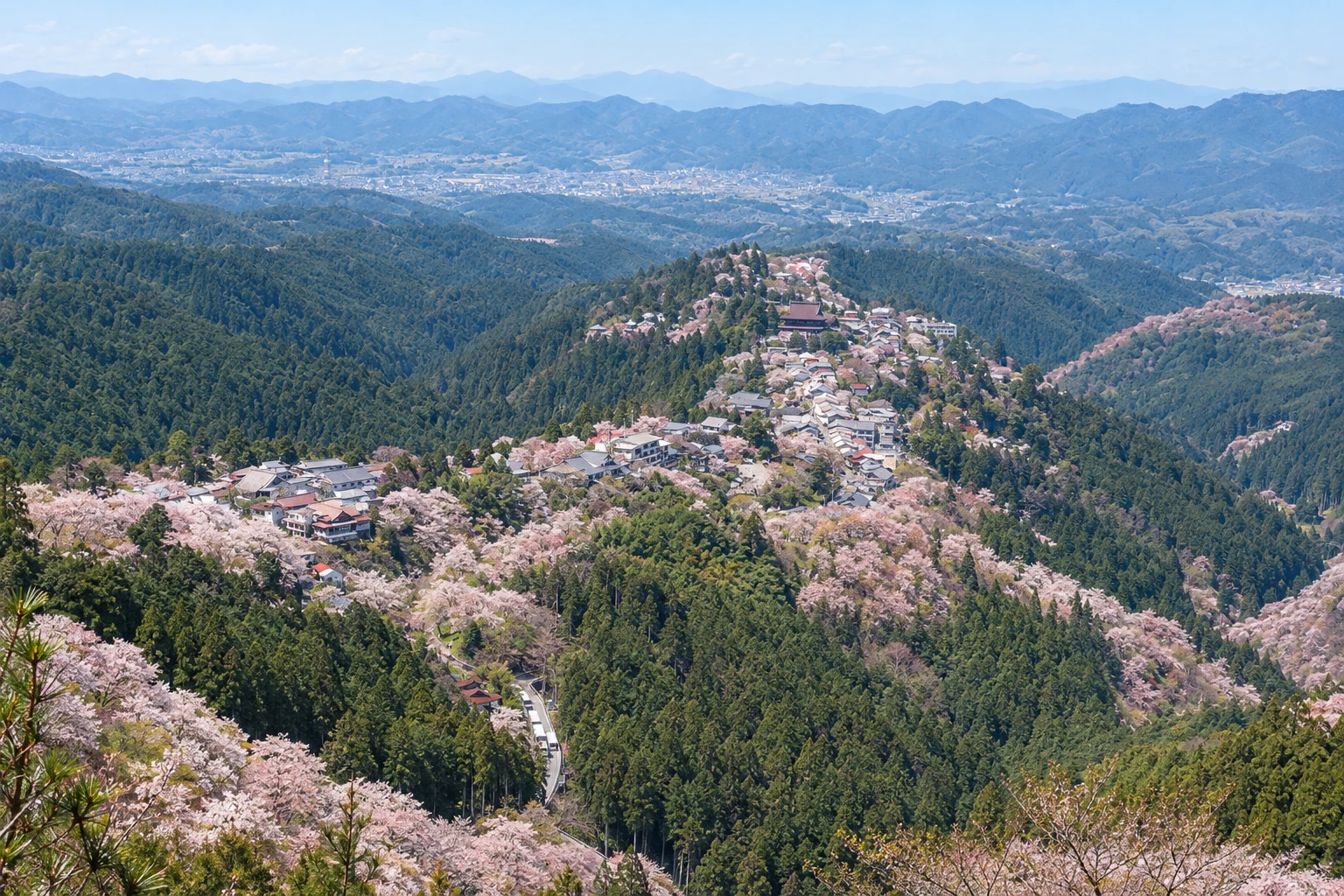
The cherry-tree mountain in southern Nara, with thousands of trees on successive slopes and the temples and shrines of one of the sacred areas of the Kii Mountain Range, a UNESCO World Heritage Site.
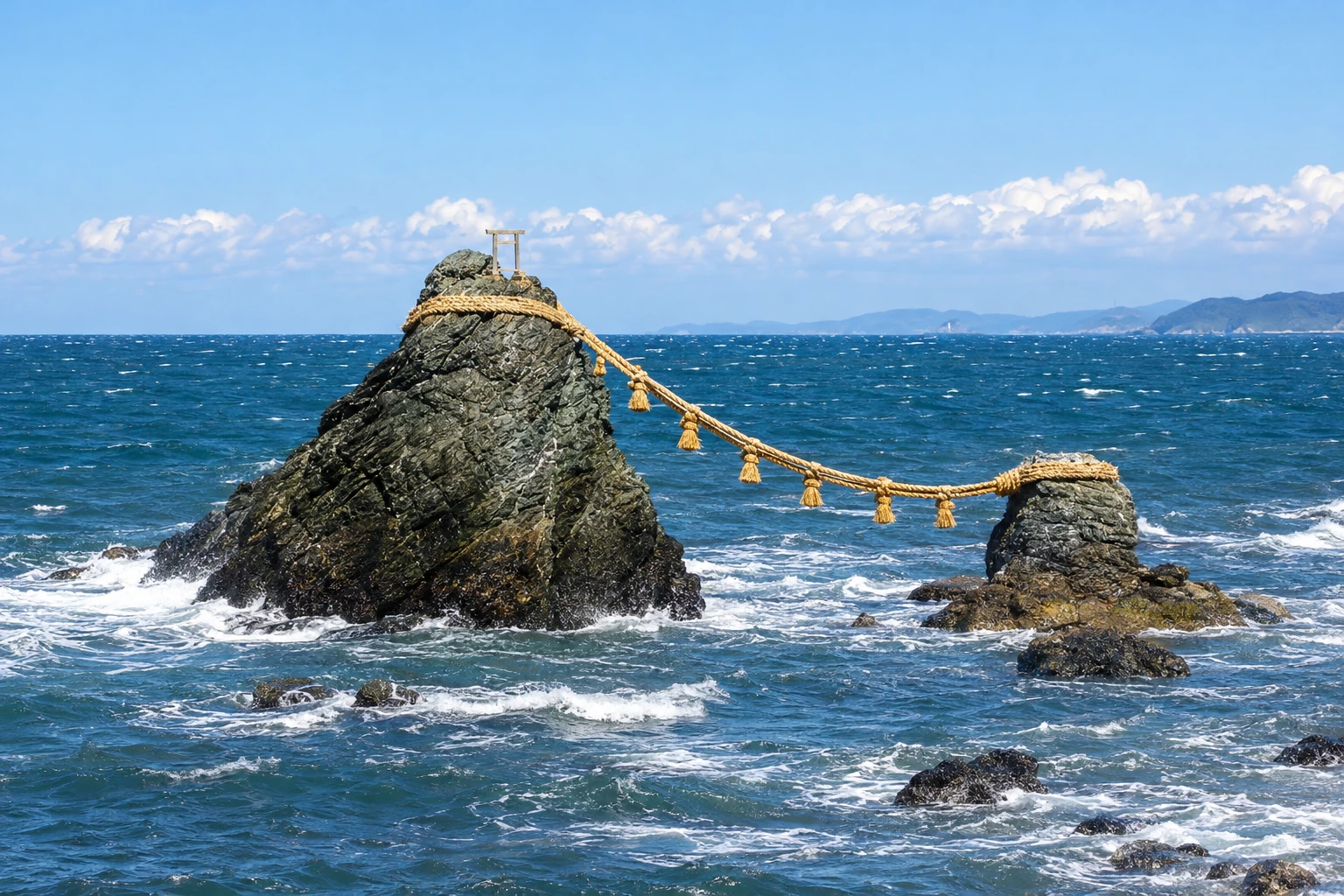
The Ise shrine, the most sacred of Shinto, rebuilt every 20 years; the married rocks of Meoto Iwa; and Toba Bay, where cultured pearls were born.
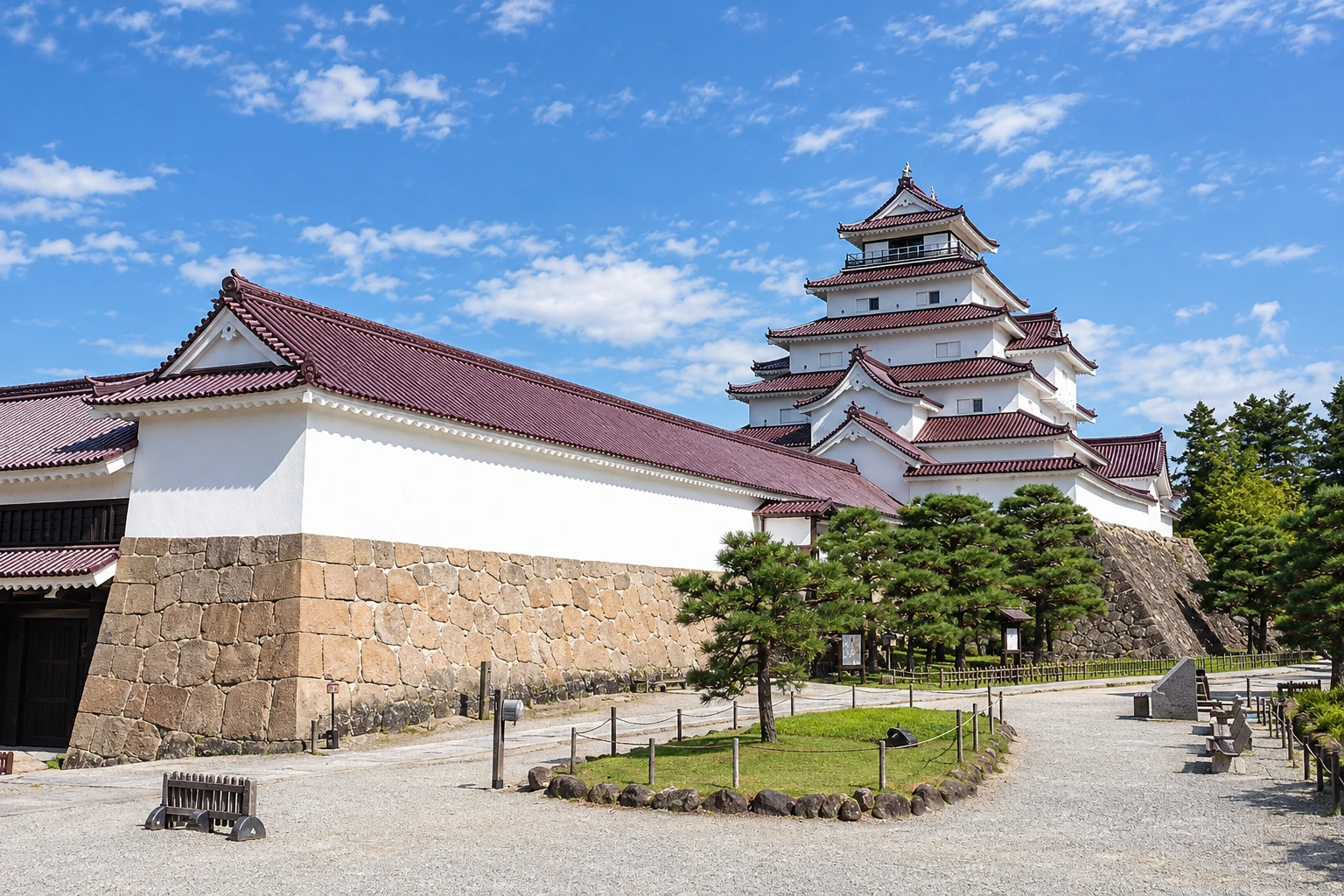
The castle-town of Aizuwakamatsu, with the red-tiled Tsuruga Castle and the story of the young Byakkotai samurai, and Ouchi-juku, the thatched-roof post town on the old highway.
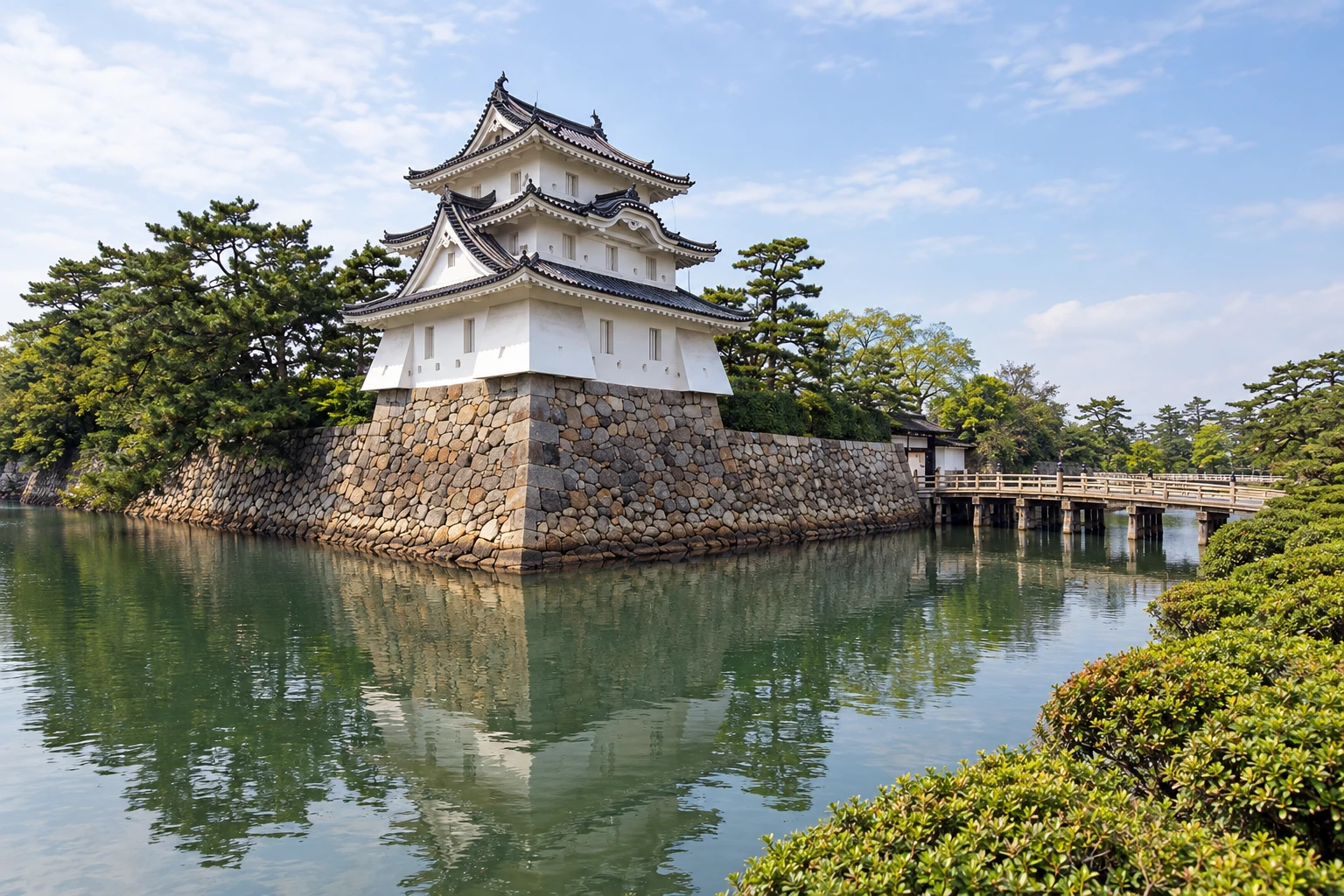
The city of Ritsurin Garden and udon on Shikoku’s north coast, and the art island of Naoshima in the Inland Sea, with Tadao Ando museums and outdoor works.
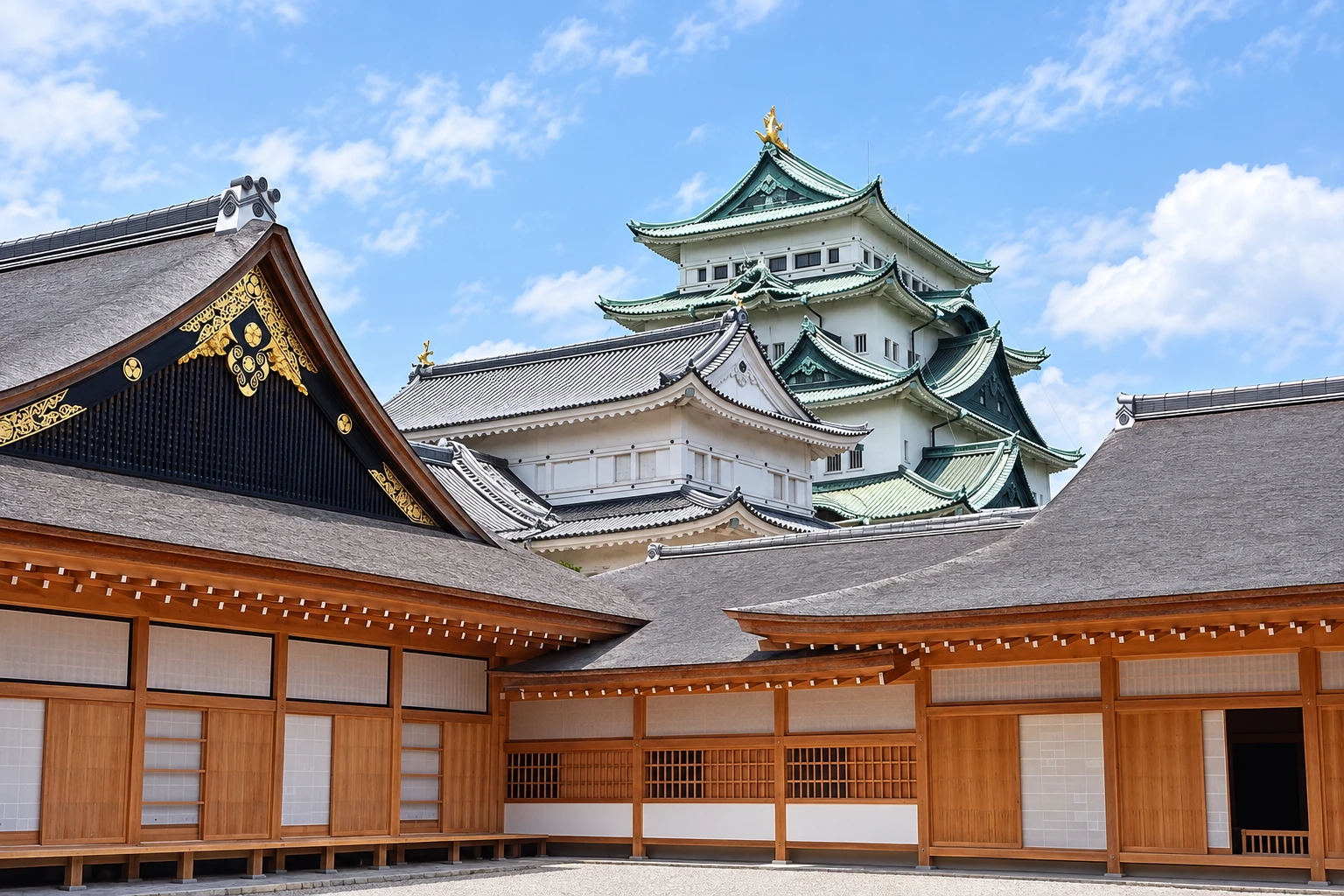
The large city between Tokyo and Kyoto, with the castle of golden fish, the shrine that guards the sacred sword, industry museums and, nearby, Inuyama’s original castle.
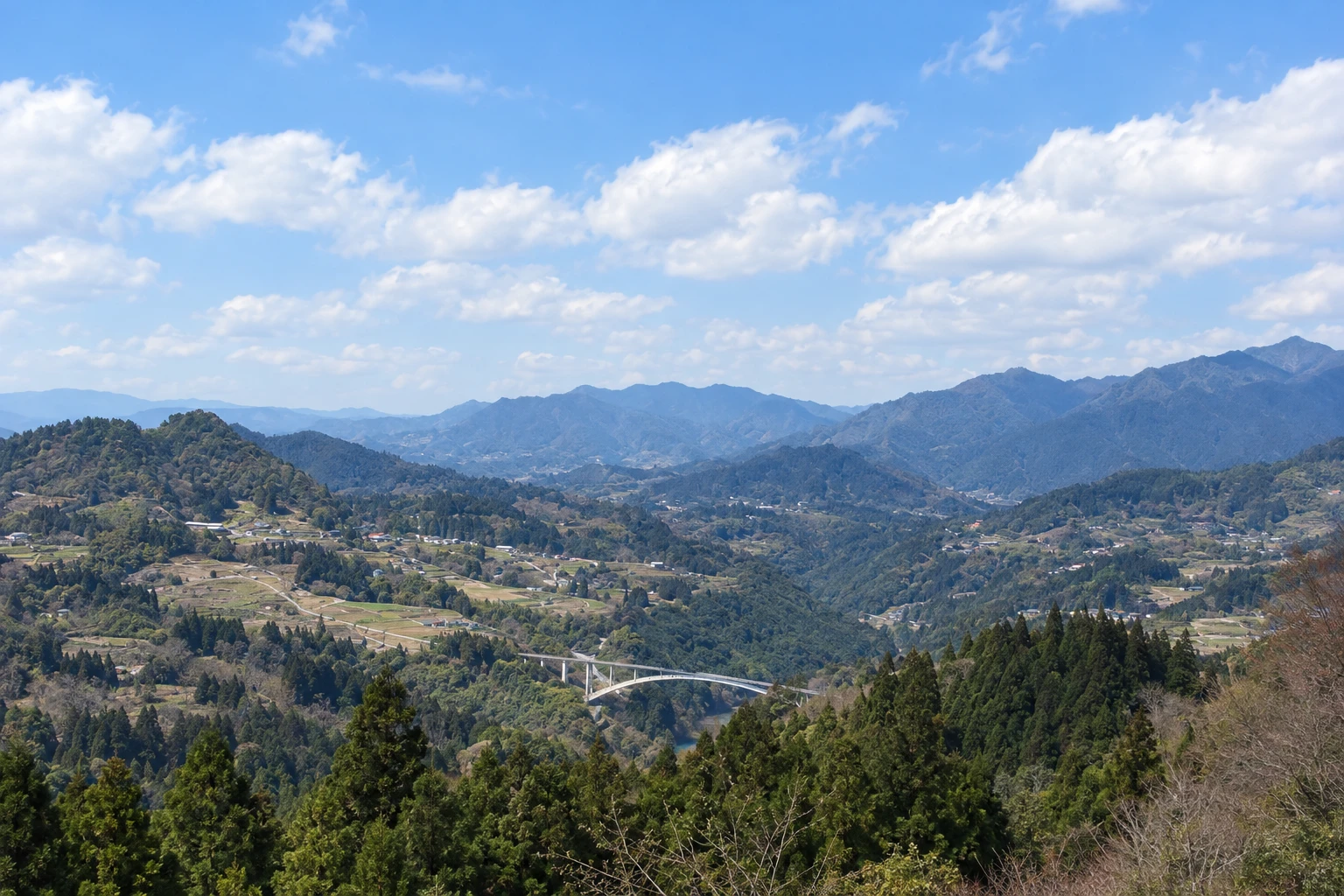
The mountain town in northern Miyazaki where Japan’s origin myths take place, with basalt cliffs, kagura dances and the cave where the sun goddess hid.
Cities to start with
Each city has a page with what to do there.

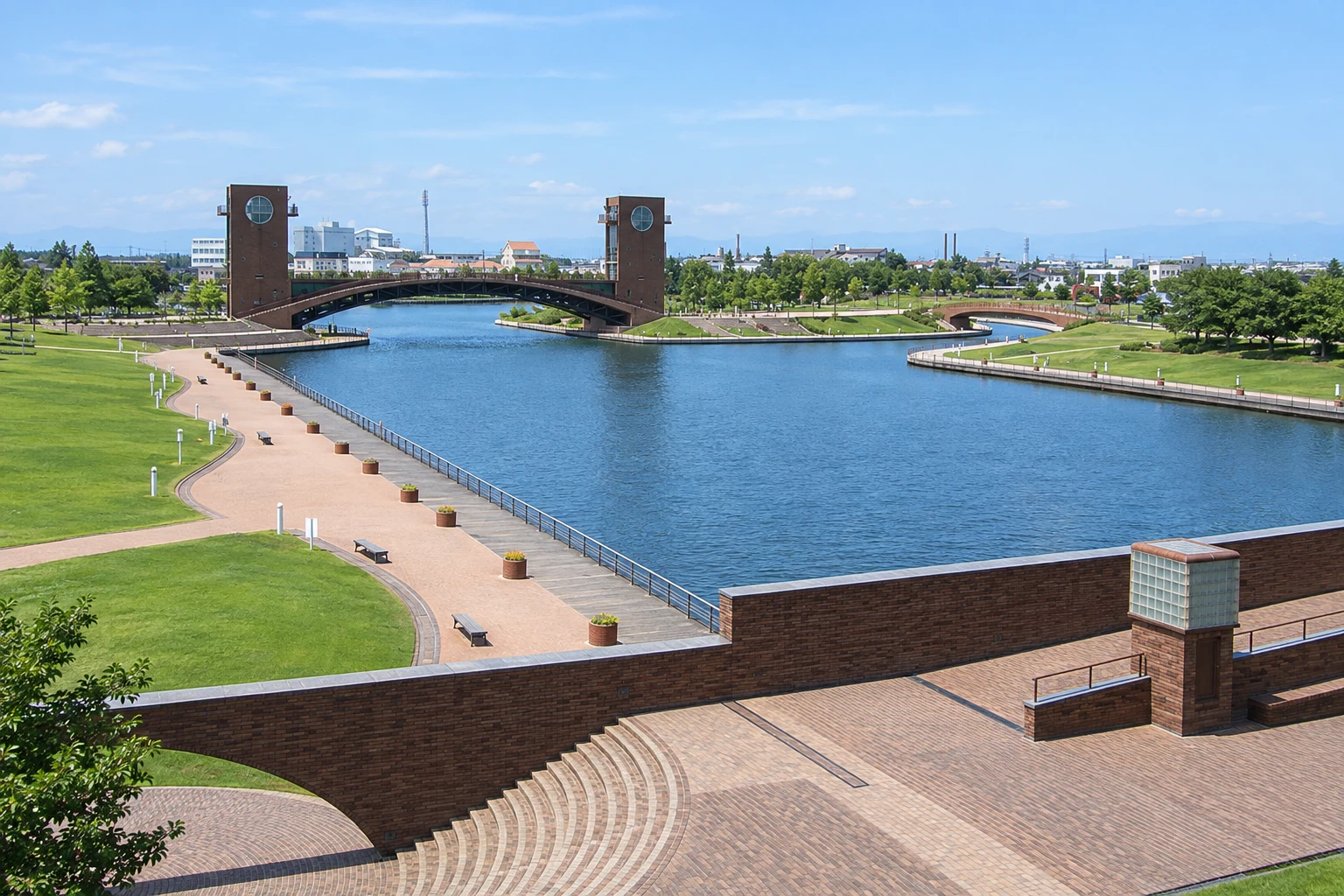
Toyama is the capital of the prefecture of the same name, on the shore of Toyama Bay with the Northern Alps in the background. It is the western gateway to the Tateyama Kurobe Alpine Route, with Murodo and the Shomyo Falls along the way, and it has the Glass Art Museum in a wooden building by Kengo Kuma. The city is known for white shrimp and trout sushi.

Semboku is the inland municipality of Akita that includes Kakunodate, the castle town with its samurai district and weeping cherry trees, Lake Tazawa—the deepest lake in Japan—and Nyuto Onsen, a group of hot-spring inns in the forest of Mount Komagatake. The center is in Kakunodate, next to the Shinkansen station.

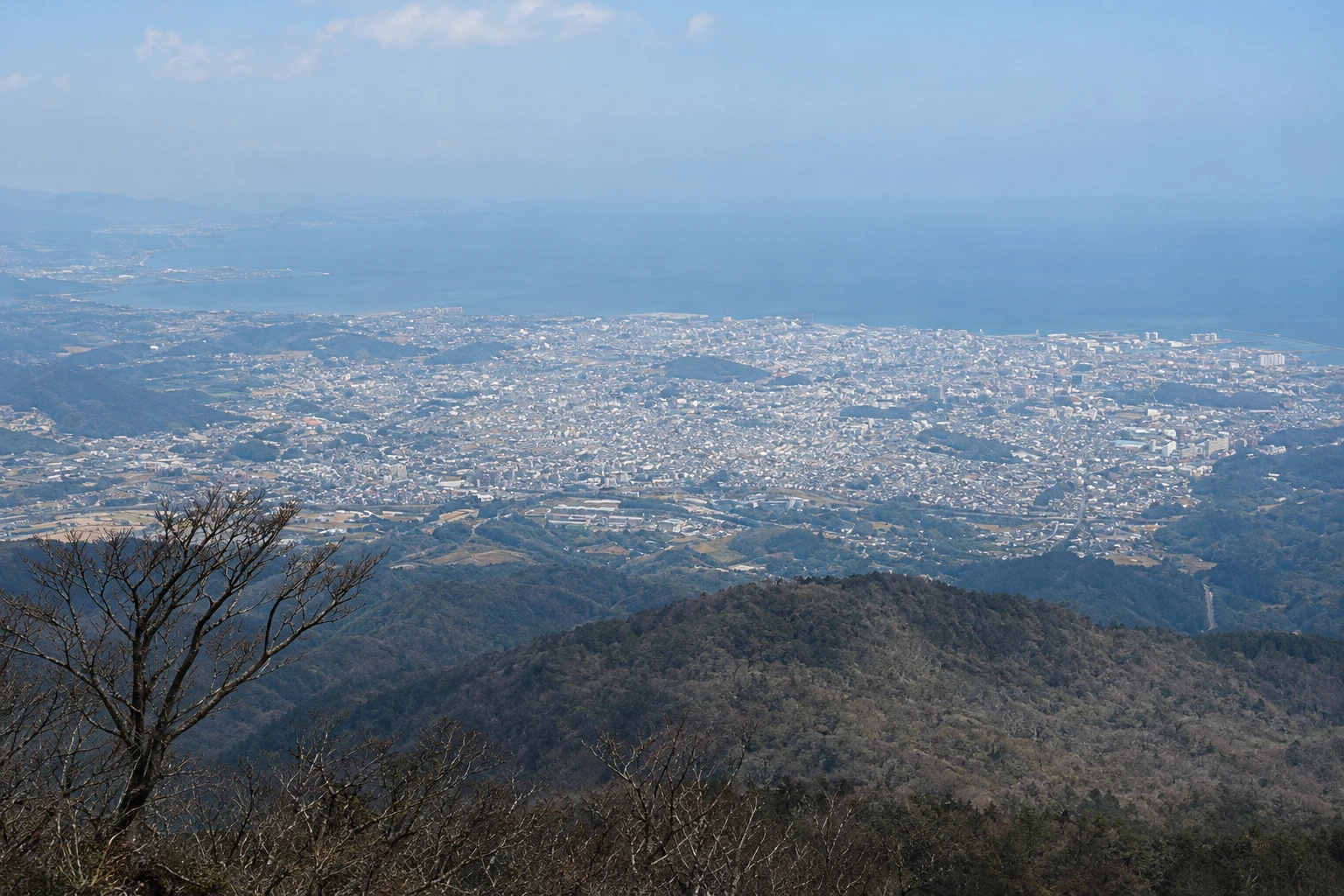
Beppu is the hot-spring city on Beppu Bay in Oita, where steam rises from streets and slopes. It has hundreds of baths, the Kannawa and Shibaseki hells—which are visited as scenery—the hot sand bath at Takegawara and Myoban’s yunohana huts. Mount Tsurumi, with a ropeway, rises behind the town.

Kusatsu is the hot-spring town in northwest Gunma, in the mountains at about 1,200 meters elevation. The center is the yubatake, where hot water runs through wooden channels; next to it, Netsunoyu presents the yumomi, and to the west Sainokawara Park has a hot stream and a large outdoor bath. The village has public bathhouses and a ski resort in winter.

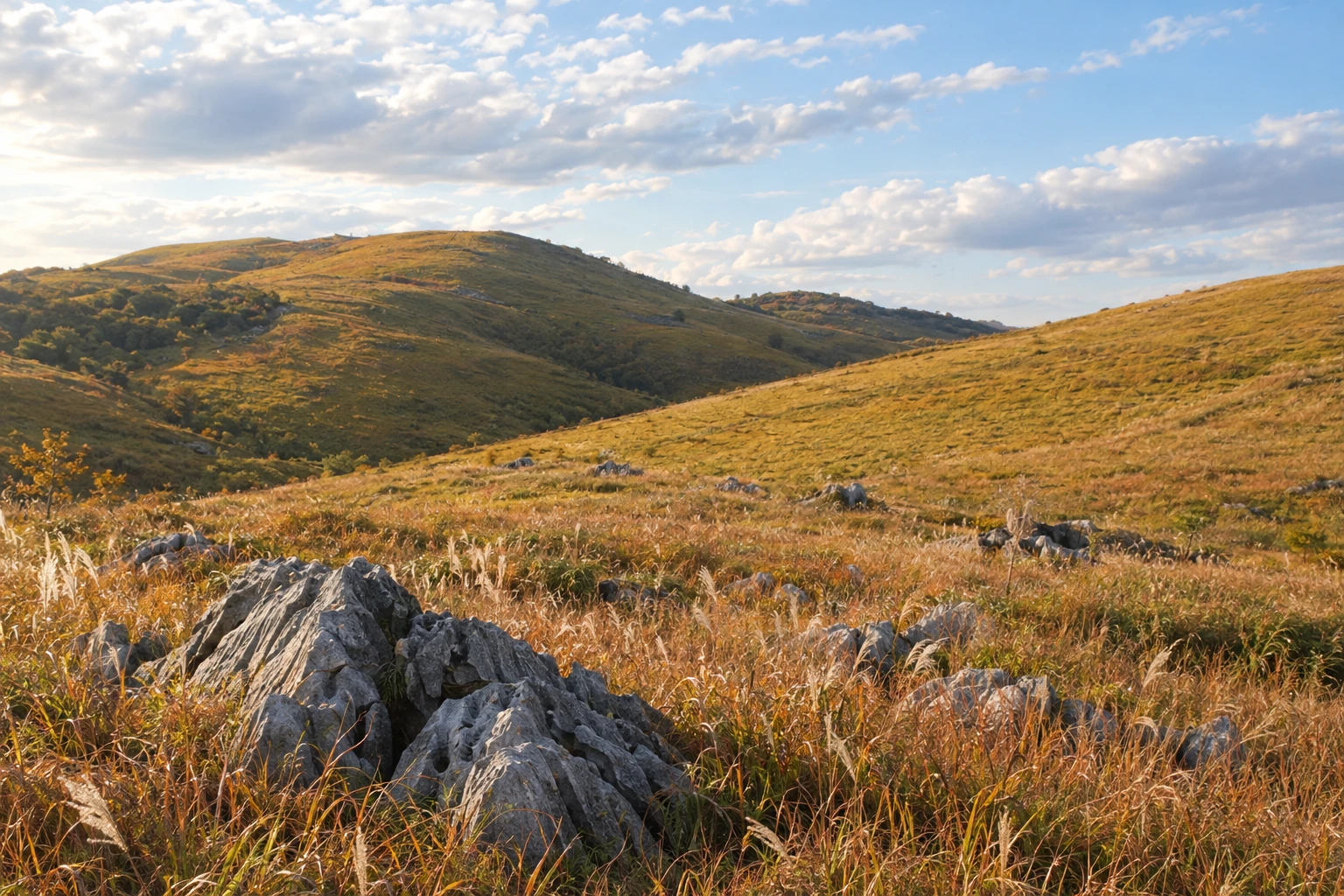
Mine is the inland city in Yamaguchi where Akiyoshidai, a karst plateau of grass and limestone rocks, and the Akiyoshido cave, one of the largest in the country, are located. The city center is about 15 km from the plateau; access is via the Akiyoshido area, which has hotels, shops and museums.

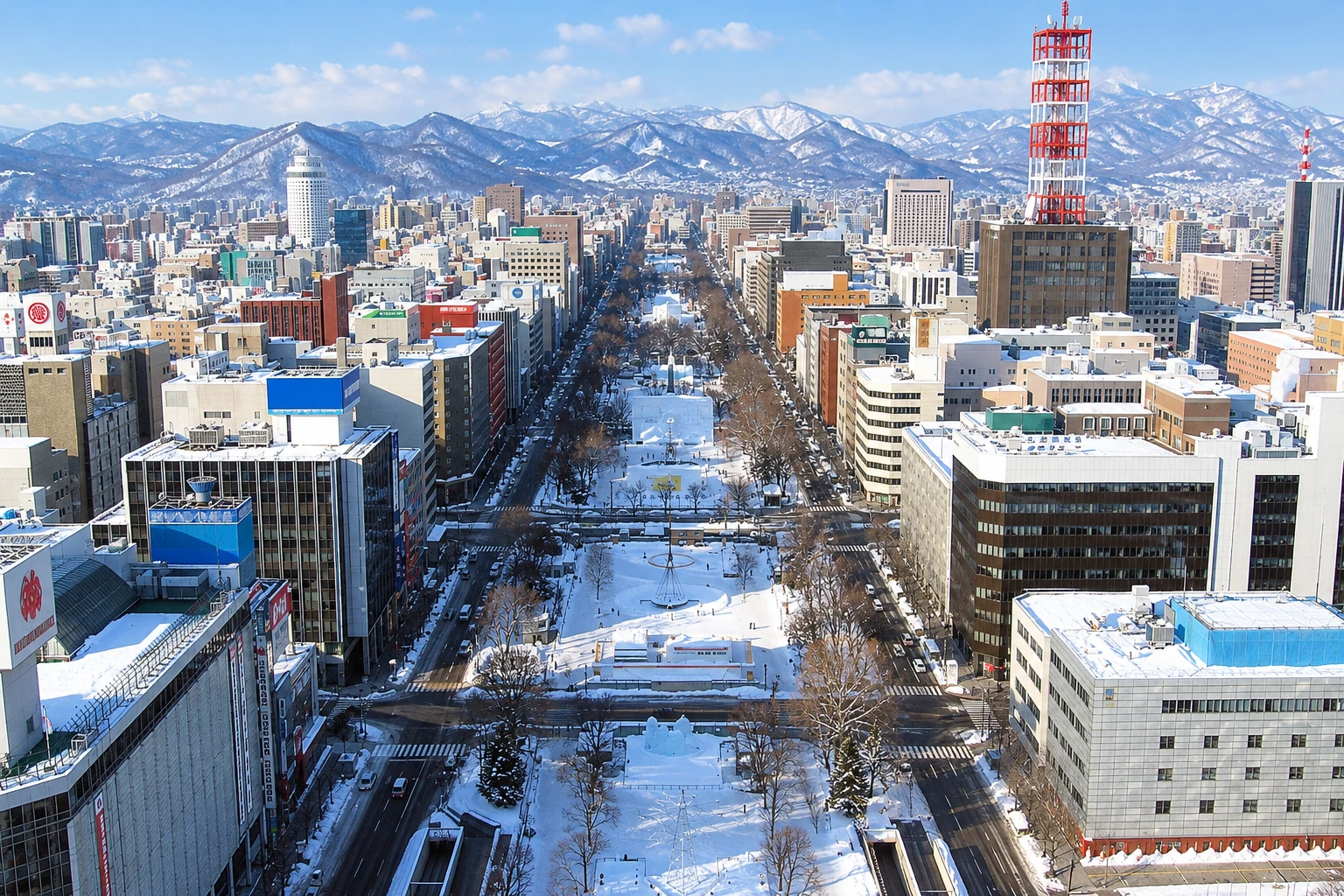
Sapporo is the capital of Hokkaido Prefecture and the largest city in northern Japan. The planned city center revolves around Odori Park, home to the Snow Festival, with the clock tower and the old red-brick government building nearby. The Beer Museum, the Mount Moiwa ropeway, and Moerenuma Park round out a visit, and the Susukino neighborhood concentrates ramen shops and grilled mutton restaurants.
The map
Tap a region to see the names. Use two fingers to zoom in.
Dados cartográficos: © OpenStreetMap contributors, via Wambacher / geoBoundaries (ODbL 1.0). Adapted by Cidade Turismo.
Japan
Another way into the same trip
Choose the province and the city to find your place in the guide.
Beyond the guide