Mount Fuji and the Five Lakes

Yamanashi

Mount Fuji and the Five Lakes

The 3,776-meter volcano seen from the lakes on the north side, the Chureito Pagoda, pilgrimage shrines and the ascent via the Yoshida Trail during the official summer season.

Chubu

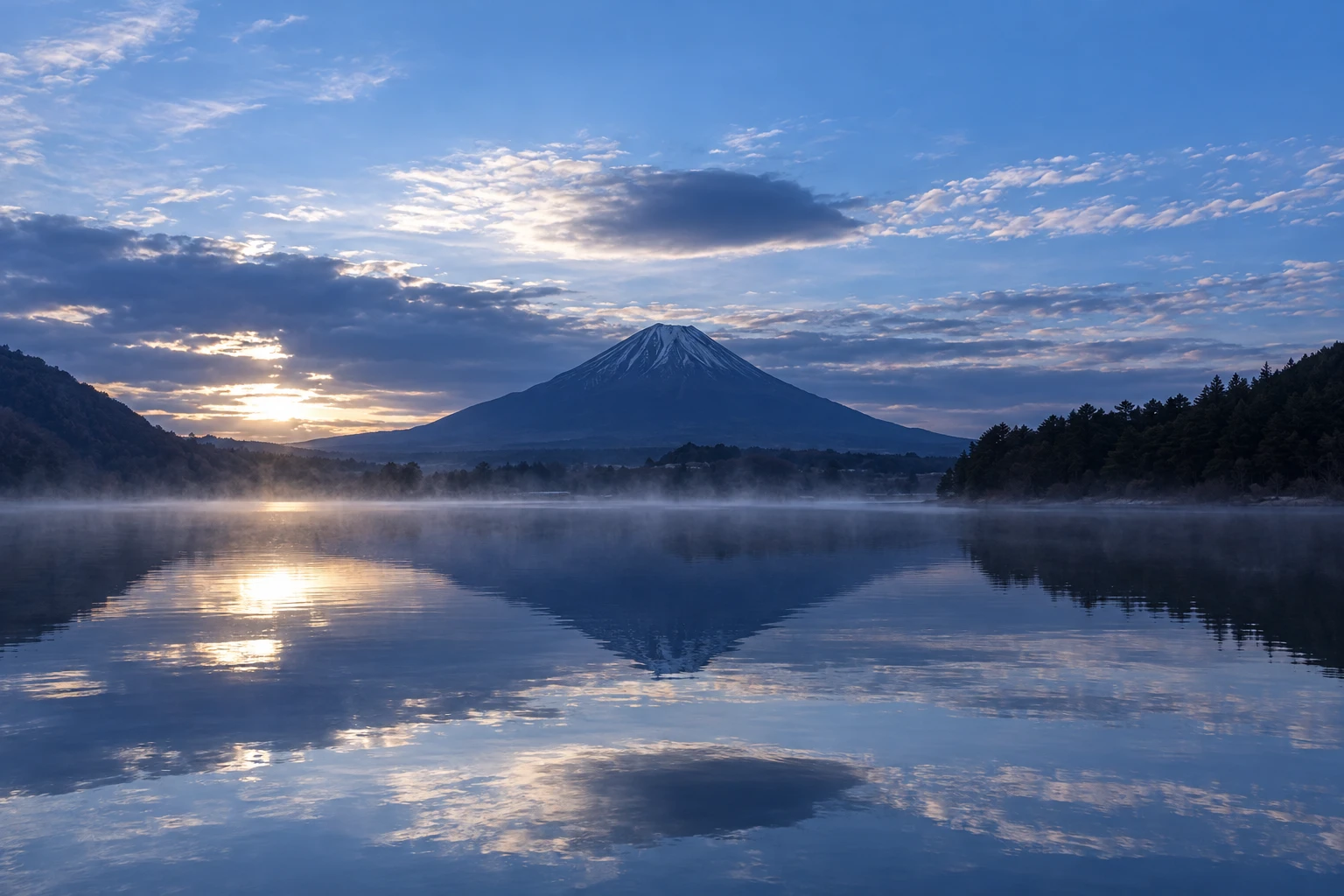
In the photo: Mount Fuji and Lake Shoji.

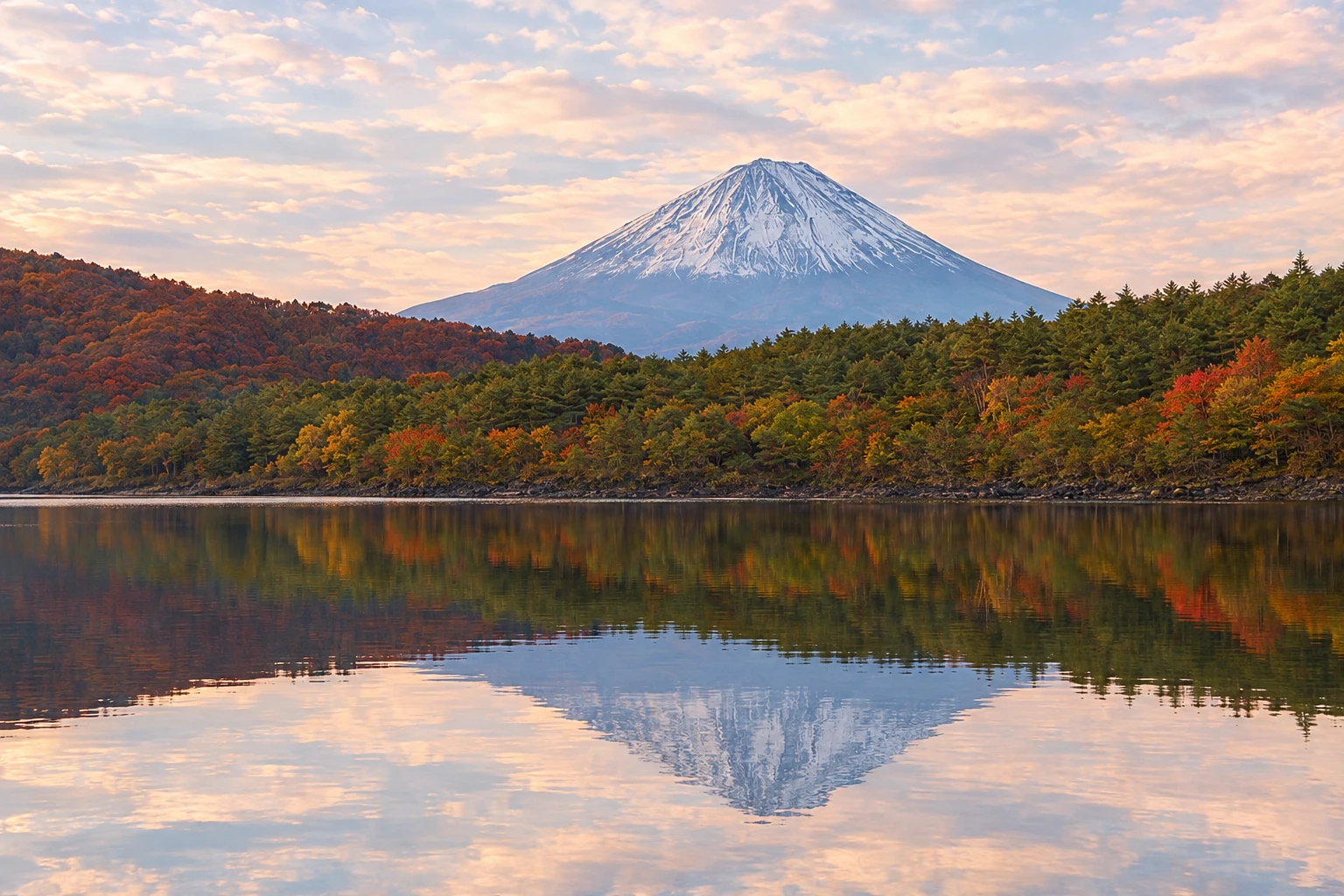
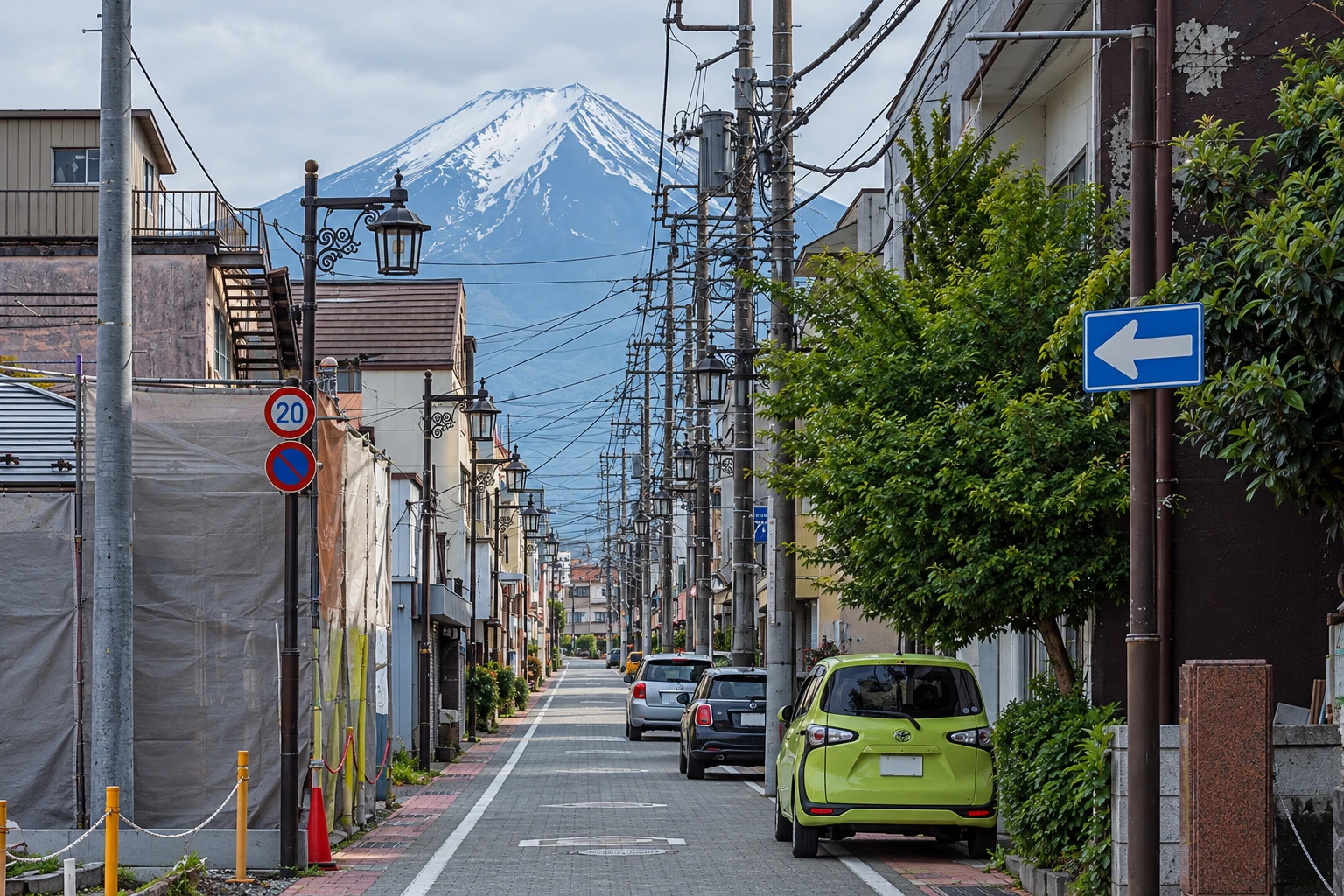
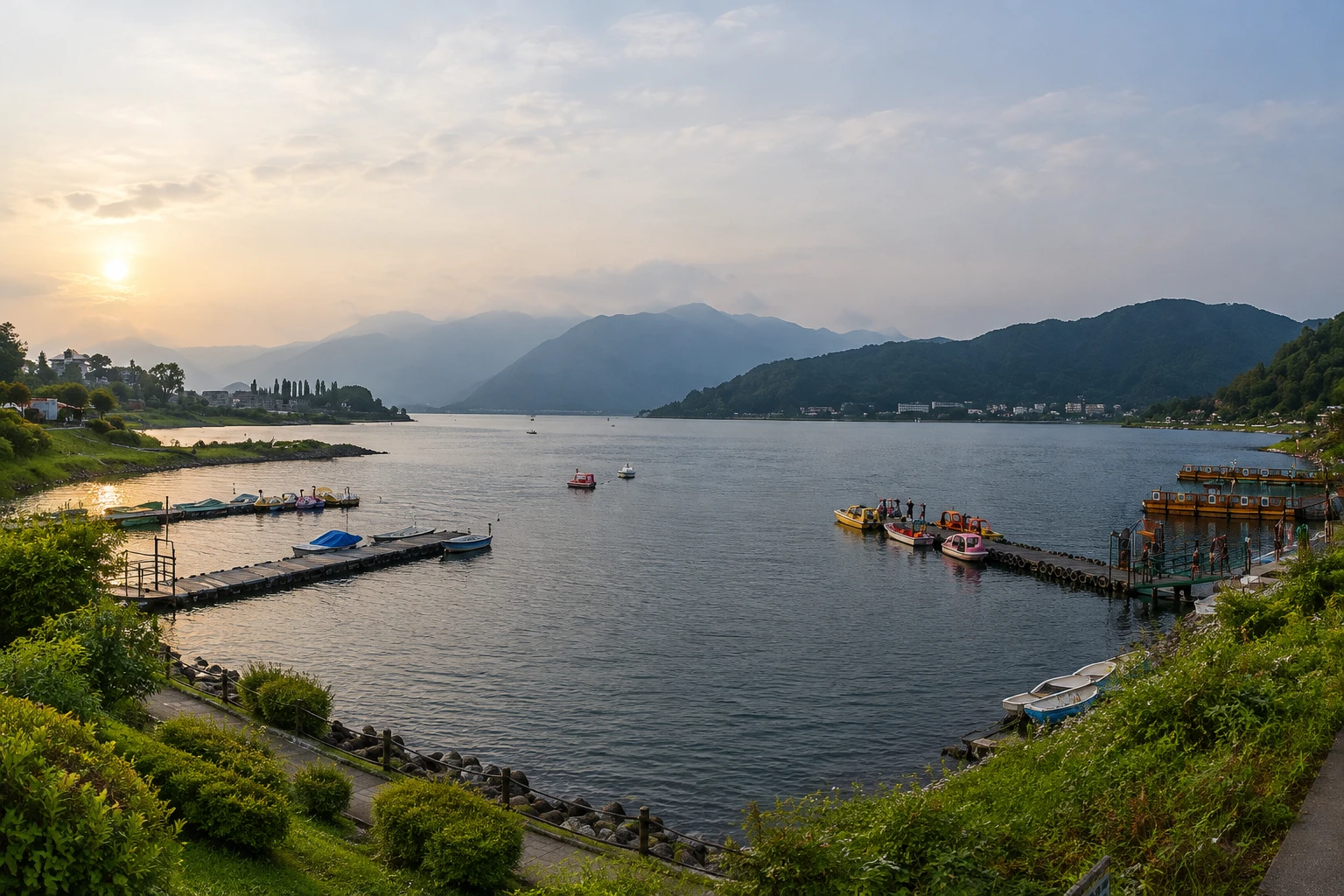
Illustrative images. The pictures in this guide are illustrations based on the real place, not photographs, and may differ from it.

Get it on Google Play

Get to know the place

A region to enjoy
at your own pace.

Mount Fuji (Fujisan), at 3,776 meters, is Japan’s highest mountain, a nearly symmetrical volcanic cone straddling Yamanashi and Shizuoka prefectures. Its last eruption was in 1707. Revered as a sacred mountain and depicted for generations by artists such as Hokusai and Hiroshige, it was inscribed as a World Heritage Site in 2013 in the cultural category, together with shrines, lakes and springs associated with the cult.

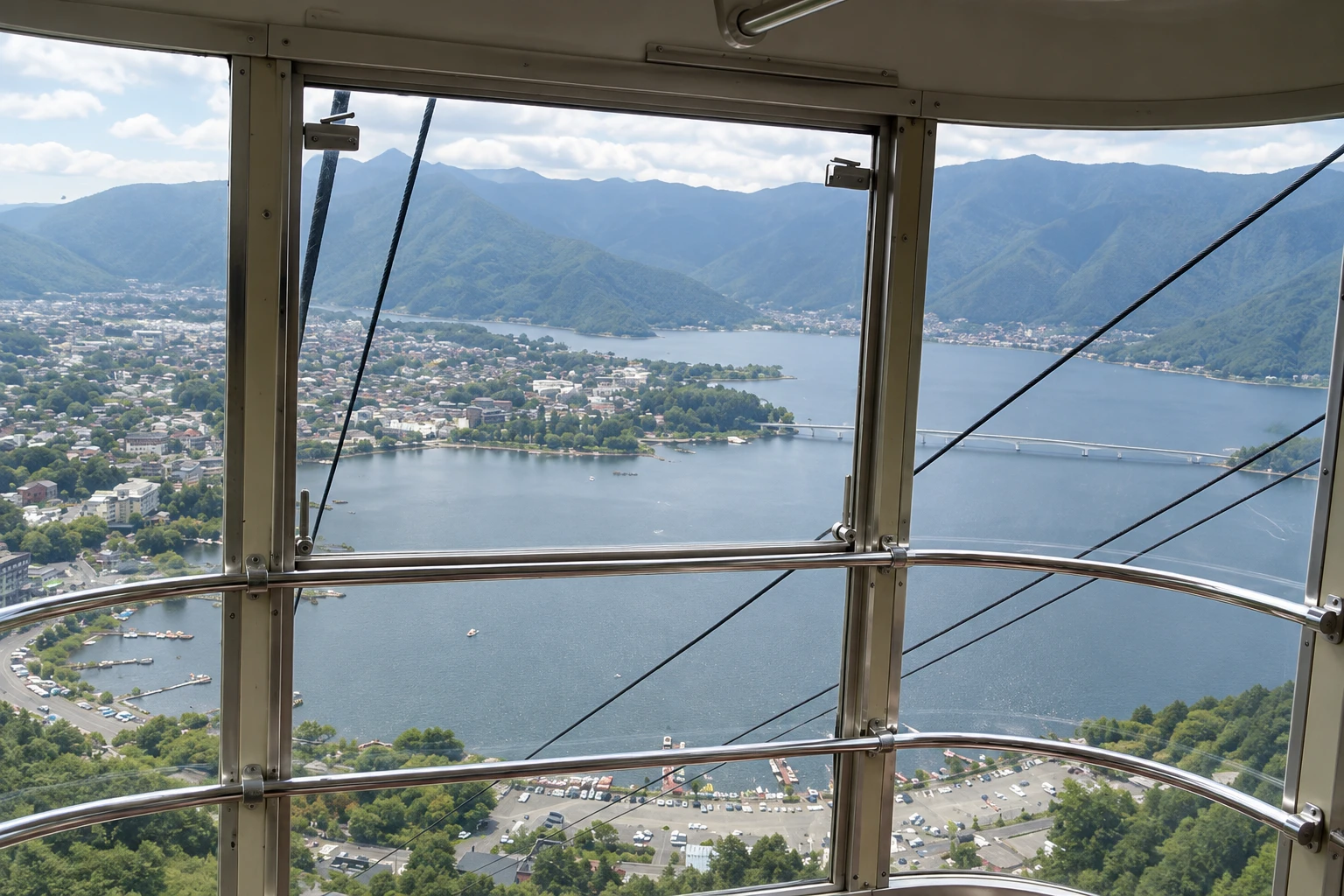
The north side, in Yamanashi, is the most visited area. There are the Five Fuji Lakes (Fujigoko), formed by old lava flows: Yamanaka, Kawaguchi, Sai, Shoji and Motosu. The town of Fujikawaguchiko, on the shore of Lake Kawaguchi, concentrates accommodations, hot springs, museums, boat services and the ropeway from which you can see the cone above the lake.

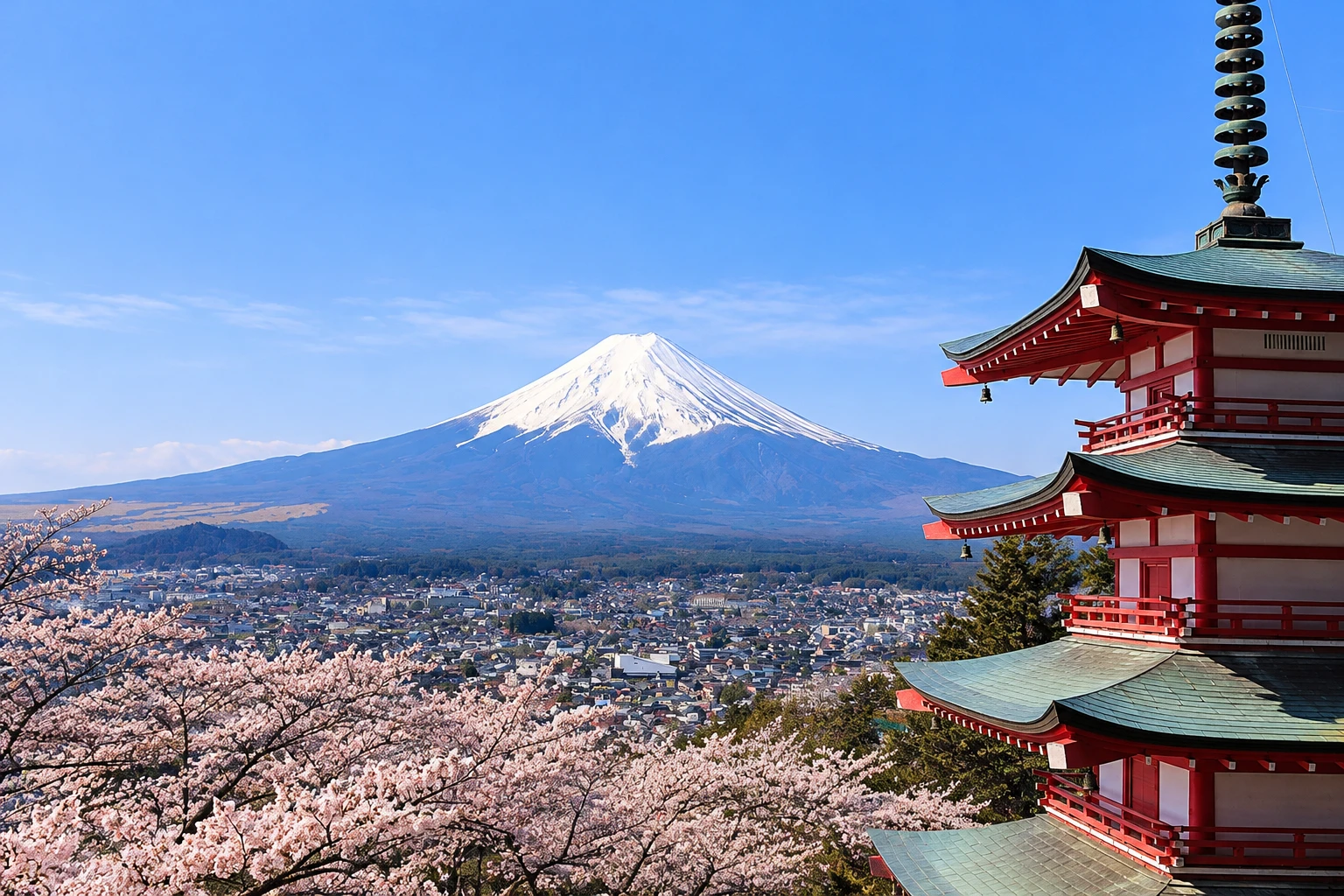
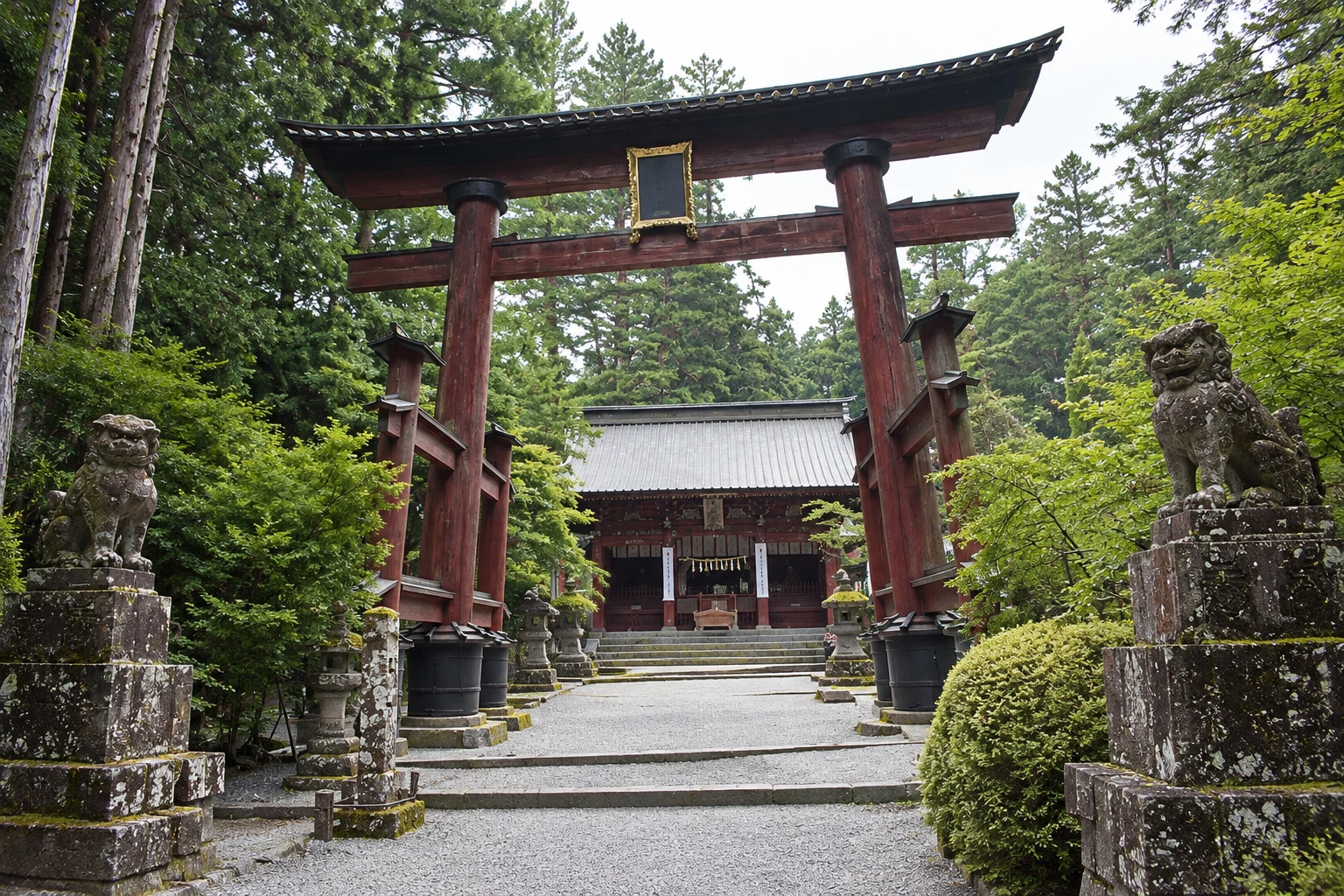
Nearby, Fujiyoshida is the town from which pilgrims used to start their ascent. The Kitaguchi Hongu Fuji Sengen Shrine marks the traditional beginning of the Yoshida Trail, and the slope of Mount Arakura holds the Chureito Pagoda, the most photographed framing of Fuji. Close by, the Oshino Hakkai ponds are fed by snowmelt filtered through lava.

The mountain changes with the seasons. In winter, the cone is covered in snow and the dry air often keeps it visible for longer. In summer, most of the snow melts, clouds frequently hide the summit, and the mountain opens to hikers during the official climbing season. The view is never guaranteed: Fuji can remain covered for entire days.

This destination brings together 2 cities: Fujikawaguchiko, Fujiyoshida.

Share: WhatsApp
Traveler, share your experiences through photos Up to 5 photos of each place you visited.

One destination, many paths

The cities on this trip

Start with one city or combine several in your itinerary.

Where Mount Fuji and the Five Lakes is The star marks the nearest capital, Yokohama.
YokohamaFujikawaguchikoFujiyoshida

Dados cartográficos: © OpenStreetMap contributors, via Wambacher / geoBoundaries (ODbL 1.0). Adapted by Cidade Turismo.

How to get there: Mount Fuji and the Five Lakes

Aeroporto Internacional de Tóquio (Haneda) (HND), in Ota · 125 km to Fujikawaguchiko

From Tokyo, highway buses depart Shinjuku and reach Kawaguchiko in about 2 hours. By train, the limited express Fuji Excursion connects Shinjuku to Kawaguchiko in about 2 hours, or you can transfer at Otsuki to the Fujikyu Railway. From Kyoto and Osaka, the route goes via Mishima or Shin-Fuji and buses.

Suggested arrival point: Fujikawaguchiko

The local experience

Things to do in Mount Fuji and the Five Lakes

Fujikawaguchiko · Yamanashi · Lake

Lake Kawaguchi

The most visited lake among Fuji’s Five Lakes, with a view of the cone reflected in the water, flower parks, museums, boats and the maple corridor.

Explore Lake Kawaguchi

Fujiyoshida · Yamanashi · Viewpoint

Chureito Pagoda

The five-storied pagoda on the slope of Arakurayama Sengen Park in Fujiyoshida, with Mount Fuji in the background and cherry trees around it — one of the most famous framings of Japan.

Explore Chureito Pagoda

See 4 more places in Mount Fuji and the Five Lakes

Before you go

Practical information

A little planning leaves more time to enjoy the journey.

When to go

From November to February, the dry air often keeps Fuji visible for longer, with snow on the cone. Cherry trees usually bloom in mid-April, and the roadside maples around Lake Kawaguchi turn red in early November. The official climbing season runs from early July to early September; in summer clouds often cover the summit.

The seasons shown are the most usual ones; nature doesn't always follow the calendar.

How many days to stay

One day is enough for Lake Kawaguchi and the Chureito Pagoda, if the weather cooperates. Two nights increase the chance of seeing a cloud-free summit and allow you to include the other lakes, Oshino Hakkai and the fifth station. Reaching the summit requires two days, with an overnight at a mountain hut.

Which city to stay in

The shore of Lake Kawaguchi, in Fujikawaguchiko, has ryokan with hot springs and rooms facing Fuji, and is close to the station and buses. The northern shore is quieter. Fujiyoshida has simpler lodgings near Fujisan and Shimoyoshida stations. Lake Yamanaka, to the east, also has hotels and guesthouses.

Respect the place

Take your trash with you, follow the signs and support local businesses. In natural areas, follow the visiting guidelines.

Beyond the guide

Your questions

Frequently asked questions about Mount Fuji and the Five Lakes

How do you get from Tokyo to Mount Fuji?

By highway bus, from Shinjuku to Kawaguchiko or Fuji-Q Highland in about 2 hours, or by train on the Fuji Excursion limited express from Shinjuku to Kawaguchiko, also in about 2 hours. Book in advance on weekends.

What is the best time to see Mount Fuji?

From November to February, when the dry air often keeps the mountain visible for longer, especially early in the morning. In summer, clouds frequently cover the summit. The view is never guaranteed.

When is Mount Fuji’s climbing season?

Only in summer: the official season opens in early July and ends in early September. In other months, trails above the fifth station are closed. Dates, fees and visitor limits change from year to year; the official climbing website publishes the rules.

Can you do a day trip from Tokyo to Mount Fuji?

Yes, by bus or train, about 2 hours each way. Staying overnight in the area increases the chance of seeing a cloud-free summit, which tends to appear more often in the early morning.

Do you need a car around Mount Fuji?

Not necessary. Kawaguchiko sightseeing buses connect the lakes, the pagoda and Oshino Hakkai, and a bus runs up to the fifth station. A car makes it easier to reach more distant lakes like Motosu.

Dá para dirigir no Japão com a CNH brasileira?

Não. A CNH e a permissão internacional emitida no Brasil, que segue a Convenção de Viena, não são aceitas no Japão. Para quem tem só a carteira brasileira, o caminho é usar ônibus e trens, que chegam aos lagos e à quinta estação. As exigências podem mudar: confirme antes de viajar.

Explore other destinations Search by state and city