Edomae-zushi
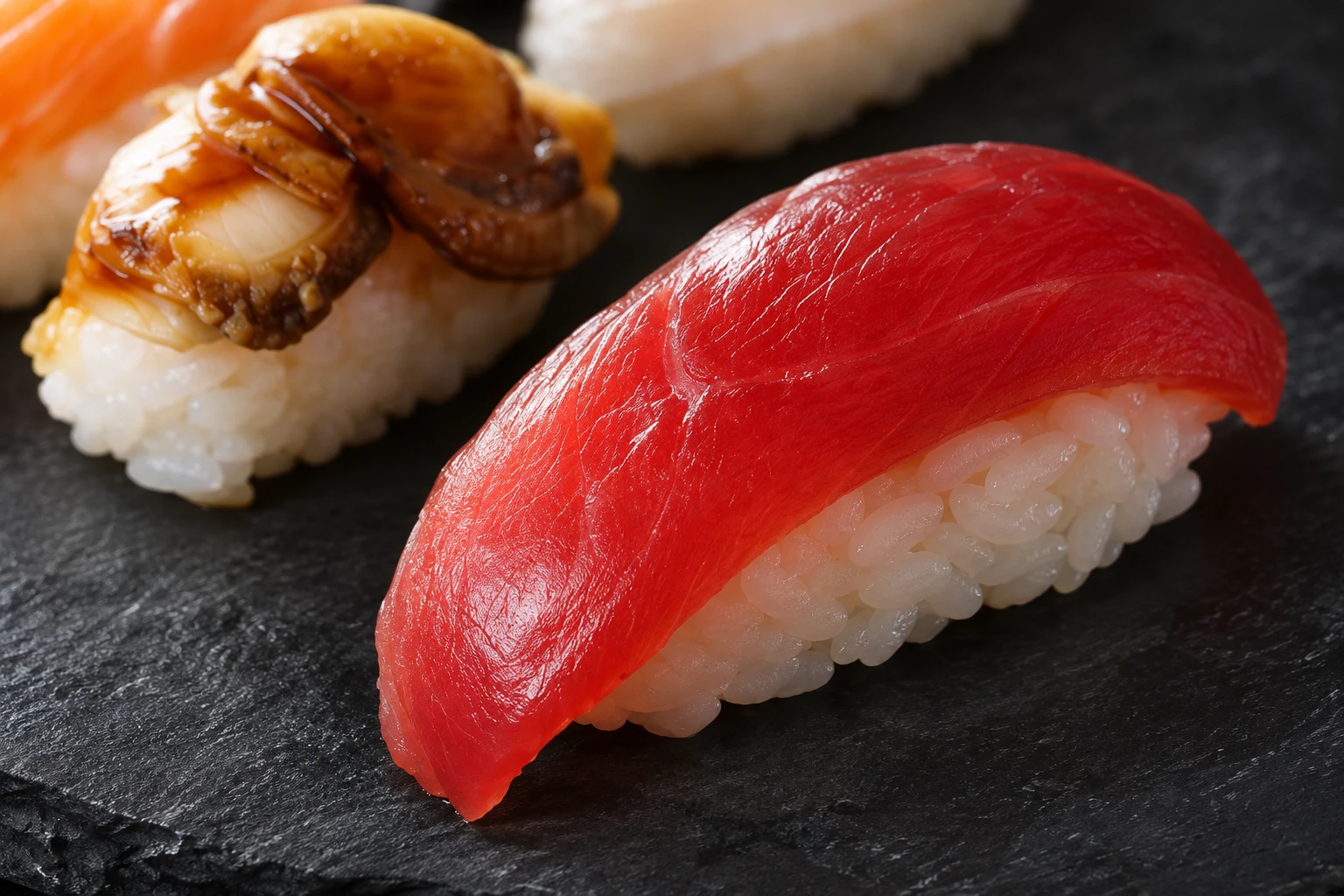
Nigiri in the Edo style, from old Tokyo: a small ball of vinegar-seasoned rice topped with cured, cooked, marinated, or raw fish. It originated as street-vendor food and spread around the world.
Antarctica
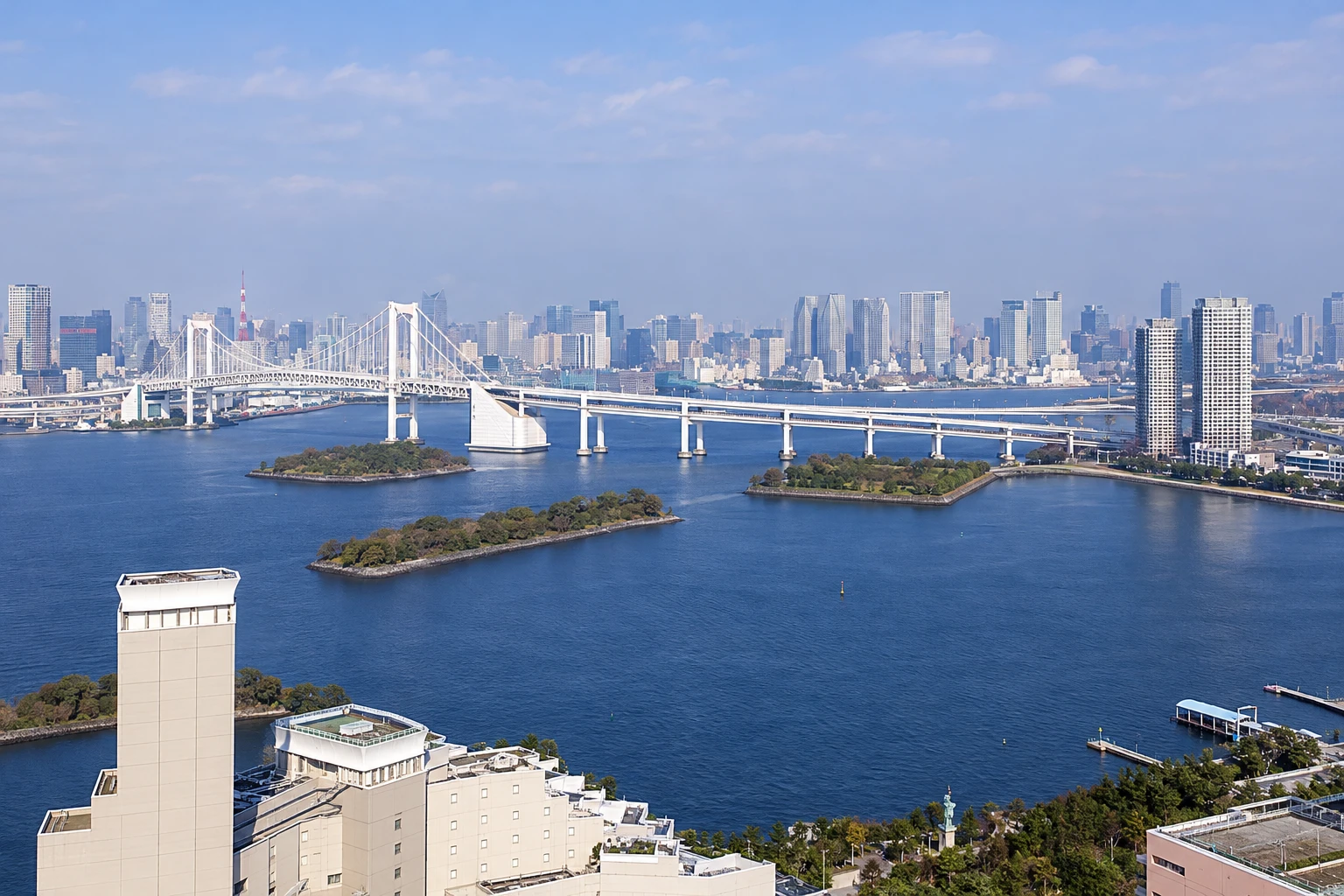
In the photo: Rainbow Bridge and Tokyo Bay, views from Odaiba.
Illustrative images. The pictures in this guide are illustrations based on the real place, not photographs, and may differ from it.
The city
Tokyo is the capital of Japan, a metropolis of 23 special wards connected by trains and subway. Asakusa houses Senso-ji Temple; Ueno holds the major museums; the center contains the East Gardens of the former Edo Castle. Shinjuku and Shibuya concentrate skyscrapers, shops and nightlife, and the Meiji Shrine sits in a forest between them. The city is also a base for day trips to Kamakura, Nikko, Hakone and Mount Fuji.
There's no accommodation in the guide yet in Tokyo.
Tem hotel, pousada ou casa de temporada aqui? Cadastre a suaThere are no restaurants in the guide yet in Tokyo.
Know a good one? Recommend it to usHotéis e restaurantes da cidade no mapa.
how to get there · how many days · itinerary · questions
Flavors of Japan

Nigiri in the Edo style, from old Tokyo: a small ball of vinegar-seasoned rice topped with cured, cooked, marinated, or raw fish. It originated as street-vendor food and spread around the world.

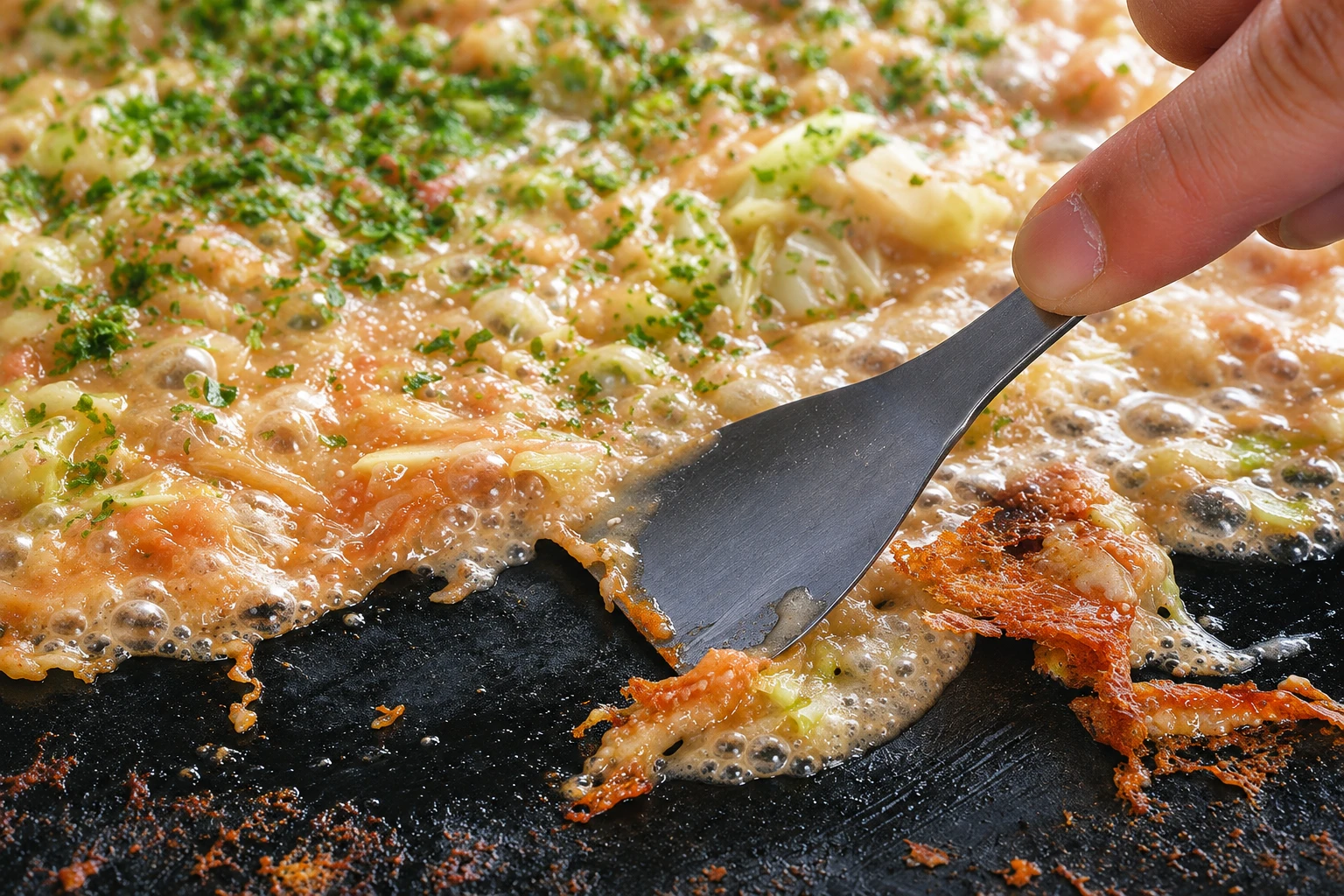
A very thin batter of wheat flour and broth, with cabbage and other ingredients, cooked on a griddle at the table and eaten bit by bit with small spatulas. A Tokyo dish associated with the Tsukishima neighborhood.
The local experience
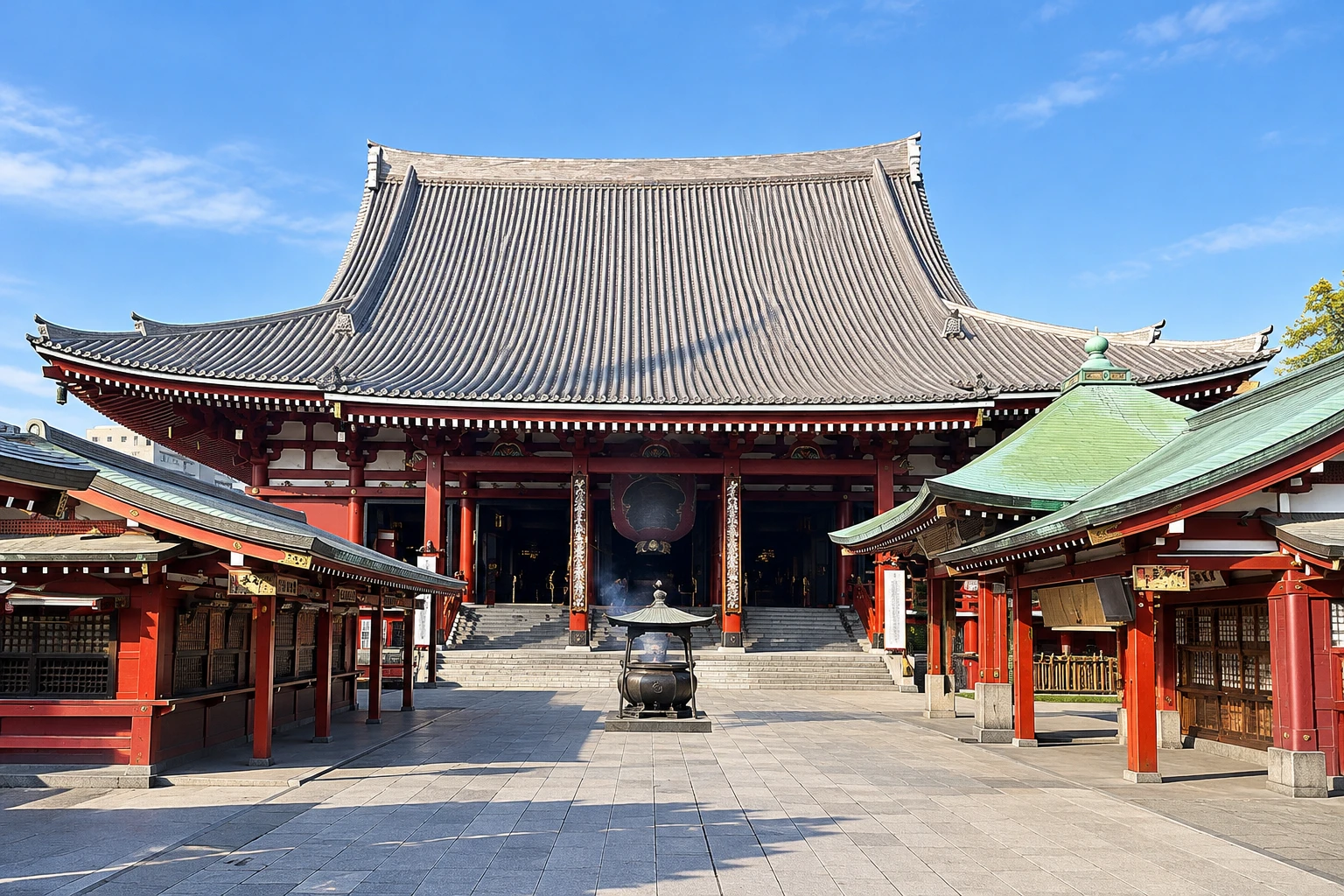
Tokyo’s oldest temple, in Asakusa: the Kaminarimon gate with its large red lantern, the Nakamise shopping street, the Kannon hall and the five-story pagoda.
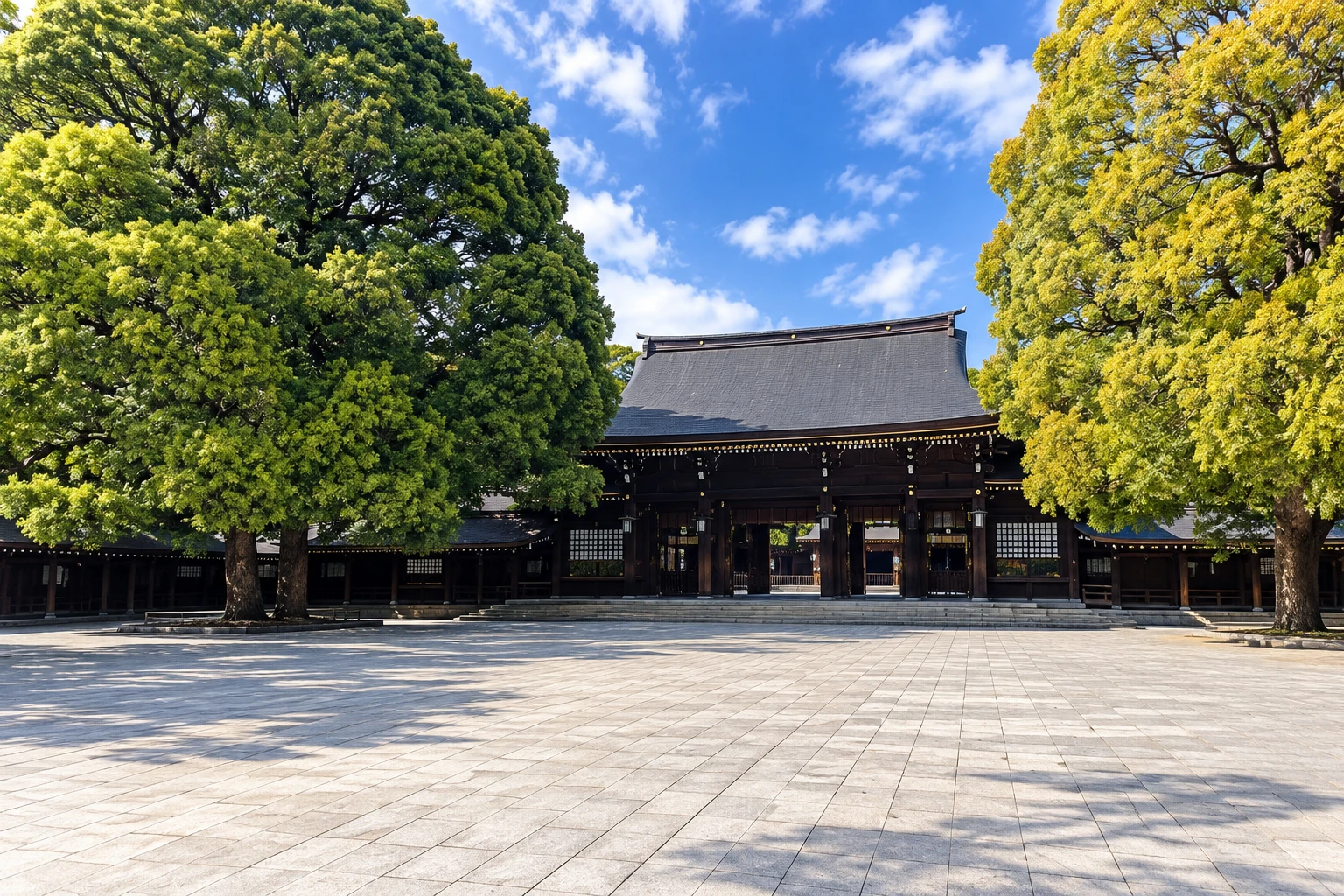
The large Shinto shrine of Tokyo, dedicated to Emperor Meiji and Empress Shoken, surrounded by a forest planted between Harajuku and Yoyogi.
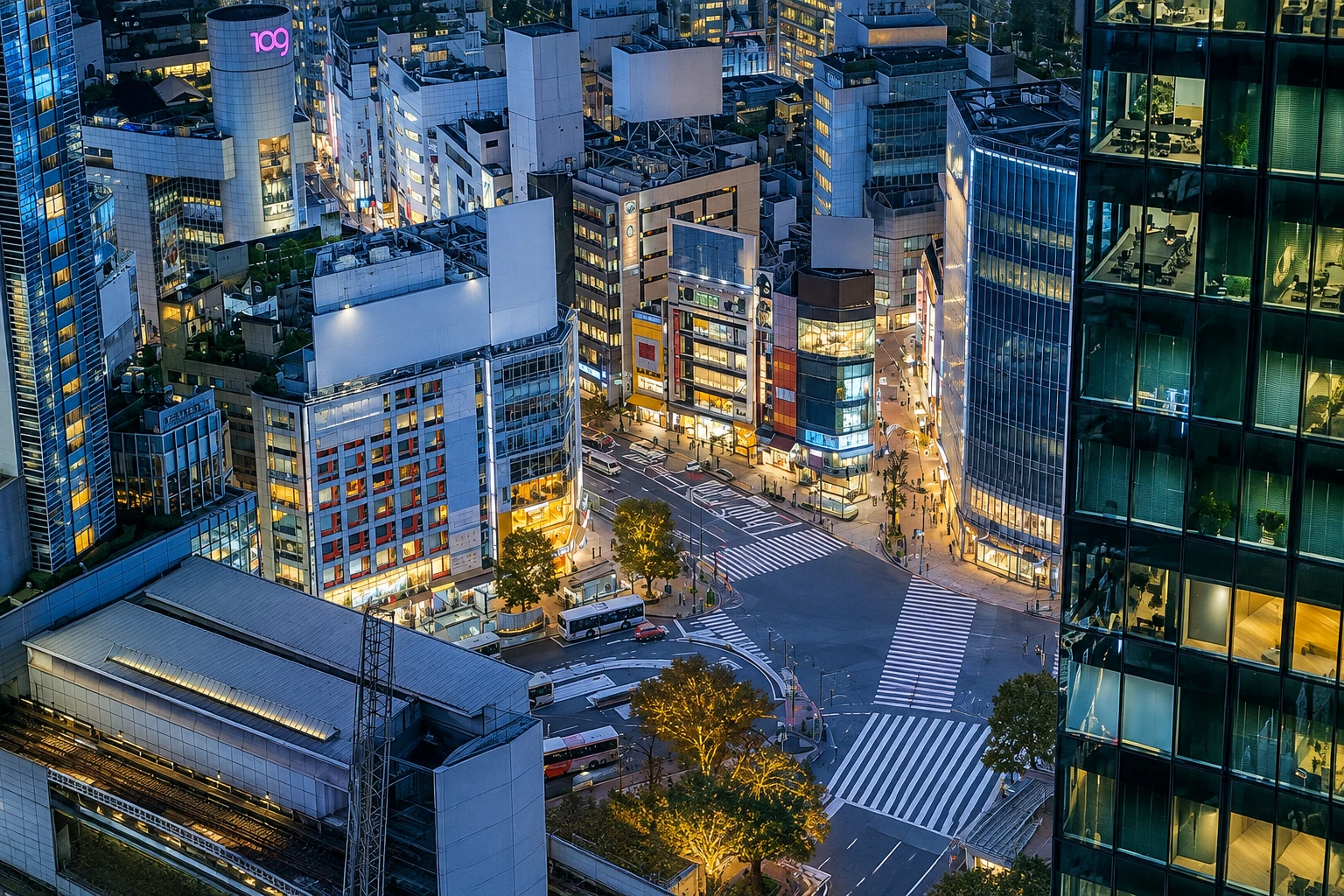
The pedestrian crossing in front of Shibuya Station, crossed in all directions at each green signal, with the Hachiko dog statue and viewing points on surrounding buildings.
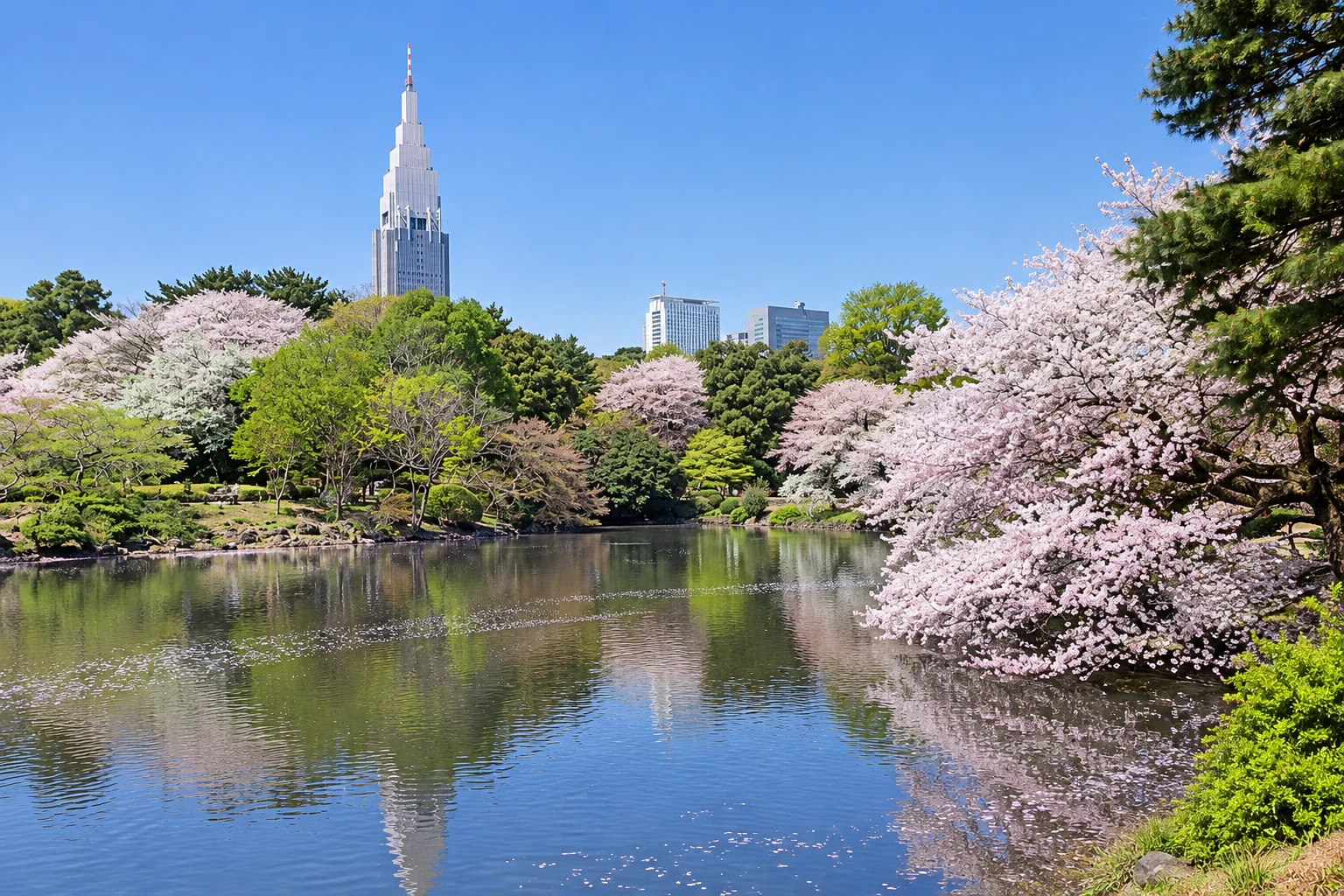
A former imperial garden in the middle of Shinjuku, with areas of Japanese garden, English landscape and formal French garden, a greenhouse and around a thousand cherry trees.
Before you go
Tokyo – Japan Capital
Approximate distances. Check flights and bus, train or boat schedules before you travel.
Haneda, on the bay, has a monorail, trains and buses to Hamamatsucho, Shinagawa and Shinjuku in under an hour. From Narita, the Narita Express and the Skyliner reach central stations in 1 hour to 1h30. shinkansen services to the west stop at Shinagawa and Tokyo Station; those to the north and to Kanazawa stop at Ueno and Tokyo Station.
Three days for the main neighborhoods: Asakusa and Ueno, the center and Ginza, Shinjuku, Harajuku and Shibuya. With four or five days, you’ll have time for Odaiba Bay, Akihabara’s shops and a day trip outside the city. Because the city is large, it’s best to group nearby neighborhoods on the same day.
The most pleasant days are in cherry blossom spring and in autumn, from October to November. From June to mid-July there is heavy rain; summer is hot and humid. Winter is usually dry, cold and clear, good for seeing Mount Fuji from viewpoints.
The seasons shown are the most usual ones; nature doesn't always follow the calendar.
No. Trains and subways reach all neighborhoods and neighboring cities, and rechargeable Suica and PASMO cards pay the fares. Parking is expensive and difficult. Taxis are an option at night, after the last train.
Suggested itinerary
Built with the places on this page. No rush: it's paced so you have time to see them.
Start early at Senso-ji temple, entering through the Kaminarimon and along Nakamise Street before the shops open. Then cross the Sumida River to the Tokyo Skytree or take the subway to Ueno Park.
Take the train to Harajuku, cross the forest to Meiji Shrine and return via Takeshita Street and Omotesando Avenue.
Walk to Shibuya, cross the intersection in front of the station and view the square from above. Have dinner in the surrounding streets.
Day 1
Visit Senso-ji early, walk the streets parallel to Nakamise and continue to Kappabashi, the restaurant-supply street with knives, tableware and plastic food models.
Take the subway to Ueno, visit the Tokyo National Museum and walk to Shinobazu Pond. Finish on Ameyoko Street.
Go up the Skytree in the late afternoon to watch the city light up.
Day 2
Have breakfast at Tsukiji Outer Market and walk to Ginza.
Visit the East Gardens of the Imperial Palace, pass over Nijubashi Bridge and end in front of the red-brick Tokyo Station building.
Day 3
Walk through the forest of Meiji Shrine and descend Omotesando Avenue.
Spend the afternoon at Shinjuku Gyoen and head to Shibuya at dusk for the crossing and Shibuya Sky.
Dine in Omoide Yokocho or Golden Gai, the narrow alleys of small bars near Shinjuku Station.
Check before you go. Opening hours and days change, and places may close for renovations, holidays or events. This itinerary is a suggestion from Cidade Turismo, not a commitment: plan yours by checking directly with each place you intend to visit.
Before you go
The rechargeable Suica and PASMO cards pay for trains, subways and buses and also work at convenience stores. They can be used on compatible mobile devices or bought at stations, subject to availability.
Shinjuku and Shibuya have many trains and nightlife; near Tokyo Station and in Ginza you’ll be in the center, close to long-distance train platforms; Ueno and Asakusa are more traditional and connected to Narita.
By express trains such as the JR Narita Express and the Keisei Skyliner, or by buses to central stations and hotels. The journey generally takes about 1 hour to 1h30.
No. Service stops around midnight and resumes in the early morning. After the last train, the option is a taxi.
Visit Senso-ji in Asakusa in the morning, Meiji Shrine and Harajuku in the afternoon, and the Shibuya crossing at night.