Aomori and Hirosaki

Aomori

Aomori and Hirosaki

The far north of Honshu: Aomori’s Nebuta Festival, Hirosaki Castle and cherry trees, the prehistoric village of Sannai-Maruyama, and the forests around the Oirase Stream and Lake Towada.

Tohoku

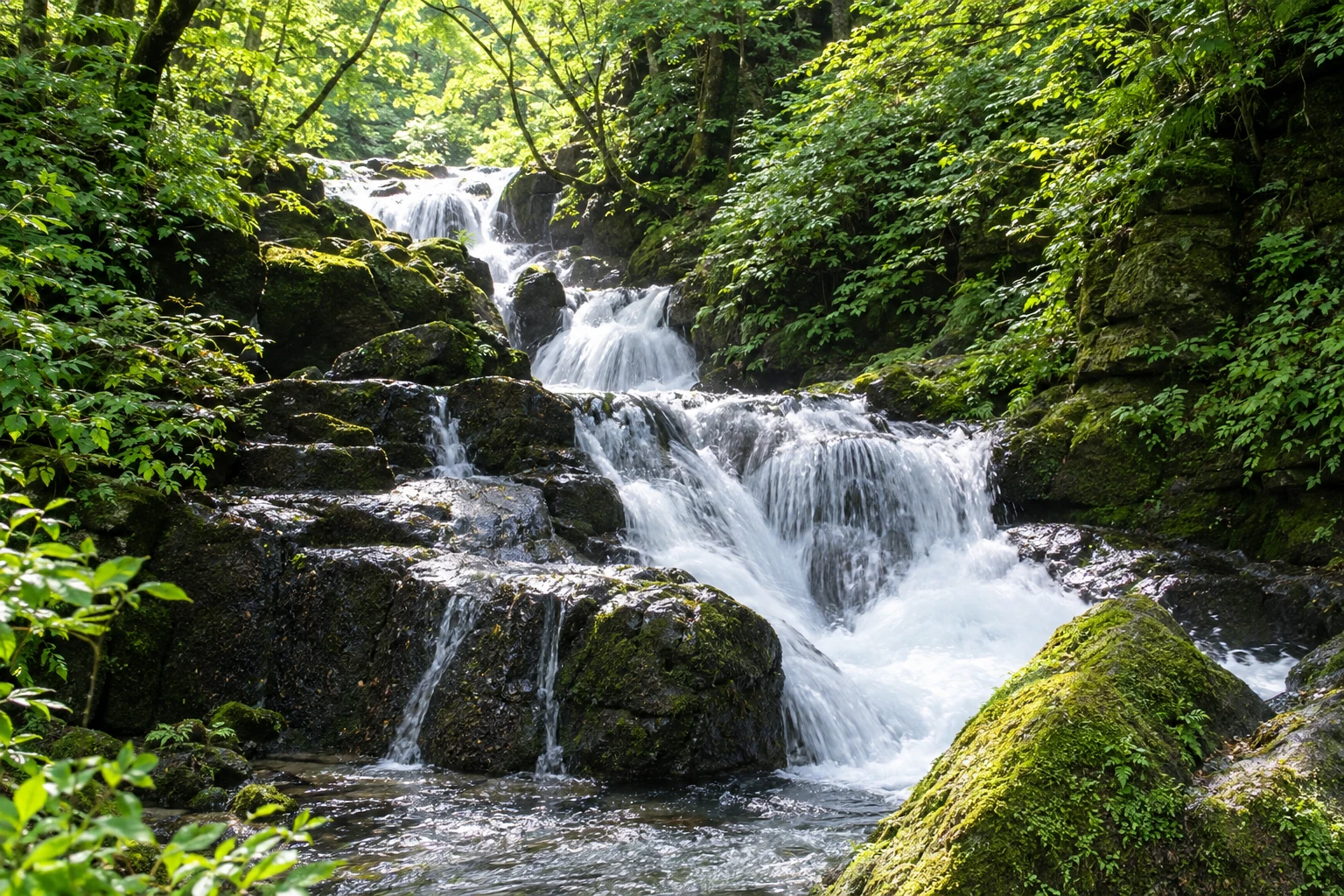
In the photo: Waters of the Oirase Stream among rocks and forest.

Illustrative images. The pictures in this guide are illustrations based on the real place, not photographs, and may differ from it.

Get it on Google Play

Get to know the place

A region to enjoy
at your own pace.

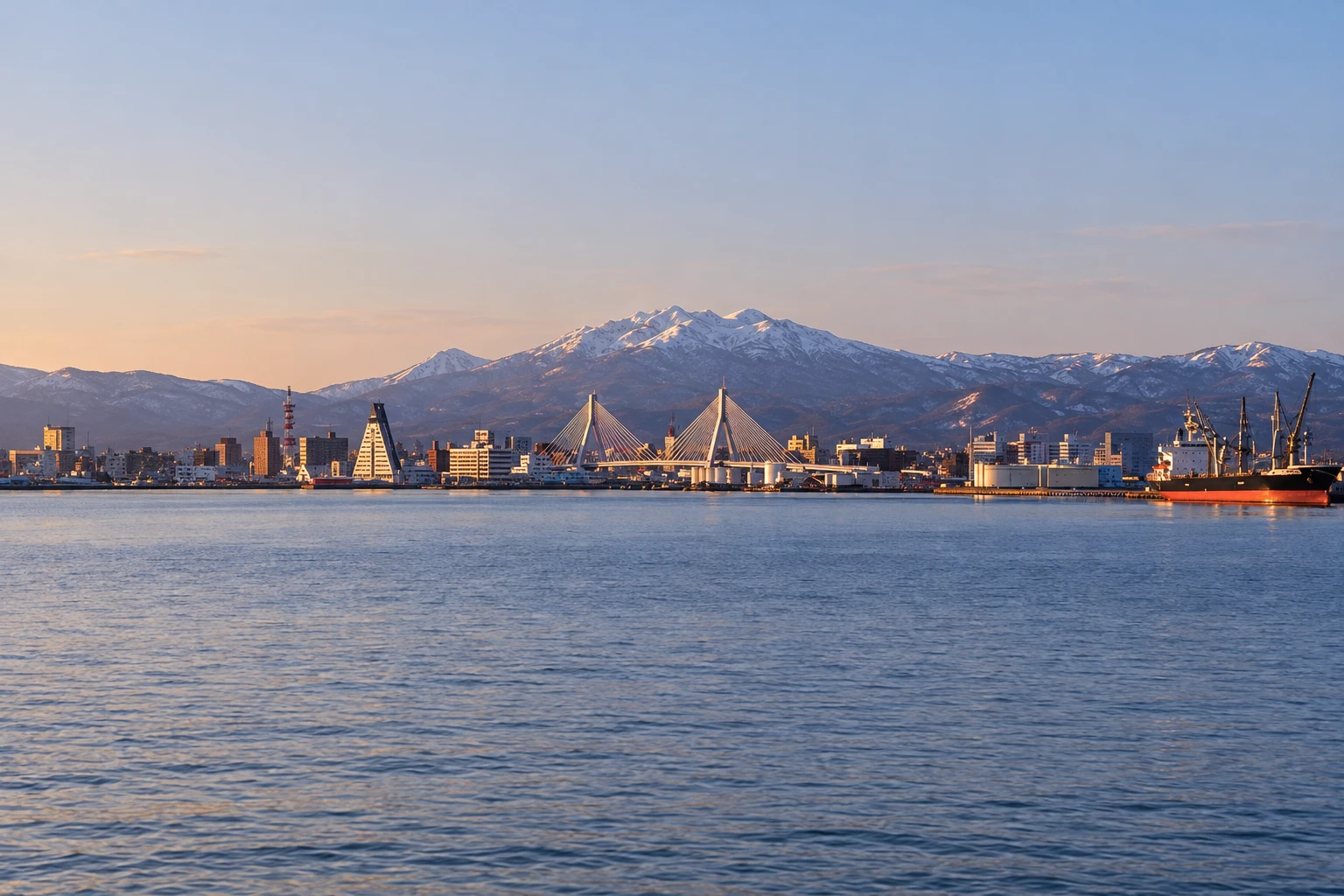
Aomori Prefecture occupies the northern tip of Honshu, between the Sea of Japan, the Tsugaru Strait, and the Pacific Ocean. The capital, Aomori, is a port city on Mutsu Bay and the terminus of the Tohoku shinkansen before the crossing to Hokkaido. It is known for the Nebuta Festival, when giant illuminated paper floats parade at night in early August, and for having one of the heaviest snowfalls among Japanese cities.

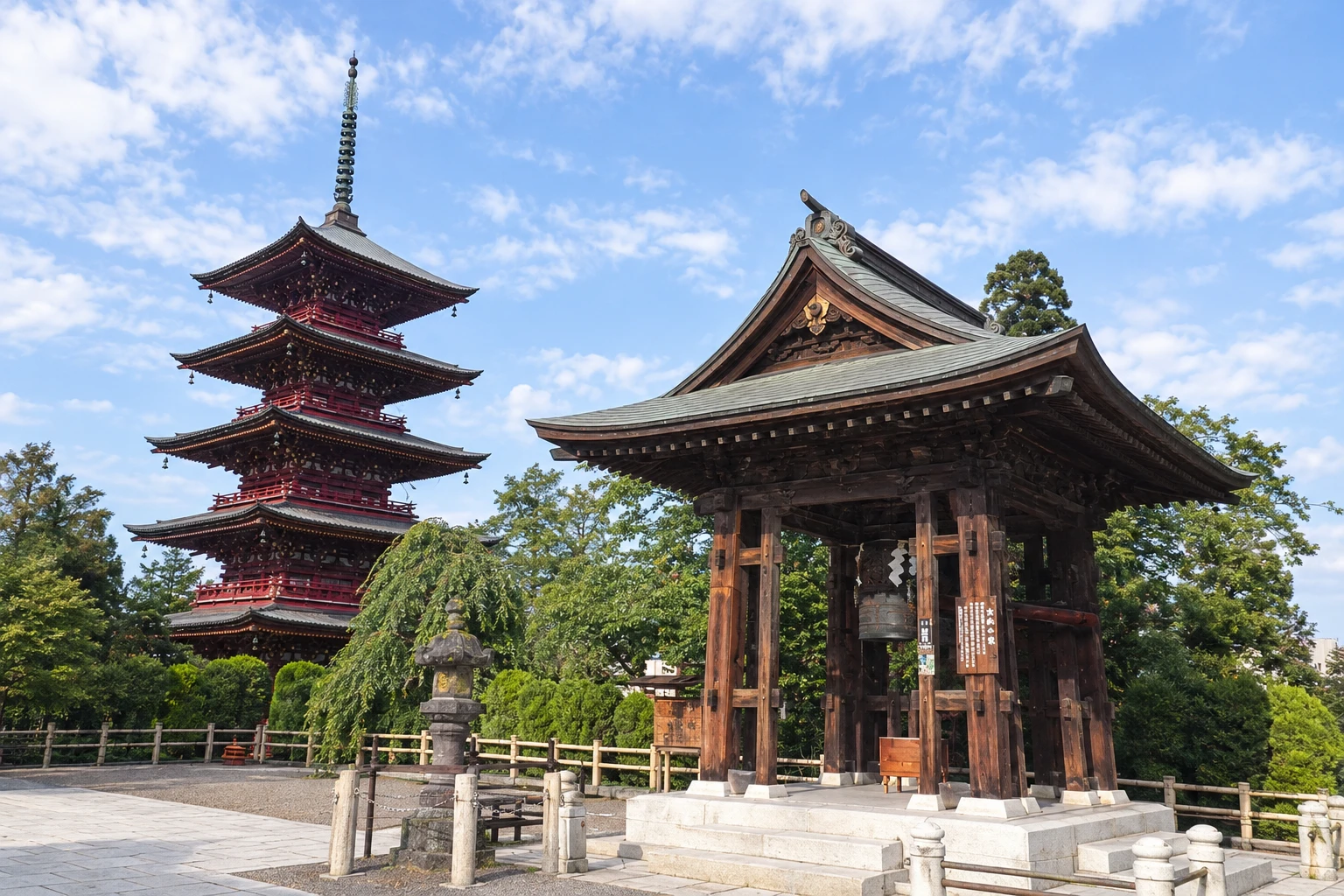
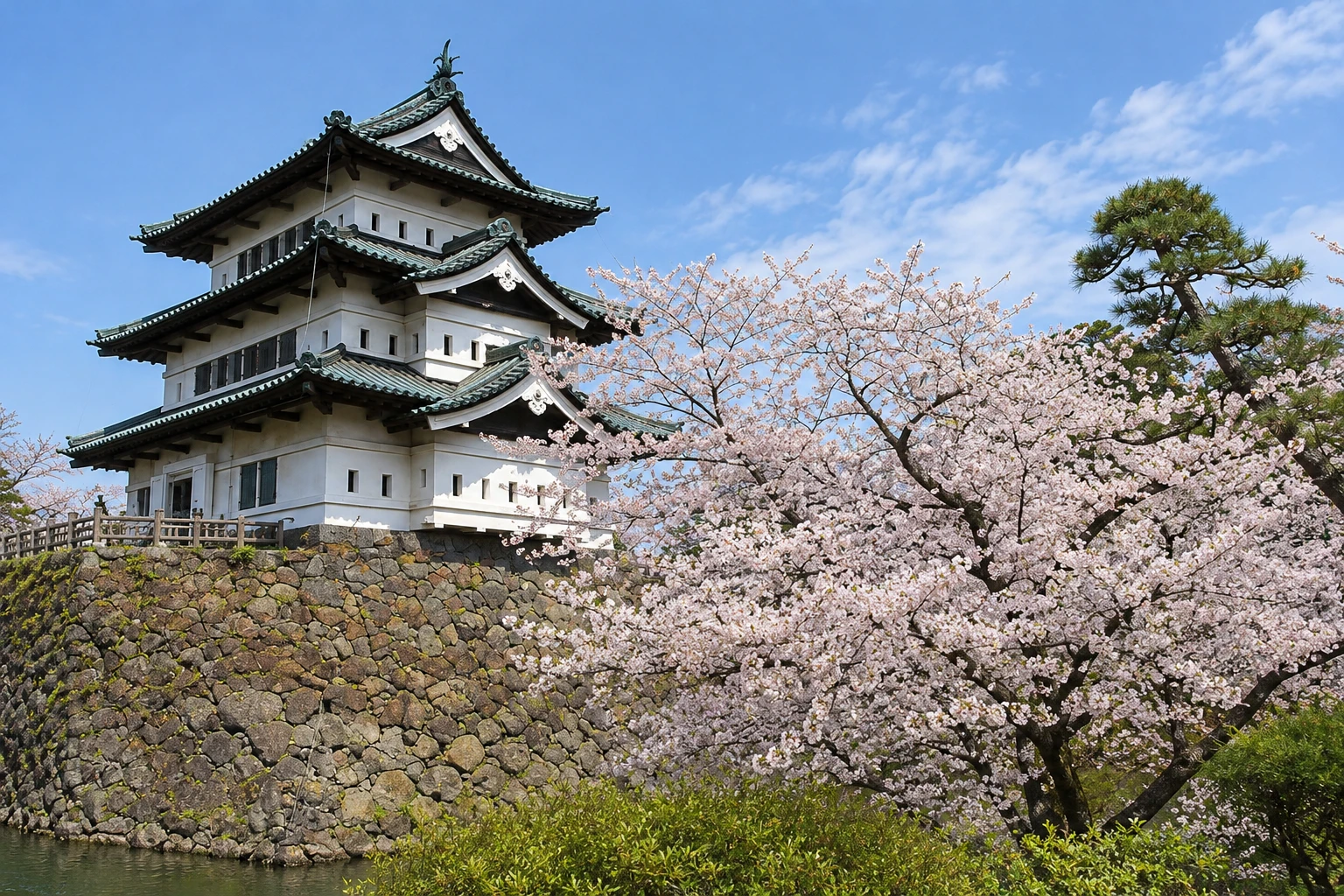
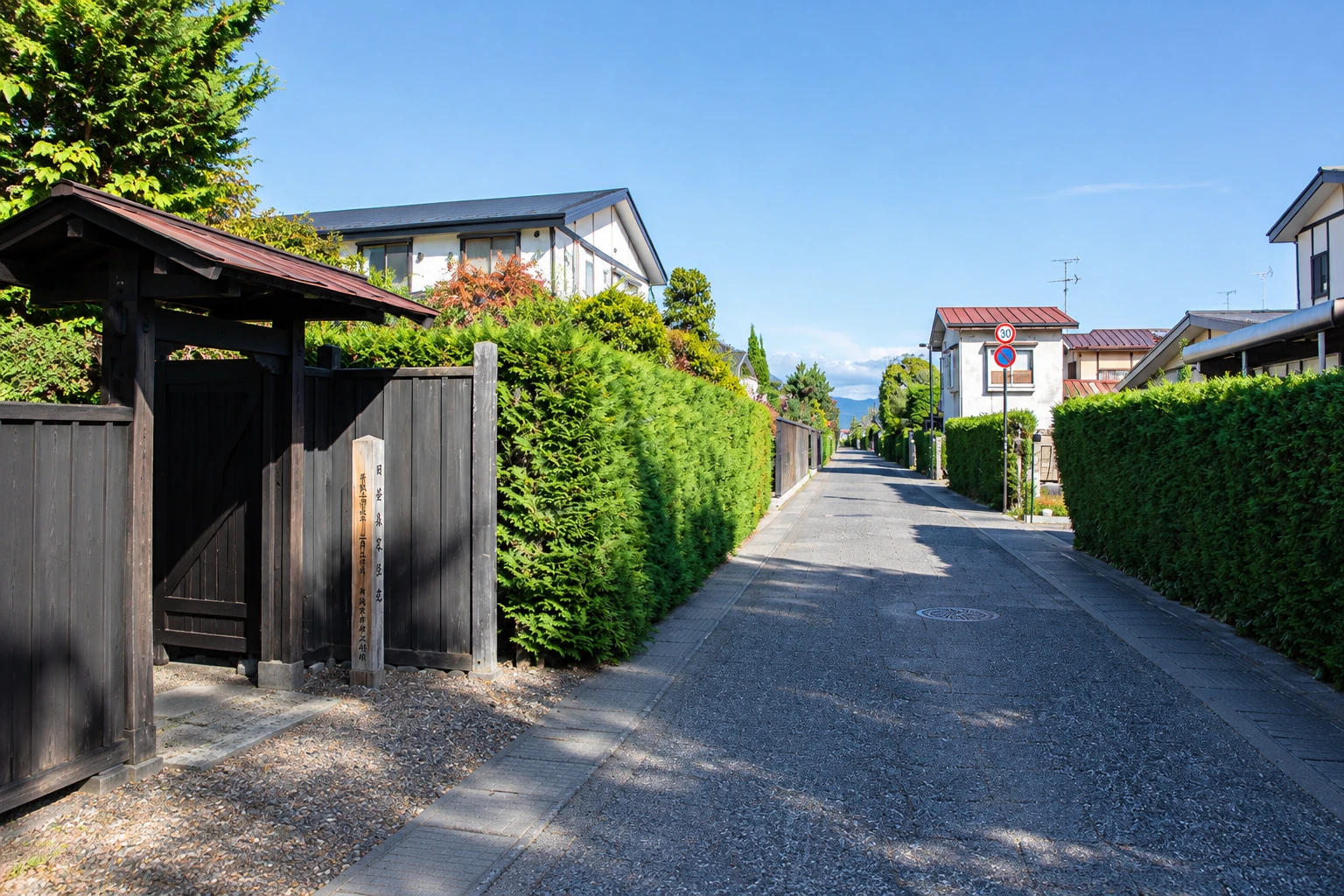
About 40 km to the southwest, Hirosaki was the seat of the Tsugaru clan during the Edo period. The castle, which retains one of the twelve original castle keeps still standing in the country, sits in a park with thousands of cherry trees that usually bloom from late April to early May. The city has a samurai residence district, a street with thirty-three Zen temples, and Western-style buildings from the late 19th century. It is also the center of Japan’s largest apple-producing region.

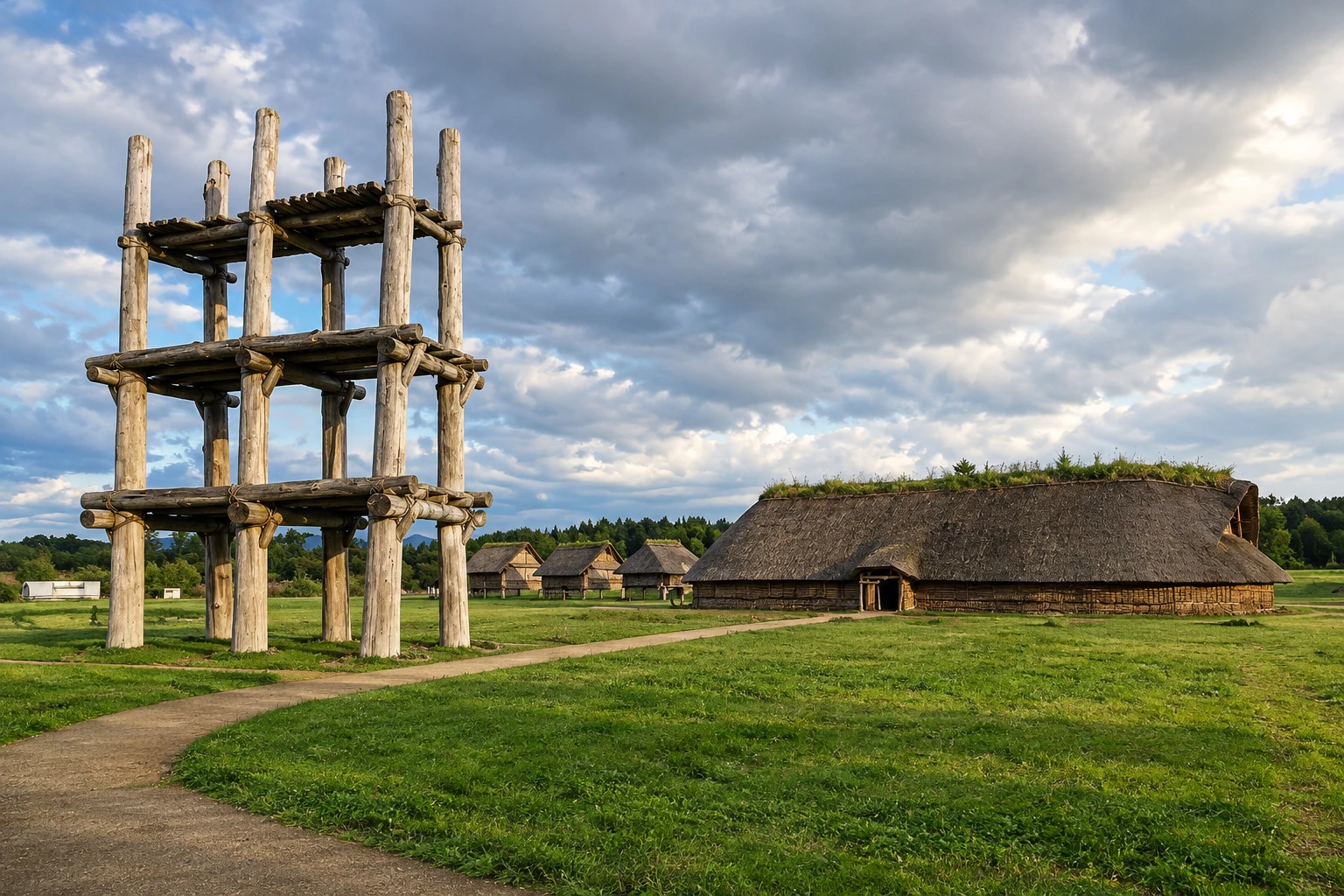
Near Aomori are the Sannai-Maruyama site, the largest known Jomon-period village at roughly 5,000 years old, and the prefectural art museum beside it. To the south, the Hakkoda Mountains descend toward Lake Towada, a water-filled volcanic crater from which the Oirase Stream flows. The stream runs about 14 km through forest, moss-covered rocks, and waterfalls.

The two cities make a single trip, linked by train in about 45 minutes. The Oirase Stream and Lake Towada require a full day from Aomori or an overnight stay at a lakeside inn. In winter, from December to March, snow covers everything and mountain roads may close, but Hirosaki lights the castle with snow lanterns.

This destination brings together 2 cities: Aomori, Hirosaki.

Share: WhatsApp
Traveler, share your experiences through photos Up to 5 photos of each place you visited.

One destination, many paths

The cities on this trip

Start with one city or combine several in your itinerary.

Where Aomori and Hirosaki is The star marks the capital, Aomori.
AomoriHirosaki

Dados cartográficos: © OpenStreetMap contributors, via Wambacher / geoBoundaries (ODbL 1.0). Adapted by Cidade Turismo.

How to get there: Aomori and Hirosaki

Aeroporto de Aomori (AOJ) · 15 km to Aomori

The Tohoku shinkansen takes about 3 hours 10 minutes from Tokyo to Shin-Aomori Station. Aomori Airport, with domestic flights, is about 15 km from the city center. From Aomori or Shin-Aomori to Hirosaki, local trains take 35 to 50 minutes.

Suggested arrival point: Aomori

The local experience

Things to do in Aomori and Hirosaki

Aomori · Aomori · Archaeological site

Sannai-Maruyama Site

The largest known village from the Jomon period, inhabited for about 1,500 years more than 4,000 years ago, with reconstructed houses and a large wooden tower and the Jiyukan museum. UNESCO World Heritage.

Explore Sannai-Maruyama Site

See 3 more places in Aomori and Hirosaki

Before you go

Practical information

A little planning leaves more time to enjoy the journey.

When to go

Late April to early May brings Hirosaki’s cherry blossoms. From June to September the weather is mild, with Nebuta and Neputa in early August. October is the month for foliage at Oirase and Towada. From December to March there is heavy snow; mountain roads and lake boats may be suspended.

The seasons shown are the most usual ones; nature doesn't always follow the calendar.

How many days to stay

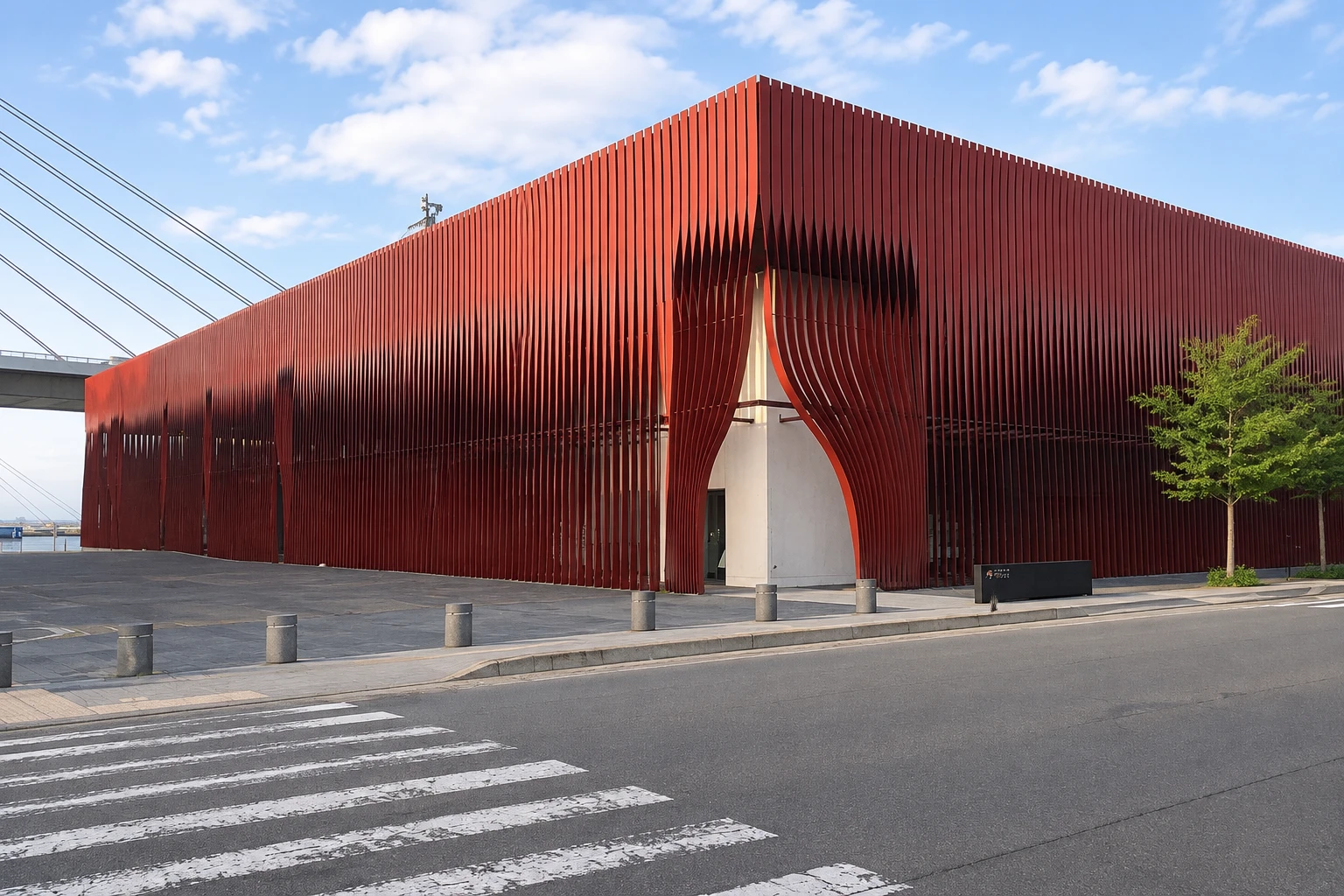
Three days allow one day in Aomori, with the Nebuta museum and Sannai-Maruyama, one in Hirosaki, and one for the Oirase Stream and Lake Towada. With two days, choose between Hirosaki and Oirase.

Which city to stay in

In Aomori, hotels cluster around the main station and the waterfront, near the Nebuta museum; Shin-Aomori shinkansen station is a 5-minute local train ride from the city center. In Hirosaki, the area between the station and the castle park has hotels and restaurants. At Lake Towada, the village of Yasumiya has lakeside inns, and there are hot-spring hotels in Yakeyama at the start of Oirase and in the Hakkoda Mountains.

Respect the place

Take your trash with you, follow the signs and support local businesses. In natural areas, follow the visiting guidelines.

Beyond the guide

Your questions

Frequently asked questions about Aomori and Hirosaki

When is Aomori’s Nebuta Festival?

It takes place every year in early August, for about a week. The illuminated floats parade at night through downtown, accompanied by haneto dancers, and the final night often features a procession on the water with fireworks. Accommodation fills quickly; book in advance.

When do Hirosaki’s cherry trees bloom?

Generally from late April to early May, later than in Tokyo. The castle park’s cherry blossom festival follows the bloom, which varies year to year.

Can you visit the Oirase Stream and Lake Towada without a car?

Yes. A JR bus links Aomori Station to the stream and the lake during the season, generally from April to November, passing through the Hakkoda Mountains. In winter service is reduced. Check schedules before you go.

How many days should I set aside for Aomori and Hirosaki?

Three days are ideal: Aomori, Hirosaki, and a full day for Oirase and Lake Towada. With two days, do Aomori and Hirosaki or swap one for Oirase.

Do Aomori and Hirosaki pair well with Hokkaido?

Yes. The shinkansen runs from Shin-Aomori to Hakodate in southern Hokkaido through the Seikan Tunnel, taking about an hour to Shin-Hakodate-Hokuto. Many travelers include Aomori on the route between Tokyo and Hokkaido.

Com a carteira de motorista brasileira posso alugar carro para ir ao lago Towada?

Não. O Japão não aceita a CNH nem a permissão internacional emitida no Brasil, que segue a Convenção de Viena de 1968; só vale a permissão da Convenção de Genebra de 1949. Quem tem apenas a carteira brasileira deve usar o ônibus da JR que liga Aomori ao riacho Oirase e ao lago na temporada, ou os passeios organizados que saem de Aomori e Hirosaki. As exigências podem mudar: confirme antes de viajar.

Explore other destinations Search by state and city