Auvergne-Rhône-Alpes
French Alps
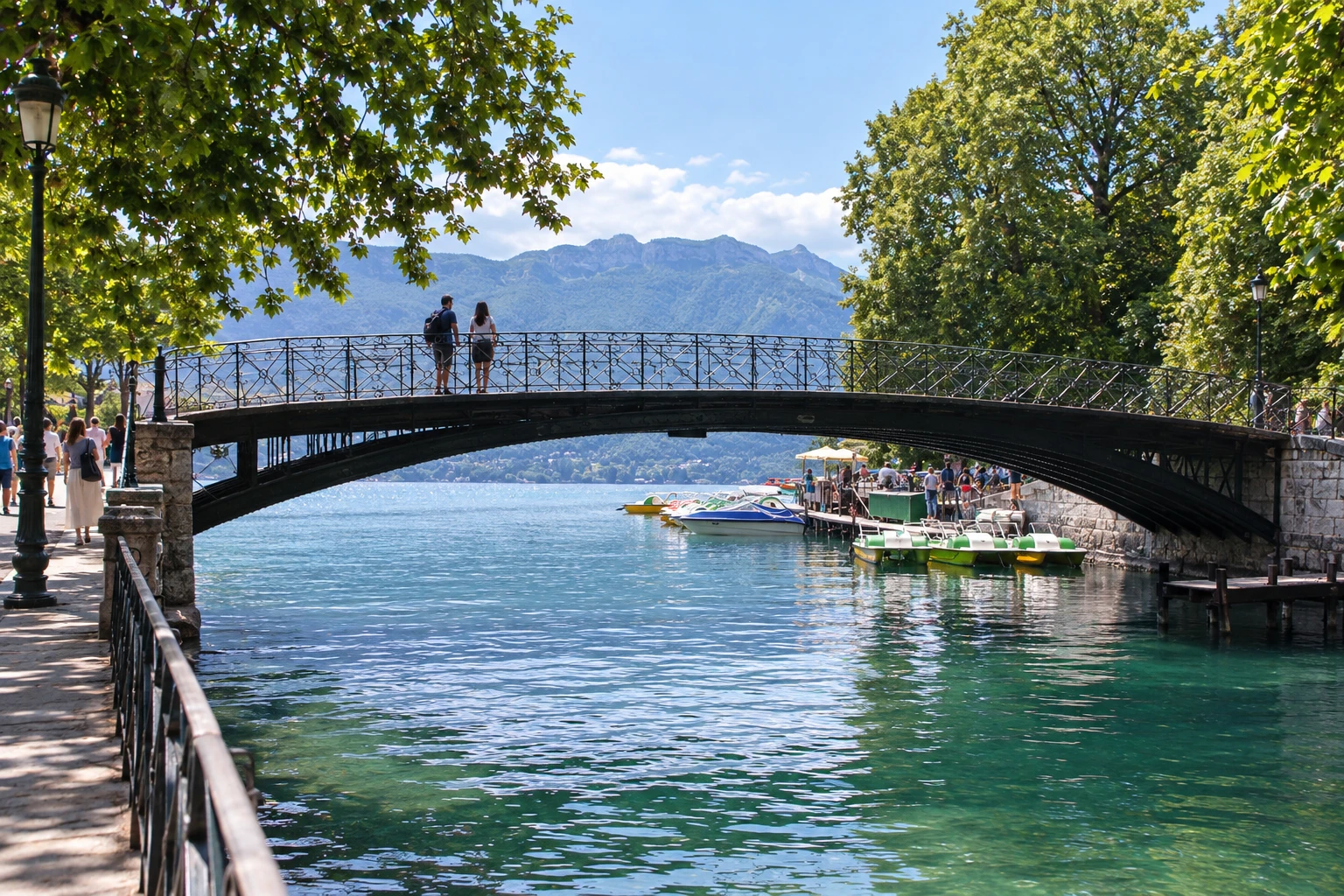
Annecy, on the shore of a lake between mountains, and Chamonix, at the foot of Mont Blanc, with cable cars that rise to almost 3,800 meters.

 Search
 Brazil
 Antarctica
 Argentina
 Bolivia
 Chile
 Colombia
 Ecuador
 Falkland Islands (Malvinas)
 French Guiana
 Guyana
 Paraguay
 Peru
 Suriname
 Uruguay
 Venezuela
 Austria
 Belgium
 Croatia
 Denmark
 FinlandFrance
 Germany
 Greece
 Hungary
 Iceland
 Ireland
 Italy
 Luxembourg
 Norway
 Poland
 Portugal
 Slovakia
 Slovenia
 Spain
 Sweden
 Switzerland
 the Czech Republic
 the Netherlands
 the United Kingdom
 Turkey
 Bermuda
 Canada
 Greenland
 Mexico
 Saint Pierre and Miquelon
 the United States
 the Dominican Republic
 JapanTurkey
 Egypt
 South Africa
 Australia
 Fiji
 New Zealand
 Papua New Guinea
France travel guide
What to do, when to go and how to get there, destination by destination.
1 route · 19 destinations · 50 citiesin France
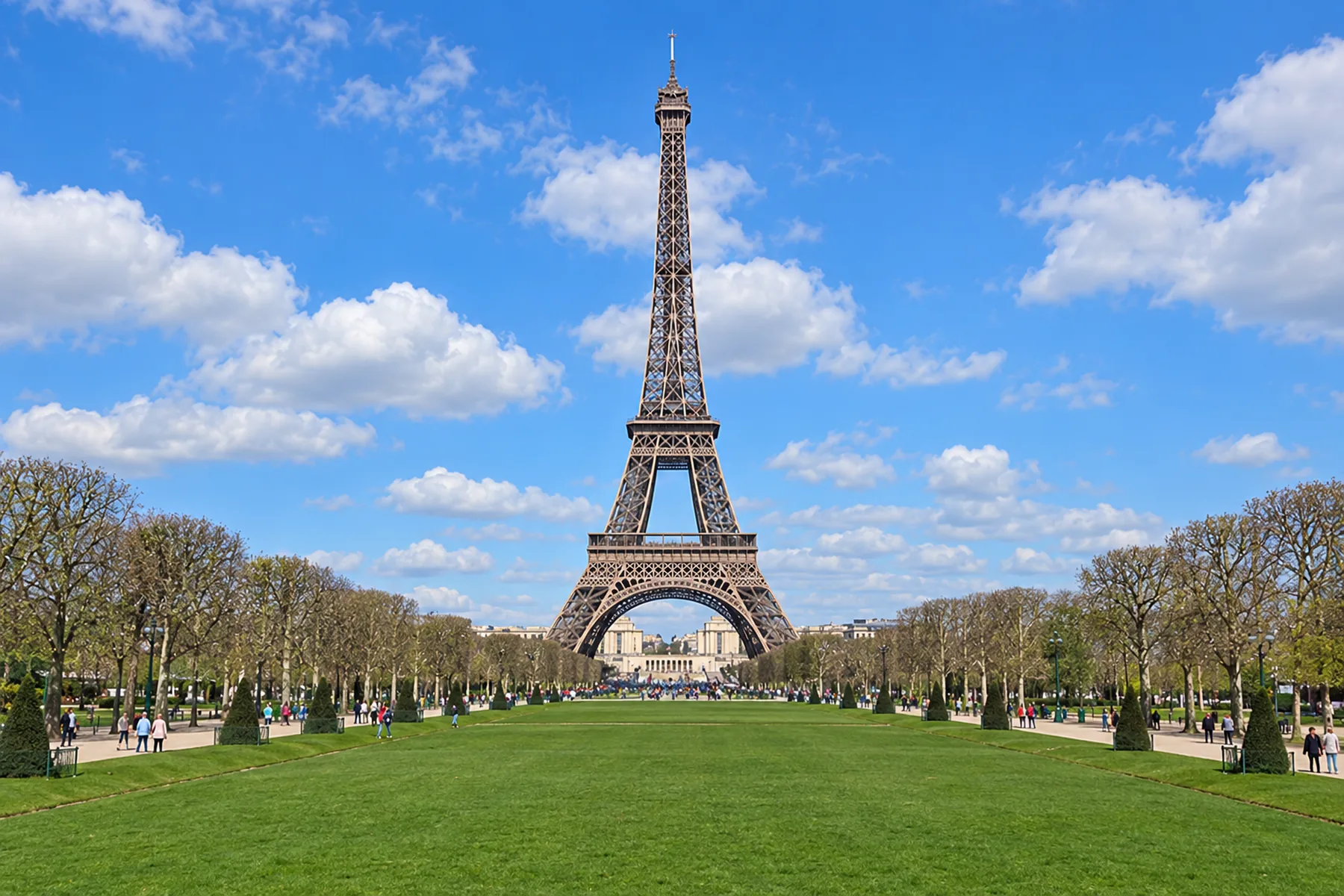
In the photo: Eiffel Tower — Paris
Illustrative images. The pictures in this guide are illustrations based on the real place, not photographs, and may differ from it.

A destination is a region you visit as a single trip: it can bring together several cities or be a large city with everything it offers. Each destination has the tours, the itineraries, the best time to go month by month and how to get there.
The guide currently has 19 destinations, with 50 cities in 11 regions.
Today's highlights
A destination is more than a city: it's everything you can experience there.
Annecy, on the shore of a lake between mountains, and Chamonix, at the foot of Mont Blanc, with cable cars that rise to almost 3,800 meters.
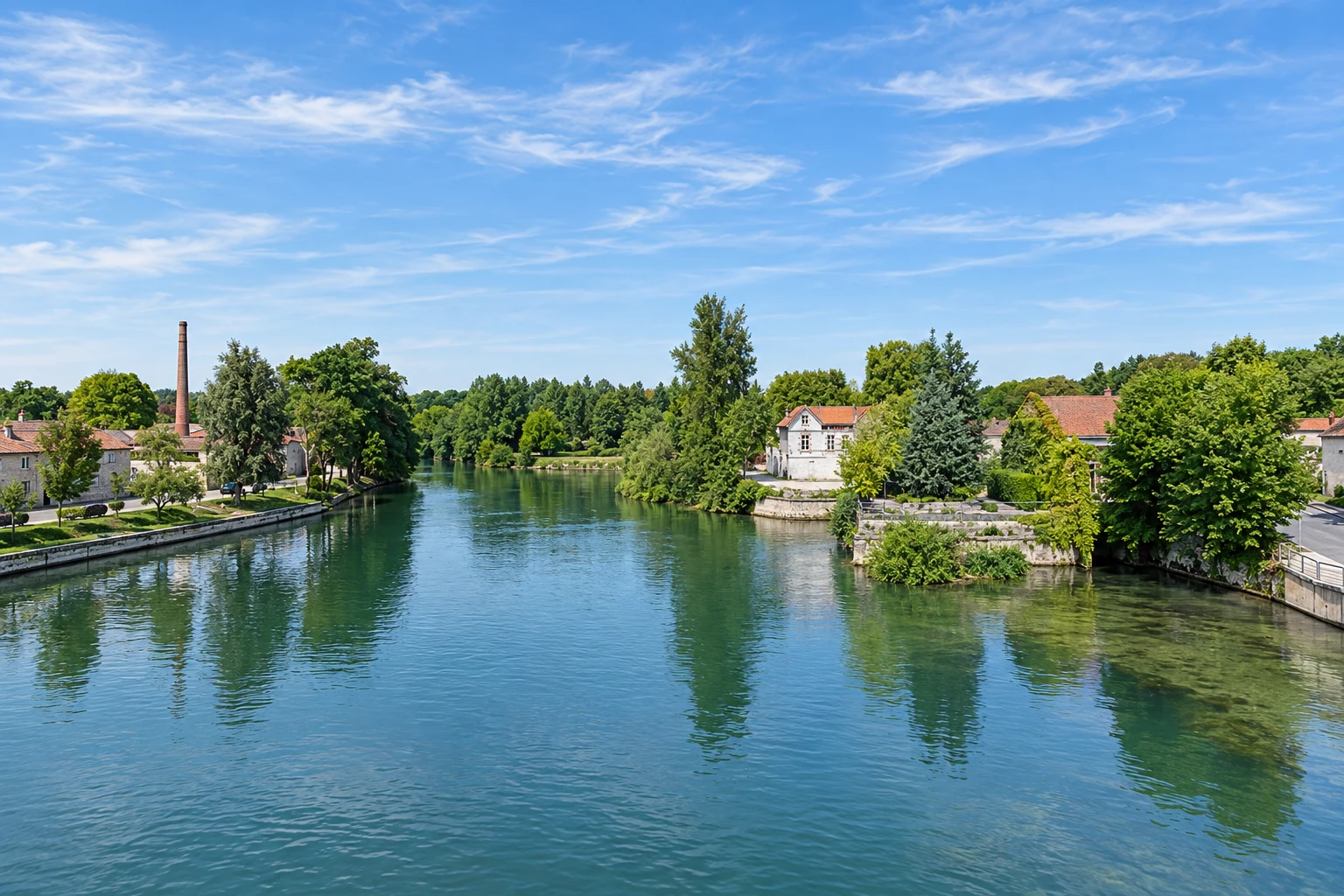
City of art and history on the banks of the Charente River, birthplace of Francis I and the capital of the brandy that bears his name, with a medieval centre, a public garden and museums.
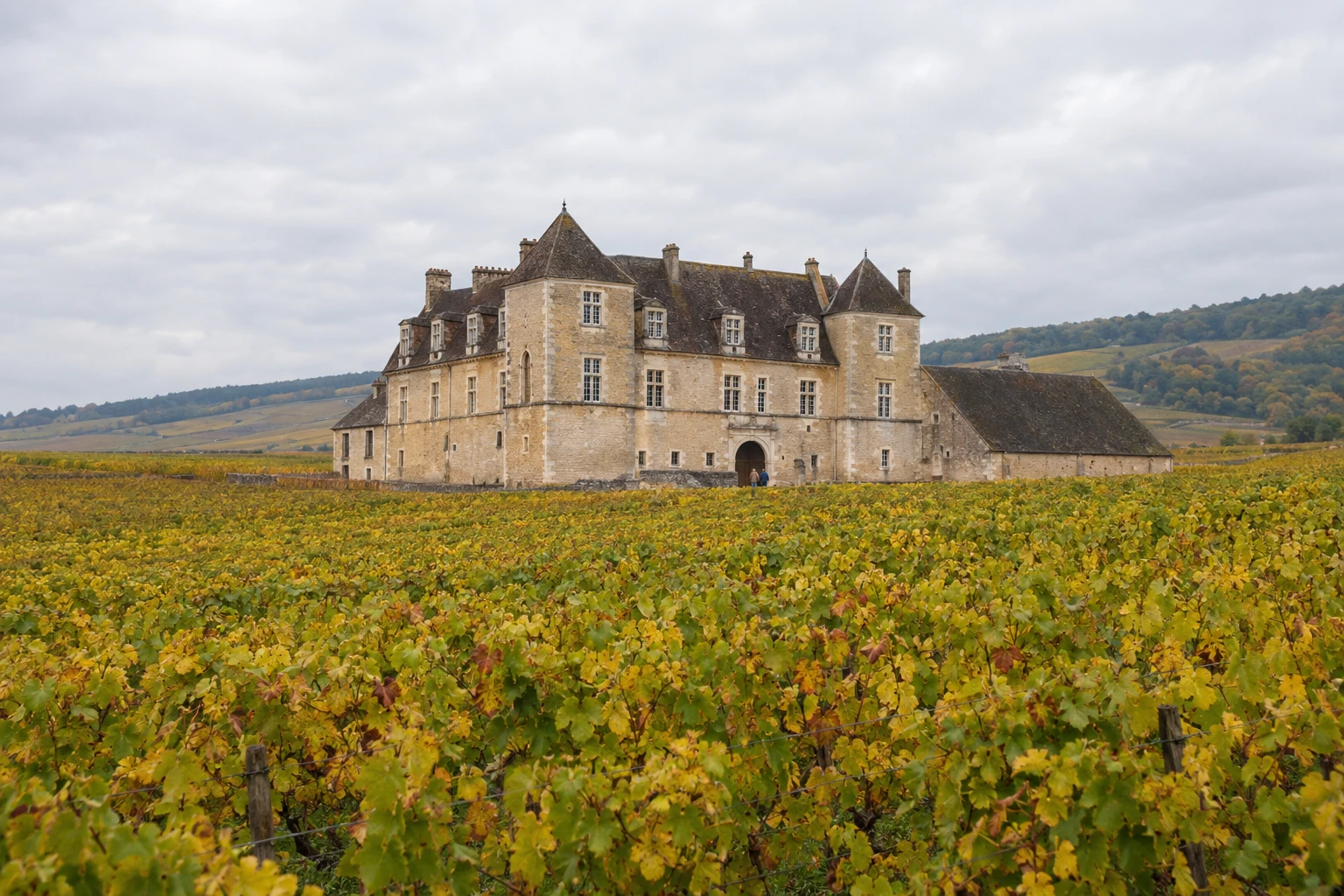
Dijon, Beaune and the vineyards of the Côte d'Or: ducal palace, mustard, Hospices de Beaune and the Route des Grands Crus, less than two hours by TGV from Paris.
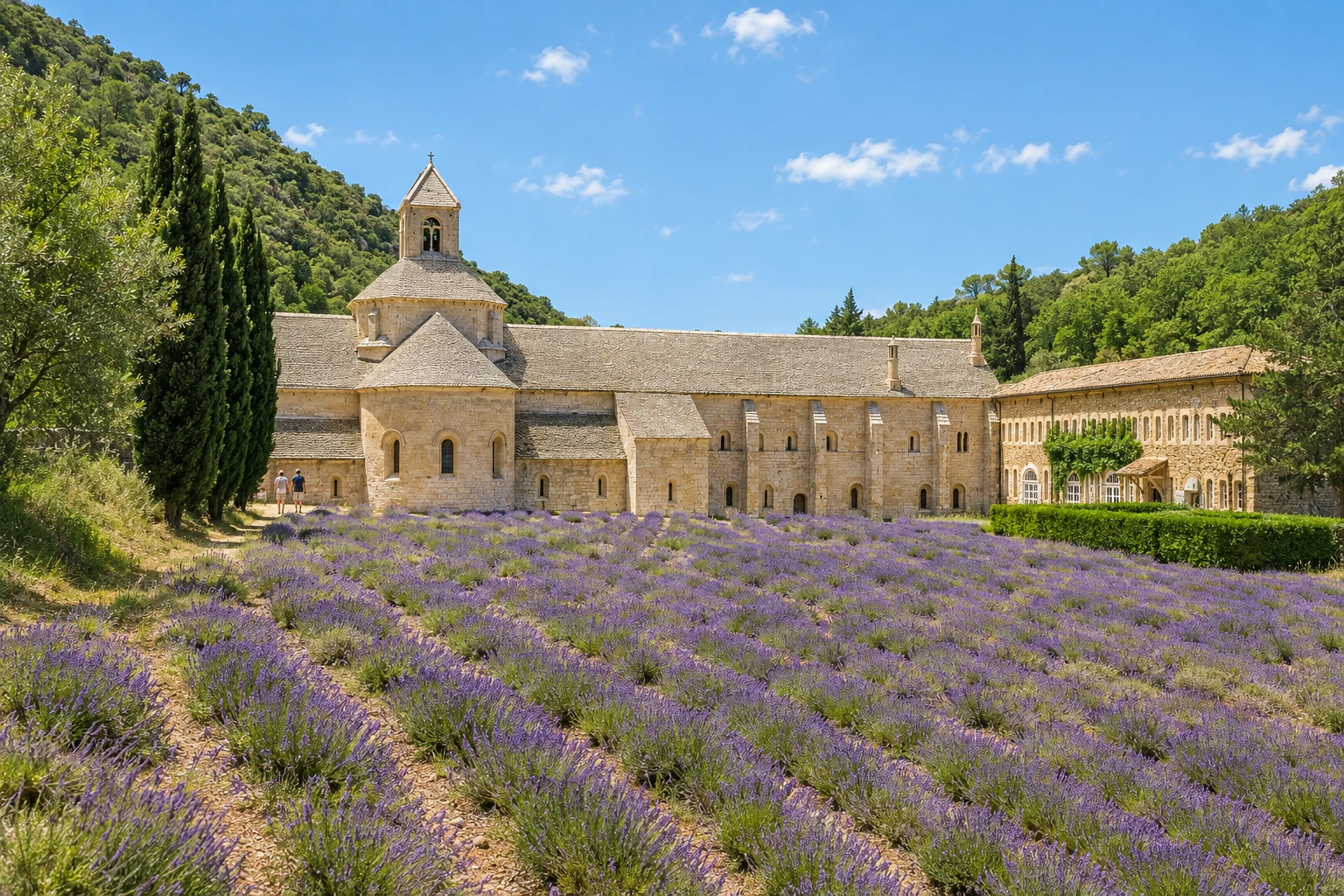
Avignon of the popes, Aix of Cézanne, Roman and Van Gogh's Arles and coastal Marselha, linked by train, with Luberon villages, lavender fields and the Camargue all around.
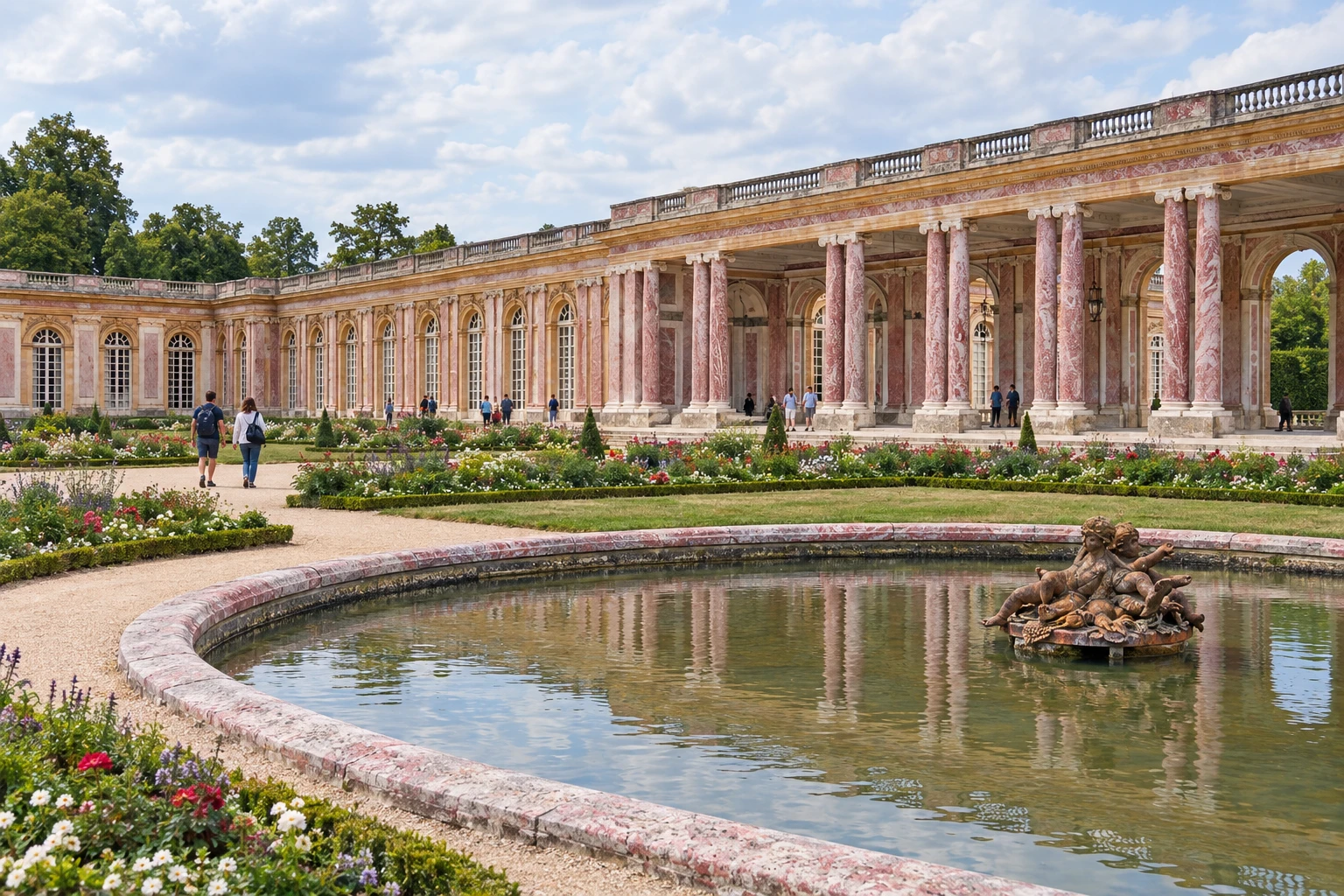
The royal palaces of Versalhes and Fontainebleau, the forest popular with painters and climbers, and the castle of Vaux-le-Vicomte — all less than an hour by train from Paris.
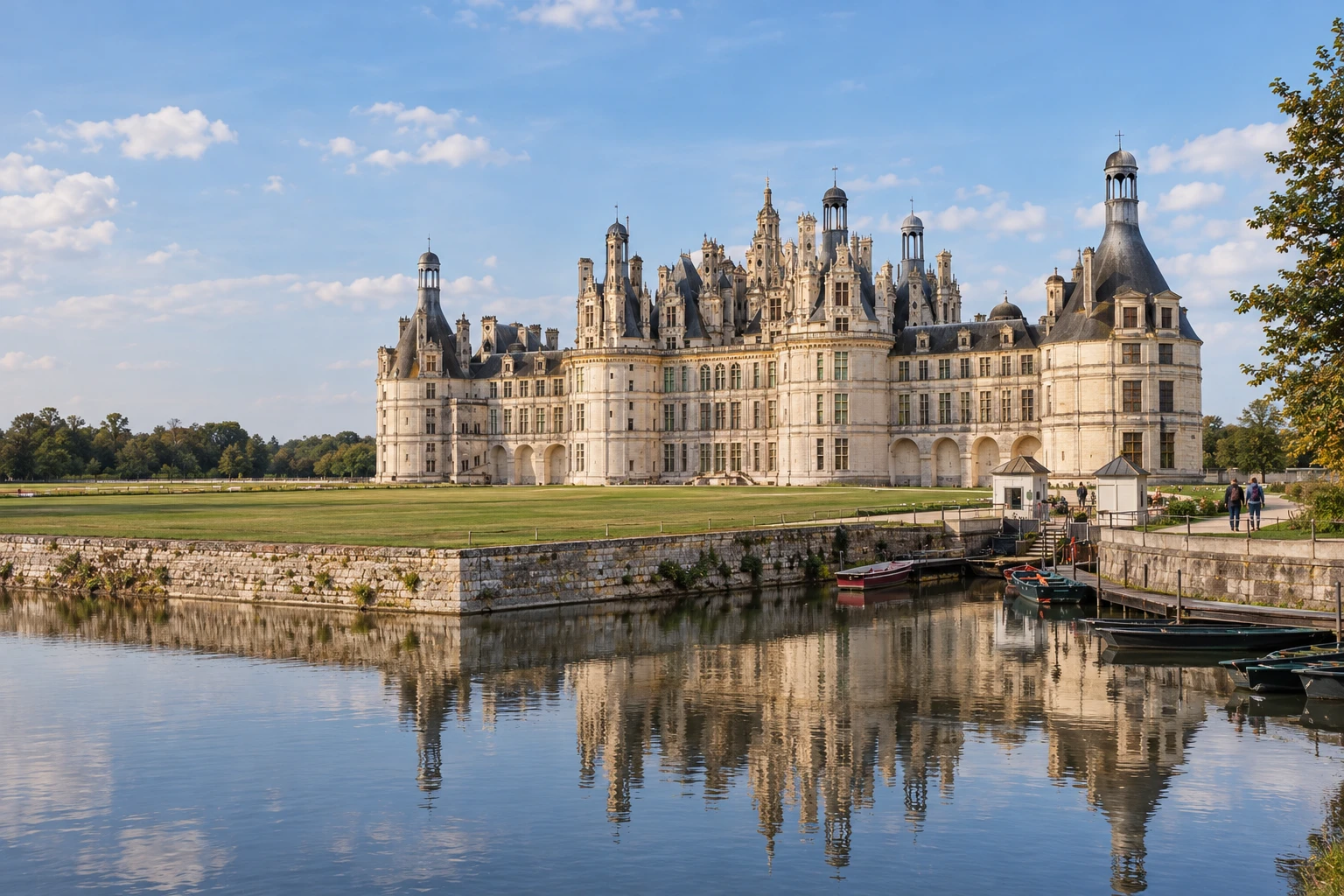
Renaissance castles along the Loire and its tributaries, based in Tours, Amboise and Blois, with a direct train from Paris.
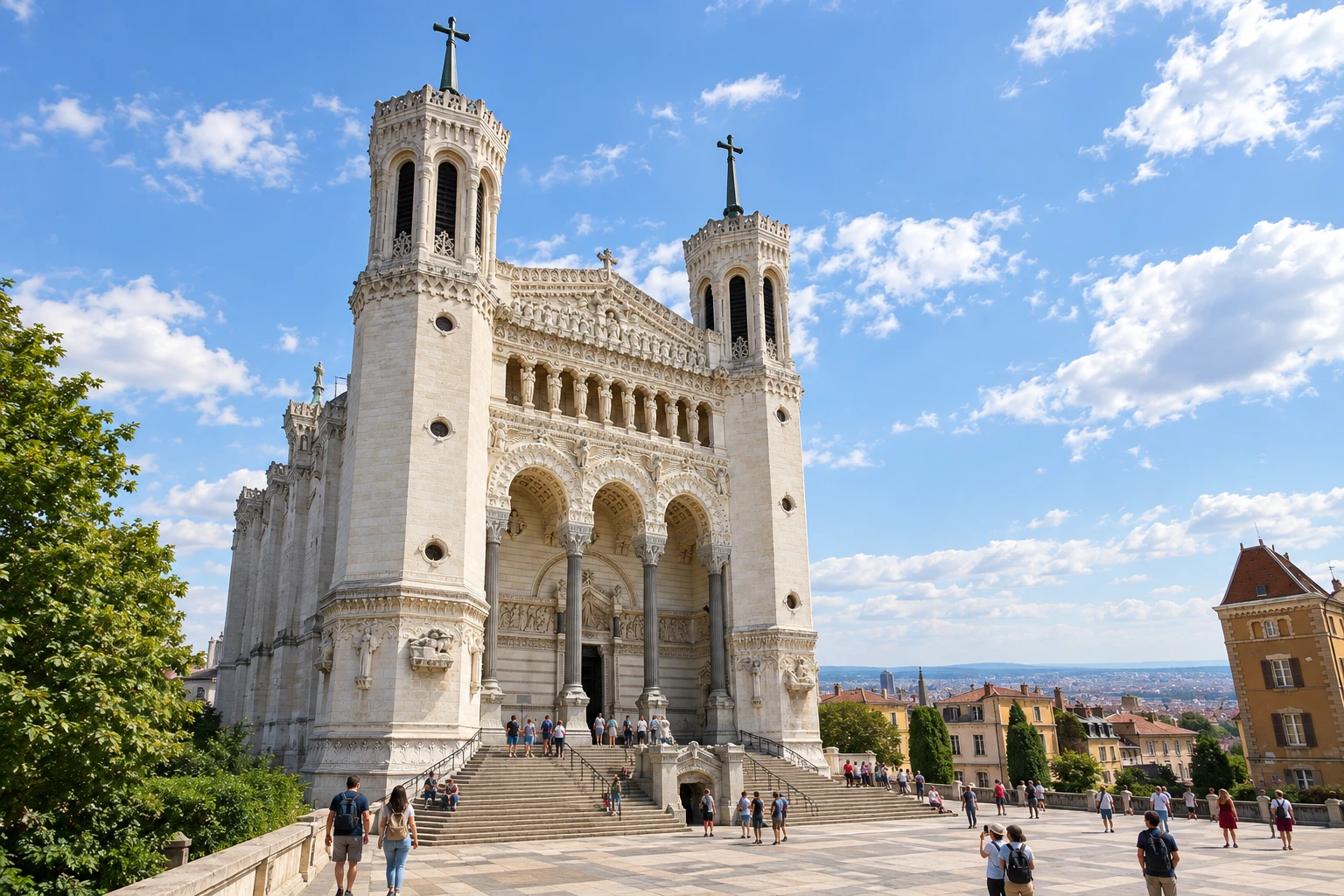
Third largest city in France, between the Ródano and the Saona rivers: historic center listed by UNESCO, bouchons, traboules and the Festa das Luzes in December.
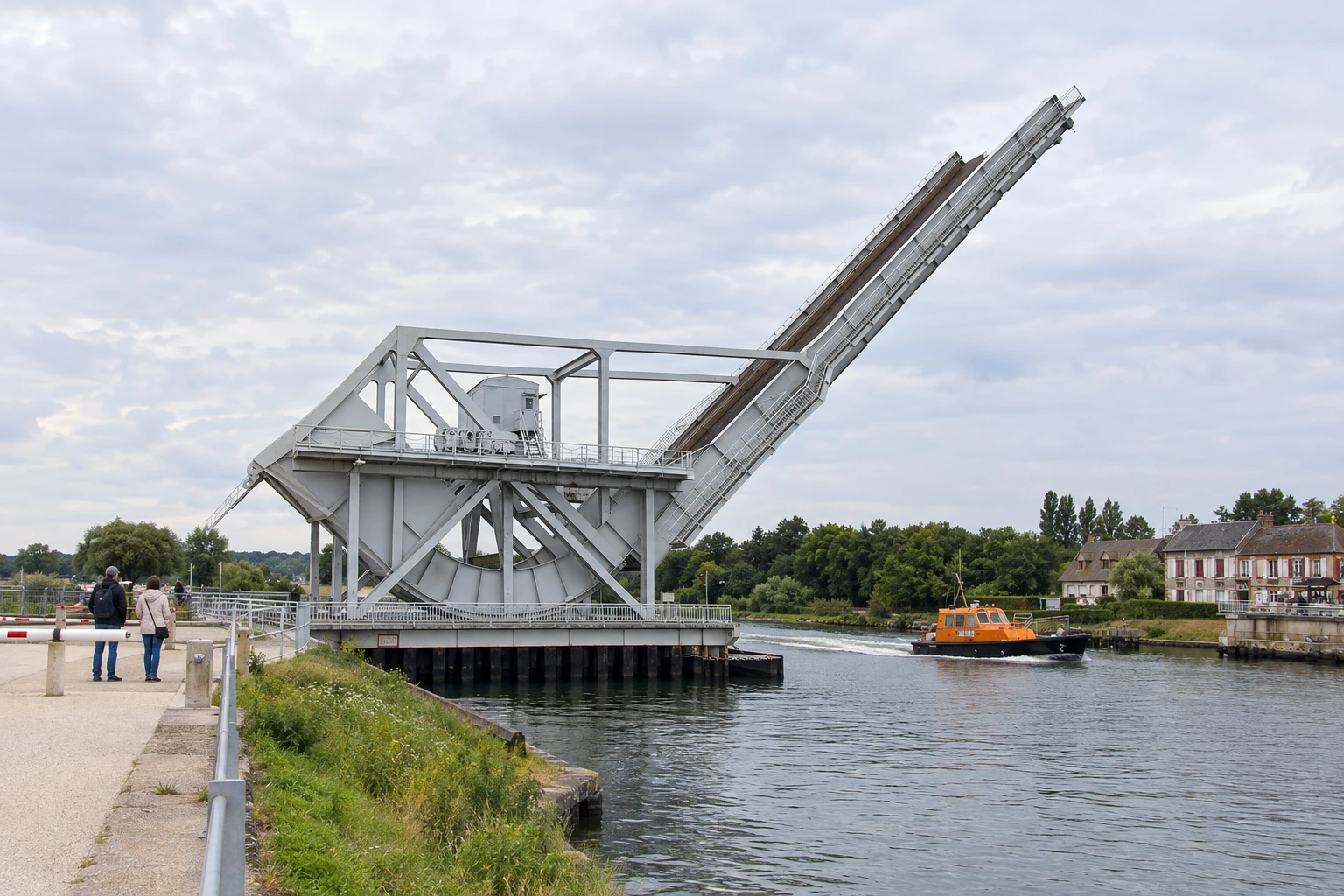
Joan of Arc's Rouen, the port of Honfleur, the D-Day beaches near Bayeux and the abbey of Mont-Saint-Michel, ringed by the tides.
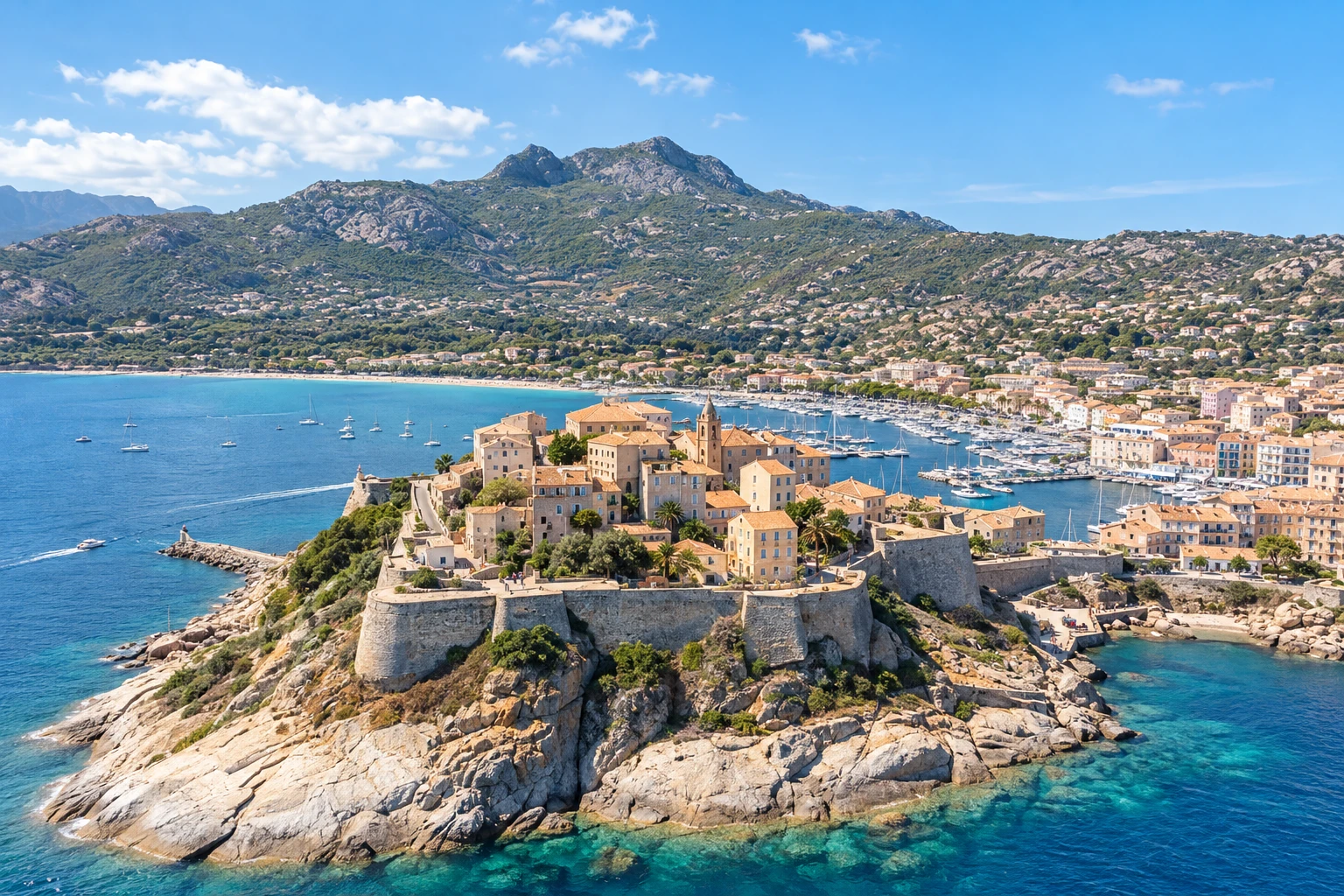
French island in the Mediterranean, with Ajaccio, Napoleon's birthplace, the cliffs of Bonifácio, the Calanques de Piana and pale-sand beaches in the south.
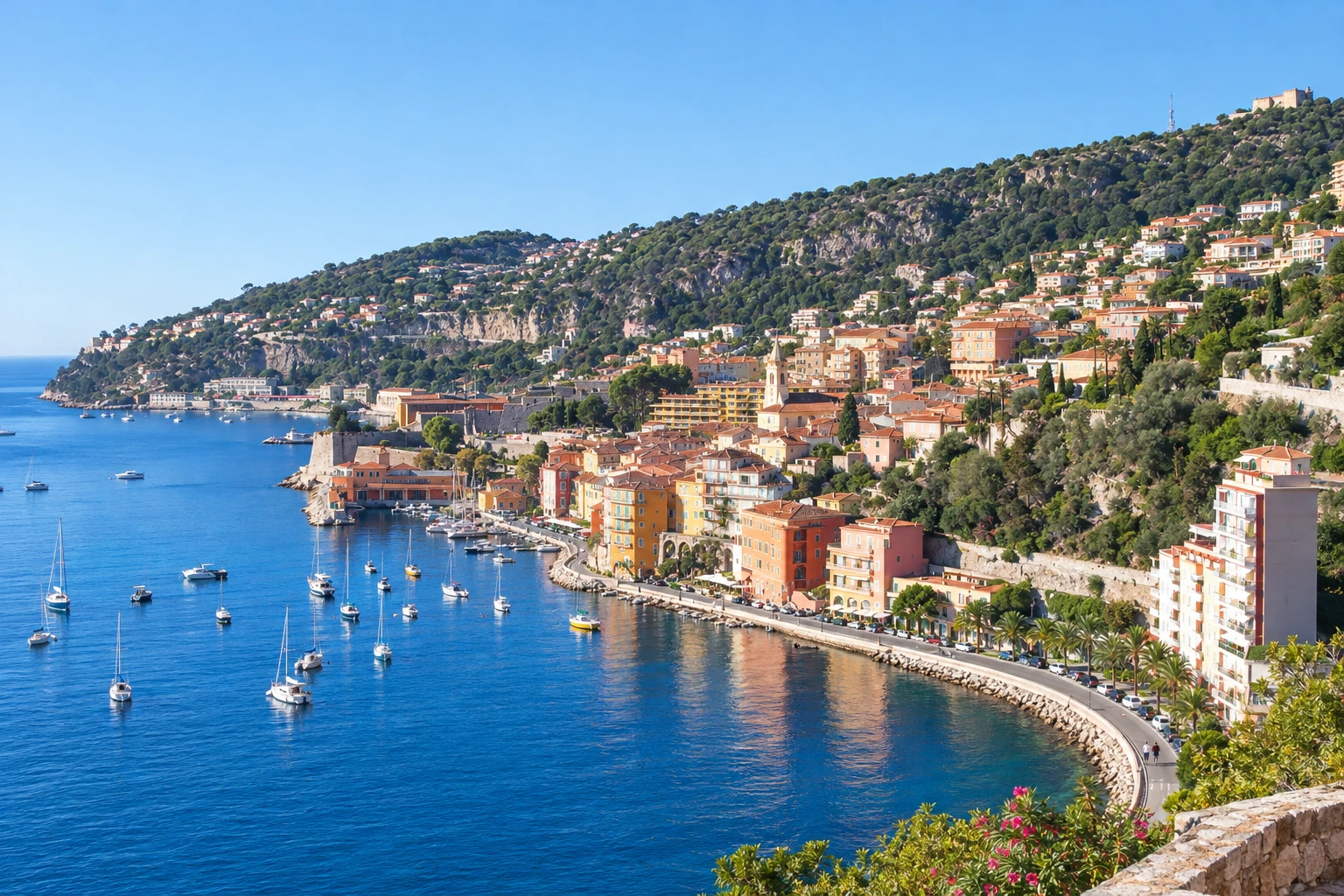
Nice, Cannes and Antibes linked by seaside trains on the Mediterranean: old towns, museums of Matisse, Chagall and Picasso, islands and villages atop the hills.
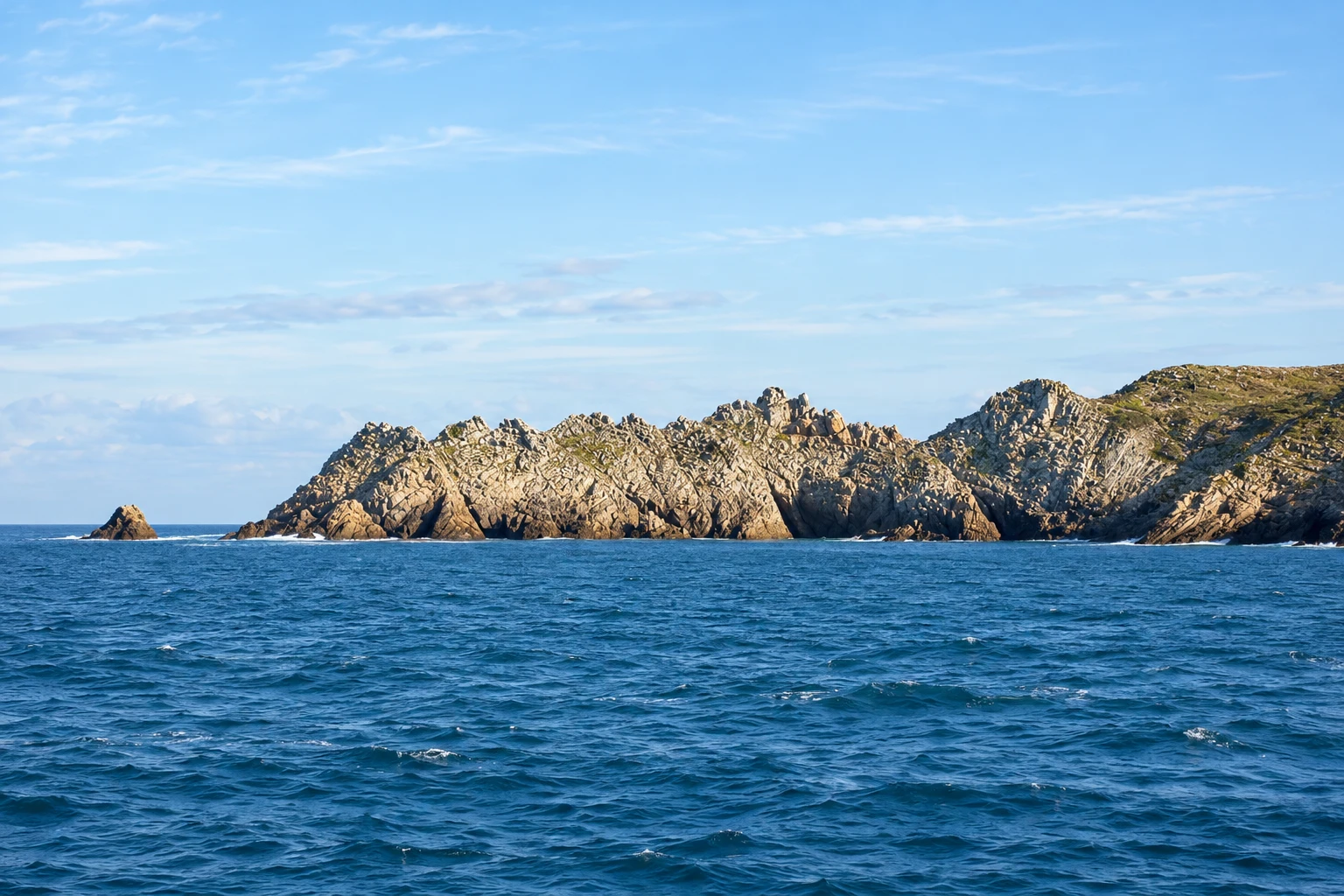
Sardine port at the far west of Brittany, with a boat museum port, the old Rosmeur harbor, the granite village of Locronan and the cliffs of the Pointe du Raz.
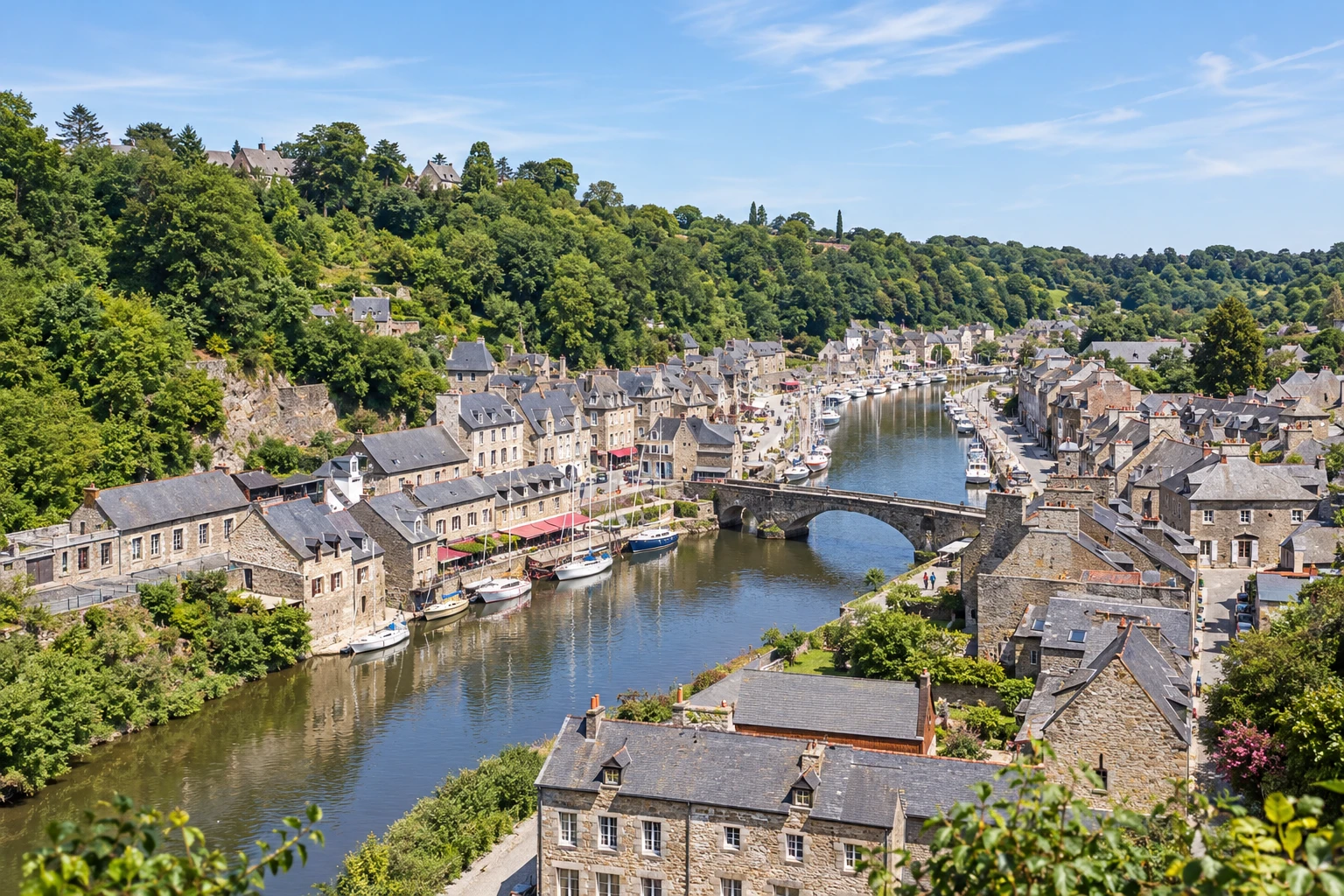
Rennes, the capital of half-timbered houses, and Saint-Malo, the walled city beside some of the largest tides in Europe, in the northwest of France.
Cities to start with
Each city has a page with what to do there.
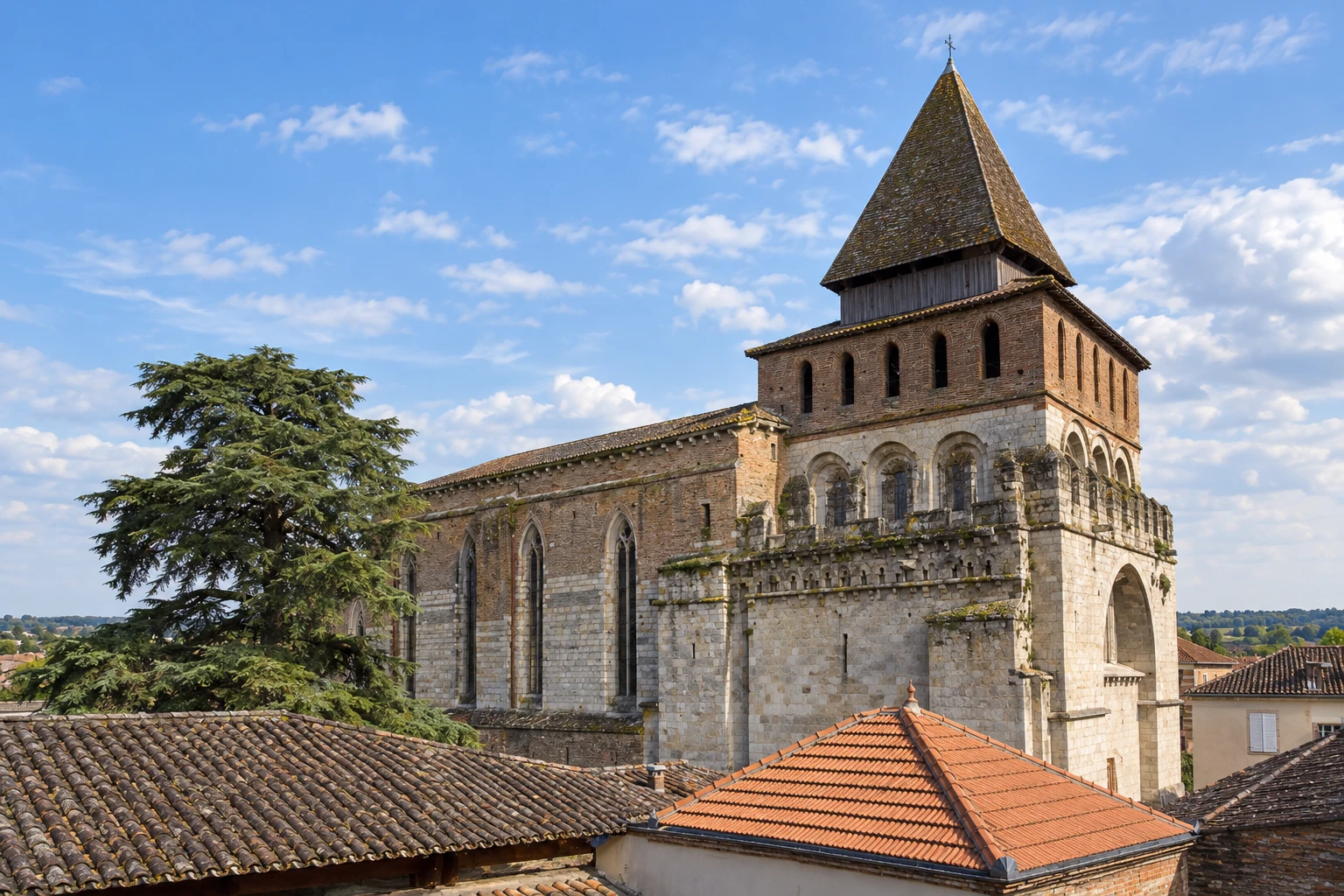
Moissac lies on the banks of the Tarn river, near where it meets the Garonne, and houses the abbey of Saint-Pierre, a World Heritage site, with the Tympanum of the Apocalypse and a cloister from 1100 with 76 carved capitals, one of the oldest in Europe. The Canal Lateral à Garonne crosses the town and passes over the Tarn via the ponte-canal do Cacor. The region is known for the table grape chasselas de Moissac.
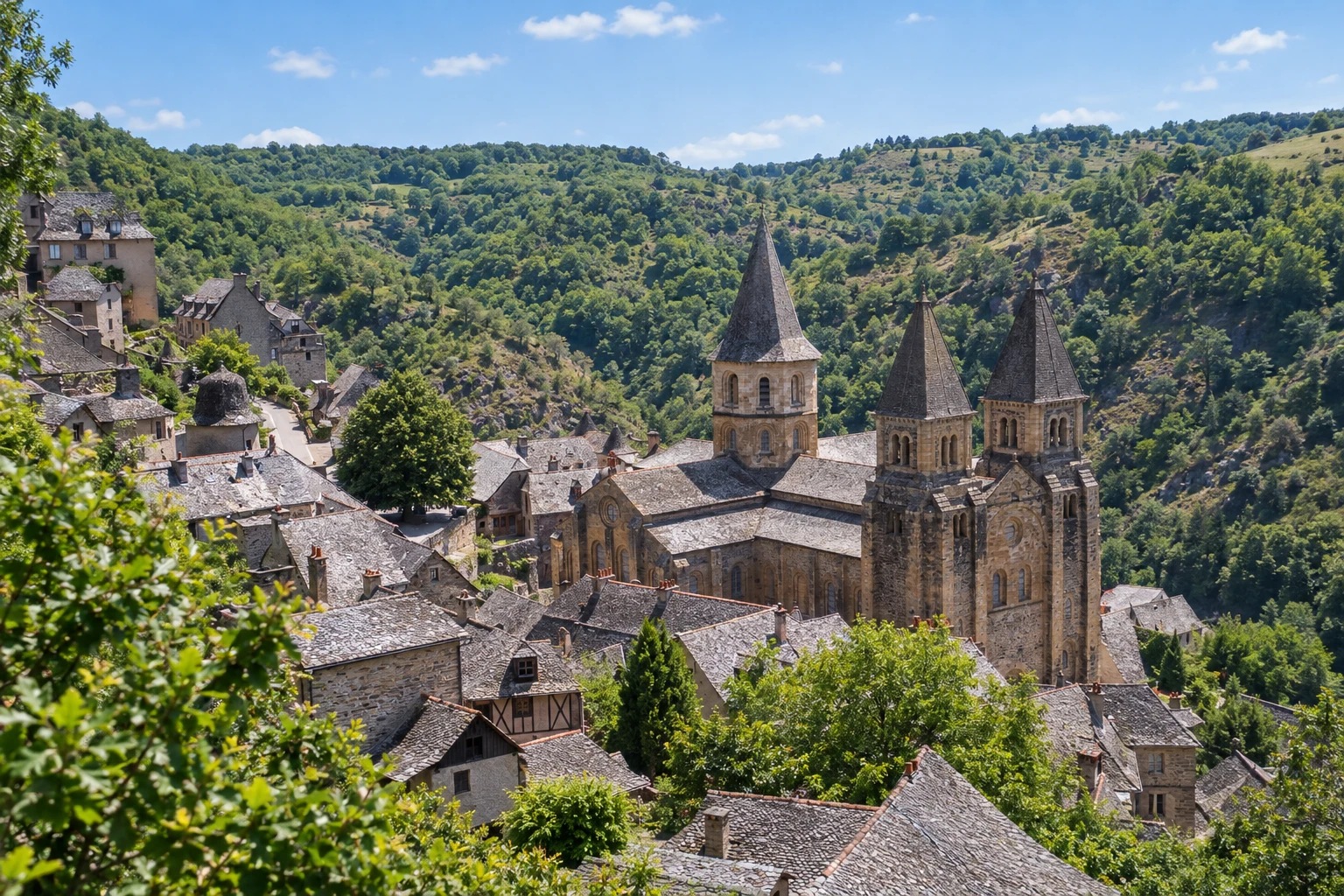
Conques is a medieval village on the slope of the Dourdou valley, in the Aveyron, built around the Abadia de Sainte-Foy, one of the major pilgrimage churches of the Caminho de Santiago. The tympanum of the Last Judgment, with 124 figures, and the goldsmithing treasure, with the statue-reliquary of Sainte Foy, draw visitors from around the world. Pilgrims arrive and leave via the medieval bridge over the Dourdou.
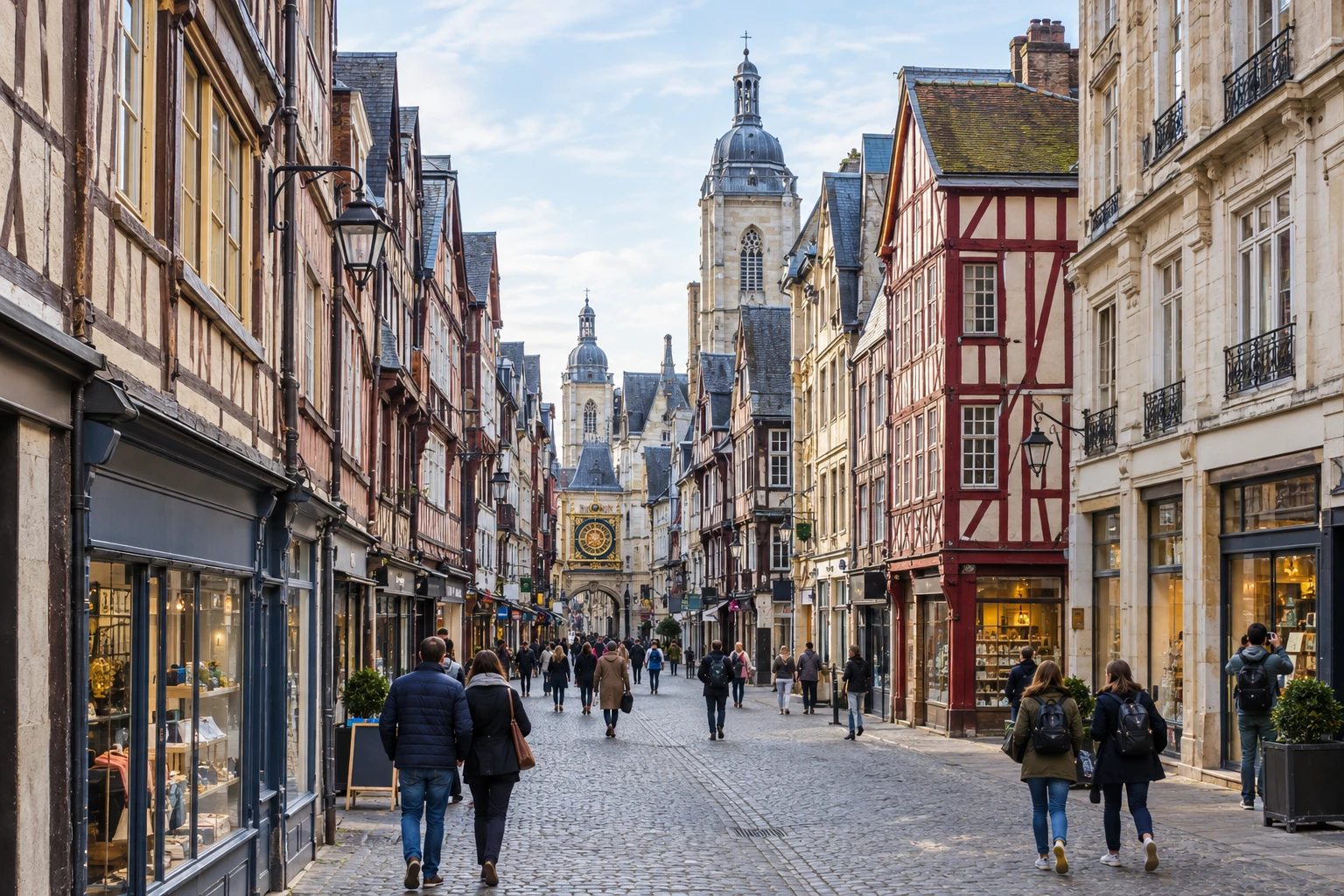
Capital of Normandy, on the banks of the Sena, Rouen has a historic centre of half-timbered houses, the Gothic cathedral painted by Monet, the Gros-Horloge clock and the Place du Vieux-Marché, where Joan of Arc was burned in 1431. The visit is rounded out by the Historial Jeanne d'Arc, the Musée des Beaux-Arts and the ossuary of the Aître Saint-Maclou. It's about an hour and a half by train from Paris.
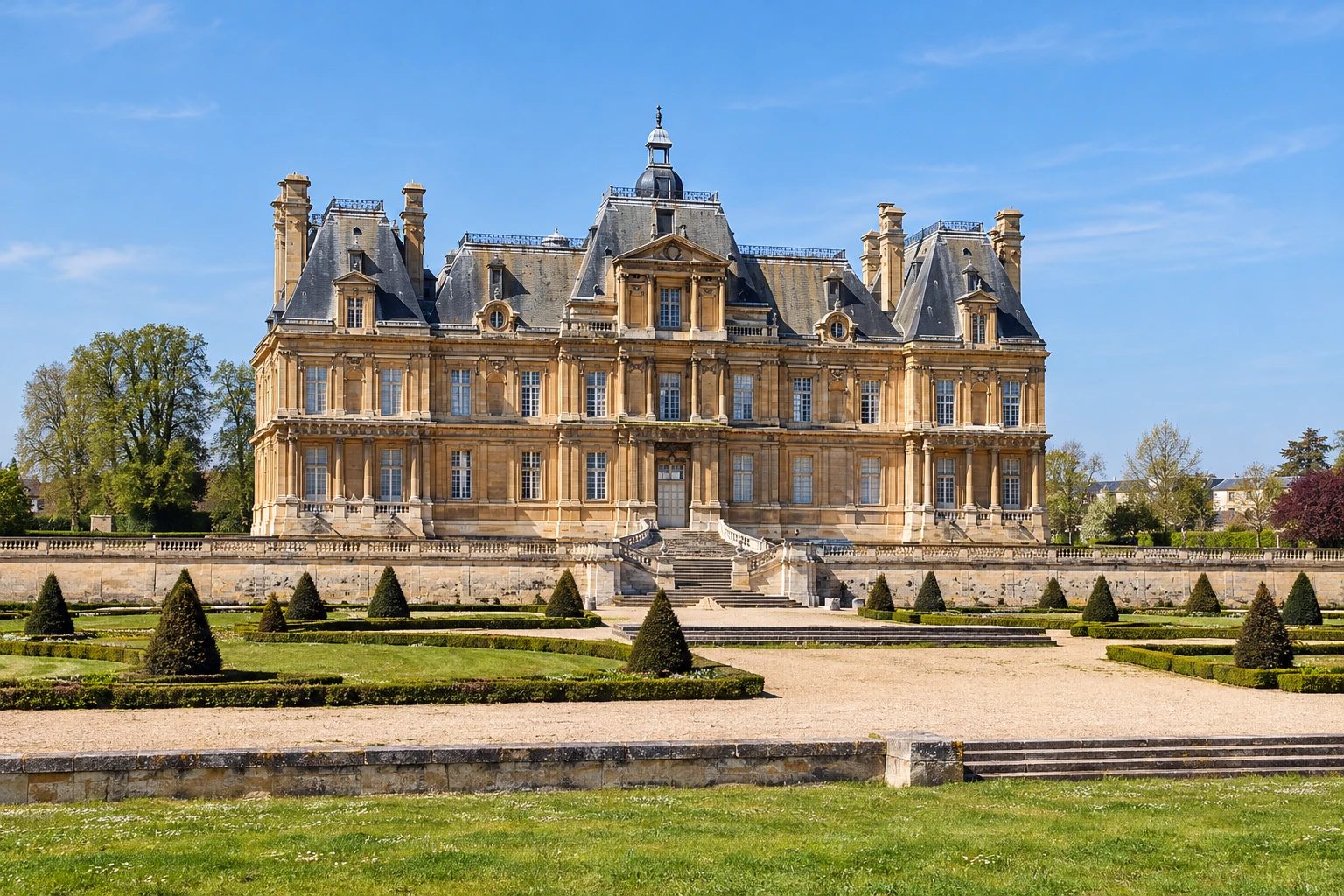
Town on the banks of the Seine, northwest of Paris, known for the Château de Maisons, the work of François Mansart in the 17th century, and for the park parceled out in the 19th century by banker Jacques Laffitte, with wide tree-lined avenues and a tradition linked to racehorses. It is the town associated with the creation of the Paris-Brest, the ring of choux pastry filled with praline cream.
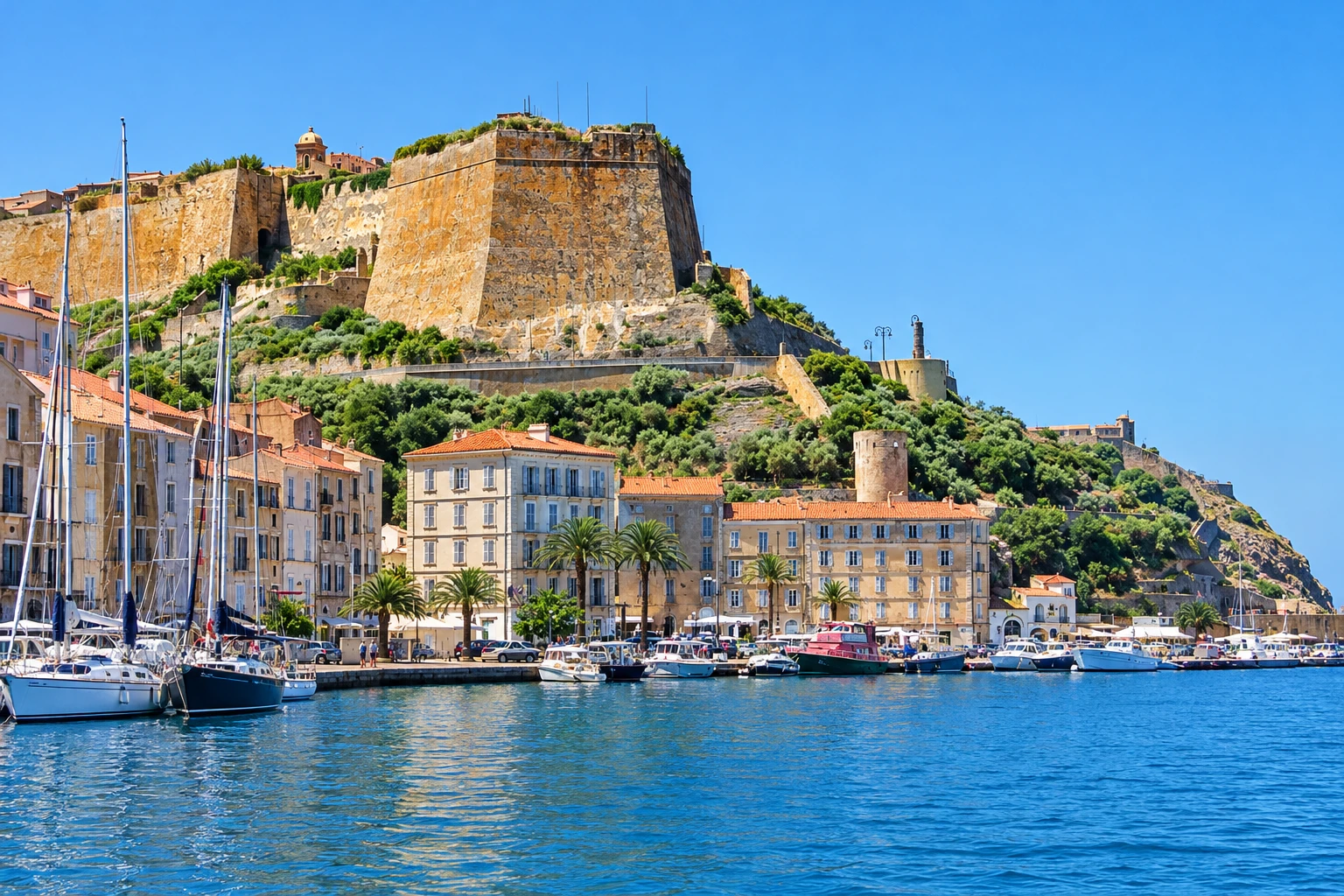
Bonifacio is the southernmost town of metropolitan France, on the tip of Corsica, atop white limestone cliffs about 60 meters high. The walled upper town, fortified by the Genoese, features the Escalier du Roi d'Aragon and the sea cemetery on the cliff edge. Boats depart from the harbor to the caves, the cliffs and the Îles Lavezzi, and about a half-hour by car are the beach of Palombaggia and the Pertusato lighthouse on the way.
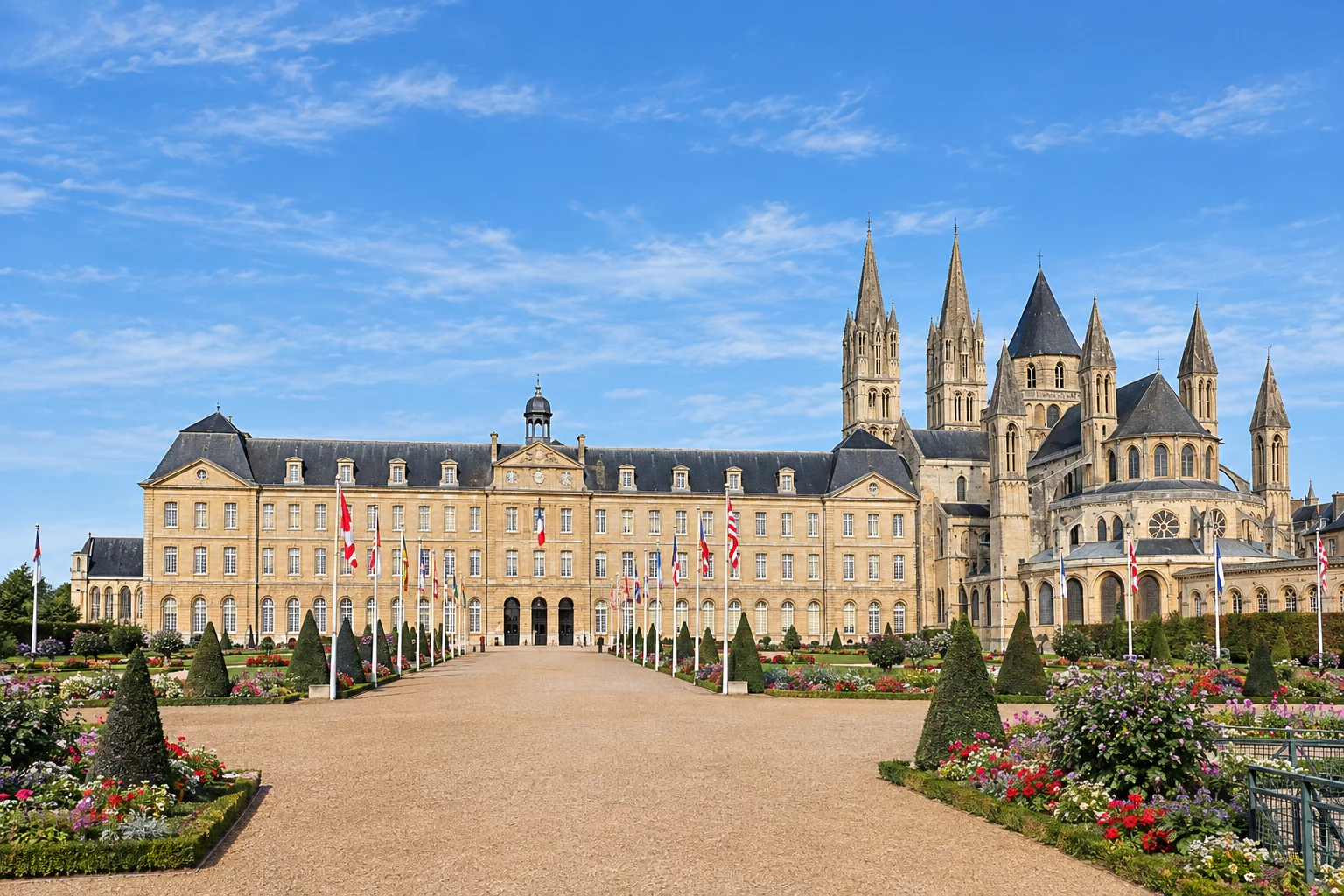
The city of William the Conqueror, in Calvados. It preserves the castle he had built around 1060, the two abbeys he and Queen Matilda founded —the Abbey of Men and the Abbey of Ladies— and the Church of Saint Peter. The Memorial of Caen tells the story of World War II and the Battle of Normandy. This is the city of tripes à la mode de Caen.
The map
Tap a region to see the names. Use two fingers to zoom in.
Outlines: © IGN, ADMIN EXPRESS, Licence Ouverte 2.0. Adapted by Cidade Turismo.
France
Another way into the same trip
Choose the region and the city to find your place in the guide.
Beyond the guide


