French Riviera

Provence-Alpes-Côte d'Azur

French Riviera

Nice, Cannes and Antibes linked by seaside trains on the Mediterranean: old towns, museums of Matisse, Chagall and Picasso, islands and villages atop the hills.

South

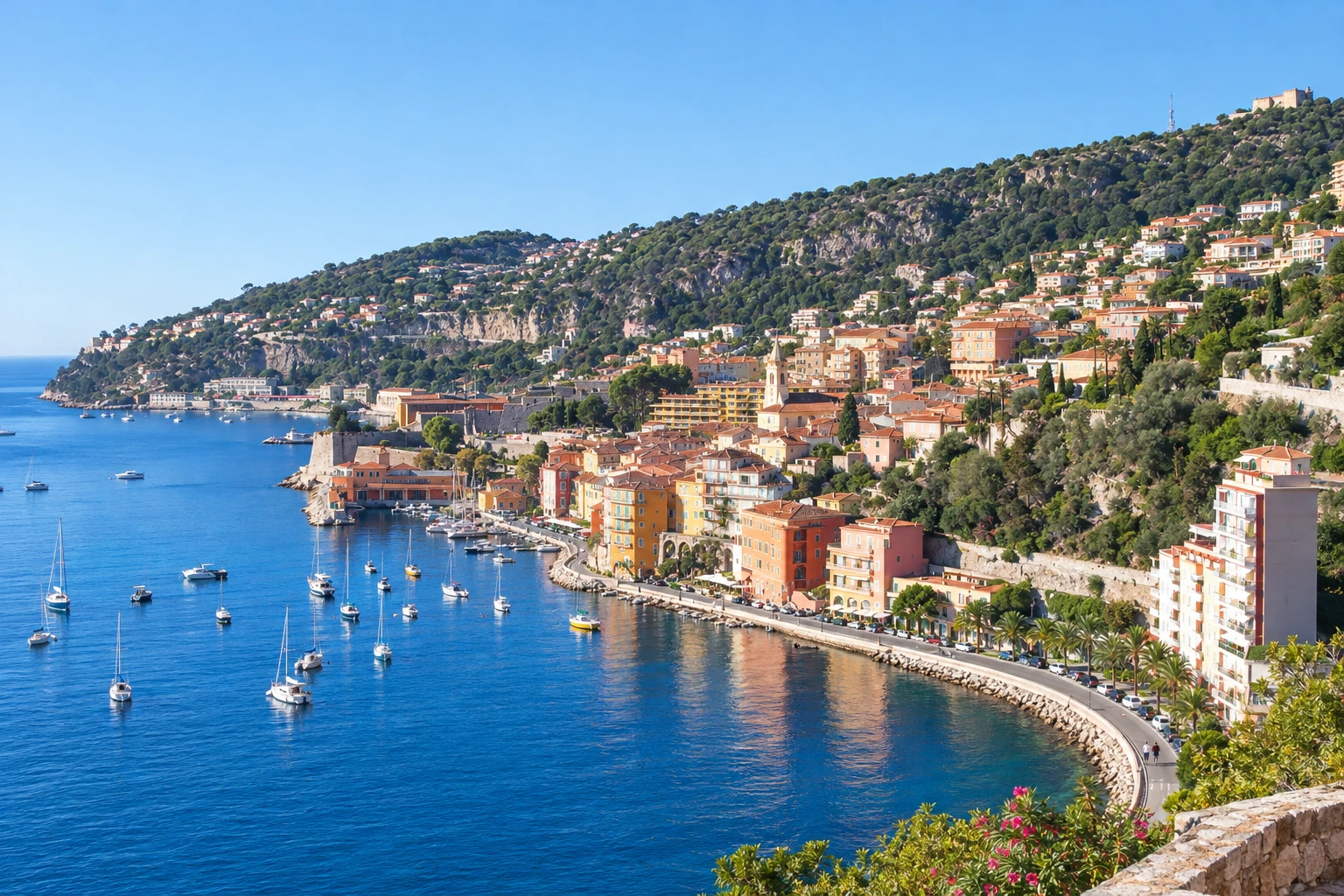
In the photo: Bay and port of Villefranche-sur-Mer

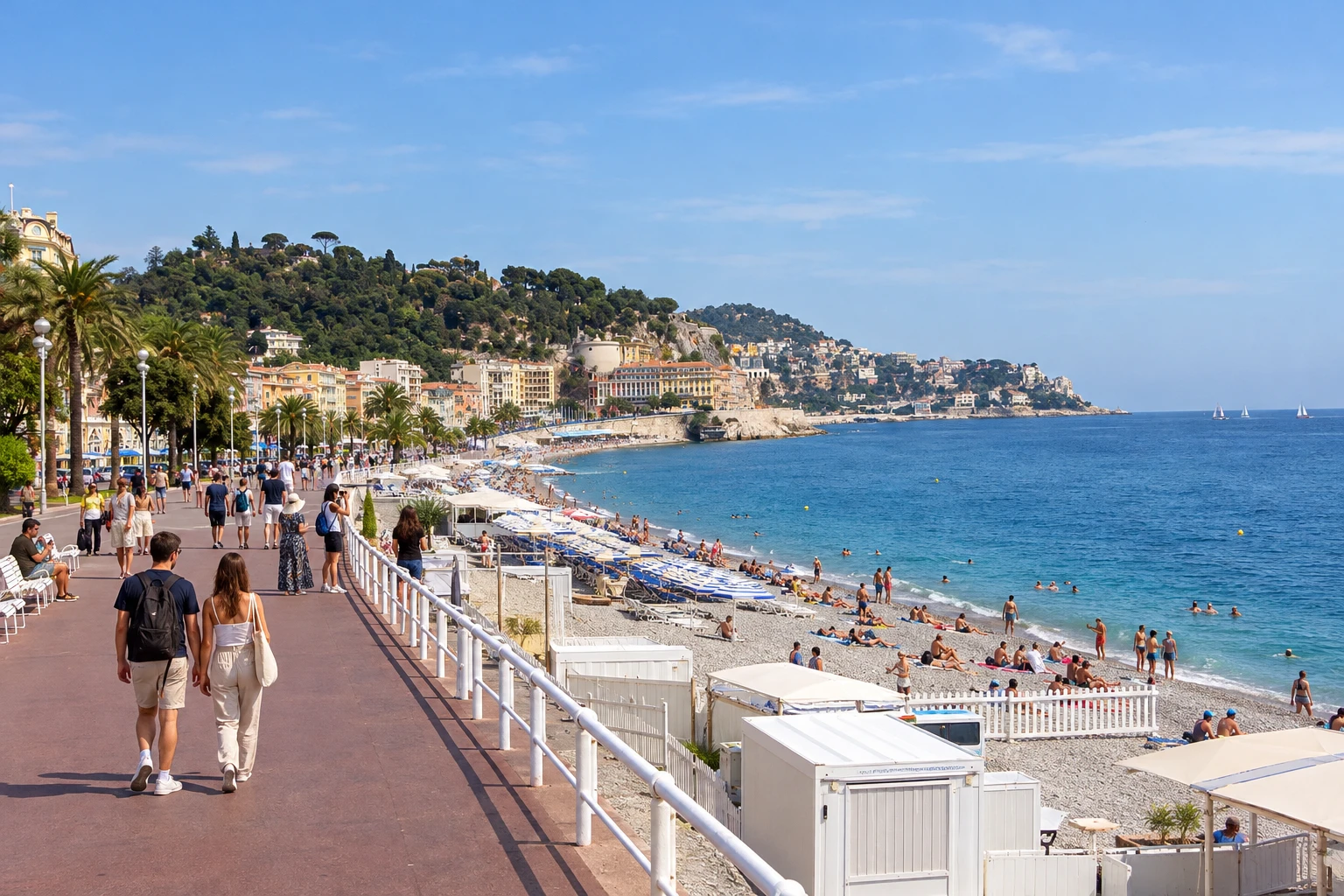
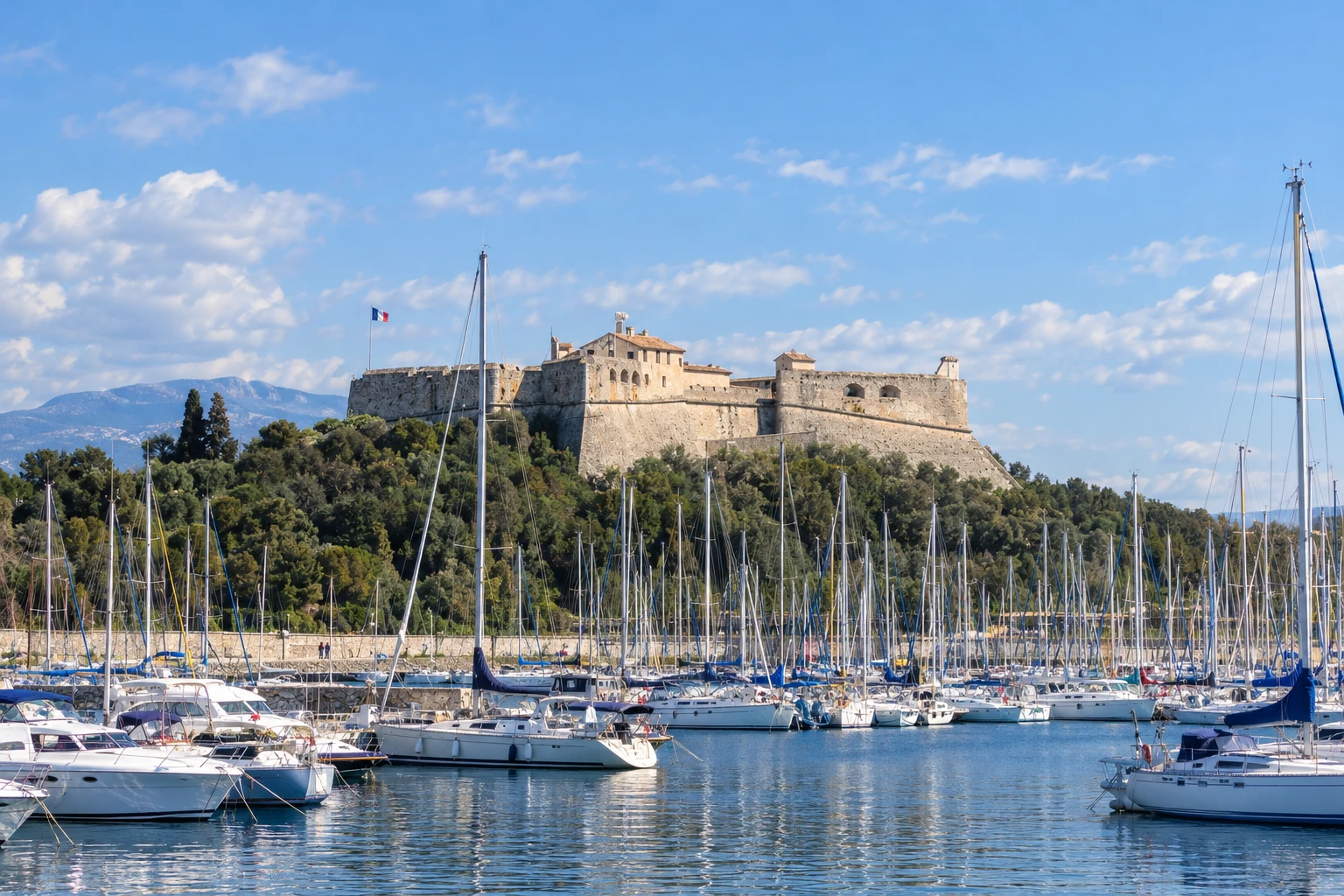
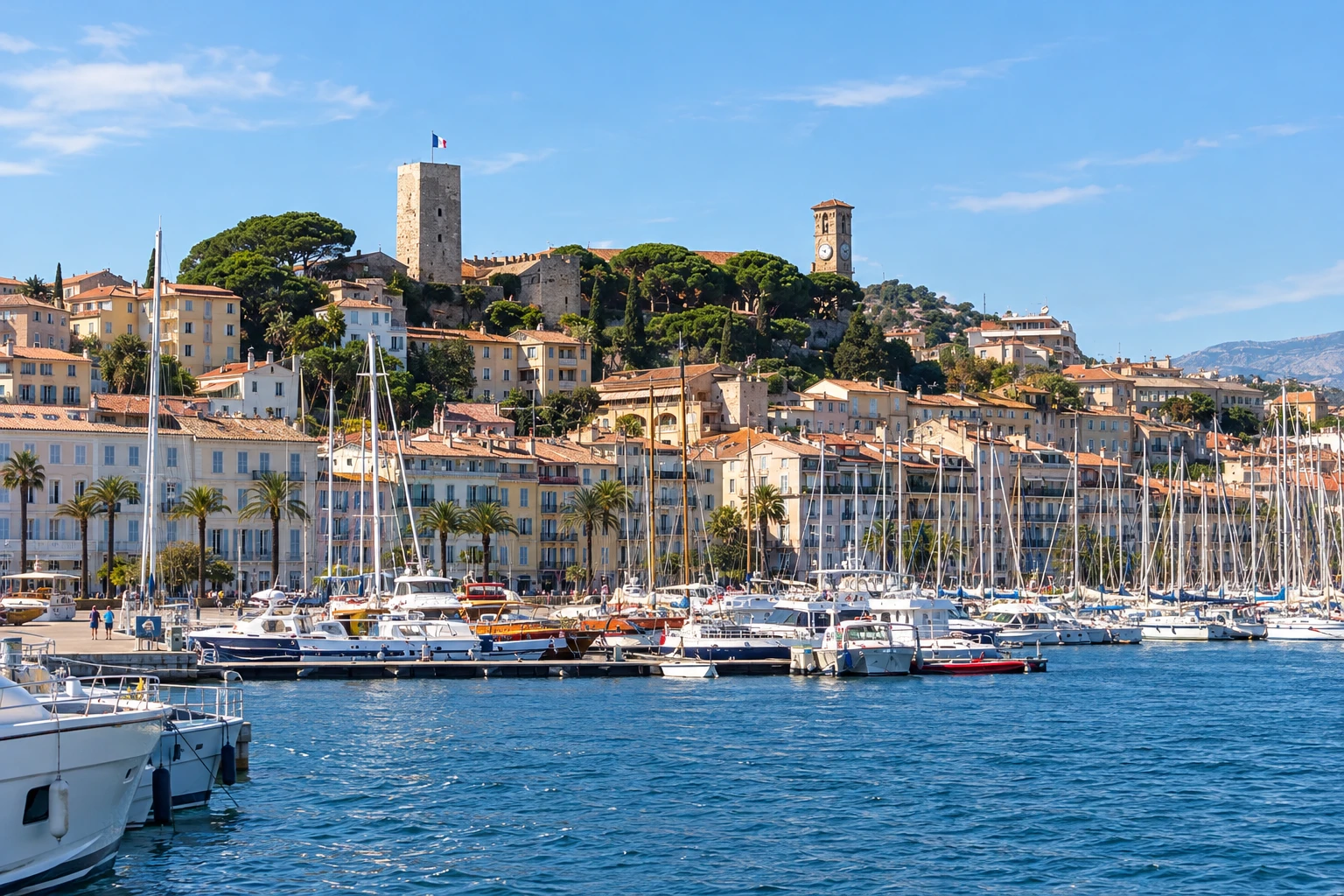
Illustrative images. The pictures in this guide are illustrations based on the real place, not photographs, and may differ from it.

Get it on Google Play

Get to know the place

A region to enjoy
at your own pace.

The Côte d'Azur is the stretch of French Mediterranean coast that, roughly speaking, runs from Cannes to the Italian border after Menton. For Brazilians, the usual gateway is Nice, with Nice Côte d'Azur airport (NCE) and the Gare de Nice-Ville station. From there, regional TER trains run right along the sea and link Cannes, Antibes, Nice and Menton on short journeys, which makes it possible to stay in one hotel and visit several towns.

Nice is the largest city on the coast. It has the Promenade des Anglais on the Baie des Anges, the Vieux Nice with the Cours Saleya flower market, the Colline du Château and two museums dedicated to painters who lived in the city: Henri Matisse and Marc Chagall. Nearby are the medieval village of Èze, the Villa Ephrussi de Rothschild on Cap Ferrat and Saint-Paul-de-Vence with the Fondation Maeght. Monaco, which is a separate country, is a few minutes away by train and is often visited as a neighbouring excursion.

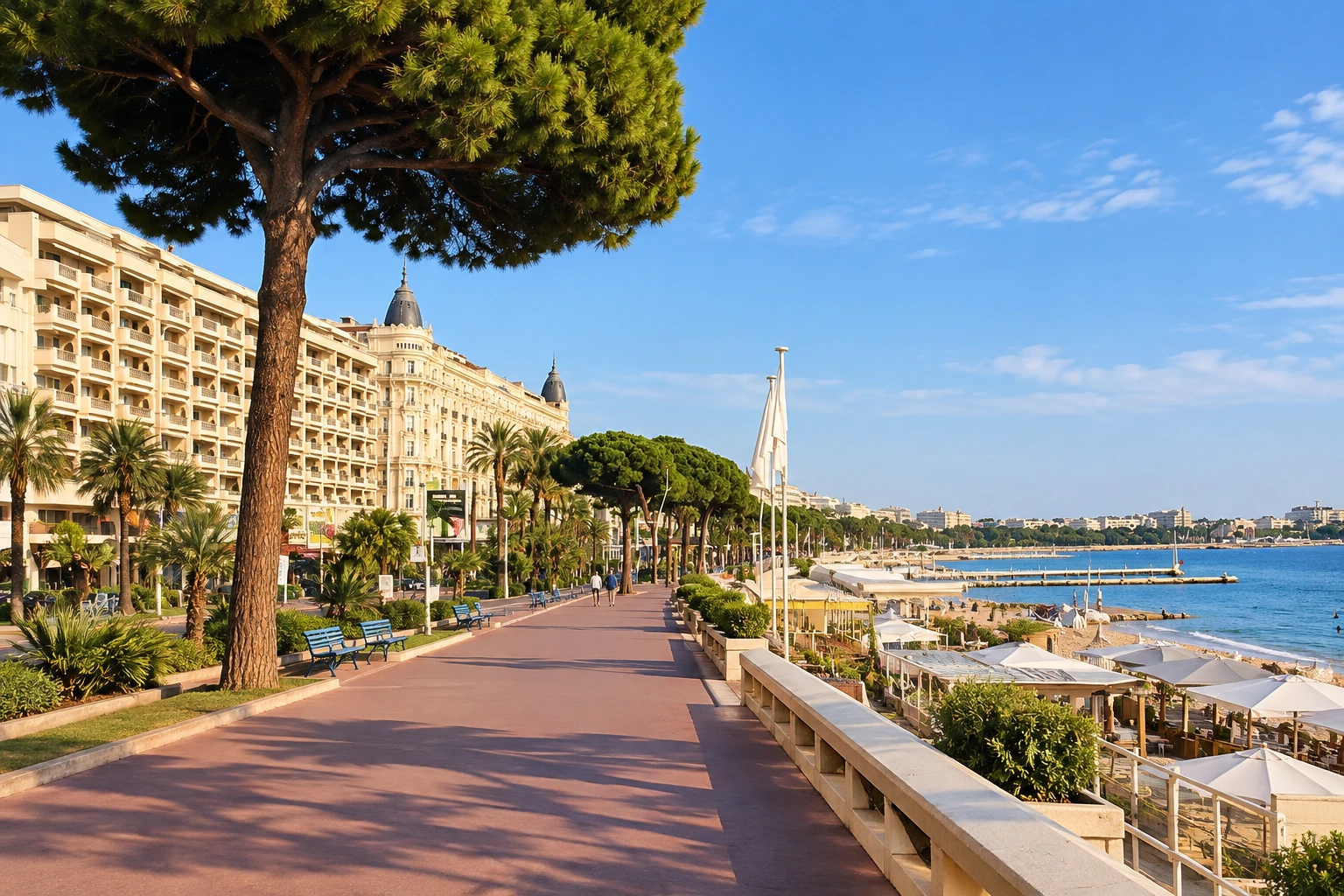
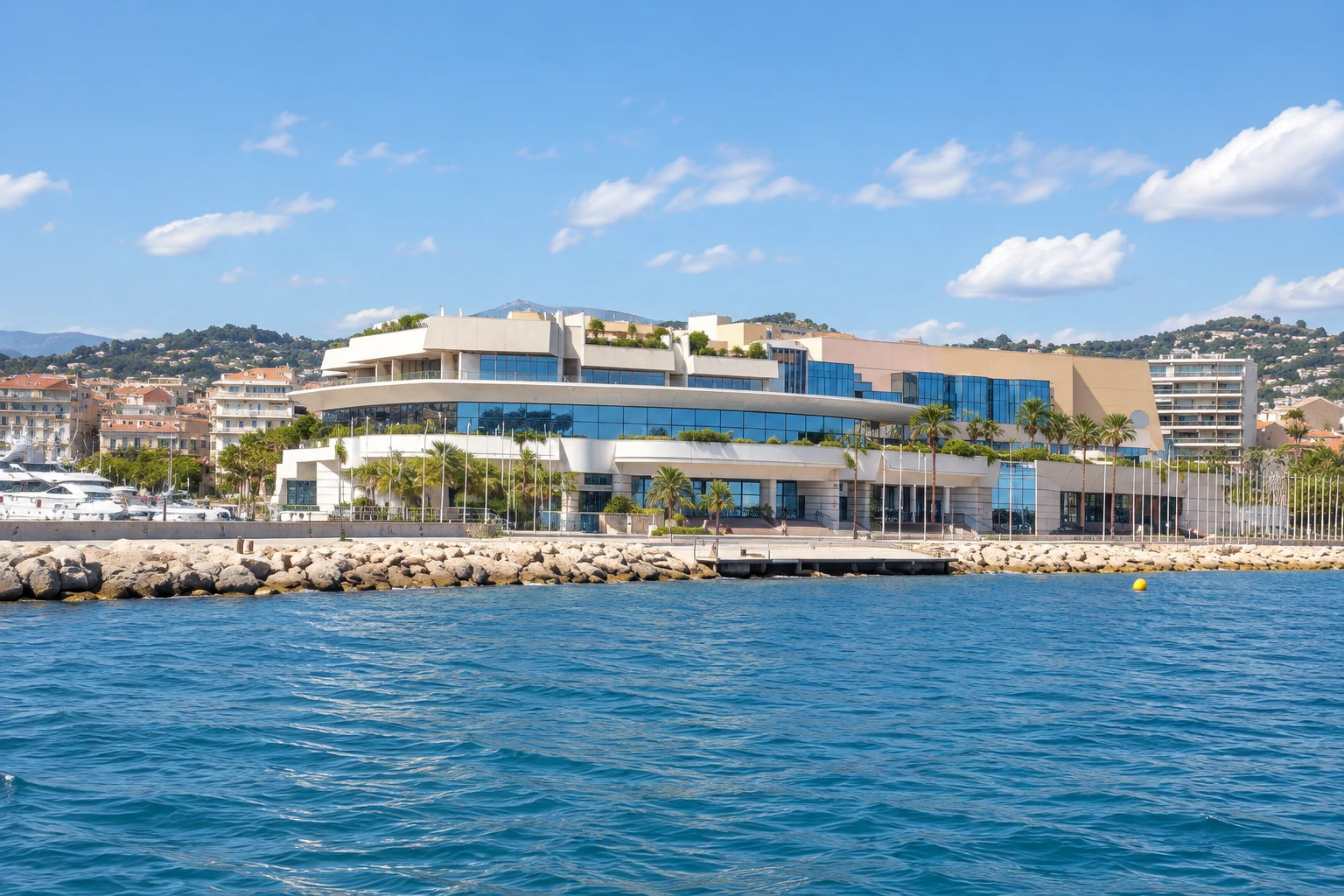
Cannes is the city of the film festival, held in May at the Palais des Festivals. Outside the festival, highlights include the Boulevard de la Croisette, the old quarter Le Suquet and the Îles de Lérins, two islands a few minutes by boat — one with the fort where the Man in the Iron Mask was imprisoned and the other with an active monk’s abbey.

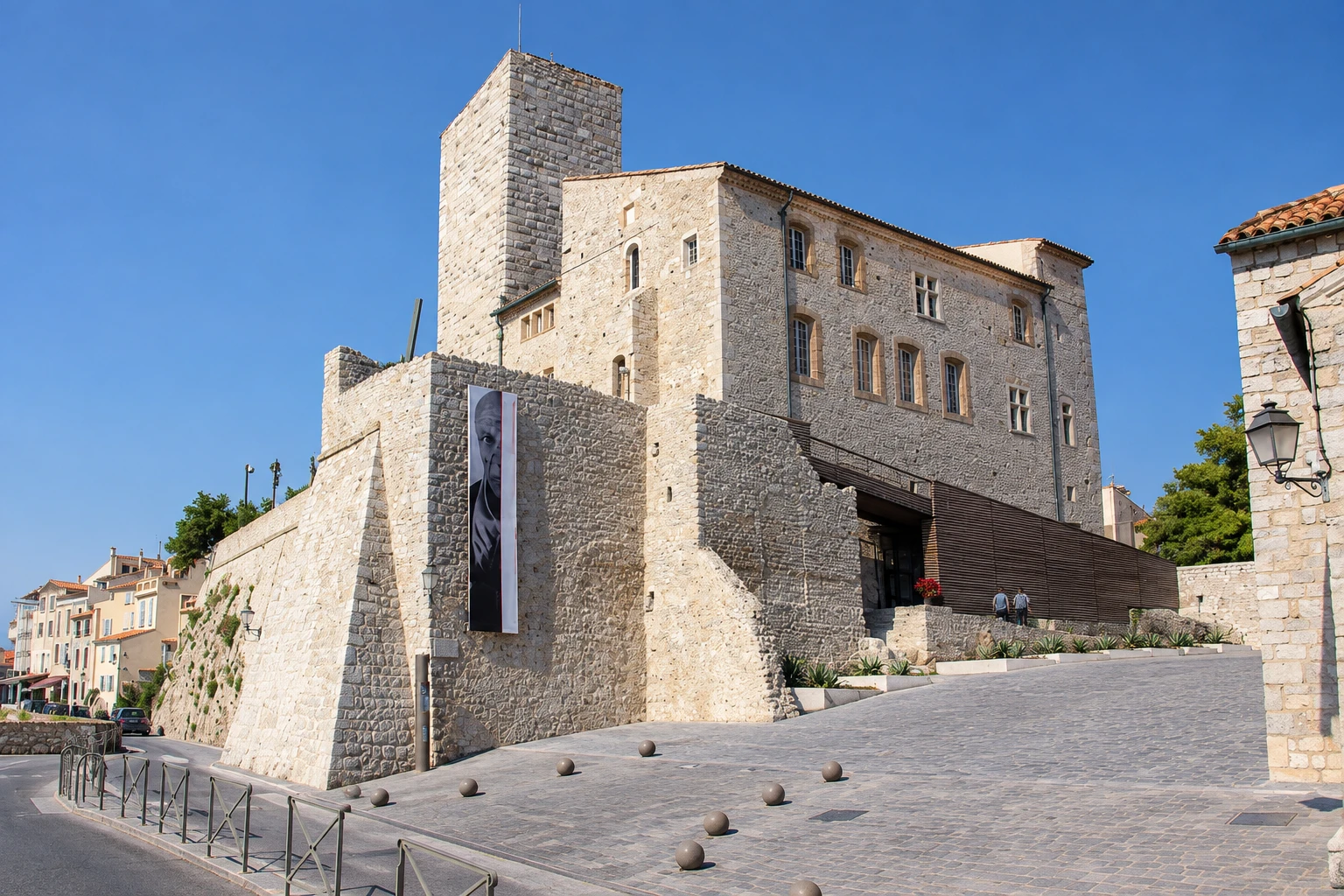
Antibes, between Cannes and Nice, combines a walled old town by the sea, the Musée Picasso in the Château Grimaldi, the Port Vauban full of yachts and the Cap d'Antibes with a coastal path over the rocks. Juan-les-Pins, part of Antibes, has sandy beaches and the Jazz à Juan festival in July.

Nice’s beaches are pebble beaches (galets), not sandy; bring water shoes. The sea is usually warmer from July to September. France is 4 or 5 hours ahead of Brasília depending on the time of year, and the European summer runs from June to August.

This destination brings together 3 cities: Nice, Antibes, Cannes.

Share: WhatsApp
Traveler, share your experiences through photos Up to 5 photos of each place you visited.

One destination, many paths

The cities on this trip

Start with one city or combine several in your itinerary.

Where French Riviera is The star marks the nearest capital, Marseille.
MarseilleNiceAntibesCannes

Outlines: © IGN, ADMIN EXPRESS, Licence Ouverte 2.0. Adapted by Cidade Turismo.

How to get there: French Riviera

Aéroport Nice Côte d'Azur (NCE), in Nice · 7 km to Nice

Nice Côte d'Azur Airport (NCE) is the main entry point. Connections from Brazil are usually via another city; check this before buying your ticket. From Paris, the TGV arrives at Gare de Nice-Ville after a long, several-hours journey; many people prefer the domestic flight. Between the coastal towns, use the regional TER trains.

Suggested arrival point: Nice

The local experience

Things to do in French Riviera

Antibes · Provence-Alpes-Côte d'Azur · Museum

Picasso Museum

Museum in the Château Grimaldi, facing the sea, where Picasso worked in 1946; it houses paintings, drawings and ceramics from that period.

Explore Picasso Museum

See 18 more places in French Riviera

To choose before you go

Tours in French Riviera

Where each tour starts, how long it takes, how it is done, what is included and the price range.

Promenade des Anglais, Place Masséna and Nice waterfront

From Center of Nice On foot, by bicycle or by tram (lines 1 and 2) about 2 to 3 hours morning or late afternoon easy (flat walk)

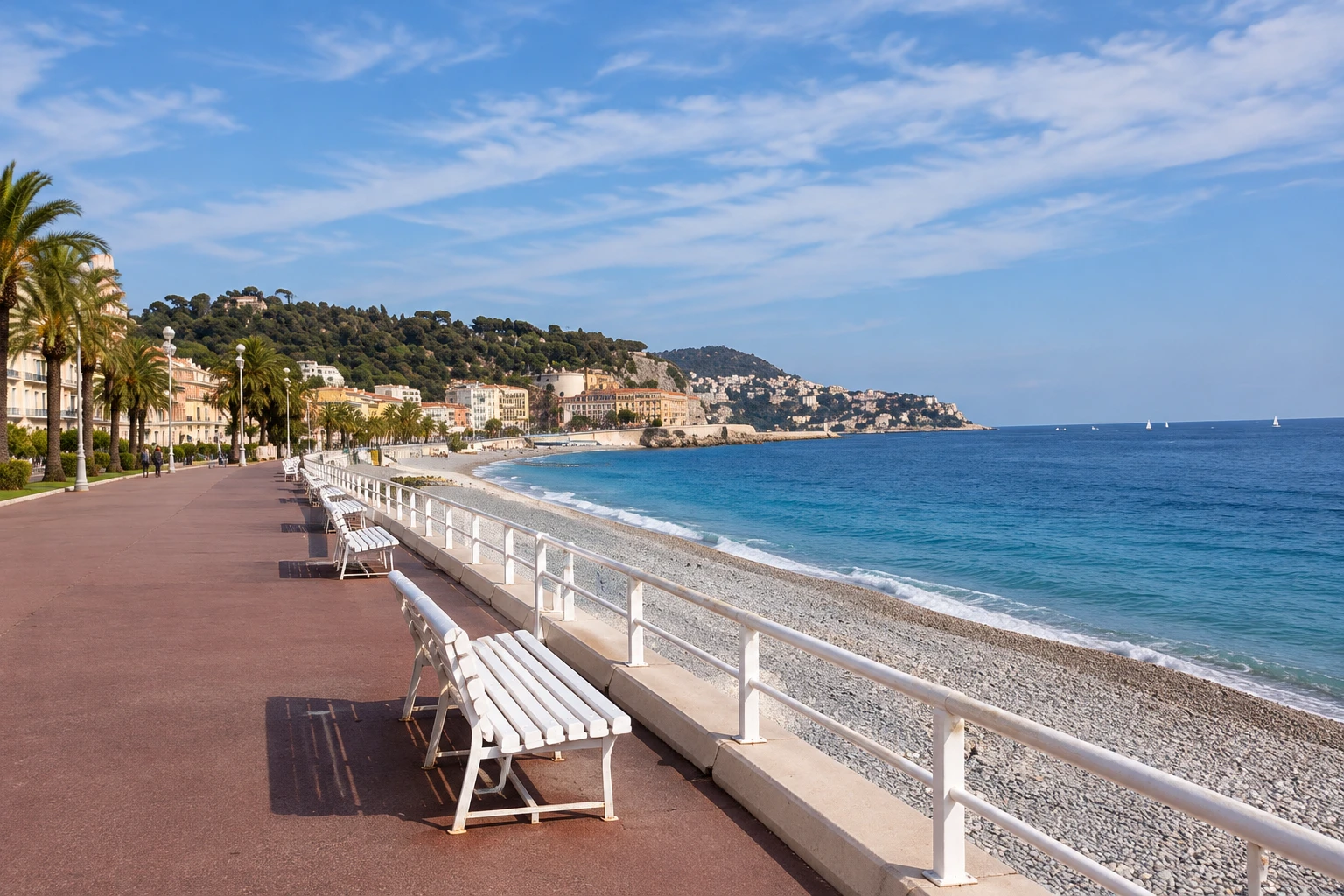
The Promenade des Anglais runs along the Baie des Anges for about 7 km, among palm trees, beaches and the blue chairs facing the sea. The seaside promenade began in 1824, when an English reverend proposed opening a seafront path to give work to residents during a harsh winter; the English who spent winters in Nice adopted the promenade and gave it the name. First-time visitors usually walk the central section, from Jardin Albert Ier to the end on the Vieux Nice (old town) side, with the sea on one side and Belle Époque façades on the other. A short walk away is Place Masséna, a square with red façades and a checkered pavement, the city’s meeting point and the stage for Carnival. From there starts the Promenade du Paillon, a linear park with reflecting pools and lawns that cuts through the center. Nice’s beaches are pebbly, not sandy. If you want to complete the day you can visit the Cathédrale Saint-Nicolas, a Russian Orthodox church in the Moscow style near Nice-Ville station, with decorated icons and iconostasis; it is an active place of worship and requires appropriate clothing.

Stops: Promenade des Anglais, Baie des Anges, Place Masséna, Promenade du Paillon, Cathédrale Saint-Nicolas.

Includes: Free walking tour; entry to the promenade and the square is free. At the Cathédrale Saint-Nicolas, entry is free and there is a guided tour available for an extra fee. Renting a beach chair and umbrella on private beaches is paid separately. Check current pricing.

Tip: Bring water shoes or sturdy sandals to enter the sea: the pebbles can hurt. To see the sunset over the bay, go at late afternoon. There is a bike lane along the entire waterfront.

Best time: All year; for swimming in the sea, June to September.

Vieux Nice, Cours Saleya and Colline du Château

From Nice city center On foot from Place Masséna about 3 to 4 hours morning easy to moderate (ascent to the park)

Vieux Nice (Old Nice) is a maze of narrow lanes with ochre-toned facades, baroque chapels, ateliers and shops selling local products. The heart of the neighborhood is the Cours Saleya, a long, wide promenade full of bars and restaurants where a flower market operates in the morning, with stalls also selling fruit, vegetables and specialties; on Mondays the flowers give way to an antiques fair and in summer there is a night craft market. It’s a good place to try socca, a thin chickpea pancake, and pan bagnat. From the end of the Cours Saleya, steps lead up to the Colline du Château, the hill where the Greeks from Massalia founded Nikaia and where a citadel once stood that was demolished by order of Louis XIV. Today it is a park with shade, a waterfall and viewpoints over the Baie des Anges, Vieux Nice and the harbour. On the other side of the hill you descend to Port Lympia, Nice’s port, with its colourful façades.

Stops: Vieux Nice, Cours Saleya, Colline du Château, Port Lympia.

Includes: Self-guided walk; entry to the Colline du Château park is free. Guided tours of the Vieux Nice are charged separately. Check the current schedule/pricing.

Tip: Go to Cours Saleya in the morning, when the market is set up. If you don’t want to climb the hill stairs you can use the elevator on the seaside. Bring water in summer.

Best time: All year; in spring and autumn the climb is less hot.

Cimiez: Musée Matisse and Musée national Marc Chagall

From Nice city centre City bus (lines 5, 16, 18, 33 or 40) or on foot, uphill about 4 hours for both museums morning or afternoon easy

The two art museums that draw the most visitors in Nice are located on the slope of Cimiez, a residential neighbourhood of former winter mansions. The Musée national Marc Chagall was created for the Message Biblique cycle, a series of large canvases inspired by the Old Testament, housed in a building surrounded by a Mediterranean garden. Higher up, the Musée Matisse occupies the Villa des Arènes, a red Genoese house amid the Jardin des Arènes de Cimiez, an olive grove with remains of Roman baths and an amphitheatre. Henri Matisse lived in Nice for decades, and the museum brings together paintings, drawings, sculptures, cut-paper works and studio objects, with exhibitions that change through the year. The path to the Cimiez monastery runs through the same neighbourhood, next to the garden. Plan the day to visit both museums: start at the Chagall, which is closer to the centre, and continue by bus or on foot to the Matisse.

Stops: Musée national Marc Chagall, Musée Matisse, Jardin des Arènes de Cimiez, Cimiez.

Includes: There is an admission fee at each museum. The 4-day Pass Musées de Nice covers municipal museums, such as the Matisse; the Chagall is a national museum with its own ticket. Check the current price list.

Tip: Both museums are closed on Tuesdays. The Musée Matisse closes for a few weeks each year to change exhibitions, and the Chagall closes at lunchtime for part of the year: check dates before you go.

Best time: All year; a good option for rainy days in autumn and winter.

Èze: medieval village and Jardin Exotique d'Èze

From Nice Bus 82 or regional bus 602, or car via the Moyenne Corniche about 4 to 5 hours morning or afternoon moderate (steep lanes and steps)

Èze is a medieval village perched on a cliff between Nice and Monaco on the Moyenne Corniche. The stone lanes, car-free, climb in steps past artisan shops, galleries and restaurants, passing the baroque church with altarpieces and trompe-l'oeil paintings. At the top, among the ruins of the old fortress, is the Jardin Exotique d'Èze, 429 m above the Mediterranean: the southern section contains dozens of species of succulents and cacti from several continents, and the northern section has Mediterranean plants, grottos and a waterfall. From the top you can see the coastline and, on clear days, as far as the Esterel and the Gulf of Saint-Tropez. In the village there are two perfumeries offering guided visits. Those with stamina can walk down the Chemin de Nietzsche, a trail that leads to Èze-sur-Mer on the shoreline, where there is a train station to return to Nice.

Stops: Èze, Jardin Exotique d'Èze, Moyenne Corniche, Èze-sur-Mer, Chemin de Nietzsche.

Includes: There is an entrance fee at the Jardin Exotique d'Èze, with online sales. Visits to the perfumeries are usually free of charge. Bus or train are paid separately. Check the current tariff.

Tip: Bring the ticket printed or saved on your phone: reception is weak high in the village. Arrive early in summer, when buses and narrow streets get crowded. For the Nietzsche path, wear sneakers with a good sole and bring water.

Best time: From spring to autumn; in summer, go early to avoid heat and crowds.

Villa Ephrussi de Rothschild and the nine gardens, in Saint-Jean-Cap-Ferrat

From Nice Bus 15 or 607, or train to Beaulieu-sur-Mer plus a walk about 3 hours morning or afternoon easy

The Villa Ephrussi de Rothschild is a Belle Époque palace built for Béatrice Ephrussi de Rothschild on the Saint-Jean-Cap-Ferrat isthmus, between the bay of Villefranche and that of Beaulieu, about 10 km from Nice and from Monaco. Inside, the salons display the baroness’s collection: furniture, Sèvres porcelain, tapestries and paintings. Outside, the route passes through nine themed gardens, with the sea on both sides: French, Spanish, Florentine, Sèvres, lapidary, Japanese, exotic, Provençal and the rose garden. The Villa belongs to the Académie des Beaux-Arts and has a tea room overlooking the bay. Saint-Jean-Cap-Ferrat, a former fishing village, still has about 8 km of coastal trails around the cape, which can be combined with the visit on the same day.

Stops: Villa Ephrussi de Rothschild, Saint-Jean-Cap-Ferrat, Beaulieu-sur-Mer.

Includes: There is an admission ticket, sold online; the time printed on the ticket does not need to be strictly followed. Audioguide and the tea room are charged separately. Check the current schedule.

Tip: From the bus stop to the Villa it’s about a 15-minute walk. There is no luggage storage, and bringing food inside is not allowed. Some dates of the year have exceptional closures: check in advance.

Best time: From spring to autumn, when the gardens are in fuller bloom; in winter the opening hours are shorter.

Villefranche-sur-Mer: port, Citadel and Cocteau chapel

From Nice TER train (direction Monaco/Menton) or bus 15 or 600 about 3 to 4 hours morning or afternoon easy (slopes and stairs)

Villefranche-sur-Mer is just after Nice, in a deep, sheltered bay where cruise ships call. The old town rises like an amphitheater from the fishing harbor, with ochre and red houses and the pointus, traditional wooden boats. On the quay, the Chapelle Saint-Pierre was decorated by Jean Cocteau. Among the lanes and stairways is the Rue Obscure, a covered medieval passage, almost subterranean. The 16th-century Citadelle Saint‑Elme overlooks the bay and houses sculpture and painting museums. On the other side is the Port Royal de la Darse, the former military port of the Dukes of Savoy. The Plage des Marinières, along the bay, is pebble. To see the essentials 3 to 4 hours are enough; with beach time or a coastal hike to Saint-Jean-Cap-Ferrat it becomes a full day.

Stops: Villefranche-sur-Mer, Citadelle Saint-Elme, Chapelle Saint-Pierre, Rue Obscure, Plage des Marinières.

Includes: Self‑guided walking tour of the town. The Chapelle Saint‑Pierre and the citadel museums may require admission. Train or bus fares are paid separately. Check the current schedule.

Tip: The train takes only a few minutes from Nice and avoids coastal traffic. On cruise ship days the harbour gets crowded: go early or in the late afternoon.

Best time: All year; for the beach, from June to September.

See 9 more tours

Monaco: Rocher, Palais Princier and Monte-Carlo (day trip to another country)

From Nice TER train to Monaco-Monte-Carlo or regional bus 602 about 6 to 8 hours full day easy (hills and public elevators)

Monaco is not France: it is a separate country, the Principality of Monaco, set on the coast a few kilometers from Nice, and it works as a day trip. The coastal train reaches Monaco-Monte-Carlo station in a few minutes. The classic route starts at the Rocher (the Rock), the old town atop the promontory: there are the Palais Princier, residence of the Grimaldi family, with the changing of the guard in the palace square every day shortly before noon; the Cathédrale Notre-Dame-Immaculée, in Romanesque-Byzantine style, with the princes’ tombs; the Jardins Saint-Martin; and the Musée Océanographique, attached to the cliff over the sea, with aquariums and a viewing terrace. You then descend to Port Hercule, which the Formula 1 Grand Prix circuit passes through, and beside it is the prince’s car collection. On the other side of the harbor, in Monte-Carlo, are the Belle Époque Casino de Monte-Carlo and the Café de Paris. Above them, the Jardin Exotique de Monaco overlooks the Rocher.

Stops: Principauté de Monaco, Le Rocher, Palais Princier de Monaco, Musée Océanographique, Cathédrale Notre-Dame-Immaculée, Casino de Monte-Carlo, Jardin Exotique de Monaco, Port Hercule.

Includes: Train or bus fare not included. Palais Princier, Musée Océanographique, Jardin Exotique and the car collection have separate tickets; entry to the casino has rules and a minimum age. The changing of the guard and the cathedral are free to enter. Check current pricing.

Tip: There is no routine border control between France and Monaco, but bring your passport. The town is built on a slope: use the public elevators and moving walkways. Arrive at the Rocher before noon to see the changing of the guard.

Best time: All year; in late May or June, during the Grand Prix, the city becomes very busy and traffic patterns change.

Menton: old town, Basilique Saint-Michel and the seafront

From Nice TER train along the coast (toward Ventimiglia) about 5 to 6 hours full day easy to moderate (stairs)

Menton is the last French town before the Italian border, and you can feel it in the ochre facades and the flavors. The old town rises from the seafront through narrow lanes, stairways and small squares up to the Parvis Saint-Michel, a pebble courtyard with the Grimaldi coat of arms, where the Basilique Saint-Michel-Archange stands — a Baroque church from 1639 with a 53 m bell tower and a trompe-l'œil painted vault — and the chapel of the Penitents Blancs. From the courtyard, the view drops down over the bay and the Plage des Sablettes. In summer the courtyard hosts the Menton Music Festival. Below, the Marché des Halles sells local produce, including the Menton lemon, a symbol of the town. Menton is also known for its gardens, such as the Val Rahmeh botanical garden, and for the Fête du Citron, a festival with floats made of oranges and lemons in the second half of February.

Stops: Menton, Basilique Saint-Michel-Archange, Parvis Saint-Michel, Vieille ville de Menton, Marché des Halles.

Includes: Self-guided walk through the old town; entry to the basilica is free. Train, gardens and Fête du Citron tickets are paid separately. Check the current price list.

Tip: Get off the train at Menton-Garavan station to be closer to the old town. Combine it with Monaco on the same day if you’re short on time, since both are on the same train line.

Best time: All year; in February, during the Fête du Citron, the town becomes very busy.

Saint-Paul-de-Vence and Fondation Maeght

From Nice Car, or train to Cagnes-sur-Mer and bus 655 around 5 hours morning or afternoon easy to moderate (hills)

Saint-Paul-de-Vence is a walled medieval village inland, between Nice and Antibes, about 7 km from the sea. The center is entirely pedestrian: the Rue Grande runs through the village paved with pebbles set on edge, in the Provençal style, amid ateliers, galleries and the Grande Fontaine. From the walls you get views over hills, cypresses and, in the distance, the sea. The village attracted artists and celebrities in the 20th century; Marc Chagall lived there and is buried in the local cemetery. Outside the walls, the Fondation Maeght, founded in 1964 and designed by Catalan architect Josep Lluís Sert, was conceived in collaboration with artists: Joan Miró, Alberto Giacometti, Georges Braque, Alexander Calder, Fernand Léger and Chagall have works in the galleries and gardens, with outdoor sculptures among the pine trees. The collection exceeds 13,000 works and is shown in temporary exhibitions and curated displays from the collection. From the village to the foundation you can walk along the Chemin Sainte-Claire, an old path with chapels and views over the hamlet.

Stops: Saint-Paul-de-Vence, Fondation Maeght, Chemin Sainte-Claire, Grande Fontaine.

Includes: Self-guided walk around the village. Fondation Maeght requires an admission ticket, sold online; guided tours cost extra. Check the current schedule/pricing.

Tip: At the Fondation Maeght, allow about 1½ hours for a visit. In summer, a tourist bus line links the foundation, the village, Vence and the Chapelle du Rosaire by Matisse. By car, the village parking lots are paid and fill up early.

Best time: From spring to autumn; in summer go early to avoid heat and crowds.

Cannes: La Croisette, Palais des Festivals, Marché Forville and Le Suquet

From Nice or Antibes TER train along the coast to Cannes station about 5 to 6 hours full day easy (short climb to Le Suquet)

Cannes can be explored on foot from the station. The Boulevard de la Croisette follows the bay, with sandy beaches, palm trees and the façades of the large hotels and shops. At the tip, between the Croisette and the Vieux Port, stands the Palais des Festivals et des Congrès, home of the Cannes Film Festival: the famous 24 steps host the red carpet in May and, for the rest of the year, are open for photos. Around it, the Chemin des Étoiles displays handprints of film artists. From the harbor, Rue Meynadier, with its fine grocers and patisseries, leads to the Marché Forville, a covered market of stallholders, fishmongers and florists, a good place to try socca. From there the climb to Le Suquet begins, the oldest quarter of the town, with stone streets and flowered façades, where Cannes was once a fishing village. At the top, near the church and the old castle tower, which houses the Musée des Explorations du Monde, the view covers the bay, the port and the Îles de Lérins.

Stops: Boulevard de la Croisette, Palais des Festivals et des Congrès, Marché Forville, Le Suquet, Rue Meynadier, Vieux Port de Cannes.

Includes: Self-guided walk; access to La Croisette, the Palais steps and the market is free. Museum, private beaches and train fares extra. Check the current price table.

Tip: The Cannes Festival in May is a trade event: screenings at the Palais are only for accredited guests and invitees, and the city becomes very crowded. To see the market at its liveliest, go in the morning.

Best time: All year; for the beach, June to September.

Îles de Lérins: Sainte-Marguerite and Saint-Honorat, by boat from Cannes

From Port of Cannes Regular boat from Cannes harbor (about 15 minutes) about 4 to 6 hours full day easy (flat trails in the woods)

The Îles de Lérins lie off Cannes, about a 15-minute boat ride away. Île Sainte-Marguerite, the larger island, covers 210 hectares, mostly pine and eucalyptus forest, with shaded trails, a botanical path and the Étang du Batéguier, a lagoon with a birdwatching hide. Above it stands Fort Royal, where the Man in the Iron Mask was imprisoned for eleven years. In the water, about one hundred meters from the shore, there are submerged sculptures by Jason deCaires Taylor that you can see while swimming with a mask and snorkel. Île Saint-Honorat, smaller at 40 hectares, belongs to the Cistercian monks of the Abbaye de Lérins, who have been present on the island for over sixteen centuries: the visit includes the church, the fortified seaside monastery and the vineyards tended by the monks, whose wine is available for tours and tasting on the island itself. Bring a snack or have lunch at the few restaurants on the island.

Stops: Île Sainte-Marguerite, Fort Royal, Île Saint-Honorat, Abbaye de Lérins, Étang du Batéguier.

Includes: The boat crossing is paid separately; each island generally has its own boat company, departing from the same port. Visiting the fortified monastery of Saint-Honorat is free; Fort Royal has an admission fee. Check the current price list.

Tip: Saint-Honorat is a place of religious life: dress appropriately and keep quiet near the church. In low season there are fewer boats: check return schedules. Bring water, a hat and hiking footwear.

Best time: From April to October; for swimming, July to September.

Antibes: Vieil Antibes, Musée Picasso and Port Vauban

From Nice or Cannes TER train along the coast to Antibes station about 4 to 5 hours morning or afternoon easy

Antibes’ old town lies within the ramparts, on the seafront, between Port Vauban and the beaches. Through the Porte Marine you enter a network of narrow streets that leads to the cathedral and Château Grimaldi, which houses the Musée Picasso. In 1946 Pablo Picasso used part of the castle as a studio for two months and left the town 23 paintings and 44 drawings, including La Joie de vivre; he later donated 78 ceramics. In 1966 the castle officially became the Musée Picasso, the first museum dedicated to the artist. The museum also displays works by Nicolas de Staël, who painted in Antibes, and by Hans Hartung and Anna‑Eva Bergman, and the terrace features sculptures facing the sea. Nearby are the covered Marché Provençal and the Safranier quarter, with artists’ studios. At the end of the ramparts is the sculpture Nomade by Jaume Plensa, and on the other side of Port Vauban, full of yachts, stands Fort Carré, a star‑shaped fortress.

Stops: Vieil Antibes, Musée Picasso, Château Grimaldi, Port Vauban, Fort Carré, Marché Provençal.

Includes: Self-guided walk through the old town. The Musée Picasso has an admission fee. Train fare extra. Check the current price table.

Tip: Check the Musée Picasso opening days before you go. Visit the Marché Provençal in the morning. Combine it with Cap d'Antibes or Juan-les-Pins on the same day.

Best time: All year; beach season from June to September.

Cap d'Antibes via the Sentier de Tire-Poil and the beaches of Juan-les-Pins

From Antibes City bus or car to the parking lot on avenue André Sella about 2 hours of trail, plus the beach morning or afternoon easy to moderate (rocks and steps)

The Sentier de Tire-Poil, the coastal trail of Cap d'Antibes, skirts the southern tip of the cape for about 5 km, in roughly 2 hours. It starts 200 meters from the parking lot on avenue André Sella, facing the Baie des Anges and Nice. The path runs over rocks, with steps and paved sections, among coastal plants that withstand the wind, and changes color near the viewpoint, where the rock looks almost lunar. It passes the walls of the Château de la Garoupe and, near the end, the Villa Eilenroc, whose rose garden is open for visits on some days of the week. The return follows the cape's inner avenues. On the other side of the cape is Juan-les-Pins, a district of Antibes with sandy beaches, pine groves and the Jazz à Juan festival in July; it is a good place to end the day by the sea.

Stops: Cap d'Antibes, Sentier de Tire-Poil, Villa Eilenroc, Juan-les-Pins.

Includes: Trail is free; there is no entrance fee. Visit to Villa Eilenroc, buses and private beaches are paid separately. Check the current price list.

Tip: Wear shoes with firm soles: there are slippery rocks. Bring water and a hat, as there is no shade. Sections of the trail may be closed for maintenance; check with Antibes tourist office before you go. On very windy days, avoid the trail.

Best time: From spring to autumn; in summer, early in the morning.

Grasse: perfumeries and Musée International de la Parfumerie

From Nice or Cannes TER train (Nice, Cannes) or regional bus 650 about 5 hours morning or afternoon easy (hills in the old town)

Grasse, on the hills above Cannes, is the birthplace of French perfumery, and the region’s perfume savoir-faire is listed as UNESCO intangible cultural heritage. The Musée International de la Parfumerie in the town center presents over 4,000 years of aroma history: raw materials, production, bottles, art objects and cosmetics, with displays that use the sense of smell. The historic perfumeries Fragonard, Molinard and Galimard open their factories for visits that show distillation, essence extraction and the perfumer’s work; some offer workshops to create your own perfume, by reservation. The region’s flower fields—such as rosa centifolia, jasmine and tuberose—bloom according to the season, and the gardens of the Musée International de la Parfumerie in Mouans-Sartoux display the plants used in perfumery. The old town, on a slope, has narrow streets and stairways for a walk after the visits.

Stops: Grasse, Musée International de la Parfumerie, Parfumerie Fragonard, Parfumerie Molinard, Parfumerie Galimard.

Includes: Factory visits are usually free; perfume-creation workshops and the museum charge admission. Train or bus fares are paid separately. Check the current price list.

Tip: Book perfume workshops in advance. From Nice airport, regional bus 650 departs from the Grand Arénas stop and goes to Grasse. The train station is below the town center: walk up or take a bus.

Best time: All year; from May until the end of summer there are more flowers in the fields.

Gorges du Verdon by car: Route des Crêtes and Point Sublime

From Nice or Cannes Rental car (mountain roads) about 11 to 12 hours round trip full day moderate (winding road)

The Gorges du Verdon form a limestone canyon carved by the Verdon River for about 25 km, between the Alps and Provence, with cliffs hundreds of meters high and green-turquoise water. It is far from the coast: from Nice or Cannes it is several hours of mountain driving each way, and the trip only makes sense by car, on a long day, for those with extra time in the region. Two roads follow the canyon rims, one on each bank, with viewpoints such as Point Sublime and the Corniche Sublime; driving the gorges from east to west takes about 1.5 hours without stops. The Route des Crêtes, 24 km long, starts at La Palud-sur-Verdon and passes about fifteen viewpoints with small parking areas; the central section is one-way and should be done clockwise. Along the way is the Chalet de la Maline, the starting point of the Sentier Blanc-Martel trail, which descends to the canyon floor. Three species of vultures live on the cliffs.

Stops: Gorges du Verdon, Route des Crêtes, Point Sublime, La Palud-sur-Verdon, Sentier Blanc-Martel.

Includes: Road and viewpoints with no entrance fee. Car rental, fuel, tolls and parking are paid separately. Organized tours from the coast, when available, have their own price. Check the current price list.

Tip: Leave early and return before dark: the roads are narrow and winding. The Route des Crêtes is open from late March to late November. The Blanc-Martel trail is long and requires preparation; it is not suitable for a same-day coastal day trip.

Best time: From April to October; the Route des Crêtes is open from the end of March until the end of November.


Day by day

3, 5 and 7-day itinerary in French Riviera

Suggestions to plan the trip. Change the order of the days according to the weather and tour availability.

3 days · Côte d'Azur in 3 days: Nice, Èze and Monaco

For Anyone with few days who wants to see Nice and the coast toward Italy, without a car. · Based in Nice, near Place Masséna or Nice‑Ville station
  1. Day 1 · Arrival in Nice, Promenade des Anglais and Vieux Nice

    If you arrive from Brazil in the morning in Paris you can continue the same day by plane to Nice, or connect in another European city directly to Nice Côte d'Azur airport. From the airport, tram line 2 goes to the center. Drop your bags and, in the afternoon, take the Promenade des Anglais, Place Masséna and Vieux Nice at a relaxed pace. Finish at Cours Saleya or the harbor. Sleep early to adjust to the time difference.

  2. Day 2 · Colline du Château, Cimiez and Cours Saleya

    In the morning, go to the Cours Saleya market and climb the Colline du Château to see the Baie des Anges from above. Have lunch in Vieux Nice, with socca. In the afternoon, do Cimiez: Musée national Marc Chagall and Musée Matisse (both close on Tuesdays; if so, swap with day 3). At the end of the day, walk along the Promenade du Paillon.

  3. Day 3 · Èze and Monaco

    Take the early bus to Èze and visit the medieval village and the Jardin Exotique d'Èze before the heat and the crowds. Continue by bus to Monaco, another country, the Principality of Monaco: the Rocher, Palais Princier, the cathedral, Musée Océanographique and, late afternoon, Monte-Carlo and the Casino. Return to Nice by train.

5 days · Côte d'Azur in 5 days: Nice, Monaco, Cannes and Antibes
For Anyone who wants to see Nice, the villages between Nice and Monaco and the towns to the west, with train day trips. · Based in Nice, near Nice‑Ville station (trains to Cannes, Antibes and Monaco)
  1. Day 1 · Arrival and Promenade des Anglais

    Arrival from Brazil with a connection in Paris or another European city to Nice Côte d'Azur airport; from the airport, tram line 2 goes to the center. If you prefer, you can arrive in Paris in the morning and take the TGV from Gare de Lyon, a trip of about 6 hours. In the afternoon or late in the day, walk along the Promenade des Anglais and Place Masséna.

  2. Day 2 · Vieux Nice, Colline du Château and Cimiez

    Morning in Vieux Nice, at the Cours Saleya market and on the Colline du Château. In the afternoon, Musée national Marc Chagall and Musée Matisse in Cimiez (closed on Tuesdays). If time allows, stop by the Cathédrale Saint-Nicolas near the station.

  3. Day 3 · Villefranche-sur-Mer, Villa Ephrussi and Èze

    In the morning, train to Villefranche-sur-Mer: the port, Chapelle Saint-Pierre de Cocteau and Rue Obscure. Continue by bus to the Villa Ephrussi de Rothschild in Saint-Jean-Cap-Ferrat, with its nine gardens. Late afternoon, go up to Èze to see the village and the Jardin Exotique d'Èze, and return to Nice by bus.

  4. Day 4 · Monaco and Menton

    Train to Monaco, which is another country, the Principality of Monaco. Arrive at the Rocher before midday for the guard change ceremony at the Palais Princier, visit the cathedral and the Musée Océanographique, then go down to Port Hercule and Monte-Carlo. In the afternoon, take the train to Menton, the last town before Italy, for the old town and the forecourt of the Basilique Saint-Michel. Return to Nice by train.

  5. Day 5 · Antibes and Cannes

    Train to Antibes: Vieil Antibes, Marché Provençal, Musée Picasso and Port Vauban. After lunch, train to Cannes: the Croisette, the steps of the Palais des Festivals, Rue Meynadier, Marché Forville and a climb to Le Suquet to see the sunset over the bay. Return to Nice by train.

7 days · Côte d'Azur in 7 days: the whole coast, the islands and the interior
For Anyone who wants to see the coast from Menton to Cannes, the Îles de Lérins and inland villages, with one day by car. · Based in Nice in the first 4 days; Cannes or Antibes in the last 3
  1. Day 1 · Arrival in Nice and Promenade des Anglais

    Flight with a connection in a European city to Nice Côte d'Azur airport, or arrival in Paris and a domestic flight or TGV on the same day (the train takes about 6 hours). From the airport, tram line 2 goes to the center. In the late afternoon, do the Promenade des Anglais and Place Masséna, taking it easy because of fatigue.

  2. Day 2 · Vieux Nice, Colline du Château and Cimiez

    Morning at the Cours Saleya market, in Vieux Nice and on the Colline du Château. In the afternoon, Musée national Marc Chagall and Musée Matisse in Cimiez (closed on Tuesdays). At the end of the day, Cathédrale Saint-Nicolas or the port.

  3. Day 3 · Villefranche-sur-Mer, Villa Ephrussi and Èze

    Train to Villefranche-sur-Mer for the port and the old town. Bus to the Villa Ephrussi de Rothschild and a walk along part of the coastal paths of Saint-Jean-Cap-Ferrat. Late afternoon, Èze and the Jardin Exotique d'Èze; if you have the energy, walk down the Chemin de Nietzsche to Èze-sur-Mer and return by train.

  4. Day 4 · Monaco and Menton

    Train to Monaco, another country (Principality of Monaco): the Rocher, guard change at the Palais Princier, the cathedral, Musée Océanographique, Port Hercule and Monte-Carlo. In the afternoon, Menton: old town, Basilique Saint-Michel and the seafront. Return to Nice by train.

  5. Day 5 · Saint-Paul-de-Vence, Fondation Maeght and Grasse

    Pick up the rental car early and drive to Saint-Paul-de-Vence: ramparts, Rue Grande and Fondation Maeght. In the afternoon, continue to Grasse for the Musée International de la Parfumerie and a visit to a perfumery. Finish the day in Cannes or Antibes, the new base. If you prefer not to drive, you can reach Grasse by train from Cannes.

  6. Day 6 · Gorges du Verdon or Îles de Lérins

    With a car and the inclination, leave very early for the Gorges du Verdon: Point Sublime, Route des Crêtes from La Palud-sur-Verdon (open from late March to late November) and return before dark. Without a car, or out of season, do the Îles de Lérins: ferry from Cannes port to Sainte-Marguerite, with the Fort Royal and the forest trails, and Saint-Honorat, with the Abbaye de Lérins.

  7. Day 7 · Cannes, Antibes and Cap d'Antibes

    Morning in Cannes: La Croisette, Palais des Festivals, Marché Forville and Le Suquet. In the afternoon, Antibes: Vieil Antibes and Musée Picasso, and the Sentier de Tire-Poil on Cap d'Antibes or Juan-les-Pins beach to finish the day. Nice Côte d'Azur airport is on the train line between Antibes and Nice (Nice-Saint-Augustin station).

Best time to go

When to go: French Riviera month by month

From May to June and in September the weather is usually pleasant and there are fewer crowds than at peak season. July and August are the busiest and hottest months; the sea tends to be warmer from July to September. In winter (December to February) it’s mildly cold and the days are short. February has the Nice Carnival; May has the Cannes Film Festival.

The seasons shown are the most usual ones; nature doesn't always follow the calendar.

January Some rain

winter · cold sea

Mild winter: averages 6 °C to 13 °C, with short days and frequent sun between showers; snow is rare. The sea is cold for bathing. Museums and coastal towns are quiet, and some beach restaurants close. January 1 is a public holiday. Bring a coat and layers.

February Some rain

Nice Carnival · Fête du Citron

Averages 6 °C to 14 °C. It is the month of winter festivals: the Nice Carnival, with floats and flower battles at Place Masséna and along the Promenade des Anglais, and the Fête du Citron in Menton in the second half of the month. The coast fills up on those days: book early. Mimosas typically bloom on the hills at the end of winter.

March Some rain

spring · mimosas

Spring beginning: averages 8 °C to 15 °C and longer days. The Route des Crêtes in the Verdon usually opens at the end of the month. Sea still cold. The change to European daylight saving time, at the end of the month, increases the difference with Brasília to 5 hours. Easter Monday, in March or April, is a holiday.

April Some rain

spring · gardens

Averages 11 °C to 17 °C. Good month for gardens, like Villa Ephrussi de Rothschild and the Jardin Exotique d'Èze, and for walks such as the Sentier de Tire-Poil. There is rain on some days. Easter Monday, when it falls in April, and spring school holidays in Europe increase the crowds.

May Some rain

Festival de Cannes · flowers

Averages from 15 °C to 21 °C. In May the Cannes Film Festival takes place — a professional event with restricted access that fills Cannes and the nearby towns. the Monaco Formula 1 Grand Prix usually falls between late May and June. Public holidays on May 1 and May 8 and Ascension Day. The May rose is harvested in the fields of Grasse.

June Low rain

start of summer · beach

Summer: averages from 18 °C to 25 °C, little rain and the longest days of the year. The sea begins to warm and the beach season opens. Increasing crowds, still smaller than in July and August. June 21 is Fête de la Musique, with street concerts. Whit Monday (Pentecost Monday), in May or June, is a public holiday.

July Low rain

high season · warmer sea

Busiest month: averages from 21 °C to 28 °C, almost no rain, and the sea among the warmest of the year. European holidays: beaches, trains and villages such as Èze and Saint-Paul-de-Vence get crowded; book tickets and go early. The Jazz à Juan festival takes place in Juan-les-Pins. July 14 is a national holiday, with fireworks. Bring sunscreen and a hat.

August Low rain

high season · heat

Averages from 21 °C to 28 °C, the warmest month, with occasional late-afternoon storms. The sea is often warmest from July to September, without any guarantee of calm water. Peak holiday crowds; the 15th is a public holiday. For hikes such as Cap d'Antibes and the Gorges du Verdon, set out early in the morning.

September Some rain

end of summer · warm sea

Averages from 18 °C to 25 °C. The sea is often still warm and crowds decrease after the holidays. A good month to combine beach and sightseeing. Heavy rains and storms can occur, typical of the Mediterranean autumn. During European Heritage Days, on one weekend of the month, historic buildings open to visitors.

October High rain

autumn · heavy rains

Autumn: averages 14 °C to 21 °C. One of the rainiest months, with heavy downpours on a few days, interspersed with sunny days. Sea cooling. The coast quiets down and museums have shorter lines again. At the end of the month European daylight saving time ends, and the difference with Brasília returns to 4 hours.

November High rain

autumn · low season

Averages 10 °C to 17 °C, the rainiest month of the year. Some boats to the Îles de Lérins and beach services reduce schedules, and the Route des Crêtes in the Verdon closes at the end of the month. Good month for museums in Nice, Antibes and Monaco. Holidays on the 1st and 11th.

December High rain

winter · Christmas

Averages 7 °C to 14 °C. Rain some days and sun on others. Nice sets up the Village de Noël in the center, with a market and lights, and the coastal towns are decorated. The 25th is a public holiday and several museums close. Bring a coat for the end of the day.

Plan the journey

How to get there: French Riviera

From Brazil by plane

There are direct flights from Brazil to Paris, at Charles de Gaulle (CDG), from São Paulo (Guarulhos) and Rio de Janeiro (Galeão), and also from Fortaleza and Salvador, with frequencies that vary by season. From other Brazilian cities the trip requires a connection. Check before buying. For the Côte d'Azur the final destination is Nice Côte d'Azur Airport (NCE), France’s second-busiest airport, linked to over 120 destinations. There are no direct flights from Brazil to Nice: the journey includes a connection in European cities such as Paris or Lisbon, or a domestic flight from Paris (Charles de Gaulle or Orly). The airport is seaside, about 15 minutes from central Nice.

From Nice airport to the center and other towns

Tram lines 2 and 3 depart from the airport terminals; line 2 runs west across the city to the center (Jean Médecin station) and the port. Near the airport is Nice-Saint-Augustin train station, with TER service to Cannes, Antibes, Grasse and eastward. From the Grand Arénas stop beside the airport, regional bus 650 goes to Grasse. Taxis are available at the terminal exits.

By train from Paris

The TGV departs from Gare de Lyon in Paris and reaches Nice-Ville station in about 6 hours, passing through Marseille, Toulon, Cannes and Antibes; Paris to Cannes takes about 5 hours 15 minutes. It’s a long journey: for those arriving from Brazil in the morning at Charles de Gaulle, there is also TGV service from the airport station (with a train change), or the option to spend the first night in Paris. There is also an overnight train from Gare d'Austerlitz to Nice. Buy in advance on the SNCF website or app.

By plane within France

The flight from Paris to Nice takes about one and a half hours and departs from both Charles de Gaulle and Orly, with multiple daily frequencies. For travelers arriving from Brazil to Paris, this is usually the fastest way to continue the same day; check the connection and terminal, and whether baggage is checked through to Nice. There are also flights from Nice to other French cities, such as Lyon, Bordeaux and Strasbourg.

By car

From Paris the route is via the A6 to Lyon, the A7 along the Rhône valley toward Marseille, and the A8, La Provençale, which runs along the Côte d'Azur to the Italian border. It’s about 950 km from Paris to Cannes, slightly more to Nice, with tolls. The A8 has exits for Cannes (41 and 42), for Nice (50 and 51, Promenade des Anglais and airport) and for Monaco (56). A car is useful for Saint-Paul-de-Vence, Grasse and the Gorges du Verdon; on the coast, traffic and parking are heavy, and the train is more practical.

How to get around the Côte d'Azur

The regional TER train runs along the coast from Cannes to Ventimiglia in Italy, calling at Antibes, Nice, Villefranche-sur-Mer, Èze-sur-Mer, Monaco and Menton: it’s the simplest way to do day trips. A TER ticket is valid for any train on the purchased sector that day. In Nice, the Lignes d'Azur network has trams and over 140 bus lines, with an app to buy and validate tickets; regional ZOU buses link the towns, such as line 602 to Èze and Monaco. The Sud Azur Explore pass, for 3, 7 or 14 days, covers train, tram and bus in the Alpes-Maritimes and Monaco. For the Îles de Lérins there are boats from Cannes harbor. Car only for the interior.

Documents and time zone

Brazilian travelers enter France with a valid passport. Entry requirements for Europe can change: check before you travel. For minors, confirm the requirements before you go. Monaco is a separate country, but there is no routine border control with France; carry your passport even for a day trip. Time difference: France is 4 or 5 hours ahead of Brasília, depending on the time of year (it changes with European daylight saving time, from late March to late October).

Tickets, passes and closing days

Museums and gardens in the region require tickets, and several sell online, such as the Villa Ephrussi de Rothschild, the Jardin Exotique d'Èze, and the Fondation Maeght. The 4-day Pass Musées de Nice is valid for Nice’s municipal museums, such as the Musée Matisse, and the French Riviera Pass from Nice tourism includes several sites. Note the closing days: the Musée Matisse and the Musée national Marc Chagall are closed on Tuesdays. Entry to the Promenade des Anglais, the Colline du Château, and the old towns is free.

Before you go

Practical information

A little planning leaves more time to enjoy the journey.

When to go

From May to June and in September the weather is usually pleasant and there are fewer crowds than at peak season. July and August are the busiest and hottest months; the sea tends to be warmer from July to September. In winter (December to February) it’s mildly cold and the days are short. February has the Nice Carnival; May has the Cannes Film Festival.

The seasons shown are the most usual ones; nature doesn't always follow the calendar.

How many days to stay

Four or five days allow you to see Nice at a relaxed pace, make a day trip to Cannes and another to Antibes, plus a visit to Èze or Cap Ferrat. With a week you can include Saint-Paul-de-Vence, the Îles de Lérins and Menton. With two or three days, stay in Nice and pick one of the other towns.

Which city to stay in

Nice is the most convenient base: staying near Gare de Nice-Ville or the centre (Place Masséna, avenue Jean-Médecin) makes trains and the tram to the airport easy. Vieux Nice is close to restaurants and the sea but has narrow streets. In Cannes, the area between the station and the Croisette keeps everything within walking distance. In Antibes, stay in the old town or near Port Vauban; Juan-les-Pins attracts those seeking sandy beaches in summer.

Respect the place

Take your trash with you, follow the signs and support local businesses. In natural areas, follow the visiting guidelines.

Beyond the guide

Your questions

Frequently asked questions about French Riviera

How to get to the Côte d'Azur from Brazil?

The most common route is to fly to Nice Côte d'Azur Airport (NCE), which is a few kilometres from central Nice. Connections from Brazil usually involve a stopover in another city—confirm this before booking. You can also arrive via Paris and take the TGV to Nice (a long train journey), or use a domestic flight within France.

Do you need a car on the Côte d'Azur?

For Nice, Cannes, Antibes, Menton and Monaco, no: regional TER trains run along the coast with frequent departures, and there are buses to Èze and Saint-Paul-de-Vence. A car is useful for inland villages and scenic drives, but traffic in summer is heavy and parking in town centres is difficult.

How many days to allocate for the Côte d'Azur?

Four or five days is a good guideline: two in Nice and its surroundings, one in Cannes and one in Antibes, with time for Èze or Cap Ferrat. A week lets you include the Îles de Lérins, Saint-Paul-de-Vence and Menton without rushing.

What is the best time to go?

May, June and September usually combine good weather with fewer crowds. July and August are crowded, but they are when the sea is usually warm (July to September). February has the Nice Carnival; May sees the Cannes Film Festival, when the city gets very busy.

Can you visit Monaco from Nice?

Yes. Monaco is an independent country neighbouring France and is a few minutes by TER train from Gare de Nice-Ville; there are also buses along the coastal road. It makes for a half-day or full-day trip.

Are the beaches sandy?

In Nice, no: the Promenade des Anglais beach is pebble (galets), so water shoes are useful. In Cannes along the Croisette and in Juan-les-Pins (Antibes) there are sandy beaches, many with stretches of private clubs next to public areas.

Explore other destinations Search by state and city