Normandy and Mont-Saint-Michel

Normandy

Normandy and Mont-Saint-Michel

Joan of Arc's Rouen, the port of Honfleur, the D-Day beaches near Bayeux and the abbey of Mont-Saint-Michel, ringed by the tides.

Paris and the North

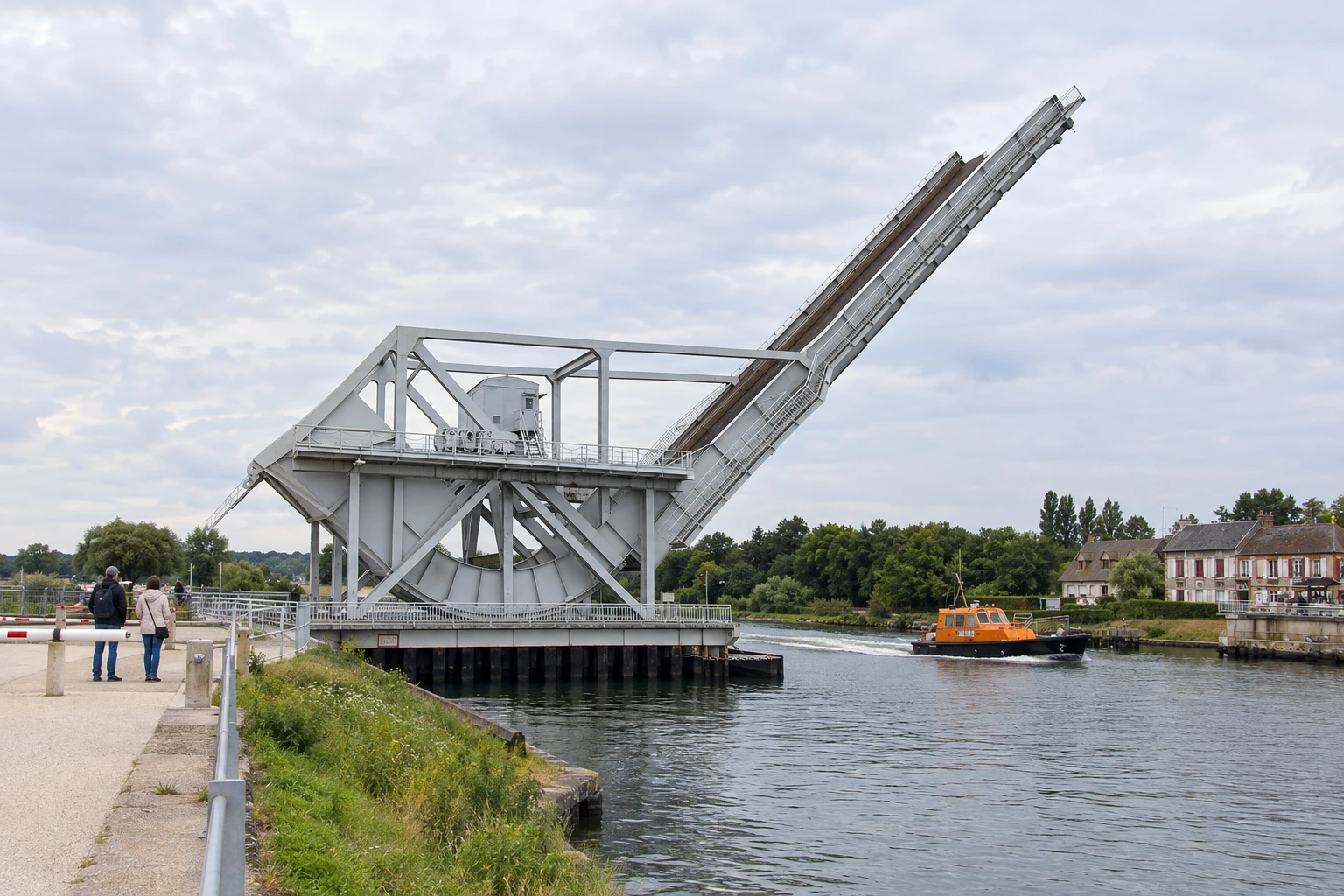
In the photo: Pegasus Bridge · Bénouville

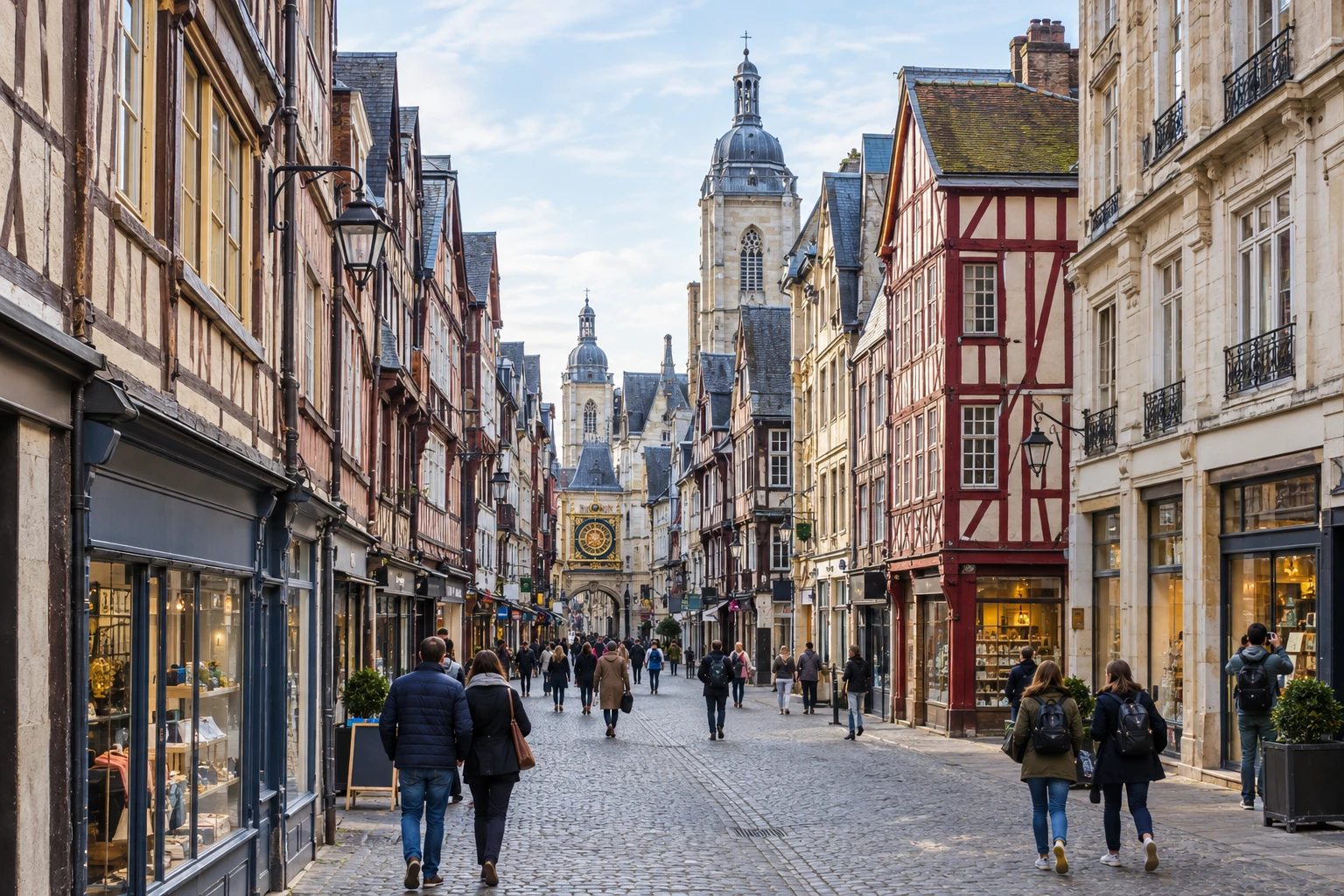
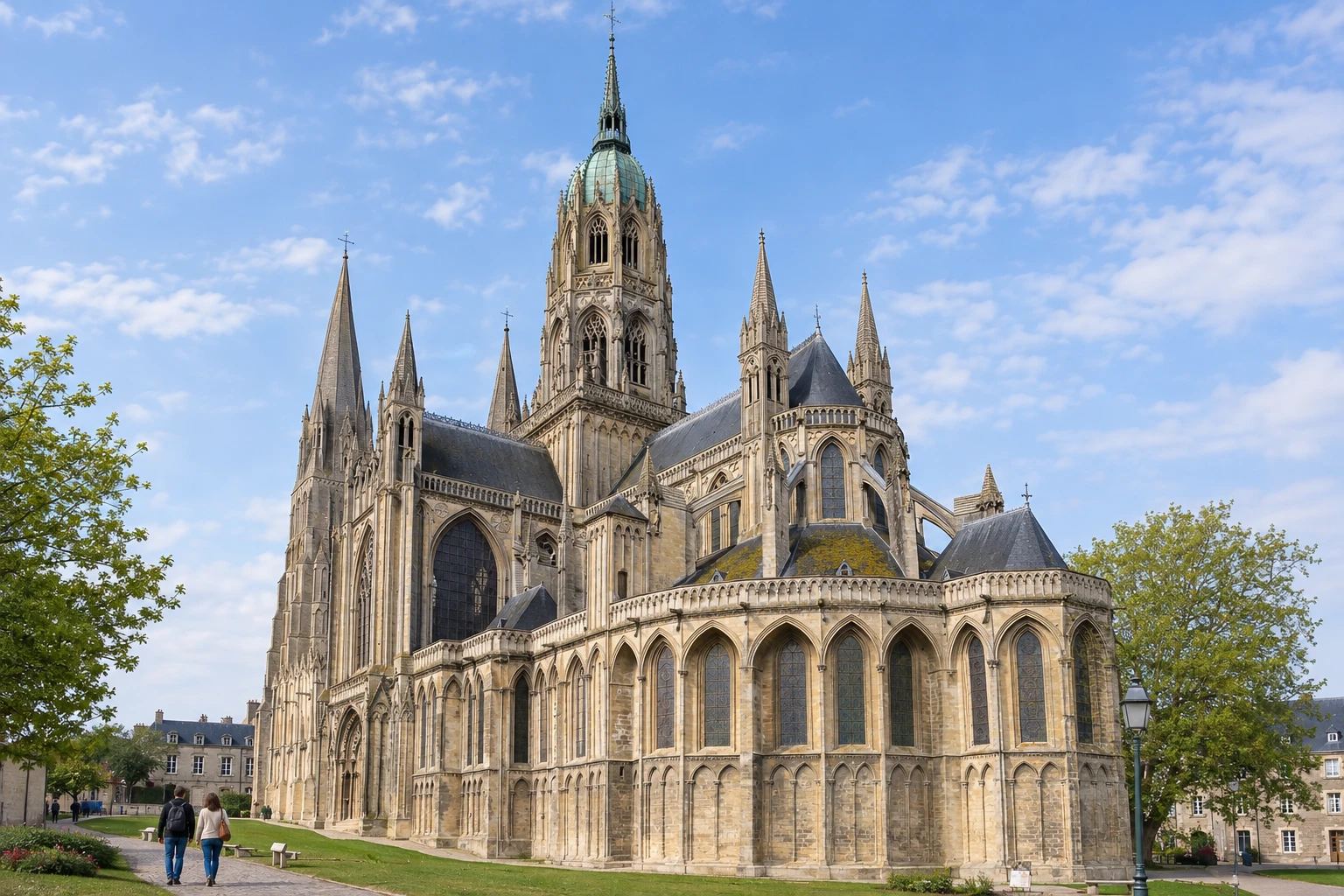
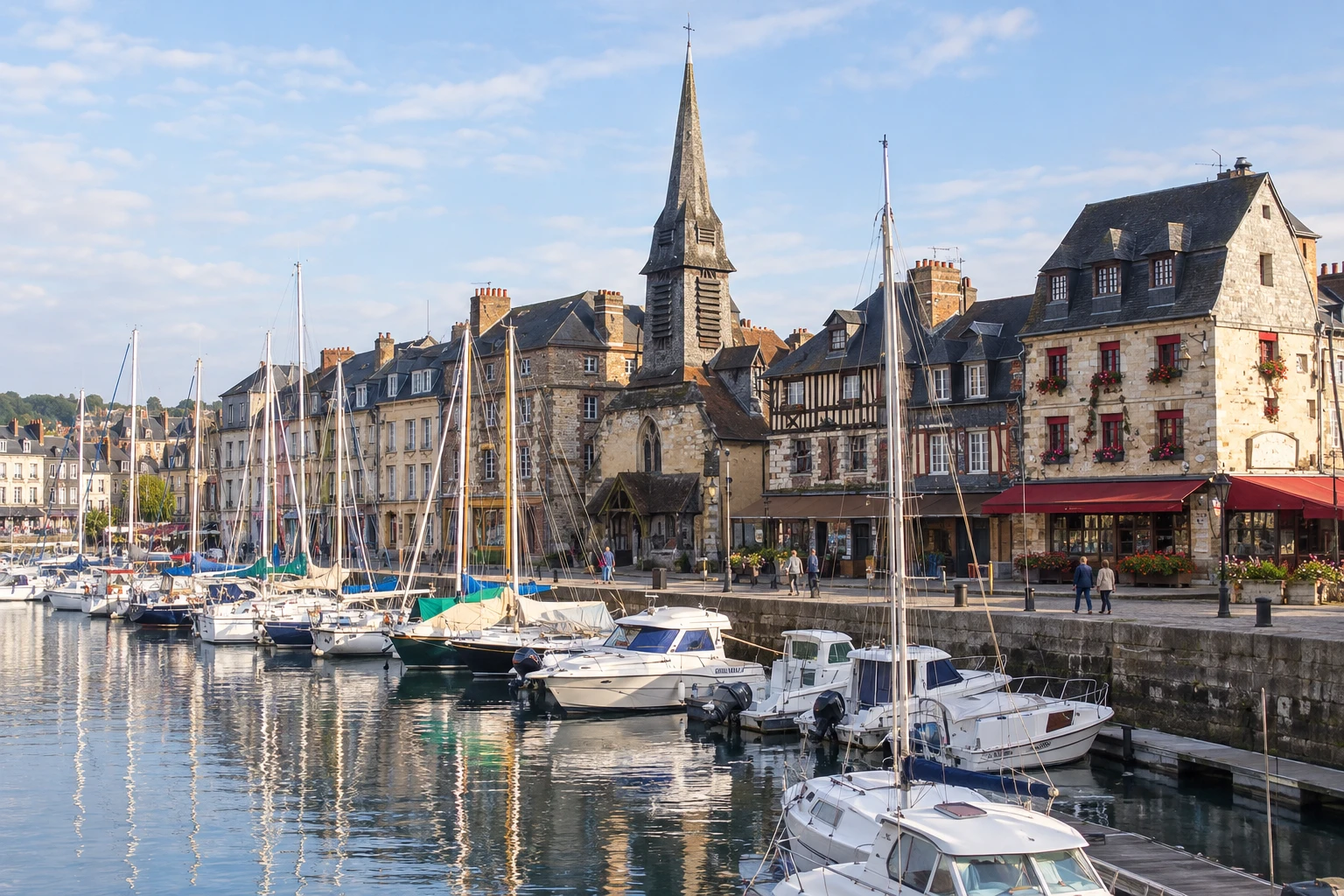
Illustrative images. The pictures in this guide are illustrations based on the real place, not photographs, and may differ from it.

Get it on Google Play

Get to know the place

A region to enjoy
at your own pace.

Normandy is in northwest France, between Paris and the English Channel. It is a region of green pastures, apple orchards, half-timbered houses (exposed wood) and a coastline marked by history: this is where the Allies landed on June 6, 1944, D-Day, and where, on the border with Brittany, Mont-Saint-Michel rises.

Rouen, the region's capital, preserves a Gothic cathedral painted several times by Monet, the Gros-Horloge astronomical clock and the square where Joan of Arc was burned in 1431. It is about an hour and a half by train from Paris-Saint-Lazare, which makes it a convenient gateway.

At the mouth of the Seine, Honfleur is a small fishing port that inspired Eugène Boudin and the Impressionists. Further west, Bayeux has a Romanesque and Gothic cathedral and serves as a base to visit the landing beaches, the American cemetery at Colleville-sur-Mer, Pointe du Hoc and the museums at Arromanches, Courseulles-sur-Mer and Caen. In July 2026, the D-Day beaches and Pointe du Hoc were added to the UNESCO World Heritage List.

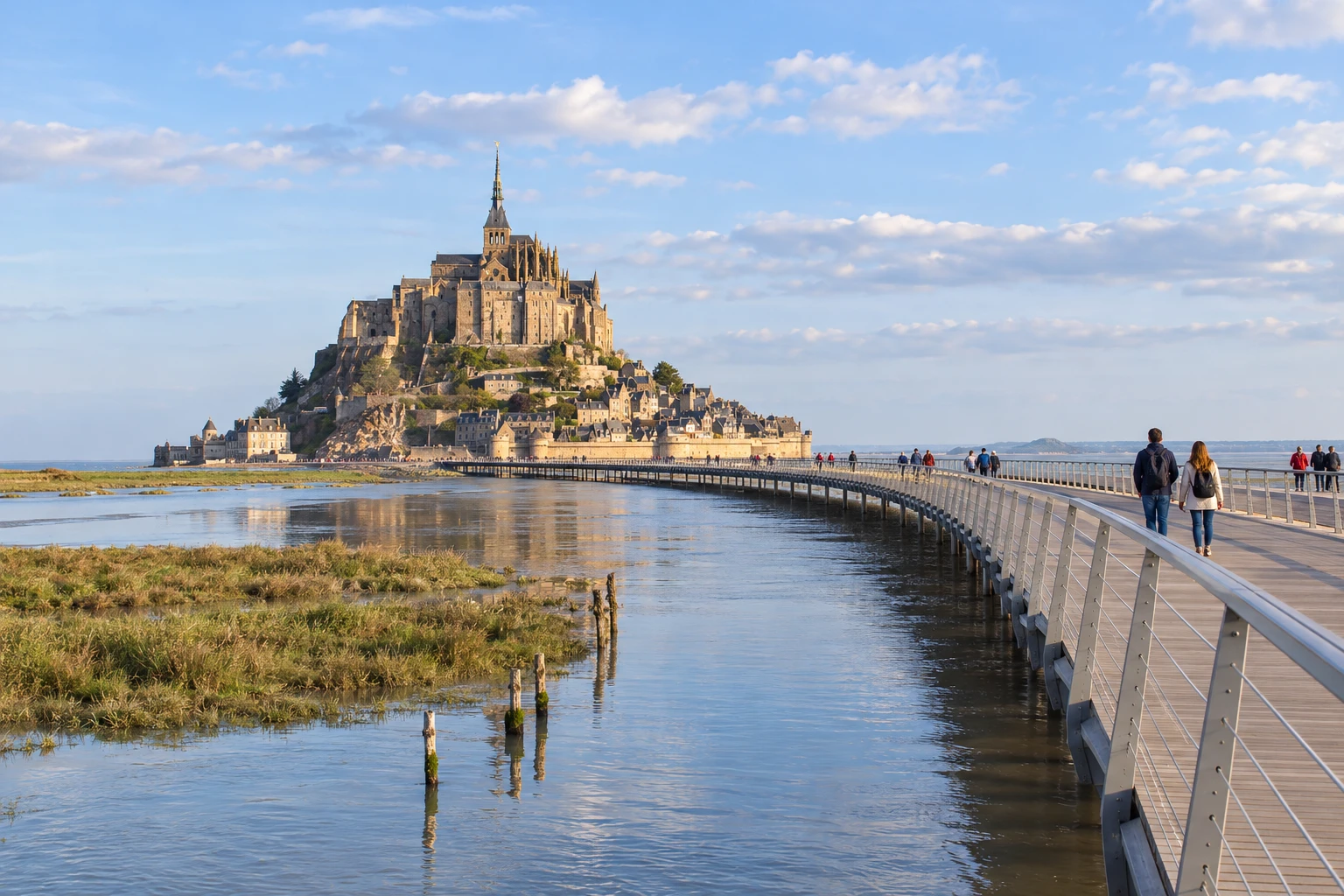
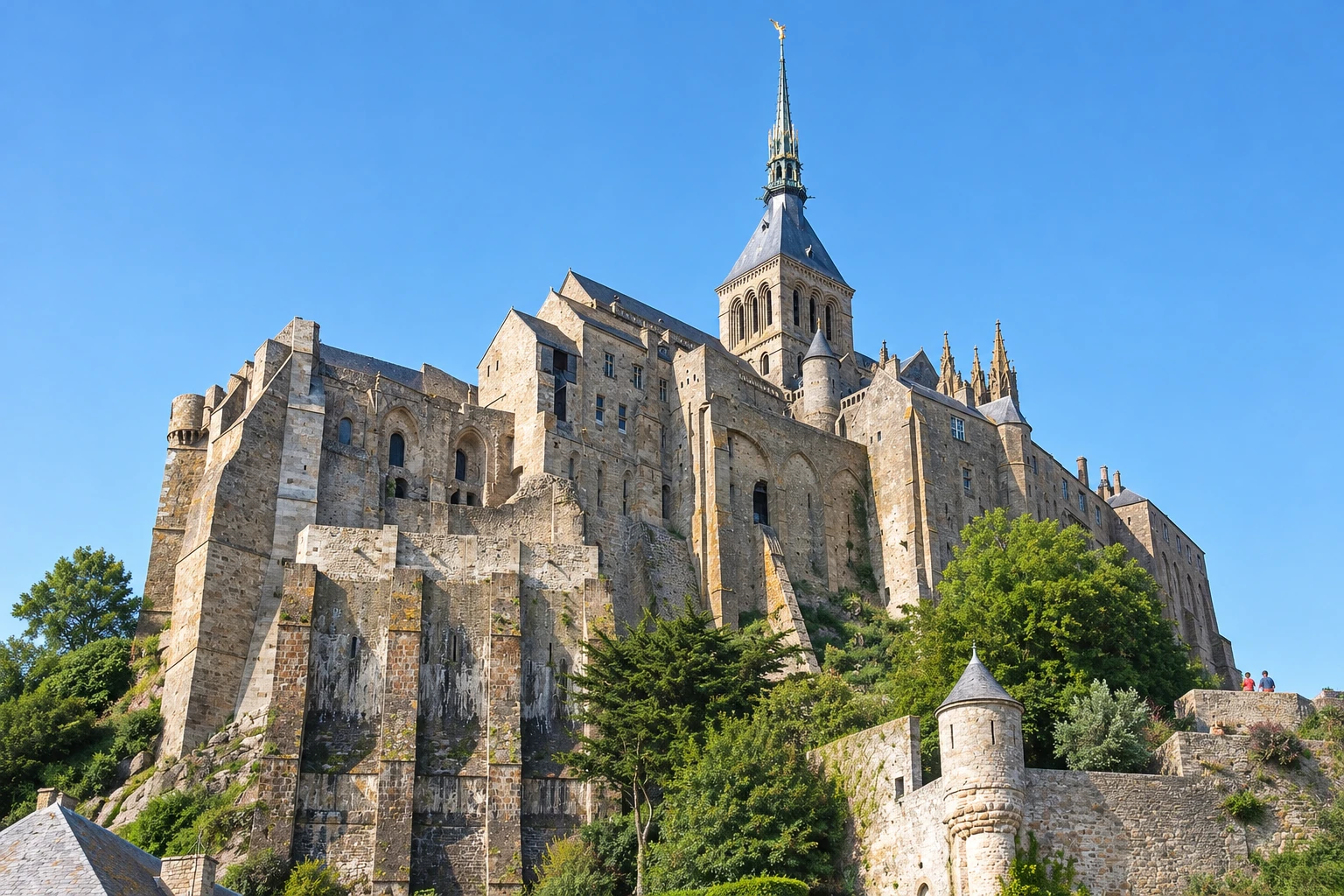
At the western tip, Mont-Saint-Michel is a granite islet crowned by a medieval abbey, in the middle of a bay with some of the largest tides on continental Europe. For Brazilian travellers, the region pairs well with a stay in Paris: you can do Rouen as a day trip and spend three or four days on the rest, by train or by car.

This destination brings together 5 cities: Rouen, Bayeux, Honfleur, Mont-Saint-Michel, Caen.

Share: WhatsApp
Traveler, share your experiences through photos Up to 5 photos of each place you visited.

One destination, many paths

The cities on this trip

Start with one city or combine several in your itinerary.

Where Normandy and Mont-Saint-Michel is The star marks the capital, Rouen.
RouenBayeuxHonfleurMont-Saint-MichelCaen

Outlines: © IGN, ADMIN EXPRESS, Licence Ouverte 2.0. Adapted by Cidade Turismo.

How to get there: Normandy and Mont-Saint-Michel

Aéroport Paris-Charles-de-Gaulle (CDG), in Roissy-en-France · 130 km to Rouen

The most common route is to arrive at Paris-Charles de Gaulle Airport and continue by train. Flights from Brazil usually include a connection in another city—check before booking. Trains from Paris-Saint-Lazare run to Rouen, Caen and Bayeux. For Mont-Saint-Michel, trains go from Paris-Montparnasse to Rennes, and from there a bus continues to the Mont.

Suggested arrival point: Rouen

The local experience

Things to do in Normandy and Mont-Saint-Michel

Caen · Normandy · Castle

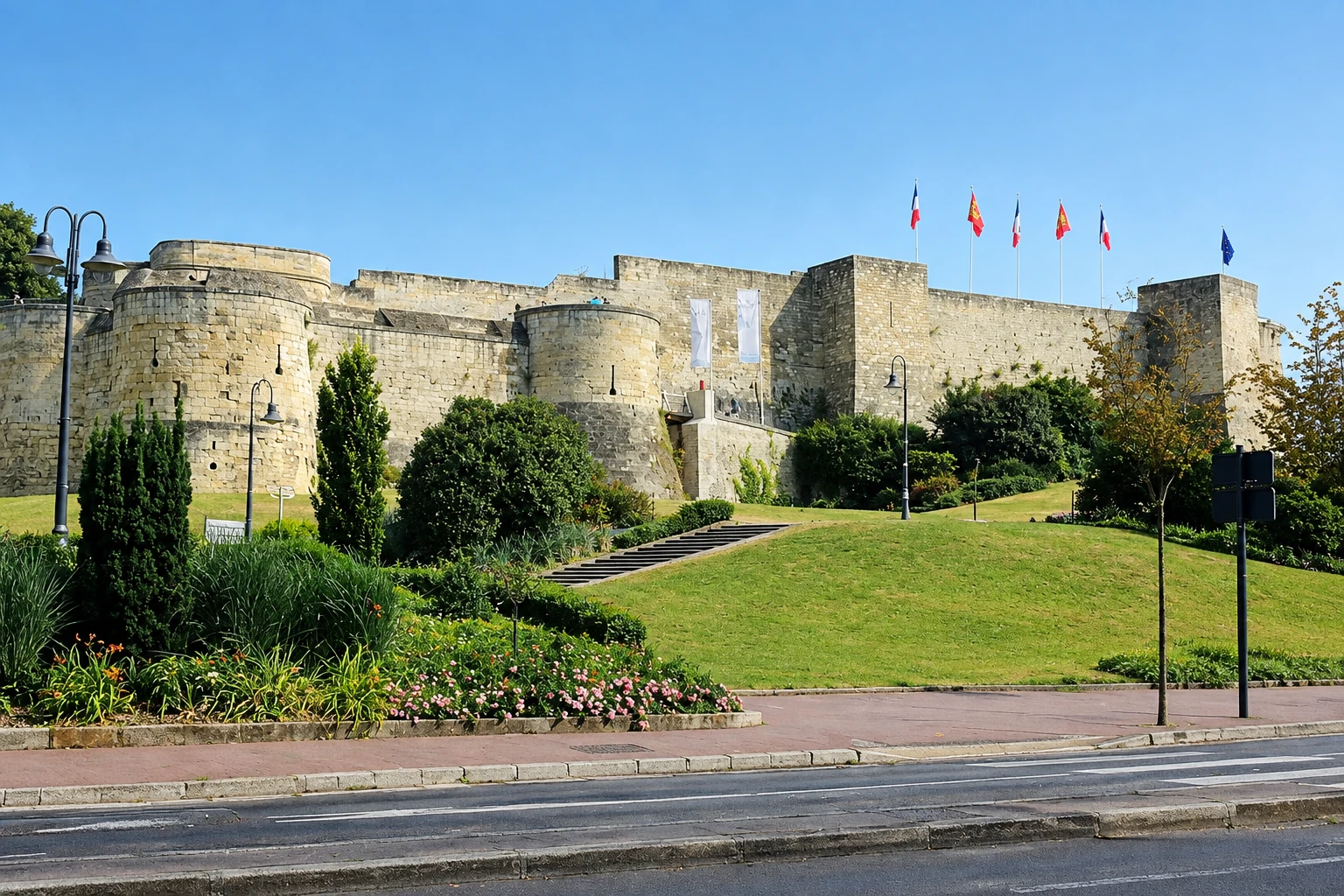
Caen Castle

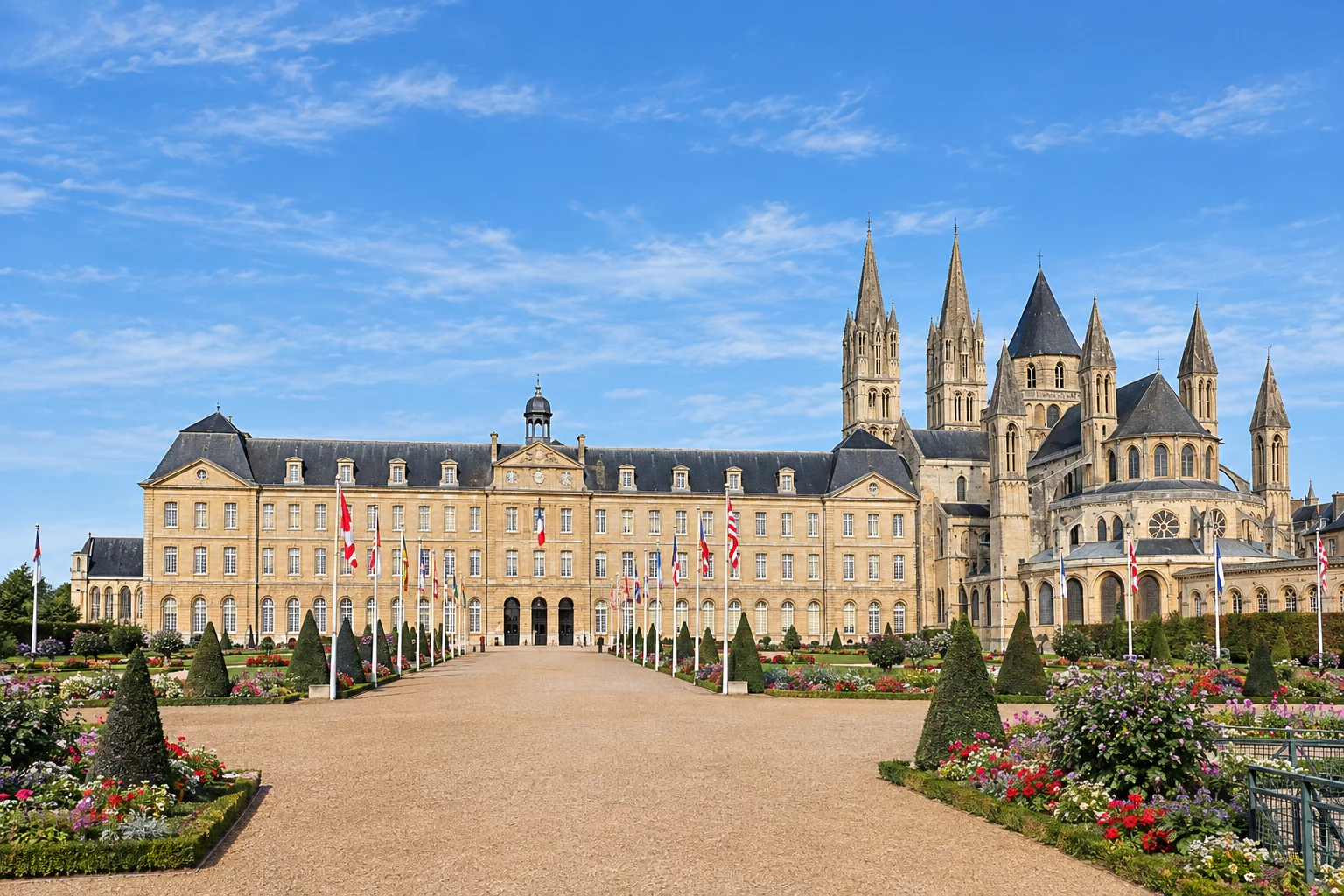
Fortress founded by William the Conqueror around 1060, with more than five hectares enclosed by walls in the city center. Within the grounds are the Museum of Fine Arts and the Museum of Normandy.

Explore Caen Castle

Bayeux · Normandy · Cathedral

Bayeux Cathedral

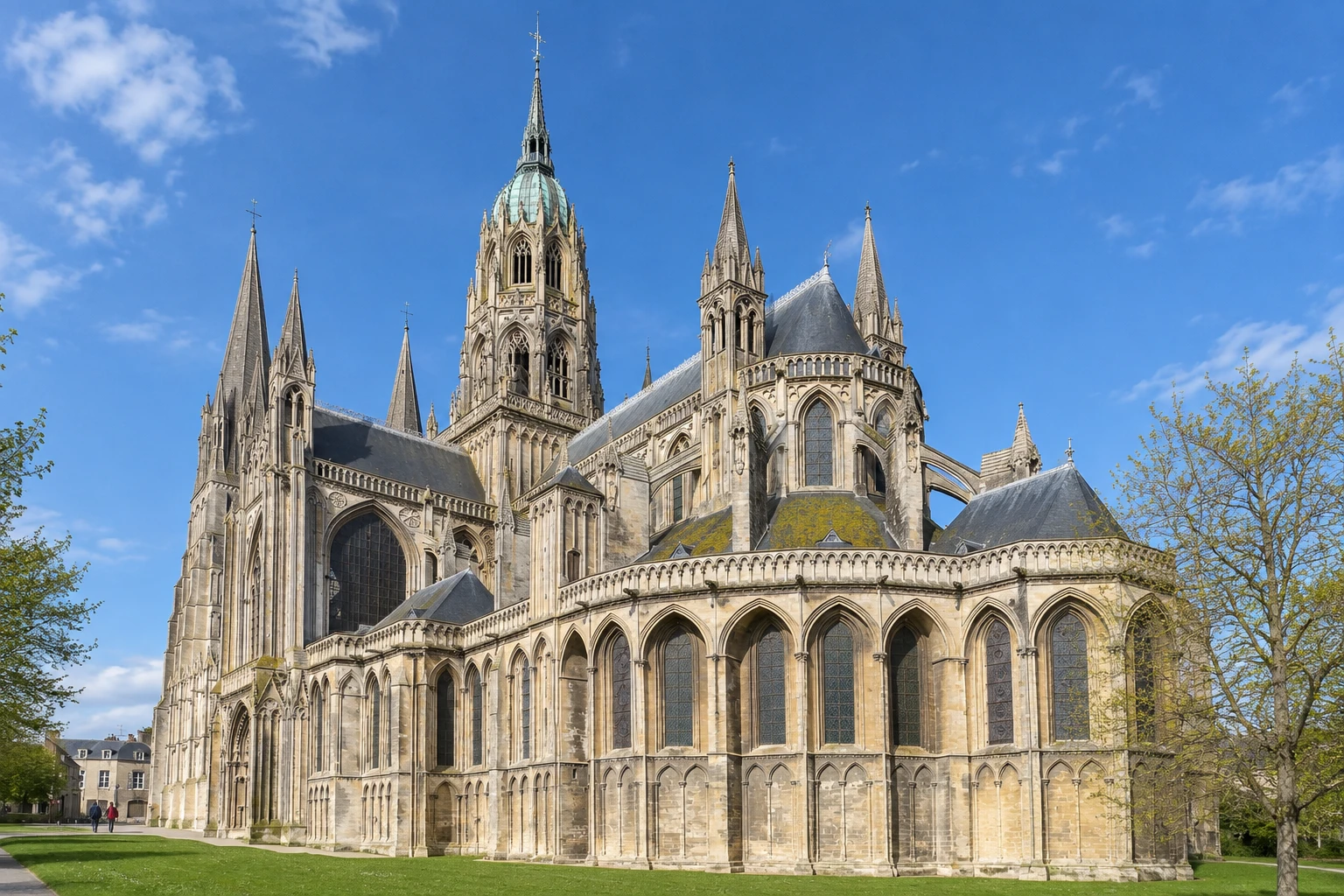
Romanesque and Gothic cathedral consecrated in 1077 in the presence of William the Conqueror. For centuries it housed the Tapeçaria de Bayeux.

Explore Bayeux Cathedral

Rouen · Normandy · Cathedral

Rouen Cathedral

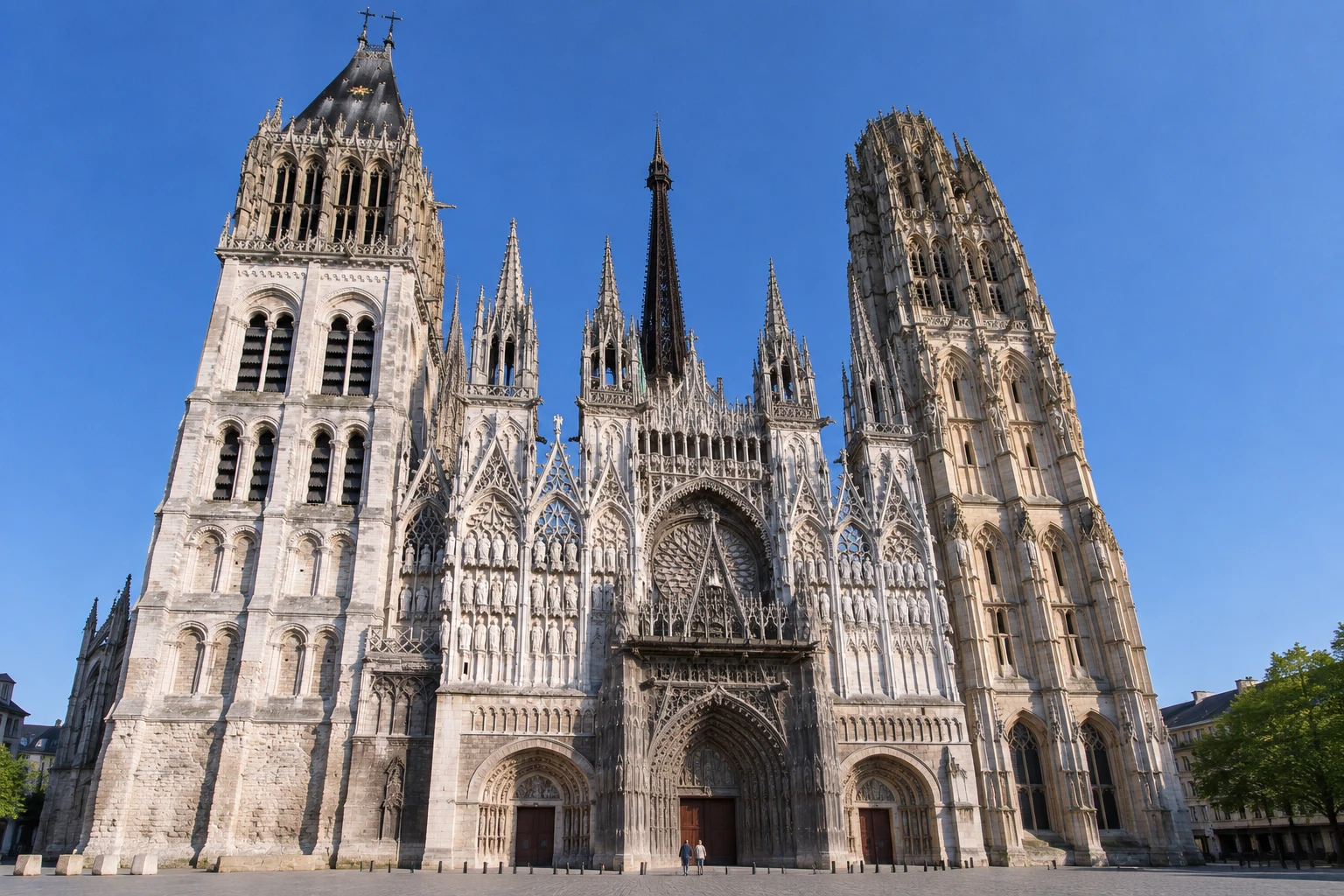
Gothic cathedral with a 151‑metre cast‑iron spire, the tallest in France. The façade was painted more than 30 times by Monet, at different times and in different lights.

Explore Rouen Cathedral

See 22 more places in Normandy and Mont-Saint-Michel

To choose before you go

Tours in Normandy and Mont-Saint-Michel

Where each tour starts, how long it takes, how it is done, what is included and the price range.

Mont-Saint-Michel: abbey, Grande Rue and ramparts

From Parking and bus stop on the mainland Le Passeur shuttle bus or on foot via the footbridge about 4 to 5 hours morning or afternoon moderate (many stairs and slopes)

Cars do not reach the Mont. Parking lots and the regional bus stop are on the mainland, about 2.5 km from the rock. From there the Le Passeur shuttle buses run, taking about 12 minutes to the base of the ramparts; if you prefer to walk, the causeway takes around 40 minutes. Entrance to the village is free. The village gate opens onto the Grande Rue, the narrow street that climbs the rock between old houses, shops and restaurants. It leads to the abbey stairways at the top. Visiting the Abbaye du Mont-Saint-Michel takes about 1½ to 2 hours: the abbey church, with a Romanesque nave and a flamboyant Gothic choir; the west terrace with views over the bay; and the Merveille, the Gothic complex with the cloister, the refectory, the guests’ hall and the knights’ hall, which served as a scriptorium. The route also descends via the crypt of the great pillars and the Saint-Aubert chapel. On the way back, it’s worth descending the Remparts du Mont-Saint-Michel, the path along the ramparts, which overlooks the bay and the tides, among the strongest in Europe.

Stops: Le Mont-Saint-Michel, Abbaye du Mont-Saint-Michel, Remparts du Mont-Saint-Michel, Grande Rue.

Includes: Entrance to the village and the Le Passeur shuttle bus are free. Parking on the mainland is charged separately. Visiting the abbey requires a ticket; under-18s enter free with proof. Check the current schedule.

Tip: Buy the abbey ticket online to avoid the queue. Arrive early in the morning or late in the afternoon: at midday the Grande Rue becomes crowded. Wear closed shoes, as there are hundreds of steps. Bring a coat: it is very windy on top of the rock at any time of year.

Best time: All year. From April to June and in September there are fewer people than in July and August; at spring tides, near the March and September equinoxes, the water can surround the rock.

Landing Beaches, American sector: Omaha Beach, American Cemetery and Pointe du Hoc

From Bayeux or Caen Van tour with guide or by private car about 4 to 8 hours, depending on the tour half day or full day easy

This is the most visited excursion in Normandy. On June 6, 1944, Allied forces landed on five beaches along the coast, codenamed Utah and Omaha (American), Gold and Sword (British) and Juno (Canadian). The American sector is about a 25-minute drive from Bayeux. At Omaha Beach, where American troops faced the heaviest fighting that day, the wide beach is backed by hills, and a memorial on the sand commemorates the landing. Above, in Colleville-sur-Mer, is the Normandy American Cemetery and Memorial: 9,389 graves in rows of white crosses and Stars of David on the lawn, with a sea view, a memorial wall for the missing and a visitor center with an exhibition. A flag-lowering ceremony takes place one hour before closing. To the west, Pointe du Hoc is the cliff promontory of about 30 m that U.S. Rangers scaled to assault the German batteries. The ground still shows bomb craters and remains of casemates. Part of the area is closed due to landslides and erosion: always follow the marked paths.

Stops: Omaha Beach, Normandy American Cemetery and Memorial, Colleville-sur-Mer, Pointe du Hoc.

Includes: On tours, generally: round-trip transport from Bayeux or Caen and a guide, often in English or French. Meals and museum admissions are usually paid separately. Entry to the American cemetery and Pointe du Hoc is free. Check the current schedule/table.

Tip: These are sites of memory: speak quietly, do not climb on graves and avoid casual photos in the cemetery. Book the tour in advance from April to September. If you go by car you can plan the route in the order Pointe du Hoc, Omaha Beach and the cemetery, then continue to Arromanches the same day.

Best time: All year. In early June, around June 6, there are anniversary ceremonies of the Landing and it is busy; from November to March the days are short.

Arromanches and Gold Beach: the artificial harbor, the Musée du Débarquement and the Longues-sur-Mer battery

From Bayeux Own car or guided tour about 3 to 4 hours morning or afternoon easy

Arromanches-les-Bains is about 10 km from Bayeux, on the beach nicknamed Gold Beach, where the British 50th Division landed. Offshore from the town are the remains of the artificial harbor called Port Winston, installed by the Allies after the landings and in operation from June 14, 1944: at low tide the concrete Phoenix caissons appear on the sand and in the sea. On the shoreline, the Musée du Débarquement, opened in 1954, was the first museum dedicated to the landings; it displays the phases of June 6 and the operation of the harbor, with models. On top of the cliff, the circular Arromanches 360 cinema projects archival footage across nine screens about the 100 days of the Battle of Normandy, and the adjacent viewpoint shows the layout of the harbor in the bay. A few kilometers to the west, the Batterie de Longues-sur-Mer preserves the fire command post and four casemates of the Atlantic Wall, each with a 150 mm gun, on the cliff above the English Channel.

Stops: Arromanches-les-Bains, Musée du Débarquement, Arromanches 360, Batterie de Longues-sur-Mer, Gold Beach.

Includes: The museum and the Arromanches 360 cinema require tickets. The exterior visit to the Longues-sur-Mer battery and the beach are free. On organized tours, transport and a guide are usually included; entrance fees vary. Check the current table.

Tip: Check the tide table: at low tide the remains of the harbor are more visible. Arromanches pairs well, on the same day, with the American sector (Omaha and Pointe du Hoc) or with the Centre Juno Beach.

Best time: All year; from April to September the days are long and allow for more stops.

Mémorial de Caen

From Caen city centre Local bus, taxi or car about 3 to 4 hours morning or afternoon easy

The Mémorial de Caen is a museum dedicated to 20th-century history, focusing on the Second World War, the Landing and the Battle of Normandy. It lies on the northern edge of Caen, the city that was largely destroyed during the fighting in the summer of 1944. The route begins with the origins of the war, covers the occupation, the world war and the Landing, and reaches the Cold War, using documents, objects, photographs and films. There are also temporary exhibitions and memory gardens. It is a good visit to understand the context before going to the Landing beaches, especially on a rainy day. The Mémorial also sells guided beach tours departing from the museum, which can be combined with admission.

Stops: Mémorial de Caen, Caen.

Includes: There is an admission fee for the museum visit. Guided tours to the beaches departing from the Mémorial are sold separately. Check the current price list.

Tip: Allow half a day just for the museum. Exhibitions include texts in French and English; the audio guide is helpful. If you arrive by train to Caen you can leave this visit for your arrival day, before continuing on to Bayeux.

Best time: All year round; it is an option for rainy days, which are common from October to January.

Juno Beach Centre and the Canadians’ beach

From Bayeux or Caen Private car or guided tour about 2 to 3 hours morning or afternoon easy

In Courseulles-sur-Mer, on the beach nicknamed Juno Beach, the Juno Beach Centre is the Canadian museum for the Landing beaches. It tells of Canada’s role in World War II, from the wartime effort to the June 6, 1944 landings and the liberation. The museum visit takes about 1½ hours. From April to October there are guided tours, in French and English, of the German casemates and the beach defenses in front of the museum. On the beach, a path with panels shows where the Canadian troops landed and how they joined the British forces that landed on Gold Beach.

Stops: Juno Beach Centre, Courseulles-sur-Mer, Juno Beach.

Includes: There is an admission fee for the museum and a combined ticket with the guided visit to the casemates. Check the current schedule/pricing table.

Tip: The museum is closed in January and on December 25. Combine the visit with Arromanches on the same day, or with the Mémorial de Caen.

Best time: From April to October, when the guided visit to the casemates is offered.

Bayeux on foot: cathedral, Aure River and old town

From Bayeux centre On foot about 2 to 3 hours morning or afternoon easy

Bayeux was one of the first French towns liberated in June 1944 and escaped destruction; the old town is compact and can be explored on foot. The Cathédrale Notre-Dame de Bayeux was consecrated in 1077 in the presence of William the Conqueror. Inside it mixes Romanesque and Norman Gothic, and the 11th-century crypt preserves frescoes; the visit takes 30–45 minutes and admission is free. Outside, the walk continues along the banks of the Aure River, with the mill wheel and the cathedral in the background, and through lanes with half-timbered houses and 17th–18th century townhouses. The town is known for the Bayeux Tapestry, an embroidery almost 70 m long that tells the conquest of England in 1066; the tapestry museum is closed for a long renovation and expansion, and the piece is not on display during this period.

Stops: Bayeux, Cathédrale Notre-Dame de Bayeux, Aure River.

Includes: Entry to the cathedral is free. Guided tours of the town, when offered by the tourist office, are separately charged.

Tip: Bayeux is the most practical base for the Landing Beaches: many tours leave from the town centre. Reserve the late afternoon for a walk around the town after visiting the beaches.

Best time: All year.

See 8 more tours

Musée Mémorial de la Bataille de Normandie and Bayeux War Cemetery

From Bayeux town center On foot about 2 hours morning or afternoon easy

On the boulevard that encircles Bayeux’s center, the Musée Mémorial de la Bataille de Normandie tells the story of the military operations from the D-Day landings on June 6, 1944, to the end of the Battle of Normandy in late August of that year. The exhibition includes vehicles, uniforms, maps and films, with panels in French and English; allow at least 1½ hours. Across the boulevard, about a 2-minute walk away, is the Bayeux War Cemetery, maintained by the Commonwealth War Graves Commission, with 4,868 graves of Commonwealth and other nationalities’ soldiers. In front of the cemetery, a memorial commemorates the soldiers missing in the battle.

Stops: Musée Mémorial de la Bataille de Normandie, Bayeux War Cemetery.

Includes: The museum requires an admission fee. Entrance to the cemetery is free. Check the current schedule.

Tip: It’s a good option if you won’t rent a car: you can walk there from the center. Keep silence and show respect in the cemetery.

Best time: All year.

Guided walking crossing of the Mont-Saint-Michel bay

From Genêts (Bec d'Andaine) or Vains (Saint-Léonard) Barefoot walk with certified guide about 6 hours, round trip full day moderate (about 14 km on the sand)

The walking crossing of the bay is the traditional way to reach the Mont, following the route of former pilgrims. The most common departures are from Genêts beach at the Bec d'Andaine, or from Vains on the other side of the bay in Normandy. The round-trip route is about 14 km and is done barefoot, on sand and mud, with crossings of channels that can reach thigh height depending on the season and weather. The guide explains the tides, quicksand and the bay’s ecology. The walk takes about 3 hours, with a 45-minute to 1-hour stop on the Mont. Departure times change daily according to the tide tables, and the crossing can be cancelled if conditions do not allow it.

Stops: Baie du Mont-Saint-Michel, Genêts, Bec d'Andaine, Le Mont-Saint-Michel.

Includes: Generally: the guide fee. Transport to the starting point and admission to the abbey are paid separately. Check the current table.

Tip: Never cross the bay without a guide: the tide rises quickly and there are patches of quicksand. Bring a backpack with your shoes, warm clothing, a rain cape, towel, water and sunscreen. Many guides speak only French; confirm the language when you book and the meeting time the evening before.

Best time: The main season runs from April to October; in summer the water is usually less cold. Times always depend on the tides.

Rouen on foot: cathedral, rue du Gros-Horloge and Vieux-Marché

From Rouen centre On foot about 3 to 4 hours morning or afternoon easy

Rouen's historic centre, the capital of Normandy, is explored on foot, almost entirely along pedestrian streets. The Cathédrale Notre-Dame de Rouen is Gothic, with a sculpted façade that Claude Monet painted about thirty times between 1892 and 1894; its cast-iron spire reaches 151 m, the tallest of the French cathedrals. From the cathedral square runs the rue du Gros-Horloge, about 300 m long, with half-timbered houses from the 15th and 16th centuries, their upper floors projecting over the shops. In the middle of the street, the Gros-Horloge is an astronomical clock in an arch over the road, with a mechanism from the late 14th century, a single hand and the lunar phases; via the adjoining tower, the beffroi, you can climb to a terrace with views over the roofs in about 45 minutes with an audio guide. The street ends at the Place du Vieux-Marché, where Joan of Arc was burned on May 30, 1431: a tall cross marks the likely site of the pyre, next to the Église Sainte-Jeanne-d'Arc, built in the 1970s, with 16th-century stained glass.

Stops: Rouen, Cathédrale Notre-Dame de Rouen, Gros-Horloge, Place du Vieux-Marché, Église Sainte-Jeanne-d'Arc.

Includes: Entrance to the cathedral and to the church of Sainte-Jeanne-d'Arc is free. The climb up the Gros-Horloge requires a ticket, with audio guide. Check the current schedule/pricing table.

Tip: Rouen is about 1 hour 15 minutes by train from Paris-Saint-Lazare, which makes a day trip feasible. From the Gros-Horloge to the Abbey of Saint-Ouen, no section is more than a 20-minute walk.

Best time: Year-round; on summer evenings the city often projects light shows on the cathedral façade.

Rouen museums: Historial Jeanne d'Arc, Musée des Beaux-Arts and Aître Saint-Maclou

From Rouen city center On foot about 4 hours morning or afternoon easy

Three visits complete the walk through Rouen’s center. The Historial Jeanne d'Arc occupies the former archbishops’ palace next to the cathedral, and tells the trial and rehabilitation of Joan of Arc in an immersive route of about 1 hour 15 minutes, with projections and sets. The Musée des Beaux-Arts de Rouen brings together painting and sculpture from seven centuries; the Impressionist rooms include one of Monet’s canvases from his cathedral series. Allow about 1½ hours; admission to the permanent collections is free. About a 10-minute walk from the cathedral, the Aître Saint-Maclou is a 16th-century former cemetery used during the plague, with a courtyard surrounded by wooden galleries decorated with skulls and crossed bones; the place later became a school and has been reopened to the public.

Stops: Historial Jeanne d'Arc, Musée des Beaux-Arts de Rouen, Aître Saint-Maclou.

Includes: The Historial Jeanne d'Arc requires an entrance fee. At the Musée des Beaux-Arts, the permanent collection is free; temporary exhibitions are charged separately. Entrance to the courtyard of the Aître Saint-Maclou is free. Check the current schedule/pricing table.

Tip: Combine it with the walking tour of the centre on the same day, or split into two days if you plan to stay overnight in Rouen. On a rainy day, the two museums are a good option.

Best time: Year-round.

Honfleur: Vieux Bassin, Sainte-Catherine Church and museums

From Honfleur town centre On foot about 3 to 4 hours morning or afternoon easy

Honfleur is an old port on the estuary of the Seine, associated with Impressionist painting. The centre of the visit is the Vieux Bassin, the old dock surrounded by tall, narrow houses with slate and timber facades, with boats moored and cafés along the quays; at the dock entrance stands the Lieutenance, the former governor’s building. A short walk away, the Église Sainte-Catherine was built between 1460 and 1496 by the town’s shipwrights after the stone church was destroyed in the Hundred Years’ War: the ceiling resembles an inverted ship’s hull, and it is the largest wooden church in France. The bell tower, 26 m high, stands separate from the church to protect it from fires caused by lightning. The Musée Eugène-Boudin houses works by the painter born in Honfleur, who influenced Monet, and by other artists of the Normandy coast. The Maisons Satie, the birthplace of composer Erik Satie, offer a visit with headphones, music and staged settings.

Stops: Honfleur, Vieux Bassin, Église Sainte-Catherine, Musée Eugène-Boudin, Maisons Satie.

Includes: Entrance to the church Sainte-Catherine is free. The Musée Eugène-Boudin and the Maisons Satie charge admission. Check the current price list.

Tip: Honfleur does not have a train station: you reach it by regional bus from Le Havre, Caen or Trouville-Deauville, or by car. On summer weekends the town gets very busy; early morning is quieter.

Best time: From April to October; in winter the town is quieter and some activities operate reduced hours.

Étretat: Falaises d'Aval and d'Amont and the trail to the Manneporte

From Étretat town centre Walk along the cliff trails about 3 to 4 hours morning or afternoon moderate (ascents and stairs)

Étretat is a pebble seaside town on the Côte d'Albâtre, between two white limestone cliffs. To the west, the Falaise d'Aval has the Porte d'Aval, a natural arch over 70 m above the sea, and in front of it the Aiguille, a 55 m stone needle. The trail climbs the cliff from the end of the beach and continues to the Manneporte, an arch about 90 m high, roughly 30 minutes on foot from the town centre: the round trip is about 3 km and takes 1½ to 2 hours. To the east, the Falaise d'Amont has at its top the Chapelle Notre-Dame de la Garde, with views over the town and the Porte d'Aval; the return along the Amont cliff is about 2 km, around 1 hour. If you want a longer walk you can follow the GR21 coastal trail to Yport or to the Antifer lighthouse.

Stops: Falaises d'Étretat, Falaise d'Aval, Porte d'Aval, Aiguille d'Étretat, Manneporte, Falaise d'Amont, Chapelle Notre-Dame de la Garde.

Includes: The trails and beach are free. Parking at the centre is paid separately.

Tip: Stay away from the cliff edge, which can collapse. Before walking along the beach to the foot of the cliffs, check the tide table: at high tide some sections become isolated. Wear sneakers with a good sole. Without a car, take the train from Paris-Saint-Lazare to Le Havre and continue by regional bus, about 1 hour.

Best time: From April to October; on weekends in July and August parking fills up early.

Cidre Route in the Pays d'Auge: Beuvron-en-Auge, Cambremer and producers

From Beuvron-en-Auge, Caen or Honfleur Private car about 4 to 6 hours full day easy

The Route du Cidre is a waymarked circuit of about 40 km in the Pays d'Auge, the apple-orchard region between Caen and Lisieux, with half-timbered houses and pastures. There is no fixed starting point; many begin in Beuvron-en-Auge, a village belonging to the Plus Beaux Villages de France association, with a central square surrounded by wooden houses. The other reference villages are Cambremer and Bonnebosq. Along the route, about twenty family producers open their farms for visits: they show the orchards, the presses and the stills, and explain how cider, pommeau and calvados, the region's apple eau-de-vie, are made. Many offer tastings and direct sales. Some are open year-round; others only in summer.

Stops: Pays d'Auge, Route du Cidre, Beuvron-en-Auge, Cambremer, Bonnebosq.

Includes: Many visits to producers are free; some guided visits are paid. Purchases are extra. Check with each producer.

Tip: Without a car the tour is difficult: there is no regular transport between the farms. If you drive, arrange who will not drink; visiting the orchards and presses is worth the trip. The Beuvron-en-Auge tourist office lists producers open that day.

Best time: From May to October; apple trees usually blossom in April and May, and the apple harvest runs from September to November.

Round-trip day tour from Paris to Mont-Saint-Michel

From Paris TGV to Rennes and bus, or coach excursion about 13 to 14 hours full day easy (long day)

For those with only a few days staying in Paris, it’s possible to do a round trip in one day. On your own, the fastest route is the TGV from Paris-Montparnasse to Rennes, between 1 hour 25 minutes and 2 hours, and the Keolis Armor bus from Rennes coach station, next to the train station, to Le Mont, about 1 hour 15 minutes. The total journey can be around 3½ hours each way. From the bus terminal, the Le Passeur shuttle buses take you to the foot of the ramparts. Another option is a full-day coach tour sold by agencies in Paris, which usually includes transport, a guide and free time to climb the abbey and walk the village. The day is long, with about 7–8 hours on the road just for the excursion.

Stops: Paris-Montparnasse, Rennes, Le Mont-Saint-Michel, Abbaye du Mont-Saint-Michel.

Includes: On your own, train and bus tickets are purchased separately. On organized tours, generally: transport and guide; entry to the abbey may or may not be included. Check the current table.

Tip: Buy the TGV in advance: the cheapest tickets sell out first. Check the schedule of the last bus back to Rennes. If you can, spend a night in the region: the village is quieter late in the afternoon.

Best time: All year; from November to February the days are short and much of the trip is done in the dark.


Day by day

3, 4 and 6-day itinerary in Normandy and Mont-Saint-Michel

Suggestions to plan the trip. Change the order of the days according to the weather and tour availability.

3 days · Normandy in 3 days: Bayeux, the D-Day beaches and Mont-Saint-Michel

For For those short on time who want to see the D-Day beaches and Mont-Saint-Michel, with a rental car from Caen · Based in Bayeux (2 nights)
  1. Day 1 · Arrival in Paris, train to Caen and Bayeux

    The overnight flight from Brazil arrives in the morning at Charles de Gaulle airport. Go to Paris-Saint-Lazare and take the train to Caen, about 2 hours. In Caen, pick up the rental car. If you have the energy, visit the Mémorial de Caen in the afternoon to understand the D-Day context; if not, continue straight to Bayeux, about 30 km. At the end of the day, take the walking tour of Bayeux: cathedral, the Aure River and the old town.

  2. Day 2 · D-Day beaches

    Full day on the beaches. In the morning, the American sector: Pointe du Hoc, Omaha Beach and the American Cemetery at Colleville-sur-Mer. In the afternoon, Arromanches and Gold Beach: remains of the artificial harbor, the Musée du Débarquement and the Arromanches 360 cinema, with a stop at the Longues-sur-Mer battery on the way. If you prefer not to drive, you can swap the car for a guided tour leaving from Bayeux.

  3. Day 3 · Mont-Saint-Michel and return to Paris

    Leave early from Bayeux via the A84 to Mont-Saint-Michel. Leave the car in the mainland parking and take the Le Passeur shuttle bus. Visit the abbey with a ticket bought in advance, walk down the Grande Rue and return along the ramparts. In the afternoon, drive to Rennes, return the car and take the TGV to Paris-Montparnasse, between 1 hour 25 minutes and 2 hours. Confirm beforehand whether the rental company accepts return in another city.

4 days · Normandy in 4 days: Rouen, Honfleur, D-Day beaches and Mont-Saint-Michel
For For those who want the essentials of Normandy, from medieval towns to the beaches, taking the train at the start and a car from the second day onward · Based in Rouen (1 night) and Bayeux (2 nights)
  1. Day 1 · Arrival and Rouen

    Arrival in the morning at Charles de Gaulle airport. Go to Paris-Saint-Lazare and take the train to Rouen, about 1 hour 15 minutes. In the afternoon, at a relaxed pace, explore Rouen on foot: cathedral, rue du Gros-Horloge and Place du Vieux-Marché, where Joan of Arc was burned in 1431.

  2. Day 2 · Rouen, Honfleur and arrival in Bayeux

    In the morning, the Historial Jeanne d'Arc or the Musée des Beaux-Arts in Rouen. Pick up the rental car and follow the A13 to Honfleur. In the afternoon, the Vieux Bassin, the wooden church Sainte-Catherine and the Musée Eugène-Boudin. At the end of the day, continue to Bayeux via the A13 and N13.

  3. Day 3 · D-Day beaches

    Full day on the coast. In the morning, Pointe du Hoc, Omaha Beach and the American Cemetery at Colleville-sur-Mer. In the afternoon, Arromanches and Gold Beach, with the artificial harbor and the Musée du Débarquement. Early in the evening, a stroll around Bayeux cathedral and the old town.

  4. Day 4 · Mont-Saint-Michel and return to Paris

    Leave early for Mont-Saint-Michel via the A84. Visit the abbey, the Grande Rue and the ramparts. In the afternoon, continue to Rennes, return the car and take the TGV to Paris-Montparnasse. Check in advance the conditions for returning the car in a different city.

6 days · Normandy in 6 days: Rouen, Étretat, Honfleur, Cider Route, beaches and Mont-Saint-Michel
For For those who want to explore the region at a relaxed pace, including the cliffs of Étretat, the interior of the Pays d'Auge and more time on the D-Day beaches · Based in Rouen (1 night), Honfleur (1 night), Bayeux (3 nights) and near Mont-Saint-Michel or in Rennes (1 night, optional)
  1. Day 1 · Arrival and Rouen

    Arrival in the morning at Charles de Gaulle airport and train from Paris-Saint-Lazare to Rouen, about 1 hour 15 minutes. In the afternoon, Rouen on foot: cathedral, Gros-Horloge and Vieux-Marché. If you have the energy, visit the Aître Saint-Maclou, 10 minutes from the cathedral.

  2. Day 2 · Rouen and Étretat

    In the morning, the Historial Jeanne d'Arc or the Musée des Beaux-Arts in Rouen. Pick up the rental car and head to Étretat. In the afternoon, the cliffs: the trail along the Falaise d'Aval to the Manneporte and the climb to the Chapelle Notre-Dame de la Garde on the Falaise d'Amont. Check the tide table before descending to the beach. At night, continue to Honfleur via the Pont de Normandie.

  3. Day 3 · Honfleur and the Cider Route

    Early in the morning, Honfleur: Vieux Bassin, Sainte-Catherine church and Musée Eugène-Boudin or Maisons Satie. After lunch, enter the Pays d'Auge via the Cider Route: Beuvron-en-Auge, Cambremer and a visit to a cider and calvados producer. At the end of the day, head to Bayeux.

  4. Day 4 · D-Day Beaches, American sector and Gold Beach

    In the morning, Pointe du Hoc, Omaha Beach and the American Cemetery at Colleville-sur-Mer. In the afternoon, the Longues-sur-Mer battery and Arromanches, with the artificial harbor, the Musée du Débarquement and Arromanches 360.

  5. Day 5 · Juno Beach, Mémorial de Caen and Bayeux

    In the morning, the Centre Juno Beach in Courseulles-sur-Mer, with guided visits to the casemates from April to October. In the afternoon, the Mémorial de Caen. At the end of the day, Bayeux on foot, the Musée Mémorial de la Bataille de Normandie and the British cemetery.

  6. Day 6 · Mont-Saint-Michel and return to Paris

    Leave early for Mont-Saint-Michel via the A84. Visit the abbey, the Grande Rue and the ramparts. In the afternoon, continue to Rennes, return the car and take the TGV to Paris-Montparnasse. Those who want to do the guided bay crossing on foot need an extra day, staying near the Mont or in Rennes: the walk time depends on the tides and is only set the day before.

Best time to go

When to go: Normandy and Mont-Saint-Michel month by month

European summer (June to August) is the busiest season: long days, mild temperatures that usually stay below 25 °C, and all services operating. May, June and September tend to be less crowded. The climate is oceanic, with rain possible in any month; winter (December to February) is cold, damp and has short days.

The seasons shown are the most usual ones; nature doesn't always follow the calendar.

January Some rain

cold, wet winter · short days

Coldest month: in Caen, average highs of 8 °C and lows of 3 °C. It rains many days and it is windy on the coast. Days are short, with little light for the D-Day beaches. The Centre Juno Beach closes in January, and some museums and producers reduce hours. Low crowds, even at Mont-Saint-Michel.

February Low rain

winter · low crowds

Still winter: average highs of 9 °C and lows of 3 °C in Caen. Days begin to lengthen. Good month for Mont-Saint-Michel and Rouen without queues; on the coast, it is windy and cold, and the bay crossing on foot has few departures. France’s winter school holidays bring some activity.

March Low rain

end of winter · large tides

Average highs of 12 °C and lows of 4 °C in Caen. Near the March equinox the strongest tides of the year often occur in the bay of Mont-Saint-Michel, when the water can surround the rock. European summer time begins at the end of the month, and the days become much longer.

April Low rain

spring · apple trees in bloom

Spring: average highs of 14 °C and lows of 6 °C. The apple trees of the Pays d'Auge typically bloom between April and May. The season for the bay crossing on foot and guided visits to the casemates at the Centre Juno Beach begins. Easter, in March or April, and the French school holidays increase visitor numbers.

May Some rain

mild spring · holidays

Average highs of 17 °C and lows of 9 °C. Long days, good for combining beaches and cities. French holidays on May 1 and 8, Ascension Day and sometimes Pentecost fill Mont-Saint-Michel, Honfleur and Étretat on long weekends.

June Some rain

D-Day anniversary · long days

Start of summer: average highs of 21 °C and lows of 11 °C. The days are the longest of the year, with light late into the evening. At the start of the month, the ceremonies for the June 6 anniversary bring visitors and veterans to the D-Day beaches; book accommodation and tours in advance.

July Low rain

summer · high season

Summer: average highs of 23 °C and lows of 13 °C in Caen; the sea remains cold. School holidays in Europe: Mont-Saint-Michel, Étretat and Honfleur get busy, especially around midday. Arrive early and buy the abbey ticket beforehand. National holiday on July 14.

August Some rain

summer · very busy

Warmest month: average highs of 23 °C and lows of 13 °C. European holidays and the August 15 holiday keep visitor numbers high. Good weather for walks in Étretat and for the bay crossing, which usually has more departures. Book tours to the D-Day beaches in advance.

September Some rain

end of summer · large tides

Average highs of 20 °C and lows of 11 °C. Fewer people after the European holidays and still-long days. Near the September equinox the large tides return to the bay of Mont-Saint-Michel. Apple harvest begins in the Pays d'Auge.

October High rain

rainy autumn · apple harvest

Autumn: average highs of 16 °C and lows of 9 °C, and the month is already among the rainiest. Harvest season and apple and cider festivals in the Pays d'Auge. Daylight saving time ends at the end of the month, and the days shorten. End of the season for guided visits to the casemates at Juno Beach.

November High rain

wet autumn · low crowds

Average highs of 12 °C and lows of 6 °C, with frequent rain and wind on the coast. Short days: concentrate visits to the beaches in the morning and early afternoon. Low crowds and some attractions with reduced hours. Holidays on November 1 and 11; November 11 has ceremonies at war memorials.

December High rain

rainy winter · Christmas markets

Wettest month: average highs of 9 °C and lows of 3 °C in Caen. Very short days. Rouen and other towns set up Christmas markets and decorations. The abbey of Mont-Saint-Michel closes on December 25, and many attractions reduce hours between Christmas and New Year.

Plan the journey

How to get there: Normandy and Mont-Saint-Michel

From Brazil by plane

There are direct flights from Brazil to Paris, at Charles de Gaulle Airport (CDG), from São Paulo (Guarulhos) and Rio de Janeiro (Galeão), and also from Fortaleza and Salvador, with frequency that varies by season. From other cities, travel requires a connection. Check before you buy. Normandy has no flights from Brazil: from Paris, continue by train. For Rouen, Caen and Bayeux, trains depart from Gare Saint-Lazare in central Paris, and you need to get there from the airport by RER or taxi. For Mont-Saint-Michel, there is a direct TGV from Charles de Gaulle Airport to Rennes, without passing through central Paris.

By train from Paris: Rouen, Caen, Bayeux and the coast

The Nomad regional trains to Normandy depart from Paris-Saint-Lazare. Rouen is about 1 hr 15 min by direct train. Caen is about 2 hours. To Bayeux there are direct trains on the Cherbourg line, around 2 hr 15 min, or with a change at Caen adding about 30 min. To the coast, Trouville-Deauville is around 2 hr 10 min, and Le Havre about 2 hours; from Le Havre a regional bus takes you to Étretat. Between Rouen and Caen there are direct regional trains that call at Lisieux, in about 1 hr 40 min.

Mont-Saint-Michel by train and bus

Mont-Saint-Michel has no train station. The fastest route is the TGV from Paris-Montparnasse to Rennes, between 1 hour 25 minutes and 2 hours, and the Keolis Armor bus, which departs from the bus station next to Rennes station and reaches the Mont in about 1 hour 15 minutes; train and bus tickets are separate. Another option is the regional Nomad train from Paris-Montparnasse to Pontorson-Mont-Saint-Michel, the nearest station, followed by a bus to the Mont: the total journey takes 4 to 4½ hours, with a single ticket for train and bus. There are also trains to Villedieu-les-Poêles, with a bus to the Mont’s parking. The buses terminate on the mainland; from there, the Le Passeur shuttle buses take about 12 minutes to the foot of the ramparts.

By car

The A13 motorway links Paris with Rouen and Caen; Honfleur is about 192 km from Paris, roughly 2 hours via the A13 and the exit for the Seine estuary. From Caen, the N13 continues to Bayeux, and the A84 goes down to Mont-Saint-Michel and Rennes. Étretat and Honfleur lie on opposite sides of the Seine estuary, connected by the Pont de Normandie. There are tolls on the motorways and on the Pont de Normandie. A car is helpful for the D-Day beaches, the Cider Route and Étretat, where public transport is limited. At Mont-Saint-Michel, cars stay in the paid parking on the mainland.

Getting around Normandy

Among the larger towns, the Nomad regional train is the most practical option: Rouen, Caen, Bayeux, Lisieux and Le Havre have stations. Honfleur has no station; Nomad regional buses connect the town to Caen and Deauville (line 122), to Lisieux and Le Havre (line 123), and there is line 111 between Le Havre, Deauville and Caen. Étretat is reached by regional bus from Le Havre station in about 1 hour, with fewer services off season. For the D-Day beaches, without a car, the option is a guided excursion departing from Bayeux or Caen, or the one leaving from the Mémorial de Caen. Rouen, Bayeux and Honfleur have compact centers, walkable on foot.

Documents and time zone

Brazilians enter France with a valid passport. Entry requirements for Europe can change: confirm before traveling. For trips with minors, check the requirements before you go. France is 4 or 5 hours ahead of Brasília, depending on the time of year: the difference changes with European daylight saving time, from the end of March to the end of October.

Tickets and admissions

Entrance to the village of Mont-Saint-Michel is free; the abbey requires a ticket, and buying online in advance avoids the queue. The Mont’s parking on the mainland is paid. Entrance to the American Cemetery at Colleville-sur-Mer, to Pointe du Hoc and to the British cemetery in Bayeux is free. D-Day museums, such as the Mémorial de Caen, the Musée du Débarquement in Arromanches and the Centre Juno Beach, have admission fees. Walking across the bay is only allowed with a guide, with advance booking.

Before you go

Practical information

A little planning leaves more time to enjoy the journey.

When to go

European summer (June to August) is the busiest season: long days, mild temperatures that usually stay below 25 °C, and all services operating. May, June and September tend to be less crowded. The climate is oceanic, with rain possible in any month; winter (December to February) is cold, damp and has short days.

The seasons shown are the most usual ones; nature doesn't always follow the calendar.

How many days to stay

Rouen requires one day; Honfleur, half a day to a day (including Étretat, a full day). For the D-Day beaches, allow two days based in Bayeux. Mont-Saint-Michel deserves one day, preferably with an overnight nearby to see it less crowded. To cover everything, plan five to seven days.

Which city to stay in

In Rouen, the historic centre on the right bank of the Seine—between the cathedral, Place du Vieux-Marché and Rive-Droite station—makes most sights walkable. In Honfleur, stay around the Vieux Bassin. For the D-Day beaches, Bayeux is the most practical base, with a train station and buses to the coast; Caen is a larger alternative. For Mont-Saint-Michel there is accommodation inside the walls and, more numerous, in the village of La Caserne next to the shuttle point, or in Pontorson.

Respect the place

Take your trash with you, follow the signs and support local businesses. In natural areas, follow the visiting guidelines.

Beyond the guide

Your questions

Frequently asked questions about Normandy and Mont-Saint-Michel

What's the best way to get to Normandy from Paris?

By train. Trains from Paris-Saint-Lazare run to Rouen (about an hour and a half) and to Caen and Bayeux. For Mont-Saint-Michel the most common connection is the TGV from Paris-Montparnasse to Rennes, followed by a bus to the Mont. Check timetables and buy tickets in advance during high season.

Do I need a car to visit Normandy?

Not for the cities: Rouen, Bayeux and Mont-Saint-Michel are reachable by train and bus. A car is very helpful for the D-Day beaches, which are spread over some 80 km of coastline, and for combining Honfleur and Étretat in one day. If you don't want to drive, guided excursions depart from Bayeux or Caen.

Can this be done as a day trip from Paris?

Rouen works well as a day trip by train. Mont-Saint-Michel is also done in a day by many tours from Paris, but the journey is long—several hours each way; staying overnight in the region makes the visit more relaxed. The D-Day beaches are better visited with at least one night in Bayeux or Caen.

How many days should I allocate for Normandy and Mont-Saint-Michel?

With five days you can see Rouen, Honfleur, the D-Day beaches and Mont-Saint-Michel without rushing. With three, choose: Rouen and Mont-Saint-Michel, or Bayeux and the beaches. Those with only one day free in Paris usually pick Rouen.

What's the best time to go?

From May to September, when days are long and temperatures are mild. In the European summer (June to August) there are more visitors, especially at Mont-Saint-Michel. Bring a waterproof jacket in any month: it often rains. Remember France is 4 or 5 hours ahead of Brasília, depending on the time of year.

What to eat and drink in Normandy?

The region is full of apple orchards and dairy farms. Typical products include cider (cidre), calvados (apple brandy), pommeau, butter, crème fraîche and cheeses such as camembert, livarot, pont-l'évêque and neufchâtel. On the coast you'll find seafood like mussels and oysters. Lunch is usually served between 12:00 and 14:00 and dinner from around 19:30.

Explore other destinations Search by state and city