Mont-Saint-Michel · Normandy · Abbey
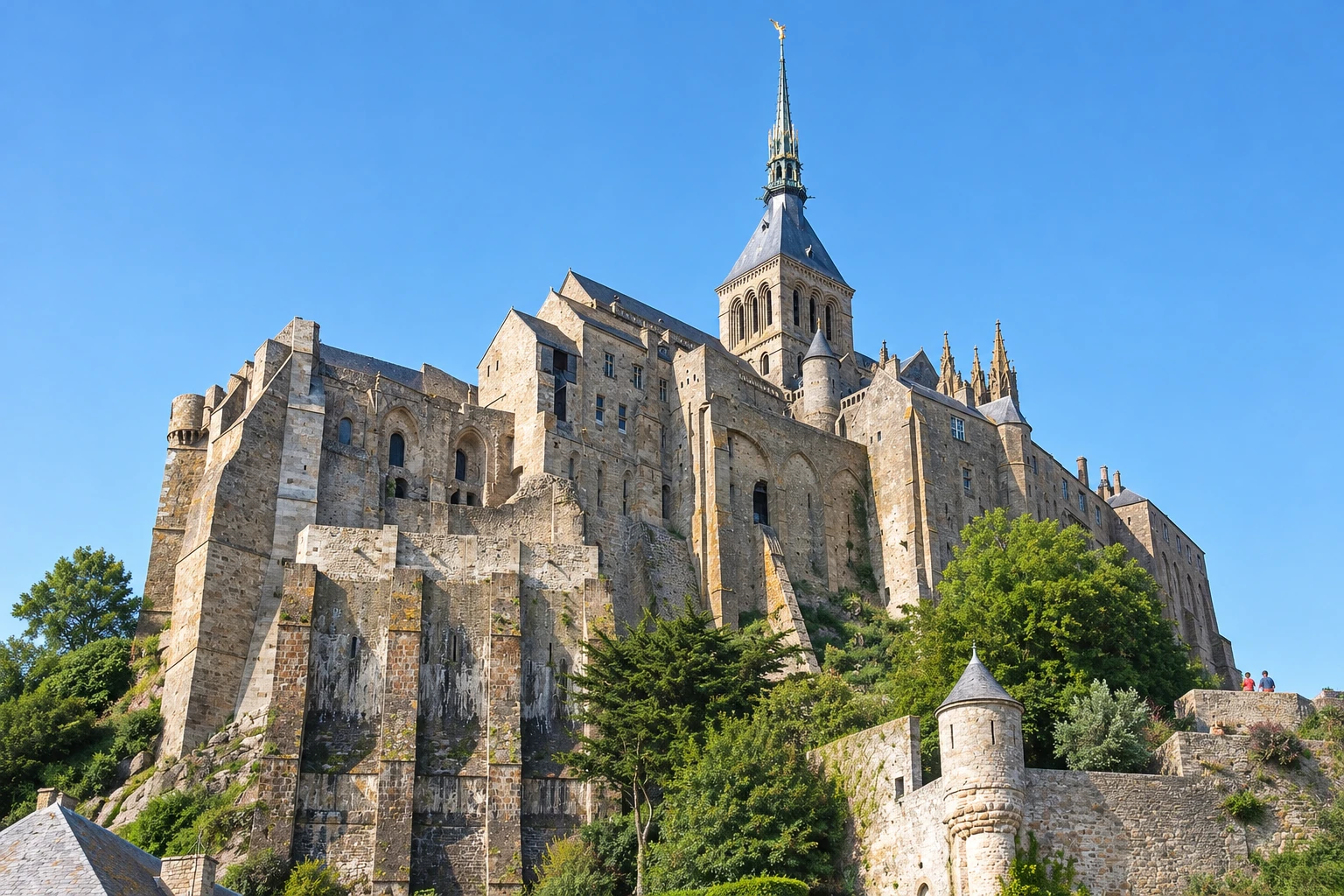
Mont-Saint-Michel Abbey
Medieval abbey atop the granite islet, with the church, the suspended cloister and the Merveille refectory. A UNESCO World Heritage Site since 1979.

 Search
 Brazil
 Antarctica
 Argentina
 Bolivia
 Chile
 Colombia
 Ecuador
 Falkland Islands (Malvinas)
 French Guiana
 Guyana
 Paraguay
 Peru
 Suriname
 Uruguay
 Venezuela
 Albania
 Austria
 Belgium
 Croatia
 Denmark
 FinlandFrance
 Germany
 Greece
 Hungary
 Iceland
 Ireland
 Italy
 Luxembourg
 Norway
 Poland
 Portugal
 Slovakia
 Slovenia
 Spain
 Sweden
 Switzerland
 the Czech Republic
 the Netherlands
 the United Kingdom
 Turkey
 Bermuda
 Canada
 Greenland
 Mexico
 Saint Pierre and Miquelon
 the United States
 the Dominican Republic
 JapanTurkey
 Egypt
 South Africa
 Australia
 Fiji
 New Zealand
 Papua New Guinea
Normandy
26 places to visit and 14 tours, chosen by the Cidade Turismo guide.
Updated
Illustrative images. The pictures in this guide are illustrations based on the real place, not photographs, and may differ from it.
To start
One by one
Medieval abbey atop the granite islet, with the church, the suspended cloister and the Merveille refectory. A UNESCO World Heritage Site since 1979.
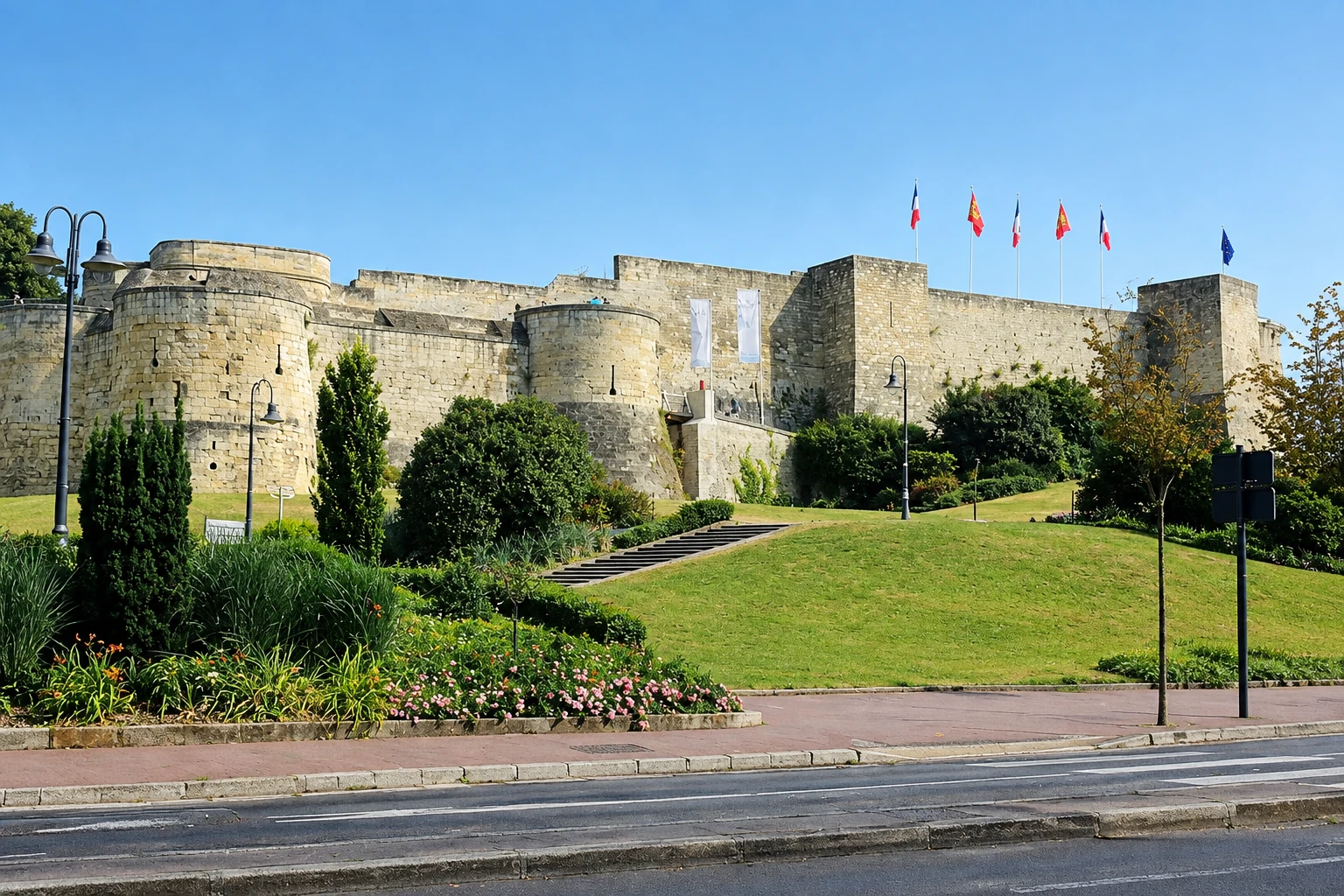
Fortress founded by William the Conqueror around 1060, with more than five hectares enclosed by walls in the city center. Within the grounds are the Museum of Fine Arts and the Museum of Normandy.
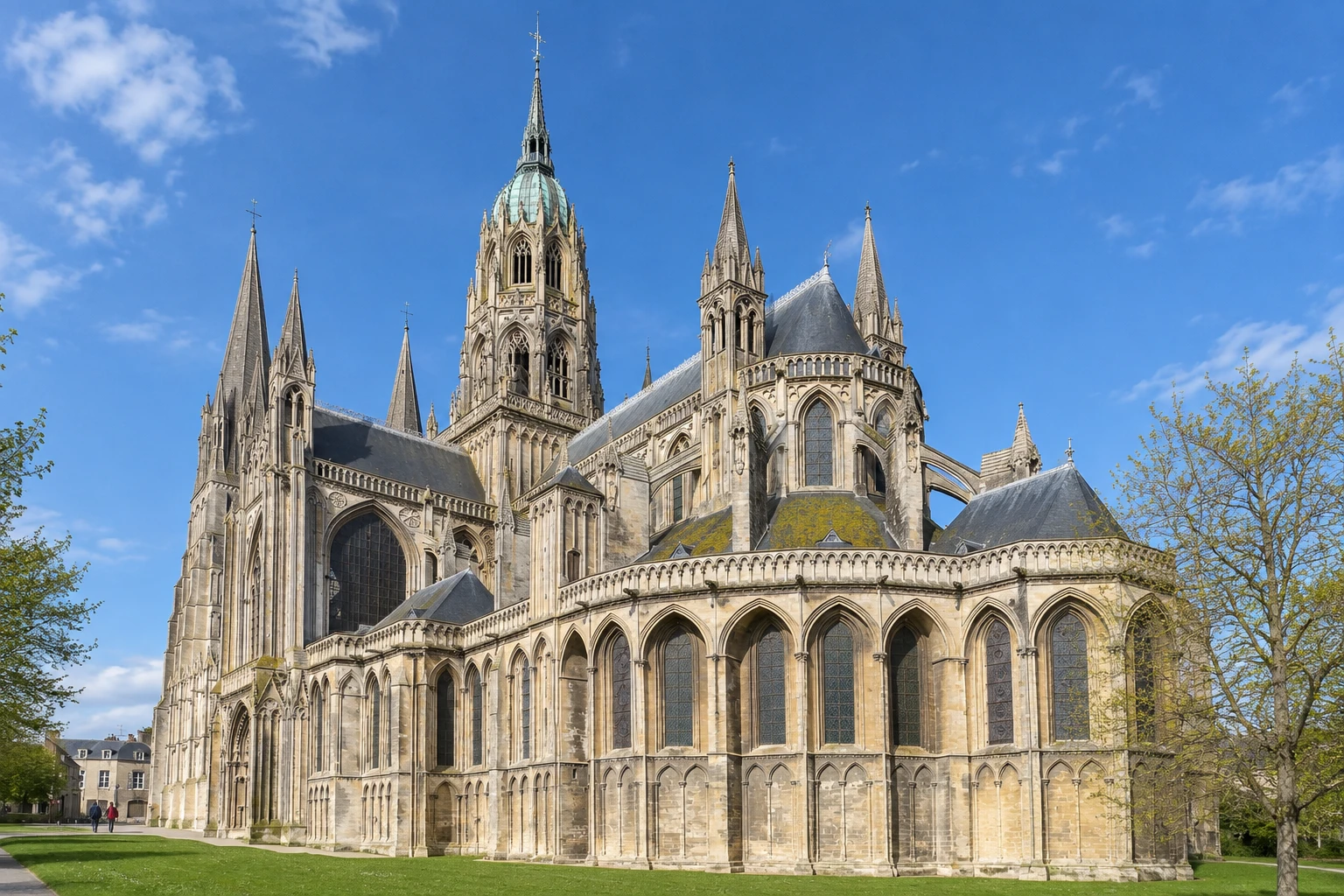
Romanesque and Gothic cathedral consecrated in 1077 in the presence of William the Conqueror. For centuries it housed the Tapeçaria de Bayeux.
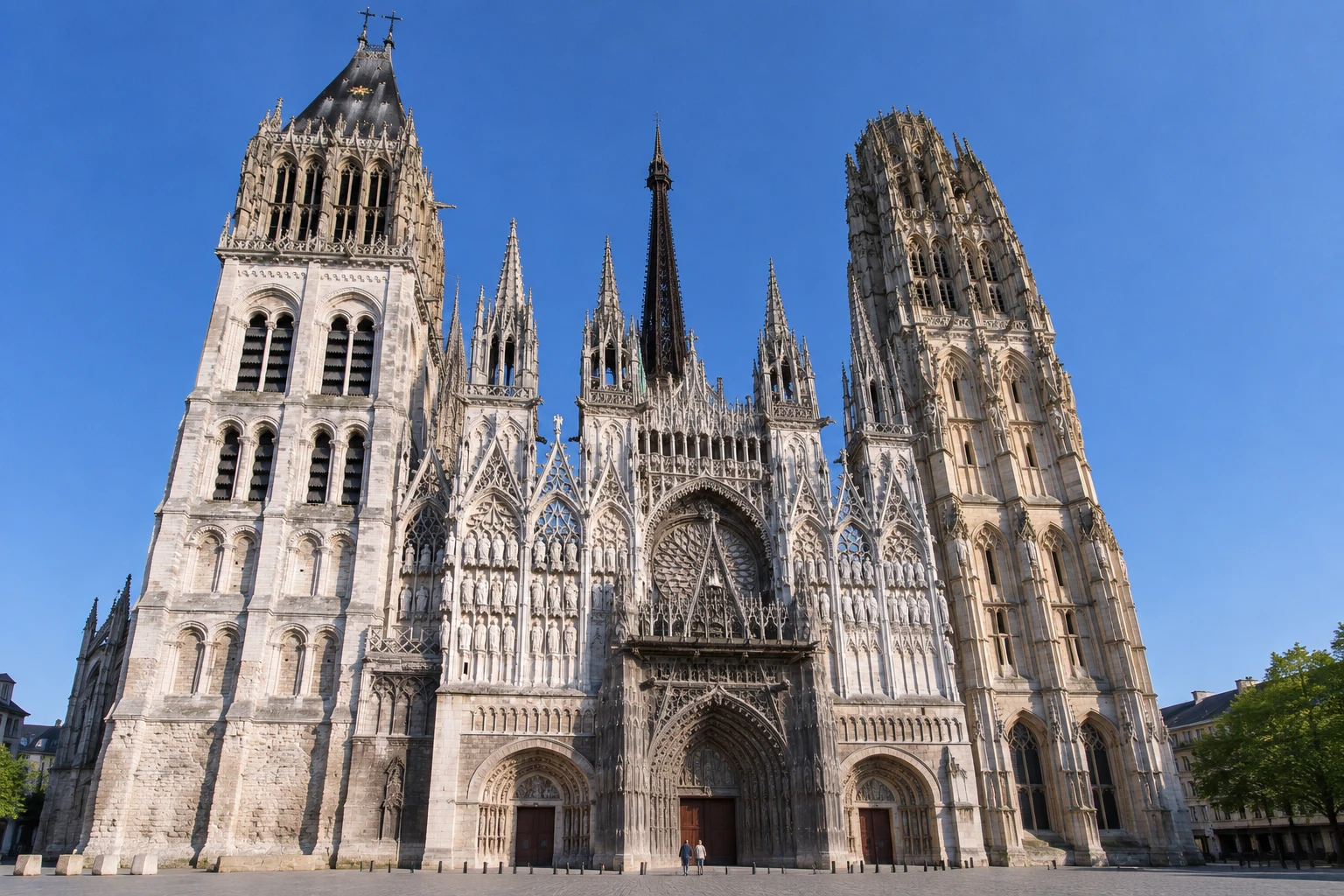
Gothic cathedral with a 151‑metre cast‑iron spire, the tallest in France. The façade was painted more than 30 times by Monet, at different times and in different lights.
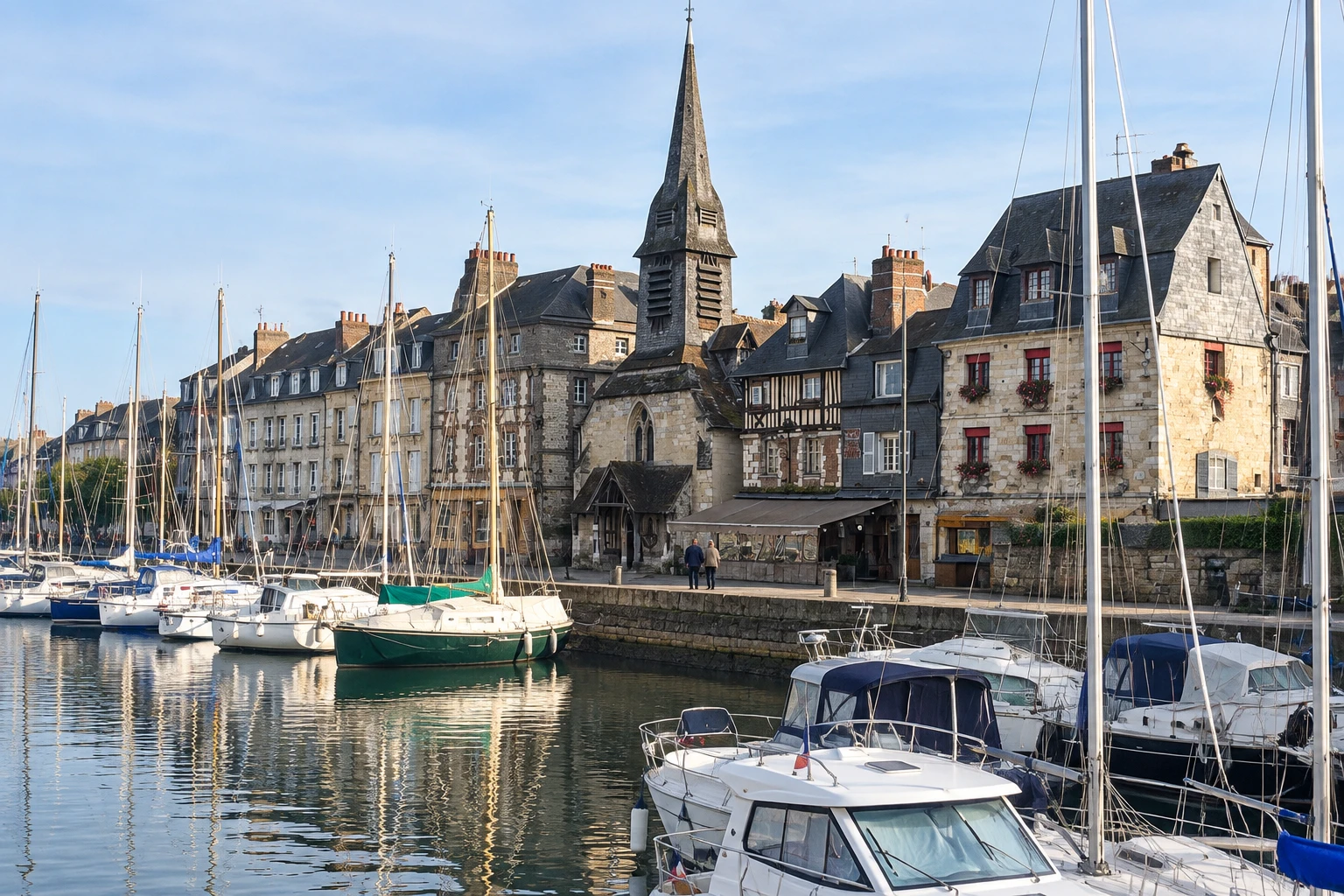
Old dock of Honfleur, dug out during the reign of Louis XIV, surrounded by tall, narrow slate- and wood-covered houses. It is the town's postcard image and the subject of many paintings.
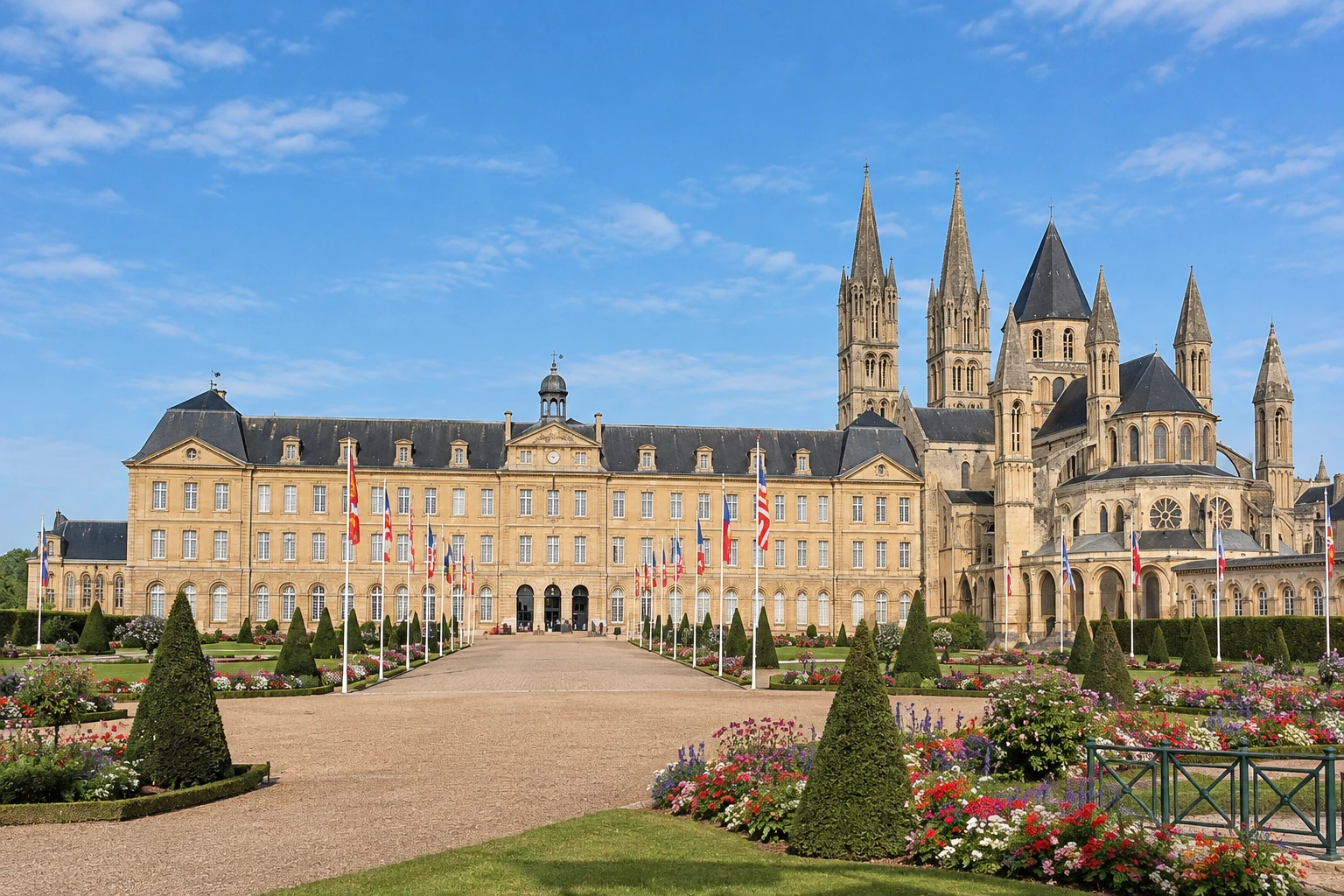
Benedictine abbey founded by William the Conqueror in 1063, with the Church of Saint Stephen where the duke’s tomb is located. The monastery buildings, from the 18th century, now house Caen city hall.
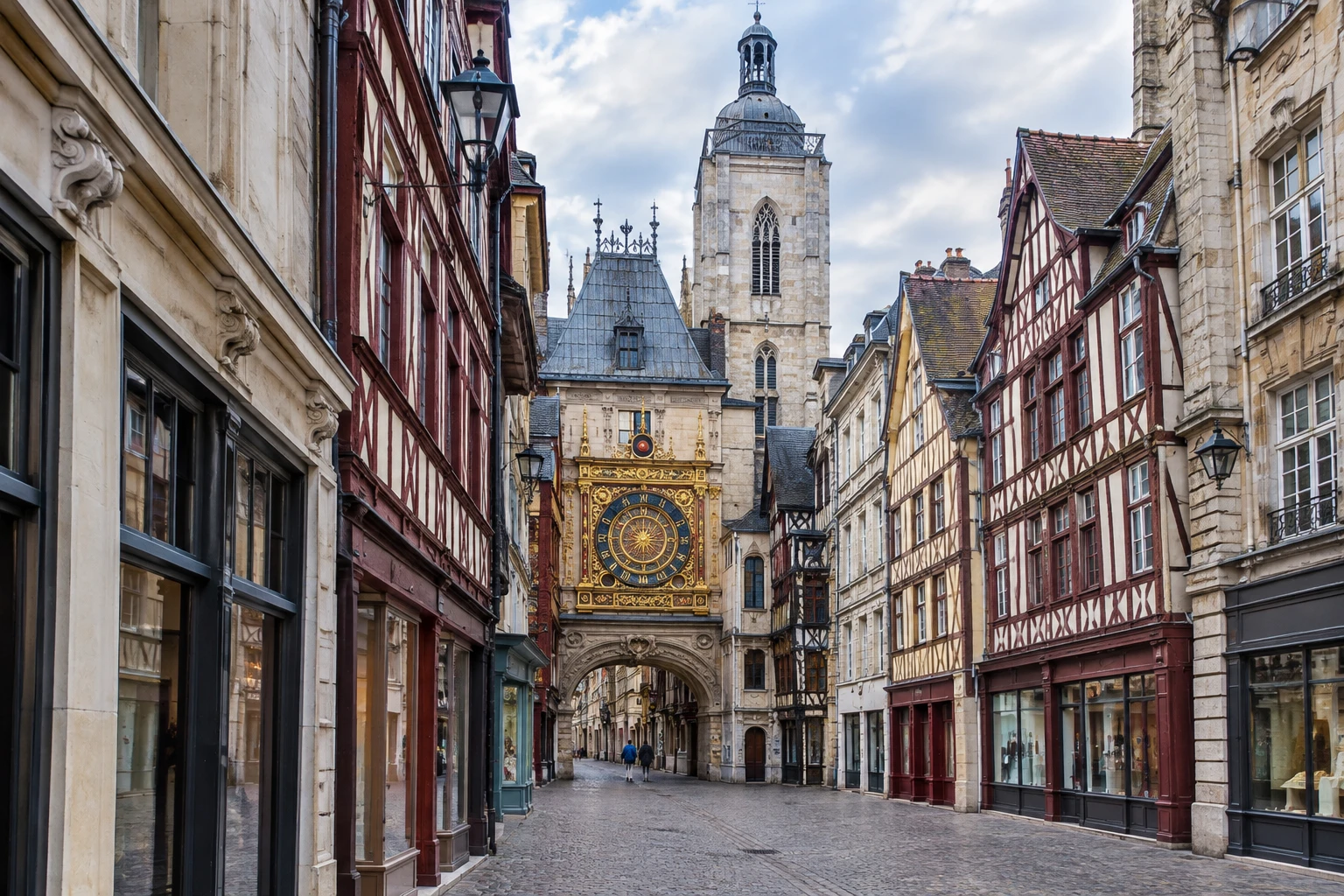
14th-century astronomical clock mounted on a Renaissance arch over the busiest pedestrian street in Rouen, next to a bell tower that can be visited.
Bayeux's municipal museum about the Battle of Normandia, from June to August 1944, with vehicles, uniforms and an archival film. It is opposite the British military cemetery.
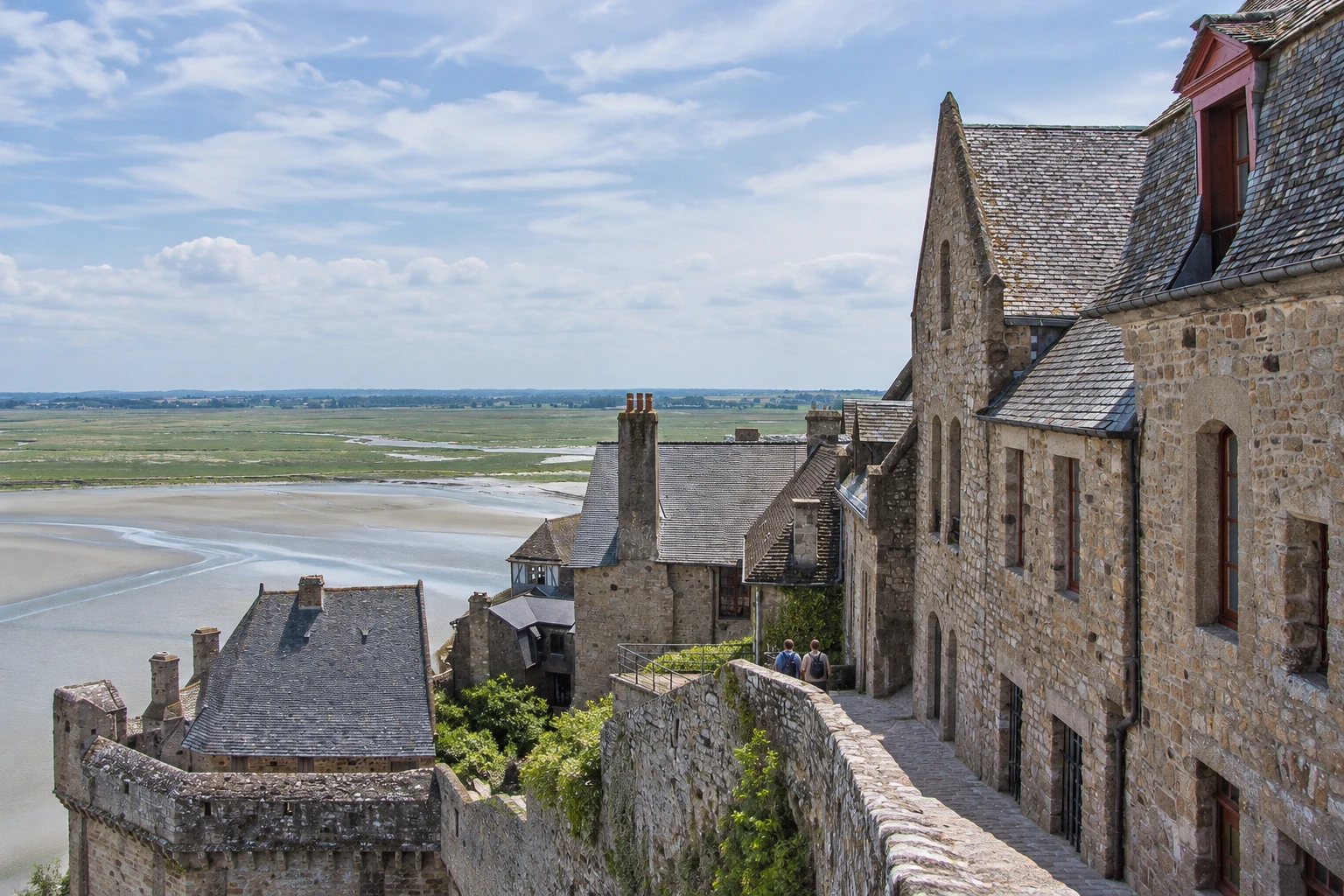
Hundred Years' War ramparts that surround the Mont's village, with a walkway open to pedestrians and views over the bay. The Grande Rue, just below, climbs up to the abbey.
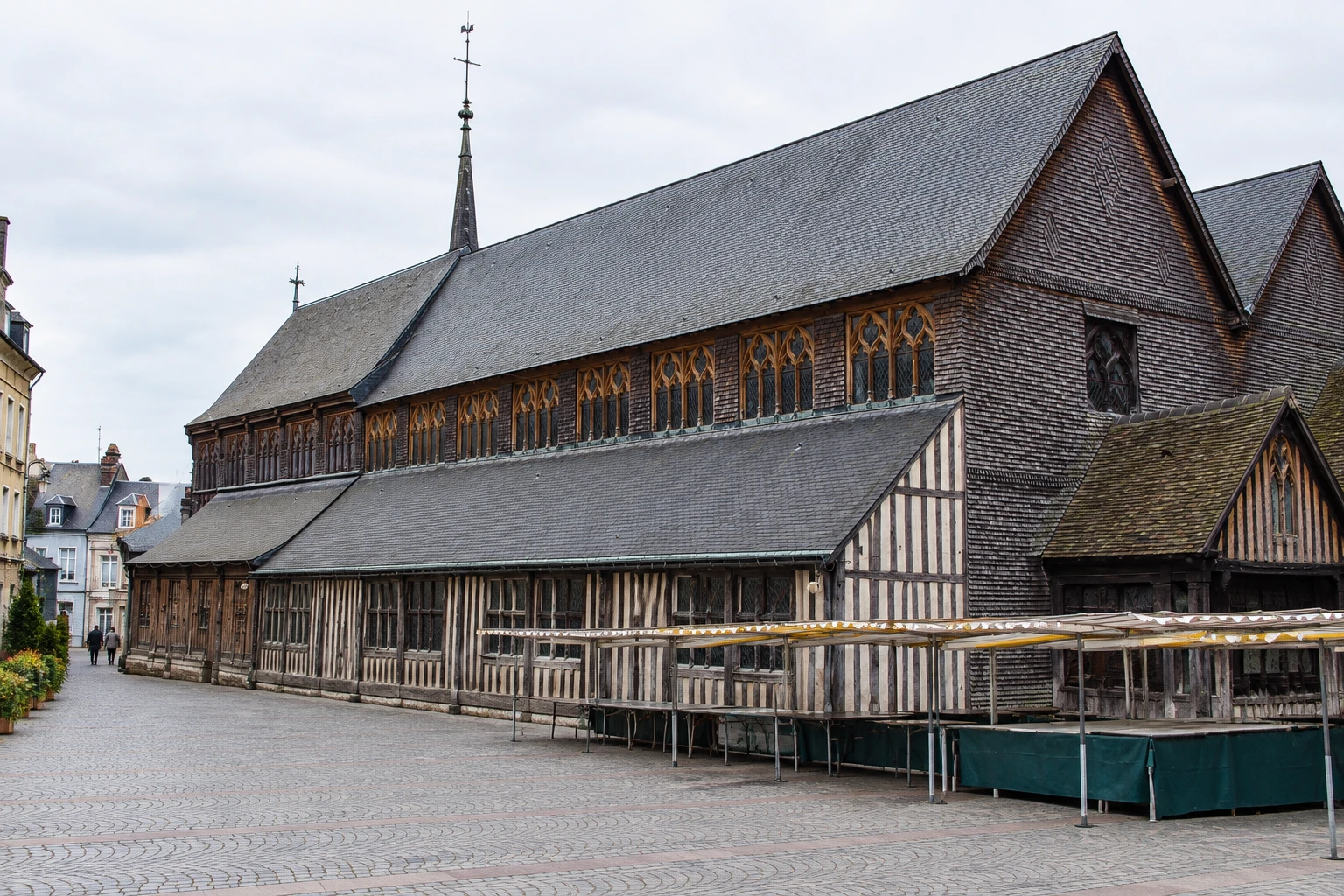
Church built almost entirely of wood by Honfleur's ship carpenters, with two naves that resemble inverted ship hulls and a separate bell tower on the opposite side of the square.
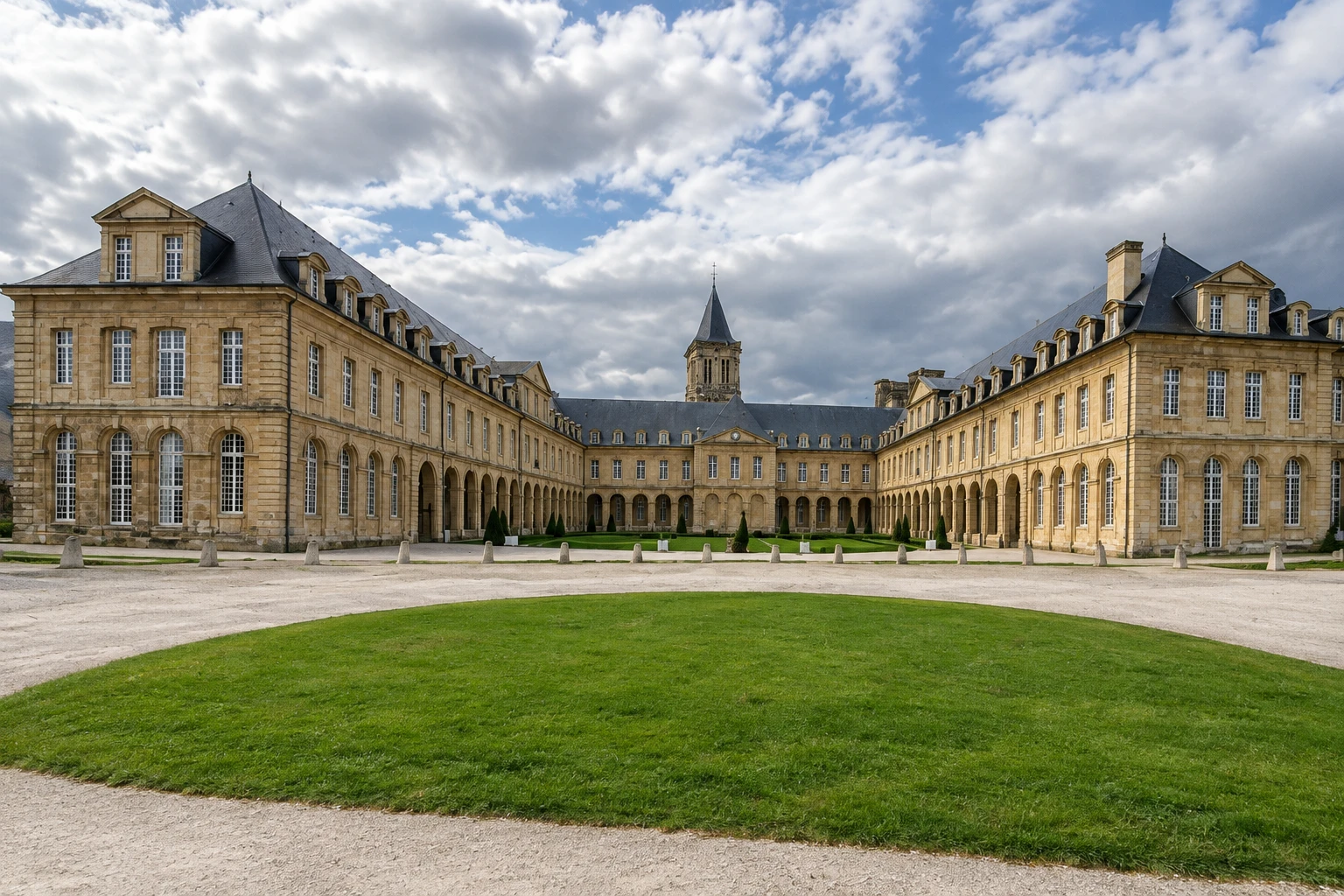
Abbey founded by Queen Matilda, wife of William the Conqueror, in the 11th century, with the Romanesque Church of the Holy Trinity, where she is buried. The convent buildings house the Regional Council of Normandy.
Explore Abbaye aux Dames (Abbey of the Holy Trinity of Caen)
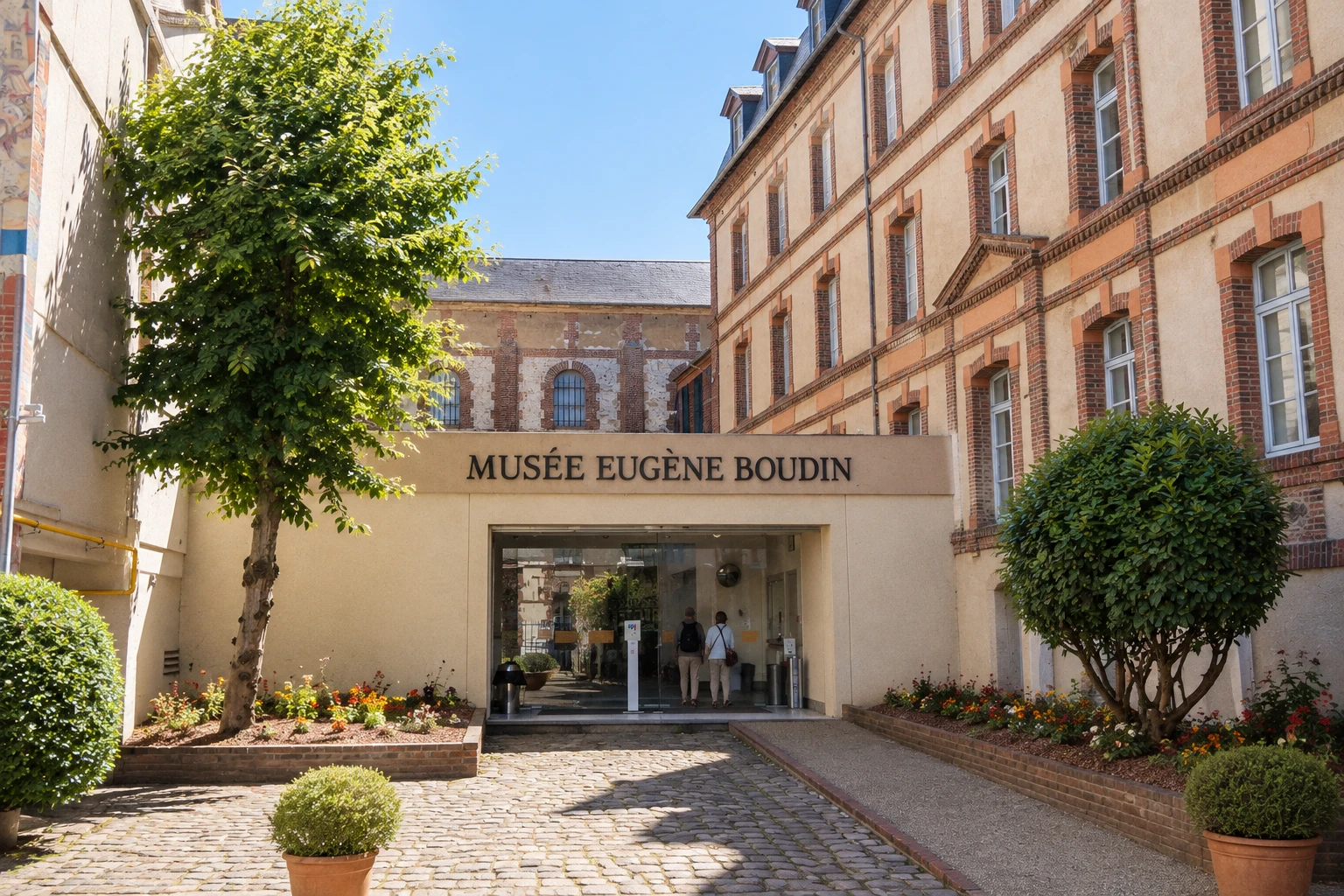
Art museum founded in 1868 by Eugène Boudin and Alexandre Dubourg, with paintings by artists who worked on the estuary of the Seine, from Boudin and Monet to Dufy.
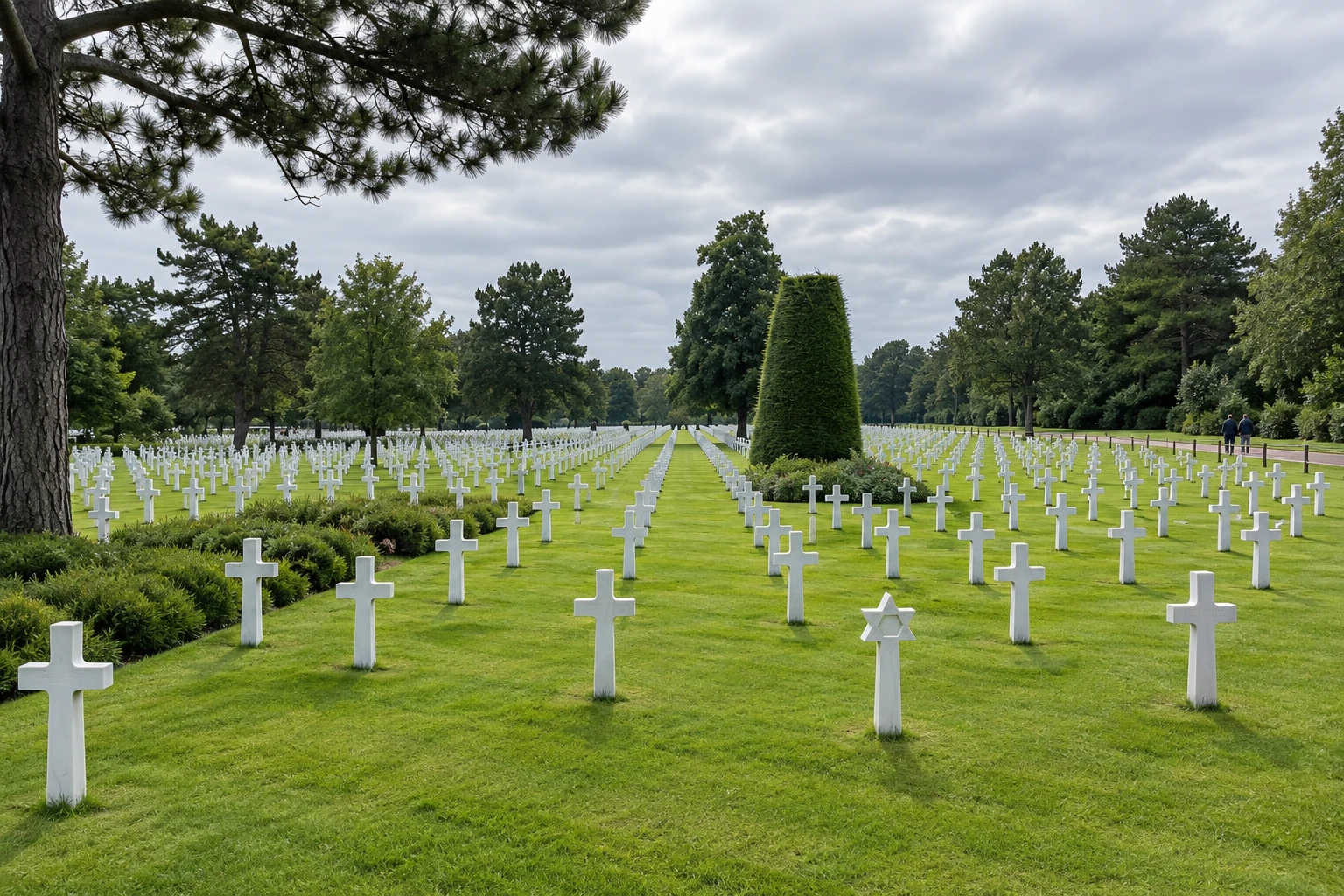
American military cemetery above Omaha Beach, in Colleville-sur-Mer, with about 9,400 graves of soldiers killed on D-Day and in subsequent operations. Entry is free.
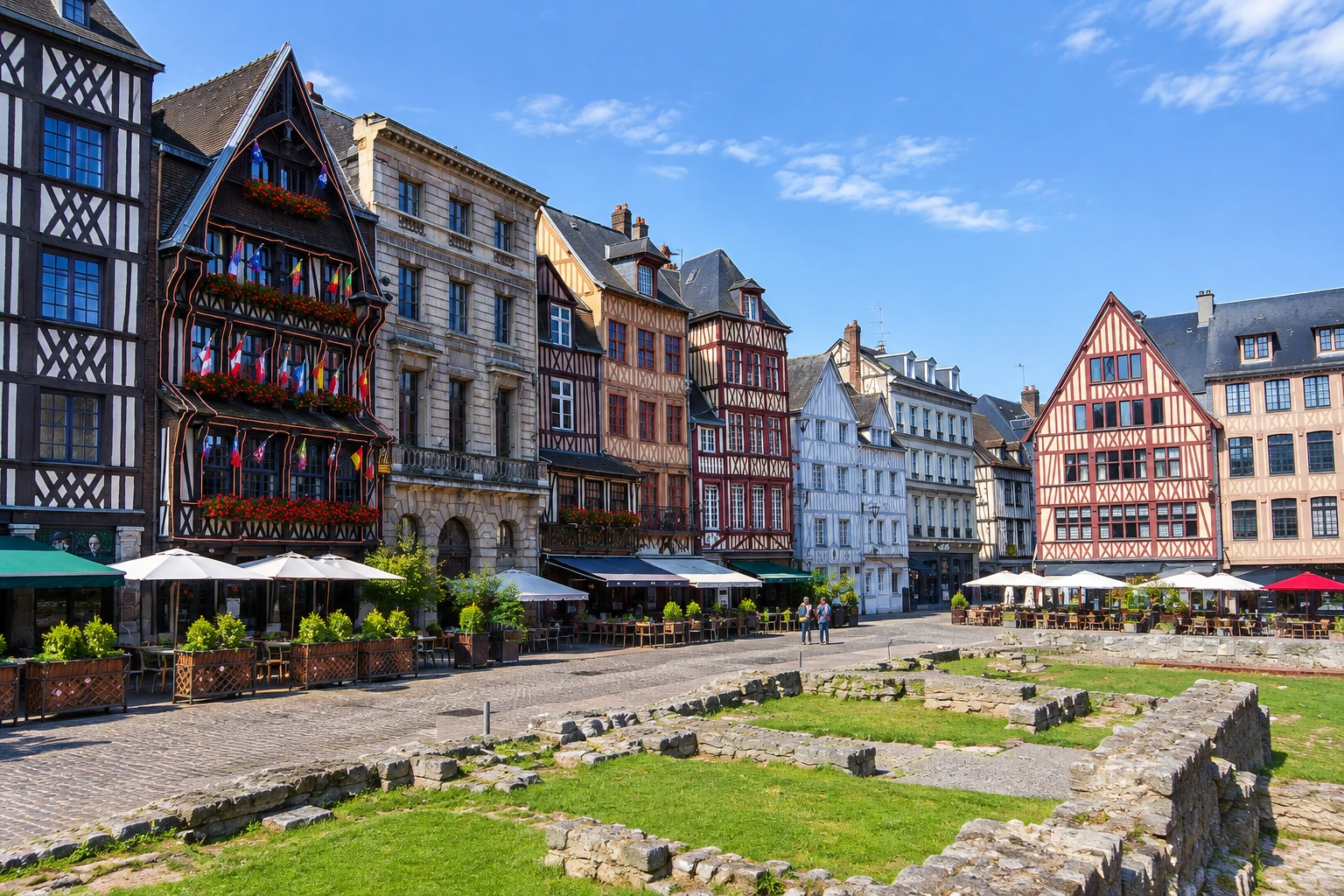
Square where Joan of Arc was burned in 1431. Today it contains the Igreja de Santa Joana d'Arc, from 1979, with 16th-century stained glass, a covered market and restaurants in half-timbered houses.
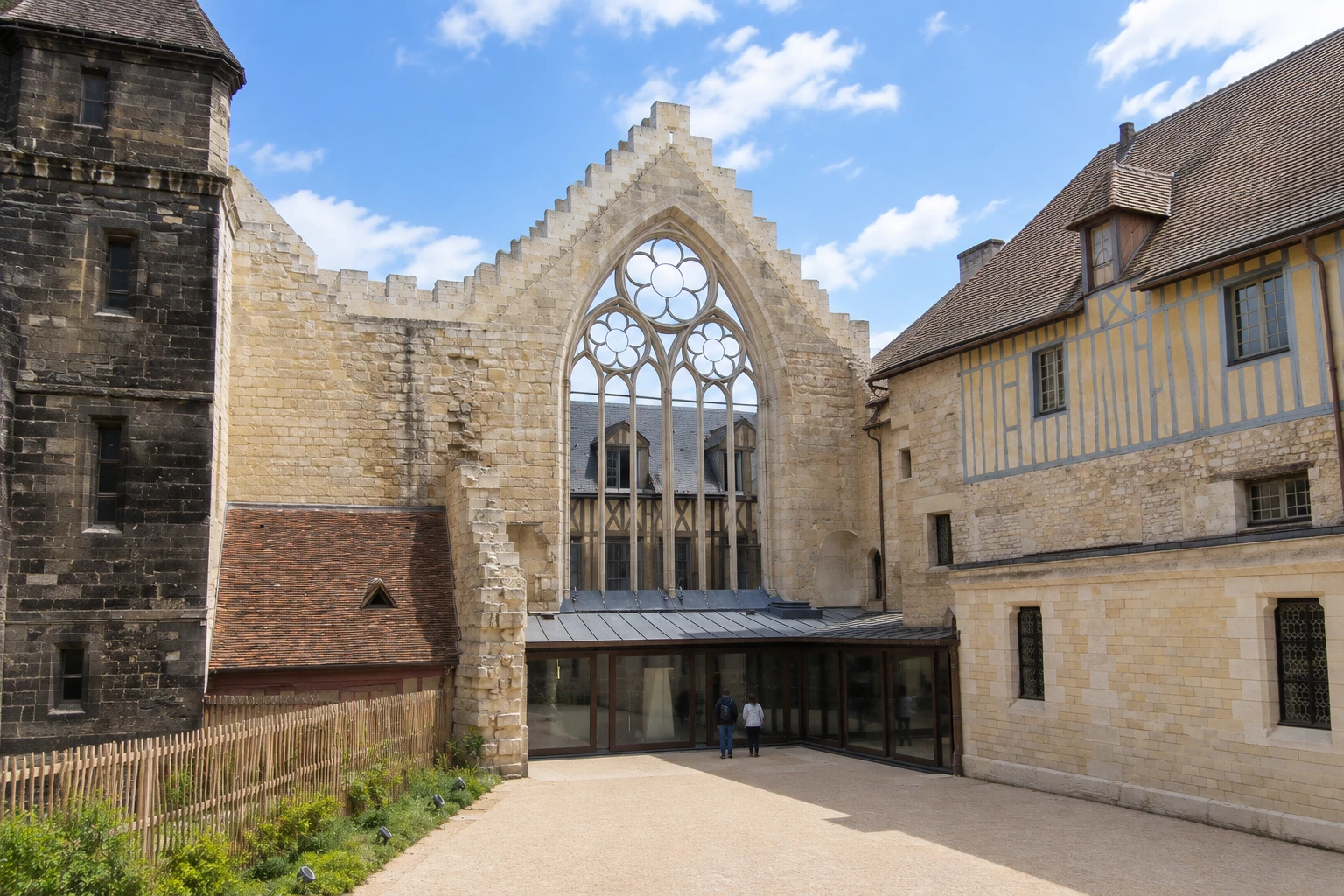
Multimedia route about Joan of Arc in the former archbishops' palace next to the cathedral, where in 1456 the trial that rehabilitated the heroine was held.
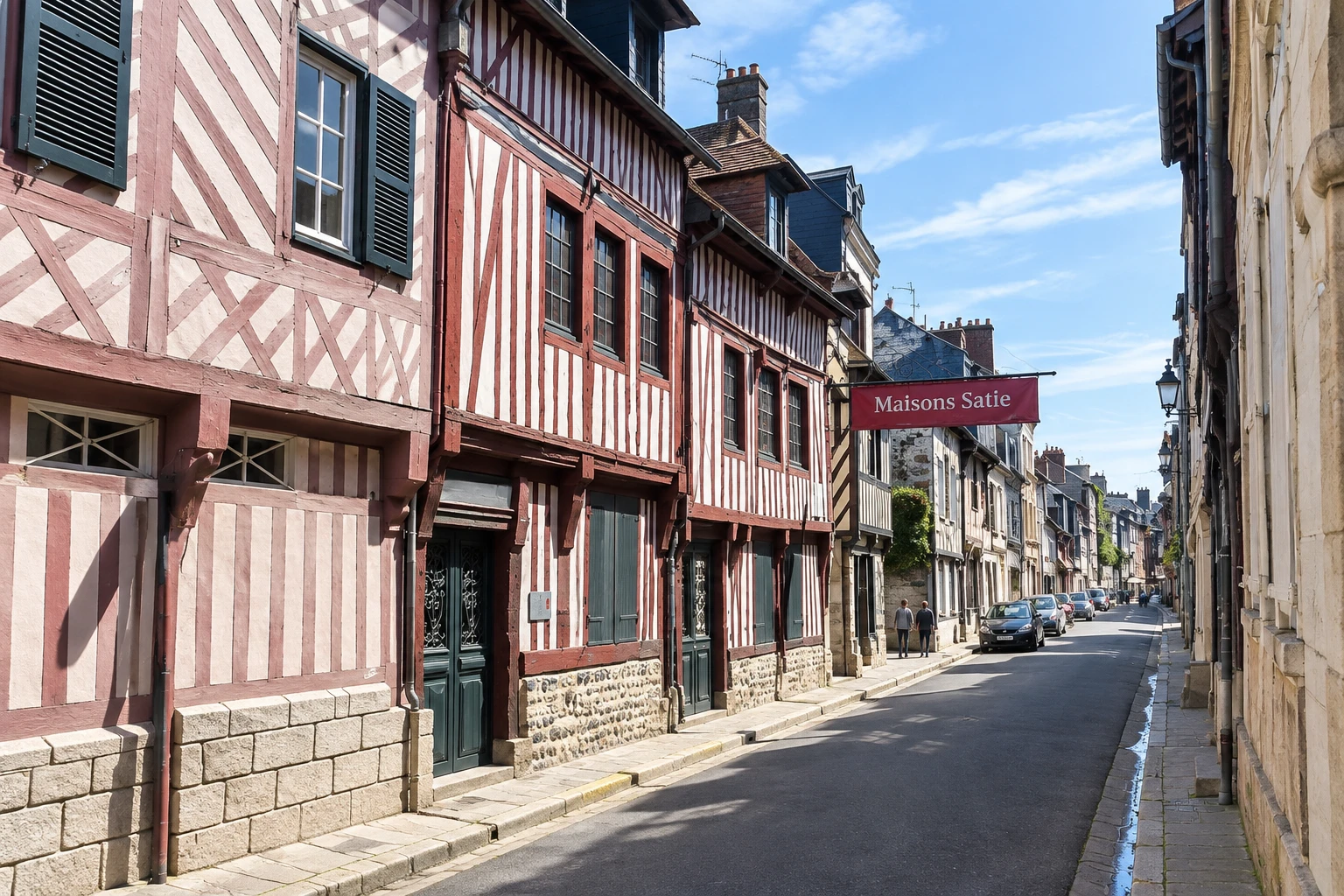
Houses where the composer Erik Satie was born in 1866, transformed into a route with music, scenography and humor, very much in the artist's style.
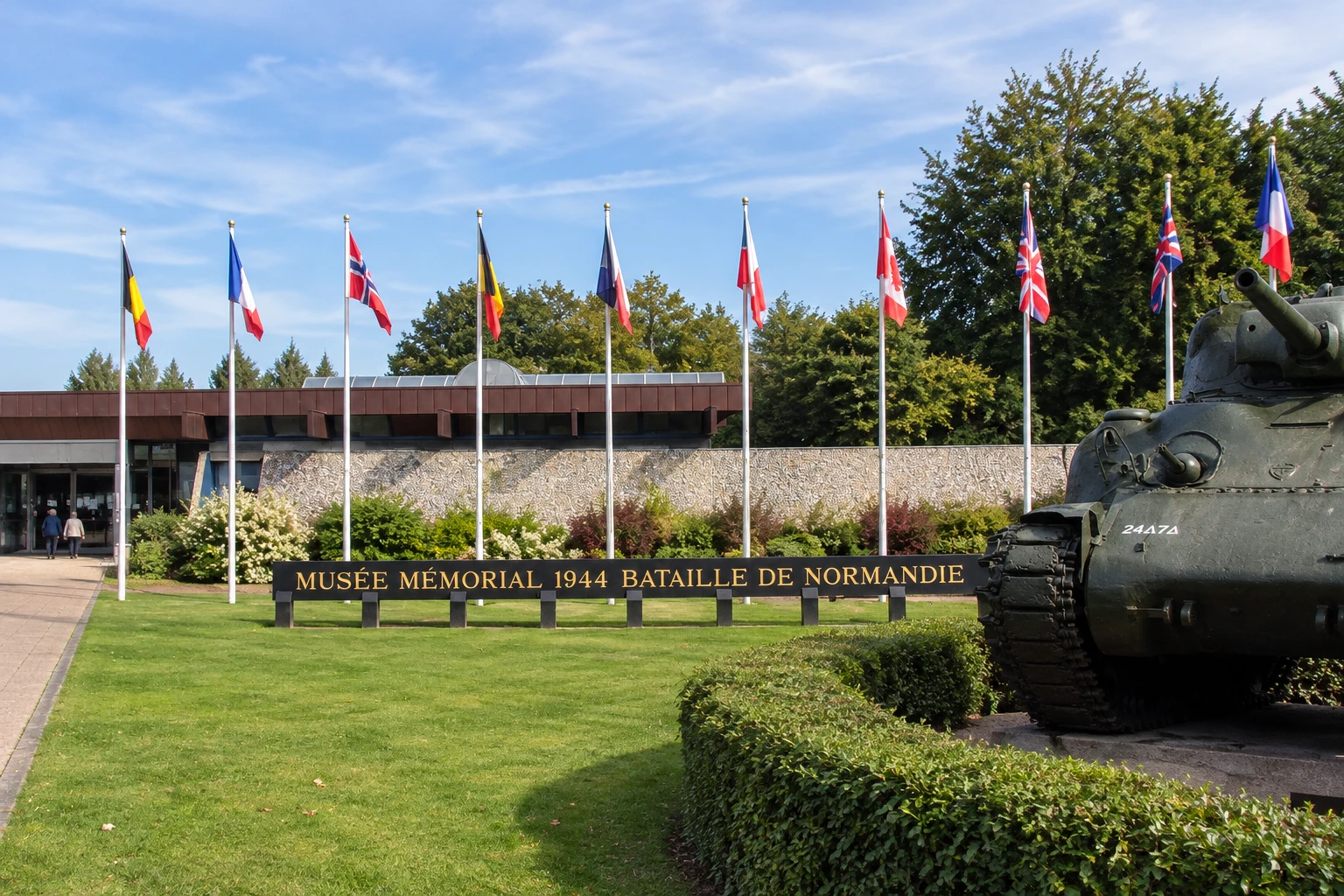
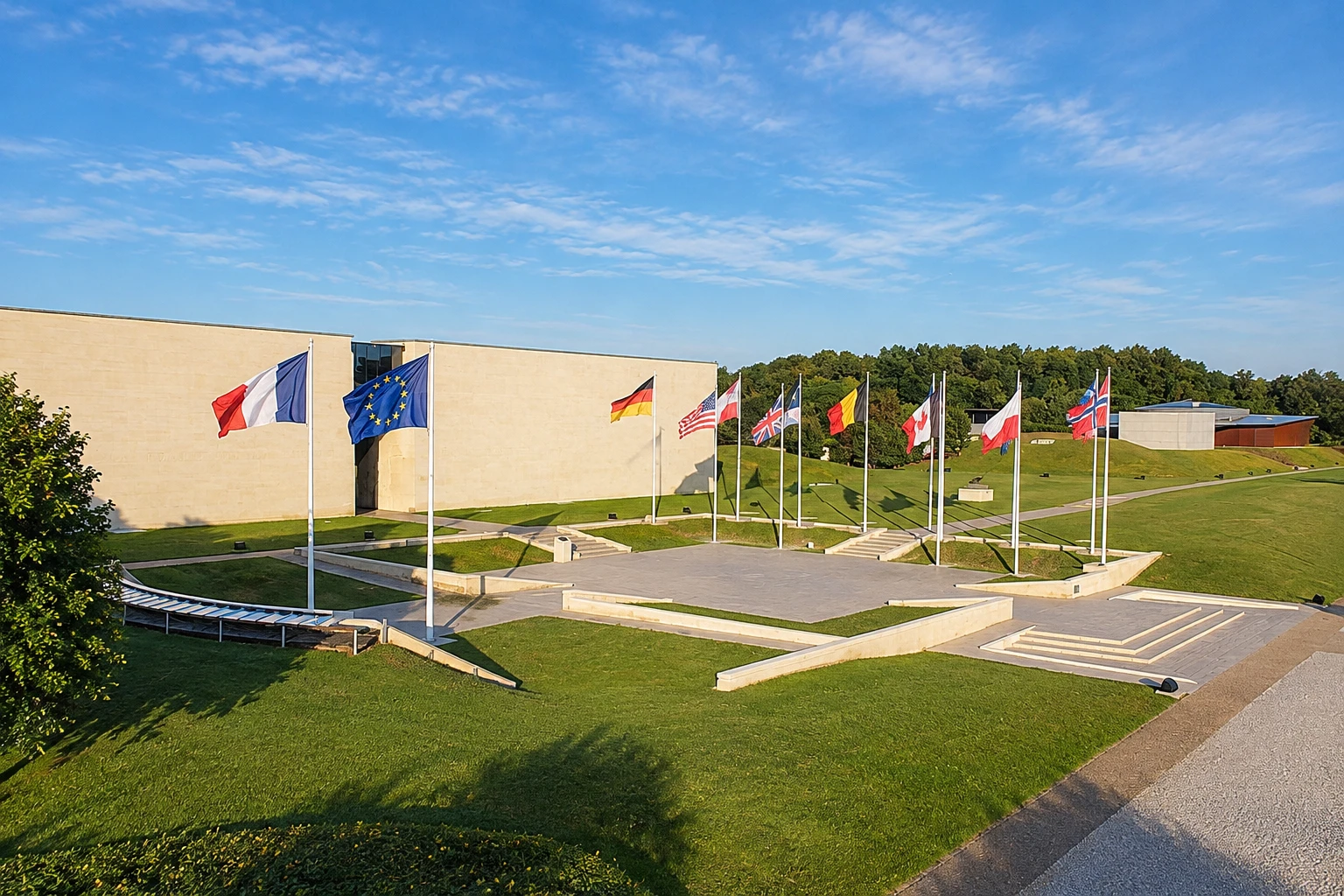
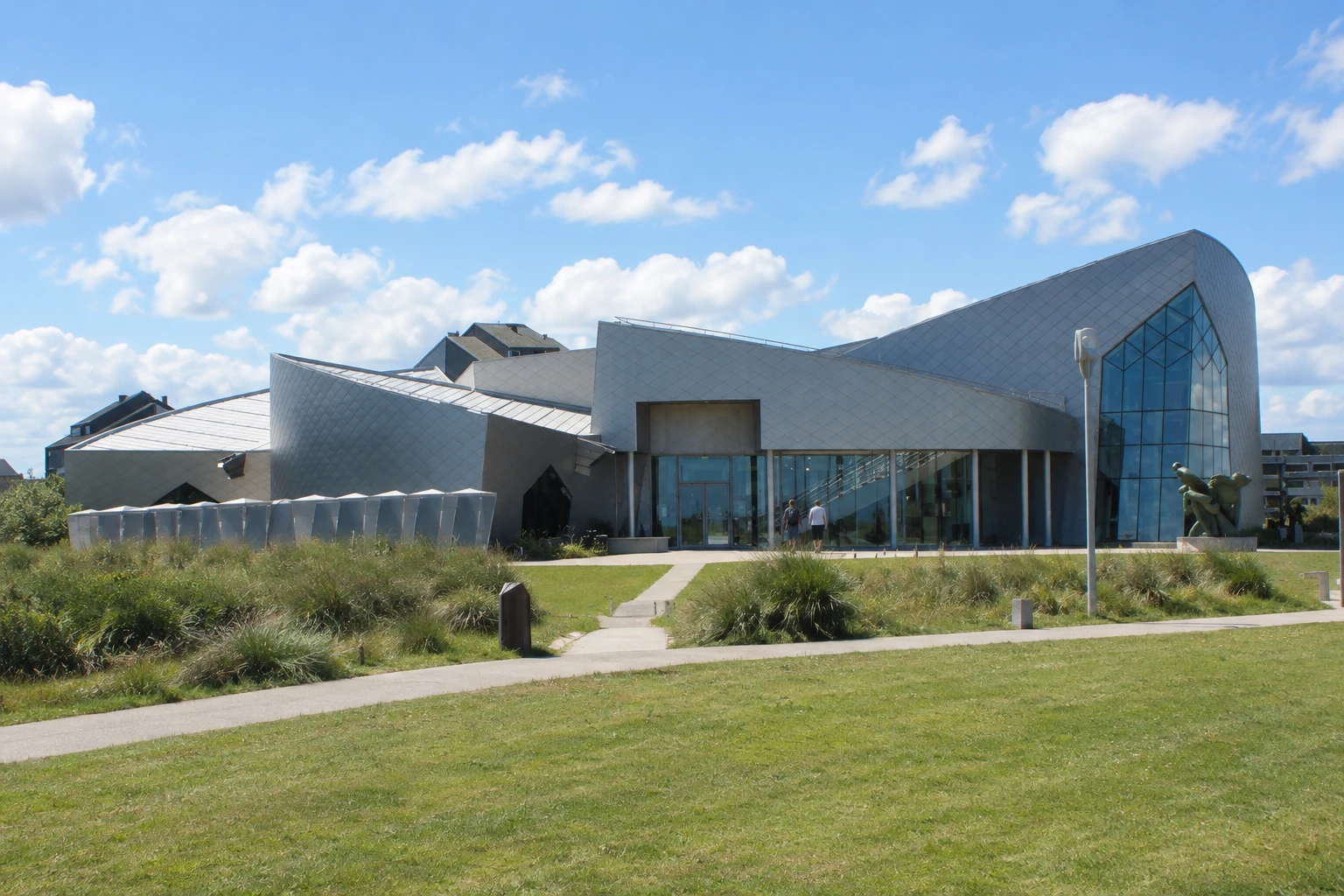
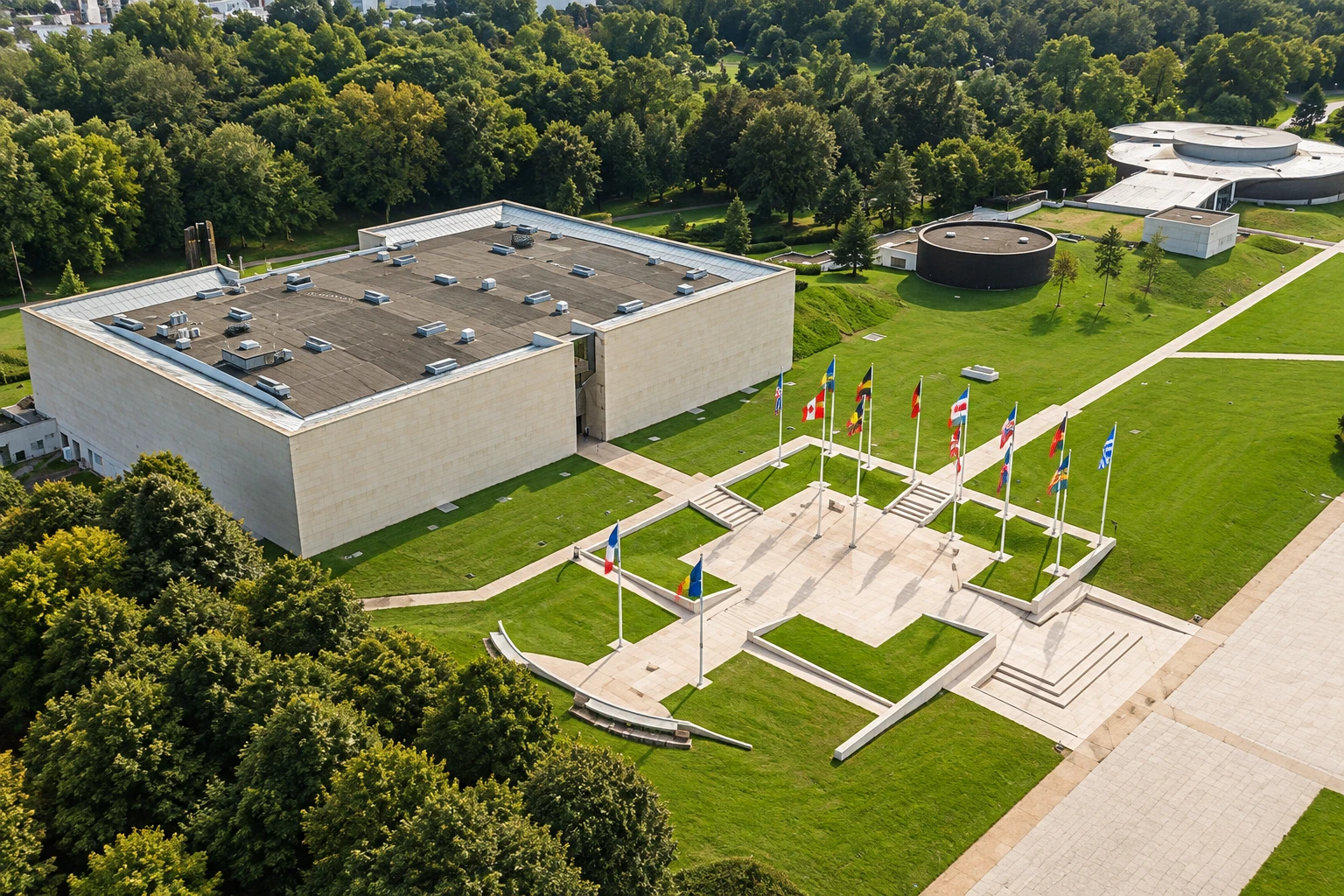
Museum devoted to 20th-century history, focusing on World War II, the Landing and the Battle of Normandy, and the Cold War. It opened in 1988 on a site connected to the fighting of 1944.
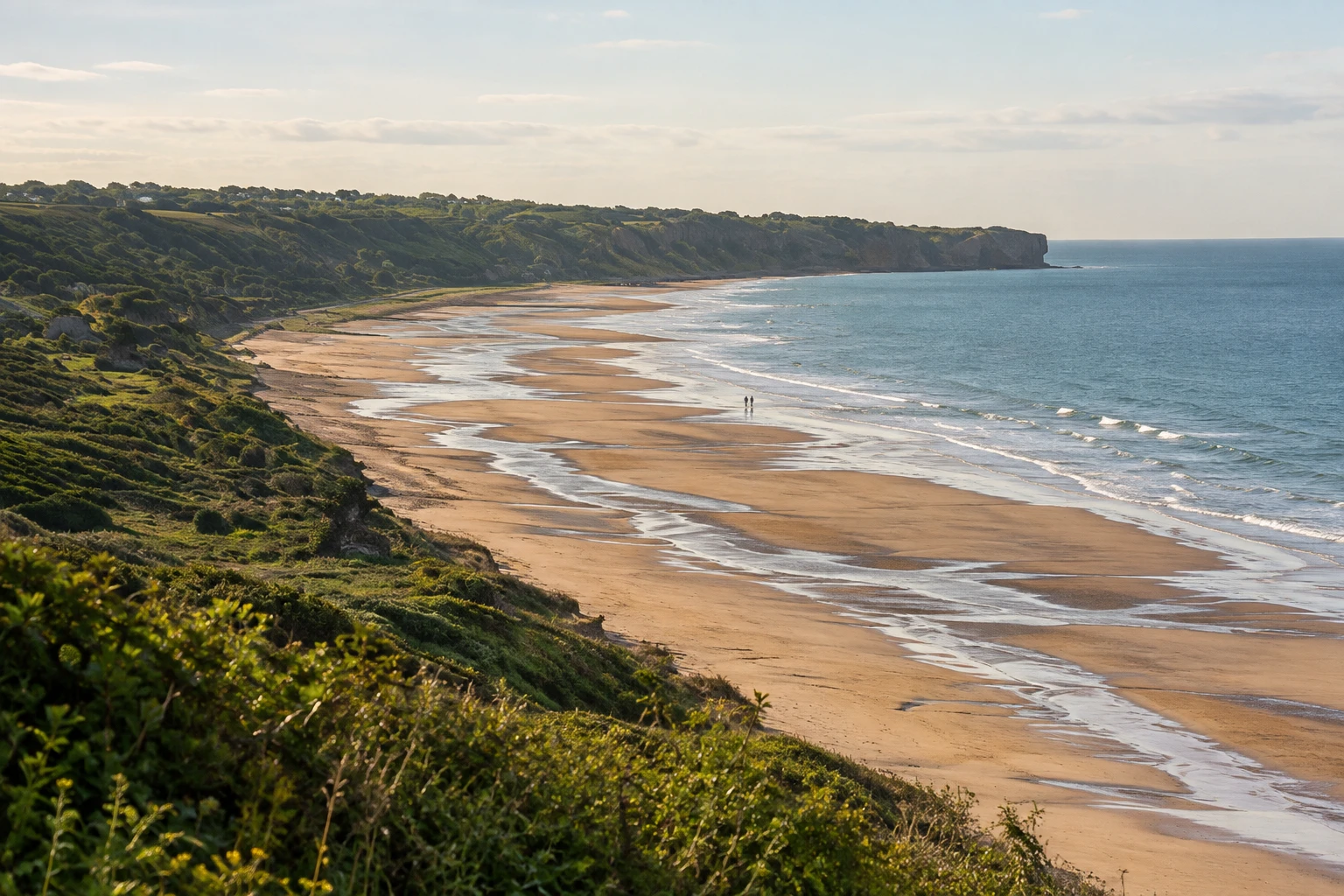
One of the five landing beaches of 6 June 1944, between Vierville-sur-Mer and Colleville-sur-Mer, where American troops suffered the heaviest losses on D-Day.
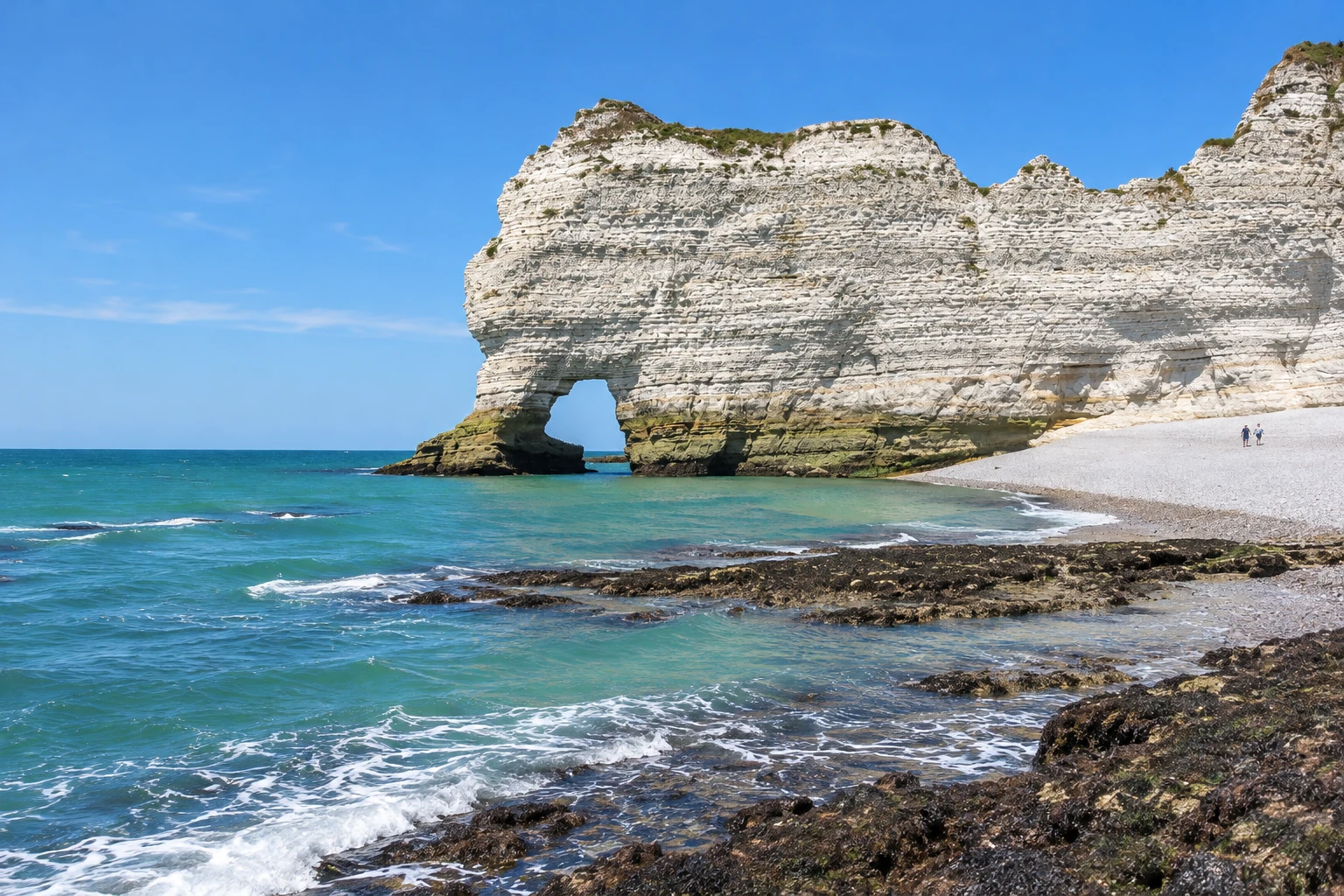
White limestone cliffs over 90 meters high, natural arches and the stone needle that appear in Monet's paintings and in the Arsène Lupin books.
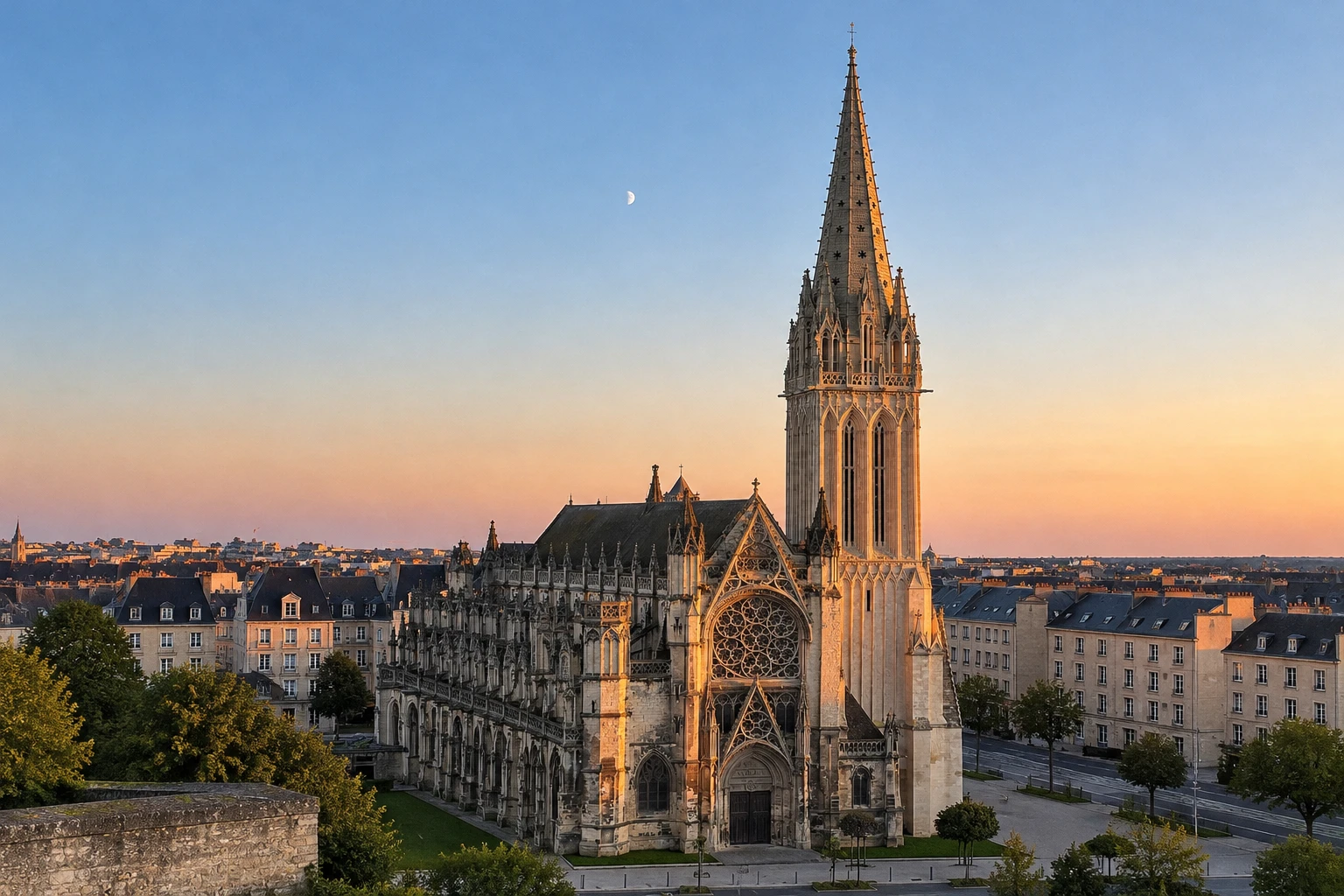
Gothic church at the foot of the castle, built from the 13th to the 16th century, with a Renaissance choir carved by Hector Sohier. The tower, toppled in 1944, was rebuilt after the war.
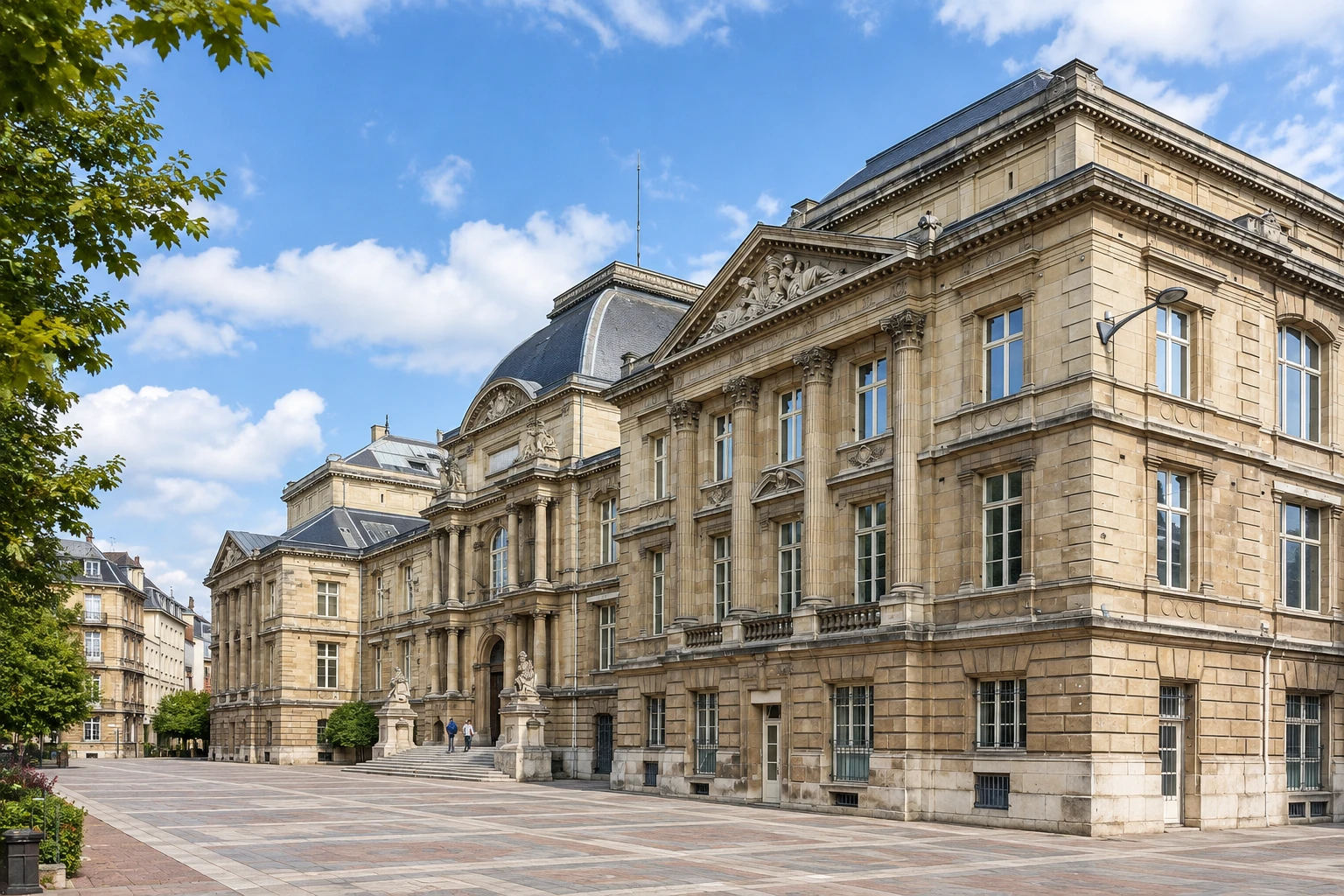
One of France's leading fine arts museums outside Paris, with Caravaggio, Delacroix, Géricault, Monet and Modigliani. Entry to the permanent collections is free.
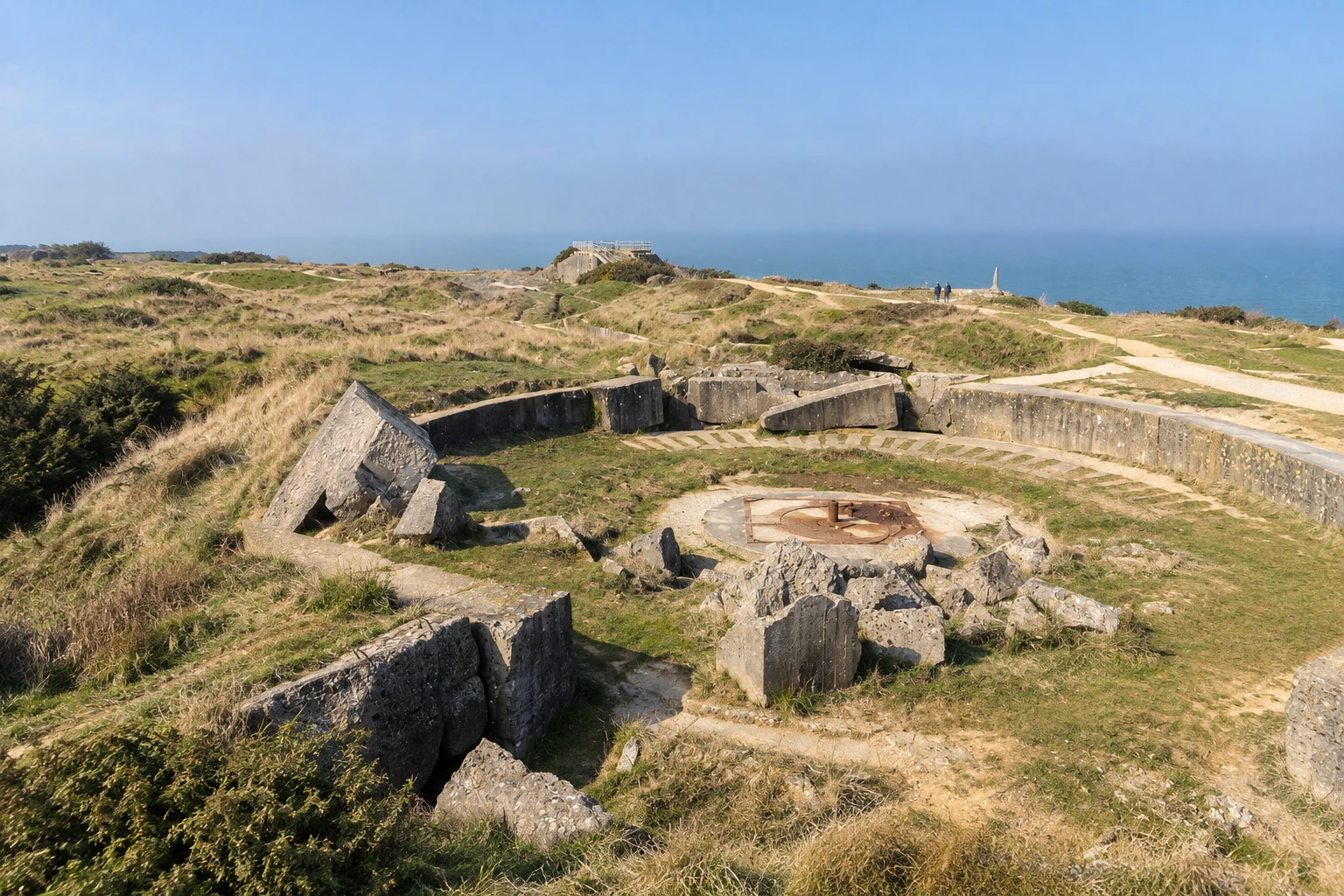
Cliff of about 30 meters scaled by American Rangers on D-Day to neutralize a German battery. The terrain still bears bomb craters and bunkers.
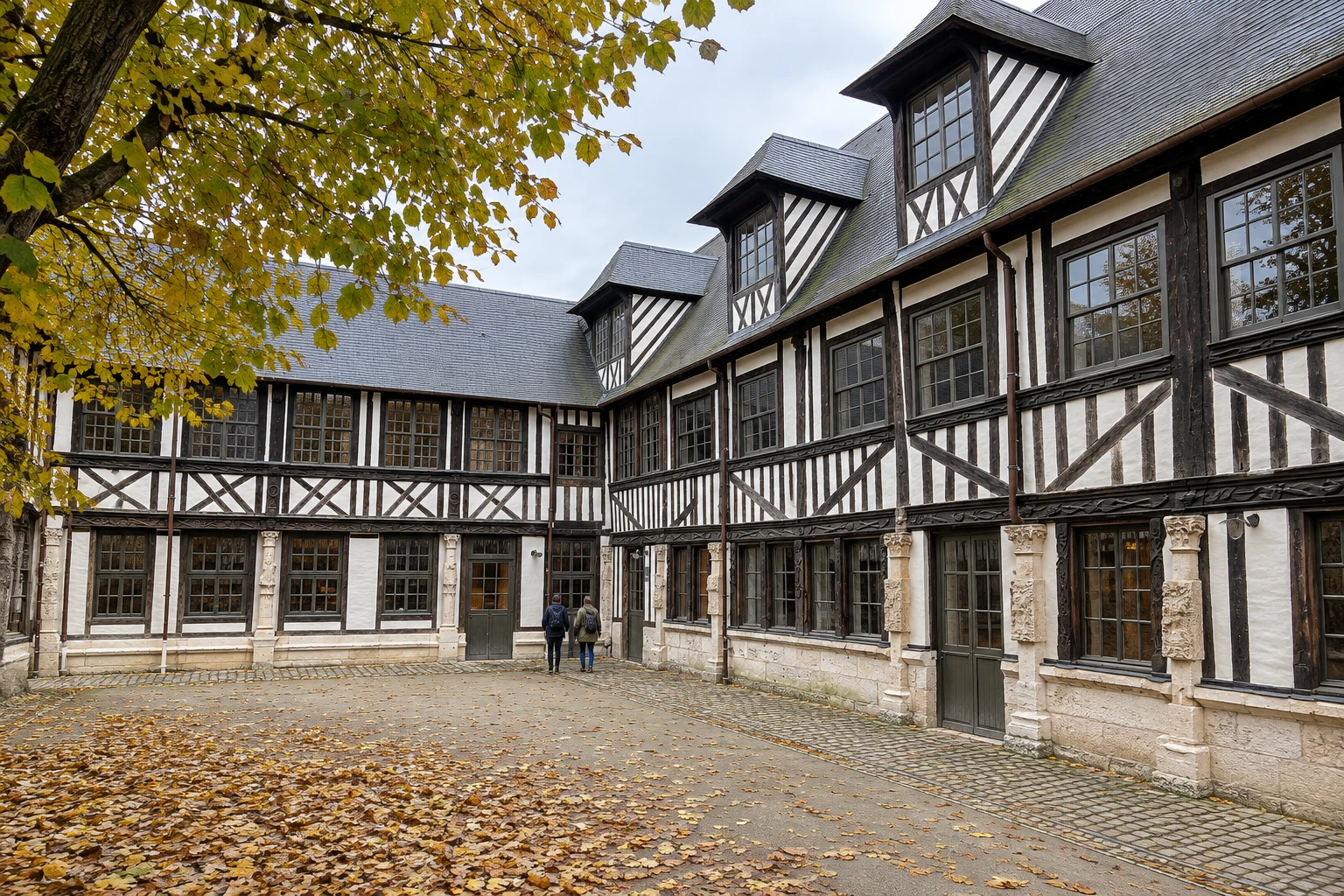
Former 16th-century cemetery and ossuary, with a courtyard surrounded by wooden galleries carved with scenes of the danse macabre. One of the rare ensembles of this type remaining in Europe.
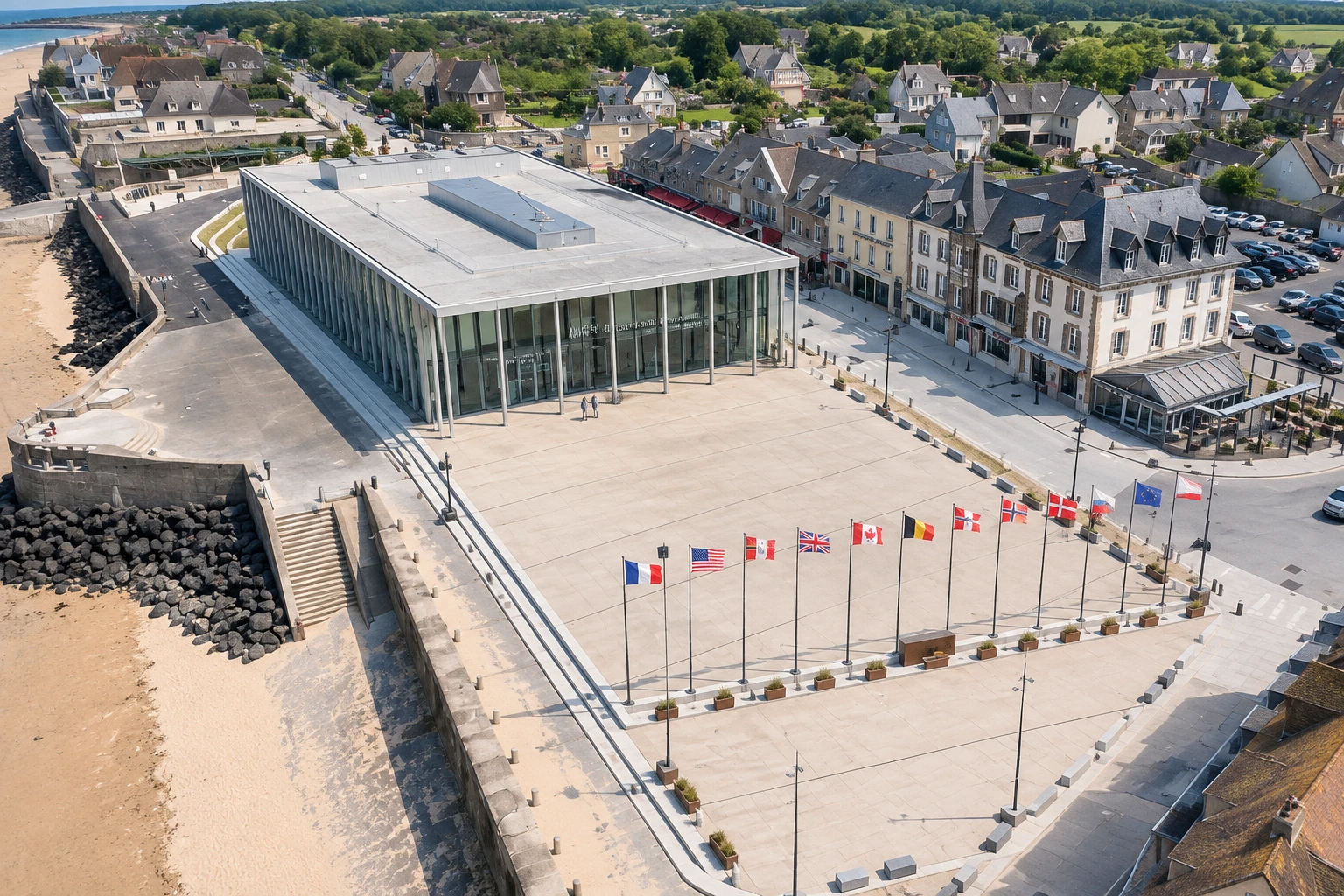
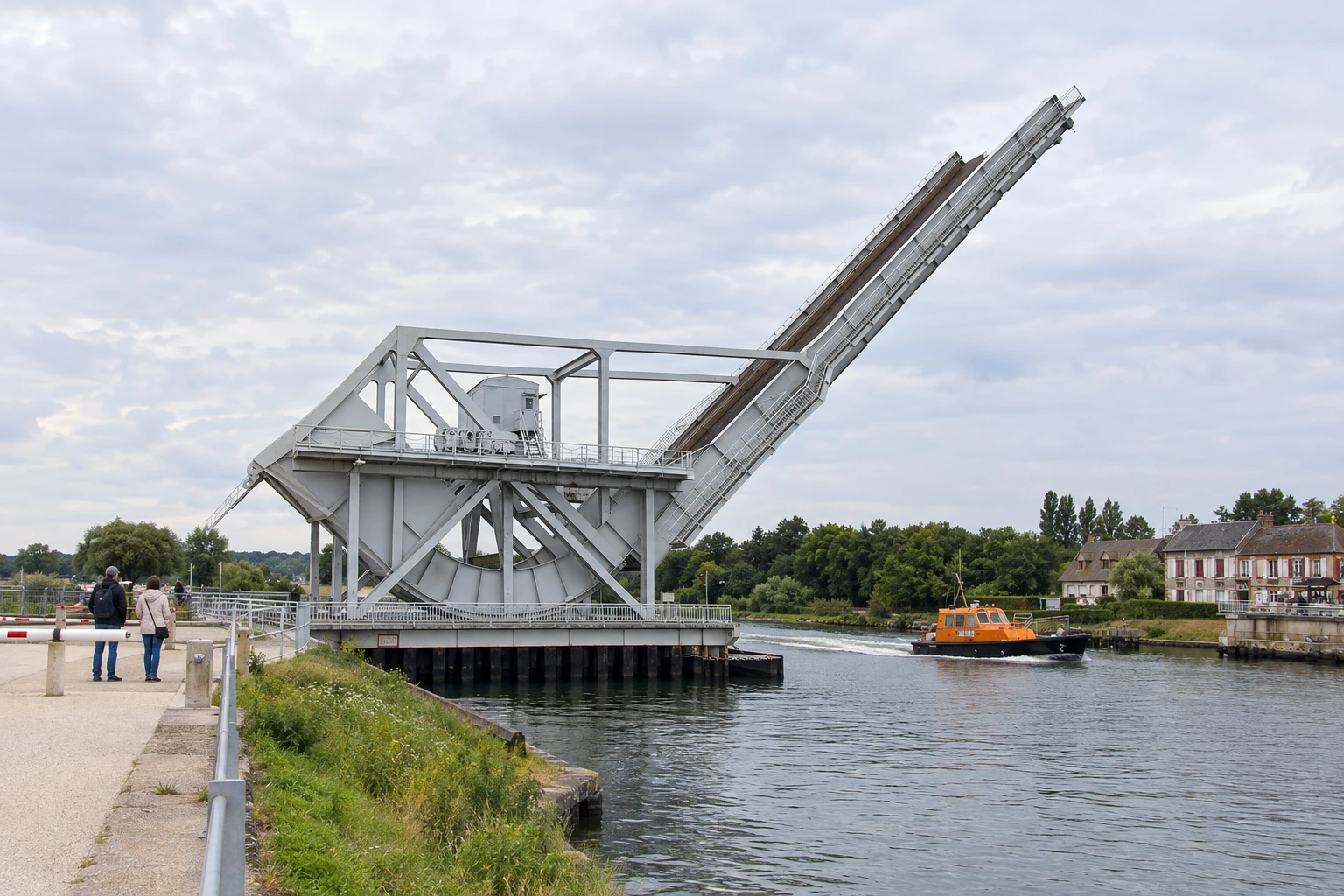
The first museum created about D-Day, in Arromanches-les-Bains, facing the remains of the Mulberry artificial harbor assembled by the Allies at sea in June 1944.
Museum in Courseulles-sur-Mer about the Canadians in World War II, on Juno Beach itself, where Canadian troops landed on 6 June 1944.
Museum devoted to 20th-century history, focusing on World War II, the Landing and the Battle of Normandy, and the Cold War. It opened in 1988 on a site connected to the fighting of 1944.
To choose before you go
The details of each tour (where it leaves from, what it includes, the best time) are in the complete guide.
Get your questions answered
The guide's itineraries cover 3, 4 and 6 days: in 3 days, Bayeux, the D-Day beaches and Mont-Saint-Michel; in 4 days, Rouen, Honfleur, D-Day beaches and Mont-Saint-Michel; in 6 days, Rouen, Étretat, Honfleur, Cider Route, beaches and Mont-Saint-Michel.
Arrival in Paris, train to Caen and Bayeux. The overnight flight from Brazil arrives in the morning at Charles de Gaulle airport. Go to Paris-Saint-Lazare and take the train to Caen, about 2 hours. In Caen, pick up the rental car. If you have the energy, visit the Mémorial de Caen in the afternoon to understand the D-Day context; if not, continue straight to Bayeux, about 30 km. At the end of the day, take the walking tour of Bayeux: cathedral, the Aure River and the old town.
It generally rains less from February to April and in July. The rainiest months are usually from October to December. The guide covers each month, with the weather and what changes on the tours.
To plan