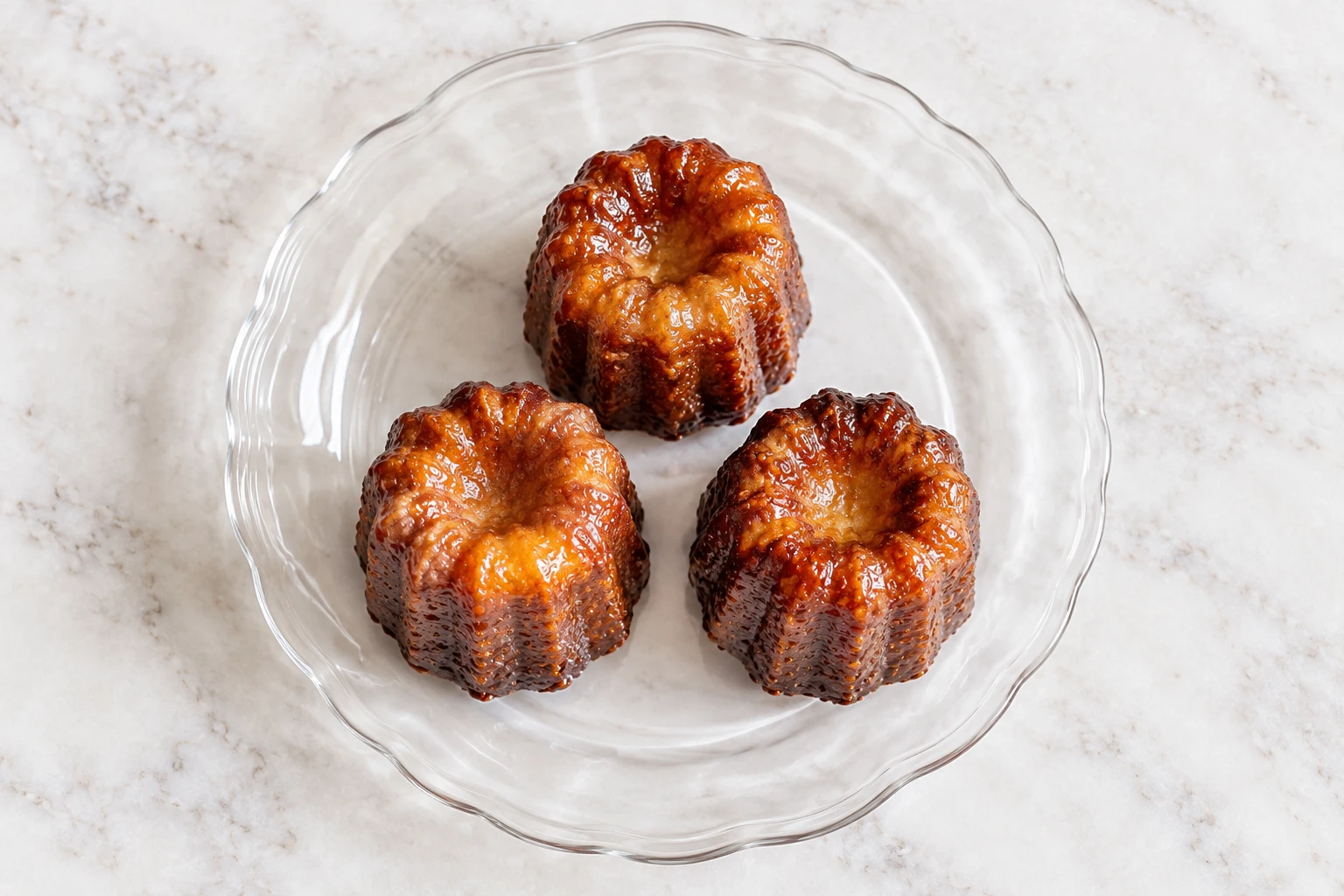
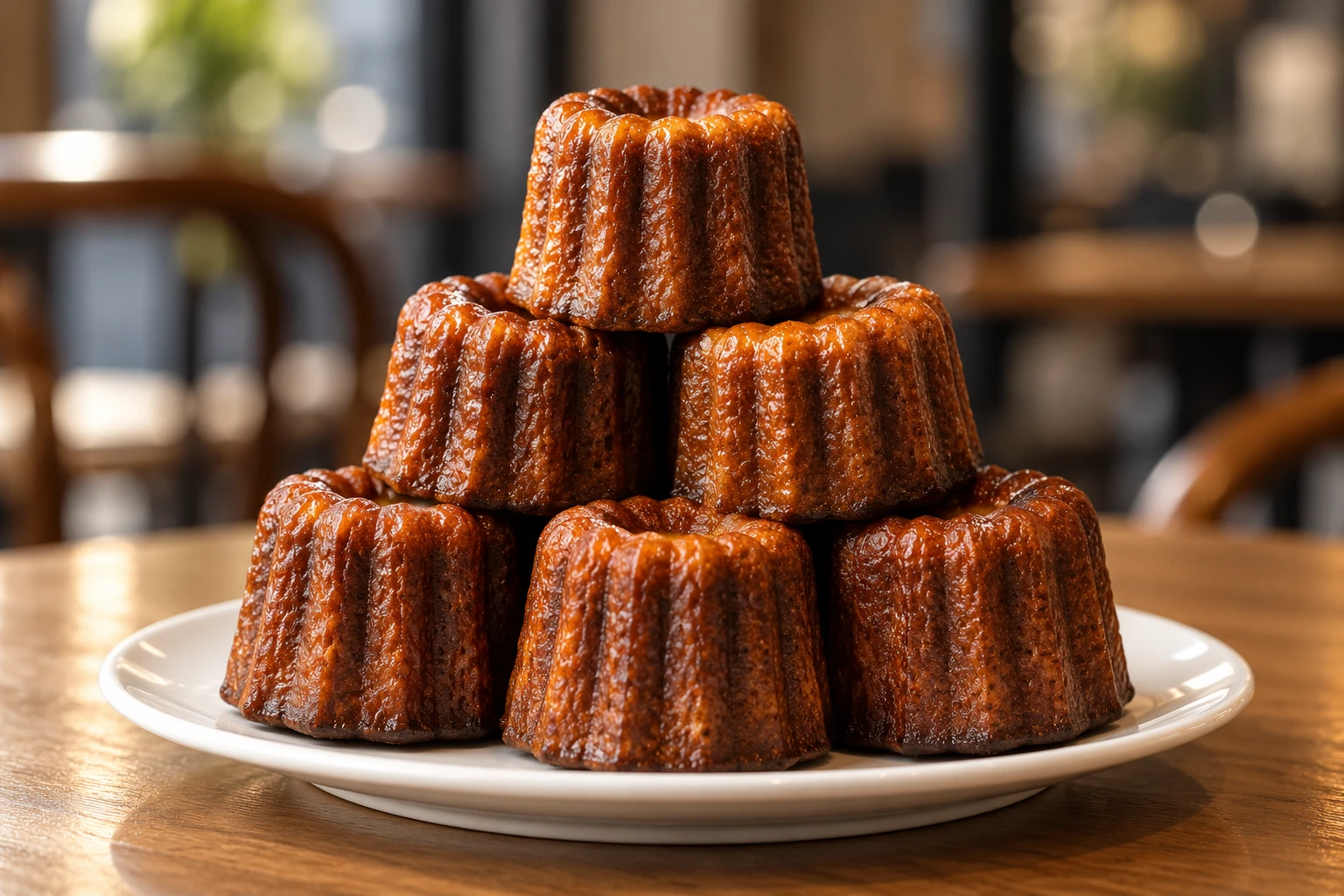
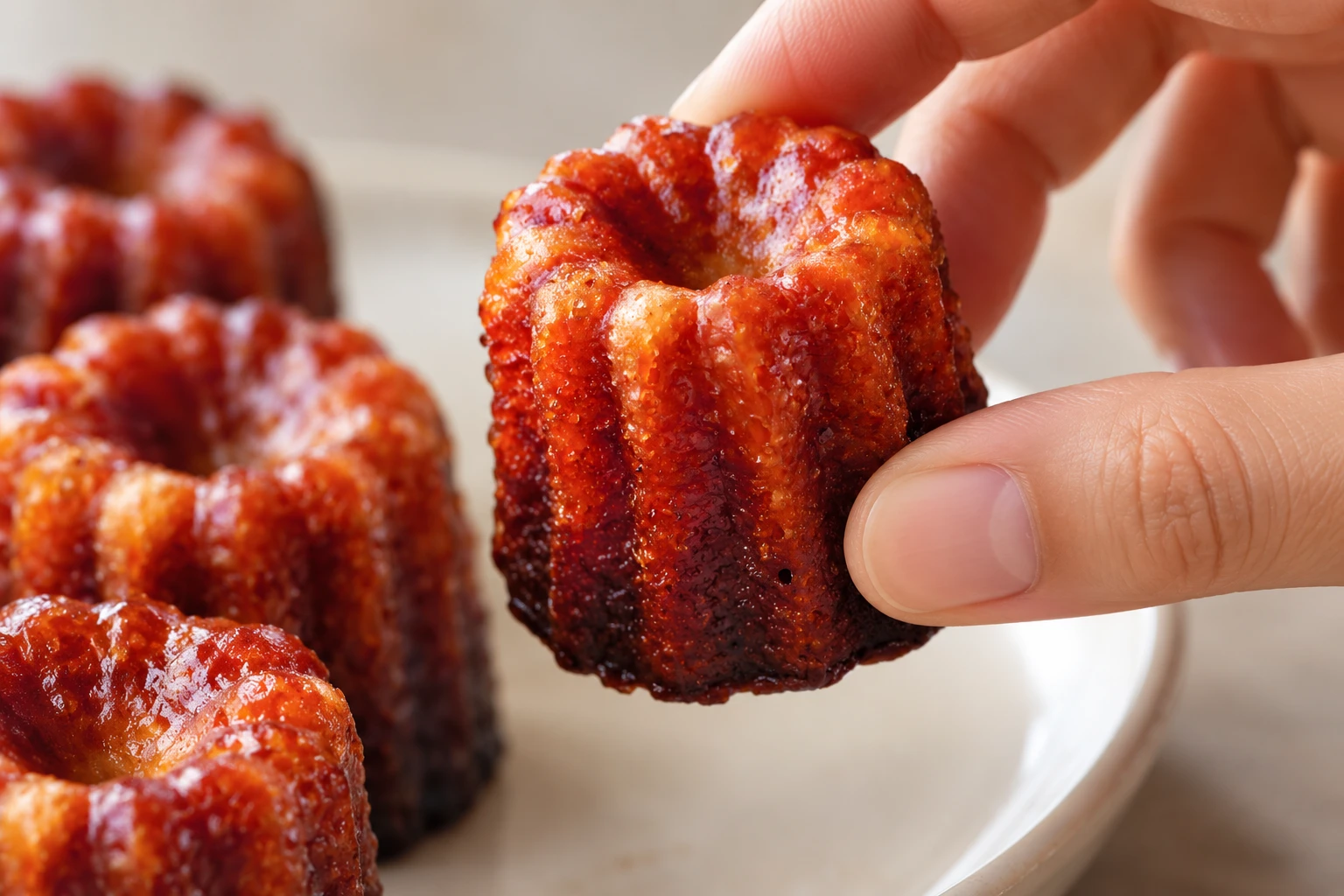
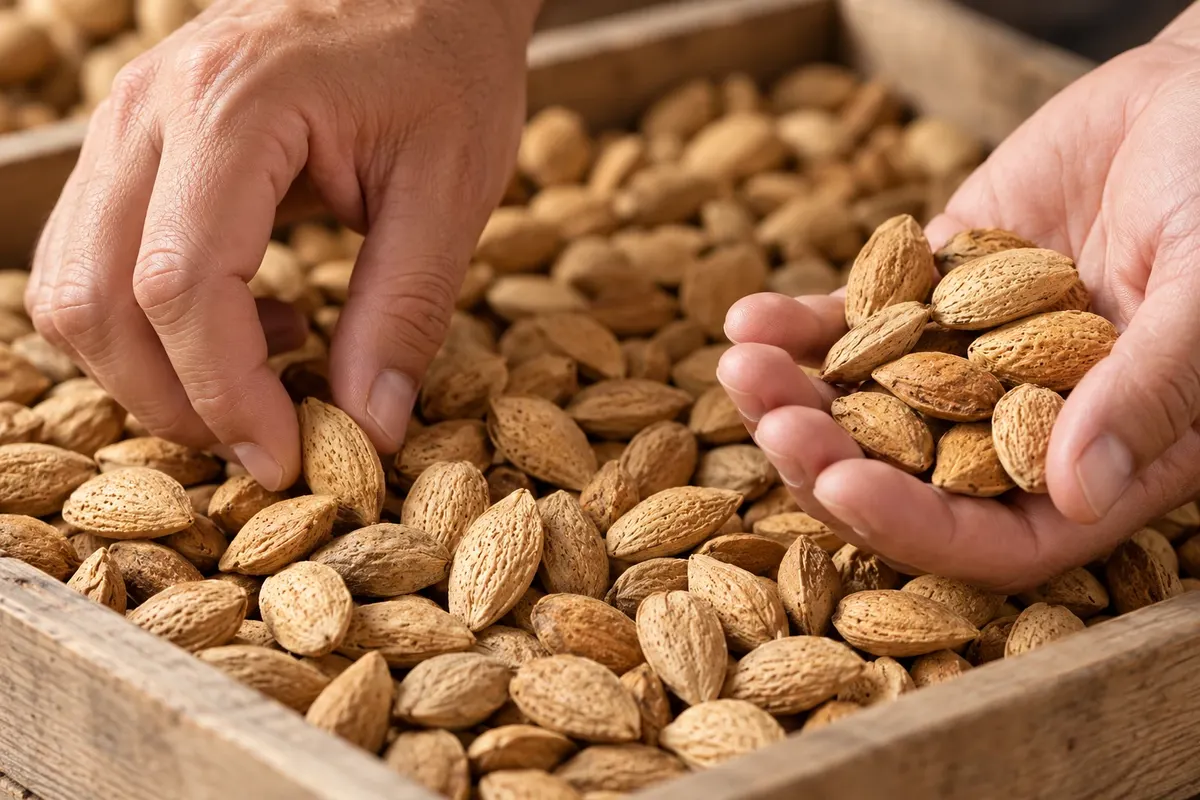
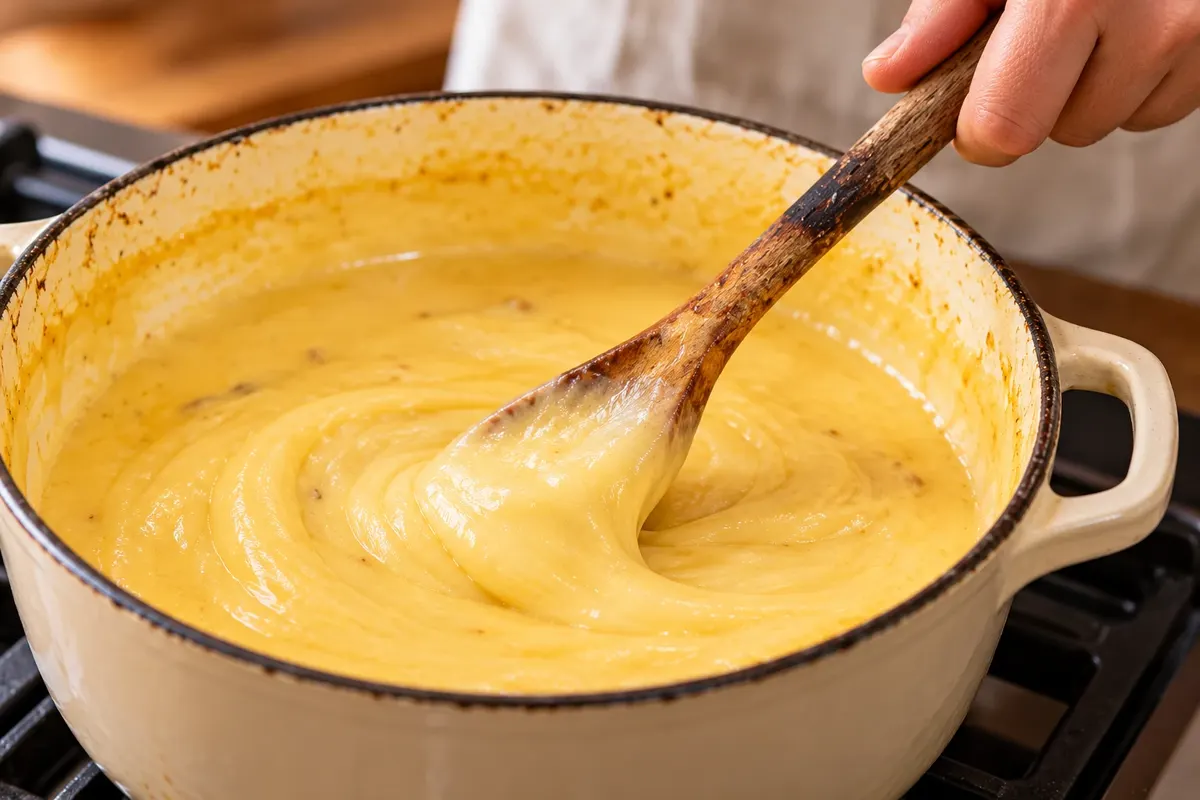
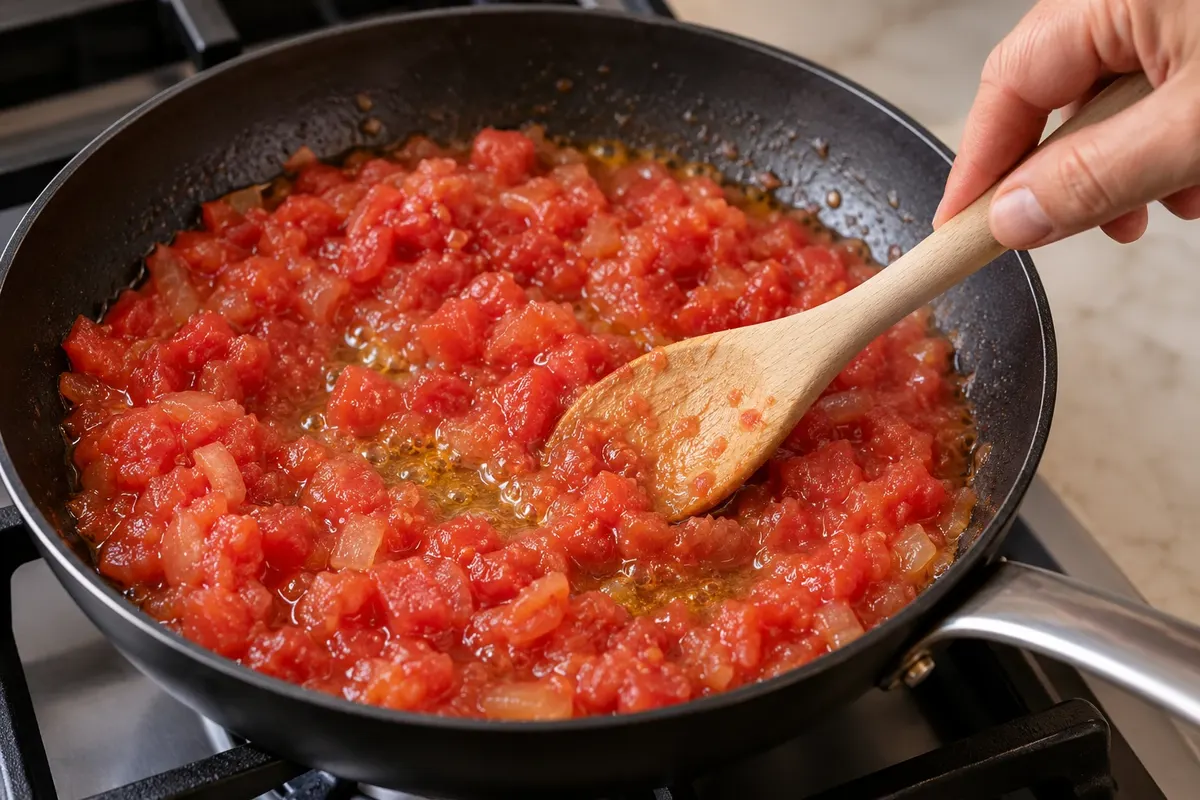
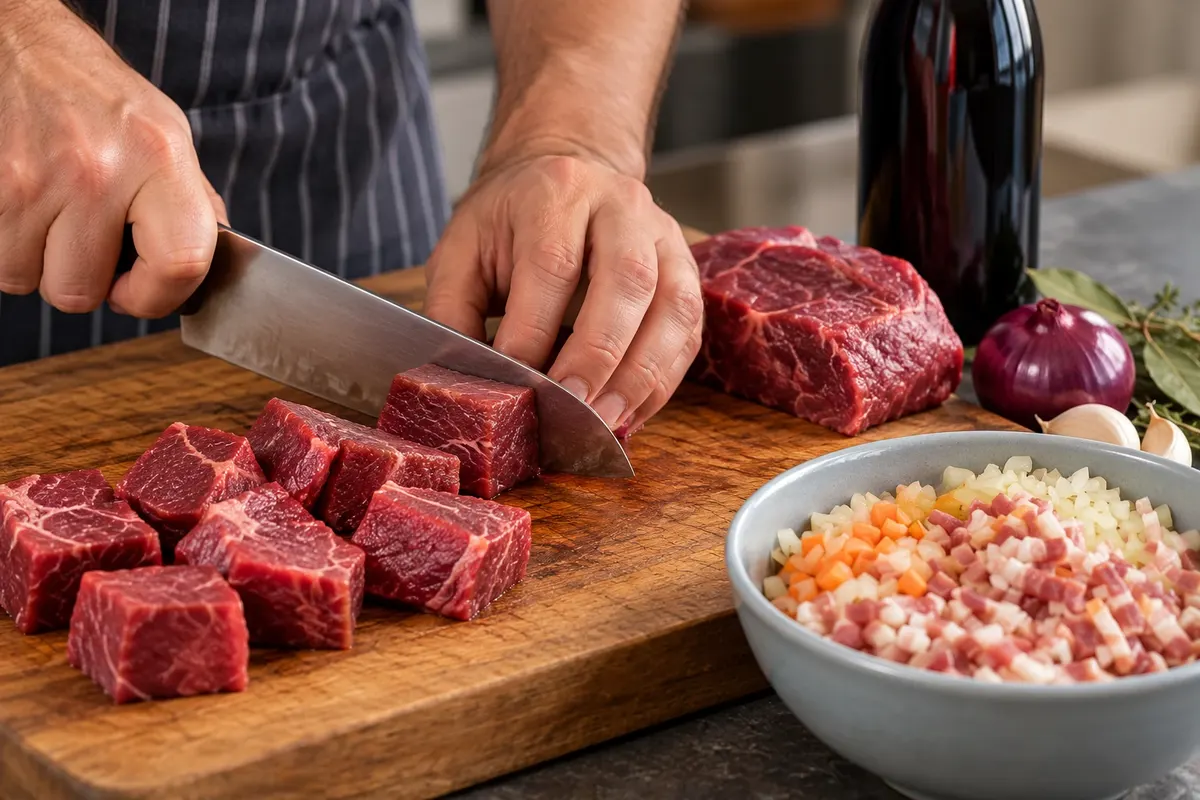
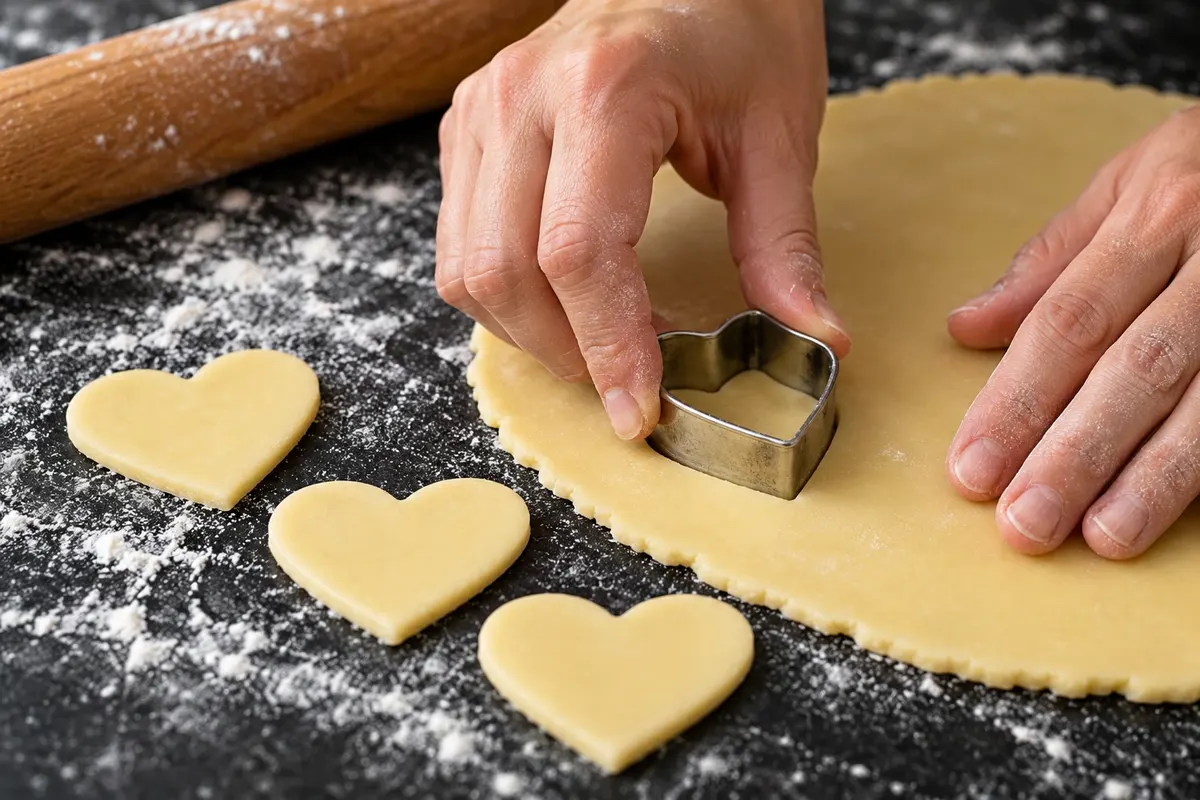
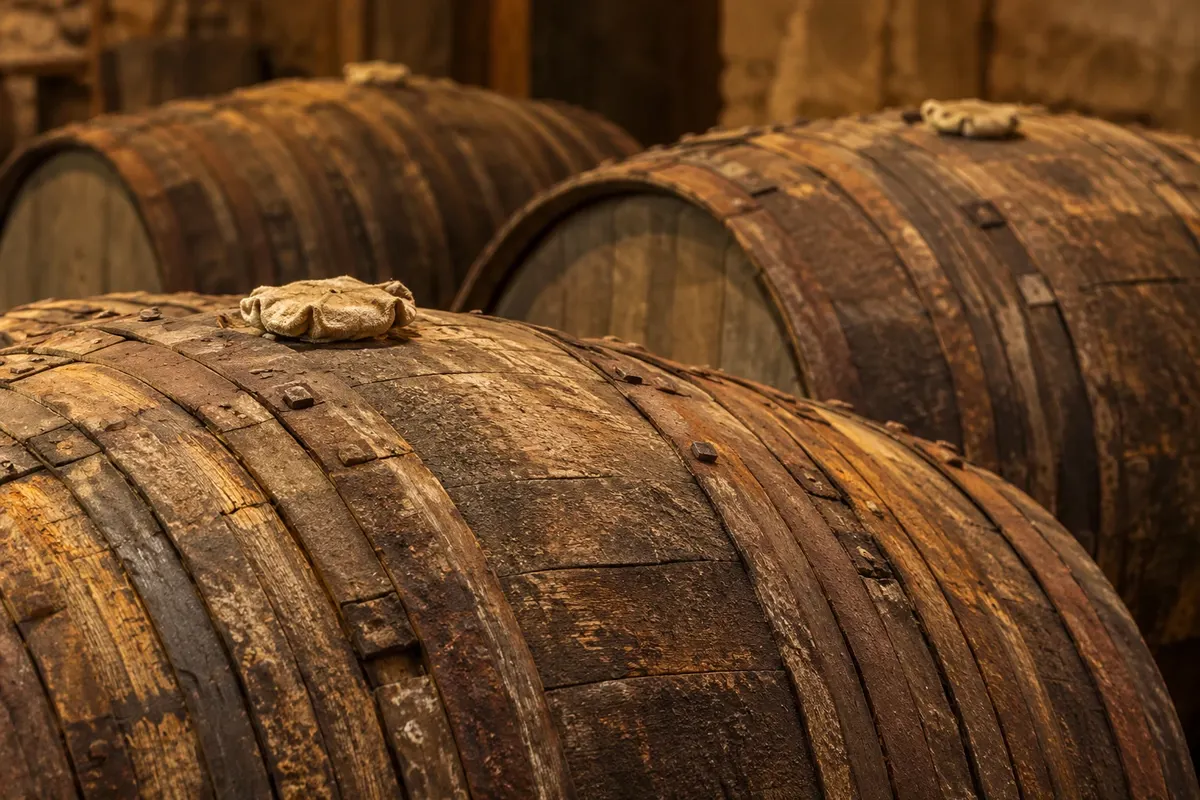
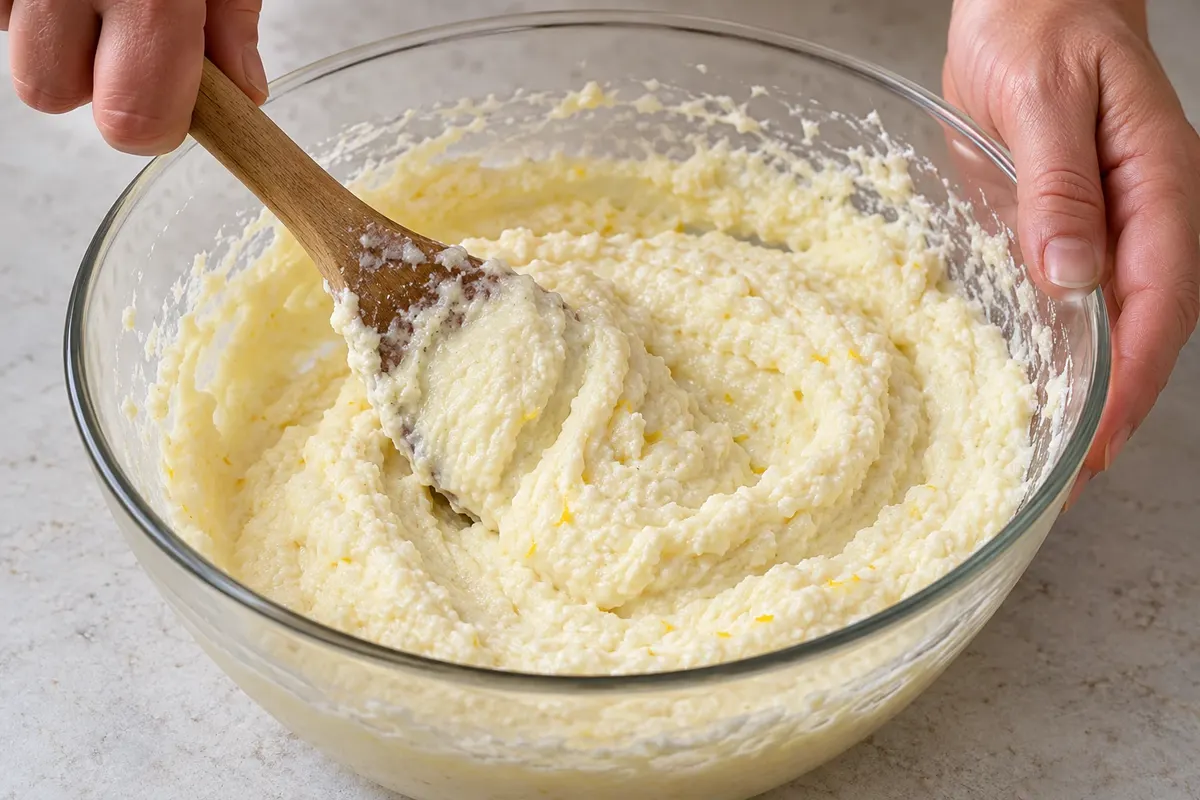
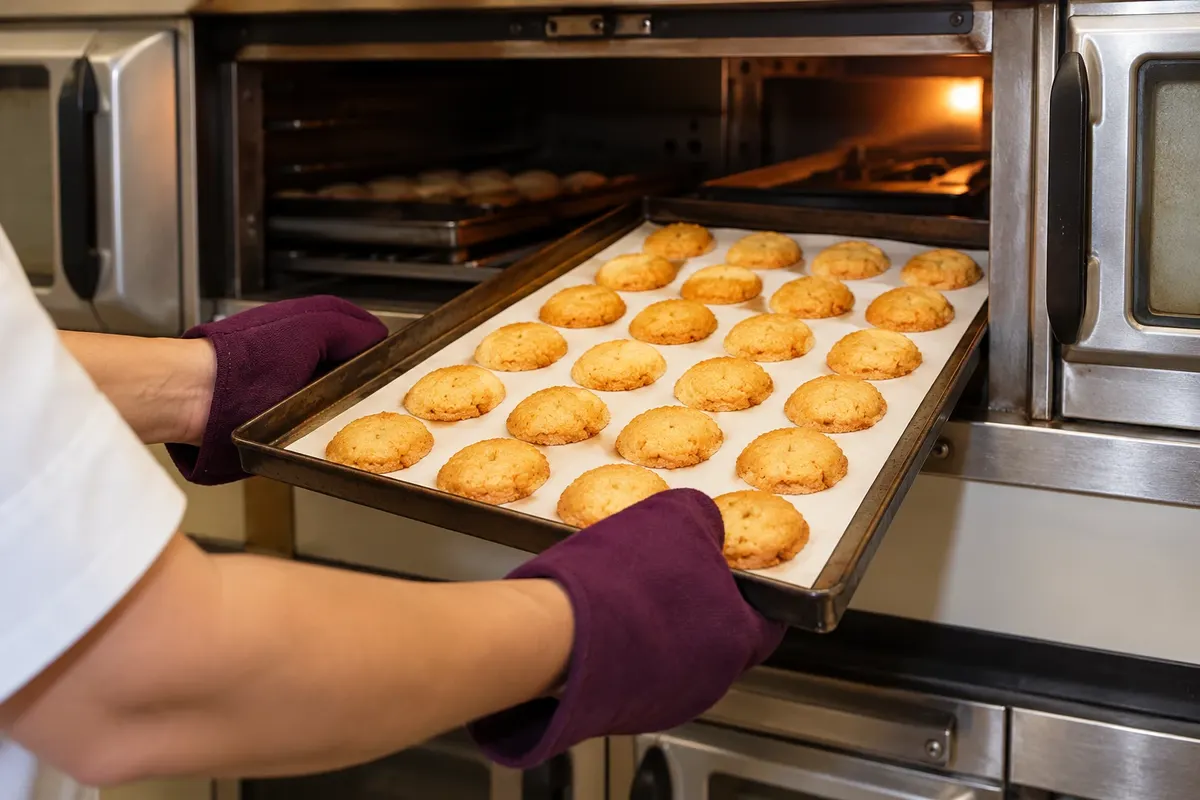
The canelé is a small, tall, fluted cake. The batter, similar to pancake batter, contains milk, eggs, flour, sugar and butter, and is flavored with rum and vanilla. It rests for one or two days before going into the oven, in individual copper molds greased with butter and, in some recipes, beeswax. The result is a dark, caramelized, crisp crust and a soft, moist interior.
The most told origin links the pastry to the nuns of the Convent of the Annonciades in Bordeaux, who are said to have made it with flour gathered at the port. There is no document that proves this story; the current form only appears in 20th-century texts. Rum and vanilla are often mentioned as markers of the port of Bordeaux’s trade with the Antilles.
In 1985, the city’s pastry chefs formed the Confrérie du canelé de Bordeaux to protect the recipe, and they began writing the name with a single n, canelé, to distinguish the Bordelais pastry. The spelling with two n’s continues to be used outside the city.
Today canelé is sold in all of Bordeaux’s patisseries, in sizes from mini to large, and accompanies breakfast, an afternoon snack or a glass of wine.


 Brazilija
 Antarktika
 Argentina
 Bolivija
 Čile
 Kolumbija
 Ekvator
 Gvajana
 Francoska Gvajana
 Falklandski otoki (Malvini)
 Paragvaj
 Peru
 Surinam
 Urugvaj
 Venezuela
 Nemčija
 Avstrija
 Belgija
 Hrvaška
 Danska
 Slovaška
 Slovenija
 Španija
 Finska
 Grčija
 Nizozemska
 Madžarska
 Irska
 Islandija
 Italija
 Luksemburg
 Norveška
 Poljska
 Portugalska
 Združeno kraljestvo
 Češka
 Švedska
 Švica
 Turčija
 Bermudi
 Kanada
 Združene države Amerike
 Grenlandija
 Mehika
 Sveta Peter in Mihael
 Dominikanska republika
 Japonska
 Južnoafriška republika
 Egipt
 Avstralija
 Fidži
 Nova Zelandija
 Papua Nova Gvineja