TGV Paris–Barcelona
By train from Paris to Barcelona, crossing southern France and the Pyrenees, with stops in Figueres and Girona: from central station to central station in about six and a half hours.
Antarktika
Routes, destinations and cities in Španija, with things to do, when to go and how to get there.
5 poti 24 destinacije 16 avtonomne skupnosti 63 mesta
V celotnem vodniku Cidade Turismo: 53 države · 78 poti · 924 destinacije · 2.210 mesta
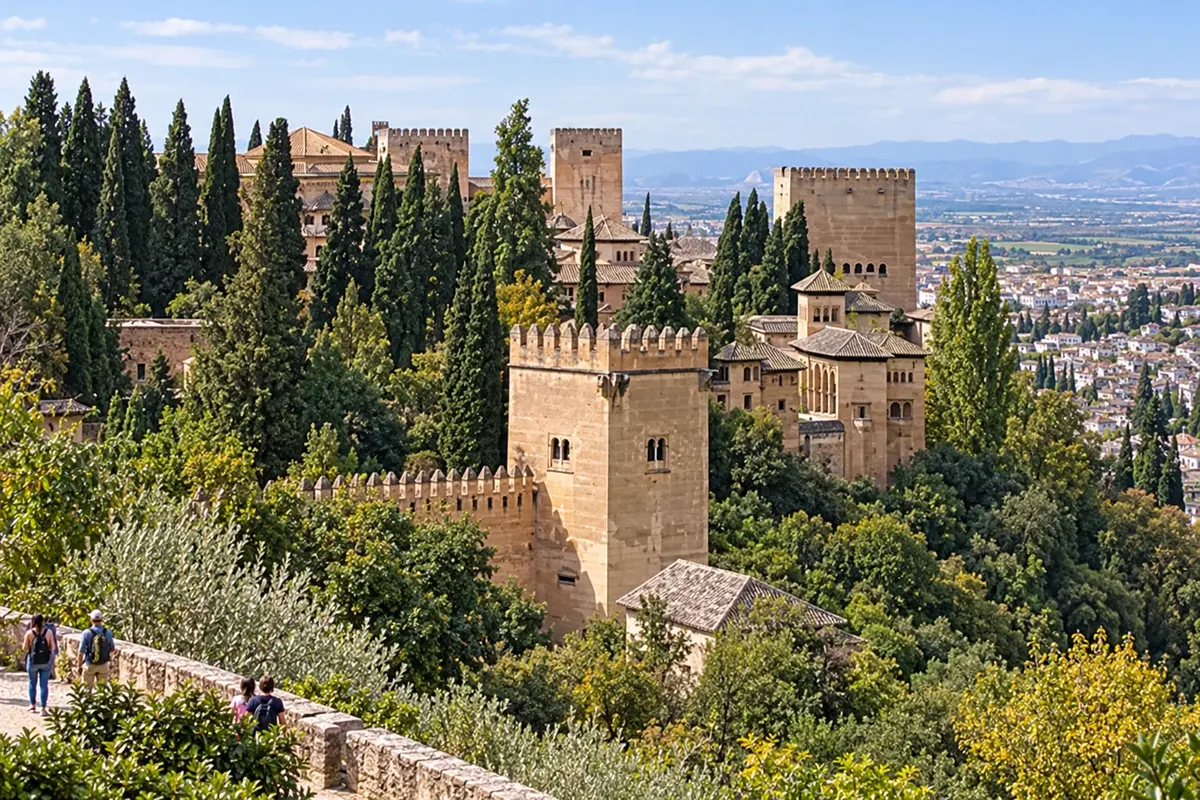
Na fotografiji: Alhambra — Granada
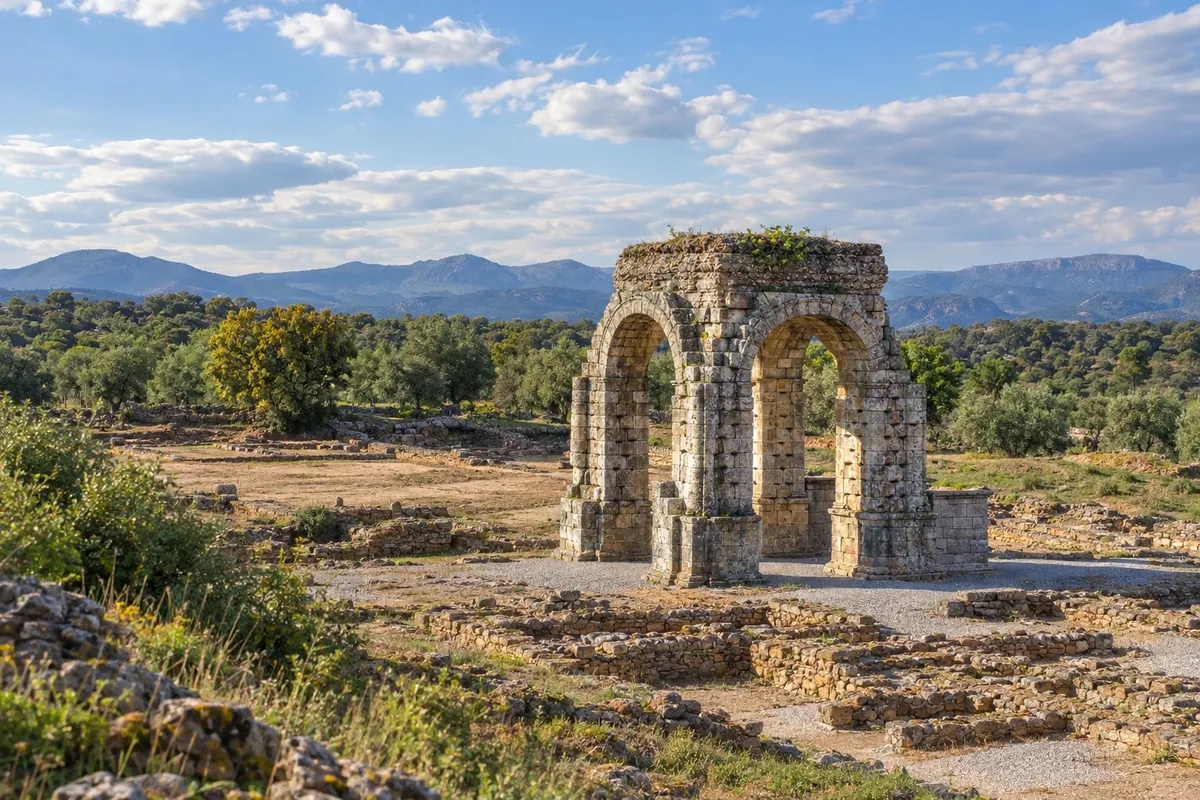
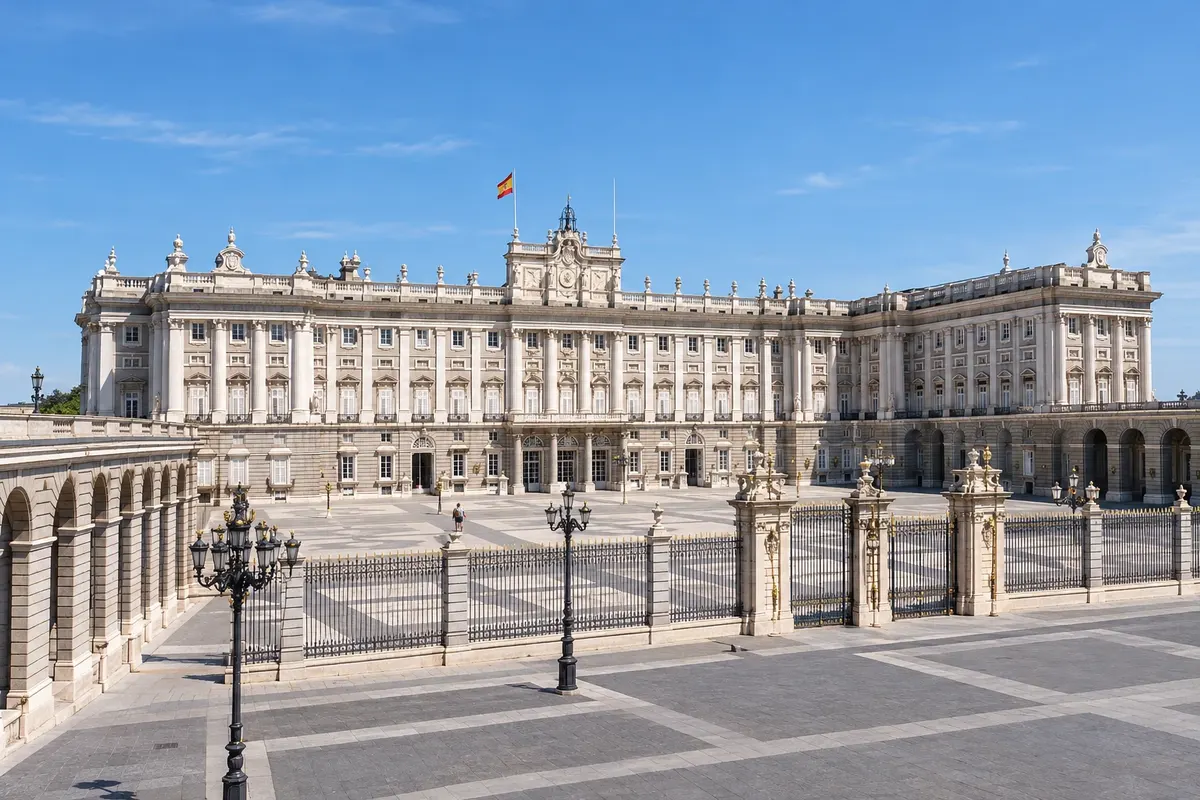
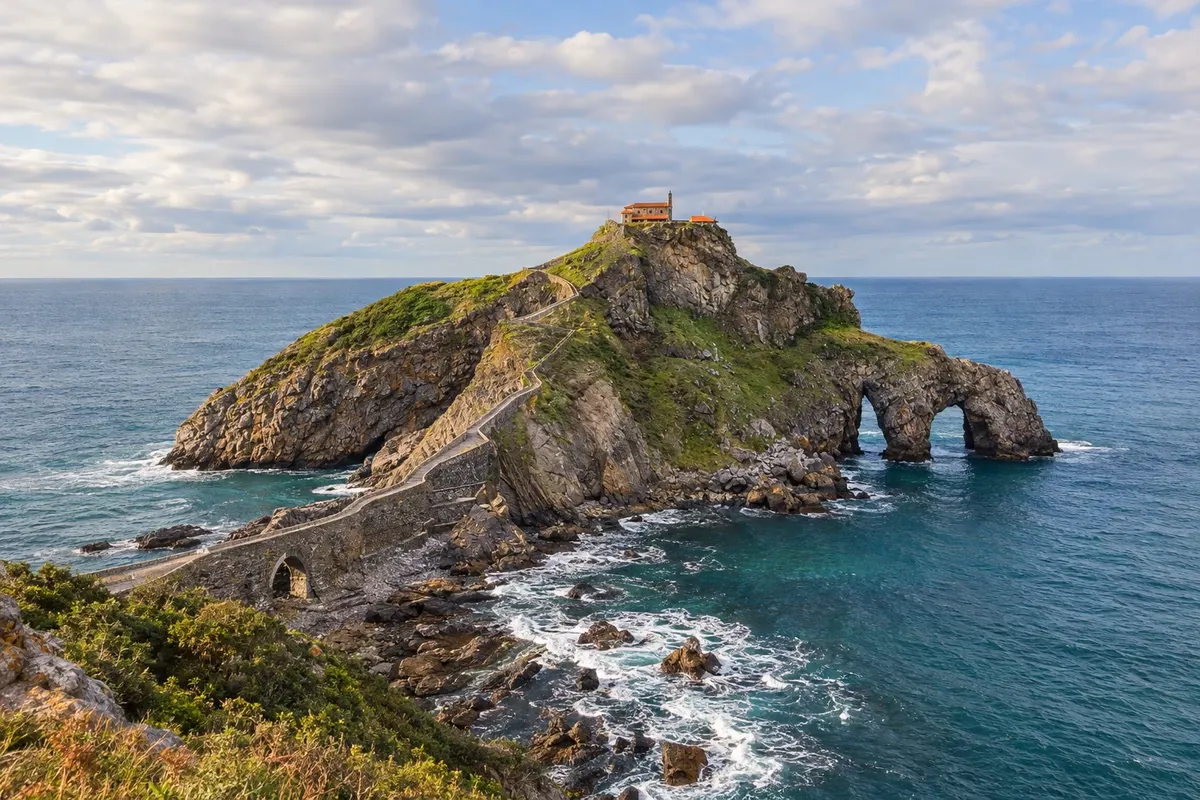
Illustrative images. The pictures in this guide are illustrations based on the real place, not photographs, and may differ from it.
Vodnik
Madrid’s museums, Gaudí’s architecture in Barcelona, Granada’s Alhambra, Seville and Andalusia, the Camino de Santiago and the Balearic and Canary Islands. High-speed trains link the major cities in a few hours, and the Spanish day usually ends late, with dinner after nine. Choose where to begin: each destination shows what to do, the best time to go and how to get there.
The guide has three ways in, so you can start wherever you like: routes, which link towns along one journey; destinations, which are the tourist regions; and the avtonomne skupnosti, with the main cities in each one.
The texts are written from official tourism sources, such as national and regional tourism offices, national parks and city halls, and new cities and routes keep being added to the guide.
Čezmejne poti
Čezmejne poti z zemljevidom, mesti v vsaki državi, predlaganimi itinerarji in razlikami, ki jih boste opazili ob prehodu meje.
By train from Paris to Barcelona, crossing southern France and the Pyrenees, with stops in Figueres and Girona: from central station to central station in about six and a half hours.
On foot from Portugal to Santiago de Compostela: the pilgrimage route that starts in Lisbon or Porto, follows yellow arrows and ends at Obradoiro Square.
By car between the two capitals of the peninsula: the Alentejo around Évora, Roman Mérida and medieval Cáceres on the route from Lisbon to Madrid.
From Porto to Galicia by train: the Celta crosses the Minho to Vigo, and a regional train takes you to Santiago de Compostela in about an hour.
The most travelled pilgrimage route to Santiago de Compostela: from the French Pyrenees to Galicia, on foot, via Pamplona, Burgos and León, following the yellow arrows.
The Camino de Santiago along the Atlantic: from Porto to Galicia via the coast, through Vila do Conde, Viana do Castelo, A Guarda, Baiona and Vigo, ending at Santiago Cathedral.
Število poti: 5 + čezmejne poti
Tourist journeys linking cities and destinations. Each route has a map, legs, how many days and the best time to go.
Prikaži potiŠtevilo destinacij: 24
The tourist regions in Španija, each with its towns: things to do, when to go and how to get there.
Prikaži destinacije63 cities in 16 avtonomne skupnosti
The guide by avtonomna skupnost: each one with its destinations, cities and routes, and each city with its attractions.
See avtonomne skupnosti and citiesŠtevilo lokalnih okusov: 34
Dishes, sweets and drinks that were born in cities and communities of Spain: mountain stews, garden rice dishes, coastal fish and sweets from convents and pastry shops.
Odkrijte lokalne okuseŠtevilo praznovanj in dogodkov: 19
Carnivals in February, Fallas in March, Holy Week processions and spring fairs, street festivals in summer: Spain’s festival year runs through big and small towns, each with its own calendar.
Prikaži koledarZemljevid
Za prikaz imen se dotaknite regije. Z dvema prstoma povečajte zemljevid.
Obrisi: IGN/CNIG, unidades administrativas, CC BY 4.0. Priredba: Cidade Turismo.
Za začetek
Šest mest iz vodnika, vsak dan nov izbor.

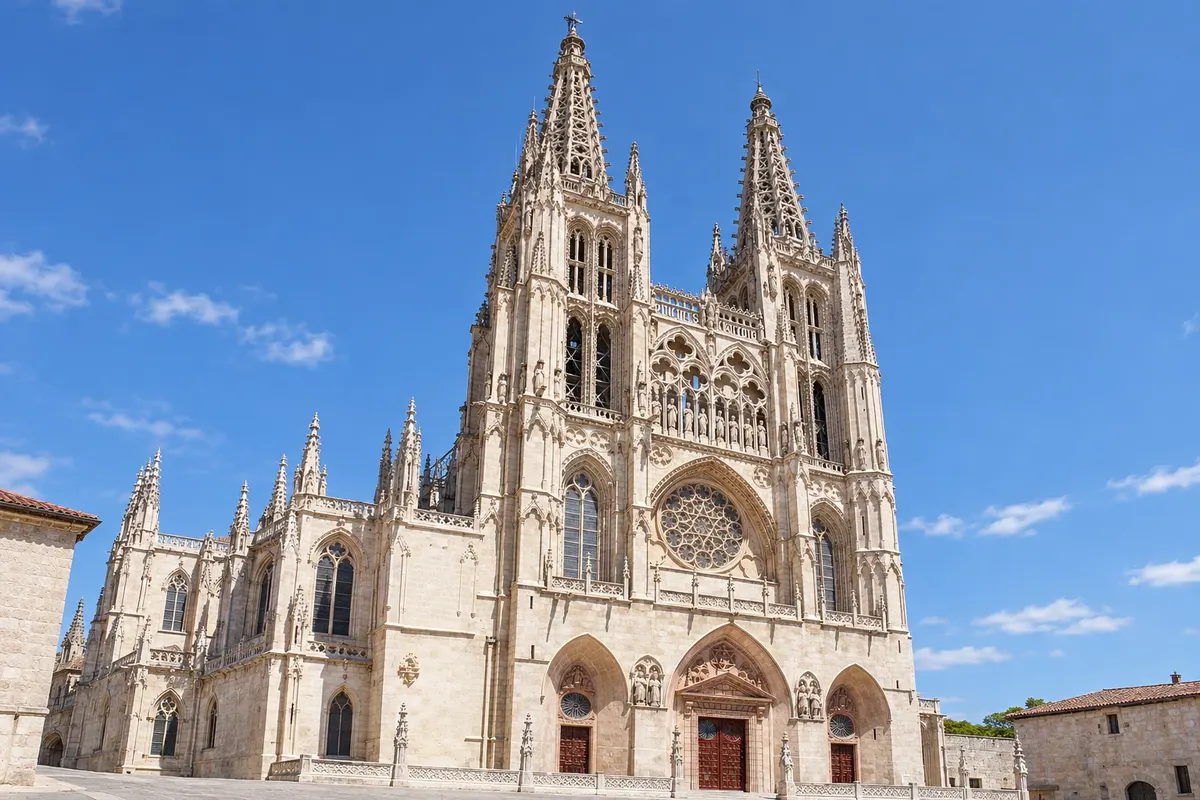
Burgos is a city in Castilla y León on the banks of the rio Arlanzón, the former capital of Castilla and the land of El Cid. The Gothic cathedral, a World Heritage Site, features lace-like spires, the capela do Condestável and El Cid's tomb. Pilgrims enter the centre through the Arco de Santa María. The city also has the royal monastery of Las Huelgas, the cartuxa de Miraflores, the Casa del Cordón and the castle on the hill. The Museu da Evolução Humana displays the Atapuerca fossils, a prehistoric World Heritage site about 15 km away. Spanish is spoken.

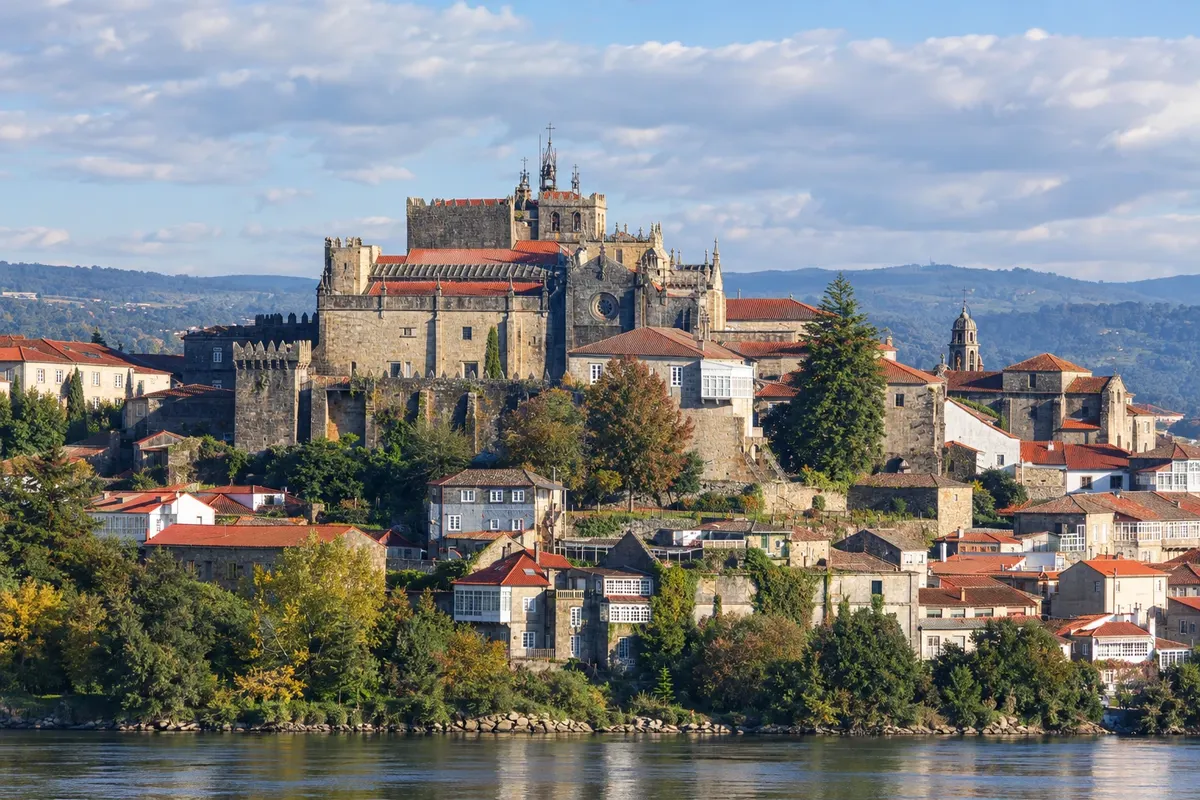
Galician city on the Spanish bank of the river Minho, facing Valença in Portugal. The old stone center rises up to the Catedral de Santa María, a 12th–13th-century church-fortress with a Gothic cloister. It has convents, Baroque chapels and, to the north, the Parque Natural do Monte Aloia. It is one of the most sought-after starting points of the Caminho Português de Santiago, about 118 km from Santiago Cathedral.

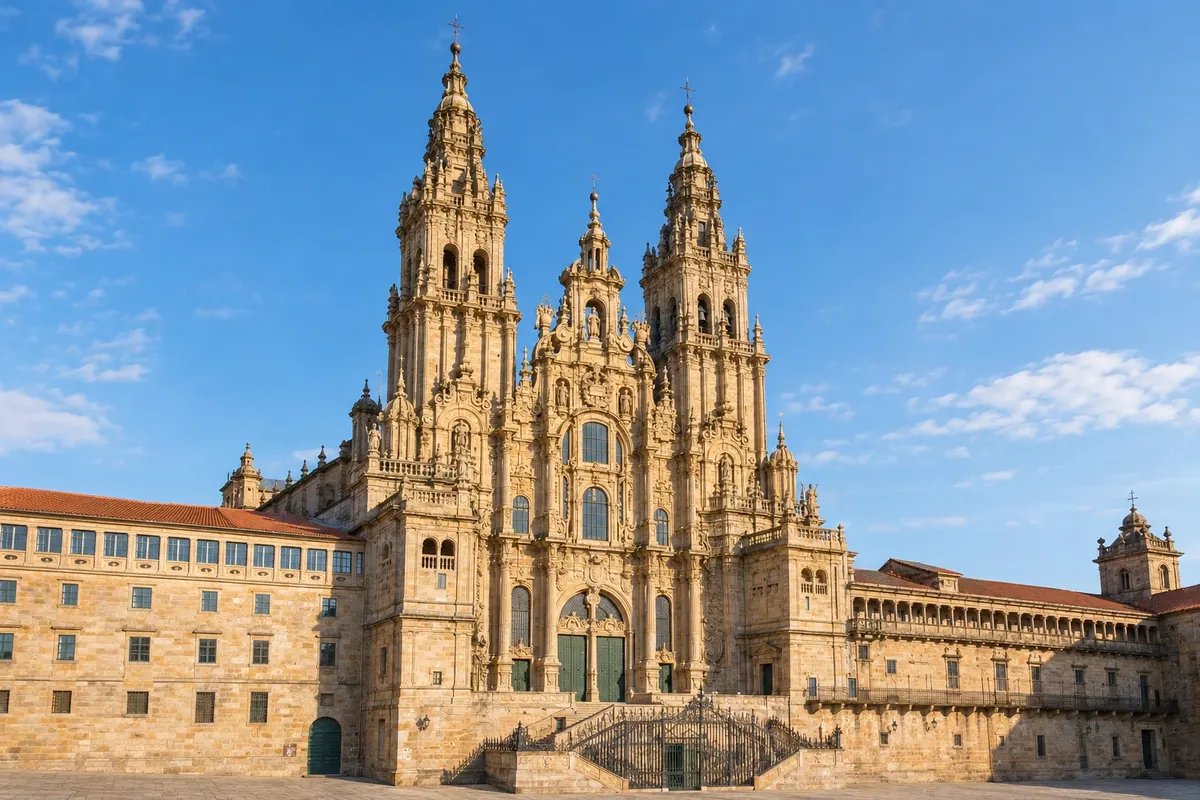
Santiago de Compostela is the capital of Galícia and the endpoint of the Camino de Santiago. The cathedral, with the tomb attributed to the apostle James, the Pórtico da Glória and the Botafumeiro, dominates the Praza do Obradoiro. The granite historic center, with arcades, monasteries and the Mercado de Abastos, is a UNESCO World Heritage Site. Galician, a sibling of Portuguese, is heard everywhere.

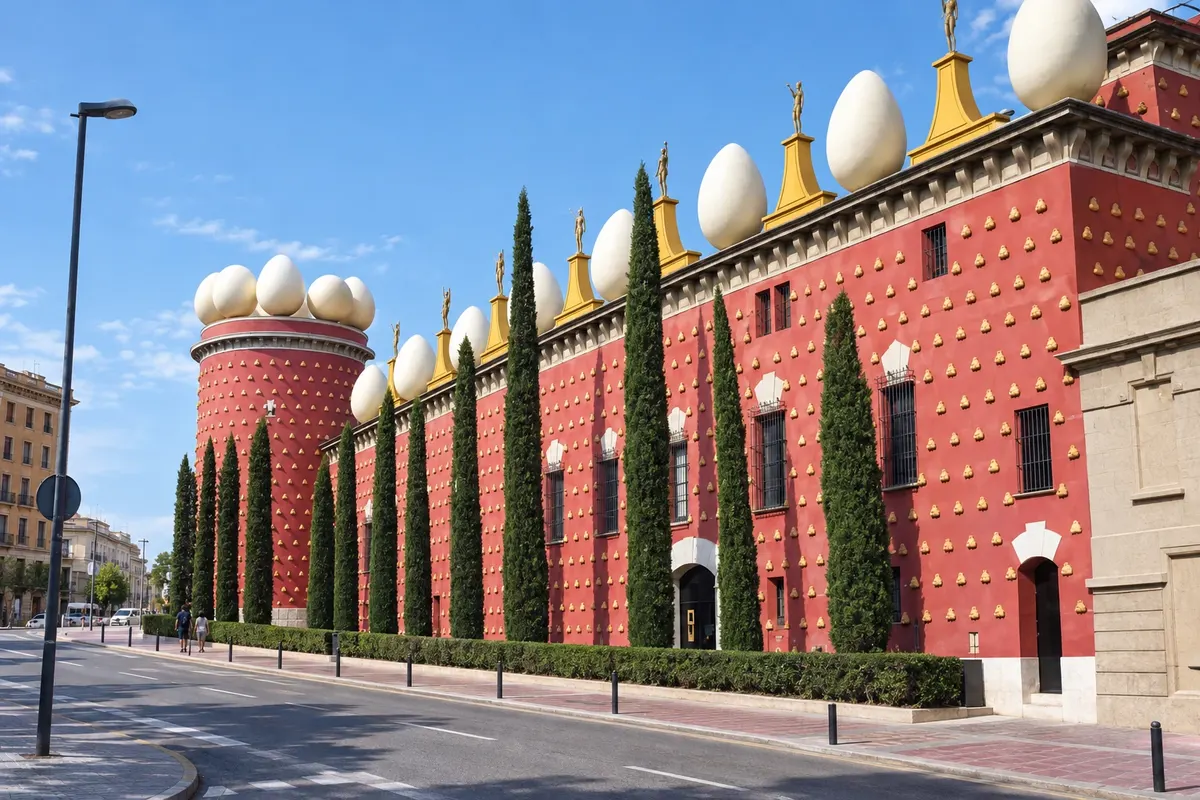
Capital of the Alt Empordà comarca, Figueres lies on a plain 40 km from Girona. It is the birthplace of Salvador Dalí, who transformed the old municipal theatre into the Teatre-Museu Dalí, where he is buried. On top of a hill stands the Castell de Sant Ferran, an 18th-century fortress. From here you go to Dalí’s house in Portlligat and Gala’s castle at Púbol. Catalan and Spanish are spoken.

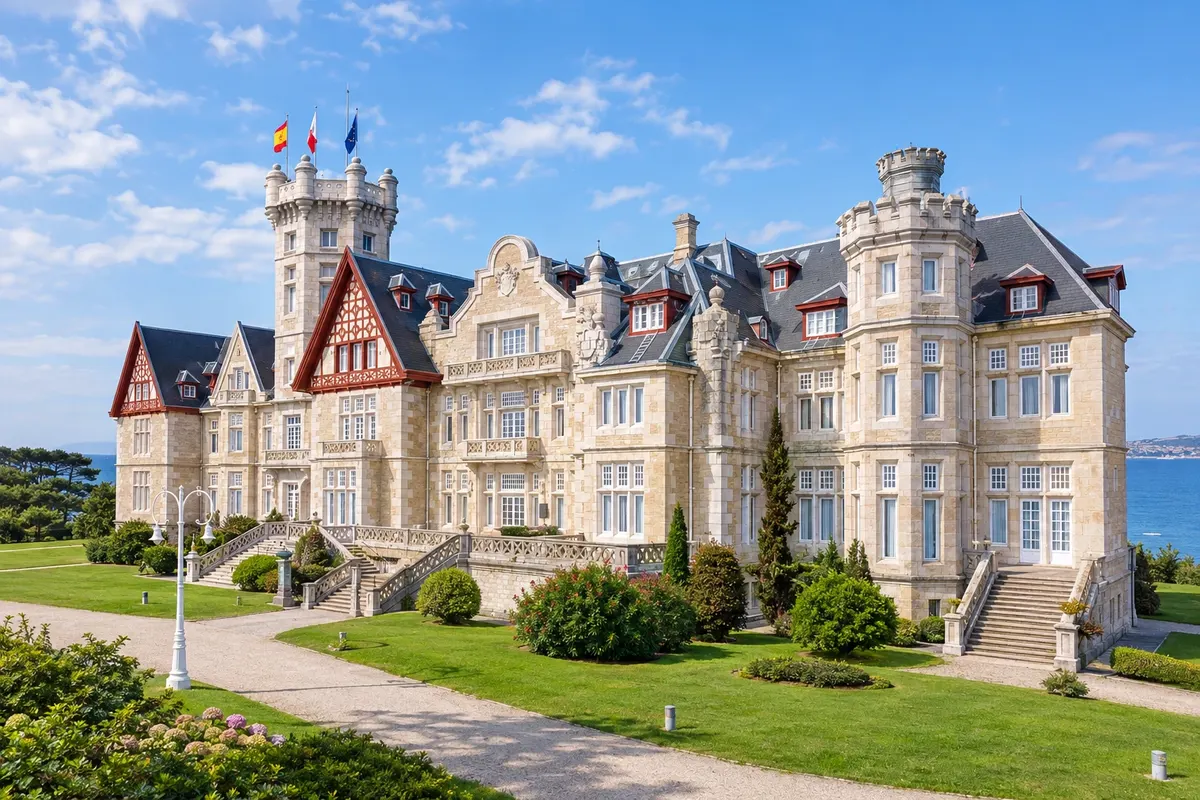
Santander is the capital of Cantábria, on a bay of the Cantabrian Sea in northern Spain. The península da Madalena has the palácio built to be the royal summer residence, and next to it are the beaches do Sardinero, which made the city a seaside resort in the early 20th century. In the center are the Gothic cathedral, the mercado de ferro da Esperança and the Centro Botín, by Renzo Piano, over the bay next to the Paseo de Pereda. The Cabo Mayor lighthouse marks the entrance to the port. About 30 km away is the Museu de Altamira, with a replica of the cave of prehistoric paintings, and 17 km away is the Cabárceno park.

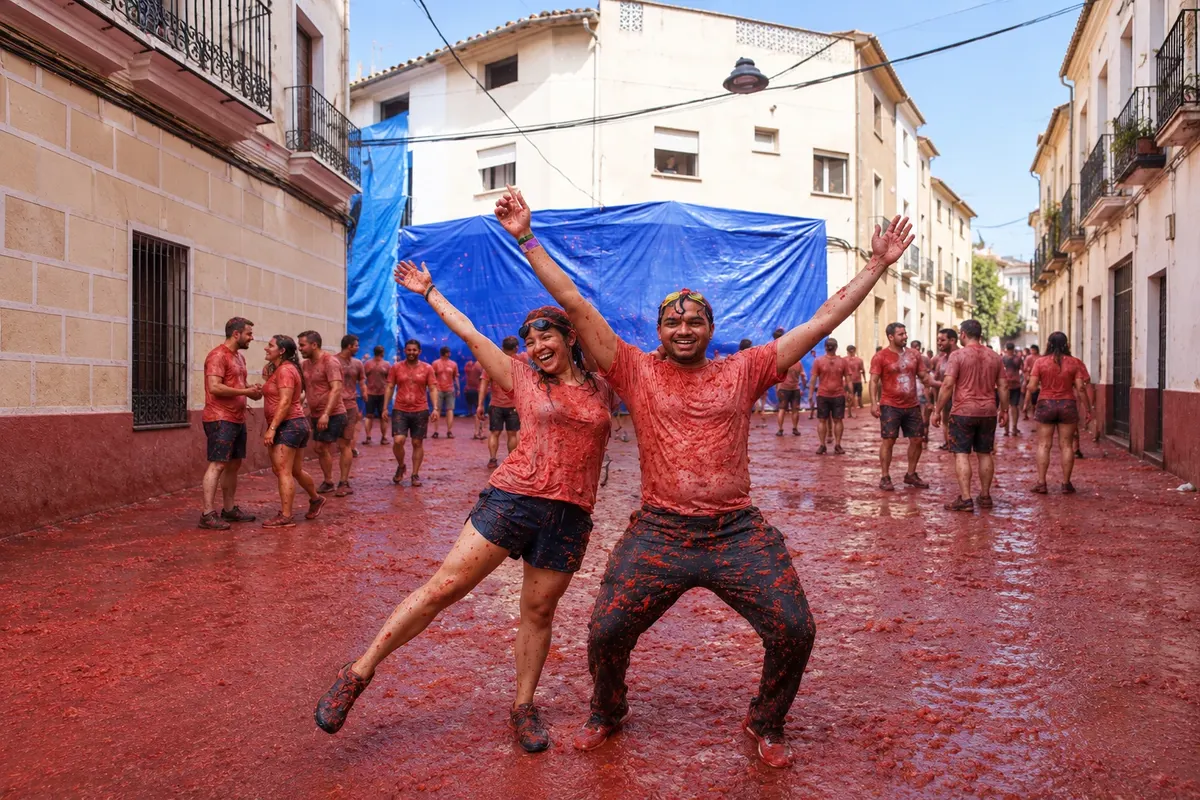
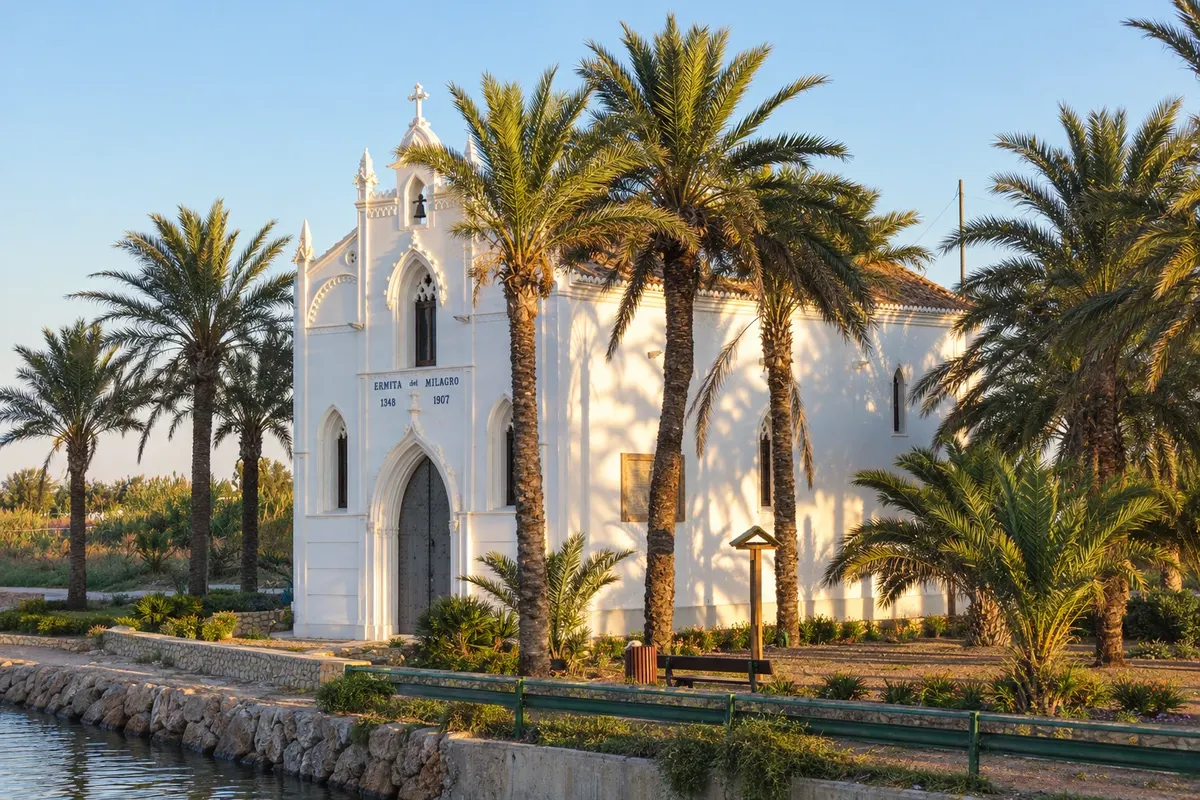
Municipality in the Horta Nord adjoining Valencia, set between chufa fields and the sea. It is known as the birthplace of chufa horchata (orxata) and hosts the council of the Denomination of Origin Chufa de Valencia. It has the Patacona beach, continuous with La Malvarrosa, and, at the mouth of the Carraixet ravine, the Ermita dels Peixets, which commemorates a 1348 miracle told by tradition.
Za popotnike
Aplikacija
Shranite destinacije, ki jih želite obiskati, pošljite fotografije s potovanj in spremljajte novosti v vodniku.
Cidade Turismo po svetu
Poti, destinacije in mesta posameznih držav s predlogi, kaj početi, kdaj se odpraviti in kako do tja.
Španija V vodniku
Več kot vodnik
Pogosta vprašanja
A travel guide to Španija organized into routes, destinations, avtonomne skupnosti and cities. Each city has things to do, attractions, when to go and how to get there. It is part of Cidade Turismo, a guide in Portuguese, Spanish and English with countries on every continent, Flavors, Festivals and events and the knowledge pages.
A route is a journey linking several towns. A destination is a tourist region with its towns. A city is the place itself, with its attractions.
Aplikacija
Type the name in the search box: it can be a route, destination, avtonomna skupnost, city or attraction. Or start from Routes, Destinations or Avtonomne skupnosti in mesta in the menu.
Da. Na spletnem mestu cidadeturismo.com so prevedene destinacije že predstavljene v španščini in angleščini. Druge dodajamo postopoma.
Da, za Android jo najdete v trgovini Google Play. V njej lahko shranite destinacije, ki jih želite obiskati, in prejemate obvestila o novostih.