Costa del Sol and Ronda

Andalusia · Španija

Costa del Sol and Ronda

The coast of Málaga and Marbella, with beaches and mild winters, and Ronda, an inland town built on the edge of the Tajo gorge.

South

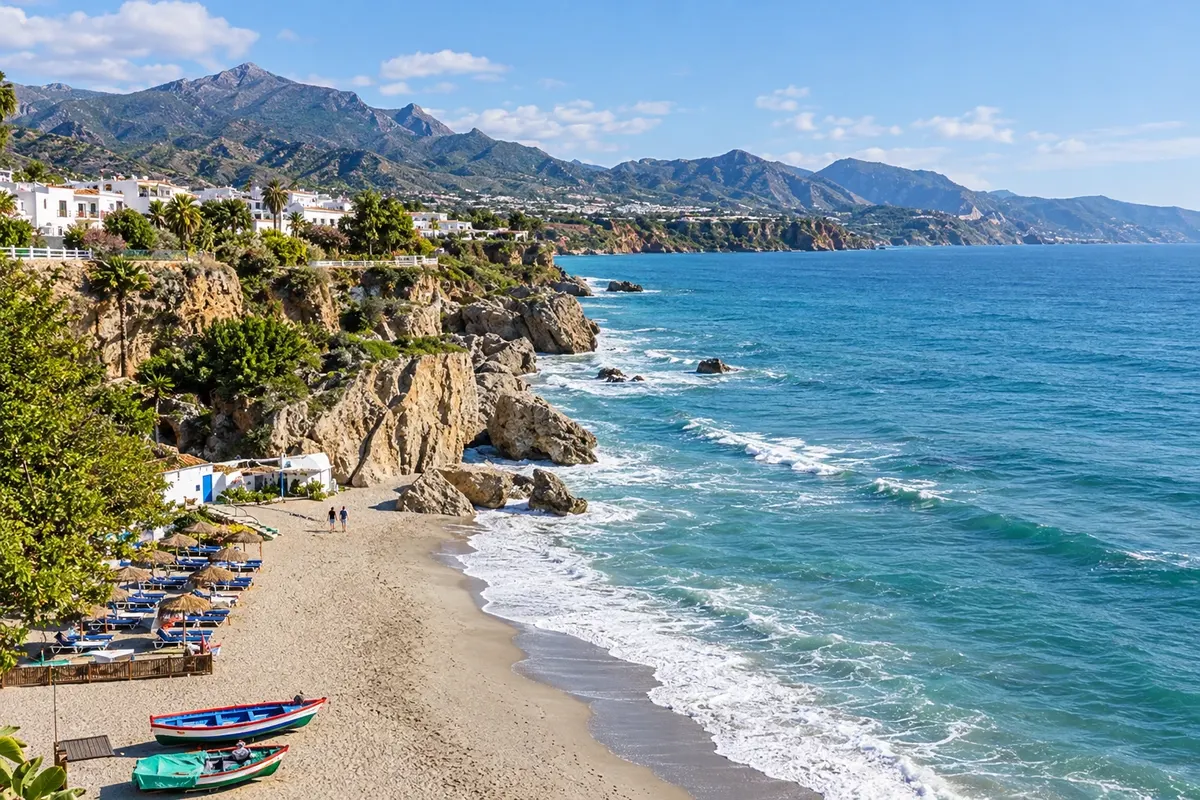
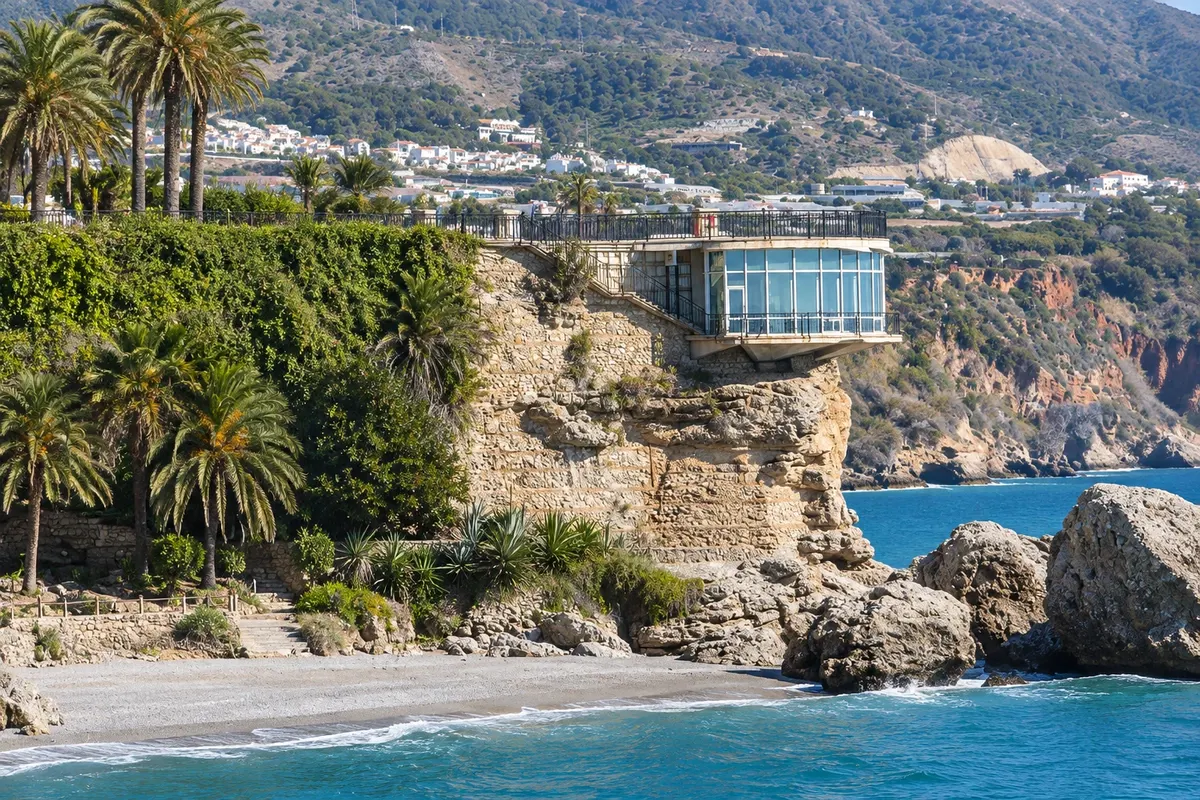
Na fotografiji: Praia de Calahonda in Nerja

Illustrative images. The pictures in this guide are illustrations based on the real place, not photographs, and may differ from it.

Na voljo v trgovini Google Play Pošljite svoje fotografije

Spoznajte kraj

Pokrajina, ki jo doživite
v svojem ritmu.

The Costa do Sol is the coastline of the province of Málaga, in Andalusia, facing the Mediterranean. The gateway is Málaga itself, Picasso's birthplace, with the Alcazaba, the Castillo de Gibralfaro, the Cathedral and museums such as the Museo Picasso Málaga and the Centre Pompidou Málaga. The city's airport is the busiest in Andalusia.

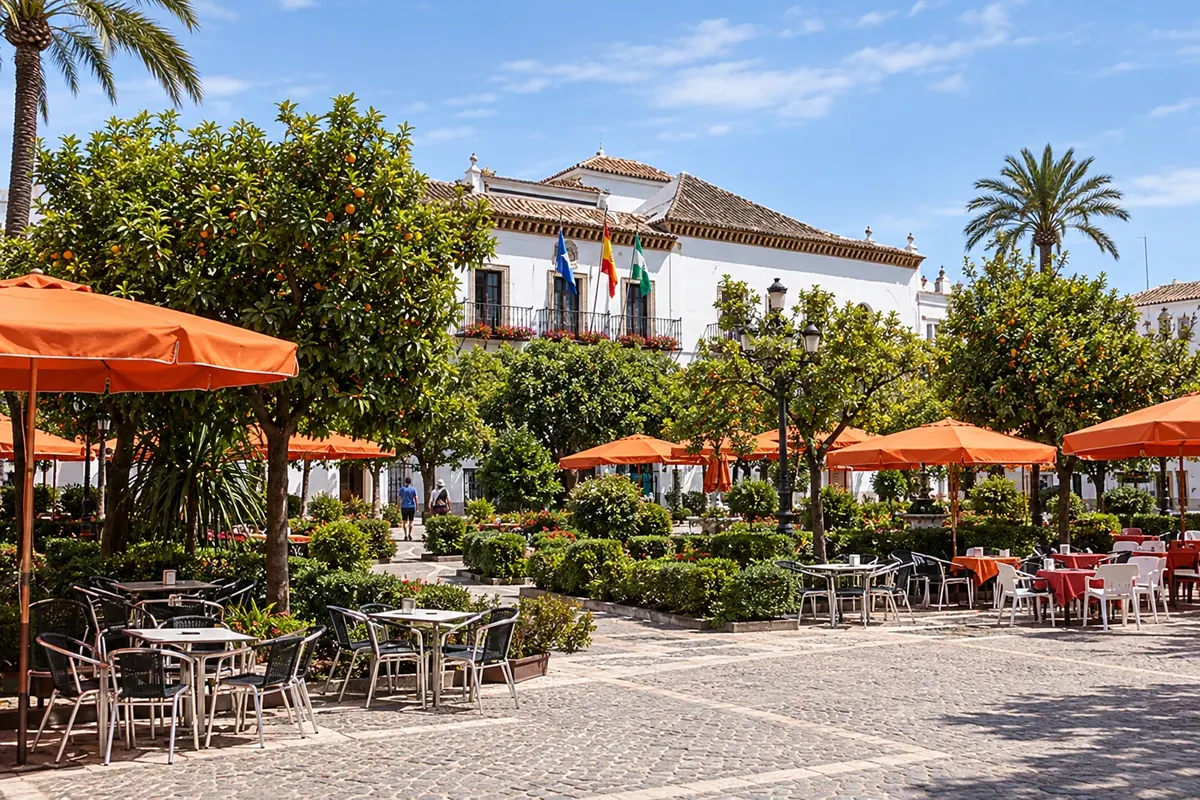
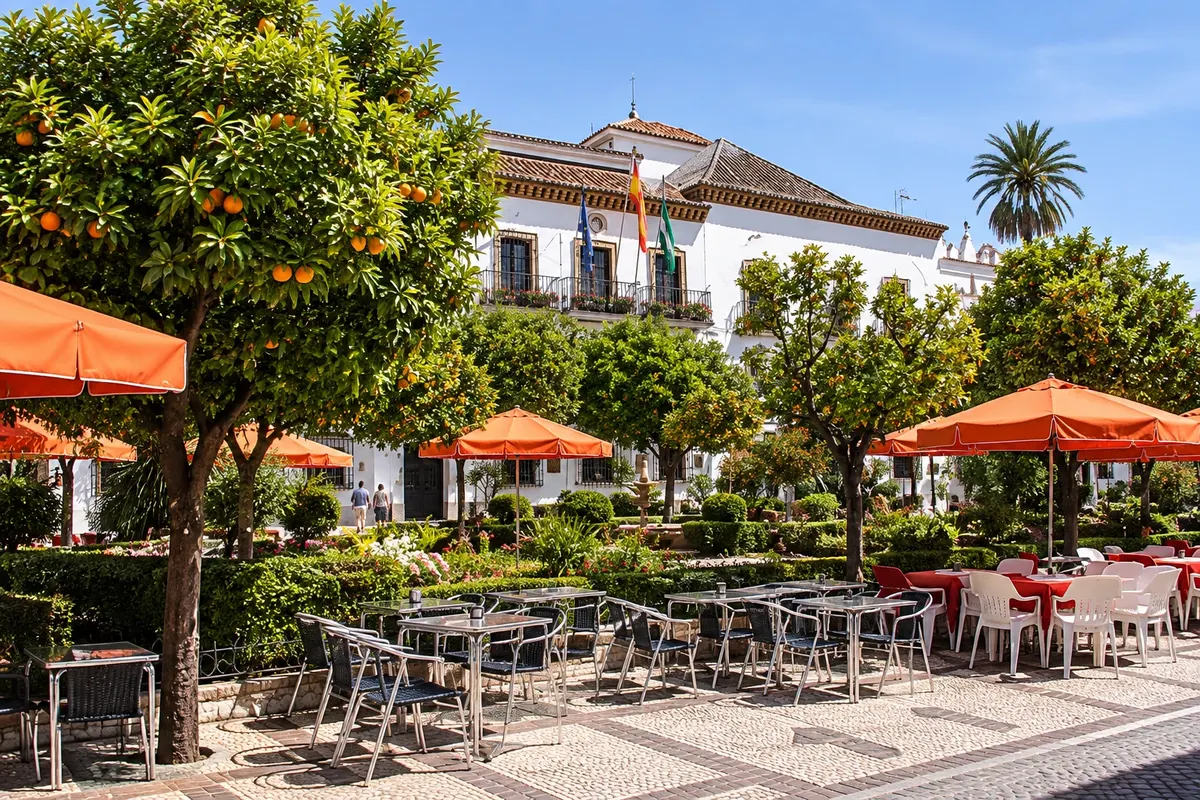
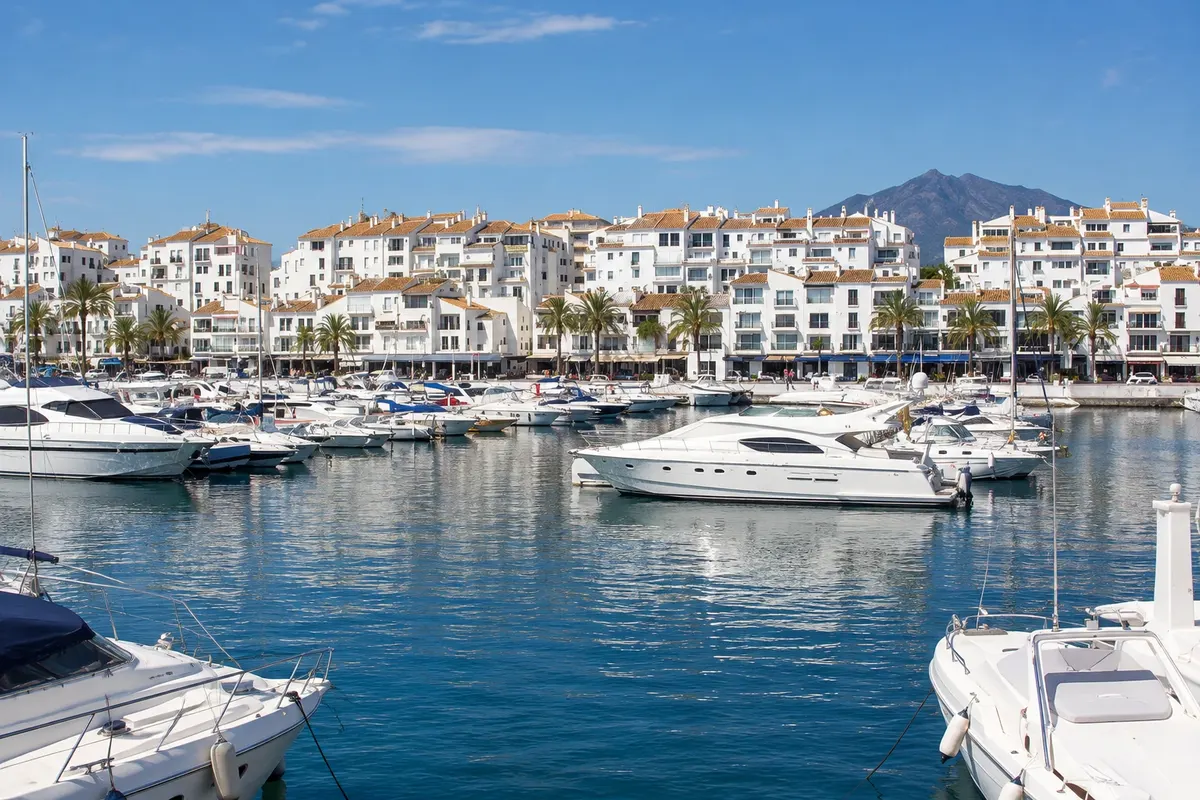
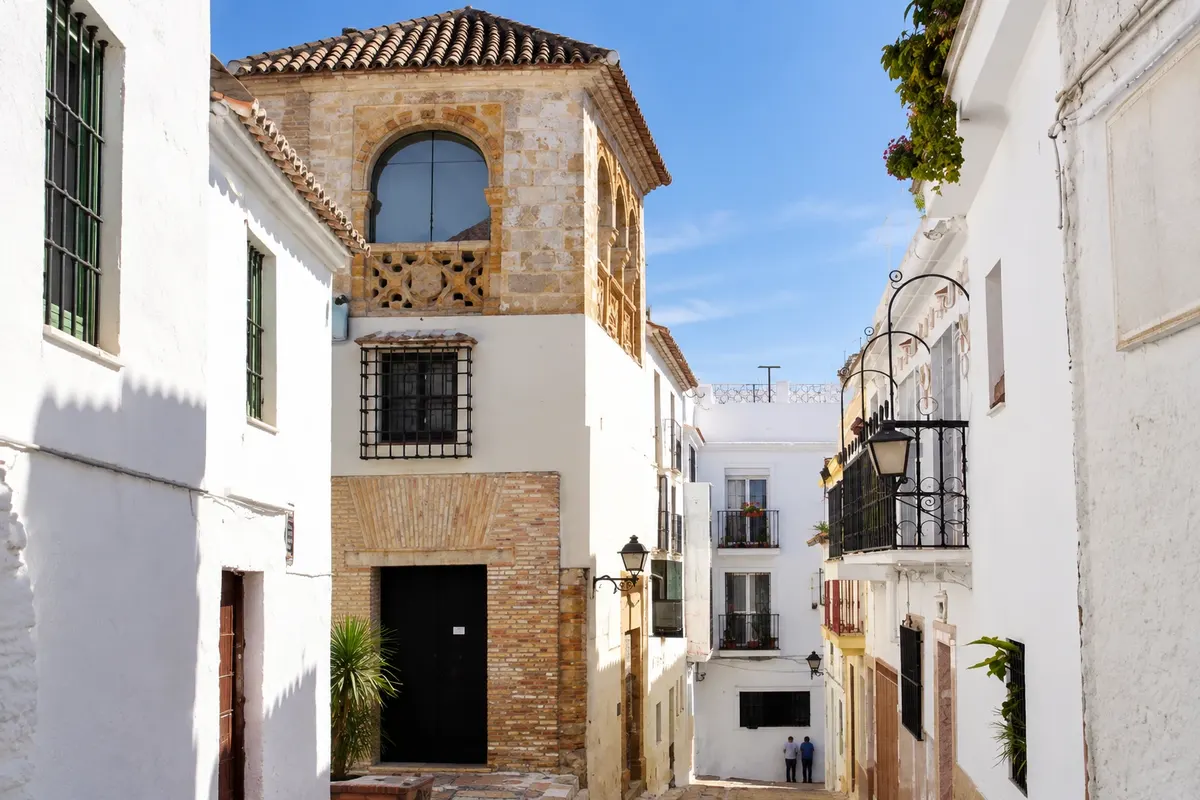
About 60 km to the west is Marbella, at the foot of the Sierra Blanca. The old town revolves around the Plaza de los Naranjos, opened in 1485, with white houses, orange trees, the town hall, the Casa del Corregidor and the ermita de Santiago. On the other side of the municipality is Puerto Banús, a marina inaugurated in 1970, surrounded by shops and restaurants.

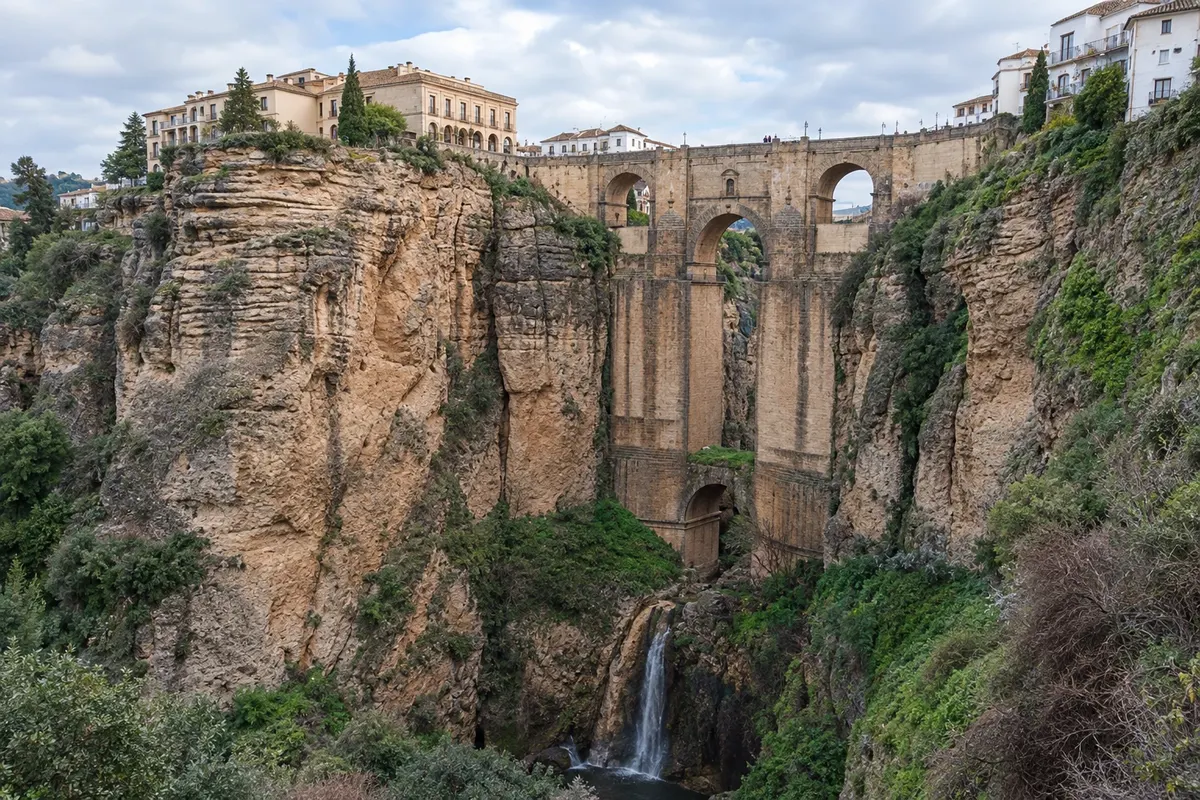
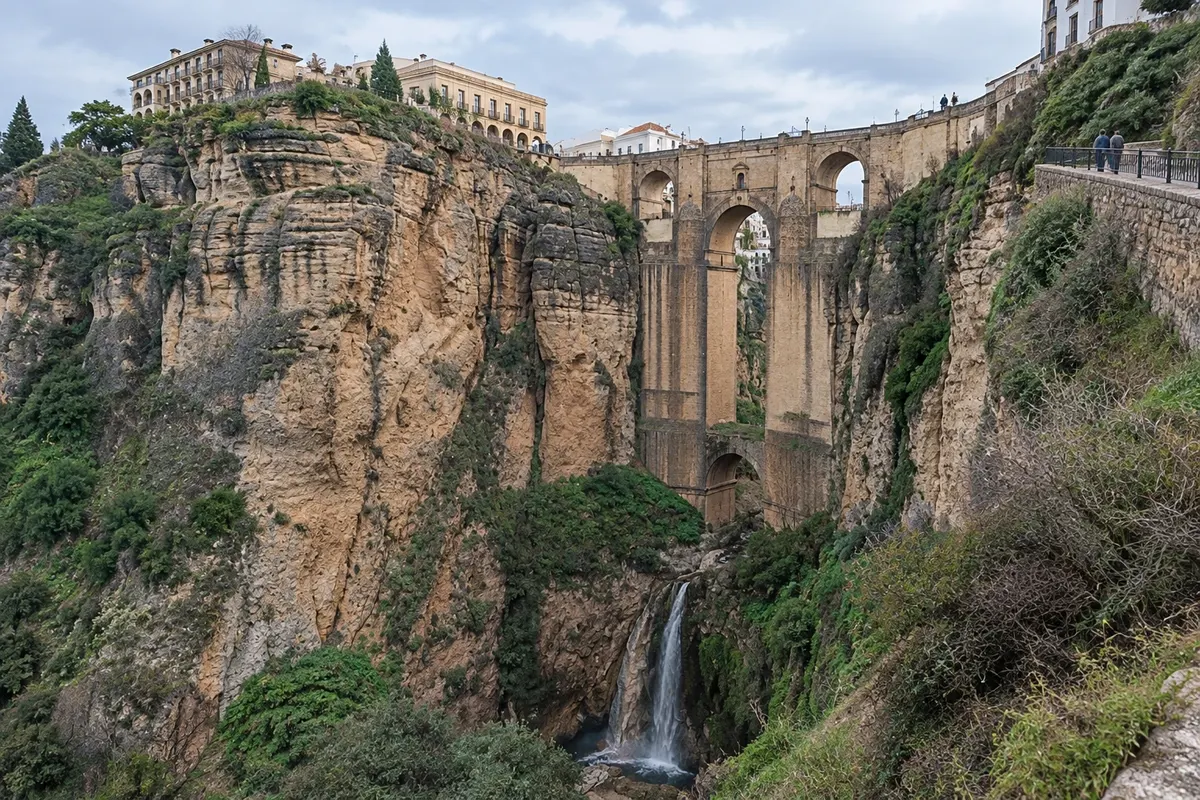
Ronda is inland, about 100 km from Málaga and at 723 meters altitude. The town sits on a plateau cut by the Tajo, a gorge carved by the Guadalevín river. The Puente Nuevo, built between 1751 and 1793, links the two parts of the town at a height of 98 meters. Nearby are the Plaza de Toros da Real Maestranza, completed in 1785, and the Baños Árabes, by the old bridge access.

Ronda, in the mountains, is colder in winter.

This destination brings together 3 cities: Málaga, Marbella, Ronda.

Delite: WhatsApp
Delite svoja popotniška doživetja s fotografijami Pošljite fotografije vsakega kraja, ki ste ga obiskali. Največje število fotografij na kraj: 5.

Ena destinacija, več poti

Mesta na tej poti

Začnite v enem mestu ali v načrt poti vključite več mest.

Costa del Sol and Ronda – lega
RondaMarbellaMálaga

Obrisi: IGN/CNIG, unidades administrativas, CC BY 4.0. Priredba: Cidade Turismo.

Kako do tja:Costa del Sol and Ronda

✈ Aeropuerto de Málaga-Costa del Sol (AGP)· 8 km do cilja (Málaga)

Arrival is via Málaga airport, 8 km from the center, connected to María Zambrano station by suburban train. Those coming from Madrid take the AVE to Málaga, in about 2h30. Marbella has no train station: you go by bus or car. Ronda has bus and train services. Confirm before booking.

Predlagana točka prihoda:Málaga

Praznovanja in dogodki

Praznovanja – vCosta del Sol and Ronda

Datumi se vsako leto spreminjajo. Pred potovanjem preverite letošnji datum.

Koledar praznovanj – in Španija

Doživite kraj

Kaj početi – Costa del Sol and Ronda

Alcazaba of Málaga
Málaga · Andalusia · Trdnjava

Alcazaba of Málaga

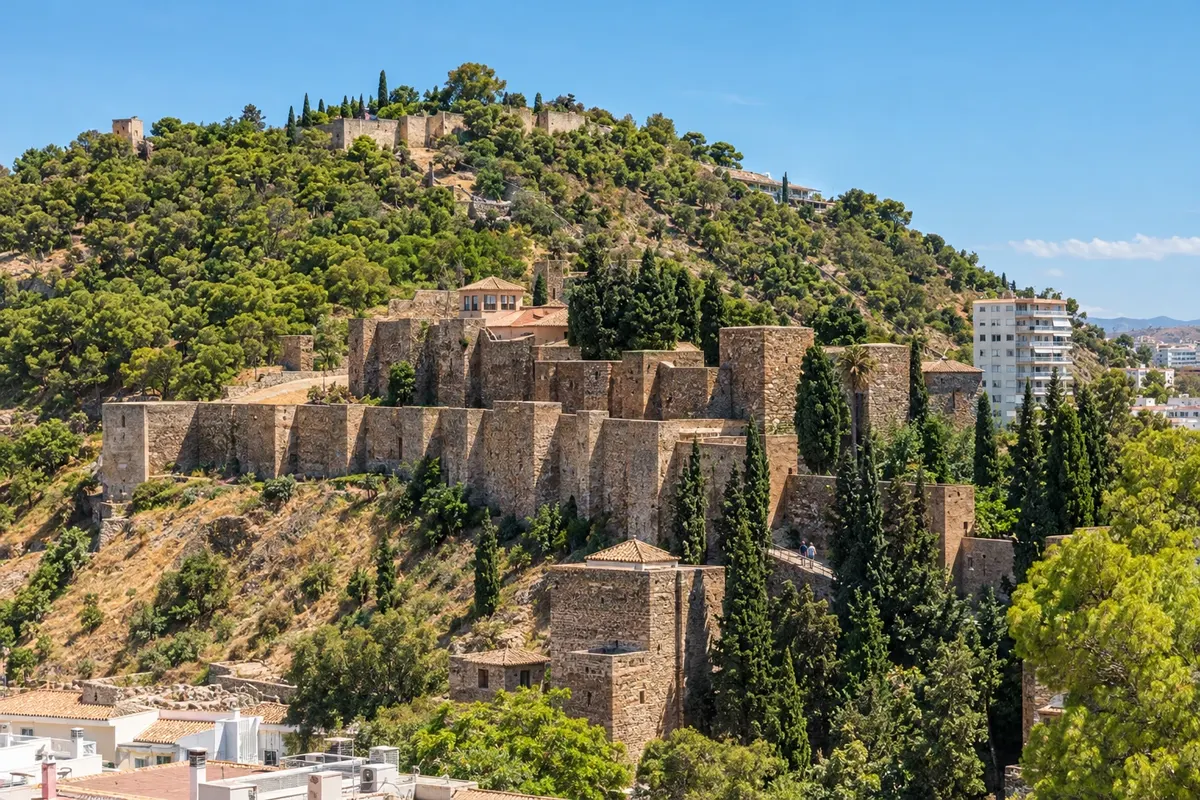
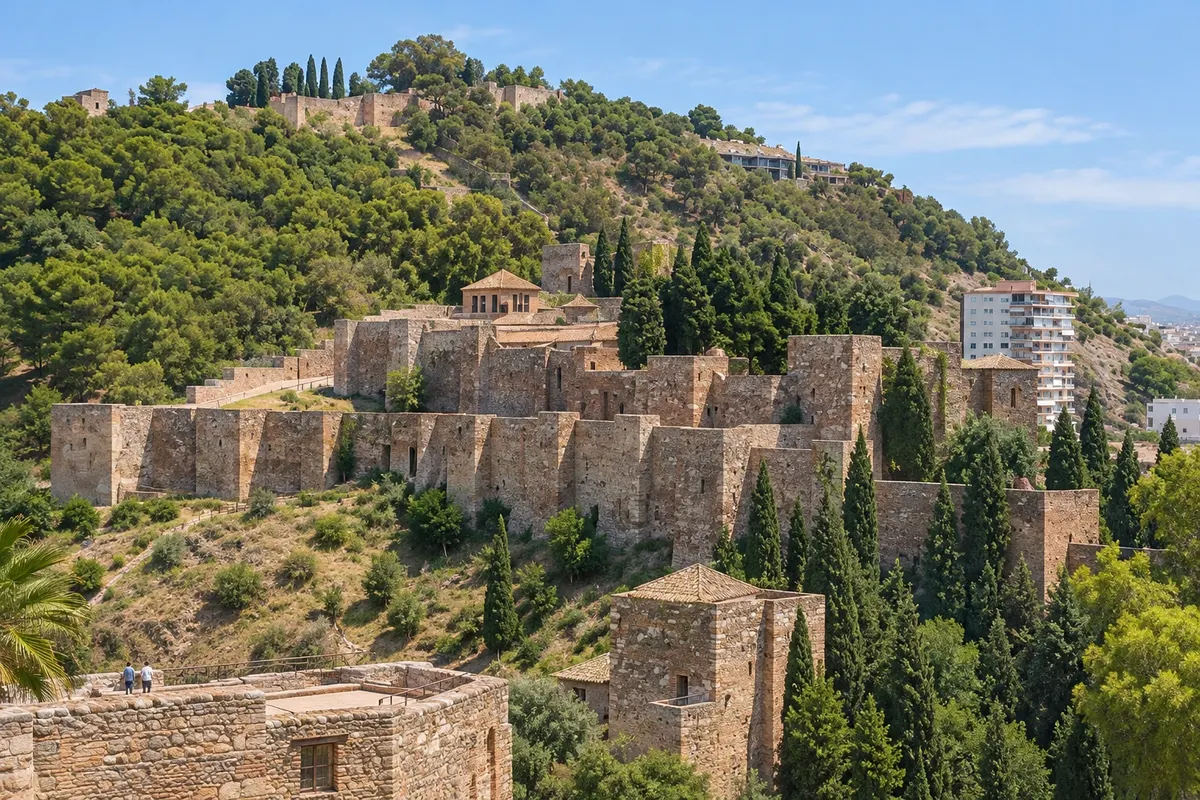
Islamic palace-fortress from the 11th century on the slope of Monte Gibralfaro, with double walls, courtyards, gardens and fountains, next to the Teatro Romano.

Old Town of Marbella
Marbella · Andalusia · Zgodovinska mestna četrt

Old Town of Marbella

Marbella's old town, within the layout of the former Arab wall, with white, flower-filled streets, the Plaza de los Naranjos, the Iglesia de la Encarnación and the remains of the 10th-century castle.

Puente Nuevo (New Bridge)
Ronda · Andalusia · Most

Puente Nuevo (New Bridge)

The stone bridge, 98 meters high, completed in 1793, spans the Tajo de Ronda and links the old town to the Mercadillo neighbourhood. An interpretation center operates inside it.

Avenida del Mar
Marbella · Andalusia · Street

Avenida del Mar

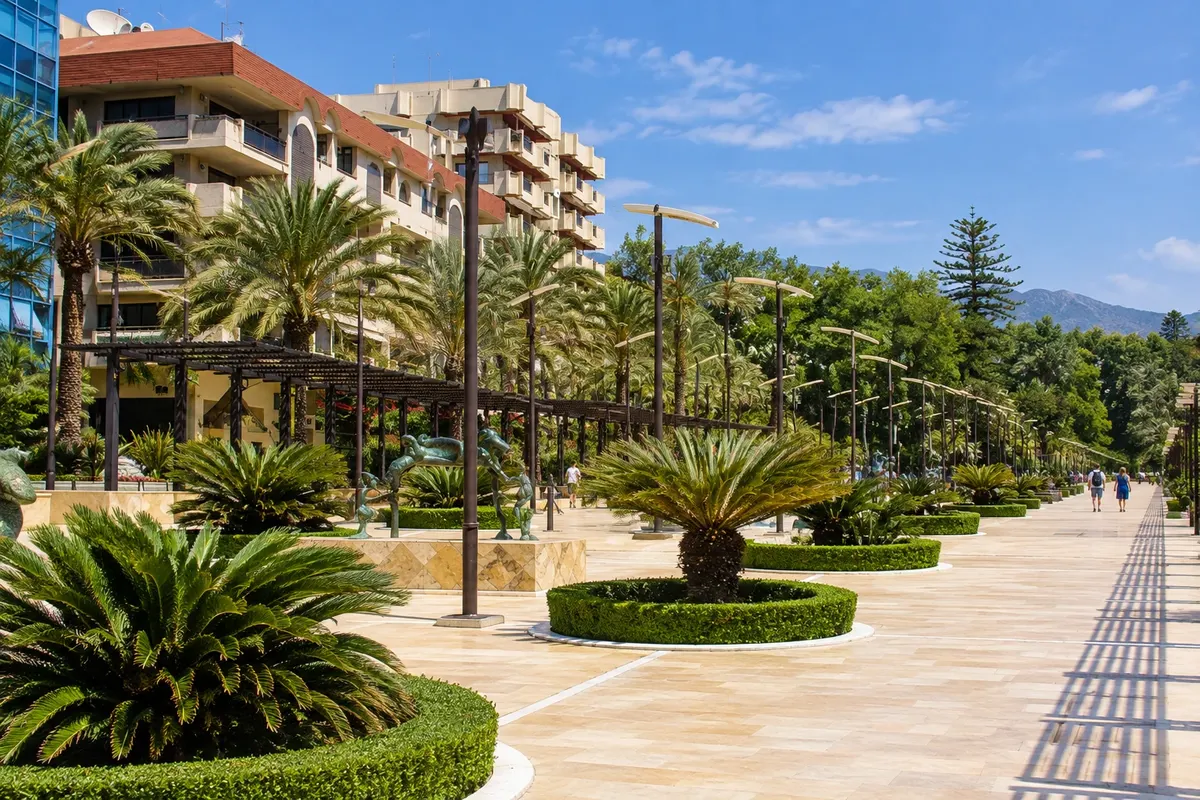
Pedestrian promenade between the old town and the beach, with gardens, fountains and a collection of ten bronze sculptures by Salvador Dalí displayed outdoors.

Costa del Sol and Ronda – prikaži dodatne kraje (29)
Gibralfaro Castle
Málaga · Andalusia · Grad

Gibralfaro Castle

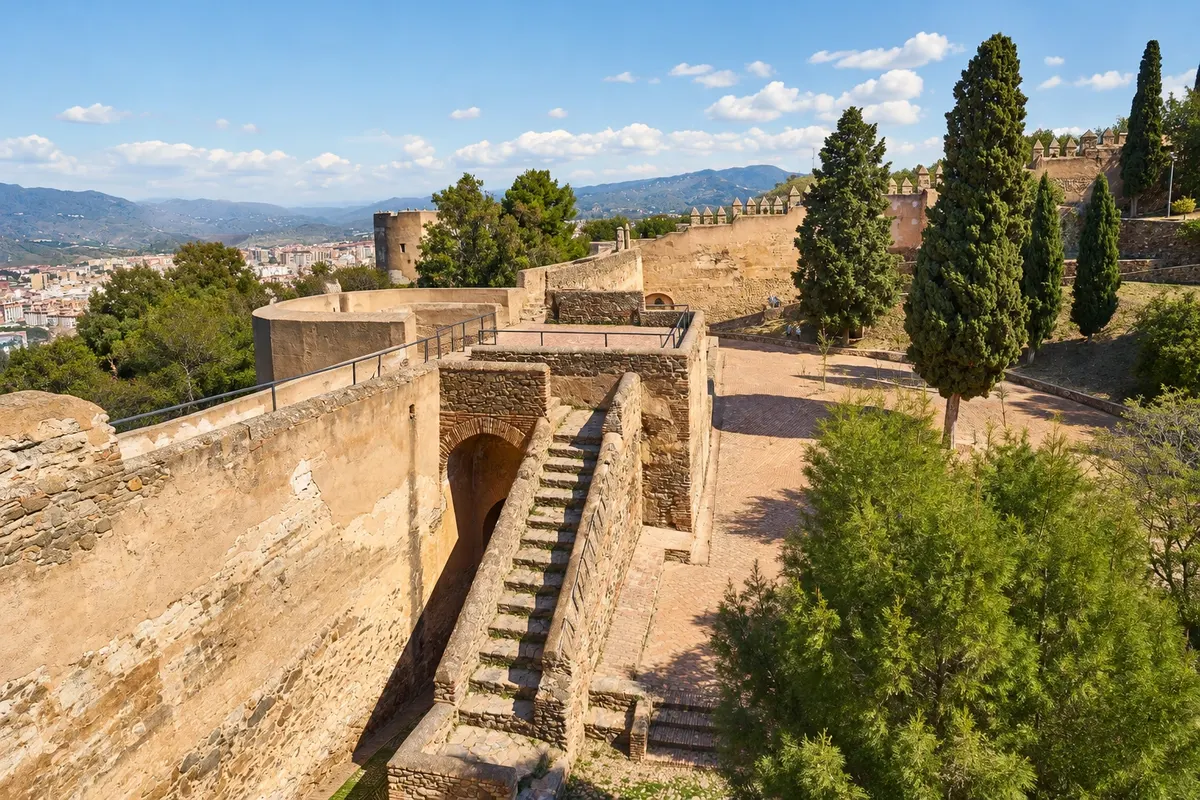
14th-century Nasrid castle atop Mount Gibralfaro, with walkable ramparts and views over the port, the Malagueta and, on clear days, the mountains of Africa.

Ronda Bullring (Plaza de Toros de la Real Maestranza)
Ronda · Andalusia · Monument

Ronda Bullring (Plaza de Toros de la Real Maestranza)

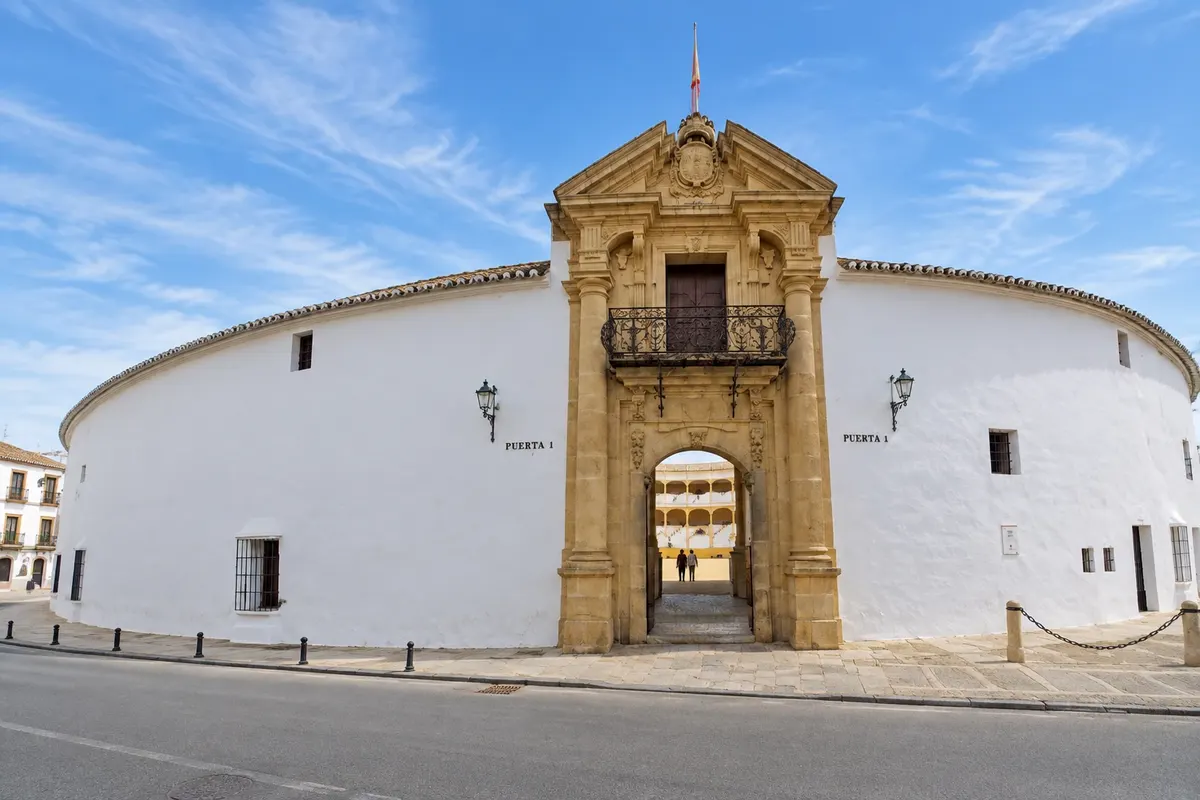
Stone bullring inaugurated in 1785, one of the oldest in Spain, with a 66-meter arena, galleries of Tuscan arches and museums of the Real Maestranza on horsemanship and bullfighting.

Arab Baths of Ronda
Ronda · Andalusia · Arheološko najdišče

Arab Baths of Ronda

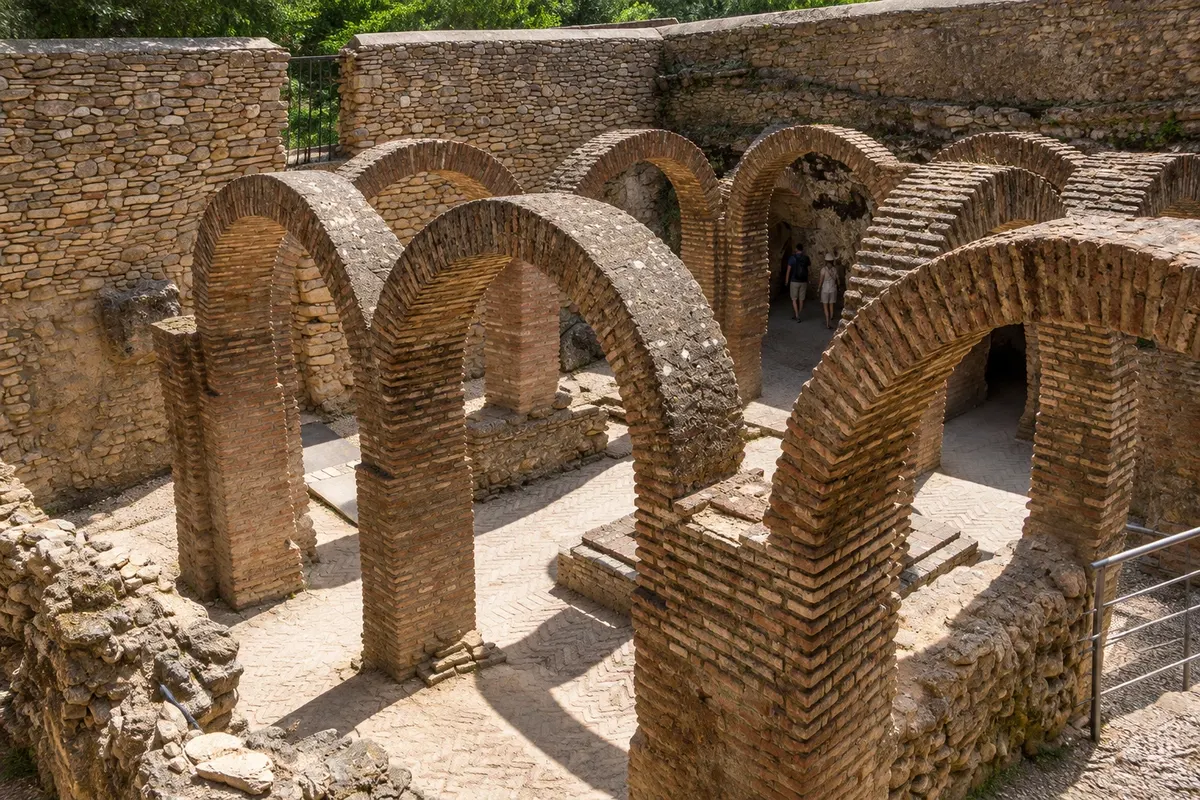
Muslim public baths from the 13th and 14th centuries, among the best preserved on the Iberian Peninsula, with vaulted rooms and star-shaped skylights, beside the river at the bottom of the town.

Marbella Promenade
Marbella · Andalusia · Plaža

Marbella Promenade

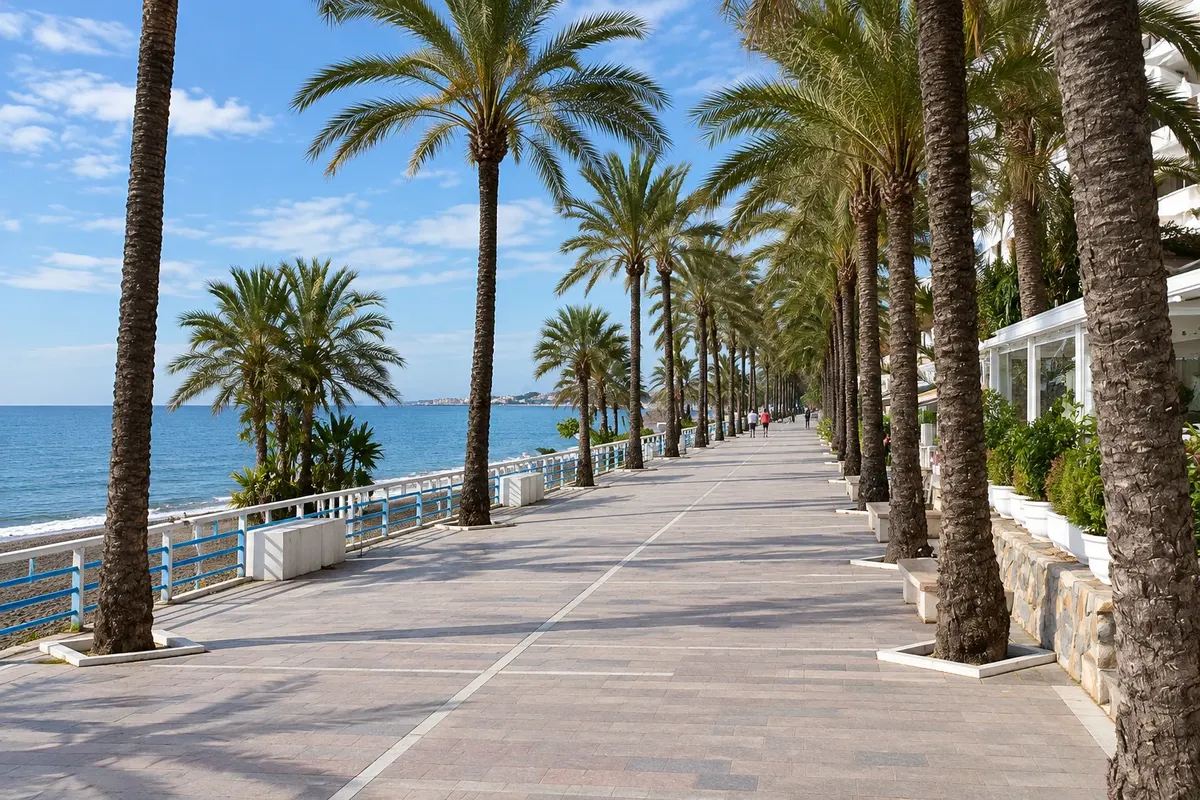
Seafront promenade along the Mediterranean that follows Marbella's central beaches, such as La Venus, El Faro and La Fontanilla, and continues west for several kilometres towards Puerto Banús.

Roman Theatre of Málaga
Málaga · Andalusia · Arheološko najdišče

Roman Theatre of Málaga

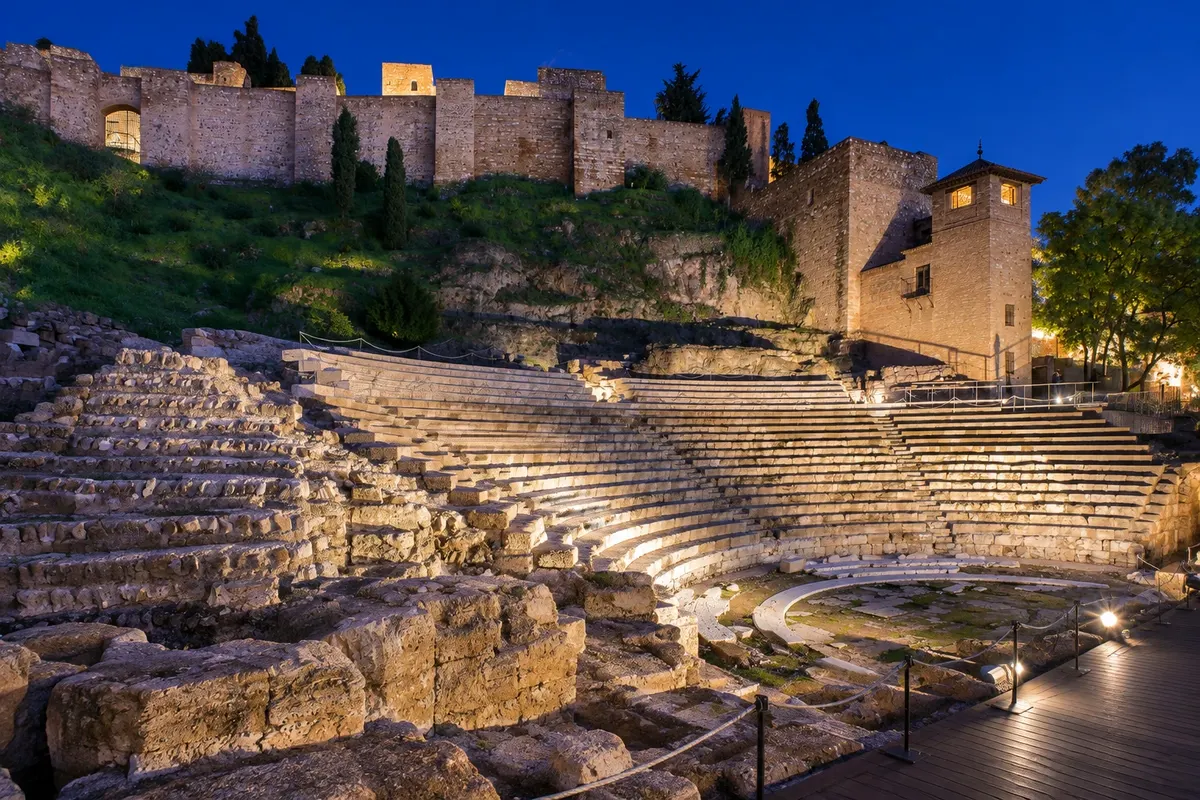
Ruins of the Roman Malaca theatre, from the early years of the Empire, at the foot of the Alcazaba, with seating, orchestra area and wooden walkways.

Málaga Cathedral
Málaga · Andalusia · Stolnica

Málaga Cathedral

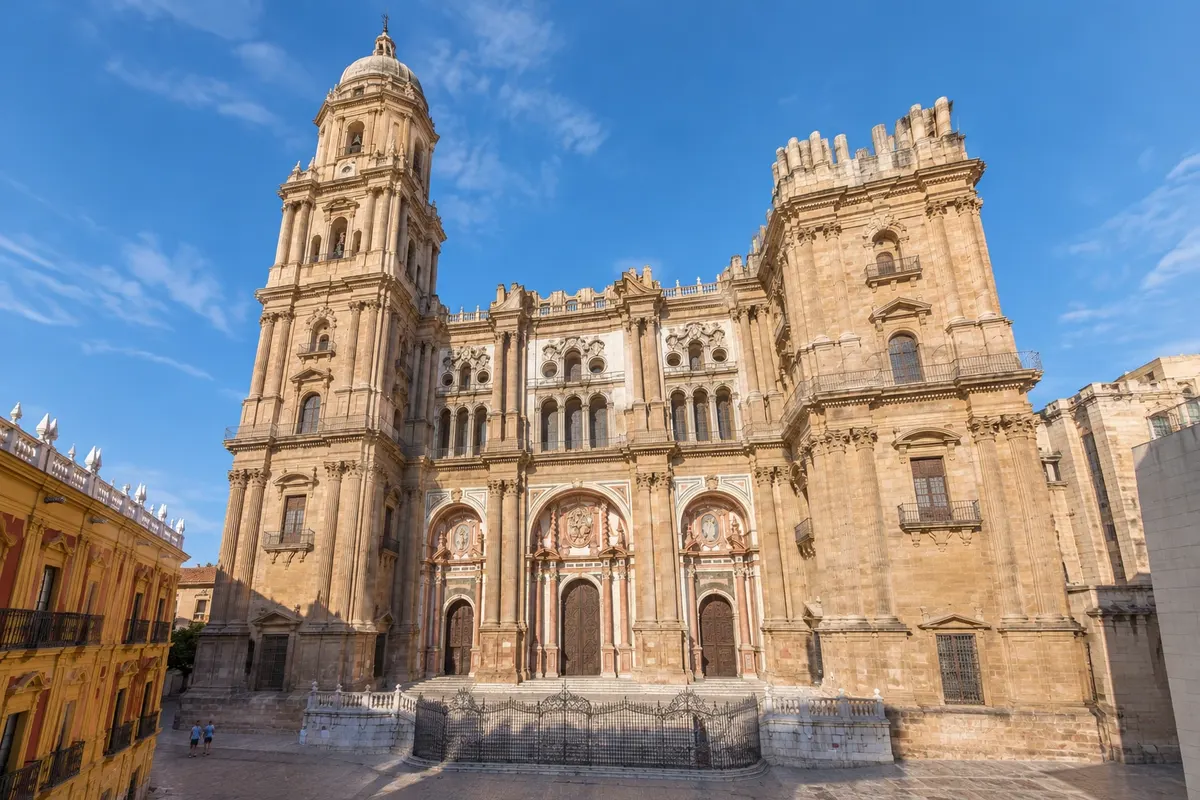
Renaissance cathedral, Catedral da Encarnação, built from 1528 to 1782 and never finished: it has only one tower, 84 meters high, and is therefore called La Manquita.

Puente Viejo (Old Bridge)
Ronda · Andalusia · Most

Puente Viejo (Old Bridge)

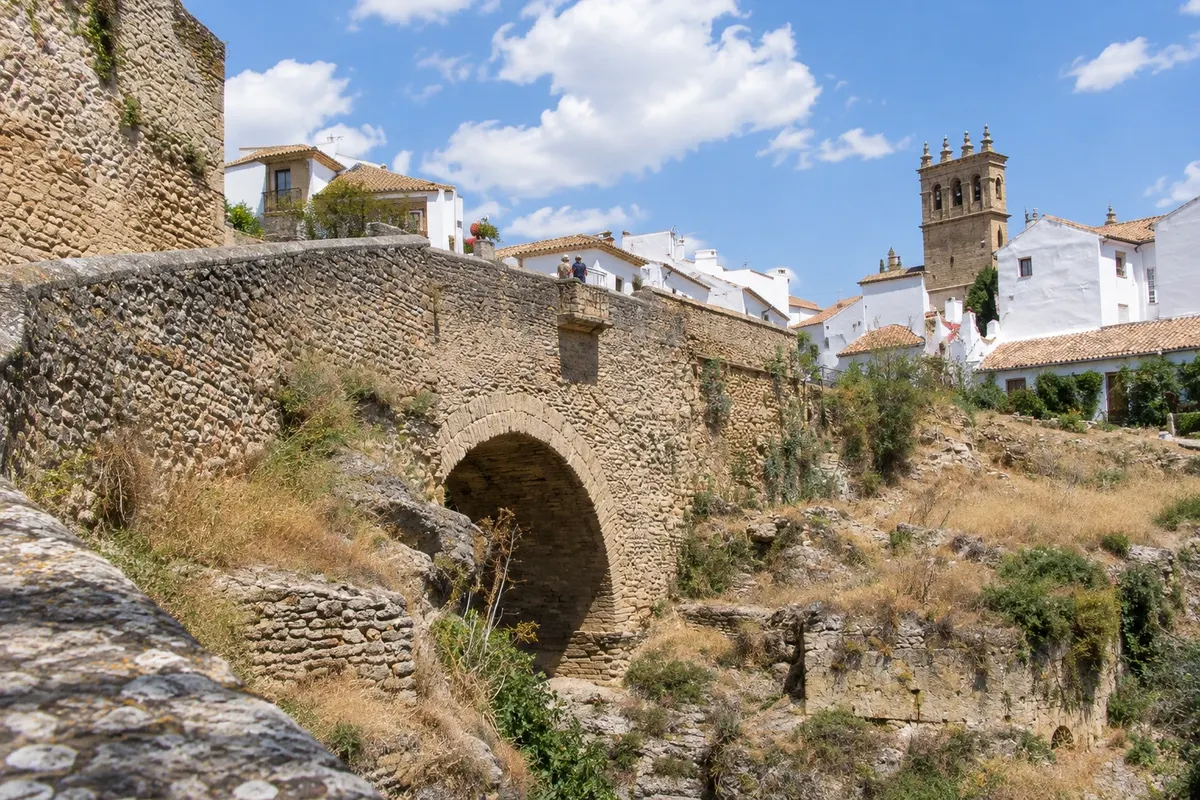
Single-arched bridge over the Guadalevín, 31 metres above the river, rebuilt after 1616, beside the Arco de Felipe V, the old entrance gate of La Ciudad.

Puerto Banús
Marbella · Andalusia · Harbor

Puerto Banús

Marina opened in 1970, built like an Andalusian village of white houses, with about 900 berths for boats, large yachts, designer shops, restaurants and nightlife.

House of the Moorish King
Ronda · Andalusia · Garden

House of the Moorish King

Complex on the edge of the Tajo including the 14th-century Mina de Agua, a stairway excavated in the rock down to the river, and the garden designed in 1912 by Jean-Claude Nicolas Forestier.

Picasso Museum Málaga
Málaga · Andalusia · Muzej

Picasso Museum Málaga

Museum dedicated to Picasso in the city where he was born, housed in the Palacio de Buenavista from the 16th century, with works from all phases of the painter donated by his family.

Museum of Contemporary Spanish Engraving
Marbella · Andalusia · Muzej

Museum of Contemporary Spanish Engraving

Museum devoted to Spanish printmaking, with works by Picasso, Miró, Dalí, Tàpies and Chillida, housed in the former Hospital Bazán, a 16th-century Renaissance building in the old town.

Picasso's Birthplace Museum
Málaga · Andalusia · Muzej

Picasso's Birthplace Museum

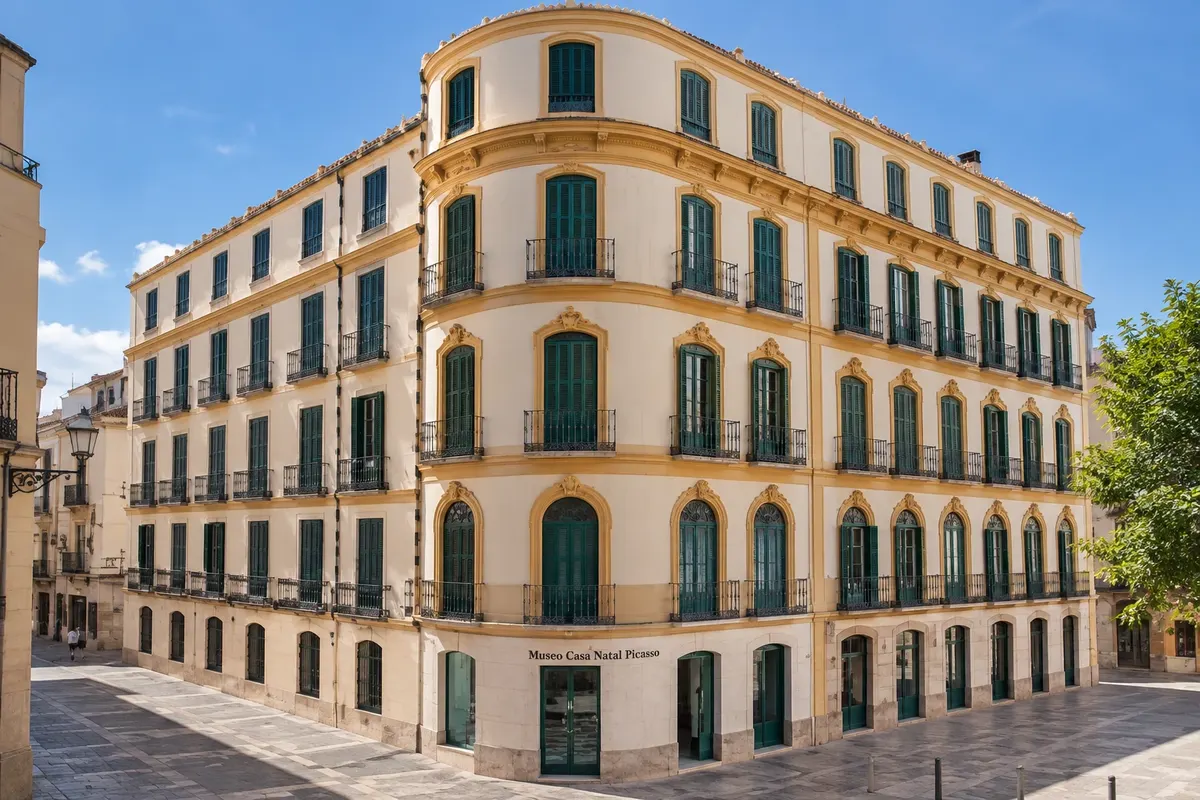
Building on Plaza de la Merced where Picasso was born in 1881, now a museum with family objects, prints, drawings and ceramics by the painter.

Mondragón Palace
Ronda · Andalusia · Palace

Mondragón Palace

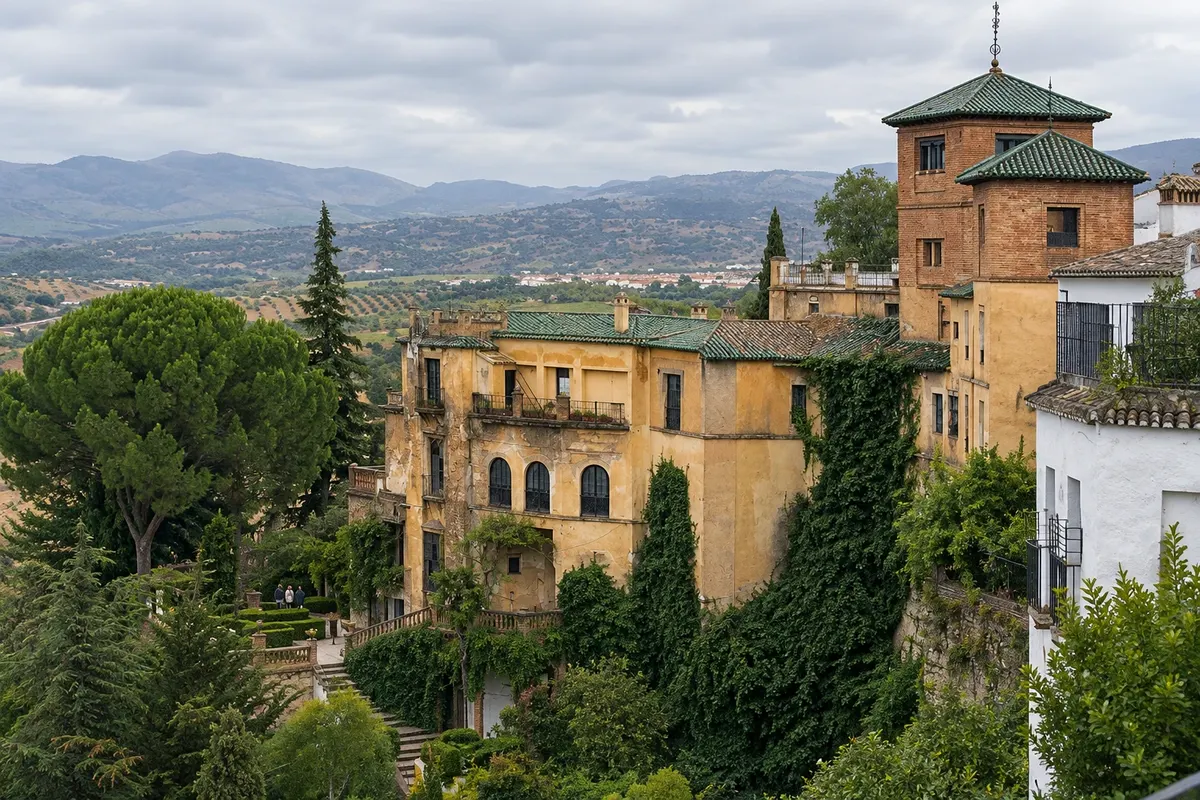
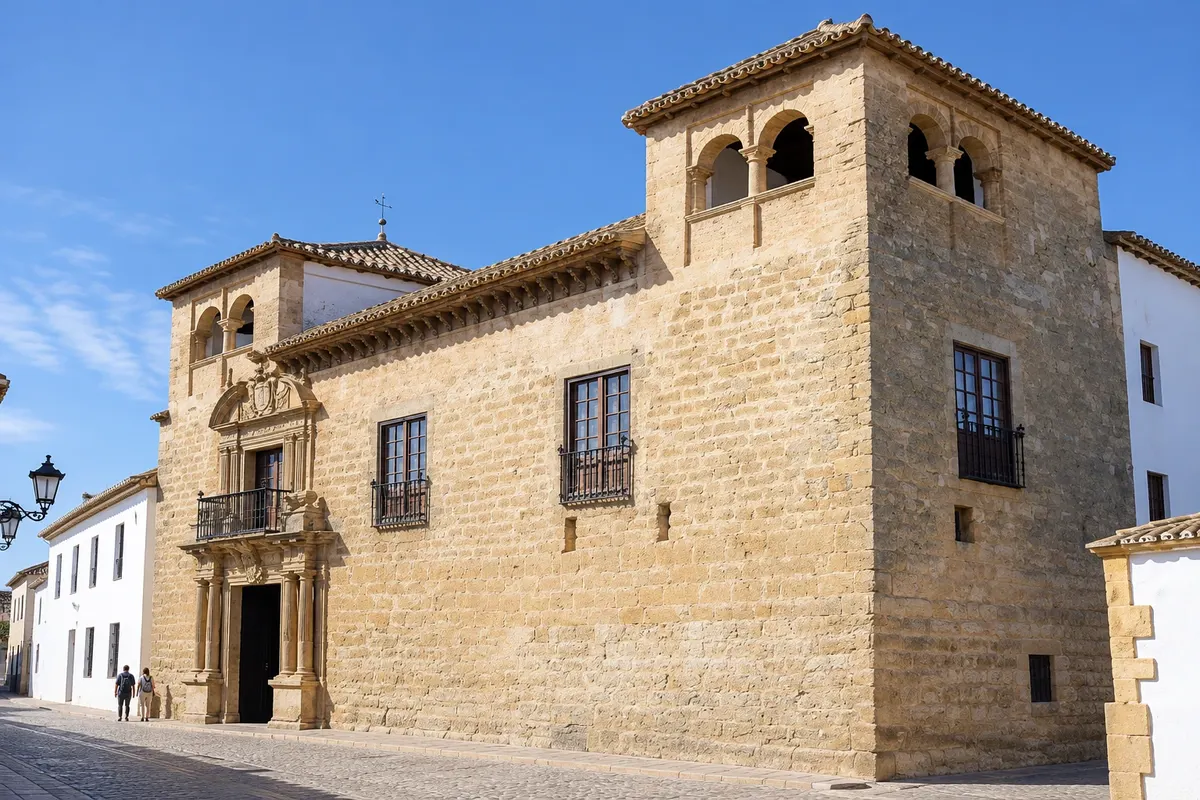
Palace of Muslim origin, remodeled after 1485, with a Mudéjar courtyard and a garden on the cliff edge. It houses the Museo Municipal de Ronda, covering the period from prehistory to the expulsion of the Moriscos.

Centre Pompidou Málaga
Málaga · Andalusia · Muzej

Centre Pompidou Málaga

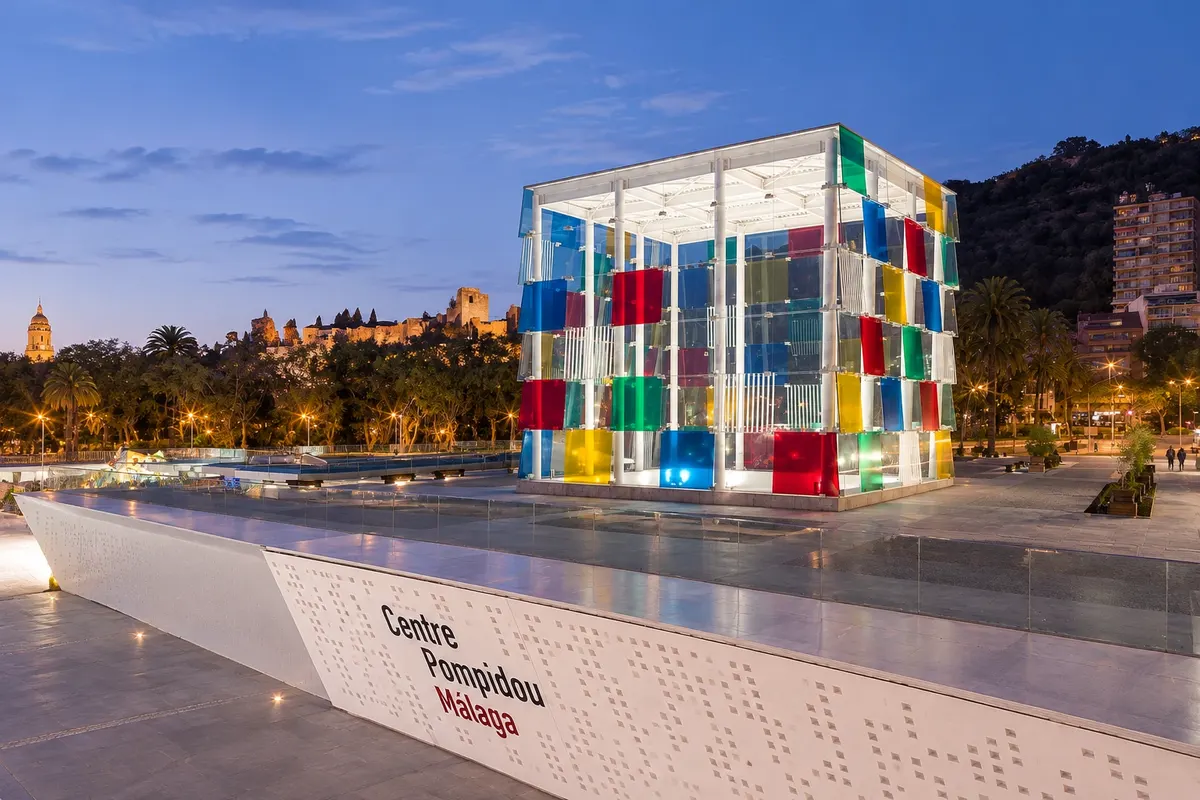
Branch of the Centre Pompidou of Paris at the port, housed in the building El Cubo, with art from the 20th and 21st centuries and Daniel Buren's colourful cube on the roof.

Church of Santa María la Mayor
Ronda · Andalusia · Cerkev

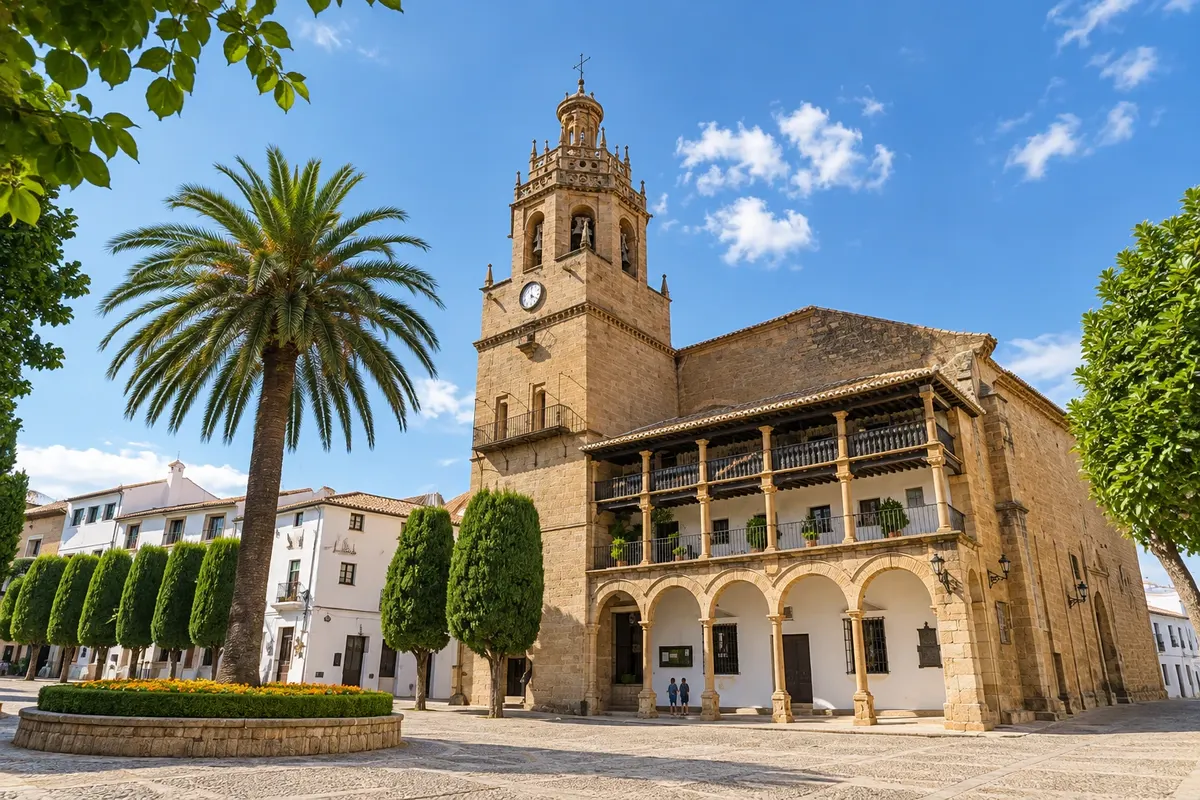
Church of Santa María la Mayor

Ronda's main church, built from 1485 on top of the city's main mosque, with Gothic naves, a Mannerist chancel, a tower atop the former minaret and a gallery facing the square.

Alameda del Tajo
Ronda · Andalusia · Park

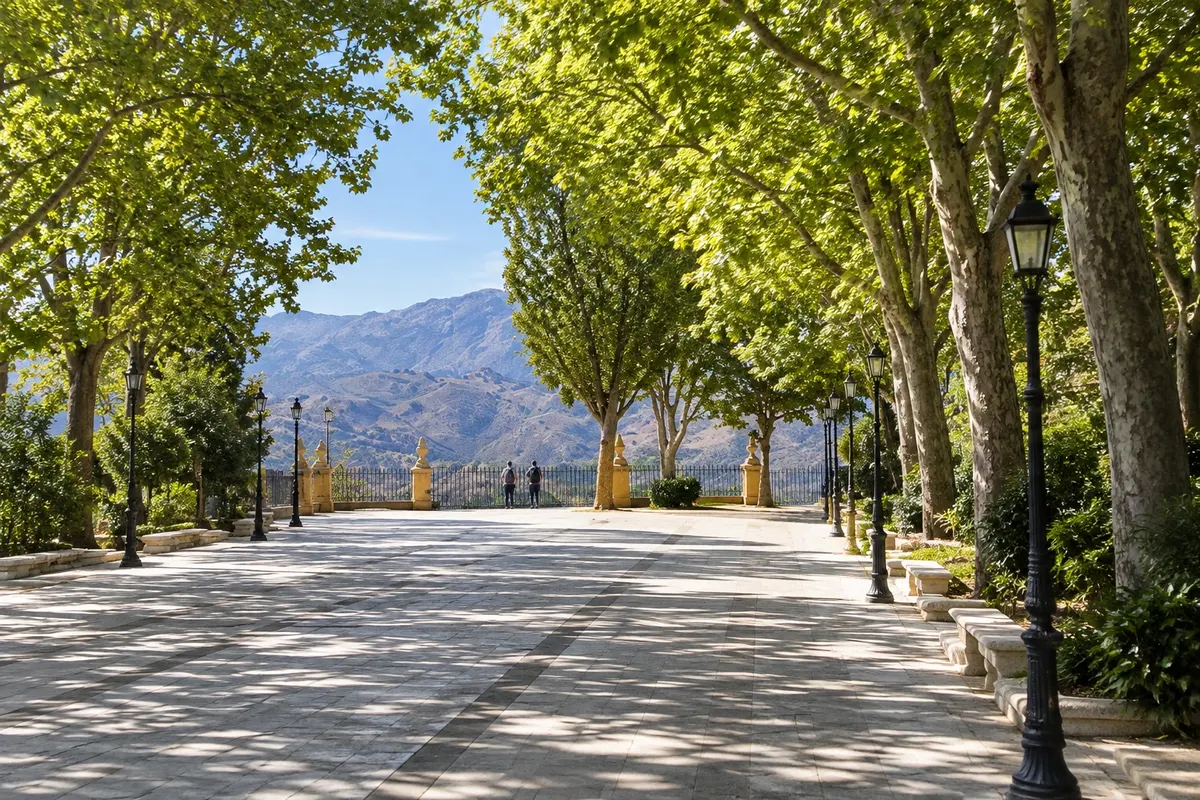
Alameda del Tajo

Tree-lined park from the early 19th century next to the bullring, with a viewpoint of balconies over the abyss and views of the Serranía de Ronda.

Carmen Thyssen Museum Málaga
Málaga · Andalusia · Muzej

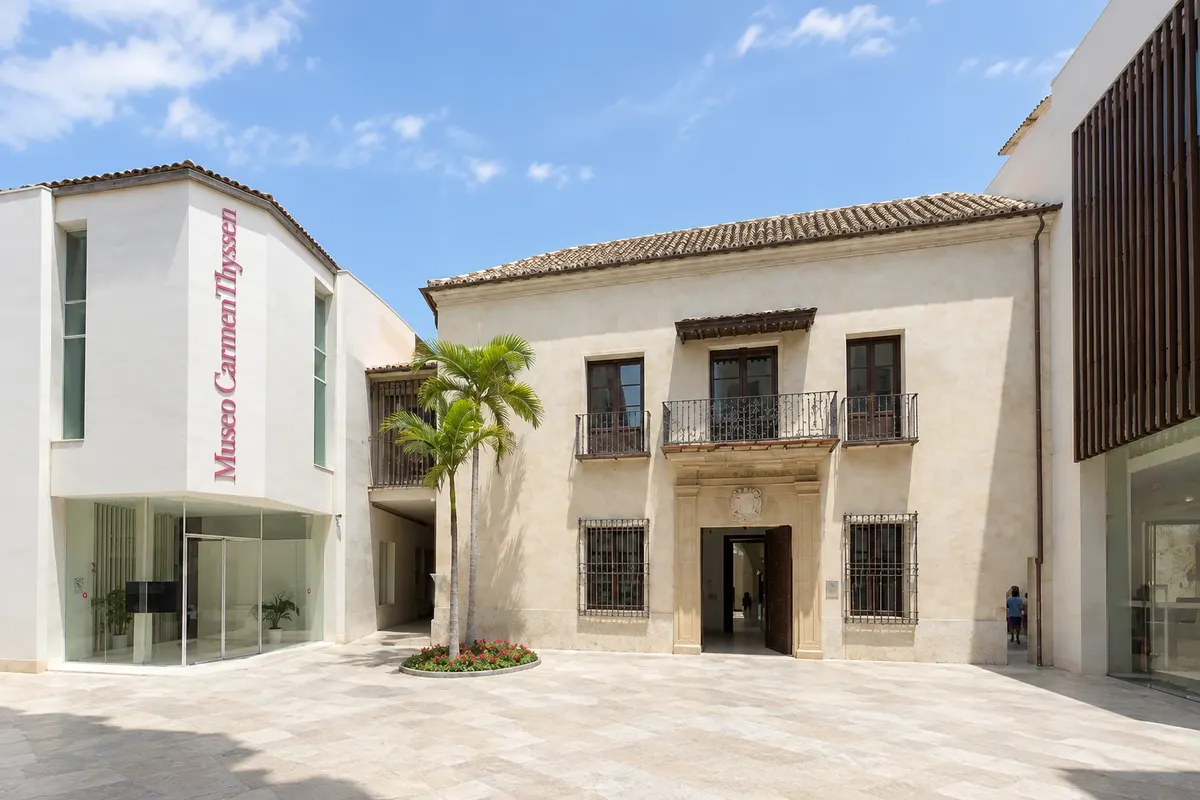
Carmen Thyssen Museum Málaga

Museum of 19th and early 20th-century Spanish and Andalusian painting, in the 16th-century Palacio de Villalón, with works by Sorolla, Fortuny, Romero de Torres and Zurbarán.

Lara Museum
Ronda · Andalusia · Muzej

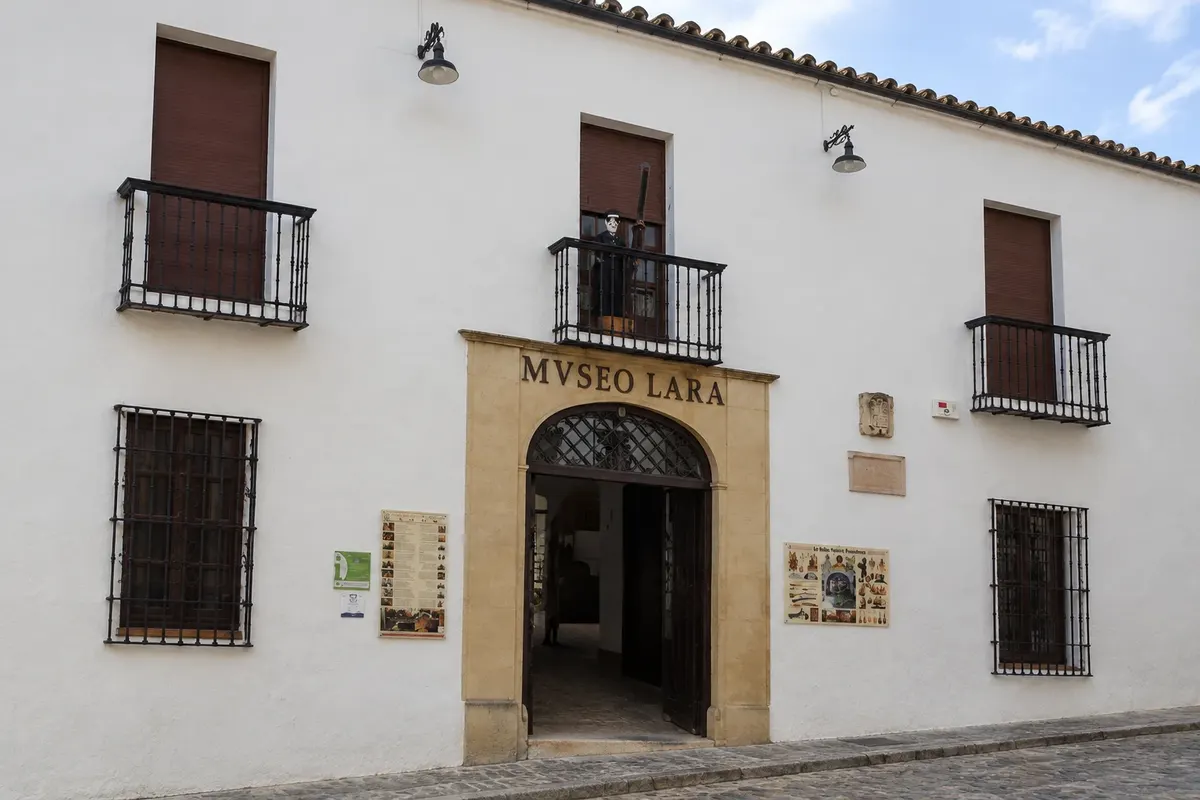
Lara Museum

Private museum in an 18th-century palace in the old town, with collections of clocks, weapons, scientific instruments, cinema and photography, and exhibitions on the Inquisition and witchcraft.

Museum of Málaga
Málaga · Andalusia · Muzej

Museum of Málaga

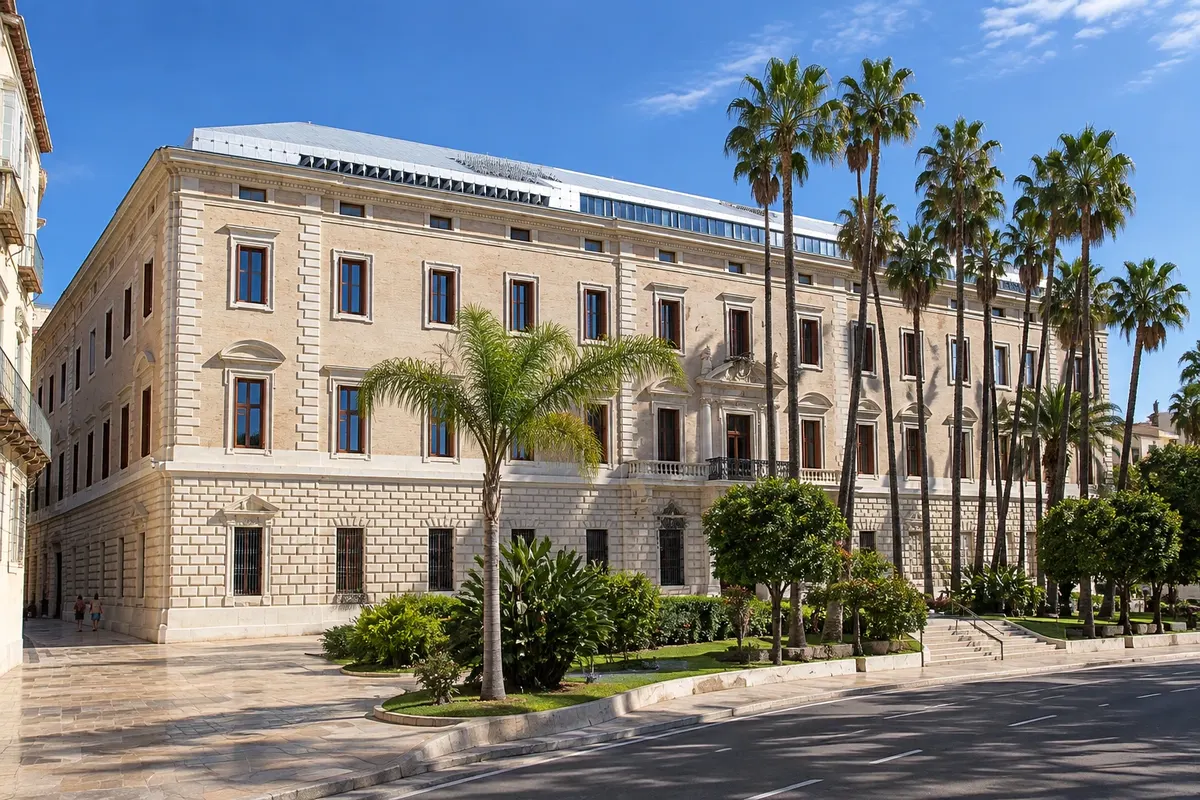
Large museum of fine arts and archaeology in the Palacio de la Aduana, a neoclassical building by the park, with pieces from prehistory to the Islamic period and 19th-century painting.

Muelle Uno
Málaga · Andalusia · Harbor

Muelle Uno

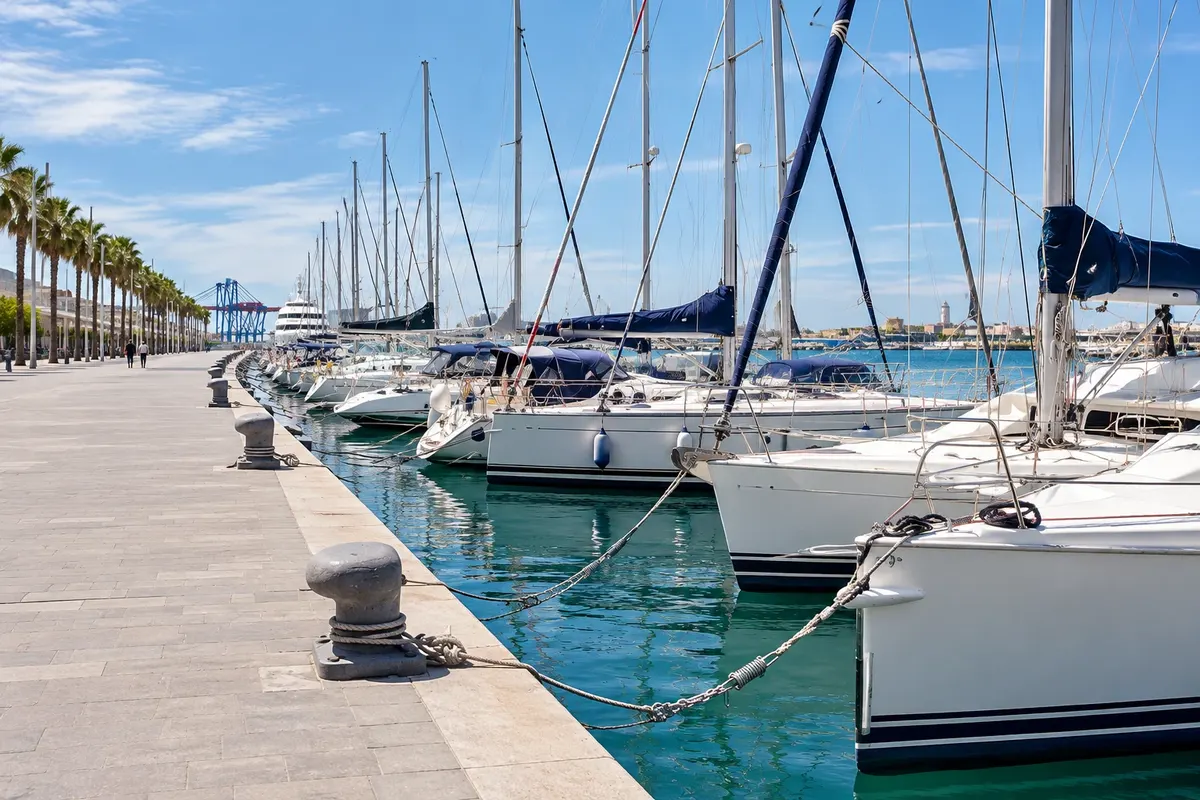
Open-air commercial promenade in the port of Málaga, with shops, restaurants, a yacht marina and the Centre Pompidou, between the centre and La Malagueta.

Setenil de las Bodegas
Ronda · Andalusia · Zgodovinska vas

Setenil de las Bodegas

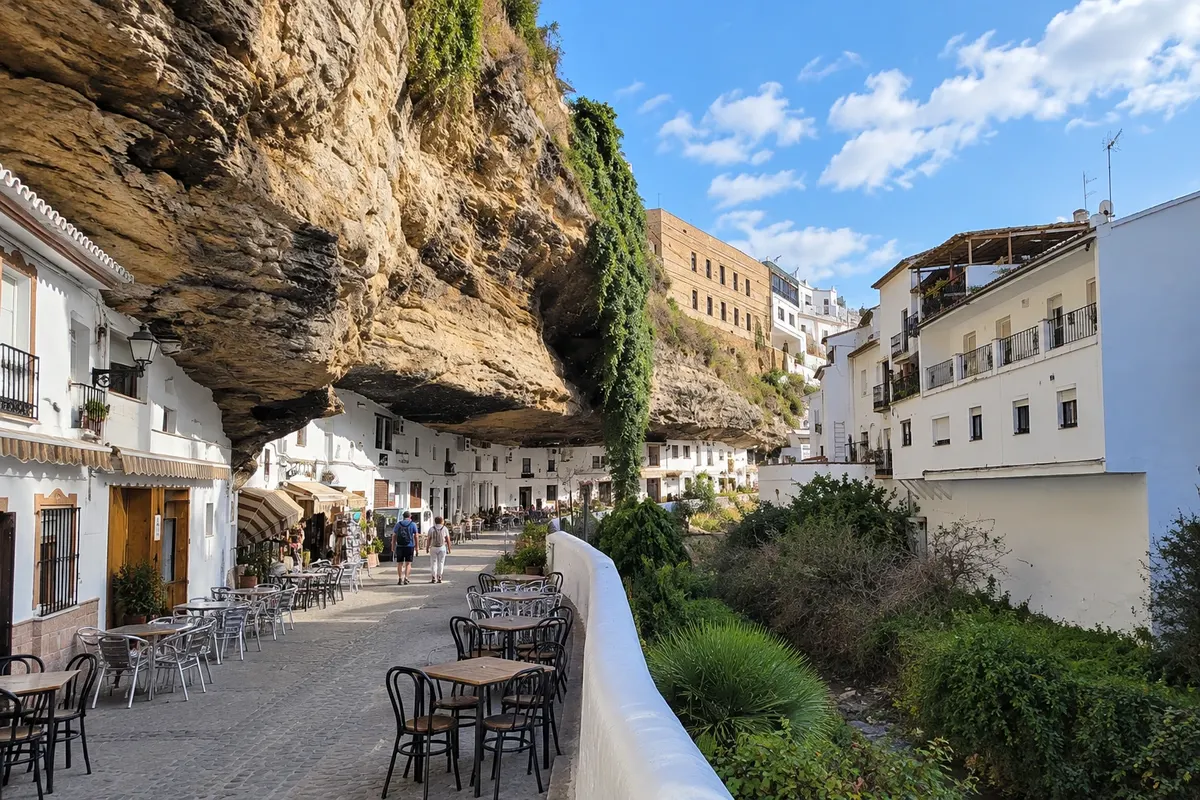
White village in the province of Cádiz, about 19 km from Ronda, with houses built beneath the rocks of the Guadalporcún river gorge and a Nazarid castle on the hill.

Atarazanas Central Market
Málaga · Andalusia · Tržnica

Atarazanas Central Market

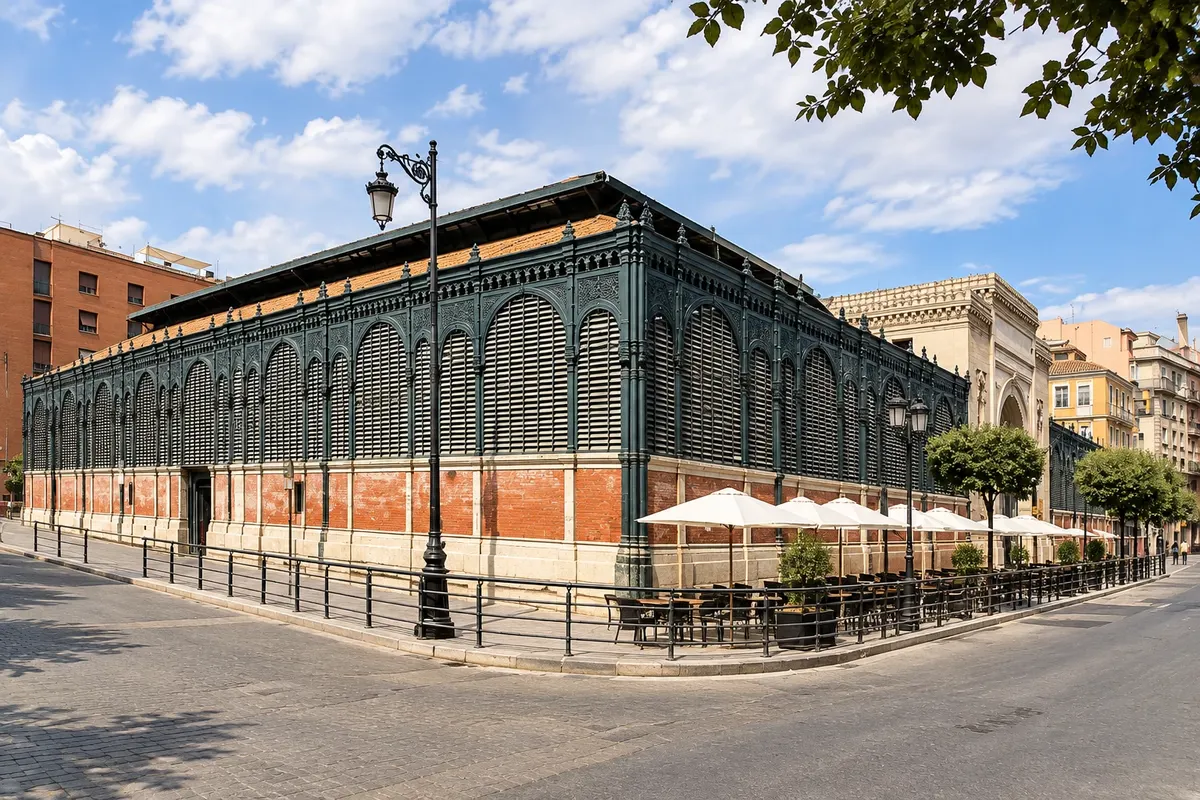
19th-century municipal market of iron and glass, with a 14th‑century nazari marble gate, a colorful stained‑glass window and stalls selling fish, fruit, cured meats and tapas.

Calle Marqués de Larios
Málaga · Andalusia · Street

Calle Marqués de Larios

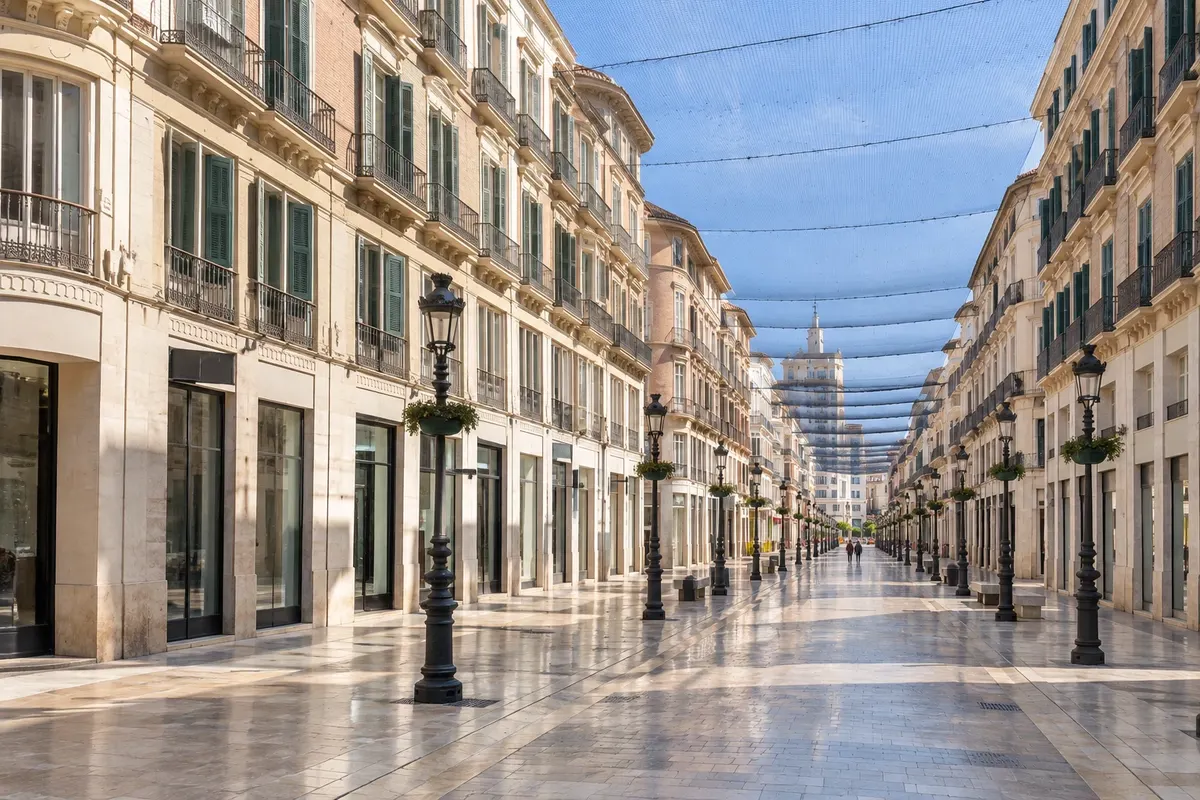
Málaga's main pedestrian street, with late‑19th‑century buildings, shops and cafés, linking the Alameda Principal to the Plaza de la Constitución.

La Malagueta Beach
Málaga · Andalusia · Plaža

La Malagueta Beach

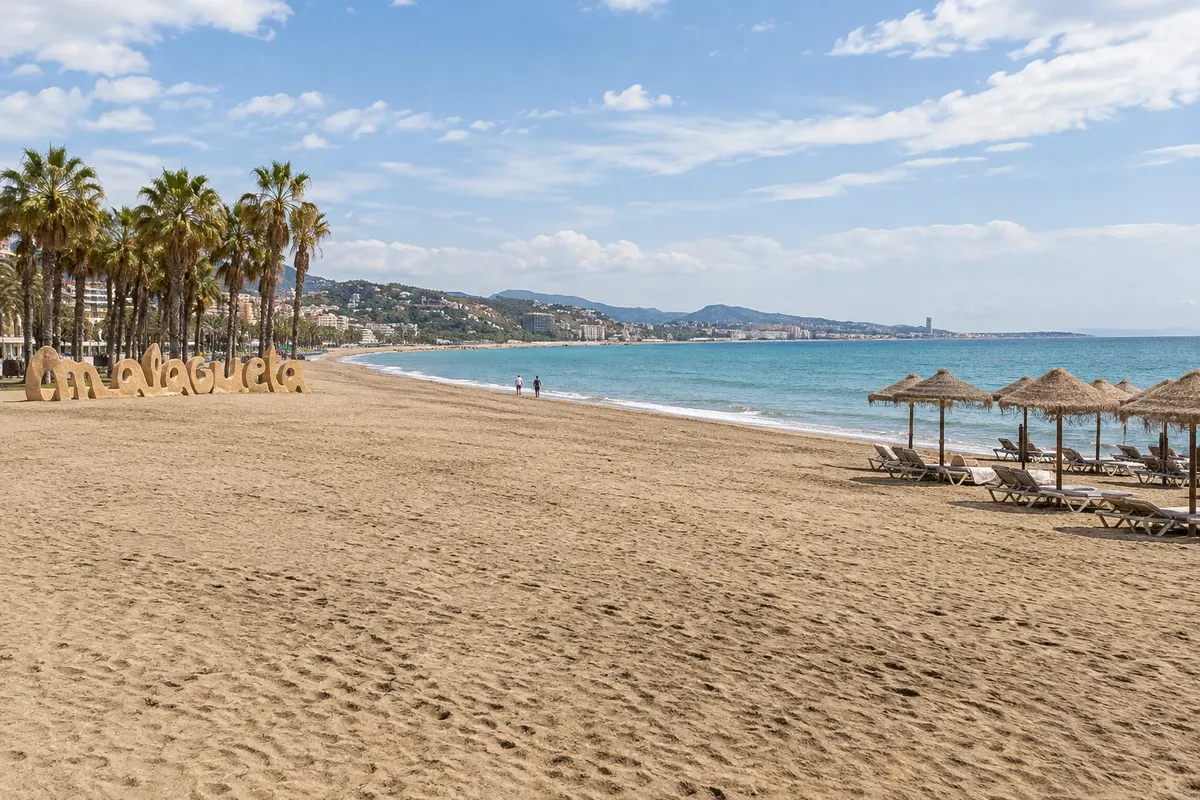
Urban beach of dark sand next to the port and the centre, about 1.2 km long, with fish kiosks, a promenade and the bullring just behind.

La Concepción Historical-Botanical Garden
Málaga · Andalusia · Garden

La Concepción Historical-Botanical Garden

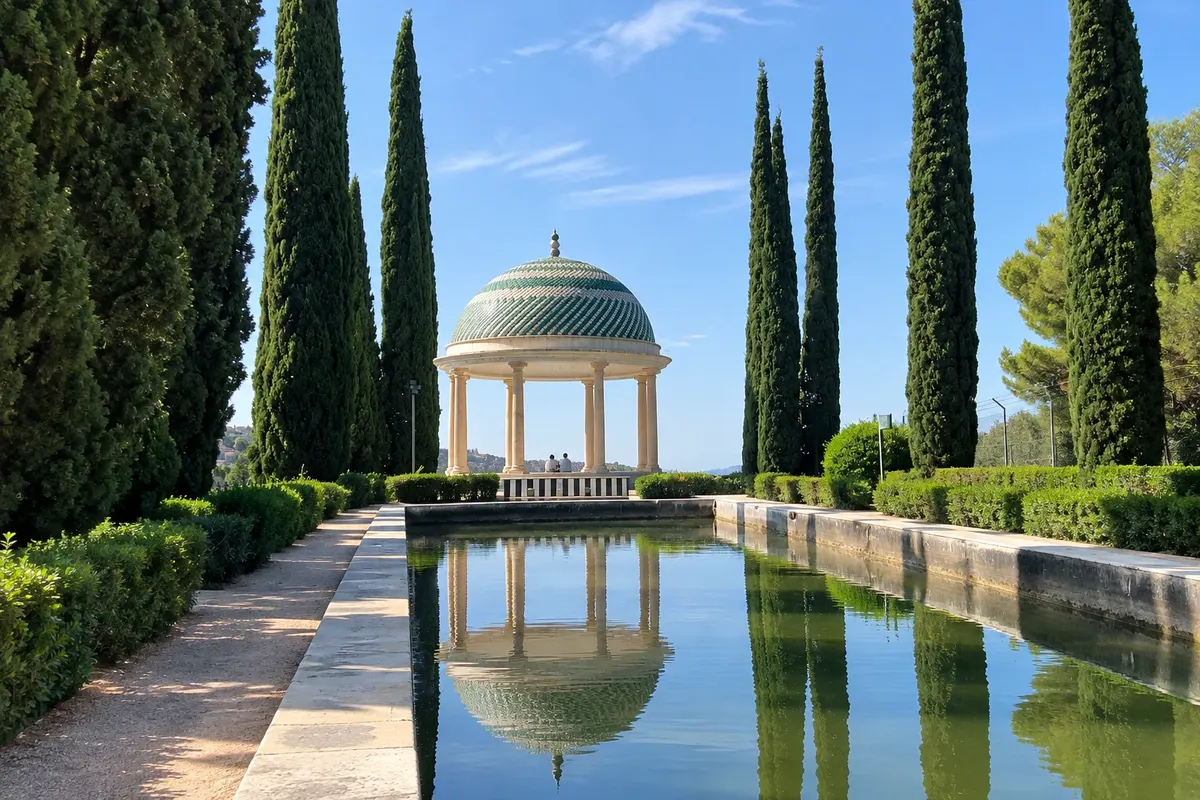
English‑style botanical garden created around 1855 in the north of Málaga, with more than 2,000 species, palm trees, lakes, waterfalls and a wisteria pergola.

Automobile and Fashion Museum
Málaga · Andalusia · Muzej

Automobile and Fashion Museum

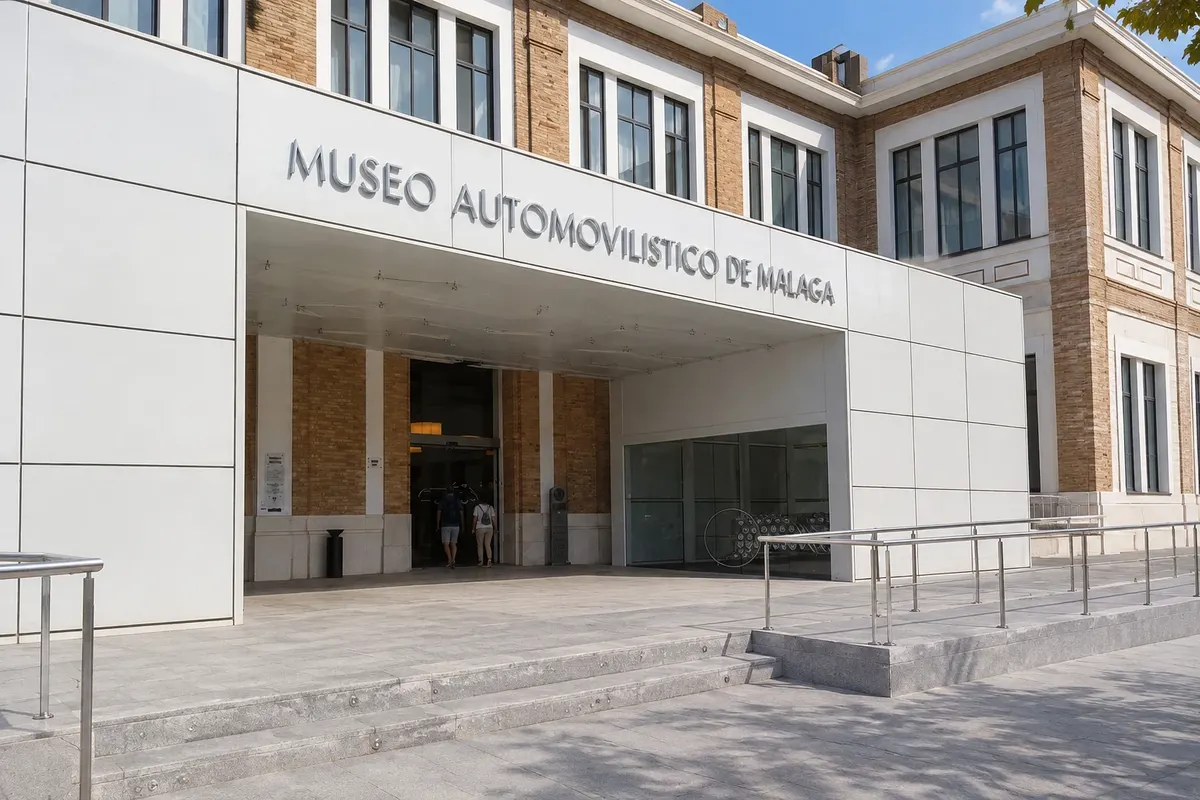
Museum with about 90 vintage and luxury cars on display and a fashion collection of haute-couture hats, housed in Málaga’s former tobacco factory.

Caminito del Rey
Málaga · Andalusia · Kolesarska in pešpot

Caminito del Rey

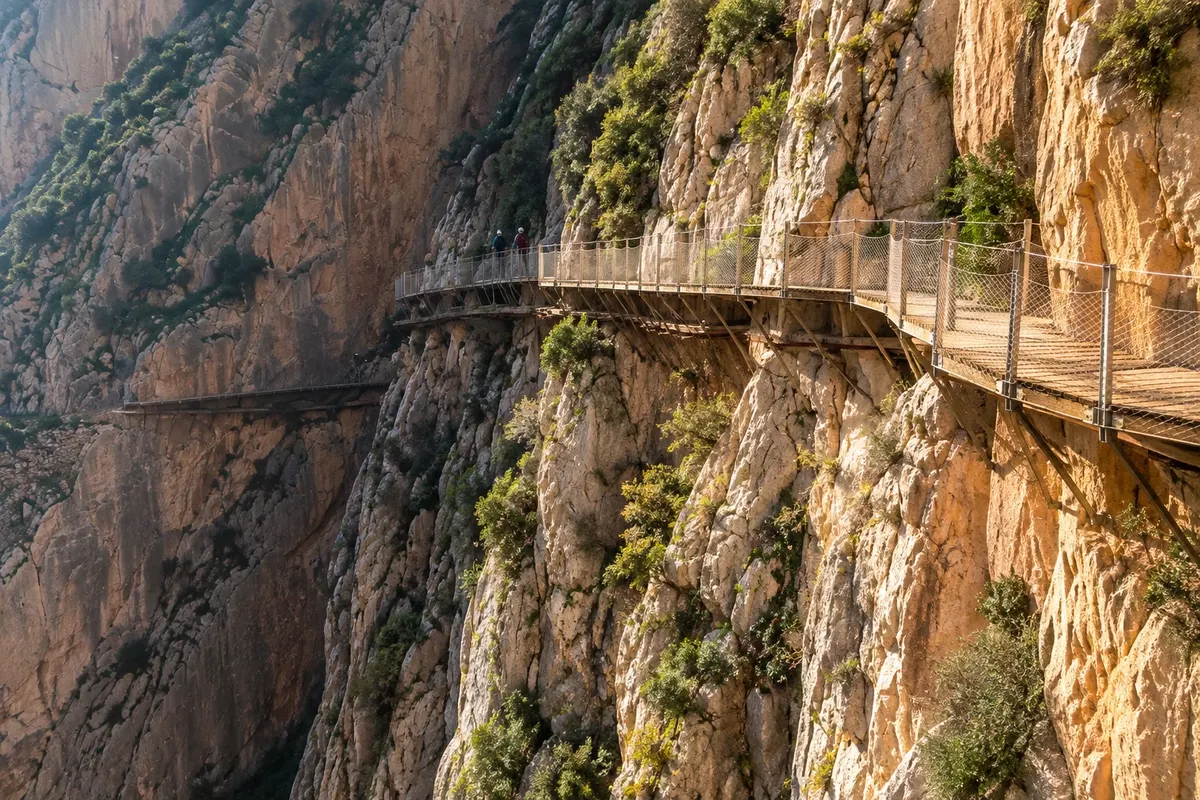
Walkway of more than 3 km fixed to the walls of the desfiladeiro de los Gaitanes, up to 105 metres above the river, about an hour from Málaga. Reservation required.

Nerja Caves
Málaga · Andalusia · Jama

Nerja Caves

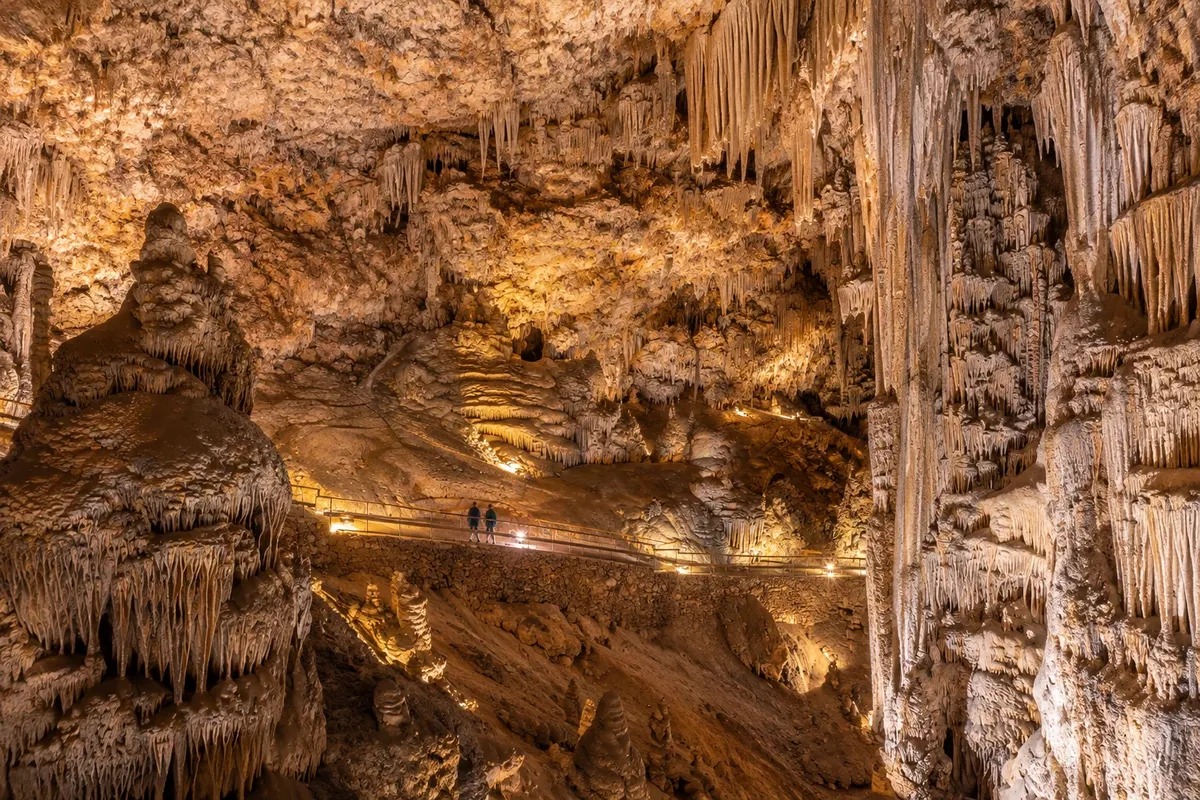
Cave discovered in 1959 in Maro, near Nerja, about 55 km from Málaga, with huge chambers of stalactites and stalagmites and prehistoric remains.

Balcón de Europa
Málaga · Andalusia · Razgledišče

Balcón de Europa

Seafront viewpoint in the center of Nerja, on the site of an old watchtower, with views over the coves, the cliffs and the Sierra de Almijara.

Kaj izbrati pred odhodom

Izleti – Costa del Sol and Ronda

Izhodišče, trajanje, potek, vključene storitve in okvirna cena vsakega izleta.

Alcazaba and Roman Theatre of Málaga

Odhod: Calle Alcazabilla, in Málaga's historic center on foot from the center Približno 2 uri Dopoldne easy, with inclines and stairs

The Alcazaba is Málaga's Muslim fortress-palace, built in the 11th century on the slope of Mount Gibralfaro, just above the center. The entrance is on Calle Alcazabilla, next to the Roman Theatre, from the 1st century, which can be seen from the pavement and has a small interpretation center. Inside the Alcazaba the path climbs in a zigzag through angled gates, double walls and gardens with fountains up to the Palacio Nazarí, with the Patios de los Naranjos and de la Alberca, and the Torre del Homenaje. From the ramparts you can see the port, the Cathedral and La Malagueta bullring. It is a simpler and shorter visit than the Alhambra, but with the same logic of courtyards and water. There is an elevator at the back, on Calle Guillén Sotelo, for those who do not want to climb on foot. Admission is paid separately and there is a combined ticket with Castillo de Gibralfaro.

Kraji na poti: Alcazaba of Málaga, Roman Theatre, Palacio Nazarí, Patio de los Naranjos, Torre del Homenaje.

Vključuje: Admission to the Alcazaba (site and Palacio Nazarí). The Roman Theatre can be seen from outside. The combined ticket with Castillo de Gibralfaro is sold separately.

Nasvet: Go early in the morning, before the heat and the tour groups. The ground is stone and there are ramps; wear shoes with firm soles. On Sunday afternoons the entrance often has special conditions and a queue may form; check the current price list.

Najboljši čas za obisk: All year. In spring and autumn strolling through the gardens is more pleasant.

Castillo de Gibralfaro

Odhod: Camino de Gibralfaro, ascending from the Alcazaba or from Paseo del Parque on foot (ascent of 20 to 30 minutes) or city bus to the upper point about 1 hour and a half, including the ascent late afternoon moderate, steep uphill on foot

The Castillo de Gibralfaro sits atop the hill of the same name, about 130 m above Málaga city center, and was built in the 14th century by the Nasrid king Yusuf I to protect the Alcazaba, to which it connects via a walled corridor called the coracha. What you visit are the walls, the rampart walk with views over the harbor, La Malagueta beach, the bullring and the whole city, plus a small interpretation center about the site's military history. The viewpoint next to the Parador, just before the entrance, is the classic photo spot of Málaga and does not require a ticket. The walk up starts from Paseo del Parque, along a paved, tree-lined path with benches; those who do not want to climb can take the city bus that goes up to the gate or a taxi. Going down, the path returns to the center in about 20 minutes.

Kraji na poti: Castillo de Gibralfaro, Mirador de Gibralfaro, Coracha, Interpretation Center.

Vključuje: Entrance to the castle and the interpretation center. The viewpoint next to the Parador is outside the site.

Nasvet: Go at late afternoon, when the sun is lower, and stay to watch the harbor lights come on. Bring water: there is no shade on the ascent or on the walls. The combined ticket with the Alcazaba is cheaper; check the current price list.

Najboljši čas za obisk: All year; in summer, only at the end of the day.

Museo Picasso Málaga

Odhod: Palacio de Buenavista, Calle San Agustín, 8 on foot, 2 minutes from the Cathedral Približno 2 uri Popoldne Lahko

Picasso was born in Málaga in 1881, and the museum dedicated to him occupies the Palacio de Buenavista, a 16th‑century palace with a courtyard and Mudejar wooden ceilings in the historic center. The collection comes from the painter’s family and covers his entire career, from early studies to cubism, ceramics and late canvases, presented in small rooms to be visited at leisure. In the basement there are Phoenician, Roman and Muslim remains found during the building’s renovation. The museum hosts temporary exhibitions with separate tickets. A short walk away, on Plaza de la Merced, Picasso’s Birthplace is a short, complementary visit with family objects and a documentation center. The square, with its bars and the obelisk, is a good place to end the afternoon.

Kraji na poti: Museo Picasso Málaga, Palacio de Buenavista, Casa Natal de Picasso, Plaza de la Merced.

Vključuje: Permanent collection and, with a separate ticket, temporary exhibitions. Audioguide in Portuguese when available. The Birthplace has its own ticket.

Nasvet: Buy the timed ticket on the official website and go in the early afternoon, when the morning groups have already left. Large backpacks go to the cloakroom. The museum is open every day; check the annual closure dates.

Najboljši čas za obisk: All year; it’s a good option for a rainy day.

Málaga Cathedral and walk on the roofs

Odhod: Calle Molina Lario, visitors' entrance on foot, in the historic center about 1 hour and a half; 1 hour more with the roof areas Dopoldne easy; roof areas with stairs

Málaga Cathedral began to be built in 1528 on the city's main mosque and remained unfinished: the south tower was never raised, which is why the people of Málaga call it La Manquita. Inside the space is tall and bright, with three naves, the wooden choir with sculptures by Pedro de Mena and two 18th-century organs. The standard visit includes the temple and the chapter house; the ticket includes an audio guide. Separately, by scheduled time, you can climb to the roofs: a spiral staircase leads to the roof, with views over the harbor, the Alcazaba and Gibralfaro, and explanations about the building's structure. The main façade faces Plaza del Obispo, with the episcopal palace; the side garden, the Patio de los Naranjos, is the old entrance.

Kraji na poti: Málaga Cathedral, La Manquita, Cathedral roofs, Choir, Plaza del Obispo.

Vključuje: Temple, choir and chapter house, with audio guide. The roofs have a separate ticket and scheduled time.

Nasvet: For the roof areas, buy in advance on the cathedral website and wear closed shoes; the climb is not recommended for those with vertigo. On Sunday mornings the temple is closed to tourism because of masses.

Najboljši čas za obisk: All year. On the roofs, avoid the sunniest hours in summer.

Centre Pompidou Málaga and Muelle Uno

Odhod: Pasaje Doctor Carrillo Casaux, at Muelle Uno, Málaga port on foot, 10 minutes from the center about 2 hours with the museum; plus the walk along the pier late afternoon and early evening Lahko

The Centre Pompidou Málaga was the first branch of the Paris museum outside France and occupies El Cubo, a colorful glass cube designed by Daniel Buren, on the port quay. The galleries are underground and show a selection from the Pompidou collection of the 20th and 21st centuries, with works by Picasso, Bacon, Frida Kahlo, Magritte and Chagall, among others, refreshed every few years, plus temporary exhibitions. The museum is closed one day a week; check ahead. Around it is Muelle Uno, the refurbished port quay, with shops, restaurants, ice cream parlors and a craft market on weekends, and the Palmeral de las Sorpresas, the promenade covered by a wavy white pergola that leads back to the center. At the end of the quay stands La Farola, the 1817 lighthouse, already at the entrance to La Malagueta beach. It is the locals' afternoon stroll.

Kraji na poti: Centre Pompidou Málaga, El Cubo, Muelle Uno, Palmeral de las Sorpresas, La Farola.

Vključuje: Collection and temporary exhibitions of the Centre Pompidou Málaga with audio guide. The walk along Muelle Uno and the Palmeral is outdoors.

Nasvet: Combine the museum with the sunset on the pier and a dinner at Muelle Uno. Cruise ships berth alongside and fill the pier in the morning; the afternoon is quieter.

Najboljši čas za obisk: Vse leto.

Atarazanas Market, Calle Larios and historic center

Odhod: Calle Atarazanas, 10, next to Alameda Principal on foot Približno 3 ure Dopoldne Lahko

The Mercado de Atarazanas is Málaga’s municipal market, housed in an iron building from 1879 that reused the marble gate of the 14th‑century Nasrid shipyard that once stood there, when the sea reached that point. On the rear façade a large stained glass window shows the city’s port in the 16th century. Inside are the fish and seafood stalls, fruit, olives, hams and savory items, and along the sides the counters that serve pescaíto frito and tapas until early afternoon; the market is open in the morning and closed on Sundays. From there, Calle Marqués de Larios, the pedestrian shopping street, leads to Plaza de la Constitución, the heart of city life, and into the maze of narrow streets of the historic center, with Pasaje de Chinitas and Málaga’s sweet‑wine taverns. On the other side of the Alameda is the Soho, a neighborhood of murals and graffiti by international artists, good for a mid‑morning walk.

Kraji na poti: Mercado Central de Atarazanas, Calle Marqués de Larios, Plaza de la Constitución, Pasaje de Chinitas, Soho of Málaga.

Vključuje: Open walk; food is paid separately.

Nasvet: Go to the market before midday, when the stalls are full and the counters still have space. On Calle Larios, the Christmas lights are usually switched on between late November and early January and become an attraction in their own right.

Najboljši čas za obisk: Year round; the market is livelier Tuesday through Saturday.

Prikaži dodatne izlete (11)

La Malagueta Beach, Pedregalejo and El Palo

Odhod: Paseo Marítimo Pablo Ruiz Picasso, next to the bullring walk to La Malagueta; city bus to Pedregalejo and El Palo half day or full day Ves dan Lahko

La Malagueta is the city beach, with dark coarse sand, a 15‑minute walk from the centre, just beyond the port and the bullring, with a promenade, showers and chiringuitos. It’s where the traveller takes their first dip without leaving Málaga. Following the promenade eastwards, in about an hour on foot or a few minutes by bus, you reach the Baños del Carmen, an old 1920s spa, and the fishing neighbourhoods of Pedregalejo and El Palo, with small beaches separated by breakwaters and a row of chiringuitos where espetos of sardines are grilled over coals in boats filled with sand—the city’s most typical dish. An afternoon in Pedregalejo is the locals’ Sunday plan.

Kraji na poti: La Malagueta Beach, Baños del Carmen, Pedregalejo, El Palo, Paseo Marítimo.

Vključuje: Open promenade; sunbeds and meals are extra.

Nasvet: For sardine espetos, the traditional season is the months without an R, from May to August; outside that period the sardines tend to be smaller. Bring sunscreen: the dark sand heats up a lot at midday.

Najboljši čas za obisk: June to September for swimming; October to May for walking and lunch by the sea.

Caminito del Rey

Odhod: North access, in Ardales (El Kiosko), with exit at El Chorro regional train from María Zambrano to El Chorro, car or tour full day leaving from Málaga; the route takes 3 to 4 hours Dopoldne moderate; not suitable for those with vertigo

The Caminito del Rey is the walkway attached to the wall of the Desfiladero de los Gaitanes, 100 m above the Guadalhorce River, about 60 km from Málaga. It was built in 1905 for the hydroelectric workers, later abandoned and rebuilt as an attraction in 2015, with wooden walkways on the old structure. The route is linear and one-way only, from north (Ardales) to south (El Chorro): 7.7 km in total, about 2.9 km of walkways and the rest access trails through the woods, with a suspension bridge over the abyss near the end. It takes 3 to 4 hours; everyone is given a helmet. Entry is at a reserved time, minimum age 8, and the official website sells tickets months in advance. A shuttle bus runs between the exit at El Chorro and the north access. The El Chorro-Caminito del Rey train station is next to the south exit; from there you take the bus to the start. The park is closed on Mondays and in strong wind or rain.

Kraji na poti: Caminito del Rey, Desfiladero de los Gaitanes, El Chorro, Ardales, Suspension bridge.

Vključuje: Entrance fee and helmet. The shuttle bus between the two ends is paid separately, in cash. There are guided visits with their own ticket.

Nasvet: Buy the ticket on the official website as soon as you have your travel date. By train there are few departures per day, about 50 minutes from Málaga; add the bus time and arrive with one hour to spare. Bring water and closed shoes; sandals are not allowed. In summer prefer the earliest morning departure.

Najboljši čas za obisk: From October to May. In summer the heat in the gorge is intense.

Ronda: Puente Nuevo and the Tajo

Odhod: Plaza de España, next to the Puente Nuevo, in Ronda bus from Málaga (about 2 hours), train via Antequera-Santa Ana or car full day departing from Málaga Ves dan easy, with climbs to the viewpoints

Ronda sits at about 740 m altitude, 100 km from Málaga, split by the Tajo, the gorge more than 100 m deep that the Guadalevín river carved in the rock. The Puente Nuevo, completed in 1793 after 42 years of work, spans the gorge at 98 m height and links the Mercadillo quarter, the newer part, with La Ciudad, the old part of stone streets, palaces and churches. The visit is on foot: Plaza de España and the Centro de Interpretación within the bridge itself; the Mirador de Aldehuela and the Alameda del Tajo, with views to the sierra; then the descent to the Puente Viejo and the Puente Árabe, from where you see the Puente Nuevo from below; and La Ciudad, with Plaza Duquesa de Parcent, the church of Santa María la Mayor, the Palacio de Mondragón and the walls up to the Puerta de Almocábar. If you want the classic photo of the bridge with the gorge, go down to the Mirador de los Viajeros Románticos or to the path that leads to the valley via the Puerta de los Molinos. Ronda was the city of Hemingway and Orson Welles and is famed as the birthplace of bullfighting on foot.

Kraji na poti: Puente Nuevo, Tajo de Ronda, Alameda del Tajo, Mirador de Aldehuela, La Ciudad, Puente Viejo, Puerta de Almocábar.

Vključuje: Open walk. The Centro de Interpretación del Puente Nuevo and the Palacio de Mondragón have separate admission.

Nasvet: Arrive early: day-trip groups from the coast crowd the centre between late morning and early afternoon. Ronda is cold in winter and has cool nights year-round; bring a warm layer. If you can, spend a night in Ronda and see the town empty in the morning.

Najboljši čas za obisk: Spring and autumn. In winter there are foggy days in the Tajo.

Ronda: Plaza de Toros, Baños Árabes and Casa del Rey Moro

Odhod: Calle Virgen de la Paz, opposite the Alameda del Tajo on foot, within Ronda Približno 3 ure Popoldne moderate: La Mina has 200 steps

Three paid visits complete the day in Ronda. The Plaza de Toros, from 1785, is one of Spain’s oldest bullrings, with two-tier stone covered stands; the visit goes through the ruedo, the stables of the Real Maestranza and the Museo Taurino, about the Romero dynasty that fixed the rules for bullfighting on foot. There are no bullfights during the visit: it is a history museum. The Baños Árabes, from the 13th and 14th centuries, lie below, near the Puente Árabe, and are very well preserved: three vaulted rooms with star-shaped skylights, the boiler room and the noria tower that drew water from the river, with a video explaining how it worked. The Casa del Rey Moro, on the descent to the Tajo, opens terraces of gardens designed by Forestier in 1912 and La Mina, the 14th-century staircase carved in the rock that drops about 60 m to the river, where slaves carried water up during sieges. The house itself is not visited. The steps are wet and uneven; the return is all uphill.

Kraji na poti: Plaza de Toros de Ronda, Museo Taurino, Baños Árabes, Casa del Rey Moro, La Mina, Jardines de Forestier.

Vključuje: Each site has its own ticket. The Casa del Rey Moro sells only at the box office.

Nasvet: Do La Mina with sneakers and unhurried; it’s not for people with bad knees. The Plaza de Toros closes on event days, usually during the Feria de Pedro Romero in early September. The Arab Baths close at lunchtime on Mondays and Saturdays; check in advance.

Najboljši čas za obisk: All year; in the heat of summer, La Mina is a cool refuge.

Setenil de las Bodegas

Odhod: Ronda car (30 minutes from Ronda), bus from Ronda or tour about 3 hours, added to the day in Ronda Dopoldne ali popoldne easy, with steep streets

Setenil de las Bodegas is the white village in the Cádiz hills about 20 km from Ronda, with houses built into the rock overhangs along the Trejo River. The two streets everyone photographs are Calle Cuevas del Sol, with the rock forming a roof over bars and restaurants, and Calle Cuevas de la Sombra on the other side of the river, where the stone almost completely encloses the street. Above, the 12th-century castle tower and the church of Nuestra Señora de la Encarnación overlook the roofs. The visit takes two or three hours: walk down the alleys, cross the bridges, eat something under the rock and climb up to the castle. The name comes from the cellars that stored wine in the stone cavities. There is no train; from Ronda you go by car, by regular bus or on an organized tour, many combining Ronda and Setenil in a single day from Málaga and Marbella.

Kraji na poti: Calle Cuevas del Sol, Calle Cuevas de la Sombra, Castillo de Setenil, Iglesia de la Encarnación, Río Trejo.

Vključuje: Open visit. The castle has a separate admission.

Nasvet: Park above, at the village entrance, and walk down; the lower streets are narrow and fill up on weekends and holidays. If travelling by bus, check return schedules to Ronda before you set out.

Najboljši čas za obisk: Spring and autumn. In summer the streets under the rock are the coolest place.

Marbella: old town and Puerto Banús

Odhod: Málaga Bus Station, next to María Zambrano bus (about 1 hour) or car via the A-7/AP-7; there is no train full day morning in the town centre, afternoon at the beach Lahko

Marbella is 58 km west of Málaga and is the best-known resort town on the Costa del Sol. The historic centre is a maze of white, flower-filled streets around the Plaza de los Naranjos, with a 16th-century town hall, the Church of La Encarnación, remains of the Arab city wall and many restaurants with outdoor tables. From there, Avenida del Mar, with sculptures by Dalí, leads to the Paseo Marítimo and the urban beaches, such as Fontanilla and Venus, with fine sand and calm water. Seven kilometres to the west is Puerto Banús, the 1970 marina where you can see yachts, luxury cars and brand shops; it is reachable by local bus, taxi or about an hour's walk along the seafront promenade. This is a one-day visit: morning in the old town, lunch and an afternoon at the beach or the marina. Marbella bus station is 2 km from the centre, served by local buses and taxis.

Kraji na poti: Plaza de los Naranjos, Marbella Old Town, Paseo Marítimo, Playa de la Fontanilla, Puerto Banús, Avenida del Mar.

Vključuje: Open/outdoor visit.

Nasvet: Buses from Málaga bus station run frequently and there are also direct services from the airport. In July and August the A-7 can be slow at weekends; the AP-7 is a tolled, faster road. Puerto Banús is more interesting at dusk, when the boats return.

Najboljši čas za obisk: May to October for the beach; the old town is worth visiting year-round.

Nerja, Balcón de Europa, Cuevas de Nerja and Frigiliana

Odhod: Málaga Bus Station bus (between 1 h and 1 h 45 min) or car via the A-7; there is no train full day morning in the cave, afternoon in Frigiliana easy; Frigiliana has hills

Nerja is about 55 km east of Málaga, where the Almijara mountain range meets the sea. The town centre is the Balcón de Europa, a viewpoint over the Mediterranean built on the old fortress, with palm trees, the statue of King Alfonso XII and coves on both sides; the largest beach is Burriana, a 20-minute walk away, with chiringuitos serving wood‑fired paella. Three kilometres away, in Maro, the Cueva de Nerja was discovered in 1959 by five local boys: the section open to the public has huge chambers, with a 32 m column in the Sala del Cataclismo, and the audioguide visit takes about an hour; tickets are for a timed entry. Frigiliana, 7 km up in the sierra, is a white Moorish village with stepped streets, ceramic panels telling the 1569 morisco revolt and sea views; it’s reachable by regular bus from Nerja or by car. All three places fit into one day: cave in the morning, Nerja at lunch, Frigiliana in the afternoon.

Kraji na poti: Balcon de Europa, Cueva de Nerja, Burriana Beach, Frigiliana, Maro.

Vključuje: Open-format outing; the Cueva de Nerja requires a timed ticket and the Museo de Nerja in the center has its own ticket.

Nasvet: Buy the cave ticket on the official website before you go; in July and August time slots often sell out. From Nerja to the cave there is a local bus and taxis. In Frigiliana, wear shoes with rubber soles: the stone pavement is slippery.

Najboljši čas za obisk: All year. The cave maintains a constant temperature; the beach season is June through September.

Mijas Pueblo

Odhod: Málaga or Fuengirola Cercanías C-1 to Fuengirola and bus M-122; bus M-112 from Málaga; car Pol dneva Dopoldne ali popoldne easy, with hills

Mijas Pueblo is the white village on the Costa del Sol that’s easiest to visit without a car: it sits at about 400 m elevation in the hills above Fuengirola, 30 km from Málaga. Cobbled streets, whitewashed walls and blue geranium pots set the scene; the walk starts at Plaza Virgen de la Peña, with the visitor center, and continues to the Ermita de la Virgen de la Peña, a chapel carved into the rock in the 17th century, through the Jardines de la Muralla with viewpoints over the coast toward Fuengirola, and past the 1900 oval bullring, now a museum. There is also a miniature museum and shops selling leather and ceramic crafts. Donkey taxis are the traditional image of the village; electric carts are an alternative. From Málaga, the most practical route is the Cercanías C-1 train to Fuengirola, about 45 minutes, then the M-122 local bus, which climbs in about 20 minutes; there is also a direct line from Málaga.

Kraji na poti: Mijas Pueblo, Plaza Virgen de la Peña, Ermita de la Virgen de la Peña, Jardines de la Muralla, Plaza de Toros de Mijas.

Vključuje: Open walk. The bullring and museums have separate admission.

Nasvet: Go in the morning, before the coastal excursions, or in the late afternoon to see the sunset from the viewpoints. Combine it with an afternoon on the beach in Fuengirola on the return via the C-1.

Najboljši čas za obisk: Vse leto.

Antequera: dolmens and El Torcal

Odhod: Málaga María Zambrano train to Antequera-Santa Ana (25 minutes) and bus; direct bus; car full day morning at the dolmens, afternoon at El Torcal moderate: El Torcal is walking on rock

Antequera is 50 km north of Málaga and combines two sites UNESCO inscribed together as World Heritage in 2016. The dolmens of Menga and Viera stand side by side on the outskirts of town: Menga is a stone chamber over 100 tons, from the 4th millennium BCE, whose entrance points to the Peña de los Enamorados, the mountain with a human-face profile dominating the plain; the Tholos of El Romeral is 4 km away, with a false–vault dome. There is a visitor center with an exhibition and the visit is short, one to two hours. El Torcal, 15 km south of town, is a limestone plateau above 1,200 m carved by rain into towers, mushrooms and stone corridors, with waymarked trails from the visitor center: the green route is 1.5 km and the yellow 3 km, on rock surface. Between these sites, the Alcazaba of Antequera and the collegiate church of Santa María, atop the town, have views of the Peña. Without a car the day becomes trickier: Antequera-Santa Ana station is 18 km from town, with a shuttle bus, and El Torcal has no regular public transport.

Kraji na poti: Dolmen of Menga, Dolmen of Viera, Tholos of El Romeral, Peña de los Enamorados, El Torcal of Antequera, Alcazaba of Antequera.

Vključuje: The dolmens have entry under special conditions; check. El Torcal is open, with a visitor center. The Alcazaba has separate admission.

Nasvet: For El Torcal, go early on weekends and holidays: when the upper parking fills, the road closes and you go up by shuttle bus from the lower car park. Bring a jacket even in summer, the plateau is windy. The dolmens visitor center is closed some days of the week; check ahead.

Najboljši čas za obisk: Spring and autumn. In winter there are snowy days in El Torcal.

Gibraltar (round-trip excursion)

Odhod: Málaga Bus Station to La Línea de la Concepción bus (about 3 hours) or car to La Línea; border crossing on foot full day, long Ves dan Zmerno zahtevno

Gibraltar is not part of Spain: it is a British territory at the southern tip of the peninsula, about 130 km from Málaga, so you will pass through a border control and should carry your passport. The 426 m rock is the main attraction: the cable car rises from the town to the summit in a few minutes, and from there you walk through the Upper Rock Nature Reserve among the Gibraltar macaques, which roam free on the rock, to St. Michael's Cave, a grotto used for concerts and illuminated visits, and the Great Siege Tunnels, cut into the rock by the British in the late 18th century. On clear days you can see Morocco across the strait. Below, Main Street has shops, pubs and red phone booths; Europa Point, at the southern tip, has the lighthouse and the mosque. The simplest way without a car is the bus from Málaga to La Línea de la Concepción, cross the border on foot, cross the airport runway and take a bus or taxi in the centre. If you drive, leave the car in La Línea: queues to enter by car can be long.

Kraji na poti: Rock of Gibraltar, Upper Rock Nature Reserve, St. Michael's Cave, Great Siege Tunnels, Main Street, Europa Point.

Vključuje: Open/outdoor visit. Cable car and entrance to the nature reserve require a separate ticket; taxis that do the rock tour often include the entrance.

Nasvet: Take your passport and check Gibraltar's entry requirements before going. Do not feed or touch the monkeys. The bus from Málaga has few schedules; check the return before you leave or consider an organized tour.

Najboljši čas za obisk: All year; avoid very windy days, when the cable car may stop.

Benalmádena and Torremolinos: Monte Calamorro cable car

Odhod: Benalmádena-Arroyo de la Miel station, Cercanías C-1 Málaga Cercanías C-1 (about 30 minutes) and 10 minutes on foot Pol dneva Popoldne Lahko

Benalmádena and Torremolinos are the beach towns next to the airport on the C-1 Cercanías line, good for an easy afternoon without leaving the train. In Benalmádena, the cable car rises from Arroyo de la Miel to Monte Calamorro, about 800 m high, in 15 minutes, in four-person cabins; at the top there are viewpoints over the whole Costa del Sol, with Gibraltar and the African coast on clear days, waymarked trails and birds of prey displays at seasonal times. The cable car closes for a few weeks in winter for maintenance; check the schedule before you go. Below, Puerto Marina is the marina with restaurants, and Benalmádena Pueblo, above, is the original white village core. Torremolinos, one stop earlier, was the Costa del Sol’s first seaside resort in the 1950s and 1960s, and has the La Carihuela promenade, a fishermen’s quarter with a wide beach and pescaíto restaurants, 10 minutes on foot from the station.

Kraji na poti: Benalmádena Cable Car, Monte Calamorro, Puerto Marina, Benalmádena Pueblo, Torremolinos, La Carihuela.

Vključuje: Open visit; the cable car has a separate ticket, round-trip or one-way for those who walk down.

Nasvet: Go up to Calamorro in the late afternoon to see the sunset and descend before the last departure. There is little shade on the high trails. In July and August the cable car usually operates into the evening.

Najboljši čas za obisk: From March to November; in winter check whether it is operating.

Po dnevih

Costa del Sol and Ronda – načrt poti. Število dni: 3, 5in7

Predlogi za načrtovanje poti. Vrstni red dni prilagodite vremenu in razpoložljivosti izletov.

3 dni · Málaga and Ronda in 3 days

ZaAnyone arriving by train from Madrid or by plane with a connection who wants the essentials: Málaga city center, the beach and a day in Ronda. · Izhodišče:Málaga, in the historic center or near María Zambrano
  1. Dan 1 · Arrival and Málaga city center

    Arriving in the morning, drop your bags and start at the Atarazanas Market, Calle Larios and the historic center, with lunch of tapas. In the afternoon, Málaga Cathedral and a walk on the roofs, if open, then the Alcazaba and Málaga Roman Theatre. At the end of the day, climb to the Castillo de Gibralfaro to watch the sunset over the port. If you arrive in the afternoon, reverse the order: Gibralfaro today, Alcazaba early tomorrow.

  2. Dan 2 · Ronda

    Full day in Ronda: early bus from the bus station next to María Zambrano or train with a change at Antequera-Santa Ana. In the morning, Ronda: Puente Nuevo and the Tajo, with viewpoints and La Ciudad. Lunch and, in the afternoon, Ronda: Plaza de Toros, Arab Baths and Casa del Rey Moro. Return in the late afternoon; check the last departure time before you leave. With a car, fit Setenil de las Bodegas in at the start of the afternoon.

  3. Dan 3 · Picasso, port and beach

    In the morning, Museo Picasso Málaga and the birthplace house at Plaza de la Merced. Have lunch in the center and walk to the Centre Pompidou Málaga and Muelle Uno; continue along the quay to La Malagueta Beach for the afternoon, or take the bus to Pedregalejo and El Palo for a sardine espetó by the sea. Return to the hotel via the Palmeral de las Sorpresas. If you leave by train at the end of the day, the station is a 15-minute walk from the center.

5 dni · Costa del Sol and mountains in 5 days
ZaAnyone who wants to add the Caminito del Rey and a day at the beach and a white village, without renting a car. · Izhodišče:Málaga
  1. Dan 1 · Arrival and historic center

    Arrival in the morning, by train from Madrid or by plane with a connection. Atarazanas Market, Calle Larios and the historic center, lunch and, in the afternoon, Málaga Cathedral and the Alcazaba and Málaga Roman Theatre. End the day at the Castillo de Gibralfaro. Buy today, if you haven't already, tickets for the Caminito del Rey and the Picasso Museum for the coming days.

  2. Dan 2 · Caminito del Rey

    Full day at the Caminito del Rey: early regional train from María Zambrano to El Chorro-Caminito del Rey, shuttle bus to the north access and the 3–4 hour route to El Chorro. Bring water and a snack. Return by train mid-afternoon and rest; in the evening, dine in the Soho or at Muelle Uno.

  3. Dan 3 · Ronda

    Early bus or train with a change at Antequera-Santa Ana. Ronda: Puente Nuevo and the Tajo in the morning, with a descent to Puente Viejo and La Ciudad. After lunch, Ronda: Plaza de Toros, Arab Baths and Casa del Rey Moro. Return late afternoon. If you prefer, stay overnight in Ronda and return the following morning.

  4. Dan 4 · Mijas Pueblo and beach

    Cercanías C-1 to Fuengirola and bus M-122 to Mijas Pueblo in the morning, visiting the viewpoints and the chapel in the rock. Lunch in the village and, in the afternoon, beach time in Fuengirola or get off at Benalmádena for the cable car to Monte Calamorro (Benalmádena and Torremolinos) and the sunset. Return by train.

  5. Dan 5 · Picasso, Pompidou and the sea

    Museo Picasso Málaga in the morning. Lunch in the center and the afternoon at the Centre Pompidou Málaga and Muelle Uno, continuing along the quay to La Malagueta Beach. If your flight or train is early the next day, have dinner near the hotel; the station and the airport are reachable on Cercanías C-1 from Centro-Alameda or María Zambrano.

7 dni · Costa del Sol, Ronda and day trips in 7 days
ZaAnyone with a week who wants to see the whole coast, from Nerja to Marbella, with Ronda, Caminito del Rey and Antequera, preferably with a car for two of the days. · Izhodišče:Málaga, with the option of one night in Ronda
  1. Dan 1 · Arrival and Málaga city center

    Arrival in the morning. Atarazanas Market, Calle Larios and historic center, Málaga Cathedral and, in the afternoon, the Alcazaba and the Roman Theatre of Málaga. Sunset at Gibralfaro Castle. Check the tickets you bought for the Caminito del Rey, the Picasso Museum and the Nerja Cave.

  2. Dan 2 · Caminito del Rey

    Early regional train to El Chorro-Caminito del Rey and the full route through the Desfiladero de los Gaitanes. Return by train mid-afternoon. End the day at La Malagueta Beach or at Muelle Uno, with dinner on the quay.

  3. Dan 3 · Ronda with an overnight in town

    Bus or train with a change at Antequera-Santa Ana. Ronda: Puente Nuevo and the Tajo in the morning; in the afternoon, Ronda: Plaza de Toros, Arab Baths and Casa del Rey Moro. Stay overnight in Ronda to see the Puente Nuevo illuminated and the town empty early in the morning.

  4. Dan 4 · Setenil and Antequera

    With a rental car from Ronda or on a tour: Setenil de las Bodegas in the morning, about 30 minutes’ drive. Then Antequera: dolmens and El Torcal, starting with the Menga and Viera dolmens and heading up to El Torcal in the mid-afternoon via the green trail. Return to Málaga via the A-45 at the end of the day. Without a car, return from Ronda to Málaga and do Antequera by train on day 6.

  5. Dan 5 · Nerja and Frigiliana

    Bus or car via the A-7 to Nerja, Balcón de Europa, Cuevas de Nerja and Frigiliana: cave visit early, Balcón de Europa and lunch in Nerja, Frigiliana in the afternoon. Return to Málaga in the early evening.

  6. Dan 6 · Marbella and Puerto Banús

    Bus from the bus station to Marbella: old town and Puerto Banús. Morning at Plaza de los Naranjos and the historic center, lunch, afternoon at the beach in La Fontanilla and late afternoon in Puerto Banús. If you prefer, swap this day for Gibraltar (day trip), leaving very early.

  7. Dan 7 · Picasso, Pompidou and farewell

    Picasso Museum Málaga and Birthplace in the morning. Afternoon at the Centre Pompidou Málaga and Muelle Uno and a walk through the Palmeral de las Sorpresas. If time allows, take the Cercanías C-1 to Benalmádena and Torremolinos for the Monte Calamorro cable car at sunset. Farewell dinner with sardine espetos in Pedregalejo.

Najboljši čas za obisk

Kdaj se odpraviti:Costa del Sol and Ronda po mesecih

From April to June and from September to October the weather is usually good for city and beach at the same time. From July to August it is hot and the coast gets crowded. From November to March the coast is usually mild, good for museums and walks, but the sea is cold and Ronda can have nights below zero.

The seasons shown are the most usual ones; nature doesn't always follow the calendar.

januar Zmerne padavine

Mild winter · Three Kings parade

January is winter in the northern hemisphere, but in Málaga it is a mild winter: highs around 17 °C and lows near 8 °C, with about 60 mm of rain spread over a few days. Ronda, at 740 m, is much colder, with mornings near freezing and foggy days in the Tajo. Caminito del Rey and Ronda are pleasant for walking; the beach is only for strolling. The city is empty and museums have no lines.

februar Zmerne padavine

Almond trees in bloom · Málaga Carnival

February is similar to January: highs near 18 °C, lows of 8 °C and moderate rain, with clear days between fronts. Almond trees bloom in the Ronda mountains and El Torcal. The Málaga Carnival usually takes over the streets of the center at the end of the month. Bring a coat for Ronda and for the evening at Gibralfaro. Good time for museums and for the Caminito del Rey.

marec Zmerne padavine

Start of spring · Easter Week in some years

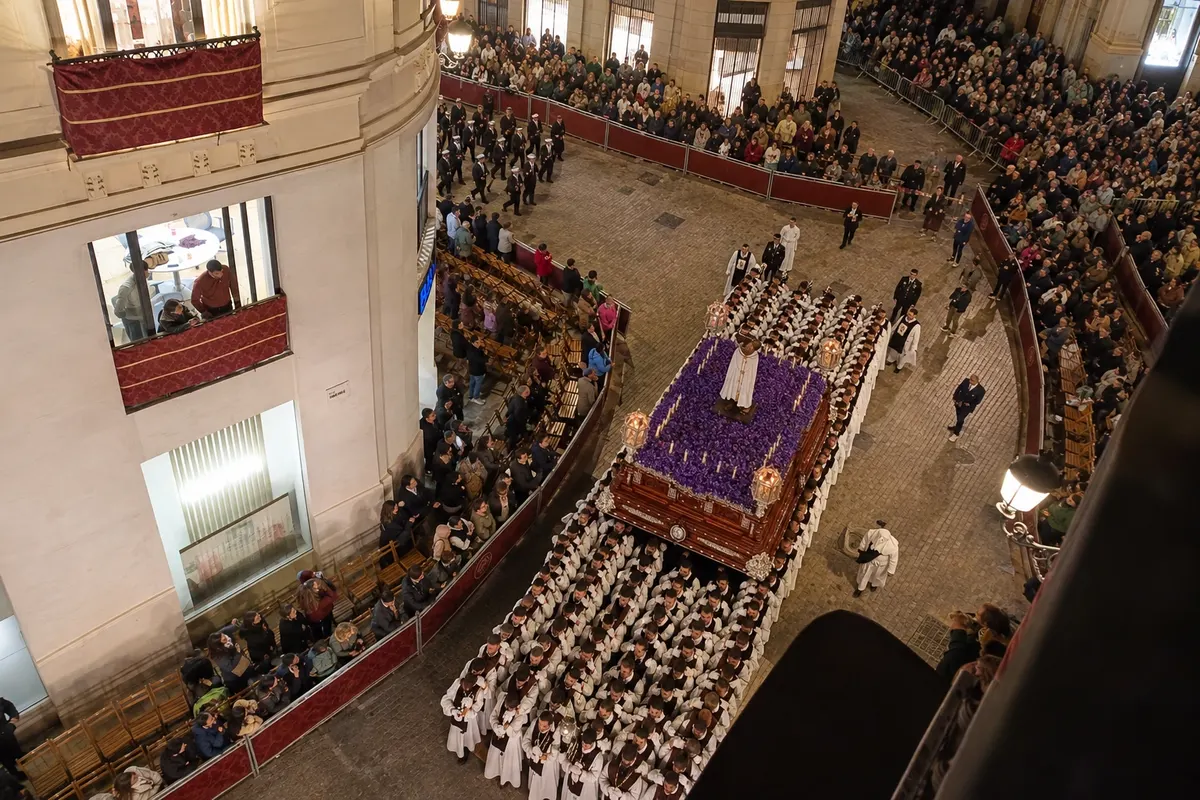
March ushers in spring: highs around 20 °C, lows of 10 °C, and it is one of the rainier months of the year in Málaga, with about 65 mm. The fields of Antequera and Ronda turn green. When Holy Week falls in March, Málaga experiences its processions, with huge pasos carried by hundreds of people and the center closed; book in advance. European daylight saving time begins at the end of the month.

april Malo padavin

Holy Week · Full spring

April has highs near 22 °C, lows of 12 °C and about 40 mm of rain. It is the month of Holy Week in most years, with Málaga’s processions between Palm Sunday and Easter Sunday; accommodation and trains fill up that week. Outside that period, it is one of the best times for the Caminito del Rey, Ronda, Setenil and El Torcal, with the countryside in bloom. The sea is still cold for swimming.

maj Malo padavin

Long days · Little rain

May is dry and bright: highs around 25 °C, lows of 15 °C and just over 20 mm of rain. Days exceed 14 hours of daylight. The beach season begins for the more daring and the sardine espetos season in Pedregalejo. Ronda, Antequera and the Caminito del Rey are still cool for walking. coastal excursions already crowd Ronda and Mijas at midday.

junij Malo padavin

Start of summer · Night of San Juan

The sea reaches bathing temperature and the beaches of La Malagueta, Nerja and Marbella fill up. On the night of June 23, the Night of San Juan, there are usually bonfires on the sand. At the Caminito del Rey, prefer the earliest morning slot. In Ronda the heat is dry and the nights remain cool.

julij Malo padavin

High season · Dry heat

July is high season and a dry month: highs around 31 °C, lows of 21 °C and virtually no rain in Málaga. The terral, a hot inland wind, reduces humidity on some days and pushes temperatures above 35 °C. Plan museums and the Cathedral for midday, the beach and Muelle Uno for late afternoon, and Ronda and Antequera very early in the morning. Prices and occupancy peak in Marbella and Nerja.

avgust Malo padavin

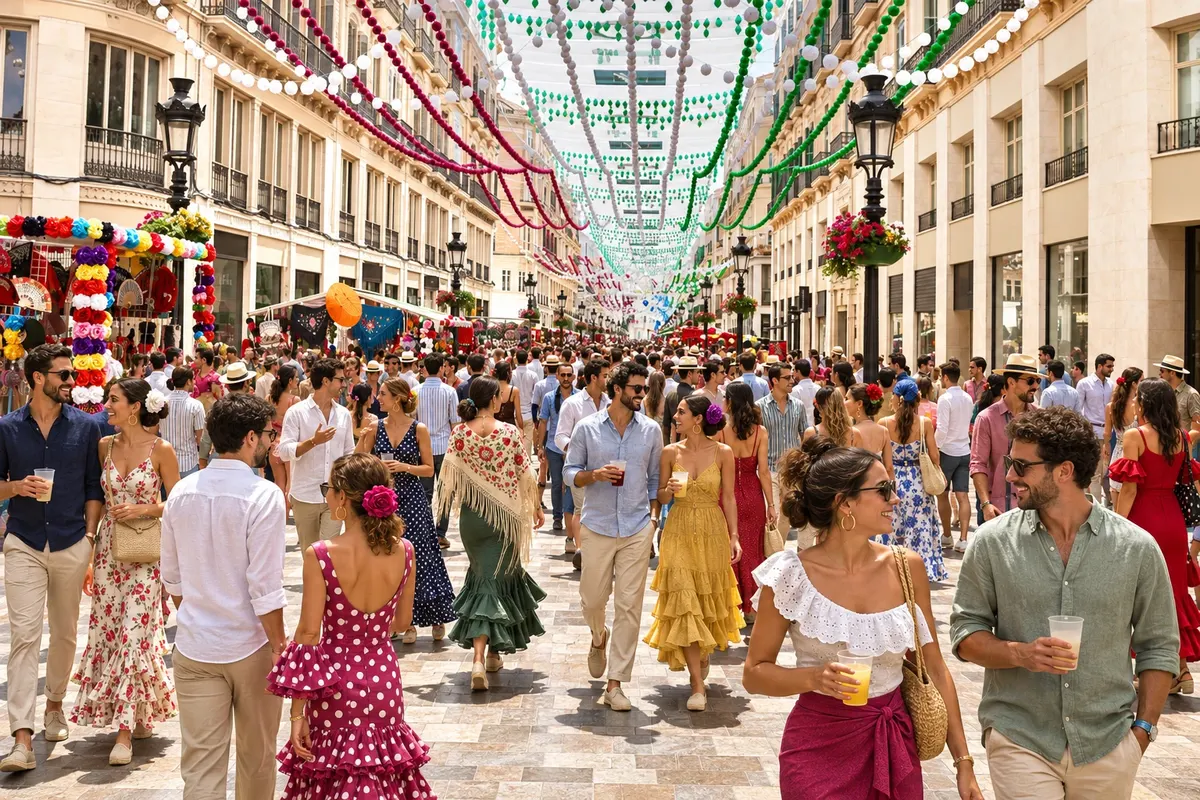
Feria de Málaga · Hottest month

August is the hottest month, with highs near 32 °C and lows of 22 °C, and no rain. In the second half of the month the Feria de Málaga takes place, about a week of festivities with the center lively by day and the fairground at night; it is lively but very crowded and expensive. The Caminito del Rey and El Torcal become harsh in the heat; prefer the sea, the Cueva de Nerja and the Alcazaba early in the morning. Ronda has cooler nights than the coast.

september Malo padavin

End of summer · Feria de Pedro Romero

September is still summer: highs around 28 °C, lows of 19 °C and about 25 mm of rain, generally at the end of the month. The sea is at its warmest temperature of the year and the beaches empty after the first week. In Ronda, the Feria de Pedro Romero, at the beginning of the month, closes the Plaza de Toros to visits for a few days. It is an excellent month to do everything: city, beach, Caminito and the mountains.

oktober Zmerne padavine

Mild autumn · Sea still good

In October highs are near 24 °C, lows 15 °C and rain returns, about 60 mm, usually in one- or two-day episodes. The sea remains good for swimming in the first half of the month. The vineyards and chestnut trees of the Ronda mountains change color. Excellent for Caminito del Rey, Setenil, El Torcal and Gibraltar. European daylight saving time ends at the end of the month.

november Veliko padavin

Rainy month · Low season

November is the second rainiest month of the year in Málaga, with about 75 mm, though temperatures remain mild: highs around 20 °C and lows of 11 °C. There are whole weeks of sunshine between the rains. It is low season: cheaper hotels and empty museums. Ronda and Antequera already require a coat. The Caminito del Rey can close on days of heavy rain or wind; have a plan B.

december Veliko padavin

Christmas lights · Mild winter

December is the rainiest month, with about 90 mm, and highs near 18 °C and lows of 9 °C. It is winter, but a light-coat winter on the coast; in Ronda it is truly cold. The Christmas lights on Calle Larios, usually lit from late November until early January, draw people from the whole region. Museums and the Caminito close on some holiday days; check ahead. Good time for museums, the Cathedral and walks through the center.

Načrtujte pot

Kako do tja:Costa del Sol and Ronda

By train, from Madrid, Córdoba, Seville and Barcelona

Málaga station is María Zambrano, a 15-minute walk from the center, with metro and Cercanías below ground. From Madrid-Puerta de Atocha – Almudena Grandes high-speed trains arrive in about 2 h 40, with departures throughout the day. From Córdoba, about 1 hour; from Sevilla Santa Justa (Seville), Avant and regional trains take 2 to 3 hours; from Barcelona Sants, direct trains take about 6 hours. From Granada, the train via Antequera takes around 1 h 20, with sections that may be replaced by Renfe buses when there are works on the line; check when purchasing. High-speed tickets are cheaper if bought in advance on Renfe’s official site, with reserved seating. Antequera-Santa Ana, 25 minutes from Málaga, is the transfer station for Ronda and Granada.

From the airport to the city center and the coast

The Cercanías C-1 departs from Aeropuerto station, at the arrivals level of T3, every 20 minutes: to the center there are two stops, María Zambrano and Centro-Alameda, in about 12 minutes; in the opposite direction, the same train stops at Torremolinos, Benalmádena-Arroyo de la Miel and Fuengirola, the end of the line, in about 35 minutes. Tickets are bought at the station machines. There is also an express city bus to the center and taxis with a set tariff for the city. To Marbella, Estepona and Nerja direct buses leave from the airport bus station, with few schedules outside summer; the alternative is to take the train to María Zambrano and board the bus at the adjacent bus station. For Ronda, the route is Málaga’s bus station or the train with a transfer at Antequera-Santa Ana.

Z avtom

The Costa del Sol is traveled via the A-7, the Mediterranean highway, toll-free, and the AP-7, tolled and faster between Málaga and Estepona. From Madrid to Málaga it is about 530 km via the A-4 to Córdoba and then the A-45 toward Antequera, around 5 h 30. From Seville, about 210 km via the A-92 and A-45; from Granada, 130 km via the A-92 and A-45. Marbella is 58 km west of Málaga; Nerja, 55 km east; Antequera, 50 km north via the A-45; Ronda, 100 km via the A-357 and A-367, a winding mountain road; Gibraltar, 130 km. A car makes a difference for Setenil, El Torcal and the white villages of the Sierra de Ronda, where public transport is scarce. In the centers of Málaga, Marbella and Ronda, parking is difficult and expensive; use public underground car parks. Rent-a-car agencies are at the airport and at María Zambrano.

How to get around Málaga, Marbella and Ronda

Málaga is walkable: from the historic center to La Malagueta beach, the port and the station, everything is 15–20 minutes away. The metro has two lines that link María Zambrano and the center to the western neighborhoods and the university, of little use to tourists; the EMT city bus serves Gibralfaro, Pedregalejo and El Palo. The Cercanías C-1 is the way to reach the western beaches and the airport, and the C-2 goes inland to Álora. The bus station is next to María Zambrano, with frequent buses to Marbella, Nerja, Antequera and Ronda, and lines to Gibraltar via La Línea. Marbella has no train: only bus or car. Ronda has a station on the Bobadilla–Algeciras line, with regional trains from Antequera-Santa Ana; the section is under renovation and, at times, Renfe provides a bus link instead; check when purchasing. Within Ronda and Marbella, everything is done on foot. For Setenil, El Torcal and Frigiliana, plan on a car, infrequent scheduled buses or an excursion.

Tickets and fees

Tickets that must be purchased in advance on the official website include Caminito del Rey, by time slot and named; Cueva de Nerja, by time slot; and the roof areas of Málaga Cathedral. Museo Picasso, Centre Pompidou, Alcazaba and Gibralfaro sell tickets online and at the door, with a combined ticket available for Alcazaba and Gibralfaro. In Ronda, Plaza de Toros, Baños Árabes, Casa del Rey Moro, Centro de Interpretación del Puente Nuevo and Palacio de Mondragón each charge their own entrance fee, some only accepting cash or sales at the box office. In Gibraltar, entry to the Rock Nature Reserve and the cable car are paid separately. Check the current fee schedule for each attraction before you go.

Pred odhodom

Praktične informacije

Z nekaj načrtovanja boste imeli več časa za uživanje na poti.

Kdaj se odpraviti

From April to June and from September to October the weather is usually good for city and beach at the same time. From July to August it is hot and the coast gets crowded. From November to March the coast is usually mild, good for museums and walks, but the sea is cold and Ronda can have nights below zero.

The seasons shown are the most usual ones; nature doesn't always follow the calendar.

Koliko dni ostati

Three days in Málaga cover the city and a day trip. Add one day for Marbella and one or two for Ronda. With five to six days you can combine museums, beach, the Caminito del Rey or Nerja and spend a night in Ronda.

V katerem mestu prenočiti

In Málaga, the historic center, between the Cathedral, Calle Larios and Plaza de la Merced, leaves almost everything within walking distance. La Malagueta, next to the beach and the port, combines sea and city center. Those who want only the beach can stay in Marbella, either in the old town or on the seafront, or in areas near Puerto Banús. In Ronda, the historic center around the Puente Nuevo and the Plaza de Toros is the most practical for visitors arriving without a car.

Spoštujte kraj

Odnesite svoje odpadke, upoštevajte oznake in podprite lokalne ponudnike. V naravi upoštevajte navodila za obiskovalce.

Odgovori na vaša vprašanja

Pogosta vprašanja – Costa del Sol and Ronda

How many days to allocate for Málaga, Marbella and Ronda?

Five to six days allow you to see all three well. Use Málaga as a base for three days, do Marbella in one day and set aside one or two for Ronda. If you only have three days you can stay in Málaga and make a day trip to Ronda.

Do you need to rent a car to visit Ronda and the villages in the area?

It is not mandatory. Málaga is walked on foot, and there are buses from Málaga to Marbella and to Ronda. A car helps to link Ronda with the white villages in the mountains, where public transport is scarce, and to stop at viewpoints along the road. In the centers of Málaga and Ronda, parking is difficult.

Can the trip be made by train?

Partly. Málaga receives high-speed trains from Madrid and other cities at María Zambrano station. From the airport to the center there is a suburban train. Ronda has its own station, but the trip from Málaga usually takes more than two hours. Marbella has no train station, and access is by bus or car.

Can you make day trips to Ronda and Marbella leaving from Málaga?

Yes. Marbella is about 60 km away, and the bus takes around an hour. Ronda is about 100 km away, with two hours or a little more by bus. The day trip to Ronda is tiring; staying overnight allows you to see the Puente Nuevo at night and early in the morning with fewer people.

Odkrijte druge destinacije Iskanje po zvezni državi in mestu

Več kot vodnik