

Most
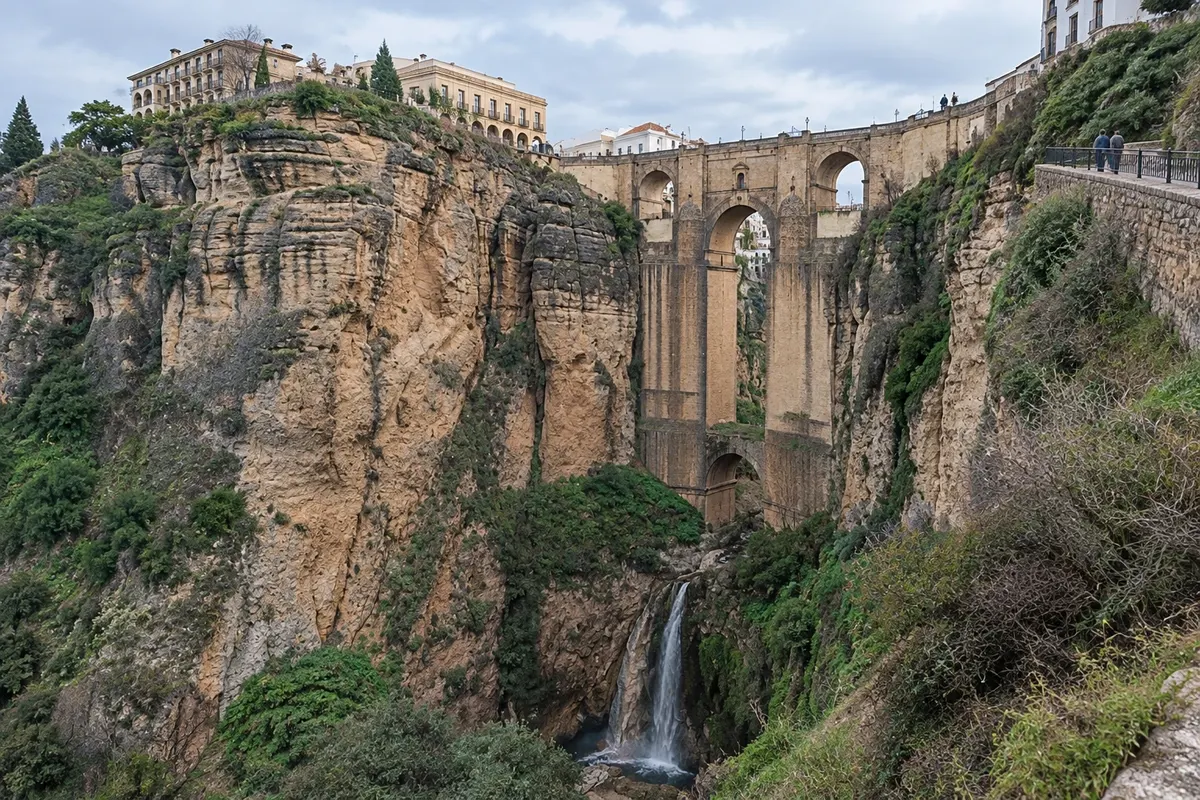
Puente Nuevo (New Bridge)
The stone bridge, 98 meters high, completed in 1793, spans the Tajo de Ronda and links the old town to the Mercadillo neighbourhood. An interpretation center operates inside it.

 Išči
 Brazilija
 Antarktika
 Argentina
 Bolivija
 Čile
 Kolumbija
 Ekvator
 Gvajana
 Francoska Gvajana
 Falklandski otoki (Malvini)
 Paragvaj
 Peru
 Surinam
 Urugvaj
 Venezuela
 Nemčija
 Avstrija
 Belgija
 Hrvaška
 Danska
 Slovaška
 SlovenijaŠpanija
 Finska
 Francija
 Grčija
 Nizozemska
 Madžarska
 Irska
 Islandija
 Italija
 Luksemburg
 Norveška
 Poljska
 Portugalska
 Združeno kraljestvo
 Češka
 Švedska
 Švica
 Turčija
 Bermudi
 Kanada
 Združene države Amerike
 Grenlandija
 Mehika
 Sveta Peter in Mihael
 Dominikanska republika
 JaponskaTurčija
 Južnoafriška republika
 Egipt
 Avstralija
 Fidži
 Nova Zelandija
 Papua Nova Gvineja
Andaluzia · Španija
Destinacija: Costa del Sol and Ronda.
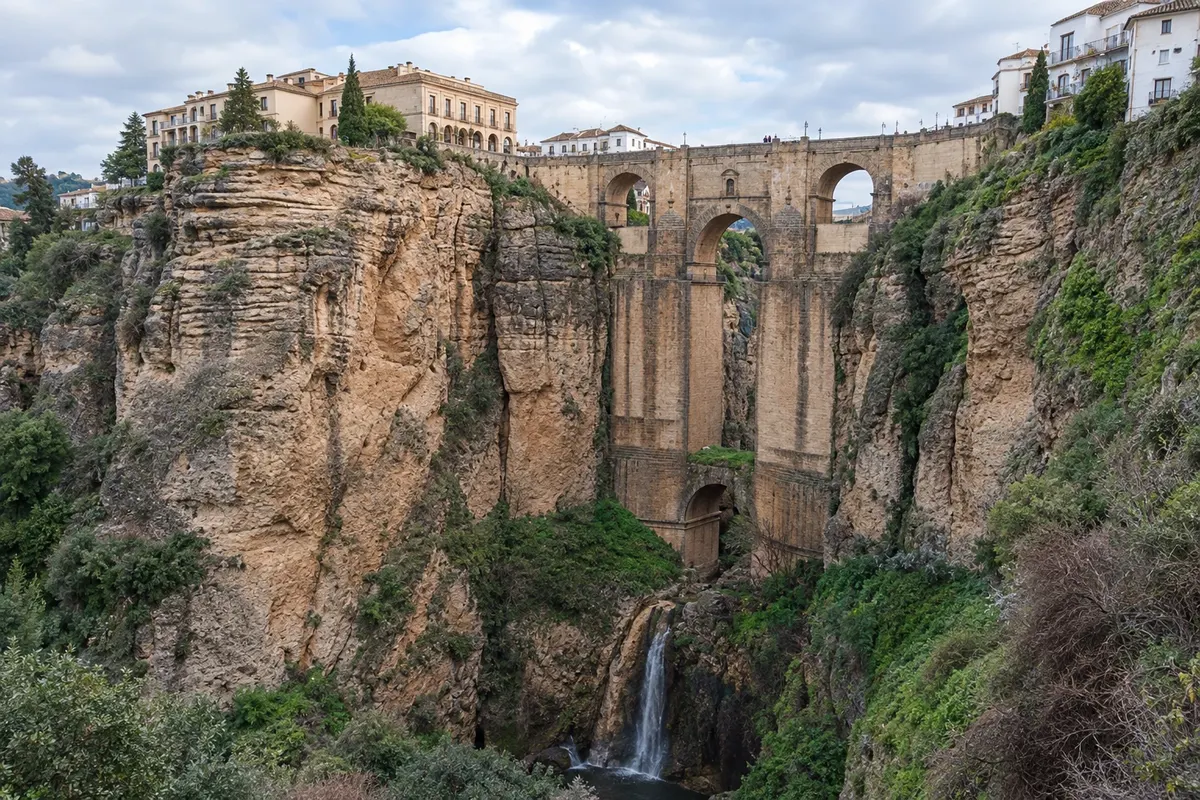
Na fotografiji: Puente Nuevo de Ronda
Illustrative images. The pictures in this guide are illustrations based on the real place, not photographs, and may differ from it.
Mesto
Ronda is located inland in the province of Málaga, at 723 meters above sea level, on a plateau cut by the Tajo, the gorge of the Guadalevín river. The Puente Nuevo, dating from 1793, connects the old town to the Mercadillo, where the Plaza de Toros da Real Maestranza is. Down below are the Baños Árabes, the Puente Viejo and the mine of the Casa del Rey Moro. The language is Spanish.
V vodniku še ni nastanitev – Ronda.
kako do tja · koliko dni · načrt poti · vprašanja
Doživite kraj
The stone bridge, 98 meters high, completed in 1793, spans the Tajo de Ronda and links the old town to the Mercadillo neighbourhood. An interpretation center operates inside it.
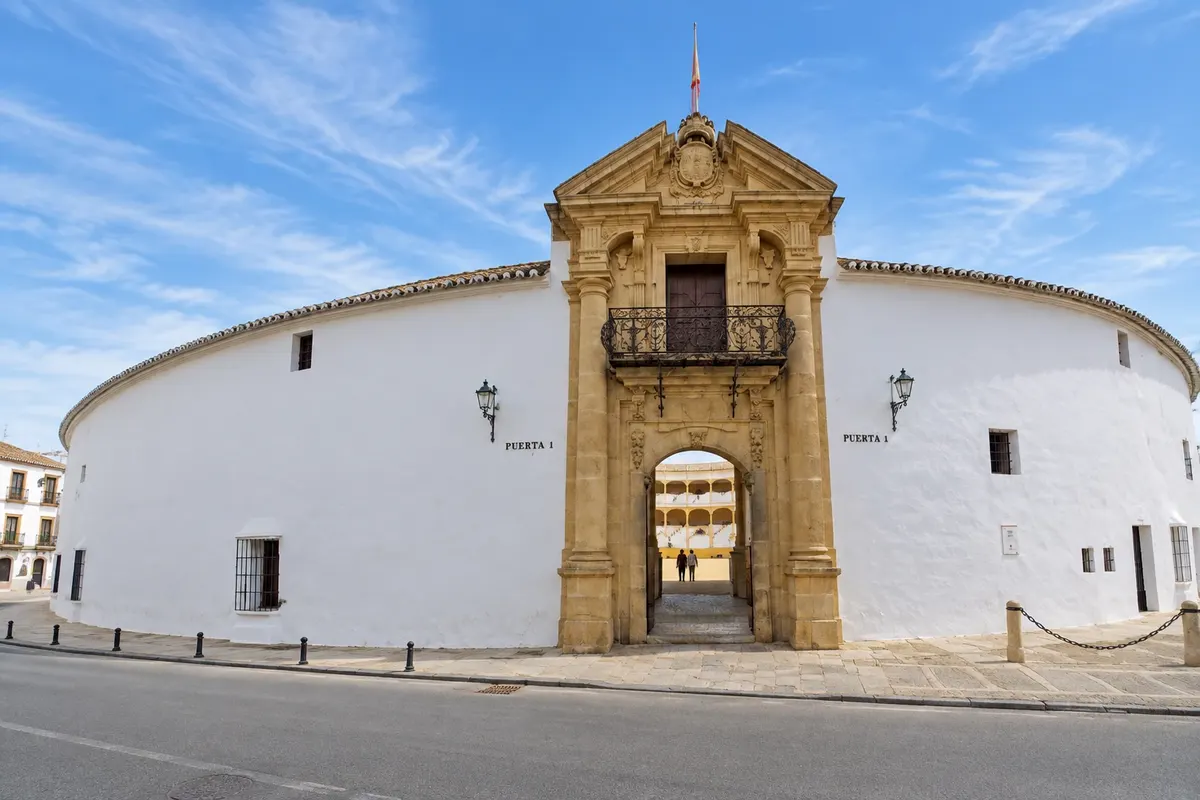
Stone bullring inaugurated in 1785, one of the oldest in Spain, with a 66-meter arena, galleries of Tuscan arches and museums of the Real Maestranza on horsemanship and bullfighting.
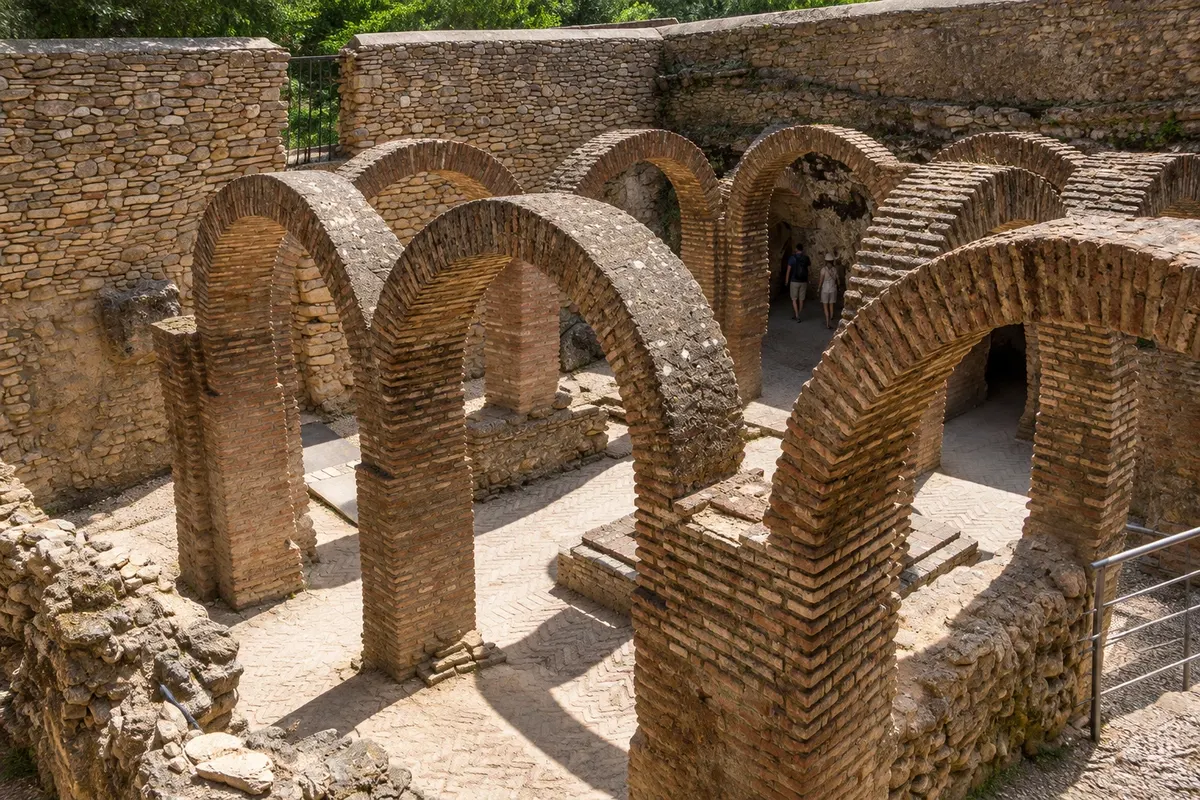
Muslim public baths from the 13th and 14th centuries, among the best preserved on the Iberian Peninsula, with vaulted rooms and star-shaped skylights, beside the river at the bottom of the town.
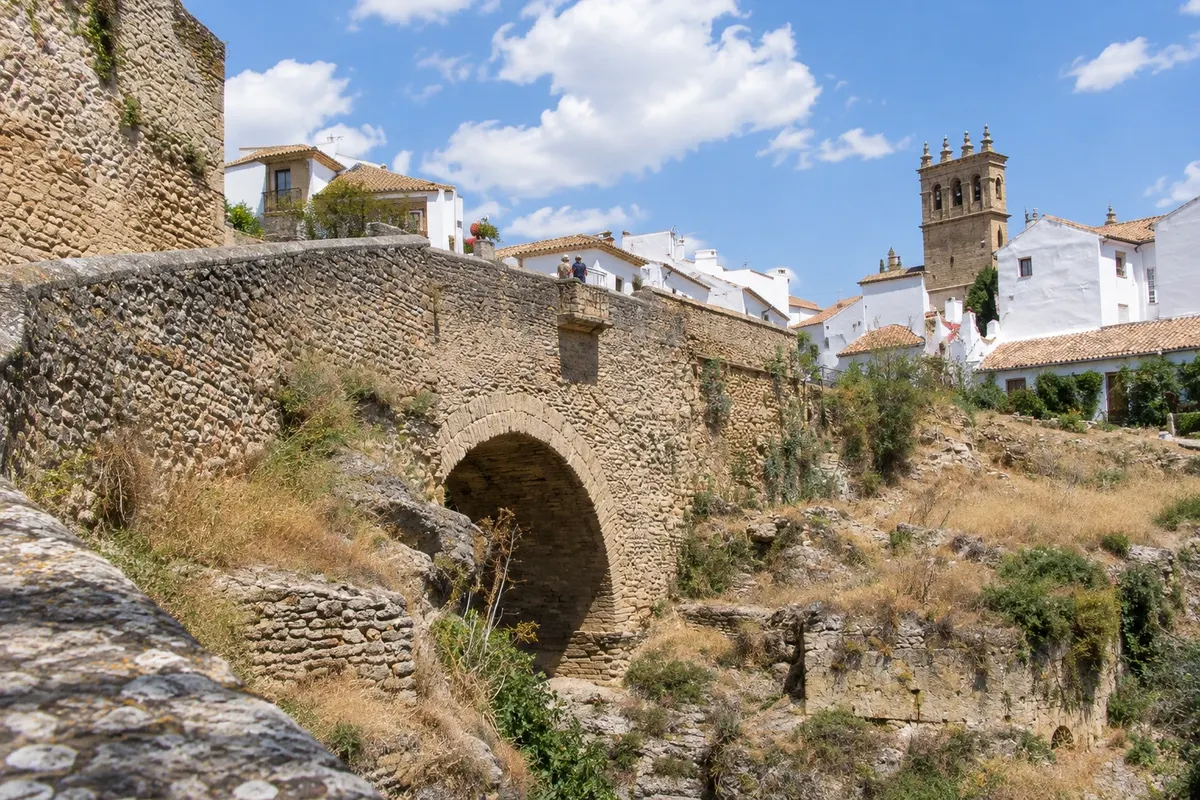
Single-arched bridge over the Guadalevín, 31 metres above the river, rebuilt after 1616, beside the Arco de Felipe V, the old entrance gate of La Ciudad.
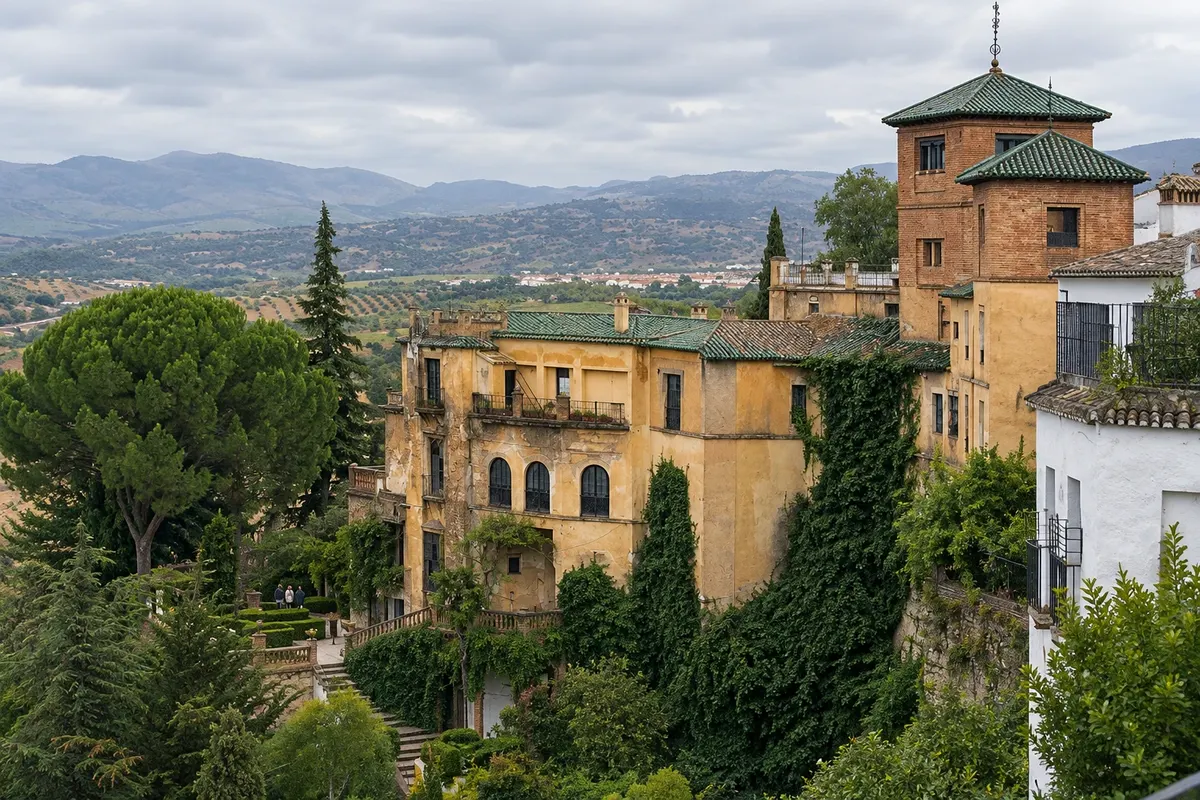
Complex on the edge of the Tajo including the 14th-century Mina de Agua, a stairway excavated in the rock down to the river, and the garden designed in 1912 by Jean-Claude Nicolas Forestier.
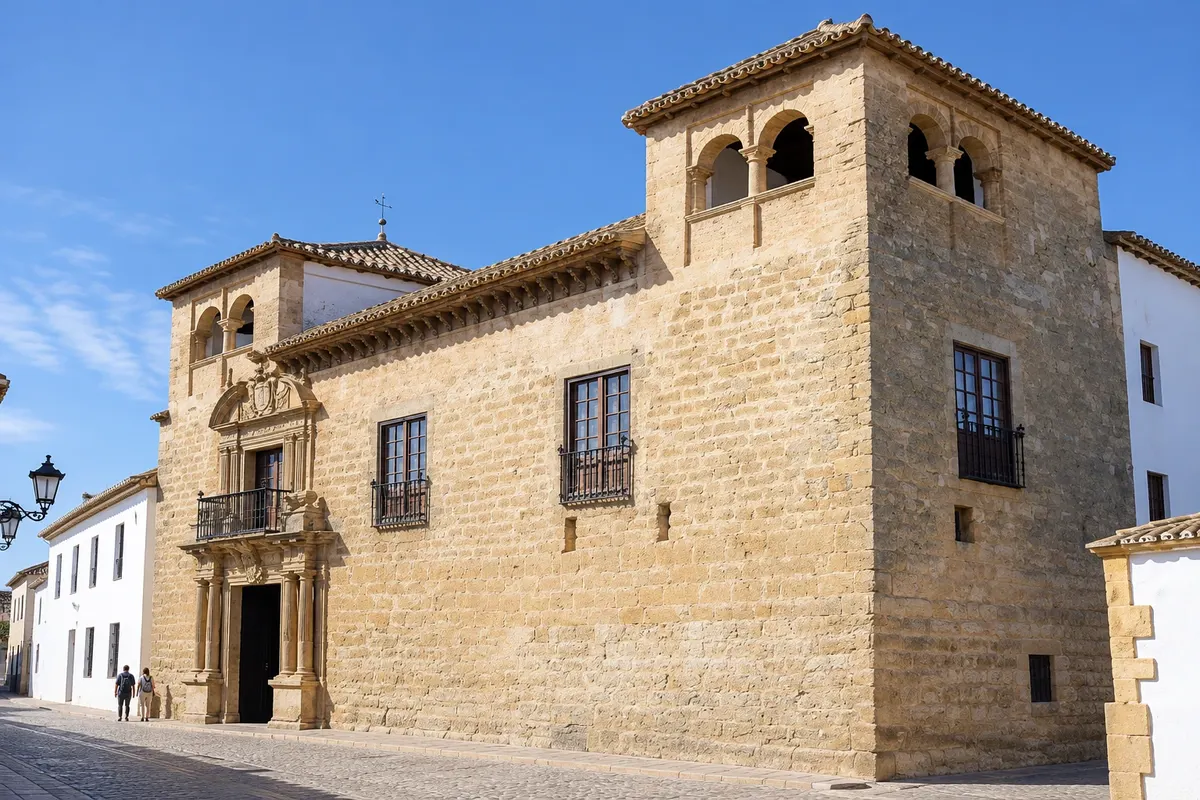
Palace of Muslim origin, remodeled after 1485, with a Mudéjar courtyard and a garden on the cliff edge. It houses the Museo Municipal de Ronda, covering the period from prehistory to the expulsion of the Moriscos.
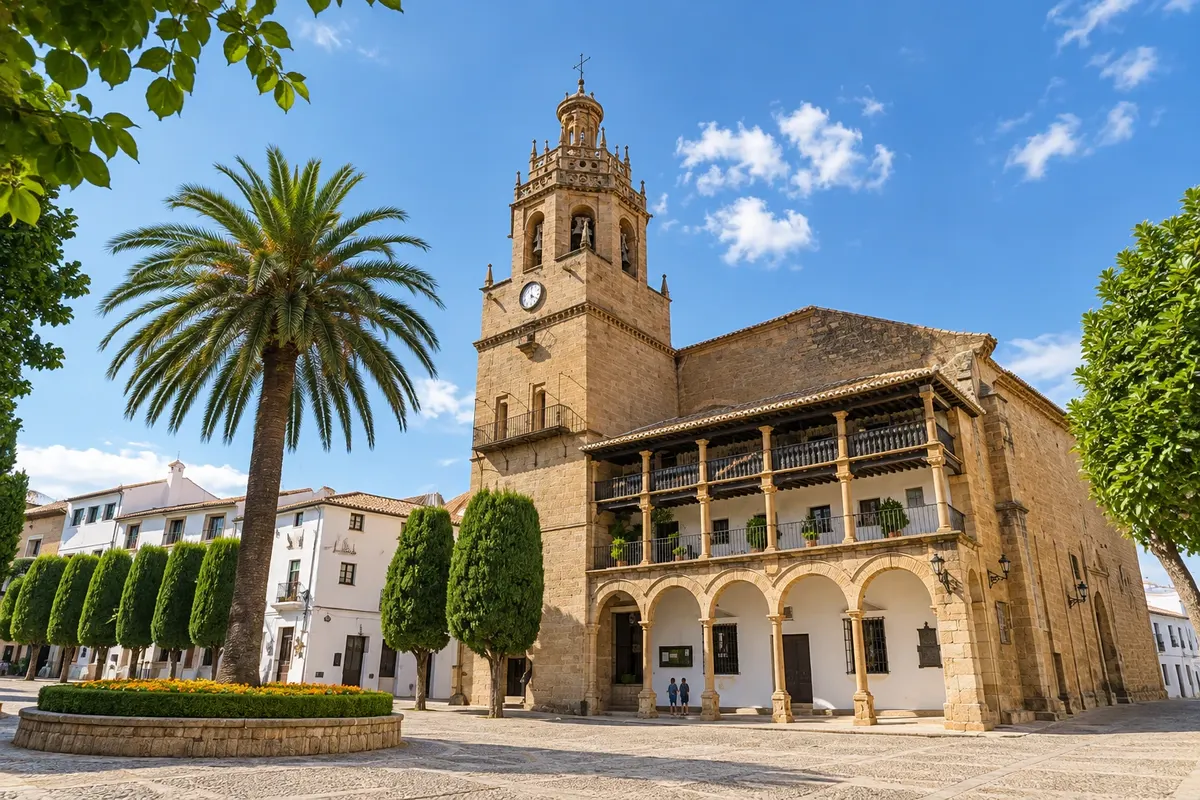
Ronda's main church, built from 1485 on top of the city's main mosque, with Gothic naves, a Mannerist chancel, a tower atop the former minaret and a gallery facing the square.
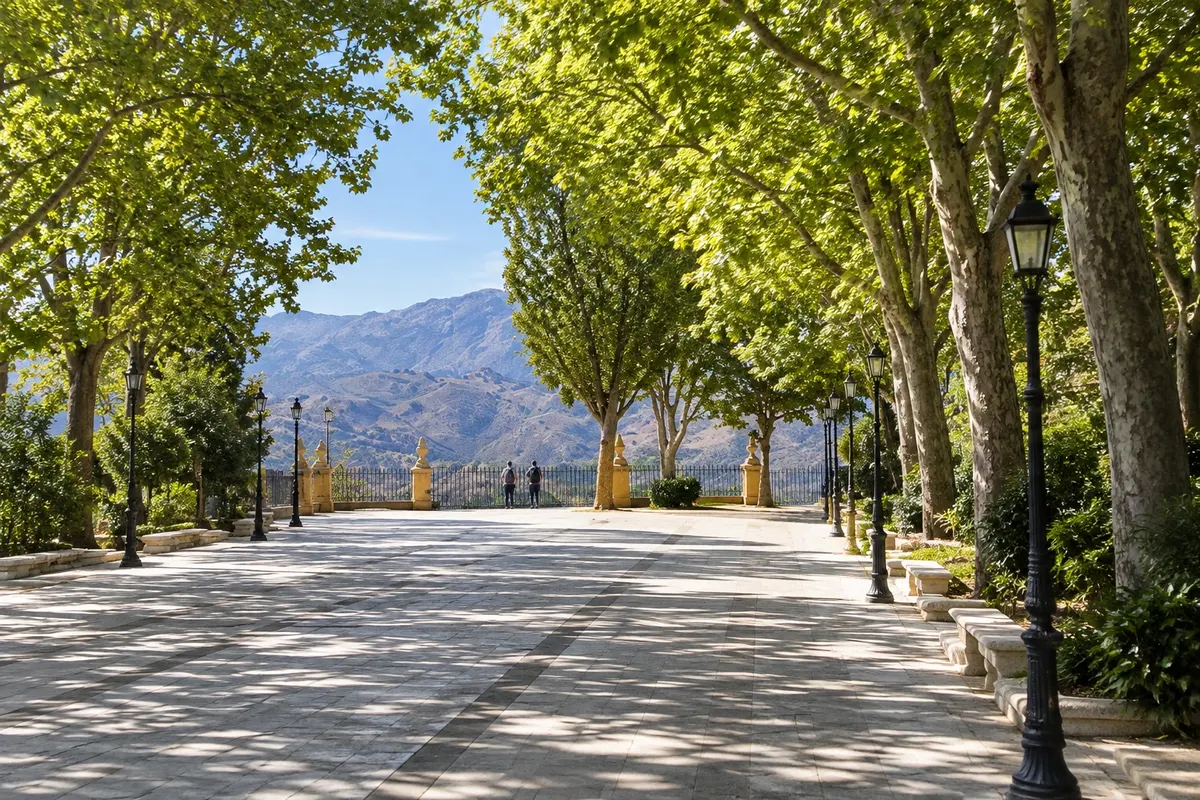
Tree-lined park from the early 19th century next to the bullring, with a viewpoint of balconies over the abyss and views of the Serranía de Ronda.
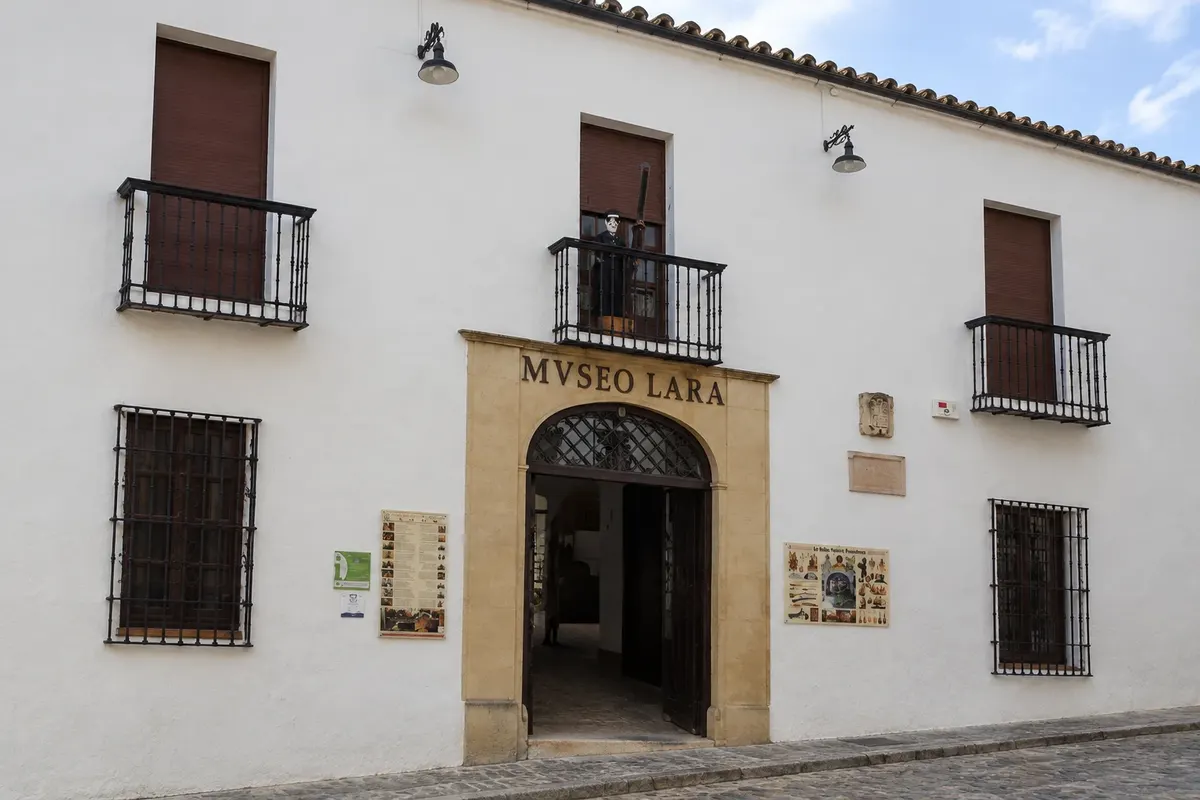
Private museum in an 18th-century palace in the old town, with collections of clocks, weapons, scientific instruments, cinema and photography, and exhibitions on the Inquisition and witchcraft.
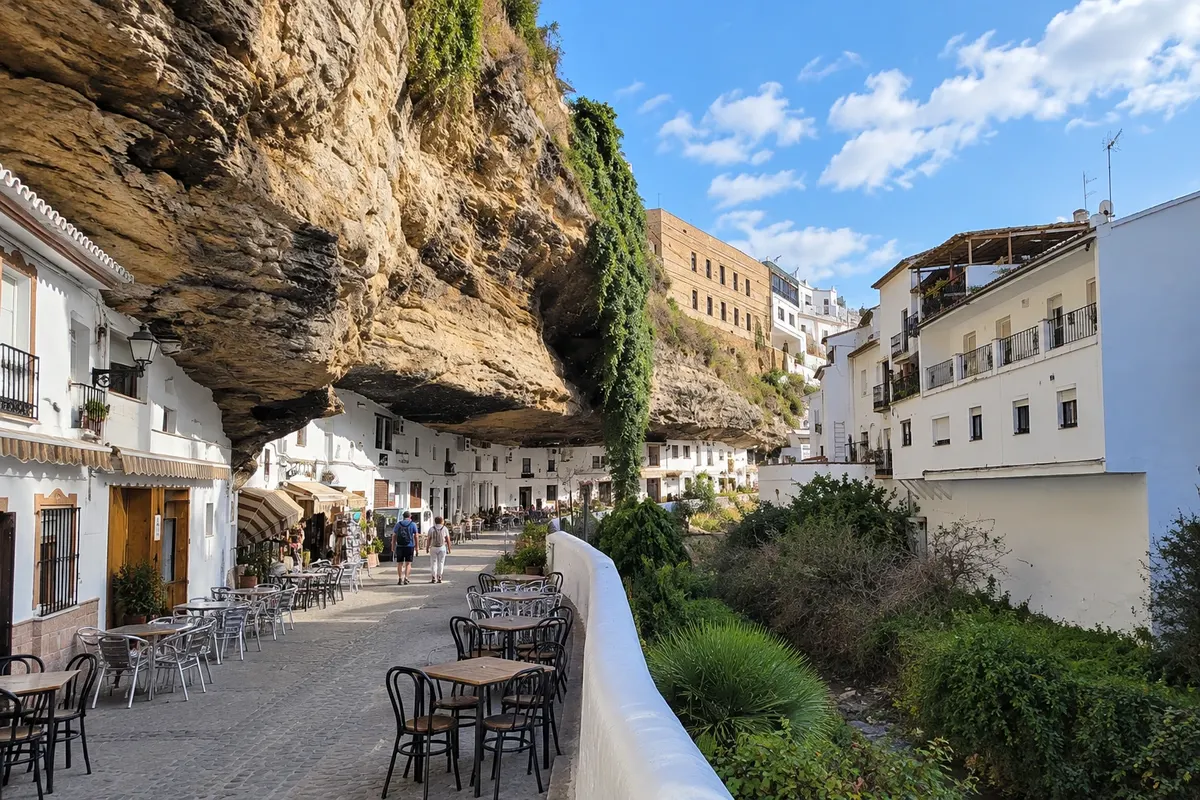
White village in the province of Cádiz, about 19 km from Ronda, with houses built beneath the rocks of the Guadalporcún river gorge and a Nazarid castle on the hill.
Pred odhodom
Ronda – Andalusia Destinacija Costa del Sol and Ronda približno 128 km stran (izhodišče: Seville)
Razdalje so približne. Pred potovanjem preverite lete in vozne rede avtobusov, vlakov ali ladij.
The nearest airport is Málaga, about 98 km by road. Ronda station receives direct trains from Madri and regional trains from Málaga, Granada and Algeciras, with few departures per day. There are buses from Málaga, Sevilha, Marbella and the Costa del Sol. Check before buying.
One day is enough for the Puente Nuevo, the old town, the Baños Árabes and the bullring, even as a day trip from Málaga, Marbella or Sevilha. Staying one night lets you see the town without excursion groups and add the Casa del Rey Moro, the Palacio de Mondragón and Setenil de las Bodegas.
From March to June and from September to November the weather is usually most pleasant for walking. From December to February it can be cold, with nights below zero and short days.
The seasons shown are the most usual ones; nature doesn't always follow the calendar.
You don't need a car for the town, which is explored on foot. A car helps for Setenil de las Bodegas, for the white mountain villages and to continue to Marbella via the A-397 road, which has many curves. Those without a car use train and bus, which have few schedules: plan your return.
Predlog poti
Pot povezuje znamenitosti na tej strani. Za oglede boste imeli dovolj časa.
Arrive early at the Puente Nuevo, before the excursions. View the bridge from the Mirador de Aldehuela and the Jardines de Cuenca. Cross to La Ciudad and visit the Iglesia de Santa María la Mayor and the Palacio de Mondragón.
Have lunch in the old town, bearing in mind that lunch starts around 14:00. Descend via the Casa del Rey Moro and the Arco de Felipe V to the Puente Viejo and the Baños Árabes. Return uphill at a leisurely pace.
Visit the Plaza de Toros da Real Maestranza and head to the Alameda del Tajo. Walk along the balconies over the cliff with the low light over the valley.
Dine in the Mercadillo or the old town after 21:00. Return to the Puente Nuevo to see it illuminated. Those returning the same day should check the last train or bus.
Dan 1
Start at the Puente Nuevo and the interpretation center inside it. See the bridge from the Mirador de Aldehuela and the Jardines de Cuenca.
After lunch, walk through La Ciudad: Iglesia de Santa María la Mayor, Palacio de Mondragón with the Museo Municipal and the Museo Lara.
Cross to the Mercadillo and walk along the Paseo de Blas Infante to the Alameda del Tajo, facing the valley.
Dine at leisure in the town. At night the groups have left, and the streets and the illuminated bridge are quiet.
Dan 2
Descend via the mine of the Casa del Rey Moro to the river. Then follow the Arco de Felipe V and the Puente Viejo to the Baños Árabes and the Puente Árabe.
Visit the Plaza de Toros and the museums of the Real Maestranza, with the bullfighting collection and the collection of horse tack.
Those with a car can go to Setenil de las Bodegas, about 25 minutes away, to see the houses under the rock and climb up to the castle.
Dine in Setenil or back in Ronda. Dinner usually starts after 21:00.
Check before you go. Opening hours and days change, and places may close for renovations, holidays or events. This itinerary is a suggestion from Cidade Turismo, not a commitment: plan yours by checking directly with each place you intend to visit.
Pred odhodom
By bus or car, in about 1 h 30 to 2 hours, over roughly 100 km of road. There is also a regional train, with few schedules per day. Check the timetables beforehand, especially for the return.
Yes. It's about 128 km by road, roughly 2 hours by car or bus. The day is tight, but it covers the Puente Nuevo, the old town and the bullring.
For those who have time, yes. During the day the town receives many excursions from the Costa del Sol. Late afternoon and early morning, the streets and viewpoints are quieter.
From December to February nights can drop below zero, because the town is at 723 meters altitude. Bring a coat even if coming from the coast, where winter is milder.
The centre is flat for the most part, but the descent to the Baños Árabes, the Puente Viejo and the mine of the Casa del Rey Moro includes steep slopes and stairs. Wear comfortable footwear.
Več kot vodnik


