Madrid

Community of Madrid · Španija

Madrid

The capital of Spain brings together the Prado, the Palácio Real, the Retiro and the street life of the central neighborhoods, with high-speed trains to almost the entire country.

Central

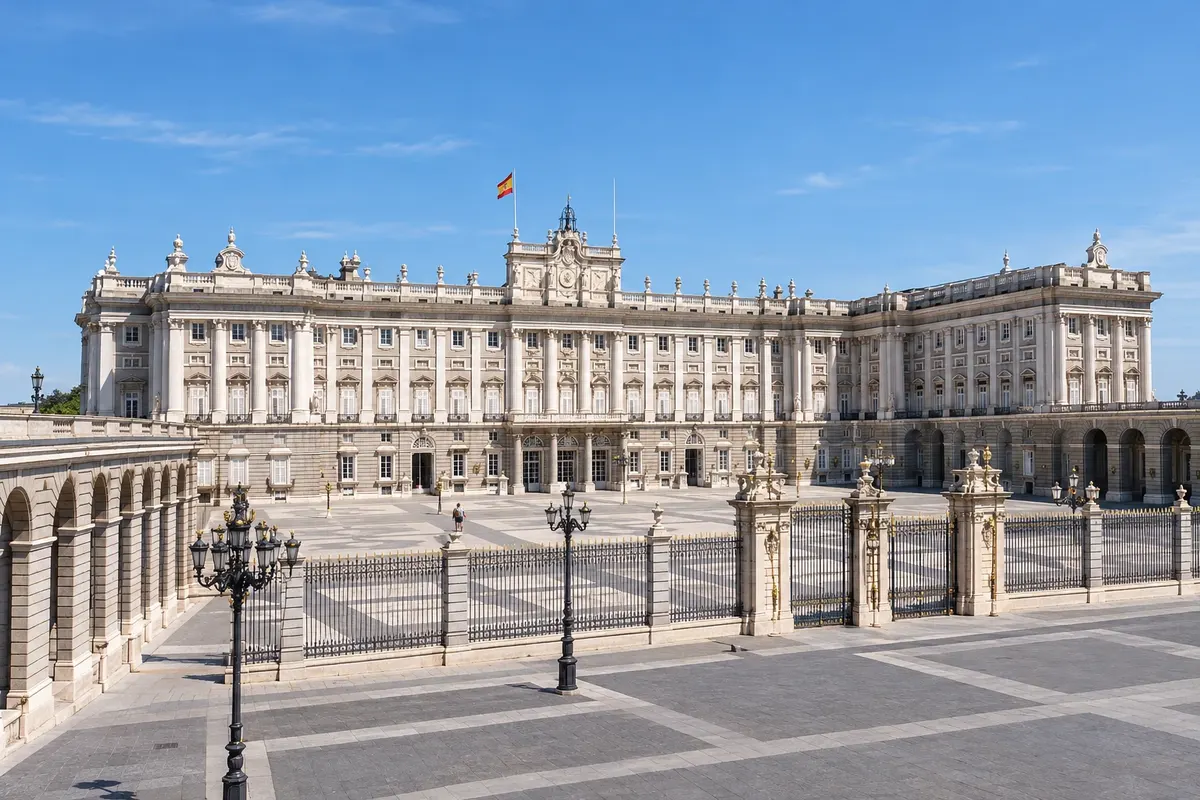
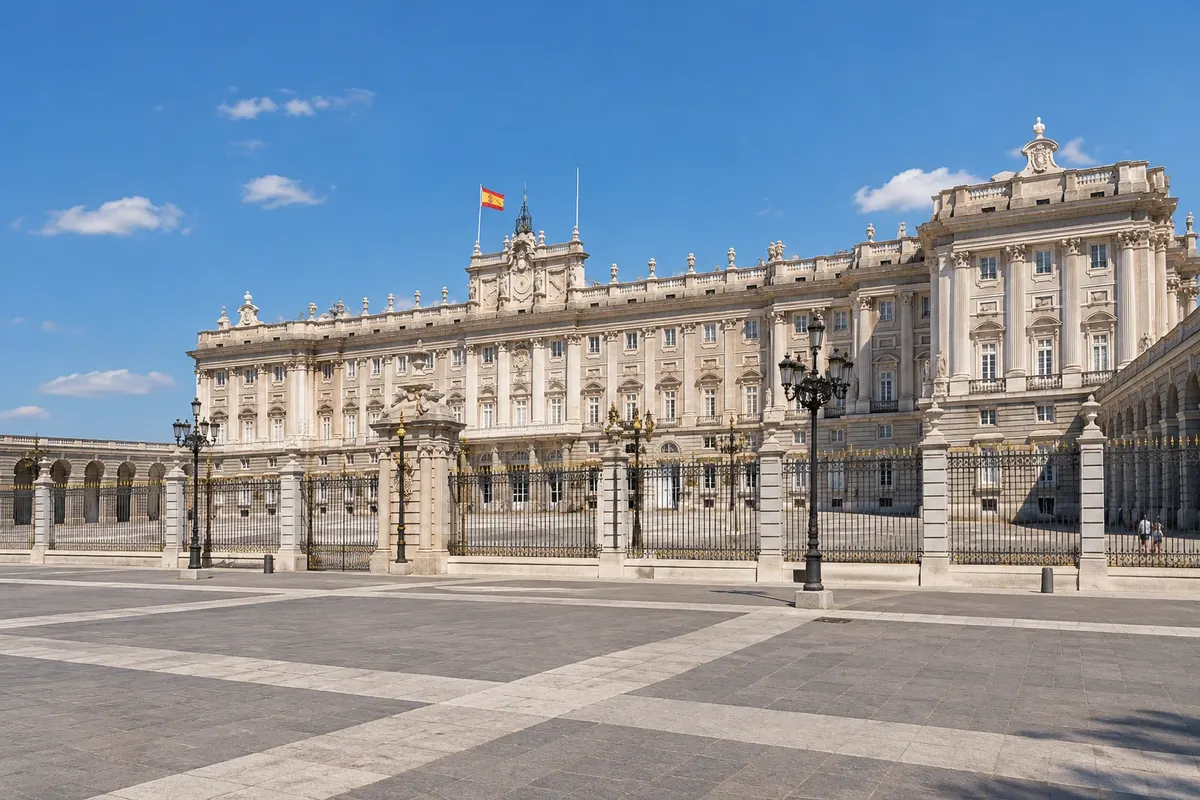
Na fotografiji: Palácio Real de Madri

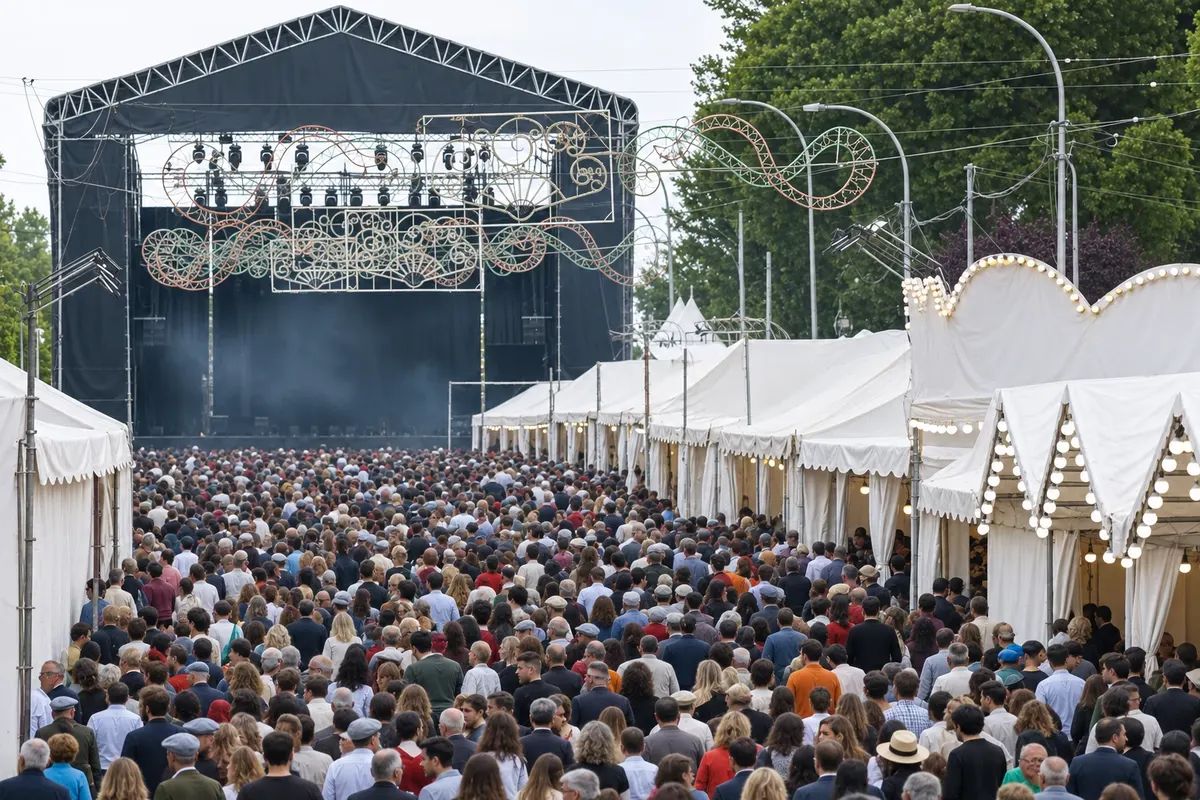
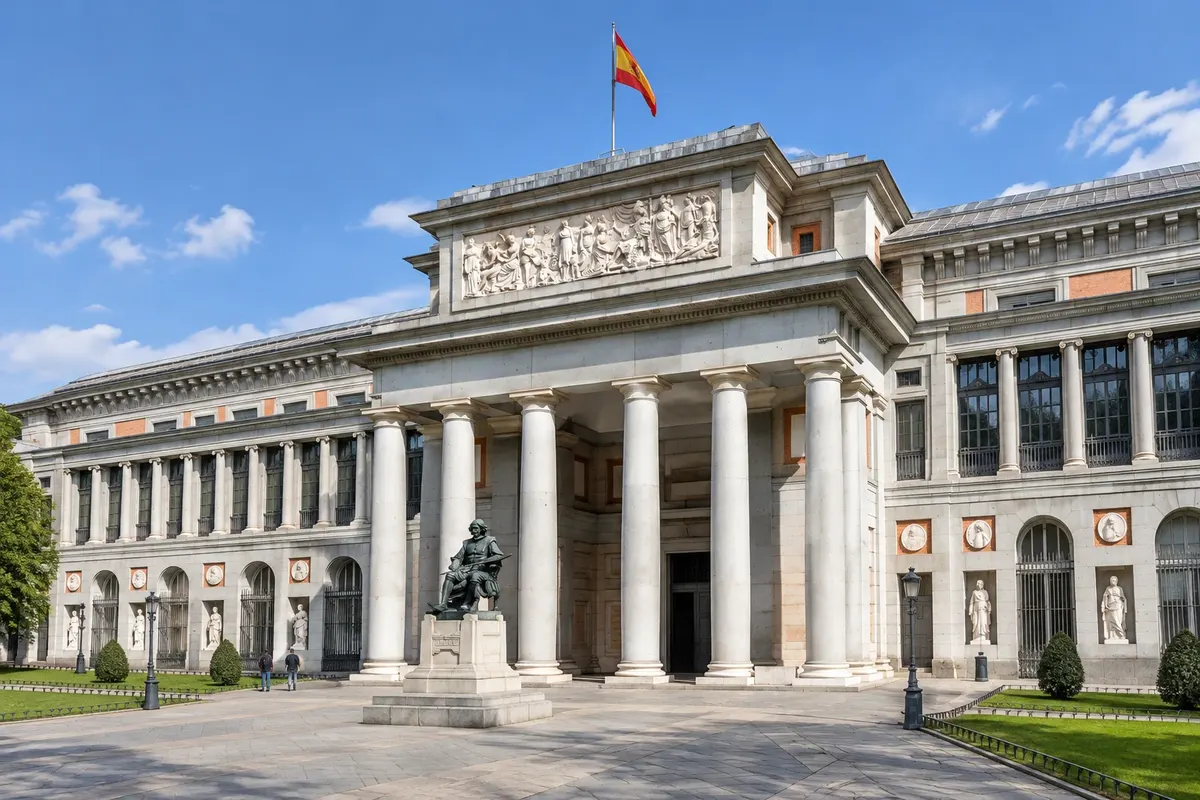
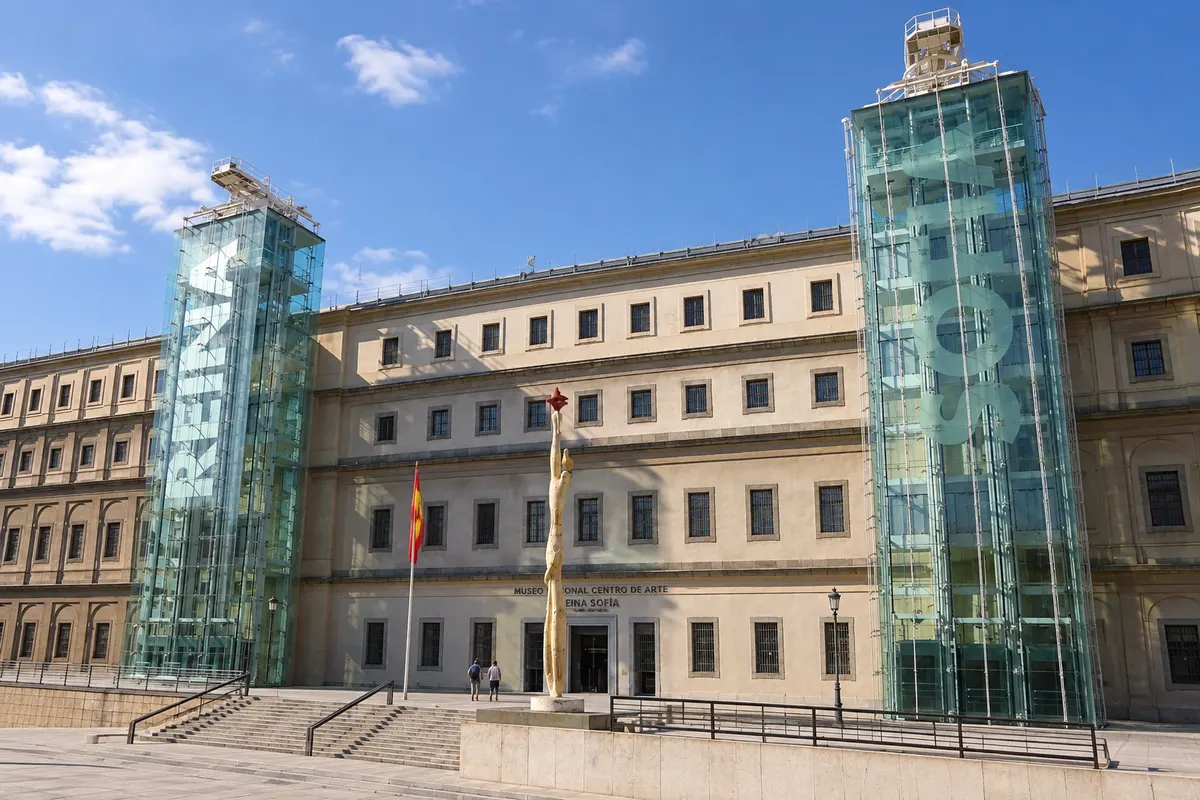
Illustrative images. The pictures in this guide are illustrations based on the real place, not photographs, and may differ from it.

Na voljo v trgovini Google Play Pošljite svoje fotografije

Spoznajte kraj

Pokrajina, ki jo doživite
v svojem ritmu.

Madri is the capital of Spain and the country's largest city. It lies in the center of the peninsula, at about 650 meters above sea level.

The cultural route is concentrated along the Paseo del Prado. There are the Museo Nacional del Prado, the Thyssen-Bornemisza and the Reina Sofía, where Picasso's Guernica is housed. Next to them are the Parque del Retiro and the Real Jardín Botánico. Since 2021, this ensemble of promenades, gardens and museums is a UNESCO World Heritage Site.

The Madri of the kings is on the other side of the center. The Palacio Real, the Catedral de la Almudena and the Plaza Mayor are a few minutes' walk from each other. Between them and the Paseo del Prado are the Puerta del Sol, with the Km 0 marker, and the Gran Vía, with its early-20th-century buildings.

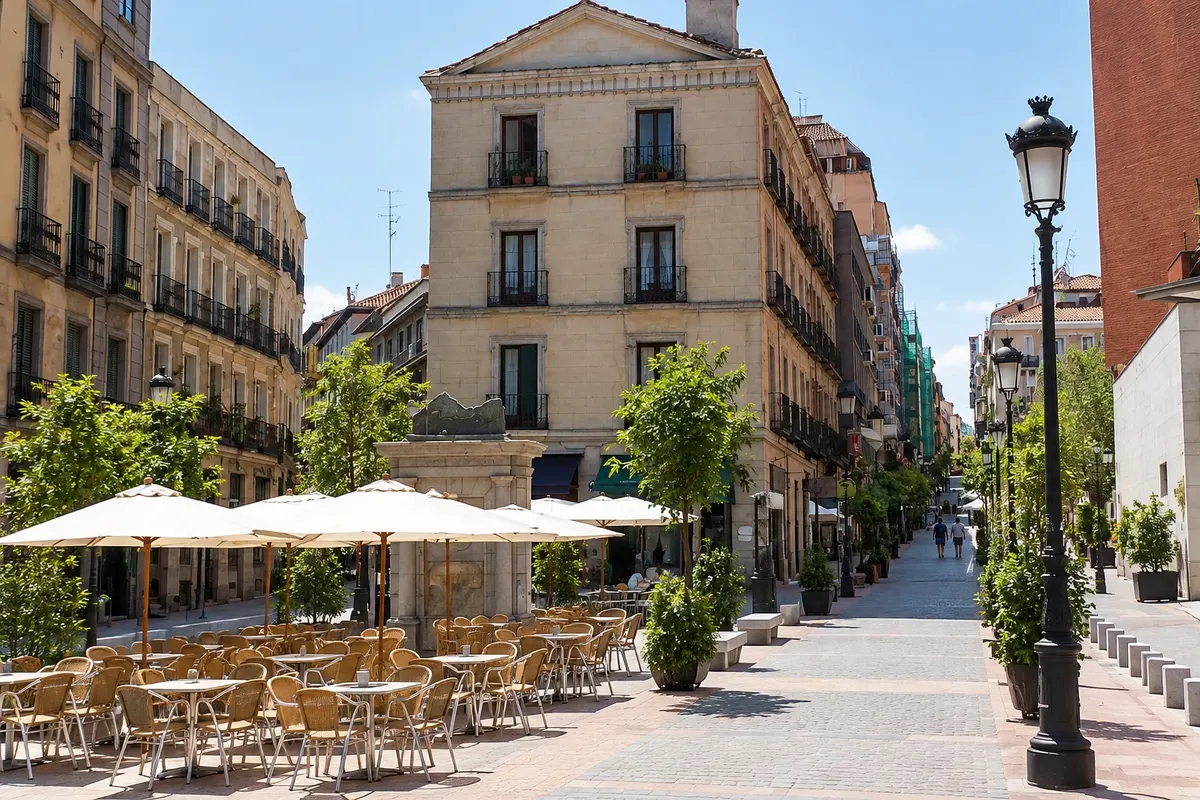
The city lives on the street until late. Dinner usually starts after 9 pm, and squares and markets fill up in the late afternoon. The language is Spanish (Castilian).

High-speed trains depart from Atocha to Toledo, Sevilla, Barcelona and València. This makes Madri a good base for exploring the rest of the country.

Delite: WhatsApp

Kje prenočiti

V vodniku še ni nastanitev – Madrid.

Kje jesti

V vodniku še ni restavracij – Madrid.

Poznate dobro možnost? Priporočite nam jo

Vaše potovanje

kako do tja · koliko dni · načrt poti · vprašanja

Delite svoja popotniška doživetja s fotografijami Pošljite fotografije vsakega kraja, ki ste ga obiskali. Največje število fotografij na kraj: 5.

Kako do tja:Madrid

✈ Aeropuerto Adolfo Suárez Madrid-Barajas (MAD)· 12 km do cilja (Madrid)

Confirm before buying. Aeropuerto Adolfo Suárez Madrid-Barajas is about 12 km from the center, connected by metro, train and bus.

Praznovanja in dogodki

Praznovanja – vMadrid

Datumi se vsako leto spreminjajo. Pred potovanjem preverite letošnji datum.

Koledar praznovanj – in Španija

Doživite kraj

Kaj početi – Madrid

Prado National Museum
Madrid · Community of Madrid · Muzej

Prado National Museum

One of the largest collections of European painting in the world, with Velázquez, Goya, El Greco, Bosch, Titian and Rubens, in a neoclassical building by Juan de Villanueva on the Paseo del Prado.

Reina Sofía Museum
Madrid · Community of Madrid · Muzej

Reina Sofía Museum

The national museum of modern and contemporary art of Spain. It houses Picasso’s Guernica and works by Dalí and Miró, in an 18th-century former hospital next to Atocha.

Thyssen-Bornemisza National Museum
Madrid · Community of Madrid · Muzej

Thyssen-Bornemisza National Museum

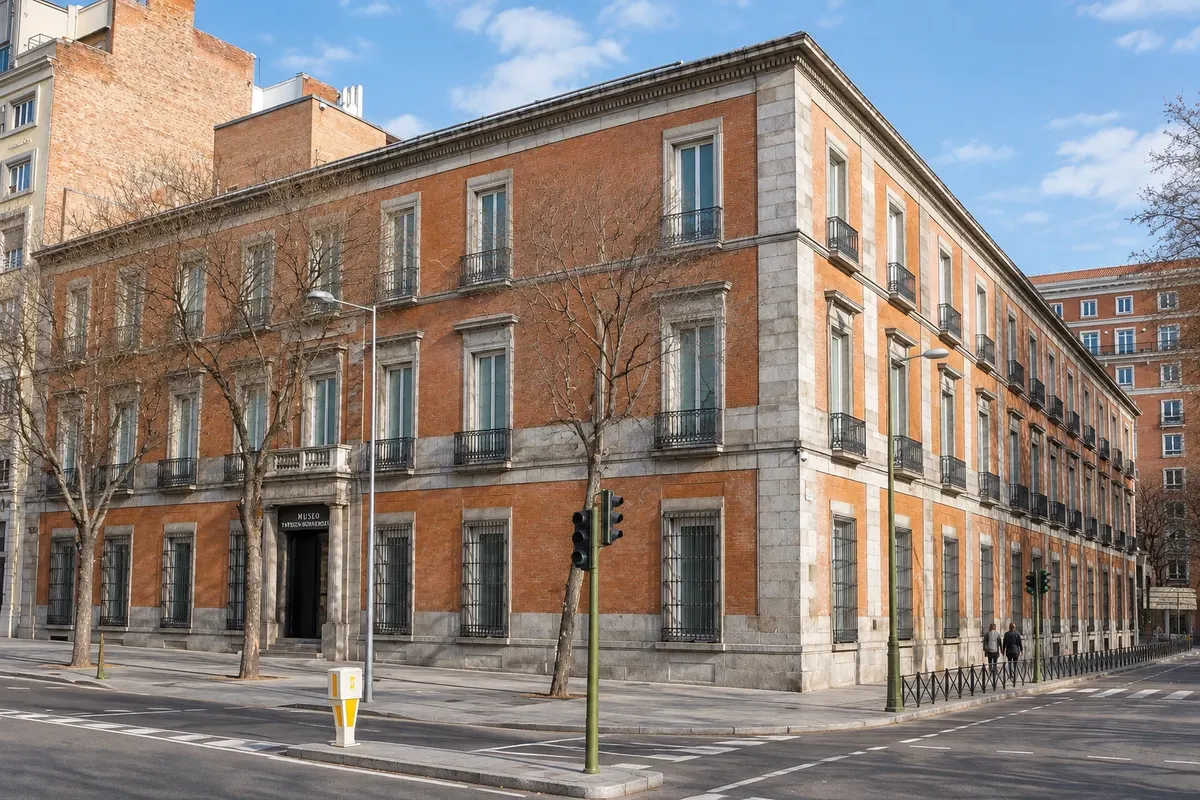
Private collection purchased by the Spanish State, ranging from 13th-century Italian painting to art of the 1980s, housed in a palace opposite the Prado.

Royal Palace of Madrid
Madrid · Community of Madrid · Palace

Royal Palace of Madrid

Official residence of the King of Spain, built in the 18th century on the site of the former Alcázar. It has 3,418 rooms, state rooms, the Royal Armory and, surrounding it, the Jardines de Sabatini and the Campo del Moro.

Madrid – prikaži dodatne kraje (26)
Almudena Cathedral
Madrid · Community of Madrid · Stolnica

Almudena Cathedral

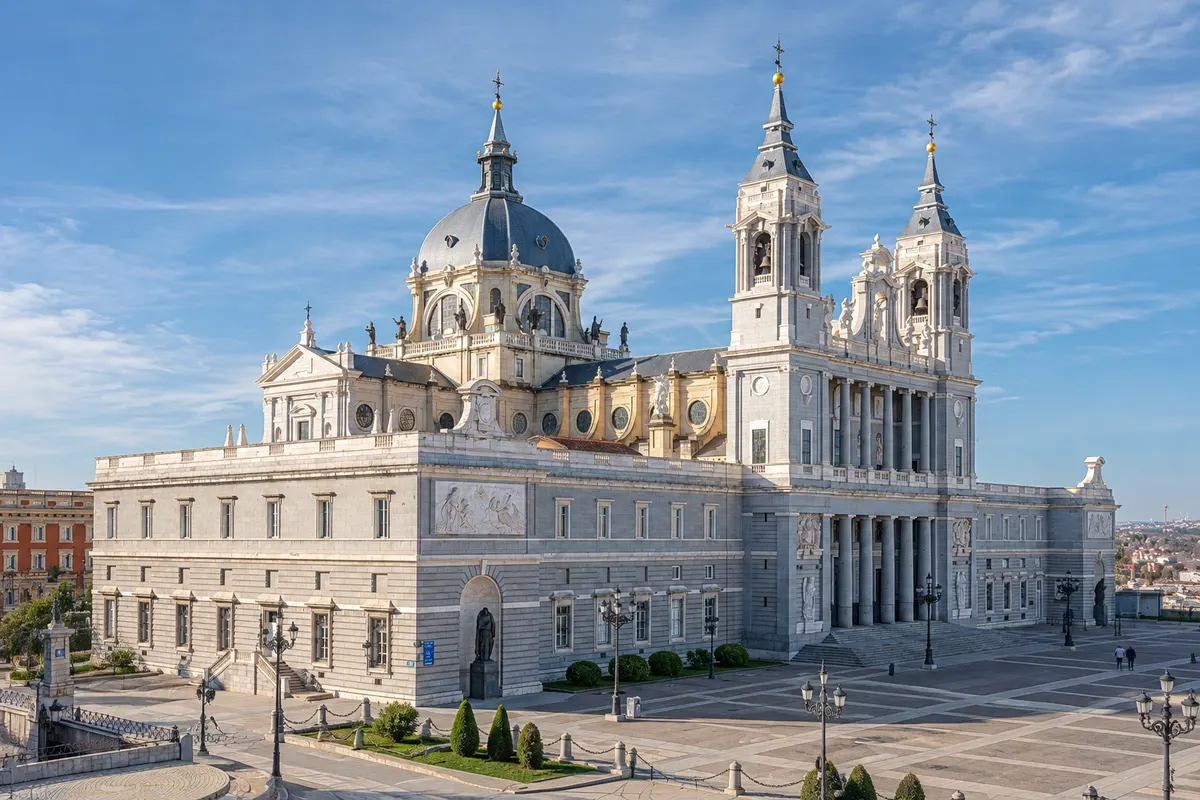
The cathedral of Madri, consecrated in 1993, stands opposite the Palácio Real. It has a neo-Gothic interior, a façade that relates to the palace, a neo-Romanesque crypt and a viewpoint in the dome.

Plaza Mayor
Madrid · Community of Madrid · Trg

Plaza Mayor

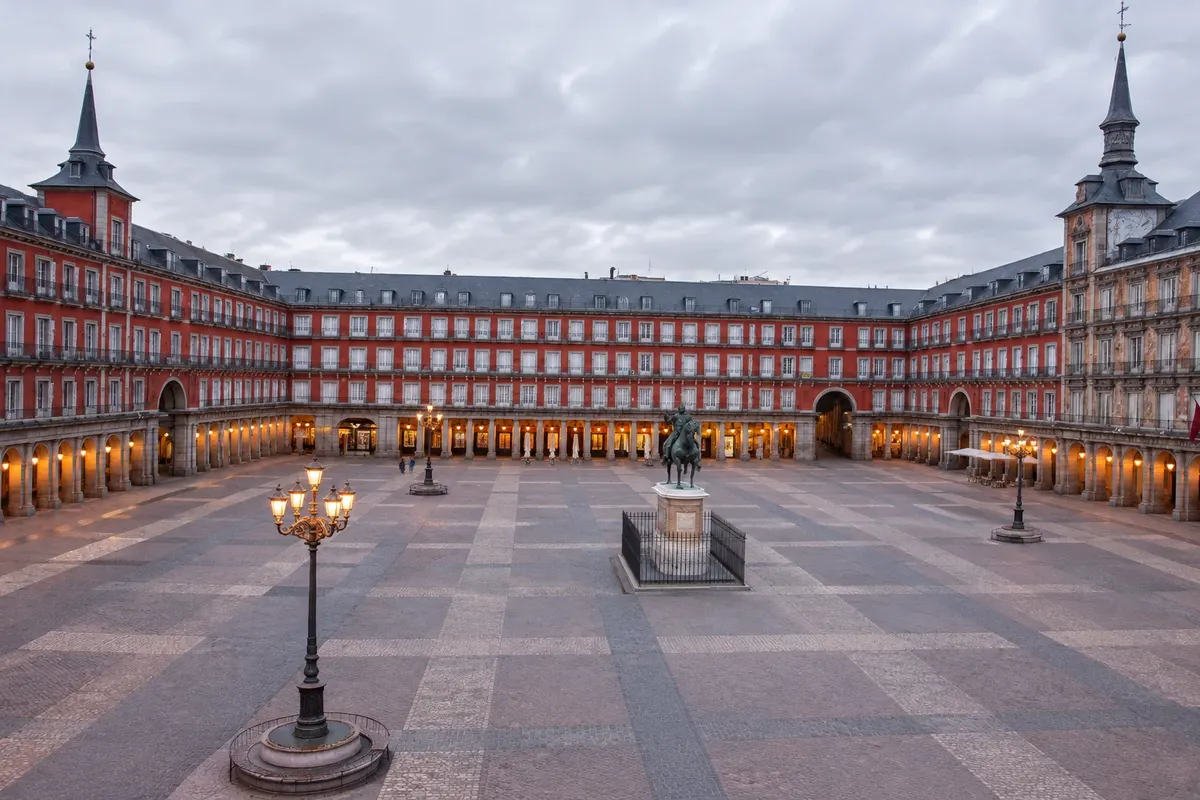
The large 17th-century rectangular square, surrounded by three-storey buildings with 237 balconies and arcades, in the heart of Madri de los Austrias.

Puerta del Sol
Madrid · Community of Madrid · Trg

Puerta del Sol

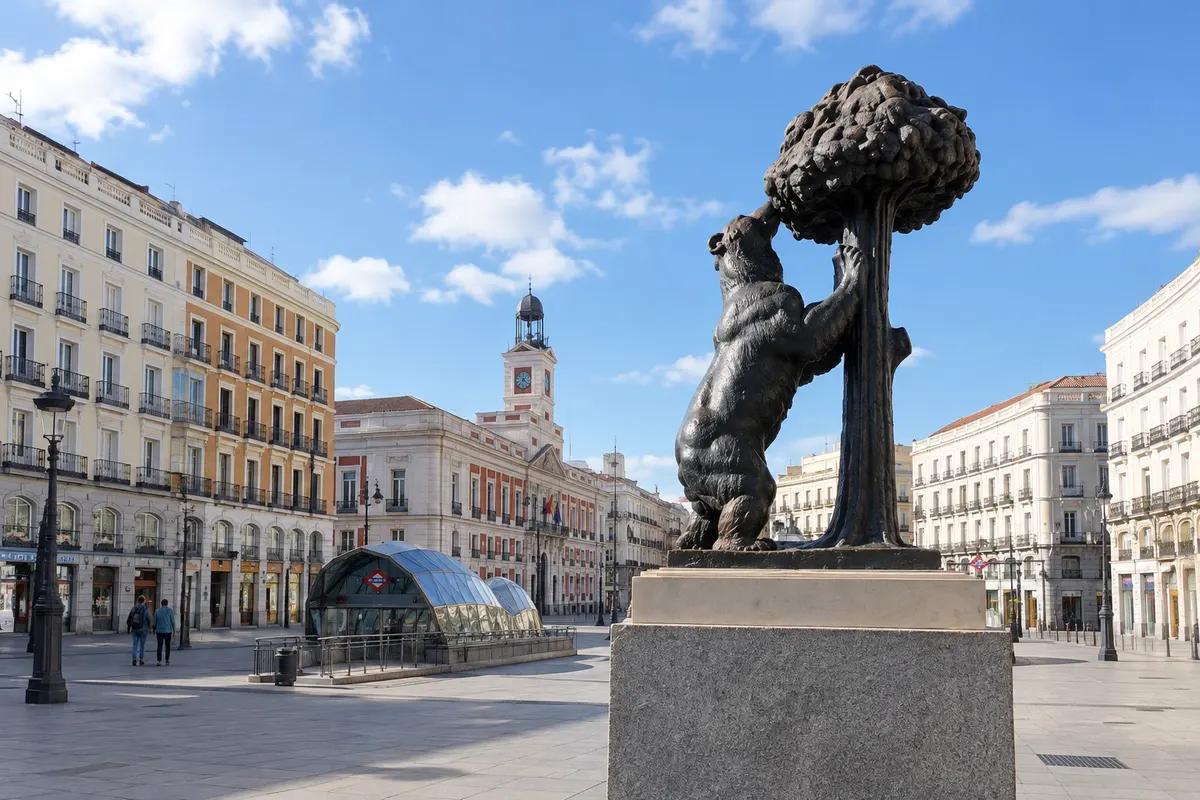
Madri’s central square, in the shape of a half-moon, featuring the Km 0 marker of Spanish roads, the New Year’s Eve clock and the statue of the Urso e o Medronheiro.

Retiro Park
Madrid · Community of Madrid · Park

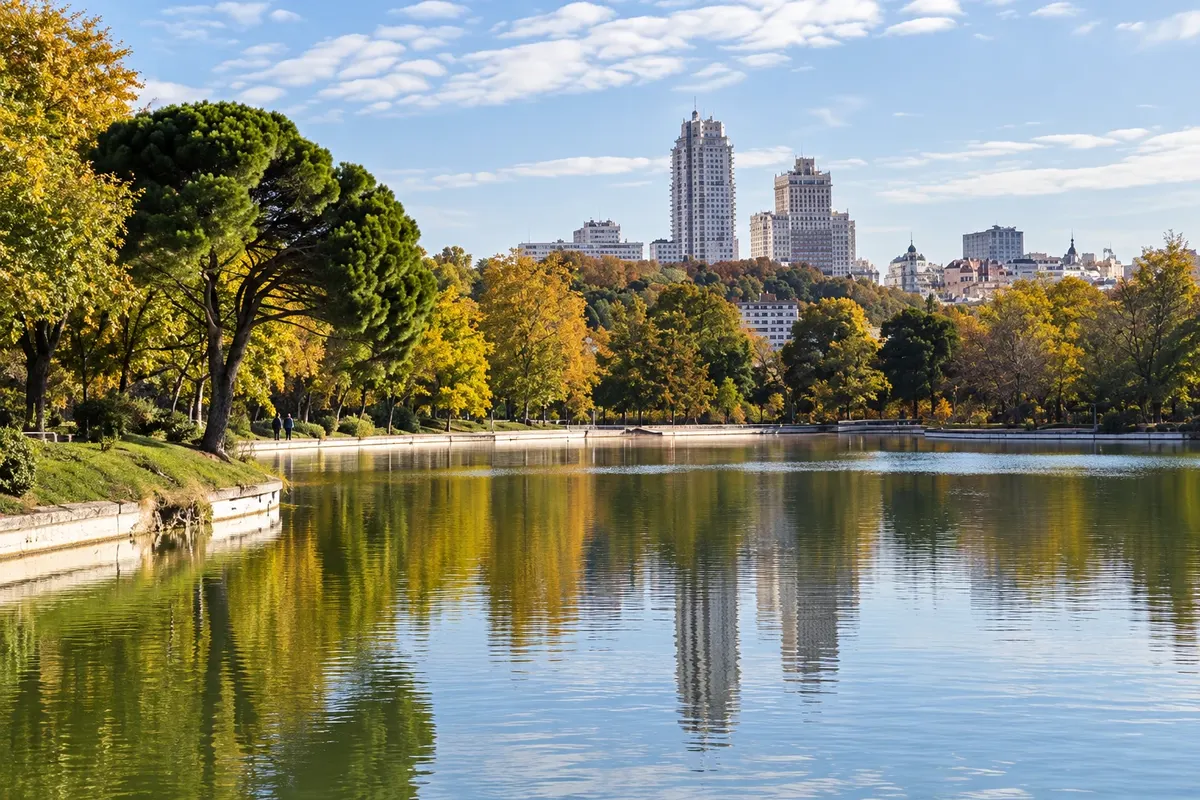
Retiro Park

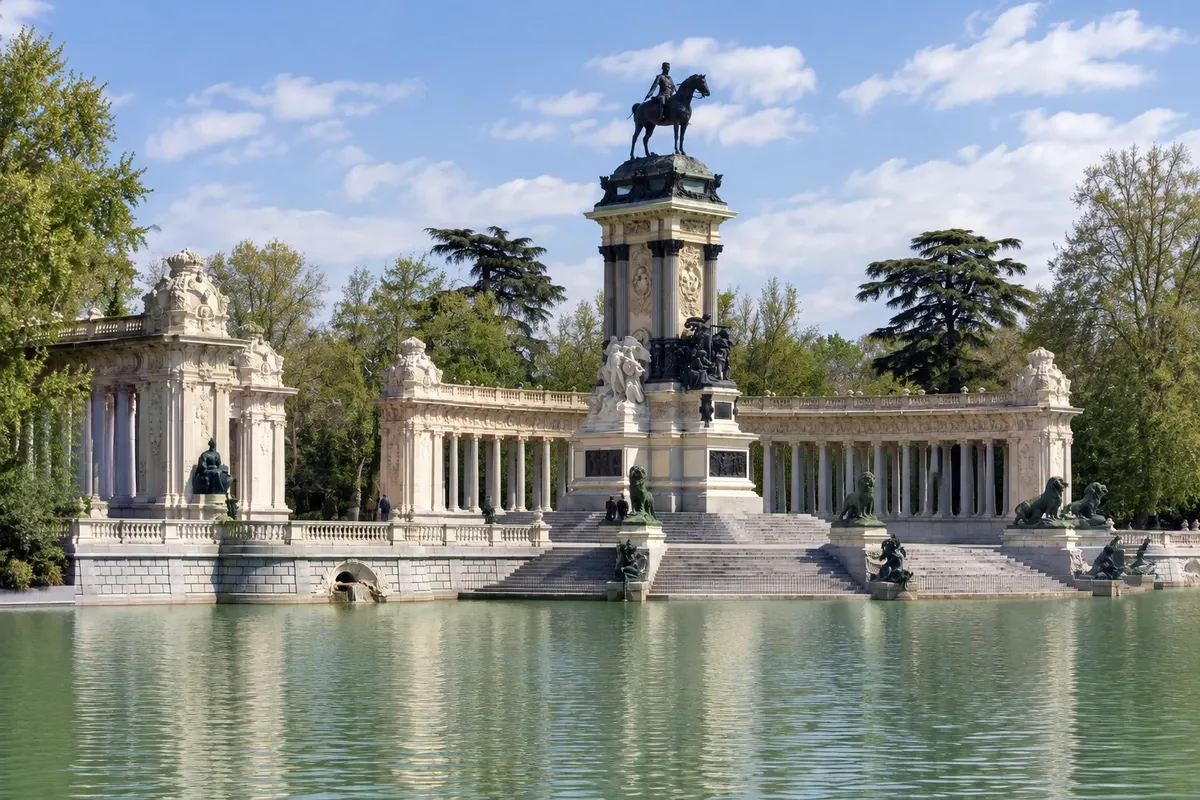
The large park of Madri, covering 143 hectares, began as the garden of a royal palace. It has the lake with rowboats, the monument to Alfonso XII, a rose garden and the Palacio de Velázquez.

Royal Botanical Garden
Madrid · Community of Madrid · Garden

Royal Botanical Garden

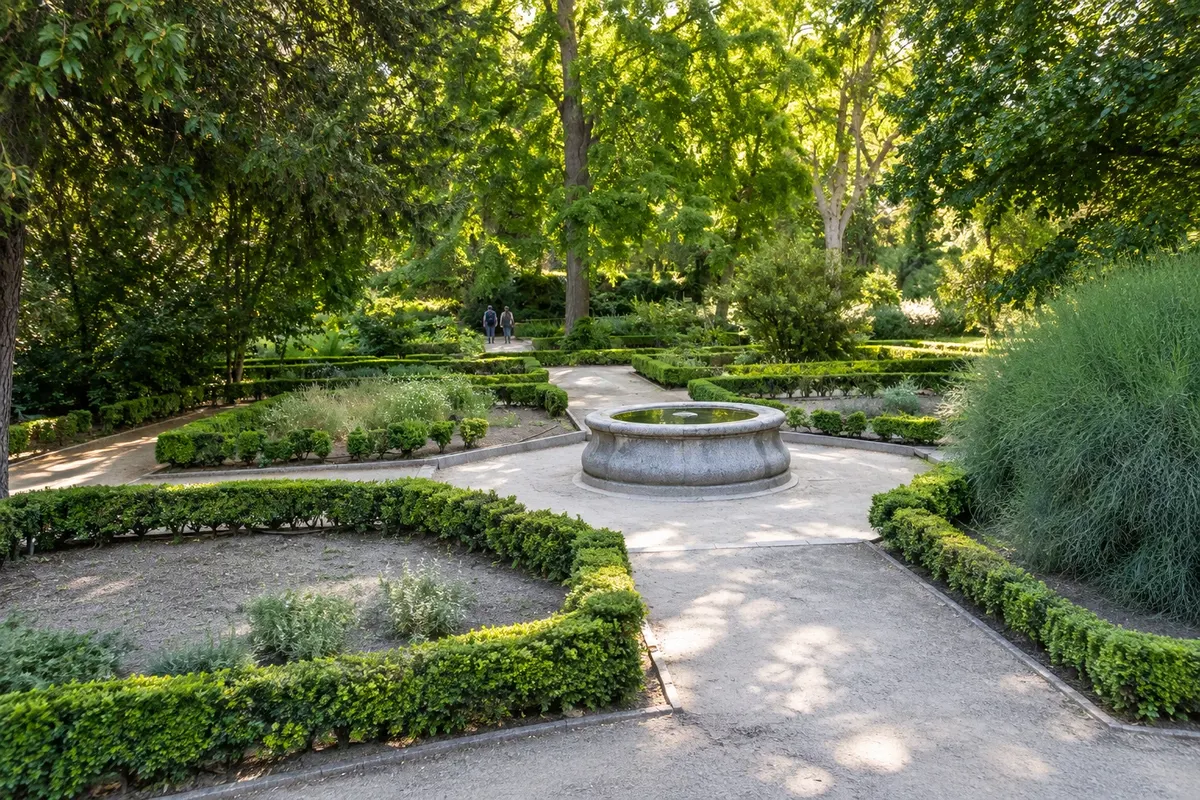
18th-century botanical garden next to the Prado, with about 8 hectares on three terraces, greenhouses and thousands of trees and plants.

Puerta de Alcalá
Madrid · Community of Madrid · Monument

Puerta de Alcalá

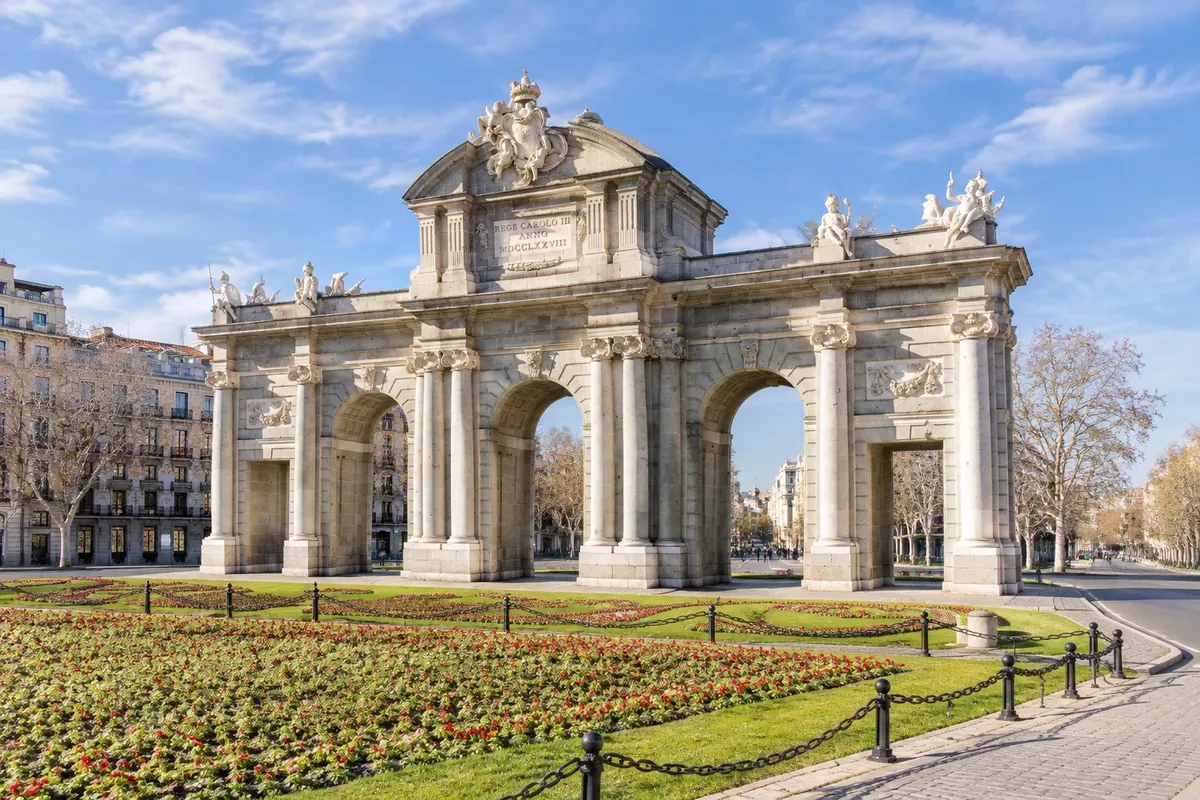
Neoclassical triumphal arch from 1778, designed by Francesco Sabatini for Carlos III, in the middle of the Plaza de la Independencia, beside the Retiro.

Plaza de Cibeles
Madrid · Community of Madrid · Trg

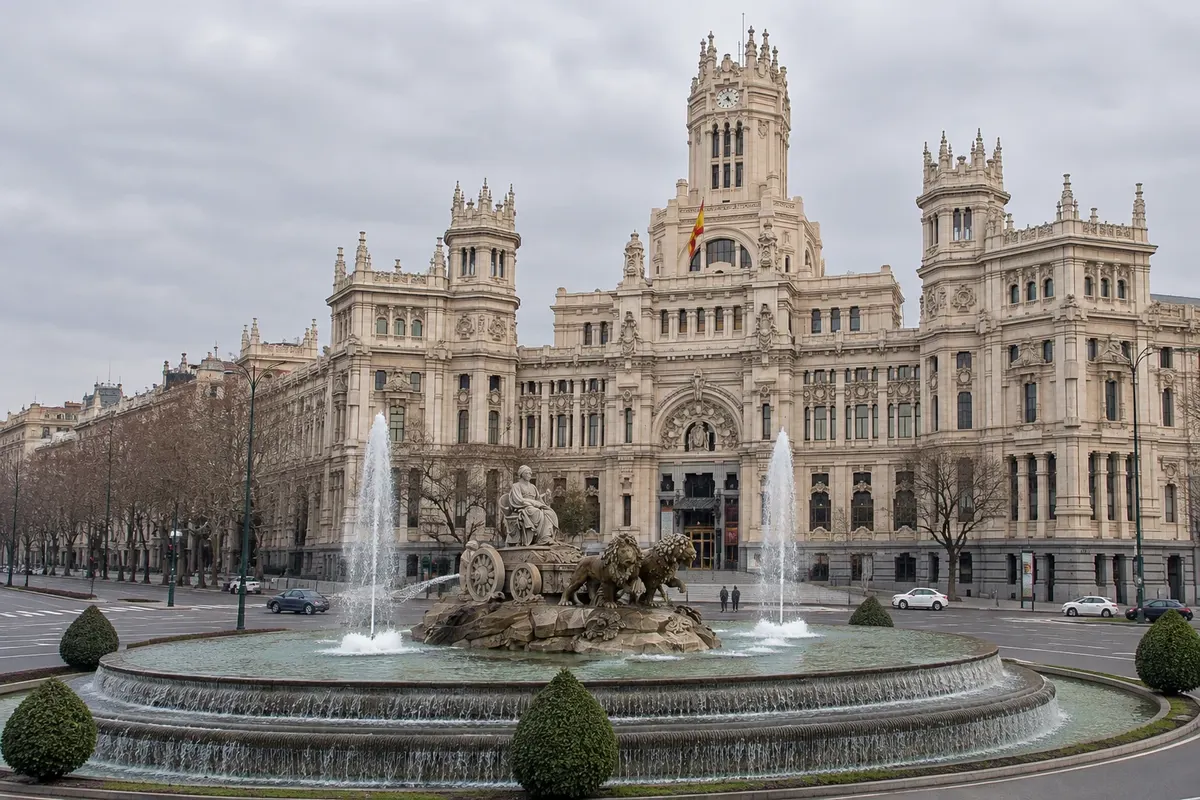
Plaza de Cibeles

Square at the junction of Alcalá and the Paseo del Prado, featuring the fountain of the goddess Cibeles (1782) and four palaces on the corners, including the Palacio de Cibeles, the city hall, with a viewing platform.

Gran Vía
Madrid · Community of Madrid · Street

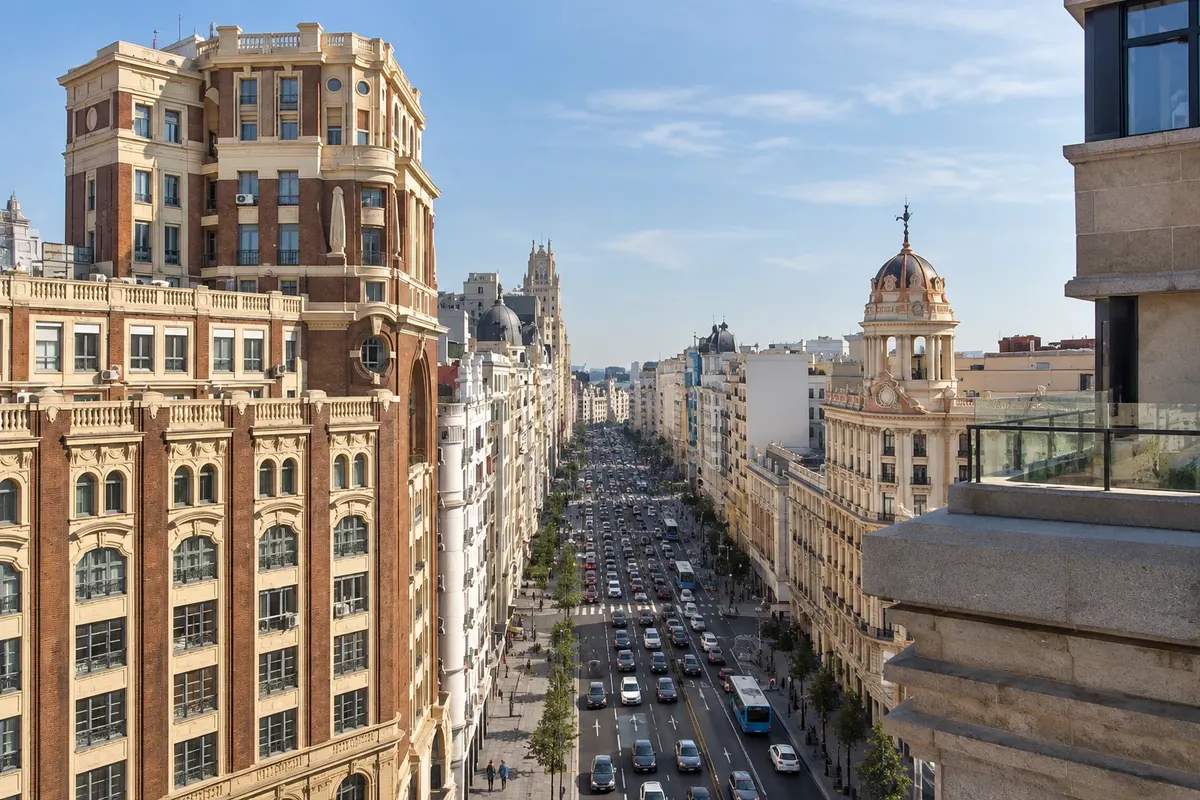
Gran Vía

Avenue opened between 1910 and 1929 to link Calle de Alcalá with Plaza de España. It stretches 1.3 km with early 20th-century buildings, cinemas, theaters and shops.

San Miguel Market
Madrid · Community of Madrid · Tržnica

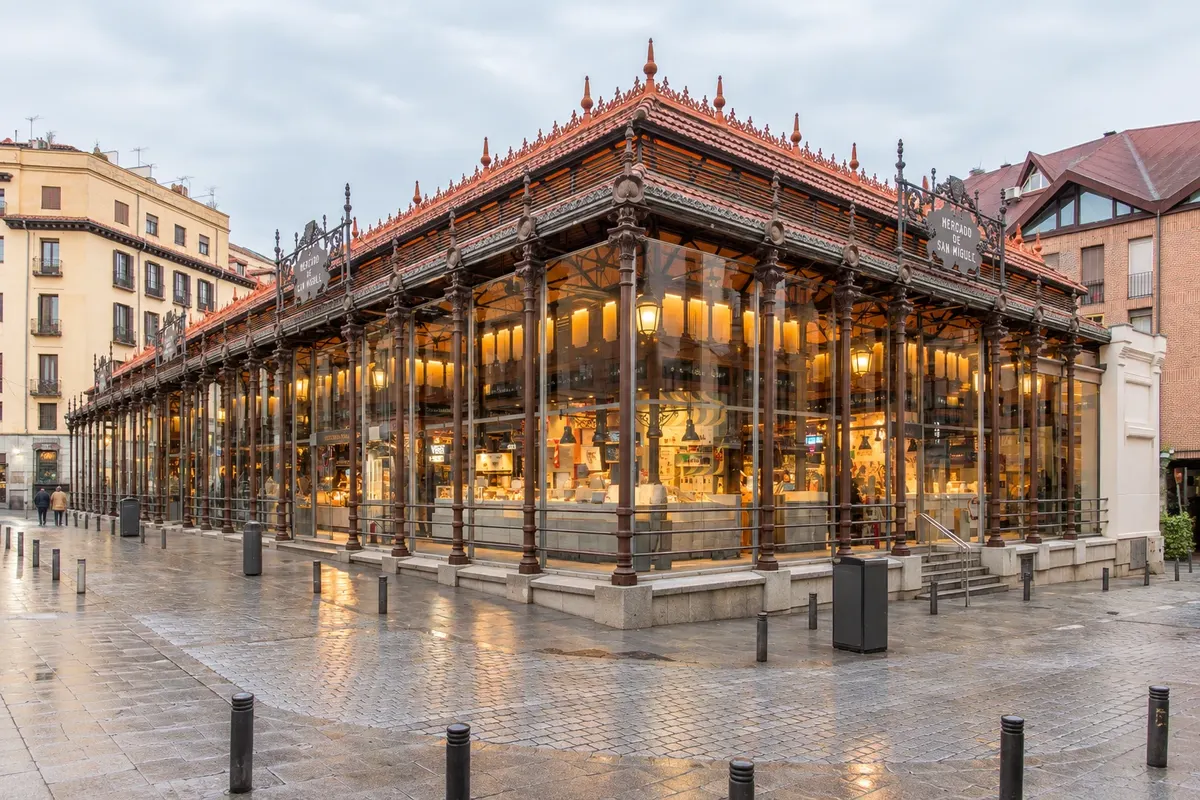
San Miguel Market

Iron-and-glass market from 1916, next to the Plaza Mayor, converted into a food hall with stalls offering tapas, seafood, jamón, cheeses and wines.

Temple of Debod
Madrid · Community of Madrid · Monument

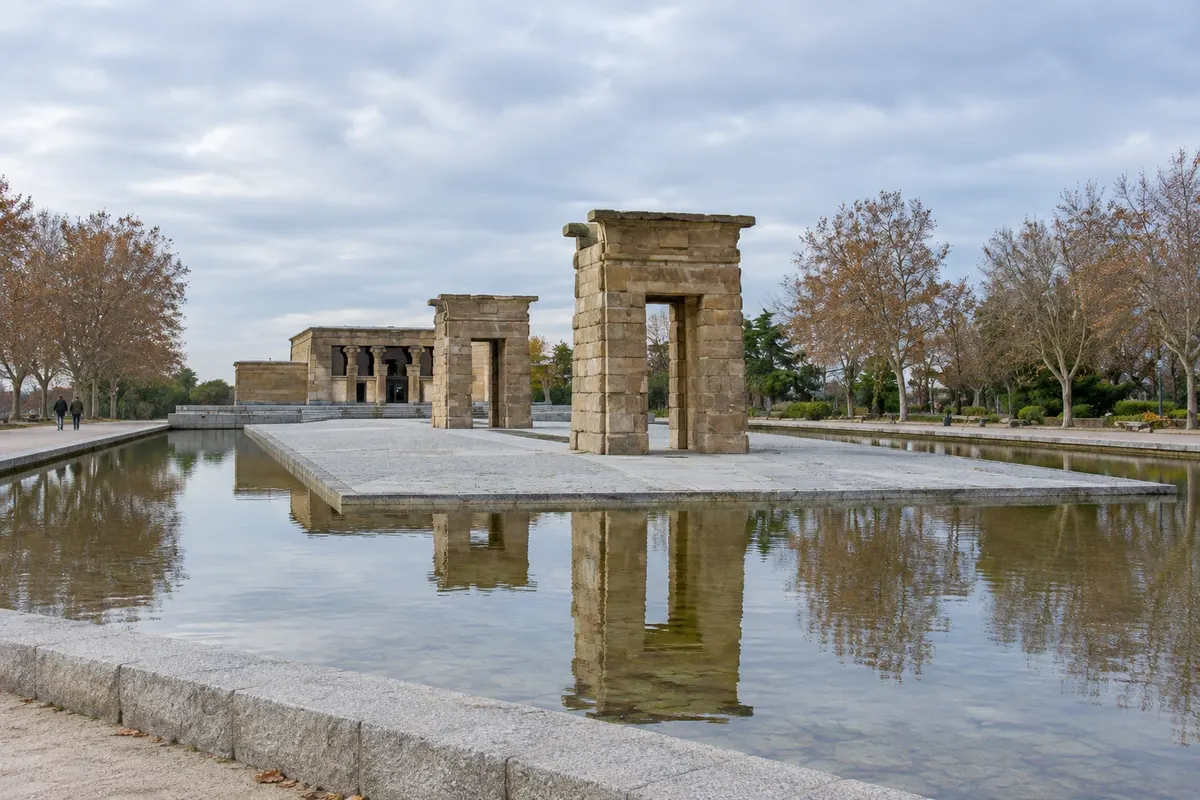
Temple of Debod

Egyptian temple from the 2nd century BC, donated by Egypt to Spain in 1968 and rebuilt stone by stone in a high park near the Plaza de España.

Plaza of Spain
Madrid · Community of Madrid · Trg

Plaza of Spain

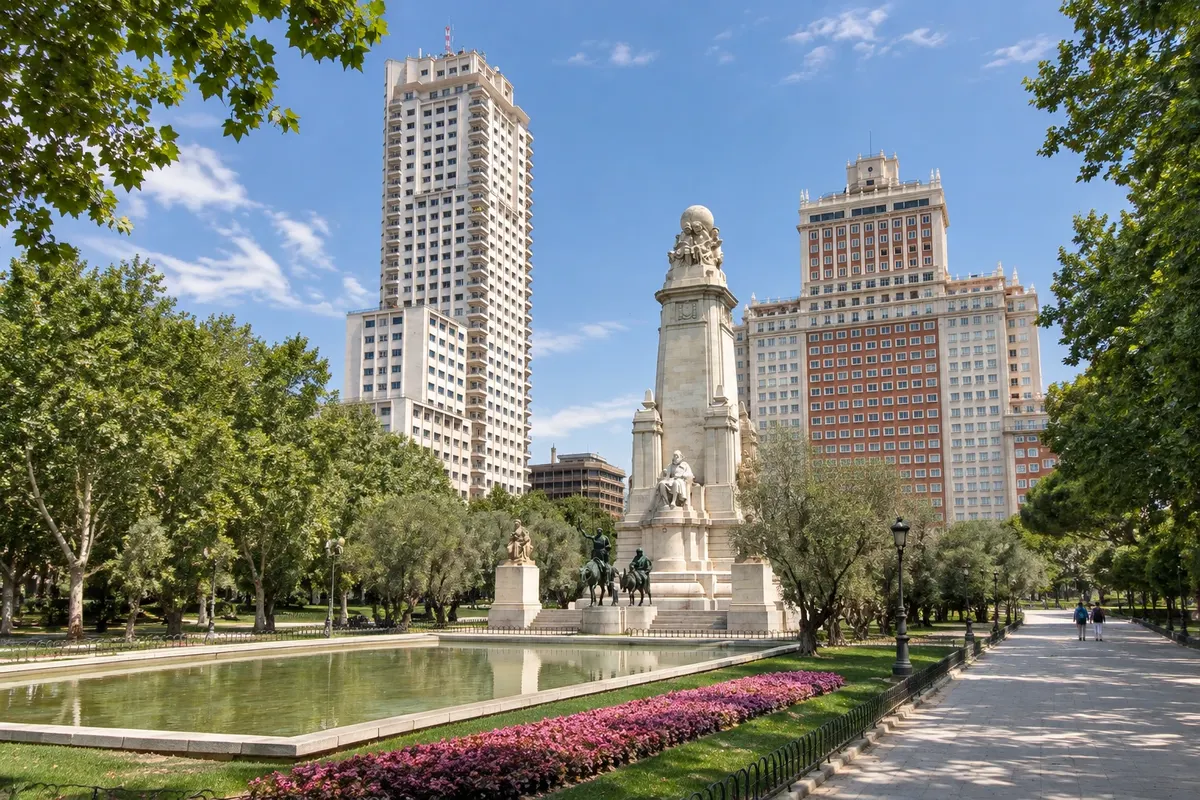
Square at the end of the Gran Vía, featuring the monument to Cervantes, Don Quixote and Sancho Panza, surrounded by the Edificio España and the Torre de Madrid.

Santiago Bernabéu Stadium
Madrid · Community of Madrid · Stadium

Santiago Bernabéu Stadium

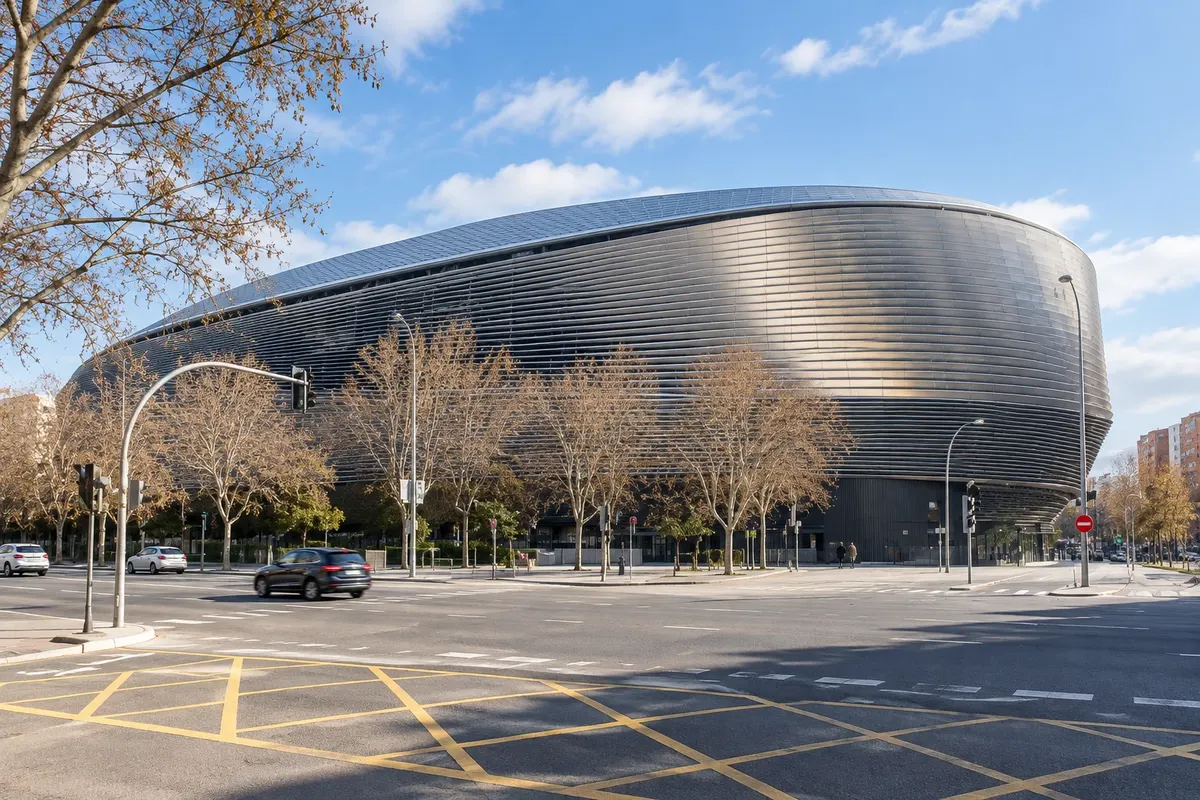
Home stadium of Real Madrid since 1947, on the Paseo de la Castellana. It gained a retractable roof in the recent renovation and welcomes visitors on the Tour Bernabéu, which includes a trophy museum, panoramic views, locker rooms and the substitute benches.

El Rastro
Madrid · Community of Madrid · Tržnica

El Rastro

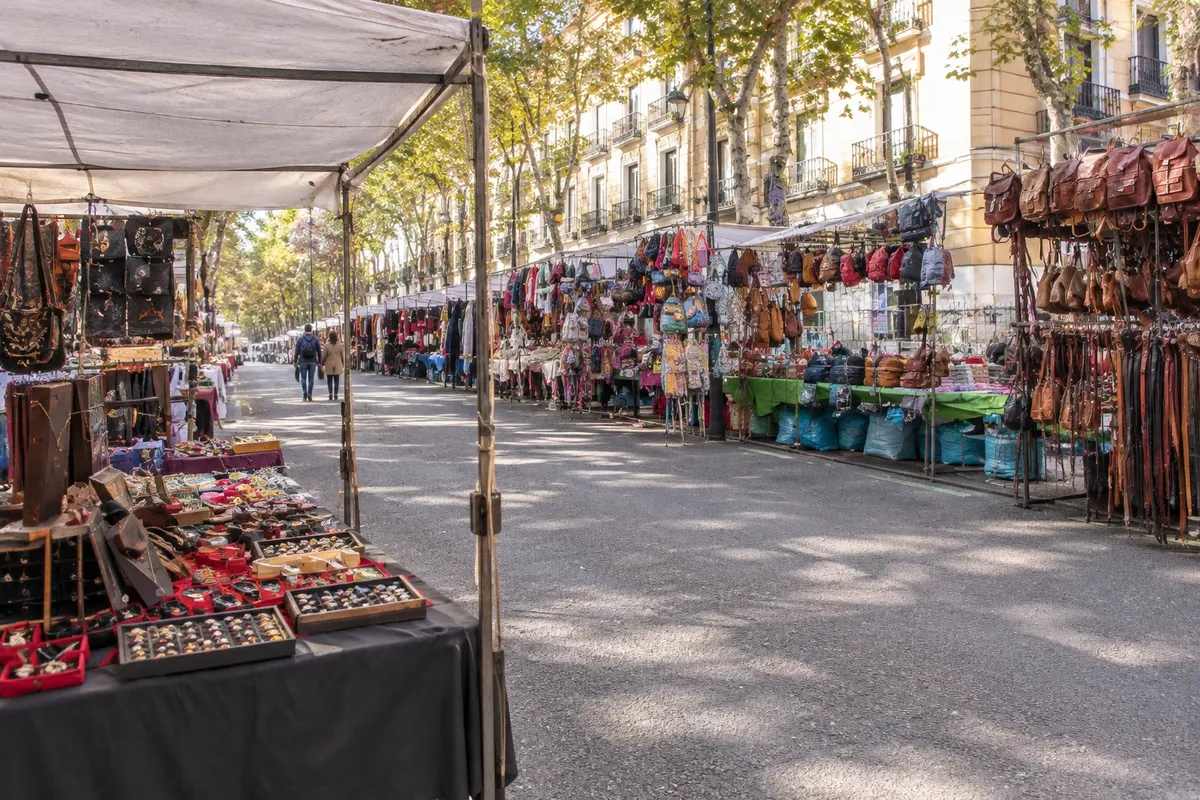
Outdoor market that occupies the streets of the Embajadores neighbourhood on Sundays and holidays, in the morning. It offers antiques, clothing, records, second‑hand books and many new items, between Plaza de Cascorro and Ribera de Curtidores.

Monastery of las Descalzas Reales
Madrid · Community of Madrid · Samostan

Monastery of las Descalzas Reales

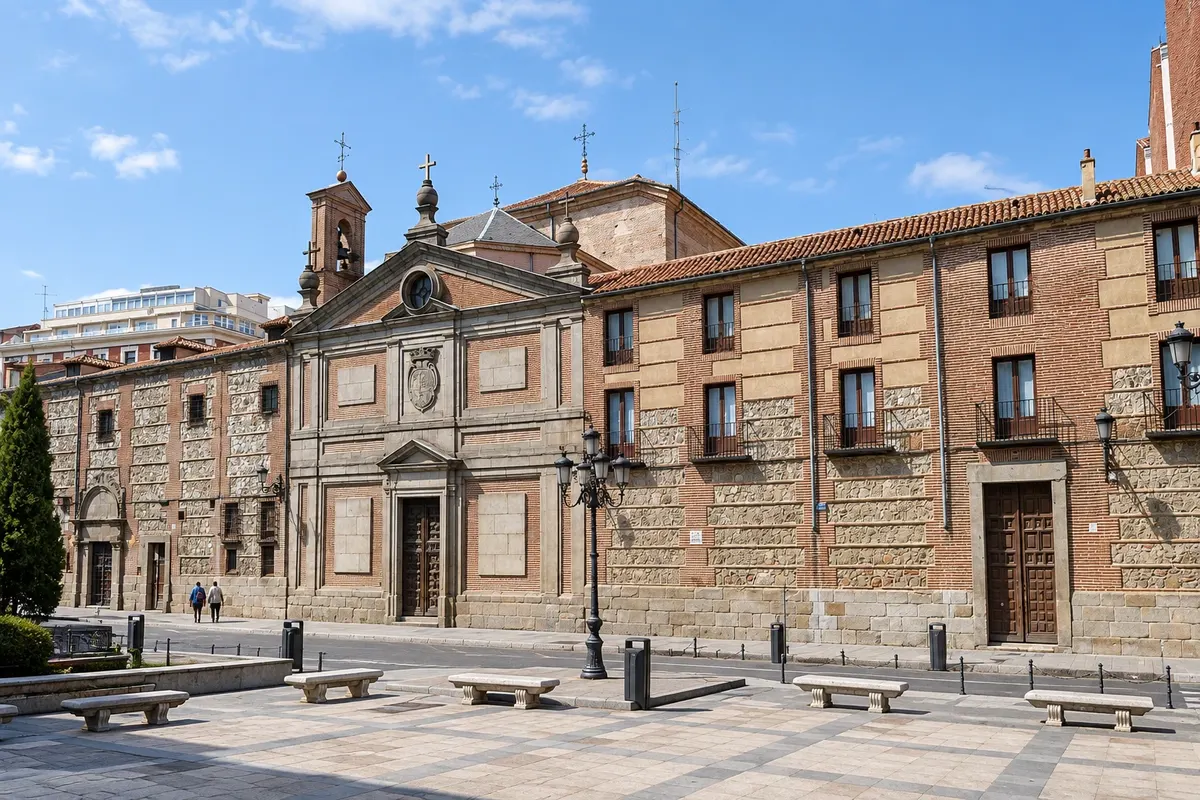
Clausura monastery founded in 1559 by Juana de Austria, sister of Philip II, a few steps from Puerta del Sol. The visit, always guided, shows the painted staircase, chapels and the tapestries designed by Rubens.

National Archaeological Museum (Madrid)
Madrid · Community of Madrid · Muzej

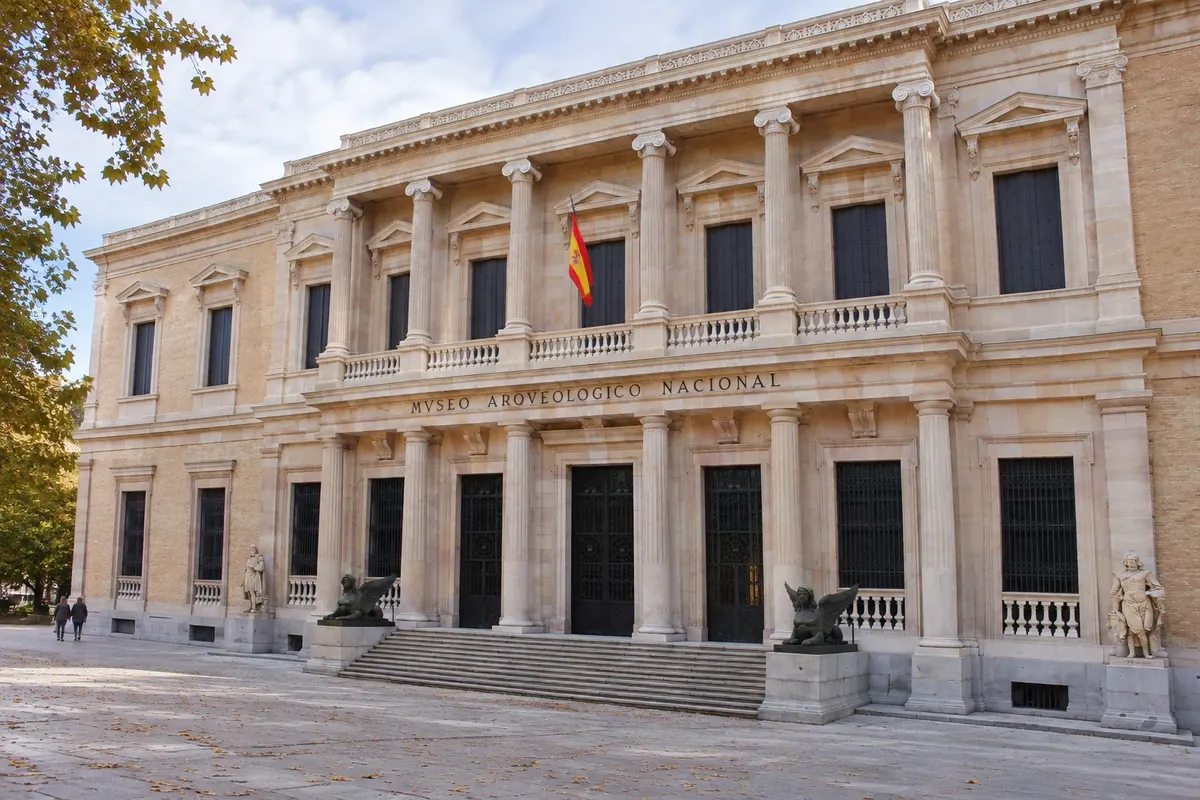
National Archaeological Museum (Madrid)

Main archaeology museum of Spain, next to Plaza de Colón. It houses the Dama de Elche, Visigothic crowns, Roman mosaics and Greek pottery, in a journey from prehistory to the 19th century.

Lázaro Galdiano Museum
Madrid · Community of Madrid · Muzej

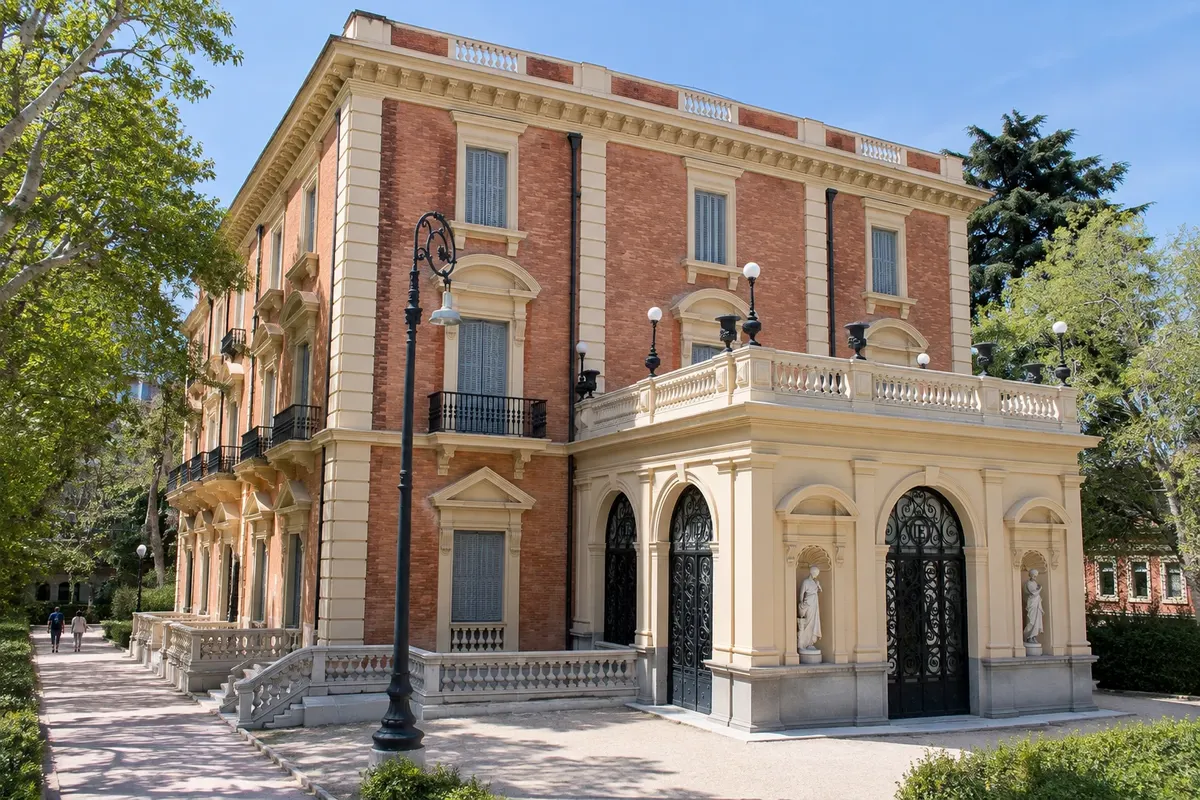
Lázaro Galdiano Museum

Mansion in the Salamanca neighborhood with the collection assembled by the publisher José Lázaro Galdiano: Goya, Bosch, El Greco, Zurbarán, English painting, jewelry, arms and ivories, spread across four floors.

CaixaForum Madrid
Madrid · Community of Madrid · Cultural center

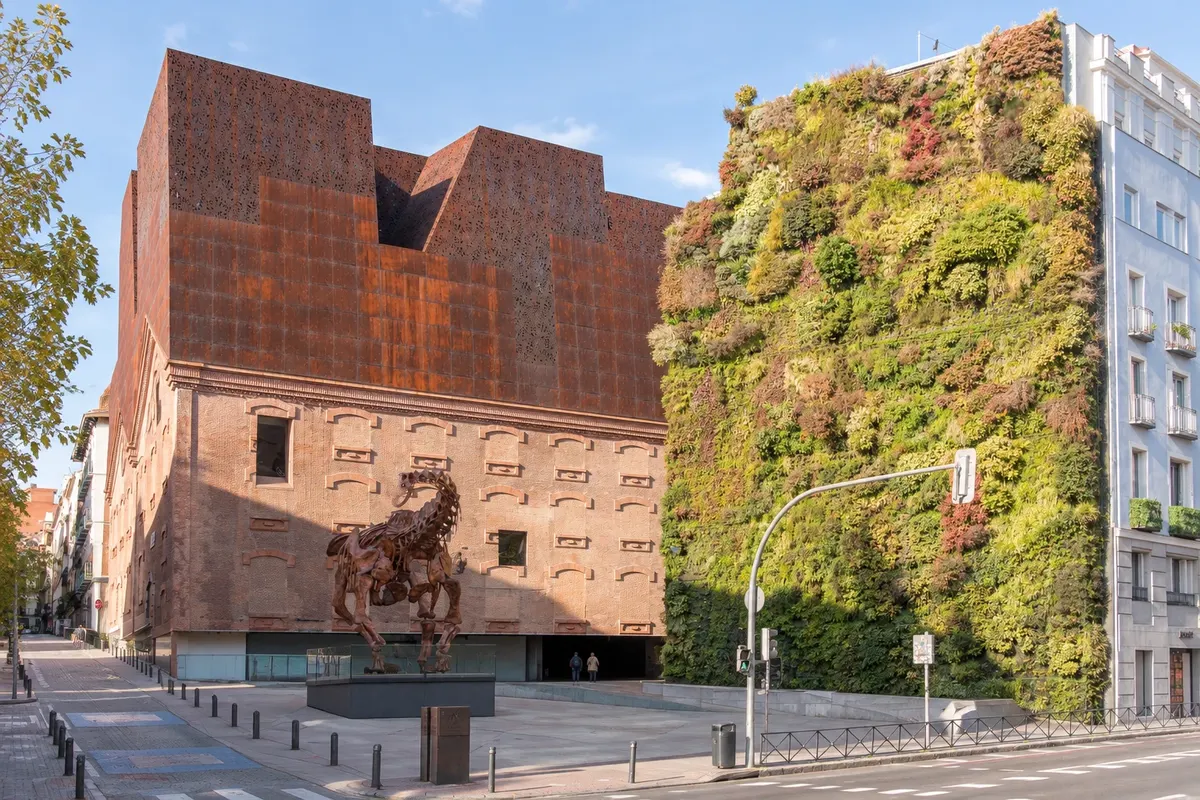
CaixaForum Madrid

Cultural center on Paseo del Prado, in a former power station transformed by Herzog & de Meuron. It hosts temporary art exhibitions and a 460 m² vertical garden on the facade facing the square.

Teatro Real (Royal Theatre)
Madrid · Community of Madrid · Theatre

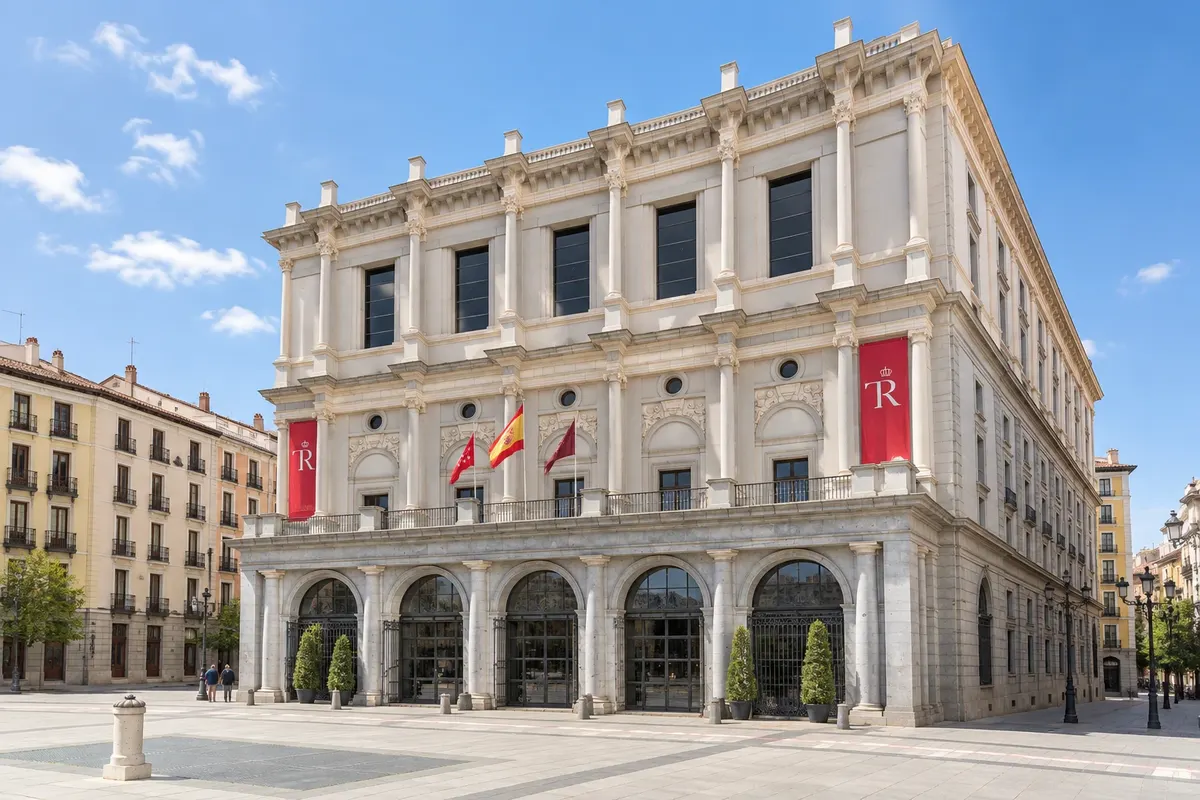
Teatro Real (Royal Theatre)

Opera house of Madrid, inaugurated in 1850 in Plaza de Oriente, opposite the Palacio Real. In addition to operas and ballets, it offers guided tours of the salons, the Palco Real and the backstage areas.

Barrio de las Letras
Madrid · Community of Madrid · Zgodovinska mestna četrt

Barrio de las Letras

Neighborhood between the Puerta del Sol and the Paseo del Prado where Cervantes, Lope de Vega and Quevedo lived. Literary quotations can be found on the pavement of Calle de las Huertas, in the Plaza de Santa Ana and at the Casa Museo Lope de Vega.

Malasaña
Madrid · Community of Madrid · Neighborhood

Malasaña

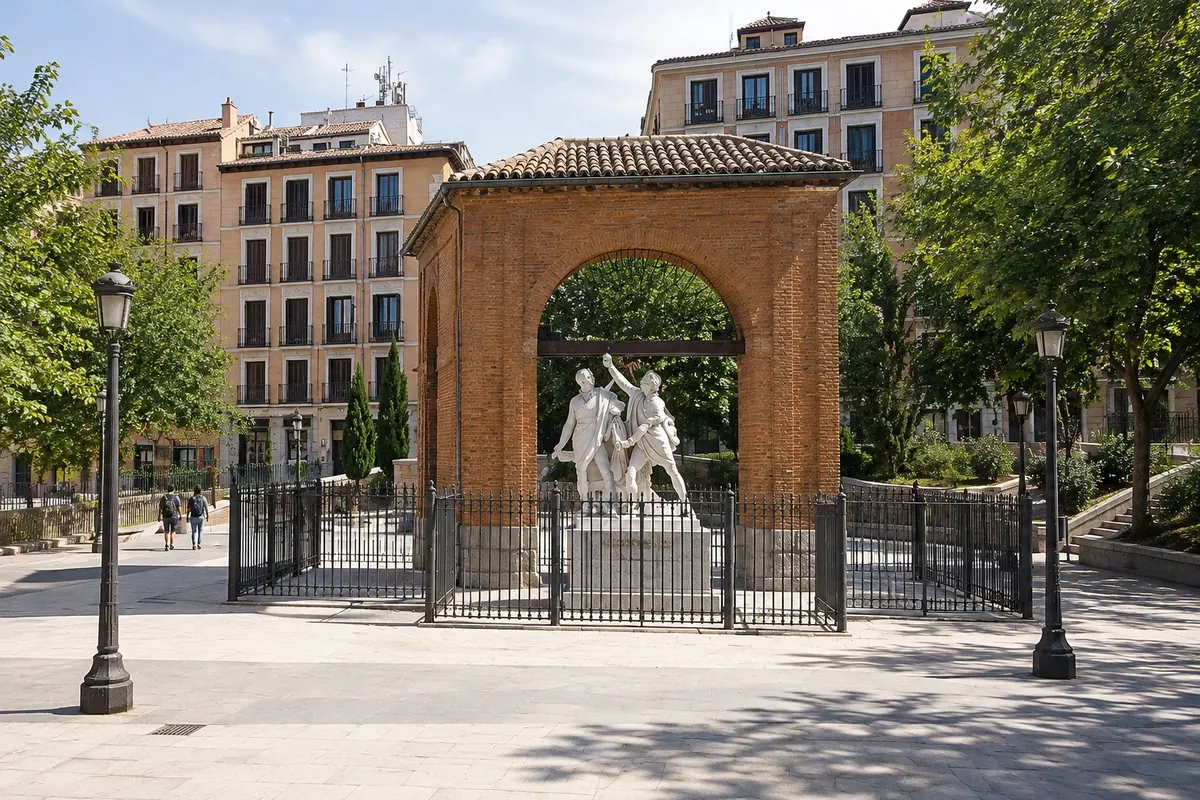
Neighborhood north of the Gran Vía, birthplace of the Movida madrileña of the 1980s. It has the Plaza del Dos de Mayo, vintage shops, cafés and bars, on streets of low-rise buildings with wrought-iron balconies.

Matadero Madrid
Madrid · Community of Madrid · Cultural center

Matadero Madrid

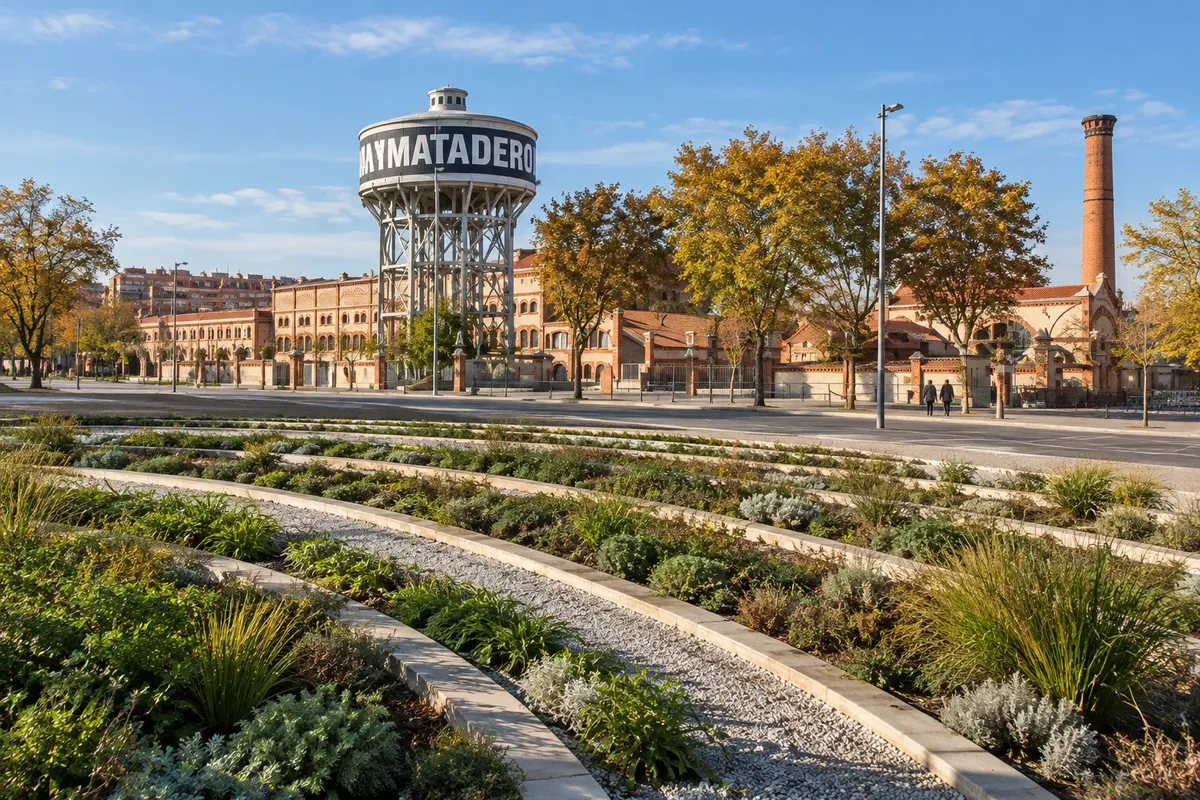
Former municipal slaughterhouse in neomudéjar brick pavilions on the banks of the Manzanares River, transformed into a contemporary art center with theater, dance, design, cinema and exhibitions.

Royal Basilica of San Francisco el Grande
Madrid · Community of Madrid · Cerkev

Royal Basilica of San Francisco el Grande

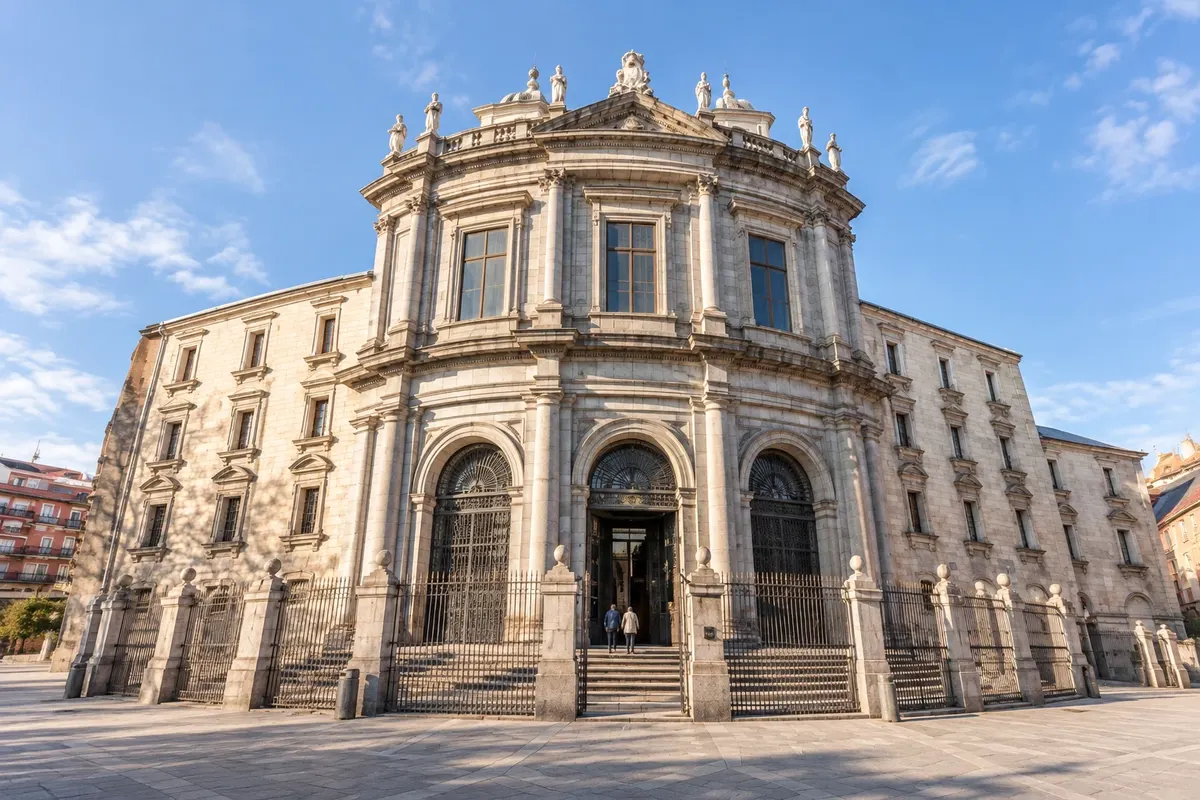
Neoclassical 18th-century basilica near La Latina, with the largest dome in Spain, 33 meters in diameter. It houses paintings by Goya and Zurbarán and chapels decorated at the end of the 19th century.

Cerralbo Museum
Madrid · Community of Madrid · Muzej

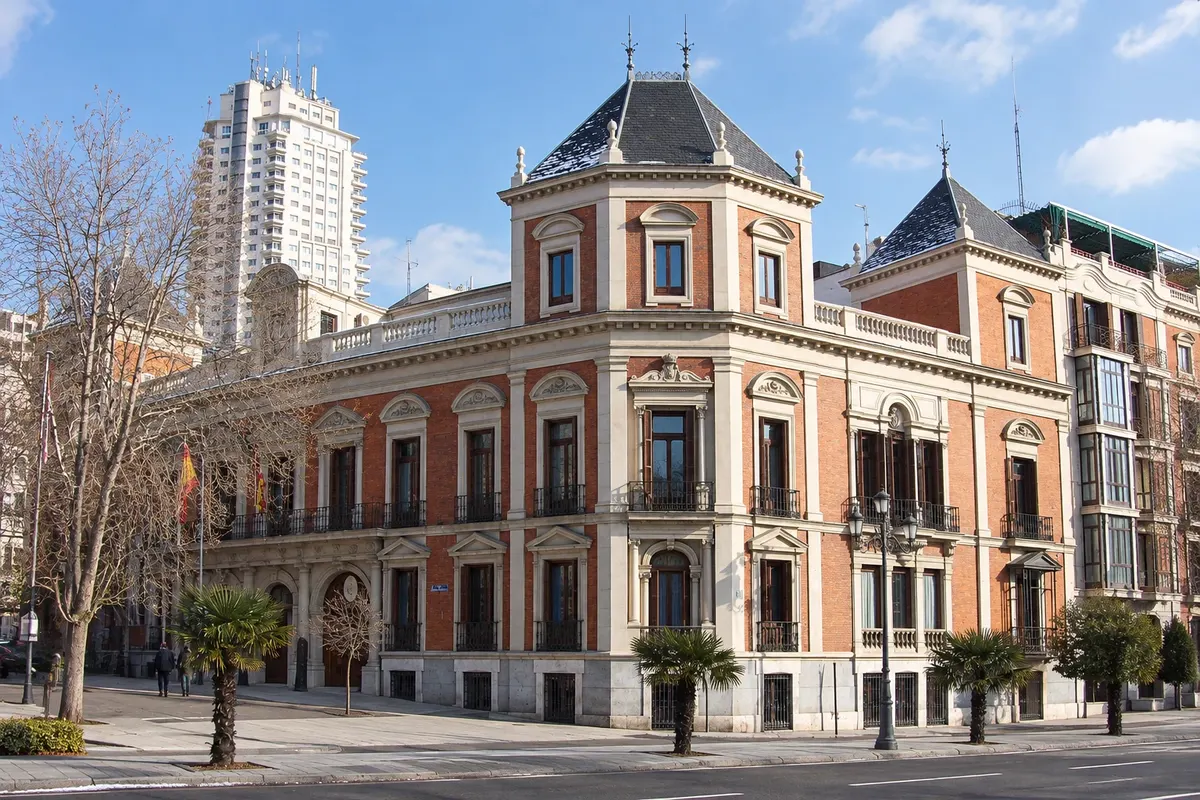
Cerralbo Museum

19th-century palace that preserves the original decoration and the collections of the Marquess of Cerralbo: paintings by El Greco and Zurbarán, armors, clocks, porcelain and a ballroom, near the Plaza de España.

Gallery of Royal Collections
Madrid · Community of Madrid · Muzej

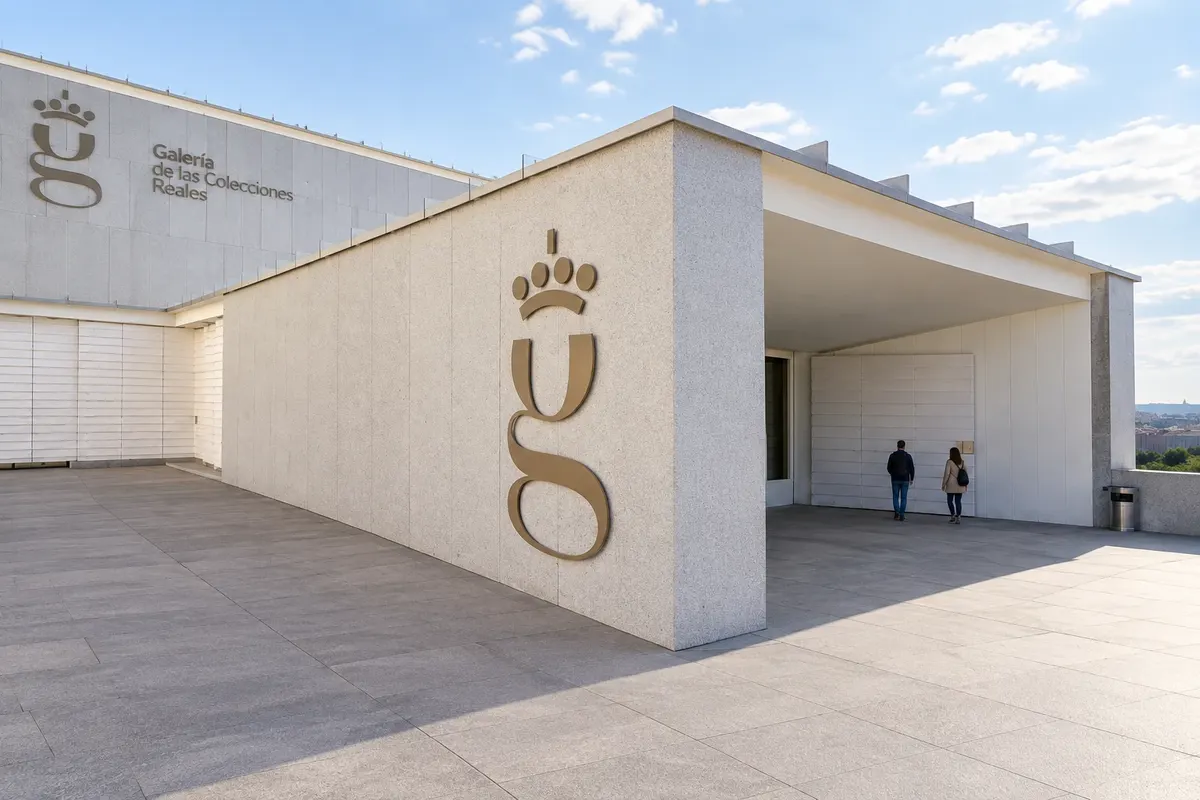
Gallery of Royal Collections

Museum of the National Heritage between the Palacio Real and the Catedral de la Almudena, in a granite building above the Campo del Moro gardens. It displays tapestries, carriages, paintings, armors and jewels gathered by the kings of Spain.

Museum of Madrid History
Madrid · Community of Madrid · Muzej

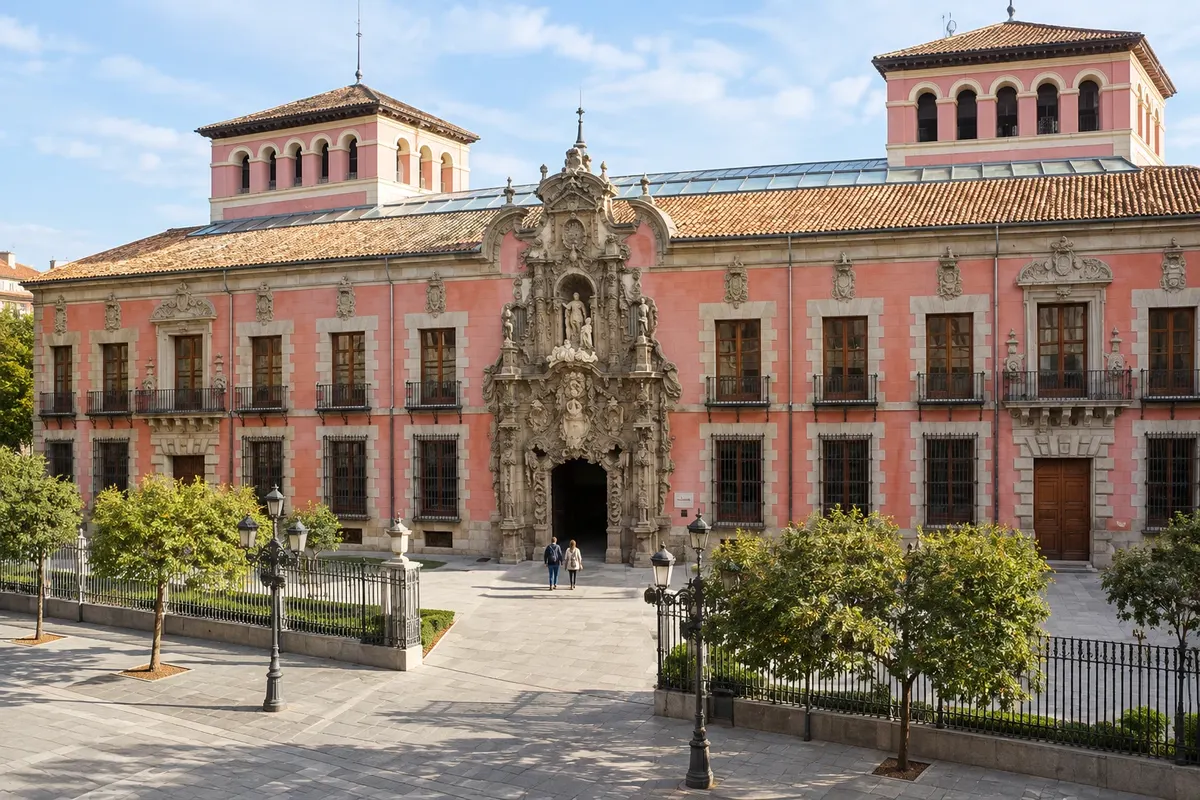
Museum of Madrid History

Municipal museum in the former Real Hospicio de San Fernando, with a Baroque façade by Pedro de Ribera. It tells the history of Madri since 1561, featuring the large model of the city from 1830 and an allegory painted by Goya.

Casa de Campo
Madrid · Community of Madrid · Park

Casa de Campo

Largest public park in Madri, with over 1,500 hectares of woodland to the west of the center. It has a lake with rowboats, trails, bike paths, the Parque de Atracciones and the Zoo Aquarium.

Kaj izbrati pred odhodom

Izleti – Madrid

Izhodišče, trajanje, potek, vključene storitve in okvirna cena vsakega izleta.

Museo del Prado

Odhod: Paseo del Prado, entrance via the Puerta de Goya or Puerta de los Jerónimos on foot or metro (Banco de España, line 2; Estación del Arte, line 1) Približno 3 ure Dopoldne ali popoldne Lahko

The Prado is Madrid’s classical painting museum and the city’s most visited attraction. The collection brings together the Spanish, Flemish, and Italian schools: Velázquez, Goya, El Greco, Murillo, Rubens, Titian and Bosch (El Bosco). The Las Meninas room by Velázquez is usually the most crowded; it’s worth heading there early. Goya occupies several rooms, from court painting to the Pinturas Negras, which are on the ground floor. The Garden of Earthly Delights by Bosch and The Descent from the Cross by Van der Weyden are among the most sought-after works. The building is large and a full route is tiring; the museum itself suggests one-, two- or three-hour routes. There are cloakrooms, a cafeteria and a shop. The museum sits on the Paseo del Arte axis, between the Reina Sofía and the Thyssen, with El Retiro right behind.

Kraji na poti: Museo del Prado, Las Meninas, Pinturas Negras de Goya, El jardín de las delicias.

Vključuje: Permanent collection. Temporary exhibitions require a separate ticket.

Nasvet: Buy the timed ticket on the official website and enter through the door indicated on the ticket. In the last hours of the day there is a special entry lane for the permanent collection; if time is short, prefer the regular ticket. The museum is open every day and closes on a few dates during the year.

Najboljši čas za obisk: All year. Weekday mornings have fewer people.

Museo Reina Sofía

Odhod: Calle de Santa Isabel, 52 (Sabatini) or Ronda de Atocha (Nouvel) on foot or metro (Estación del Arte, line 1; Atocha) Približno 2 uri Popoldne Lahko

The Reina Sofía is Spain’s museum of modern and contemporary art, housed in the former 18th-century General Hospital of San Carlos, with an extension by Jean Nouvel. The work everyone comes to see is Picasso’s Guernica, displayed on the second floor together with preparatory studies and photographic records of its creation; the painting may not be photographed. Surrounding it are Dalí, Miró, Juan Gris and Spanish art from the 1920s and 1930s. The upper floors cover the postwar period and recent art, including photography, video and installations. The glass elevators on the Sabatini façade offer views over the Lavapiés neighborhood. The museum is closed on Tuesdays, unlike the Prado and the Thyssen. It sits next to Atocha station, at the southern end of the Paseo del Arte.

Kraji na poti: Museo Reina Sofía, Guernica, Sabatini Building, Nouvel Building.

Vključuje: Permanent collection in the Sabatini and Nouvel buildings. Temporary exhibitions.

Nasvet: Closed on Tuesdays. Buy tickets online in advance. If your goal is only the Guernica, go straight to the second floor of the Sabatini and reserve the rest of your time for the Prado.

Najboljši čas za obisk: All year. Avoid Tuesday, the day it is closed.

Museo Thyssen-Bornemisza

Odhod: Paseo del Prado, 8 (Palacio de Villahermosa) on foot or metro (Banco de España, line 2) Približno 2 uri Dopoldne ali popoldne Lahko

The Thyssen completes the trio on the Paseo del Arte. The collection was formed by the Thyssen-Bornemisza family over the 20th century and covers almost the entire history of Western painting, from the Italian Gothic to American pop. The route follows a chronological order from top to bottom: early Italian and Flemish painters, the Renaissance, 17th-century Dutch painting, Impressionists, German Expressionists and 20th-century art, including Hopper, Lichtenstein and Rothko. It is a human-scale museum with bright rooms, which can be seen at a relaxed pace in about two hours. The building is the 18th-century Palacio de Villahermosa, facing the Fuente de Neptuno. There are temporary exhibitions with separate tickets. Overall it is usually less busy than the Prado.

Kraji na poti: Museo Thyssen-Bornemisza, Palacio de Villahermosa.

Vključuje: Permanent collection. Temporary exhibitions are separate.

Nasvet: Start at the top floor and work your way down. The museum has special entry conditions on certain days and times; check the current schedule on the official website before you go.

Najboljši čas za obisk: Vse leto.

Royal Palace of Madrid

Odhod: Plaza de la Armería (forecourt of the Almudena Cathedral) on foot or metro (Ópera, lines 2 and 5) Približno 2 uri Dopoldne Lahko

The Royal Palace is the official residence of the kings of Spain, used for state events; the royal family lives in the Palace of La Zarzuela. The 18th-century building stands on the site of the old Alcázar, destroyed by fire in 1734. The visit passes the Main Staircase, the Throne Room, the Gasparini Hall and the Royal Chapel, among other rooms, and includes the Royal Armoury, with armours of Charles V and Philip II. The Royal Kitchen, the palace’s historic kitchen, requires a separate ticket. Opposite is the Plaza de la Armería, with the Almudena Cathedral on the other side, and to the north the Plaza de Oriente, with the statue of Philip IV. Behind the palace are the Sabatini Gardens and the Campo del Moro. The guard change usually takes place on Wednesdays and Saturdays; the solemn relief, with horses and band, usually happens once a month, outside summer. Check the dates on the Royal Guard website.

Kraji na poti: Royal Palace of Madrid, Plaza de la Armería, Royal Armoury, Throne Room, Plaza de Oriente.

Vključuje: Official halls, Royal Chapel and Royal Armoury. Royal Kitchen with separate ticket.

Nasvet: Buy a timed ticket on the official website and arrive early: the morning line grows quickly. The palace may close without notice on days of official events. Combine it with the Almudena, on the same square.

Najboljši čas za obisk: Year-round. To see the guard change, avoid July, August and September.

Almudena Cathedral

Odhod: Calle de Bailén, facing the Royal Palace on foot or metro (Ópera, lines 2 and 5) Približno 1 uro Dopoldne ali popoldne Lahko

The Almudena is Madrid’s cathedral, dedicated to the city’s patron saint. Construction began at the end of the 19th century and was only completed in 1993, when it was consecrated by Pope John Paul II. Thus the neoclassical exterior matches the Royal Palace, while the neo-Gothic interior has a ceiling painted in vivid colors, quite different from Spain’s older cathedrals. The crypt, with entrance from Calle Mayor, is a neo-Romanesque church with about 400 columns. The Cathedral Museum houses objects related to the Virgin of Almudena and Saint Isidore and provides access to the dome, with views of the palace and the Casa de Campo. The visit to the nave is quick; the cathedral is not open to tourists during Masses.

Kraji na poti: Almudena Cathedral, Almudena Crypt, Cathedral Museum.

Vključuje: Cathedral nave and crypt. Museum and dome with separate admission.

Nasvet: Visit in the sequence of the Royal Palace, which is on the same square. The dome is worth the climb on a clear day. The museum is open only in the mornings, Monday through Saturday.

Najboljši čas za obisk: Vse leto.

Plaza Mayor and Madrid de los Austrias

Odhod: Puerta del Sol on foot Približno 2 uri Dopoldne ali pozno popoldne Lahko

Madrid de los Austrias is the name of the old town, built when the Habsburgs (the Austrias) ruled, in the 16th and 17th centuries. The Plaza Mayor is the neighborhood’s heart: a rectangle enclosed by three-story buildings with arcades, 237 balconies and nine access gates. The painted facade is the Casa de la Panadería; in the center stands the equestrian statue of Philip III. Through the Arco de Cuchilleros you descend to the Cava de San Miguel and the Cava Baja, a street of taverns. The Plaza de la Villa, on Calle Mayor, houses the old town hall and the Torre de los Lujanes, from the 15th century. Continuing along Calle Mayor you reach the Almudena and the Royal Palace; the Mercado de San Miguel is one block from the Plaza Mayor. The route is all on foot, on narrow streets with little uphill.

Kraji na poti: Plaza Mayor, Casa de la Panadería, Plaza de la Villa, Calle Mayor, Arco de Cuchilleros, Plaza de Oriente.

Vključuje: Self-guided walking tour through the squares and streets of the historic center.

Nasvet: Do it early in the morning, before the outdoor cafés fill up, or at dusk, when the Plaza Mayor is lit. In the bars on the square, outdoor tables usually cost more than standing at the counter.

Najboljši čas za obisk: All year round. In December the Plaza Mayor usually hosts the Christmas market.

Prikaži dodatne izlete (14)

Puerta del Sol and Gran Vía

Odhod: Puerta del Sol on foot or subway (Sol, lines 1, 2 and 3) Približno 2 uri popoldne ali zvečer Lahko

Puerta del Sol is the zero-kilometer point for Spanish roads, marked by a plaque on the sidewalk of the Real Casa de Correos, the building with the clock that strikes the New Year. In the square are the statue of the bear with the madroño (El Oso y el Madroño), a symbol of Madrid, and the illuminated Tío Pepe sign. From there, Calle de Alcalá leads to the beginning of Gran Vía, the avenue opened in the early 20th century that cuts across the center for 1.3 km to Plaza de España. The stretch starts at the Edificio Metrópolis, with its dome topped by a statue, passes the cinemas and theaters of Plaza de Callao and ends at the Edificio España and the Torre de Madrid. Gran Vía is the street of department stores, musicals and rooftops; at night it stays busy late. You can continue the walk to the Templo de Debod, behind Plaza de España.

Kraji na poti: Puerta del Sol, Kilometer Zero, El Oso y el Madroño, Gran Vía, Edificio Metrópolis, Plaza de Callao, Plaza de España.

Vključuje: Self-guided walk.

Nasvet: Go up to one of the hotel or store terraces on Gran Vía or Callao to see the avenue from above. Puerta del Sol is pedestrianized; watch your bag in the crowd, as in any large city center.

Najboljši čas za obisk: All year. From late November to early January, the Christmas lights usually make Gran Vía very crowded.

El Retiro Park

Odhod: Puerta de Alcalá (Plaza de la Independencia) on foot or metro (Retiro station, line 2) about 2 to 3 hours Dopoldne ali pozno popoldne Lahko

El Retiro is Madrid’s central park, with 118 hectares that were the royal leisure gardens in the 17th century and became city property in 1868. The Great Pond, with the Monument to Alfonso XII on its bank, offers rowboats for rent. The Palacio de Velázquez, built in brick and tile, serves as an exhibition hall for the Reina Sofía. La Rosaleda, the circular rose garden, blooms in May and June. The Fountain of the Fallen Angel, with the statue of the falling angel, sits at the park’s highest point. Musicians, street performers and tarot readers gather around the Pond; joggers and families use the promenades and avenues. The Puerta de Alcalá, an 18th-century arch, stands in the plaza at the main entrance. The park is behind the Prado and pairs well with the end of a museum visit.

Kraji na poti: El Retiro Park, Great Pond, Monument to Alfonso XII, Palacio de Velázquez, La Rosaleda, Fountain of the Fallen Angel, Puerta de Alcalá.

Vključuje: Free walk around the park. Boat rental available separately.

Nasvet: Enter through the Puerta de Alcalá and exit via the Puerta de Felipe IV, behind the Prado. The park may close on very windy days for safety. Bring water in summer: there is little shade around the Pond.

Najboljši čas za obisk: Spring (April to June) and autumn (September to November). In summer, early morning or after 6:00 PM.

Mercado de San Miguel and tapas around La Latina

Odhod: Plaza de San Miguel, next to Plaza Mayor on foot or subway (Ópera or Sol; La Latina, line 5) Približno 3 ure late afternoon and evening Lahko

The Mercado de San Miguel is a former supply market with an iron-and-glass structure, over a hundred years old, converted into a food market. Inside, dozens of stalls sell small portions to eat standing: jamón, cheeses, seafood, tortilla, croquettes, sweets. It’s busy and there are few tables; it works as a first stop, not as a dinner place. From there, Cava Baja and Cava Alta in La Latina concentrate traditional taverns, many in old buildings. The local custom is to go bar to bar, ordering a tapa or a ración at each one, standing at the counter. Plaza de la Paja and Plaza de la Cebada are stopping points along the way. On Sundays, after the Rastro, Cava Baja fills up from midday.

Kraji na poti: Mercado de San Miguel, Cava Baja, Plaza de la Paja, Calle de Cava Alta, Plaza de la Cebada.

Vključuje: Self-guided walk. Food is paid for at each venue.

Nasvet: Spaniards eat dinner late: before 9 PM the tapas bars are often still empty. Order a 'tapa' or 'media ración' to try more places. For non-drinkers, bars will serve soft drinks, water and must without problem.

Najboljši čas za obisk: All year. In good weather, from April to October, the terraces at Plaza de la Paja stay open.

Templo de Debod

Odhod: Parque de la Montaña, behind Plaza de España on foot or subway (Plaza de España, lines 2, 3 and 10) Približno 1 uro late afternoon Lahko

The Temple of Debod is an Egyptian temple from the 2nd century BC, a gift from Egypt to Spain in thanks for Spanish help rescuing the Nubian temples threatened by the Aswan Dam. It was reassembled in Madrid in 1972, on top of Parque de la Montaña, with two stone pavilions aligned along a reflecting pool. The interior, small, has reliefs and a scale model; it is open Tuesday through Sunday, and entry is limited and by reservation on the city council website. What really draws people is the surroundings: the viewpoint next to the temple looks out over Casa de Campo, the Royal Palace and La Almudena, and it is Madrid’s best-known spot to watch the sunset. The park is a ten-minute walk from Plaza de España and the end of Gran Vía.

Kraji na poti: Temple of Debod, Parque de la Montaña, Temple of Debod viewpoint.

Vključuje: Exterior visit and viewpoint. Interior access with reservation.

Nasvet: Arrive half an hour before sunset, which gets crowded, and bring a jacket in winter: the upper part of the park is windy. If you want to enter the temple, book in advance; access is in small groups.

Najboljši čas za obisk: All year. From October to March the sun sets early, between 6:00 PM and 7:00 PM, which makes it easier to fit into your itinerary.

Malasaña and Chueca

Odhod: Plaza del Dos de Mayo (Malasaña) on foot or subway (Tribunal, lines 1 and 10; Chueca, line 5) Približno 3 ure afternoon and evening Lahko

Malasaña and Chueca are the two neighborhoods north of Gran Vía in the city center, separated by Calle Fuencarral, a pedestrian shopping street. Malasaña was the birthplace of the Movida madrileña in the 1980s and still has narrow streets, second-hand clothing shops, bookstores, cafés and music bars; Plaza del Dos de Mayo, with the arch of the old Monteleón barracks, is the meeting point. Chueca is Madrid's LGBT neighborhood, with Plaza de Chueca, outdoor terraces and the Mercado de San Antón, a three-floor market with food stalls and a rooftop terrace. Both neighborhoods are for wandering without a strict route: shop windows, graffiti, small plazas and local design stores. If you like shopping, Calle Fuencarral and Calle Hortaleza concentrate Spanish and international brands.

Kraji na poti: Malasaña, Plaza del Dos de Mayo, Calle Fuencarral, Chueca, Plaza de Chueca, Mercado de San Antón.

Vključuje: Self-guided walk.

Nasvet: Go in the late afternoon, when shops are open and bars start to fill up. In July, Chueca usually hosts the Pride parade, with streets closed and heavy crowds.

Najboljši čas za obisk: All year. Spring and autumn for comfortable walking.

Santiago Bernabéu Stadium

Odhod: Avenida de Concha Espina, 1 metro (Santiago Bernabéu, line 10) Približno 2 uri Dopoldne ali popoldne Lahko

The Bernabéu is Real Madrid’s stadium on Paseo de la Castellana, refurbished with a retractable roof and metallic façade. The Bernabéu Tour is a visit without a guide (a guided version exists) that goes through the club museum, with Champions League and La Liga trophies, interactive displays, and a panorama of the stands; the standard version includes locker rooms and the substitutes’ bench. The pitch is stored underground and is only installed for matches, so the field may be empty or set up for an event on the day of the visit. The route includes stairs. Visits run every day, including match days, but with reduced hours and without access to locker rooms or the bench on the eve and day of a game. Tickets are time- and date-specific.

Kraji na poti: Santiago Bernabéu Stadium, Real Madrid Museum, Bernabéu Tour.

Vključuje: Self-guided tour with museum, locker rooms, and stadium panorama.

Nasvet: Buy on the club’s official website: tickets are non-transferable to another date. Check the match calendar before choosing a day. To attend a match, public sales are through the club’s website, depending on availability.

Najboljši čas za obisk: All year. In preseason (June and July) there are no matches and the tour is quieter.

Madrid Río and Matadero

Odhod: Puente de Segovia or Príncipe Pío on foot or subway (Príncipe Pío, lines 6 and 10; Legazpi, lines 3 and 6) Približno 3 ure Popoldne Lahko

Madrid Río is the linear park created along the banks of the Manzanares after the M-30 highway was buried. It offers several kilometers of pathways with bike lanes, playgrounds, fountains and historic bridges: Puente de Segovia, from the 16th century, and the baroque Puente de Toledo. On the southern stretch is Matadero Madrid, a former municipal brick slaughterhouse from the early 20th century, converted into a cultural center with exhibition halls, a cinema (Cineteca), theater, library and an open plaza. Entry to the grounds is free; some exhibitions charge admission. The full route, from Príncipe Pío to Legazpi, is about 5 km on flat terrain; you can do it on a rented bicycle or just the final section starting from Legazpi metro. It shows the side of Madrid that first-time visitors often miss.

Kraji na poti: Madrid Río, Manzanares River, Segovia Bridge, Toledo Bridge, Matadero Madrid, Plaza de Legazpi.

Vključuje: Free walk or bike ride. Some Matadero exhibitions require separate admission.

Nasvet: Go in the late afternoon, when the sun lowers and locals head out for a run. At Matadero, check the day’s schedule: the Cineteca and the exhibition halls vary. The city’s public bike system has stations along the river.

Najboljši čas za obisk: Spring and autumn. In summer, only after 7 p.m.: parts of the park are unshaded.

Lavapiés and El Rastro

Odhod: Plaza de Cascorro on foot or metro (La Latina, line 5; Tirso de Molina, line 1) Približno 3 ure Sunday morning Lahko

El Rastro is Madrid’s street market, held every Sunday morning and on public holidays. It starts at Plaza de Cascorro and runs down Ribera de Curtidores and the surrounding streets, with more than three thousand stalls selling clothing, leather goods, records, used books, paintings, antiques and trinkets. Each street has its specialty: San Cayetano is for painters; Mira el Río for small antiques. Next door is Lavapiés, a neighborhood of long-standing and recent immigration, with groceries from around the world, Indian and Senegalese restaurants, graffiti and small theaters. Calle de Argumosa, with its outdoor terraces, leads to the Reina Sofía. After the market, the bars in La Latina and on Cava Baja fill up from midday. On other days of the week, the neighborhood is worth visiting for the antique shops and the galleries on Ribera de Curtidores.

Kraji na poti: El Rastro, Plaza de Cascorro, Ribera de Curtidores, Lavapiés, Plaza de Lavapiés, Calle de Argumosa.

Vključuje: Free walk through the market and the neighborhood.

Nasvet: Arrive before 11 a.m., when you can still walk around. Keep your wallet and phone in a closed pocket: the crowd is large. Bring small change for the market stalls.

Najboljši čas za obisk: Year-round, on Sundays. In summer, early in the morning, before the heat.

Las Ventas Bullring

Odhod: Calle de Alcalá, 237 metro (Ventas station, lines 2 and 5) around 1 hour and a half Dopoldne ali popoldne Lahko

Las Ventas is Madrid’s bullring, opened in 1931, in a neo-Mudéjar style, built with brick and tiles and seating about 23,000 people. The visit is done with an audio guide and passes through the arena, the stands (tendidos), the Puerta Grande, the chapel and the infirmary, as well as the Bullfighting Museum, which displays costumes, posters and bull heads. There are virtual reality features that recreate the atmosphere of an afternoon of bullfighting. The tour is of interest for its architecture and history; it is not necessary to attend a bullfight, and the guide does not recommend it as an attraction. The ring is outside the center, on Calle de Alcalá, a few minutes by metro from Puerta del Sol. The visit is closed on event days and during the weeks of the bullfighting season, usually in spring; check before you go.

Kraji na poti: Las Ventas Bullring, Bullfighting Museum, Puerta Grande.

Vključuje: Guided visit with audio guide to the plaza and the Bullfighting Museum.

Nasvet: Check the attraction’s website to see if there is an event that day: the plaza is closed to the public on such dates. It can be combined with Puerta de Alcalá and El Retiro, on the same metro line 2.

Najboljši čas za obisk: All year round, except on event days. In May and June, during the bullfighting fair, there are more closures.

Day trip to Toledo

Odhod: Madrid-Puerta de Atocha Station – Almudena Grandes Avant train (about 33 minutes); in Toledo, on foot or by city bus about 8 hours, including the train Ves dan moderate (hills and stone surfaces)

Toledo is about 70 km south of Madrid and is the easiest day trip: the Avant train departs from Atocha and takes about 33 minutes. The old town sits on a hill surrounded by the Tagus River and was the Visigothic capital and a center of the three cultures: Christian, Jewish and Muslim. The Primatial Cathedral, Gothic, houses works by El Greco and the altarpiece of the Transparente. The Iglesia de Santo Tomé displays El Entierro del Conde de Orgaz by El Greco. The Jewish quarter includes the Synagogue of Santa María la Blanca and El Tránsito, which houses the Museo Sefardí. The Alcázar, on the highest point, hosts the Army Museum. The Monastery of San Juan de los Reyes, with a Gothic cloister, sits on the city edge. From the station to the center is about 20 minutes on foot, with a steep climb; there are city buses and public escalators that help. The Mirador del Valle, across the river, offers the classic view of the city.

Kraji na poti: Toledo, Primatial Cathedral of Toledo, Alcázar of Toledo, Iglesia de Santo Tomé, Synagogue of Santa María la Blanca, Monastery of San Juan de los Reyes, Mirador del Valle, Puente de Alcántara.

Vključuje: Independent transport. Paid entry for the cathedral, Santo Tomé, the synagogues and the Alcázar.

Nasvet: Buy round-trip train tickets in advance on Renfe's website: the most popular departures often sell out. Wear sturdy shoes: the ground is stone and much of it is uphill. The combined tourist wristband, sold at the churches, can be worthwhile if you plan to visit several monuments.

Najboljši čas za obisk: Spring and autumn. In summer, Toledo exceeds 35 °C in the afternoon; visit the churches around midday and go to the viewpoint late in the afternoon.

Day trip to Segovia

Odhod: Madrid-Chamartín Station – Clara Campoamor Avant train (about 30 minutes) to Segovia-Guiomar and local bus about 7 hours, including train Ves dan moderate (hills)

Segovia (Segóvia) is a little over 90 km north of Madrid, on the far side of the Sierra de Guadarrama. The Avant train departs from Chamartín and reaches Segovia-Guiomar station in about 30 minutes, outside the city; from there the city bus takes you to the Aqueduct in about 15 minutes. The Roman Aqueduct, built of mortarless granite, crosses the Plaza del Azoguejo with arches up to 28 m high. From there Calle Real climbs to the Plaza Mayor and the late-Gothic Cathedral, and continues to the Alcázar, a castle on the tip of the promontory with conical towers, decorated rooms and the Torre de Juan II, which is reached by a narrow staircase. The city's typical dish is roasted cochinillo (suckling pig), served in the restaurants around the Aqueduct. The city can be explored on foot in half a day at a relaxed pace, and has two good viewpoints: the Alcázar and the Pradera de San Marcos below the castle.

Kraji na poti: Segovia, Aqueduct of Segovia, Alcázar of Segovia, Segovia Cathedral, Plaza Mayor of Segovia, Plaza del Azoguejo.

Vključuje: Self-guided transport. Paid entry at the Alcázar and the Cathedral.

Nasvet: Buy train tickets in advance and check the time of the last Avant back. Bus 11 links the station to the Aqueduct; a taxi is also an option. In winter, Segovia is considerably colder than Madrid.

Najboljši čas za obisk: Spring and autumn. In winter (December to February) it can snow, which makes the city pretty but requires warm clothing.

Day trip to Ávila

Odhod: Madrid-Chamartín Station – Clara Campoamor or Príncipe Pío Media Distancia train (about 1 h 30) and, in Ávila, on foot about 8 hours, including the train Ves dan moderate (walk on the city wall)

Ávila is about 110 km from Madrid and sits at 1,130 m above sea level, one of the highest provincial capitals in Spain. The Media Distancia train departs from Chamartín or Príncipe Pío (check your ticket) and takes between 1 h 20 and 1 h 30; from the station to the center it's about a 15-minute walk on flat ground to the Puerta de San Vicente. The medieval wall, built from the 11th to the 14th century, surrounds the entire center, with roughly 2.5 km of perimeter, 88 towers and nine gates; you can walk along much of the battlement walkway. The Cathedral, with its apse integrated into the wall, is one of the country’s oldest Gothic cathedrals. The Romanesque Basílica de San Vicente lies outside the walls. The city is linked to Saint Teresa of Jesus, born here in the 16th century, with a convent and museum. The Los Cuatro Postes viewpoint, on the other side of the Adaja River, gives a full view of the wall, best at late afternoon. Yemas de Santa Teresa are the typical sweet.

Kraji na poti: Ávila, Wall of Ávila, Ávila Cathedral, Basílica de San Vicente, Los Cuatro Postes, Convent of Santa Teresa.

Vključuje: Independent travel. Paid entry for the city wall and the Cathedral.

Nasvet: Trains are less frequent than to Toledo: note the return time. Bring a coat even in spring; the altitude makes the city cold and windy. Combining Ávila with Segovia in the same day is only practical by car or on an organized tour.

Najboljši čas za obisk: May to October. In winter it is very cold and the days are short.

Round-trip excursion to El Escorial

Odhod: Madrid-Puerta de Atocha Station (Cercanías) or Chamartín Cercanías C-8 train (about 60 minutes); on arrival, walk uphill or take a bus Približno 6 ur Ves dan Lahko

San Lorenzo de El Escorial lies about 50 km northwest of Madrid, at the foot of the Sierra de Guadarrama. The Cercanías C-8 departs Atocha, passes Chamartín and takes about an hour; from the station to the monastery it's a 15–20 minute uphill walk, or a short ride by local bus. The Royal Monastery was built by Philip II in the 16th century and combines palace, basilica, monastery and library in a single granite building with a grid layout. The visit includes the Palacio de los Austrias, with Philip II’s austere chambers, the Chapter Rooms with paintings by El Greco, Bosch and Titian, the Basilica, the Pantheon of Kings where monarchs have been buried since Charles V, and the Library, with its painted vault and fine wooden shelving. The monastery is closed on Mondays. The village around it has squares with restaurants and views of the mountains.

Kraji na poti: San Lorenzo de El Escorial, Royal Monastery of San Lorenzo de El Escorial, Pantheon of Kings, Library of El Escorial, Basilica of El Escorial.

Vključuje: Self-guided transport. Paid entry at the monastery.

Nasvet: Closed on Mondays. Reserve a timed ticket on the Patrimonio Nacional website. On a clear day, combine the visit with a walk in the Bosque de La Herrería next door, or with the Silla de Felipe II viewpoint, about a 30-minute walk.

Najboljši čas za obisk: April to October. In winter the granite and altitude make the interior cold.

Day trip to Aranjuez

Odhod: Madrid-Puerta de Atocha station (Cercanías) Cercanías train C-3 (about 40 to 45 minutes) and, on arrival, on foot Približno 5 ur Ves dan Lahko

Aranjuez is about 50 km south of Madrid, at the confluence of the Tagus and Jarama rivers, and was the royal spring residence. The Cercanías C-3 departs from Atocha (it also stops at Sol and Chamartín) and takes about 40 to 45 minutes; the palace is roughly a 10-minute walk from the station. The Royal Palace, from the 16th to 18th centuries, displays decorated state rooms, including the Porcelain Study and the Arab Salon. Beside it is the Jardín de la Isla, between two river branches, and further on the Jardín del Príncipe, with 150 hectares of tree-lined avenues, a lake with a Chinese pavilion, the Casa del Labrador, a small pleasure palace, and the Museo de Falúas Reales, with the royal leisure boats. The cultural landscape of Aranjuez is a World Heritage Site. The palace is closed on Mondays; the gardens are open every day. The region is famous for its strawberries and asparagus, sold at stalls near the palace in season.

Kraji na poti: Aranjuez, Royal Palace of Aranjuez, Jardín del Príncipe, Jardín de la Isla, Casa del Labrador, Museo de Falúas Reales.

Vključuje: Independent travel. Paid entry at the palace and at the Casa del Labrador; gardens have free access.

Nasvet: Closed on Mondays (palace). In spring, from April to June, the Tren de la Fresa, a historic train from Madrid to Aranjuez, usually runs on weekends; check the season. Rent a bicycle to explore the Jardín del Príncipe, which is large.

Najboljši čas za obisk: April to June and September to October, when the gardens are in bloom and without summer heat.


Po dnevih

Madrid – načrt poti. Število dni: 3, 5in7

Predlogi za načrtovanje poti. Vrstni red dni prilagodite vremenu in razpoložljivosti izletov.

3 dni · Essential Madrid in 3 days

ZaIf you arrive from Brazil in the morning and want the museums, the palace and the historic center, without day trips. · Izhodišče:Center: between Puerta del Sol, Gran Vía and Paseo del Prado.
  1. Dan 1 · Arrival, Madrid de los Austrias and sunset at the Temple of Debod

    The overnight flight from Brazil arrives in the morning. From the airport, take the metro or Cercanías to the center. After dropping your bags, have a light lunch and an unhurried walk along Puerta del Sol and Gran Vía and through Plaza Mayor and the Madrid de los Austrias, all on foot. In the late afternoon, go to the Temple of Debod for sunset. Eat an early dinner to beat jet lag.

  2. Dan 2 · Prado, Retiro and Reina Sofía

    A full morning at the Museo del Prado, with tickets bought for opening. Lunch in the Huertas area and an afternoon in Parque del Retiro, entering through the Puerta de Felipe IV, behind the museum. In the late afternoon, visit the Museo Reina Sofía to see the Guernica (do not go on Tuesday, the day it is closed). Evening tapas at Mercado de San Miguel and tapas around La Latina.

  3. Dan 3 · Royal Palace, Almudena and Thyssen

    Morning at the Royal Palace of Madrid with the Almudena Cathedral on the same square; if it’s Wednesday or Saturday, see the changing of the guard. Lunch near Plaza de Oriente. In the afternoon, the Thyssen-Bornemisza Museum, which can be seen in about two hours. End the day in Malasaña and Chueca for shopping and a final dinner. If you fly at night you can still do all this with your luggage stored at the hotel.

5 dni · Madrid with Toledo and Segovia in 5 days
ZaIf you want the city at a relaxed pace and two train day trips, the most requested itinerary for first-time visitors. · Izhodišče:Madrid center for all five days; day trips are by train, without changing hotels.
  1. Dan 1 · Arrival and historic center

    The flight from Brazil arrives in the morning; from the airport, take the metro or Cercanías to the center. After dropping your bags, spend the afternoon on foot around Puerta del Sol and Gran Vía and Plaza Mayor and the Madrid de los Austrias, without visiting museums: your body is still on Brazilian time. Sunset at the Temple of Debod and an early dinner near the hotel.

  2. Dan 2 · Paseo del Arte and Retiro

    Museo del Prado at opening, Parque del Retiro after lunch and Museo Reina Sofía in the late afternoon. In the evening, Mercado de San Miguel and tapas around La Latina. Book the trains for days 3 and 4 in advance.

  3. Dan 3 · Day trip to Toledo

    Avant train from Atocha in the early hours; about 33 minutes. Cathedral, Santo Tomé, the Jewish quarter and the Alcázar, with lunch in the old town. Late afternoon at the Mirador del Valle and return in the early evening. A day with a lot of hills: wear sturdy shoes.

  4. Dan 4 · Day trip to Segovia

    Avant train from Chamartín, about 30 minutes. Aqueduct, Cathedral and Alcázar, with cochinillo for lunch. Return in the mid-afternoon and, in Madrid, the Thyssen-Bornemisza Museum until closing. Evening in Malasaña and Chueca.

  5. Dan 5 · Royal Palace and the Bernabéu

    Royal Palace of Madrid and Almudena Cathedral in the morning. In the afternoon, Santiago Bernabéu Stadium (direct metro from Gran Vía on line 10) for football fans, or Madrid Río and Matadero for those who prefer an outdoor stroll. If it’s Sunday, swap the morning for Lavapiés and El Rastro.

7 dni · Madrid and surroundings in 7 days
ZaIf you have only one week for Madrid and the region and want to visit the museums at an unhurried pace and see four nearby historic towns. · Izhodišče:Madrid center all week; all day trips return so you sleep in the city.
  1. Dan 1 · Arrival and first contact

    The overnight flight arrives in the morning at Barajas; take the metro or Cercanías to the center. A light afternoon, only on foot: Puerta del Sol and Gran Vía, then Plaza Mayor and the Madrid de los Austrias, with a coffee stop. Sunset at the Temple of Debod, behind Plaza de España. Early dinner to adjust to the time zone; museums can wait for the following days.

  2. Dan 2 · Prado and Retiro

    Prado Museum at opening, with three hours and ticket bought in advance. Lunch in the Huertas area and Retiro Park in the afternoon, entering through the Puerta de Felipe IV, passing the Estanque Grande and the Fuente del Ángel Caído and exiting via the Puerta de Alcalá. Evening at the Mercado de San Miguel and tapas around La Latina. Buy today the trains for the day-trip return journeys.

  3. Dan 3 · Toledo

    Day trip to Toledo by Avant, leaving early from Atocha; about 33 minutes travel. From the station, walk or take the bus up to the old town. Primate Cathedral, Santo Tomé, the synagogues of the Jewish quarter and the Alcázar, with lunch in the center. At dusk, Mirador del Valle for the view of the Tajo and return to Madrid in the early evening.

  4. Dan 4 · Royal Palace, Almudena and Reina Sofía

    Royal Palace of Madrid and Almudena Cathedral in the morning (changing of the guard on Wednesdays and Saturdays, outside summer). Afternoon at the Reina Sofía Museum, closed on Tuesdays, and a walk through Lavapiés to Calle de Argumosa. Evening in Malasaña and Chueca.

  5. Dan 5 · Segovia

    Day trip to Segovia by Avant, leaving from Chamartín; about 30 minutes to Segovia-Guiomar and a city bus to the Aqueduct. Aqueduct, Calle Real, Cathedral and Alcázar, with cochinillo for lunch. Return in the mid-afternoon and, in Madrid, the Thyssen-Bornemisza Museum until closing. Quiet night: the next day starts early.

  6. Dan 6 · El Escorial or Aranjuez

    Pick one: Day trip to El Escorial on Cercanías C-8 for Philip II’s monastery and the mountain range (closed on Mondays); or day trip to Aranjuez on Cercanías C-3 for the palace and the gardens by the Tajo (palace closed on Mondays). Both return to Madrid in the mid-afternoon. End the day at Santiago Bernabéu Stadium if you’re a fan.

  7. Dan 7 · Madrid of the Madrilenos

    If it’s Sunday, morning in Lavapiés and El Rastro and tapas for lunch on Cava Baja. On another day, Madrid Río and Matadero in the morning and Las Ventas Bullring in the afternoon, or a shopping run on Calle Fuencarral. Farewell dinner in the center; the night flight departs from Barajas, with metro or Cercanías direct from the city.

Najboljši čas za obisk

Kdaj se odpraviti:Madrid po mesecih

Spring (March to May) and autumn (September to November) usually have mild temperatures. Summer (June to August) is hot and dry, with afternoons above 30 °C. Winter (December to February) is cold and days are short.

The seasons shown are the most usual ones; nature doesn't always follow the calendar.

januar Zmerne padavine

European winter · Three Kings on the 6th

In Madrid highs are around 10 °C and lows near 3 °C, with frost some mornings and short days: it gets dark before 6:00 PM. There is little rain, about 32 mm for the month. It is the month with the fewest tourists; museums and the Royal Palace operate without queues. January 6, Three Kings Day, is a holiday, with a parade the evening before and shops closed. Bring a heavy coat, hat and gloves for Toledo and Segovia, which are colder than the capital.

februar Zmerne padavine

Dry cold · Low season

February remains cold and dry: highs around 12 °C, lows near 4 °C and about 34 mm of rain. Days begin to lengthen and the sun appears frequently. Few people in museums and accommodation prices generally lower. A good month for a museum itinerary and day trips, with winter clothing. In Ávila and Segovia there can be snow in the mountains and on the streets.

marec Zmerne padavine

Start of spring · Easter Week in some years

March opens the European spring, with highs around 16 °C and lows near 6 °C; mornings are still cold and afternoons pleasant. About 35 mm of rain. Parks begin to bloom and outdoor terraces return to the plazas. Holy Week often falls in March or April: in Madrid there are processions in the center and many Spaniards travel, filling trains and hotels in Toledo and Segovia. Buy day-trip train tickets in advance for that week.

april Zmerne padavine

Spring · Holy Week in some years

April has highs around 19 °C and lows near 8 °C, with occasional showers on some days (about 46 mm). It is one of the most comfortable months for strolling through the center, El Retiro and Madrid Río. When Holy Week falls in April it brings processions and public holidays; museums remain open but are busier. Bring a light raincoat and a jacket for the evening. In Aranjuez the gardens bloom and the historic spring train usually runs on weekends.

maj Zmerne padavine

San Isidro · Rose garden in bloom

May is the month of San Isidro, Madrid’s patron saint, with festivities around May 15: chotis dances, street food at the Vistillas and the bullfighting fair at Las Ventas, which often continues into June. Highs are around 23 °C and lows near 12 °C; about 48 mm of rain, usually short showers. The rose garden in El Retiro blooms. It’s high spring season: book museums and trains in advance. Wear mid-season clothing and sunscreen.

junij Malo padavin

Start of summer · Long days

Highs rise to about 29 °C and lows are around 17 °C; it barely rains (about 20 mm) and the sun sets after 9:00 PM. Long days help make the most of your itinerary, but afternoons call for shade: museums at midday, parks in the morning and at dusk. At the end of the month Chueca usually hosts Pride celebrations, with streets closed. Wear light clothing, a hat and carry water.

julij Malo padavin

Strong heat · Pride at the beginning of the month

July is the hottest month: highs around 33 °C, with afternoons that often exceed 35 °C, and lows near 20 °C; almost no rain (about 9 mm). Madrid is dry and the heat comes from direct sun, more bearable in the shade. Plan your day like a Madrilenian: out on the street early, museum or hotel from 2:00 PM to 6:00 PM, then out again at night. Pride usually occupies the center at the beginning of the month. The Royal Palace changing of the guard does not take place in July. Toledo and Segovia get even hotter in the afternoons.

avgust Malo padavin

Heat · Quieter Madrid

August keeps July’s heat: highs around 32 °C and lows near 19 °C, with about 10 mm of rain. Many Madrilenians go on holiday and some neighborhood restaurants close, but museums, the Royal Palace and tourist attractions remain open. The La Paloma neighborhood festivals in La Latina usually take place mid-month. Same rule as July: be out early and late, and indoors during midday. The changing of the guard does not take place in August.

september Malo padavin

End of summer · Activity returns

September is still summer at the start, with highs around 27 °C and lows near 16 °C, and the heat eases over the month; about 24 mm of rain. The city gets back to its rhythm after the holidays: cultural calendar returns, theaters and Gran Vía musicals reopen their seasons. It is one of the best months for Madrid and for day trips, with still-long days. Light clothing for daytime and a thin jacket for evenings toward the end of the month.

oktober Veliko padavin

Autumn · Rainiest month

Highs are around 20 °C and lows near 11 °C. The leaves in El Retiro and Madrid Río change color, and temperatures are pleasant for walking. October 12 is a national holiday, with a military parade on the Castellana. At the end of the month the clock goes back one hour and it gets dark earlier. Bring an umbrella and a mid-season coat.

november Zmerne padavine

Cold arriving · Low season

November brings cold: highs around 14 °C, lows near 6 °C and about 52 mm of rain. Days are short, with sunset before 6:00 PM, which favors museums and tapas at night. November 1 is a holiday (All Saints) and November 9 is a holiday only in Madrid (Almudena), with the cathedral crowded. Few tourists and lower prices. At the end of the month the Christmas lights are usually switched on along Gran Vía.

december Zmerne padavine

Christmas at Plaza Mayor · New Year at Puerta del Sol

December is winter in the northern hemisphere, with highs around 10 °C, lows near 4 °C and about 42 mm of rain; morning frost is common. Plaza Mayor hosts the Christmas market and Gran Vía is illuminated; December 6 and 8 are holidays. Museums operate reduced hours on December 24 and 31 and close on December 25. On New Year’s Eve Puerta del Sol fills up for the twelve chimes and the twelve grapes; access is controlled and usually closes early. Bring a heavy coat and closed shoes.

Načrtujte pot

Kako do tja:Madrid

From the airport to the center

Three public transport options. Metro: line 8 has stations at T1-T2-T3 and at T4 and goes to Nuevos Ministerios, where you can change to other lines; an airport supplement applies. Cercanías: line C-1 departs from terminal T4 and stops at Chamartín, Nuevos Ministerios and Atocha, useful if you continue by train to another city. Airport Express Bus: runs 24 hours, stops at all terminals and goes to Atocha by day and to Cibeles at night, with luggage space. Taxi: fixed fare between the airport and the center, within the M-30; check the current table in the vehicle. The trip to the center takes around 30–40 minutes with any option.

By train: Atocha and Chamartín

Madrid has two long-distance stations. Madrid-Puerta de Atocha – Almudena Grandes, south of the center, is the departure point for AVE to Seville (Sevilla Santa Justa, from about 2 h 30), Córdoba (about 1 h 50), Málaga (Málaga María Zambrano, from about 2 h 40), Valencia (from about 1 h 50) and Barcelona (Barcelona Sants, from about 2 h 30), as well as the Avant to Toledo (about 33 minutes). Madrid-Chamartín – Clara Campoamor, to the north, concentrates the Avant to Segovia-Guiomar (about 30 minutes) and trains to the country’s north; some AVE services to Barcelona, Valencia and Andalusia also depart from or call at Chamartín: check the station on your ticket. Both stations have metro and Cercanías, and the Cercanías tunnel links them in a few minutes, stopping at Sol. High-speed trains have assigned seats and baggage checks; arrive in advance. Buy via the official Renfe website; other operators also sell tickets for Barcelona, Valencia and Andalusia.

Cercanías for the surroundings

The Cercanías Madrid suburban rail network departs from Atocha, Sol, Nuevos Ministerios and Chamartín and serves nearby day trips: C-8 line to El Escorial (about 1 hour from Atocha), C-3 line to Aranjuez (about 40–45 minutes), C-2 and C-7 lines to Alcalá de Henares (about 45 minutes) and C-1 line to the airport (T4). No reservation is required: buy the ticket at the station machine or load it onto the transport card. Media Distancia trains to Ávila (about 1 h 30) depart from Chamartín or Príncipe Pío and have assigned seats.

How to get around Madrid

The center is walkable: from the Royal Palace to the Prado is about 2.5 km. For the rest, the Madrid Metro has 12 lines and covers the whole city, with frequent trains until after midnight; Bernabéu, the airport and the Temple of Debod are on the network. Tickets are loaded onto a transport card (Tarjeta Multi), sold at station machines; there is also a tourist ticket for 1 to 7 days that includes metro, bus and Cercanías. EMT buses complement the metro and have night lines (búhos) from Cibeles. Taxis and apps operate normally. Public bikes (BiciMAD) for Madrid Río and Retiro.

Pred odhodom

Praktične informacije

Z nekaj načrtovanja boste imeli več časa za uživanje na poti.

Kdaj se odpraviti

Spring (March to May) and autumn (September to November) usually have mild temperatures. Summer (June to August) is hot and dry, with afternoons above 30 °C. Winter (December to February) is cold and days are short.

The seasons shown are the most usual ones; nature doesn't always follow the calendar.

Koliko dni ostati

Three days allow you to see the three major museums, the Palacio Real, the Retiro and the historic center without rushing. With four or five days there's time for smaller museums, neighborhoods like Malasaña and day trips by train to Toledo. If you only have one day, choose between the Prado and the Palácio Real and complement with a walk through the center.

V katerem mestu prenočiti

For first-time visitors, the area between the Puerta del Sol, the Plaza Mayor and the Gran Vía leaves almost everything within walking distance. The Barrio de las Letras (Huertas) lies between the Sol and the Paseo del Prado, near the museums. Ópera and La Latina are beside the Palacio Real. Malasaña and Chueca, north of the Gran Vía, are younger and livelier at night. The Barrio de Salamanca, east of the Paseo de la Castellana, is quieter and residential. Close to Atocha is convenient for those catching an early train.

Spoštujte kraj

Odnesite svoje odpadke, upoštevajte oznake in podprite lokalne ponudnike. V naravi upoštevajte navodila za obiskovalce.

Odgovori na vaša vprašanja

Pogosta vprašanja – Madrid

How many days should I book for Madri?

Three days cover the essentials: Prado, Reina Sofía, Thyssen, Palacio Real, Retiro, Plaza Mayor and Gran Vía. If you enjoy museums you can stay four or five days. If you also want to visit Toledo, add one more day for the train day trip.

Do I need to rent a car in Madri?

No. The metro covers the entire city and the historic center is walked. Traffic is heavy and parts of the center have restrictions for cars. For trips to other cities, the train is often faster than the road.

Can you do day trips from Madri?

Yes. The Avant train takes about 33 minutes from Atocha to Toledo. On high-speed services, València is under two hours away, Sevilla about two and a half hours and Barcelona in less than three. Check schedules and buy tickets in advance during high season.

Rotas entre países

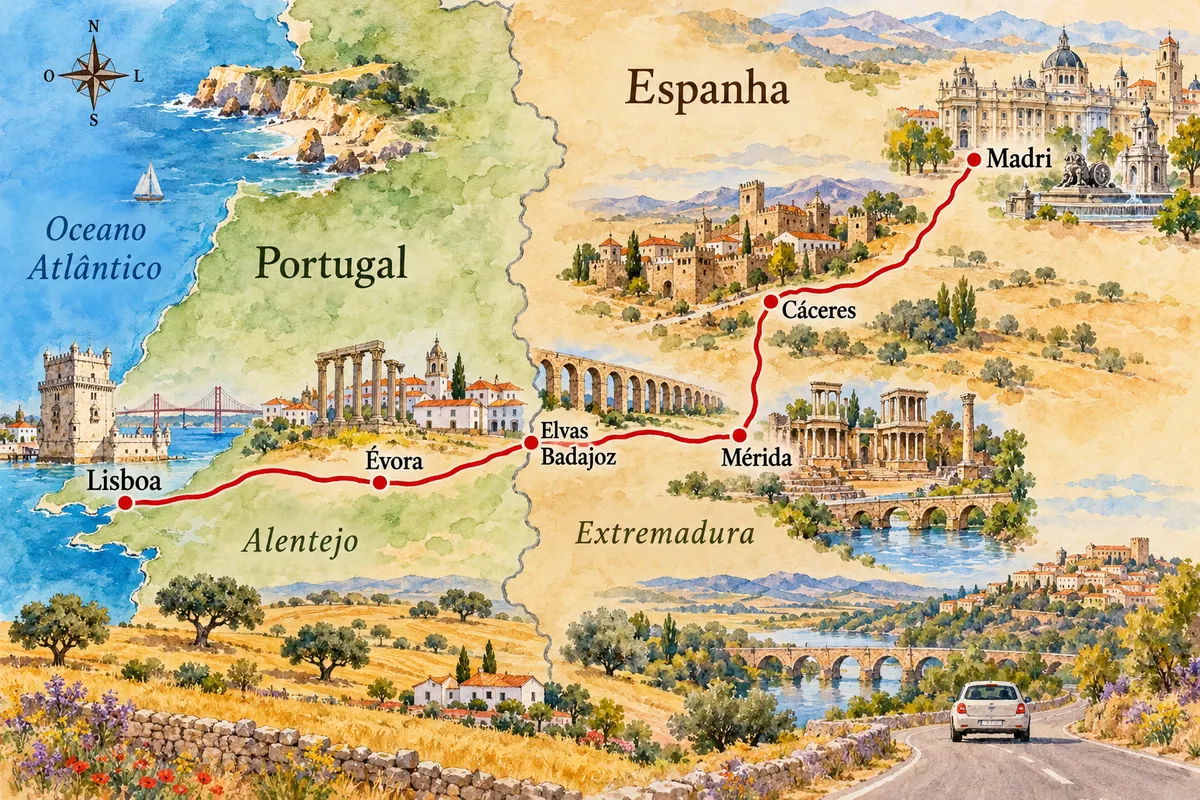
Madrid – na poti z imenom Lisbon–Évora–Mérida–Cáceres–Madrid by car

By car between the two capitals of the peninsula: the Alentejo around Évora, Roman Mérida and medieval Cáceres on the route from Lisbon to Madrid.

Zemljevid je ilustrativen in ni v merilu. Dotaknite se mesta, da odprete njegovo stran.
Lisbon–Évora–Mérida–Cáceres–Madrid by car – ilustrirani zemljevid
Več o poti – Lisbon–Évora–Mérida–Cáceres–Madrid by car
Odkrijte druge destinacije Iskanje po zvezni državi in mestu

Več kot vodnik