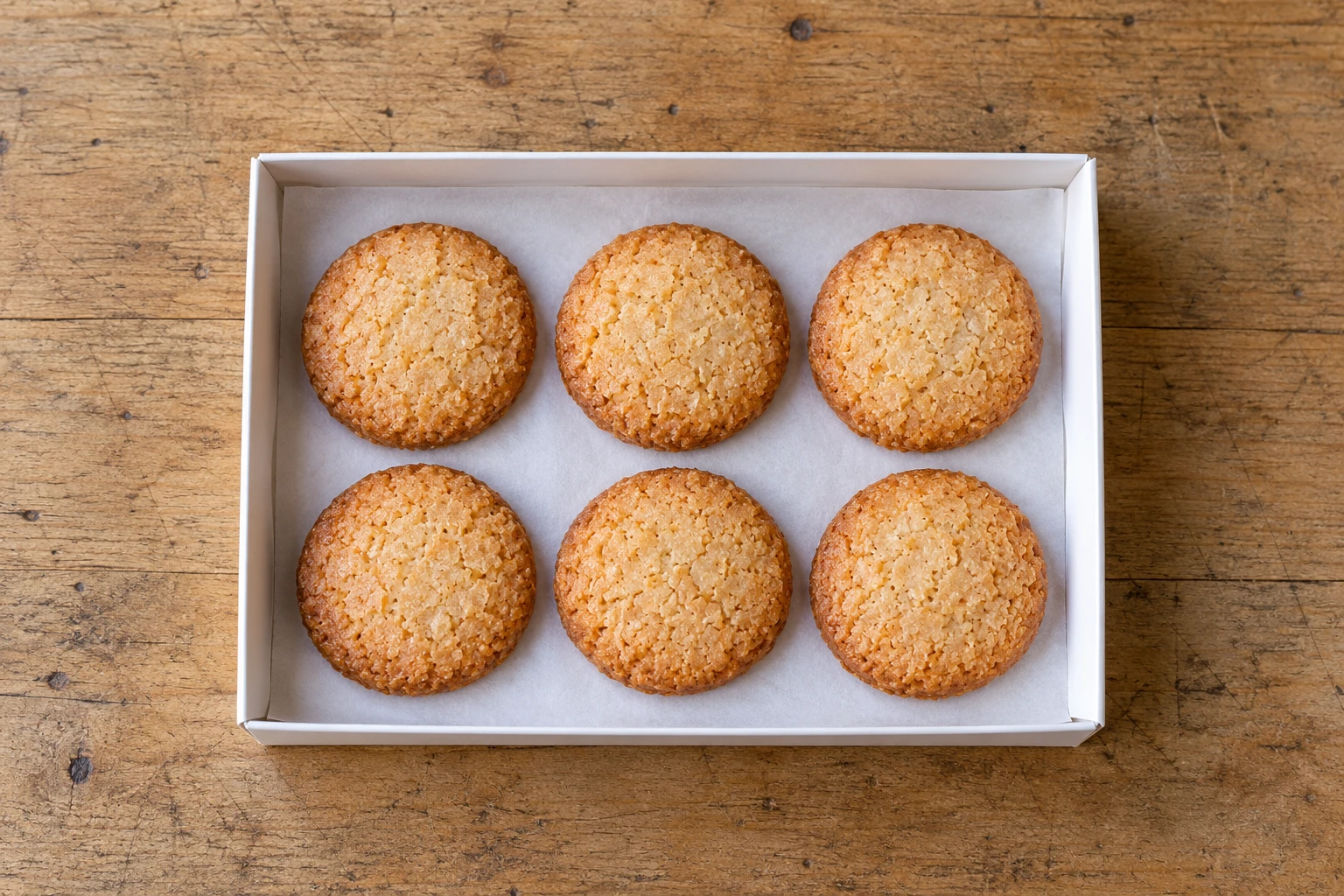
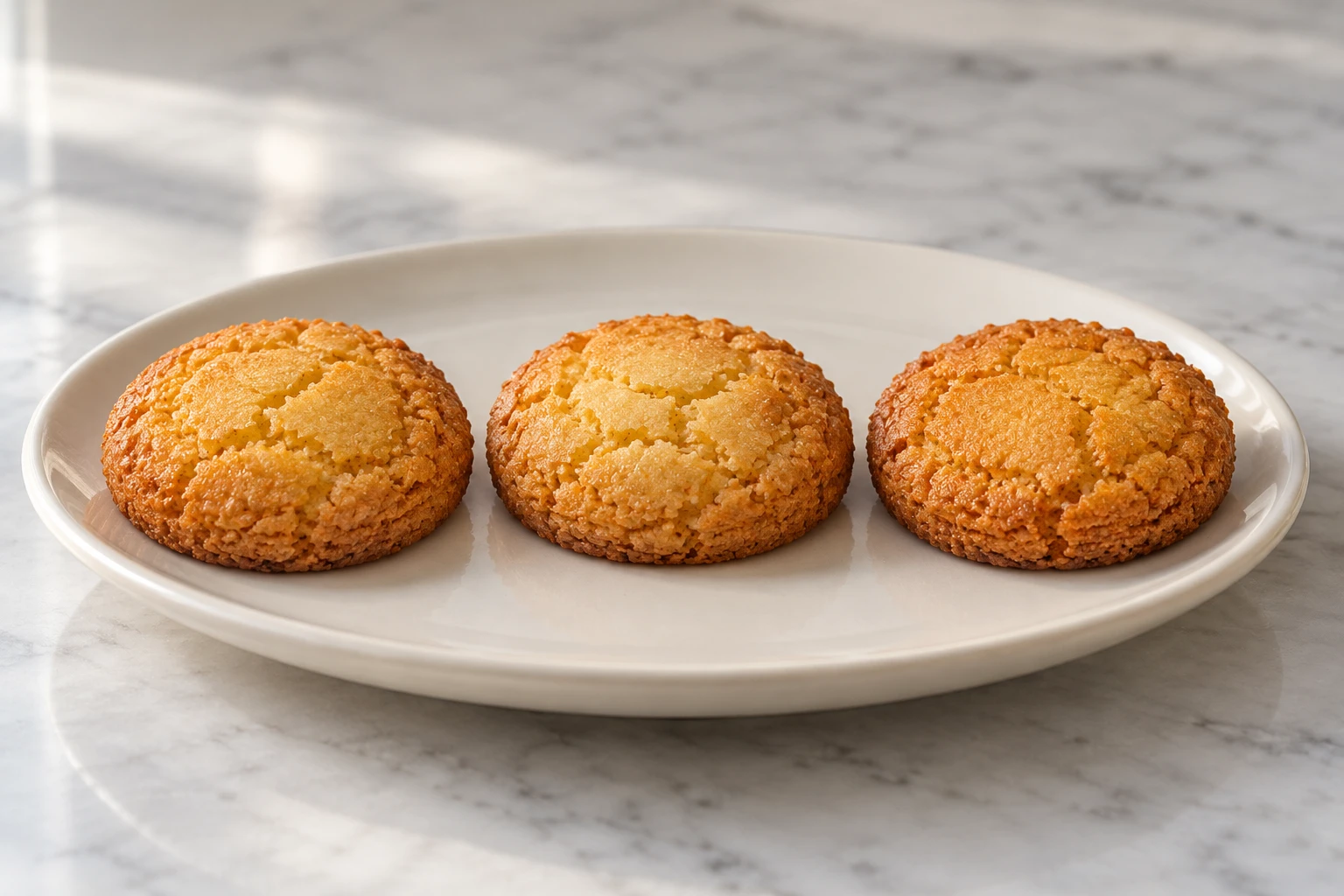
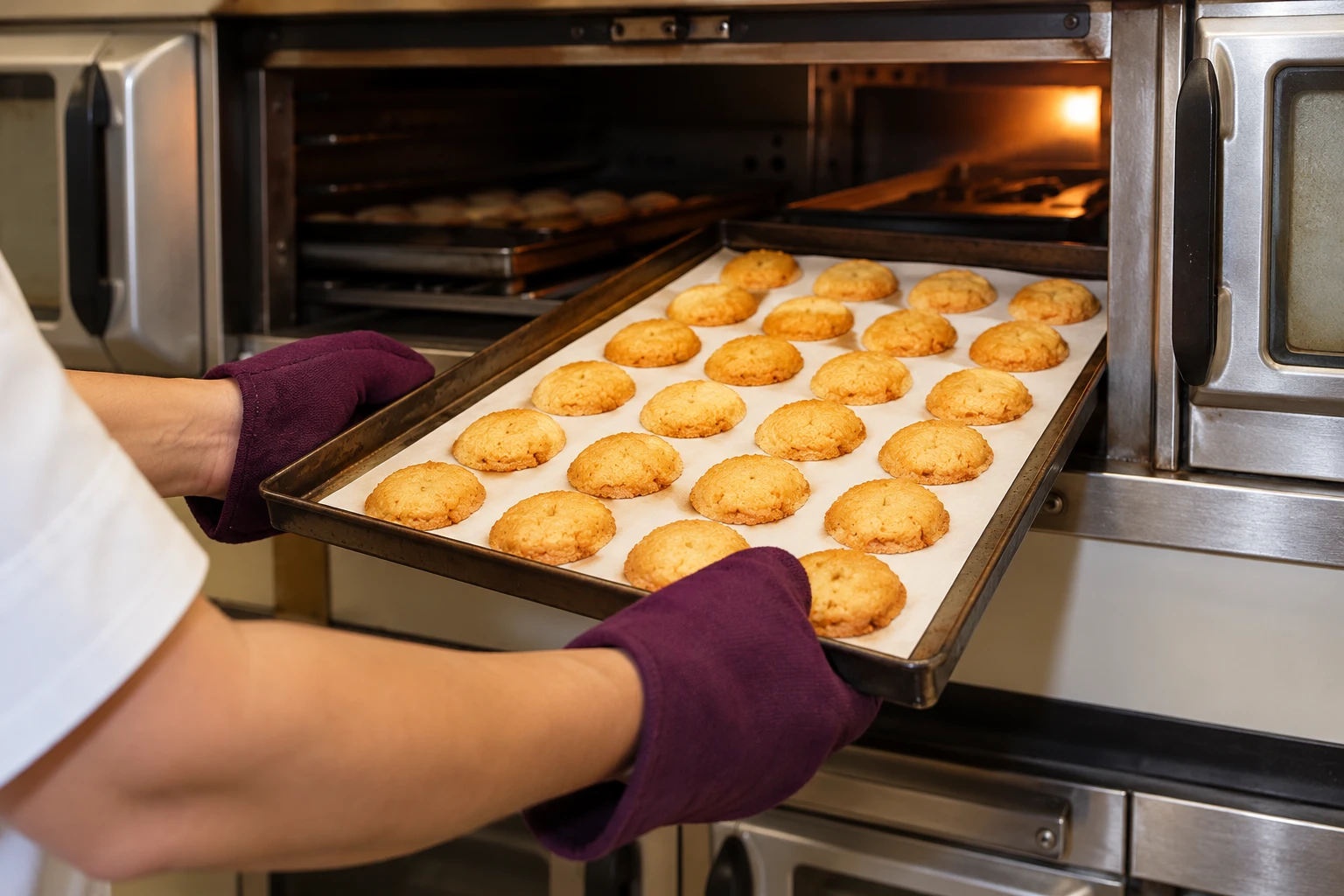
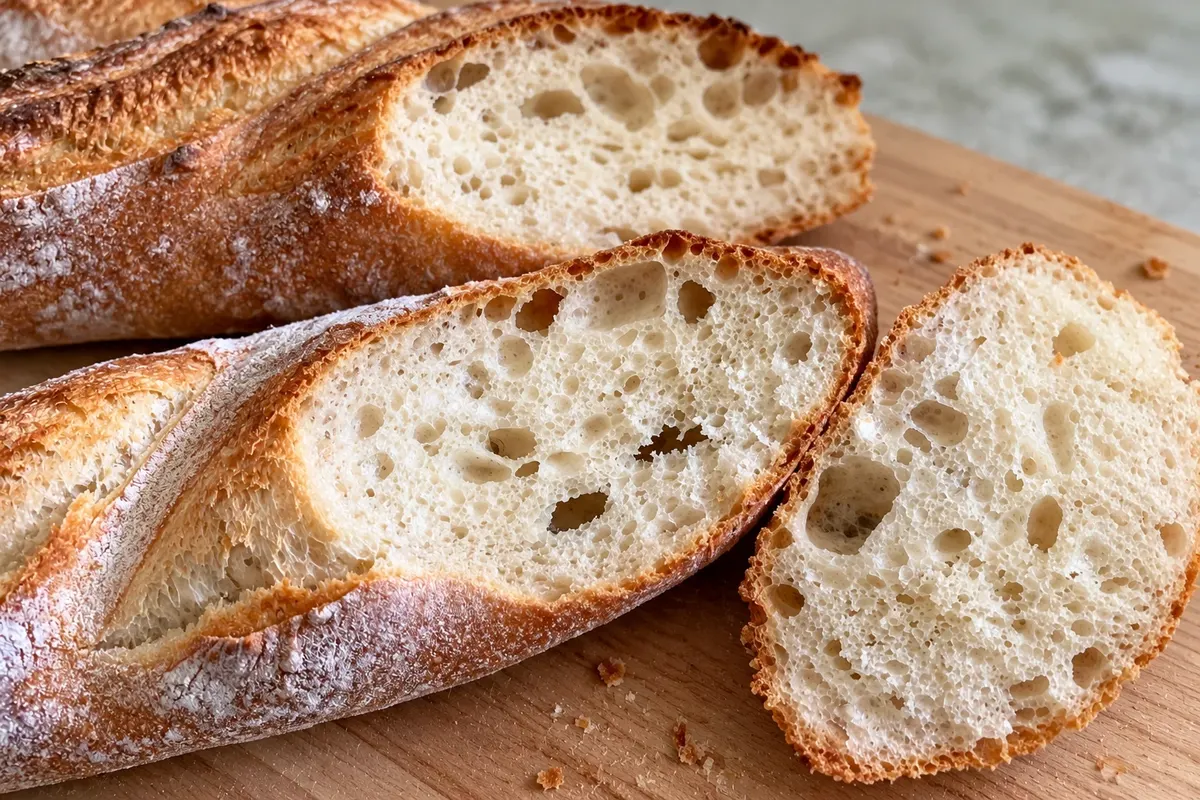
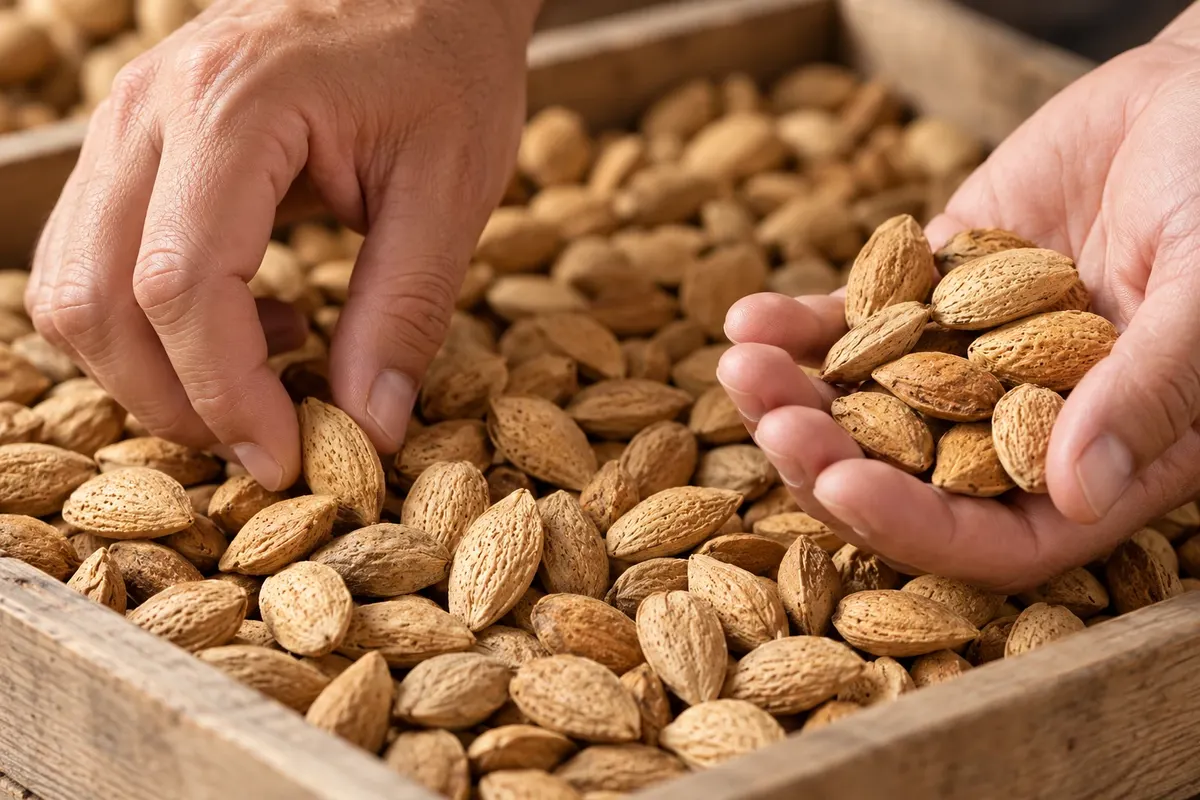
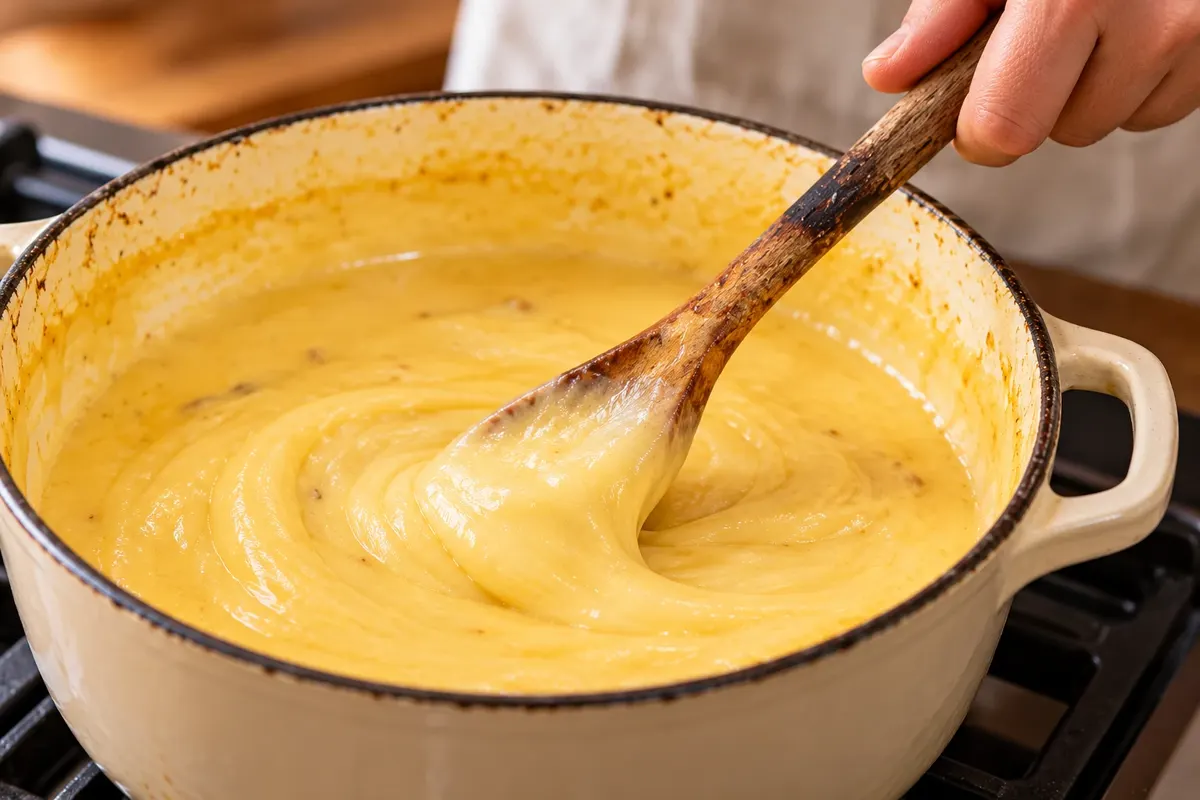
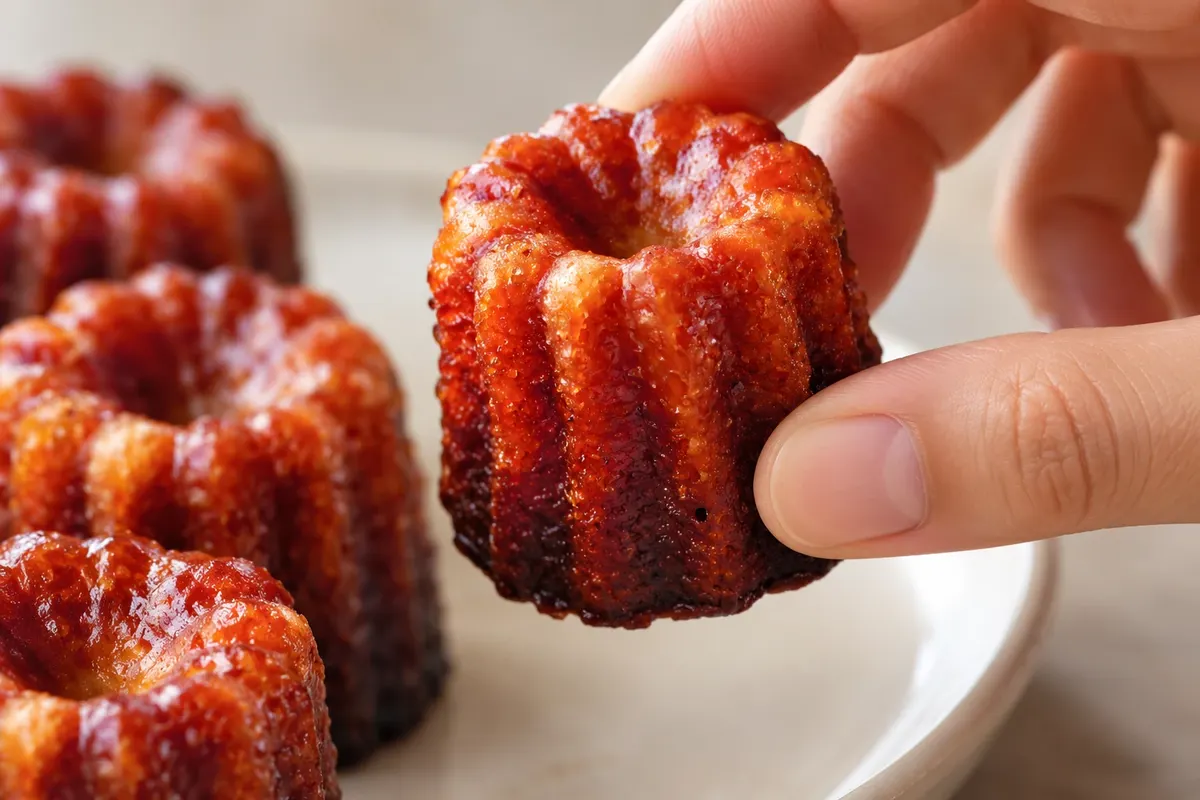
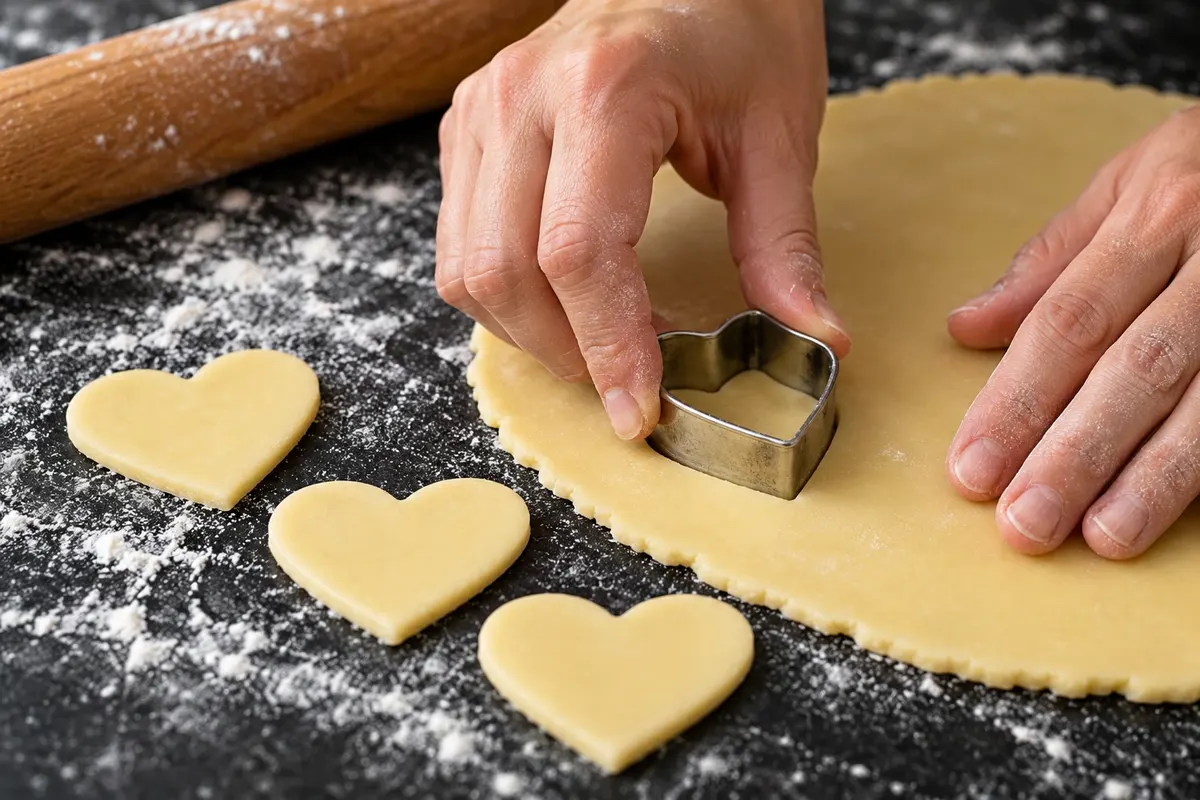
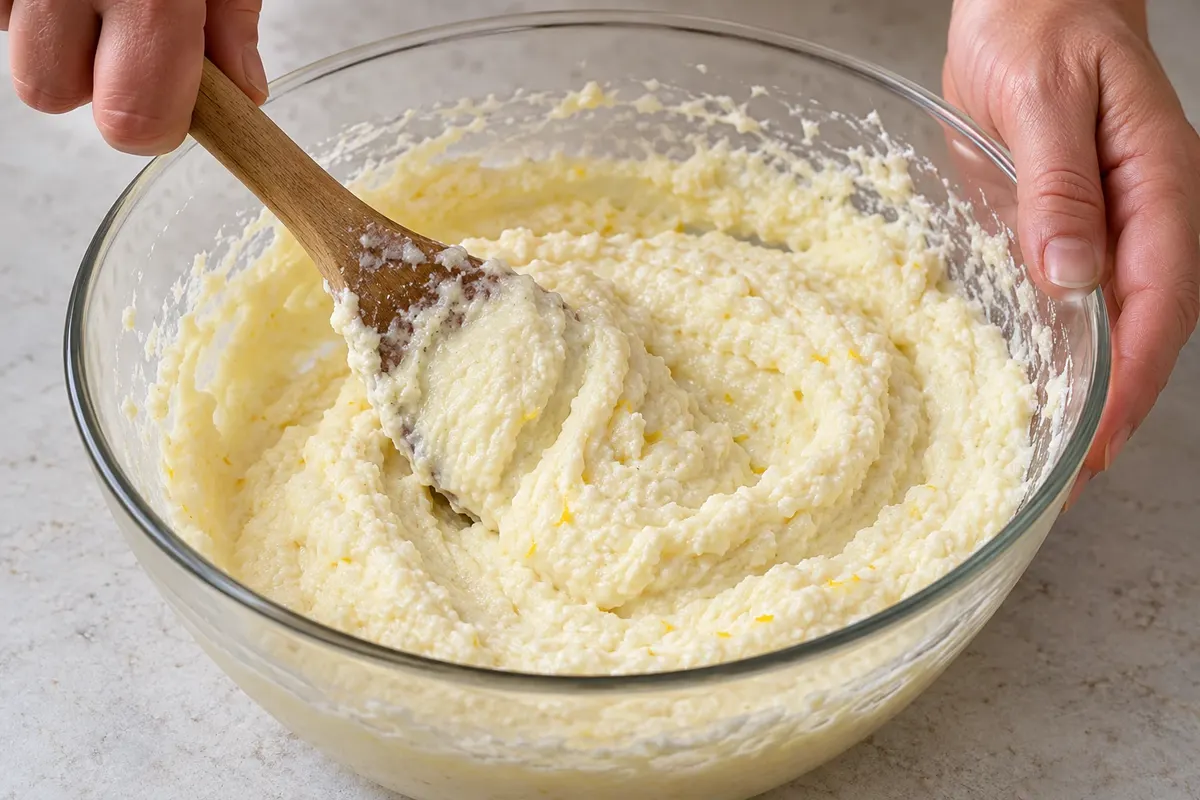
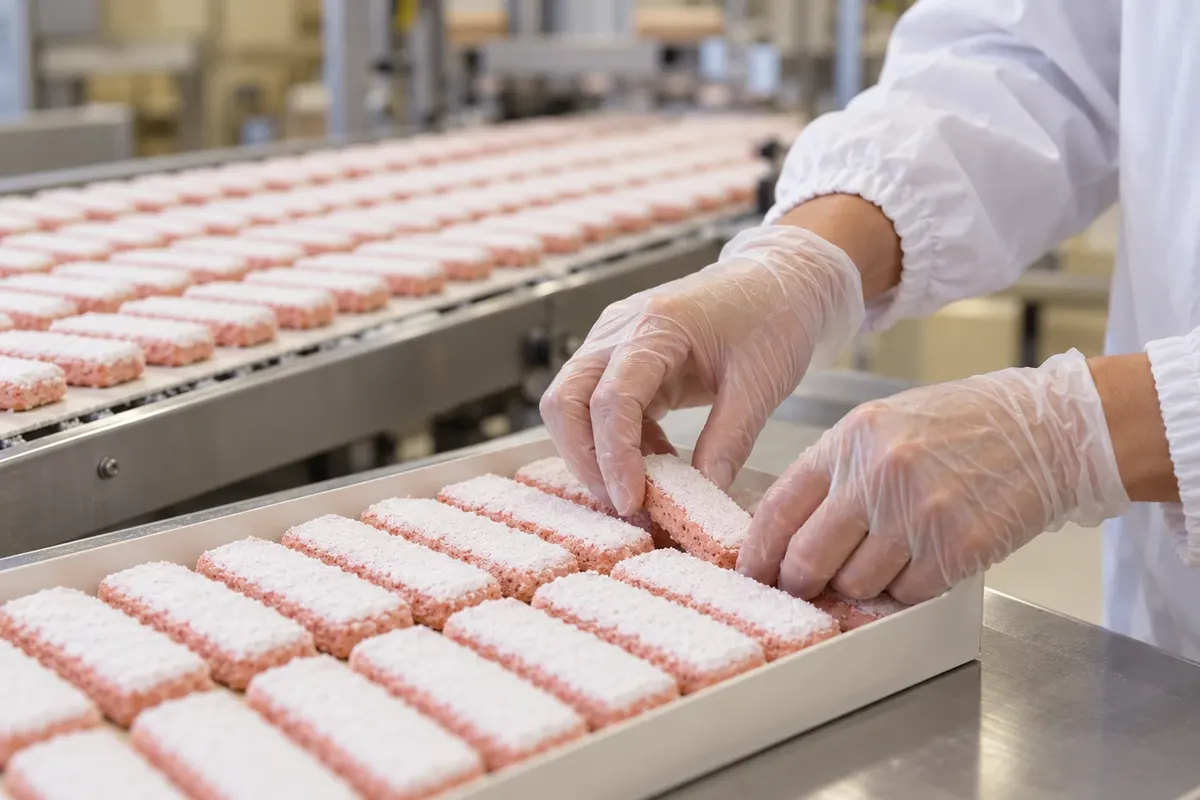
The Saint-Émilion macaron is a simple biscuit made from ground almonds, sugar and egg whites. The batter is piped into small discs on sheets of paper and baked until the surface is lightly cracked and the interior is soft. Unlike the Parisian macaron, it has no filling or colors.
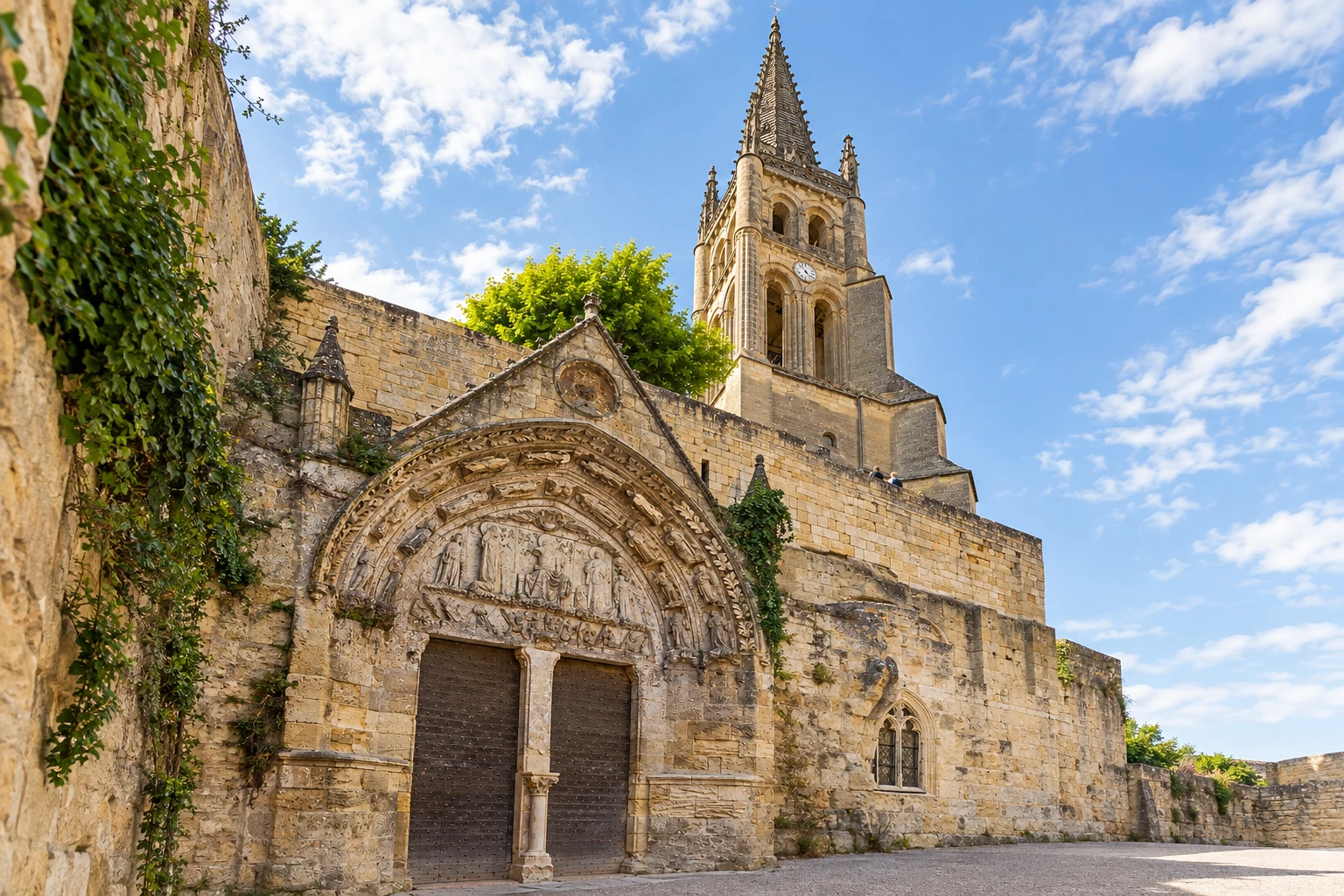
Tradition links the recipe to the Ursulines, an order of nuns who settled in Saint-Émilion in 1620 and ran a school for poor girls. During the Revolution the order was banned and its property sold. Legend says one of the sisters, left without means, offered the recipe in exchange for shelter and food, and the secret then passed to local families. Only the convent’s foundations remain, and they can be visited.
In the 19th century the biscuit gained fame beyond the town and was served with the region’s wines at the 1867 Exposition Universelle in Paris. The houses that made it multiplied in the medieval centre.
The macaron is sold in boxes, still stuck to the paper it was baked on, and is peeled off when eaten.


 Brazilija
 Antarktika
 Argentina
 Bolivija
 Čile
 Kolumbija
 Ekvator
 Gvajana
 Francoska Gvajana
 Falklandski otoki (Malvini)
 Paragvaj
 Peru
 Surinam
 Urugvaj
 Venezuela
 Nemčija
 Avstrija
 Belgija
 Hrvaška
 Danska
 Slovaška
 Slovenija
 Španija
 Finska
 Grčija
 Nizozemska
 Madžarska
 Irska
 Islandija
 Italija
 Luksemburg
 Norveška
 Poljska
 Portugalska
 Združeno kraljestvo
 Češka
 Švedska
 Švica
 Turčija
 Bermudi
 Kanada
 Združene države Amerike
 Grenlandija
 Mehika
 Sveta Peter in Mihael
 Dominikanska republika
 Japonska
 Južnoafriška republika
 Egipt
 Avstralija
 Fidži
 Nova Zelandija
 Papua Nova Gvineja