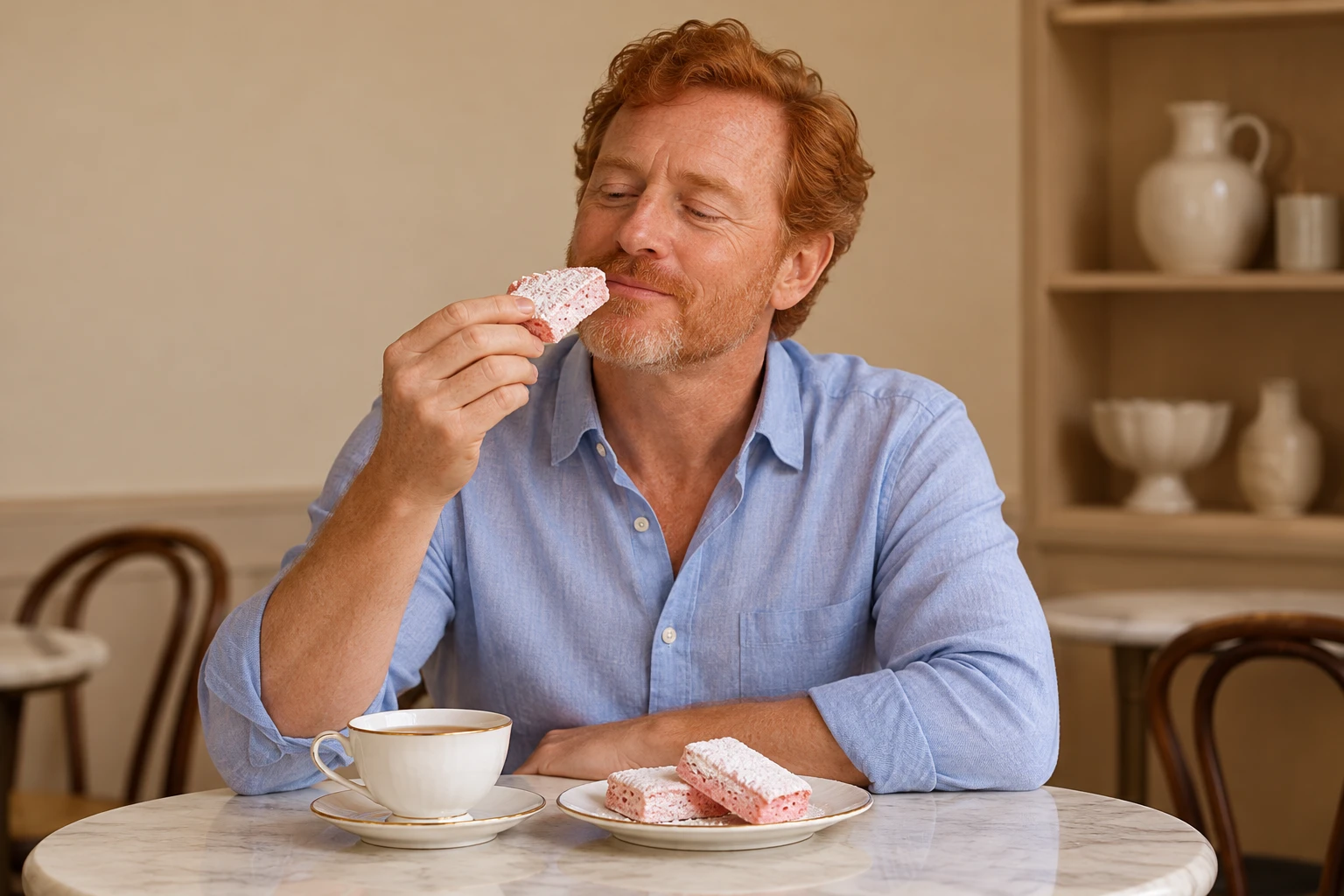
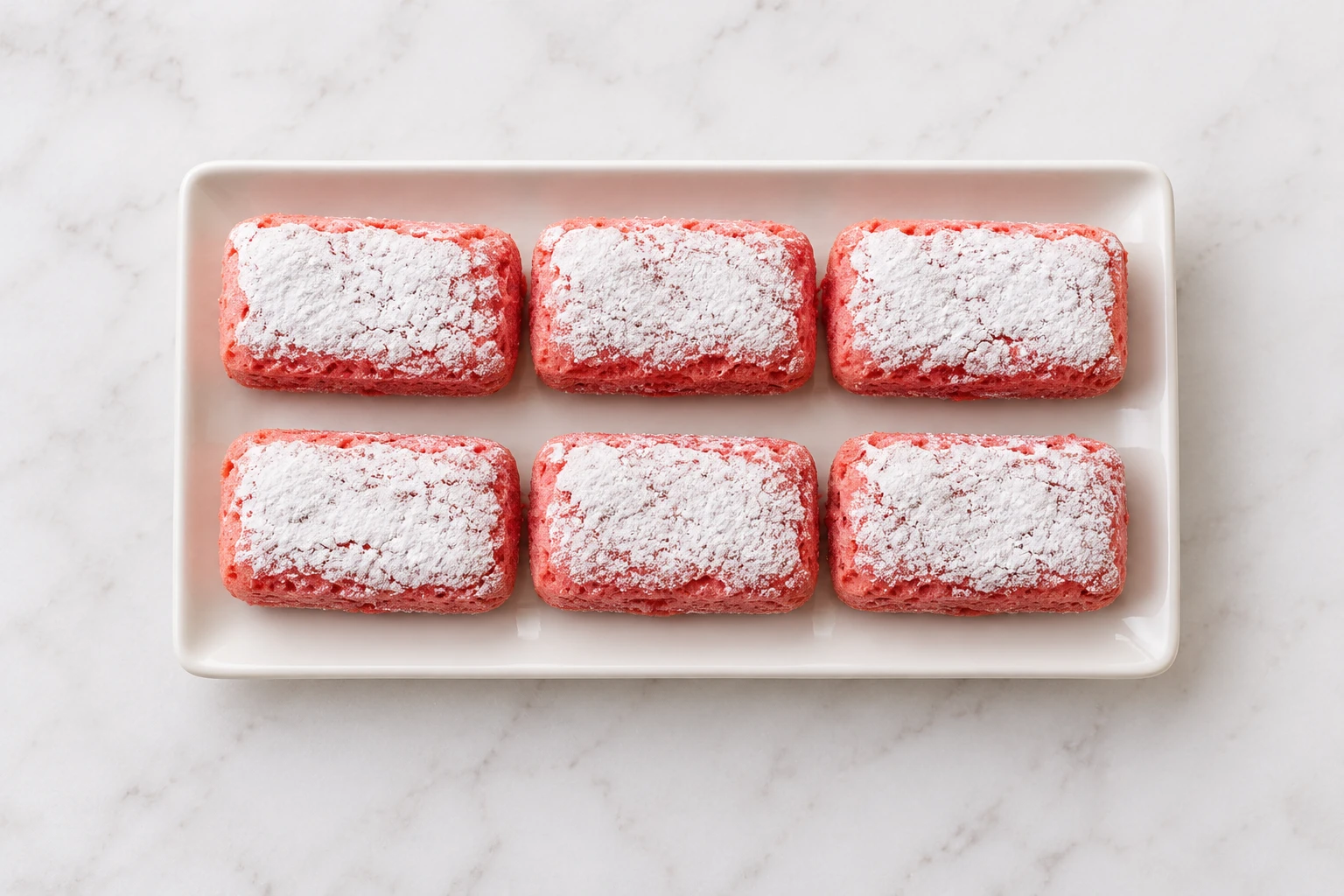
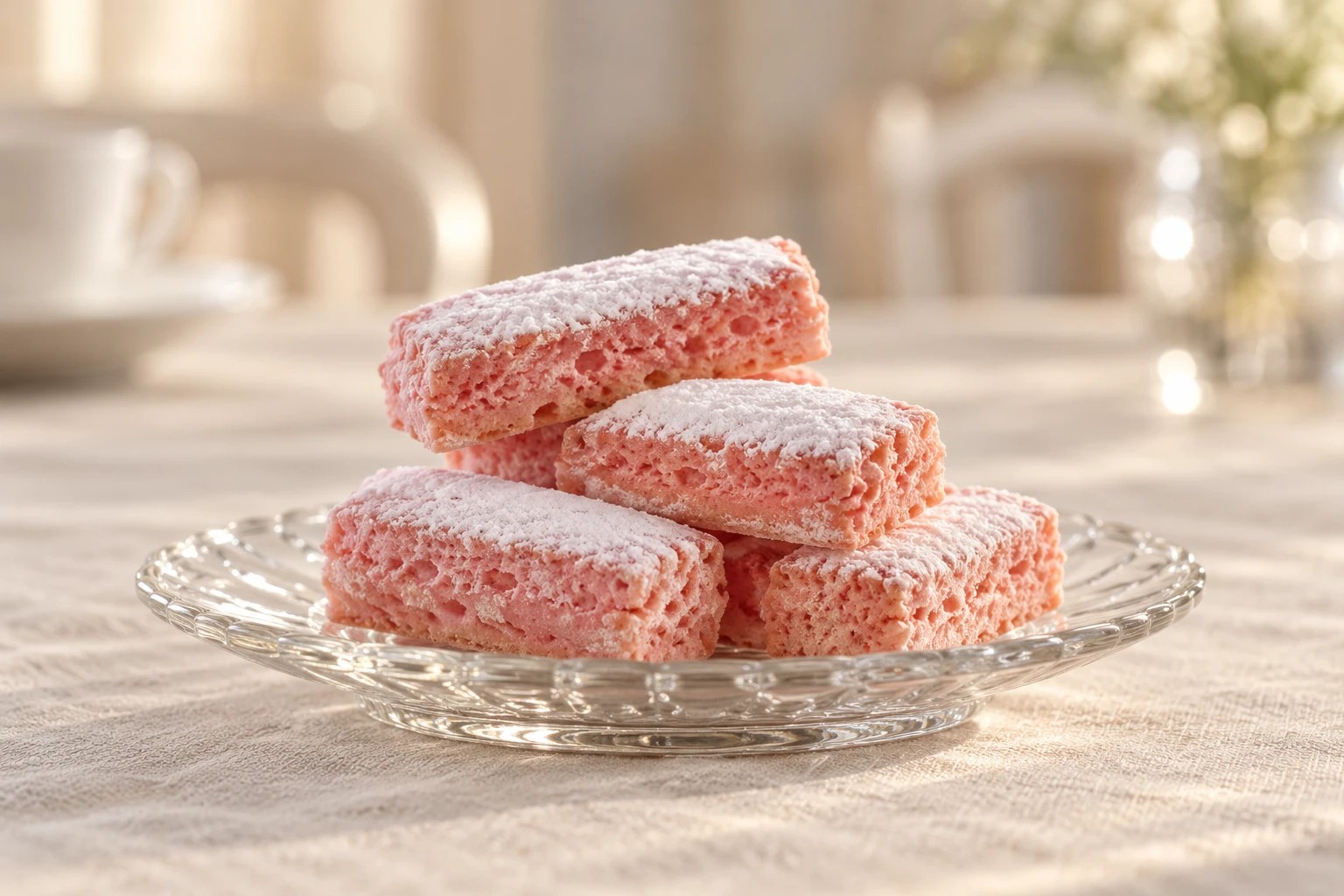
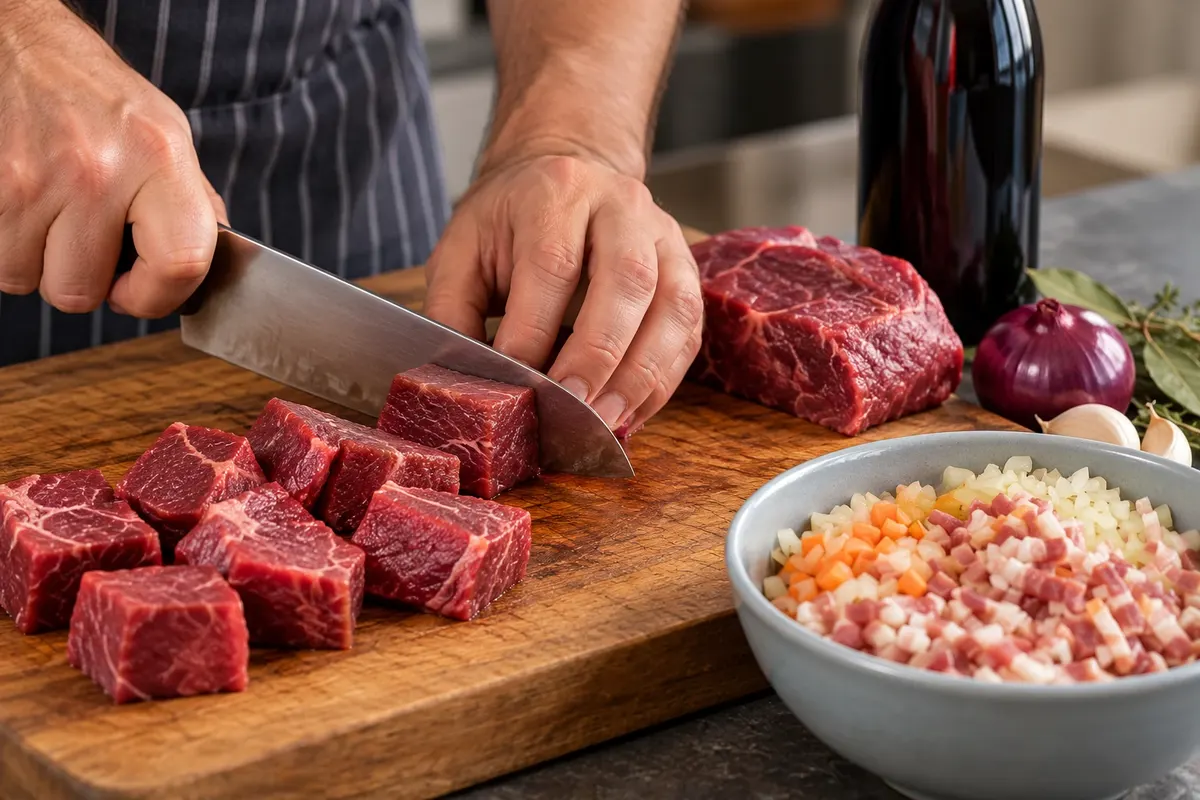
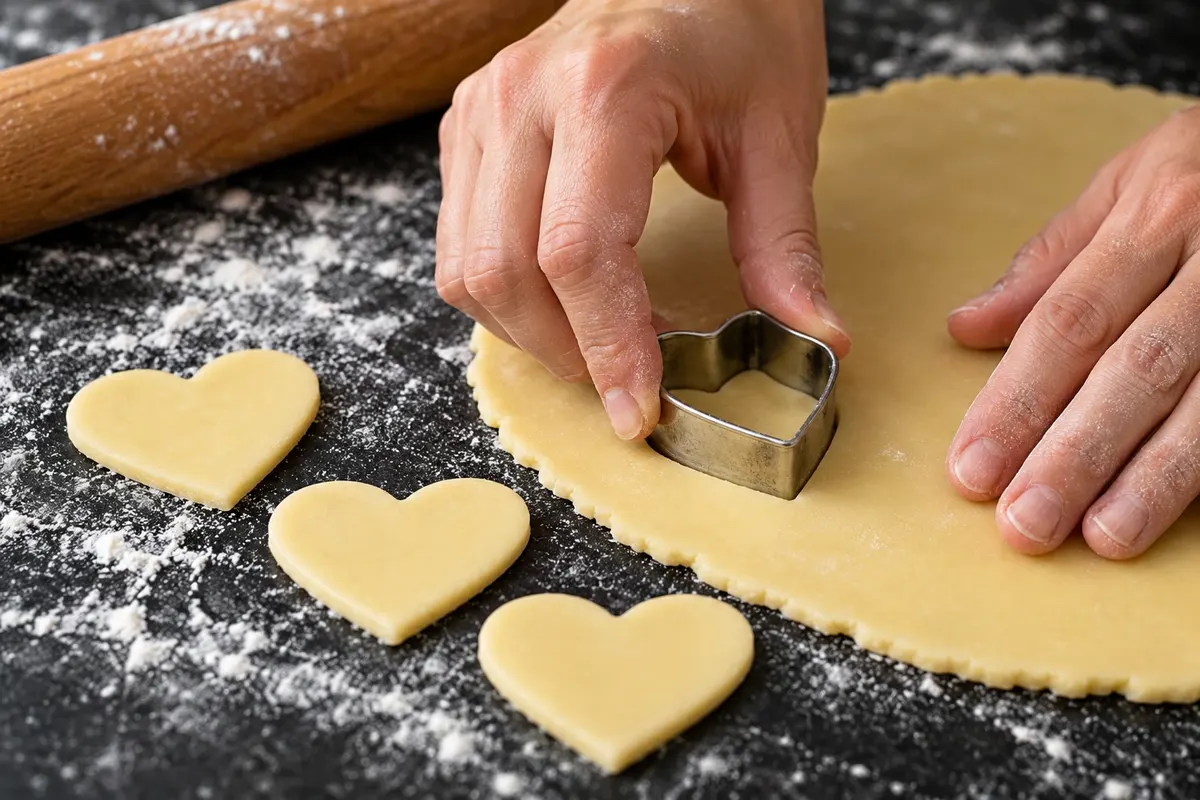
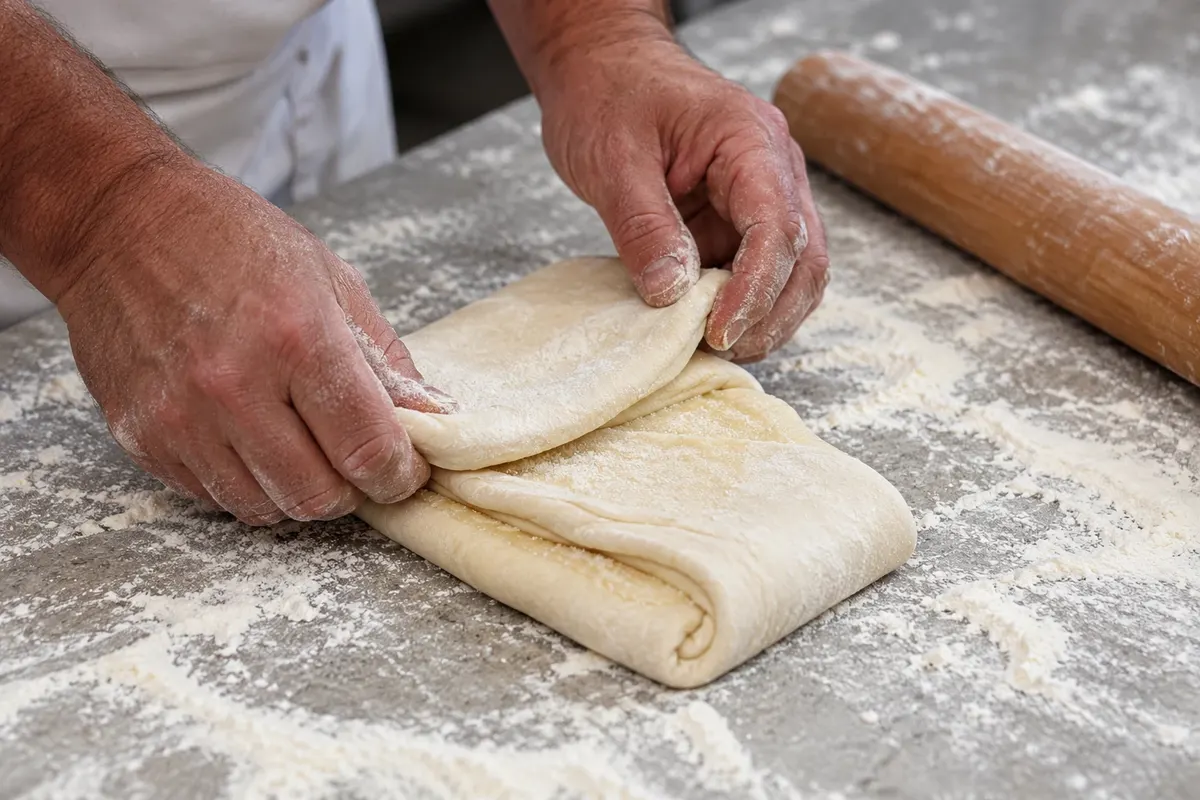
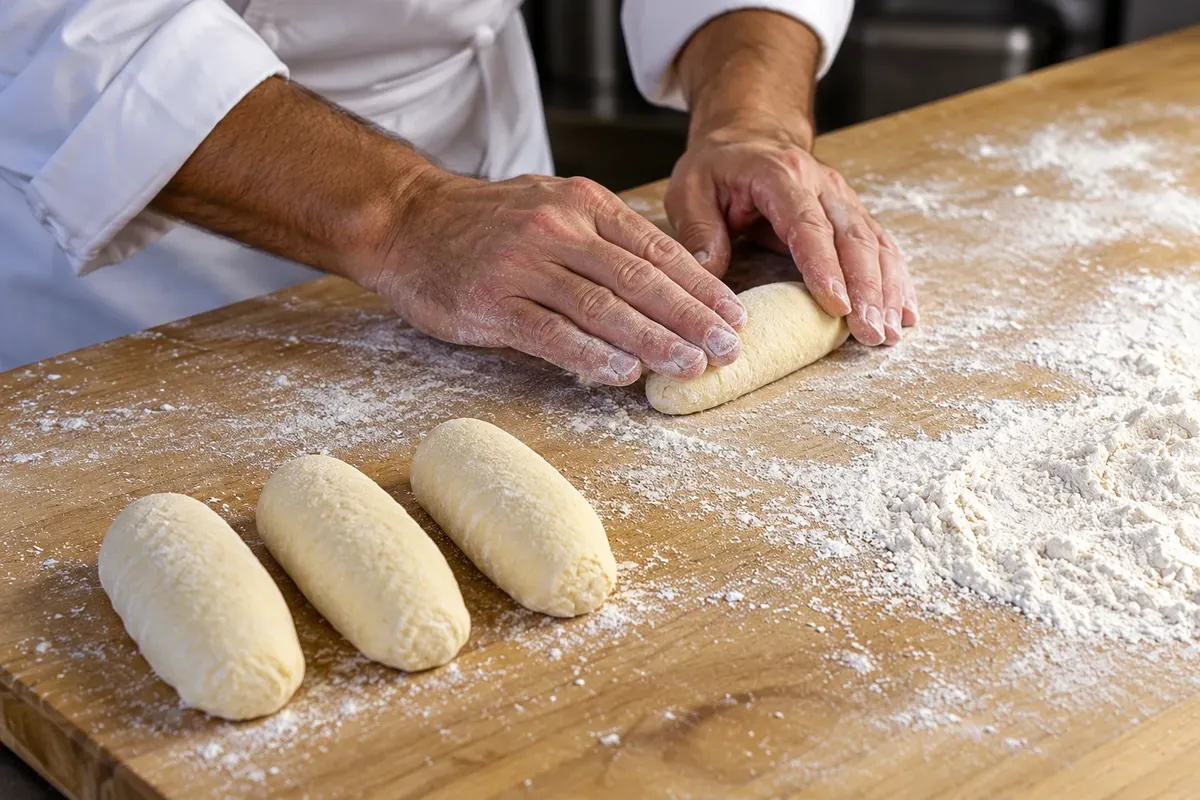
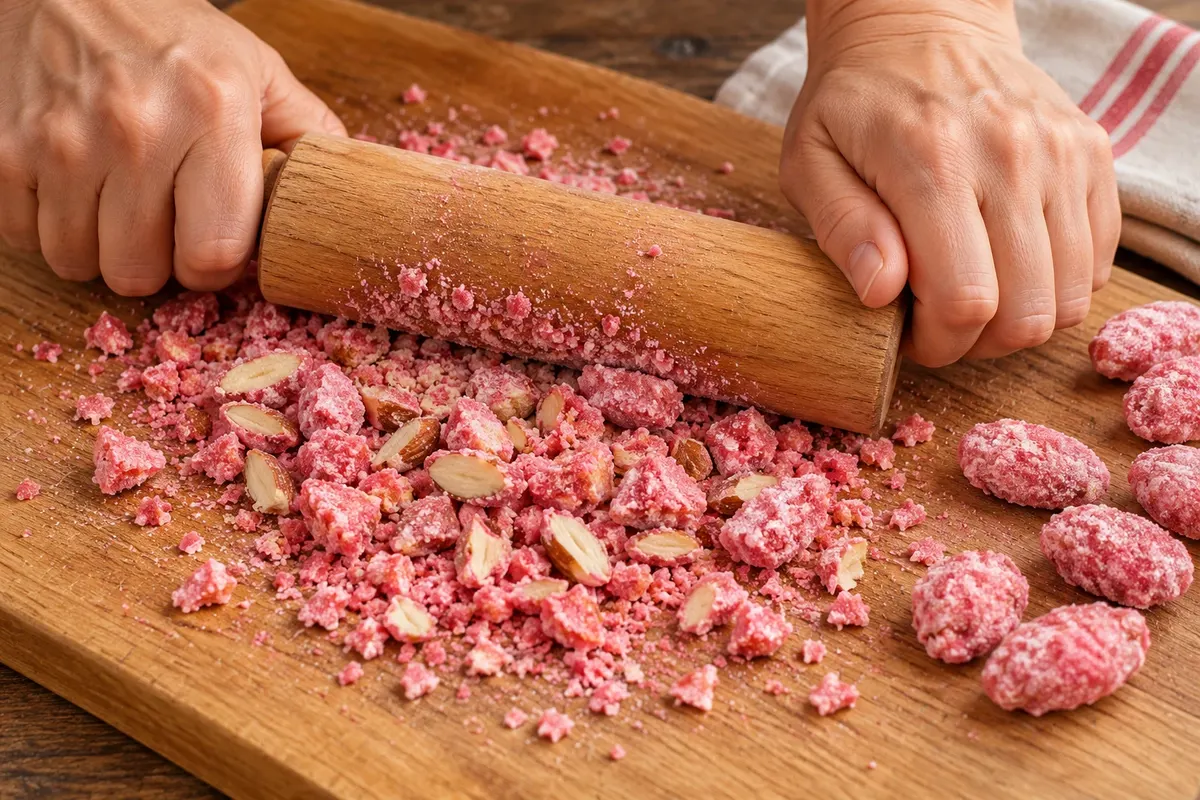
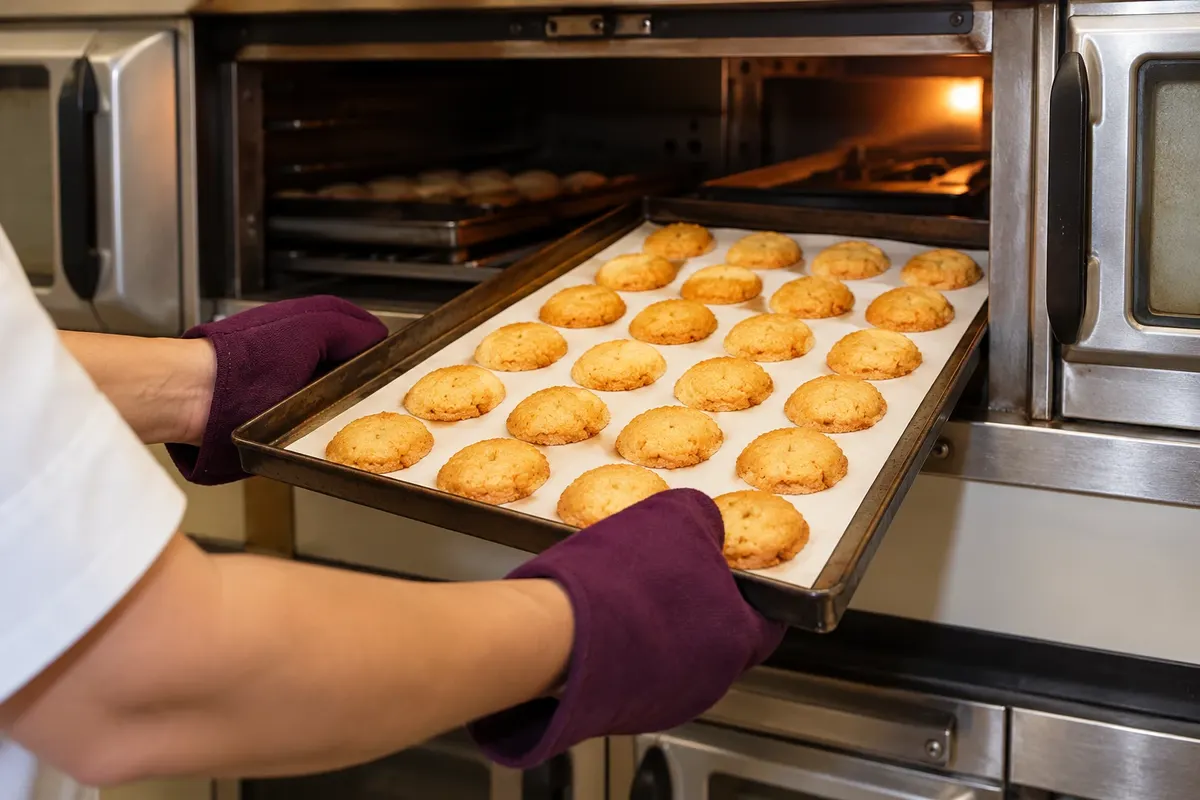
The biscuit rose de Reims is a rectangular, light and dry cookie, coated with sugar. The dough contains eggs, sugar and flour; it is cut into rectangles and goes through two oven stages: it is baked once and then dried. That double baking, from which the word biscuit comes, and the use of egg white in the recipe make the cookie firm enough to be dipped without crumbling.
According to the story told in Reims, it was born around 1690, when the city’s bakers wanted to make use of the heat left in the oven after baking bread. At first it was white. Vanilla left black specks in the dough, and the bakers began coloring it with carmine, a natural red dye, which gave the cookie its pink color.
Reims is the city of the coronation of the kings of France, and the cookie is associated with those ceremonies. A legend says that the kings dipped it in champagne on the eve of the coronation, and that a whole cookie signaled a peaceful reign.
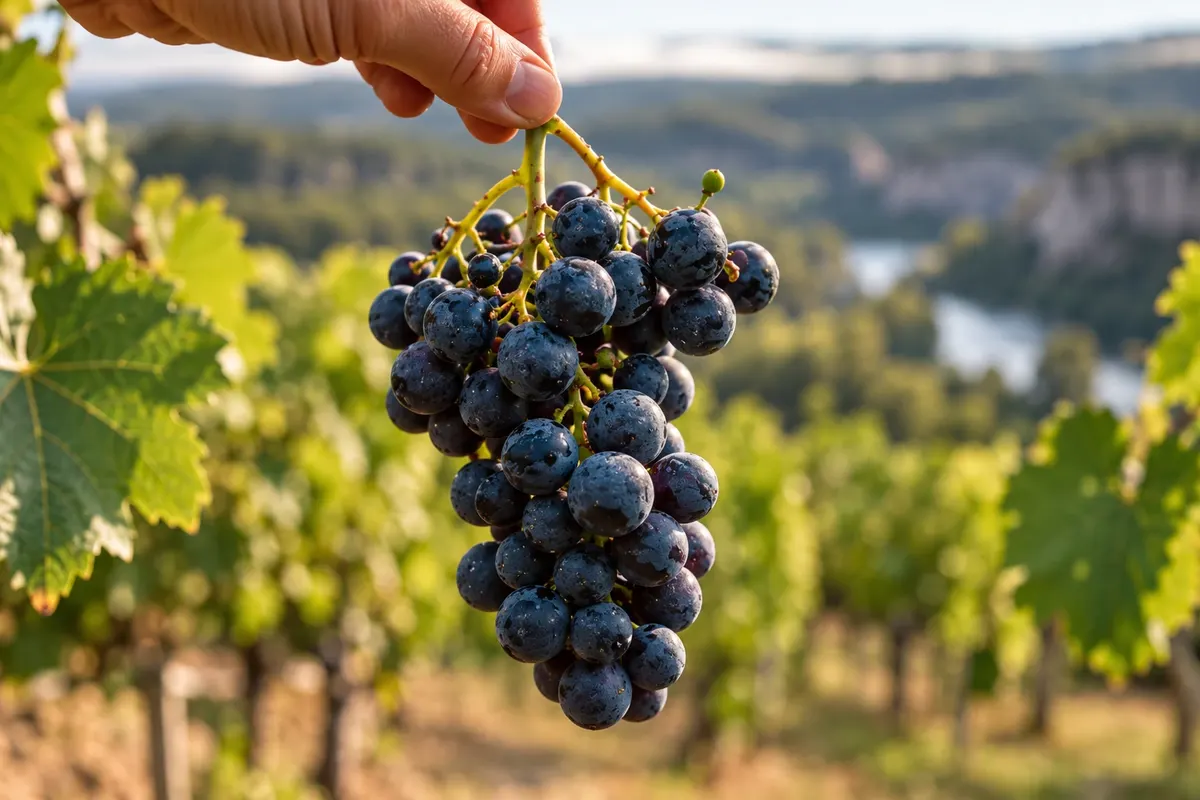
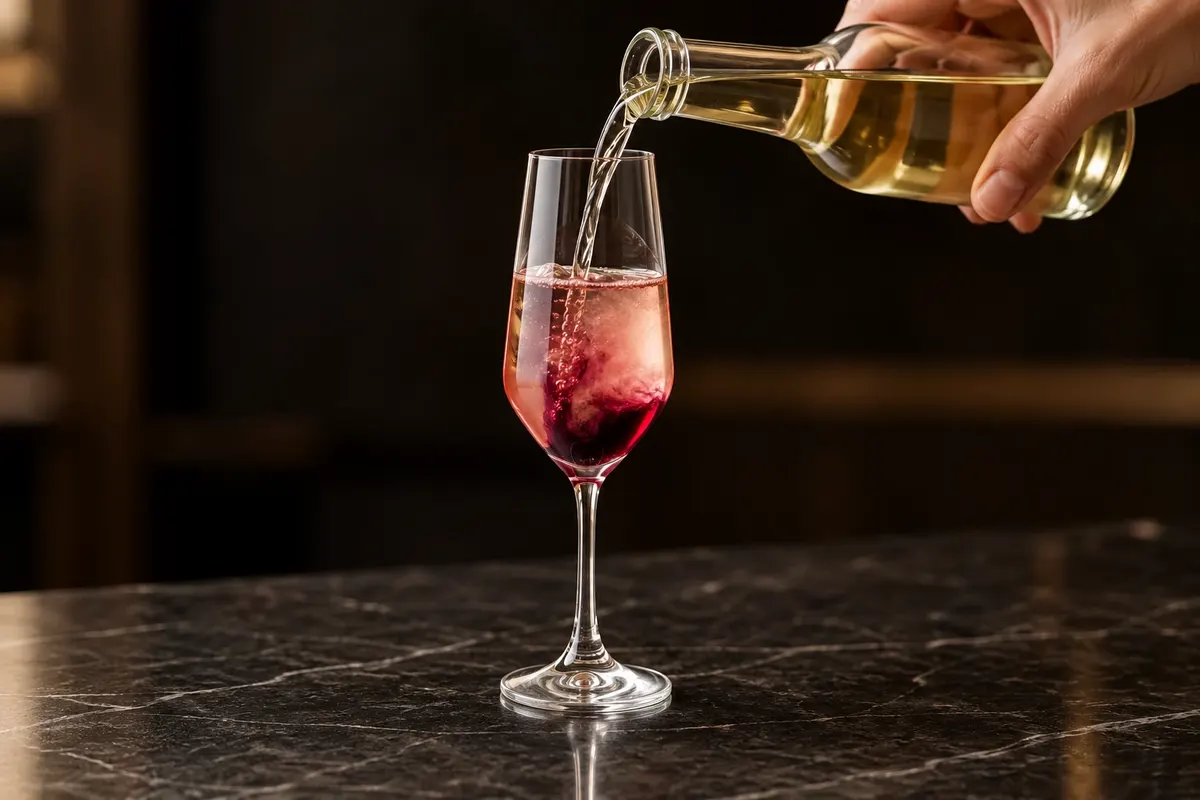
The tradition is to dip it in a glass of champagne or in a red wine from the region’s slopes. It also appears at breakfast, as a snack and in desserts such as charlotte.


 Brazilija
 Antarktika
 Argentina
 Bolivija
 Čile
 Kolumbija
 Ekvator
 Gvajana
 Francoska Gvajana
 Falklandski otoki (Malvini)
 Paragvaj
 Peru
 Surinam
 Urugvaj
 Venezuela
 Nemčija
 Avstrija
 Belgija
 Hrvaška
 Danska
 Slovaška
 Slovenija
 Španija
 Finska
 Grčija
 Nizozemska
 Madžarska
 Irska
 Islandija
 Italija
 Luksemburg
 Norveška
 Poljska
 Portugalska
 Združeno kraljestvo
 Češka
 Švedska
 Švica
 Turčija
 Bermudi
 Kanada
 Združene države Amerike
 Grenlandija
 Mehika
 Sveta Peter in Mihael
 Dominikanska republika
 Japonska
 Južnoafriška republika
 Egipt
 Avstralija
 Fidži
 Nova Zelandija
 Papua Nova Gvineja