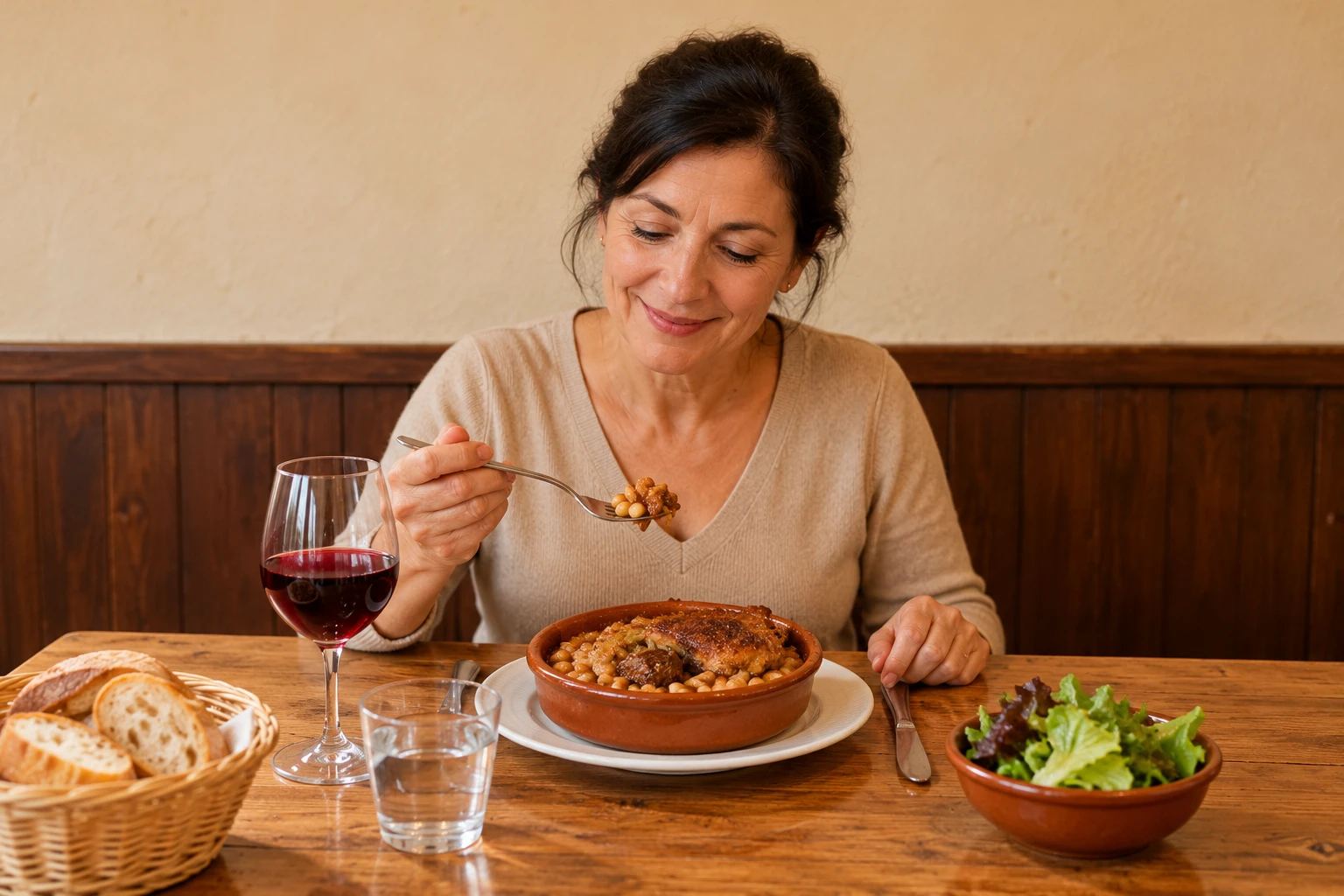
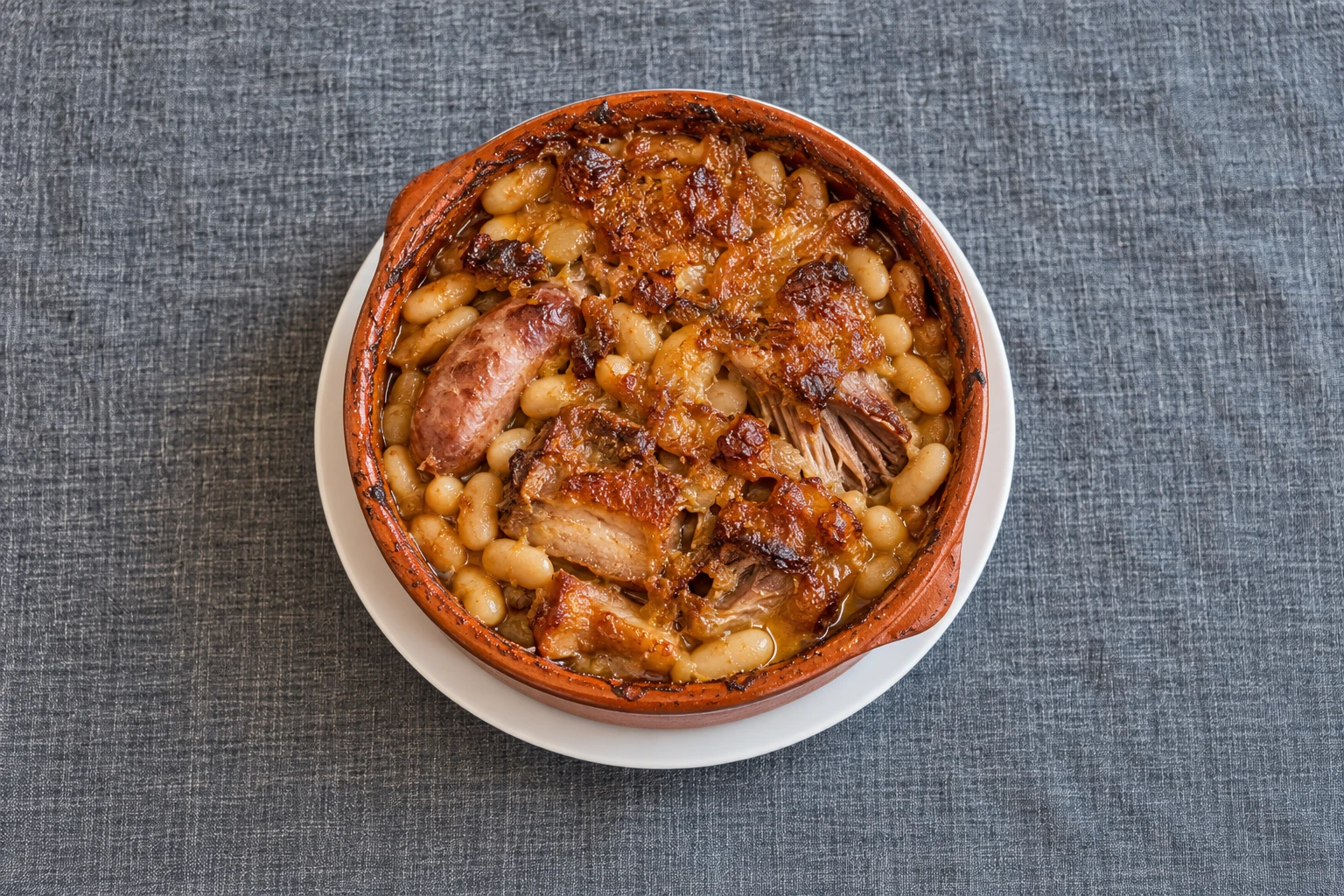
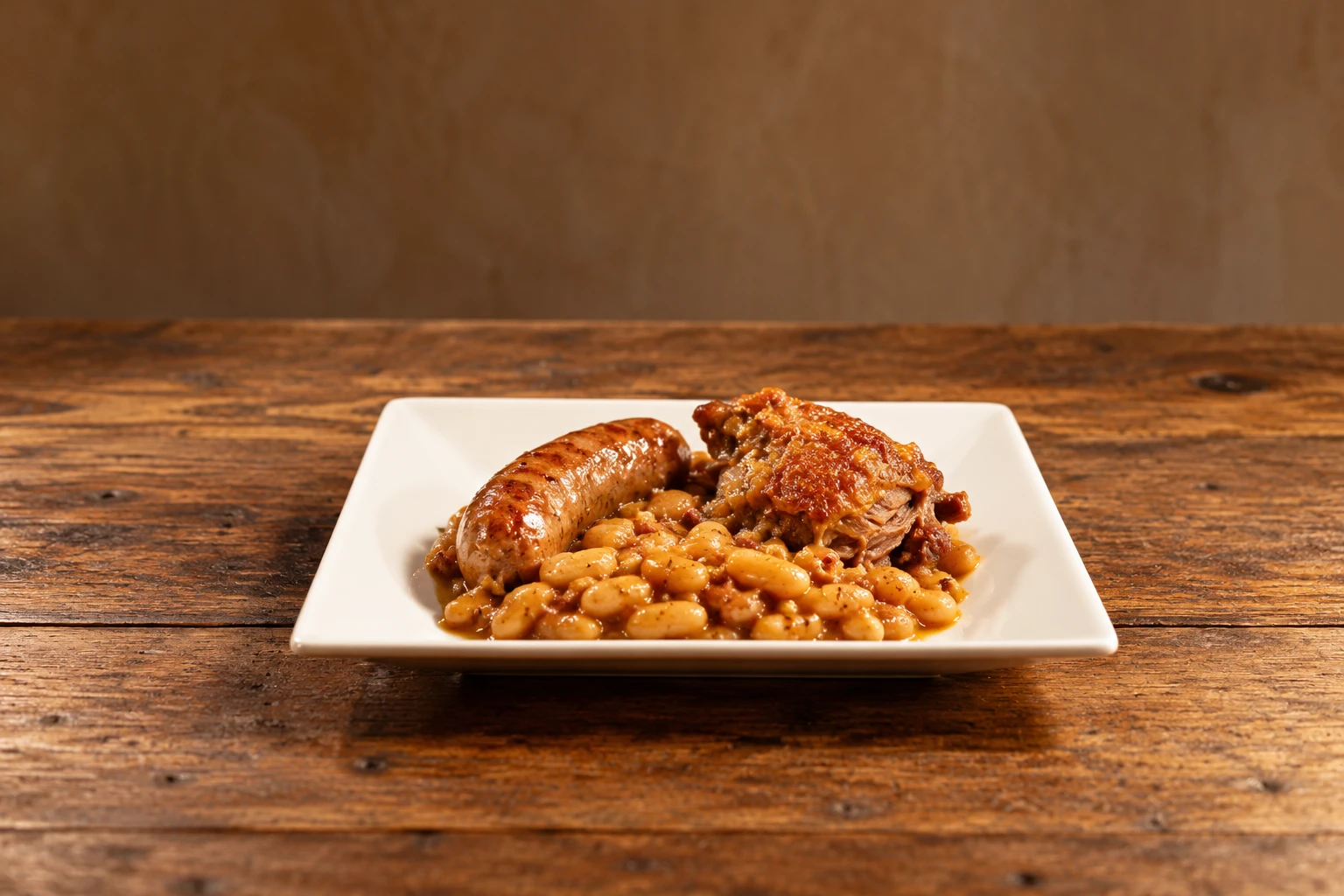
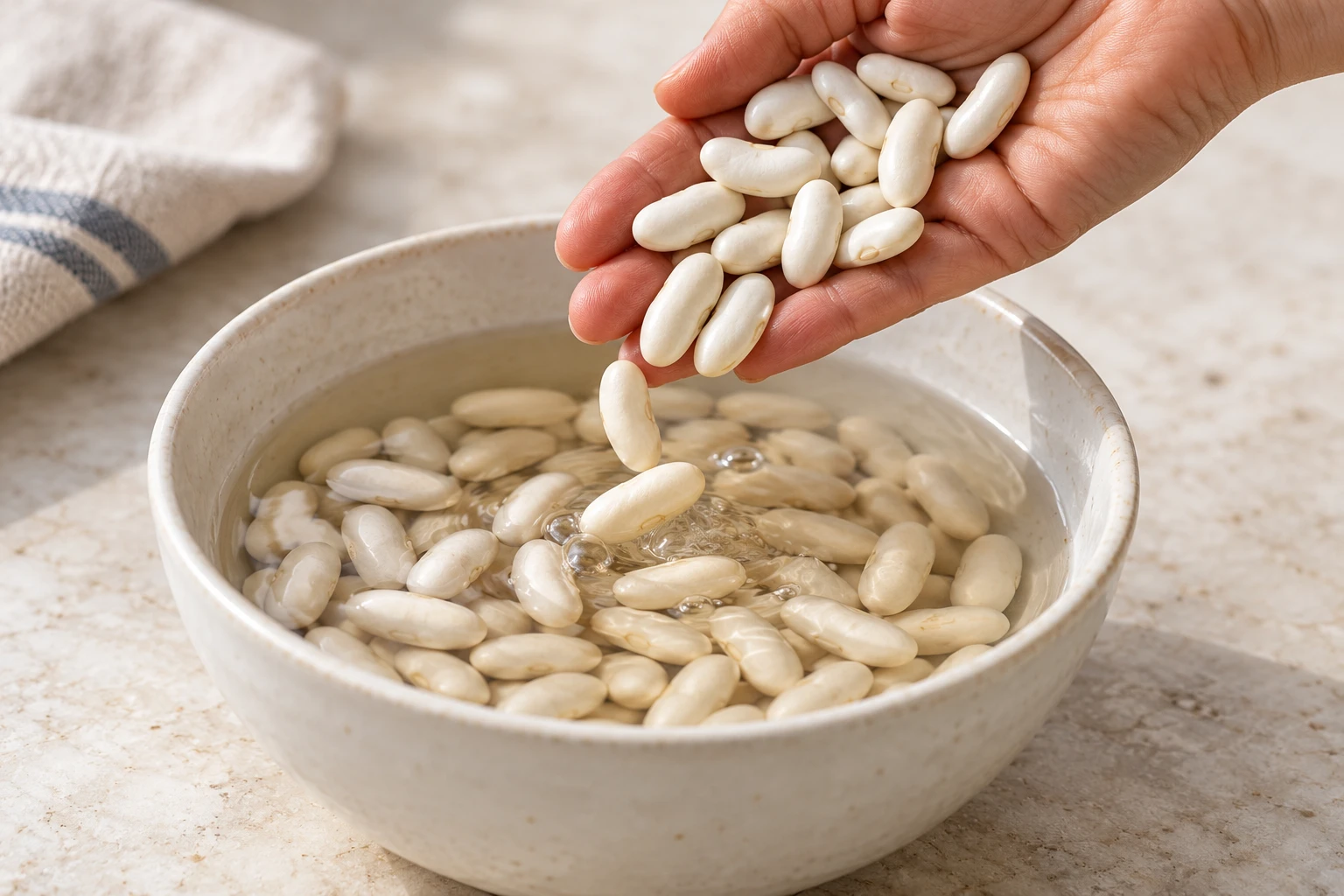
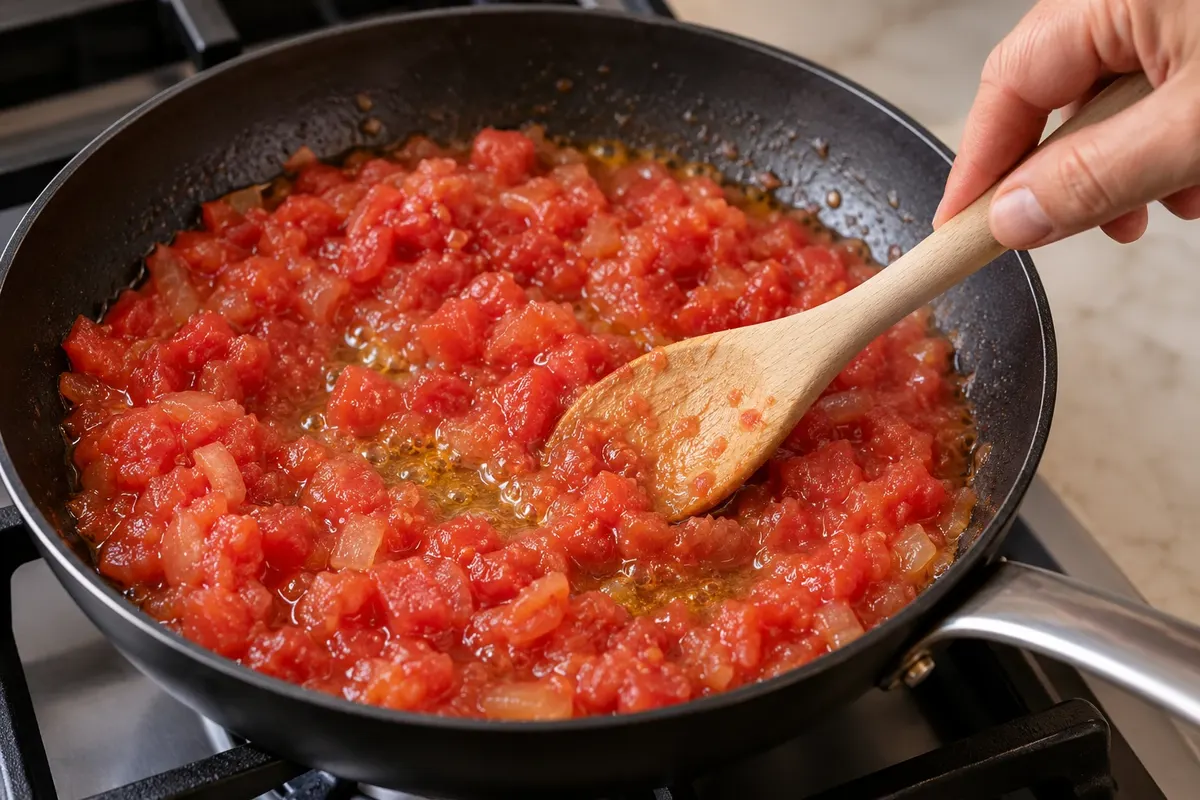
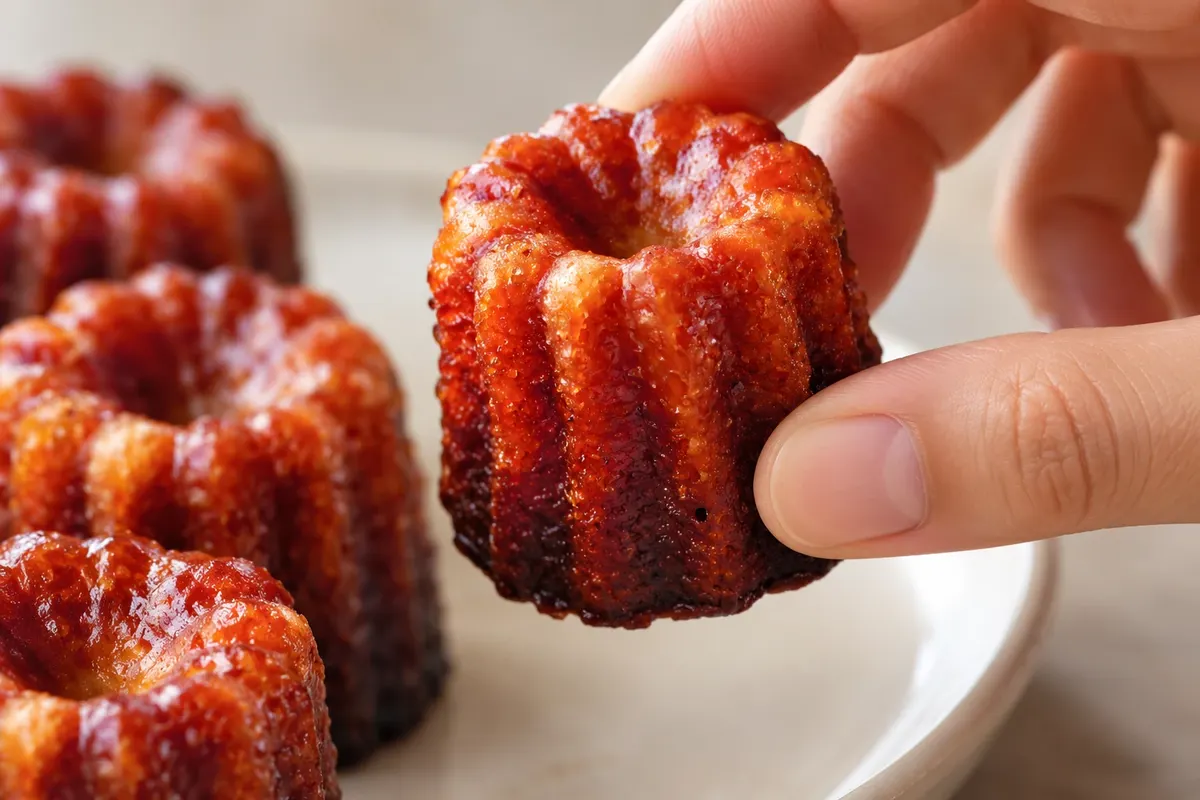
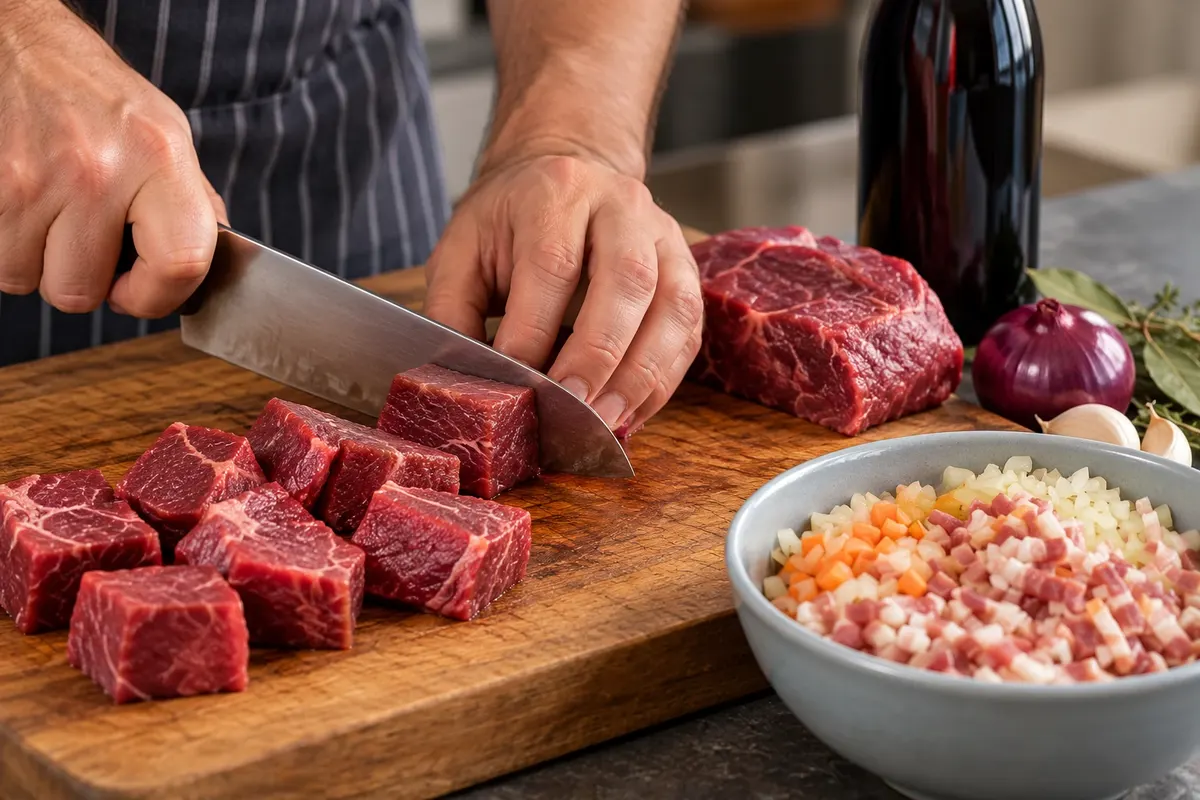
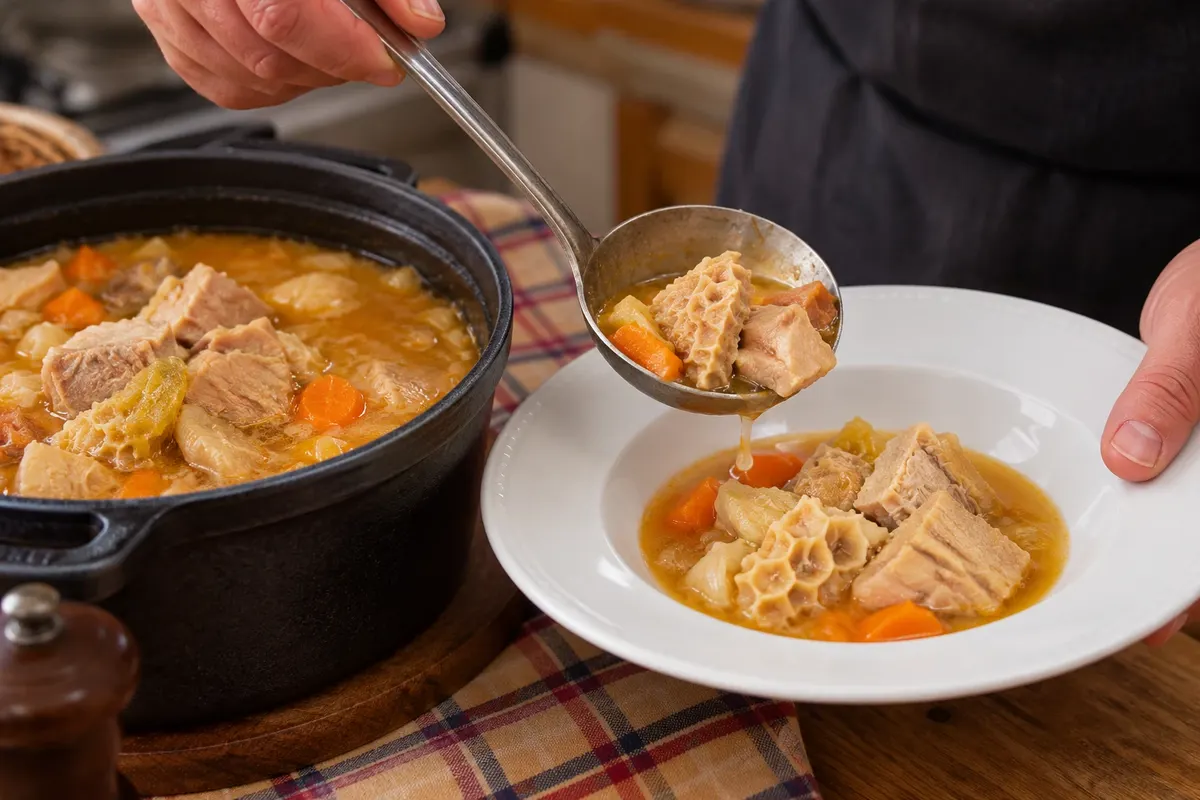
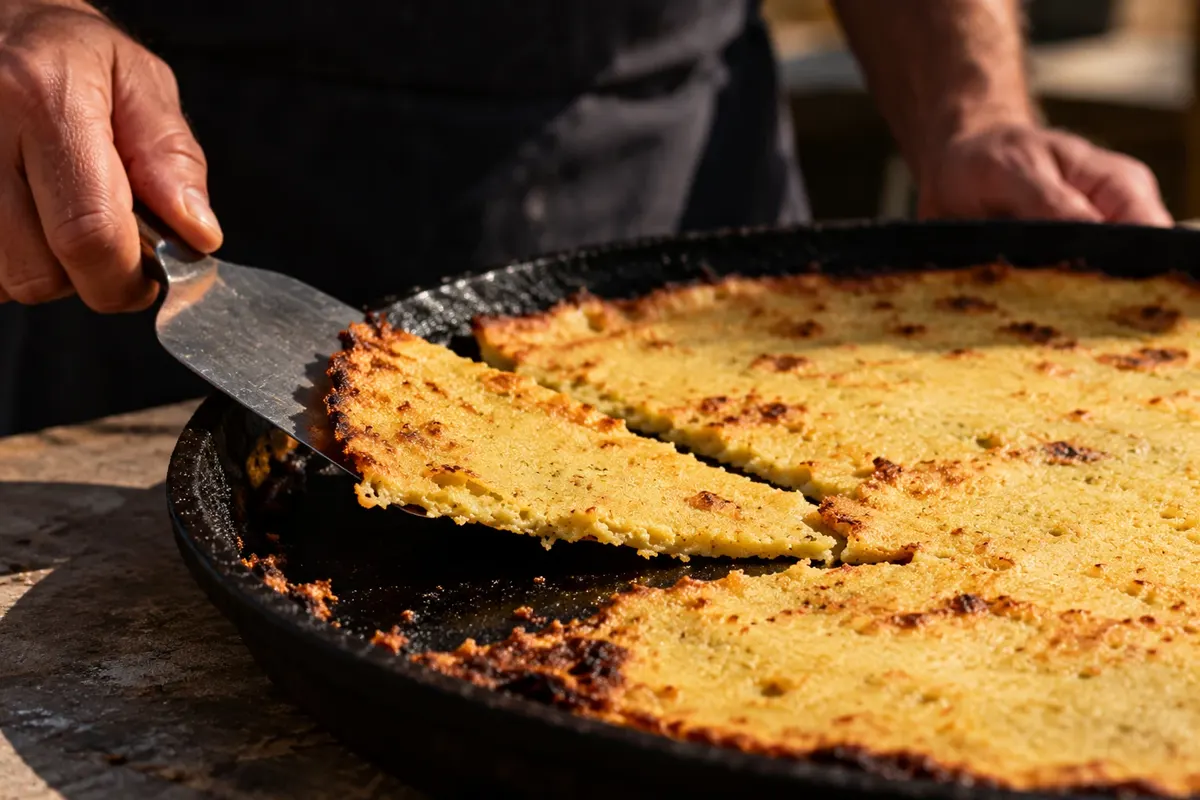
Cassoulet is a dish of white beans cooked very slowly with meats. In the Castelnaudary version, the beans, previously cooked with aromatics, go into the cassole, a wide, deep earthenware dish, with pork cuts such as ribs, belly, skin and knuckle, sausage and duck or goose confit. The dish spends hours in a low oven; the crust that forms on top is broken several times during cooking, and a local saying says it should be broken seven times.
The name comes from the cassole, the earthenware vessel in which the dish is cooked, traditionally made by potters of the region. Before the arrival of the American bean in the 16th century, the recipe used fava beans.
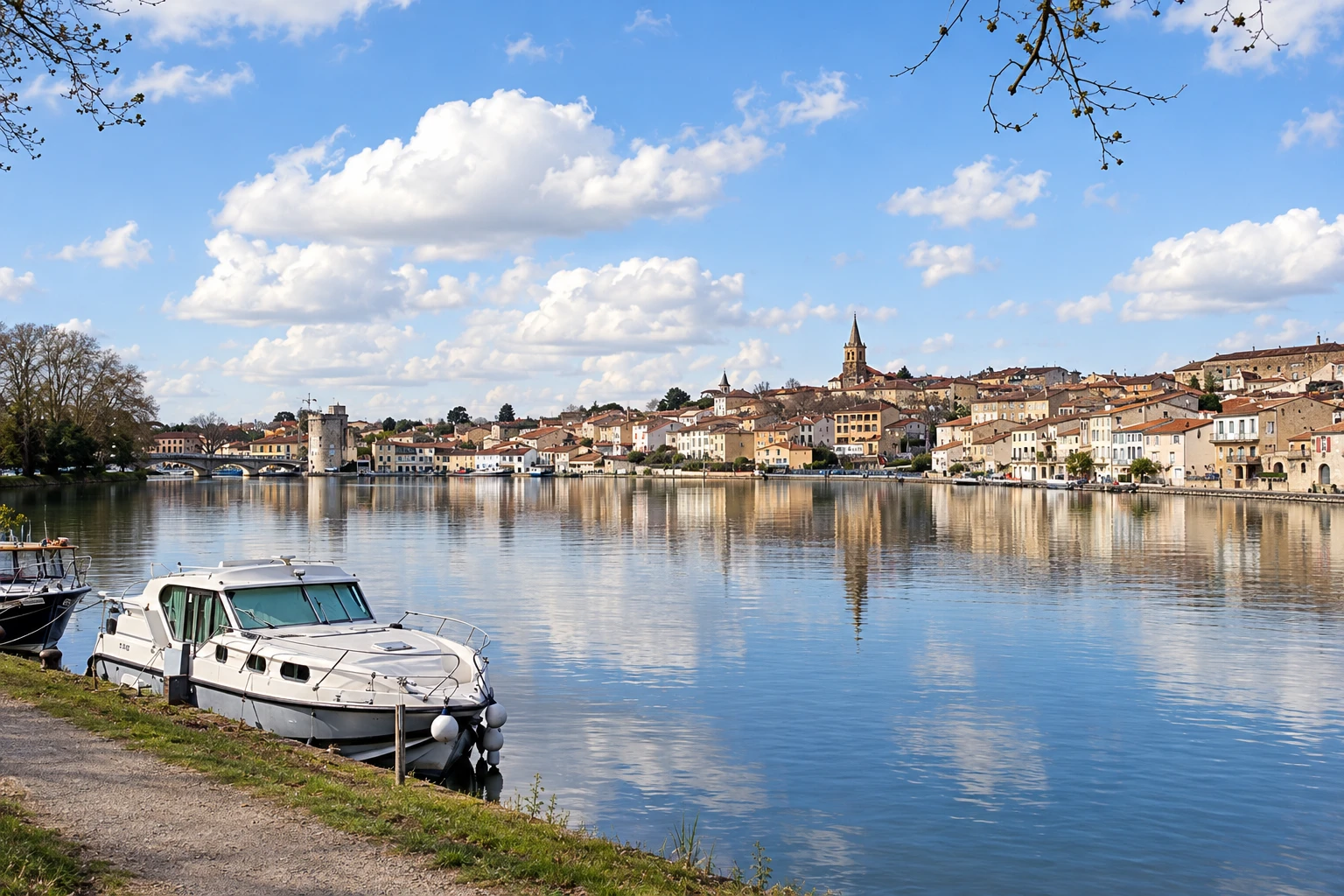
The origin is attributed to Castelnaudary. A legend tells that during the Hundred Years’ War the inhabitants of the besieged town gathered what they had to feed the soldiers, who then drove out the English; historians consider the story an invention. In the early 20th century, chef Prosper Montagné of Carcassonne described cassoulet as a trinity: the one from Castelnaudary would be the Father; the one from Carcassonne, which can include partridge, the Son; and the one from Toulouse, with mutton and Toulouse sausage, the Holy Spirit.
Castelnaudary has a brotherhood dedicated to cassoulet and an annual summer festival. The dish is served in its cassole, bubbling.


 Brazilija
 Antarktika
 Argentina
 Bolivija
 Čile
 Kolumbija
 Ekvator
 Gvajana
 Francoska Gvajana
 Falklandski otoki (Malvini)
 Paragvaj
 Peru
 Surinam
 Urugvaj
 Venezuela
 Nemčija
 Avstrija
 Belgija
 Hrvaška
 Danska
 Slovaška
 Slovenija
 Španija
 Finska
 Grčija
 Nizozemska
 Madžarska
 Irska
 Islandija
 Italija
 Luksemburg
 Norveška
 Poljska
 Portugalska
 Združeno kraljestvo
 Češka
 Švedska
 Švica
 Turčija
 Bermudi
 Kanada
 Združene države Amerike
 Grenlandija
 Mehika
 Sveta Peter in Mihael
 Dominikanska republika
 Japonska
 Južnoafriška republika
 Egipt
 Avstralija
 Fidži
 Nova Zelandija
 Papua Nova Gvineja