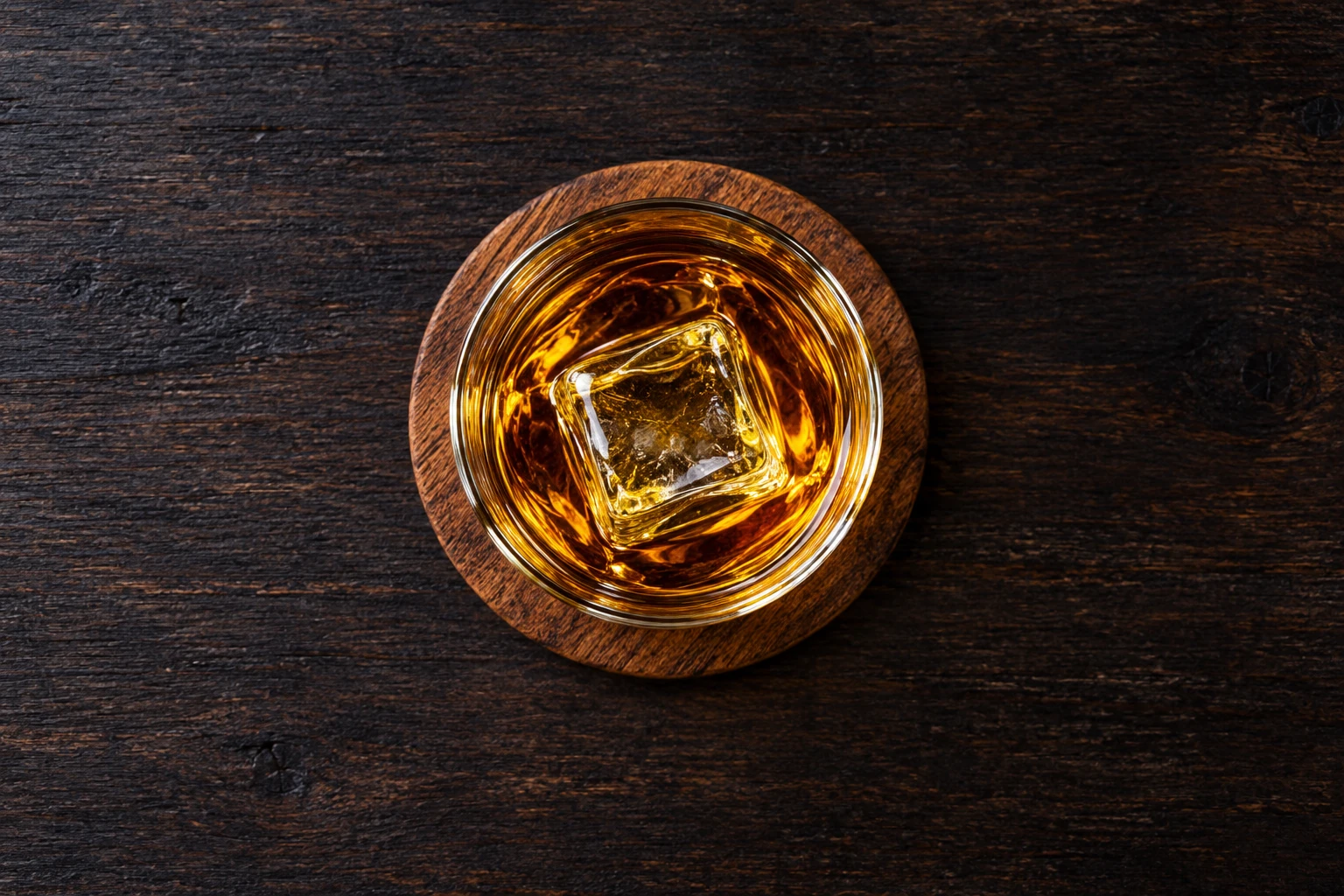
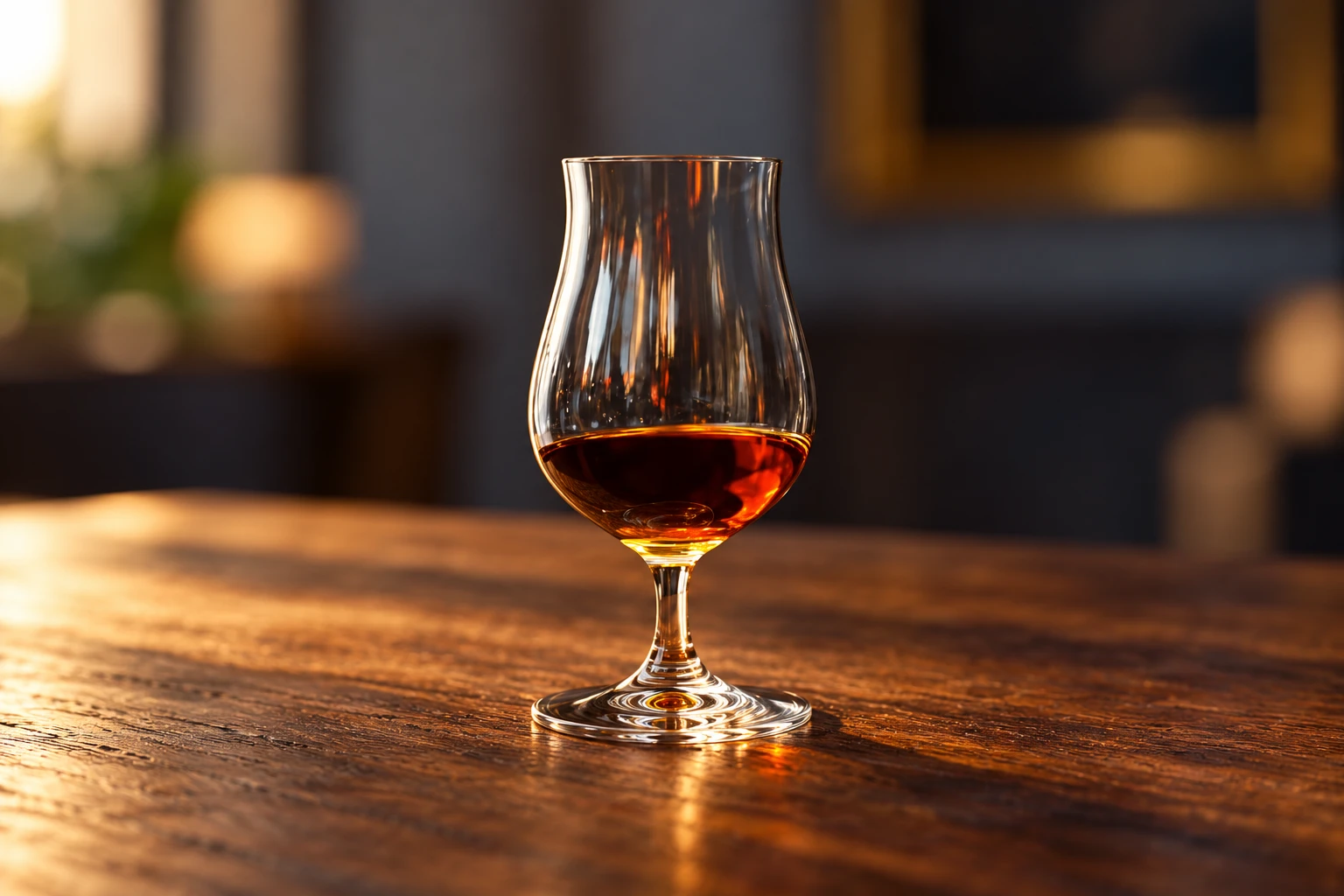
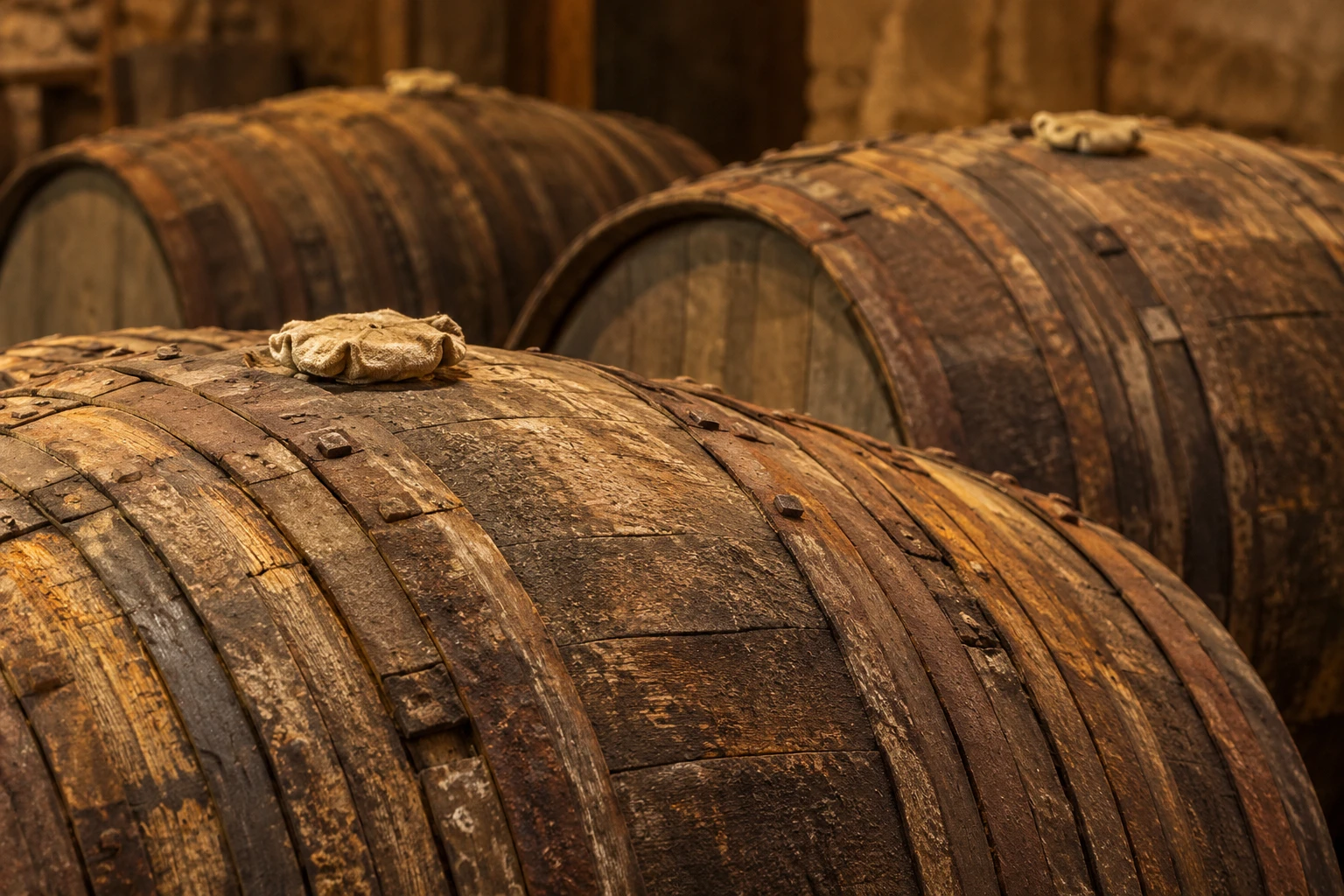
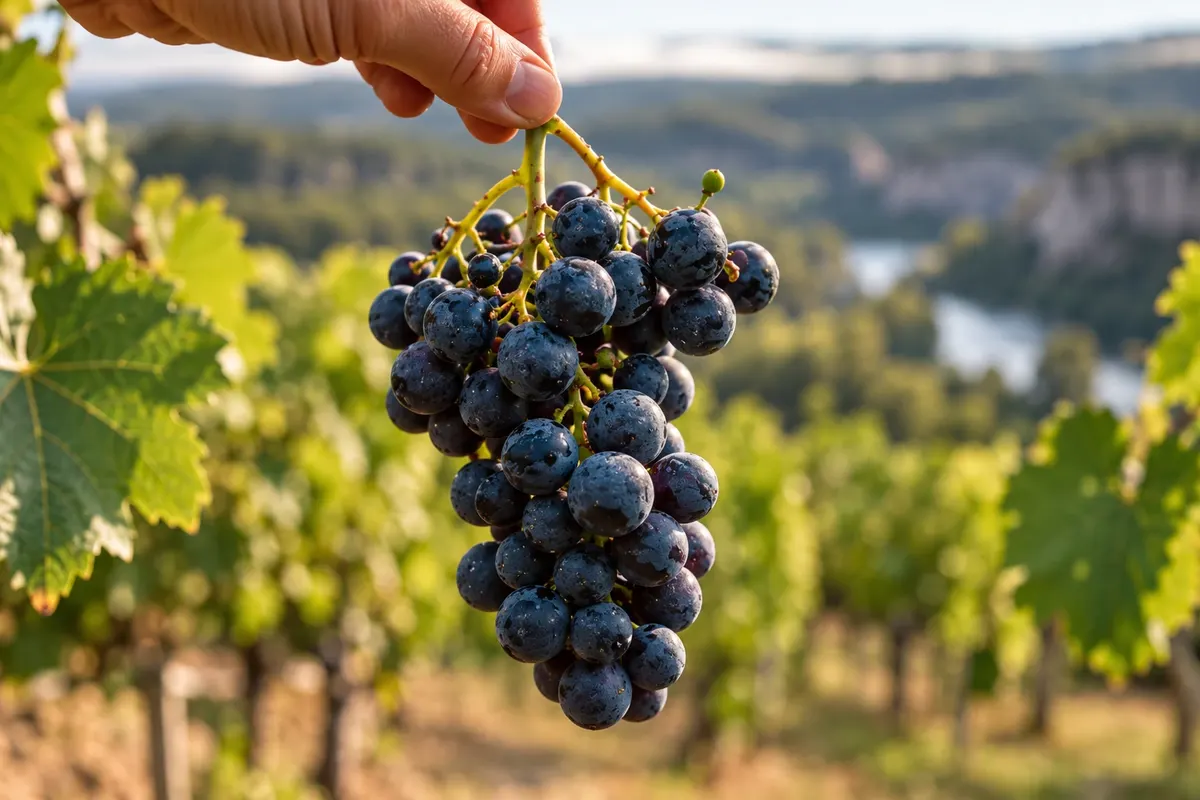
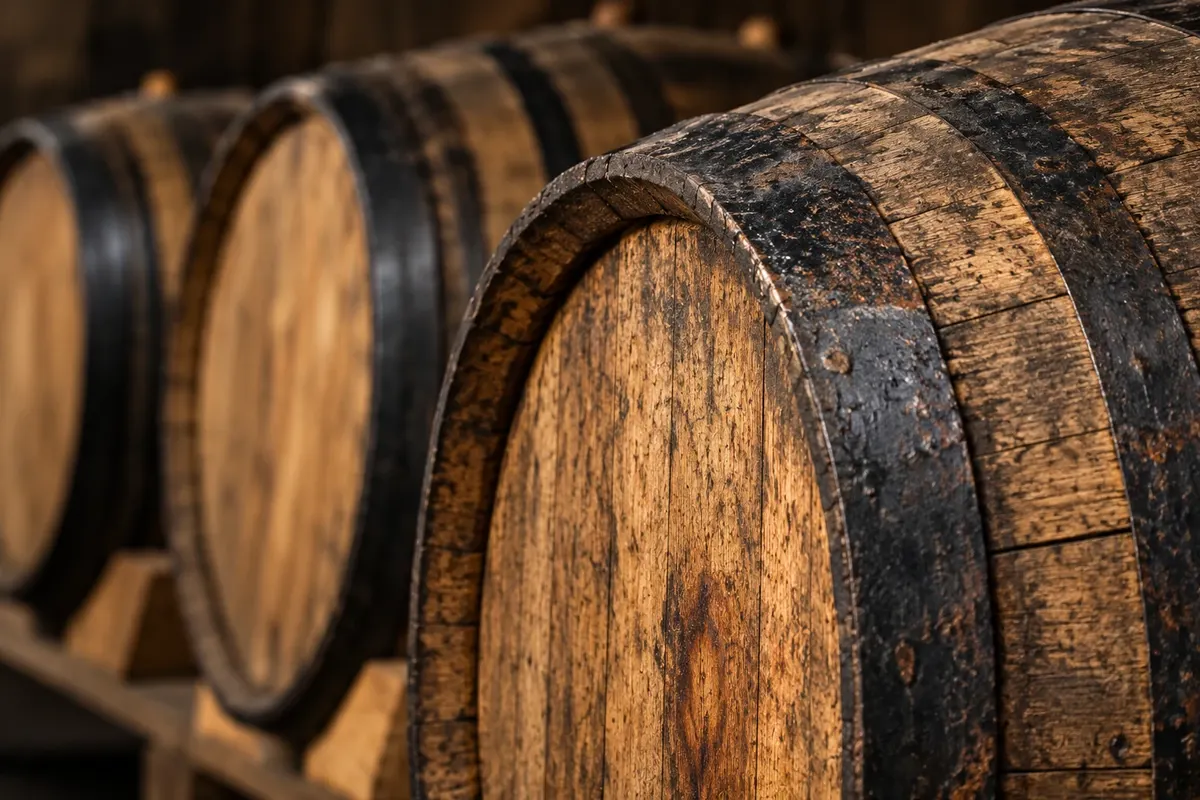
Cognac is a brandy made from regional white wines, chiefly from the ugni blanc grape, which are acidic and low in alcohol. The wine is double-distilled in a copper pot still of its own design, the charentais still: the first pass yields a weak liquid that is returned to the still for the second distillation, the bonne chauffe. The spirit comes off colorless and is aged in oak barrels for at least two years, where it gains color and aromas.
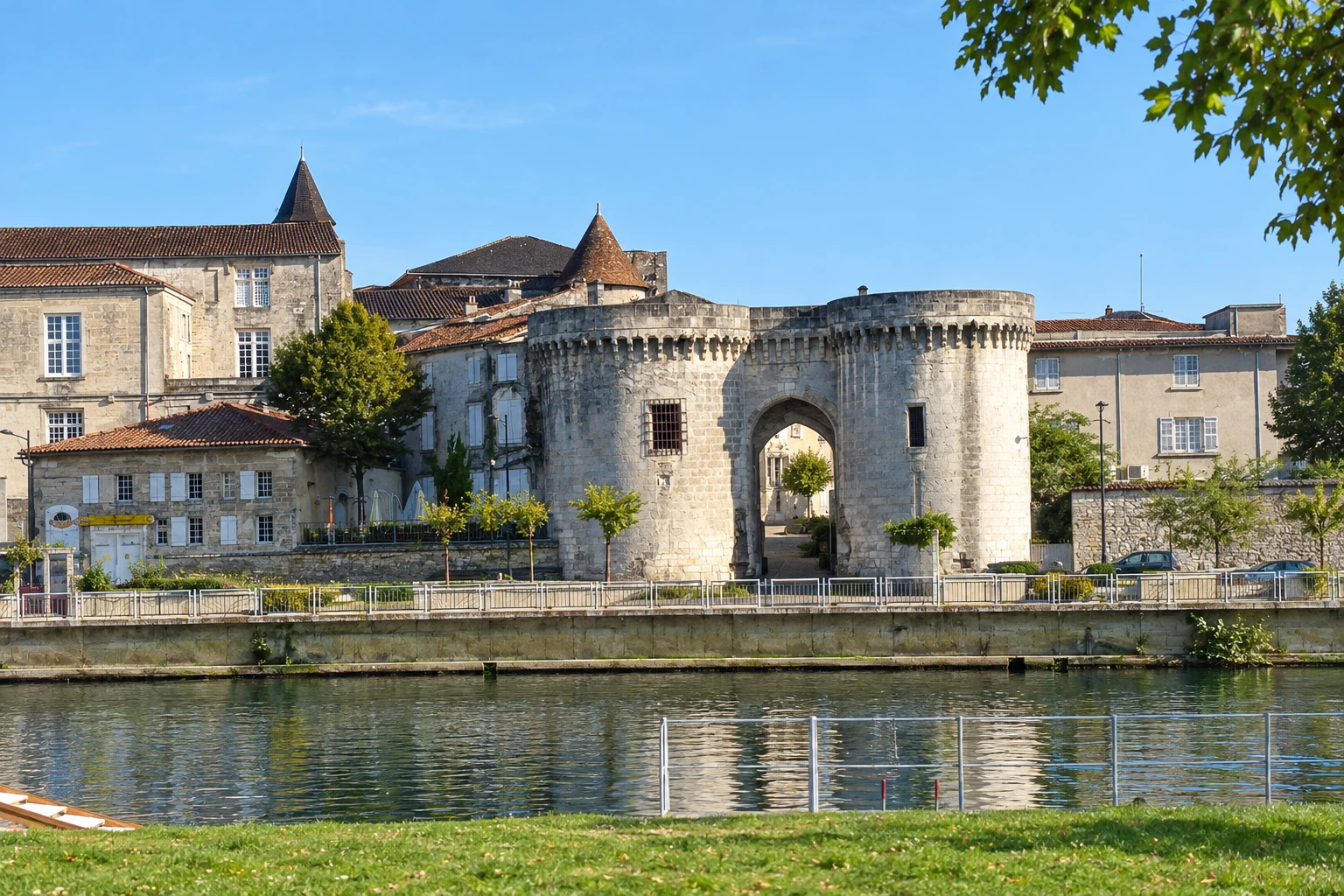
The drink is named for the town of Cognac, which was an active port on the Charente River. Wine and later the brandy were brought down that river to the Atlantic, from where they were shipped to northern Europe. The appellation of origin was recognized in 1936 and covers a delimited area around the town, mainly in the departments of Charente and Charente-Maritime.
The area is divided into crus according to soil: Grande Champagne, Petite Champagne, Borderies, Fins Bois, Bons Bois and Bois Ordinaires. The word champagne here refers to calcareous soil, not to the sparkling wine region. The blend of Grande and Petite Champagne, with at least half Grande Champagne, is called Fine Champagne.
Distillation takes place in winter, until the end of March. In the town, a municipal museum tells the history of the drink, from the vineyard to trade.


 Brazilija
 Antarktika
 Argentina
 Bolivija
 Čile
 Kolumbija
 Ekvator
 Gvajana
 Francoska Gvajana
 Falklandski otoki (Malvini)
 Paragvaj
 Peru
 Surinam
 Urugvaj
 Venezuela
 Nemčija
 Avstrija
 Belgija
 Hrvaška
 Danska
 Slovaška
 Slovenija
 Španija
 Finska
 Grčija
 Nizozemska
 Madžarska
 Irska
 Islandija
 Italija
 Luksemburg
 Norveška
 Poljska
 Portugalska
 Združeno kraljestvo
 Češka
 Švedska
 Švica
 Turčija
 Bermudi
 Kanada
 Združene države Amerike
 Grenlandija
 Mehika
 Sveta Peter in Mihael
 Dominikanska republika
 Japonska
 Južnoafriška republika
 Egipt
 Avstralija
 Fidži
 Nova Zelandija
 Papua Nova Gvineja