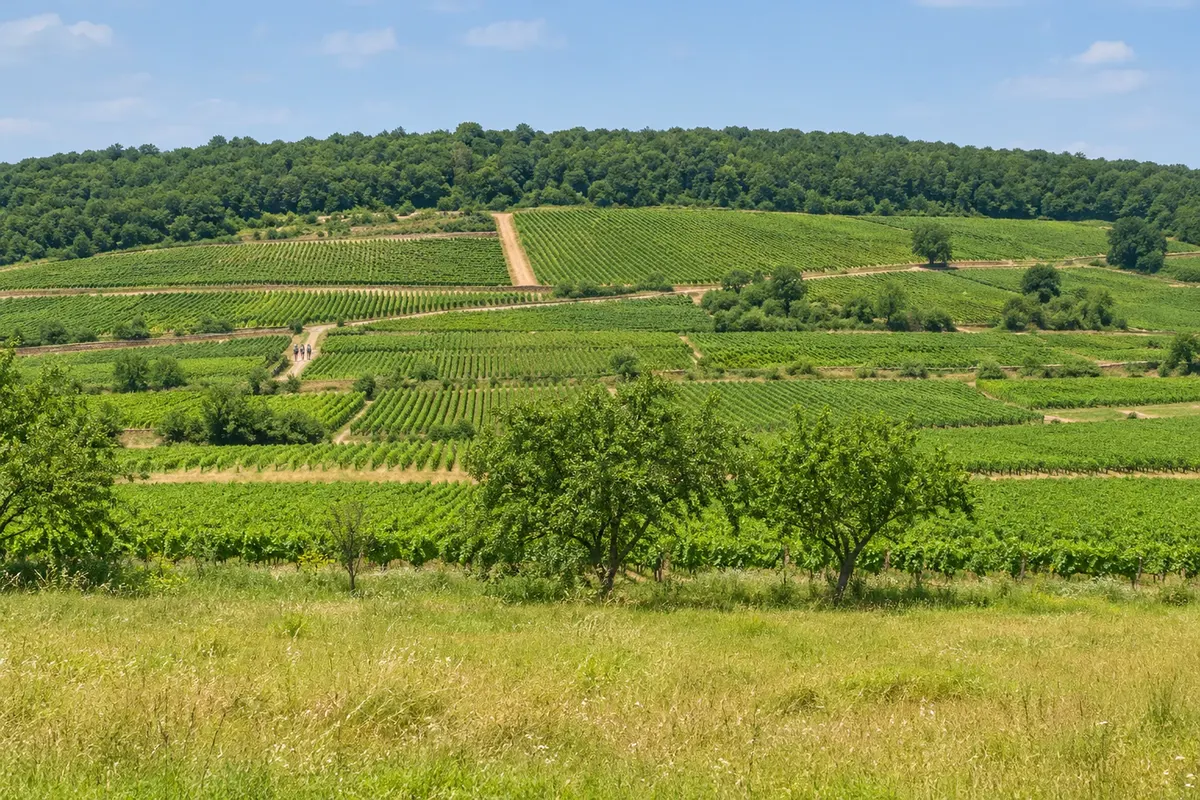
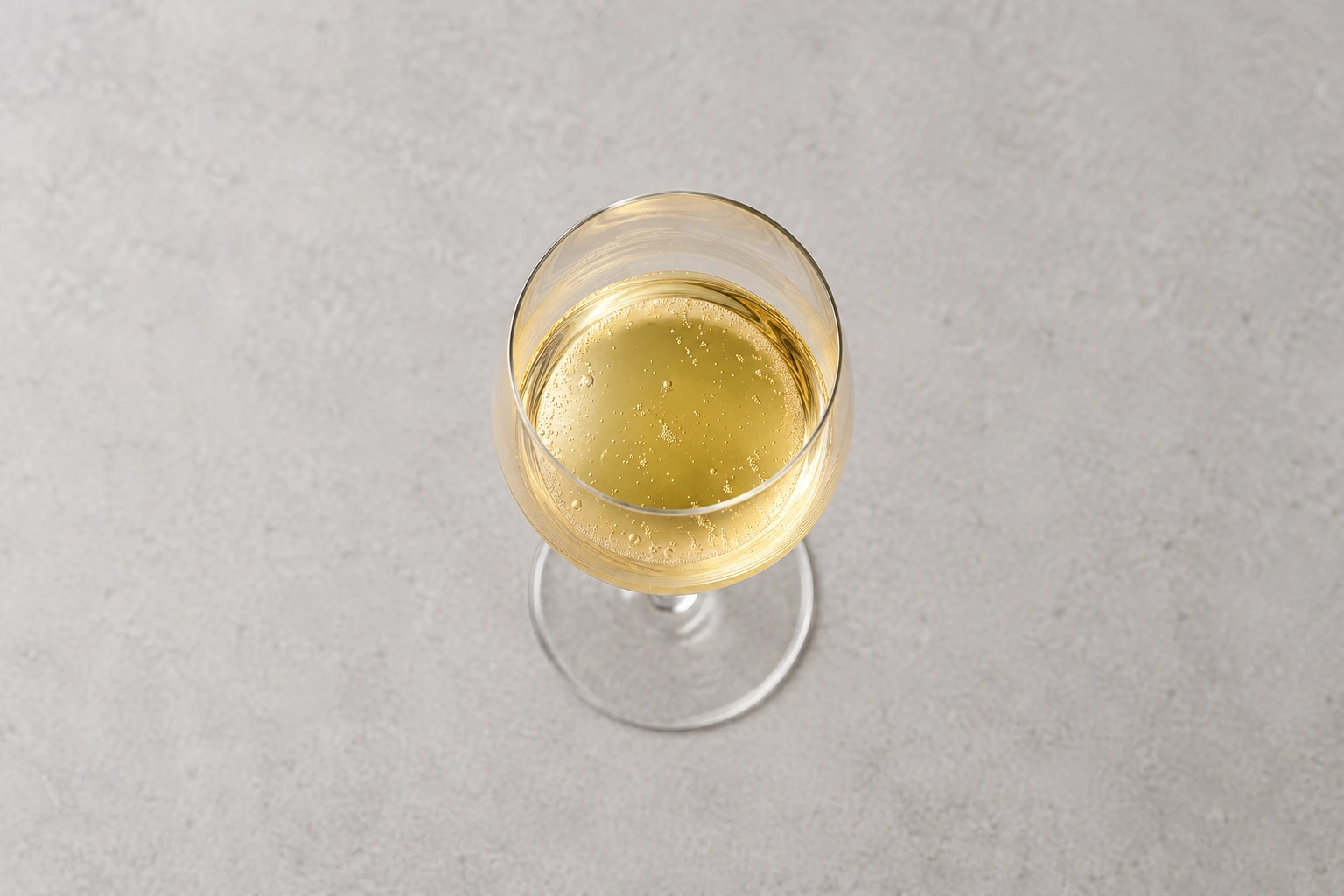
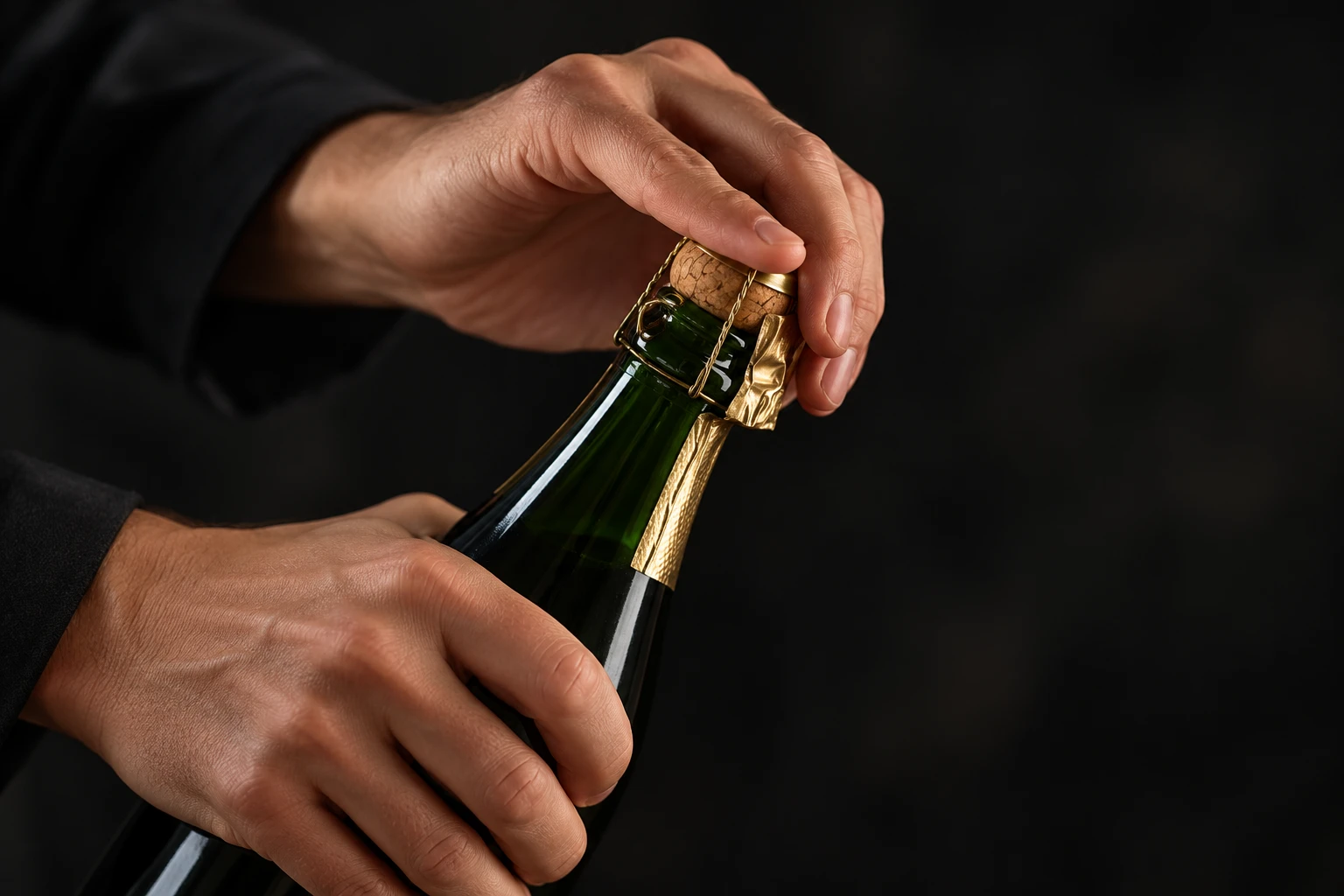
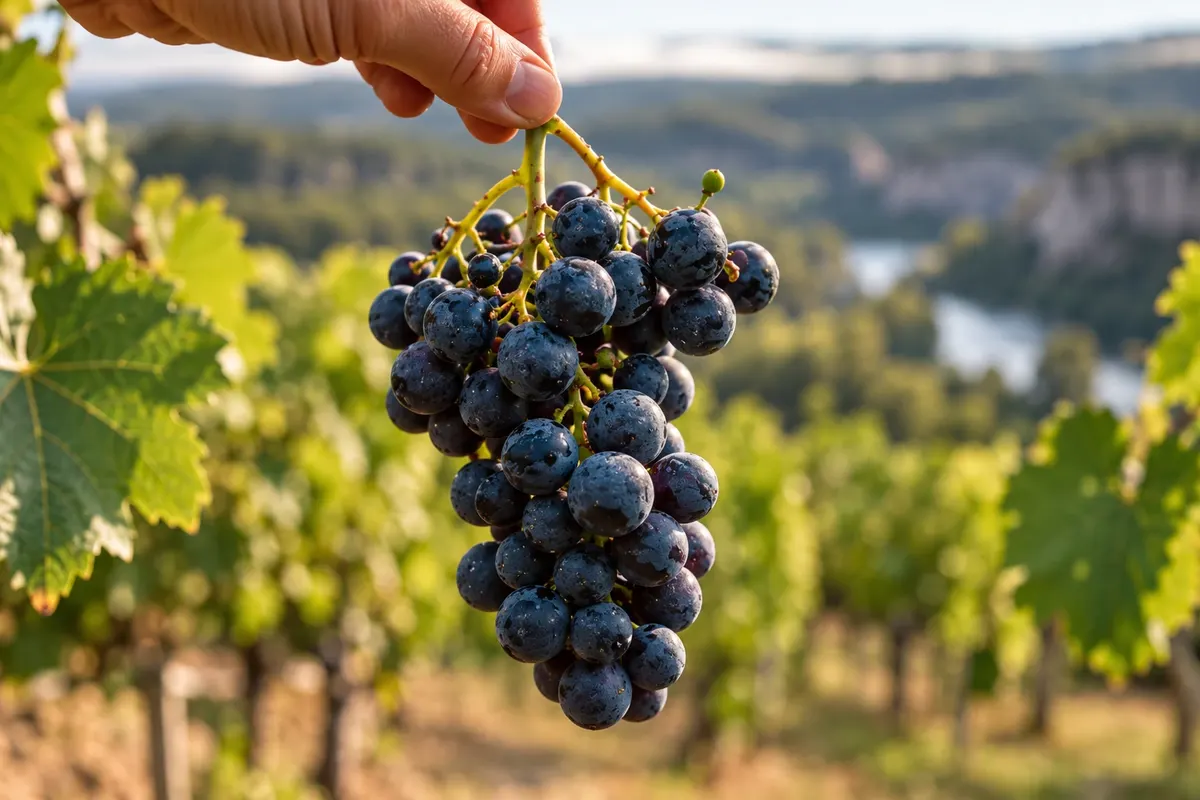
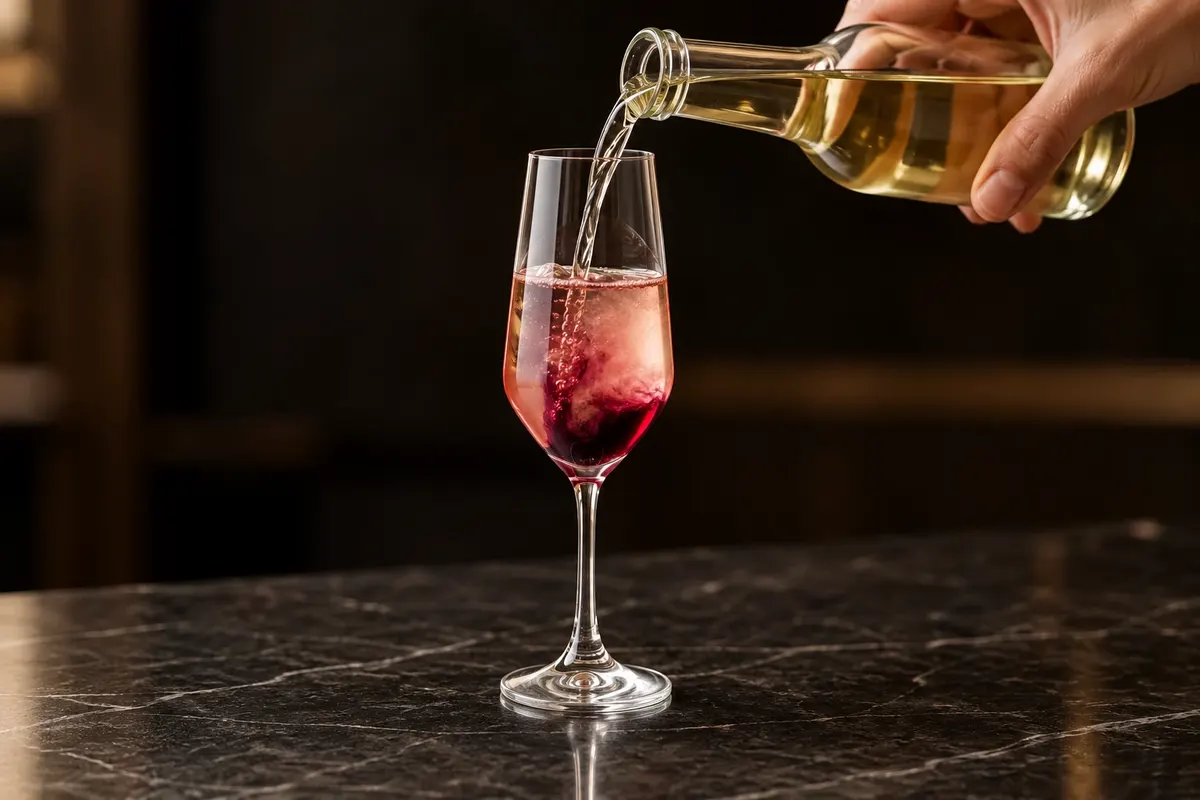
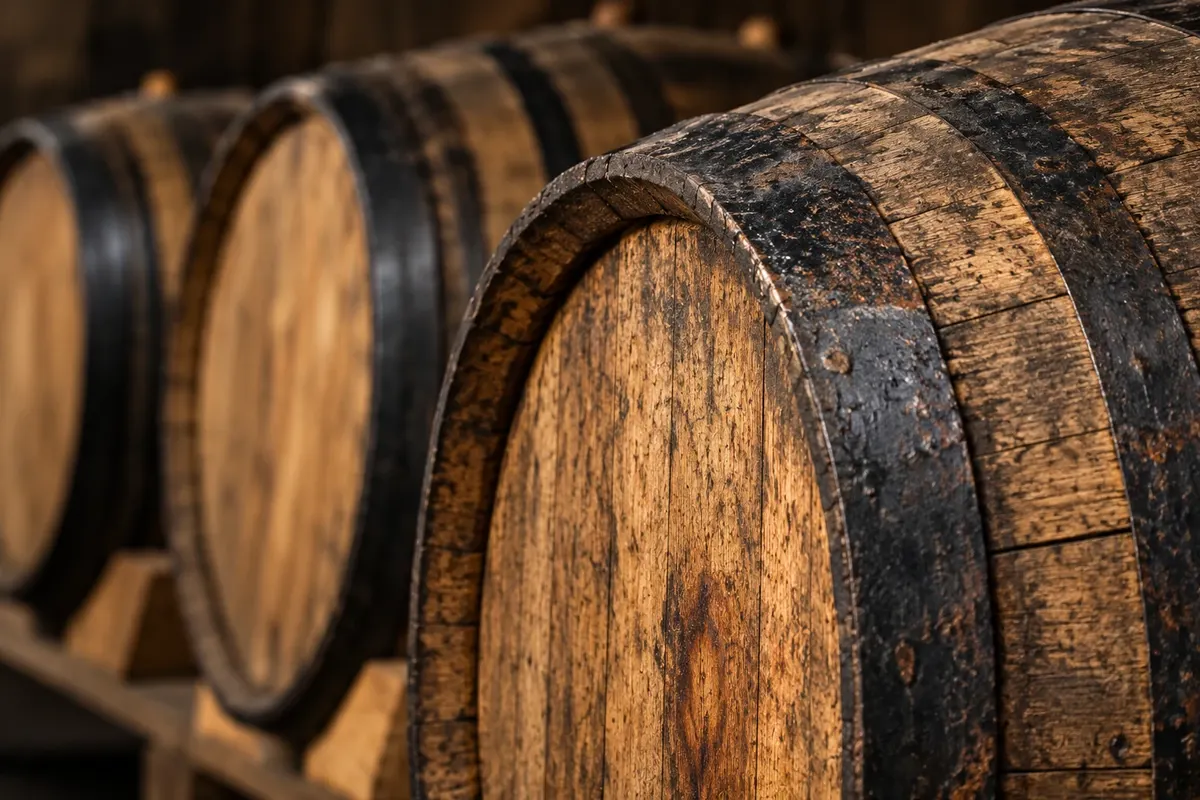
Champagne is a sparkling wine produced in the region of the same name in northeastern France, with a protected designation of origin. The bubbles come from a second fermentation carried out inside the bottle itself, after the base wine receives sugar and yeast. The bottles rest for months or years in the cellars before being opened to remove the sediment and then reclosed.
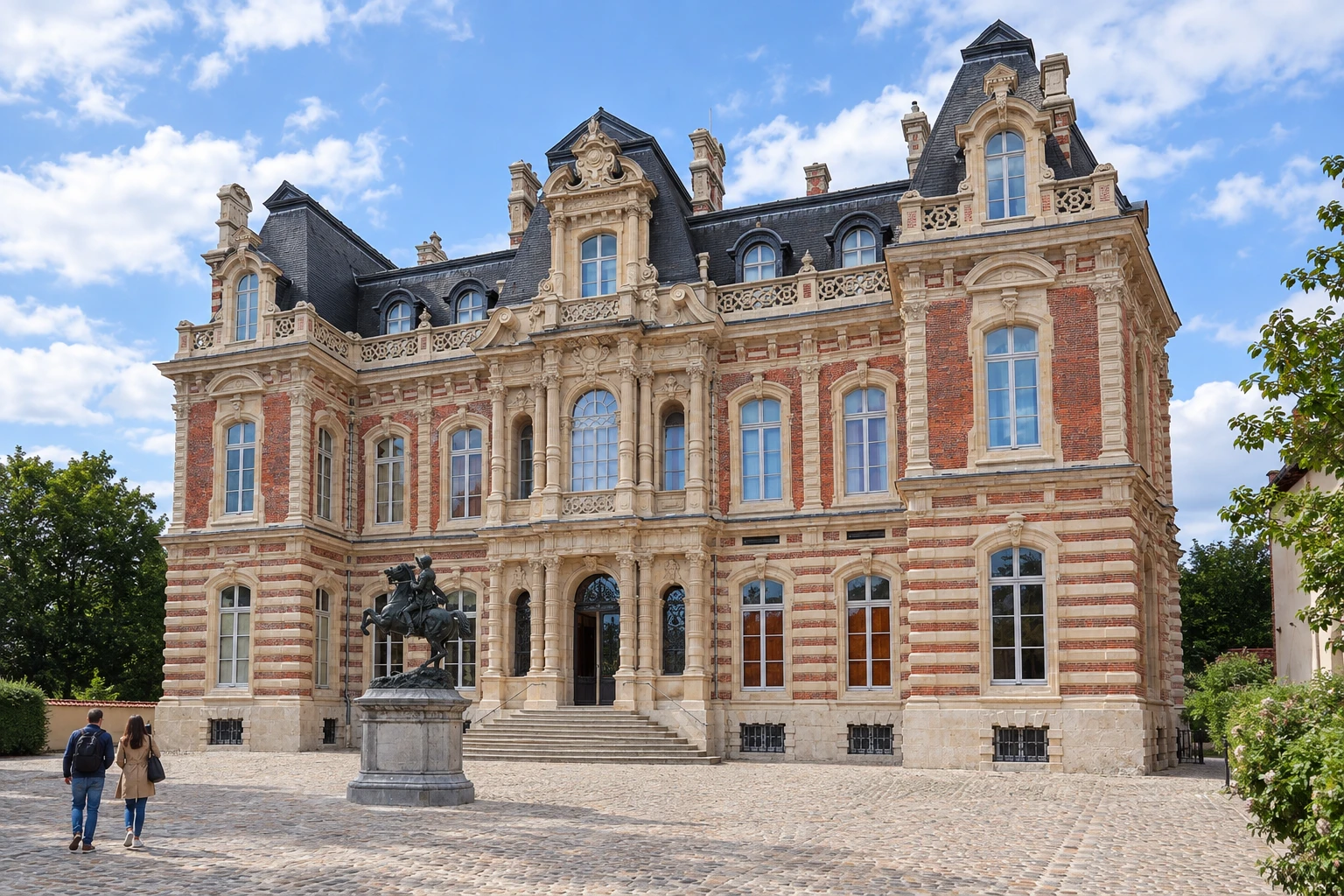
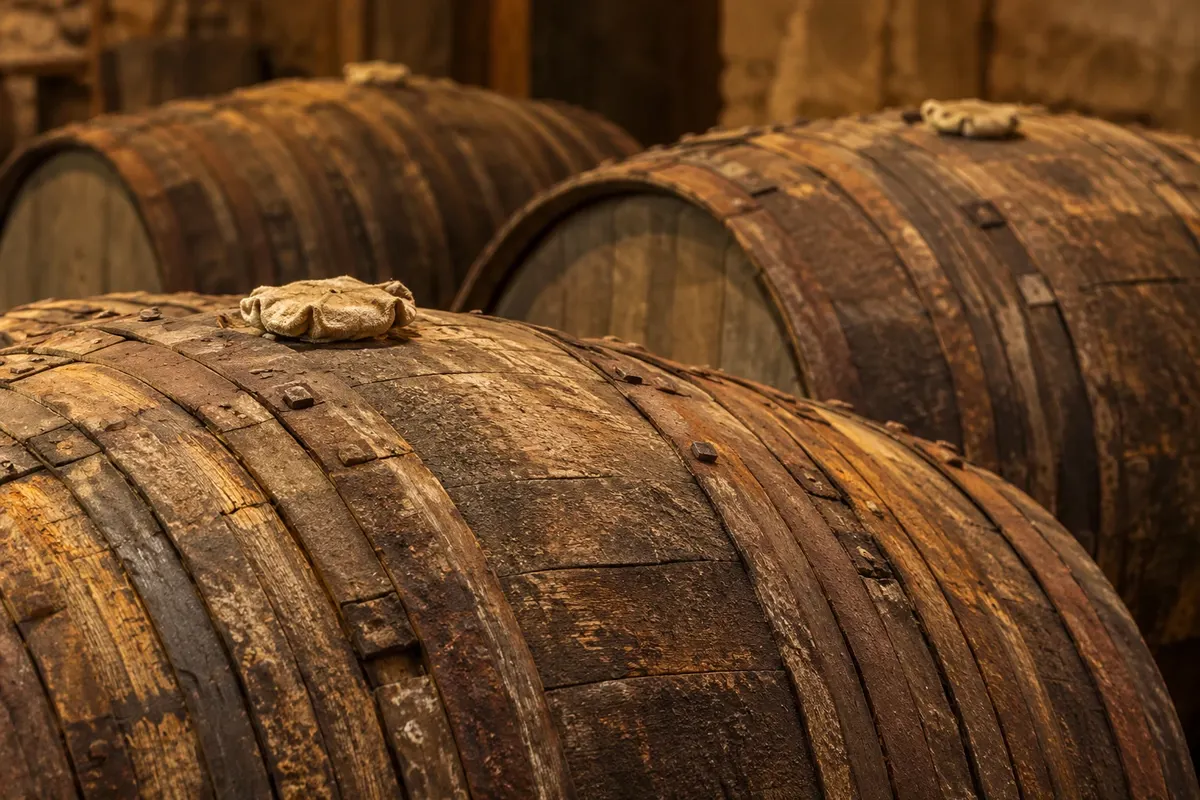
Épernay, on the banks of the Marne, presents itself as the capital of champagne. The Avenue de Champagne, a straight avenue of about 1.5 km that leads to the city center, has hosted wine trade houses since the 18th century, with mansions, courtyards, and gardens. Beneath it and under the town there are about 110 km of cellars and galleries carved into the chalk, where millions of bottles age at a constant temperature.
Since 2015, the Hillsides, Houses and Cellars of Champagne have been a UNESCO World Heritage Site. The property has three central zones: the historic vineyards around Hautvillers, Aÿ and Mareuil-sur-Aÿ; the Saint-Nicaise hill in Reims; and the Avenue de Champagne in Épernay.
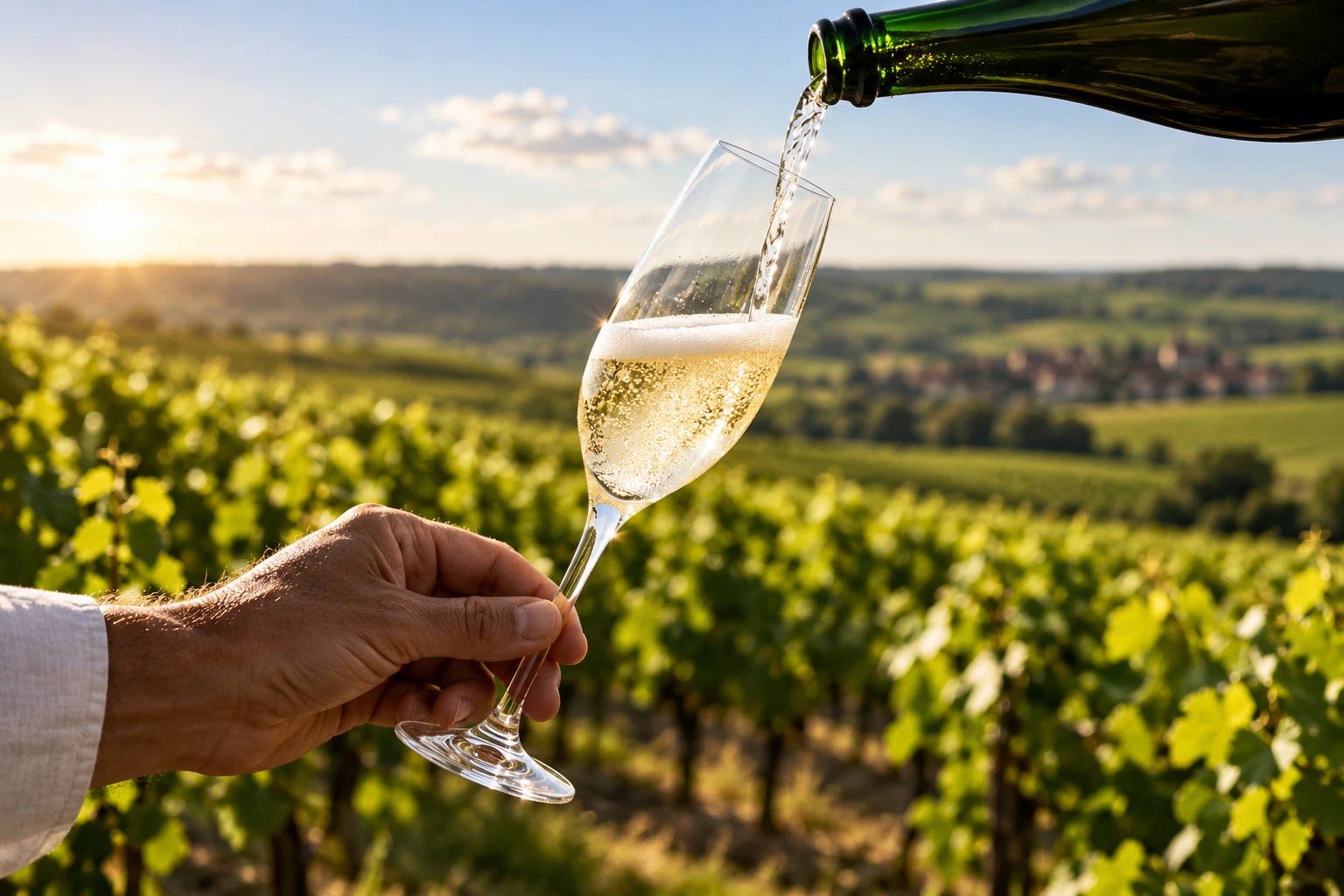
Champagne is the drink of celebrations in France, but it is also served as an aperitif and accompanies whole meals. In Épernay, cellar visits explain the method and end with a tasting.


 Brazilija
 Antarktika
 Argentina
 Bolivija
 Čile
 Kolumbija
 Ekvator
 Gvajana
 Francoska Gvajana
 Falklandski otoki (Malvini)
 Paragvaj
 Peru
 Surinam
 Urugvaj
 Venezuela
 Nemčija
 Avstrija
 Belgija
 Hrvaška
 Danska
 Slovaška
 Slovenija
 Španija
 Finska
 Grčija
 Nizozemska
 Madžarska
 Irska
 Islandija
 Italija
 Luksemburg
 Norveška
 Poljska
 Portugalska
 Združeno kraljestvo
 Češka
 Švedska
 Švica
 Turčija
 Bermudi
 Kanada
 Združene države Amerike
 Grenlandija
 Mehika
 Sveta Peter in Mihael
 Dominikanska republika
 Japonska
 Južnoafriška republika
 Egipt
 Avstralija
 Fidži
 Nova Zelandija
 Papua Nova Gvineja