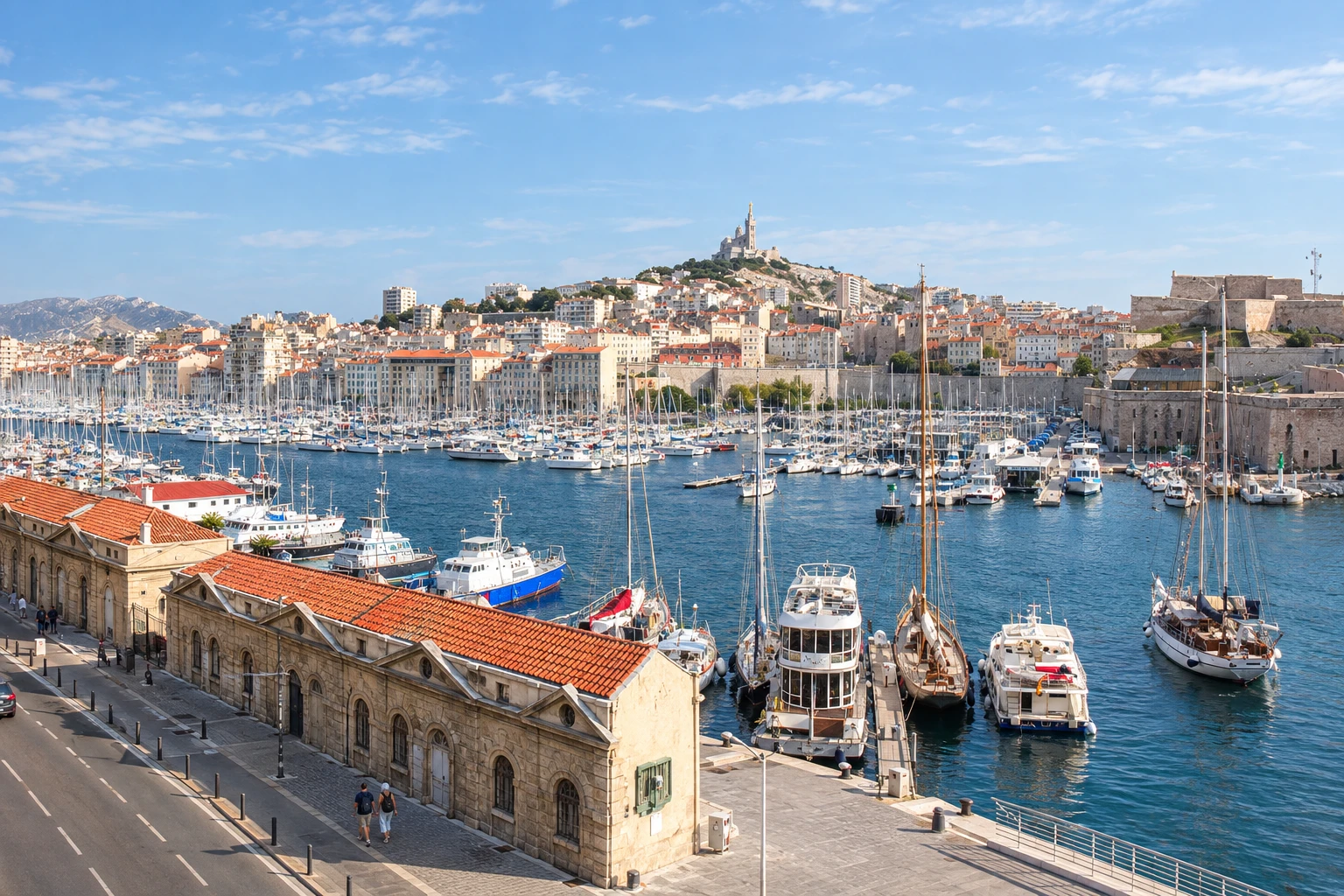
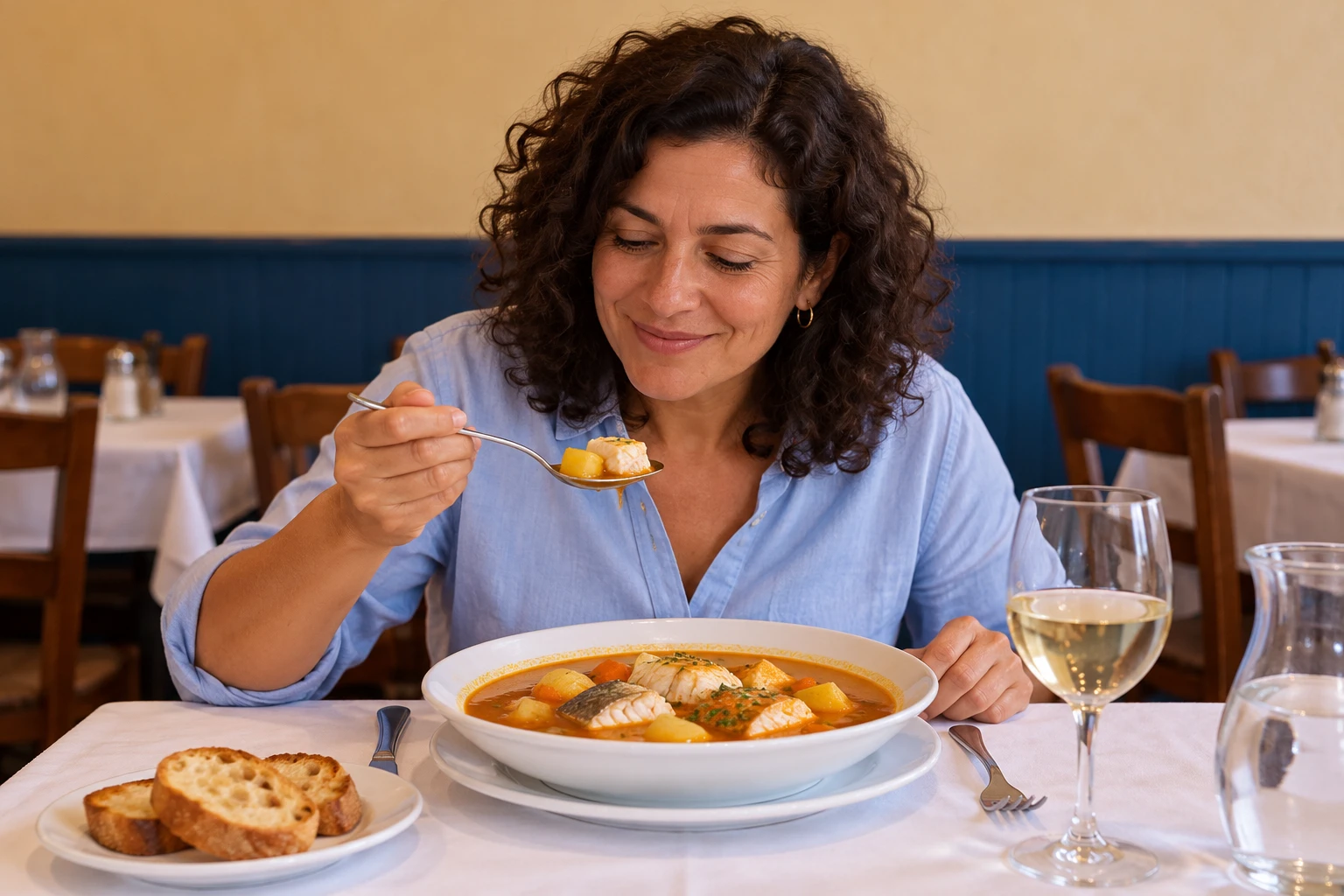
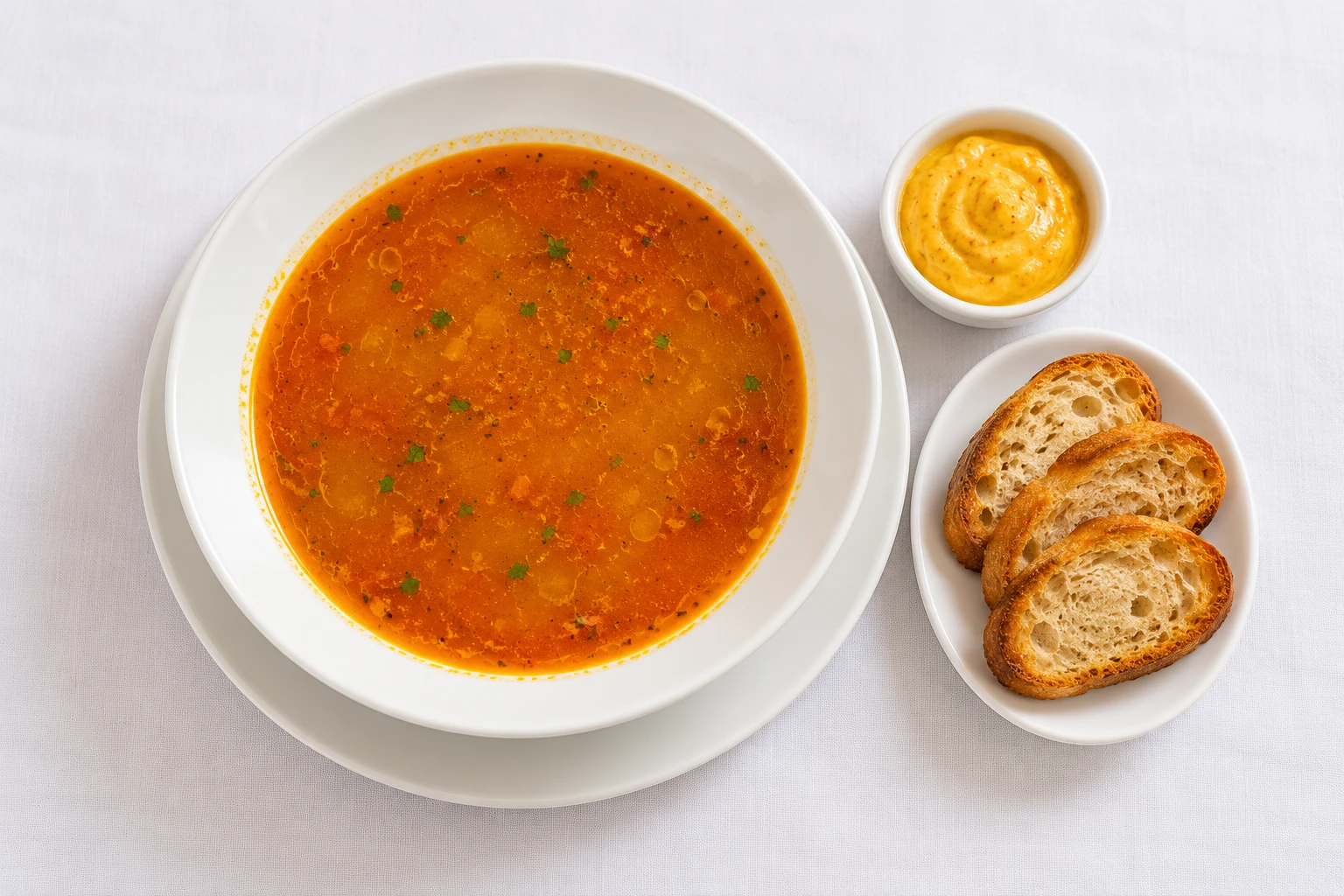
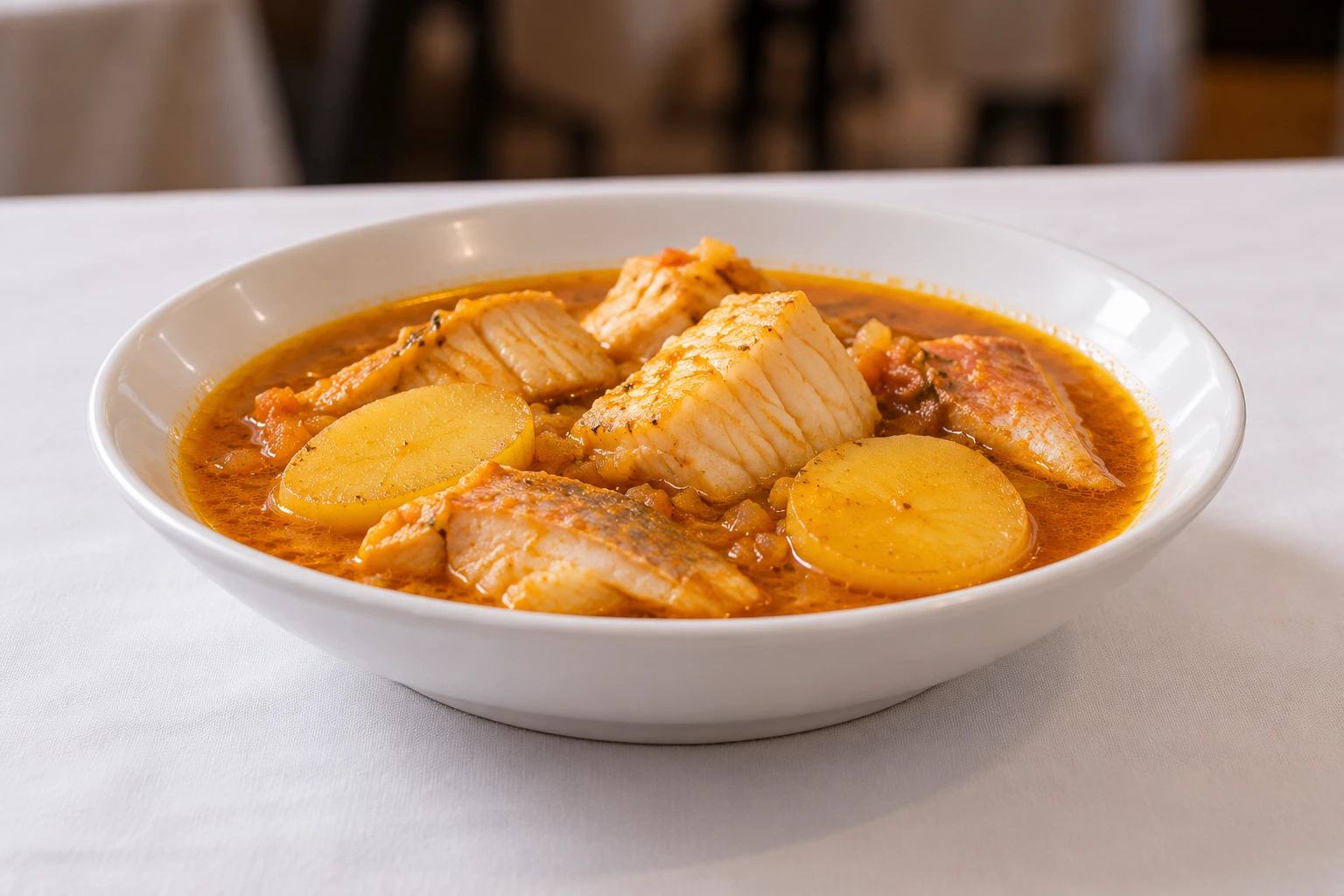
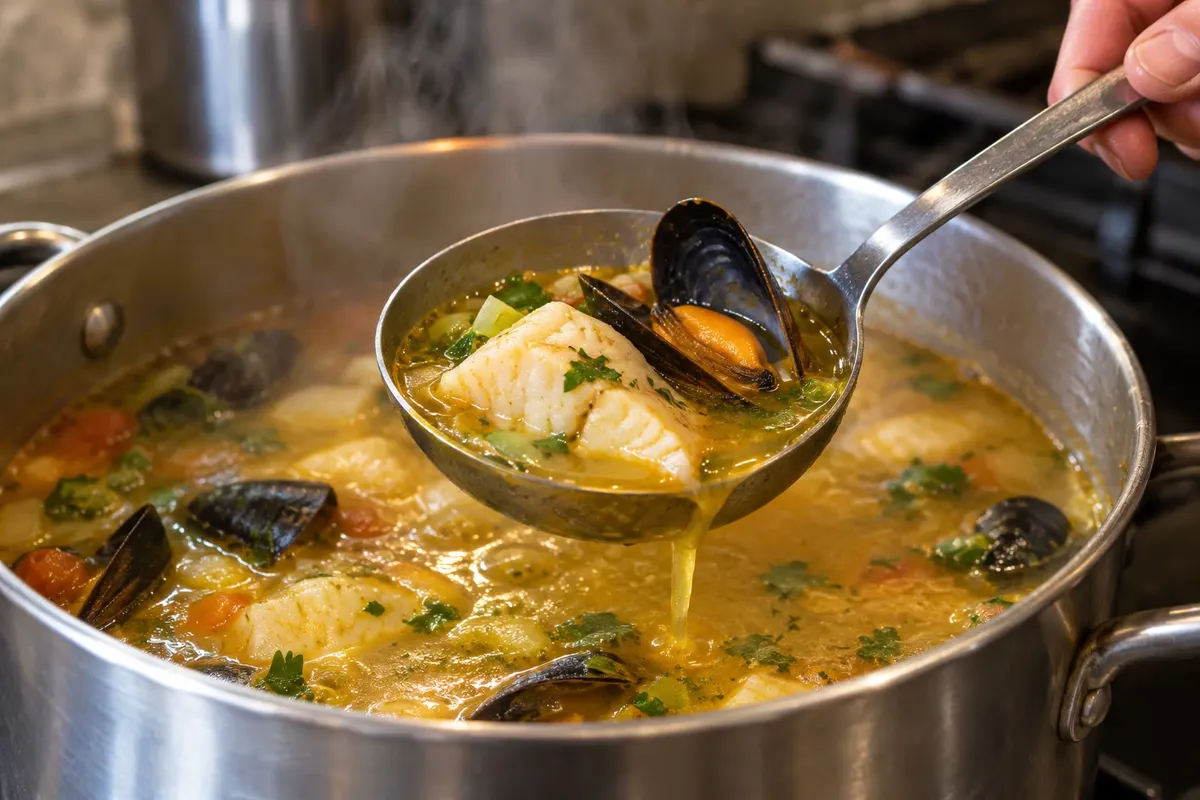
Bouillabaisse began as a fishermen’s dish: it was made from the fish left over after selecting the catch for sale, cooked in a broth with olive oil, tomato, garlic, fennel and saffron. Over time the dish was refined, added shellfish and crustaceans, and moved from houses to the port’s restaurants. The roots of Mediterranean fish soups are much older, and Marseille’s tourism notes possible Greek and Roman antecedents.
The name comes from the cooking rule: when the broth boils, you lower the heat so the fish cook slowly. In Provençal the idea is summed up as "quand ça bout, on abaisse".
In 1980, Marseille restaurants signed a bouillabaisse charter to fix ingredients and service, because many places called any fish soup bouillabaisse. By the charter, the recipe should include at least four species from a list that includes rascasse, monkfish, conger, spider fish, cock (gallo), red mullet and lobster, all very fresh. The charter is an agreement among restaurants, not a legal protection.
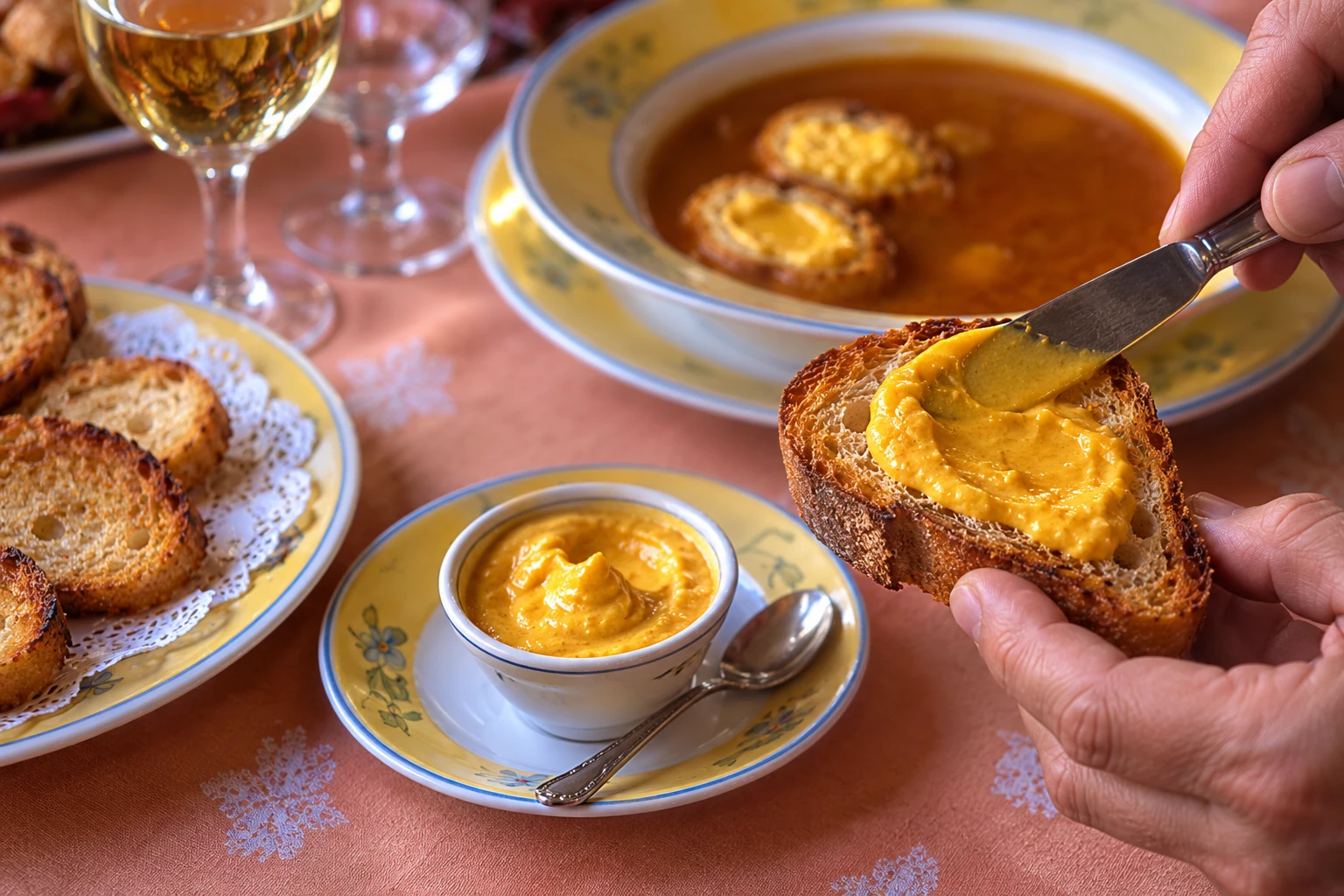
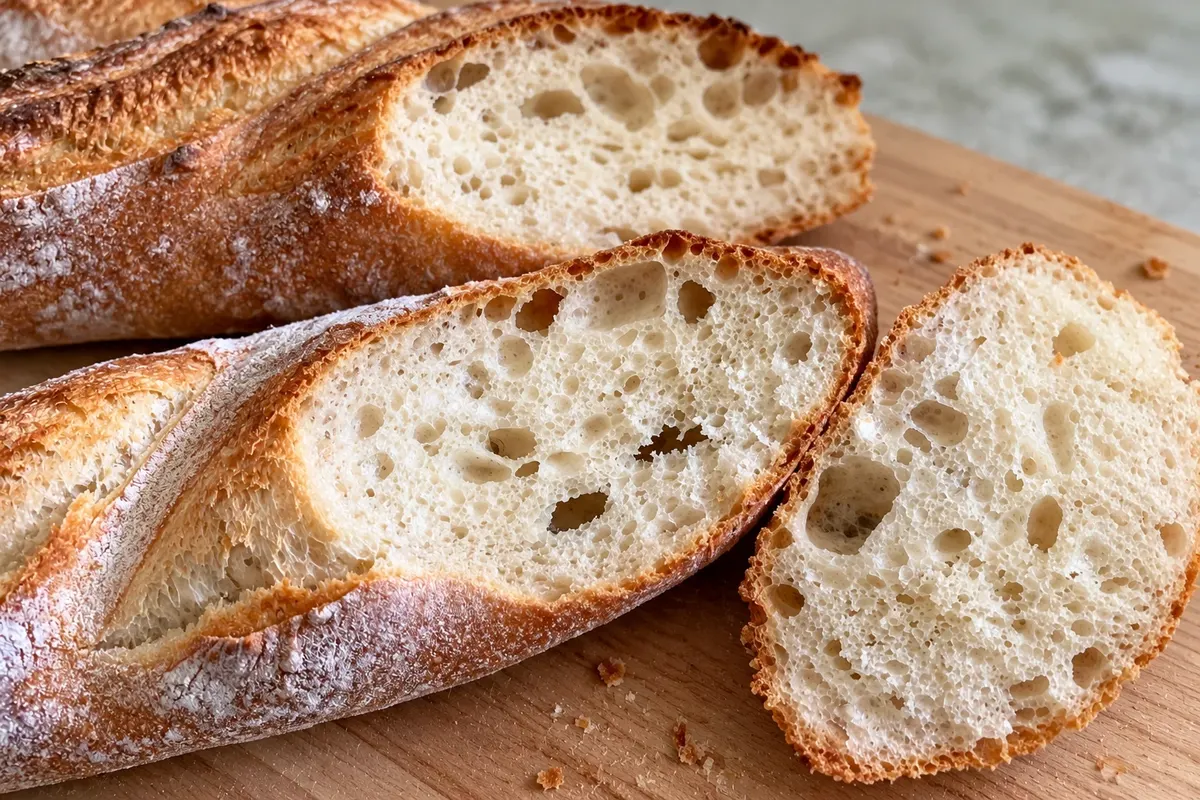
Service follows a ritual: the fish are cut in front of customers and served on a platter; the broth comes separately, hot, with slices of toasted bread rubbed with garlic and rouille, a sauce of garlic, oil, saffron and pepper.


 Brazilija
 Antarktika
 Argentina
 Bolivija
 Čile
 Kolumbija
 Ekvator
 Gvajana
 Francoska Gvajana
 Falklandski otoki (Malvini)
 Paragvaj
 Peru
 Surinam
 Urugvaj
 Venezuela
 Nemčija
 Avstrija
 Belgija
 Hrvaška
 Danska
 Slovaška
 Slovenija
 Španija
 Finska
 Grčija
 Nizozemska
 Madžarska
 Irska
 Islandija
 Italija
 Luksemburg
 Norveška
 Poljska
 Portugalska
 Združeno kraljestvo
 Češka
 Švedska
 Švica
 Turčija
 Bermudi
 Kanada
 Združene države Amerike
 Grenlandija
 Mehika
 Sveta Peter in Mihael
 Dominikanska republika
 Japonska
 Južnoafriška republika
 Egipt
 Avstralija
 Fidži
 Nova Zelandija
 Papua Nova Gvineja