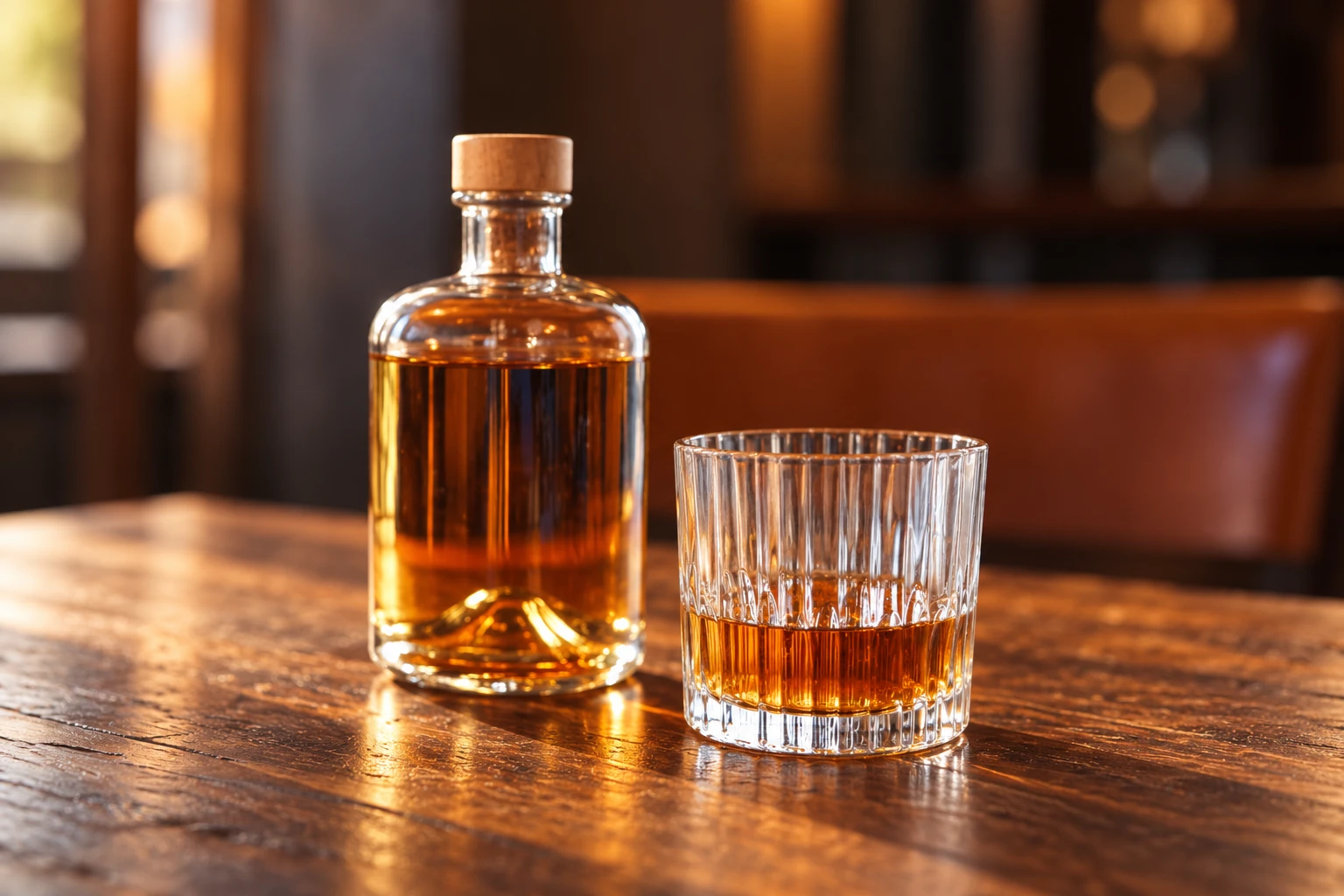
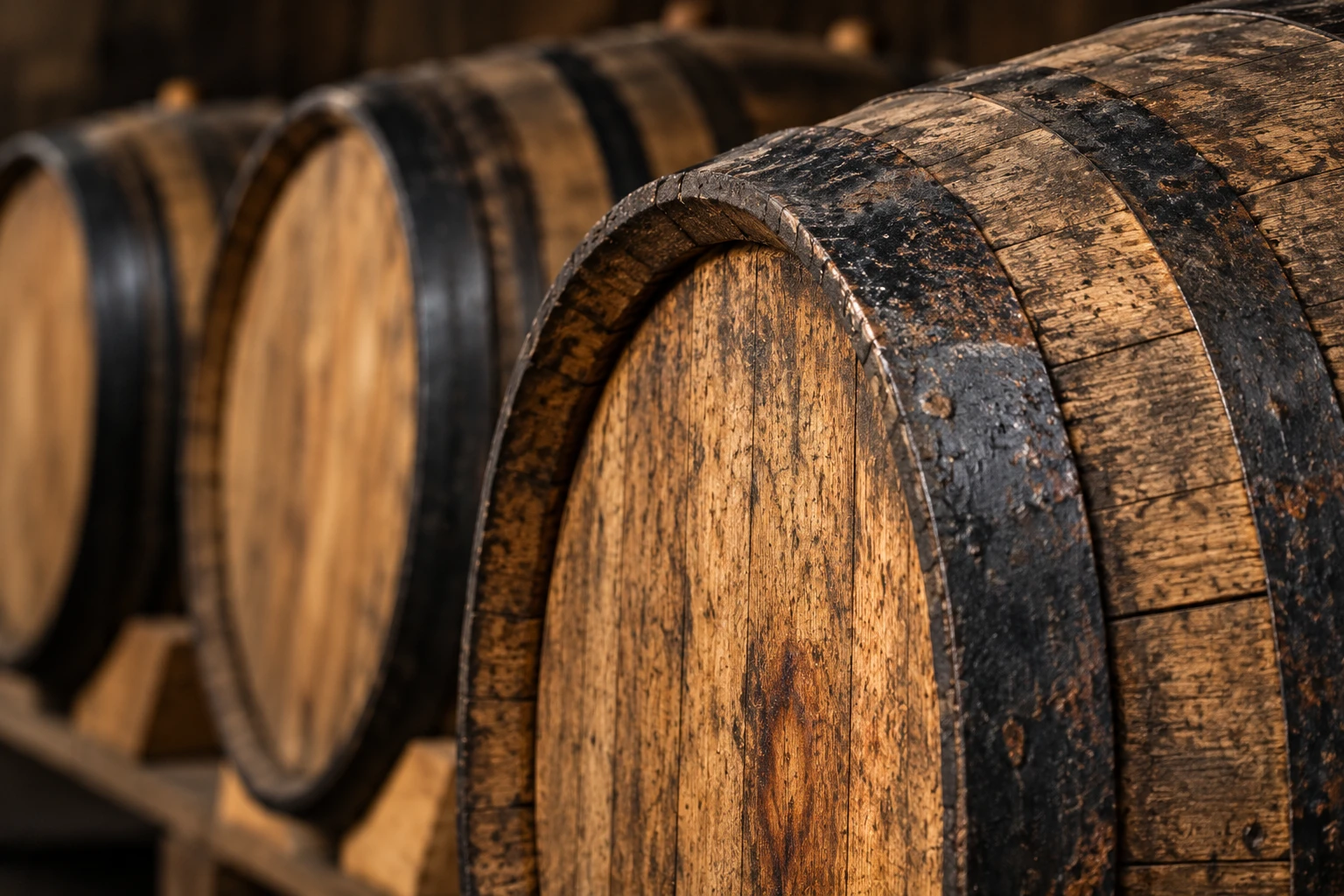
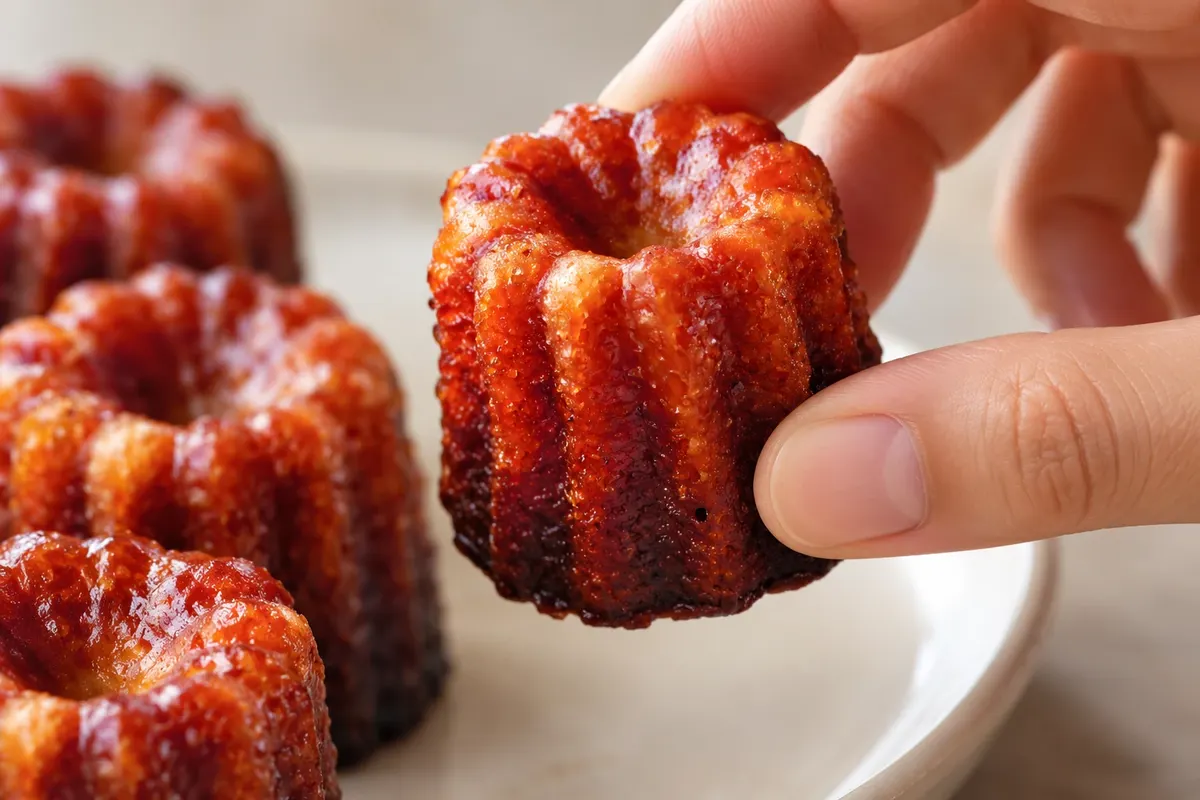
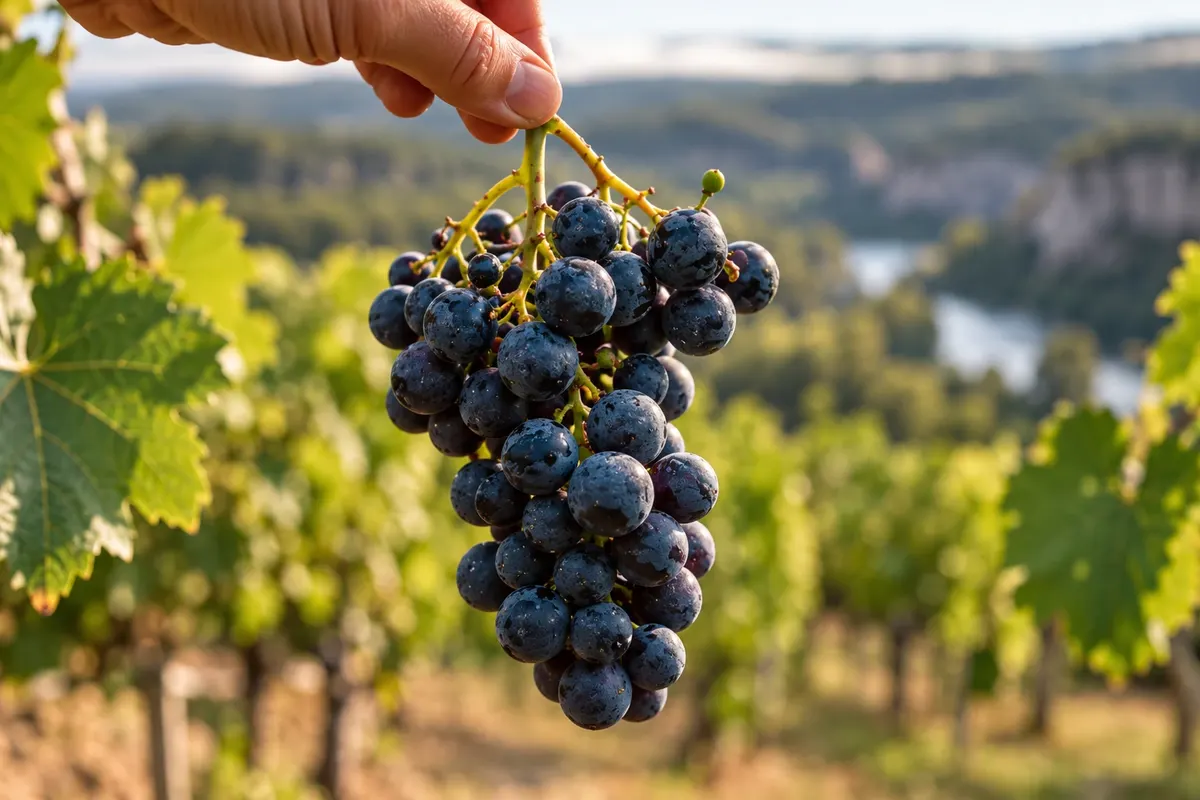
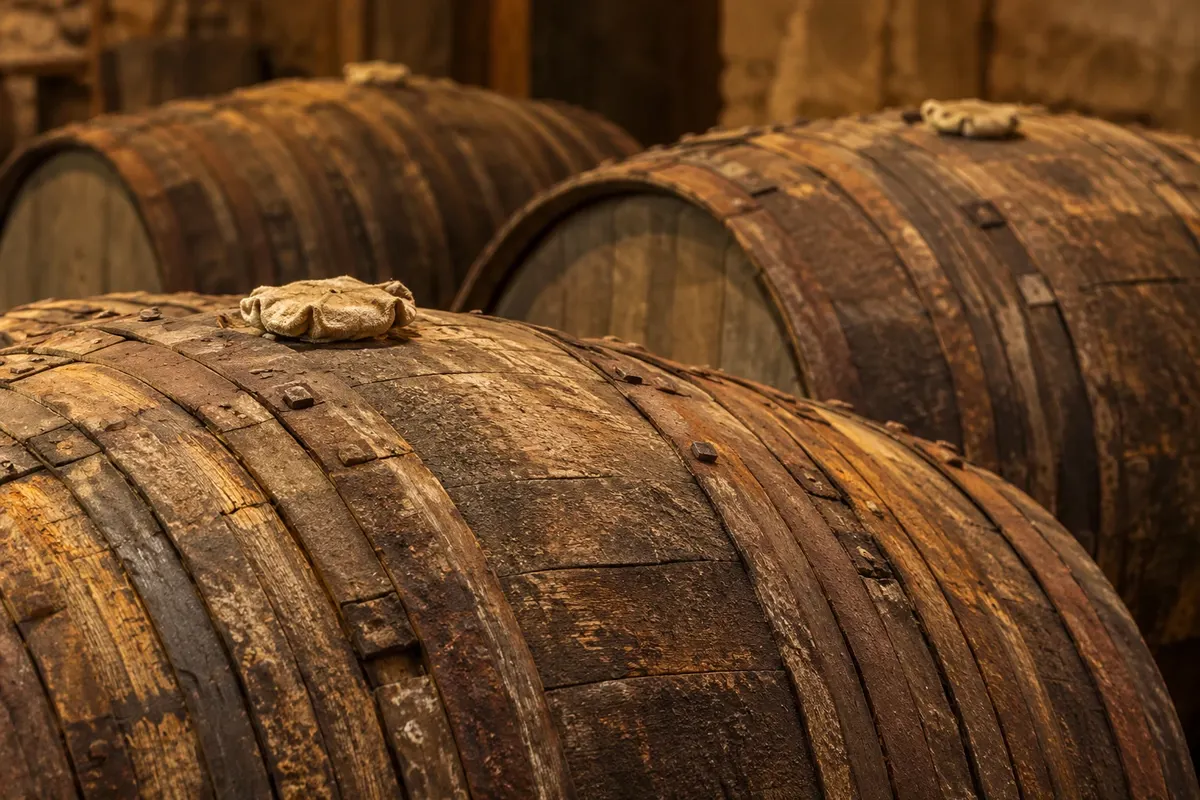
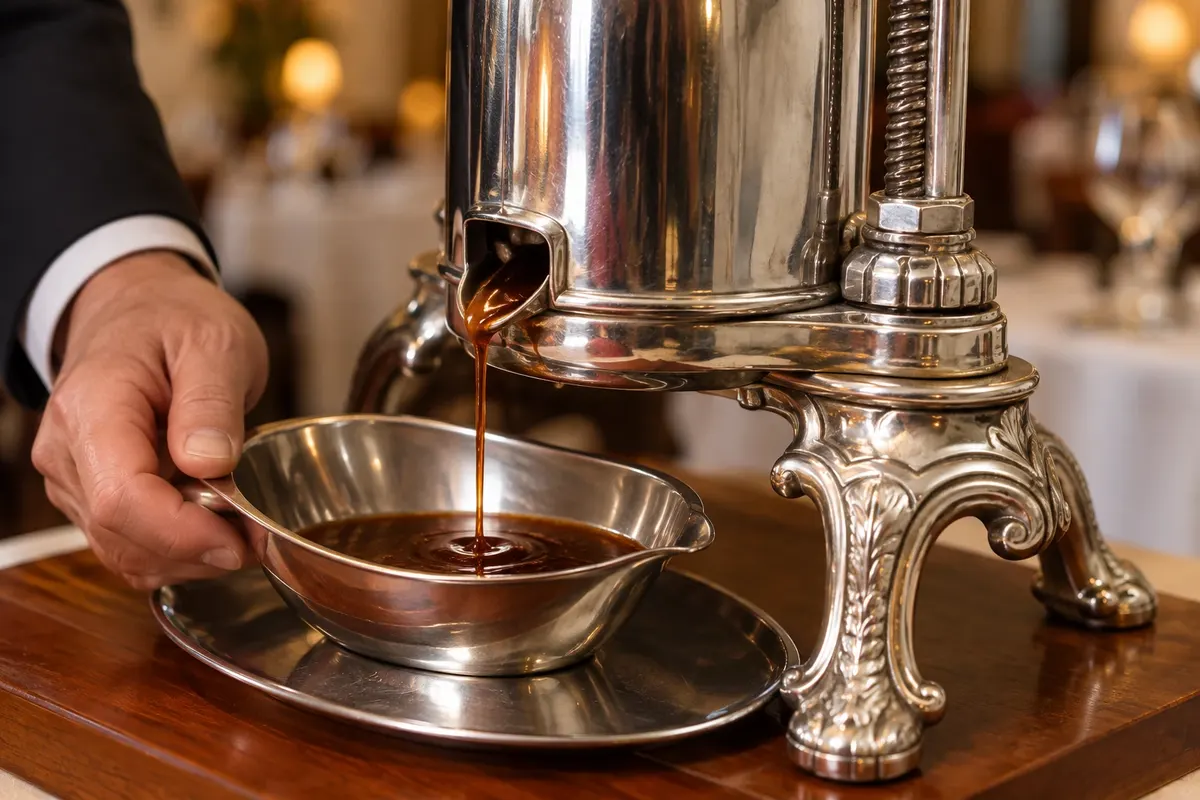
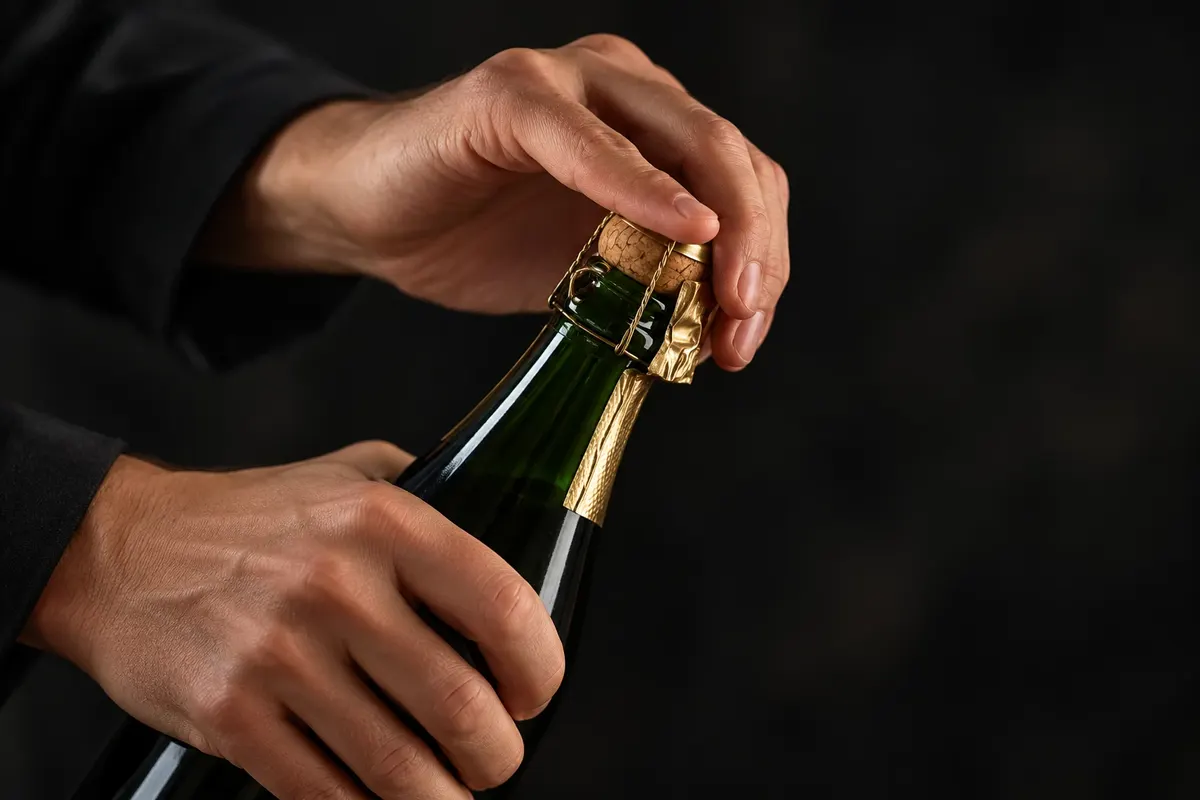
Calvados is the brandy obtained by distilling cider, the fermented drink made from apple varieties suited to it. Some versions also include pears from pear orchards. After distillation, calvados is aged in oak barrels, where it gains color and aromas; regulations require at least two years.
The cider apple tree spread through Normandy between the 10th and 12th centuries. The first written mention of cider distillation in the region appears in 1553, in the diary of Gilles de Gouberville, a minor noble from the Cotentin. Tradition credits him as the inventor, but the calvados trade association notes that peasants had likely been distilling earlier. The name calvados was established with the creation of the départements in 1790.
There are three appellations. Calvados, the main one, can be distilled in a double-pass pot still or in a column still. Calvados Pays d'Auge requires double distillation in a pot still. Calvados Domfrontais is made with a significant part of pears and ages at least three years. The production area covers much of Normandy and extends into some neighboring départements.
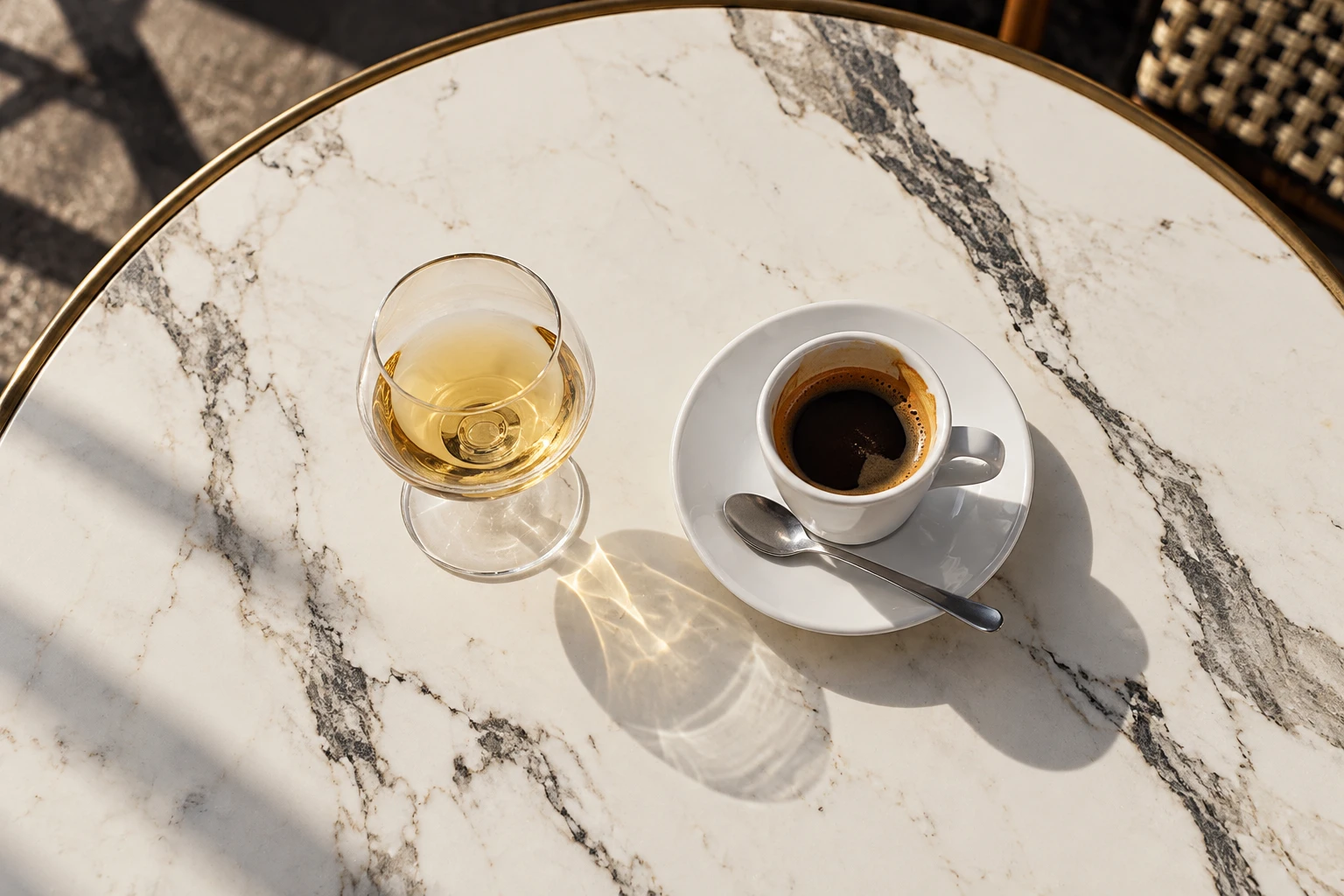
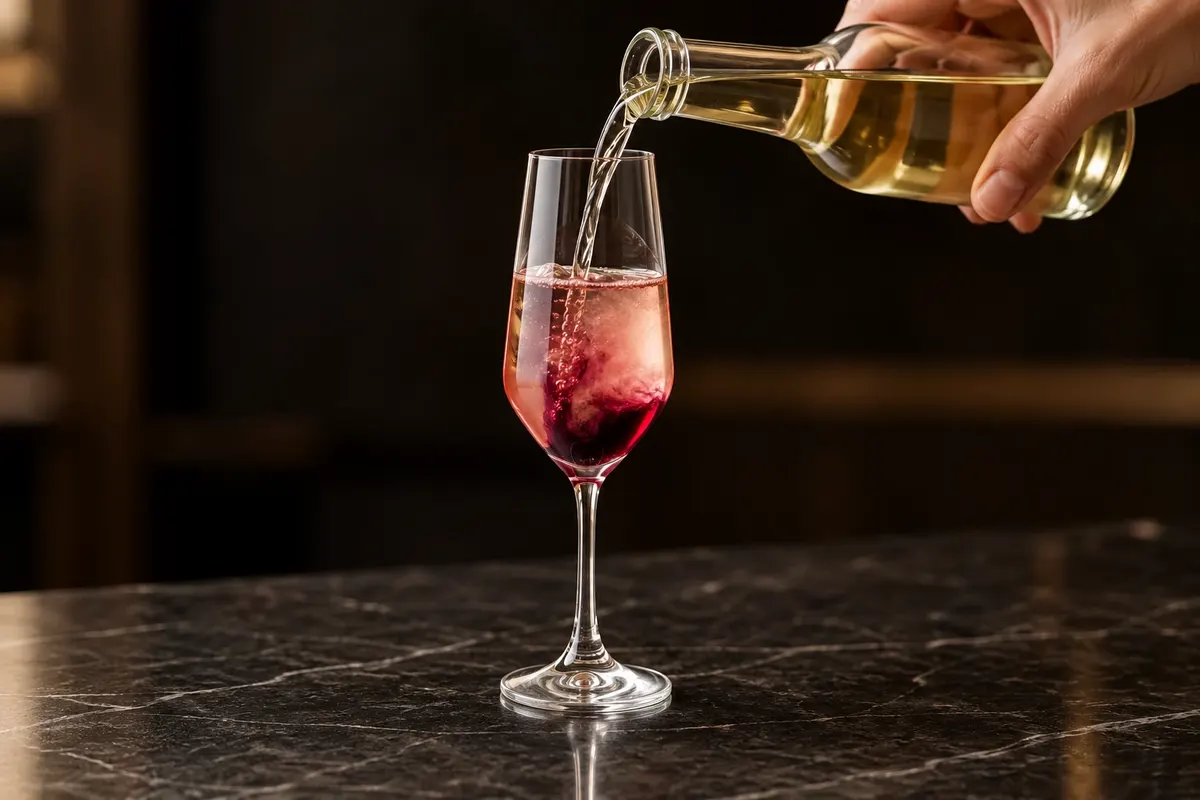
Calvados is drunk neat, after a meal, and also in the trou normand: a small glass served between two courses of a long meal, sometimes with ice cream, to reopen the appetite.


 Brazilija
 Antarktika
 Argentina
 Bolivija
 Čile
 Kolumbija
 Ekvator
 Gvajana
 Francoska Gvajana
 Falklandski otoki (Malvini)
 Paragvaj
 Peru
 Surinam
 Urugvaj
 Venezuela
 Nemčija
 Avstrija
 Belgija
 Hrvaška
 Danska
 Slovaška
 Slovenija
 Španija
 Finska
 Grčija
 Nizozemska
 Madžarska
 Irska
 Islandija
 Italija
 Luksemburg
 Norveška
 Poljska
 Portugalska
 Združeno kraljestvo
 Češka
 Švedska
 Švica
 Turčija
 Bermudi
 Kanada
 Združene države Amerike
 Grenlandija
 Mehika
 Sveta Peter in Mihael
 Dominikanska republika
 Japonska
 Južnoafriška republika
 Egipt
 Avstralija
 Fidži
 Nova Zelandija
 Papua Nova Gvineja