Lagoa da Conceição, Florianópolis (SC)

Značilne jedi · Brazilija

Lokalni okusi – of Brazilija

From Salvador’s acarajé to the barreado of the Paraná coast: dishes, sweets and drinks that represent Brazilian cities and states, with the history and the way each is eaten.

Na fotografiji: Lagoa da Conceição, Florianópolis (SC)

Illustrative images. The pictures in this guide are illustrations based on the real place, not photographs, and may differ from it.

Na voljo v trgovini Google Play

Kuhinja

of Brazilija – značilne jedi

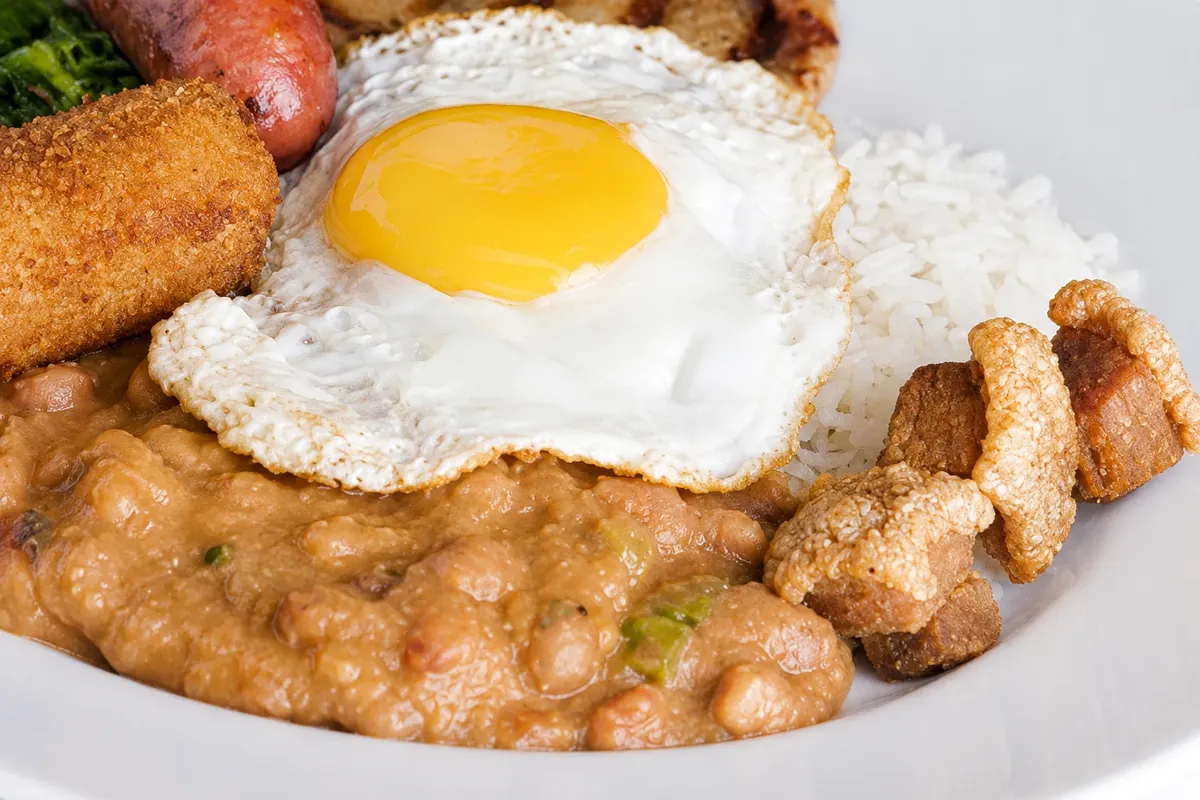
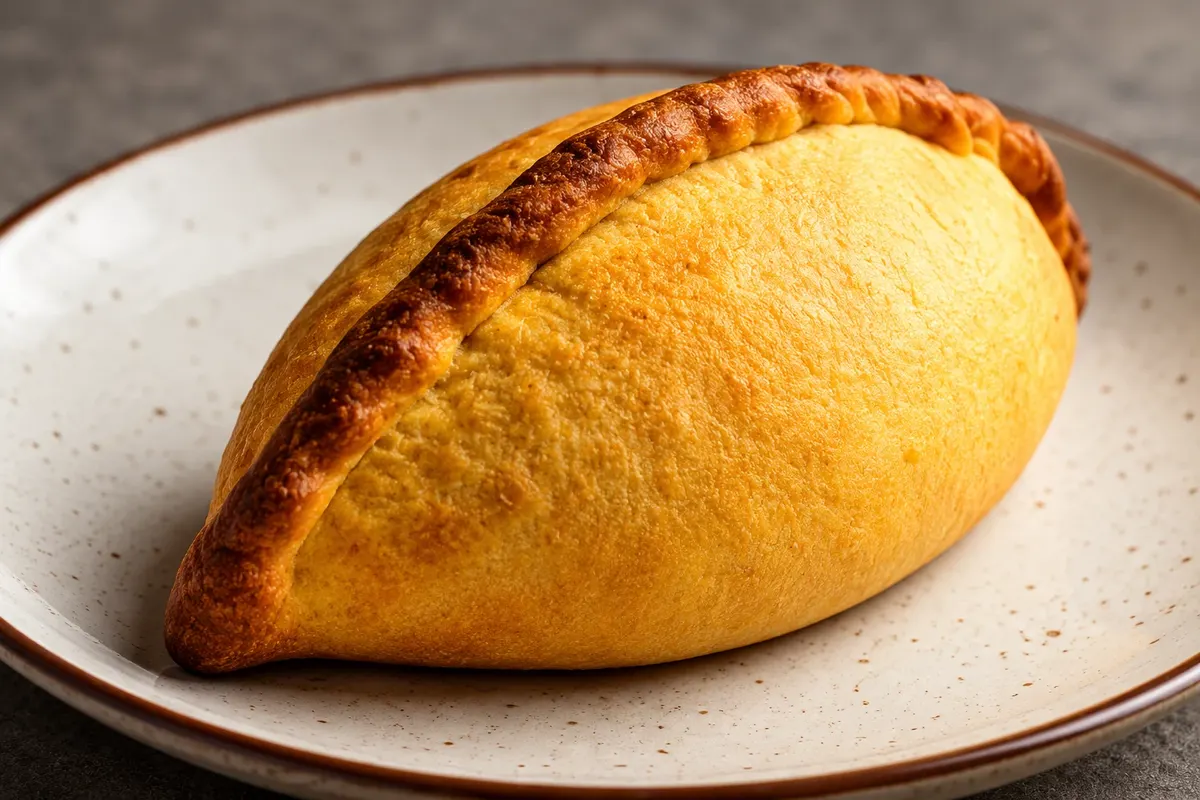
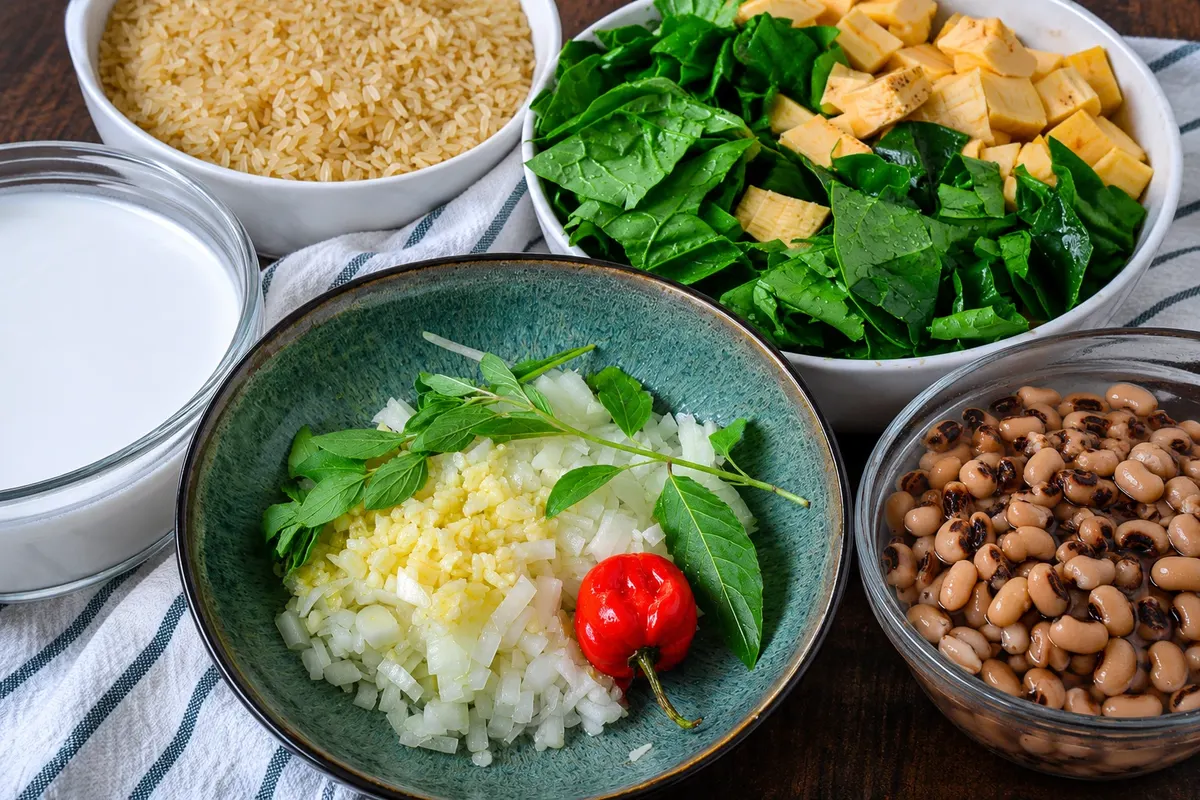
Brazilian cuisine was born from the meeting of Indigenous, African and European peoples, and later received immigrants from many other places. That is why it varies a lot from one region to another: manioc, tucupi and jambu dominate the Amazon; dendê marks Bahia; beans appear in a thousand ways in the Southeast; grilled meat defines the pampas of the South.

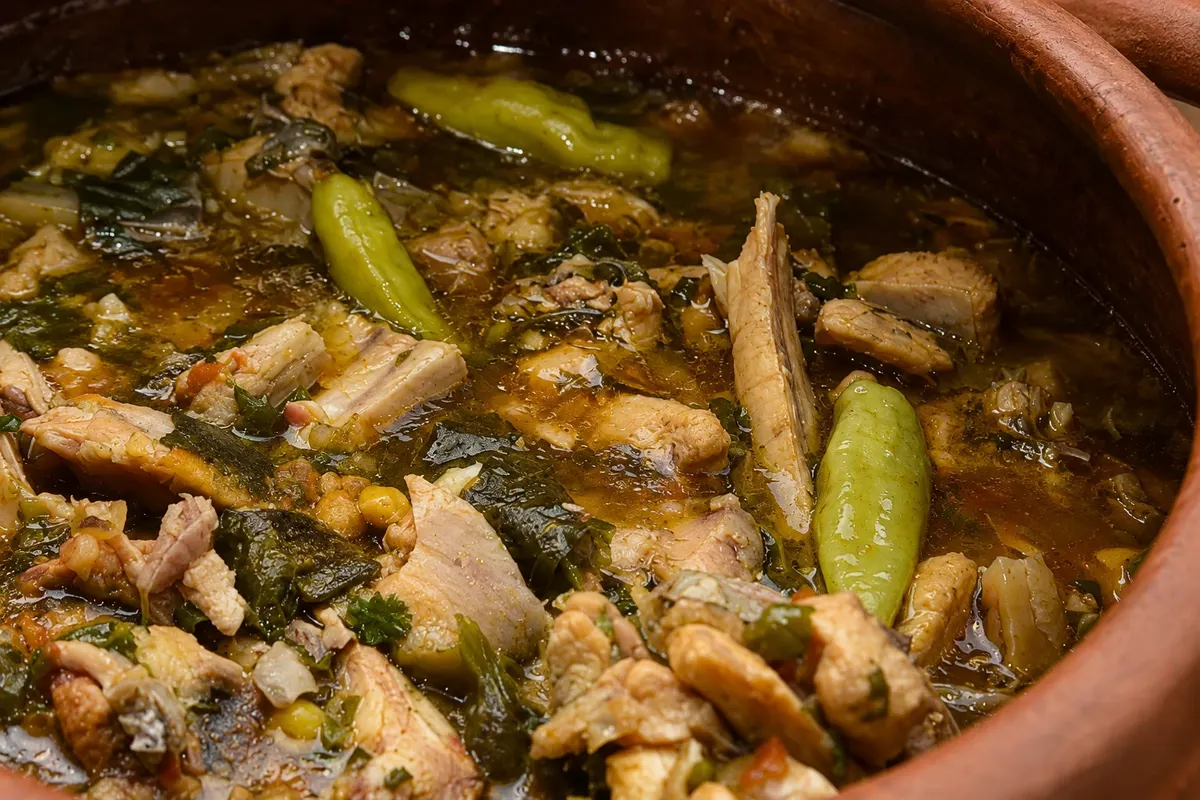
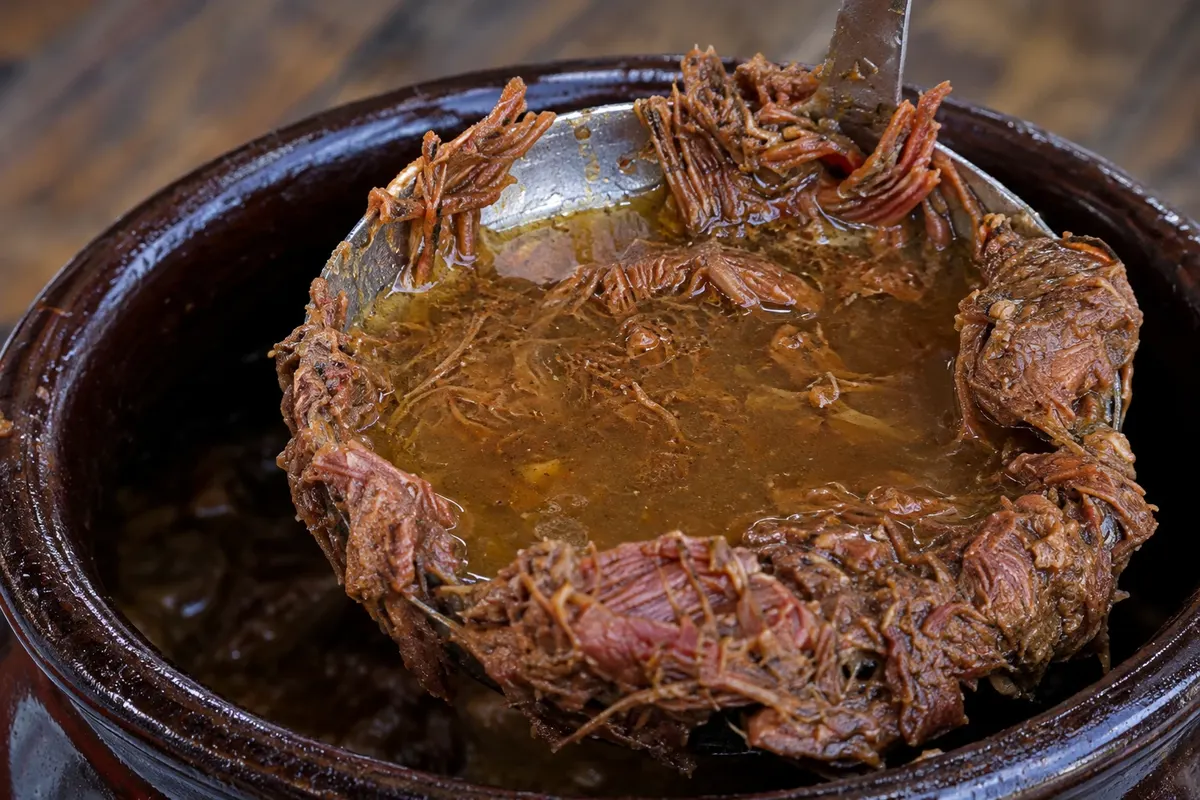
Many of these foods have official recognition. IPHAN, the federal heritage agency, records knowledge linked to food, like the craft of the baianas de acarajé and the traditional production of cajuína in Piauí. States and municipalities declare dishes as cultural heritage, and INPI grants geographical indications to products with recognized origin, such as the cachaça of Paraty and the barreado of the Paraná coast.

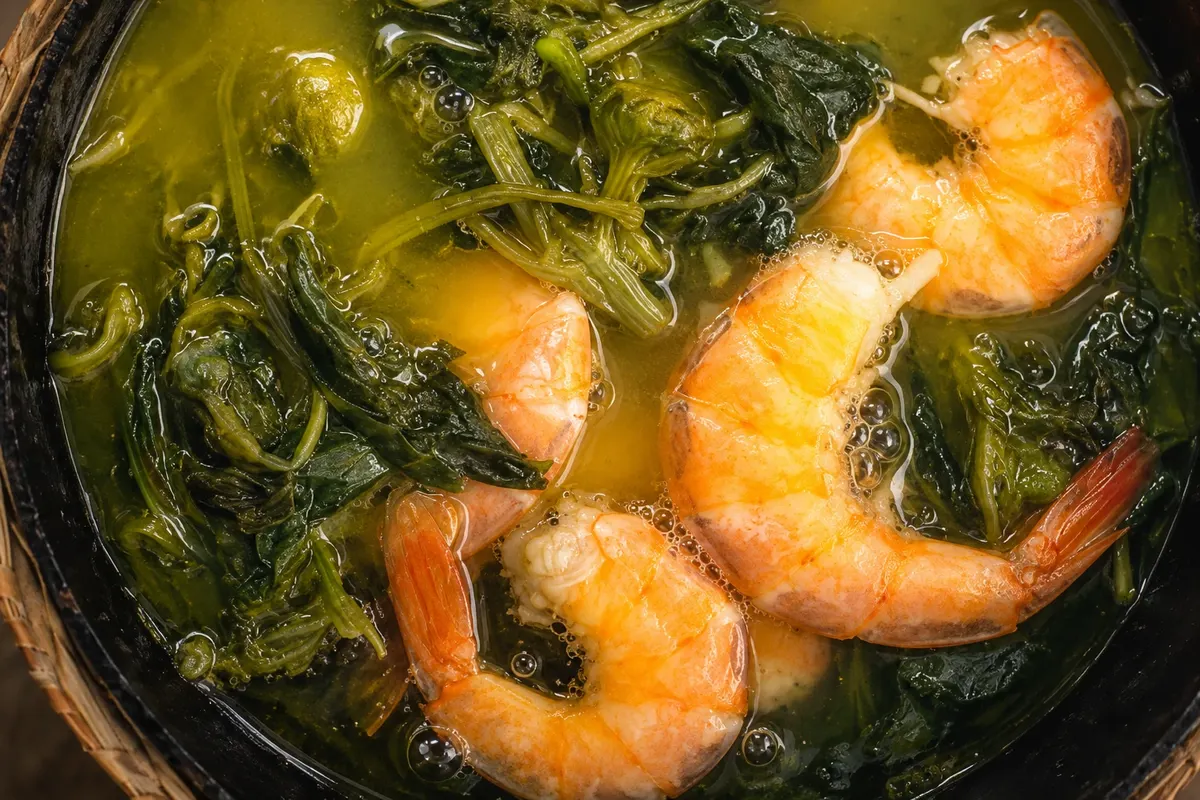
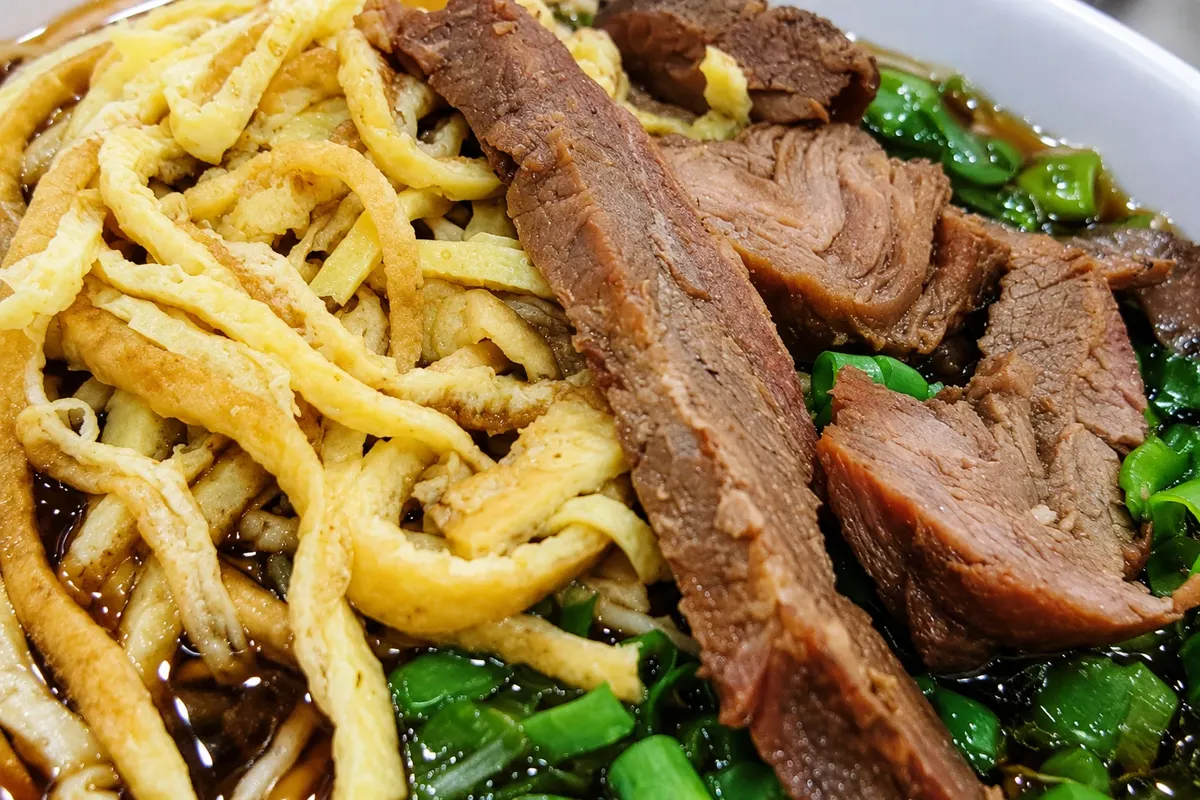
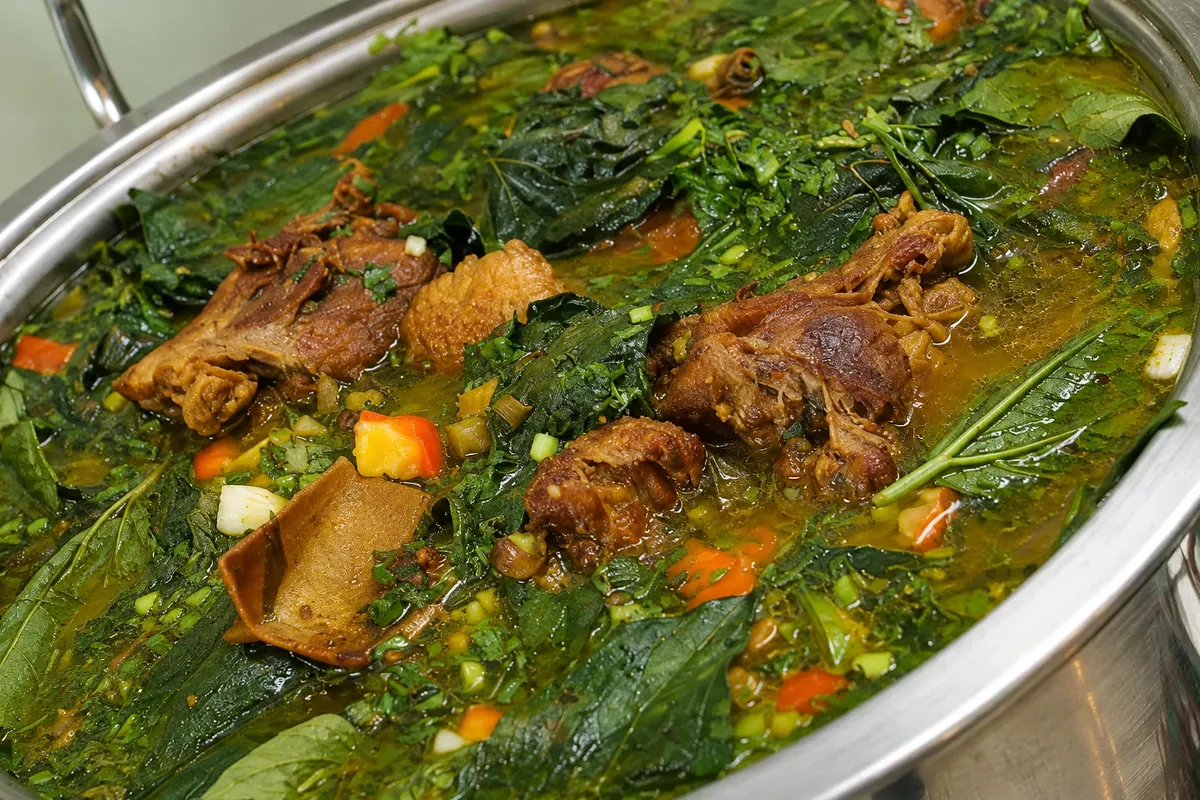
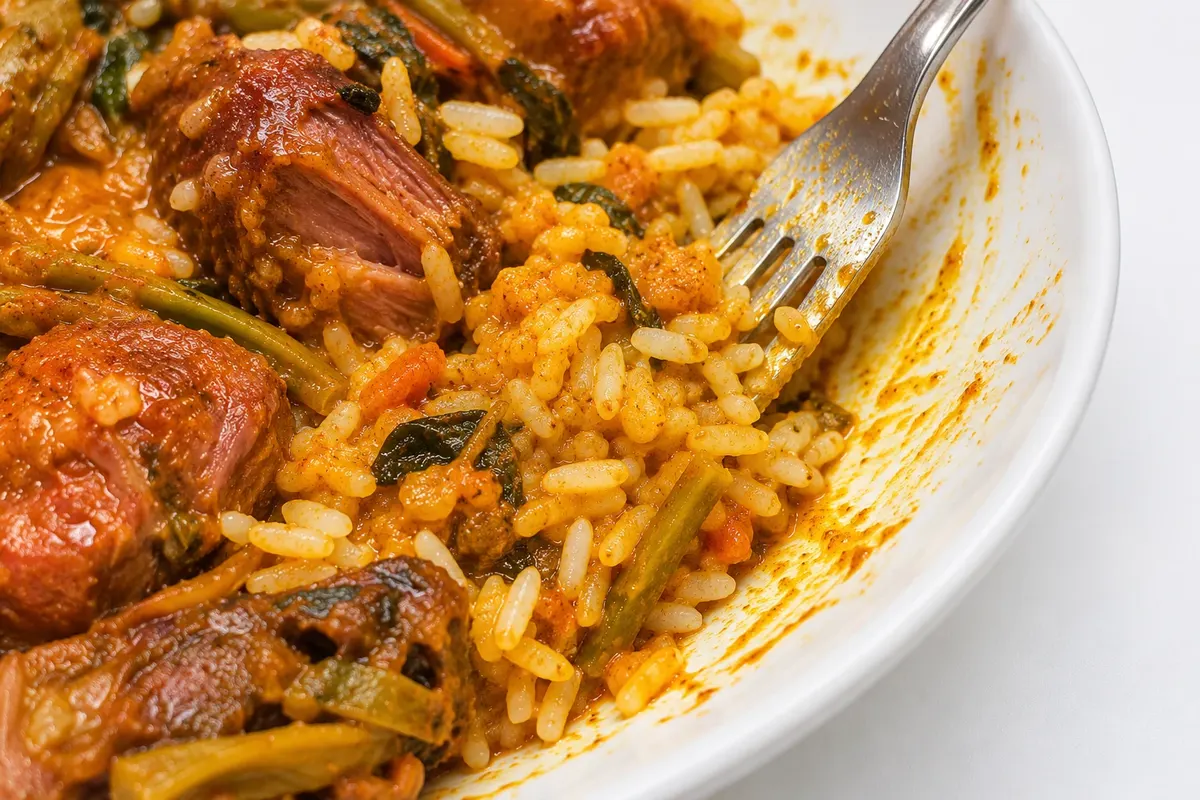
There are street foods and festival dishes. Acarajé is sold on the baianas’ tabuleiros; tacacá at Belém’s late-afternoon stalls; sobá at the market stalls of Campo Grande. Others mark dates: pato no tucupi is the lunch of the Círio de Nazaré in Pará, and the entrevero de pinhão appears at Lages’s pinhão festival in winter.

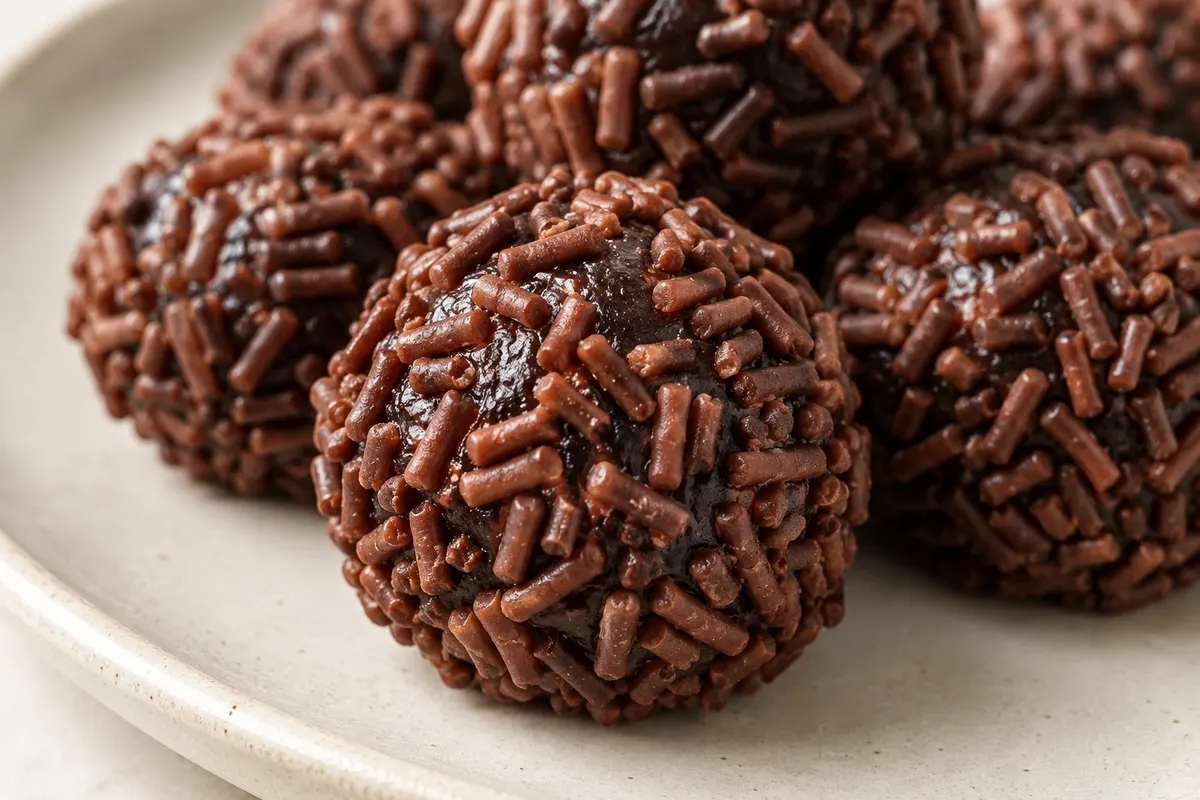
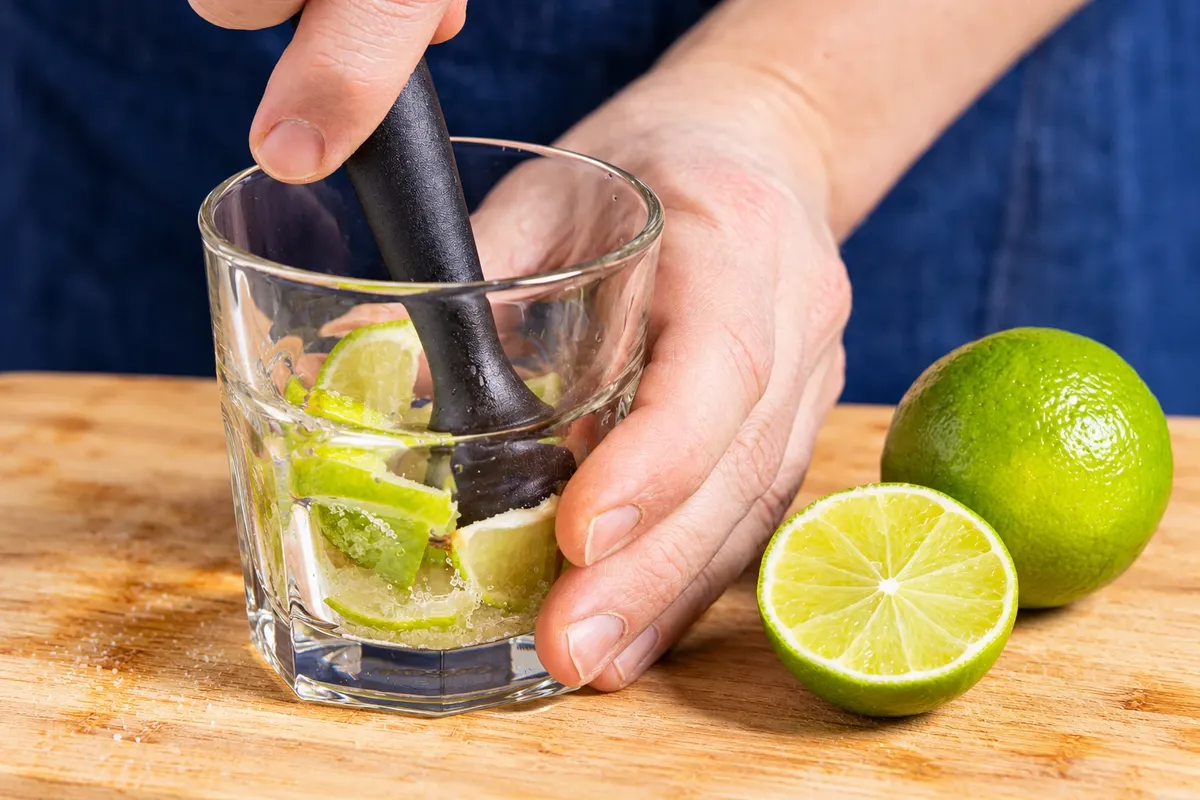
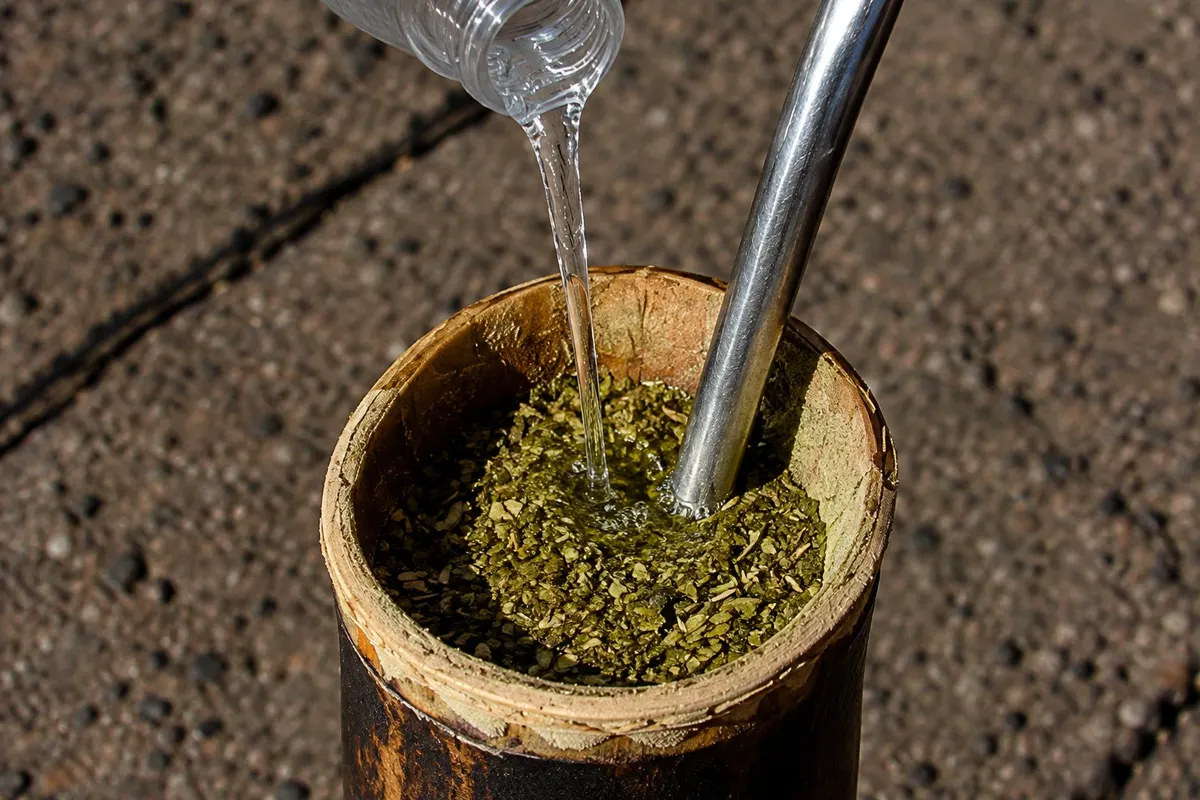
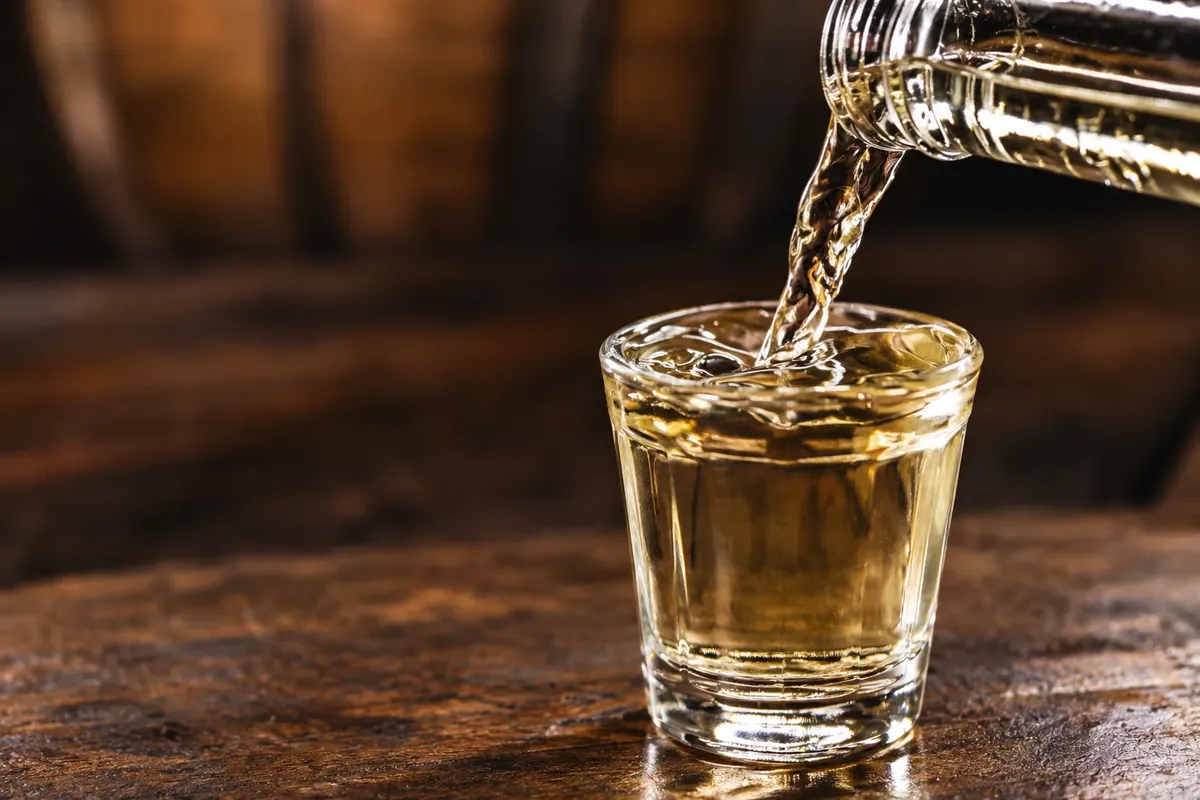
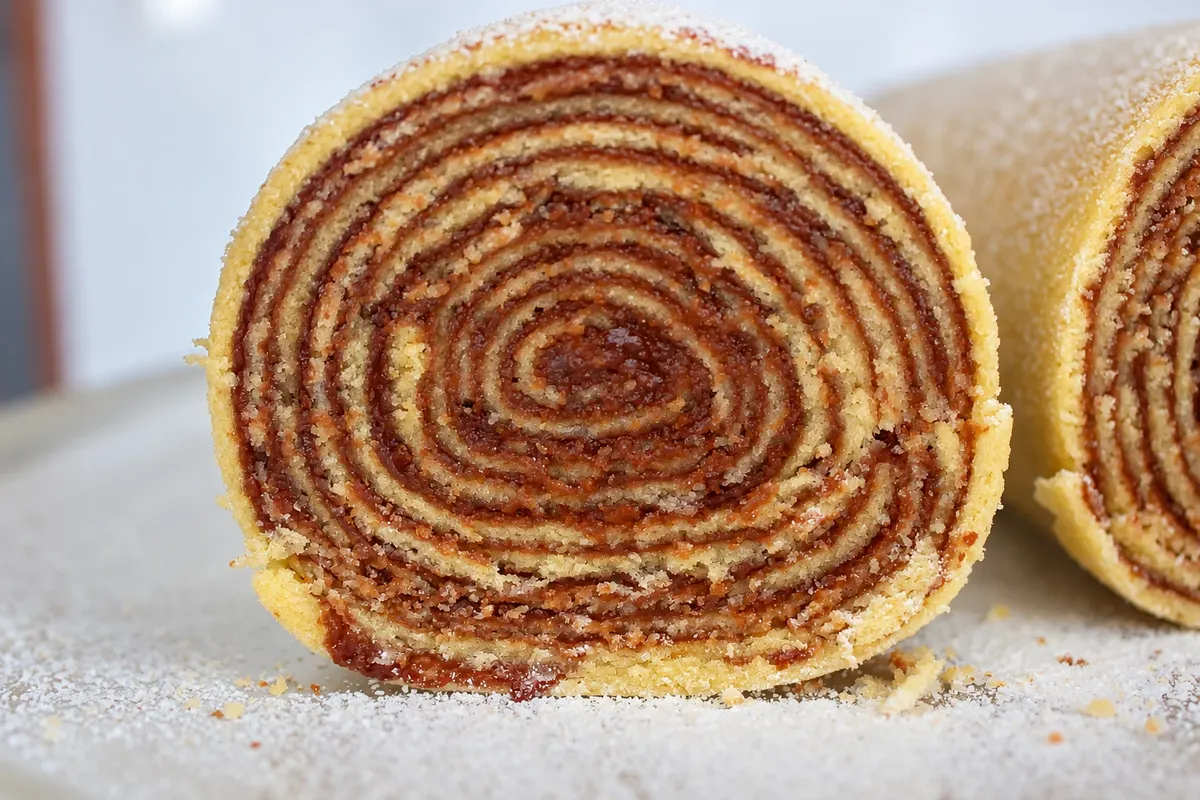
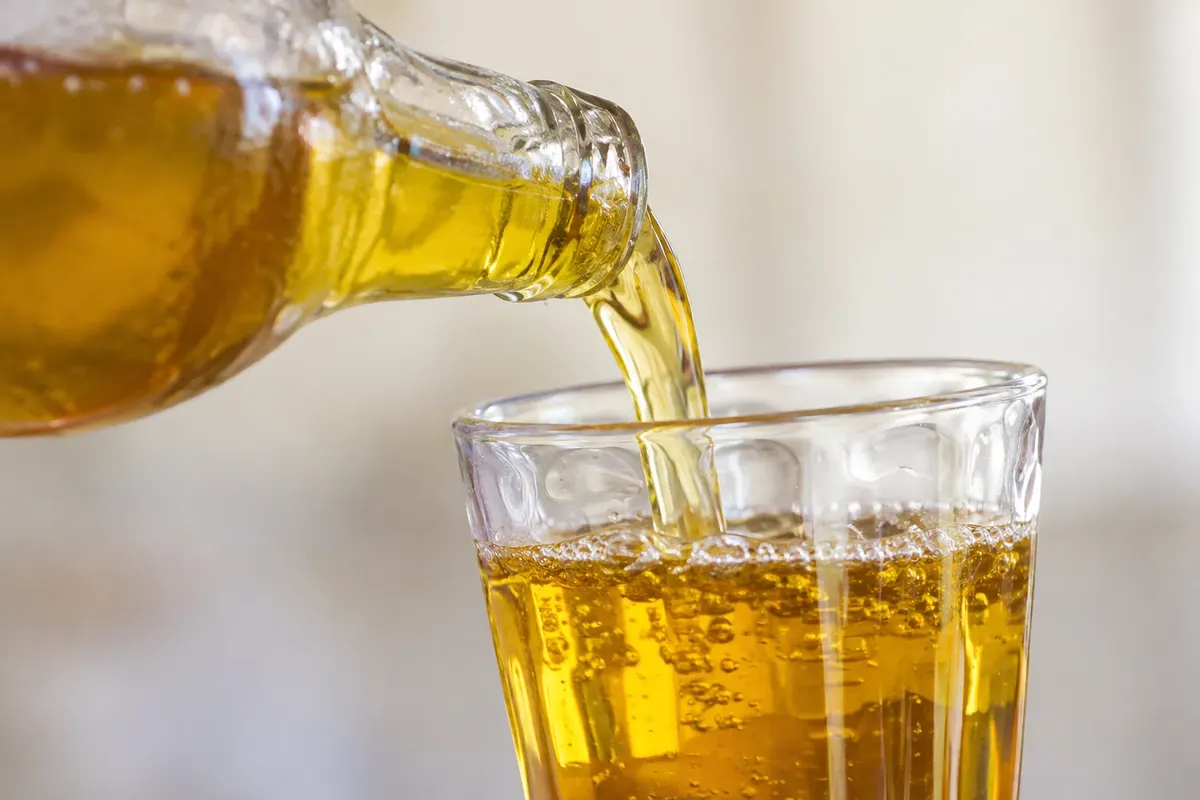
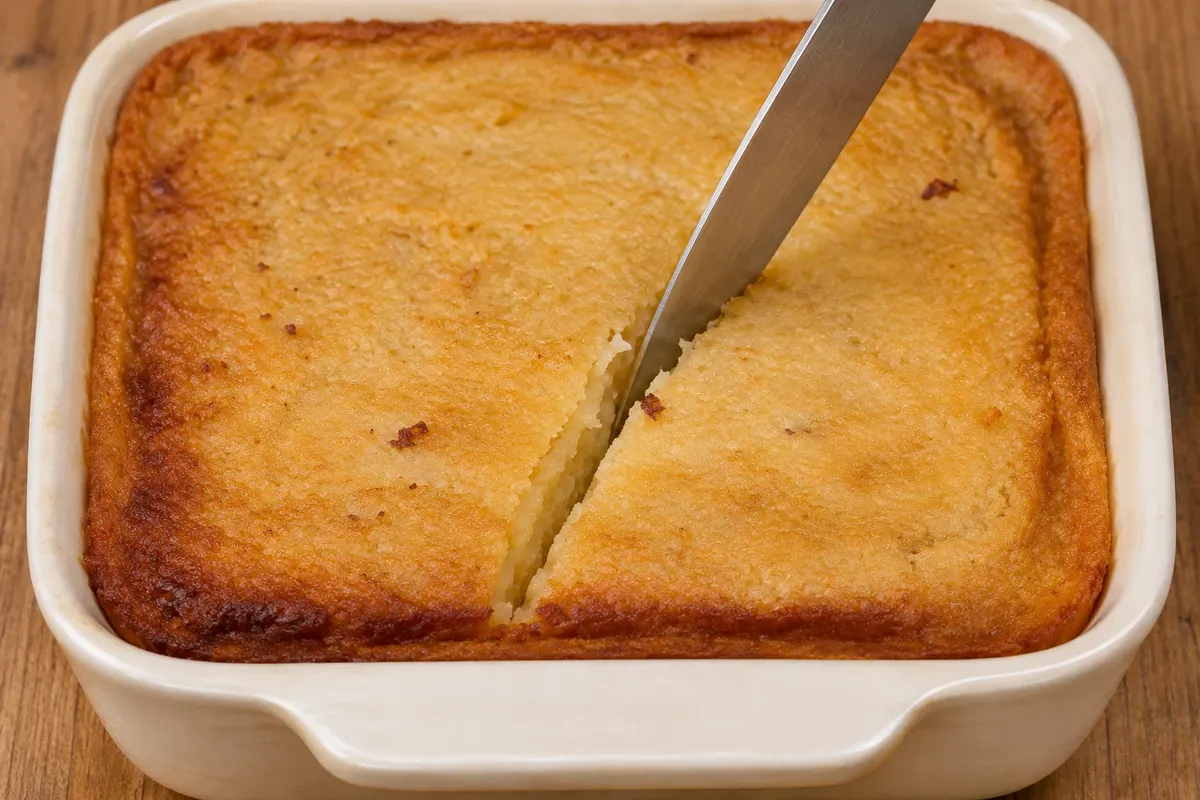
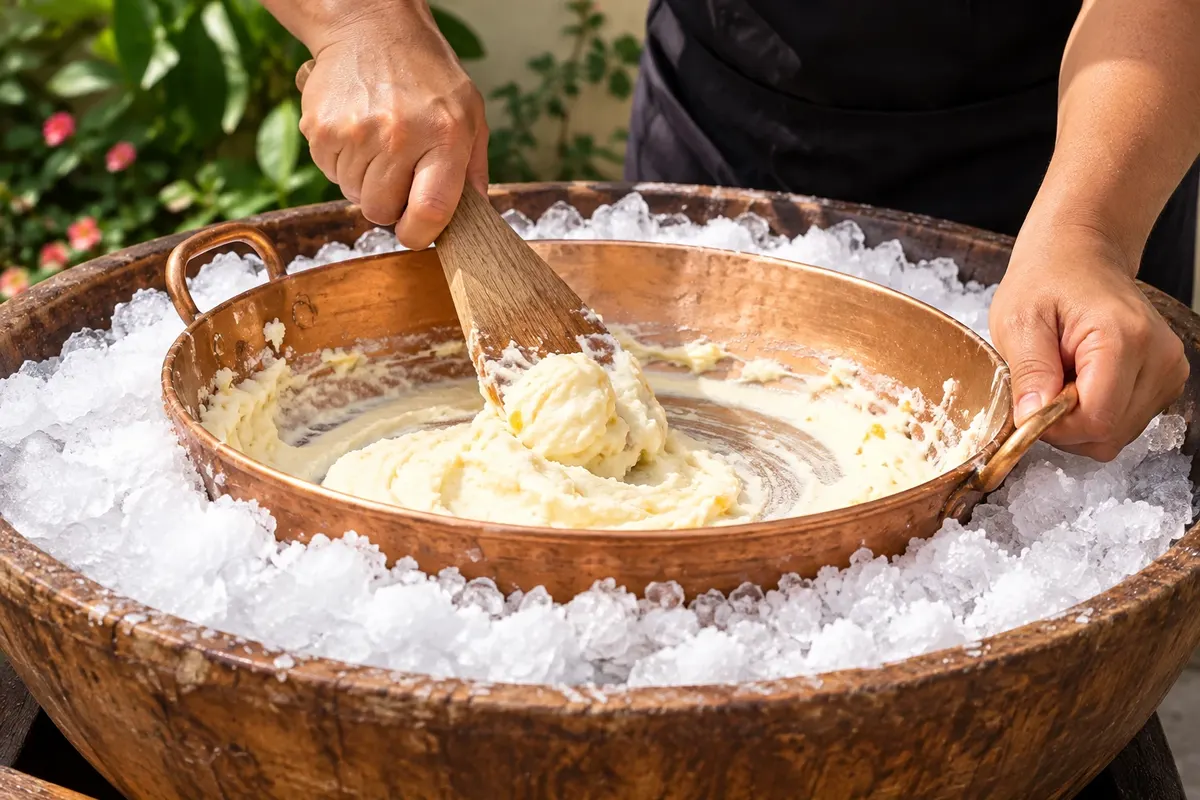
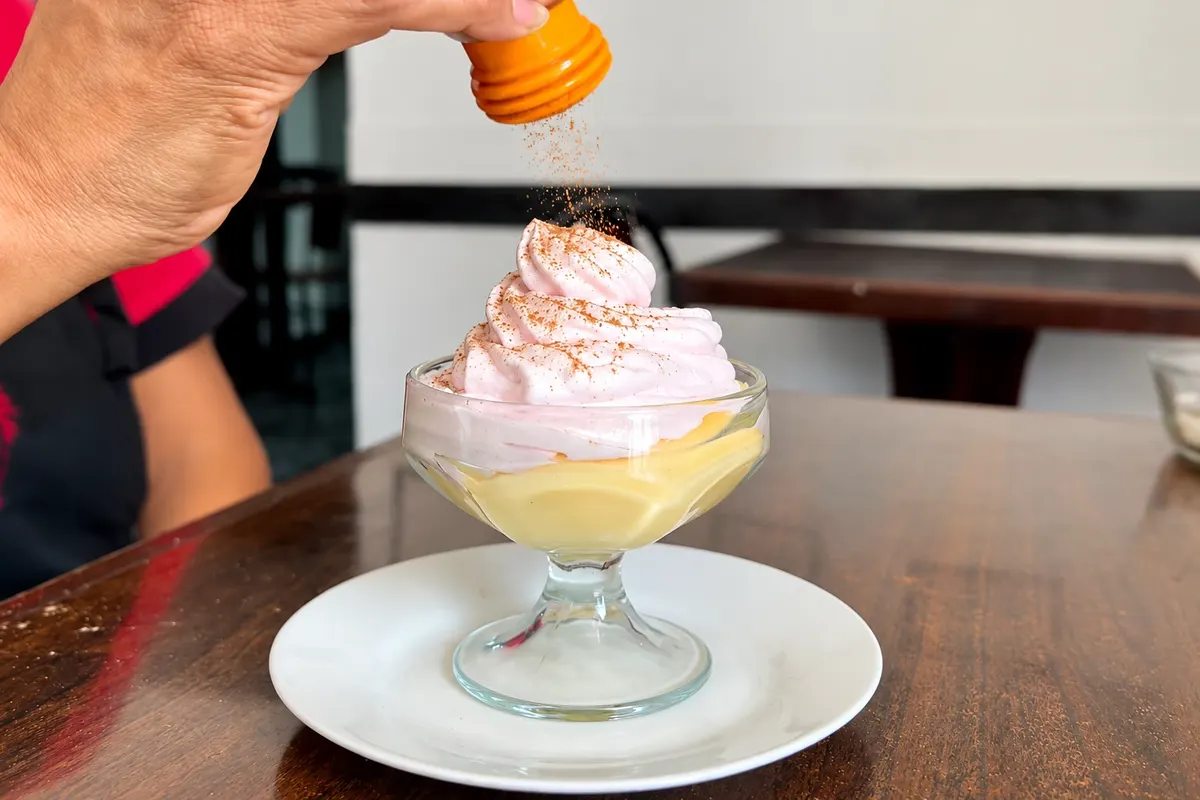
Sweets and drinks also tell the story of places. Pernambuco’s bolo de rolo came from a Portuguese recipe adapted to guava paste; Piauí’s cajuína is made from cashew fruit juice; Mato Grosso do Sul’s tereré is drunk cold and in a circle. Cachaça is part of Paraty’s culture and is enjoyed in small doses.

Each specialty is linked to a city or a state that represents it. That does not mean it is only eaten there: many have spread across the country. Each page explains the relationship with the place, the ingredients and the serving customs.

Delite: WhatsApp

Število lokalnih okusov: 25

Kaj poskusiti – in Brazilija

Pogrešate kakšno specialiteto?

of Brazilija – predlagajte značilno jed, sladico ali pijačo, ki je še ni na seznamu. Pred vključitvijo preverimo vire.

Predlagajte specialiteto

Okusi držav

Okusi drugih držav

Izberite državo in spoznajte njene značilne jedi, sladice in pijače.

Odgovori na vaša vprašanja

of Brazilija – vprašanja o lokalnih jedeh

Which Brazilian foods are cultural heritage?

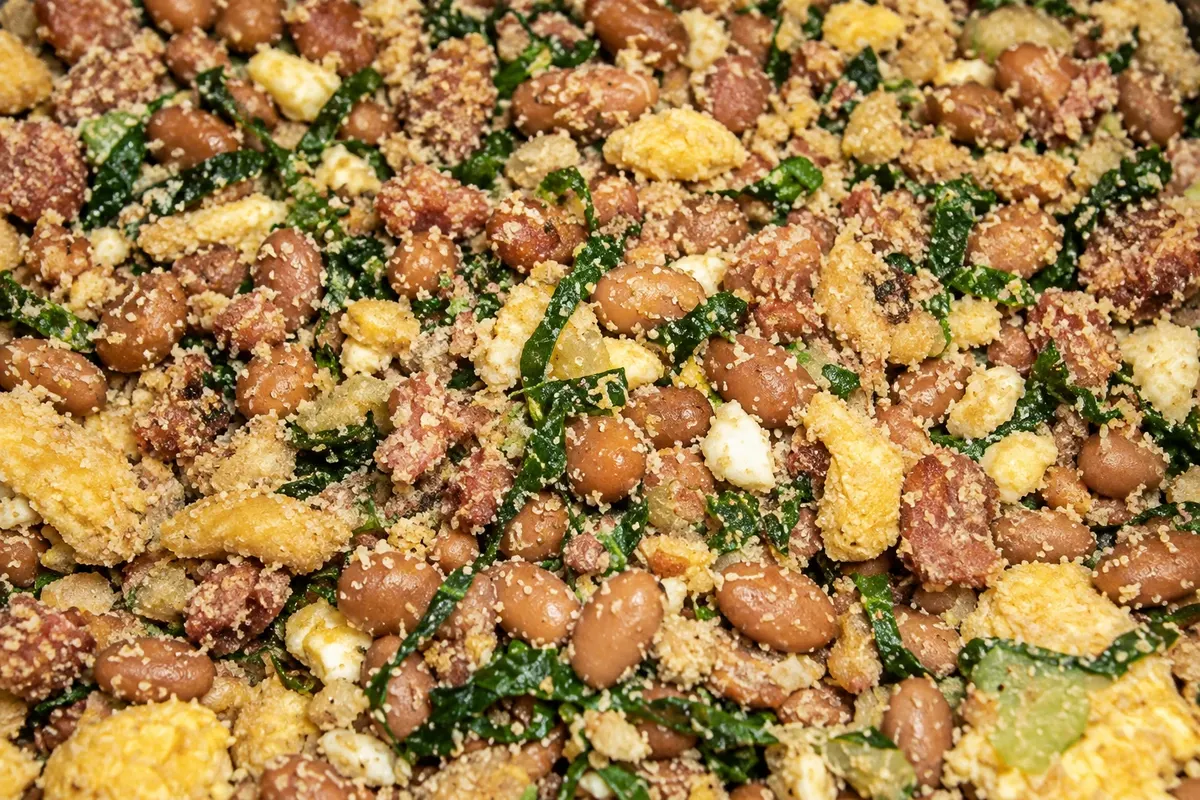
There are recognitions at various levels. IPHAN registered, for example, the craft of the baianas de acarajé, the traditional production of cajuína in Piauí and the craft of the tacacazeiras in the Northern Region. States and municipalities also declare dishes as heritage, such as virado à paulista in São Paulo and pato no tucupi in Pará.

What is a geographical indication for food in Brazil?

It is a registry by INPI that links a product’s name to the place it comes from and to production rules. Examples include the cachaça of Paraty and the barreado of the Paraná coast.

What is the difference between typical food and cultural heritage?

Typical food is what is part of a place’s customs. Cultural heritage is an official recognition, given by law or by a heritage body, that values the dish or the know-how of those who prepare it.

Nazaj na vodnik – of Brazilija

Več kot vodnik