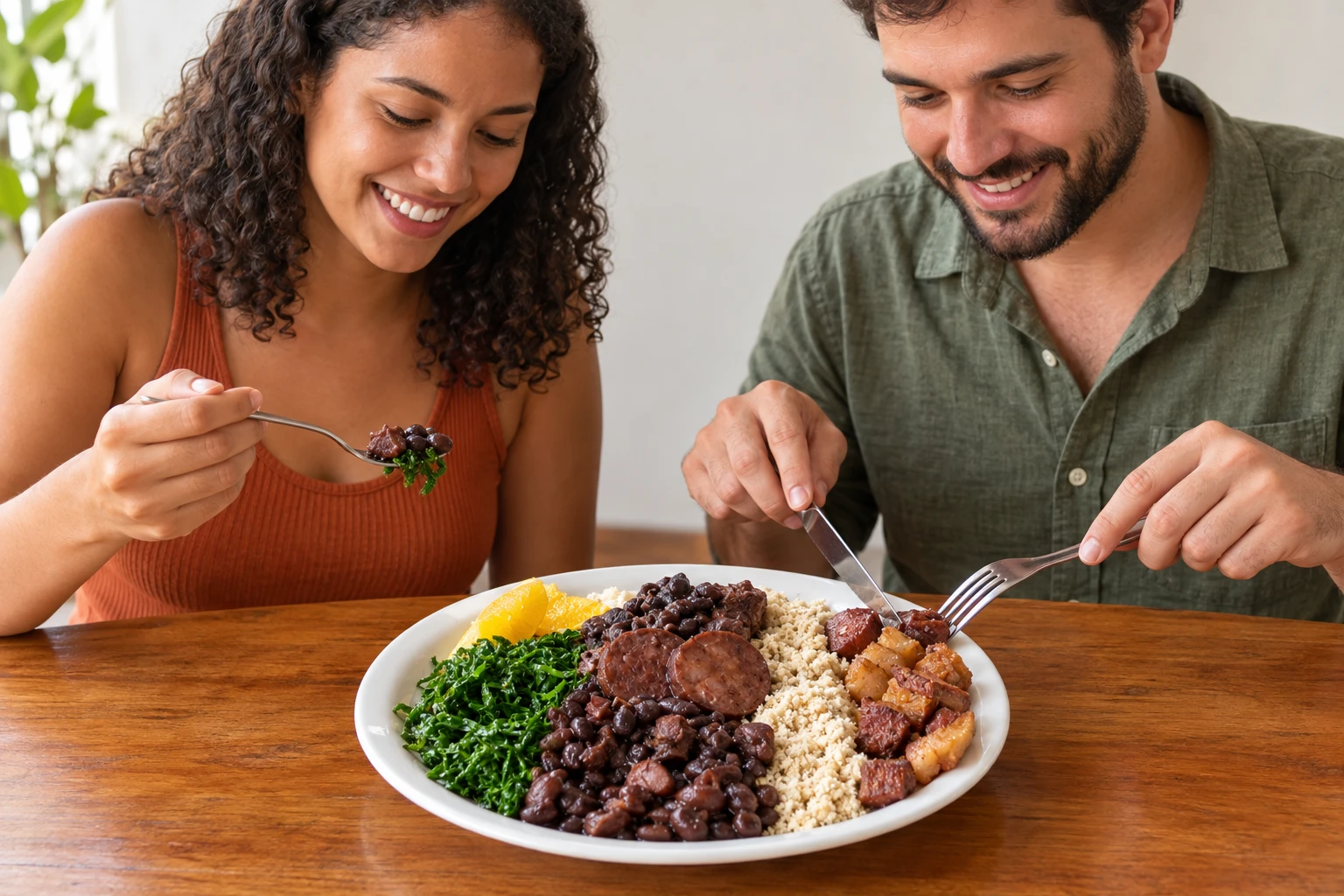
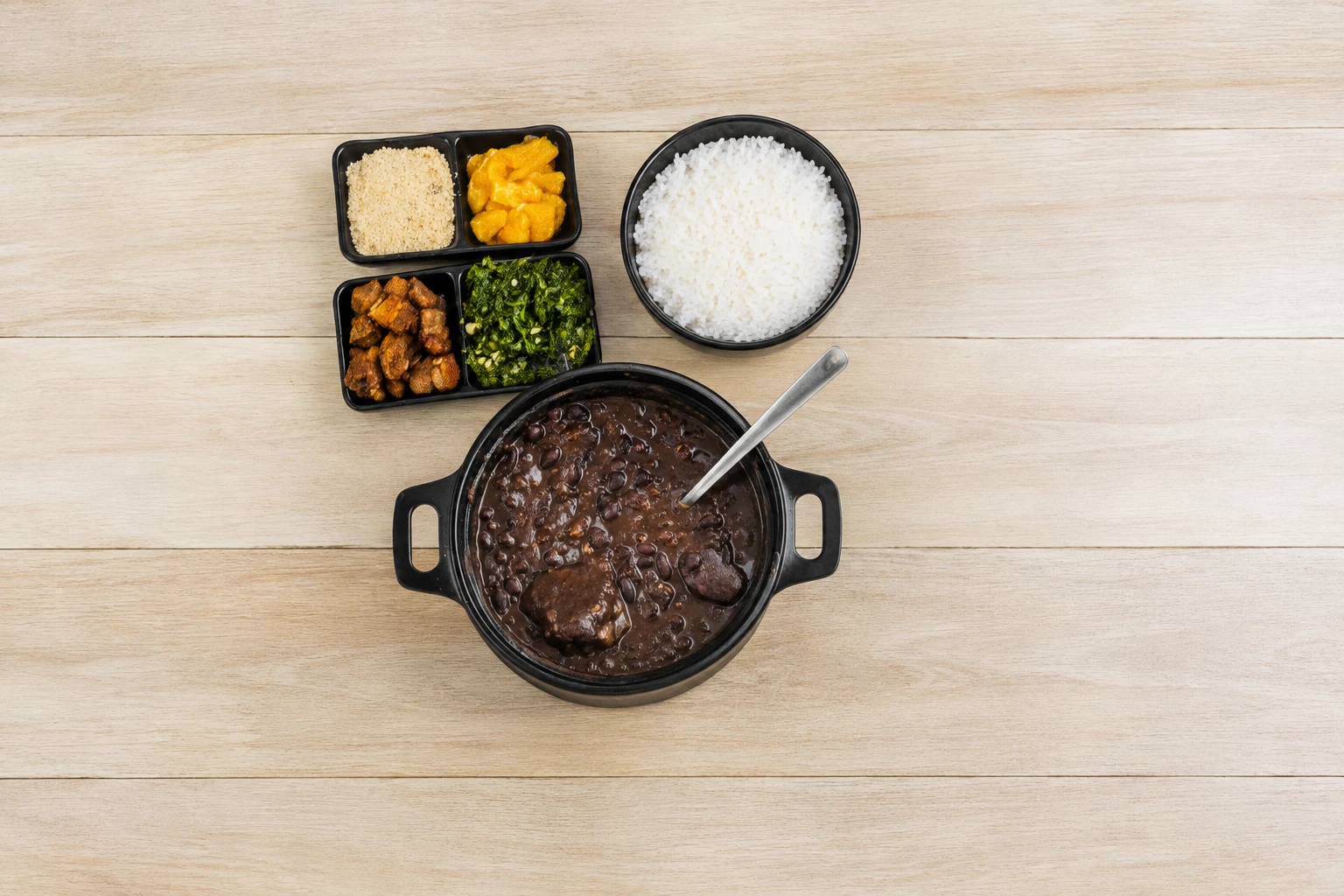
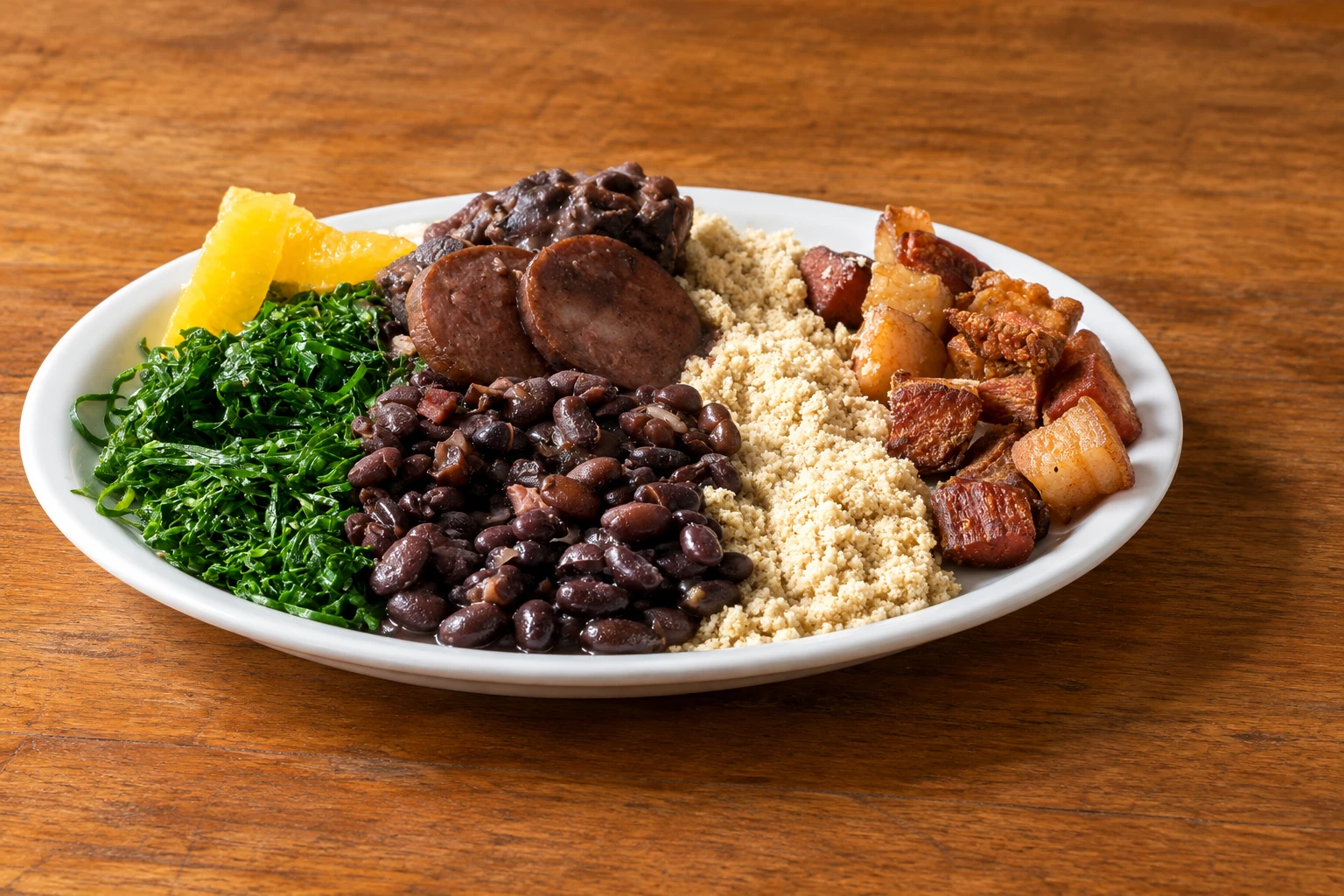
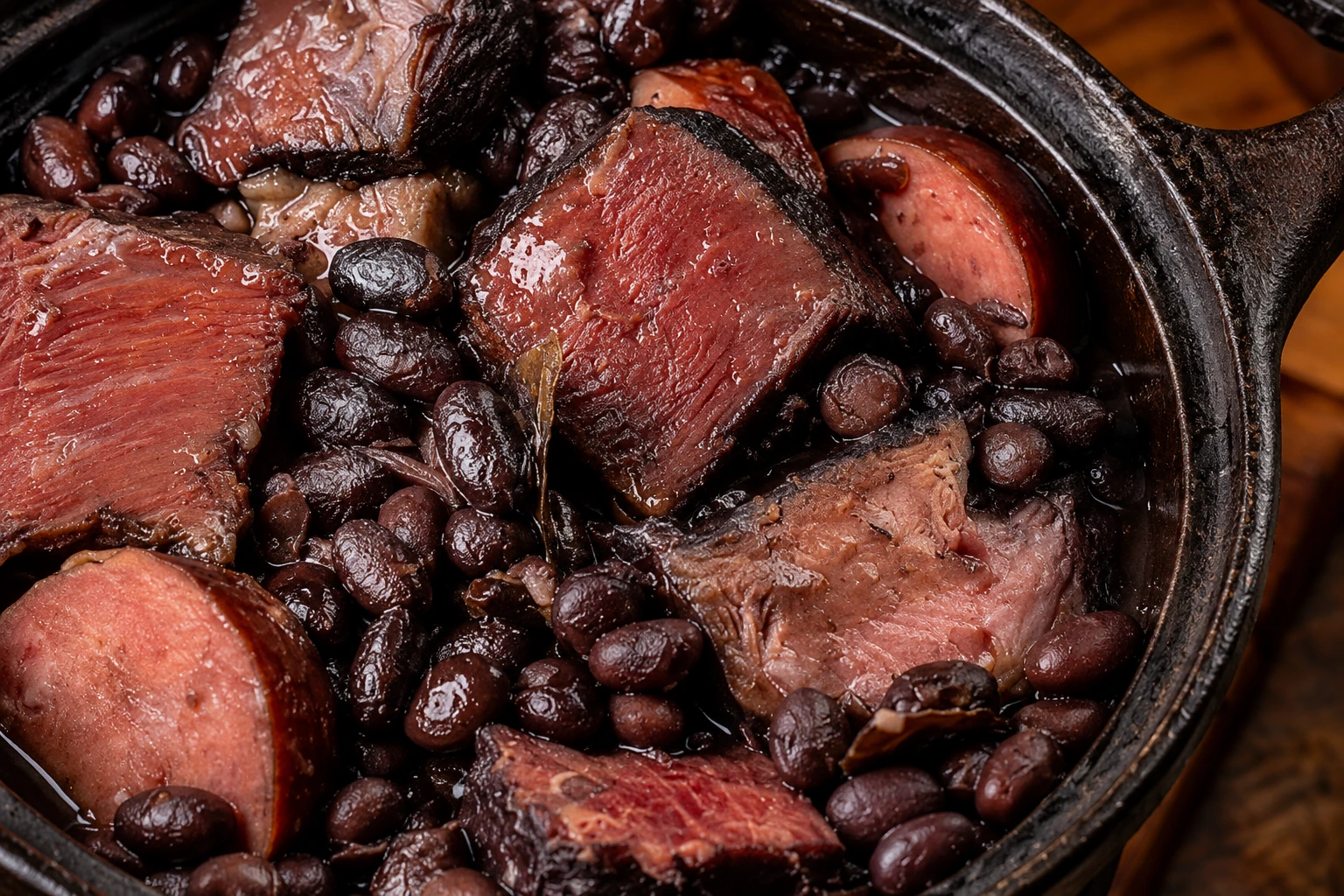
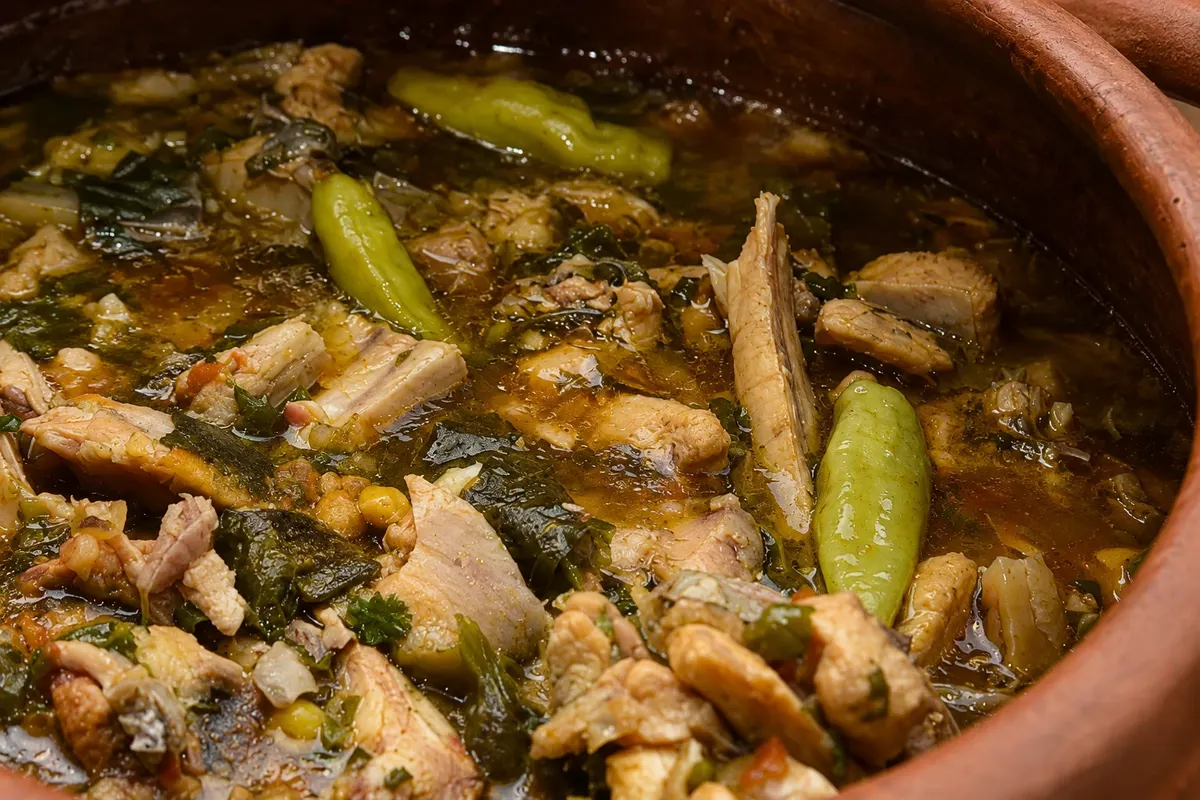
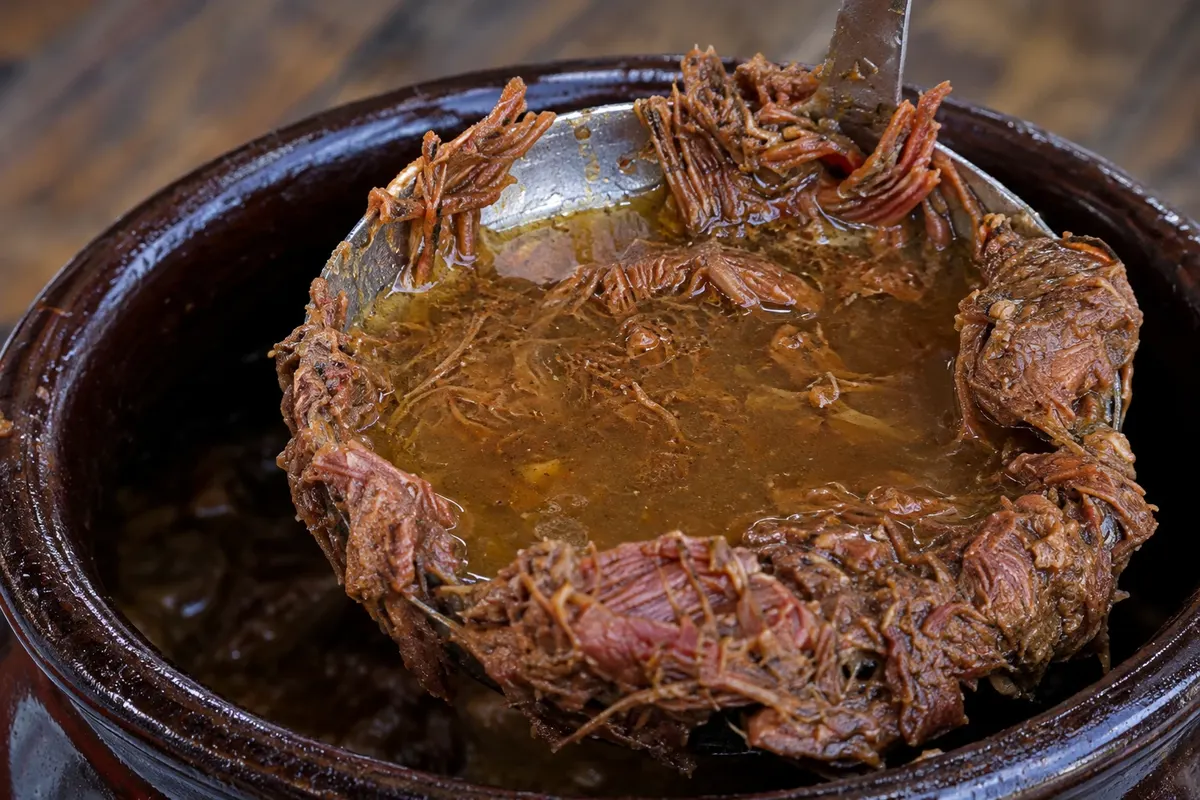
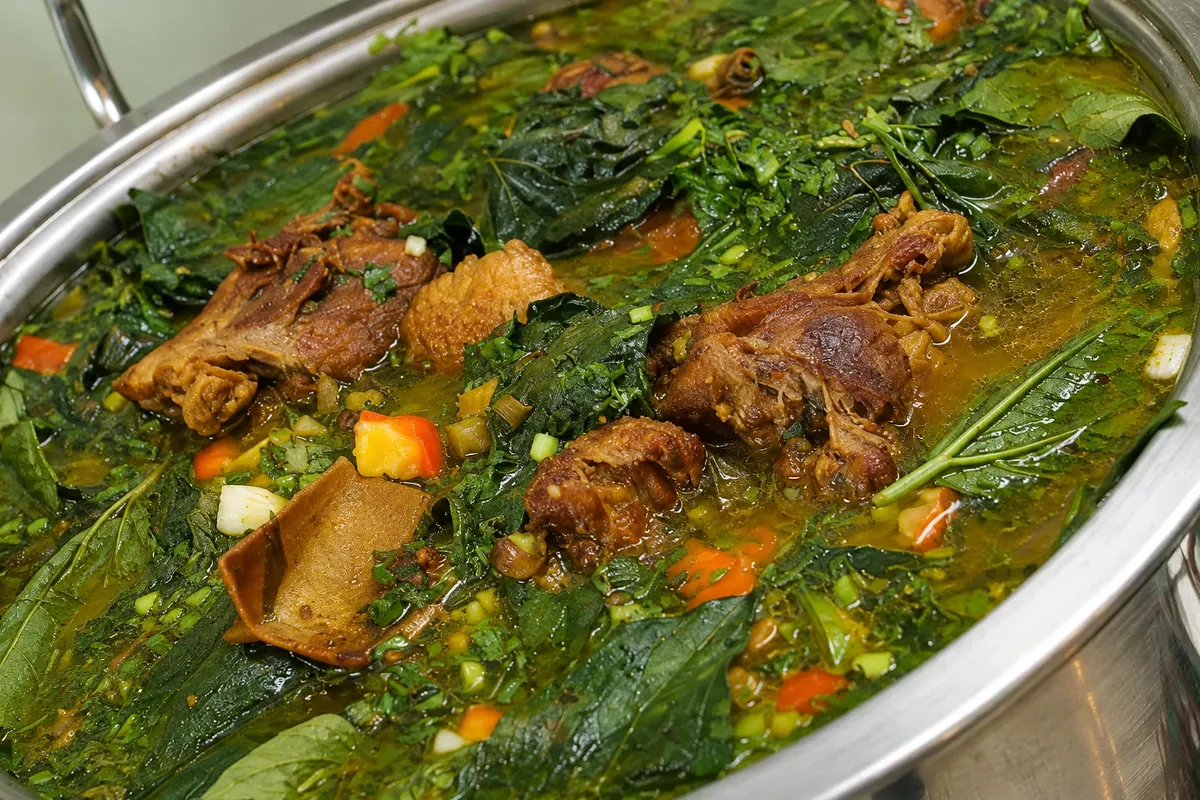
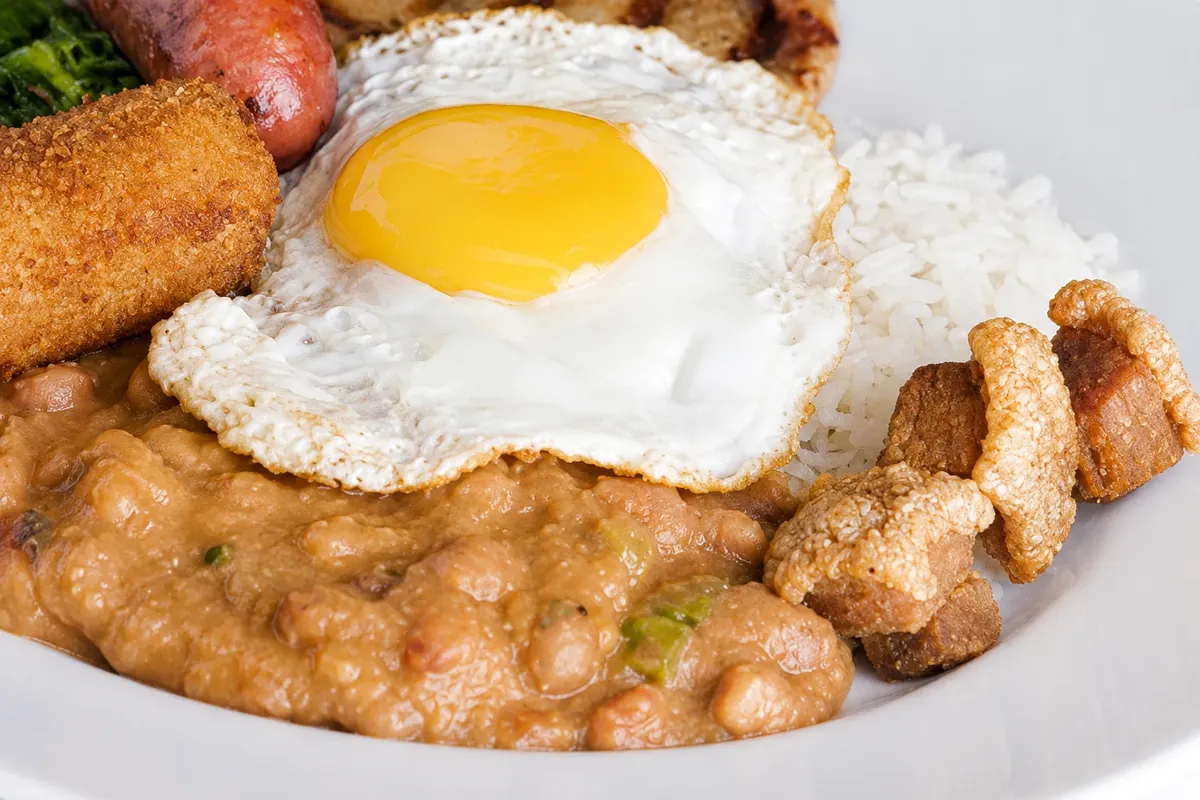
The feijoada carioca is black beans slowly cooked with several meats: dried beef (carne-seca), salted ribs and pork loin, sausage, paio and, in the most complete versions, parts like ear, trotters and pig tail. The broth becomes thick and dark. The meats can be mixed into the beans or served separately, in dishes.
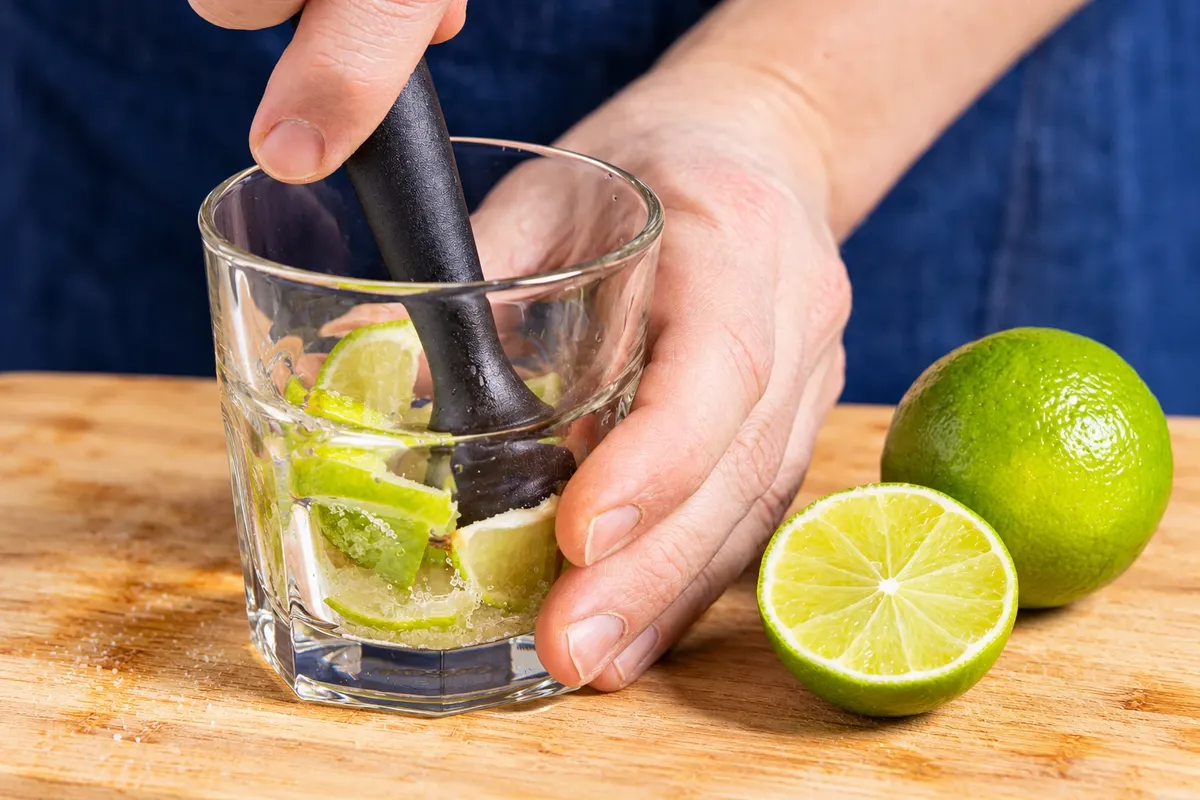
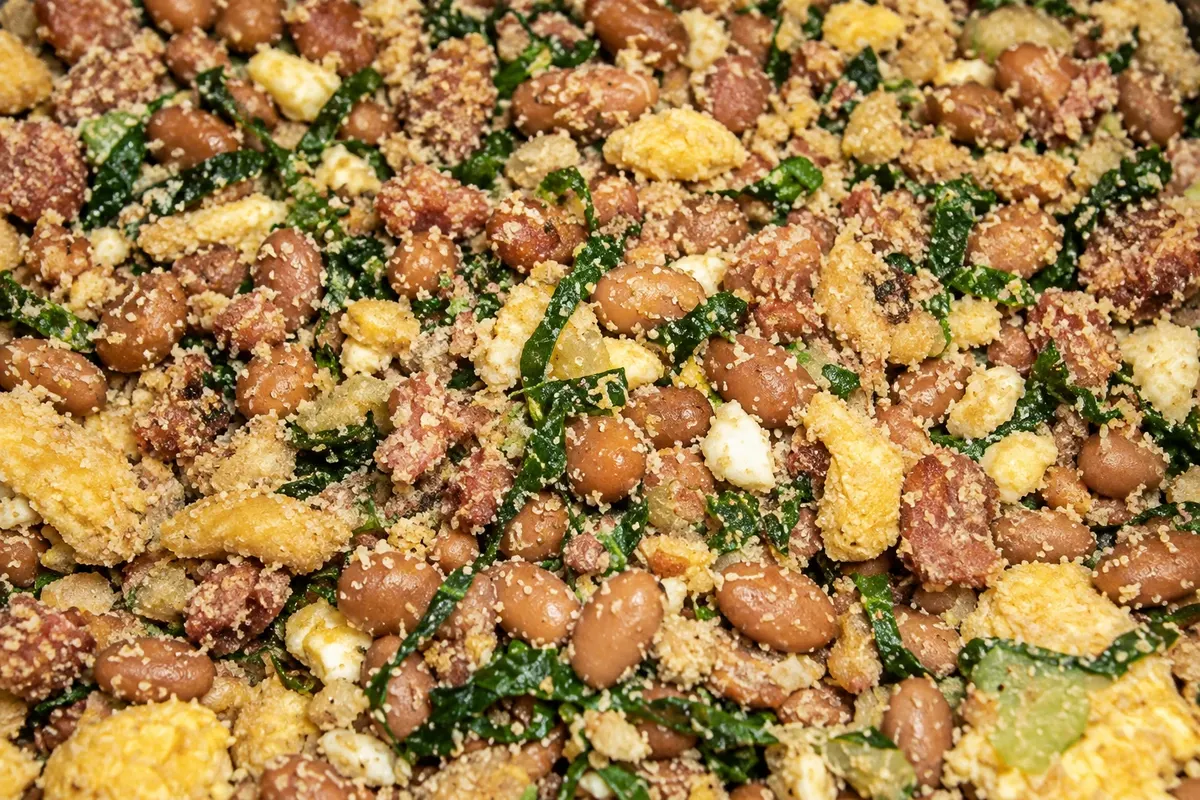
The accompaniments are part of the plate: white rice, thinly sautéed couve, farofa, pork cracklings (torresmo) and orange slices, which help cut the fat. Often the meal begins with a caipirinha and ends with coffee.
In Rio de Janeiro, feijoada is a Saturday activity. Botequins and restaurants serve it that day, and samba school quadras organize feijoadas with samba circles. The dish's origin is debated by historians, with versions linking the recipe to Portuguese stews and to the cuisine of the senzalas.
The feijoada carioca, made in the carioca style, is recognized as an intangible cultural heritage of the state of Rio de Janeiro.
It is a heavy dish, eaten slowly, at a large table, and it usually takes up much of the afternoon.


 Antarktika
 Argentina
 Bolivija
 Čile
 Kolumbija
 Ekvator
 Gvajana
 Francoska Gvajana
 Falklandski otoki (Malvini)
 Paragvaj
 Peru
 Surinam
 Urugvaj
 Venezuela
 Nemčija
 Avstrija
 Belgija
 Hrvaška
 Danska
 Slovaška
 Slovenija
 Španija
 Finska
 Francija
 Grčija
 Nizozemska
 Madžarska
 Irska
 Islandija
 Italija
 Luksemburg
 Norveška
 Poljska
 Portugalska
 Združeno kraljestvo
 Češka
 Švedska
 Švica
 Turčija
 Bermudi
 Kanada
 Združene države Amerike
 Grenlandija
 Mehika
 Sveta Peter in Mihael
 Dominikanska republika
 Japonska
 Južnoafriška republika
 Egipt
 Avstralija
 Fidži
 Nova Zelandija
 Papua Nova Gvineja