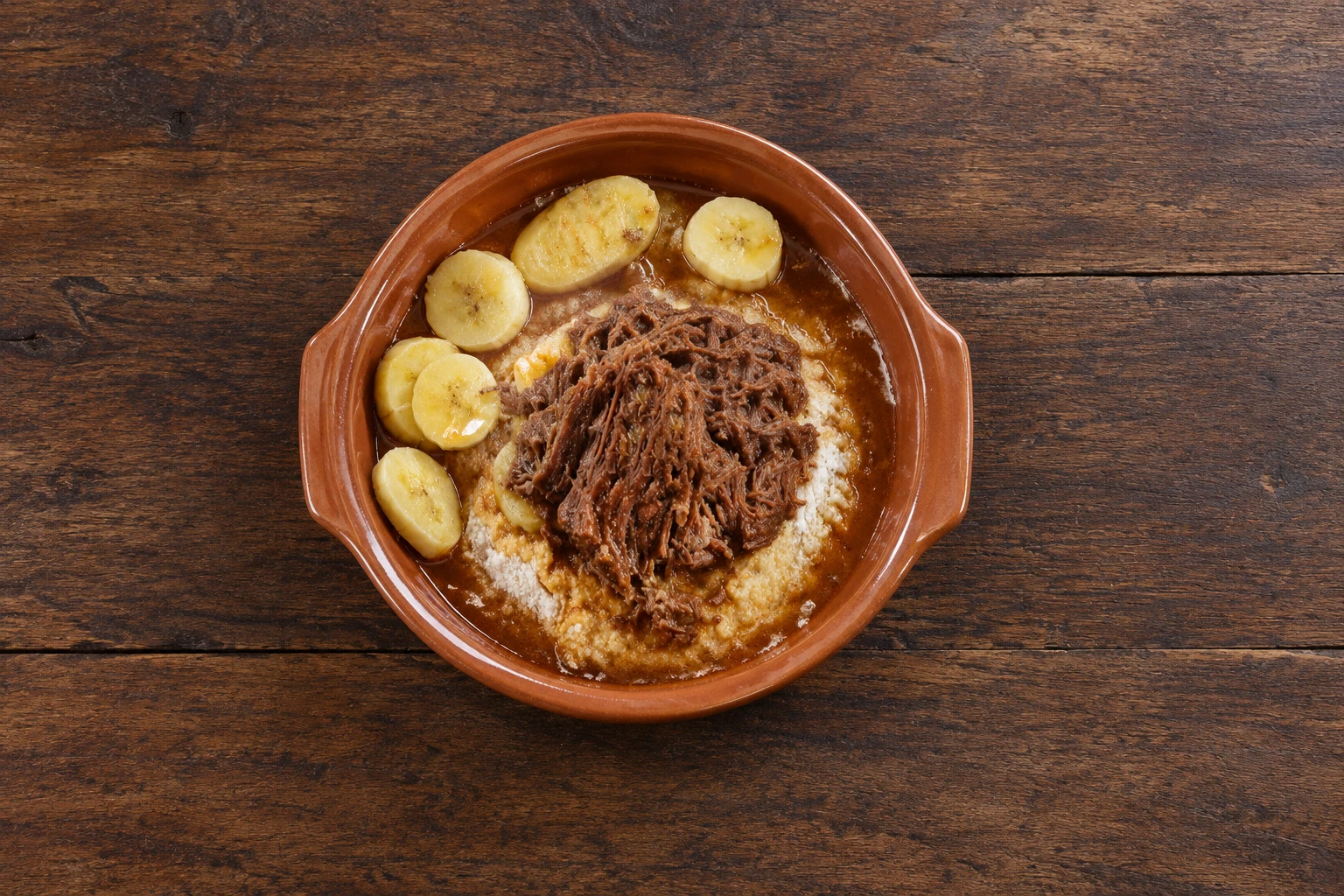
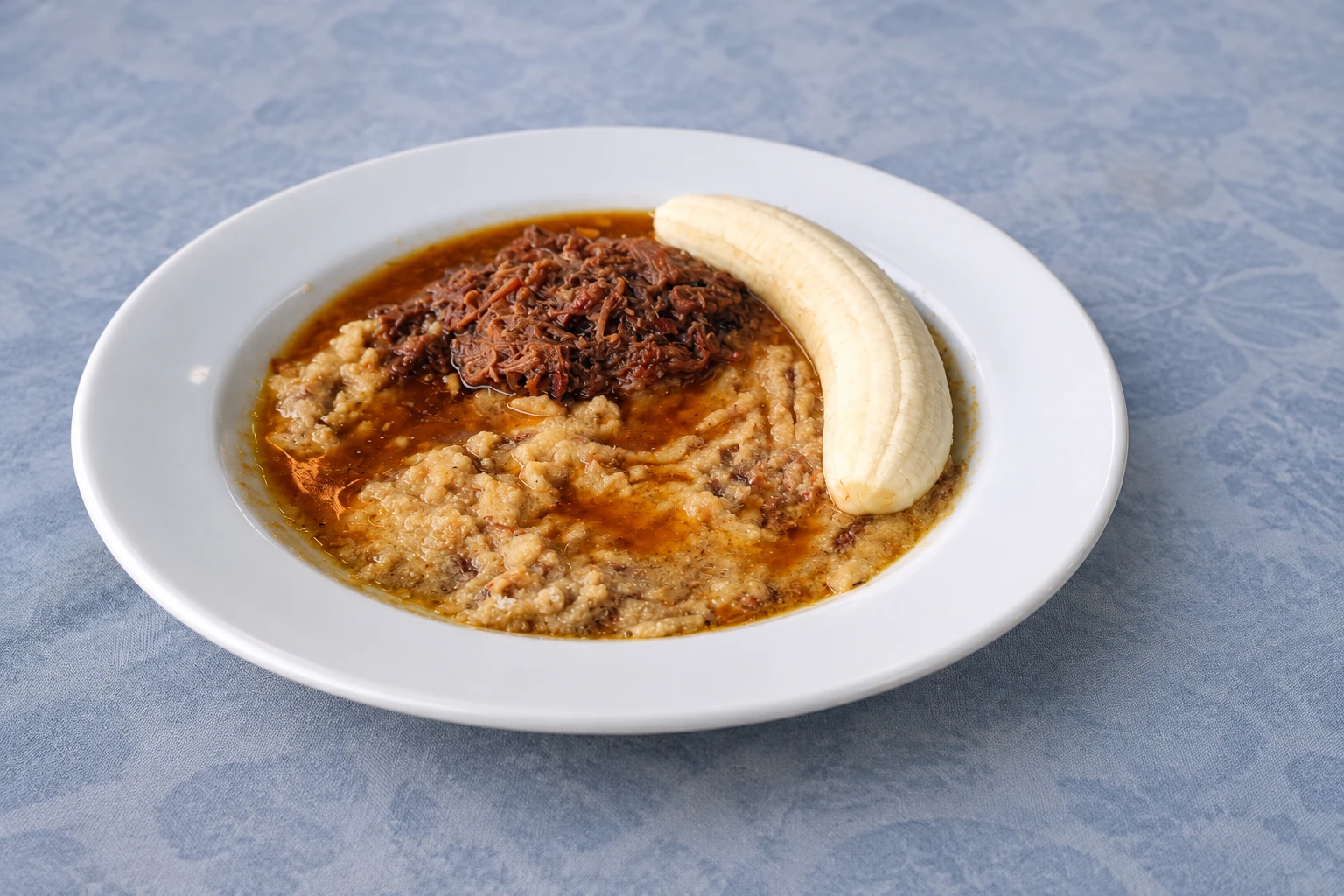
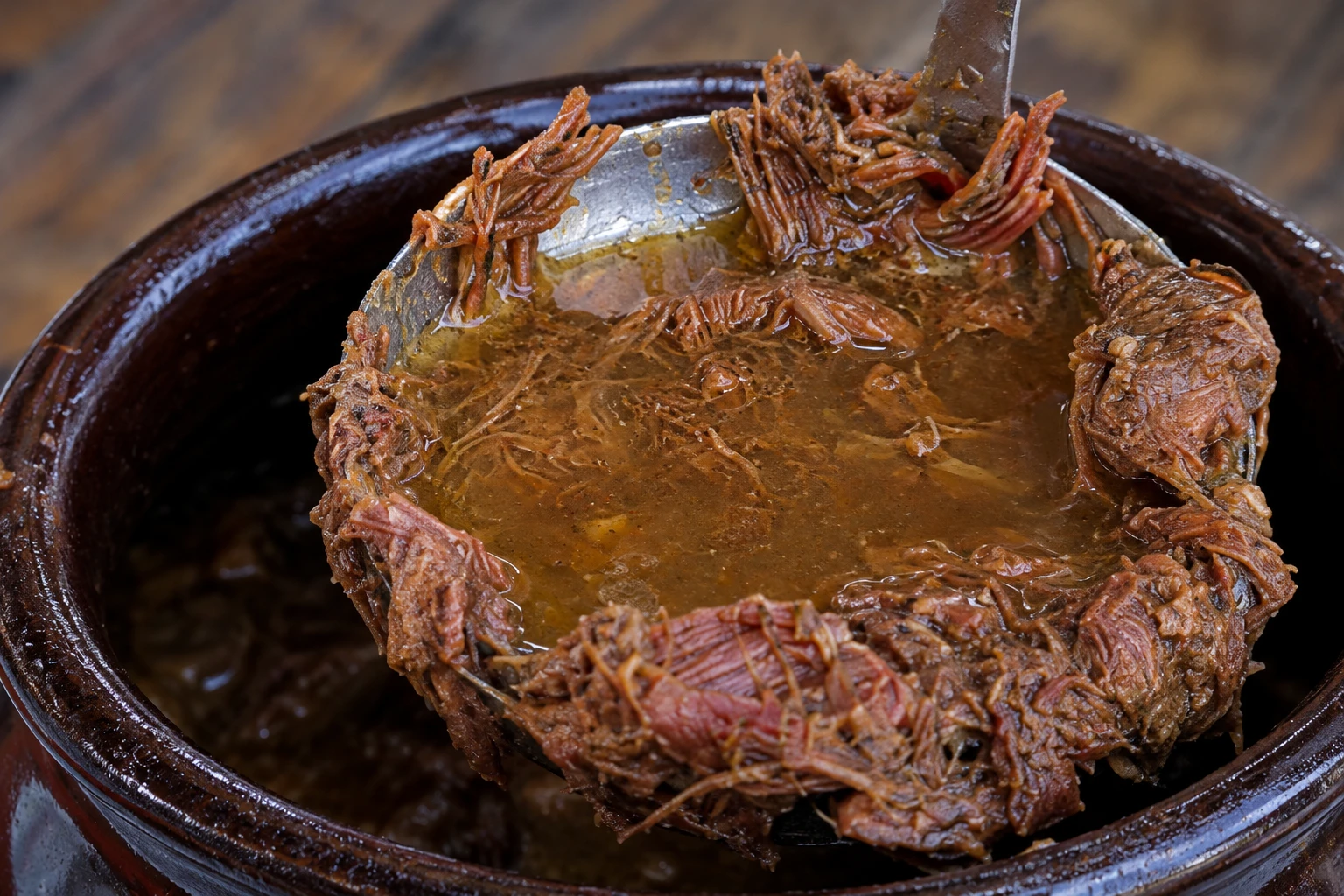
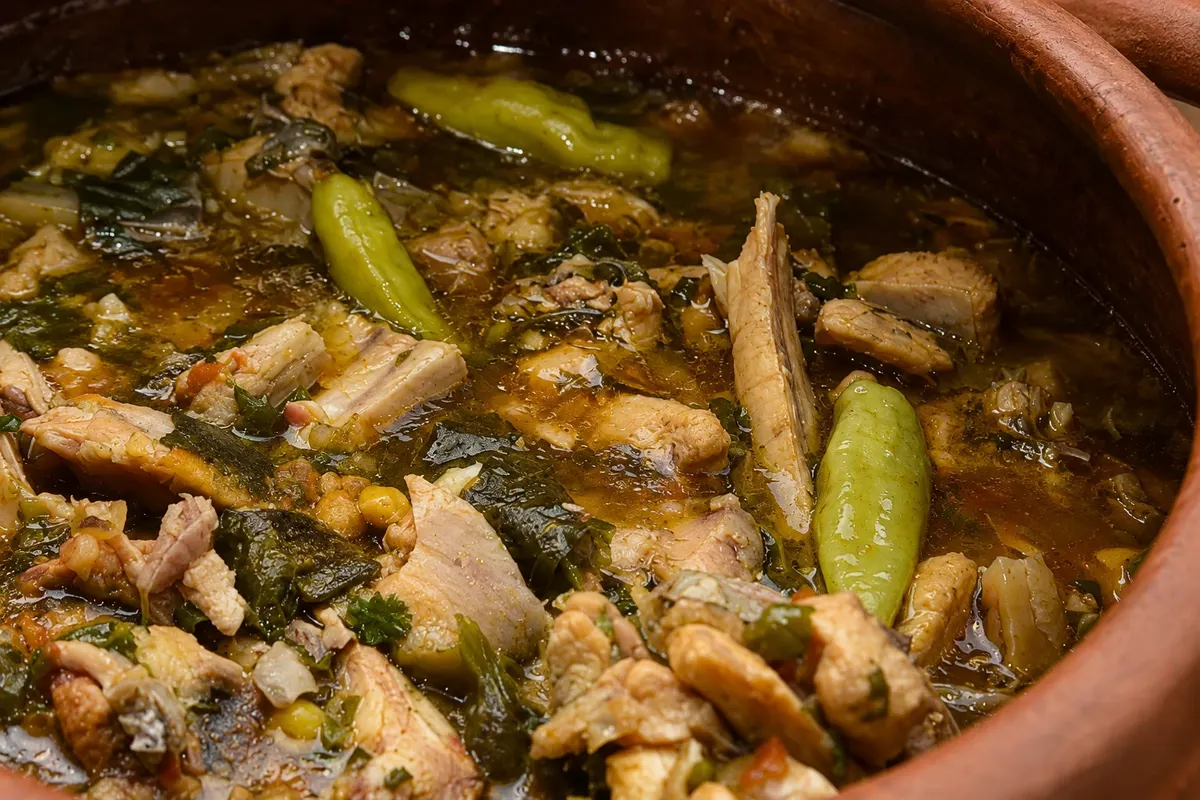
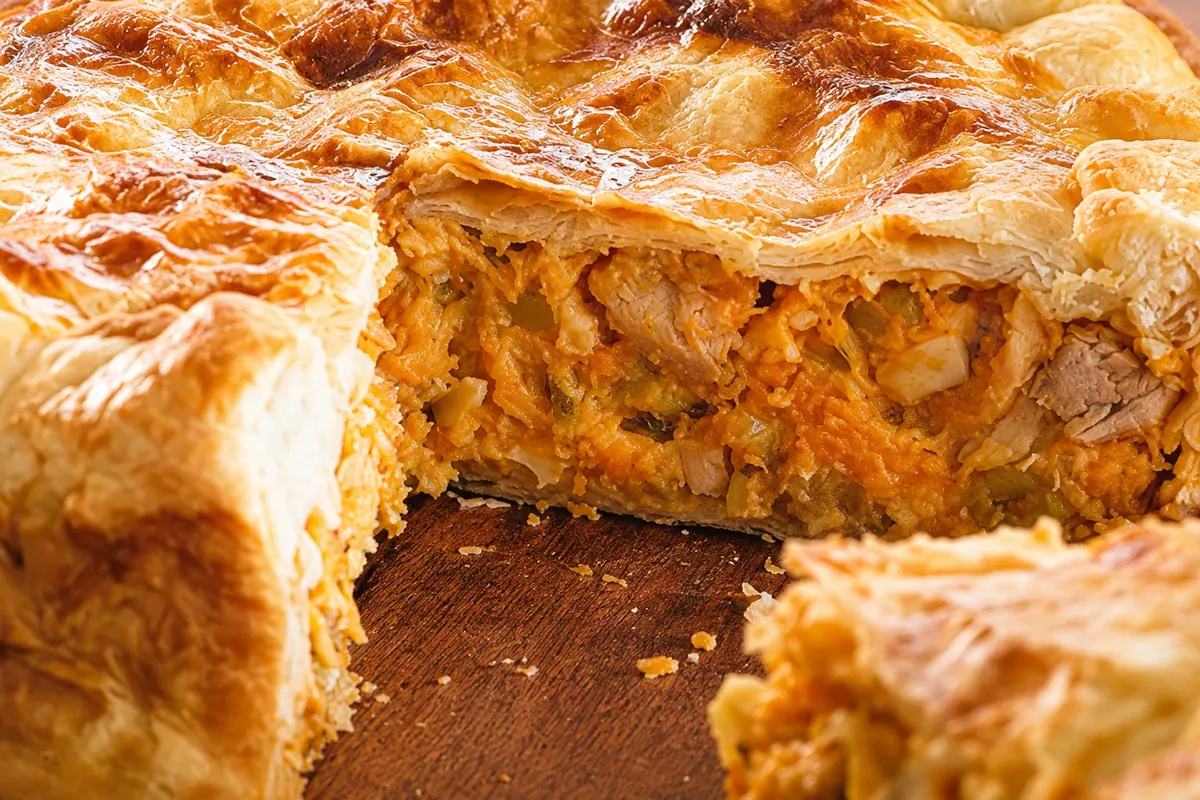
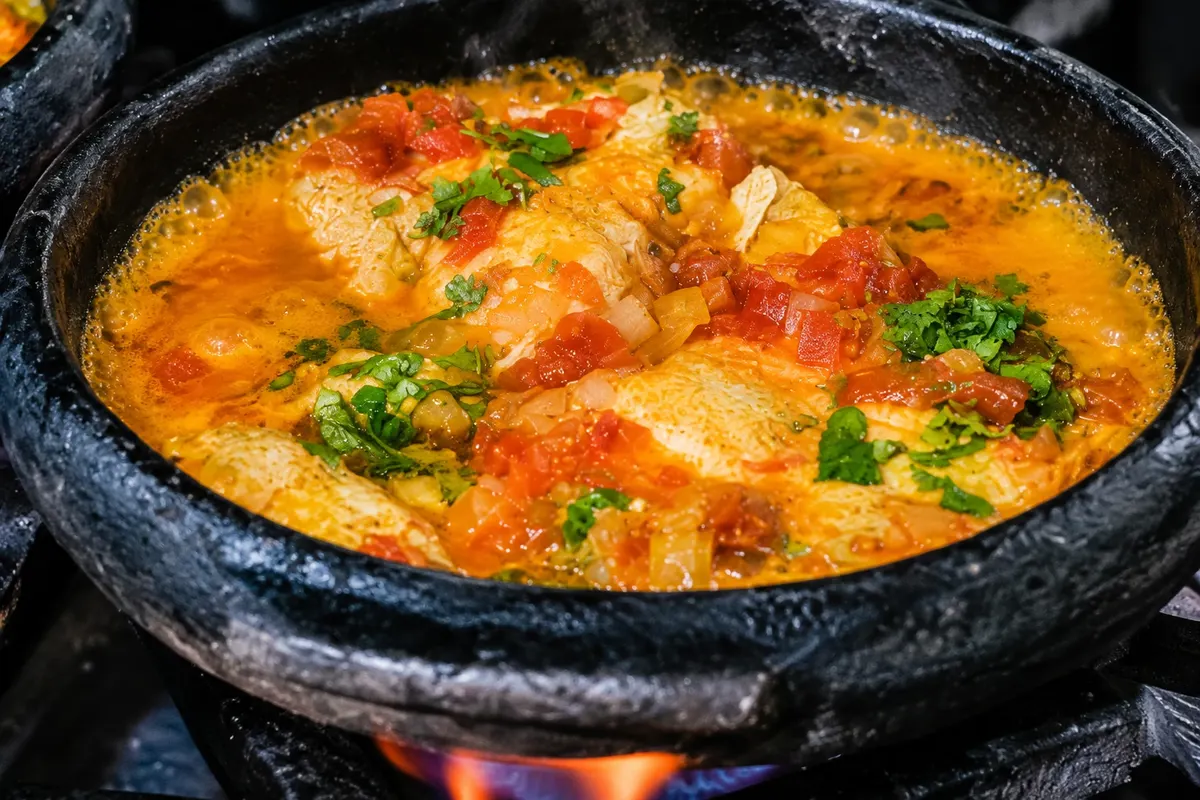
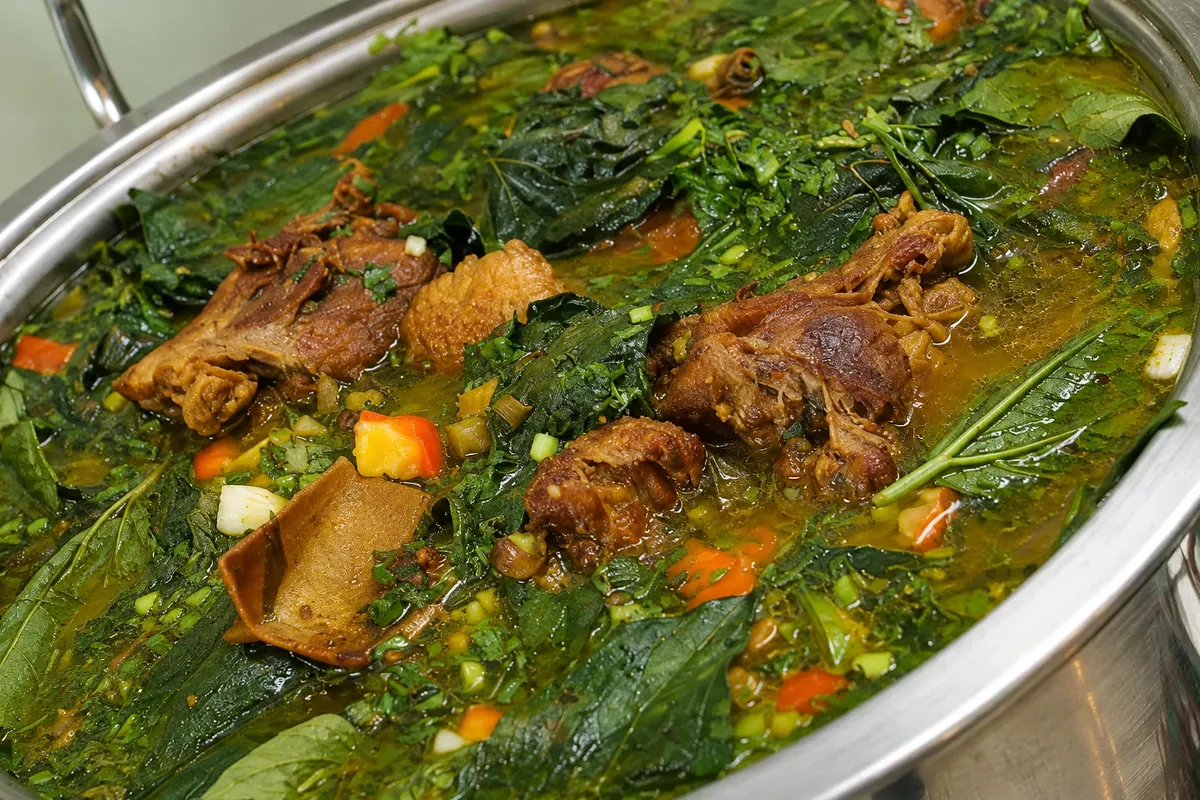
Barreado is beef cut into pieces and seasoned, cooked for many hours in a clay pot. The lid is sealed with a dough made from manioc flour and water—the act of sealing the pot, called "barrear," which gives the dish its name. This prevents steam from escaping, and the meat falls apart in its own broth.
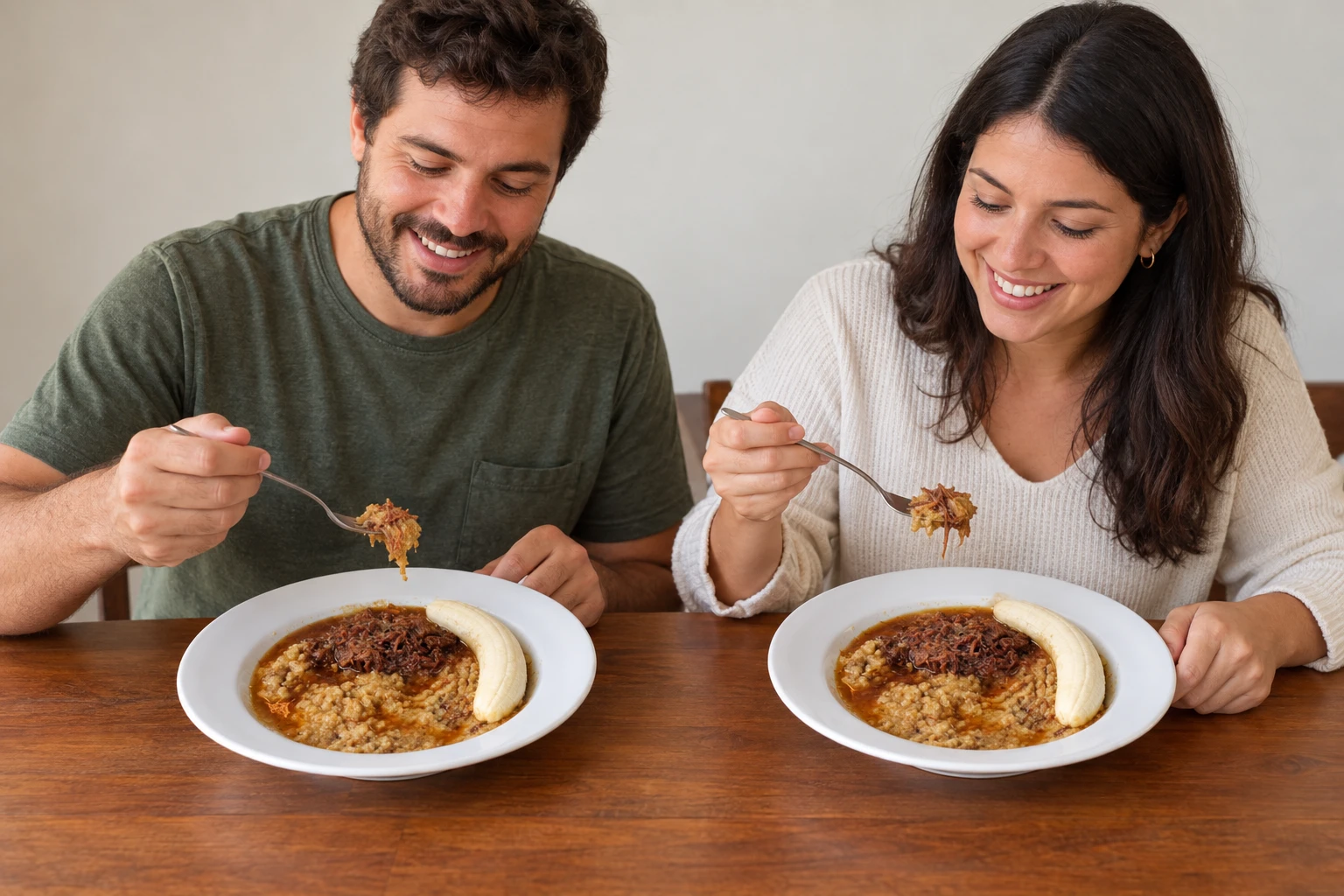
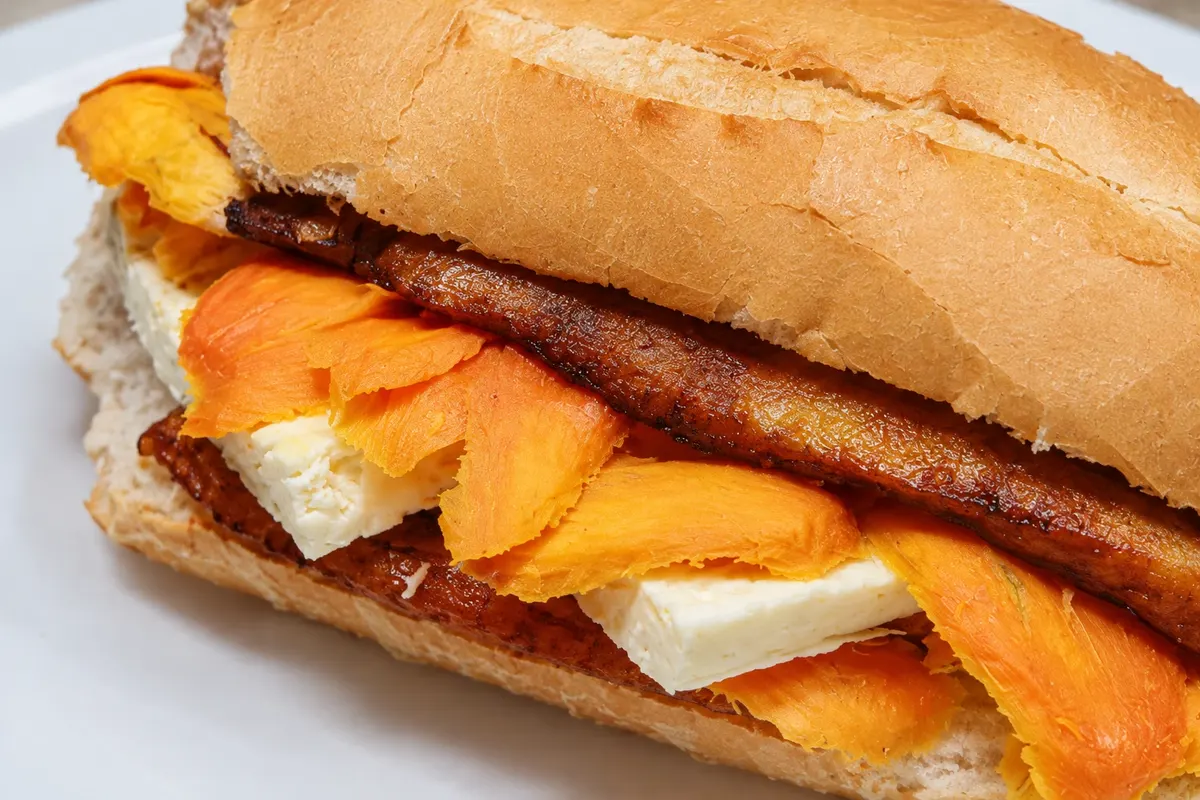
When serving, the tradition is to put manioc flour on the plate and gradually mix in the hot broth until it becomes a pirão (thick porridge), which is eaten with the shredded meat. It is served with banana and rice.
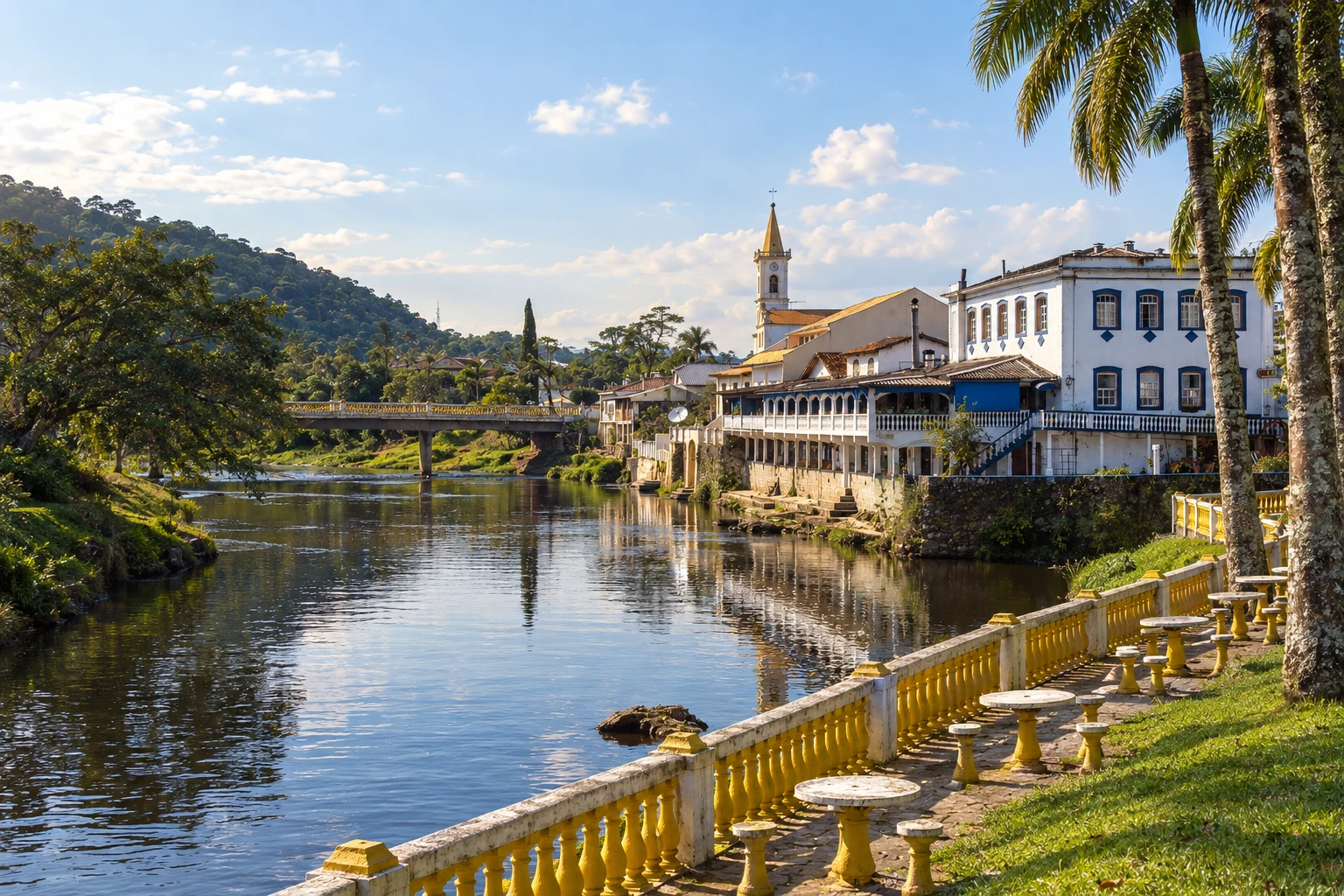
Barreado has been made and eaten for more than 200 years on the Paraná coast. Its origin has more than one explanation: the state government refers to an Azorean heritage adapted to local ingredients; the documentation for the geographical indication also highlights the tropeirismo (troop-driving), which helped the dish become established in the region. It was food for parties, weddings, baptisms and religious festivals.
The INPI recognized the Indication of Origin Litoral do Paraná for barreado, granted to an association of restaurants from Morretes, Antonina and Paranaguá, the municipalities with which the dish is associated. It was Brazil's one-hundredth geographical indication.


 Antarktika
 Argentina
 Bolivija
 Čile
 Kolumbija
 Ekvator
 Gvajana
 Francoska Gvajana
 Falklandski otoki (Malvini)
 Paragvaj
 Peru
 Surinam
 Urugvaj
 Venezuela
 Nemčija
 Avstrija
 Belgija
 Hrvaška
 Danska
 Slovaška
 Slovenija
 Španija
 Finska
 Francija
 Grčija
 Nizozemska
 Madžarska
 Irska
 Islandija
 Italija
 Luksemburg
 Norveška
 Poljska
 Portugalska
 Združeno kraljestvo
 Češka
 Švedska
 Švica
 Turčija
 Bermudi
 Kanada
 Združene države Amerike
 Grenlandija
 Mehika
 Sveta Peter in Mihael
 Dominikanska republika
 Japonska
 Južnoafriška republika
 Egipt
 Avstralija
 Fidži
 Nova Zelandija
 Papua Nova Gvineja