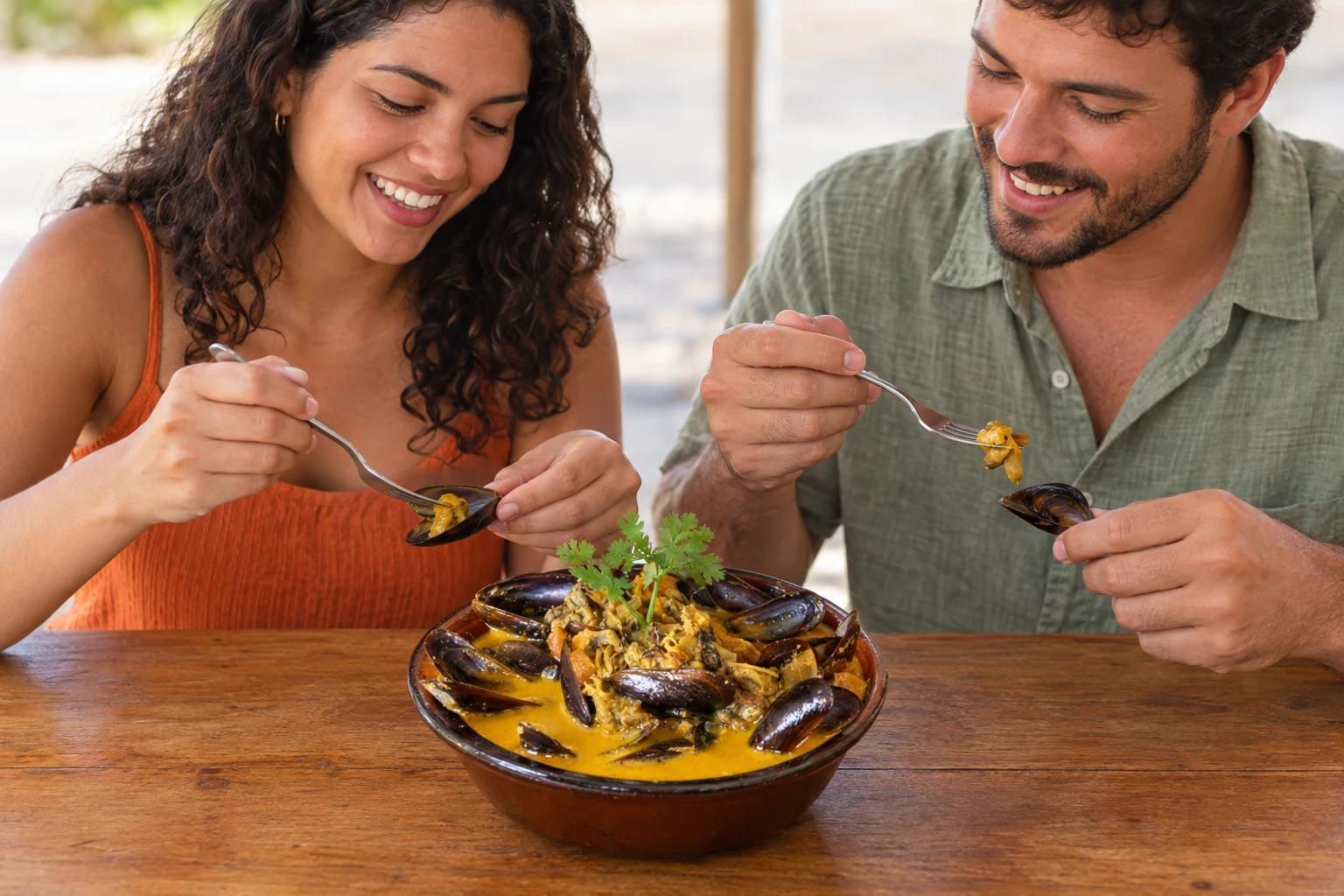
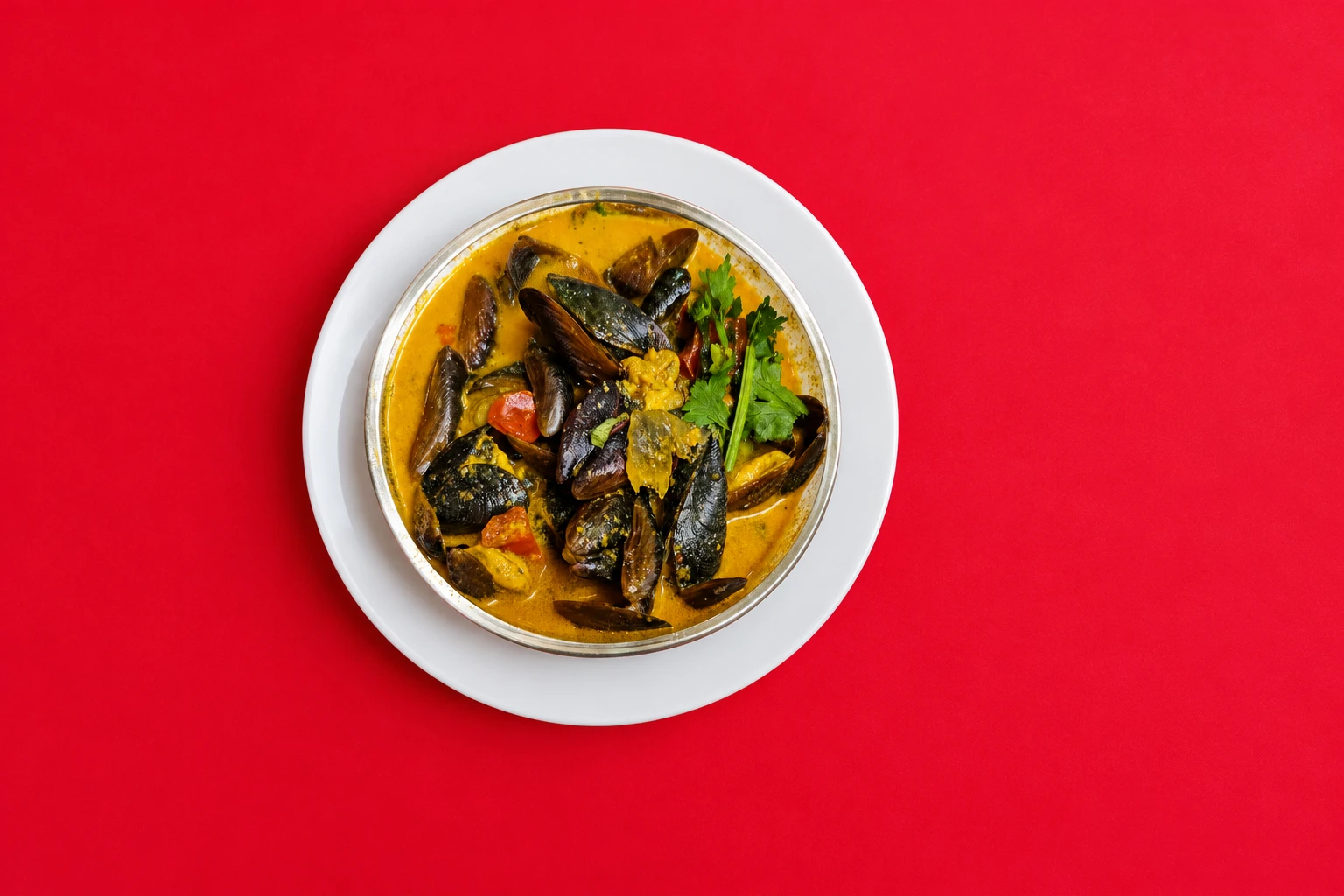
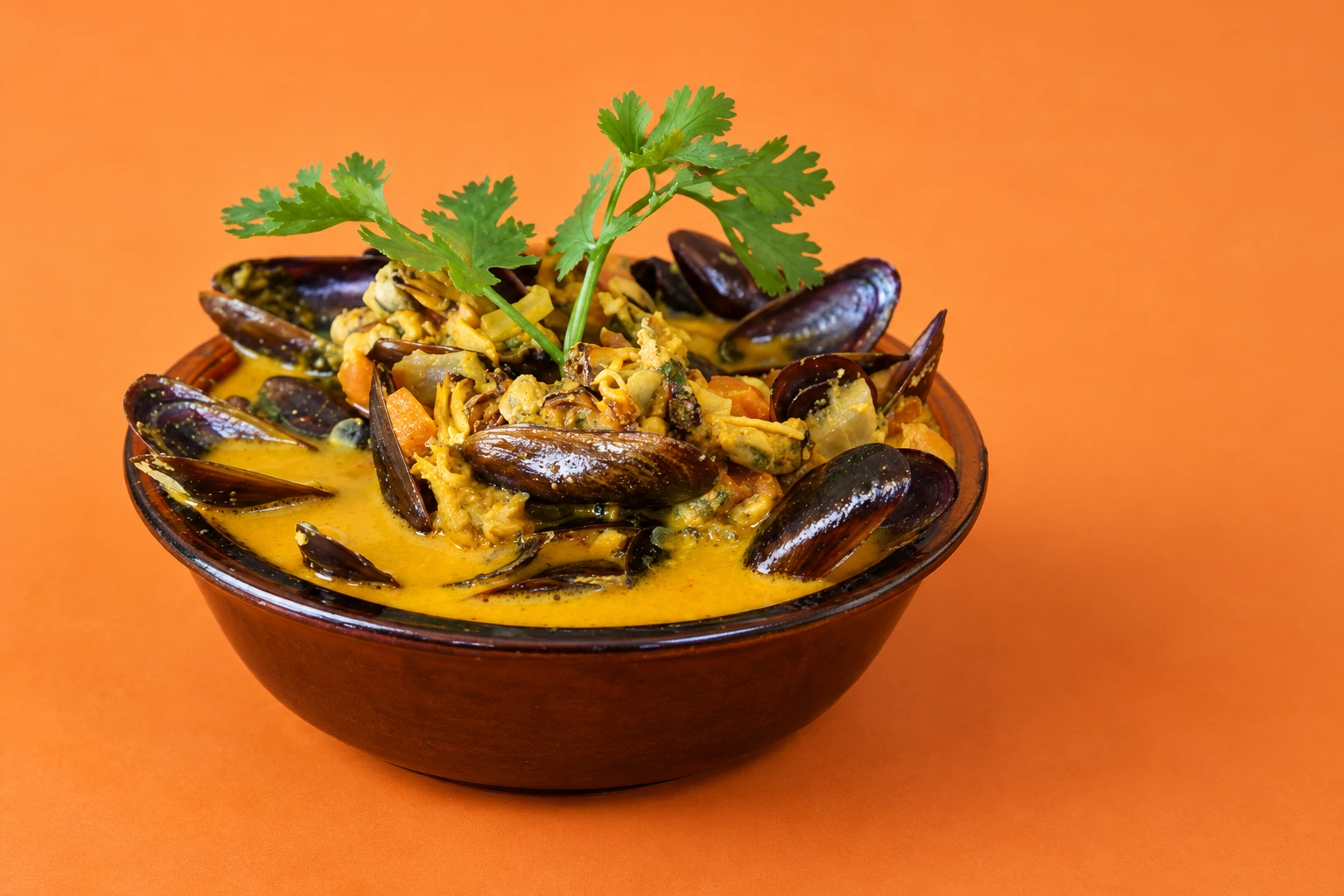
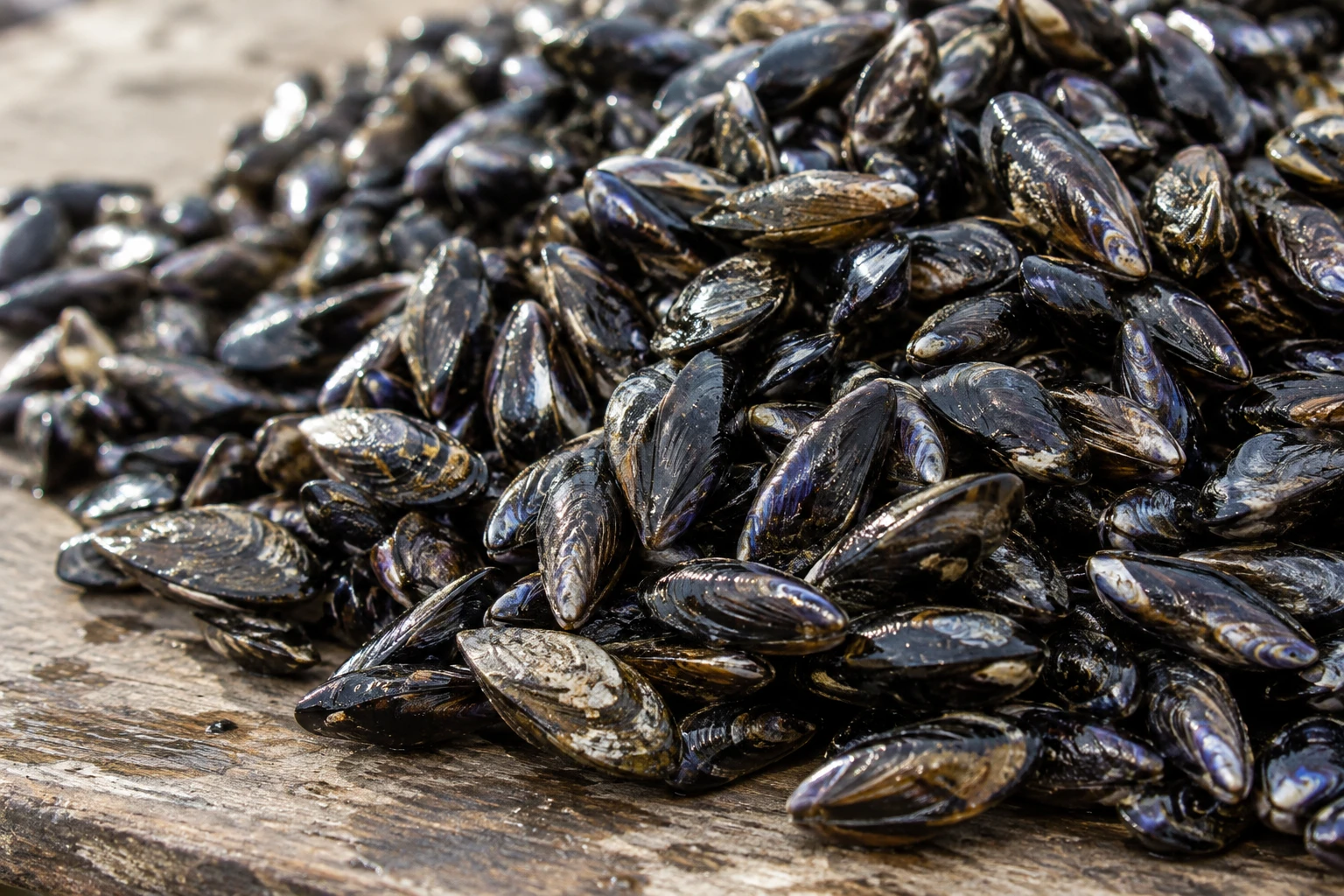
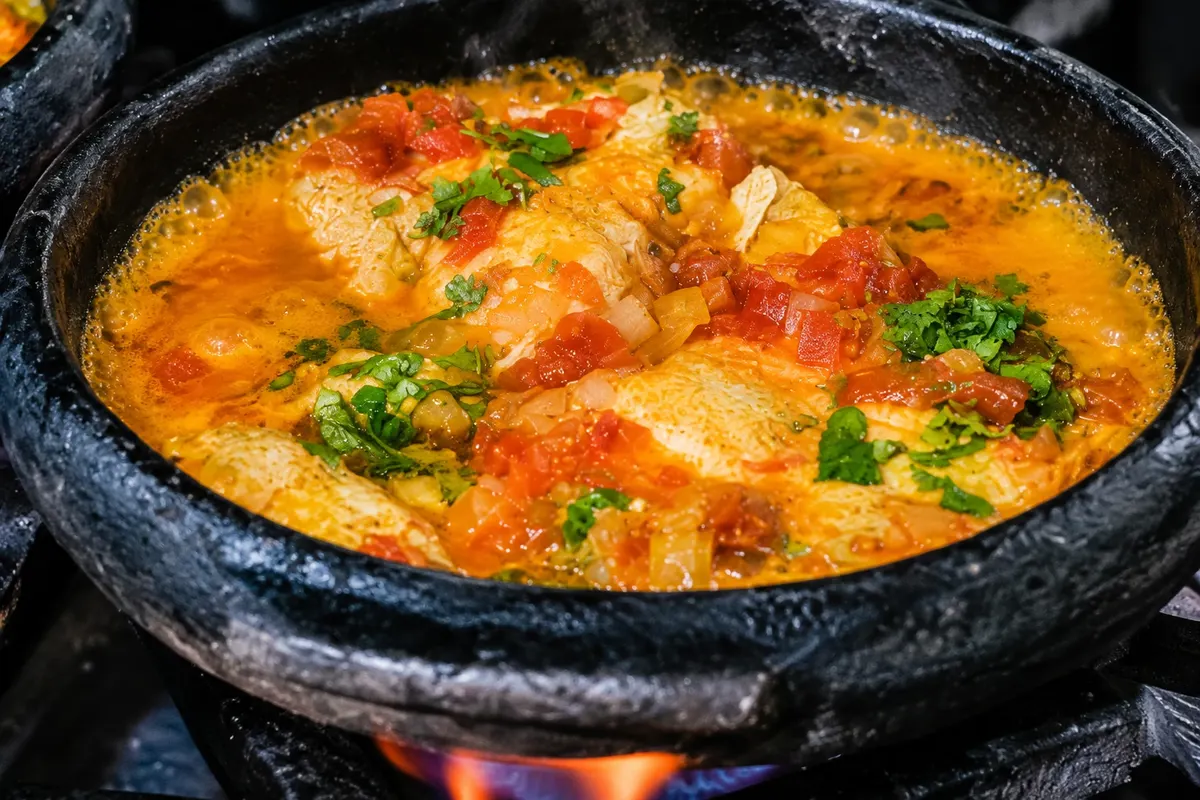
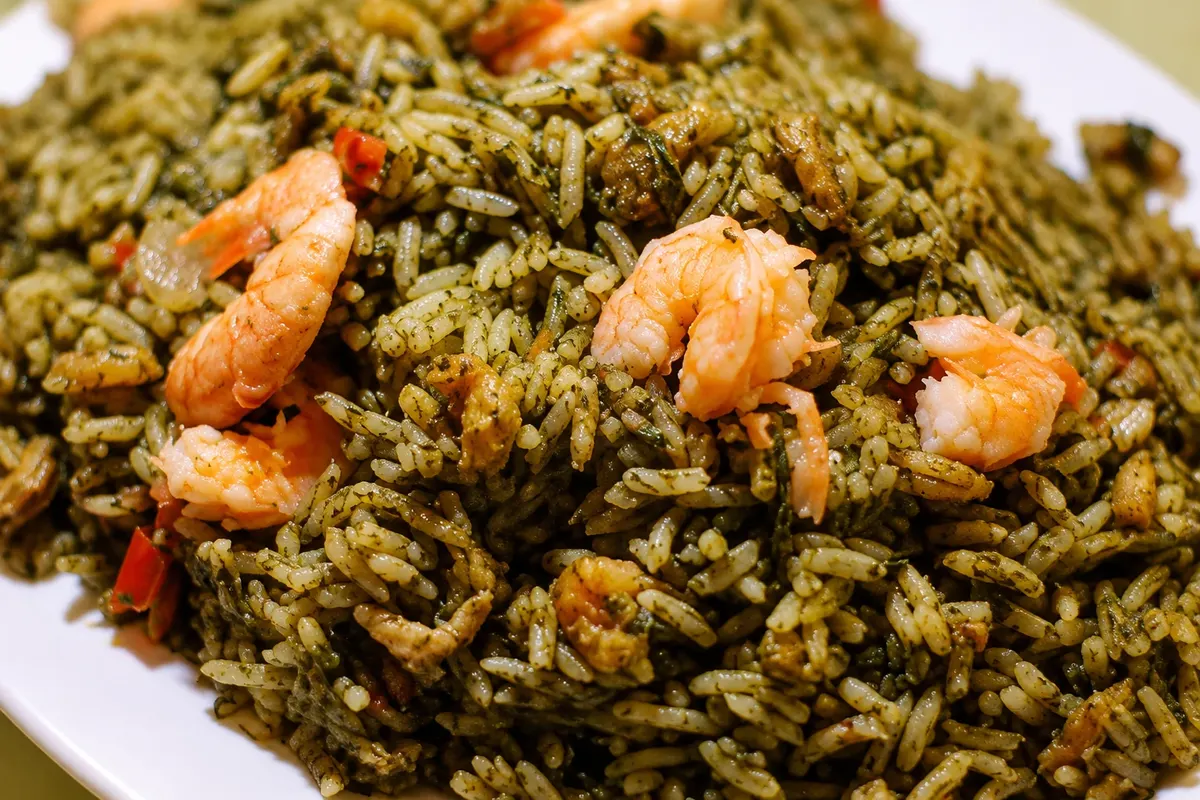
Sururu is a dark-shelled mollusk, related to the mussel, that lives in the mud of Alagoas’ lagoons, especially in Lagoa Mundaú in Maceió. In sururu de capote, it is cooked still in the shell, the capote, in a sauce of coconut milk with tomato, onion, bell pepper, cilantro and annatto.
Gathering sururu is work done by families living on the lagoon’s shores, in neighborhoods like Vergel do Lago. Shellfish gatherers organized in cooperatives remove the mollusk from the bottom, clean it and sell it at markets. The sururu supply chain supports many families but faces environmental problems: pollution and changes in the lagoon’s salinity have caused the mollusk to decline in some periods.
In 2014, the State Council of Culture declared sururu an intangible heritage of Alagoas. The recognition is for the mollusk and the culture around it, also present in the state’s music and literature, and not for a specific dish. Sururu de capote is one of the most typical ways to prepare it.
Sururu also appears in caldinho de sururu, served in cups at bars and along the waterfront, and in moquecas. In the capote version, the shell remains on the plate and each person removes the mollusk with their fingers or with a fork.


 Antarktika
 Argentina
 Bolivija
 Čile
 Kolumbija
 Ekvator
 Gvajana
 Francoska Gvajana
 Falklandski otoki (Malvini)
 Paragvaj
 Peru
 Surinam
 Urugvaj
 Venezuela
 Nemčija
 Avstrija
 Belgija
 Hrvaška
 Danska
 Slovaška
 Slovenija
 Španija
 Finska
 Francija
 Grčija
 Nizozemska
 Madžarska
 Irska
 Islandija
 Italija
 Luksemburg
 Norveška
 Poljska
 Portugalska
 Združeno kraljestvo
 Češka
 Švedska
 Švica
 Turčija
 Bermudi
 Kanada
 Združene države Amerike
 Grenlandija
 Mehika
 Sveta Peter in Mihael
 Dominikanska republika
 Japonska
 Južnoafriška republika
 Egipt
 Avstralija
 Fidži
 Nova Zelandija
 Papua Nova Gvineja