Kuhinja
of Peru – značilne jedi
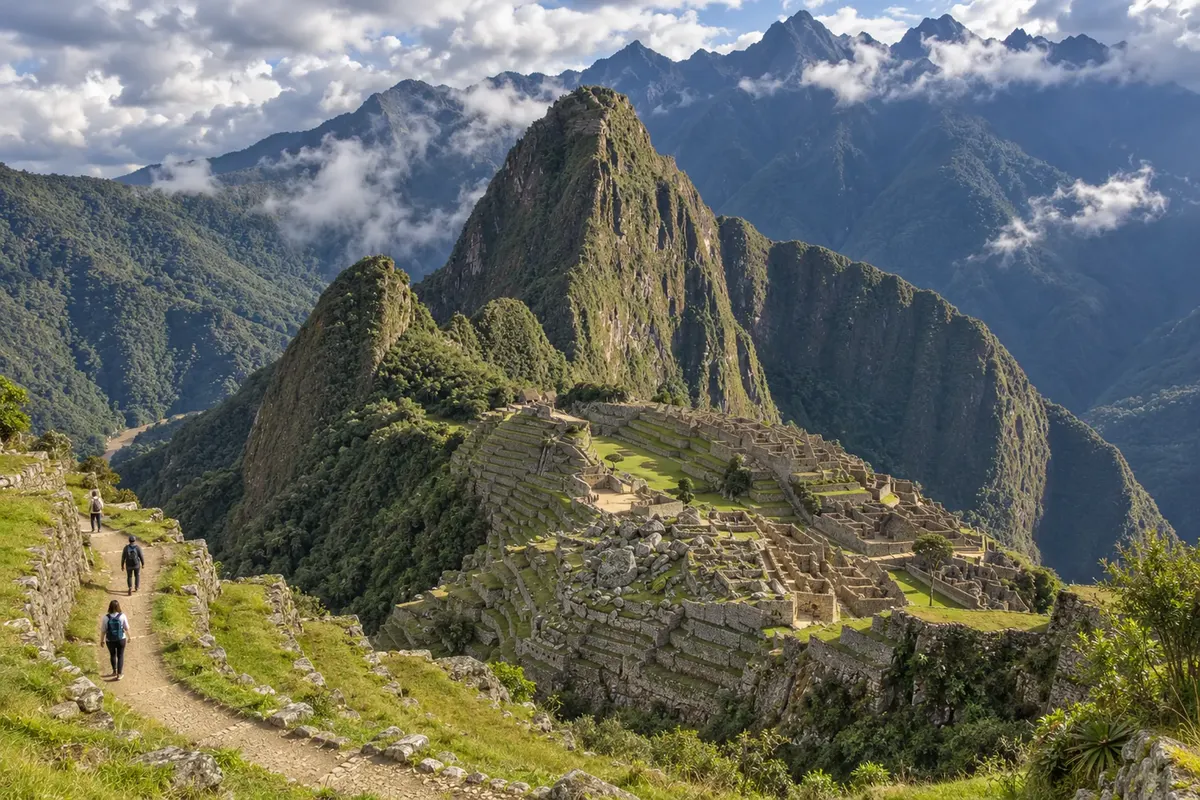
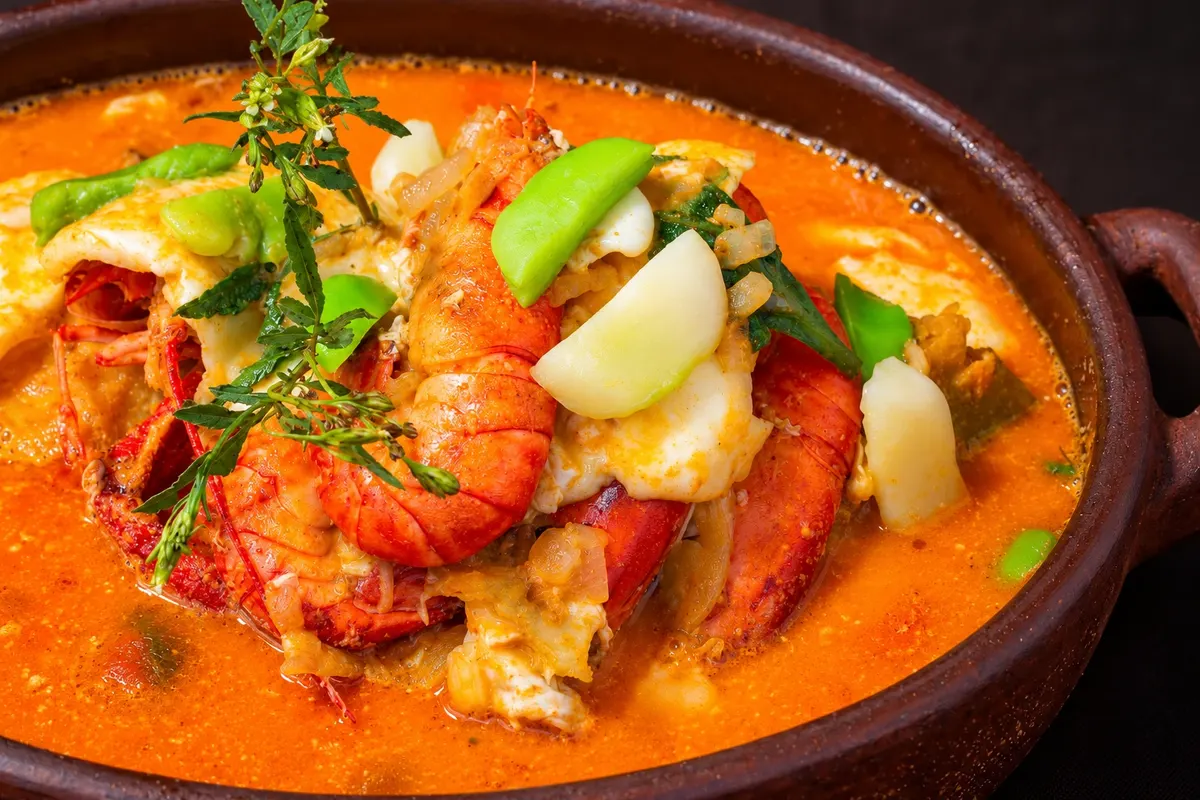
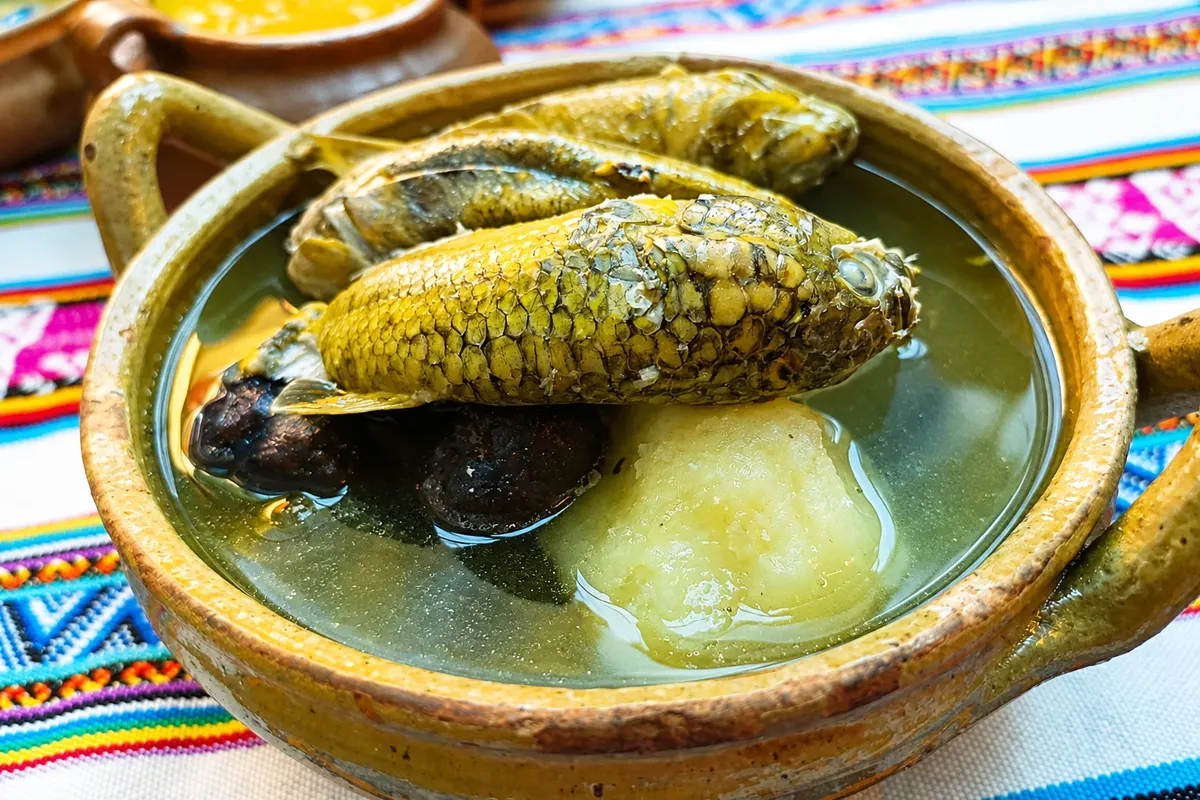
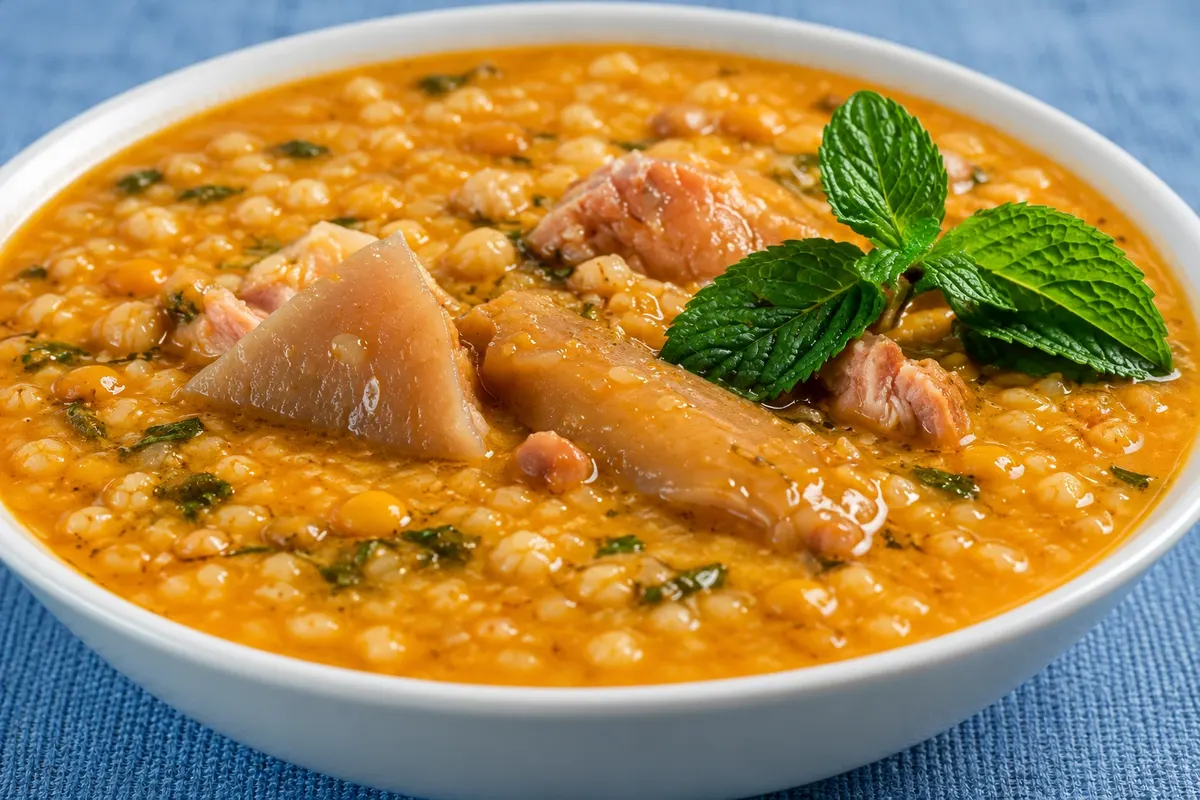
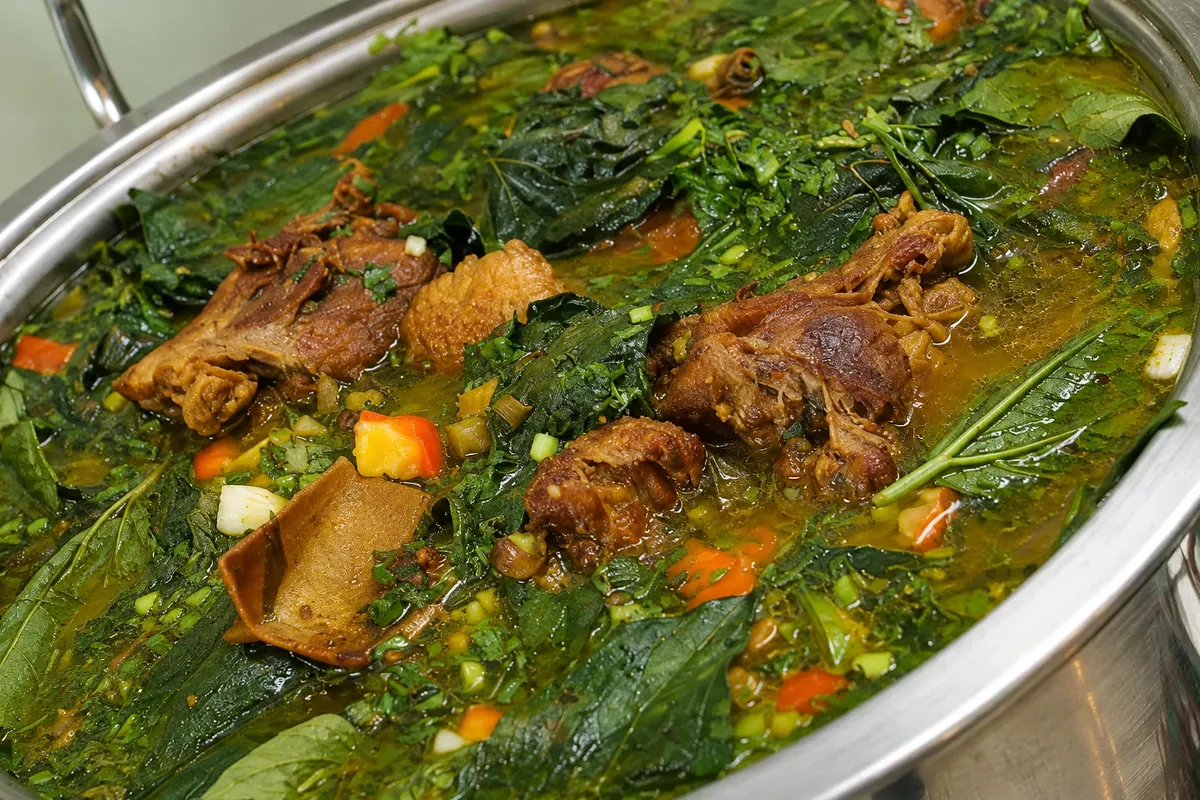
Peru’s cuisine changes with the landscape. On the coast, the cold sea and the irrigated valleys amid the desert provide fish, shellfish, grapes, and sugarcane. In the Andes, potato, corn, and ají are the basis of everything, and religious festivals have their own dishes. On the Titicaca high plateau, the lake’s fish go into everyday broths.
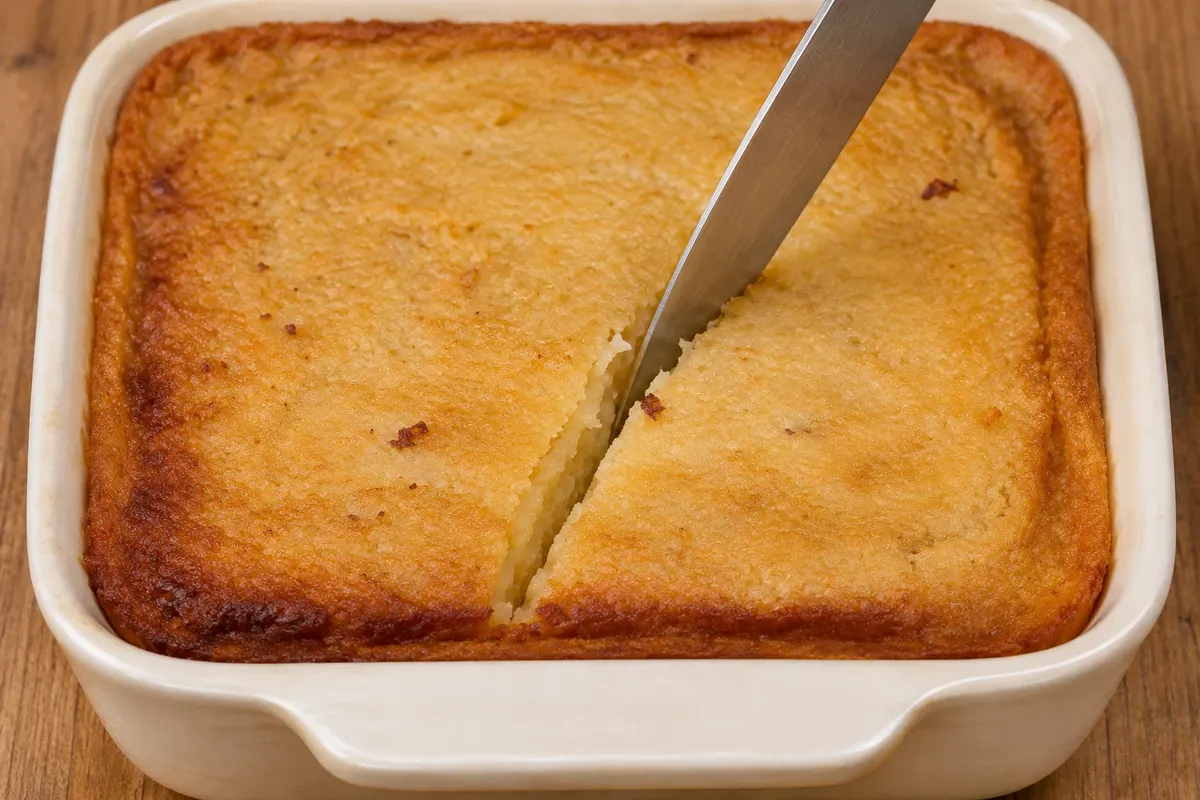
Centuries of encounters shaped this table. Andean peoples were already cooking potato with ají before the arrival of the Spanish, who brought milk, wheat, vineyards, and sugar. Colonial convents created sweets that are still sold in the streets today, and enslaved Africans and their descendants left recipes tied to Lima’s processions.
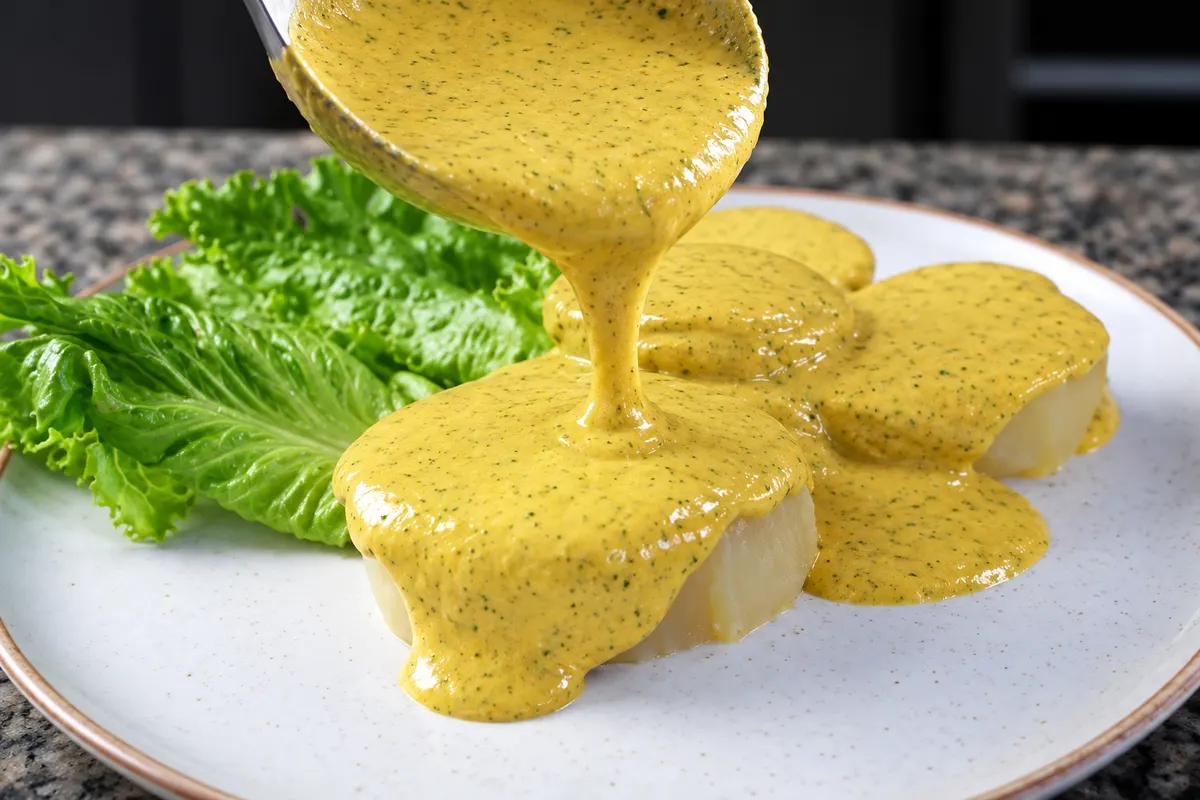
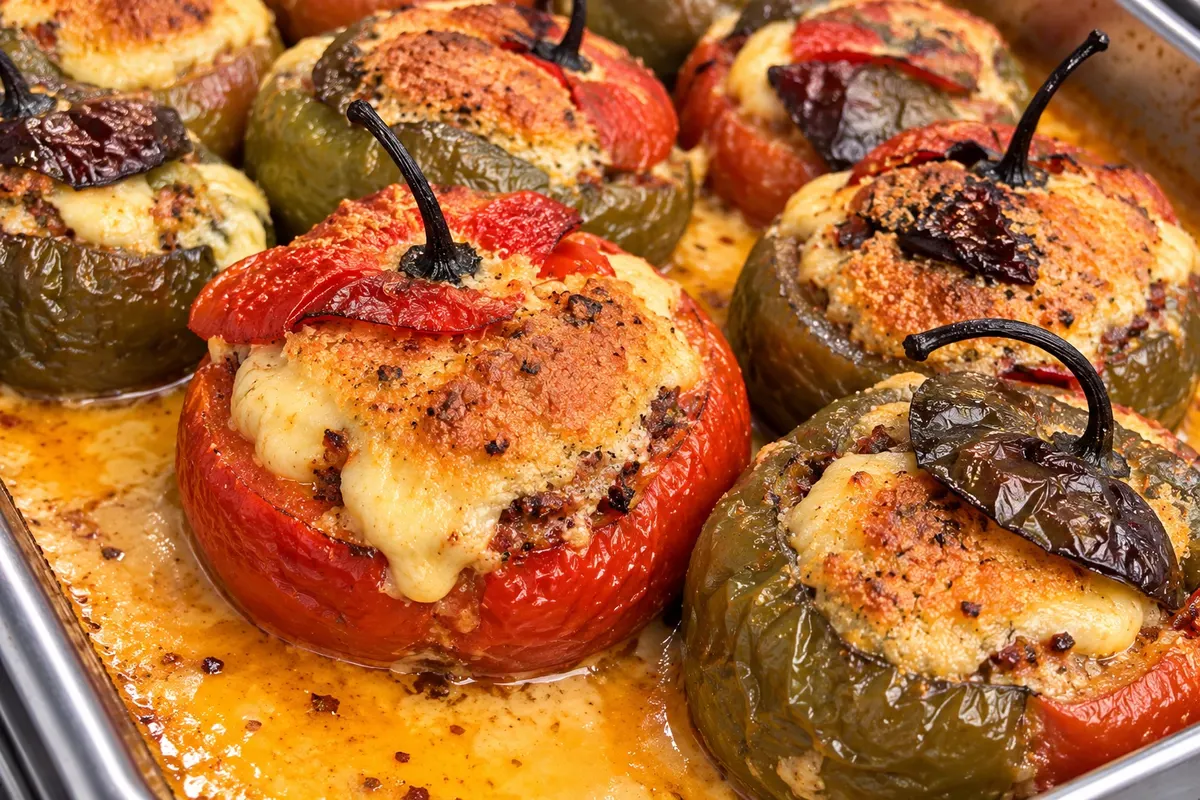
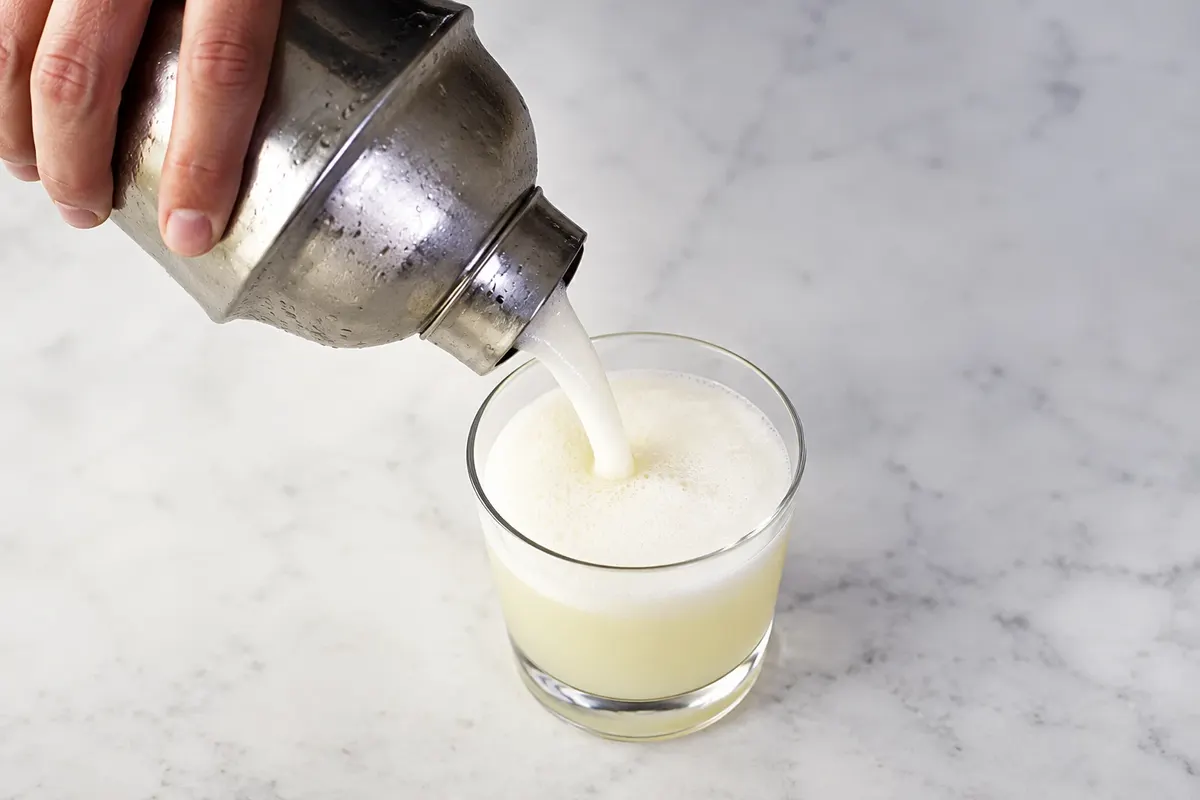
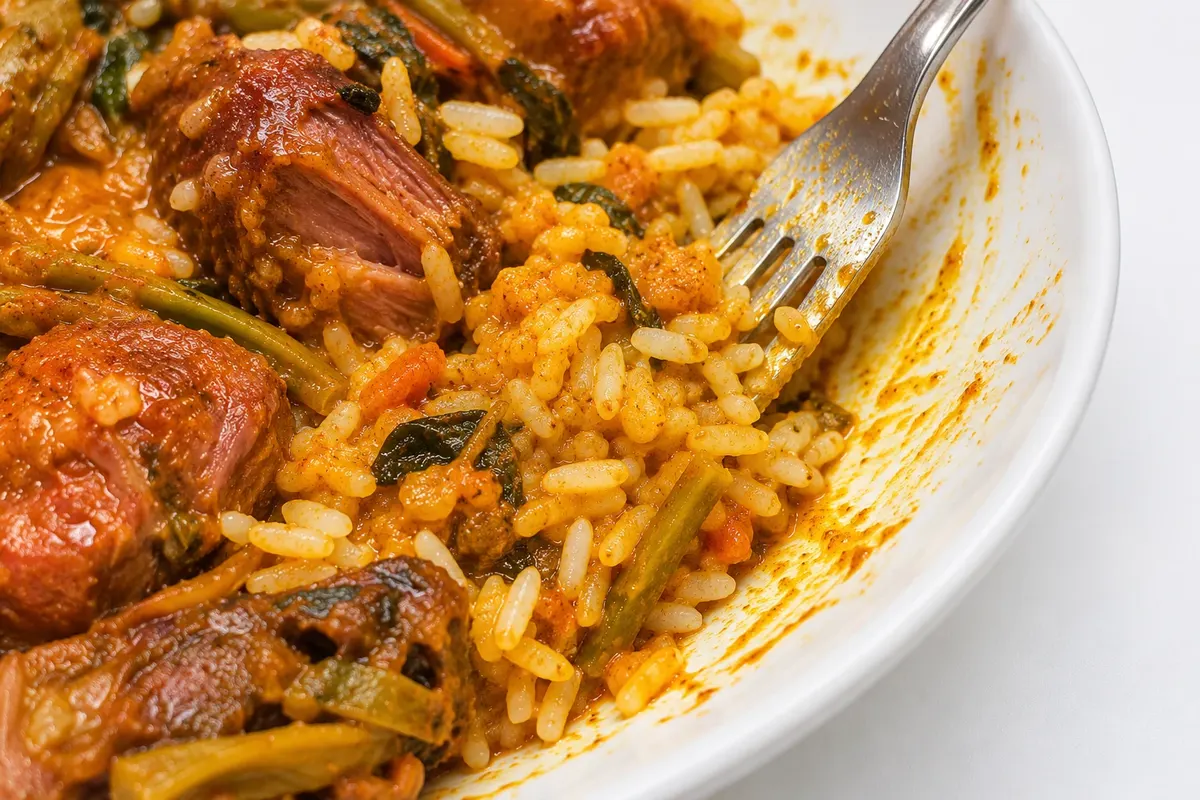
The Peruvian state protects part of that heritage. Pisco was the country’s first designation of origin, and Indecopi, the intellectual property institute, registers recipes as Traditional Guaranteed Specialties, among them ocopa arequipeña, papa a la huancaína, and seco de chabelo. Arequipa’s picanterías, where the city’s traditional dishes are served, are National Cultural Heritage.
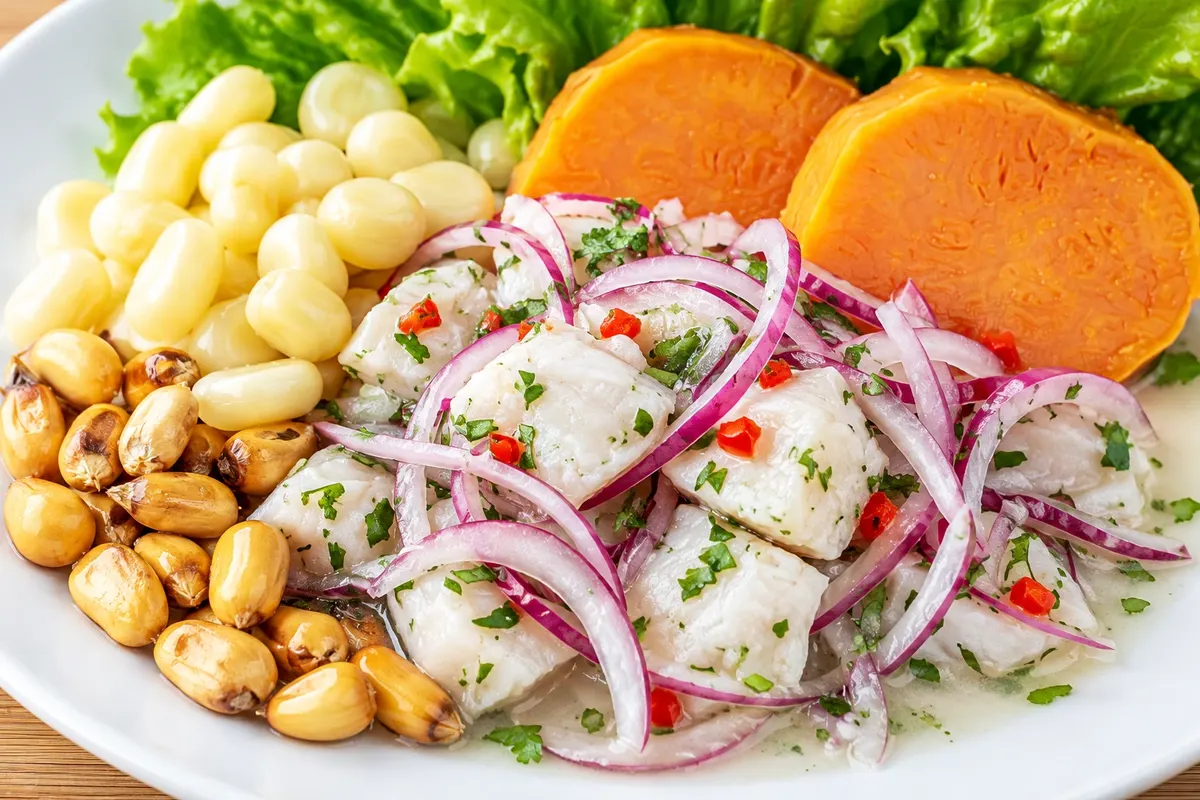
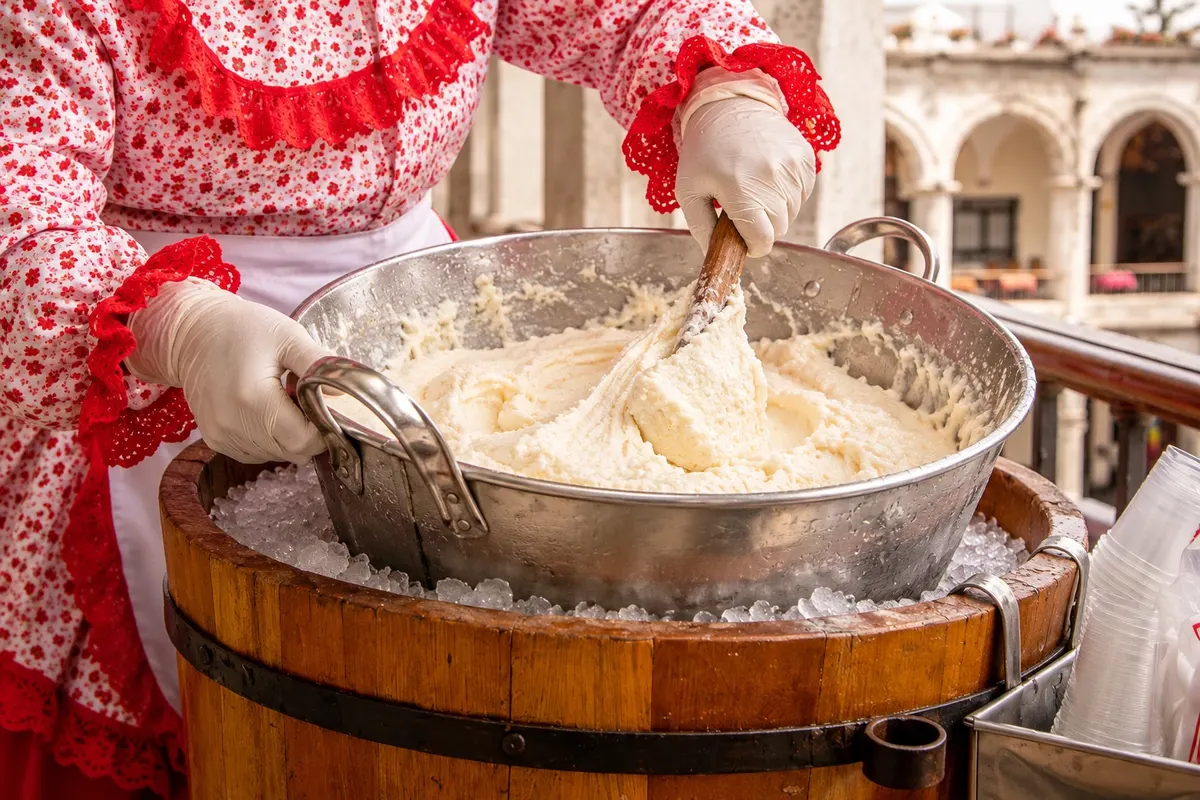
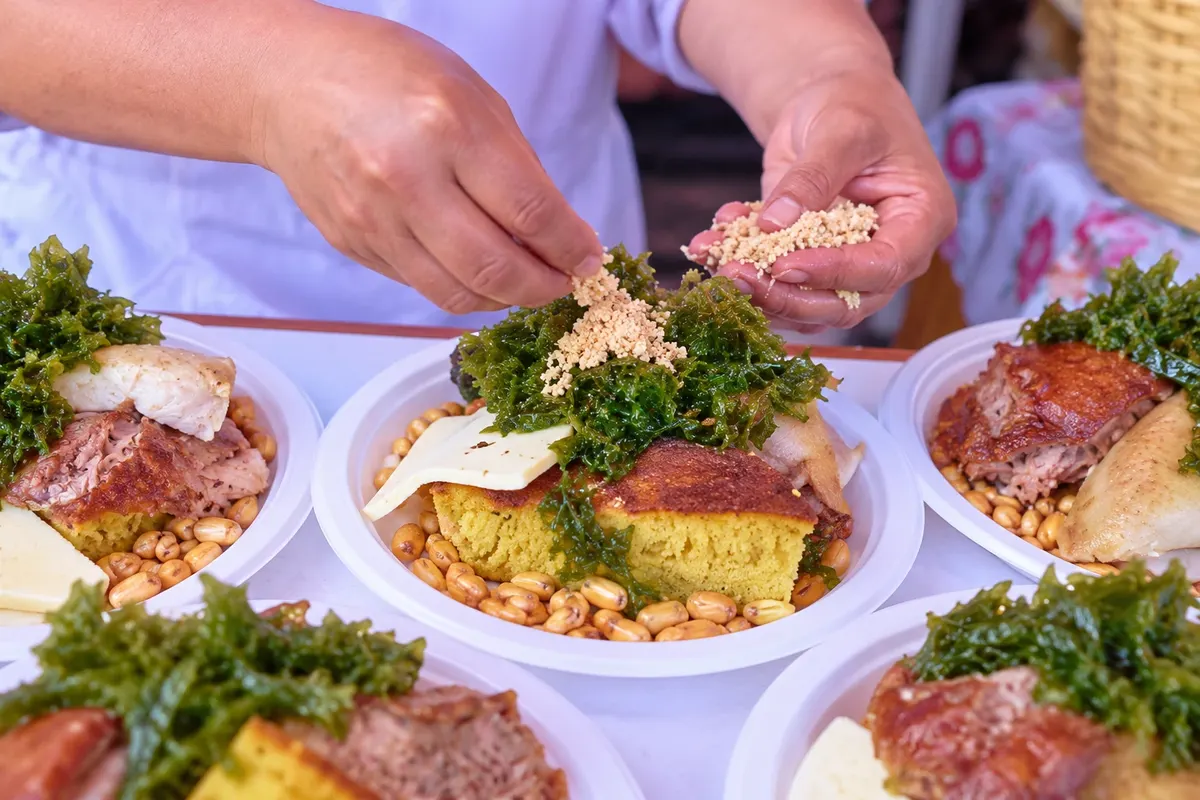
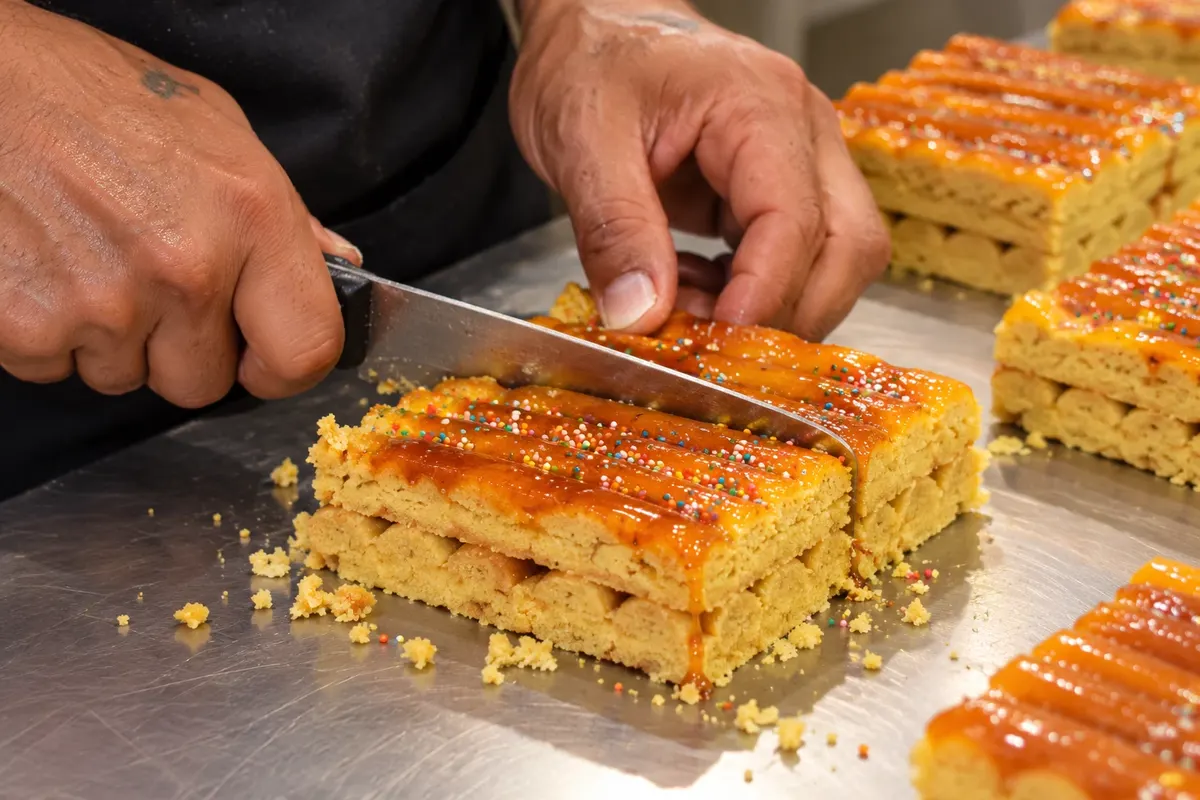
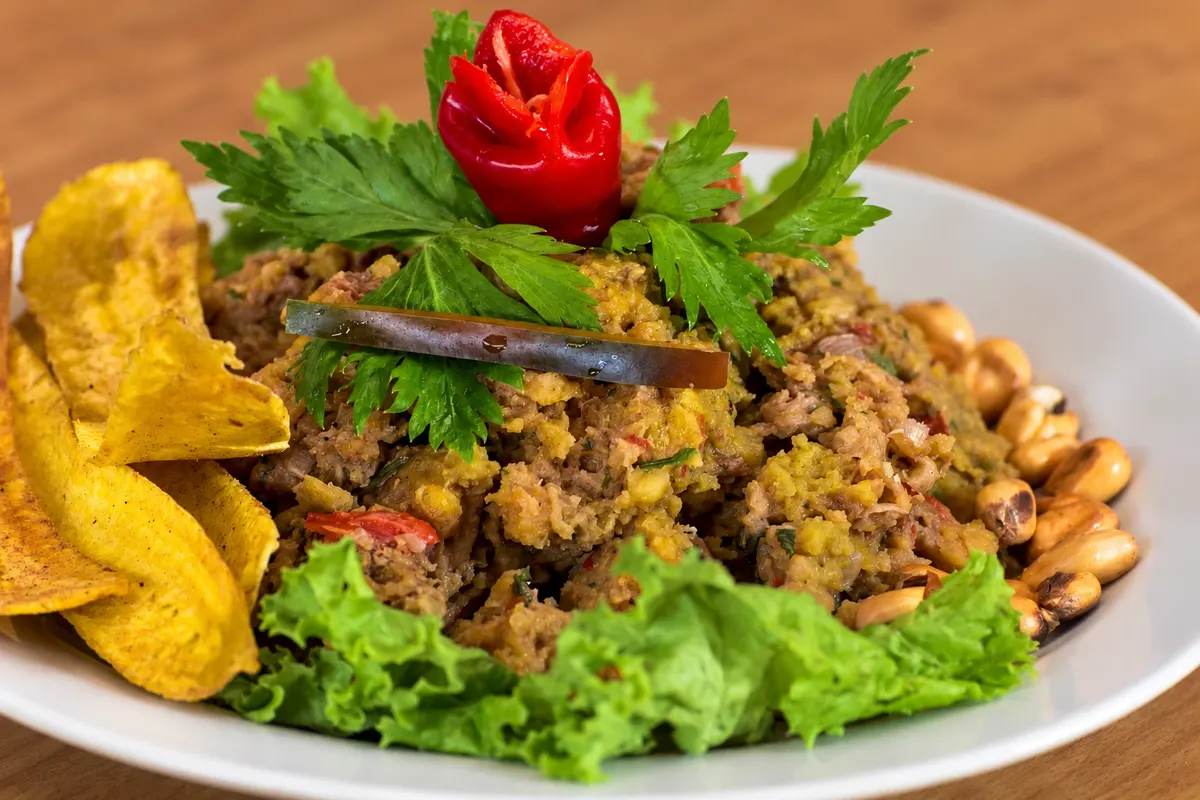
Many dishes have a day and a festival: shambar on Mondays in Trujillo, the October turrón in Lima, the chiriuchu of Corpus Christi in Cusco. Ceviche, the country’s best-known dish, has its preparation and consumption practices inscribed by UNESCO as intangible heritage; it is eaten throughout Peru, not tied to a single place.
Each specialty here is linked to a city or a department that represents it. That does not mean it’s only eaten there: many have spread across the country. Each page explains the relation to the place, the ingredients, and the serving custom. Pisco and other drinks are part of the country’s culture and should be enjoyed in moderation.


 Brazilija
 Antarktika
 Argentina
 Bolivija
 Čile
 Kolumbija
 Ekvator
 Gvajana
 Francoska Gvajana
 Falklandski otoki (Malvini)
 Paragvaj
 Surinam
 Urugvaj
 Venezuela
 Nemčija
 Avstrija
 Belgija
 Hrvaška
 Danska
 Slovaška
 Slovenija
 Španija
 Finska
 Francija
 Grčija
 Nizozemska
 Madžarska
 Irska
 Islandija
 Italija
 Luksemburg
 Norveška
 Poljska
 Portugalska
 Združeno kraljestvo
 Češka
 Švedska
 Švica
 Turčija
 Bermudi
 Kanada
 Združene države Amerike
 Grenlandija
 Mehika
 Sveta Peter in Mihael
 Dominikanska republika
 Japonska
 Južnoafriška republika
 Egipt
 Avstralija
 Fidži
 Nova Zelandija
 Papua Nova Gvineja