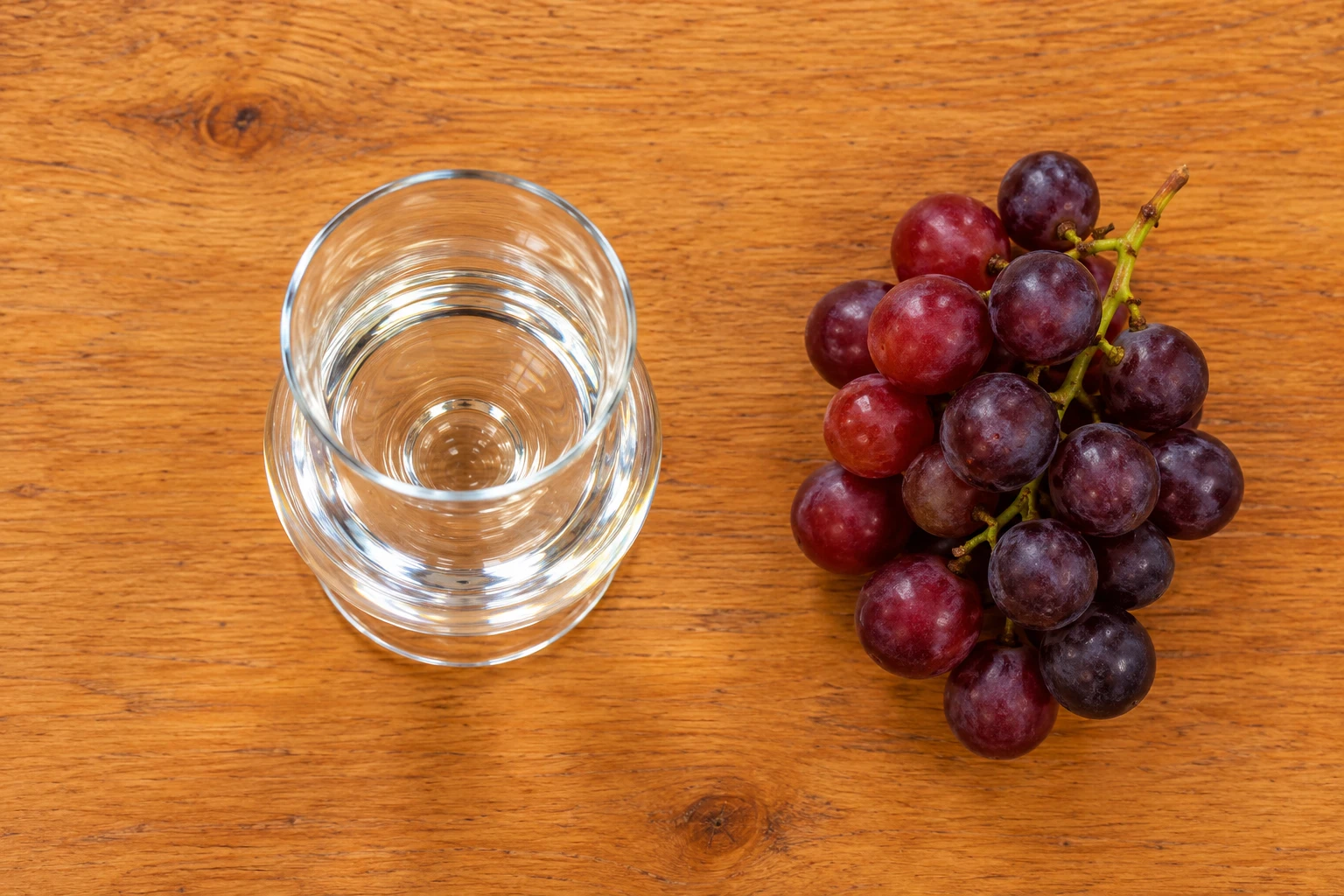
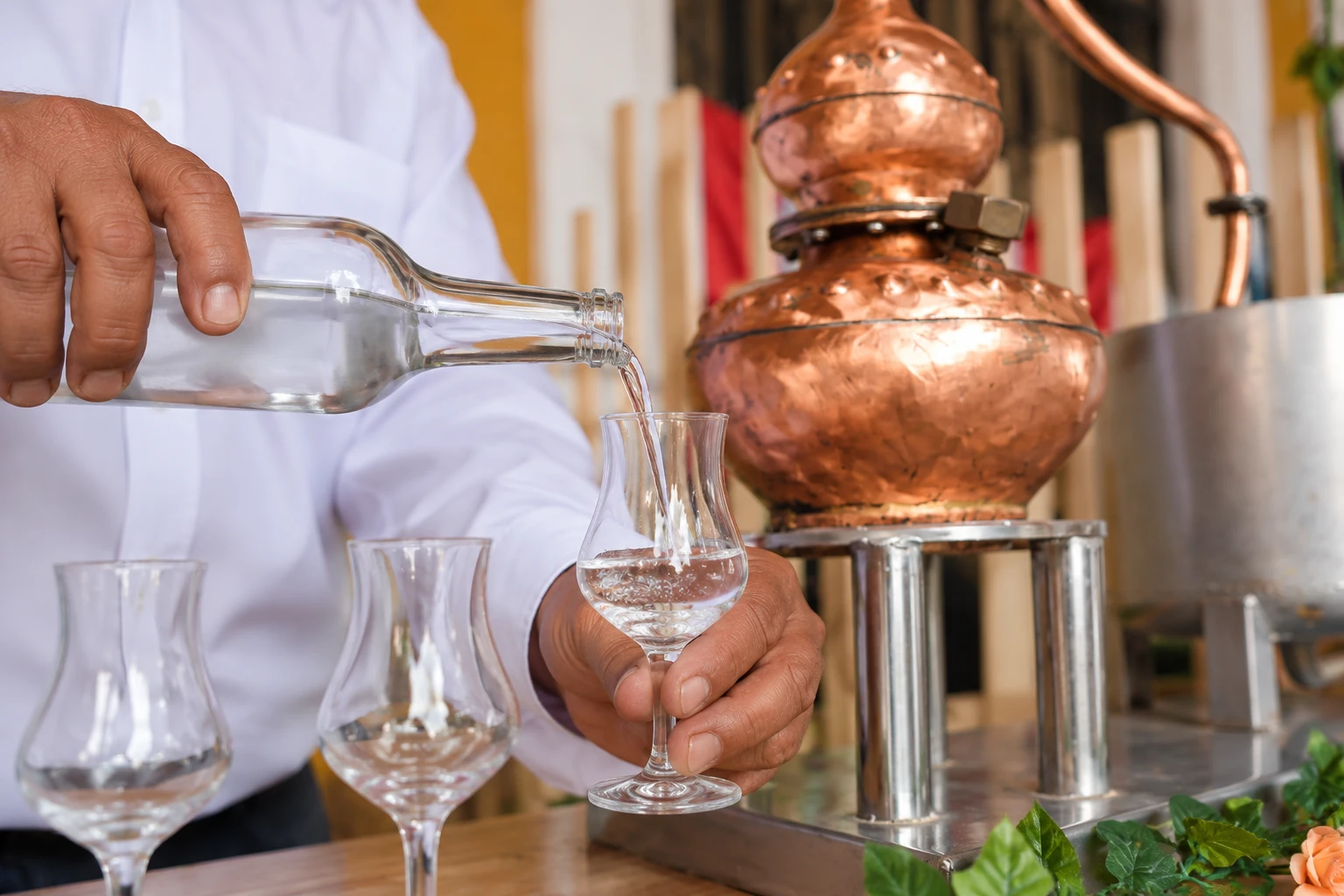
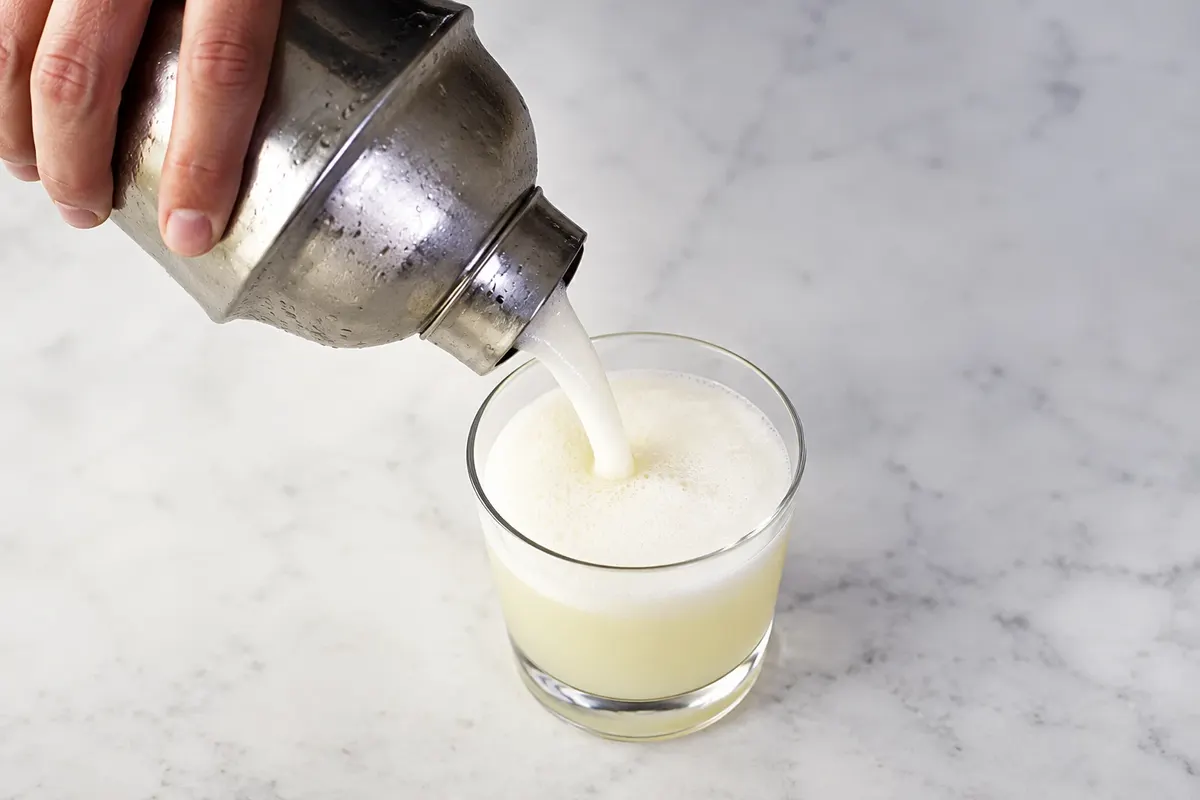
Pisco is a grape aguardiente. It’s made from the must of pisquera grapes, fermented and distilled shortly afterward, with no addition of water, sugar, or other ingredients. The authorized grapes are eight: quebranta, negra criolla, mollar, uvina, italia, moscatel, albilla, and torontel, some more neutral and others aromatic.
There are three types. Pisco puro is made from a single grape variety; acholado blends varieties; and mosto verde is distilled before fermentation finishes, which yields a smoother spirit.
Pisco was the first designation of origin recognized by the Peruvian state, on December 12, 1990, and Indecopi later granted it the status of renowned designation of origin. Under the regulation, it can only be produced on the coast of the departments of Lima, Ica, Arequipa, and Moquegua and in the valleys of Locumba, Sama, and Caplina, in Tacna. Ica, with its desert-irrigated valleys, is one of the departments most associated with the drink; this page is listed as a representative place, not as its exclusive origin.
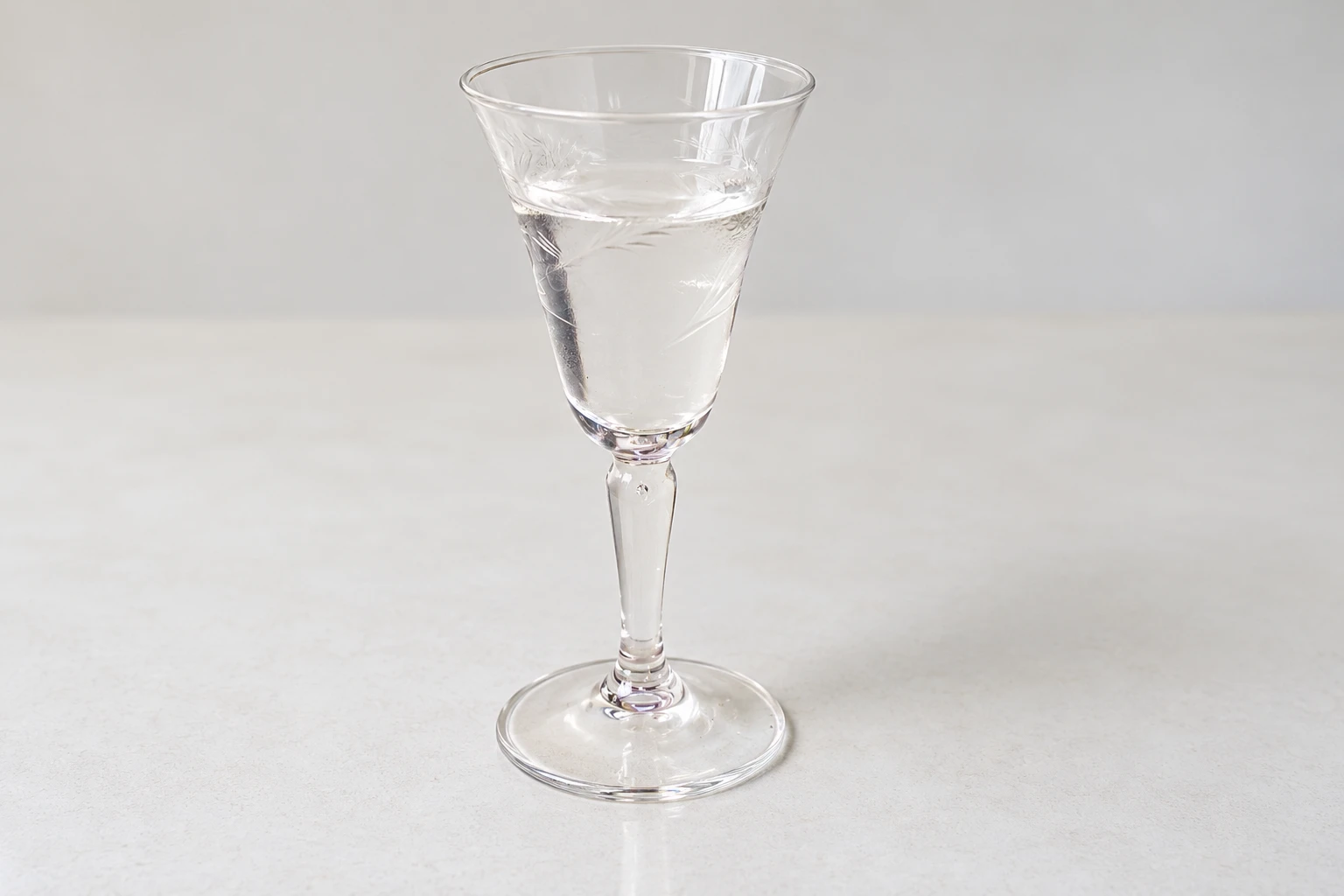
Grape distillation on the southern Peruvian coast dates back to colonial times, and chroniclers of the 16th and 17th centuries already wrote about it. Pisco is consumed neat, in a small glass, or in cocktails like the pisco sour and the chilcano. National Pisco Day is the fourth Sunday of July. Chile also produces an aguardiente called pisco, with its own rules; this page does not enter that dispute. It is a strong drink: enjoy it in moderation.


 Brazilija
 Antarktika
 Argentina
 Bolivija
 Čile
 Kolumbija
 Ekvator
 Gvajana
 Francoska Gvajana
 Falklandski otoki (Malvini)
 Paragvaj
 Surinam
 Urugvaj
 Venezuela
 Nemčija
 Avstrija
 Belgija
 Hrvaška
 Danska
 Slovaška
 Slovenija
 Španija
 Finska
 Francija
 Grčija
 Nizozemska
 Madžarska
 Irska
 Islandija
 Italija
 Luksemburg
 Norveška
 Poljska
 Portugalska
 Združeno kraljestvo
 Češka
 Švedska
 Švica
 Turčija
 Bermudi
 Kanada
 Združene države Amerike
 Grenlandija
 Mehika
 Sveta Peter in Mihael
 Dominikanska republika
 Japonska
 Južnoafriška republika
 Egipt
 Avstralija
 Fidži
 Nova Zelandija
 Papua Nova Gvineja