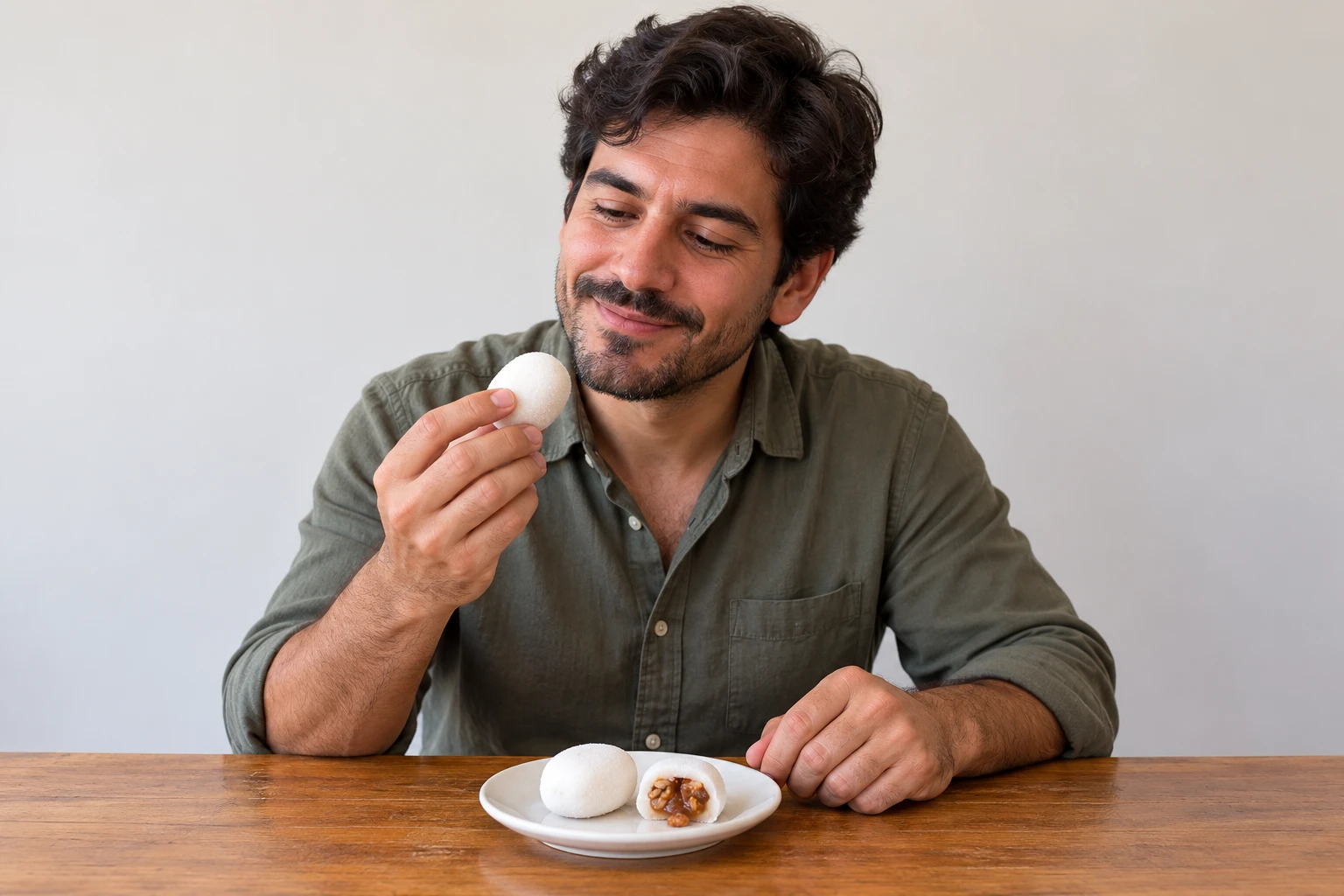
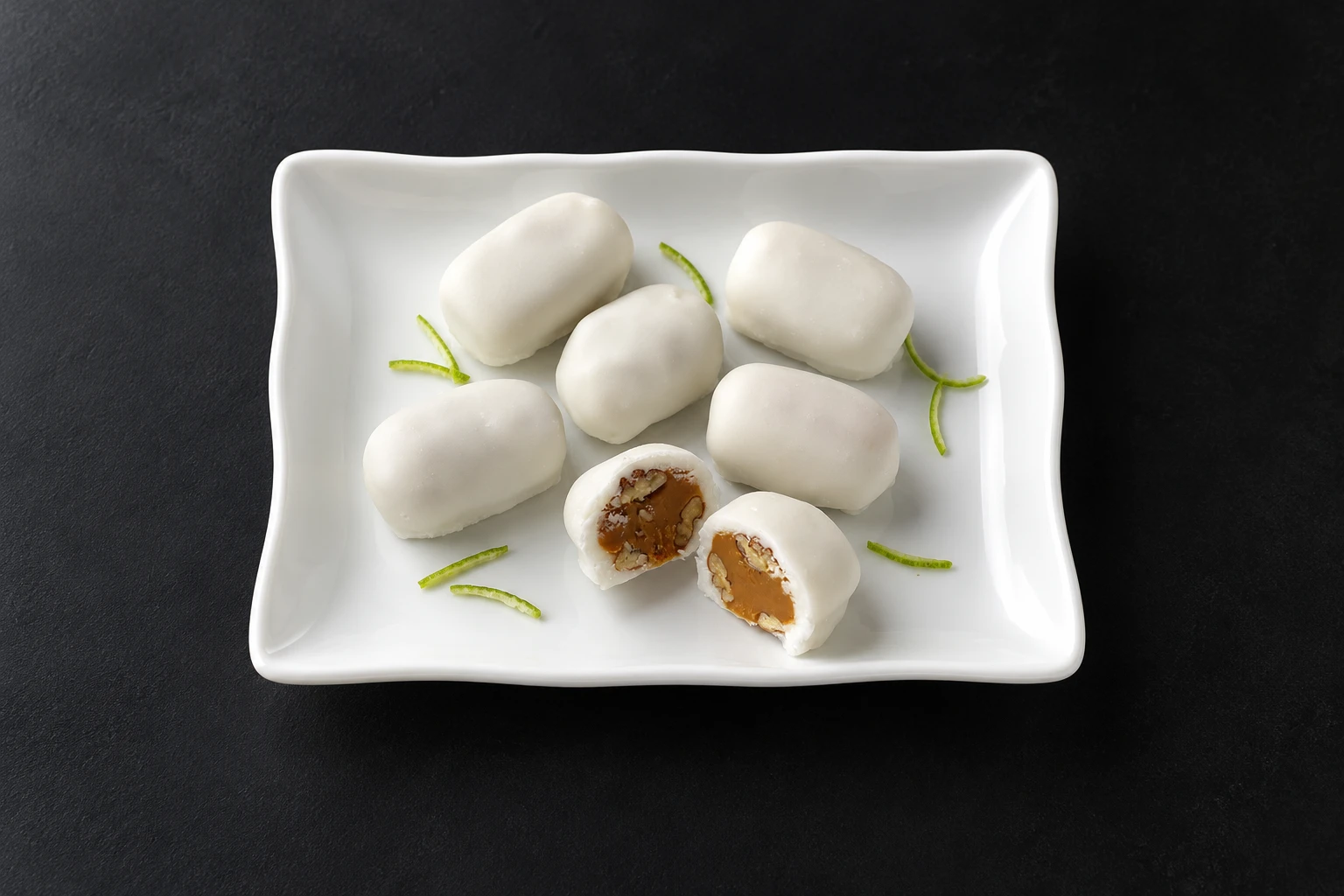
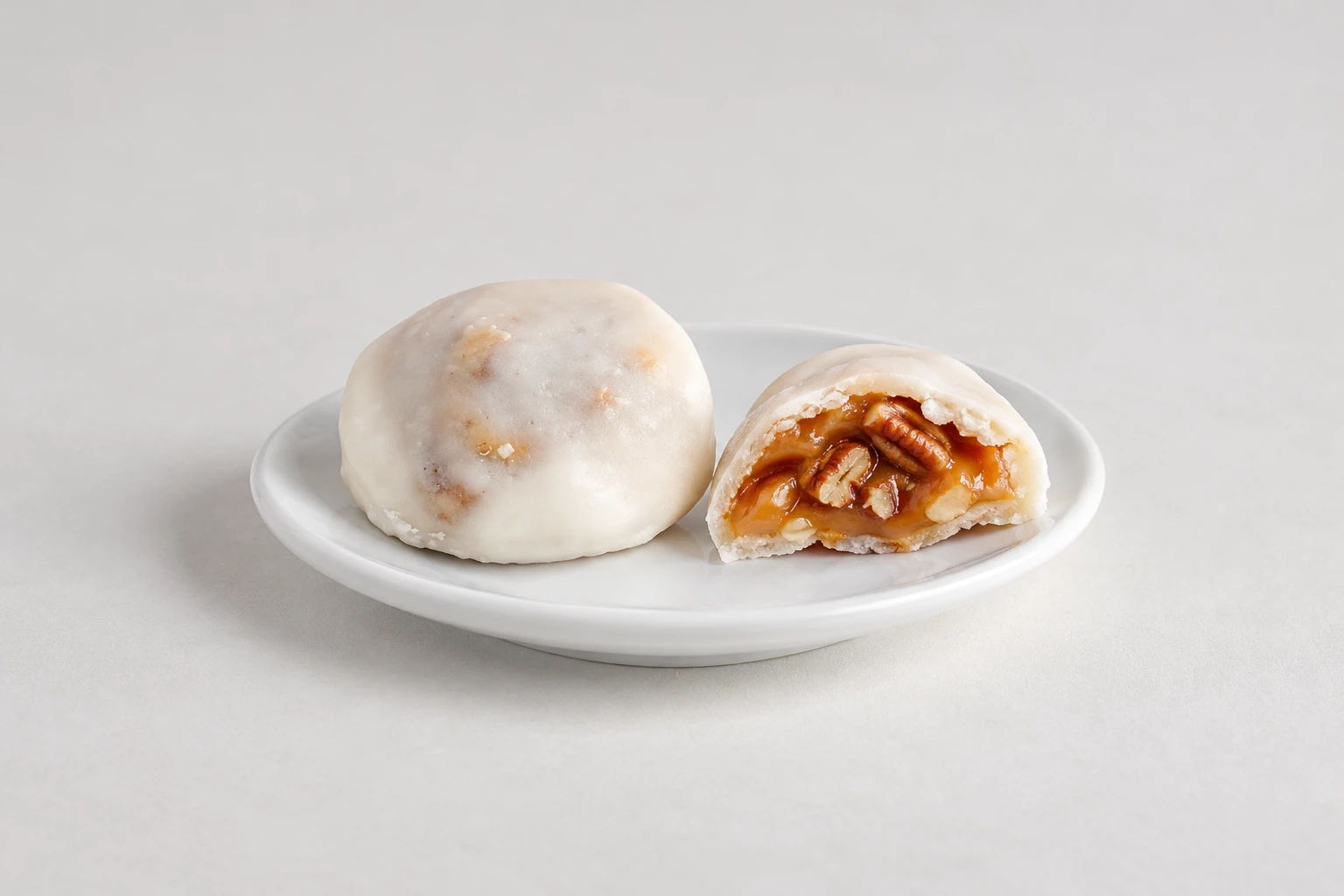
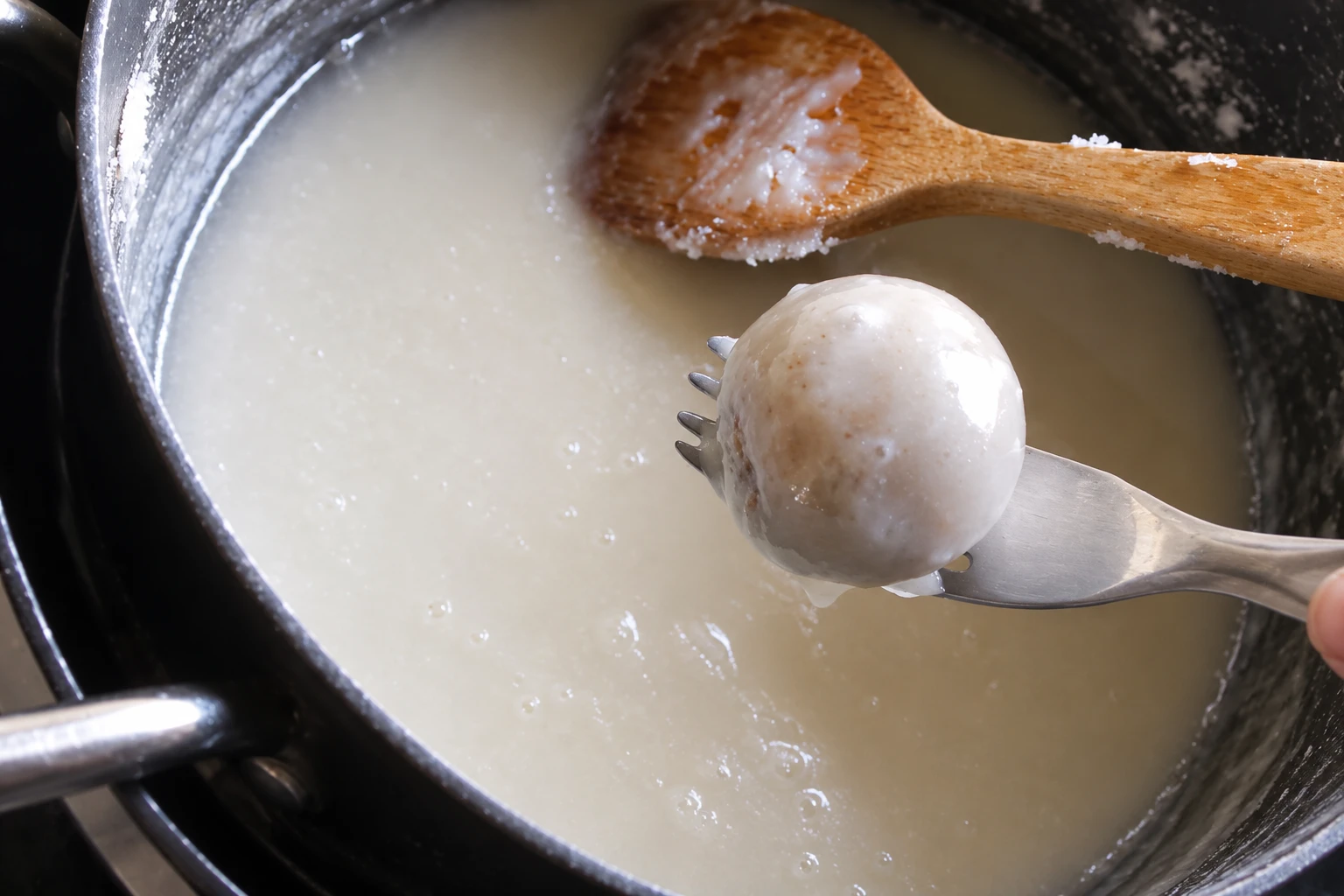
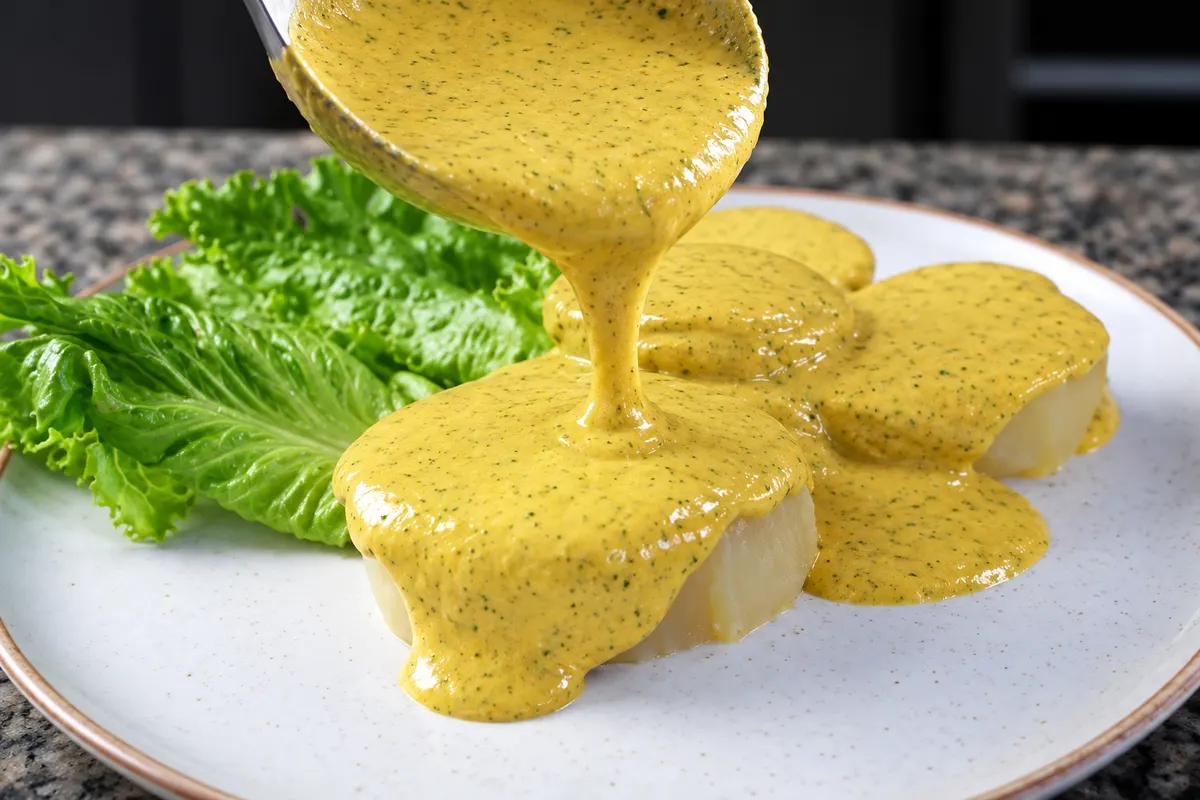
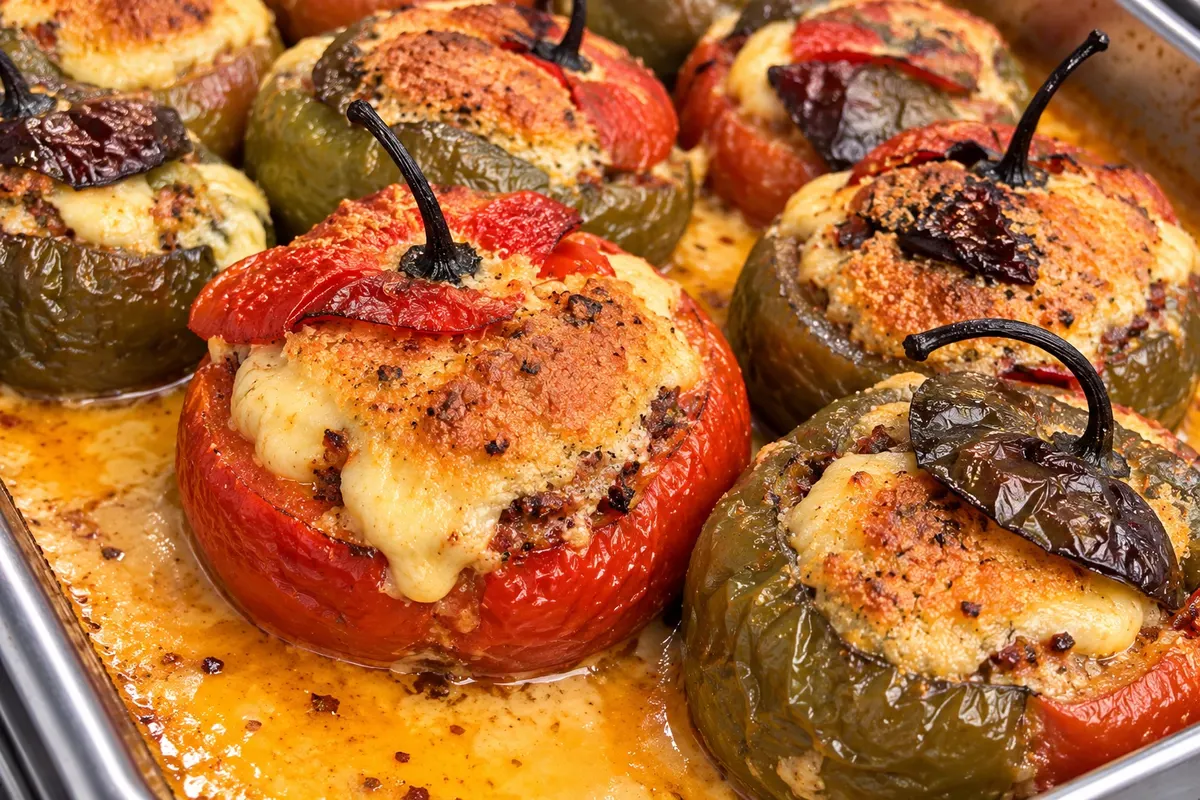
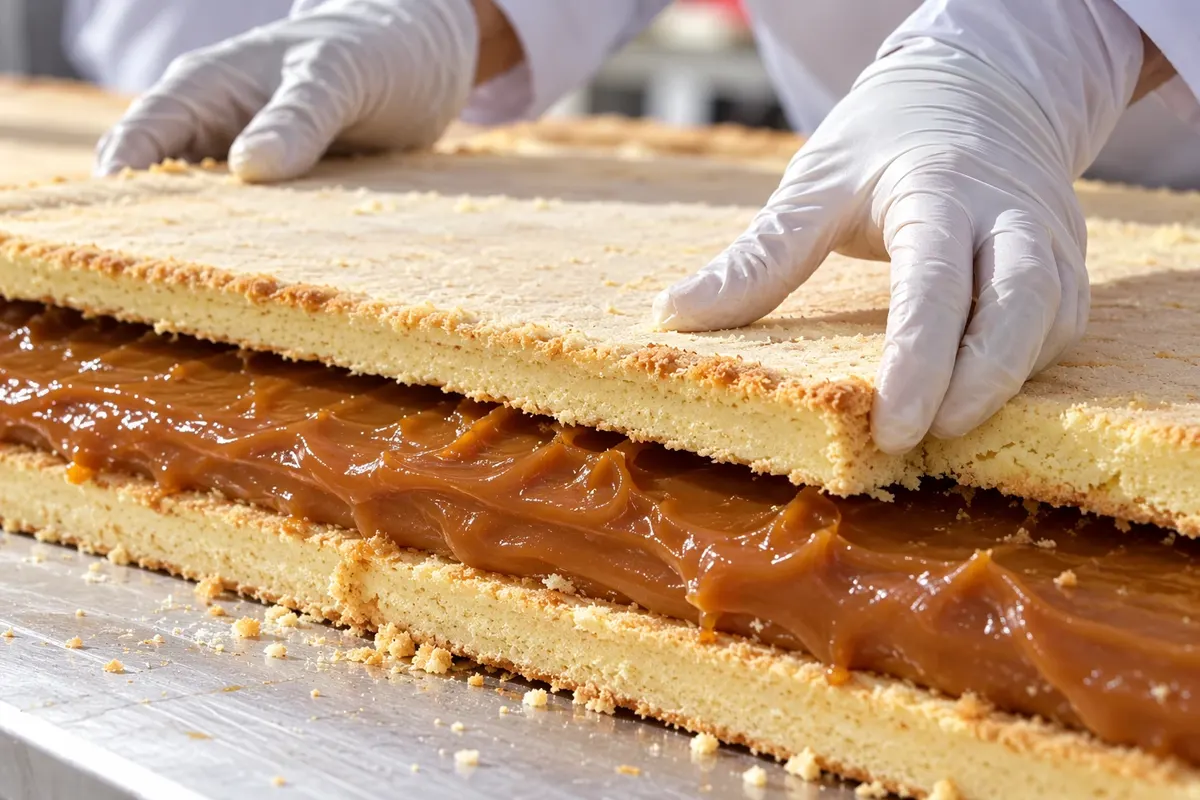
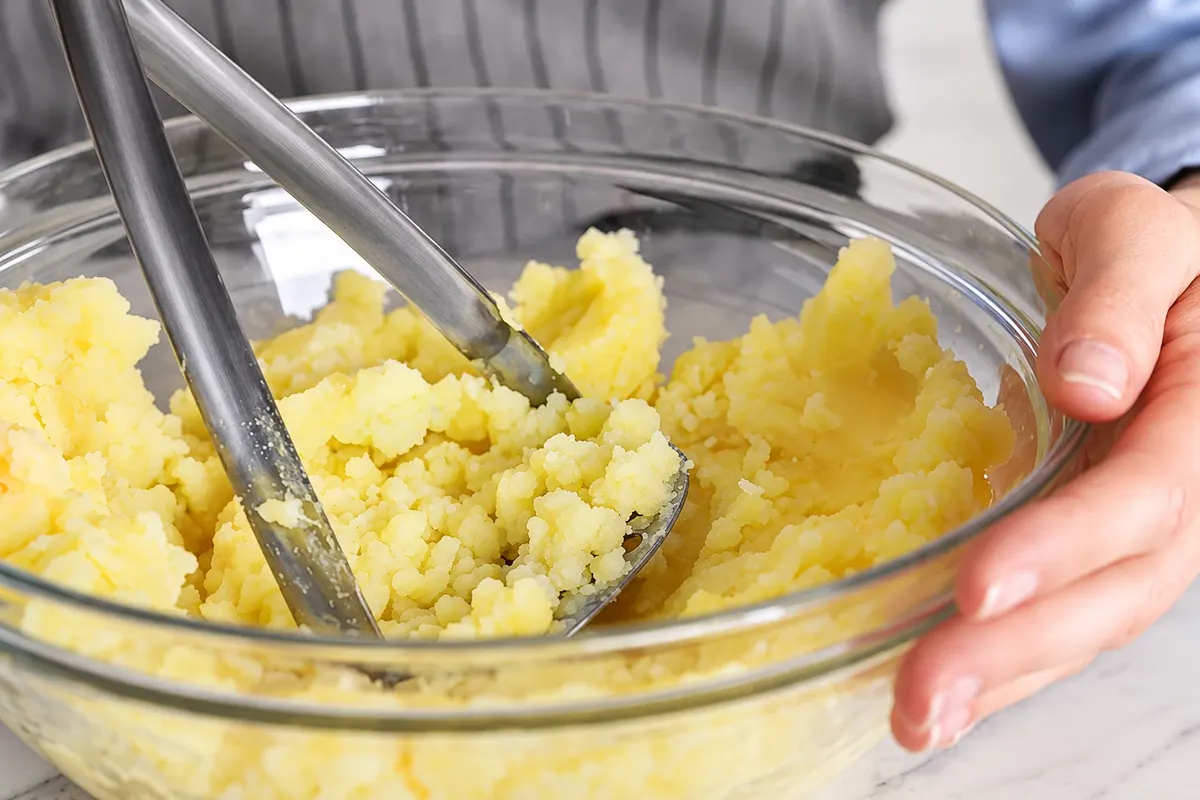
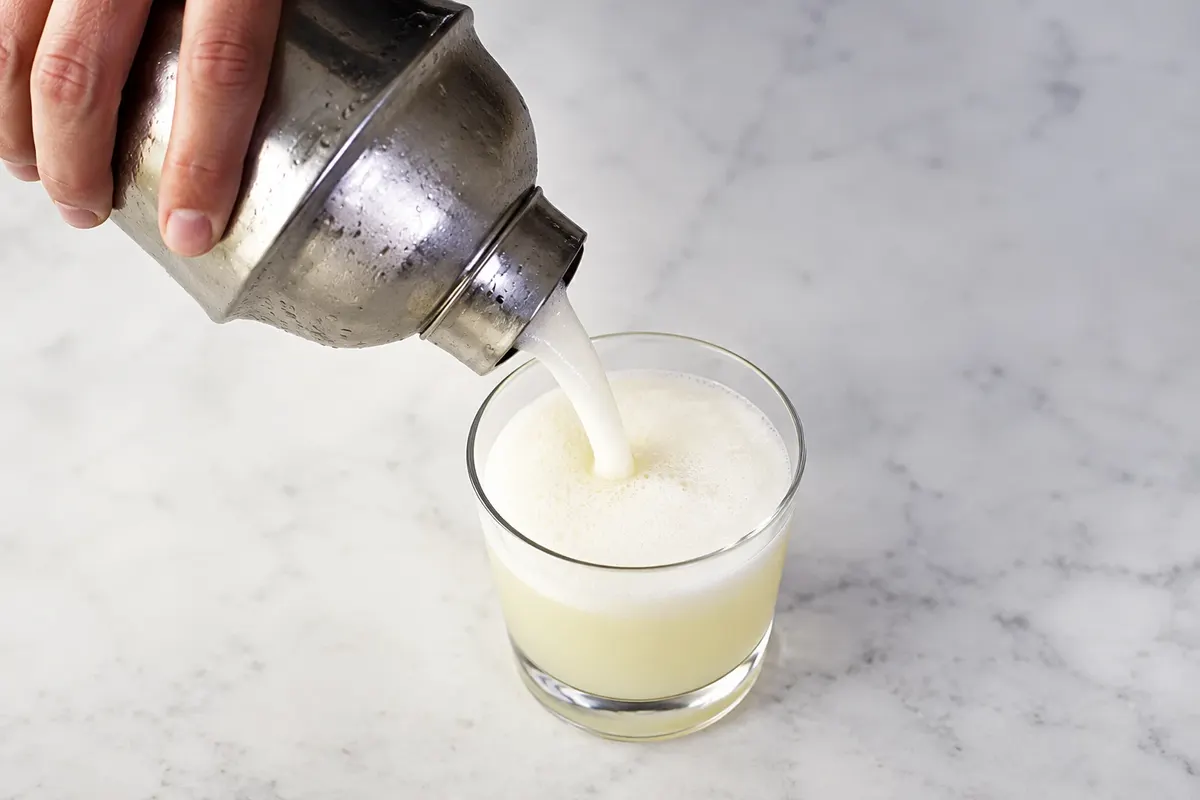
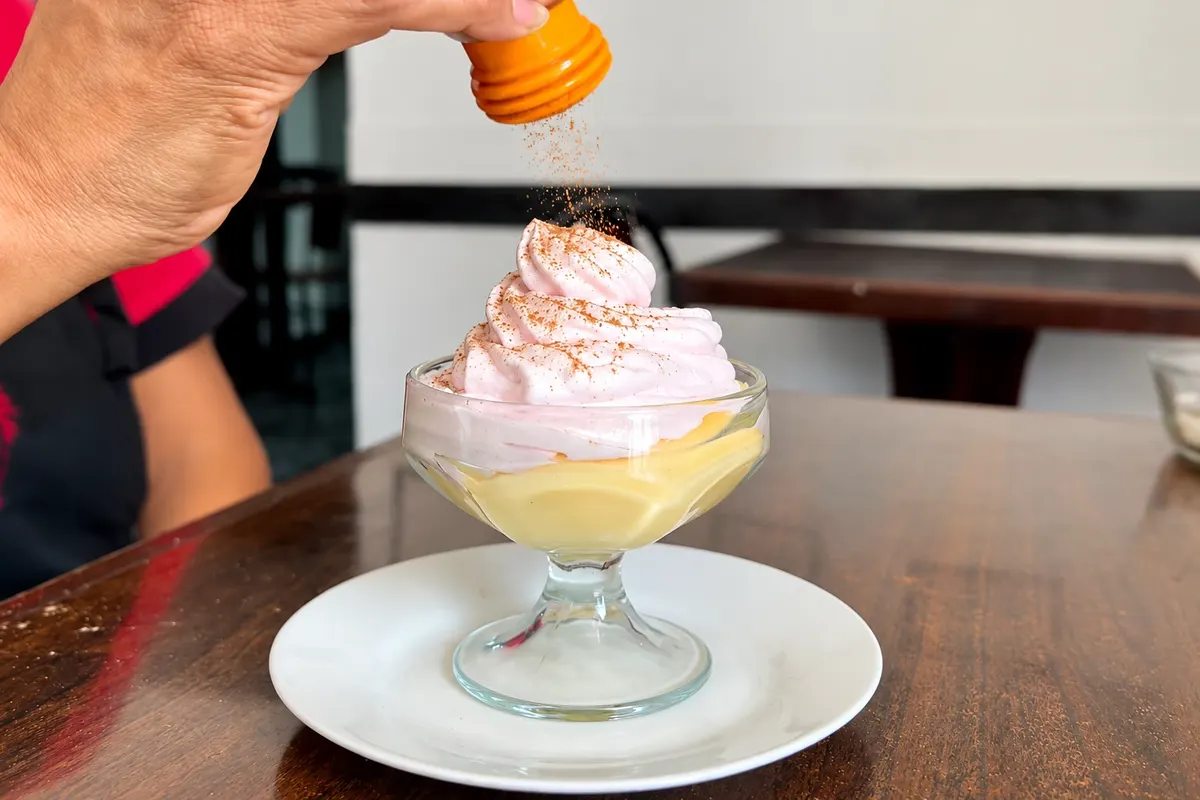
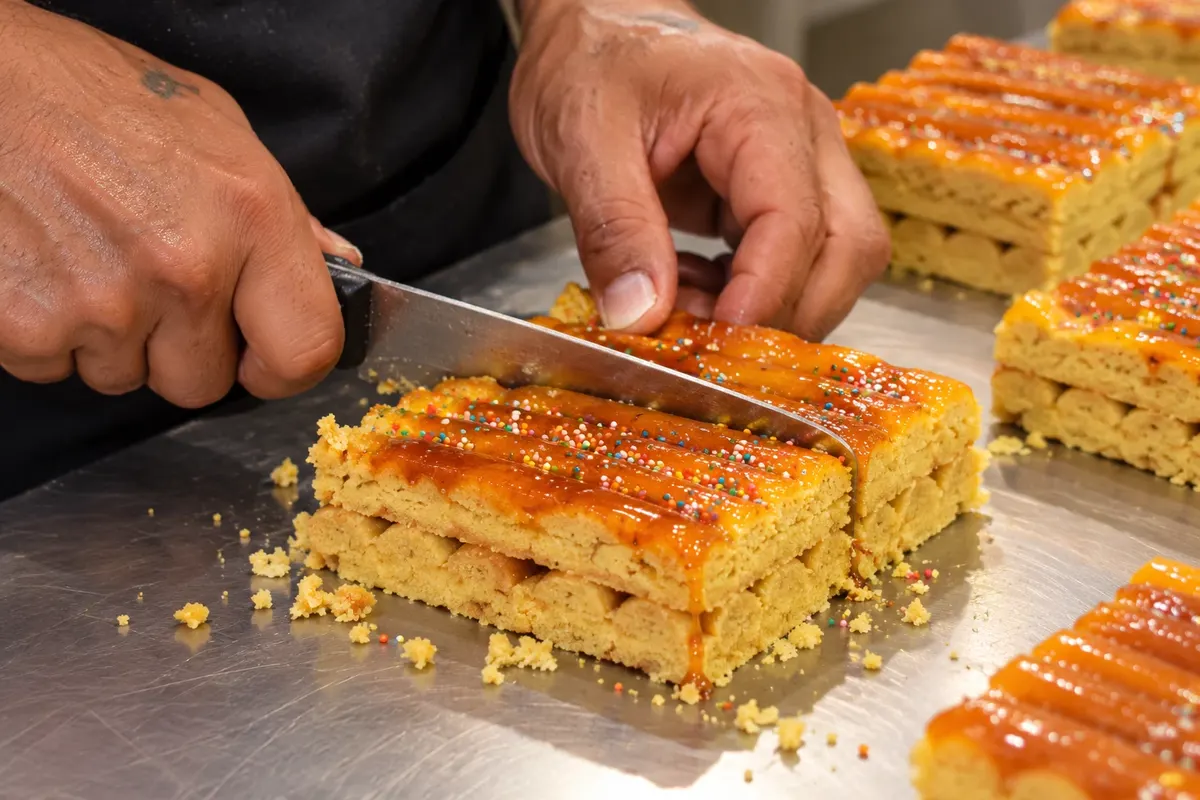
The teja is a small, oval-shaped bonbon. Inside it has manjar blanco, the Peruvian dulce de leche, surrounding a filling of candied lemon, fig or orange, or pecan nuts. On the outside it has a thin white fondant coating, made from cooked and whipped sugar.
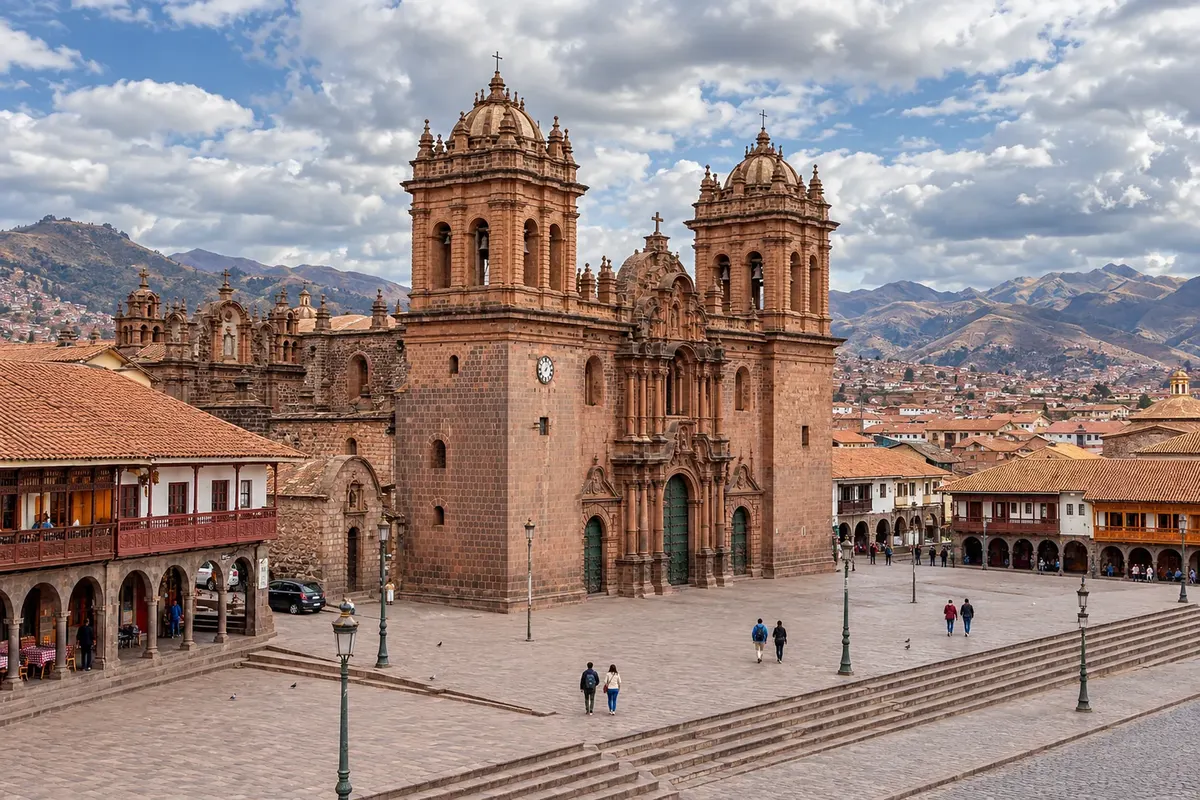
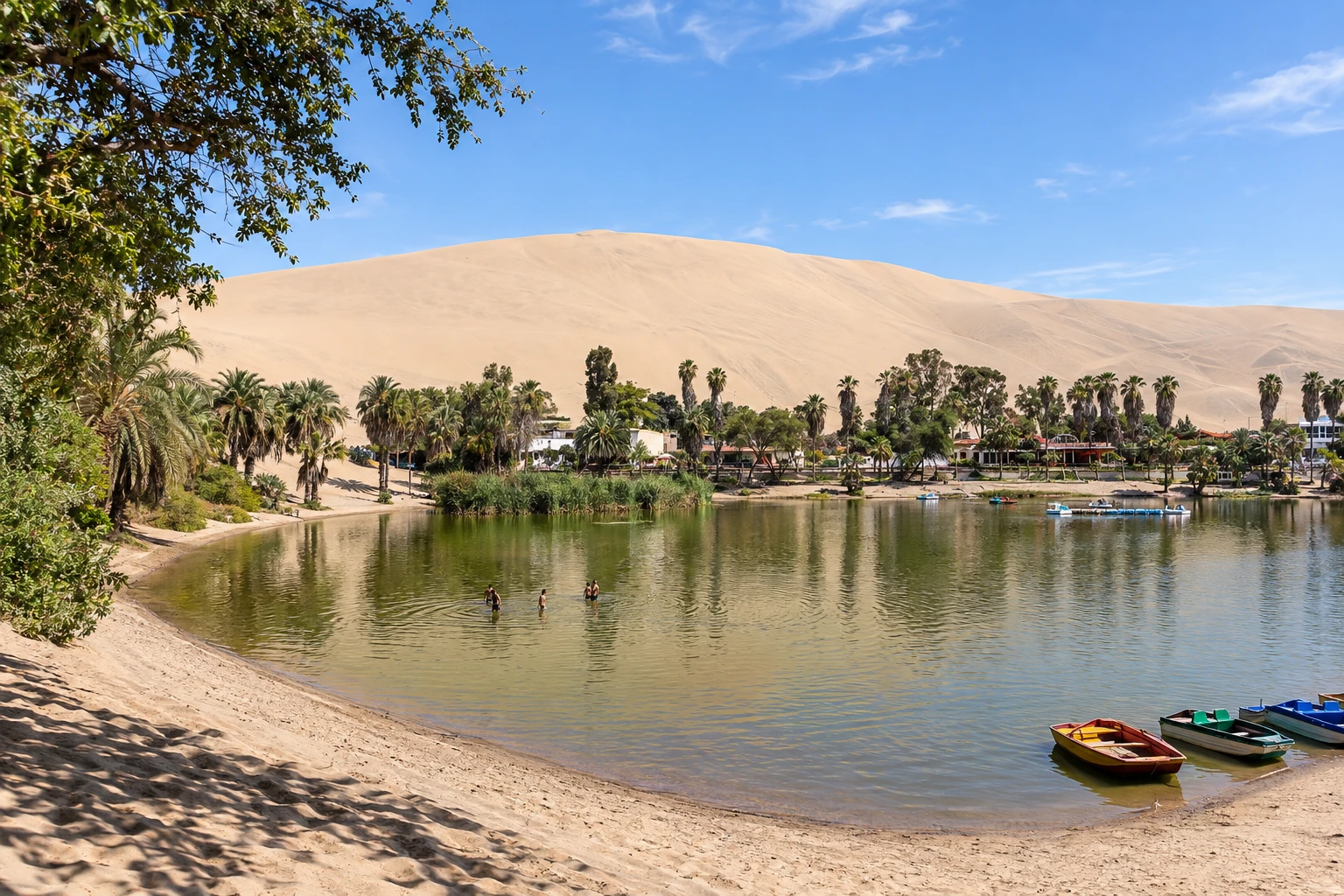
The sweet is associated with colonial confectionery, when in convents of nuns sugar, milk and fruits brought by the Spanish were combined. In Ica, a city of irrigated valleys in the middle of the desert, the teja became the local sweet.
The more recent version is the chocoteja, with a chocolate coating instead of fondant, which appeared a few decades ago; both coexist in the city’s shops and workshops, and some workshops welcome visitors.
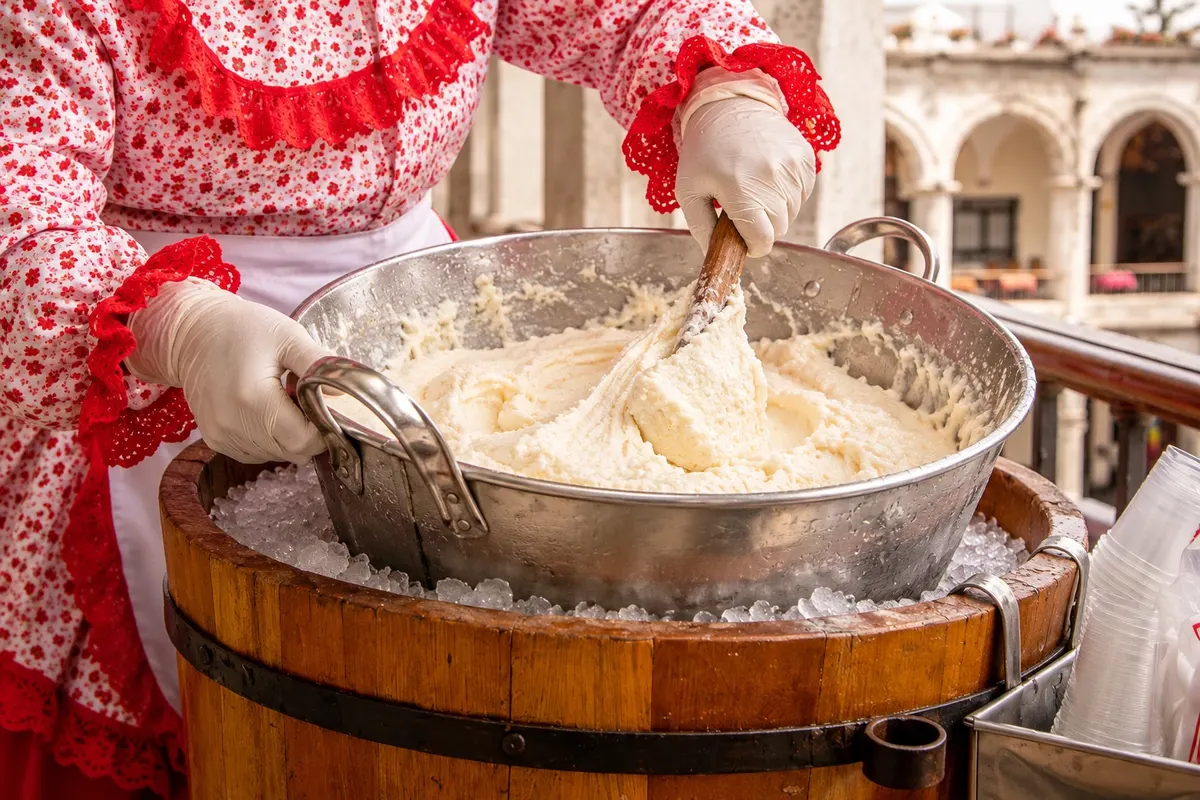
The Municipalidad Provincial de Ica recognized the teja and the chocoteja as cultural and culinary heritage of the province and created the Day of the Teja and the Chocoteja Iqueña on June 15, near the city’s anniversary. At the regional level, Ordinance 011-2023-GORE-ICA established October 4 as the Day of the Teja Iqueña and its derivatives. On the anniversary, the city usually prepares a giant chocoteja in the Plaza de Armas.


 Brazilija
 Antarktika
 Argentina
 Bolivija
 Čile
 Kolumbija
 Ekvator
 Gvajana
 Francoska Gvajana
 Falklandski otoki (Malvini)
 Paragvaj
 Surinam
 Urugvaj
 Venezuela
 Nemčija
 Avstrija
 Belgija
 Hrvaška
 Danska
 Slovaška
 Slovenija
 Španija
 Finska
 Francija
 Grčija
 Nizozemska
 Madžarska
 Irska
 Islandija
 Italija
 Luksemburg
 Norveška
 Poljska
 Portugalska
 Združeno kraljestvo
 Češka
 Švedska
 Švica
 Turčija
 Bermudi
 Kanada
 Združene države Amerike
 Grenlandija
 Mehika
 Sveta Peter in Mihael
 Dominikanska republika
 Japonska
 Južnoafriška republika
 Egipt
 Avstralija
 Fidži
 Nova Zelandija
 Papua Nova Gvineja