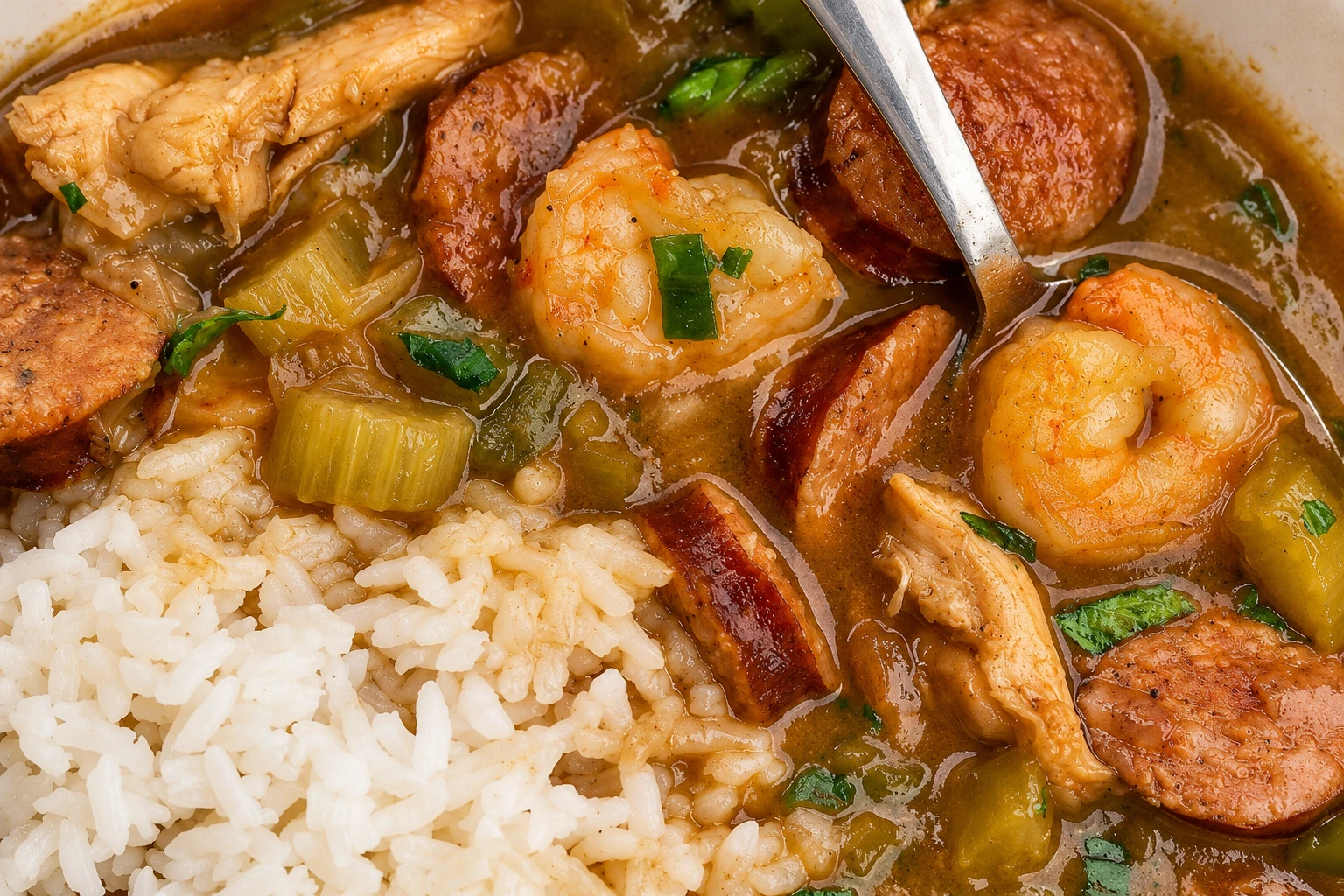
Gumbo
Thick Louisiana stew served over rice, made with a dark roux of flour and fat, the “holy trinity” of onion, celery and bell pepper, and seafood or chicken with sausage. It has been the state’s official cuisine since 2004.
Antarctica
State · Louisiana and the Mississippi Delta
Louisiana is the state of jazz, the New Orleans Carnival, Creole and Cajun cuisine, and the swamps (bayous) along the Mississippi.
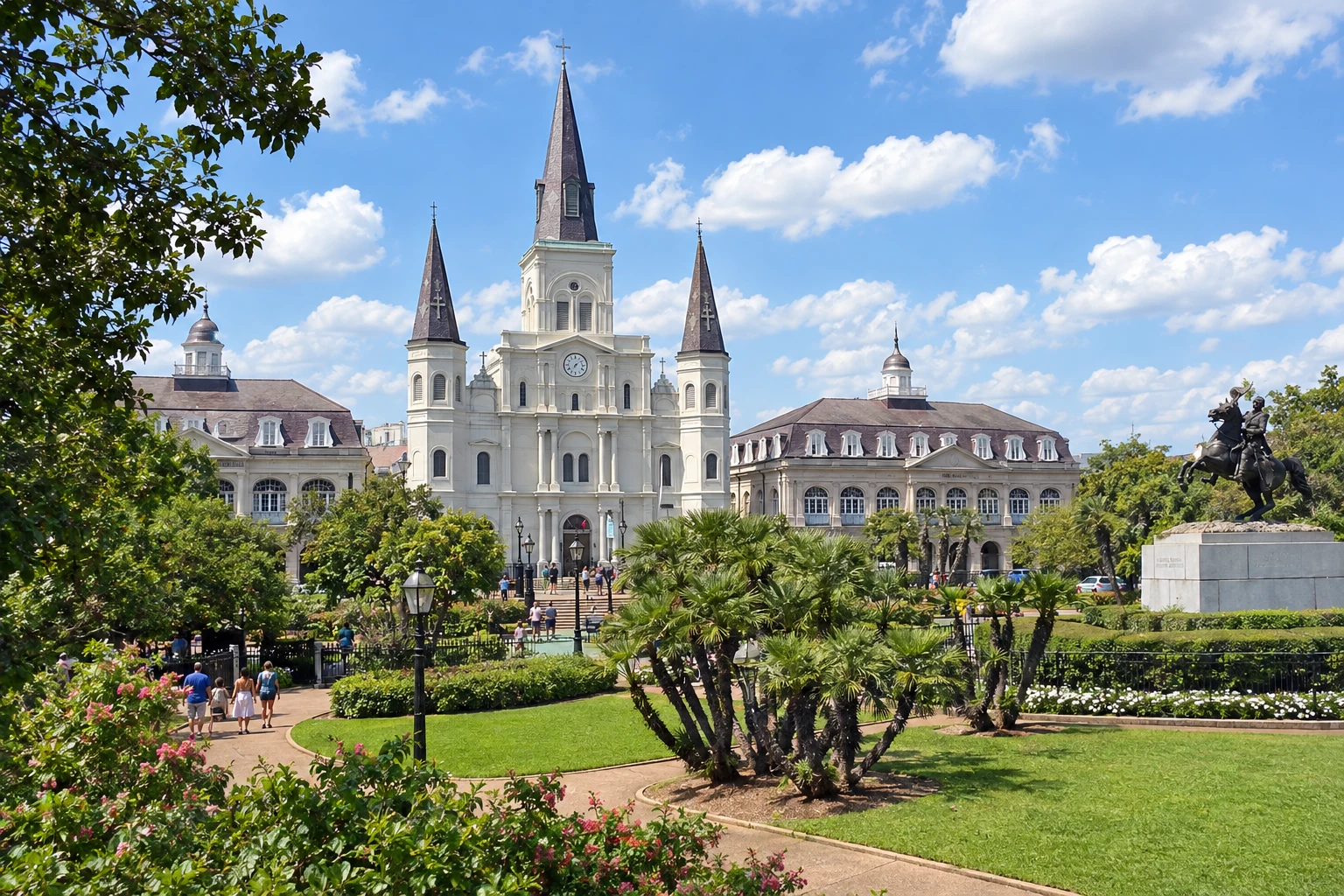
In the photo: Jackson Square, New Orleans
Illustrative images. The pictures in this guide are illustrations based on the real place, not photographs, and may differ from it.
State
Louisiana is in the southern United States, where the Mississippi River flows into the Gulf of Mexico. It was a French and Spanish colony before becoming part of the United States in 1803, and that mix shows in the language, the festivals and the food. The capital is Baton Rouge; the most visited city is New Orleans.
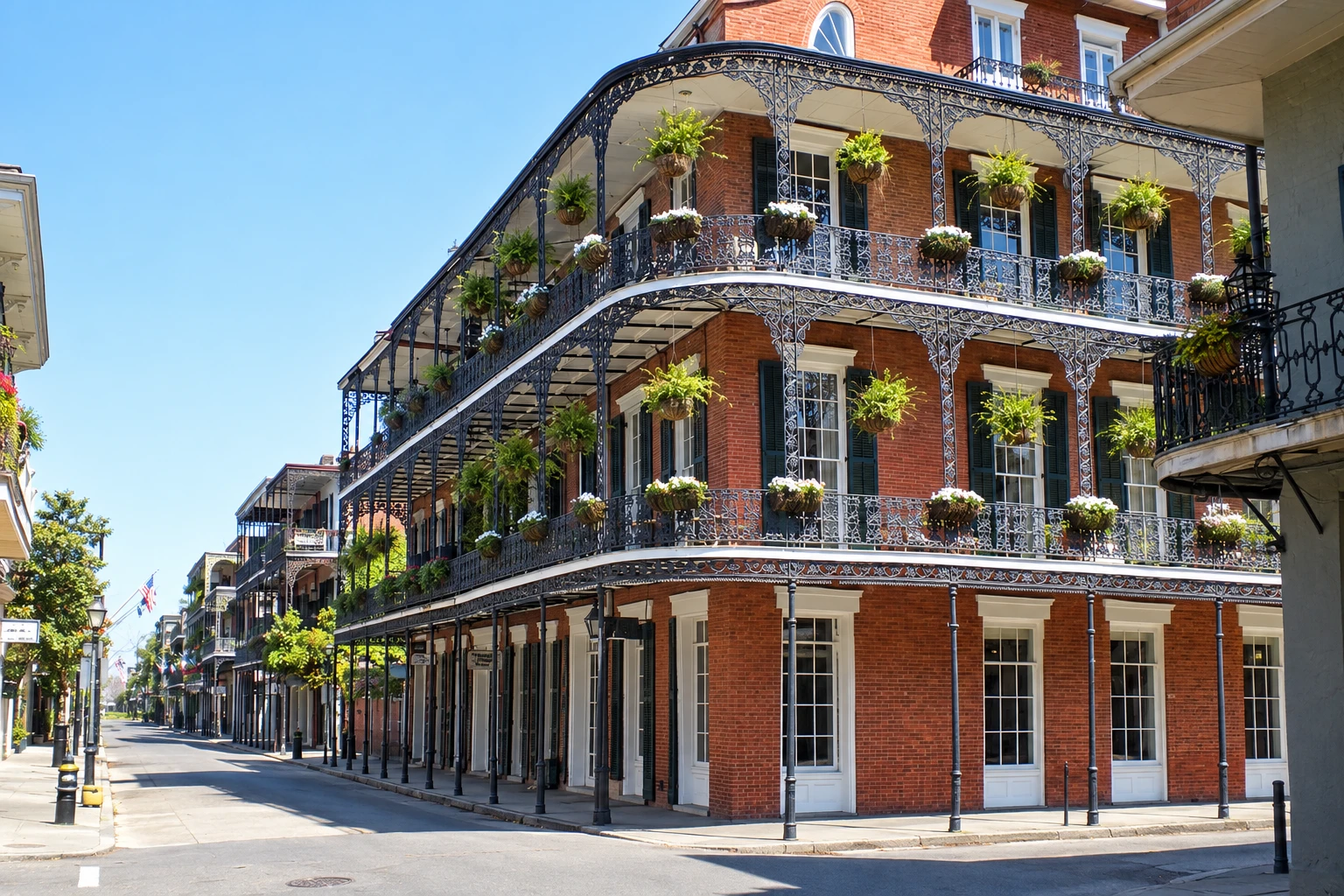
In New Orleans (New Orleans), the French Quarter has houses with iron balconies, Jackson Square and St. Louis Cathedral, and Bourbon Street concentrates bars and music. Frenchmen Street is the live-jazz street, the Garden District has 19th-century mansions, and the St. Charles Avenue streetcar crosses the city.
Carnival (Mardi Gras), with parades and beads thrown from floats, takes place in February or March, and the New Orleans Jazz & Heritage Festival occupies late April and early May. At the table, gumbo, jambalaya, the po'boy sandwich, crawfish and beignets, fried doughnuts covered in sugar.
Around New Orleans, boat tours through the swamps (bayous) show cypress trees and alligators, and along the Mississippi are old plantations like Oak Alley and the Whitney, devoted to the history of slavery. To the west, the Lafayette region is the center of Cajun culture, of French origin.

Flavors of the United States
Destinations
Cities

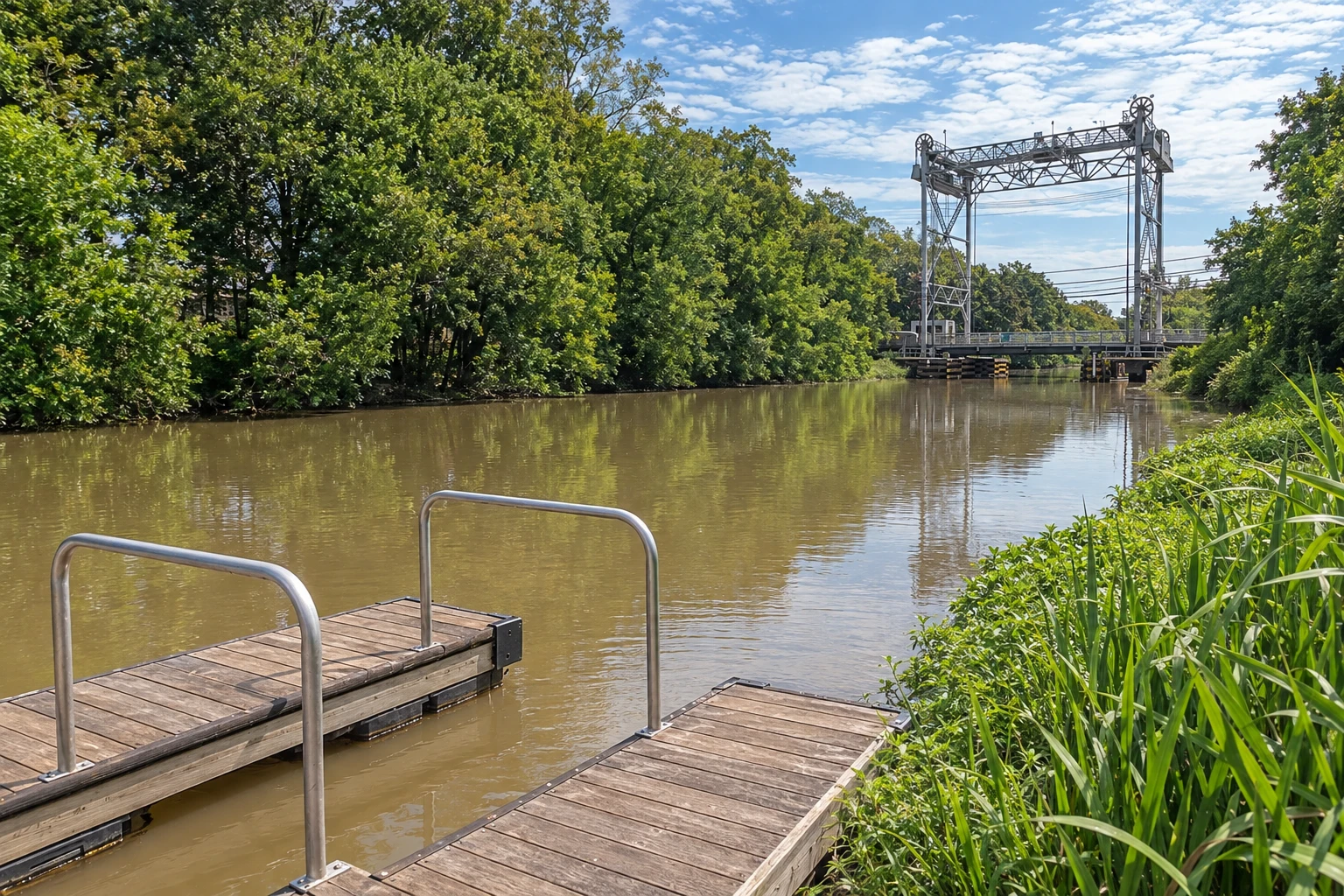
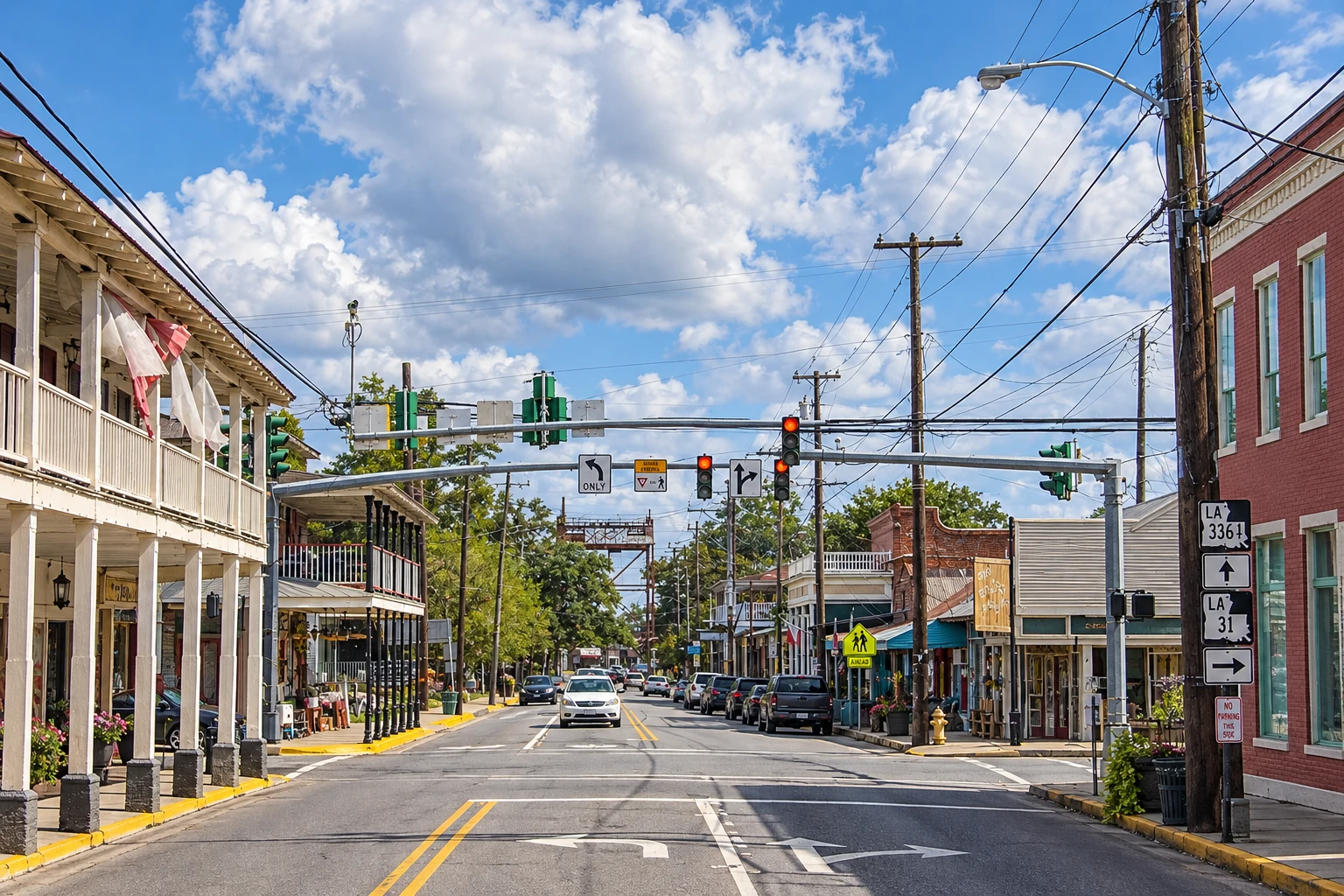
Small town on the banks of Bayou Teche, about 15 km from Lafayette, that proclaims itself the crawfish capital of the world. It has a center of antique shops and restaurants with Cajun and zydeco music. It is the gateway to Lake Martin and the Atchafalaya Basin, and is close to St. Martinville, linked to the poem Evangeline.

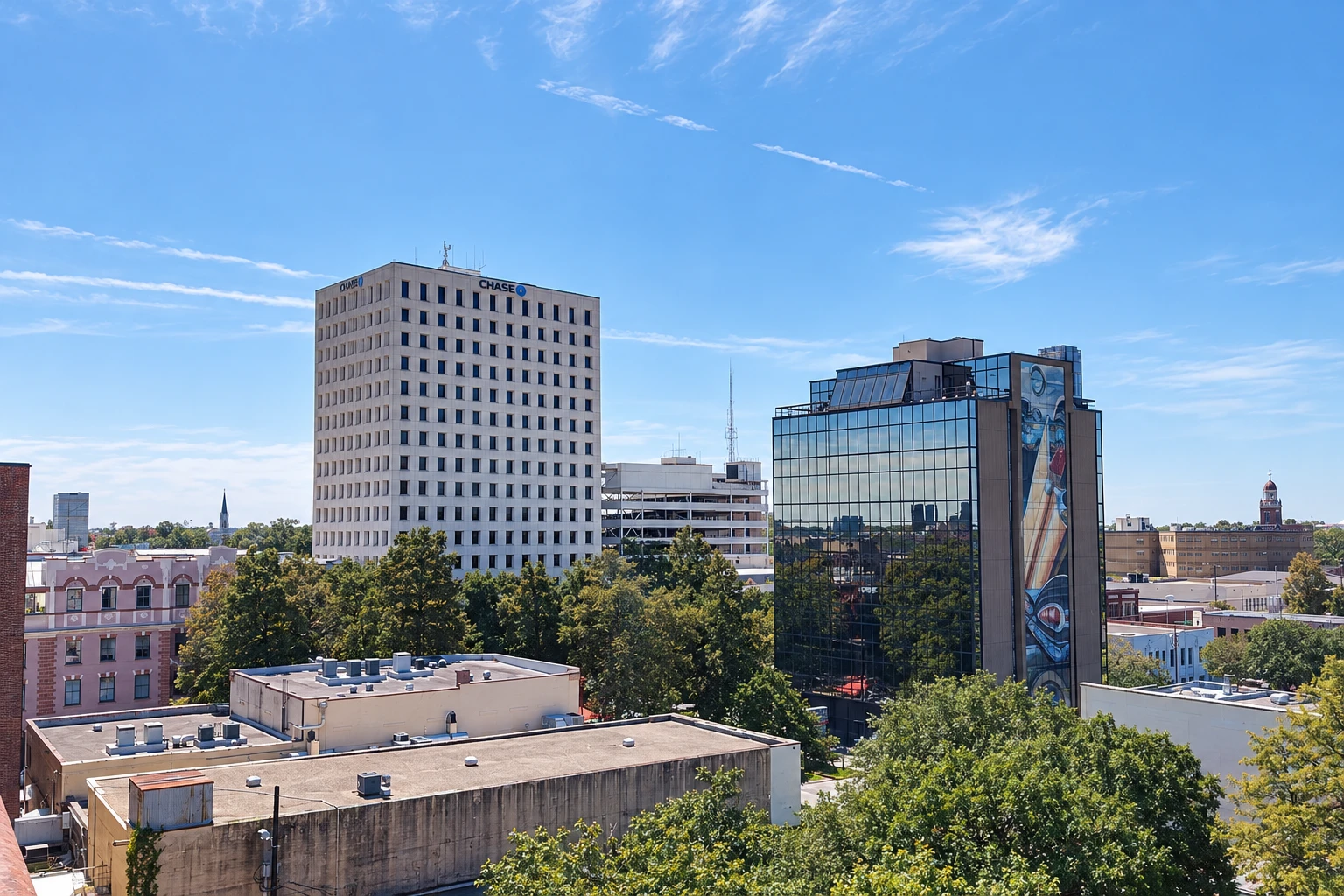
Largest city in Acadiana, founded in 1821 as Vermilionville on the banks of the Vermilion Bayou. It is the center of Louisiana’s Cajun and Creole culture, with live music, festivals and regional-food restaurants. The historic village of Vermilionville, St. John Cathedral with its centuries-old oak, and the Avery Island gardens are among the sights.

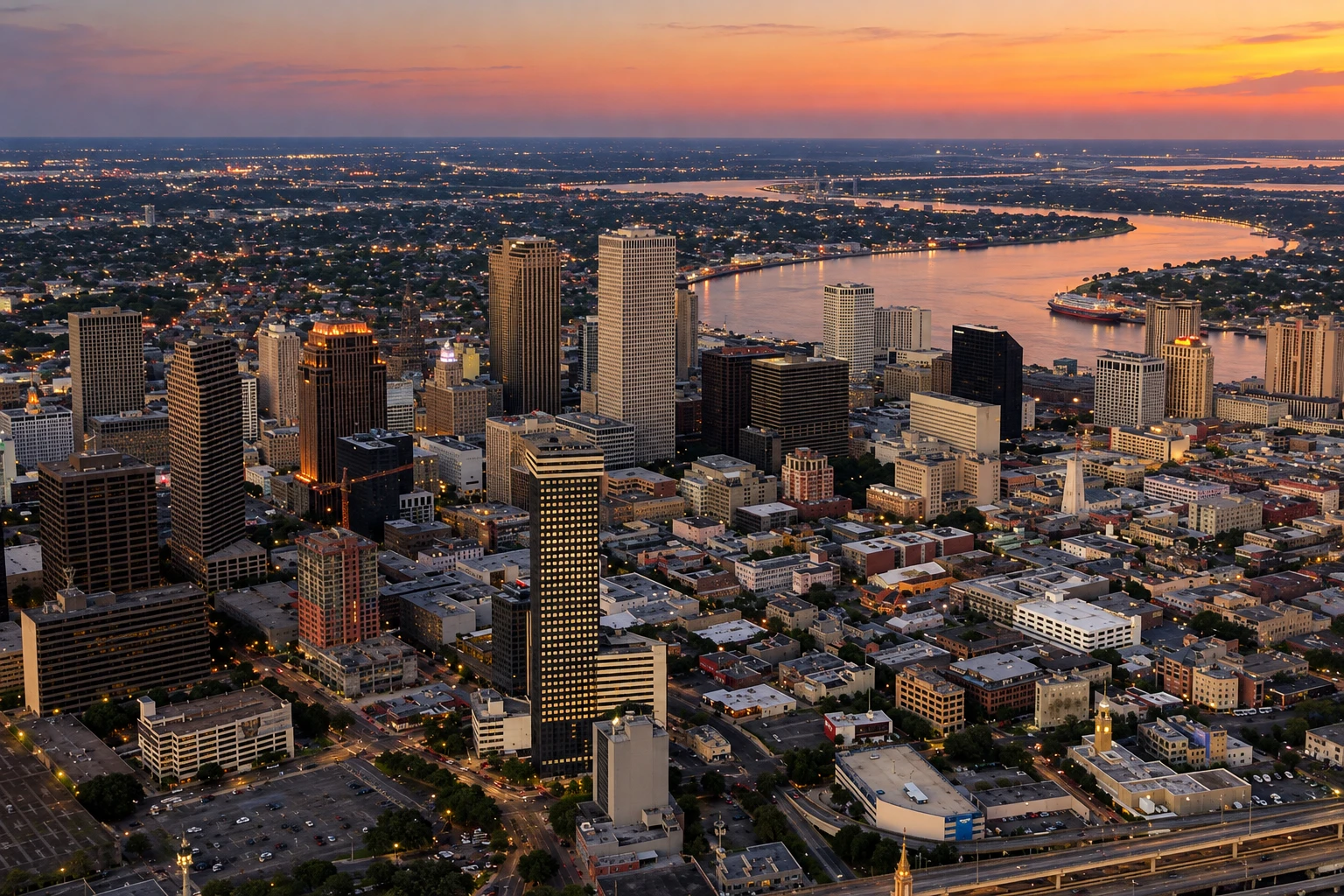
City on a bend of the Mississippi River, founded by the French in 1718, birthplace of jazz and Creole cuisine. The French Quarter has Jackson Square, St. Louis Cathedral and wrought-iron balconies; the Garden District has 19th-century mansions. The city has the National WWII Museum, and nearby are the Barataria bayou preserve and the Whitney Plantation.
February to May is usually the best time, with pleasant temperatures, Carnival and music festivals. From June to September heat and humidity are strong, with afternoon storms, and the Gulf Coast is in hurricane season until November. Winter is generally mild, with cool days.
Louis Armstrong International Airport (MSY) is about 25 km from downtown New Orleans. Connections from Brazil are usually via a stop in another U.S. city. Check before you buy. Amtrak trains arrive from Chicago, New York and Los Angeles. In the city, streetcars and walking handle almost everything in the French Quarter and the Garden District.
Beyond the guide
Your questions
Mardi Gras is the Tuesday before Ash Wednesday, between February and March; parades begin weeks earlier and concentrate in the final days. Hotels fill up and get more expensive during this period: book in advance.
Three to four days allow you to see the French Quarter and the Garden District, hear jazz on Frenchmen Street and take a tour of the swamps or the plantations.
The best-known dishes are gumbo, a stew thickened with roux, jambalaya rice, the po'boy (a French-bread sandwich with shrimp or meat), and beignets with chicory coffee. In spring it's crawfish season, cooked with seasonings.
Boat tours through the swamps depart less than an hour from the city and usually encounter alligators in the warm months, from April to October. In winter, they are less active.