Malasada
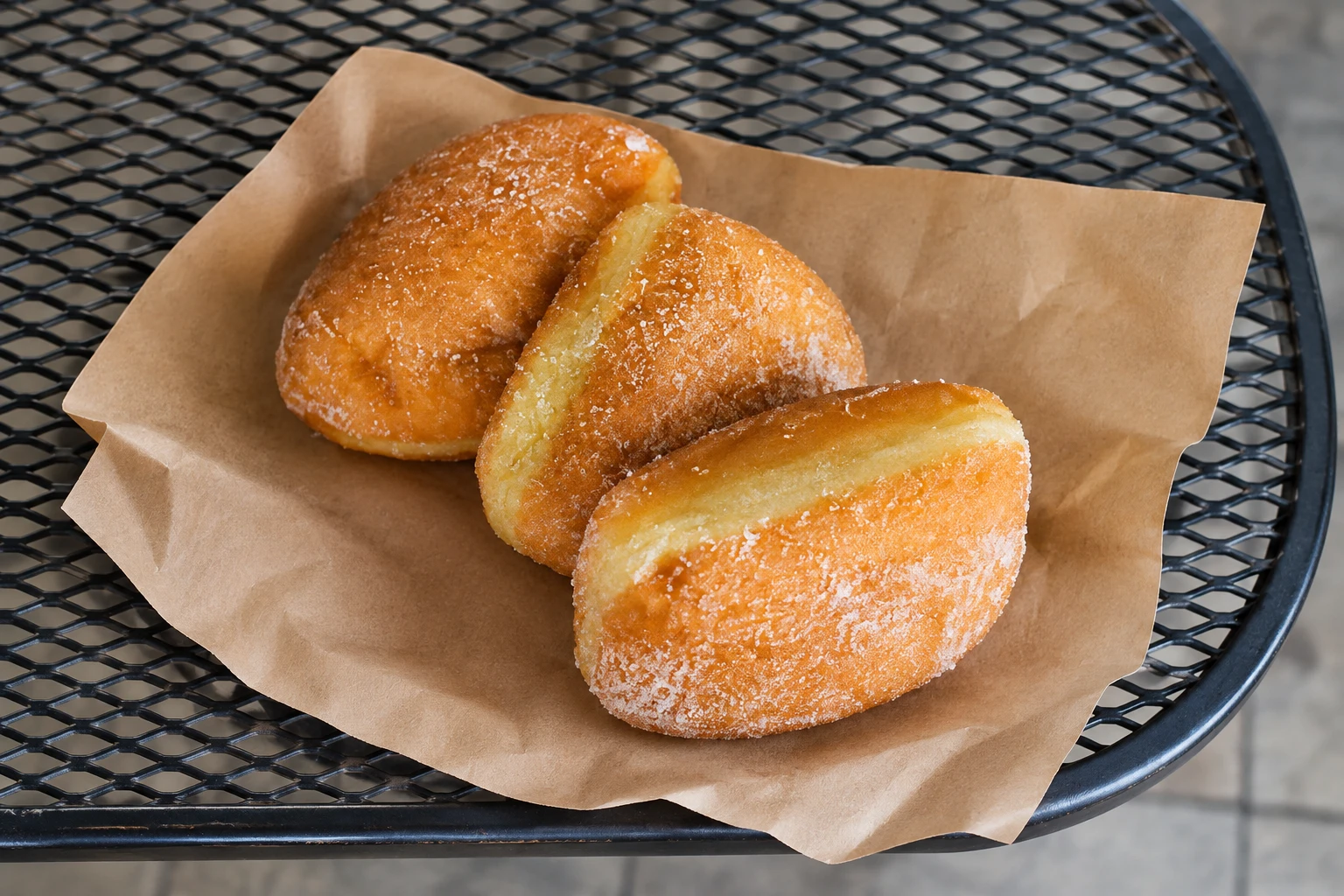
Fried yeasted dough ball, without a hole, rolled in sugar and served hot. It arrived in Hawai‘i with Portuguese immigrants from Madeira and the Azores, and Carnival Tuesday is called Malasada Day on the islands.
Antarctica
State · Hawaii
Hawaii is an archipelago in the middle of the Pacific: Waikiki and Pearl Harbor on Oahu, the road to Hana on Maui, the volcanoes of the Big Island and the Nā Pali coast of Kauai.
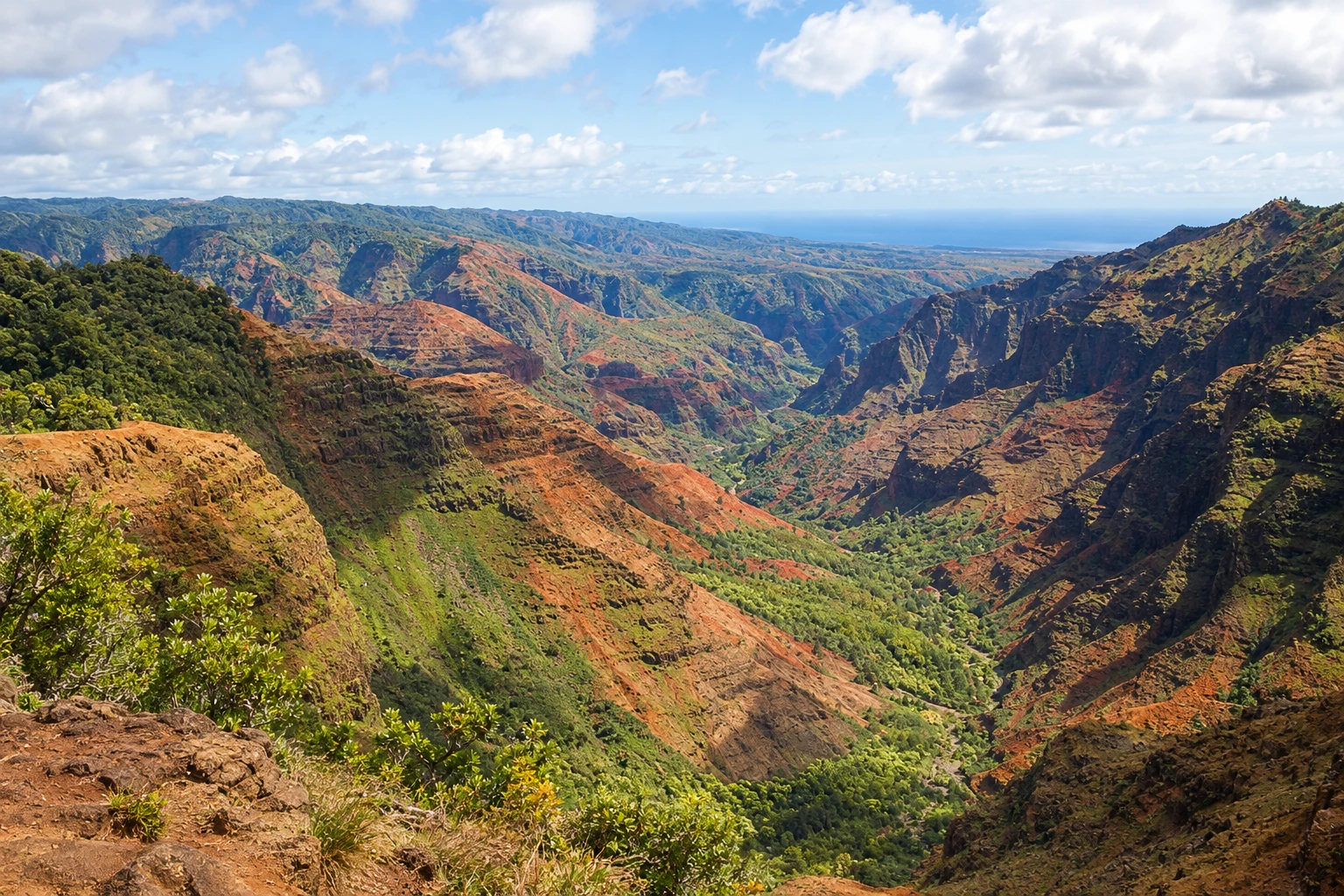
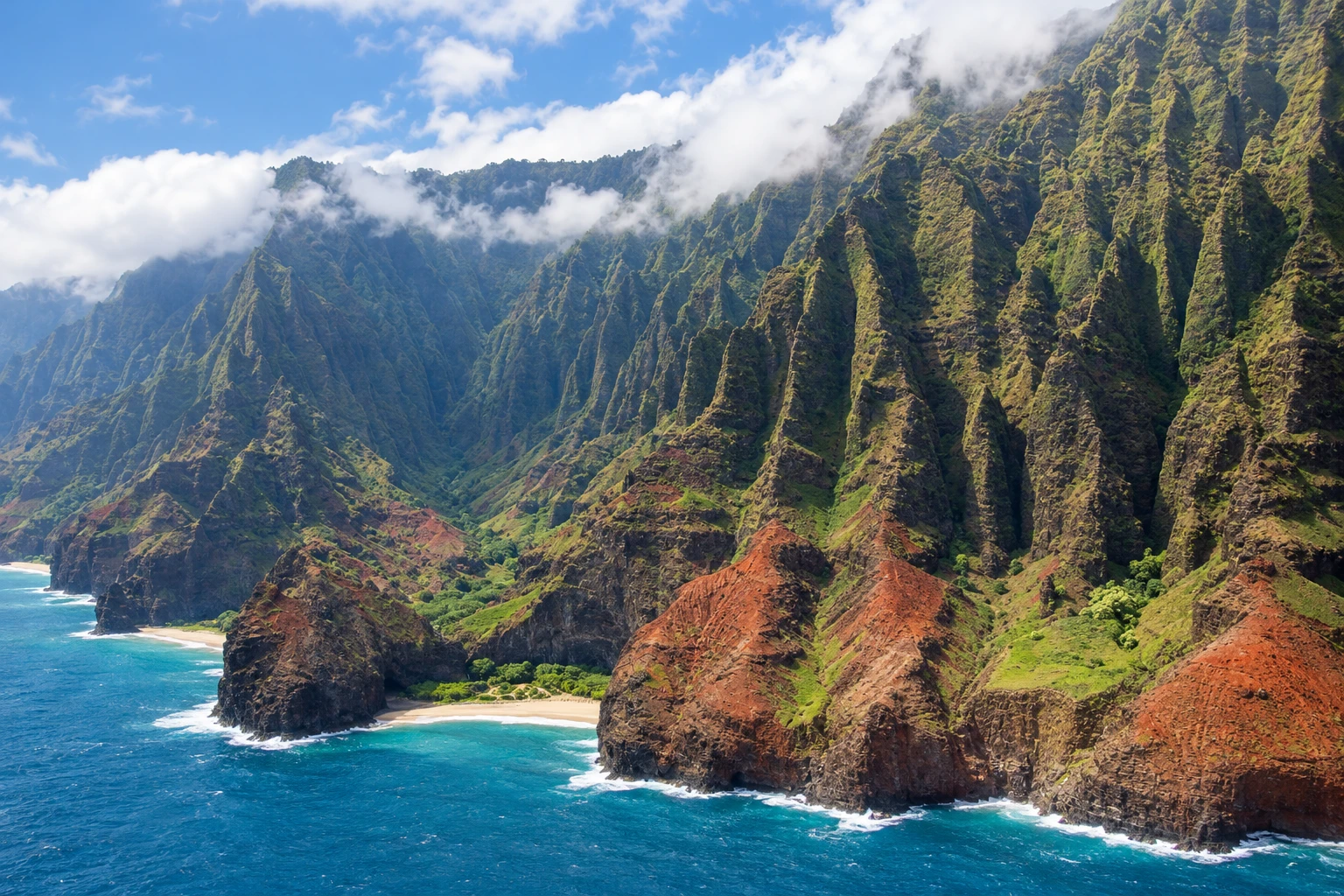
In the photo: Waimea Canyon, Kauai
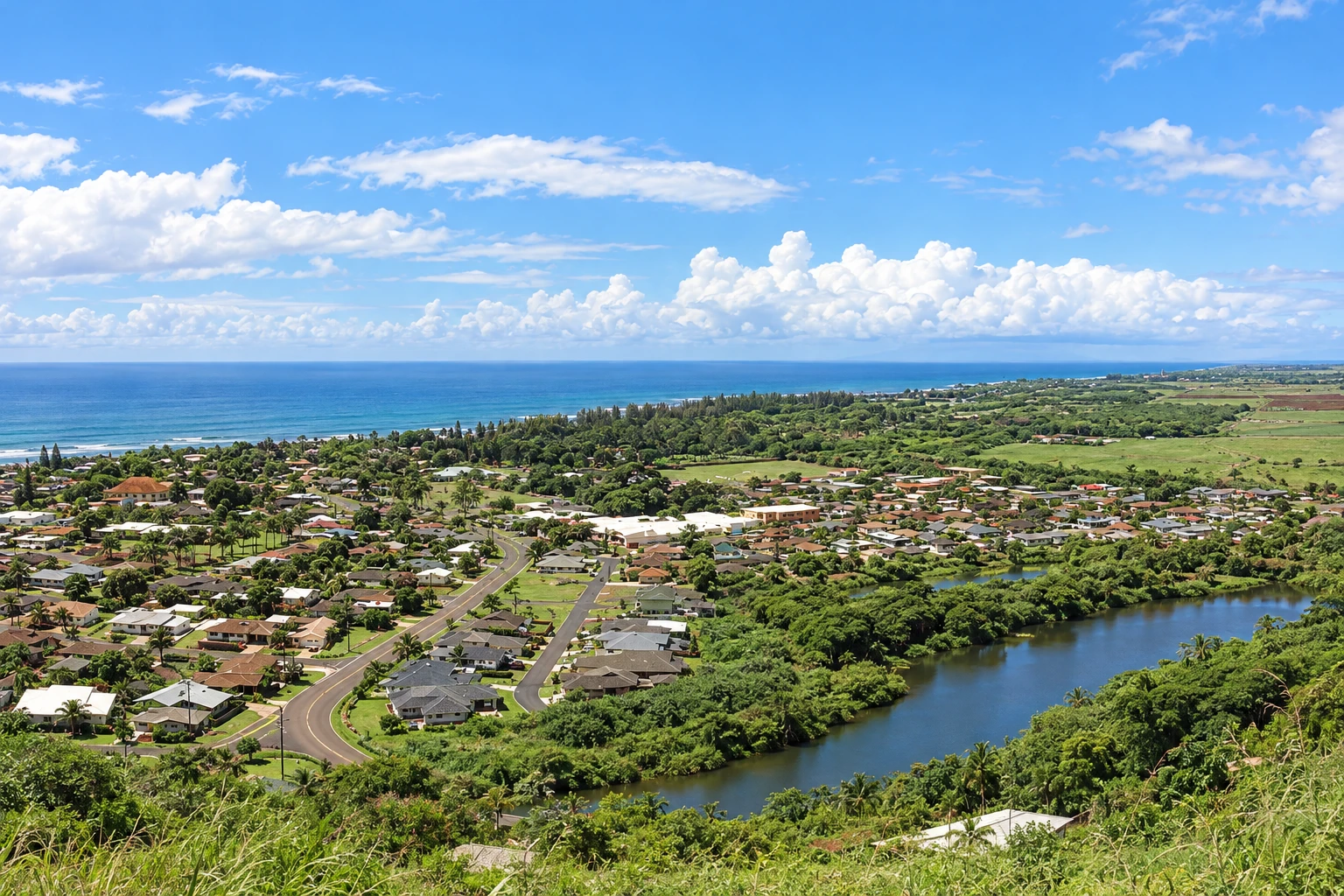
Illustrative images. The pictures in this guide are illustrations based on the real place, not photographs, and may differ from it.
State
Hawaii is a volcanic archipelago in the middle of the Pacific Ocean, about 3,900 km from California, and the only U.S. state made entirely of islands. It was a Polynesian kingdom until the late 19th century, and Hawaiian language and culture appear in the names, in the music and in the hula. The capital is Honolulu, on the island of Oahu.
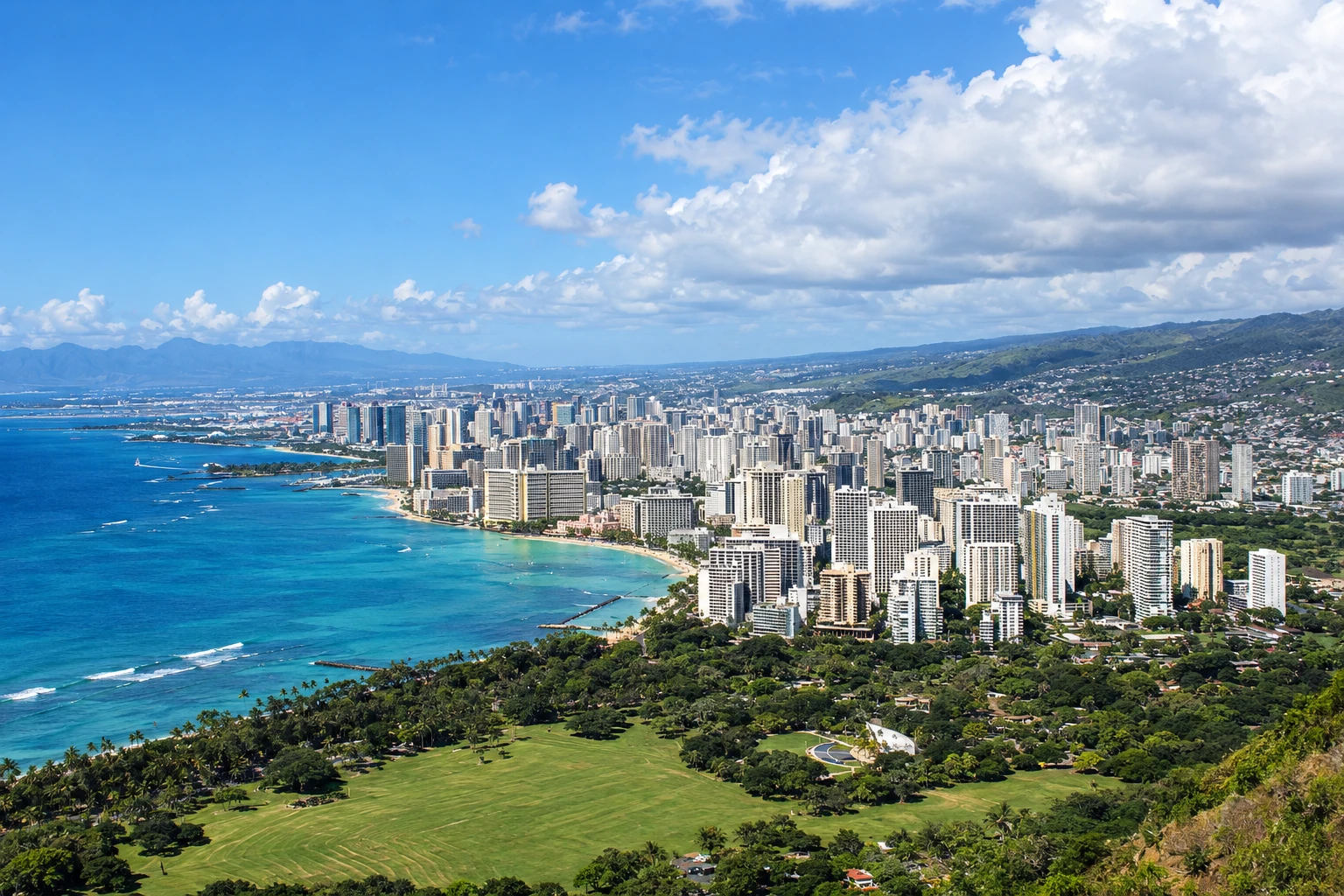
On Oahu, Honolulu brings together Waikiki beach, the Diamond Head crater, Iolani Palace, the only royal palace in the United States, and the Pearl Harbor memorial. Kailua, on the east side of the island, has light-sand beaches like Lanikai, and Haleiwa is the village on the North Shore, the coast of big winter waves.
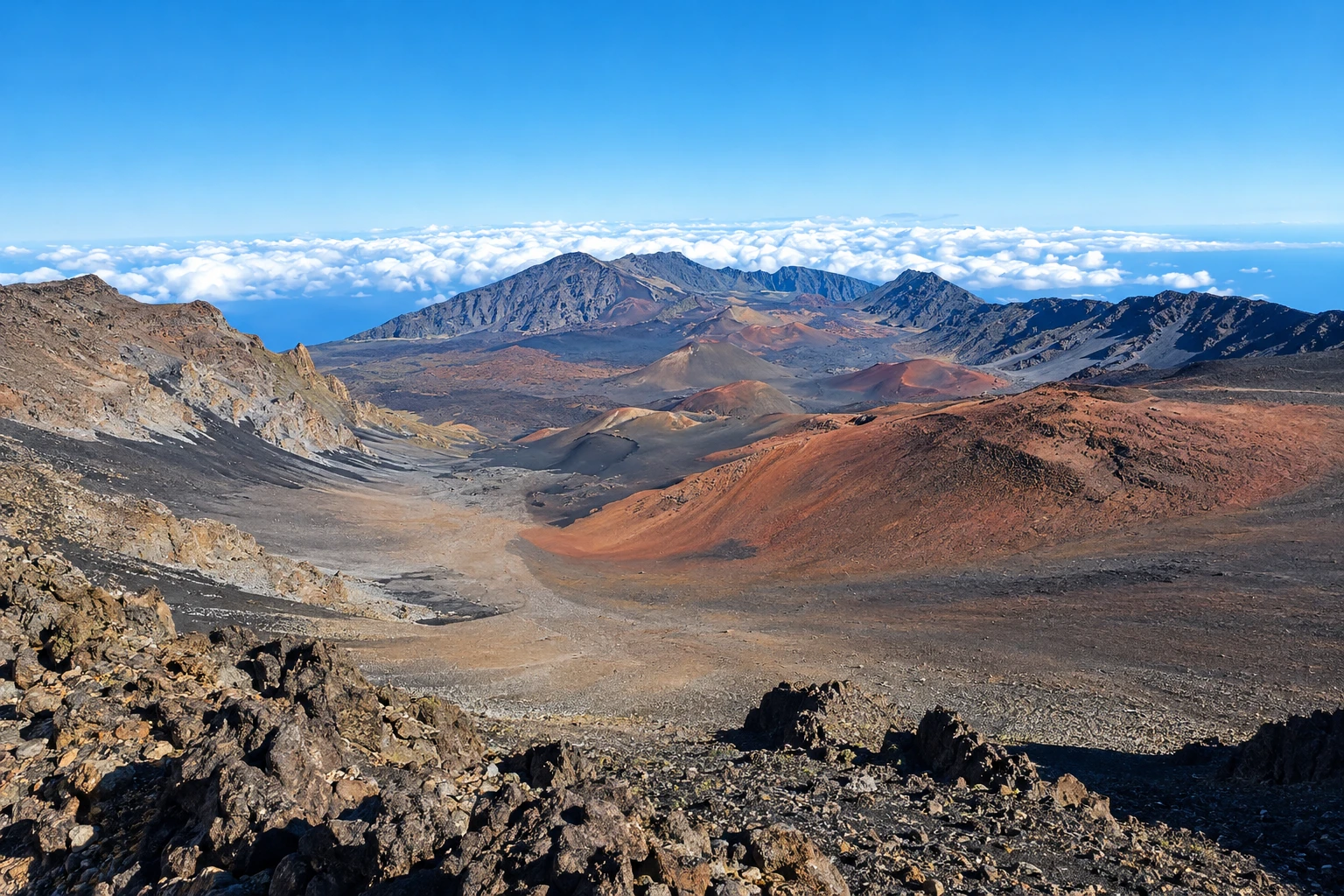
On Maui, Kahului has the airport, Wailea and Kaanapali have resort beaches, and Hana sits at the end of the road to Hana, with waterfalls and narrow bridges. The Haleakalā volcano, at 3,055 m, is known for sunrise above the clouds. On the Island of Hawaiʻi, the Big Island, Kailua-Kona, Hilo and Volcano lead to Hawaiʻi Volcanoes National Park, a UNESCO site, featuring Kīlauea.
Kauai, the oldest of the main islands, has the Nā Pali coast, Waimea Canyon with the village of Waimea, and Hanalei Bay; Lihue has the airport. At the table, poke of raw fish, the rice-based plate lunch, and shaved ice with syrup (shave ice). Hawaii does not observe daylight saving time.

Flavors of the United States

Fried yeasted dough ball, without a hole, rolled in sugar and served hot. It arrived in Hawai‘i with Portuguese immigrants from Madeira and the Azores, and Carnival Tuesday is called Malasada Day on the islands.

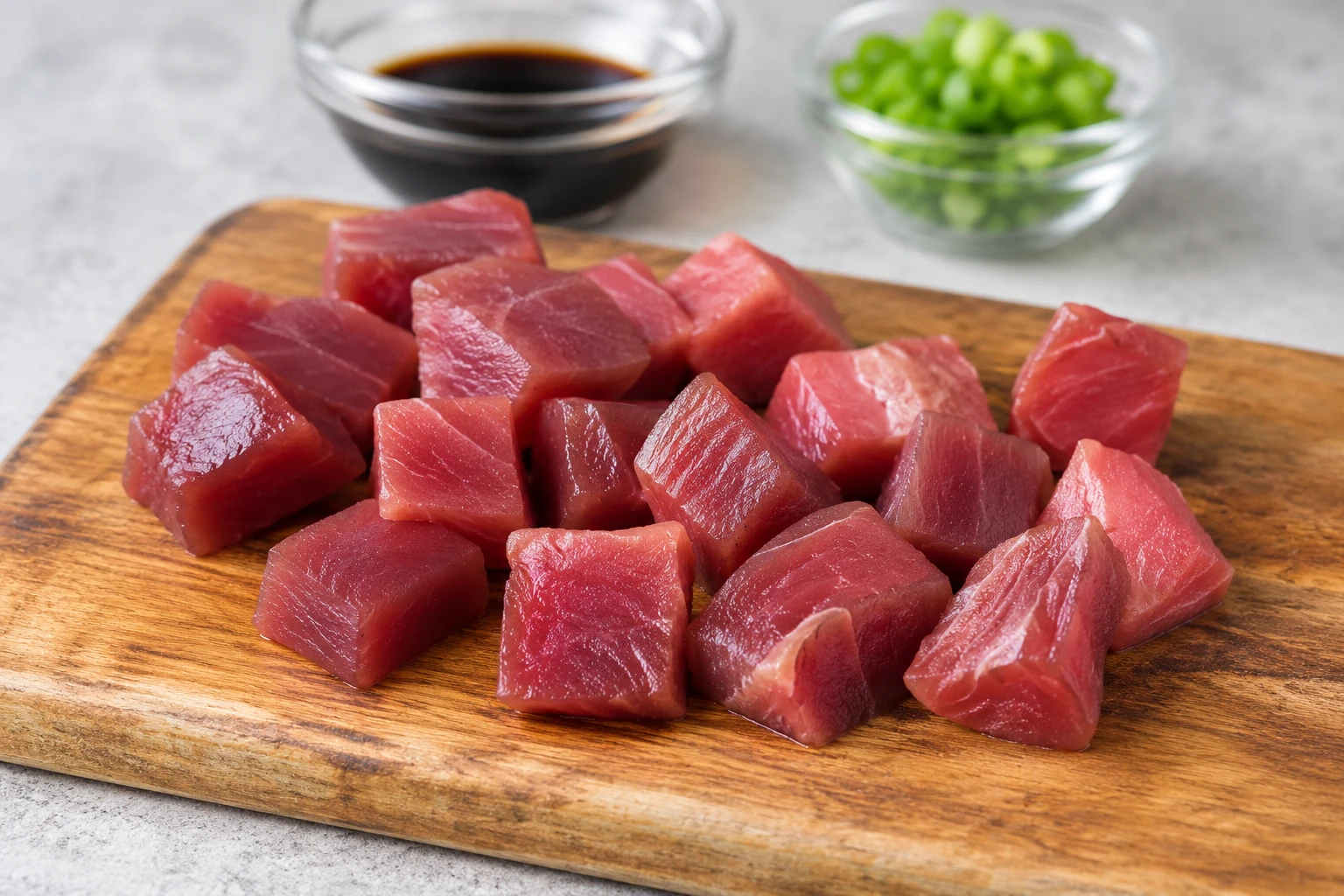
Cubed seasoned raw fish, a dish of Hawaiian origin. In the best-known recipe, ahi tuna is seasoned with shoyu, sesame oil, onion, limu seaweed and ʻinamona, made from roasted kukui nut.

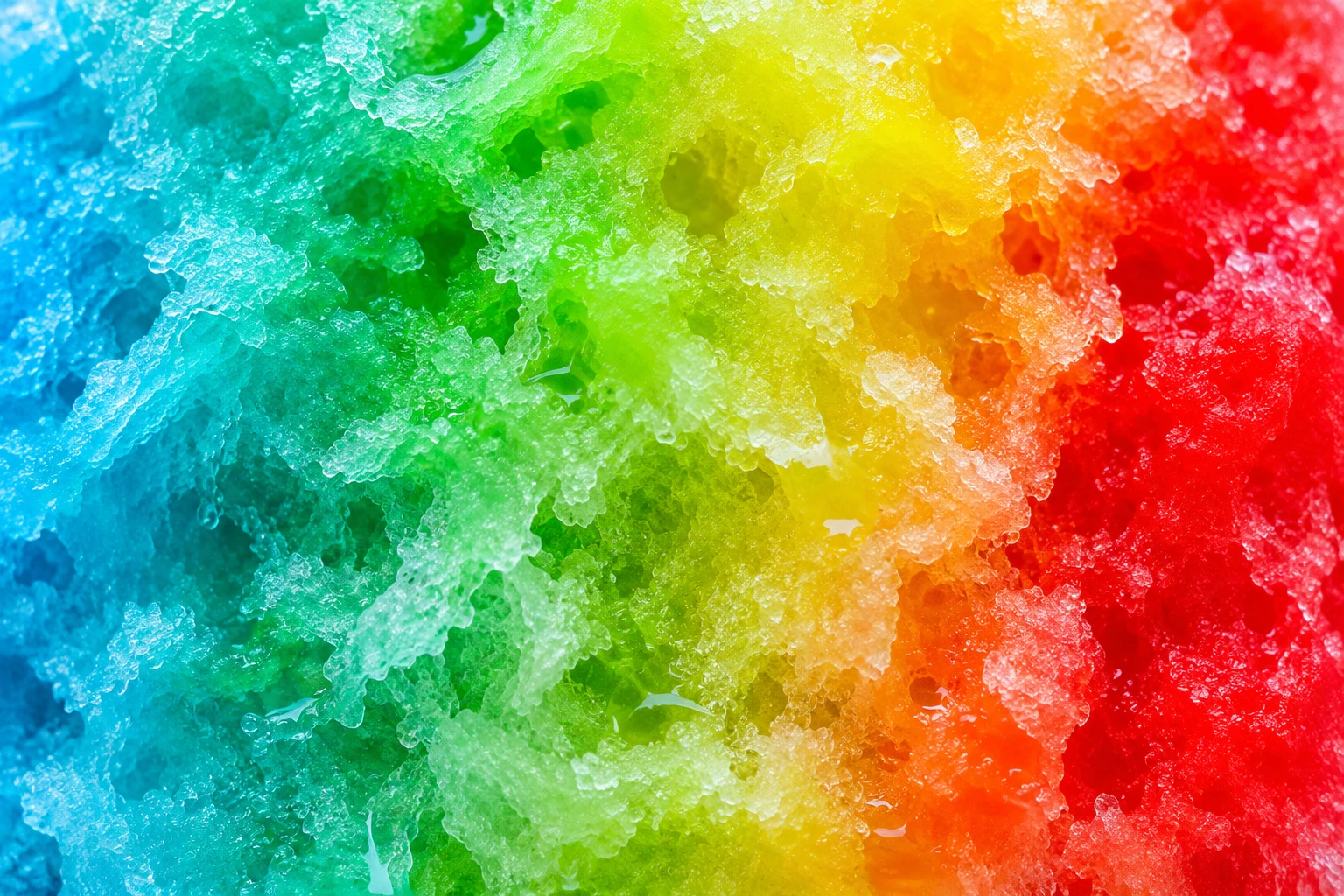
Finely shaved ice with a snow-like texture, drizzled with fruit syrups such as guava, passion fruit, mango, and coconut. It arrived in Hawaii with Japanese plantation workers.
Destinations
Cities

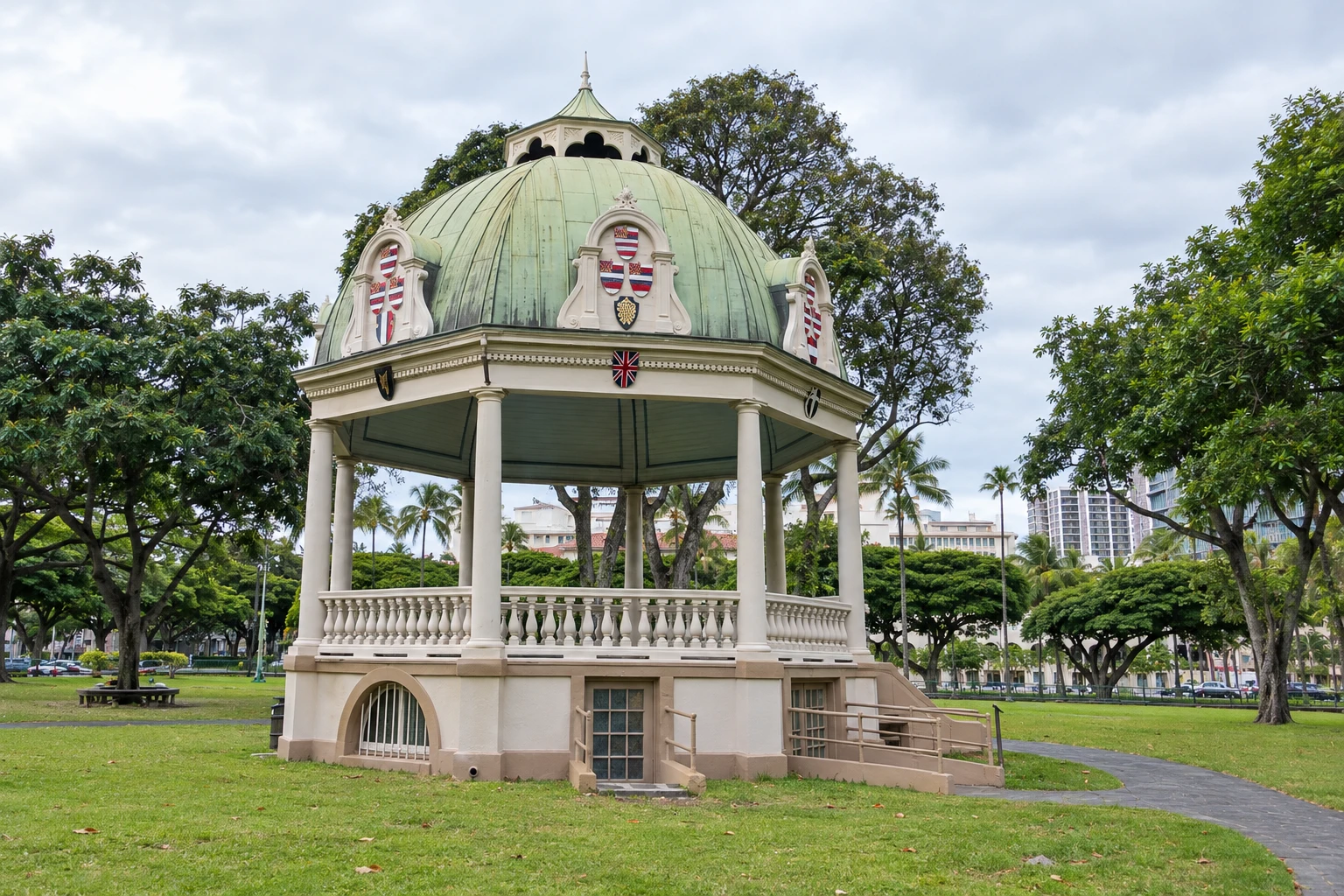
The capital and largest city of Hawaii, on the south coast of Oahu. It includes Waikiki and the volcanic silhouette of Diamond Head, the ʻIolani Palace, the Bishop Museum, the Pearl Harbor memorial, and Hanauma Bay to the east. The downtown has buildings from the kingdom and territorial periods, Chinatown has markets and restaurants, and Ala Moana holds the state's largest shopping center and a beach park.

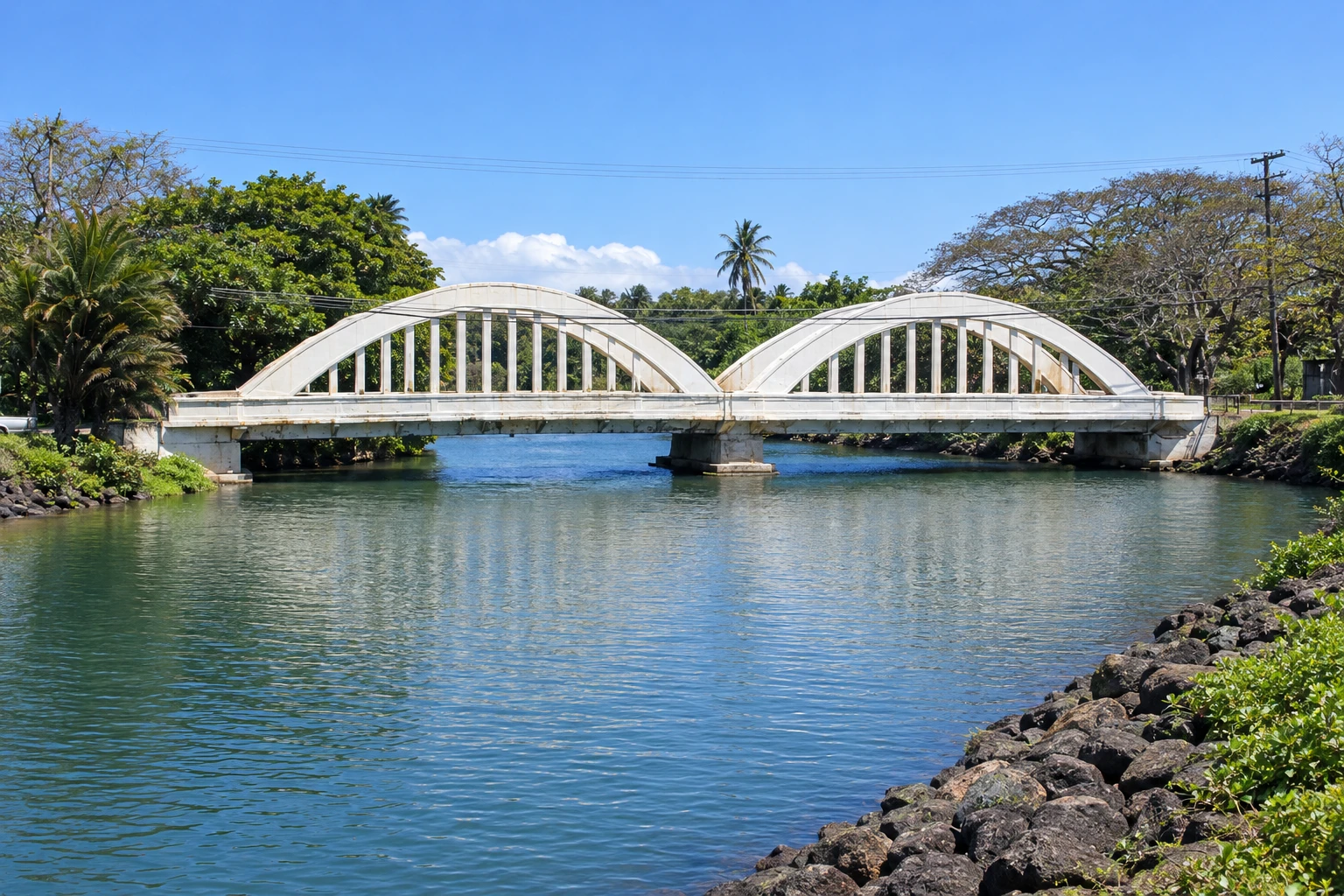
The main village of Oahu’s North Shore, with wooden plantation-era houses, surf shops, galleries and shave ice stalls with flavored syrups. It is a state historic and cultural district. Located at the mouth of the Anahulu River, crossed by a two-arch bridge from 1921, it serves as a base for Waimea Bay, the Banzai Pipeline and the Polynesian Cultural Center in Laie.

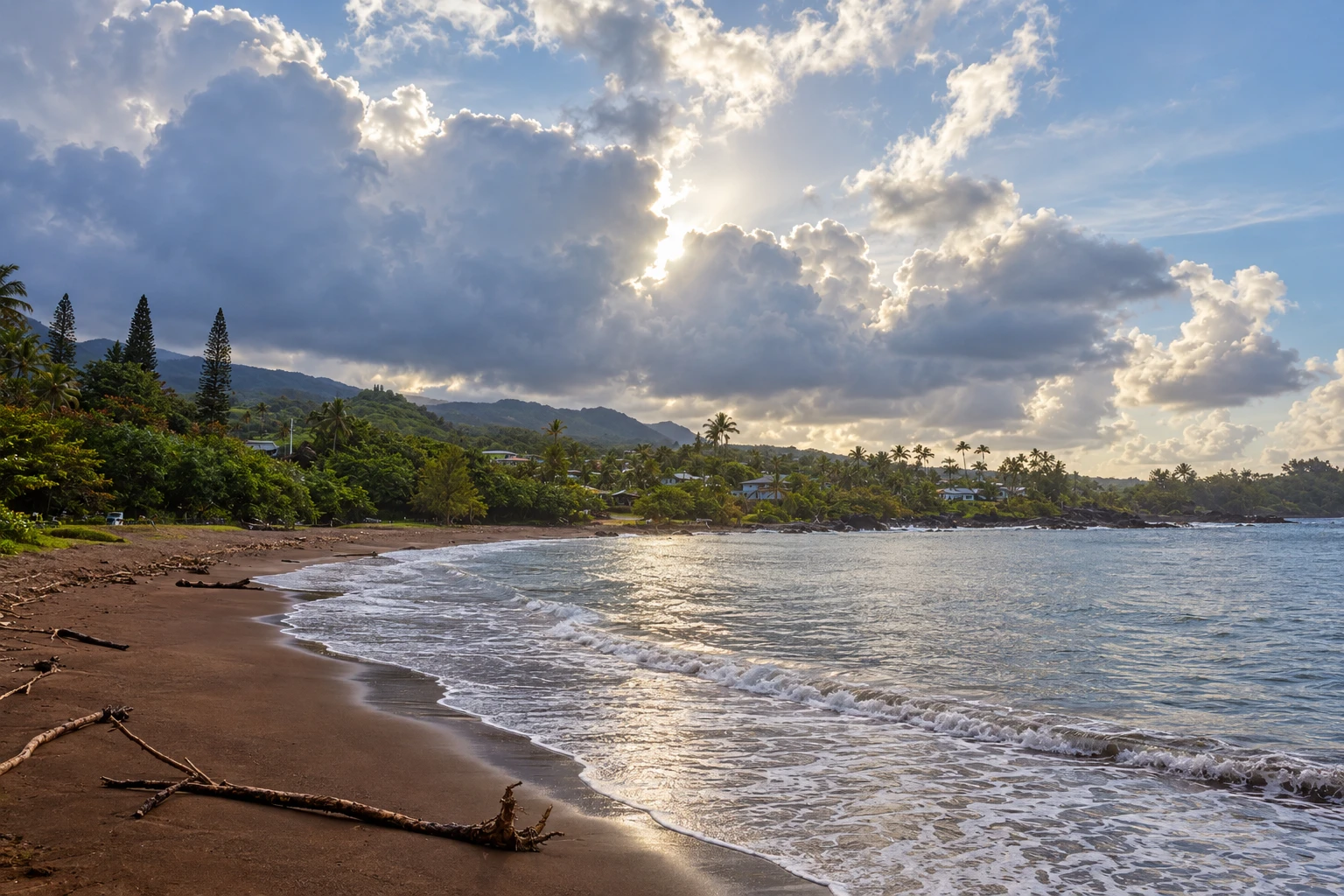
A remote village at the far east of Maui, at the end of the Road to Hana, with a sheltered bay, pastures and rain-fed forests. It was the birthplace of Queen Kaʻahumanu. To the north is Waiʻānapanapa State Park, with the black-sand beach; to the south is Kīpahulu, a sector of Haleakalā National Park, and beaches such as Hamoa.

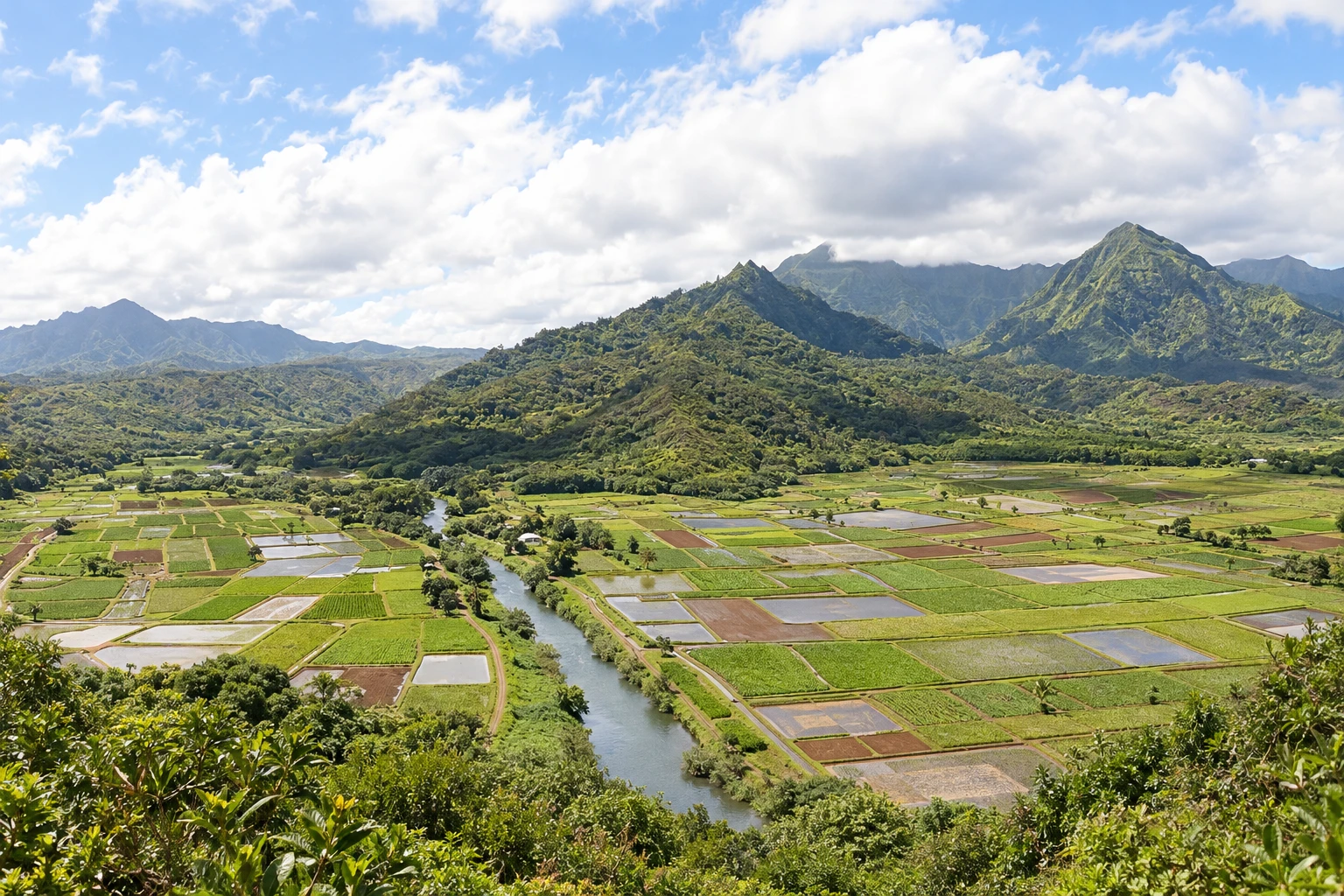
A village on Kauai’s north coast, behind the bay of the same name, with low wooden houses, surf shops, old churches and taro fields in the valley. It is the base for Hanalei Bay, Hāʻena State Park and the start of the Kalalau Trail at the end of the road. Frequent rain keeps the landscape green and the mountains dotted with waterfalls.

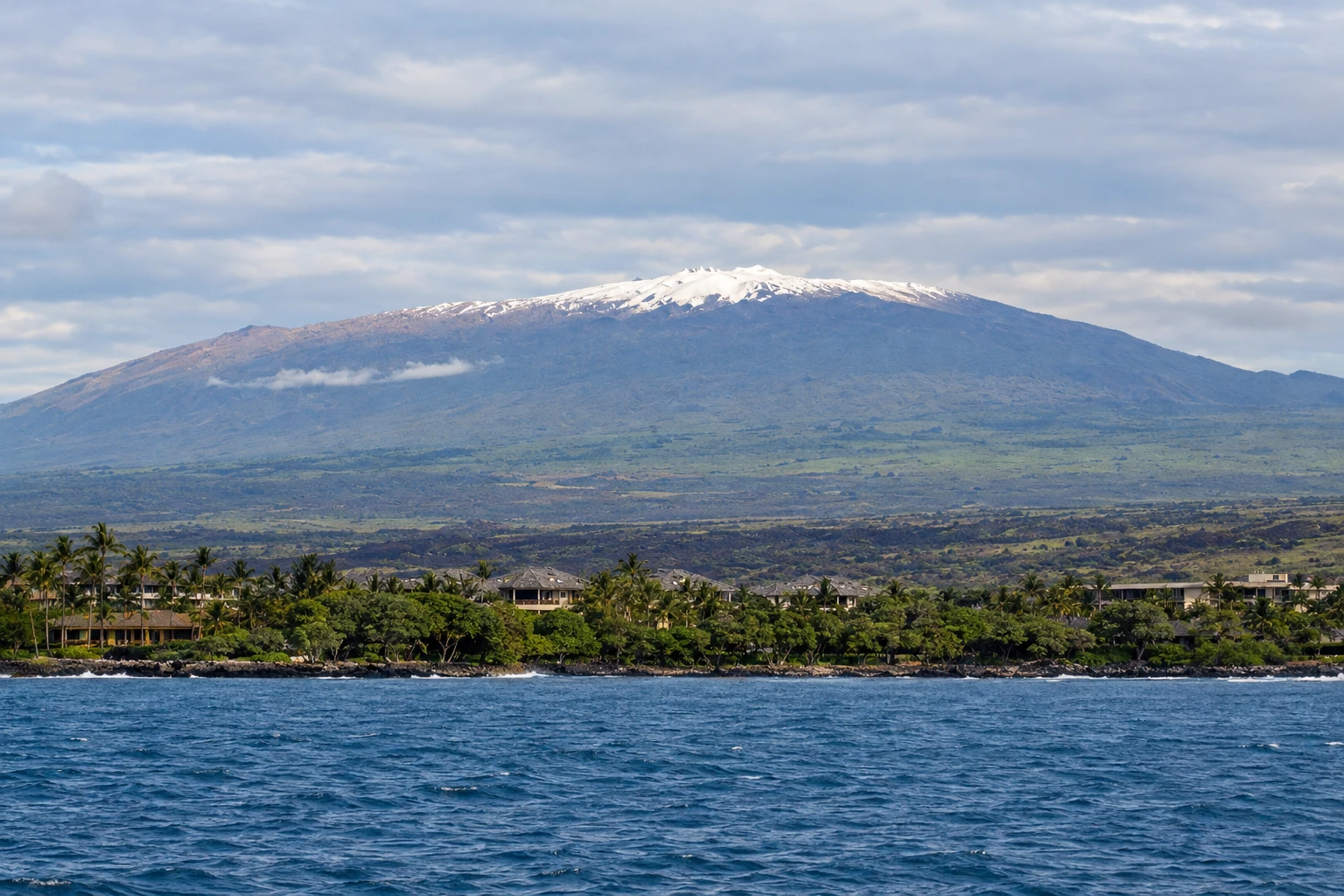
Largest town and county seat of the Island of Hawai‘i, on a bay of the east coast, the rainiest part of the island. It has a downtown of old wooden buildings, a farmers’ market, Japanese gardens on the waterfront and a museum about the tsunamis that hit the town. It is a base for Rainbow and ʻAkaka falls, for Mauna Kea and for Hawai‘i Volcanoes National Park, 45 km away.

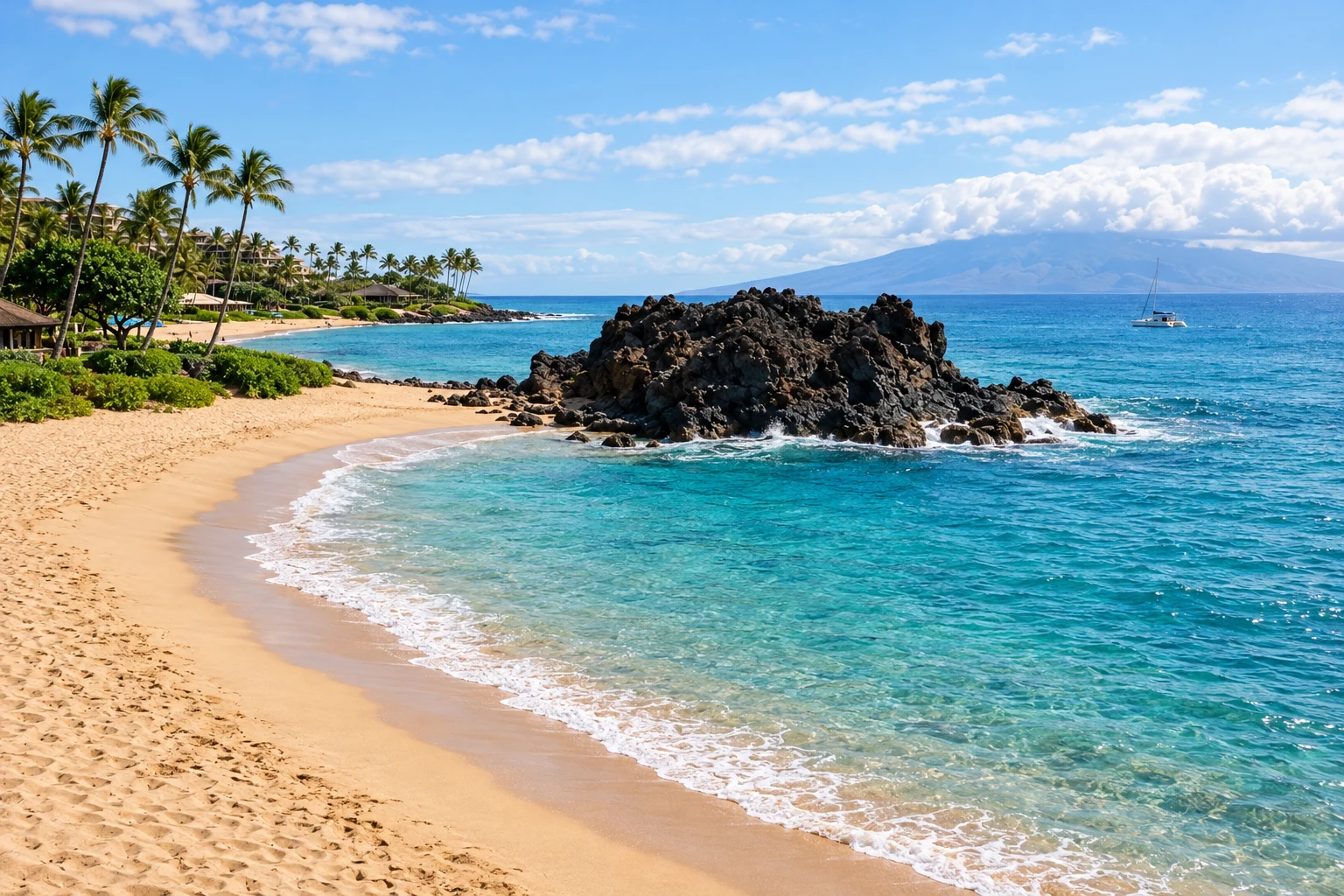
Resort town planned on Maui’s west coast, built from the 1960s on former sugarcane fields. It has a long light-sand beach with Black Rock at the end, a seaside promenade, shopping centers and catamarans that launch from the sand. To the north are Nāpili and Kapalua Bay, and across the channel you can see the islands of Lānaʻi and Molokaʻi.

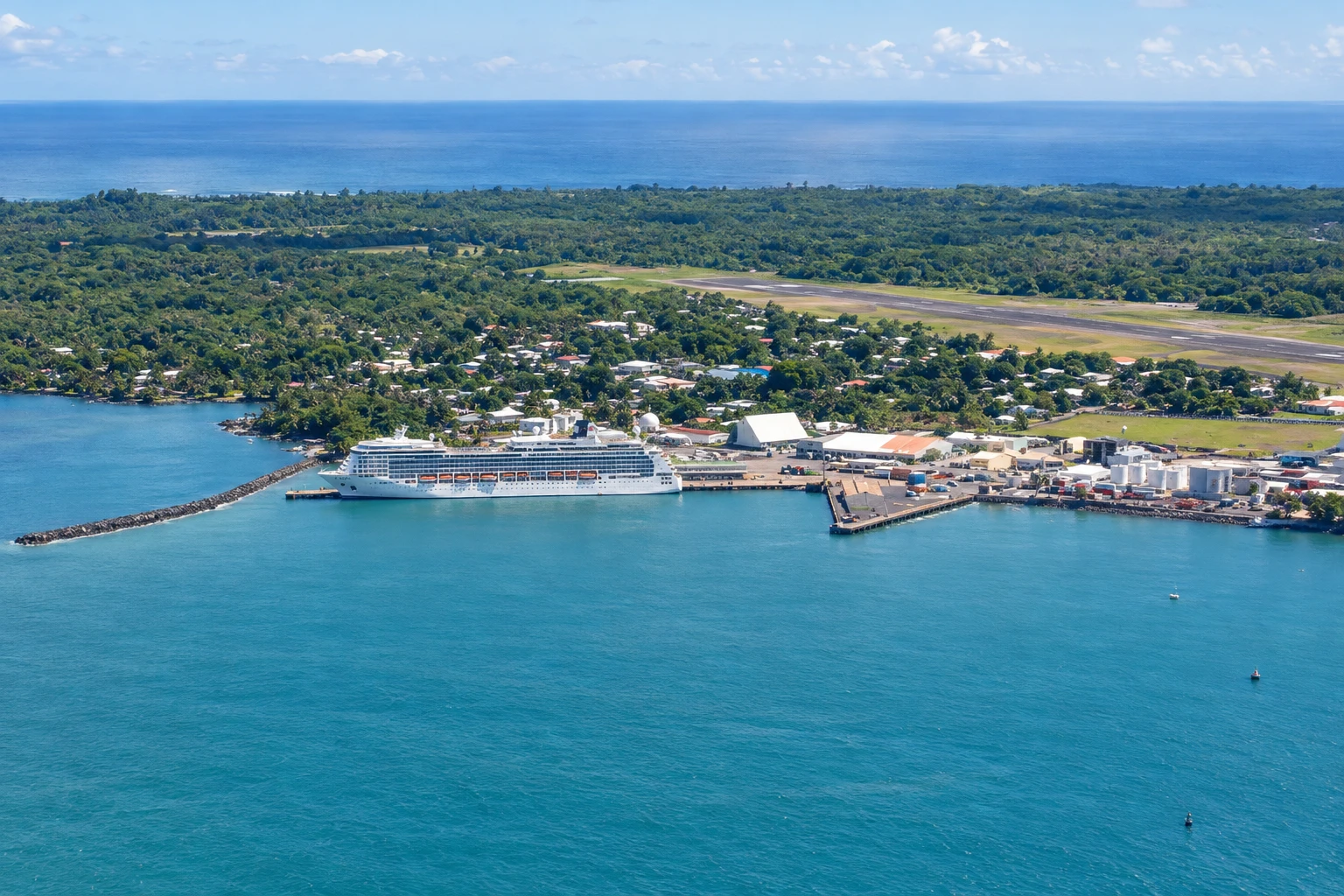
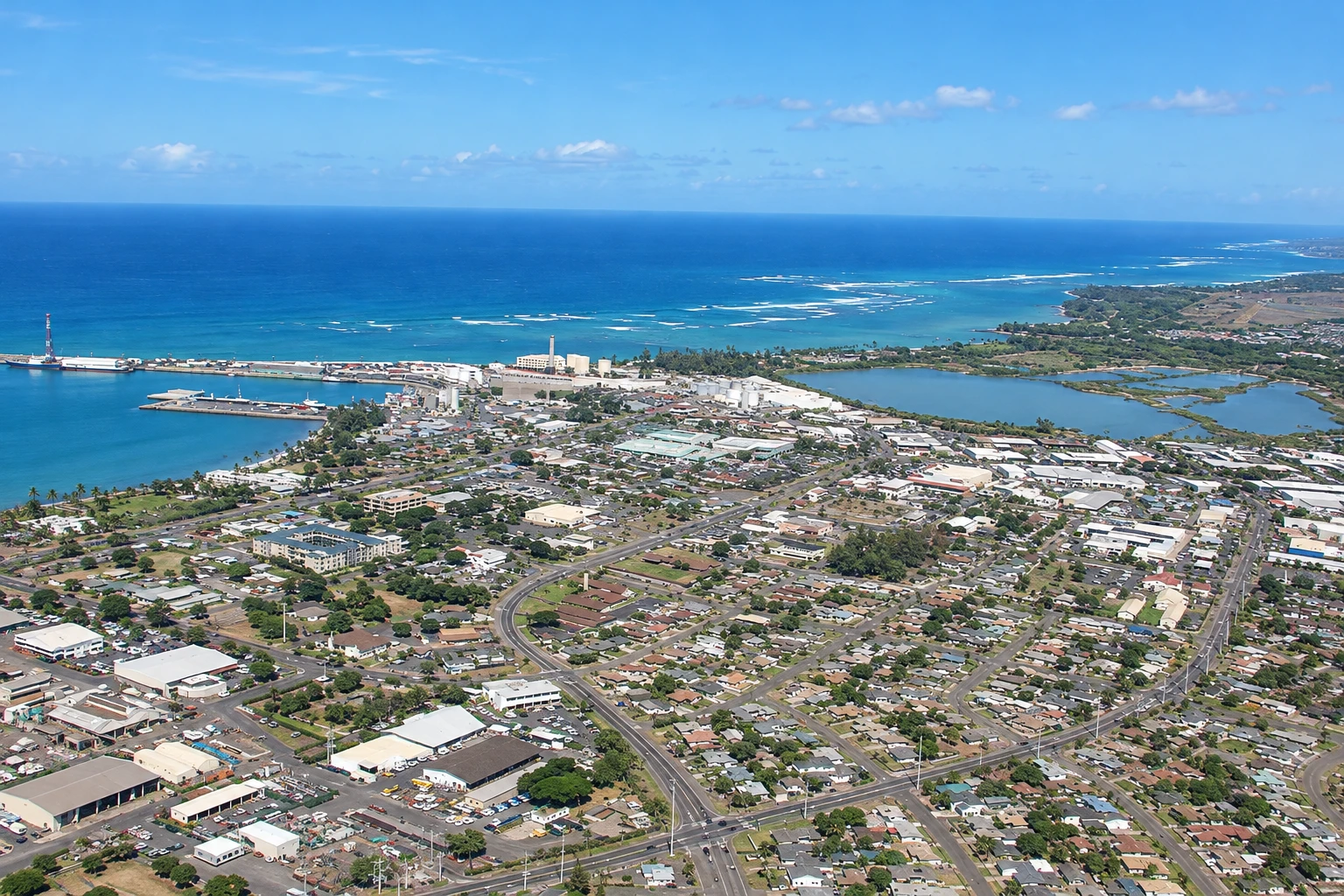
Largest town on Maui, on the island’s central isthmus, where the main airport and the harbor are located. Adjacent to Wailuku, the county seat, it’s the starting point for Haleakalā National Park, the ʻĪao Valley and the Maui Ocean Center in Māʻalaea. Has shopping centers, markets and the Kanahā lagoon, a refuge for waterbirds.

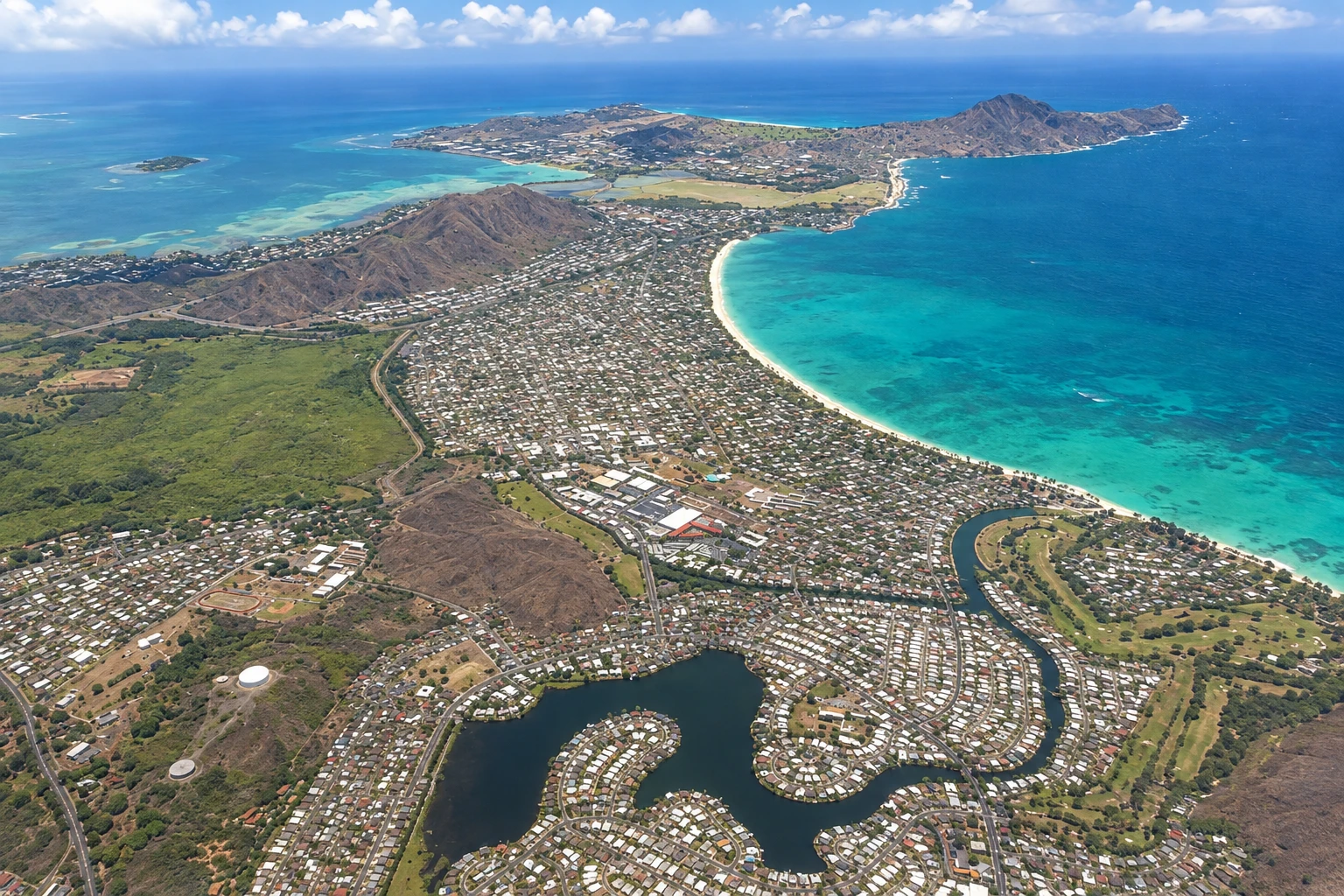
Town on the east side of Oʻahu, the coast that receives the trade winds, on the other side of the Koʻolau Range from Honolulu. Do not confuse it with Kailua-Kona on the Island of Hawaiʻi. It has Kailua Beach and, to the south, Lanikai Beach, facing the Mokulua islets, plus kayak rental shops, cafés and farmers’ markets. It’s about a half hour from Waikiki via the Pali Highway.

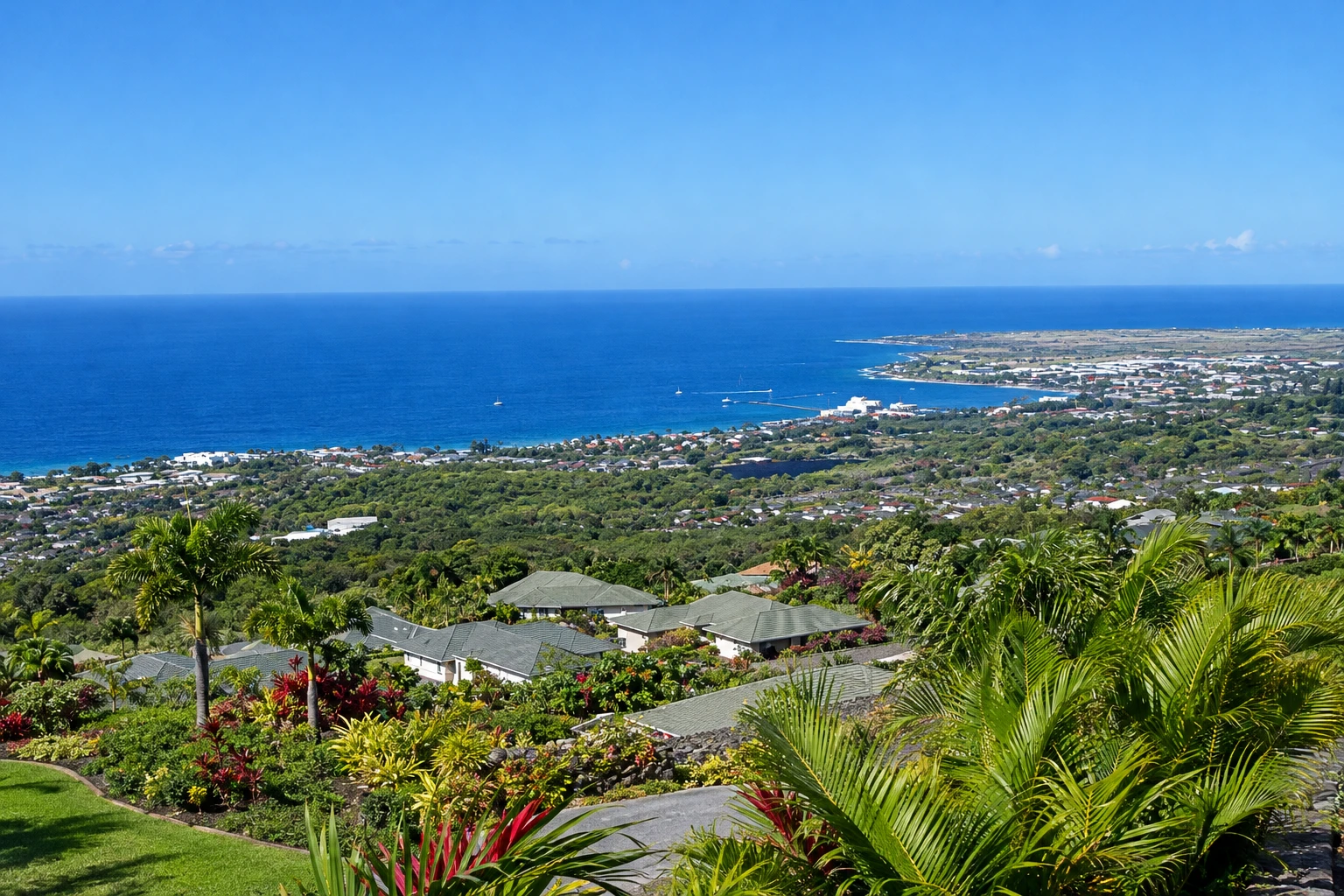
Main town on the west coast of the Island of Hawaiʻi, known as Kona, with a dry, sunny climate. Not to be confused with Kailua on Oahu. It has the Aliʻi Drive waterfront, a historic church and palace from the kingdom era, and is a base for Kealakekua Bay, the refuge of Puʻuhonua o Hōnaunau, Hāpuna Beach and night dives with manta rays. Farms on the slopes above town grow Kona coffee.

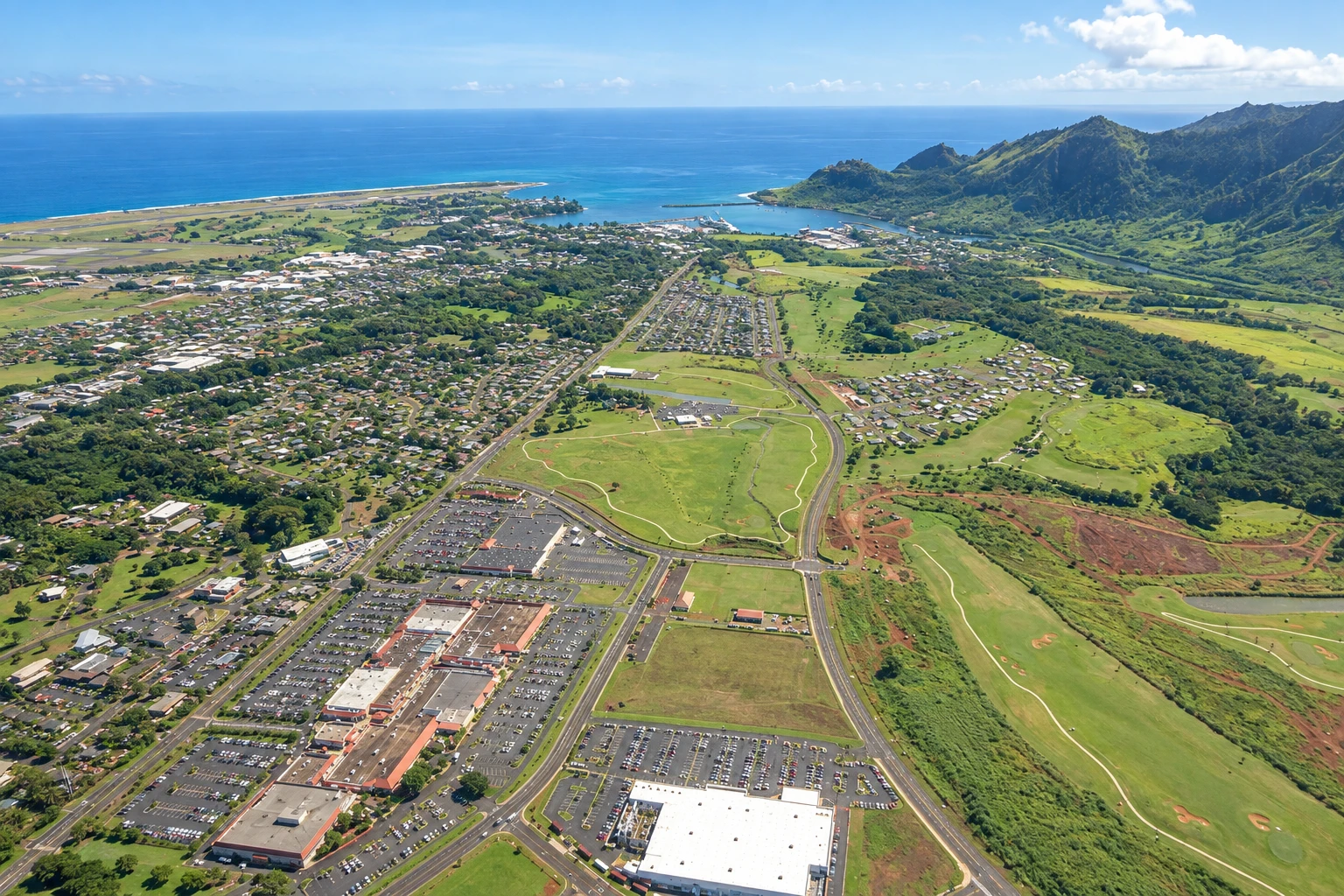
County seat of Kauai on the east coast, with the island’s airport and the Nāwiliwili harbor. It has plantation-era buildings, shopping centers and Kalapakī Beach next to the harbor. It’s about half an hour both from the south, where Poʻipū Beach is, and from the Wailua River, where boats go up to the Fern Grotto.

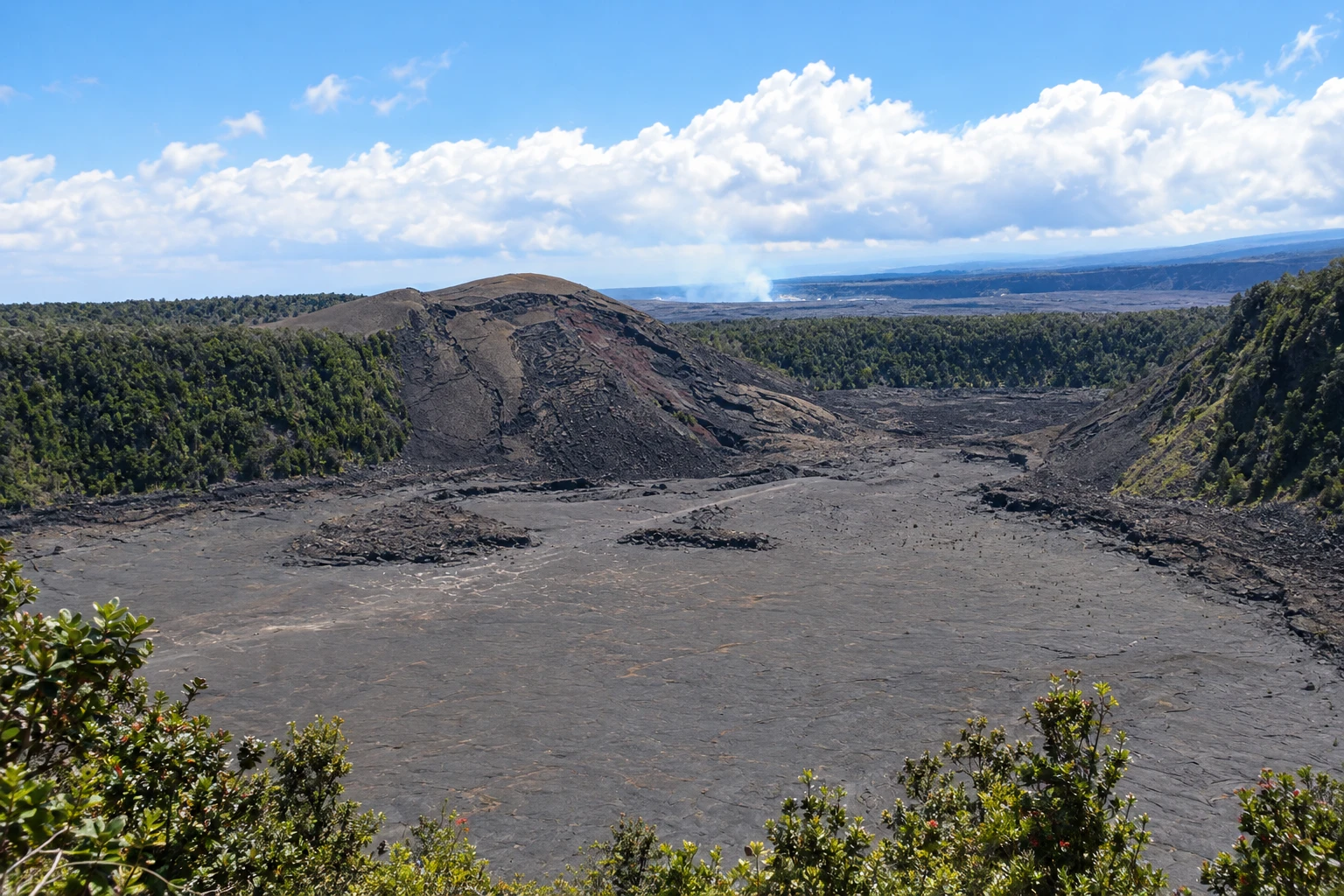
A village in the wet forest, at about 1,100 meters above sea level, next to the entrance of Hawaiʻi Volcanoes National Park. It has cottages, art galleries, a winery and restaurants. Nights are cool. It is the closest base for the Kīlauea caldera, the Nāhuku lava tube and the park’s trails, and lies on the way to the black sand beach of Punaluʻu.

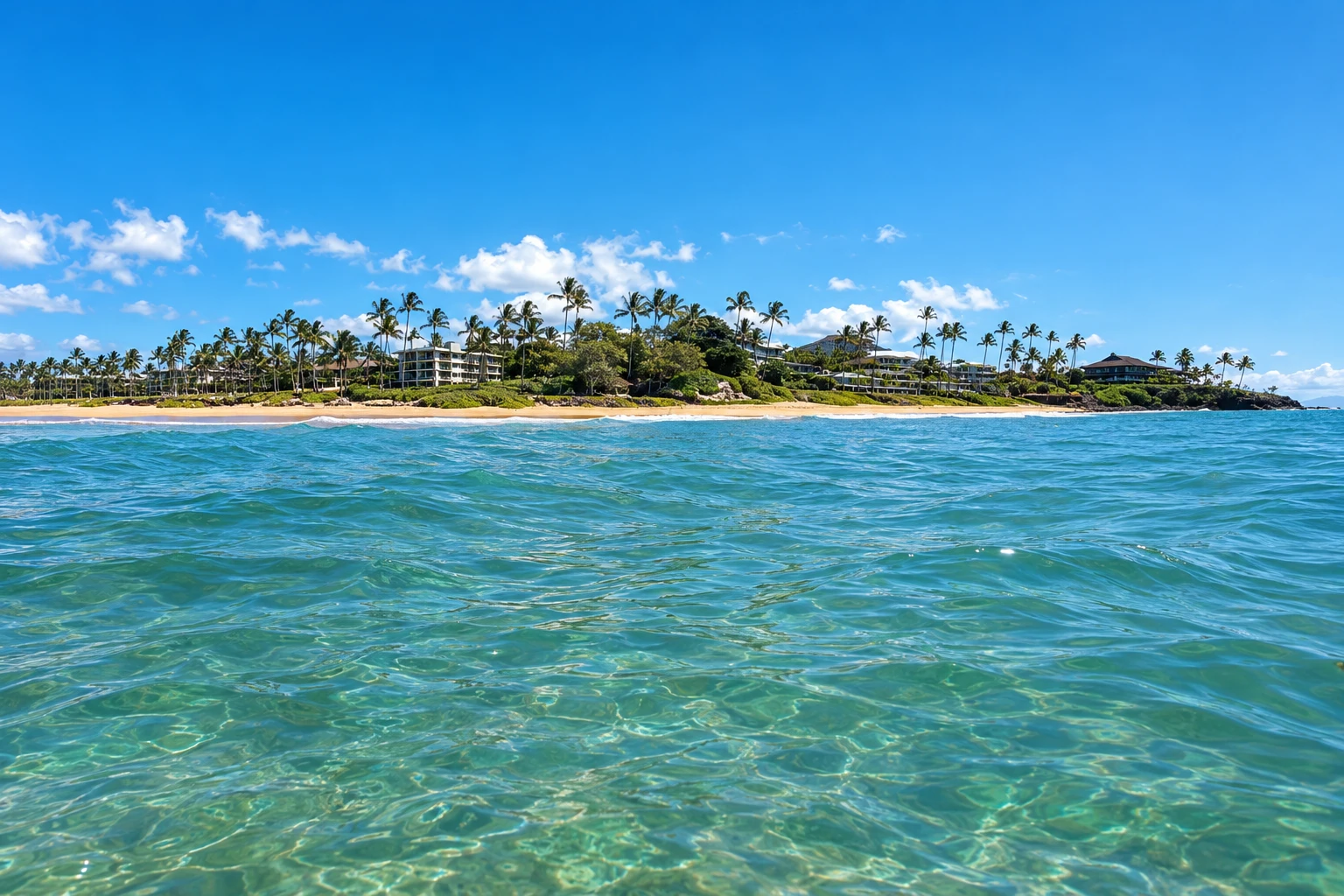
An area of beaches and planned resorts developed from the 1970s on Maui’s drier south coast. A string of light-sand bays is connected by a seaside promenade, with snorkel reefs at the lava headlands. To the south lies Mākena State Park, home to Big Beach, and further on are the lava fields of ʻĀhihi-Kīnaʻu.

Small town at the mouth of the Waimea River on the west side of Kauai, where James Cook’s expedition first set foot in Hawaii. Do not confuse it with Waimea (Kamuela) inland on the Big Island or with Waimea Bay on Oahu. It has old wooden buildings, a statue of Cook and the ruins of a Russian fort from 1817. It is the base for Waimea Canyon and for the boats that go to the Nā Pali coast.
The climate is usually warm year-round, between 24 °C and 31 °C on the coast. From April to October it usually rains less; from November to March it rains more, especially on the windward sides of the islands, and the North Shore waves grow. Humpback whales typically pass the archipelago from December to April, most frequently in February and March.
Daniel K. Inouye International Airport (HNL) in Honolulu is the main gateway; Kahului (OGG), Kona (KOA), Hilo (ITO) and Lihue (LIH) receive flights from the mainland and between the islands. Connections from Brazil are usually via a stop on the U.S. West Coast. Check before booking. Between the main islands, travel is by plane on short flights.
Beyond the guide
Your questions
Oahu is the busiest, with Honolulu, Waikiki and Pearl Harbor; Maui combines beaches and Haleakalā; the Big Island has the volcanoes; Kauai is the greenest. On a first ten-day trip, two islands fit well.
Yes: to drive into the park before sunrise you need a timed reservation in addition to the entrance fee. Up there the temperature can drop near freezing: bring a jacket.
The memorial is about 15 km from Waikiki. Entrance to the visitor center is free, but the boat to the USS Arizona memorial requires a timed reservation. The ships and the aviation museum beside the center have separate admission fees.
Yes. Hawaii is 7 hours behind Brasília year-round because it does not observe daylight saving time. Compared with California, the difference is 2 hours in the U.S. winter and 3 hours in the summer.