Brunswick stew
Thick stew of chicken, lima beans, corn and tomato, cooked for hours in iron pots. The Virginia General Assembly points to Brunswick County as the place of origin, in a long-standing dispute with Georgia.
Antarctica
State · Washington and the Mid-Atlantic
In Virginia the country's colonial history began: Arlington and Alexandria adjacent to Washington, Monticello in Charlottesville, the Blue Ridge Mountains and Williamsburg.
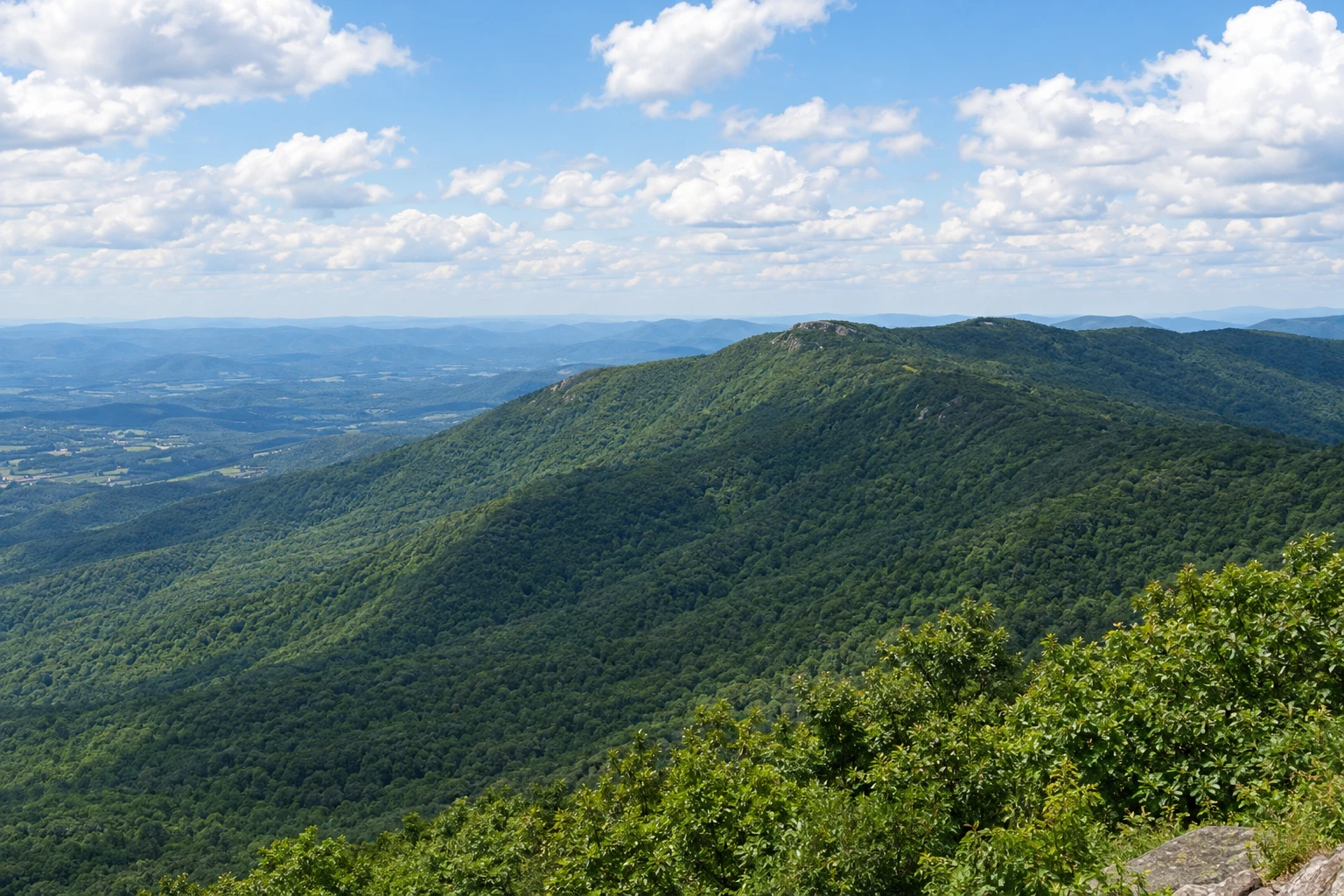
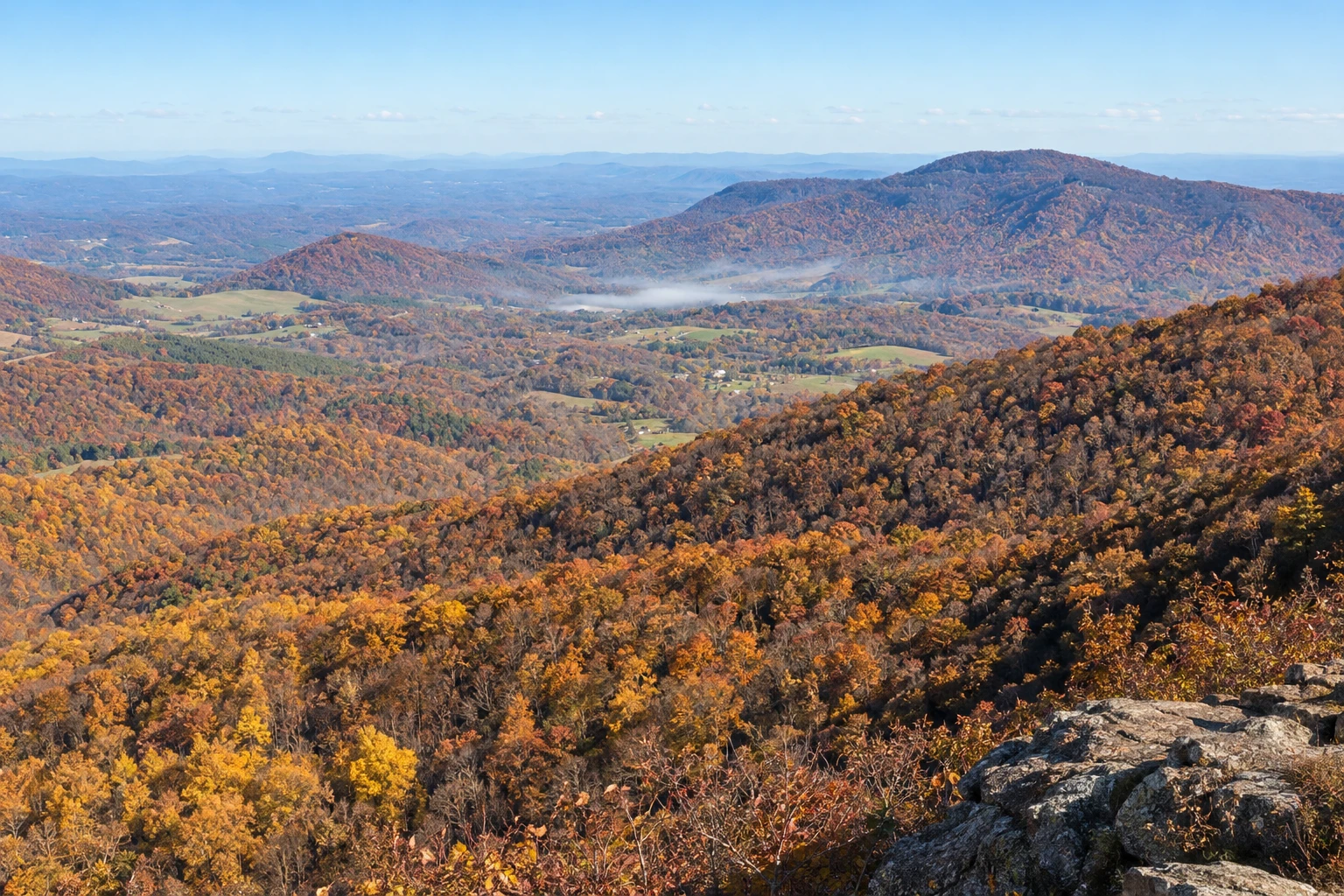
In the photo: Stony Man, Shenandoah
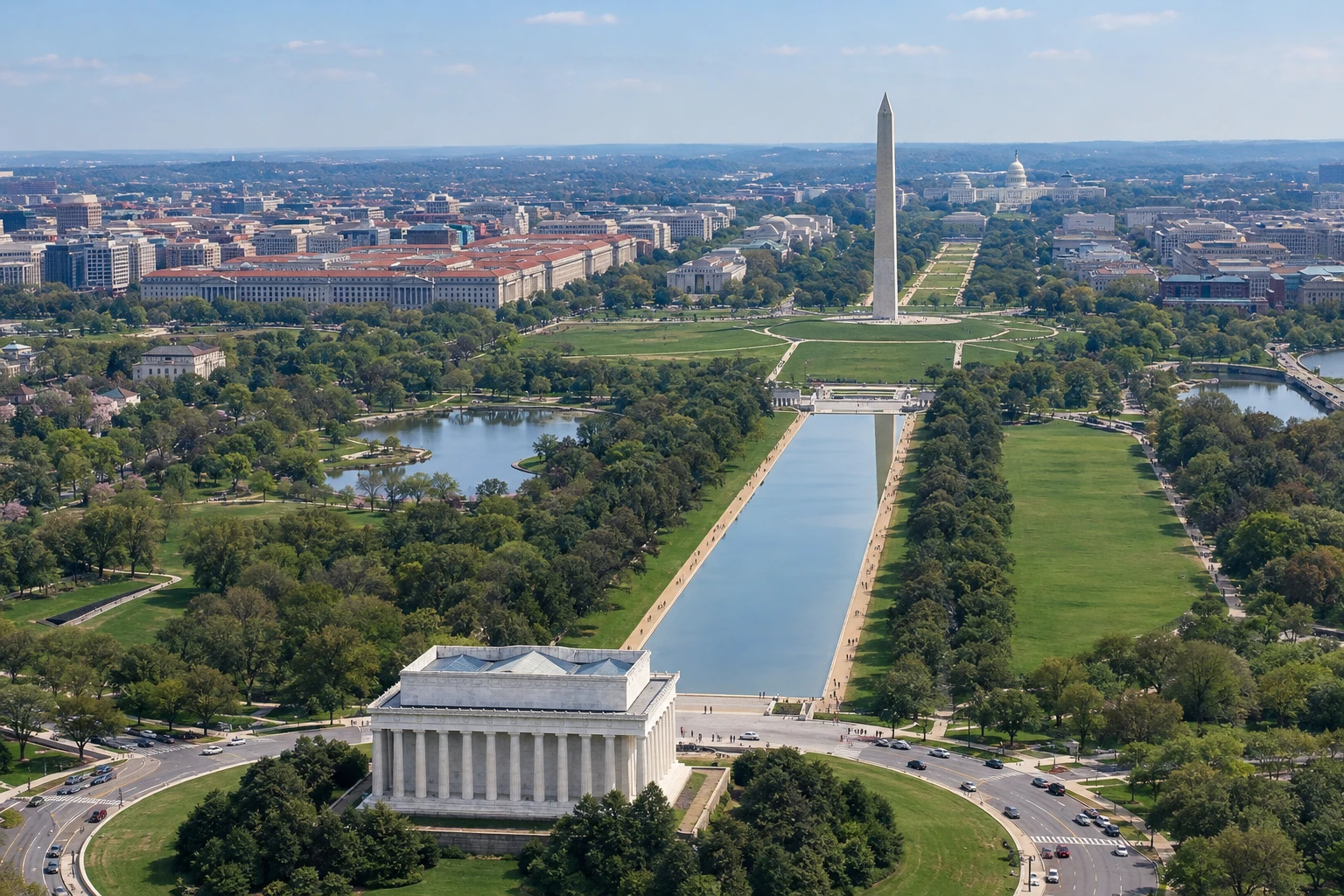
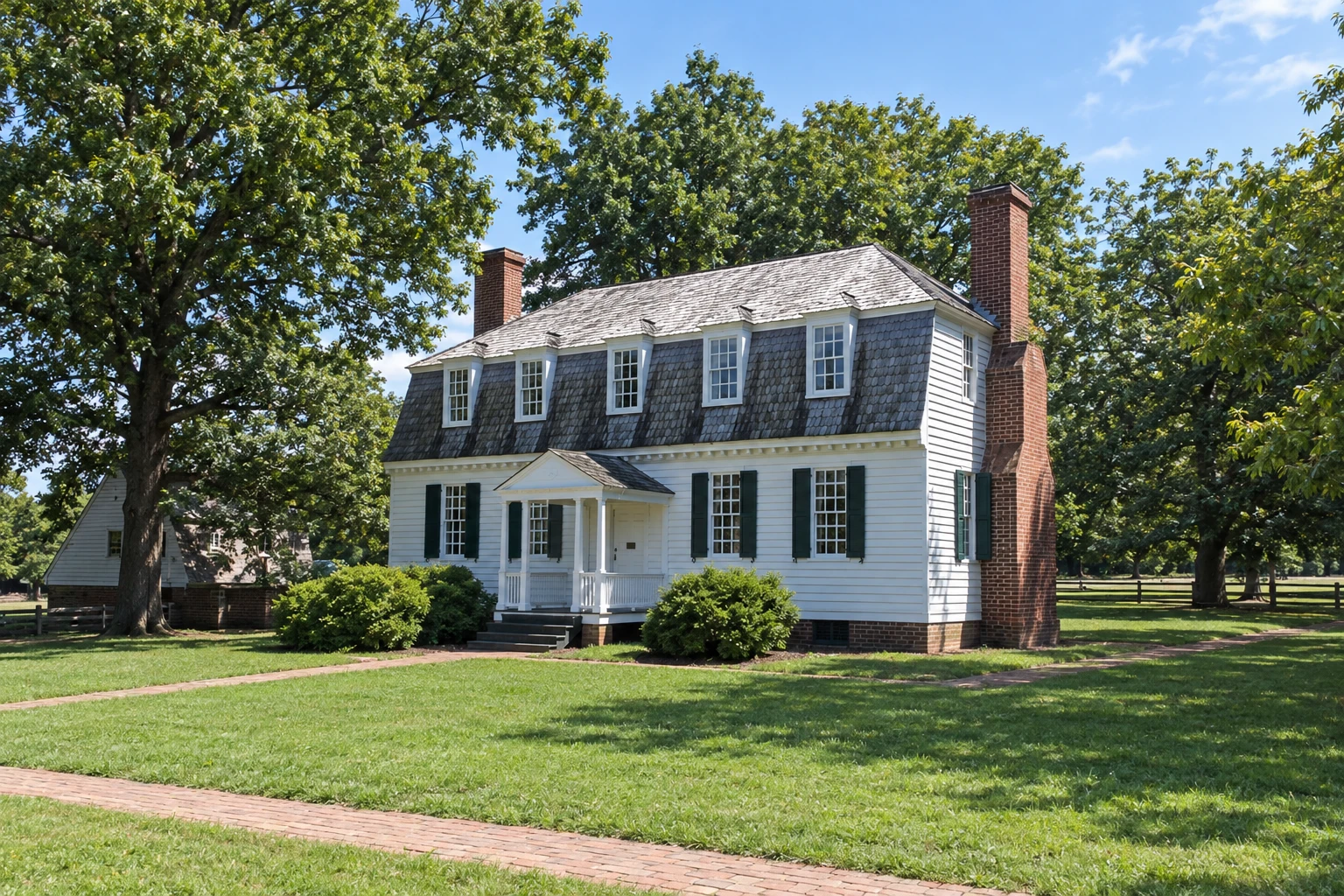
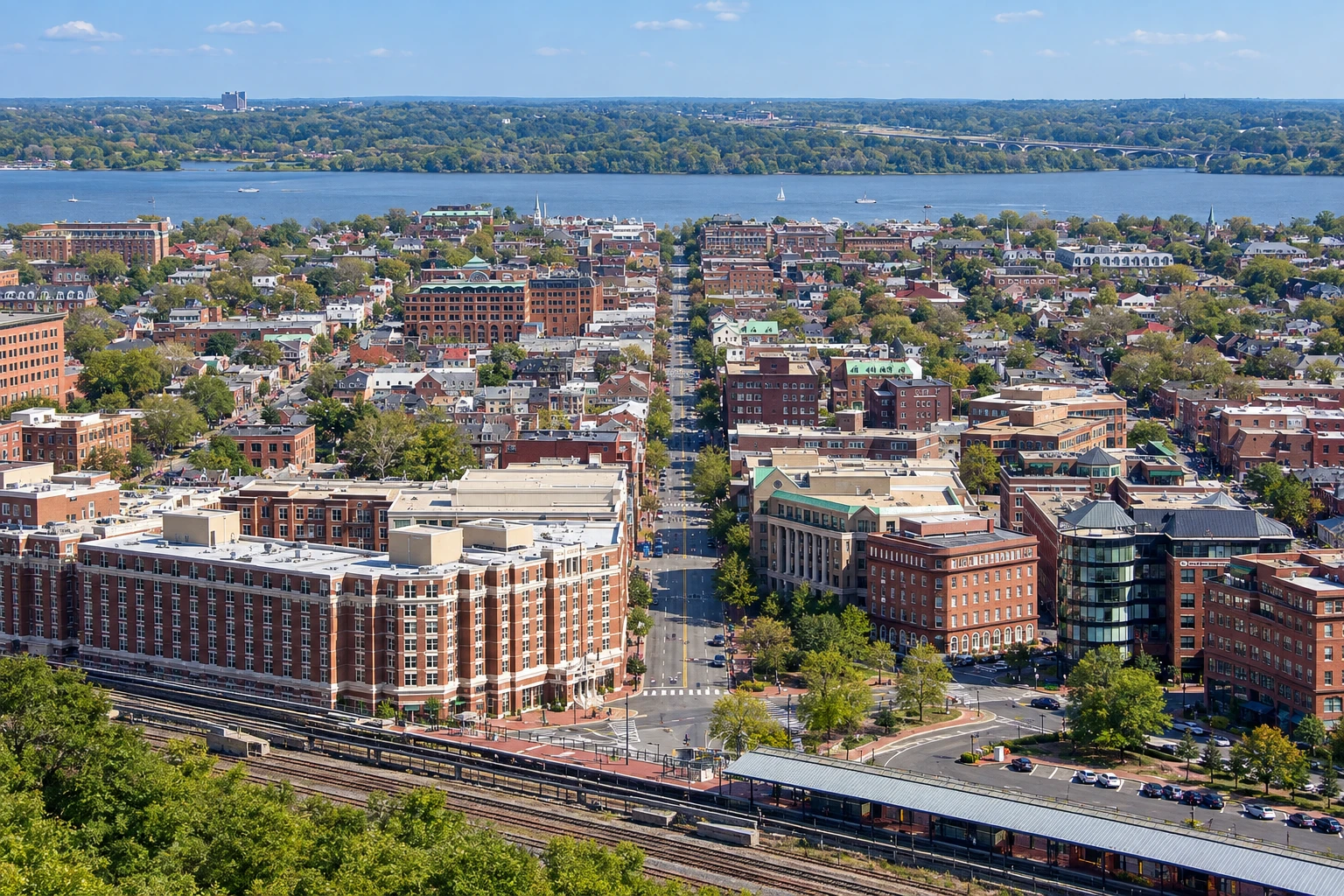
Illustrative images. The pictures in this guide are illustrations based on the real place, not photographs, and may differ from it.
State
Virginia is on the East Coast, south of Washington, between the Chesapeake Bay and the Blue Ridge Mountains. Jamestown, founded in 1607, was the first permanent English settlement in North America, and the state produced eight presidents, including George Washington and Thomas Jefferson. The capital is Richmond.
Adjacent to the nation's capital, Arlington has the National Cemetery, with John F. Kennedy’s grave and the Changing of the Guard at the Tomb of the Unknown Soldier. Downriver, Alexandria preserves brick streets and 18th-century houses along the harbor in Old Town; farther south is Mount Vernon, the home of George Washington.
Charlottesville, at the foot of the mountains, is home to Monticello, the house Thomas Jefferson designed for himself, and the University of Virginia, also designed by him; both are a UNESCO World Heritage site. Surrounding the town are vineyards on the slopes.
To the west, Shenandoah National Park follows the ridge of the Blue Ridge Mountains via Skyline Drive, with overlooks and trails that turn colorful in autumn. In the southeast, Williamsburg recreates the colonial capital, near Jamestown and Yorktown, and Virginia Beach has an Atlantic shore. On the table, Virginia’s cured ham and peanuts.
Flavors of the United States
Destinations
Cities

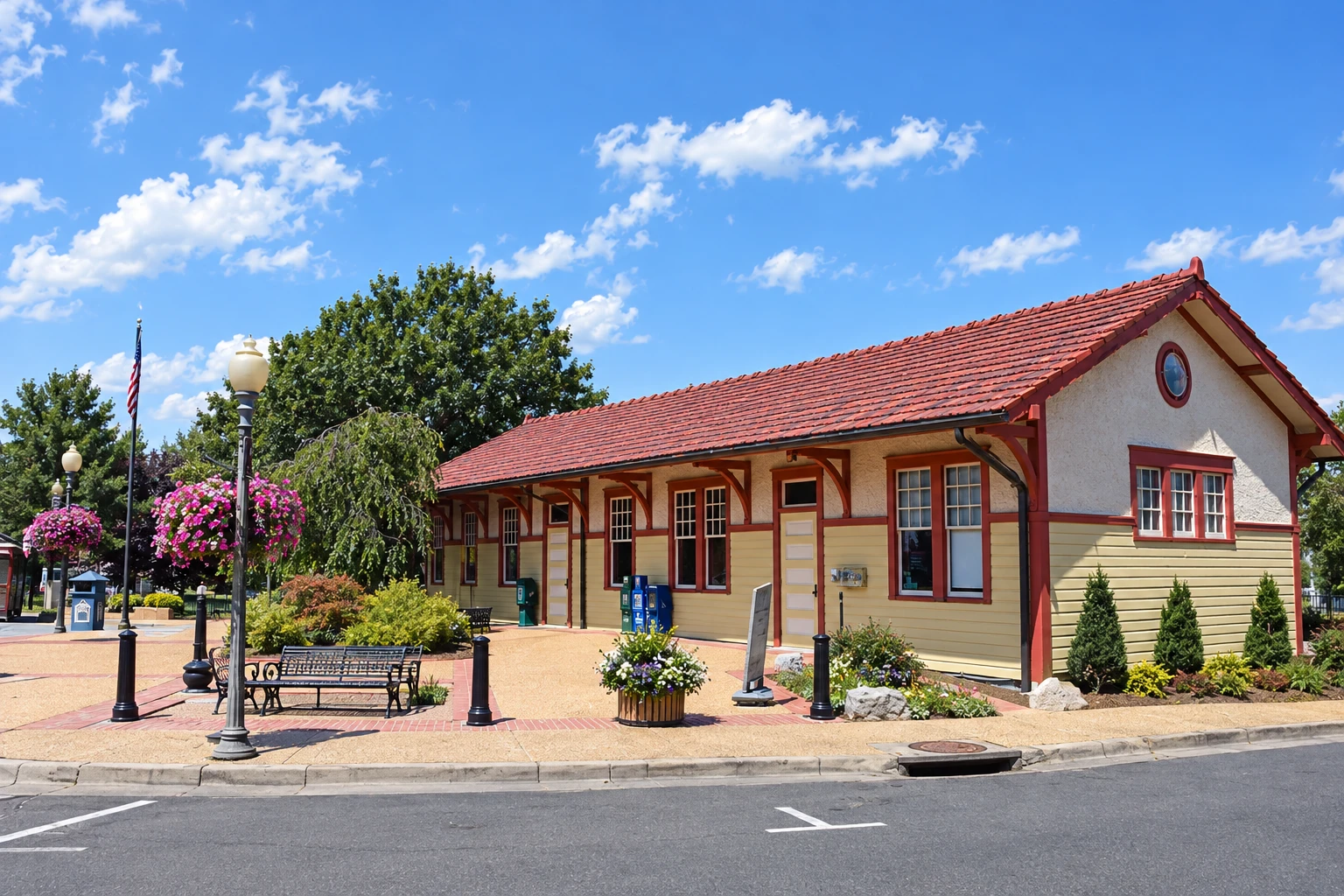
Alexandria has an old town linked to the Potomac port, with brick streets and houses from the 18th and 19th centuries. Old Town Alexandria centers the stroll along King Street and the waterfront; the pace differs from Washington’s major museum circuit.

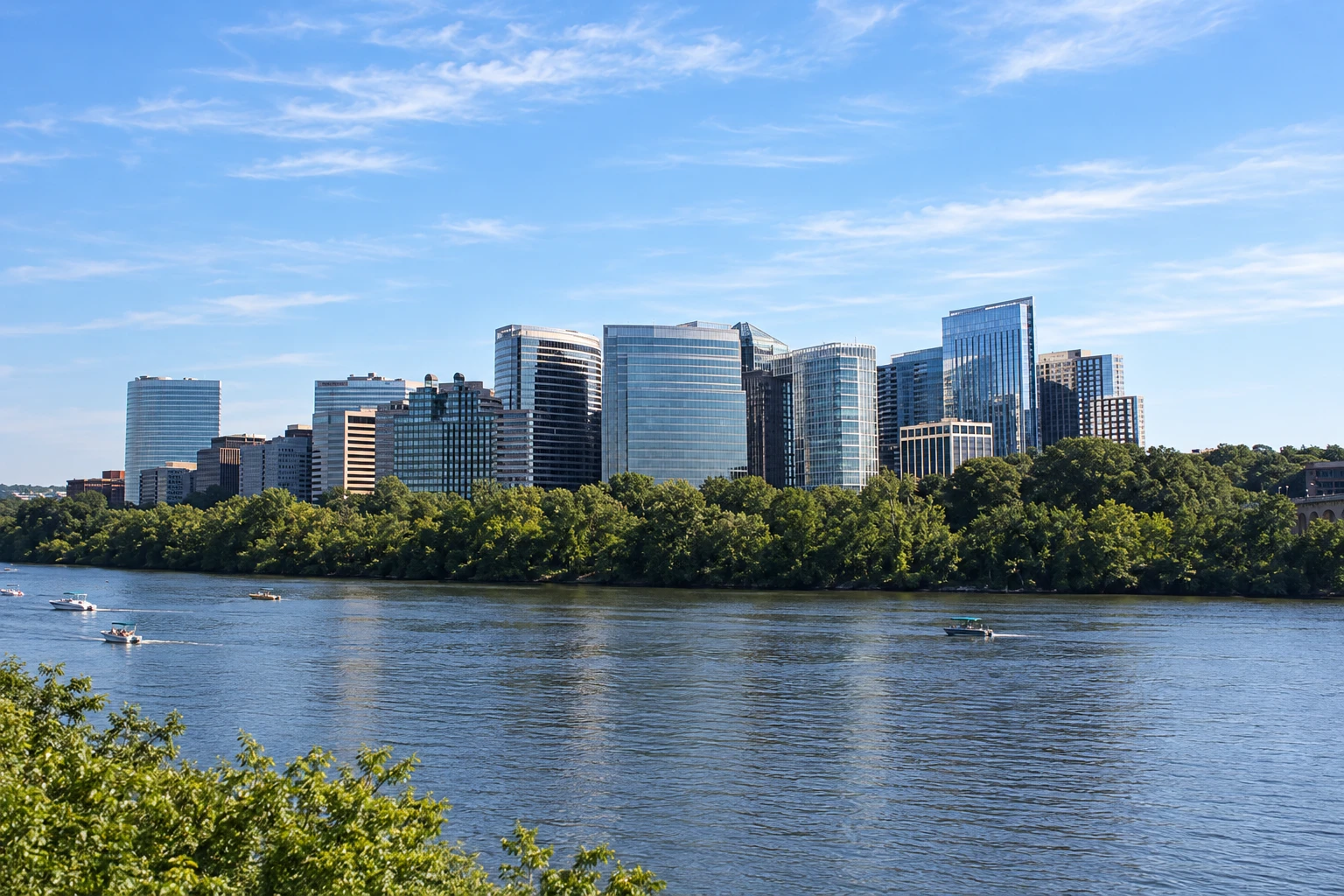
Arlington sits on the Virginia bank of the Potomac River, opposite Washington. Arlington National Cemetery occupies the hill between the city and the river, with tree‑lined avenues, memorials and graves that require a longer on‑foot visit than it might appear.

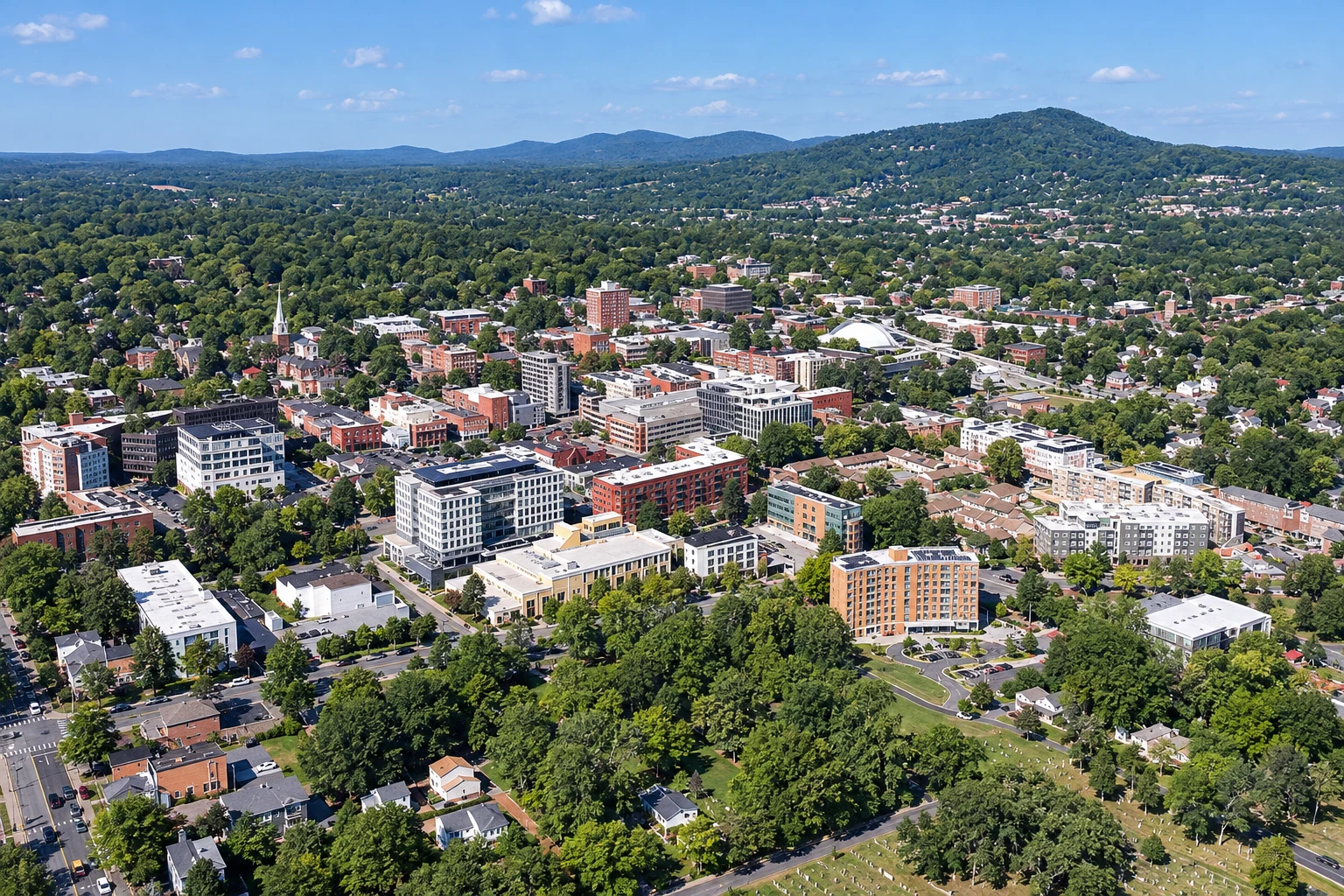
Charlottesville links the architecture of the University of Virginia with the historic Monticello estate in the nearby hills. The Rotunda and the Lawn are visited within the university complex, while Monticello requires a separate trip and a reservation for interior spaces.

Riverside town on the Shenandoah River, at the northern entrance of the Skyline Drive, about an hour and a half from Washington. It has the Dickey Ridge visitor center, just past the park entrance, the Skyline Caverns, known for anthodites, and canoe and tubing trips on the river.

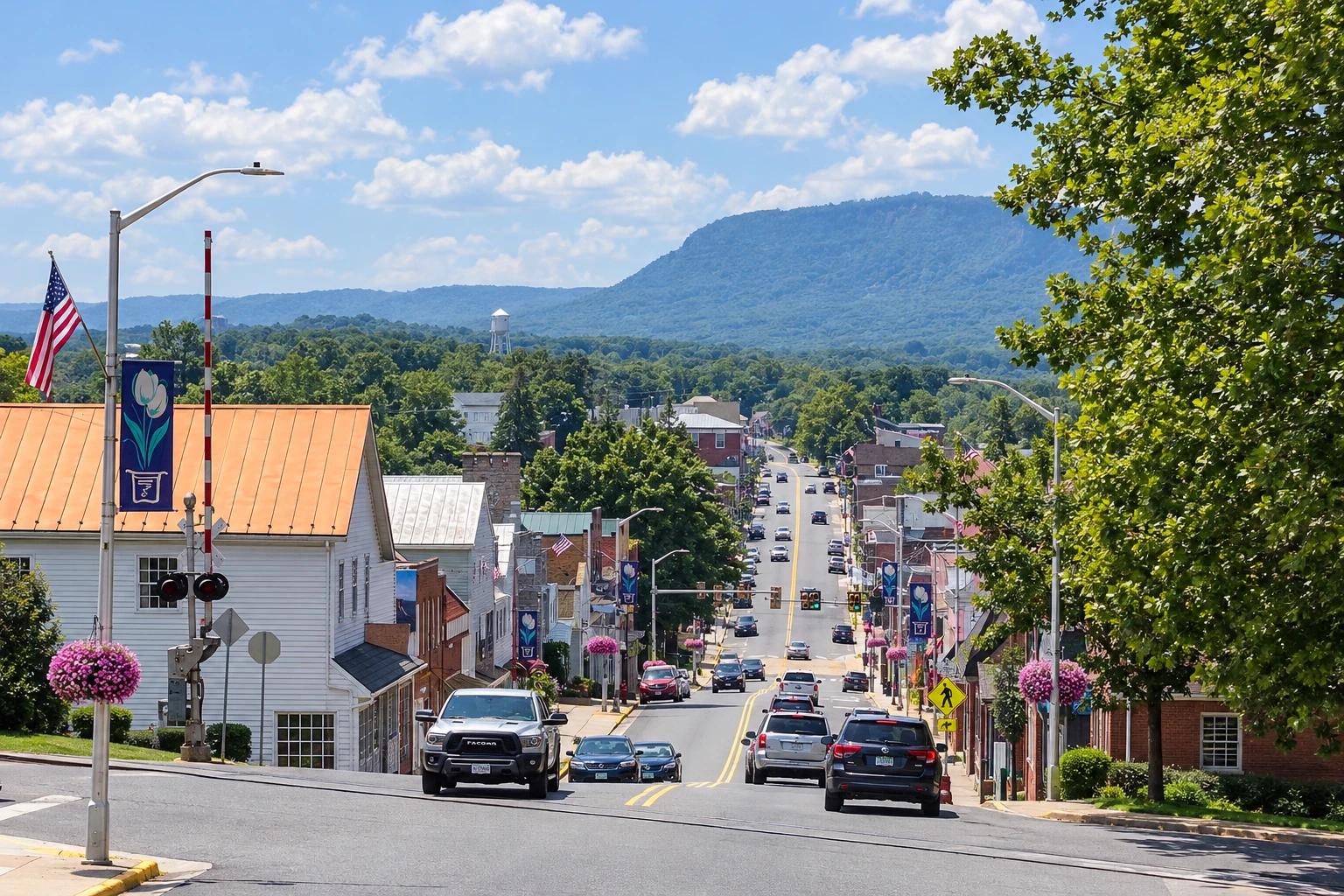
Small town in the Shenandoah Valley at the foot of the Blue Ridge Mountains, a few kilometers from the Thornton Gap entrance to the Skyline Drive. It is known for the Luray Caverns, the largest caverns open to visitors in the eastern United States. From there you can reach the Big Meadows area, with Dark Hollow Falls, and the Old Rag trail.

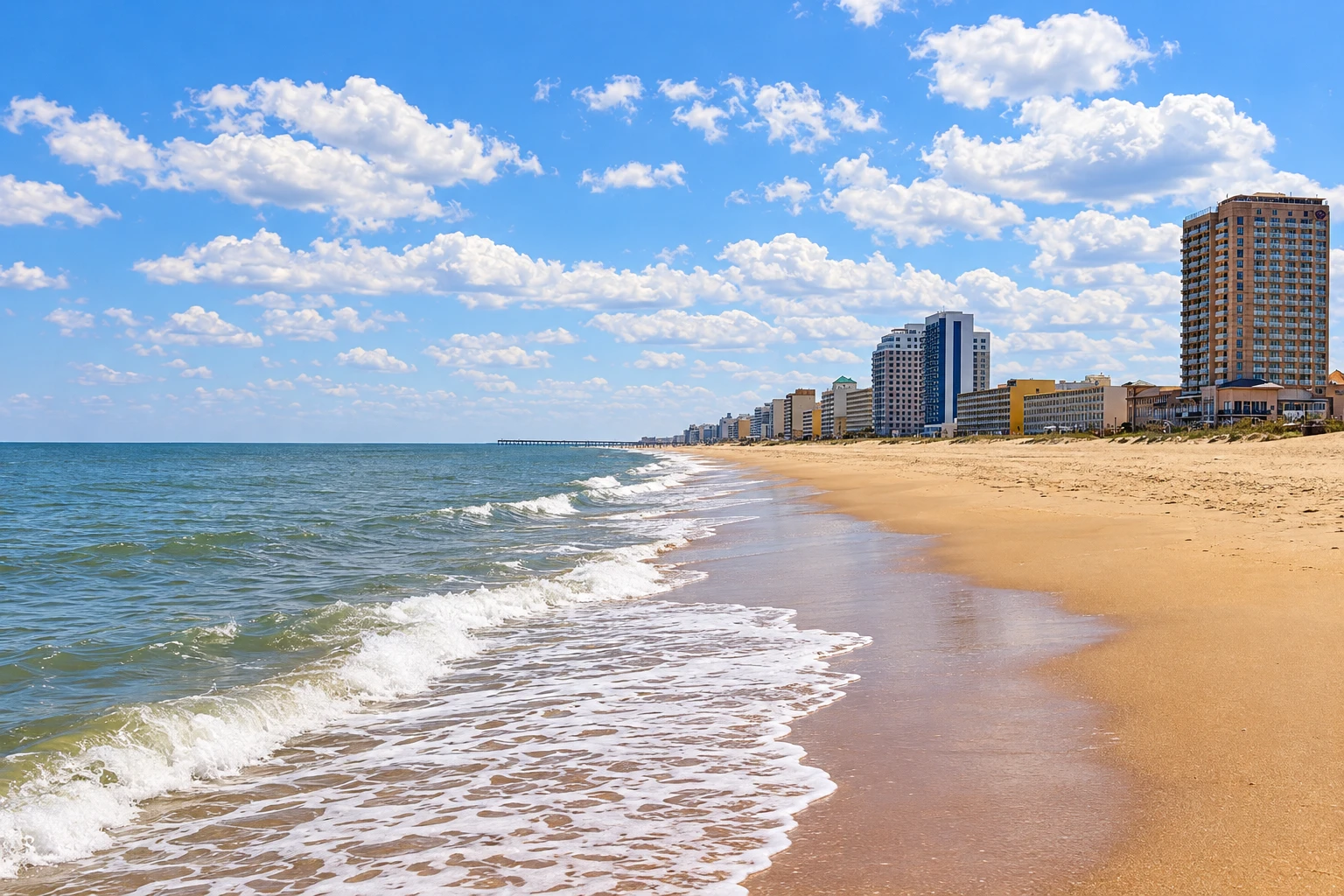
The largest city in Virginia on the Atlantic coast, near the entrance to the Chesapeake Bay. It has an approximately 5 km oceanfront boardwalk with a bike path and the statue of King Neptune; First Landing State Park, where the English colonists first landed in 1607; and the Virginia Aquarium & Marine Science Center.

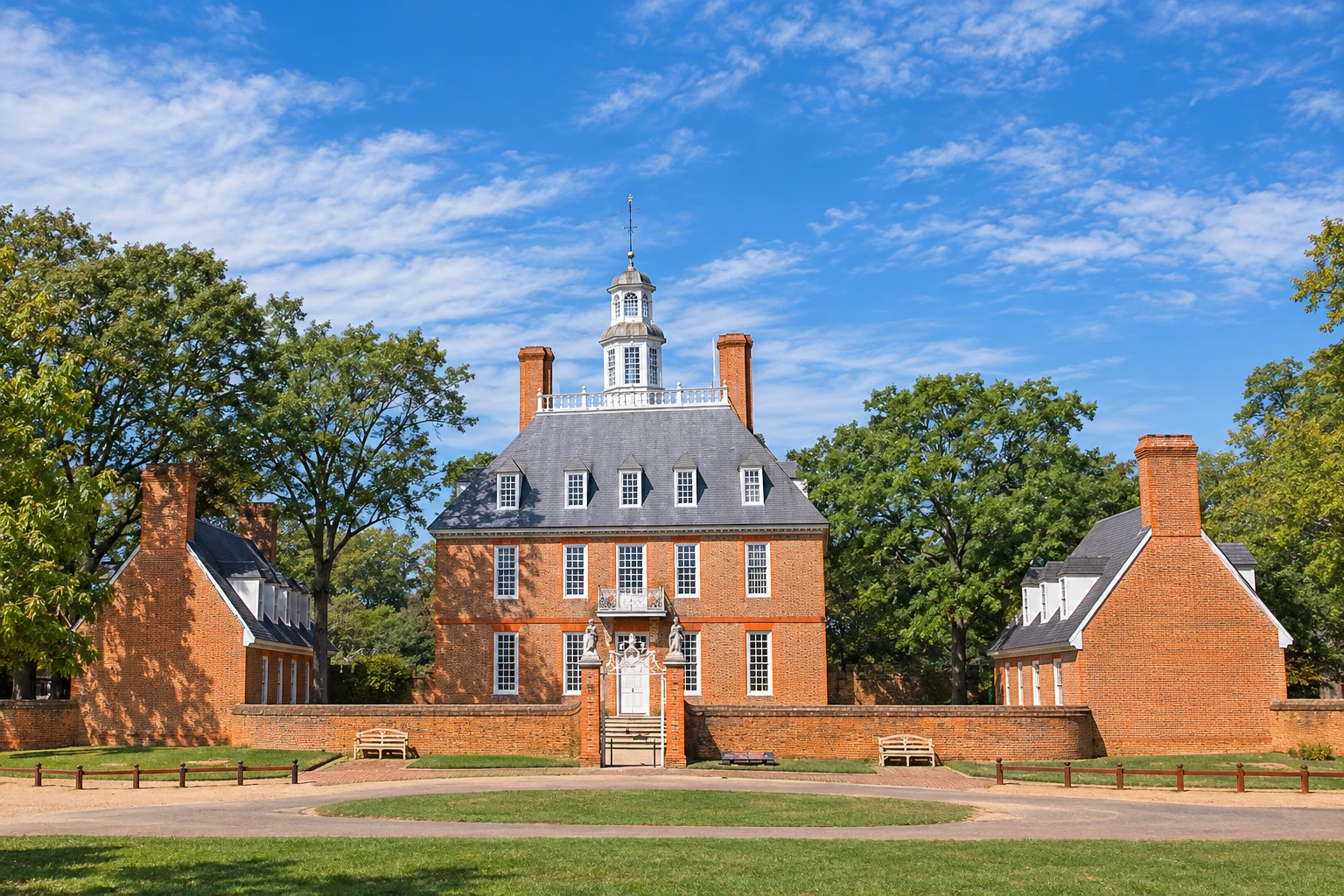
Capital of the Virginia colony from 1699 to 1780, today a university town with the historic area of Colonial Williamsburg, an 18th-century living museum. It stands at the center of the Historic Triangle, between Jamestown, where the English arrived in 1607, and Yorktown, where the Revolutionary War ended. To the east are Busch Gardens Williamsburg and the Water Country USA water park.
Spring (April and May) and fall (September through November) are usually the best times; in October the leaves change color in the Blue Ridge Mountains. Summer is typically hot and humid, good for Virginia Beach. Winter, from December through February, is usually cold, with snow in the mountains.
Northern Virginia is served by Washington’s airports: Dulles (IAD), which is located in Virginia, and Reagan National (DCA), in Arlington. Connections with Brazil may be direct or with a stopover depending on season and airline. Check before you buy. Washington’s metro reaches Arlington and Alexandria. Charlottesville has a regional airport (CHO) and an Amtrak station, and by car is about two and a half hours from the capital. Richmond (RIC) and Norfolk (ORF) serve the central and coastal areas.
Beyond the guide
Your questions
Both are on the other side of the Potomac and are reached by metro: Arlington Cemetery station on the Blue Line stops at the cemetery, and King St–Old Town leaves you near Alexandria’s historic center. There is also a bike path along the river, the Mount Vernon Trail.
For history lovers, yes. Monticello and the original core of the University of Virginia are a UNESCO World Heritage site and can be visited in one day. The visit to Jefferson’s house is guided and timed: buy tickets in advance.
It is the roughly 170 km road that runs along the ridge of the Blue Ridge Mountains inside Shenandoah National Park, with dozens of overlooks. Park entry is paid separately, and sections may close in winter due to ice or snow.
By car, about two and a half hours, depending on traffic. Williamsburg, Jamestown and Yorktown form the so-called Historic Triangle and are typically visited together in one or two days.