State
Get to know Oklahoma
Oklahoma is in the southern Great Plains, just north of Texas. The name comes from the Choctaw language and means red people, and the state is home to 39 federally recognized Indigenous nations, including Cherokee, Choctaw and Osage. The landscape ranges from western prairies to forested hills in the east.
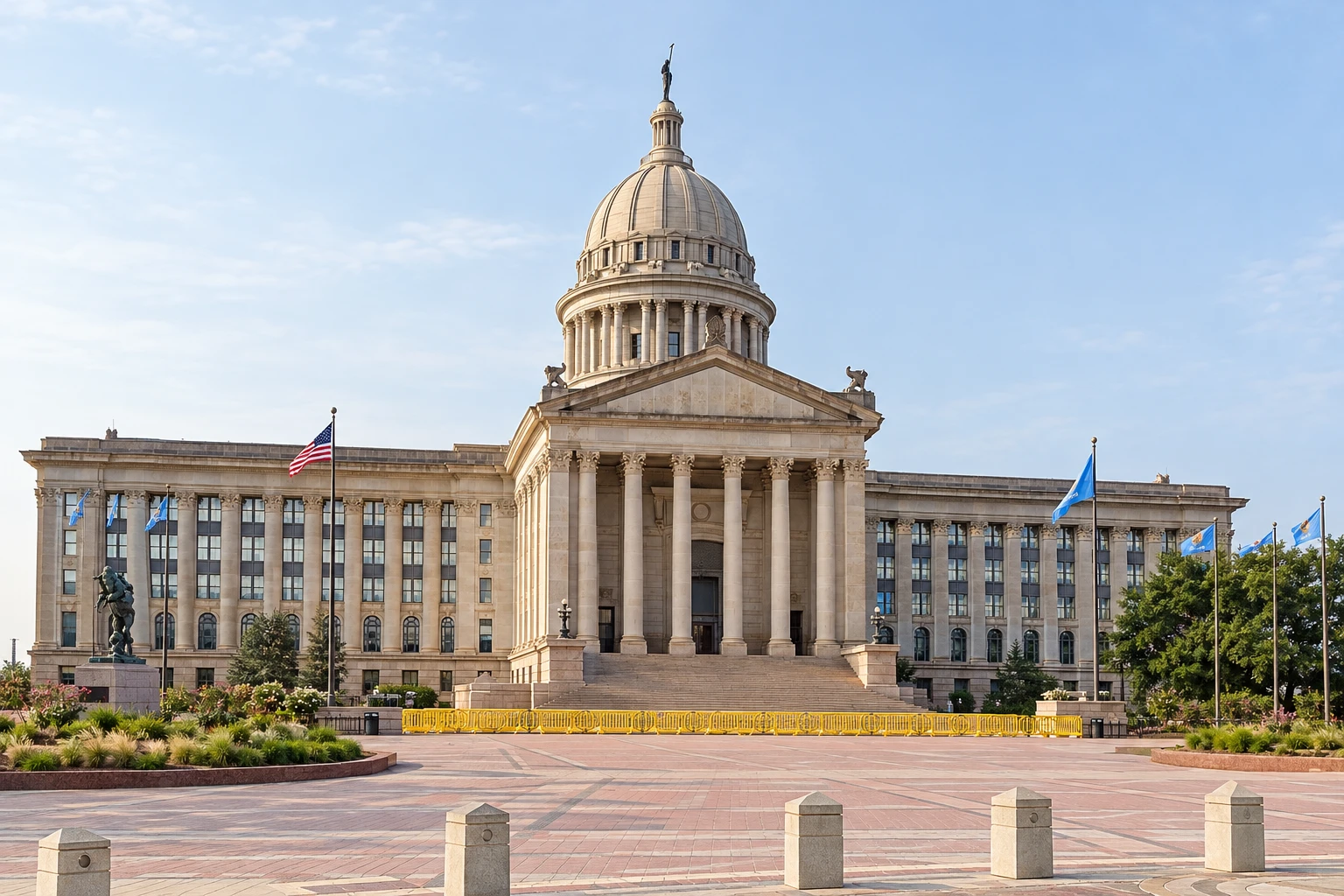
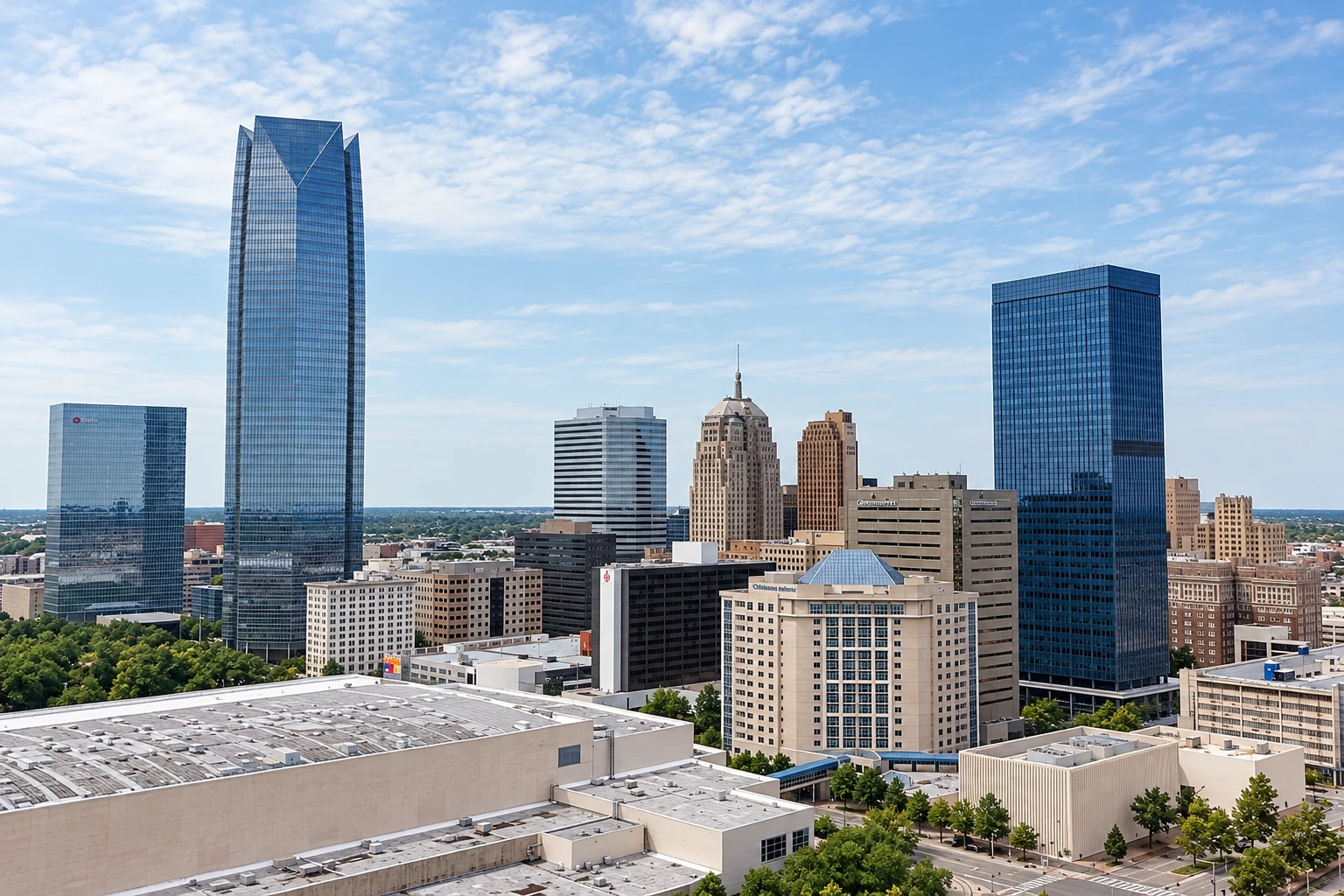
Oklahoma City, the capital, has the National Cowboy & Western Heritage Museum, with Western art and history, the Bricktown neighborhood of old warehouses along a canal, and the First Americans Museum, dedicated to the state’s Indigenous nations. Route 66 crosses the state from northeast to southwest, with the round barn in Arcadia, the Blue Whale of Catoosa and the road museum in Clinton.
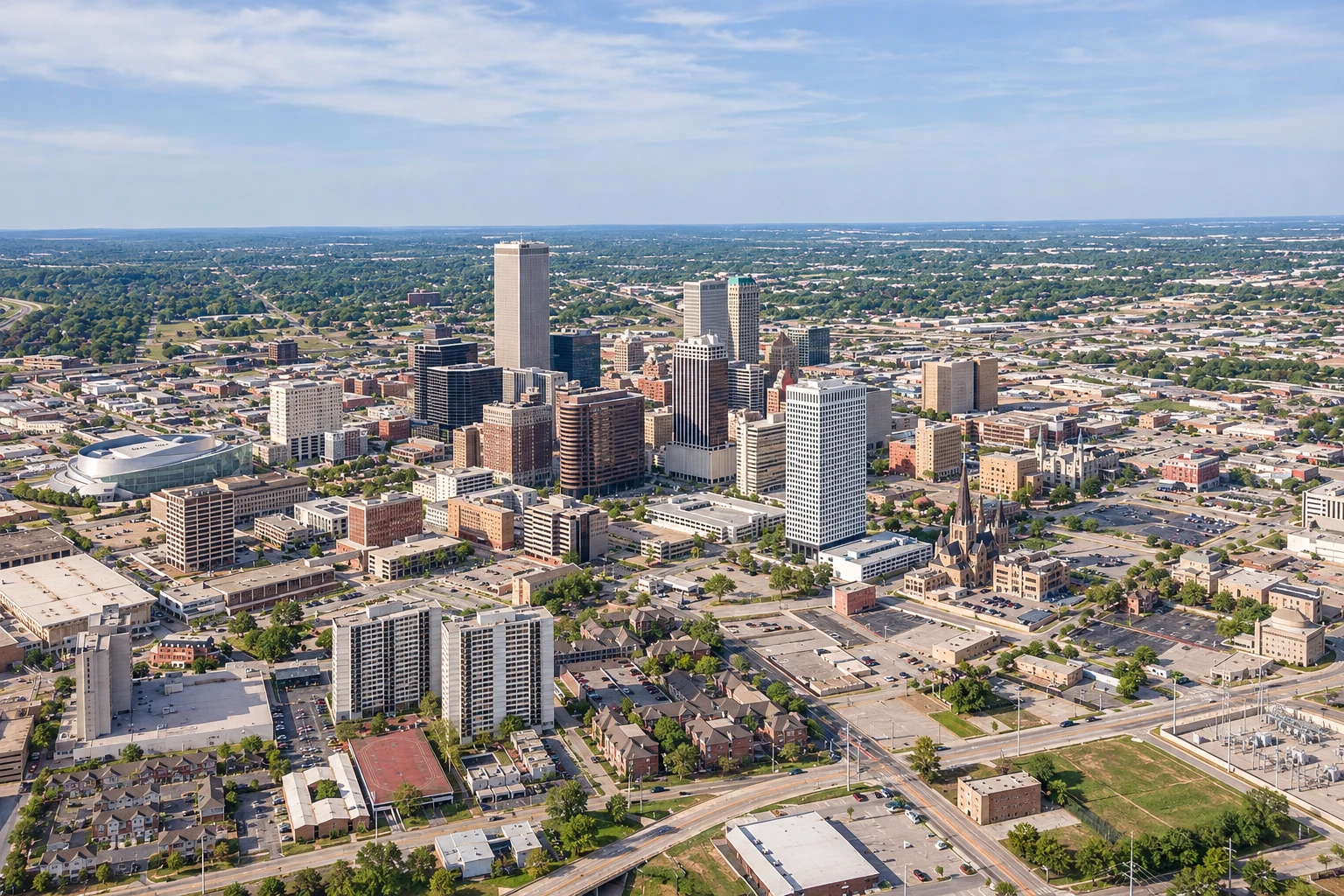
Tulsa, in the northeast, prospered from oil in the 1920s and retains art deco buildings downtown, the Philbrook, an art museum in a mansion with gardens, and the Woody Guthrie Center, about the folk singer born in the state. The Gathering Place, on the banks of the Arkansas River, is a large urban park.
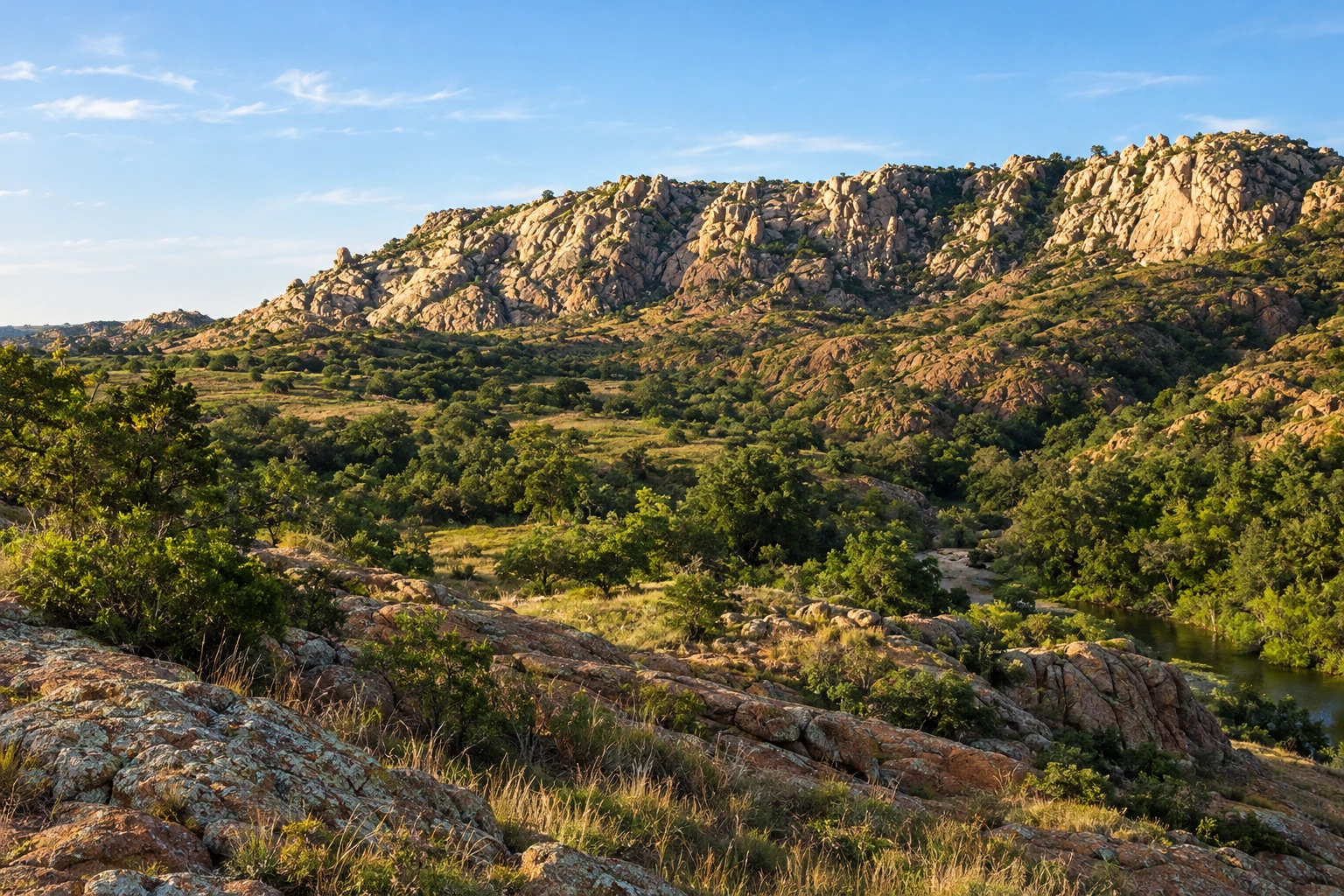
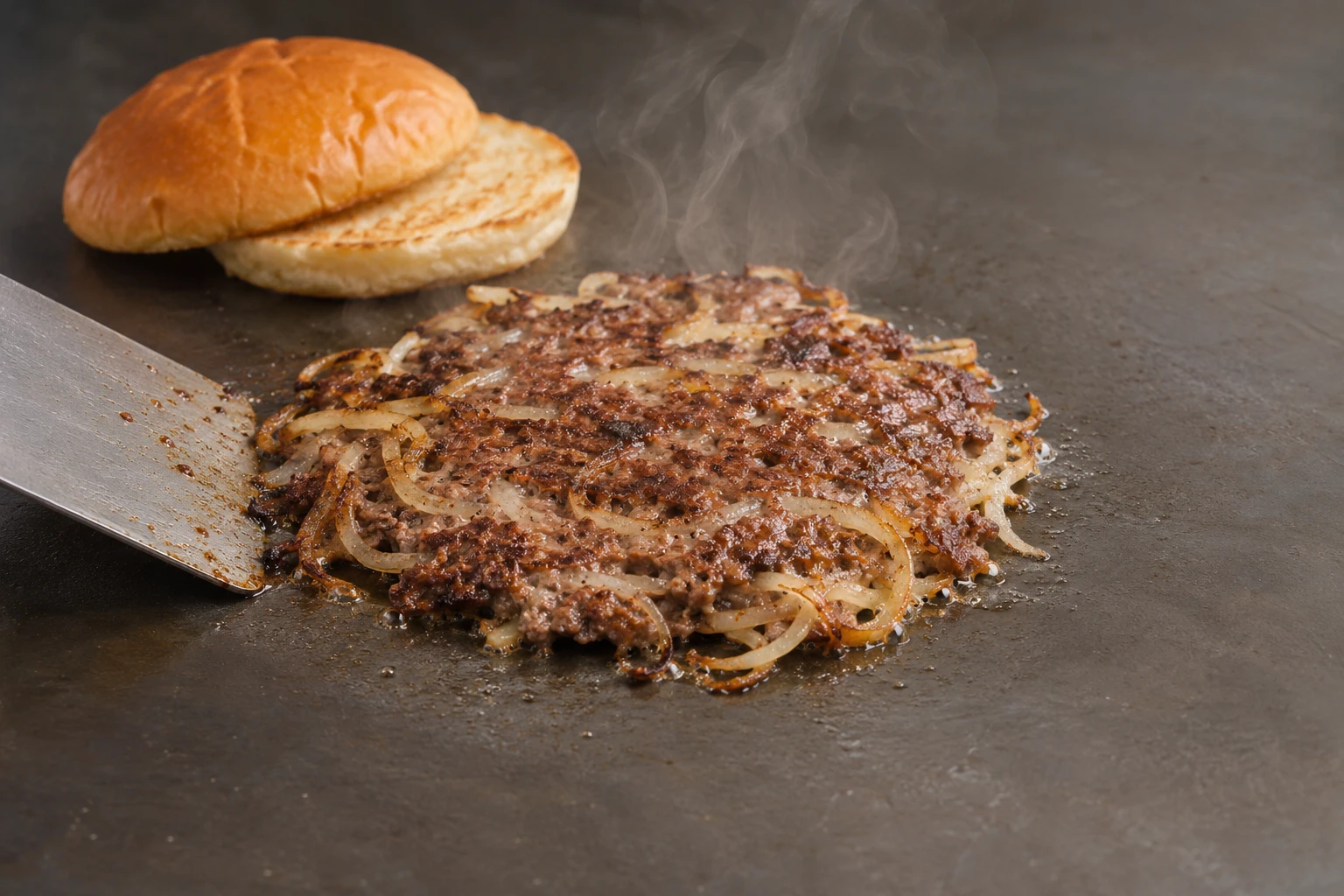
In the southwest, the Wichita Mountains Wildlife Refuge has free-roaming bison and longhorn cattle among granite hills, with a road to the top of Mount Scott. In the northeast, Tahlequah is the capital of the Cherokee Nation, with museums about the people’s history, and the east has lakes and the Ouachita Mountains. On the plate, chicken fried steak (breaded steak with white gravy), barbecue and the grilled onion burger — born in El Reno.


 Brazil
 Antarctica
 Argentina
 Bolivia
 Chile
 Colombia
 Ecuador
 Falkland Islands (Malvinas)
 French Guiana
 Guyana
 Paraguay
 Peru
 Suriname
 Uruguay
 Venezuela
 Austria
 Belgium
 Croatia
 Denmark
 Finland
 France
 Germany
 Greece
 Hungary
 Iceland
 Ireland
 Italy
 Luxembourg
 Norway
 Poland
 Portugal
 Slovakia
 Slovenia
 Spain
 Sweden
 Switzerland
 the Czech Republic
 the Netherlands
 the United Kingdom
 Turkey
 Bermuda
 Canada
 Greenland
 Mexico
 Saint Pierre and Miquelon
 the Dominican Republic
 Japan
 Egypt
 South Africa
 Australia
 Fiji
 New Zealand
 Papua New Guinea