Beignet
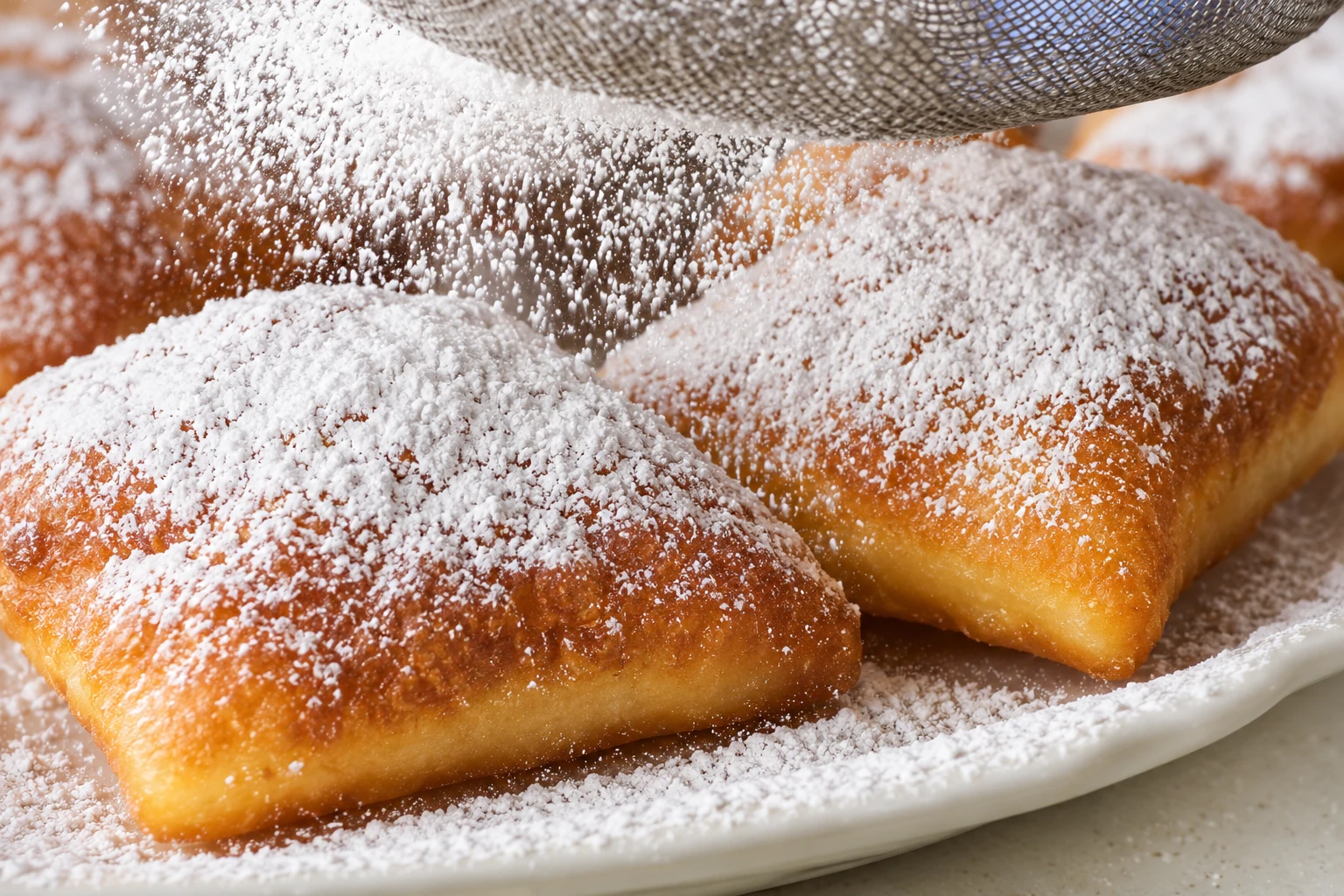
Square fritter made from leavened dough, without a hole, dusted with powdered sugar and eaten hot with café au lait. Popularized at the French Market in New Orleans, it has been Louisiana’s official doughnut since 1986.
Antarctica
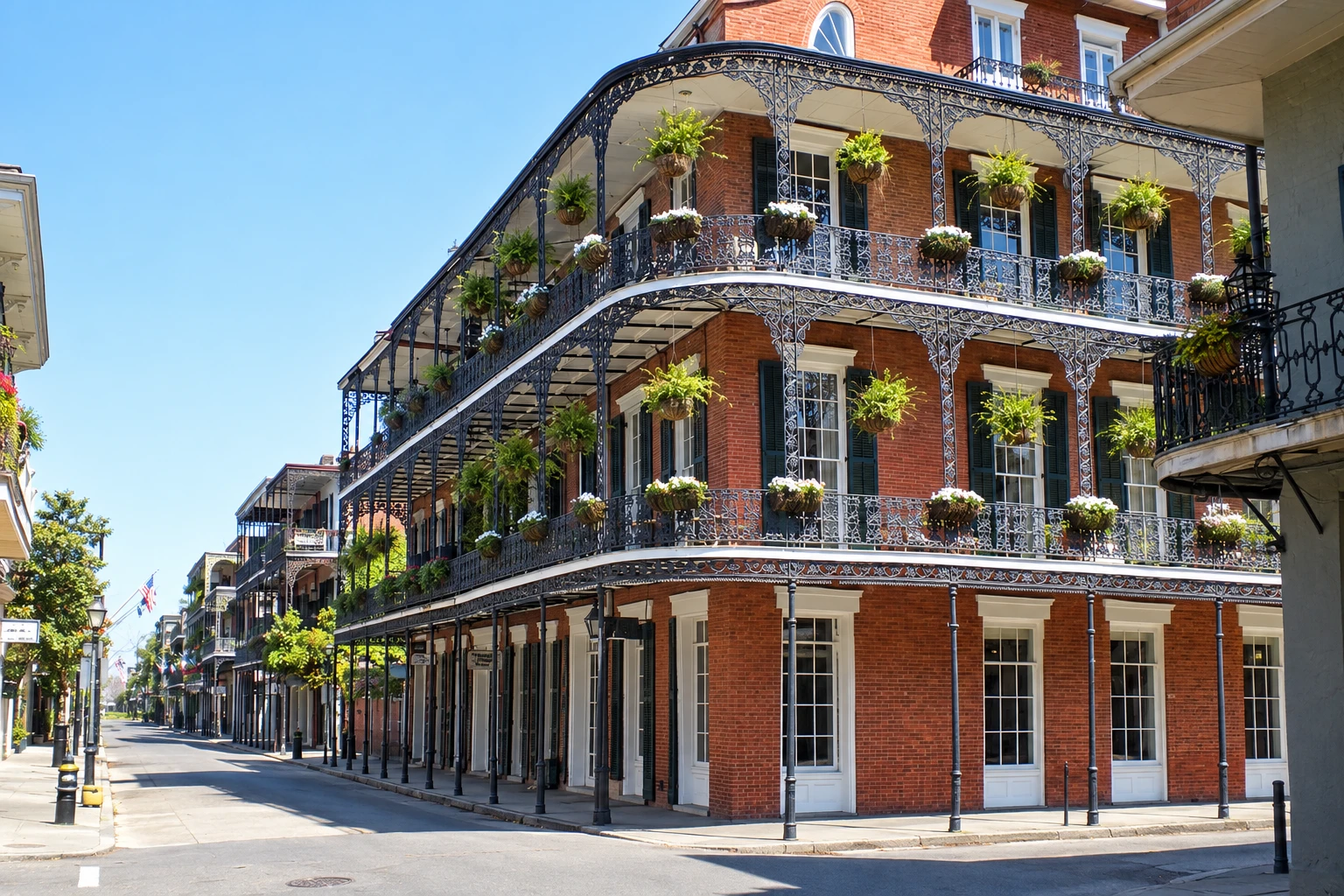
In the photo: Balconies of the French Quarter, in New Orleans
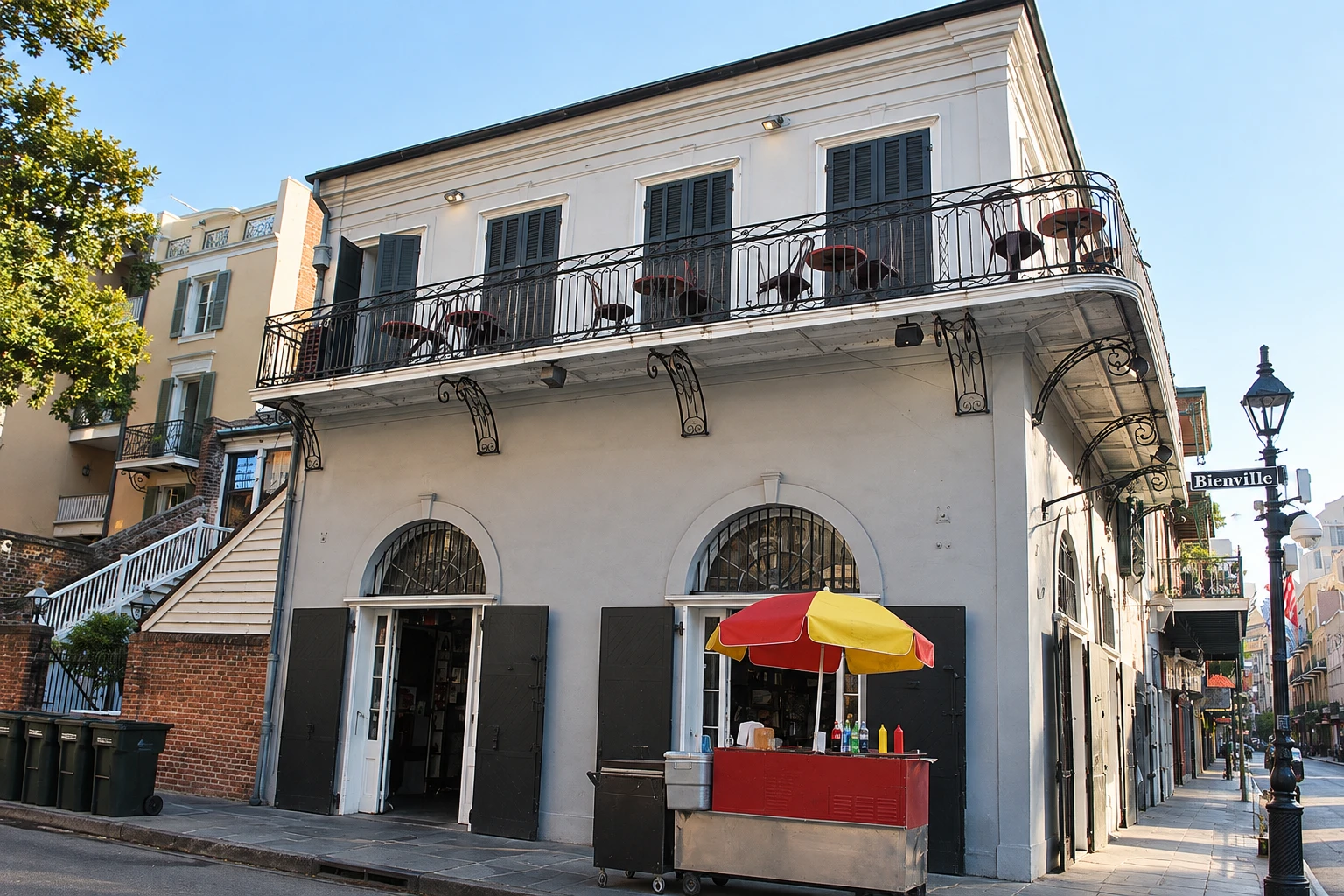
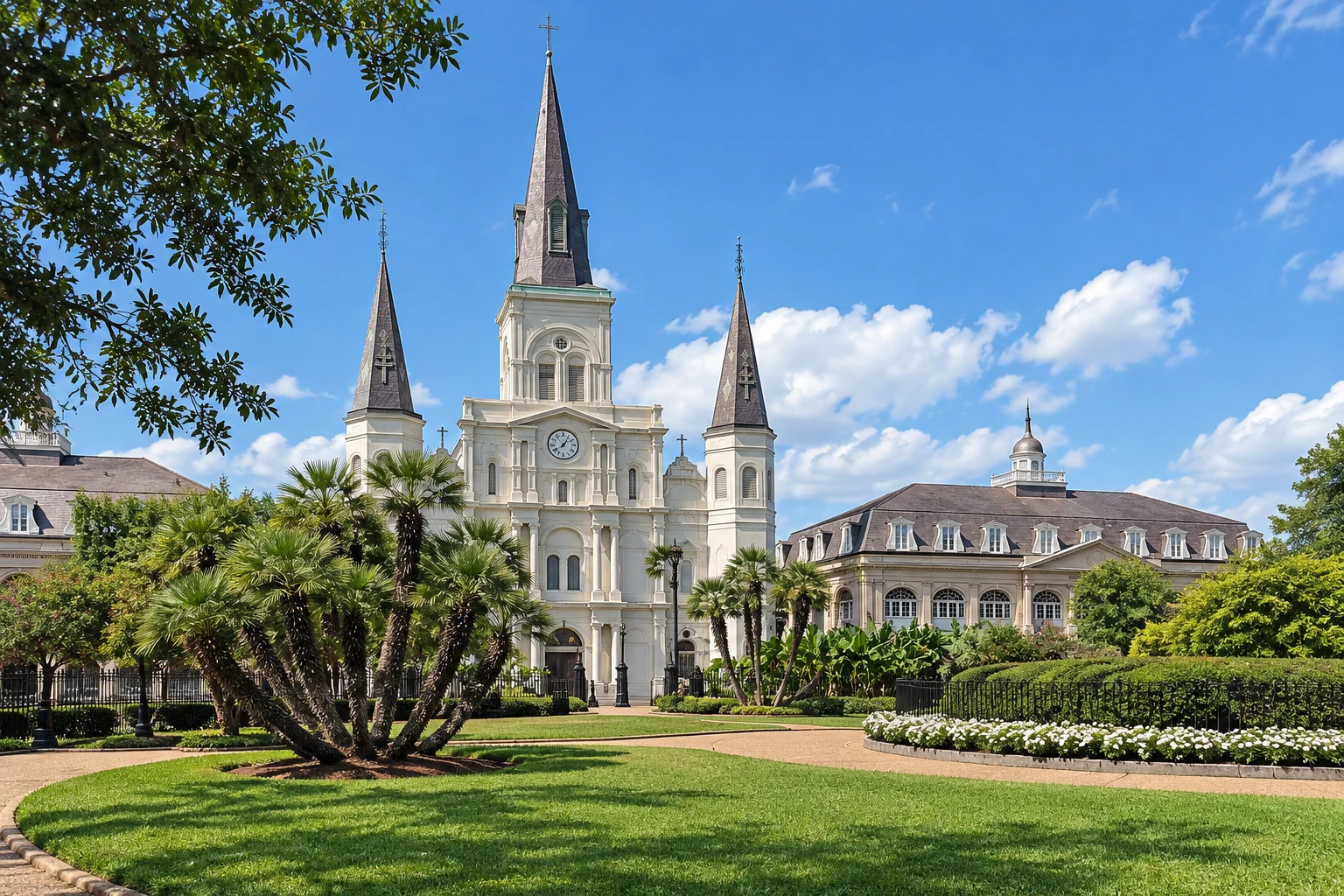
Illustrative images. The pictures in this guide are illustrations based on the real place, not photographs, and may differ from it.
The city
City on a bend of the Mississippi River, founded by the French in 1718, birthplace of jazz and Creole cuisine. The French Quarter has Jackson Square, St. Louis Cathedral and wrought-iron balconies; the Garden District has 19th-century mansions. The city has the National WWII Museum, and nearby are the Barataria bayou preserve and the Whitney Plantation.
There's no accommodation in the guide yet in New Orleans.
Do you run a hotel, guesthouse or vacation rental here? List itThere are no restaurants in the guide yet in New Orleans.
Know a good one? Recommend it to usThe city's hotels and restaurants on the map.
how to get there · how many days · itinerary · questions
Flavors of the United States

Square fritter made from leavened dough, without a hole, dusted with powdered sugar and eaten hot with café au lait. Popularized at the French Market in New Orleans, it has been Louisiana’s official doughnut since 1986.


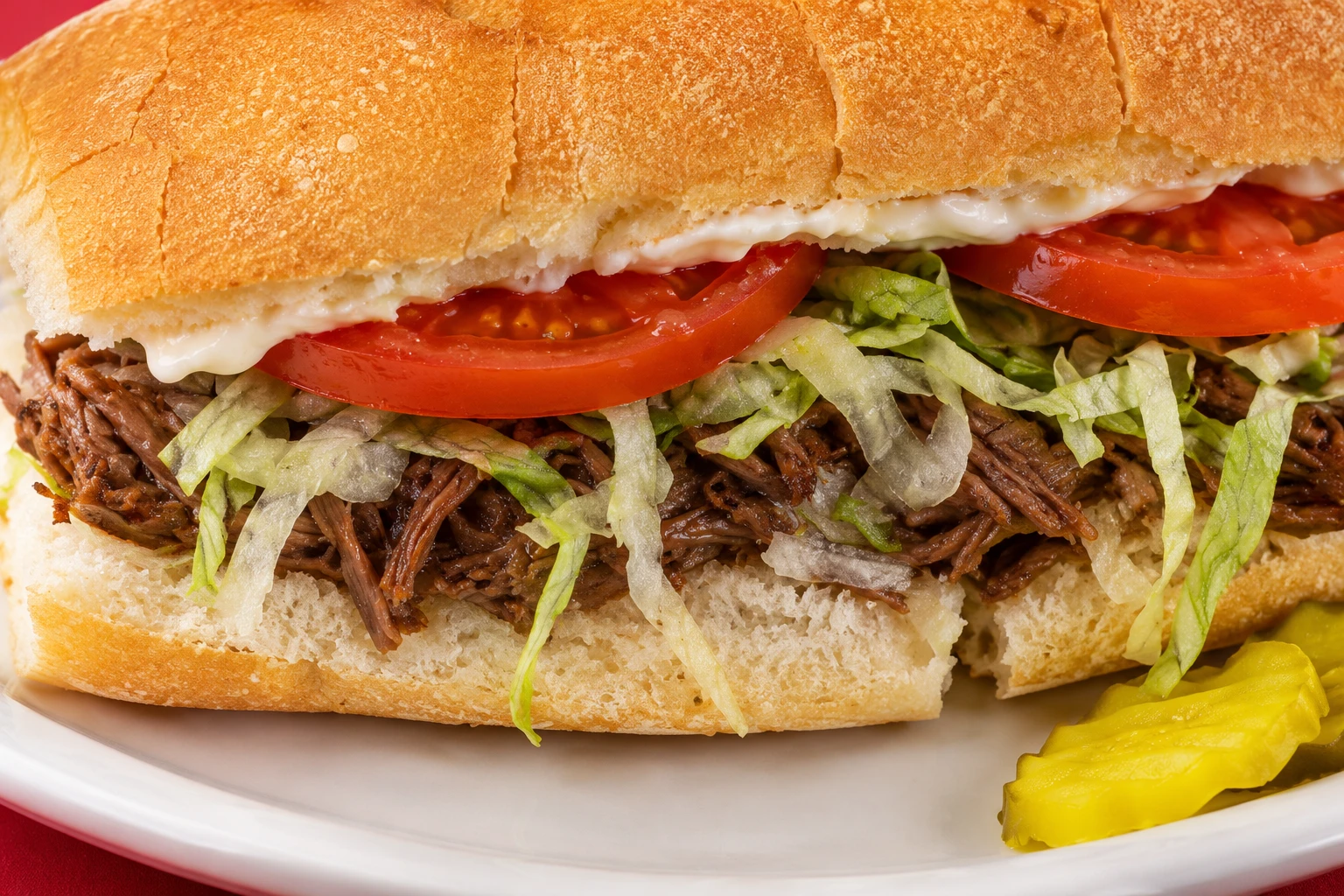
New Orleans sandwich made on the local French bread, with a thin, crisp crust, filled with fried shrimp or oysters, roast beef with gravy, or other fillings. The name is linked to the 1929 streetcar operators’ strike.

New Orleans cocktail with rye whiskey or cognac, sugar and the bitter created by Antoine Amédée Peychaud, served in a glass scented with absinthe and a lemon peel. It is the city’s official cocktail by a 2008 state law.
The local experience
The oldest neighborhood of New Orleans, with wrought-iron balcony houses, inner courtyards, street music and Bourbon Street.
The central square of the French Quarter, with the Andrew Jackson statue, street artists and St. Louis Cathedral, with white towers.
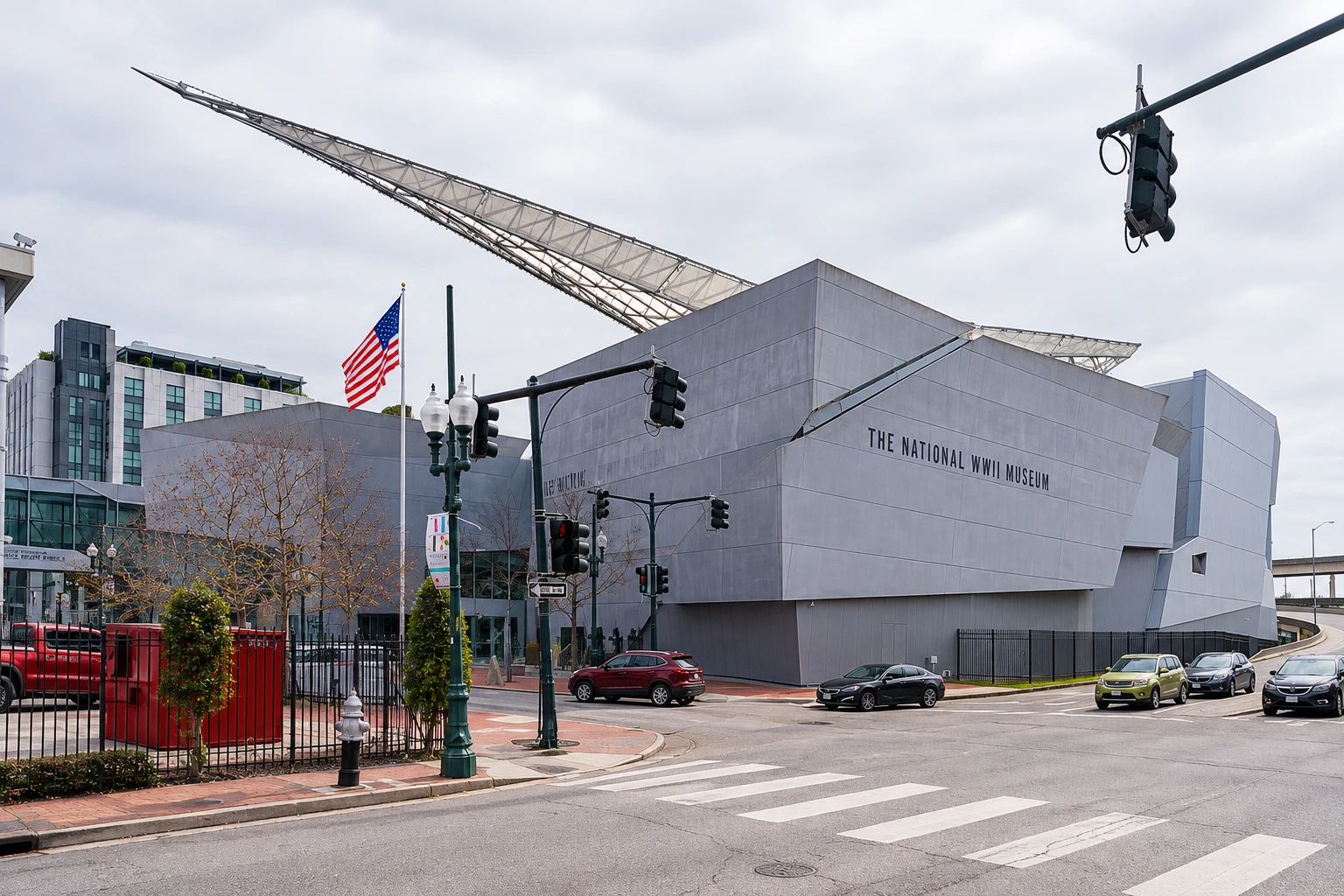
Museum in multiple pavilions in the Warehouse District about America’s role in World War II, with aircraft, films and veterans’ testimonies.
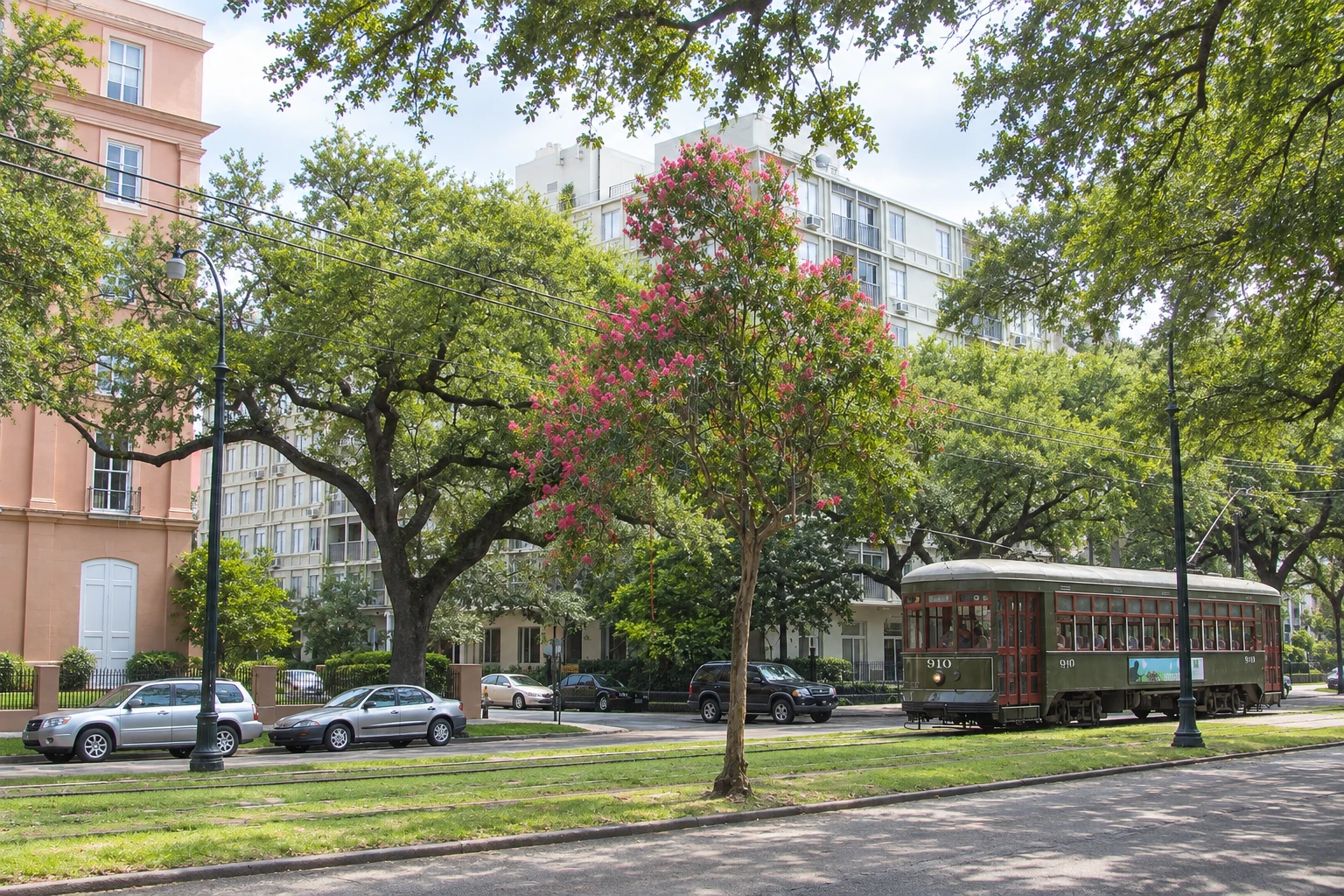
Residential neighborhood with 19th-century mansions, gardens and oak trees, served by the St. Charles Avenue streetcar and Lafayette No. 1 Cemetery.
Before you go
New Orleans – the United States
Approximate distances. Check flights and bus, train or boat schedules before you travel.
From MSY airport in Kenner, the express bus and taxis take you to downtown. Long-distance trains and buses stop at the Union Passenger Terminal, next to the Central Business District. In town, the St. Charles Avenue, Canal Street and riverfront streetcars connect the neighborhoods.
Three days for the French Quarter, the Garden District, the museums and evening music; four with a day in the surroundings.
The most comfortable months for walking are usually February through May and October through November. In summer, the humid heat and sudden downpours call for shady breaks. From June to November, the Gulf of Mexico coast is in hurricane season.
The seasons shown are the most usual ones; nature doesn't always follow the calendar.
No. The French Quarter and the Marigny are walkable, and streetcars reach the Garden District and City Park. For the Barataria Preserve and the plantations, a car or an organized tour is necessary. In Louisiana, you drive on the right.
Suggested itinerary
Built with the places on this page. No rush: it's paced so you have time to see them.
Start at Jackson Square, with St. Louis Cathedral, and walk the streets of the French Quarter.
Take the streetcar or walk to the National WWII Museum, in the Warehouse District.
At night, hear jazz in the music venues on Frenchmen Street, in the Marigny.
Day 1
On the first day, stroll the French Quarter from Jackson Square to the French Market, on the riverfront.
Take the St. Charles Avenue streetcar to the Garden District and walk among the mansions.
Return to the Marigny for live music on Frenchmen Street.
Day 2
On the second day, go early to the Barataria Preserve, to the south, and follow the boardwalks over the bayou.
On the way back, visit the National WWII Museum.
Day 3
On the third day, drive along the road beside the Mississippi to the Whitney Plantation, in Wallace.
Check before you go. Opening hours and days change, and places may close for renovations, holidays or events. This itinerary is a suggestion from Cidade Turismo, not a commitment: plan yours by checking directly with each place you intend to visit.
Before you go
Walk the French Quarter and Jackson Square, hear jazz on Frenchmen Street, visit the Garden District and the National WWII Museum, and see the bayous and plantations nearby.
In the music venues on Frenchmen Street, in the Marigny, and at Preservation Hall in the French Quarter, as well as from the brass bands that play in the streets.
By express bus or taxi; it’s about 20 km.
Yes; the Barataria reserve is about 30 km to the south, and there are organized boat tours.